Walking out of Mr. Smalls Theatre just outside Pittsburgh in Millvale after seeing The Afghan Whigs and Mercury Rev, I wasn’t ready to rejoin ordinary life yet—the night had that afterglow where your ears are still ringing, and your thoughts feel rearranged.
It wasn’t just the setlist or the volume or even the swagger; it was the way the band seemed to push against the room until something gave, until the songs felt less like performances and more like events happening in real time. That lingering jolt—part adrenaline, part recognition—made it hard not to start thinking more seriously about why live music can hit with such force, why it sticks with you longer than it should, and why, at its best, it turns a night out into something closer to a reckoning.
The first thing to understand about live music is that it is not, despite the marketing copy and misty-eyed nostalgia, about perfection. If you want perfection, stay home with your lossless files, your algorithmic playlists, your remastered box sets that promise clarity but deliver sterility. Live music is about risk—sometimes small, sometimes catastrophic—and the electric possibility that something unrepeatable might happen in the next four minutes. Or not. That’s the deal.
I’ve seen enough shows to know that transcendence and tedium often share the same bill. A guitarist breaks a string and suddenly discovers a new way to finish the song. A singer misses a note and spends the rest of the set chasing redemption. Or worse, a band nails everything exactly as it appears on the record, which is to say they’ve mistaken competence for communion. The thrill, when it comes, arrives not because musicians are flawless, but because they’re human in public, negotiating sound, ego, and physics in real time.
This is why the best live performances feel less like presentations and more like arguments—between band members, between artist and audience, between intention and accident. You can hear it in the push and pull of rhythm, in the way a drummer drags the beat just enough to make the groove breathe, or a bassist locks in so tight it feels like gravity has shifted. It’s a social contract, renegotiated every night, and the audience is part of the rhythm section whether they know it or not.
Let’s talk about volume, because volume is the most misunderstood instrument in the room. Loudness, deployed correctly, is not just a blunt force but a sculptor’s tool. It can sand down your defenses, blur the line between body and sound, make you feel as though you’re inside the song rather than merely hearing it. Of course, it can also flatten nuance and leave you with nothing but a ringing in your ears and a vague sense of having been bullied. The trick—the art—is in dynamics, in the rise and fall that gives music its narrative shape. A whisper can devastate if it follows a roar.
And then there’s the crowd, that unpredictable organism that can elevate or sabotage a performance. A great audience doesn’t just receive; it responds, feeds back, becomes a kind of living amplifier. You can feel it when a room is locked in: the collective intake of breath before a chorus, the split-second delay before applause as if everyone wants to hold the moment just a bit longer. Conversely, a disengaged crowd turns even the most committed performers into background noise. You can’t fake that connection, no matter how many times you tell people to put their hands up.
The mythology of live music tends to center on the big moments—the encore that brings the house down, the surprise guest, the note held impossibly long. But the real magic often resides in the margins: the offhand joke that lands, the half-forgotten B-side that suddenly feels essential, the way a song you’ve heard a hundred times reveals a new contour when played slightly slower, slightly rougher. These are the details that remind you music is not a fixed object but a living practice.
Of course, not all genres traffic in the same kind of immediacy. Some thrive on precision, others on chaos. A jazz ensemble might treat a standard like a blueprint for exploration, each solo a detour that risks getting lost. A punk band might barrel through a set with such velocity that songs blur into a single, exhilarating statement of intent. A pop act, often dismissed for its choreography and backing tracks, can still generate genuine excitement when it bends its own rules—when the star steps off the grid and reminds you there’s a person inside the production.
Technology, the supposed villain of authenticity debates, is both crutch and catalyst. Effects pedals, loops, digital rigs—they can insulate performers from error or open doors to textures that would otherwise be impossible. The question isn’t whether the tools are “real” but whether they’re used in service of something larger than themselves. A well-timed loop can turn a solo artist into a one-person orchestra; a poorly timed one can expose the scaffolding and drain the song of urgency.
Then there’s memory, which does its own remixing after the fact. The show you swear changed your life might have been merely very good, but time edits out the lulls and magnifies the peaks. Conversely, a set you dismissed as uneven might linger, a melody resurfacing days later, an image refusing to fade. Live music doesn’t just happen in the room; it continues in the stories we tell about it, the way we fold it into our personal canon.
What keeps people coming back, despite the cost, the inconvenience, the occasional disappointment, is the possibility of surprise. Not the contrived surprise of a setlist gimmick, but the genuine article: a moment that feels both inevitable and entirely unforeseen. It’s the singer who, for reasons even they might not fully grasp, commits a little harder on a particular night. The band that finds a pocket so deep you could lose a week in it. The audience that decides, collectively and without instruction, to give itself over to the experience.
You don’t get that at home. You get comfort, control, the ability to skip the tracks you don’t like. Live music asks for something else: attention, patience, a willingness to be present for the imperfect. In return, it offers the chance—never guaranteed, always contingent—that for a few minutes, the distance between artist and audience collapses, and what remains is not a performance but a shared event. Call it communion if you like, though that risks sounding pious. I prefer to think of it as a temporary alignment of forces, as rare and as real as anything we chase in culture.
So yes, the thrill is real. Not constant, not reliable, but real enough to justify the gamble. Because when it works—when the risk pays off—you’re not just hearing music. You’re inside it.
There are bands that play concerts, and then there are bands that stroll onto a stage, plug into some ancient, humming current of lust, regret, swagger, and soul, and remind you why rock and roll remains a religion worth occasionally backsliding for. Tonight in Pittsburgh, The Afghan Whigs did exactly that.
From the opening seconds, this was no ordinary trip through the catalog. Kicking things off with “Fountain and Fairfax” was a glorious curveball—a deep-cut invocation that landed like an electric shock. The crowd recognized immediately that this was going to be one of those nights, the kind where the setlist feels less like a checklist and more like a living, breathing argument for the band’s enduring greatness. And as the band celebrates 40 years, they have nothing to prove but played like they did. It was rousing, surprising, and just a little bit dangerous—exactly as it should be.
“I’m Her Slave” arrived like a sly, swaggering confession, all coiled tension and dark seduction. It carried that unmistakable Afghan Whigs signature—the ability to make emotional ruin sound irresistibly glamorous. There was a wink in its menace, a grin curled at the edge of its bite, that perfect balance of danger and delight the band has always wielded so well. Greg Dulli delivered it with the knowing charm of a man who understands that the line between devotion and destruction has always made for the best rock and roll. The song strutted rather than simply moved, reveling in its own delicious ambiguity, while the band locked into a groove that was equal parts menace, muscle, and mischief. It was classic Afghan Whigs: emotionally complicated, a little dangerous, and entirely irresistible.
And then there was “66.” Too often, bands race through beloved songs as if they’re late for a flight. And on several occasions ‘66’ becomes a casualty of reckless abandon for the Whigs, but not tonight. They let it breathe. They gave it room to strut, to ache, to simmer. Every note felt deliberate, luxuriant even, as if the song itself were stretching out across the room, basking in the affection of an audience that knew every turn.
The material from, one of my favorite records, In Spades was nothing short of revelatory, a reminder that The Afghan Whigs never lost their ability to conjure beauty from menace. “Light as a Feather,” “Oriole,” “Demon in Profile,” and “Into the Floor” unfolded like midnight sermons—lush, brooding, and steeped in an almost cinematic darkness. The arrangements seemed to hover and swirl, all shadow and shimmer, while Greg Dulli stalked through them with absolute command. And then there is that voice he possesses: still one of rock’s most singular instruments, capable of moving from a conspiratorial murmur to a full-throated, soul-rattling scream in an instant. Those eruptions weren’t merely displays of power; they were emotional detonations, raw and cathartic, cutting through the haze like lightning across a black summer sky. These songs didn’t just sound great—they sounded haunted, alive, and utterly mesmerizing.
The set moved effortlessly between eras, stitching together the bruised grandeur of classics like “Gentlemen” with newer material such as “Duveteen.” And that’s the real trick, isn’t it? Making songs separated by decades feel like they were all written in the same fevered week. Nothing felt nostalgic or obligatory. It all felt immediate.
At the center of it all was the chemistry between John Curley and Greg Dulli—that easy, telepathic rapport that only comes from 40 years of shared history, shared scars, and shared triumphs. They looked like they were having an absolute blast, grinning, trading riffs and glances, clearly reveling in the sheer joy of making this music together. There’s something deeply satisfying about seeing veterans not merely going through the motions, but still finding fresh pleasure in the noise they make.
“Something Hot” was exactly that—sultry, explosive, utterly commanding. And “Summer’s Kiss” was one of the night’s true high points, a perfect collision of yearning and release, with the crowd singing so loudly they nearly became a second lead vocalist. For a few glorious minutes, the line between performer and audience simply disappeared.
And then the finale: part of “Miles Iz Ded.” Closing with that immortal, ragged chorus was less an ending than a communal exorcism. The whole room seemed to levitate, voices raised in unison, celebrating not just a song but an entire body of work that has somehow only grown richer, stranger, and more vital with time.
The Afghan Whigs didn’t just play Pittsburgh tonight. They seduced it, shook it, and left it gloriously disheveled. Rock and roll, in the right hands, can still feel like a secret being whispered directly into your bloodstream. Tonight, it did.
Sitting down to talk with Tyler Sonnichsen—author of Capitals of Punk (2020) and a scholar whose work bridges music, place, and cultural memory—quickly made clear that his new book on The Dead Milkmen isn’t just a nostalgia project. Instead, it reflects his “sonic geography” approach, using interviews, archival research, and deep scene knowledge to document a band that has quietly—and stubbornly—remained part of punk and alternative music culture for more than four decades.
Speaking from Vermont, where he teaches geography, Sonnichsen comes across as both grounded and aspirational, equally committed to his students, his scholarship, and punk music. The story of The Dead Milkmen, like his academic work more broadly, resists easy categorization, and his writing—also featured at SonicGeography.com—captures complexity with curiosity, humor, and a genuine love of the cultures he studies.
For Sonnichsen, the appeal of the Dead Milkmen began with that very contradiction. They are unmistakably a punk band, yet they do not sound like what many listeners expect punk to sound like. Their music often features minimal distortion, playful arrangements, and a strong dose of satire. At the same time, their lyrics tackle serious subjects—politics, culture, environmental issues, and the everyday frustrations of working-class life.
“They defy easy categorization,” Sonnichsen explained, noting that the band has been influential without fitting neatly into any one musical box. That paradox helped draw him into the project. His own background in amateur comedy also shaped his appreciation for the group’s irreverent style. The Dead Milkmen have always treated humor as a central element of their art, not a distraction from it.
That sense of humor, Sonnichsen emphasized, is deeply rooted in the history of punk itself. Early bands like the Ramones and the Dictators were often funny, even absurd, yet that aspect of punk culture has sometimes been overlooked in later retellings. The Dead Milkmen carried that tradition forward, blending satire with social commentary in ways that made their music both accessible and subversive.
When asked to explain who the band is, Sonnichsen immediately acknowledged the difficulty of capturing them in a single sentence.
“The Dead Milkmen are about as classic of an example of something that’s very difficult to boil down to a simple statement. They’re a punk band from Philadelphia, but they don’t really sound like much of what people consider stereotypical punk.”
That tension—between expectation and reality—runs throughout the band’s history. They are radical and satirical at the same time, working-class in orientation yet shaped by diverse personal backgrounds. As Sonnichsen explained, they represent the city of Philadelphia while also reflecting suburban and rural influences from their individual upbringings.
In short, they are complicated in the best possible way: a band whose deep catalog fits the streaming era, whose satire still lands in a polarized political climate, and whose fanbase has matured alongside them rather than simply moving on.
Humor, Seriousness, and the Spirit of Punk
One of the most striking themes that emerged in our conversation was the role of humor in punk music. While some listeners associate punk with anger and aggression, Sonnichsen emphasized that humor has always been part of the genre’s DNA. Bands like the Ramones and the Dictators, he noted, were often intentionally funny—even absurd. “Punk is funny,” he said. “The Ramones and the Dictators were very funny… early hardcore bands were very funny people.”
That insight helps explain the enduring appeal of the Dead Milkmen. Their songs often tackle serious political and cultural issues, but they do so with wit and accessibility. Rather than preaching or lecturing, they invite listeners to laugh while thinking critically about the world around them.
During the conversation, I reflected on this unusual combination of seriousness and humor—how the band can address heavy topics while still sounding approachable and relatable. Their music, I suggested, feels like a conversation with everyday people rather than a performance from distant rock stars.
Sonnichsen agreed, emphasizing that this accessibility is central to the band’s identity.
“You can email any of the members of the band. They’re not hidden behind PR agents… they’re all very accessible and usually very interested in talking to people.”
That openness stands in sharp contrast to the carefully managed public images of many musicians. It also reflects the band’s roots in a do-it-yourself ethos that values connection over celebrity.
More Than a ‘One-Hit Wonder’
Many listeners first encountered the band through their 1989 hit song Punk Rock Girl, a track that remains a staple of alternative radio and college playlists. But Sonnichsen is quick to point out that reducing the band to a single song misses the larger story. “They’re not a one-hit wonder. That’s another thing about the Dead Milkmen that needs to be understood,” he said plainly. “They’ve been making music consistently for more than forty years, and their catalog is much deeper than people realize.”
Indeed, the band’s catalog spans decades and includes songs addressing topics ranging from environmental degradation to social inequality. Their work often blends satire with political commentary, creating music that is both entertaining and intellectually engaging.
Songs like Watching Scotty Die—which Sonnichsen jokingly described as a “three-credit course in environmental justice”—demonstrate the band’s ability to tackle serious issues through humor and storytelling. Other tracks, such as Two Feet Off the Ground and The Woman Who Was Also a Mongoose, showcase their creative range during their early years, while more recent releases continue to explore contemporary political themes.
One of the band’s newer songs, Grandpa’s Not a Racist (He Just Voted for One), illustrates how their satire remains relevant in today’s political climate. The title alone captures the band’s knack for confronting uncomfortable truths with sharp wit and disarming humor.
Sonnichsen described their sound as intentionally unconventional: “There’s a very confrontational element to their music that kind of takes the piss out of anyone who dares take themselves too seriously.”
That irreverence is not accidental. It is a deliberate strategy—one that allows the band to challenge authority and question social norms without losing their sense of humor.
Democracy as a Band Philosophy
One of the most distinctive aspects of the Dead Milkmen, according to Sonnichsen, is their internal structure. From the beginning, all songwriting and artwork have been credited collectively as “by the Dead Milkmen.” That decision was not accidental—it was a deliberate attempt to avoid the ego-driven dynamics that often plague rock bands.
The group’s creative process is fundamentally democratic. Everyone contributes music, lyrics, and ideas, and the band shares both the credit and the responsibility for the final product.
In many ways, this collaborative ethos reflects the core values of punk itself: independence, equality, and resistance to hierarchy. That philosophy also shaped the band’s decisions during critical moments in their career. When reunion offers surfaced after their breakup in the mid-1990s, the band refused to move forward unless every original member could participate. Replacing a member was never considered an option.
Their eventual reunion in the late 2000s came with clear conditions: they would continue only if they were making new music and genuinely enjoying the process. The goal was not to relive the past but to create something meaningful in the present.
Ironically, the band has now been reunited longer than they were active during their original run.
The DIY Ethos and the Changing Music Industry
Another recurring theme in our discussion was the band’s relationship with the music industry. Like many punk groups, the Dead Milkmen built their career through independent networks before briefly entering the world of major labels. The Dead Milkmen’s history reflects the changing realities of the music industry. In their early years, they operated at a relentless pace—touring constantly and releasing new albums at a rate comparable to major acts like R.E.M. That schedule eventually became unsustainable, contributing to the band’s breakup in 1994.
Their experiences with record labels were equally revealing. After early success with independent labels, they signed with Hollywood Records, expecting greater visibility and support. Instead, they found themselves largely ignored as the label focused its resources on blockbuster projects. “Hollywood Records did not promote them at all,” Sonnichsen explained. “They were focusing on Queen and selling the Beauty and the Beast soundtrack at that point.”
That experience reinforced the band’s commitment to independence. When the band reunited years later, they returned to their roots as a self-directed, DIY group—making music on their own terms rather than chasing commercial success. The lesson, Sonnichsen suggested, was both frustrating and liberating. Today, they operate comfortably outside the traditional major-label system.
“They’re content to never deal with major labels again,” he noted.
The Challenge of Telling a 42-Year Story
Writing the book itself presented a unique set of challenges. Unlike many bands that have been extensively documented, the Dead Milkmen lacked a centralized archive. Their history was scattered across decades of recordings, newsletters, photographs, and memorabilia.
Drummer Dean Sabatino eventually became the band’s unofficial archivist, largely because he had the stable housing necessary to store boxes of materials. Even so, Sonnichsen estimates that he was able to examine only a fraction of the available collection.
“All of them still have day jobs,” he explained. “So there isn’t a full-time archivist organizing everything.”
That reality made the research process both complicated and rewarding. It also reinforced one of the central themes of the book: the Dead Milkmen are not relics of the past. They are working musicians who continue to balance creative projects with everyday responsibilities.
Keeping It Fun (or Not Doing It at All)
Perhaps the most revealing insight from the interview concerned how the band members themselves understand their collective identity. After decades of performing, recording, and navigating industry changes, their priorities remain surprisingly simple.
“One of their pillars… is making sure that it’s always fun, and it’s always moving forward.”
That philosophy helps explain why the band has endured for so long. When they reunited in 2009, they set clear conditions for continuing: they would only stay together if they were enjoying the process and creating new music.
The result has been remarkable longevity. In fact, the band has now been reunited longer than they were active during their original run.
Sonnichsen captured this spirit with a quote from former bassist Dave Blood, who once described the band’s mission in straightforward terms:
“We’re very devoted to being part of something that makes a whole bunch of people very happy.”
In an industry often defined by competition and ego, that simple goal feels refreshingly human.
Vindication for the Fans
At its core, Sonnichsen’s book is as much about the fans as it is about the band. For years, loyal listeners defended the Dead Milkmen against critics who dismissed them as novelty performers or one-hit wonders. The book, he explained, is intended to validate those fans and recognize the band’s lasting cultural significance.
“I’d like the book to serve as a vindication to longtime fans… that they were correct in defending this band.”
He also hopes the book will change how people talk about the group. Too often, he noted, conversations about the Dead Milkmen occur in the past tense—as if the band belongs to a bygone era. In reality, they remain active, recording new music and performing for audiences that now span multiple generations.
In reality, they remain active, creative, and relevant. That longevity, Sonnichsen suggested, may be the band’s most meaningful achievement. In an industry often obsessed with chart positions and awards, the ability to maintain a dedicated fan base over decades is a powerful form of success.
“It’s a story that doesn’t really have an ending,” he said. “They’re just doing things on their terms.”
Still Here, Still Funny, Still Punk
As our conversation unfolded, it became clear that the Dead Milkmen’s enduring appeal lies in their balance of humor and seriousness. Their songs are funny, but the laughter often carries a deeper message. They challenge listeners to think critically about politics, culture, and society—while still enjoying the music. The Dead Milkmen’s longevity is rooted not in fame or commercial success, but in authenticity. They continue to make music because they enjoy it, they value their audience, and they believe in the creative freedom that defines punk culture.
That combination feels especially relevant now because the same concerns that animated the band in the 1980s remain urgent today: economic inequality, environmental degradation, and political polarization.
In that sense, the Dead Milkmen have not simply survived the passage of time. They have remained culturally relevant, continuing to reflect and critique the world around them.
Their songs may be funny, but the topics and issues—and the commitment—behind them are serious. And perhaps that is the ultimate takeaway from Sonnichsen’s work: punk music does not have to be loud, angry, or confrontational all of the time to be powerful. Sometimes it can be funny, thoughtful, and quietly subversive—all at the same time.
And after more than forty years, that balance of humor, accessibility, and independence remains one of The Dead Milkmen’s greatest strengths.
Broadcasting from the slightly tilted tower of WUDR Flyer Radio in Dayton, where the miracle of rock and roll still shows up every Tuesday like it’s punching a time clock.
There are days when a radio show feels like a job, and then there are days when it feels like a confession booth wired directly into an amplifier. This set list — this wild, unruly parade of sound — felt like the latter. It rolled through the studio like weather, unpredictable and alive, rattling the windows and reminding me that music is still the best argument against despair we’ve got. Not a cure, mind you. More like a flashlight you carry into the dark because you’re stubborn enough to keep walking.
It started with “Take It All” by Elephants and Stars from their forthcoming Philistine Vulgarity, a song that didn’t so much begin as erupt. The guitars came in like somebody kicking open a classroom door to announce that the lecture was canceled and the revolution had been rescheduled for immediately. There was a righteous scrappiness to it — the sound of people discovering that the world is negotiable and deciding, right then and there, to renegotiate the terms. You could practically smell the sweat and overheated amplifiers. That’s how you know something real is happening.
Then “Man on the Run” by Flycatcher from their album,Wrench, hit the airwaves, and suddenly the whole room felt like it was moving faster. Urgency dripped off that track the way condensation runs down the side of a glass in August. It sounded like sprinting through town with your jacket half on, heart pounding because maybe this time the consequences are real. The featured vocal cut through like a flare — emotional, sharp, a reminder that running away is still a form of motion, and sometimes motion is the only prayer you’ve got left when the rest of your plans collapse.
By the time “Intrusive Thots” by The Library is On Fire off of the Ground of The Last spun up, the atmosphere had shifted into something twitchy and electric. The song bounced around like a brain that refuses to shut off at three in the morning, cycling through memories, anxieties, and half-formed jokes. It was funny and frantic and brutally honest about the way modern life keeps whispering nonsense into your ear until you start humming along just to keep your sanity intact. Two minutes of chaos that felt like a documentary about the inside of your own head.
And then came “Driving” by Leah Callahan off of the soon-to-be-released Our Lady of the Sad Adventure, which slowed the whole operation down just enough to let the air back into the room. A road song for people who don’t know where they’re going but refuse to stay still. There was melancholy baked into the melody, the kind that sneaks up on you somewhere between the third stoplight and the edge of town. Windows down, radio up, existential dread riding shotgun — and somehow it all still felt like freedom. That’s the magic trick of a good song: it turns uncertainty into momentum.
“Locked and Loaded” by The Cab stomped in next, boots hitting the floor like a challenge. It had swagger, sure, but underneath the bravado there was vulnerability — the sense that all that noise was really a shield against invisibility. Loudness as survival strategy. Teenagers and twenty-somethings have been using that tactic since the first guitar cable got plugged into the first amplifier, and it still works because sometimes the only way to be heard is to be unapologetically loud.
Then the wonderfully strange “Balloon Man Running” by Public Opinion floated into the mix, and suddenly the show felt like a parade that had taken a wrong turn and decided to keep marching anyway. The melody bounced along with a kind of cheerful instability, colorful and slightly off-balance. There was humor in it, but also dignity — the quiet heroism of people who keep moving even when the world refuses to make sense. Absurdity, it turns out, can be a form of courage.
When “Still Around” by Friko arrived, it carried the weight of survival in its pocket. This wasn’t triumph in the fireworks-and-confetti sense. It was quieter than that. The kind of victory that looks like getting out of bed, showing up, and refusing to disappear. Every chord felt like a small declaration: I made it through another year, another heartbreak, another stretch of bad news, and I’m still here. In an era that celebrates spectacle, there’s something radical about persistence.
“Watchdog” by Caroline Carter snapped the mood back into alertness. The rhythm stalked forward like a guard dog pacing a fence line, ears up, eyes scanning the horizon. It felt political without preaching — the musical equivalent of keeping the lights on and the doors unlocked while still paying attention to who’s walking down the street. Vigilance has a sound, and it sounds a lot like a bass line that refuses to sit still.
Then the dreamy shimmer of “(Looking Through) Rose Colored Glasses” by Mikaela Davis drifted through the speakers like memory wrapped in gauze. Beautiful, yes, but with just enough tension underneath to keep you from relaxing completely. Nostalgia is a tricky thing — it softens the edges of the past while quietly erasing the parts that hurt. This song seemed to know that and lean into it, creating something both comforting and unsettling at the same time.
By the time “ALL I WANT” by FAST CAMELS exploded onto the air, subtlety had officially left the building. This was desire in its rawest form — loud, messy, unapologetic. The kind of track that makes you roll down the car windows and shout along even if you don’t know all the words. It reminded me that wanting something intensely is still one of the most human experiences we have, even when it makes us look ridiculous.
And then, just when the volume threatened to overwhelm everything, “The One That Makes You Happy” by The Greenberry Woods arrived like a cool breeze through an open window. Pure pop joy, but not the shallow, disposable kind. This felt earned — the smile that shows up after the storm passes and the cleanup begins. Happiness, in that context, becomes a kind of rebellion. A refusal to let cynicism have the last word.
Heartbreak followed, as it always does, in the form of “Don’t Leave” by Bummer Camp. You could hear the pacing in the melody — the late-night conversations that never quite happen, the words rehearsed but never spoken. It was vulnerable in the way only good rock can be: loud enough to mask the fear, soft enough to reveal it anyway. There’s bravery in admitting you need someone, even if they’re already halfway out the door.
“The Way I Feel” by Basement took that vulnerability and turned it into catharsis. The guitars slammed forward like they were trying to break through drywall, and the vocal carried the kind of honesty that comes from running out of patience with pretense. Therapy by a distortion pedal. Sometimes the healthiest thing you can do is scream into a microphone and let the sound carry the weight you’ve been holding.
Then “Doors” by Noah Kahan opened up the sonic landscape into something wide and reflective. It felt like standing at a threshold, looking out at a horizon you’re not entirely ready to cross. The melody breathed, the lyrics lingered, and the whole thing carried that quiet sense of possibility that comes with big decisions. Change is terrifying, but it’s also inevitable, and this song captured both sides of that truth.
“Planting Tomatoes” by Lucy Dacus grounded the set in something beautifully ordinary. The act of putting seeds into soil became a metaphor for patience, care, and the stubborn hope that something will grow if you give it enough time. In a culture obsessed with speed and spectacle, there’s something radical about tending a garden. It’s a slow, deliberate investment in the future.
From there, “One Day” by Future Islands surged upward like a sunrise breaking through clouds. Synths swelled, emotions followed, and suddenly the room felt bigger than it had a few minutes earlier. There was longing in the arrangement, but also momentum — the belief that tomorrow might deliver something better if we just hold on long enough. Hope, in musical form, doesn’t have to be quiet.
“Erryday” by The 1984 Draft brought things back down to the level of friendship — the everyday rituals that keep us grounded. Shared jokes, cheap meals, long conversations that stretch past midnight. The song celebrated the ordinary bonds that make life bearable. Community doesn’t always announce itself with fireworks. Sometimes it shows up in the form of someone who answers the phone.
When “Hollywood Forever” by Jesse Malin rolled in, it carried the ghost of glamour with it. The melody wandered through memories of bright lights and late nights, but there was resilience in the delivery — a refusal to live entirely in the past. Nostalgia can be a trap, but it can also be a source of strength if you use it to keep moving forward.
Then came “Ride Lonesome” by Beck, which felt like a long stretch of highway cutting through open country. Dust in the air, horizon in the distance, solitude settling in like an old friend. There’s a strange peace that comes from traveling alone with your thoughts, and this song captured that feeling perfectly. Not loneliness, exactly — more like independence.
The mood darkened beautifully with “House of I” by The Afghan Whigs, a track drenched in drama and atmosphere. It wrapped around the listener like heavy velvet curtains, shutting out the outside world while the emotional storm played out inside. Sensual, mysterious, unapologetically theatrical — proof that rock and roll still knows how to wear a tuxedo.
“If You Change” by Widowspeak followed with a gentler touch, drifting through the speakers like a memory you can’t quite place. The melody whispered instead of shouting, inviting you to lean in and listen closely. It reminded me that quiet songs can carry enormous weight, especially when they trust the listener to meet them halfway.
Then “Silver Ford” by Sunday (1994) put us back on the road again, headlights cutting through darkness, tension humming under the hood. It felt cinematic, like the soundtrack to a late-night drive when the world is asleep and your thoughts finally have room to breathe. There’s clarity in those moments — the kind that only shows up when everything else goes quiet.
By the time “WAITING FOR THE PHONE CALL” by The Twilight Sad arrived, anticipation had taken center stage. The song stretched time into something elastic, every second loaded with expectation. It captured that universal experience of staring at a silent phone and wondering what the next ring might bring. Anxiety, hope, fear — all tangled together in a single melody.
Then “I Believe” by The Rallies stepped in with a simple declaration of faith. Not blind optimism, not naïve cheerfulness — just a steady conviction that things can improve. It felt grounded, practical, almost workmanlike in its sincerity. The musical equivalent of rolling up your sleeves and getting back to work.
And finally, the set closed with “Eveready” by The 1984 Draft, a song that refused to fade quietly into the background. Bright, energetic, stubbornly alive — the kind of track that leaves you with the sense that the story isn’t over yet. That somewhere, another band is plugging in, another crowd is gathering, another song is about to begin.
That’s the real promise of radio, after all. Not perfection, not certainty — just continuity. The signal keeps going. The noise keeps making sense.
And as long as there’s a guitar humming somewhere in the distance, there’s still reason to tune in.
Boston songwriter Leah Callahan has never been an artist content to stay in one sonic lane, and her new record, Our Lady of the Sad Adventure, feels like both a continuation and a widening of that restless creative spirit. Now her sixth solo release—and thirteenth studio album overall—it arrives as a kind of dream journal set to music: hazy, reflective, occasionally playful, and often quietly daring. It is, as she suggests on her Bandcamp page, a reverie—but one that is constantly in motion.
From the very first pulse of “Fall in Love with Your Mind,” Leah Callahan throws open the curtains and lets the colored lights spill out into the street. This isn’t just atmosphere—it’s a head rush, a slow-motion swirl of 1960s psychedelia tumbling through the baggy, beat-happy swagger of 1990s Madchester like somebody spiked the punch with equal parts nostalgia and nerve. The message lands fast and loud: genre isn’t a rulebook here, it’s a paint box dumped across the floor, colors bleeding into one another until something strange and beautiful starts to take shape.
And listen closely—because beneath the shimmer and the sugar rush, there’s a tremor in the walls. Those distant siren-like sounds and the sideways glances at the “good old days, bad old ways” feel less like fond remembrance and more like a warning light flickering on the dashboard. The song smiles, sure, but it smiles with its teeth clenched. That tension—between bliss and unease, between the dream and the hangover—is the engine that keeps Our Lady of the Sad Adventure humming. Even when the melodies sparkle like neon at midnight, there’s always a shadow pacing just behind them, waiting for its turn in the spotlight.
That push-and-pull between sunshine and storm clouds turns into the nervous system of Our Lady of the Sad Adventure, the thing that keeps the whole machine twitching and alive. Every song feels like it’s sticking a finger into the emotional socket just to see what voltage comes back—some run hot, some hum low and blue, but none of them sit still long enough to get comfortable. “Driving”barrels down the highway with the windows cracked, and the radio turned up just past responsible, all momentum and possibility, like you’re outrunning yesterday without quite knowing where tomorrow lives. Meanwhile, “Devil May Care” struts in with a crooked grin and a leather jacket that’s seen some weather, radiating a confidence that feels road-tested, not handed down from a motivational poster.
What you hear in these tracks is Leah Callahan leveling up—not just sharpening her songwriting chops, but becoming a kind of mad scientist behind the console, mixing moods and textures like potions in a back-alley laboratory. She and her crew aren’t chasing uniformity anymore; they’re chasing sparks. Each song gets to be its own strange animal, free to grow claws or wings or whatever the moment demands. And somehow, in that glorious refusal to play it safe, the record finds its real unity—not in sameness, but in motion, in risk, in the thrill of letting the music decide what it wants to become.
This willingness to experiment—what might fairly be called sonic adventurism—is perhaps most evident in “New Punk.” The title alone suggests reinvention, and the track delivers on that promise. Rather than simply revisiting punk’s raw edges, Callahan reframes its spirit through shimmering synth textures and melodic restraint. The result feels less like rebellion for rebellion’s sake and more like a thoughtful reconsideration of what punk energy can mean in a contemporary indie-pop context. It is punk as attitude, not just sound.
The album’s title track, “Our Lady of the Sad Adventure,” sits at the emotional center of the record. There is a sense of pilgrimage in the music—of moving through uncertainty with a mixture of melancholy and hope. The arrangement feels spacious, almost cinematic, allowing Callahan’s voice to carry a quiet authority. It is here that the album’s central theme becomes clearest: adventure is not always triumphant or loud; sometimes it is introspective, fragile, and tinged with longing.
Elsewhere, Our Lady of the Sad Adventure slips off the leather jacket, turns down the lights, and starts whispering secrets in your ear at 2 a.m., when the party’s over, and the truth finally feels safe enough to come out. “Clouds” floats in like a half-remembered dream—soft edges, slow breathing, the musical equivalent of staring out a rain-streaked window and wondering how you got here in the first place. It doesn’t demand attention; it seduces it, gently, patiently, until you realize time has stopped moving altogether.
Then “About You”arrives and cuts straight through the fog with the clean, bright blade of honesty. No tricks, no smoke machines—just feeling, plain and unvarnished, standing in the center of the room with nowhere to hide. It becomes the album’s emotional gravity, the steady hand on the wheel while everything else spins in beautiful, dizzy circles. And “Irish Goodbye”? That one lands like a wry smile exchanged across the bar as someone slips out the door without a speech or a scene—funny, a little sad, achingly familiar. It’s the kind of small human moment that Leah Callahan captures so well: messy, tender, and honest enough to sting just a little.
One of the most striking aspects of Our Lady of the Sad Adventure is how confidently it moves between moods. “Miss Me” carries a pop sensibility that feels accessible and immediate, yet never simplistic. Then, near the album’s close, “I Remember,” written by the late songwriter Molly Drake (the mother of actress Gabrielle Drake and musician Nick Drake), provides a reflective coda. Its inclusion feels intentional and reverent, connecting Callahan’s contemporary explorations to a longer lineage of introspective songwriting. The track lands softly, like the final page of a diary being closed.
Throughout the album, Callahan’s collaborators—Chris Stern on guitars and keyboards, Jeremy Fortier on viola, and Ben Polito on drums—help create a soundscape that is textured without becoming cluttered. The production by Richard Marr and Stern gives the record a sense of cohesion even as the songs travel across stylistic terrain. Synths shimmer, rhythms pulse gently, and melodies linger just long enough to feel familiar before drifting into something new.
And through it all, the secret weapon—the thing that makes the whole beautiful contraption actually work—is Leah Callahan’s voice. It’s strong without flexing, expressive without slipping into melodrama, and dialed in with the instincts of someone who knows exactly how much gasoline to pour on each fire. She doesn’t oversing; she aims, landing every phrase right where the song needs it, whether that’s a dreamy sigh, a sly grin, or a full-throated declaration that rattles the rafters.
In a lesser set of hands these songs might drift off into atmosphere and vapor, but Callahan plants her voice dead center like a flag in the middle of the storm—steady, human, and unmistakably present. It’s not just the right voice for these songs; it’s the voice that makes them believe in themselves.
What ultimately distinguishes Our Lady of the Sad Adventure is its sense of artistic confidence. This is not the work of an artist searching for a voice; it is the work of someone expanding it. Callahan seems increasingly willing to trust her instincts, to follow a song wherever it leads, and to embrace the possibility that growth requires risk. That willingness to wander—to explore new sounds, moods, and perspectives—gives the album its emotional depth.
In that sense, the record’s title feels perfectly chosen. Our Lady of the Sad Adventure is not about grand gestures or dramatic transformations. It is about the quieter journeys: the ones marked by reflection, curiosity, and resilience. Listening to it feels like stepping into a landscape where nostalgia and possibility coexist, where memories linger but the road ahead remains open.
For longtime listeners, the album confirms what has been building across Callahan’s recent work: a deepening sense of purpose and play. For new listeners, it offers an inviting entry point into a catalog defined by curiosity and craft. Either way, Our Lady of the Sad Adventure stands as a testament to the power of creative exploration. This album embraces uncertainty not as a problem to solve, but as a path worth following. Fans won’t have to wait long to step fully into this shimmering, restless world—Our Lady of the Sad Adventure officially arrives June 1, 2026, ready to spin its late-night dreams and neon-lit confessions straight into your headphones.
Going to Omega Music for Record Store Day 2026 felt a little like stepping into a living archive of the city’s musical life. The line had already formed when I arrived downtown: people in band tees, parents with teenagers, longtime collectors trading stories about past finds, and that familiar hum of anticipation that only happens when music becomes a shared event rather than a private stream. Inside, the bins were packed with special releases and reissues, but just as memorable were the conversations: staff recommending records, strangers debating pressings, and the occasional cheer when someone found the album they had been hunting for. It reminded me that record stores are not just retail spaces; they are social spaces, places where music culture is performed collectively, one record at a time.
Music lovers around the world will come together today to celebrate Record Store Day. Conceived in 2007 to highlight the cultural significance of independent record stores and to champion vinyl culture, the occasion is now marked by live performances, exclusive releases, artist meet-and-greets, and other in-store events across the globe. One of its original aims—keeping vinyl records alive—has, in many ways, been fulfilled: vinyl is no longer a relic in need of saving.
In fact, vinyl’s resurgence remains one of the more unexpected cultural reversals of the digital age. In the United States, vinyl album sales increased for the 19th consecutive year in 2025. According to the Recording Industry Association of America (RIAA), 46.8 million EPs and LPs were sold last year, a dramatic rise from fewer than one million in 2006, when the format’s revival began.
At first glance, these figures might suggest a widespread return to analog listening. But vinyl’s resurgence tells a more complex—and more sociologically revealing—story than a simple narrative of nostalgia. Rather than displacing streaming, vinyl has found new meaning within a digital landscape of abundance and convenience—offering a more tangible, intentional way of engaging with music.
A comeback measured in decades
The vinyl revival is unusual because it has unfolded slowly and steadily rather than explosively. In an era defined by rapid technological change, vinyl’s growth has been incremental but persistent. The format has now logged nearly two decades of consecutive expansion, culminating in a milestone year in 2025 when U.S. vinyl sales surpassed $1 billion for the first time since the early 1980s.
Yet perspective matters. Vinyl is thriving, but it is not dominant. Streaming remains the overwhelming force in the music economy, accounting for roughly 82 percent of U.S. music revenue. Physical formats—including vinyl—collectively represent only a small share of overall consumption. This dual reality helps explain why vinyl feels simultaneously resurgent and niche. It is growing rapidly within a shrinking category. Vinyl now outsells CDs and dominates physical media, but physical media itself is no longer the center of the industry.
Historically, the difference is striking. During the peak of vinyl’s popularity in the 1970s, Americans purchased hundreds of millions of records annually. By comparison, today’s sales—while impressive relative to the early 2000s—remain far below those earlier highs.
Having collected records for decades, that contrast is easy to feel. I remember when vinyl wasn’t a niche or a statement—it was simply how music lived in the world. record stores were not destinations in the curated, event-driven sense we see today; they were routine stops, woven into everyday life. New releases arrived as communal moments, and the physical act of flipping through bins, pulling out a sleeve, and committing to an album was part of a shared cultural rhythm.
What stands out now is not just the scale, but the shift in meaning. Buying a record today carries a different kind of intentionality. It feels slower, more deliberate—sometimes even a little defiant. Where vinyl once dominated by default, it now persists by choice. For longtime collectors, that shift is palpable: the medium hasn’t just returned, it’s been recontextualized, taking on new symbolic weight in a landscape where music is otherwise instant, invisible, and everywhere at once.
In other words, vinyl is not returning to its past dominance. It is reinventing itself for a different cultural moment.
Ownership in an age of access
One of the most revealing facts about vinyl’s resurgence is that many buyers do not regularly play the records they purchase. Industry research suggests that roughly half of vinyl buyers do not even own a record player.
From the perspective of someone who has spent decades collecting and listening to records, that shift is both surprising and strangely understandable. For years, my relationship to vinyl was inseparable from the act of playing it: lowering the needle, hearing the soft crackle before the music begins, sitting with an album all the way through because skipping tracks required effort. Records were meant to be used, worn in, lived with.
Today, I still see younger collectors flipping through crates with the same excitement I remember, but the meaning of the object has changed. I’ve had conversations in record stores with people who carefully select albums for their artwork, their symbolic value, or the feeling of ownership—sometimes without any immediate intention of listening. The record becomes less a playback device and more a cultural artifact: something to display, to collect, to hold onto in a world where music itself often feels fleeting.
That doesn’t make the practice any less meaningful, but it does mark a profound shift. For longtime collectors, it reframes what it means to “own” music. The ritual of listening may no longer be central for everyone, but the desire for something tangible—for a physical connection to sound—remains as strong as ever.
This statistic might seem paradoxical, but it makes sense when viewed through the lens of contemporary consumer culture. Music streaming has solved the problem of access. With a smartphone and a subscription, listeners can hear almost any song instantly. What streaming cannot provide is a sense of ownership.
Vinyl fills that gap.
A record is tangible. It has weight, artwork, liner notes, and a physical presence that digital files lack. In sociological terms, vinyl functions as a symbolic object—something that represents identity, taste, and affiliation. Owning a record communicates commitment to an artist or genre in ways that clicking “save” on a playlist does not.
This dynamic helps explain why vinyl sales are often driven by dedicated fan communities and major cultural events. Blockbuster album releases and limited-edition pressings can transform records into collectible artifacts. In recent years, artists have released multiple versions of the same album—different colors, covers, or bonus tracks—encouraging fans to purchase more than one copy.
Collectors, not casual listeners, are increasingly shaping the market.
The role of independent record stores
Record Store Day itself points to another key factor in vinyl’s survival: community. Independent record stores today function as cultural hubs as much as retail spaces, hosting live performances, organizing listening parties, and creating opportunities for music fans to gather in ways that feel increasingly rare. These are experiences no algorithm can replicate.
Having spent years in and around these spaces, what stands out is how much of the experience has always been social, even when it wasn’t formally organized. I can think of countless afternoons spent in record stores where conversations unfolded naturally—over what was playing on the speakers, over a shared appreciation for an artist, or over a recommendation offered across the counter. You didn’t just discover music; you discovered it with other people.
That sense of connection feels even more pronounced now. On Record Store Day, I’ve watched lines wrap around city blocks, not just for exclusive releases but for the chance to participate in something collective. Inside, the atmosphere is part celebration, part ritual: strangers talking like old friends, staff curating not just inventory but experience, music filling the room in a way that demands presence. It’s a reminder that listening has always been, at least in part, a social act.
Independent stores remain central to this ecosystem in more material ways as well. A significant share of vinyl sales still flows through these local shops rather than large online marketplaces, reinforcing their role not just as nostalgic holdovers, but as active intermediaries in how music circulates today. For longtime collectors, that continuity matters. Even as formats and habits change, the record store endures—not just as a place to buy music, but as a place to belong.
From a sociological perspective, this matters because it reflects a broader shift toward experiential consumption. People are not simply buying products; they are seeking meaningful interactions. Visiting a record store, browsing shelves, and talking with staff or fellow customers creates a sense of belonging that streaming services cannot easily reproduce.
The resurgence of vinyl is therefore also a story about place. It is about the persistence of local culture in a global digital economy.
Nostalgia—and something more
Nostalgia is often cited as the primary driver of vinyl’s comeback, and it certainly plays a role. Many listeners associate records with earlier periods in their lives or with imagined past eras of musical authenticity. The tactile ritual of placing a needle on a record can evoke memories of childhood, adolescence, or family traditions.
But nostalgia alone cannot explain why younger generations—many of whom grew up entirely in the streaming era—are embracing vinyl. Surveys and retail observations suggest that Gen Z listeners are among the most enthusiastic vinyl buyers. For them, records are not reminders of the past. They are discoveries.
Younger consumers often describe vinyl as offering a more intentional listening experience. Unlike streaming, which encourages skipping and multitasking, records require attention. You must choose an album, place it on the turntable, and listen to one side at a time. The format imposes limits, and those limits create focus.
In a culture saturated with digital content, that sense of deliberateness can feel refreshing.
The future of the analog object
So how big is vinyl’s comeback really? Should we all dust off our old record players to prepare for an analog future of music Probably not.
Streaming will almost certainly remain the dominant mode of music consumption for the foreseeable future. Its convenience, affordability, and massive catalog make it difficult to displace. But vinyl does not need to replace streaming to remain relevant.
Instead, vinyl has carved out a stable niche as a premium, collectible format. It is less a competitor to digital music than a complement to it. Many listeners stream music daily but purchase vinyl occasionally, treating records as souvenirs of artists, concerts, or personal milestones.
This pattern reflects a broader truth about technology and culture: new media rarely eliminate old media entirely. They change how older formats are used. Books survived television. Radio survived podcasts. And vinyl, once written off as obsolete, has become a symbol of durability in an age defined by constant innovation. That may be the most important lesson of the vinyl revival. Even in a world dominated by streaming and cloud storage, physical objects still matter. They anchor memories, signal identity, and create connections that digital files alone cannot provide.
As Record Store Day celebrations unfold this year, the long lines outside local shops will serve as a reminder of that enduring appeal. Vinyl is not just a medium for music. It is a cultural artifact—one that continues to spin, quite literally, into the future.
Having the opportunity to sit down and have a conversation with guitarist and songwriter Travis Talbert about the new Mavis Guitar record was both a pleasure and a privilege. Our discussion moved easily between technical aspects of songwriting and deeper reflections on creativity, memory, and the emotional power of instrumental music. It was a reminder of how thoughtful and intentional his approach to music truly is—and how the stories behind the songs can be just as compelling as the melodies themselves.
When guitarist and songwriter Travis Talbert speaks about instrumental music, he does so with the quiet confidence of someone who has spent years learning to trust his instincts. His latest release with Mavis Guitar is not simply a collection of songs—it is a series of emotional snapshots, each rooted in memory, family, and lived experience. The trio will celebrate the album with a release show this Sunday at the historic Southgate House Revival, followed by select performances throughout the summer.
For Talbert, instrumental guitar music functions as a kind of emotional language. He believes melodies can communicate feelings in ways words sometimes cannot. As he explains, “I want it to be catchy, I want it to evoke some sort of emotion that is what I’m feeling—and I just kind of follow that.”
He compares his artistic philosophy to that of filmmaker David Lynch, whose work invites audiences to experience art rather than decode it. Instead of over-explaining meaning, Talbert prefers to let melodies “wash over” listeners. In his view, a well-crafted melody can communicate feeling just as powerfully as lyrics—sometimes even more so. “It’s still a language,” he says, “just not a language that is as spoken… but there’s also something that’s kind of universal about it.”
Songs as Emotional Vignettes
Each track on the new album represents a distinct emotional vignette. Talbert approaches composition not as a technical exercise but as a way of capturing specific moments and moods. The opening track, First Pitch Strikes, draws inspiration from baseball’s ritual of beginning strong—throwing a strike immediately to set the tone. The song establishes the musical direction of the record in the same way a first pitch signals the start of a game. “I always love a first pitch strike… especially at the beginning of the game. Just come out and throw one over the plate and get ahead. I like a record like that. I like a record that comes out and kind of tells you—this is overall where we’re gonna be.”
Another standout track, 88, was written for his young son, Leon. Built around a repetitive, hypnotic pattern, the piece captures the bittersweet mix of joy and tenderness that comes with watching a child grow. It reflects both happiness and a subtle melancholy—an awareness that these early years pass quickly. “I was trying to think—how does it feel to be his dad—and that’s how that is,” Talbert explains.
Meanwhile, Will There Be Ice Cream? explores the monotony of life on tour. “When you’re on tour… there’s a lot of monotony throughout your entire day for a very small bit of—this is why we were doing all this,” Talbert says. The composition uses an unusual time signature to create a slightly off-balance feeling, mirroring the repetitive routines of travel punctuated by small rewards. In this case, the reward is literal: the occasional post-show trip for ice cream, a simple pleasure that becomes symbolic of relief and camaraderie.
Talbert describes his standard for finishing a song in almost mystical terms. A piece is complete, he says, only when listening back recreates the original emotion that inspired it. If the music can “hypnotize” him—if it restores the feeling that sparked the idea—then the work is done: “If I can listen back to it and the spell that I kind of created can hypnotize me, then that’s—then I’m done.”
Collaboration Built on Trust
Although Talbert writes the initial arrangements, the album is fundamentally collaborative. The trio recorded all eight tracks remotely, an approach that required both structure and trust. Talbert typically sends a fully formed arrangement to his brother Will, who records the drum parts, and then to bassist Nick Vogepol. From there, the musicians refine the sound together.
The process balances direction with creative freedom. Talbert provides a framework, but each musician is encouraged to bring their own voice to the music. The guiding principle is simple: give everyone space to be themselves. “I try and leave enough room that they feel like they’re saying what they want,” he explains.
That philosophy is especially evident in the track Nick’s Other Name. Talbert improvised the piece and sent the recording to Vogepol without instructions. The bassist’s first response became the final version heard on the album. Their decades-long musical partnership—dating back to their teenage years—has created an intuitive connection that allows them to communicate without words.
Improvisation and the Live Experience
On stage, the trio embraces spontaneity. Rather than relying on rigid set lists or detailed roadmaps, they often improvise, allowing the music to evolve naturally in the moment. Talbert has found that this approach produces more authentic performances than carefully planned arrangements. “The best way to do that with this group is that if I just start playing… and we don’t talk about it ahead of time, it seems to go better,” he says.
The band is also selective about where they perform. Instrumental music can be introspective, and not every venue provides the right environment for that kind of listening. Instead of chasing every opportunity, the group chooses settings that align with their artistic vision—spaces where audiences are open to reflection and nuance. “We’re not gonna just take a gig because somebody said you can come play,” Talbert explains. “We’re kind of picky about where we’ll do this.”
Years of performing have given Talbert perspective on audience reactions. He no longer worries about playing to small crowds or distracted listeners. Experience has taught him resilience and patience, along with the understanding that meaningful connections often happen quietly. “I’ve been ignored by lots of people—and by almost no people, because there were almost no people there,” he says with a laugh. “I don’t really even let that faze me anymore.”
Influences and Creative Philosophy
Talbert’s approach to songwriting reflects a blend of artistic influences. In addition to his admiration for David Lynch, he often cites musician Bruce Springsteen, whose analogy about songwriting resonates deeply with him. Springsteen once described writing songs as assembling a working vehicle from parts of several broken cars—a metaphor Talbert finds both practical and liberating. “You might have to pull parts from three cars to make one of them run,” Talbert explains. “You’ve got three that don’t run now, but you have one that might run really great.”
This philosophy encourages experimentation and persistence. Not every idea will succeed, but each attempt contributes to the final result. Creativity, in this view, is less about perfection and more about discovery.
Music as Personal Connection
Many of the album’s compositions are deeply personal. Talbert has written pieces for family members, including an anniversary gift for his wife that he re-recorded multiple times in search of the right emotional tone. “That one was both,” he says. “I think I did write that as an anniversary gift… and I kept trying to chase what I had liked about the original recording.” The process illustrates his commitment to authenticity. He is willing to revisit and revise a song until it truly captures the feeling he intends to share.
At its core, the Mavis Guitar project began as a way of processing grief and memory. The name itself honors a beloved family dog, and the music that followed became a form of reflection and healing. “I wrote some tunes while she was kind of laying around when she was sick,” Talbert recalls. “There’s a way of kind of keeping myself sane.” Over time, that private practice evolved into a public artistic voice.
Looking Ahead
The release show at the Southgate House Revival on April 19th marks the beginning of a modest but meaningful performance schedule. Upcoming appearances include an improvised set opening for ambient pedal steel artist Luke Schneider, a benefit concert supporting healthcare access for musicians, and a summer performance alongside singer-songwriter William Matheny. Additional dates remain in development as the band balances touring with other professional commitments.
Despite the logistical challenges, Talbert remains focused on the music itself. For him, success is measured not in ticket sales or recognition but in emotional resonance—the ability of a melody to capture a feeling and share it with others.
As he puts it simply: “When I’m doing it, I feel the most like myself.”
In a musical landscape often dominated by spectacle and speed, the new Mavis Guitar album offers something quieter and more contemplative. It invites listeners to slow down, pay attention, and experience music as a form of emotional storytelling—one note at a time.
The band’s music can be found at Bandcamp, and you can connect with them on Facebook and Instagram. All photos used courtesy of Mavis Guitar and Travis Talbert.
Each year on Your Tuesday Afternoon Alternative, we come together for our annual memorial show, a space to reflect on and honor the musicians and friends we’ve lost over the past year. It is always a meaningful broadcast, but especially so when we are joined by our friend Tom Gilliam of Ghost Town Silence, who brings both personal memory and musical perspective to the conversation. The show becomes more than a playlist—it becomes a shared act of remembrance, storytelling, and gratitude for the artists whose work continues to shape and inspire us.
Reflecting on the musicians we have lost in 2025 invites a deeper consideration of how music becomes woven into memory, identity, and emotion. When a musician dies, especially one whose work has accompanied listeners through formative or difficult moments, the loss often feels intensely personal, even for people who never met them.
This sense of grief is not only about the individual artist, but also about what their music represented—comfort, rebellion, joy, heartbreak, or belonging. In 2025, as in other years, the passing of influential musicians has reminded fans that while recordings remain, the living presence behind them is irreplaceable.
For many listeners, musicians are companions across time. A song heard in adolescence can remain tied to a specific feeling of freedom or confusion decades later. When artists pass away, fans often revisit their catalogs not just as entertainment, but as a form of remembrance.
This act of listening again can feel like both mourning and gratitude: mourning for the absence of a creative voice, and gratitude for the body of work left behind. The emotional connection is especially strong with artists whose music was deeply personal or culturally defining, because their songs often feel like shared emotional language rather than distant performances.
Grief in response to a musician’s death also reflects the way popular music creates intimacy at scale. A singer’s voice can feel familiar after thousands of listens, even though it is mediated through speakers or headphones. That familiarity can produce a paradoxical sense of closeness—fans may feel they “know” an artist through lyrics, interviews, or live performances.
When that artist dies, the loss can resemble the loss of someone within one’s extended emotional world. This is part of why public mourning for musicians is so widespread and visible, with tributes, playlists, and social media reflections becoming collective rituals of remembrance.
The deaths of musicians in 2025 also highlight how different generations experience cultural loss differently. Older fans may grieve artists who shaped entire eras of music, while younger listeners may mourn musicians, they discovered later but who still played a defining role in their personal soundtrack. In both cases, grief is shaped by recognition that a creative era has ended, even if its influence continues.
Music, after all, does not disappear when its creators do; instead, it takes on a historical quality, becoming a record of a life and time that can no longer evolve.
At the same time, there is something uniquely enduring about musical legacy that can soften the pain of loss. Unlike many other forms of human achievement, music remains alive through performance and playback. A song can be rediscovered, reinterpreted, or newly appreciated long after its creation.
This continuity allows fans to maintain a relationship with artists even after death. However, it is a changed relationship—one that exists only through memory and sound rather than future creation. For many, this ongoing presence becomes a source of comfort, even as it underscores absence.
Ultimately, reflecting on musicians lost in 2025 also reflects on why music matters so deeply in human life. The grief felt by fans is a testament to the power of artistic expression to transcend time and circumstance. It reminds us that music is not simply background noise, but a form of shared experience that can shape how we understand ourselves and the world.
While the passing of musicians marks the end of new contributions from those individuals, their work continues to resonate, evolve in meaning, and accompany listeners across generations. In this way, grief and gratitude exist side by side—mourning what has been lost while honoring what remains.
There’s a certain kind of working musician who doesn’t burn out, flame out, or get swallowed whole by the industry’s revolving door, but keeps hammering away at the same stubborn block of American life until the splinters start to glow. The kind who logs miles in vans that smell like coffee and guitar strings, who writes songs not because the market demands them but because the stories won’t leave their brain. On Ghost Towns, Dave Vargo sounds like he’s reached that hard-earned moment when the dust finally clears, and the grain shows through—deep, weathered, and unmistakably his voice.
Four albums in, he plays like a man who has stopped worrying about proving himself and started focusing on telling the truth. The songs tighten. The voice evokes authority. The guitar lines stop preening and start testifying. You can hear the miles in the strings, the late nights in the phrasing, the slow accumulation of wisdom that only arrives after enough wrong turns you learn to make the right ones matter.
Call it heartland rock with a graduate degree in persistence. Which is interesting considering Vargo hails from New Jersey. But this music is not based on some mythic vision, not the arena-rock fantasy of endless youth, but the lived-in variety—the music of people who have mortgages, memories, and a few regrets they carry like folded letters in a jacket pocket. This is rock and roll that knows how time works. It doesn’t fight the clock; it learns to keep rhythm with it.
And what makes Ghost Towns hit hard for me isn’t some flashy stylistic pivot or sudden genre detour. It’s the gravity. The well-earned discipline. A sense that he’s locked onto the emotional frequency he’s been circling for years, on Ghost Towns, he has made a deeply rooted connection to the emotions of everyday life. Vargo has always written about ordinary people wrestling with change, regret, and resilience, but here those struggles feel more tangible and tied together, almost serialized, like chapters in a paperback novel you keep on the nightstand because you’re not done with the characters yet. Reading and rereading until they feel like members of your own family.
For me, each song picks up a thread left dangling by the last. You can feel a continuity—the sense of movement from departure to reckoning to something that looks suspiciously like acceptance. I’m not sure you can trust it, as the illusion of acceptance is still another mirage. It’s not a concept album in the grand, prog-rock sense; it’s something more subtle. A good record about staying the course when the road bends, when the map fades, when the horizon refuses to sit still—of how to feel when the path chosen does not bend to the will but instead shapes you.
Vargo still builds his songs from the raw material of everyday life—missed chances, stubborn hope, quiet acts of endurance—but this time they carry more weight. They feel seasoned. The emotional stakes are higher because the narrator knows what it costs to keep going. These aren’t youthful declarations; they’re adult reckonings, shaped by time and sharpened by experience.
And then there’s that voice.
Vargo sings like a guy who learned melody in a bar band and empathy in a waiting room. It’s textured—grainy without being ragged, forceful without being theatrical. There’s a warmth to it, a human steadiness that refuses melodrama. He doesn’t oversell the emotion; he lets it simmer, lets the listener lean in. The grit in his delivery feels earned, the way a well-worn leather jacket earns its creases.
His guitar playing mirrors that evolution. Earlier records showcased skill—plenty of nimble runs and tasteful flourishes—but Ghost Towns reveals restraint, and restraint is the secret handshake of maturity in rock music. The solos don’t announce themselves with unnecessary flash because the player craves attention. Instead, they arrive, do their job, and slip back into the song like a good line in a conversation. Every note sounds intentional. Every phrase feels necessary.
You hear it immediately in “Anything at All,” the opener, which rolls in like a late-night confession broadcast from the passenger seat of a car heading nowhere in particular. The rhythm moves with classic rock certainty—steady, unpretentious—but the emotional undercurrent is restless, searching. It’s a breakup song on paper, yet what it’s really asking is existential: Who are you when the story you told yourself stops making sense? Then comes “Ghost Town,” the title track, an arrangement with a strong stylistic stamp that makes it unmistakable, and suddenly the album’s central metaphor snaps into focus. The ghosts here aren’t spectral figures drifting through abandoned streets; they’re memories, old versions of yourself, the places you left behind and never fully escaped. The music pushes forward with determined momentum, refusing to wallow. It’s less about loss than about living with what remains.
“A New Life” arrives like sunrise after a storm—bright, melodic, and grounded in optimism that feels earned rather than naïve. The guitar riff lifts the song just enough to suggest possibility, while the lyrics acknowledge the hard truth that renewal doesn’t erase the past; it grows out of it. You can hear the relief in the chorus, the cautious hope of someone who has survived long enough to believe in second chances. The song moves with the easy, rolling momentum of a country rocker with the kind of groove that feels road-tested and radio-ready but still full of unique personality. Vargo keeps the engine revving without spinning his wheels; the energy stays focused, purposeful, and grounded. He swings hard and plays with definition, and everything—from the crisp guitar runs to the grain in his voice—carries an unmistakable signature. This is Jersey muscle and craftsmanship at work, and it shows.
On “No Second Guessing,” Vargo leans into camaraderie—the quiet strength of friendship, the reassurance that comes from knowing someone has your back. It’s a mid-tempo rocker built for shared moments: a barroom chorus, a dashboard singalong, a collective exhale. Nothing flashy, nothing forced. Just the sound of trust set to a steady beat.
“Let It Go” taps into the album’s recurring image of motion—highways stretching into the distance, rearview mirrors shrinking the past. A slow, smooth build that keeps the tension taut. Until the guitars loosen, the rhythm breathes, and the narrator begins to travel lighter in the last minute of the song, until it returns to the original pace. It’s road music for grown-ups, music that understands freedom always comes with a price tag.
“Tales to Tell” shifts the spotlight to storytelling itself—the way we shape memories into narratives so we can live with them. There’s a line about choosing a small town “where history stakes its claim” that lands like a thesis statement for the whole record. Nostalgia and defiance share the same melody. “Not So Young” rocks with a grin you can practically hear through the speakers. It’s playful without being juvenile, confident without pretending time hasn’t passed. The groove is tight, the guitar crisp, the message clear: aging doesn’t dull the rhythm; it deepens it.
Then comes “Hard,” the emotional center of gravity on the album. The song unfolds slowly, patiently, building tension until the guitars shimmer with restrained intensity. It’s about endurance—love that survives uncertainty, commitment that refuses to crack under pressure. No theatrics, no bombast. Just a steady pulse of feeling. “Those Little Things” might be the album’s heart. An upbeat rhythm carries a story about resilience and the stubborn grace of staying positive when life turns cruel. The contrast between sound and subject hits like a revelation. Joy and sorrow are dancing in the same room, neither canceling the other out.
“But I Do” follows with affirmation—a pledge of loyalty delivered without grand gestures. The arrangement moves from spare space—an intimate mood that gives way to a rocker. It feels like a promise whispered and then declared before returning to the steady grace of the start.
“Promises” kicks the tempo back up, riding a wave of rolling riffs and forward momentum. The lyrics wrestle with accountability—how broken commitments echo across years, how the past refuses to stay buried. The music soars while the words question, and that tension is pure rock and roll electricity. Finally, “Where It Started” closes the record with emotional release. There may be no dramatic resolution, no tidy bow. Just recognition—the understanding that returning home isn’t about geography but perspective. The chords linger, the percussion drives forward, the lyrics carry unresolved return back to where things started, like a conversation that doesn’t need a final word because that conclusion may be shadows again.
What Ghost Towns ultimately proves is that growth in rock music doesn’t always mean theatrical reinvention. Sometimes it means integration—taking everything you’ve learned, everything you’ve endured, and shaping it into something cohesive and meaningful. The music sounds tighter, the arrangements breathe more naturally, and the production captures an earthy clarity in the guitar, bass, drums, and voice that suits the songs’ lived-in philosophy.
Most importantly, Vargo’s guitar has matured into something conversational. He’s not delivering speeches; he’s telling stories. And that shift—from performance to communication—is what separates a good record from a lasting one. Ghost Towns doesn’t try to change the world with a slogan. It doesn’t chase trends or court spectacle. What it does instead is stand its ground—solid, steady, stubbornly human. In a streaming era obsessed with speed and novelty, that kind of patience feels almost rebellious.
This is a record about persistence. About memory. Above movement along the long road of life. About the long road back to yourself. And in 2026, that might be the most radical sound of all.
There was a time—not that long ago, though it now feels like it belongs to another civilization—when finding music required effort. You had to go somewhere. You had to wait. You had to risk disappointment. You had to listen to something you didn’t already know you liked. That friction, that uncertainty, was the whole point. It was how music got inside you.
Today, we have more music available than any human being could listen to in a thousand lifetimes, yet many of us feel like we’re hearing less of it. Not less sound—oh, there’s plenty of sound—but less encounter. Less surprise. Less devotion. Less of that sacred, slightly ridiculous act of sitting down and letting a song take over your nervous system for three minutes and change.
What happened is simple enough to explain: we filled every available moment with something else. Digital social media promised connection, discovery, and access. And it delivered—spectacularly. And not at all. It created an environment where attention is endlessly fragmented. We don’t just listen anymore; we scroll while we listen. We check notifications while we listen. We skip ahead after fifteen seconds because the algorithm has trained us to expect instant gratification. The result is a strange paradox: we are surrounded by music, yet rarely immersed in it and not giving it the attention it richly deserves.
Music, real listening, requires time. Not a lot of time, necessarily. But uninterrupted time. Time that feels a little indulgent. Time that feels like you might be wasting it. And here’s the radical idea: that “wasted” time is exactly where discovery lives.
The great myth of the digital age is that more content equals more culture. But culture doesn’t grow from quantity. It grows from attention. A song becomes meaningful not because it exists somewhere on a server, but because someone listens to it—really listens—to the point where it rearranges their emotional furniture.
Think about the last time you discovered a piece of music that stopped you in your tracks. Maybe it was late at night. Maybe you were driving. Maybe you stumbled across it by accident. However it happened, the experience probably felt different from the usual blur of online consumption. It felt deliberate. It felt personal. It felt like you had found something instead of being fed something.
That distinction matters.
The architecture of social media is built around speed and repetition. The faster you move, the more you see. The more you see, the more you stay. But music works in the opposite direction. Music asks you to slow down. It asks you to sit with ambiguity. It asks you to listen to something unfamiliar long enough for it to make sense. Discovery, in other words, requires patience.
There was a time when patience was built into the system. You waited for the radio DJ to play something new. You flipped through record bins. You borrowed an album from a friend and listened to it because that was what you had. Sometimes you hated it at first. Sometimes you loved it immediately. Sometimes it grew on you slowly, like a strange plant taking root in your brain.
That slow growth is becoming harder to find in an environment where every distraction is just a thumb-swipe away. None of this means technology is the enemy. Streaming services, online radio, and digital archives have opened doors that were once locked. Independent artists can reach global audiences. Listeners can explore genres that would have been impossible to access in the past. The problem isn’t access. The problem is attention.
We are drowning in options, and that abundance can make us passive. Instead of seeking out music, we wait for it to appear in a curated feed. Instead of listening deeply, we sample briefly. Instead of committing to an album, we skim playlists.
The solution is not complicated, but it does require intention.
Set aside time to listen to music the way you might set aside time to read a book or watch a film. Turn off notifications. Resist the urge to multitask. Let the music play all the way through, even if it feels unfamiliar or challenging. Give yourself permission to be bored for a moment. Boredom, after all, is often the doorway to curiosity.
Another strategy is to reintroduce risk into your listening habits. Choose an artist you’ve never heard before. Explore a genre that makes you slightly uncomfortable. Listen to an entire album instead of a single track. Follow the recommendations of a trusted friend, a local radio station, or a human curator rather than an algorithm.
These small acts of resistance can transform listening from a background activity into a meaningful experience.
Music is not just entertainment. It is a way of understanding the world. It is a record of human feeling. It is a form of companionship. When we lose the habit of listening deeply, we lose more than songs—we lose a piece of our cultural imagination.
In an era defined by constant distraction, choosing to spend time with music is a quiet act of rebellion. It is a declaration that some experiences deserve our full attention. It is a reminder that discovery still matters.
So find an hour. Or even twenty minutes. Put your phone down. Press play. And listen—not while doing something else, but simply to hear what happens next. Wear the headphones. Clothes your eyes. Let the music become your universe.
If you’ve ever driven around town with the radio on and the sun doing that late-afternoon slant that makes everything look like a memory already—gas stations glowing, parking lots half empty, the air buzzing with possibility and dread—then you already understand what Your Tuesday Afternoon Alternative is supposed to feel like.
And now, for the first time in a while, the last two full three-hour broadcasts are sitting online in all their sprawling, unruly glory over on Mixcloud. That’s six straight hours of music, ideas, weird segues, accidental poetry, and the kind of radio that only really works when nobody is trying too hard to make it work. Which, if we’re being honest, is the best kind.
Think of it as a kind of sonic time capsule: three hours where the world’s chaos gets distilled into guitars, synthesizers, a stray folk lament, maybe a punk blast that lasts ninety seconds but somehow resets your whole nervous system. Then you do it all again the next week. Radio as ritual. Radio as wandering conversation.
The thing about listening to these shows after the fact is that they become something slightly different than they were in the moment. Live radio is adrenaline and improvisation—you throw a song into the air and see what it does to the room. But on replay, the structure reveals itself. Themes emerge like ghosts in the static. Songs talk to each other across decades. A jangly indie track from 2024 suddenly feels like it’s answering a garage-rock scream from 1966.
That’s the secret architecture of good radio: it sounds loose but it’s secretly a web of connections. Which makes these two archived episodes especially fun to revisit. Over six hours, the mood drifts the way an actual Tuesday afternoon does. One minute the sun is out and everything sounds hopeful; the next minute you’re staring out the windshield thinking about every mistake you’ve ever made while some beautifully melancholy track hums through the speakers.
And that emotional whiplash is the point.
Great radio—especially college radio—has always been about resisting the algorithm. The streaming services want to smooth everything out into playlists that never challenge you. But real DJs still believe that music should occasionally knock the wind out of you. A dreamy pop song might suddenly give way to something ragged and noisy, and then a minute later you’re floating through a slow acoustic tune that feels like someone left a window open in your heart. That’s not bad programming. That’s life.
The two newly available shows capture that beautifully messy spirit. Across the six hours, you’ll hear indie rock rubbing shoulders with folk, garage, synth-pop, and the occasional left turn that makes you sit up and say, “Wait—what was that?” The answer, of course, is that it doesn’t always matter. Discovery is half the thrill.
And because the shows were recorded live, you also get the little human moments that make radio feel alive: the slightly crooked transitions, the spontaneous reflections, the sense that the whole thing could veer off the rails at any moment but somehow lands exactly where it needs to.
It’s the opposite of polished. It’s the sound of someone digging through a record collection and saying, You need to hear this.
Which is why having the full episodes archived on Mixcloud matters. Instead of a clipped highlight or a tidy playlist, you get the whole ride—the long arc of the afternoon, the gradual build, the strange emotional geography of three uninterrupted hours.
There’s a particular kind of American music that feels like it was discovered rather than invented. It sounds dusty even when it’s new. It rattles like a truck driving too fast down a county road. And every so often a band comes along that grabs that tradition by the collar and reminds you that rock and roll didn’t begin in a boardroom or end in a streaming playlist.
That’s exactly what The Long Ryders did with State of Our Union, their 1985 album that still sounds like a transmission from the backroads of American rock. If you care about where country rock, punk energy, and jangling guitar pop collide, this record is one of the great unsung documents of the era.
The easiest way to understand the album is to remember what the mid-1980s looked like musically. MTV had turned pop into a fluorescent spectacle. Synthesizers were everywhere. Hair metal was rising like some chrome-plated monster out of Los Angeles clubs. Meanwhile, the American roots tradition—folk, country, and the raw rock that grew out of them—was often treated like a museum exhibit.
But beneath the gloss, something else was happening. A loose constellation of bands started digging into the country-rock sound that had once been pioneered by groups like the Byrds, the Flying Burrito Brothers, and Gram Parsons. Instead of simply copying the past, they plugged those sounds into the urgency and speed of punk.
The Long Ryders were one of the most electrifying results of that collision. Led by singer and songwriter Sid Griffin alongside guitarist Stephen McCarthy, the band had already shown promise on their earlier records. But State of Our Union is where everything clicked: the songwriting, the politics, the guitar sound, and the sense that American rock history was not a relic but a living, noisy thing you could still push forward.
The first thing that hits you when listening to the album is the guitars. They don’t shimmer politely. They jangle like someone shaking a tambourine in the middle of a thunderstorm. McCarthy and Griffin build a sound that clearly nods to the Byrds’ twelve-string brilliance, but they play it with the kind of punch that makes it feel less like nostalgia and more like a revival meeting.
This is roots music with adrenaline. Take the album’s opening stretch and you immediately hear a band that understands the power of momentum. The songs move quickly, guitars ringing and drums pushing forward like the band knows that hesitation is the enemy of rock and roll. There’s a sense of restless motion running through the record, as if the entire album is happening somewhere between towns on a highway.
That movement is part of the album’s emotional core. State of Our Union is obsessed with America—its promises, its myths, and its contradictions. The title alone suggests a national report card, and several songs lean directly into that idea. Griffin, in particular, writes lyrics that sound like dispatches from someone who loves the country but refuses to look away from its problems. This isn’t flag-waving patriotism. It’s closer to what you might call critical affection: the belief that a place matters enough to argue about.
One of the album’s most famous tracks, “Looking for Lewis and Clark,” captures this spirit perfectly. On the surface, it’s a rollicking road song, guitars chiming and the rhythm section pushing ahead like the band’s van has just crossed a state line. But beneath the surface is a sly question about exploration and identity. The historical reference becomes a metaphor for searching—searching for direction, for meaning, for some version of the American dream that hasn’t been completely worn out.
That balance between exuberance and reflection is what gives the album its staying power.
Musically, the record is incredibly tight without ever sounding stiff. The rhythm section of Greg Sowders on drums and Tom Stevens on bass provides a steady, muscular foundation that keeps the songs grounded even when the guitars soar. Their playing has that crucial rock and roll quality: it swings just enough to keep things human. You can feel the band breathing together.
And then there’s the production, which wisely avoids the glossy excess that swallowed so many records in the 1980s. Instead of burying everything under layers of studio polish, the album keeps the sound open and immediate. It feels like you’re hearing a band in a room rather than a computer simulation of one.
That decision turned out to be prophetic. Decades later, when the alternative country movement started gaining attention in the 1990s with bands like Uncle Tupelo and the broader Americana scene, the blueprint was already sitting there in records like State of Our Union. The Long Ryders had essentially mapped the territory years earlier: take the storytelling and instrumentation of country rock, add the urgency of punk, and let the songs speak honestly about American life.
In other words, they helped invent a language that other bands would later become famous for speaking. Yet the album has never quite received the mainstream recognition it deserves. Part of that might be timing. The Long Ryders were slightly ahead of the curve, arriving before the industry knew what to do with this kind of hybrid sound. They existed in that awkward space between genres—too country for some rock audiences, too loud for traditional country radio.
But sometimes the records that slip through the commercial cracks are the ones that age the best. Listening to State of Our Union today, what stands out is how alive it feels. The guitars still sparkle and crash with purpose. The lyrics still resonate in a country that continues to wrestle with its own identity. And the band plays with a kind of joyous determination that reminds you why rock music mattered in the first place.
Because at its best, rock and roll isn’t just entertainment. It’s a way of arguing with the world. The Long Ryders understood that. They built an album that celebrates the open road while questioning where it leads. They took the ghosts of American music—folk songs, country laments, Byrds-style jangle—and ran them through amplifiers until those ghosts started dancing again.
That’s the real miracle of State of Our Union. It doesn’t sound like a history lesson. It sounds like a band discovering that the past still has gasoline in the tank. And once that engine starts, the ride is impossible to resist.
Streaming Forward, Powered By The Past - if you love the 80s music, new music, Eurovision, cheesy pop and awesome playlists then let's get this pop party started!
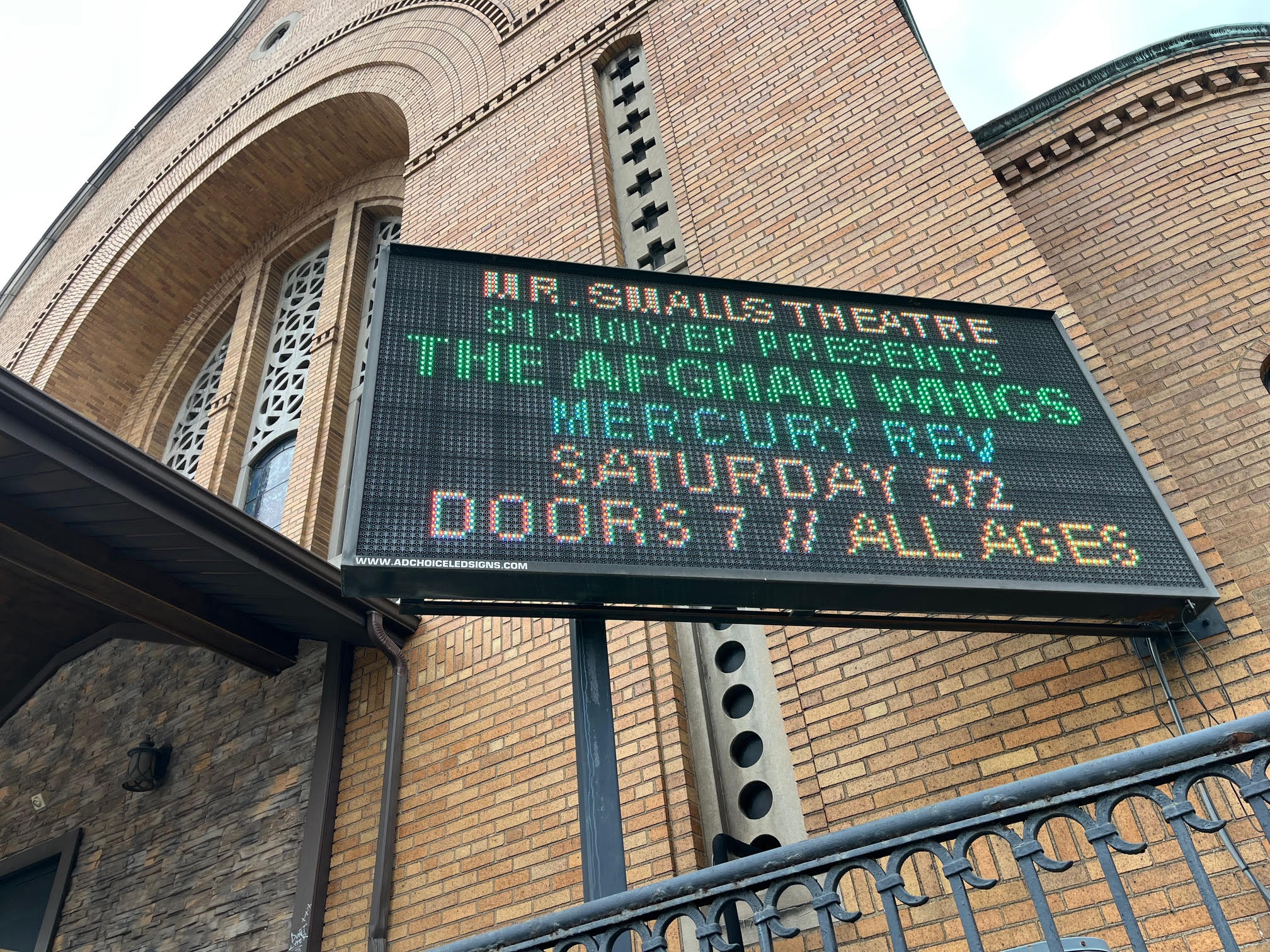
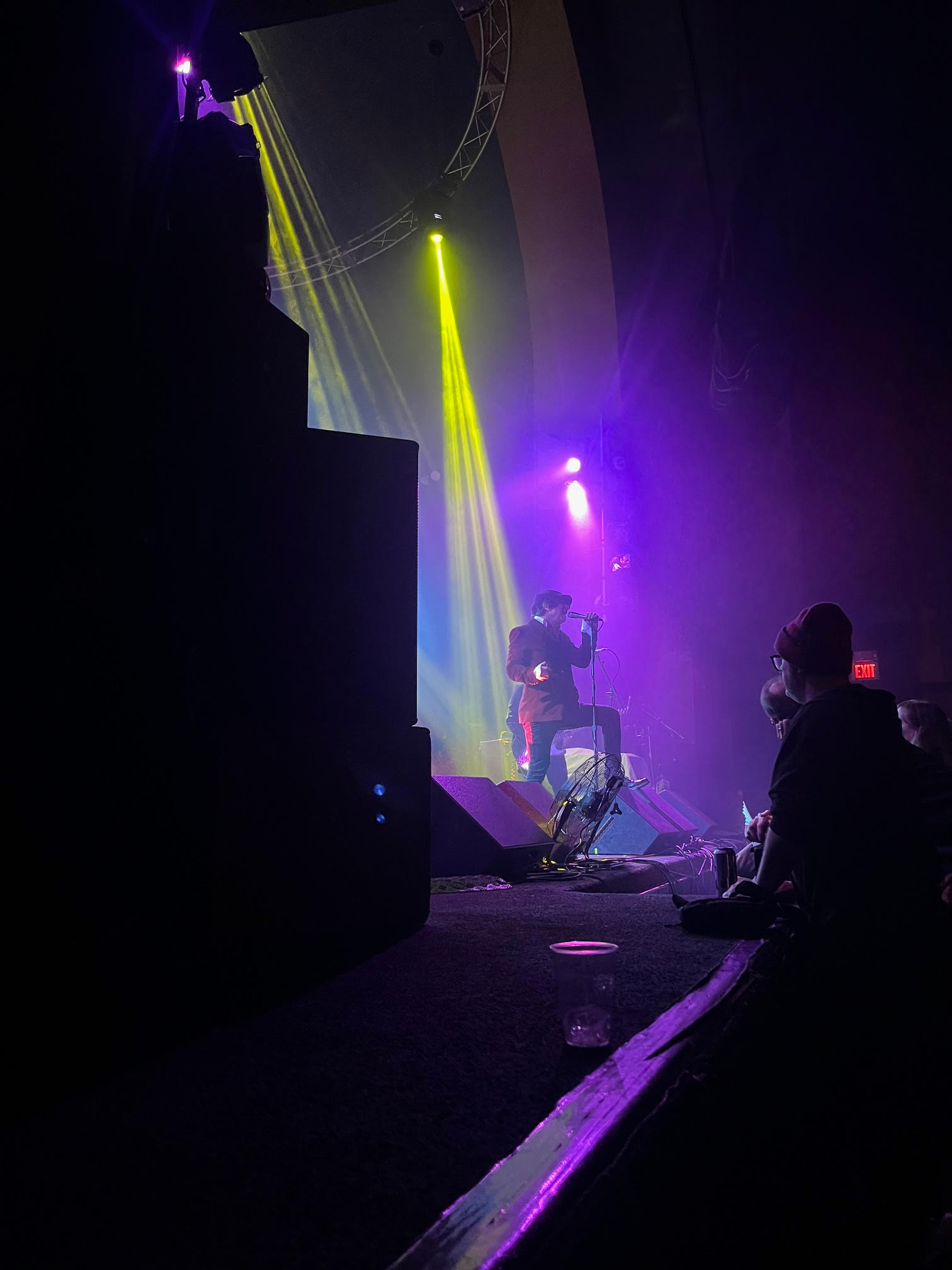
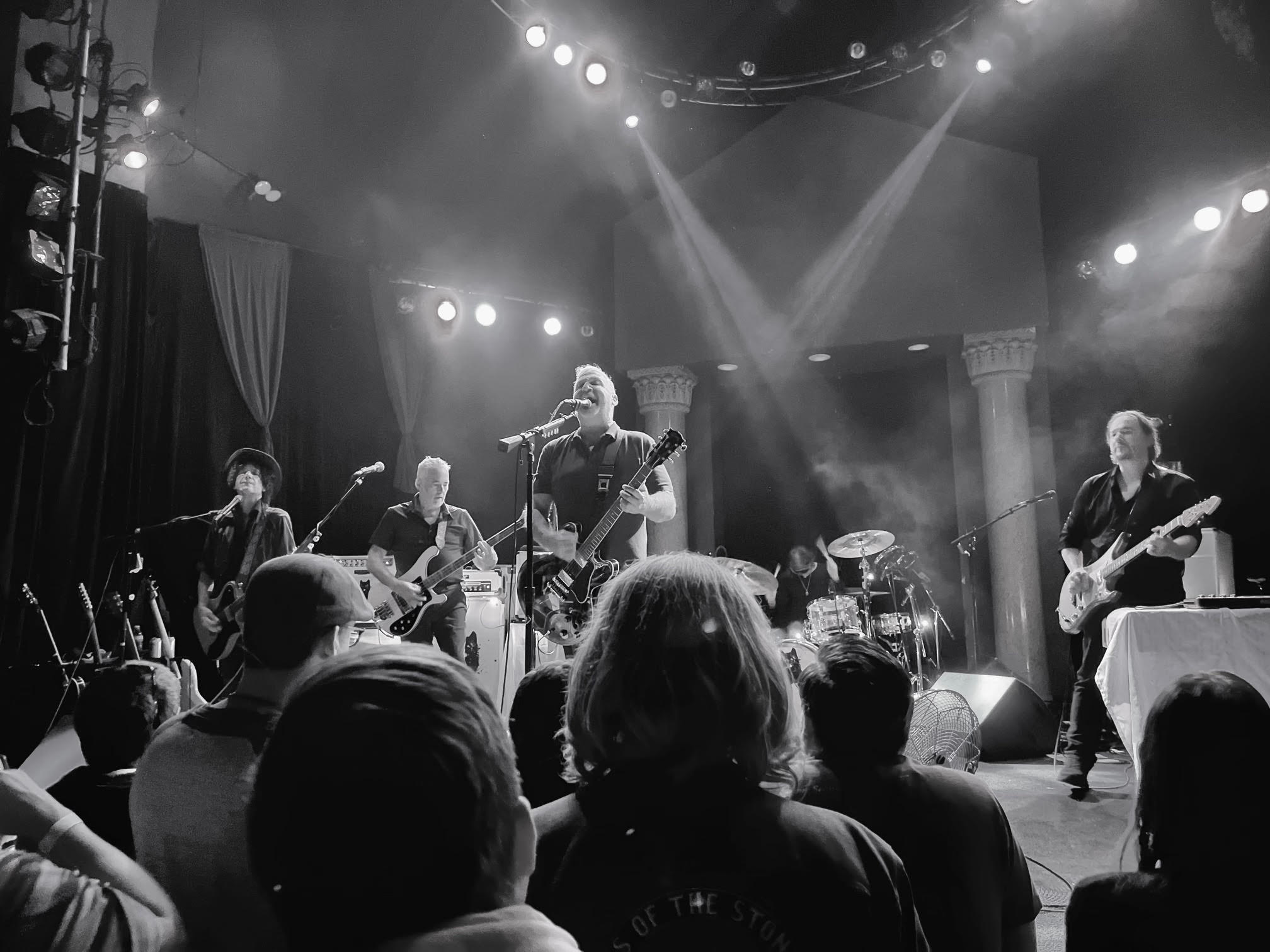

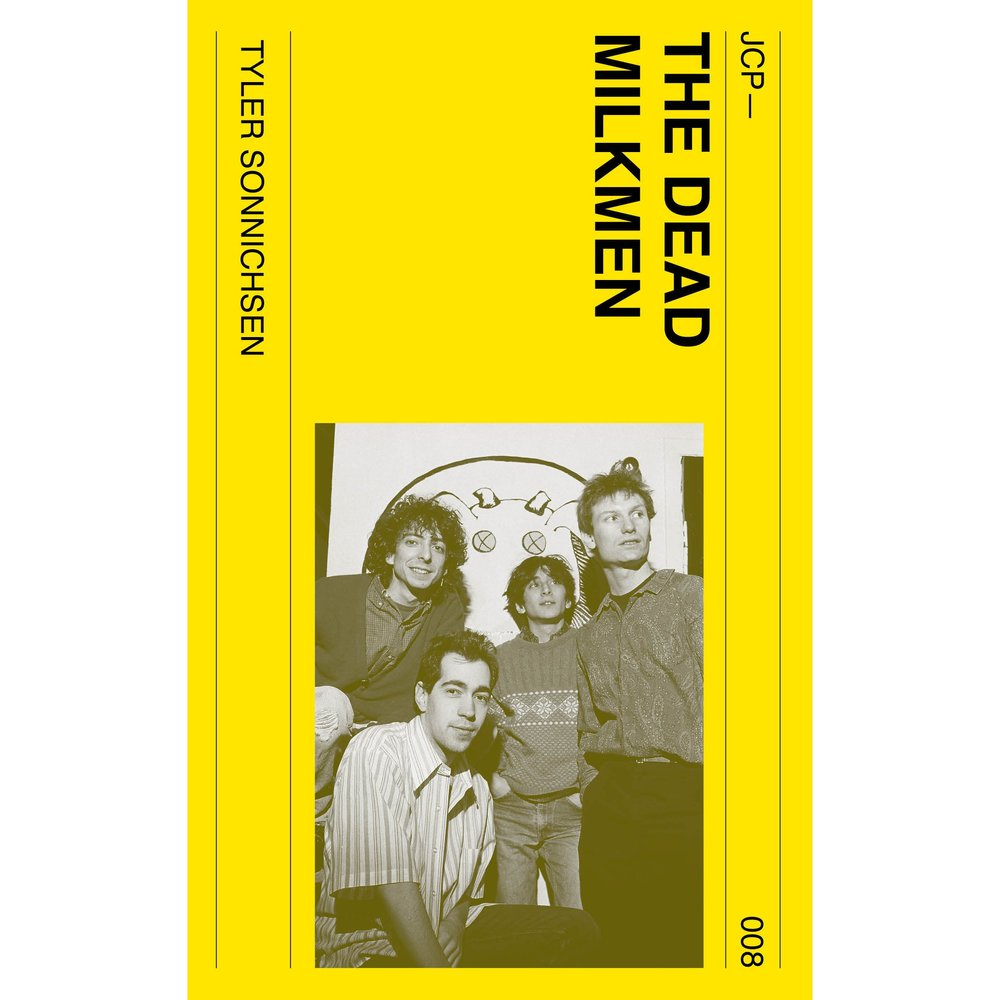
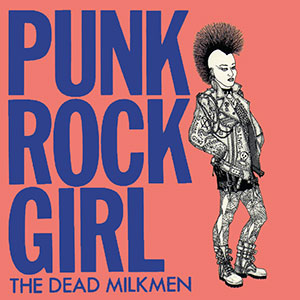



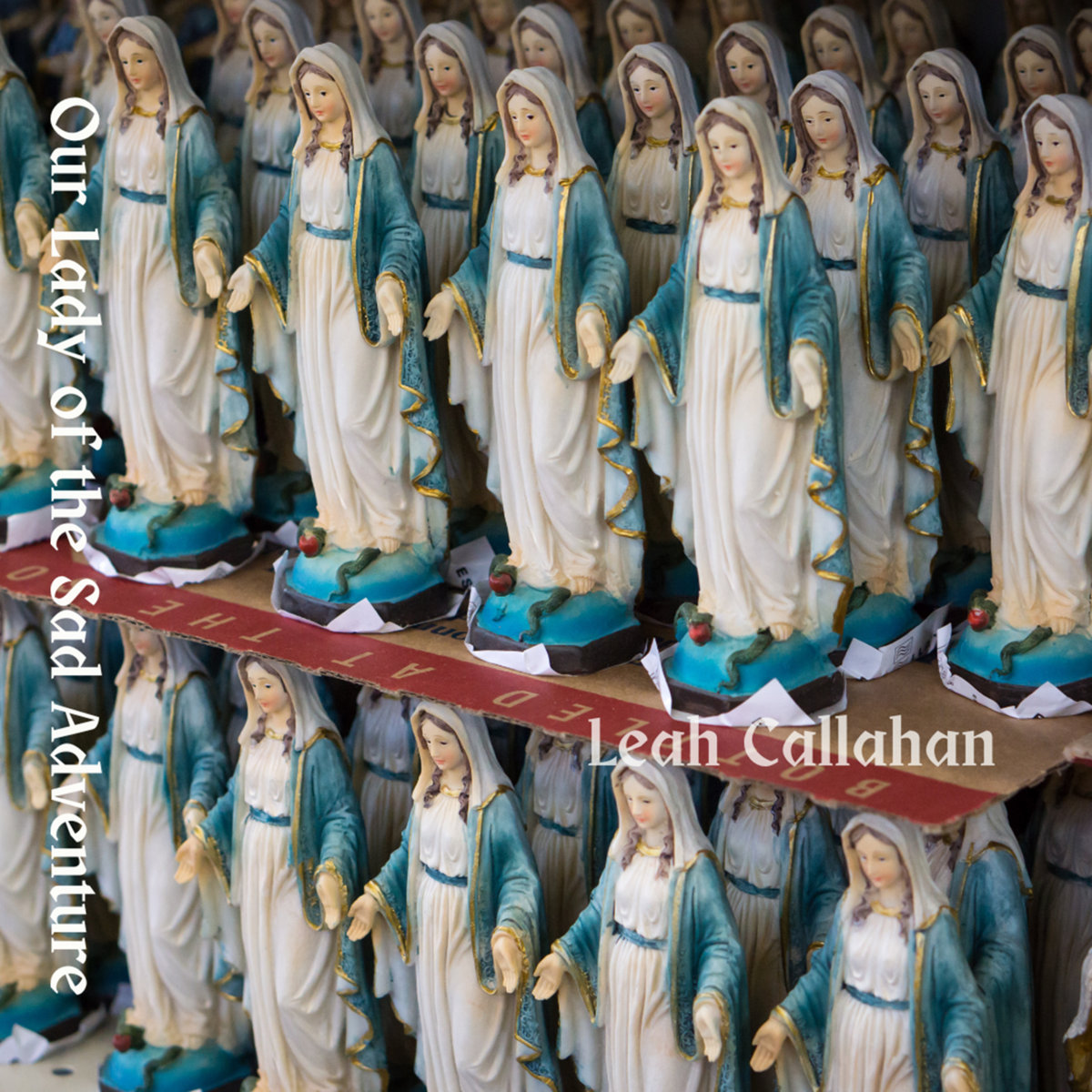

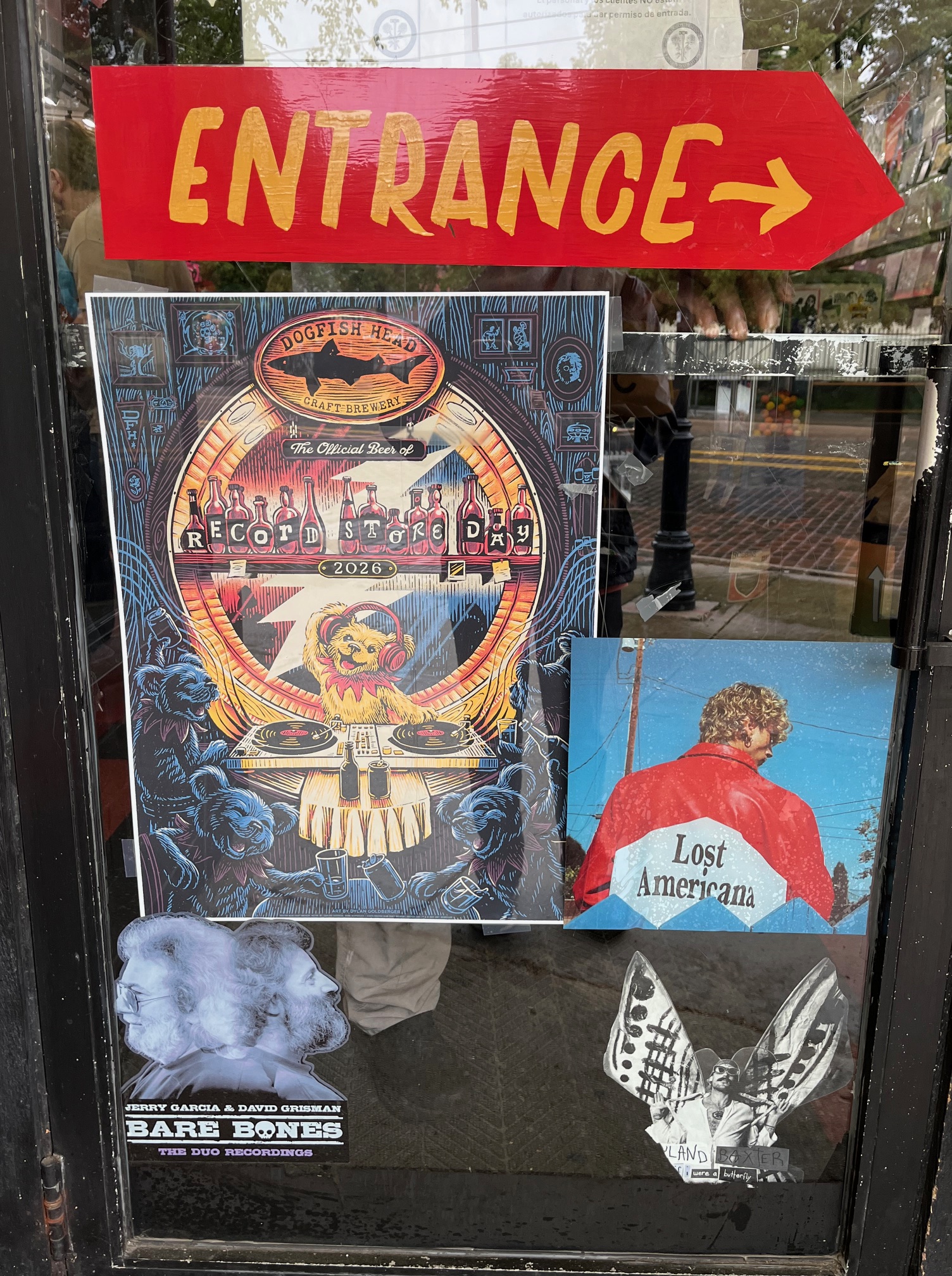
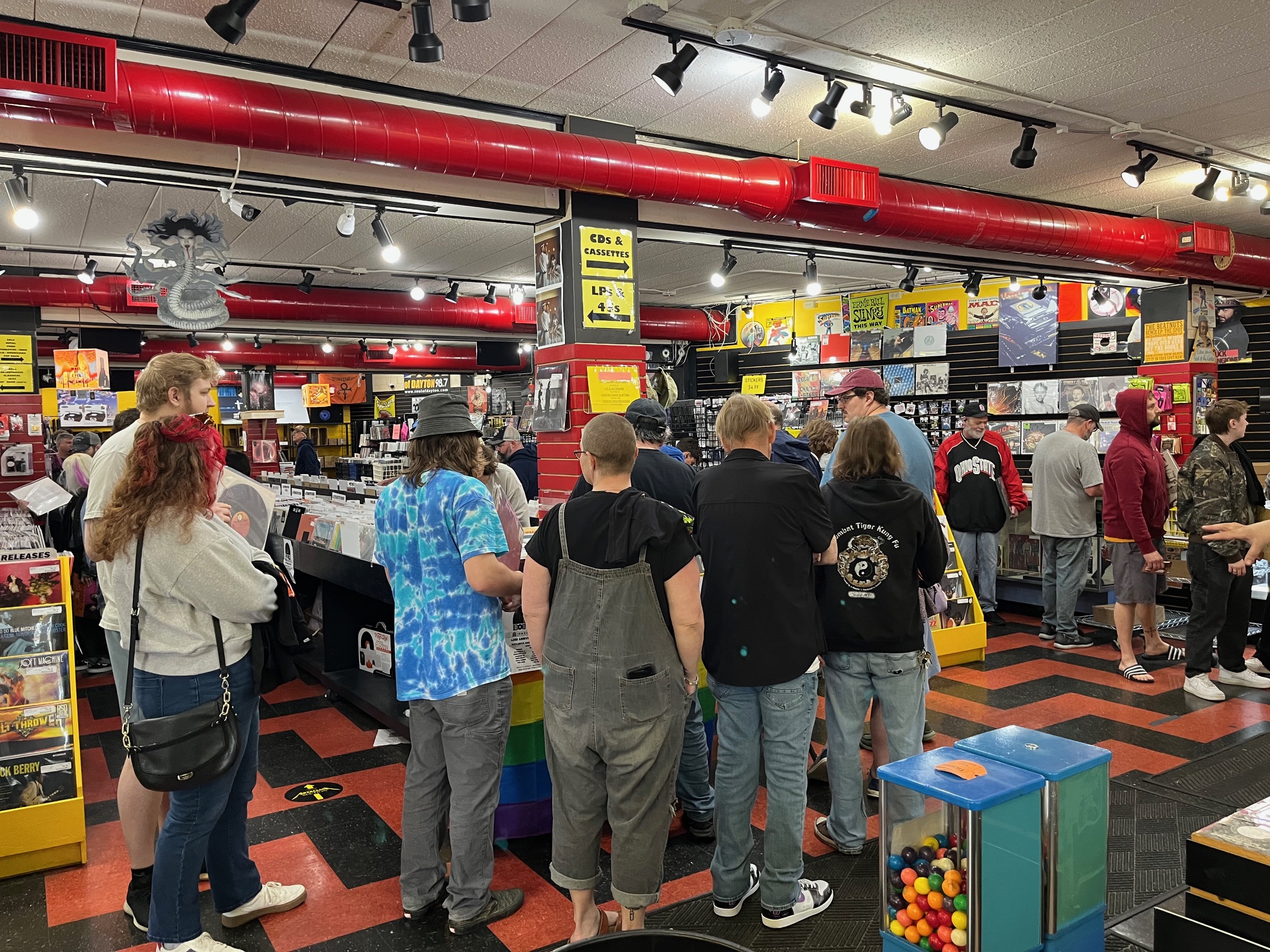
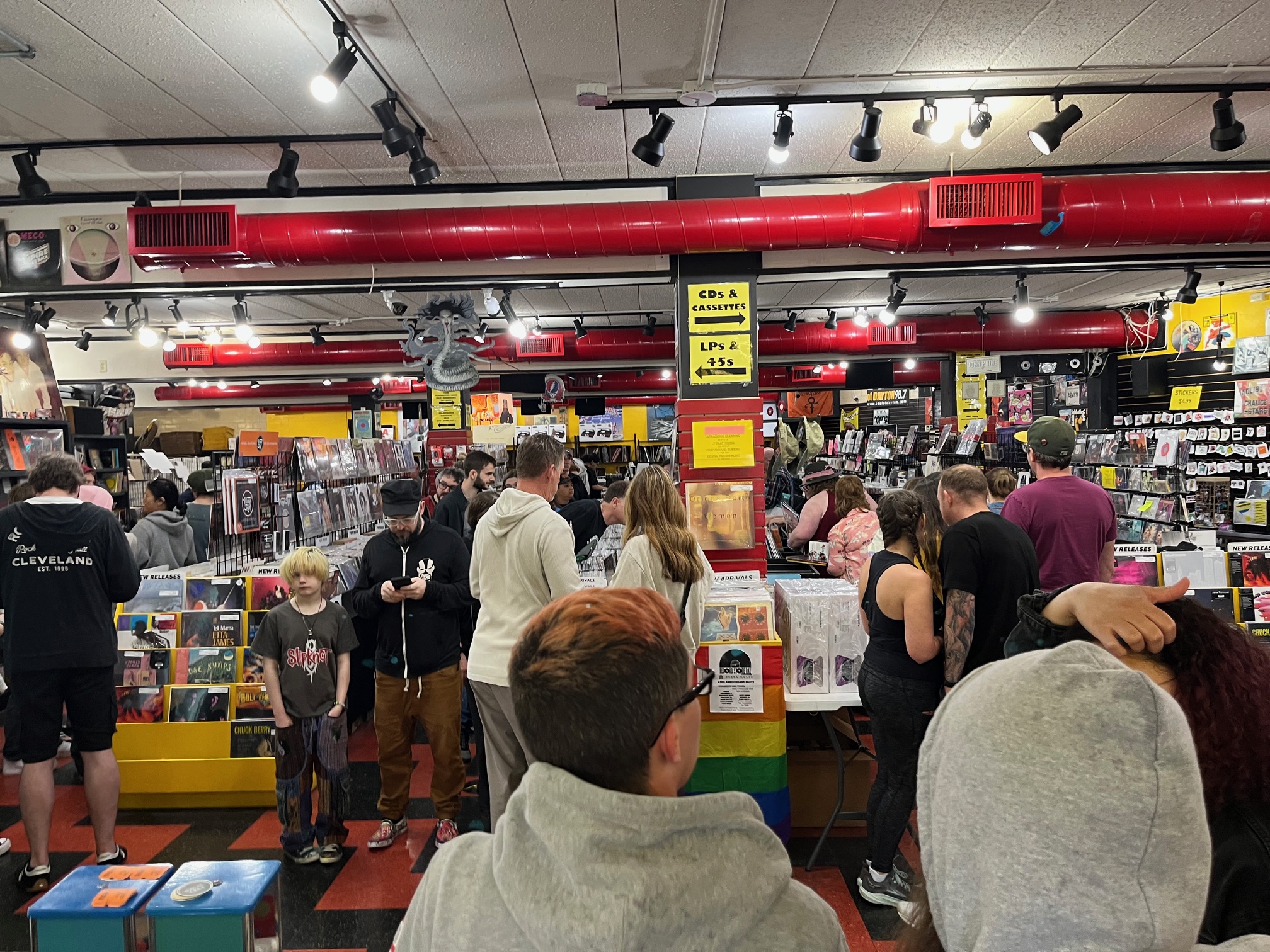
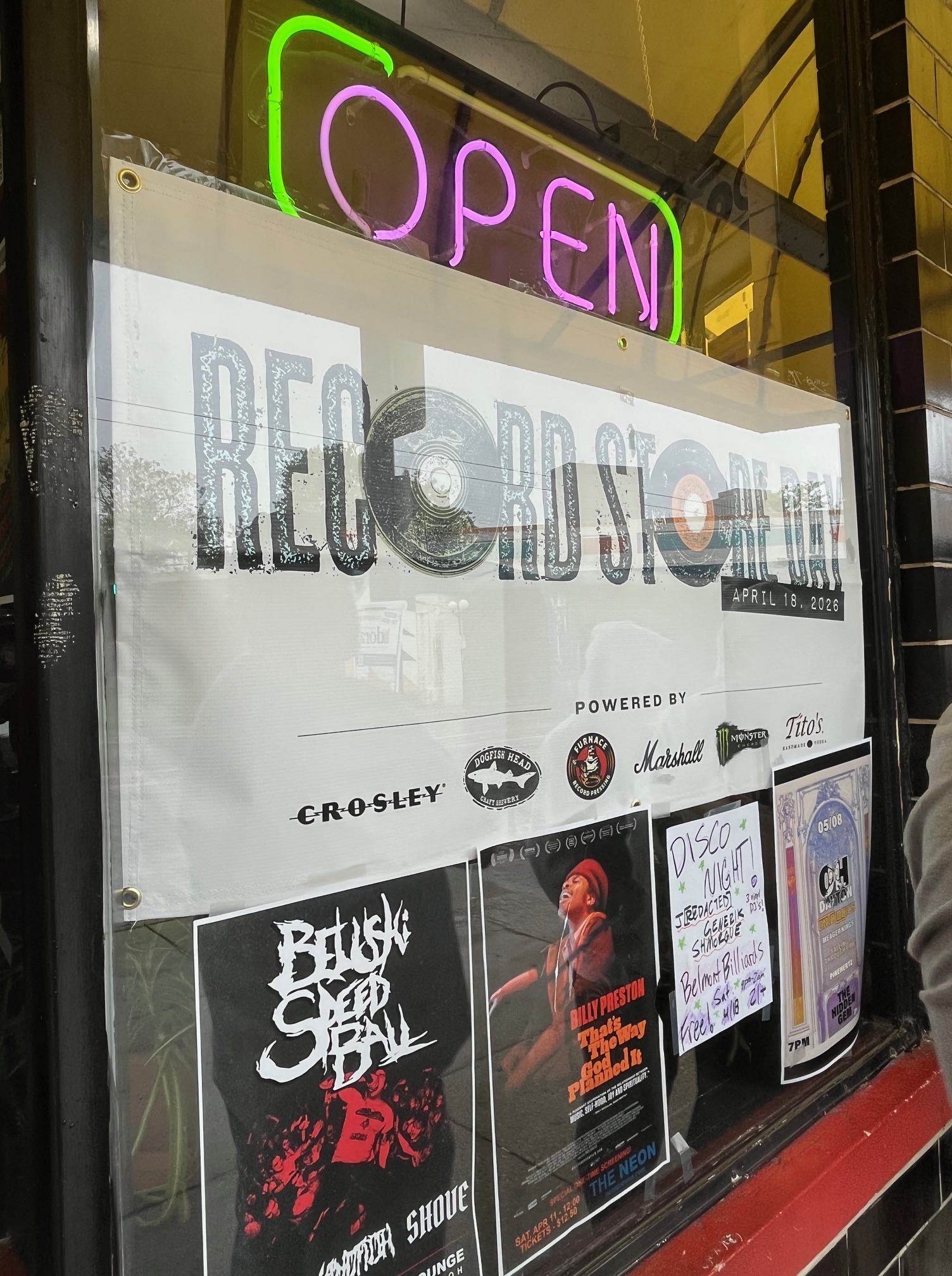
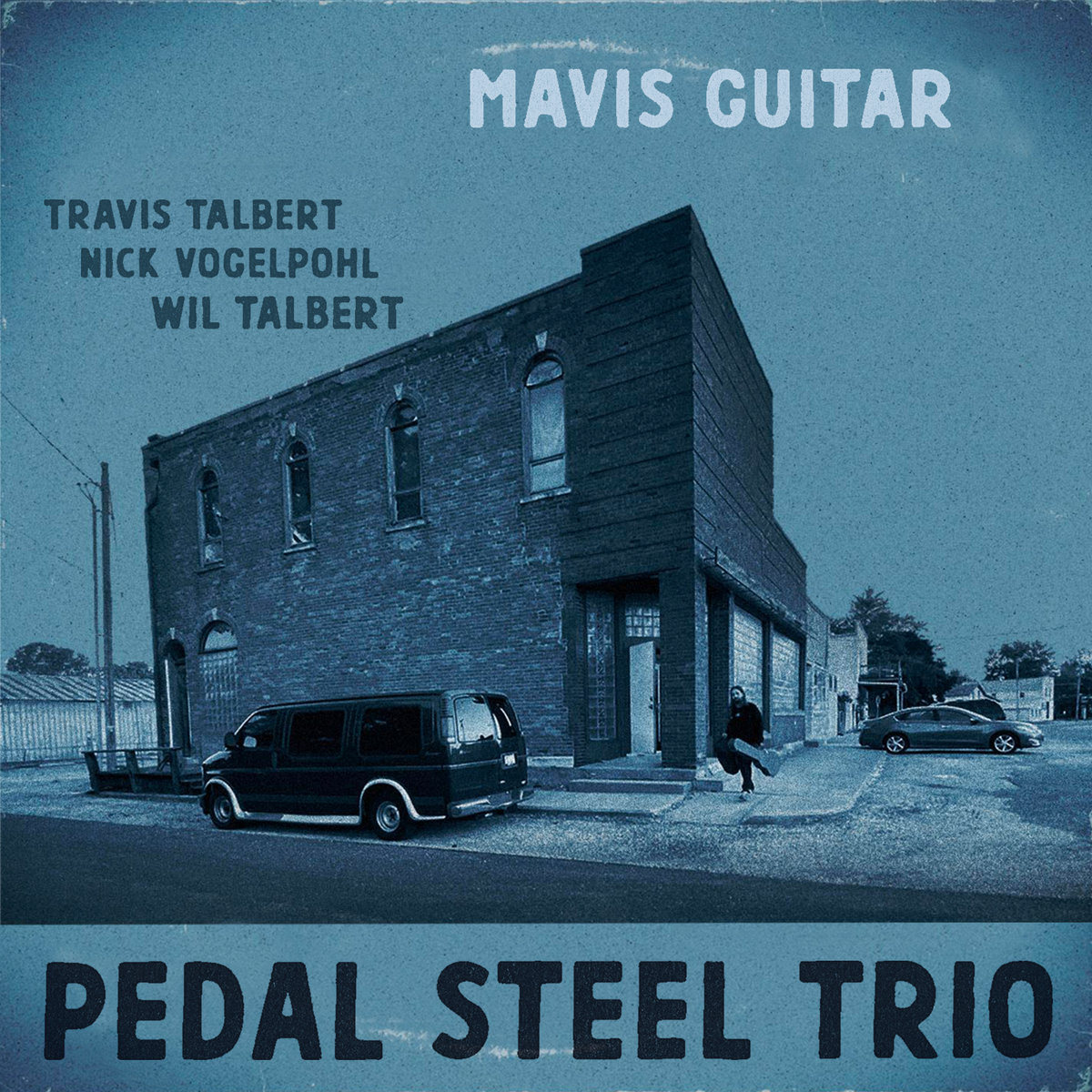
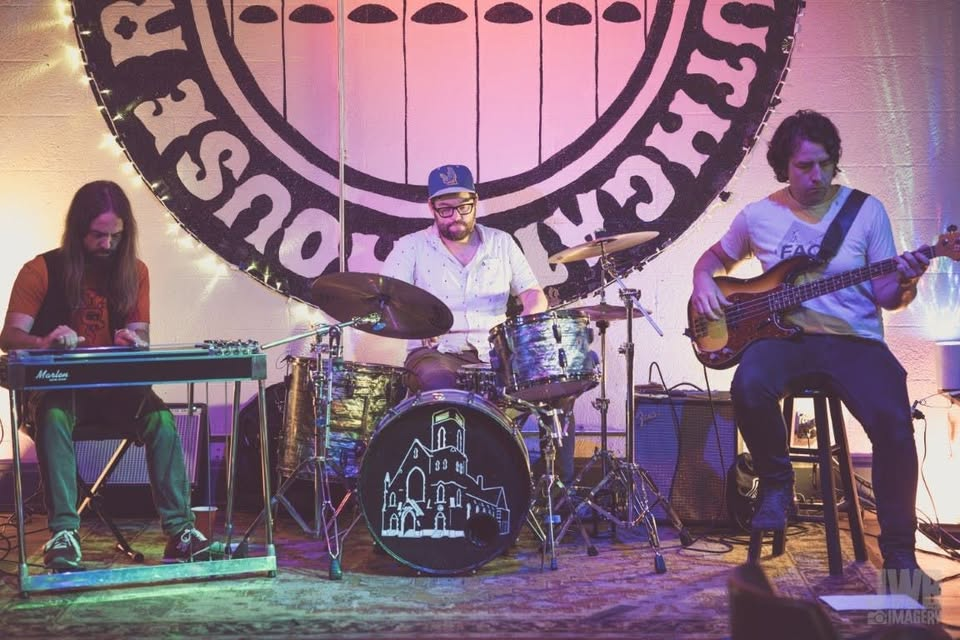
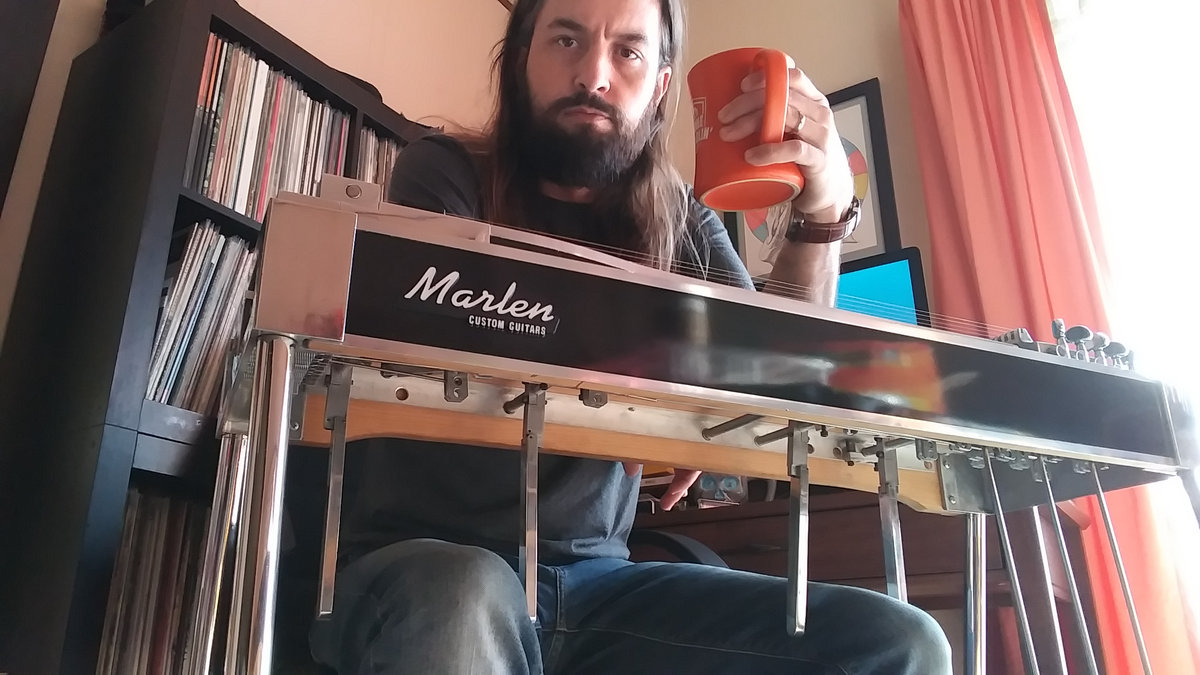
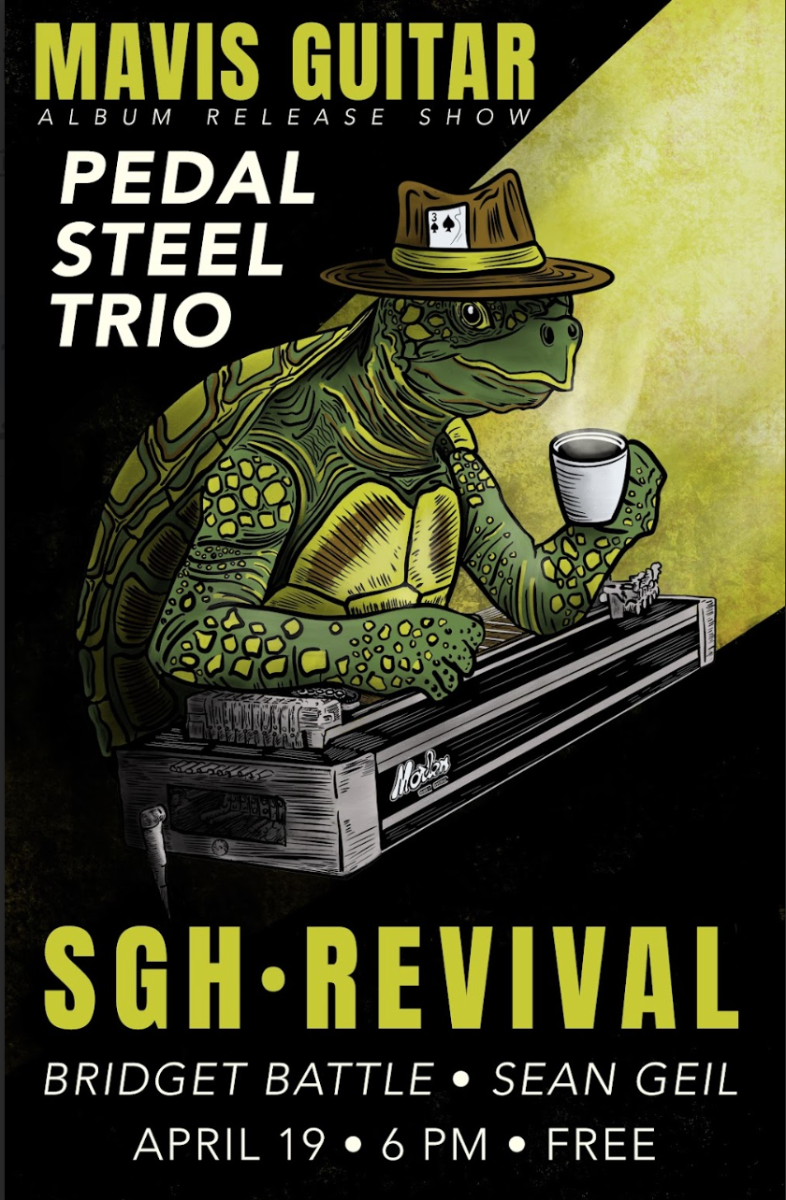
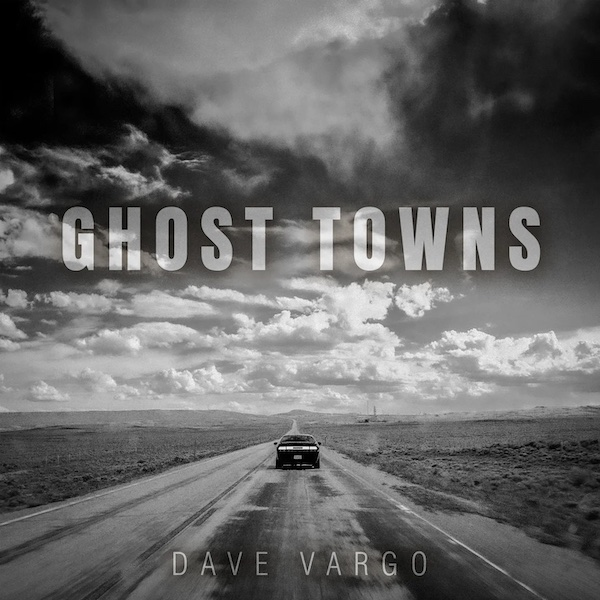
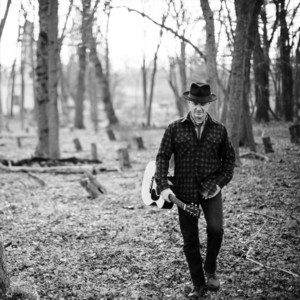

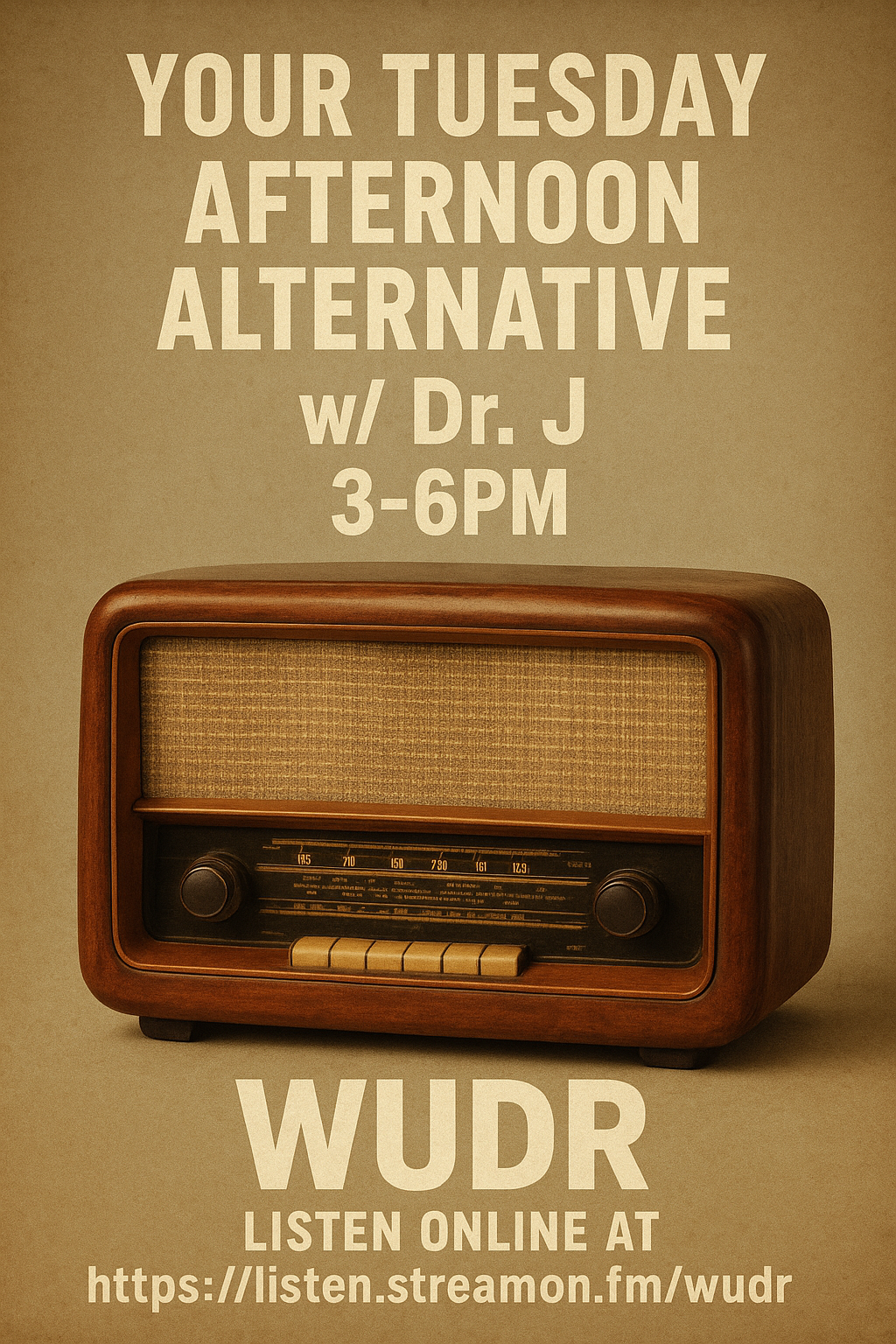


 your tuesday afternoon alternative