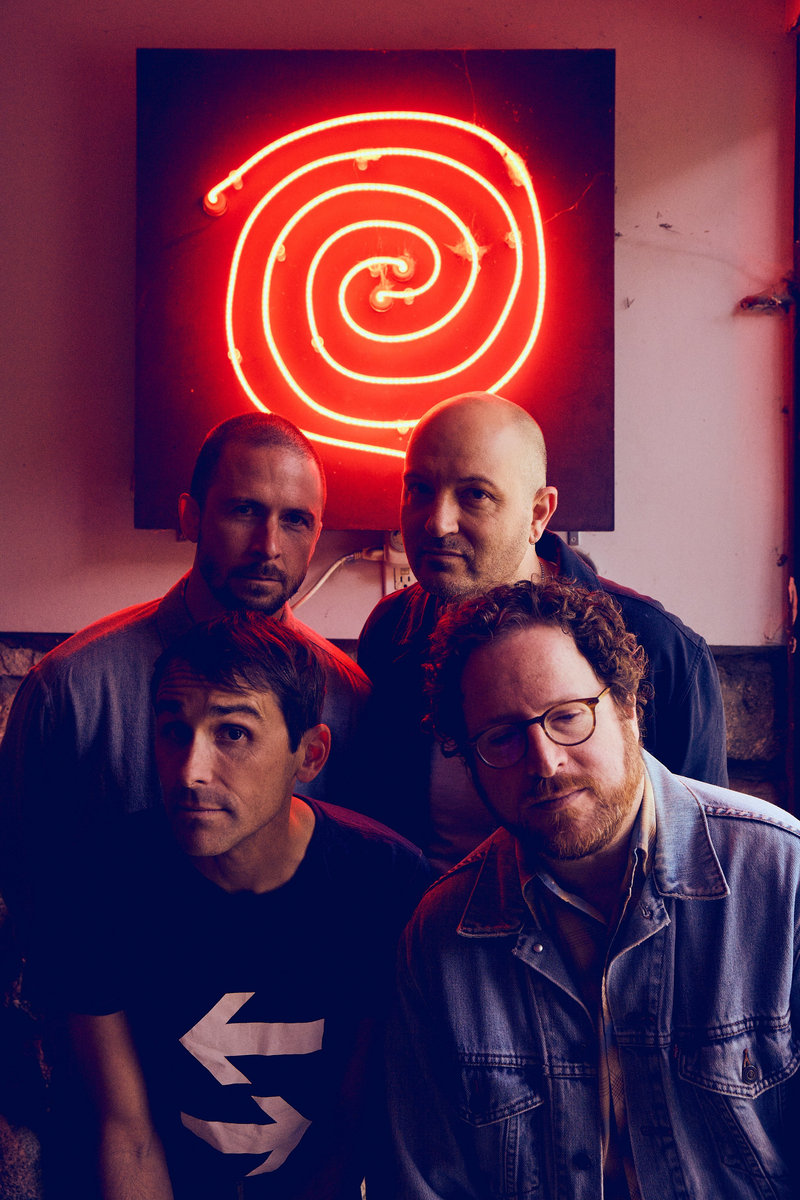
Still Here and Still Swinging: High on Stress Carry the Minneapolis Rock Tradition Forward

There are records that sound like they were made for streaming playlists, and there are records that sound like they were made because four guys still believe rock and roll is a sacred, sweaty, half-broken thing that can save your life for three and a half minutes at a time. Still Here by High on Stress belongs violently, gloriously to the second category.

This thing doesn’t stroll into the room. It kicks the jukebox until beer spills on the floor and somebody starts shouting along before they even know the words. It sounds like Minneapolis in winter — cracked lips, cigarette smoke curling outside the club at 1:45 a.m., somebody sleeping in a van behind First Avenue because gas money disappeared two towns ago. The ghosts of The Replacements are all over this record, not in the lazy tribute-band sense, but in the way these songs understand that melody only matters if there’s some damage underneath it. You can hear traces of Soul Asylum too — that desperate, bruised romanticism — and the working-class ache of The Gear Daddies humming beneath the amplifiers like an old furnace in a Midwestern basement.

“House of Cards” opens the album like somebody throwing open the door of a bar just before last call. Guitars slash across the room, Nick Leet sounding like he’s trying to outrun disappointment with pure momentum. It’s got that classic Twin Cities push-and-pull: huge hooks wrapped around the suspicion that everything might collapse tomorrow. Great rock songs don’t solve anything. They just make you want to survive long enough to hear the next chorus.

“Closer to the Truth” is pure heartland voltage. This thing could’ve fit on a lost Westerberg cassette between hangovers and revelations. The guitars don’t polish the pain — they grind it into something usable. There’s a ragged nobility here, the kind you only get from musicians who’ve actually lived inside these songs instead of assembling them from indie-rock instruction manuals.

“Over/Thru,” co-written with Kevin Salem, barrels forward with power-pop precision and bar-band recklessness colliding at full speed. It’s catchy in the way nicotine is addictive. Chad Wheeling’s guitar work throughout the album deserves its own shrine somewhere off Highway 61. These guitars don’t shimmer; they scrape paint off the walls.

Then comes “Uphill Climb,” which is exactly the kind of title Minneapolis rock bands have been earning honestly for forty years. No irony, no fashionable detachment, just exhausted perseverance transformed into a singalong. This is where High on Stress separate themselves from all the poseurs playing Americana dress-up. They understand that resilience is ugly sometimes. You drag it behind you. You don’t post inspirational quotes about it.

“Cliffhanger” barely pauses long enough to breathe before detonating into another tight, melodic punch to the ribs. There’s not an ounce of wasted motion anywhere on this record. Twelve songs, no self-indulgence, no bloated production tricks, just melodies delivered with the urgency of men who still think rock and roll matters because it does.

“Time Will Tell You” carries some of that old Soul Asylum melancholy — the feeling that wisdom arrives about thirty years too late to be useful. Mark Devaraj and Jim Soule lock into the kind of rhythm section groove that doesn’t call attention to itself because it’s too busy holding the whole damn enterprise together. The song rolls forward like an old car with a failing transmission that somehow keeps making it home.

“Can You Feel Me?” is two-and-a-half minutes of pure emotional combustion. No filler. No indulgence. Just direct transmission from nerve endings to amplifier tubes. Somewhere, the spirit of every lost Midwest dive bar is cheering. “Plans Have Plans” is the kind of title Lester Bangs himself would’ve appreciated because it sounds simultaneously profound and completely defeated. The song sways between fatalism and stubborn survival instinct, which is basically the entire emotional history of Minneapolis rock distilled into three minutes.

“Under the Table” brings a little extra grime into the mix, with Soule’s co-writing contribution adding a rougher edge. This is where the band’s love for the Del-Lords and old American garage rock really surfaces. It sounds lived-in. Beer-stained. Earned. “Ambassador” somehow manages to sound triumphant and world-weary at the same time, which is harder than most bands realize. High on Stress understand one of the central truths of rock and roll: the best anthems are usually about losing.

“Parachutes and Bandages” is one of the emotional high points of the whole record, all scar tissue and survival instinct wrapped in chiming guitars. You can practically hear the miles traveled in these songs. Not metaphorical miles. Actual miles. Snowstorms. Cheap motels. Bad coffee at gas stations somewhere outside Eau Claire.

And then the title track, “Still Here,” arrives like the mission statement for the entire album. Not triumphant. Not defeated. Just present. Alive. Scarred up but still standing in front of the amp while the speakers hum. That’s the whole philosophy of Midwestern rock and roll right there. The Replacements knew it. Soul Asylum knew it. The Gear Daddies knew it. And High on Stress know it too.

What makes Still Here hit so hard is the songwriting’s refusal to hide behind irony or studio gloss. High on Stress write songs the old-fashioned way: sharp hooks, emotional honesty, and enough grit in the machinery to make every chorus feel earned instead of manufactured. These songs are built from working-class frustration, late-night reflection, stubborn survival, and the kind of lived experience that can’t be faked. Nick Leet has a gift for writing lines that sound conversational until they suddenly land like revelations at 2 a.m. in a half-empty bar. There is heartbreak throughout the record, but it is never passive or self-pitying. Every song pushes forward with the determination of people who know life can knock you flat, but still insist on getting back up for one more round.

The record’s sound sits beautifully at the crossroads of power pop melody and ragged Midwestern rock and roll. You can hear echoes of many influences in the looseness and emotional urgency, while traces of the Minneapolis of the ’80s emerge in the album’s bruised sincerity and anthemic sweep. There is also that same blue-collar storytelling spirit that made so many indie bands so deeply enduring. But High on Stress never feels derivative. They take those influences and run them through their own sweat-soaked barroom filter until the result sounds completely alive and immediate.

The guitars are the engine that drives the entire album. Chad Wheeling layers ringing rhythm parts, rough-edged riffs, and sharp lead lines that never overpower the songs but constantly elevate them. Nothing here feels overproduced. The band wisely avoids sanding down the edges, allowing the album to breathe with the energy of a real rock band playing together in a room. Jim Soule’s bass lines give the songs warmth and movement, while Mark Devaraj’s drumming keeps everything charging forward with restless momentum. The production captures exactly what this kind of music needs: volume, tension, melody, and the feeling that things could come gloriously apart at any second.

Most importantly, Still Here understands something many modern rock records forget: great rock and roll should sound human. The imperfections matter. The strain in the vocals matters. The guitars buzzing just slightly against the red line matter. High on Stress makes music that feels worn-in rather than polished, and that humanity is exactly what gives the record its power. These songs do not chase trends or attempt reinvention. They simply trust the eternal force of loud guitars, unforgettable hooks, and emotional truth delivered without apology.

The miracle of is that it never sounds nostalgic even while carrying the DNA of every great Minneapolis bar band that ever staggered onto a stage with something to prove. This isn’t cosplay for aging punk survivors. This is a living, breathing rock and roll record made by musicians who still trust guitars, sweat, melody, and truth more than trends.

In an era where so much music feels algorithmically focus-grouped into emotional wallpaper, High on Stress have made an album that bleeds. And thank God for that.

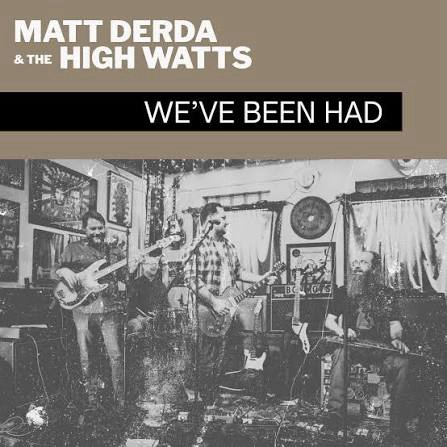
We’ve Been Had Again: Matt Derda and The High Watts Find the Beautiful Exhaustion Inside an Uncle Tupelo Classic

There are songs that do not age so much as they sink deeper into the American soil, collecting ash, heartbreak, rusted-out Buicks, and the smell of bars where the neon has been buzzing since the the 1970s. “We’ve Been Had,” by Uncle Tupelo from their last studio album, Anodyne, is one of those songs. It always sounded less like a performance than a high energy Jeff Tweedy penned confession sung into a kitchen table at 2 a.m., after the fight, after the layoffs, after the dream has already packed its bags and left town.

And now comes Matt Derda and The High Watts, stumbling gloriously into that sacred Midwestern wreckage with a cover that understands the central truth of the song: this is not music for winners. This is music for survivors.

A lot of bands cover Uncle Tupelo like they are handling a museum artifact. They treat the song with reverence, polish it up, preserve it in climate control. That is exactly the wrong instinct. Uncle Tupelo never sounded preserved. They sounded like they were coming apart at the seams in real time. The original version carried the exhausted genius of Jay Farrar and Jeff Tweedy trying to invent an entirely new American language out of punk rock, Woody Guthrie, and recession-era despair.

Matt Derda and The High Watts wisely avoid trying to “improve” any of that. Instead, they lean into the bruised humanity of the track. The guitars ring with the kind of weathered sincerity that modern Americana often tries to imitate but rarely earns. There is no pure algorithmic precision here, no sterile Nashville overproduction with twenty-seven tracks of digitally perfected authenticity. The song breathes. It sways slightly. It feels inhabited.

Most importantly, Derda sings like somebody who has actually lost things.

That matters.

Too much contemporary roots music is performed by people who seem like they discovered hardship through expensive vinyl reissues and prestige television dramas about coal miners. But this performance carries the emotional fatigue the song demands. His voice does not chase grandeur. It settles into resignation. And resignation, in a song like this, becomes its own strange kind of wisdom.

The beauty of “We’ve Been Had” has always been its refusal to explode. Lesser bands would turn this into an end of the show over-the-top cathartic anthem, all crashing drums and emotional release. Uncle Tupelo knew better. Real disappointment rarely arrives with fireworks. Usually it arrives quietly, in bills stacked on counters, relationships going cold, and the realization that adulthood is mostly a long negotiation with compromise.

This is not to say that the original does not rock and hit hard, it does. The song is not an anthem, it is a sonic recognition that you can feel the bad times and curse into the headwinds.

Matt Derda and The High Watts understand depth and restraint. Their version simmers rather than detonates. The arrangement leaves space for silence and ache. That takes confidence. In the streaming era, where every song is engineered to grab attention within eleven seconds before listeners drift away to TikTok videos of raccoons stealing donuts, restraint can feel almost radical.

And maybe that is why this cover works so well right now.

Because we are once again living in an America that feels profoundly exhausted. The economic anxieties, the cultural fragmentation, the sense that ordinary people are forever getting conned by institutions, corporations, politics, and sometimes by their own dreams — all of it hums beneath this song like electrical interference. “We’ve Been Had” remains painfully current because America remains painfully current.

That was always the secret engine beneath Anodyne. Released just before Uncle Tupelo imploded, the album sounded like a band realizing both the promise and failure of the American project simultaneously. Alt-country would later become a genre industry unto itself — beard oil, boutique guitars, curated authenticity for upscale audiences — but Uncle Tupelo came from somewhere real. Their music had dirt under its fingernails.

Matt Derda and The High Watts reconnect the song to that lineage. Their cover does not feel nostalgic. It feels lived in. There is an enormous difference.

And that may be the highest compliment possible for a song like this. Because “We’ve Been Had” was never supposed to make you feel good. It was supposed to make you feel less alone.

Midnight Sermons and Soul Fire: The Afghan Whigs Cast Their Spell in Pittsburgh

There are bands that play concerts, and then there are bands that stroll onto a stage, plug into some ancient, humming current of lust, regret, swagger, and soul, and remind you why rock and roll remains a religion worth occasionally backsliding for. Tonight in Pittsburgh, The Afghan Whigs did exactly that.

From the opening seconds, this was no ordinary trip through the catalog. Kicking things off with “Fountain and Fairfax” was a glorious curveball—a deep-cut invocation that landed like an electric shock. The crowd recognized immediately that this was going to be one of those nights, the kind where the setlist feels less like a checklist and more like a living, breathing argument for the band’s enduring greatness. And as the band celebrates 40 years, they have nothing to prove but played like they did. It was rousing, surprising, and just a little bit dangerous—exactly as it should be.

“I’m Her Slave” arrived like a sly, swaggering confession, all coiled tension and dark seduction. It carried that unmistakable Afghan Whigs signature—the ability to make emotional ruin sound irresistibly glamorous. There was a wink in its menace, a grin curled at the edge of its bite, that perfect balance of danger and delight the band has always wielded so well. Greg Dulli delivered it with the knowing charm of a man who understands that the line between devotion and destruction has always made for the best rock and roll. The song strutted rather than simply moved, reveling in its own delicious ambiguity, while the band locked into a groove that was equal parts menace, muscle, and mischief. It was classic Afghan Whigs: emotionally complicated, a little dangerous, and entirely irresistible.

And then there was “66.” Too often, bands race through beloved songs as if they’re late for a flight. And on several occasions ‘66’ becomes a casualty of reckless abandon for the Whigs, but not tonight. They let it breathe. They gave it room to strut, to ache, to simmer. Every note felt deliberate, luxuriant even, as if the song itself were stretching out across the room, basking in the affection of an audience that knew every turn.

The material from, one of my favorite records, In Spades was nothing short of revelatory, a reminder that The Afghan Whigs never lost their ability to conjure beauty from menace. “Light as a Feather,” “Oriole,” “Demon in Profile,” and “Into the Floor” unfolded like midnight sermons—lush, brooding, and steeped in an almost cinematic darkness. The arrangements seemed to hover and swirl, all shadow and shimmer, while Greg Dulli stalked through them with absolute command. And then there is that voice he possesses: still one of rock’s most singular instruments, capable of moving from a conspiratorial murmur to a full-throated, soul-rattling scream in an instant. Those eruptions weren’t merely displays of power; they were emotional detonations, raw and cathartic, cutting through the haze like lightning across a black summer sky. These songs didn’t just sound great—they sounded haunted, alive, and utterly mesmerizing.

The set moved effortlessly between eras, stitching together the bruised grandeur of classics like “Gentlemen” with newer material such as “Duveteen.” And that’s the real trick, isn’t it? Making songs separated by decades feel like they were all written in the same fevered week. Nothing felt nostalgic or obligatory. It all felt immediate.

At the center of it all was the chemistry between John Curley and Greg Dulli—that easy, telepathic rapport that only comes from 40 years of shared history, shared scars, and shared triumphs. They looked like they were having an absolute blast, grinning, trading riffs and glances, clearly reveling in the sheer joy of making this music together. There’s something deeply satisfying about seeing veterans not merely going through the motions, but still finding fresh pleasure in the noise they make.

“Something Hot” was exactly that—sultry, explosive, utterly commanding. And “Summer’s Kiss” was one of the night’s true high points, a perfect collision of yearning and release, with the crowd singing so loudly they nearly became a second lead vocalist. For a few glorious minutes, the line between performer and audience simply disappeared.

And then the finale: part of “Miles Iz Ded.” Closing with that immortal, ragged chorus was less an ending than a communal exorcism. The whole room seemed to levitate, voices raised in unison, celebrating not just a song but an entire body of work that has somehow only grown richer, stranger, and more vital with time.

The Afghan Whigs didn’t just play Pittsburgh tonight. They seduced it, shook it, and left it gloriously disheveled. Rock and roll, in the right hands, can still feel like a secret being whispered directly into your bloodstream. Tonight, it did.

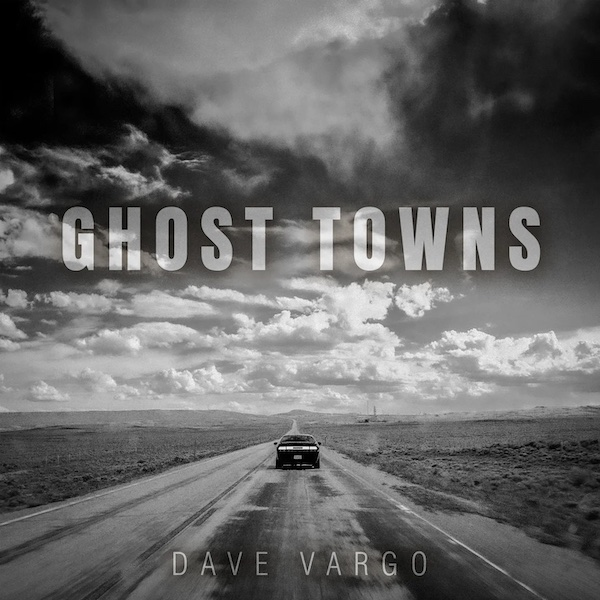
Ghosts, Guitars, and the Long Way Home: Why Dave Vargo’s Ghost Towns Feels Like a Career Record

There’s a certain kind of working musician who doesn’t burn out, flame out, or get swallowed whole by the industry’s revolving door, but keeps hammering away at the same stubborn block of American life until the splinters start to glow. The kind who logs miles in vans that smell like coffee and guitar strings, who writes songs not because the market demands them but because the stories won’t leave their brain. On Ghost Towns, Dave Vargo sounds like he’s reached that hard-earned moment when the dust finally clears, and the grain shows through—deep, weathered, and unmistakably his voice.

Four albums in, he plays like a man who has stopped worrying about proving himself and started focusing on telling the truth. The songs tighten. The voice evokes authority. The guitar lines stop preening and start testifying. You can hear the miles in the strings, the late nights in the phrasing, the slow accumulation of wisdom that only arrives after enough wrong turns you learn to make the right ones matter.

Call it heartland rock with a graduate degree in persistence. Which is interesting considering Vargo hails from New Jersey. But this music is not based on some mythic vision, not the arena-rock fantasy of endless youth, but the lived-in variety—the music of people who have mortgages, memories, and a few regrets they carry like folded letters in a jacket pocket. This is rock and roll that knows how time works. It doesn’t fight the clock; it learns to keep rhythm with it.

And what makes Ghost Towns hit hard for me isn’t some flashy stylistic pivot or sudden genre detour. It’s the gravity. The well-earned discipline. A sense that he’s locked onto the emotional frequency he’s been circling for years, on Ghost Towns, he has made a deeply rooted connection to the emotions of everyday life. Vargo has always written about ordinary people wrestling with change, regret, and resilience, but here those struggles feel more tangible and tied together, almost serialized, like chapters in a paperback novel you keep on the nightstand because you’re not done with the characters yet. Reading and rereading until they feel like members of your own family.

For me, each song picks up a thread left dangling by the last. You can feel a continuity—the sense of movement from departure to reckoning to something that looks suspiciously like acceptance. I’m not sure you can trust it, as the illusion of acceptance is still another mirage. It’s not a concept album in the grand, prog-rock sense; it’s something more subtle. A good record about staying the course when the road bends, when the map fades, when the horizon refuses to sit still—of how to feel when the path chosen does not bend to the will but instead shapes you.

Vargo still builds his songs from the raw material of everyday life—missed chances, stubborn hope, quiet acts of endurance—but this time they carry more weight. They feel seasoned. The emotional stakes are higher because the narrator knows what it costs to keep going. These aren’t youthful declarations; they’re adult reckonings, shaped by time and sharpened by experience.

And then there’s that voice.

Vargo sings like a guy who learned melody in a bar band and empathy in a waiting room. It’s textured—grainy without being ragged, forceful without being theatrical. There’s a warmth to it, a human steadiness that refuses melodrama. He doesn’t oversell the emotion; he lets it simmer, lets the listener lean in. The grit in his delivery feels earned, the way a well-worn leather jacket earns its creases.

His guitar playing mirrors that evolution. Earlier records showcased skill—plenty of nimble runs and tasteful flourishes—but Ghost Towns reveals restraint, and restraint is the secret handshake of maturity in rock music. The solos don’t announce themselves with unnecessary flash because the player craves attention. Instead, they arrive, do their job, and slip back into the song like a good line in a conversation. Every note sounds intentional. Every phrase feels necessary.

You hear it immediately in “Anything at All,” the opener, which rolls in like a late-night confession broadcast from the passenger seat of a car heading nowhere in particular. The rhythm moves with classic rock certainty—steady, unpretentious—but the emotional undercurrent is restless, searching. It’s a breakup song on paper, yet what it’s really asking is existential: Who are you when the story you told yourself stops making sense? Then comes “Ghost Town,” the title track, an arrangement with a strong stylistic stamp that makes it unmistakable, and suddenly the album’s central metaphor snaps into focus. The ghosts here aren’t spectral figures drifting through abandoned streets; they’re memories, old versions of yourself, the places you left behind and never fully escaped. The music pushes forward with determined momentum, refusing to wallow. It’s less about loss than about living with what remains.

“A New Life” arrives like sunrise after a storm—bright, melodic, and grounded in optimism that feels earned rather than naïve. The guitar riff lifts the song just enough to suggest possibility, while the lyrics acknowledge the hard truth that renewal doesn’t erase the past; it grows out of it. You can hear the relief in the chorus, the cautious hope of someone who has survived long enough to believe in second chances. The song moves with the easy, rolling momentum of a country rocker with the kind of groove that feels road-tested and radio-ready but still full of unique personality. Vargo keeps the engine revving without spinning his wheels; the energy stays focused, purposeful, and grounded. He swings hard and plays with definition, and everything—from the crisp guitar runs to the grain in his voice—carries an unmistakable signature. This is Jersey muscle and craftsmanship at work, and it shows.

On “No Second Guessing,” Vargo leans into camaraderie—the quiet strength of friendship, the reassurance that comes from knowing someone has your back. It’s a mid-tempo rocker built for shared moments: a barroom chorus, a dashboard singalong, a collective exhale. Nothing flashy, nothing forced. Just the sound of trust set to a steady beat.

“Let It Go” taps into the album’s recurring image of motion—highways stretching into the distance, rearview mirrors shrinking the past. A slow, smooth build that keeps the tension taut. Until the guitars loosen, the rhythm breathes, and the narrator begins to travel lighter in the last minute of the song, until it returns to the original pace. It’s road music for grown-ups, music that understands freedom always comes with a price tag.

“Tales to Tell” shifts the spotlight to storytelling itself—the way we shape memories into narratives so we can live with them. There’s a line about choosing a small town “where history stakes its claim” that lands like a thesis statement for the whole record. Nostalgia and defiance share the same melody. “Not So Young” rocks with a grin you can practically hear through the speakers. It’s playful without being juvenile, confident without pretending time hasn’t passed. The groove is tight, the guitar crisp, the message clear: aging doesn’t dull the rhythm; it deepens it.

Then comes “Hard,” the emotional center of gravity on the album. The song unfolds slowly, patiently, building tension until the guitars shimmer with restrained intensity. It’s about endurance—love that survives uncertainty, commitment that refuses to crack under pressure. No theatrics, no bombast. Just a steady pulse of feeling. “Those Little Things” might be the album’s heart. An upbeat rhythm carries a story about resilience and the stubborn grace of staying positive when life turns cruel. The contrast between sound and subject hits like a revelation. Joy and sorrow are dancing in the same room, neither canceling the other out.

“But I Do” follows with affirmation—a pledge of loyalty delivered without grand gestures. The arrangement moves from spare space—an intimate mood that gives way to a rocker. It feels like a promise whispered and then declared before returning to the steady grace of the start.

“Promises” kicks the tempo back up, riding a wave of rolling riffs and forward momentum. The lyrics wrestle with accountability—how broken commitments echo across years, how the past refuses to stay buried. The music soars while the words question, and that tension is pure rock and roll electricity. Finally, “Where It Started” closes the record with emotional release. There may be no dramatic resolution, no tidy bow. Just recognition—the understanding that returning home isn’t about geography but perspective. The chords linger, the percussion drives forward, the lyrics carry unresolved return back to where things started, like a conversation that doesn’t need a final word because that conclusion may be shadows again.

What Ghost Towns ultimately proves is that growth in rock music doesn’t always mean theatrical reinvention. Sometimes it means integration—taking everything you’ve learned, everything you’ve endured, and shaping it into something cohesive and meaningful. The music sounds tighter, the arrangements breathe more naturally, and the production captures an earthy clarity in the guitar, bass, drums, and voice that suits the songs’ lived-in philosophy.

Most importantly, Vargo’s guitar has matured into something conversational. He’s not delivering speeches; he’s telling stories. And that shift—from performance to communication—is what separates a good record from a lasting one. Ghost Towns doesn’t try to change the world with a slogan. It doesn’t chase trends or court spectacle. What it does instead is stand its ground—solid, steady, stubbornly human. In a streaming era obsessed with speed and novelty, that kind of patience feels almost rebellious.

This is a record about persistence. About memory. Above movement along the long road of life. About the long road back to yourself. And in 2026, that might be the most radical sound of all.

Jangling Toward the American Dream: Why State of Our Union by The Long Ryders Still Roars

There’s a particular kind of American music that feels like it was discovered rather than invented. It sounds dusty even when it’s new. It rattles like a truck driving too fast down a county road. And every so often a band comes along that grabs that tradition by the collar and reminds you that rock and roll didn’t begin in a boardroom or end in a streaming playlist.

That’s exactly what The Long Ryders did with State of Our Union, their 1985 album that still sounds like a transmission from the backroads of American rock. If you care about where country rock, punk energy, and jangling guitar pop collide, this record is one of the great unsung documents of the era.

The easiest way to understand the album is to remember what the mid-1980s looked like musically. MTV had turned pop into a fluorescent spectacle. Synthesizers were everywhere. Hair metal was rising like some chrome-plated monster out of Los Angeles clubs. Meanwhile, the American roots tradition—folk, country, and the raw rock that grew out of them—was often treated like a museum exhibit.

But beneath the gloss, something else was happening. A loose constellation of bands started digging into the country-rock sound that had once been pioneered by groups like the Byrds, the Flying Burrito Brothers, and Gram Parsons. Instead of simply copying the past, they plugged those sounds into the urgency and speed of punk.

The Long Ryders were one of the most electrifying results of that collision. Led by singer and songwriter Sid Griffin alongside guitarist Stephen McCarthy, the band had already shown promise on their earlier records. But State of Our Union is where everything clicked: the songwriting, the politics, the guitar sound, and the sense that American rock history was not a relic but a living, noisy thing you could still push forward.

The first thing that hits you when listening to the album is the guitars. They don’t shimmer politely. They jangle like someone shaking a tambourine in the middle of a thunderstorm. McCarthy and Griffin build a sound that clearly nods to the Byrds’ twelve-string brilliance, but they play it with the kind of punch that makes it feel less like nostalgia and more like a revival meeting.

This is roots music with adrenaline. Take the album’s opening stretch and you immediately hear a band that understands the power of momentum. The songs move quickly, guitars ringing and drums pushing forward like the band knows that hesitation is the enemy of rock and roll. There’s a sense of restless motion running through the record, as if the entire album is happening somewhere between towns on a highway.

That movement is part of the album’s emotional core. State of Our Union is obsessed with America—its promises, its myths, and its contradictions. The title alone suggests a national report card, and several songs lean directly into that idea. Griffin, in particular, writes lyrics that sound like dispatches from someone who loves the country but refuses to look away from its problems. This isn’t flag-waving patriotism. It’s closer to what you might call critical affection: the belief that a place matters enough to argue about.

One of the album’s most famous tracks, “Looking for Lewis and Clark,” captures this spirit perfectly. On the surface, it’s a rollicking road song, guitars chiming and the rhythm section pushing ahead like the band’s van has just crossed a state line. But beneath the surface is a sly question about exploration and identity. The historical reference becomes a metaphor for searching—searching for direction, for meaning, for some version of the American dream that hasn’t been completely worn out.

That balance between exuberance and reflection is what gives the album its staying power.

Musically, the record is incredibly tight without ever sounding stiff. The rhythm section of Greg Sowders on drums and Tom Stevens on bass provides a steady, muscular foundation that keeps the songs grounded even when the guitars soar. Their playing has that crucial rock and roll quality: it swings just enough to keep things human. You can feel the band breathing together.

And then there’s the production, which wisely avoids the glossy excess that swallowed so many records in the 1980s. Instead of burying everything under layers of studio polish, the album keeps the sound open and immediate. It feels like you’re hearing a band in a room rather than a computer simulation of one.

That decision turned out to be prophetic. Decades later, when the alternative country movement started gaining attention in the 1990s with bands like Uncle Tupelo and the broader Americana scene, the blueprint was already sitting there in records like State of Our Union. The Long Ryders had essentially mapped the territory years earlier: take the storytelling and instrumentation of country rock, add the urgency of punk, and let the songs speak honestly about American life.

In other words, they helped invent a language that other bands would later become famous for speaking. Yet the album has never quite received the mainstream recognition it deserves. Part of that might be timing. The Long Ryders were slightly ahead of the curve, arriving before the industry knew what to do with this kind of hybrid sound. They existed in that awkward space between genres—too country for some rock audiences, too loud for traditional country radio.

But sometimes the records that slip through the commercial cracks are the ones that age the best. Listening to State of Our Union today, what stands out is how alive it feels. The guitars still sparkle and crash with purpose. The lyrics still resonate in a country that continues to wrestle with its own identity. And the band plays with a kind of joyous determination that reminds you why rock music mattered in the first place.

Because at its best, rock and roll isn’t just entertainment. It’s a way of arguing with the world. The Long Ryders understood that. They built an album that celebrates the open road while questioning where it leads. They took the ghosts of American music—folk songs, country laments, Byrds-style jangle—and ran them through amplifiers until those ghosts started dancing again.

That’s the real miracle of State of Our Union. It doesn’t sound like a history lesson. It sounds like a band discovering that the past still has gasoline in the tank. And once that engine starts, the ride is impossible to resist.

The Pretty Flowers’ “To Be So Cool”: A Raucous Ode to the Outsider Life

If indie rock had a heartbeat, it would probably be pulsing somewhere in Los Angeles tonight, and The Pretty Flowers would be playing straight through it. Their new single, “To Be So Cool,” from the upcoming Never Felt Bitter, is not just a song—it’s a live wire of sound, a joyous, bruising blast of melodic indie rock that makes you want to stage dive into your own living room.

Formed in 2013 by songwriter Noah Green, The Pretty Flowers have spent the last decade refining their alchemy of pop hooks and raw, muscular rock energy. By 2018, the lineup that fans now know and adore—Green on vocals and guitar, Sam Tiger on bass, Jake Gideon on guitar, and Sean Christopher Johnson on drums—was solidified, and their debut, Why Trains Crash, made immediate waves. Now, with their third LP looming, the band feels like a veteran crew who’ve survived the dive bars, back alleys, and neon nights of Southern California, tempered by hundreds of shows and countless inside jokes, arguments, and eureka moments.

“To Be So Cool” is the perfect showcase of this hard-earned chemistry. At first listen, it’s pure adrenaline—a fuzzed-out riff hurtles forward, Green’s vocals cutting through with a sly, effortless charm. Yet beneath the rush of the music lies a subtler, almost literary quality. Green himself has admitted that the lyrics “just seemed to flow” during writing, unforced and unpolished, yet months later, the words struck him as resonating with the tragicomic dynamics of the cult film Withnail & I. One can imagine some ambitious community college English student someday writing an essay drawing parallels between the song’s perspective and the hapless Withnail—though with this band, the point is never to be pedantic; it’s to be alive in the moment.

That’s the essence of The Pretty Flowers. Their music is at once cerebral and physical, a tension between thinking and feeling that feels especially potent in their first two singles, “Came Back Kicking” and “To Be So Cool”. Johnson captures this sense perfectly: “There’s a sense of urgency, fear and confusion that comes across in these new songs,” he says, pointing to the backdrop of a city in constant upheaval—politics, fires, ICE raids. There’s a sense that the world might be slipping out from under them, and yet they continue to make music with ferocious joy, as if to assert that life, no matter how chaotic, deserves a soundtrack.

Musically, “To Be So Cool” nods to the giants without being beholden to them. There are echoes of The Replacements’ rollicking sincerity, Teenage Fanclub’s harmonic warmth, and Wilco’s quiet insistence on beauty in the everyday. But The Pretty Flowers aren’t in the business of nostalgia. Gideon puts it bluntly: “When your goals as a band do not include fame and fortune, it gives you a freedom to follow your instincts and focus on the real reasons you were compelled to make art in the first place.” This song proves that freedom isn’t just theoretical—it’s audible, in the way the guitars skate and clang, in the way Green’s voice can both flirt and roar, in the way Tiger and Johnson lock into rhythms that feel alive rather than calculated.

One of the things that makes The Pretty Flowers special is how human they feel. Tiger emphasizes that the album is “only the four of us together… a push and pull. Discussions, arguments, agreements and trust.” That sense of band-as-family resonates through “To Be So Cool.” You can almost hear the back-and-forth in the studio, the laughter and the minor frustrations that ultimately shape the music’s heartbeat. Listening to the song, you feel part of that camaraderie, like you’re sneaking into the room and catching something both intimate and electric.

Lyrically, the song hits a sweet spot between carefree swagger and thoughtful observation. Green’s lines, flowing as naturally as conversation, hint at a story larger than the song itself—of friendship, of watching someone navigate life’s absurdities, of trying and failing and laughing anyway. The connection to Withnail & I isn’t forced; it’s a reminder that art can be both specific and universal, anchored in a moment yet open to endless reinterpretation. In other words, it’s both a personal diary entry and a communal shout, a song that can live in the ether of music history wherever it wants.

“To Be So Cool” is also a reminder of what live music can do. Green calls it “a blast to play live,” and one listen confirms why. The song has the kinetic energy of a band that knows its instruments, its audience, and its own story. It’s the kind of track that can make a sweaty club feel like a sanctuary and a living room feel like a dive bar.

Ultimately, The Pretty Flowers are reminding us why we still need bands like this. In a world dominated by fleeting trends and algorithmic playlists, they make music that refuses to be disposable. Their songs are alive, urgent, messy, and perfect in their imperfection. “To Be So Cool” is a celebration of that vitality—a song that makes you feel the joy, the confusion, and the occasional despair of life, and somehow makes all of it feel beautiful. Lester Bangs once wrote that rock ‘n’ roll is the poetry of the real world, and on this single, The Pretty Flowers prove it once again. They’ve captured lightning in a bottle, and the spark is contagious.

Songs Against the Sirens

When the helicopters circle low over a neighborhood, they make a sound that feels older than electricity. It is the thrum of authority announcing itself. In Minneapolis last winter, that sound mixed with others: the clatter of hurried suitcases, the click of phones spreading warnings in Spanish, Somali, Hmong, and English, the uneasy quiet of schoolrooms where too many desks sat empty. Federal immigration enforcement swept through the Twin Cities with a force that startled even communities accustomed to living with uncertainty.

And, as has happened so many times before in American history, musicians began turning the noise into music.

Protest songs rarely arrive as tidy manifestos. They appear instead as fragments of feeling—ballads scribbled on tour buses, verses tested at benefit shows, choruses sung in church basements and union halls. Bruce Springsteen has spent half a century mastering this art: the ability to take a specific injustice and fold it into the larger story of who we are. His recent live sets have revived “The Ghost of Tom Joad” and “American Skin (41 Shots),” reframing them for a new era in which questions of policing, borders, and belonging are once again painfully urgent. When he introduces those songs now, he often speaks directly about families living in fear of raids, making the connection between past struggles and present ones impossible to miss.

Springsteen has also used newer material to gesture toward the same terrain. In “Rainmaker,” from 2020’s Letter to You, he warns of leaders who “steal your dreams and kill your prayers,” a lyric that fans have increasingly heard as an indictment of the politics that enable harsh immigration crackdowns. At concerts in the Midwest, he has dedicated “Long Walk Home” to immigrant communities, turning an older song about alienation into a present-day pledge of solidarity. The message is classic Springsteen: America belongs to those who build it, not merely to those who police it.

Bruce Springsteen’s “Streets of Minneapolis” stands as one of the most direct and urgent protest songs of his long career, written and released in January 2026 in response to violent federal immigration enforcement actions in Minneapolis. The song’s lyrics paint a stark picture of a city under duress—“a city aflame fought fire and ice ’neath an occupier’s boots”—and explicitly name the deaths of Alex Pretti and Renée Good at the hands of ICE agents as catalysts for the track’s creation. Springsteen recorded the song within days of the events and dedicated it to “the people of Minneapolis, our innocent immigrant neighbors,” underscoring its solidarity with those resisting what he called “state terror.” Musically, it begins with a spare acoustic arrangement before building into a fuller folk-rock chorus that includes a chant of “ICE out of Minneapolis,” transforming the narrative from lament to communal call to action. By invoking local streets and specific victims, Springsteen shifts from abstract critique to vivid storytelling, grounding national debates over immigration enforcement in the lived experiences of a particular place and its people.

Across the Atlantic, Billy Bragg has been sharpening his own brand of melodic concern. Bragg’s music has always insisted that politics is not an abstract debate but a lived experience. In recent years, he has circulated new compositions such as “The Sleep of Reason” and “King Tide and the Sunny Day Flood,” songs that connect nationalism, xenophobia, and state power in plainspoken language.

Billy Bragg’s recent song “City of Heroes” exemplifies how veteran protest singers are responding in real time to state violence and grassroots resistance. Written, recorded, and released in less than 24 hours in late January 2026, the track was inspired by the killing of Alex Pretti and the earlier death of Renée Good—both widely reported incidents involving U.S. Immigration and Customs Enforcement agents in Minneapolis, Minnesota. Bragg frames the song around a powerful invocation of Martin Niemöller’s famous warning about silence in the face of oppression, repurposing its structure to insist that individuals must stand up when “they came for the immigrants… refugees… five-year-olds… to my neighborhood.”

Rather than dwelling solely on the perpetrators of violence, the song centers the courage of ordinary Minneapolis residents who “will protect our home” despite tear gas, pepper spray, and intimidation, making the city itself a locus of collective heroism and moral witness. Through its stark lyrics and urgent folk-punk delivery, “City of Heroes” both honors local resistance and challenges listeners everywhere to confront injustice rather than look away.

What is different now is how quickly these songs travel and how intimately they are connected to specific communities. In Minnesota, local artists have woven themselves into the fabric of resistance. Somali American rapper Dua Saleh’s “body cast,” though not written solely about immigration, captures the claustrophobia of living under constant surveillance. Minneapolis songwriter Chastity Brown released “Back Seat” after volunteering with local advocacy groups; the song tells of a mother trying to explain to her son why “men in badges came before the sun.” Musicians have often turned their songs into anthems at rallies.

Nationally, a wave of artists has confronted immigration enforcement head-on. The Drive-By Truckers’ blistering “Babies in Cages” remains one of the clearest condemnations of family separation ever recorded, and the band has revived it repeatedly as raids intensify. Margo Price has performed the song at fundraisers, adding her own spoken-word verses about rural Midwestern towns emptied by deportations. Latin pop star Residente’s “This Is Not America” links border policy to a longer history of hemispheric violence, while Mexican-American band Las Cafeteras’ recent single “If I Was President” imagines a world where “no kid sleeps in a holding cell.”

Music becomes a form of accompaniment. It says to frightened families: you are not alone in this story.

Music critic Ann Powers has often observed that songs do not replace policy. They cannot halt a raid or change a law. But they shape the emotional climate in which those laws are debated. They help define what cruelty feels like and what compassion sounds like. In moments of crisis, they keep the human stakes visible. The current wave of immigration enforcement has produced images that feel almost medieval: agents in tactical gear arriving at dawn, children escorted past news cameras, workplaces emptied in minutes. Musicians respond by insisting on the modernity—and the intimacy—of these events.

These acts may seem small, but protest music has always worked through accumulation. One song becomes a hundred, then a thousand. The civil-rights anthems of the 1960s did not end segregation on their own, yet they provided the soundtrack that made the movement recognizable to itself. Today’s musicians are doing similar cultural labor, stitching together a sense of shared purpose across neighborhoods and genres. There is also a new bluntness in the language. Where earlier generations sometimes relied on metaphor, many contemporary artists name ICE directly. Punk bands from Duluth to Des Moines sell T-shirts that list hotline numbers on the back. Choirs gather outside detention centers to sing lullabies in many languages, turning public space into an improvised concert hall of solidarity.

Still, the best songs resist becoming mere slogans. Springsteen’s gift has always been his ability to locate the political inside the personal: the worker who just wants to get home, the teenager who dreams of a wider world, the immigrant who believes the promises printed on postcards. Bragg, too, mixes anger with tenderness, pairing sharp choruses with melodies that invite sing-alongs. Protest music must be welcoming as well as confrontational; it has to create a community big enough to hold grief and hope at the same time.

In Minneapolis and beyond, that community is gathering wherever music is made. At a recent benefit concert on the West Bank, performers from Somali jazz groups, Hmong folk ensembles, and indie-rock bands passed a guitar from hand to hand while families shared homemade food. Between songs, organizers explained how to donate to emergency housing funds and accompany neighbors to court hearings. The event felt less like a show than a temporary village, built out of rhythm and resolve.

This is how culture pushes back against fear. Not with grand gestures, but with steady, persistent acts of care. A chorus sung together. A lyric that tells the truth. A melody that refuses to look away.

The helicopters will eventually move on. Policies will change, as they always do. What remains are the stories people tell about how they treated one another when the pressure was on. Musicians like Springsteen and Bragg—and the countless local artists standing beside them—understand that their job is to help write those stories in sound: to give courage a tune that can be carried home and passed along.

Somewhere tonight in Minnesota, a teenager is learning three guitar chords and trying to fit the chaos around them into a song. That, too, is part of the resistance. In the long American argument over who belongs, music keeps insisting on an answer both simple and radical: everyone who can sing along.

Finding Warmth in the Static: The Lo-Fi World of Dayton’s Luke Hummel

If you spend enough time digging through Bandcamp tags at 2 a.m., you start to recognize the difference between lo-fi as an aesthetic and lo-fi as a way of seeing the world. The first is easy: tape hiss, gently warped guitars, a drum machine that sounds like it was rescued from a yard sale. The second is rarer and more interesting. It’s less about production tricks and more about a temperament—a willingness to let imperfection feel honest.

Dayton musician Luke Hummel, who will be appearing this week on Your Tuesday Afternoon Alternative with Dr. J from 4–5 p.m., belongs firmly in that second category.

Hummel has been drifting around the edges of Ohio’s DIY scene, releasing home-recorded EPs and singles that feel less like products than postcards. His songs arrive quietly, usually with little fanfare, and they tend to stick around longer than you expect. Listening to his catalog is a bit like thumbing through a box of Polaroids from someone else’s life: small moments, slightly faded, unexpectedly moving.

I’m supposed to have a vocabulary ready for this sort of thing. Words like “intimate,” “bedroom pop,” “hazy,” and “nostalgic.” All of them apply, and none of them quite capture what makes Hummel’s music worth paying attention to. The charm isn’t simply that it sounds homemade. It sounds lived in.

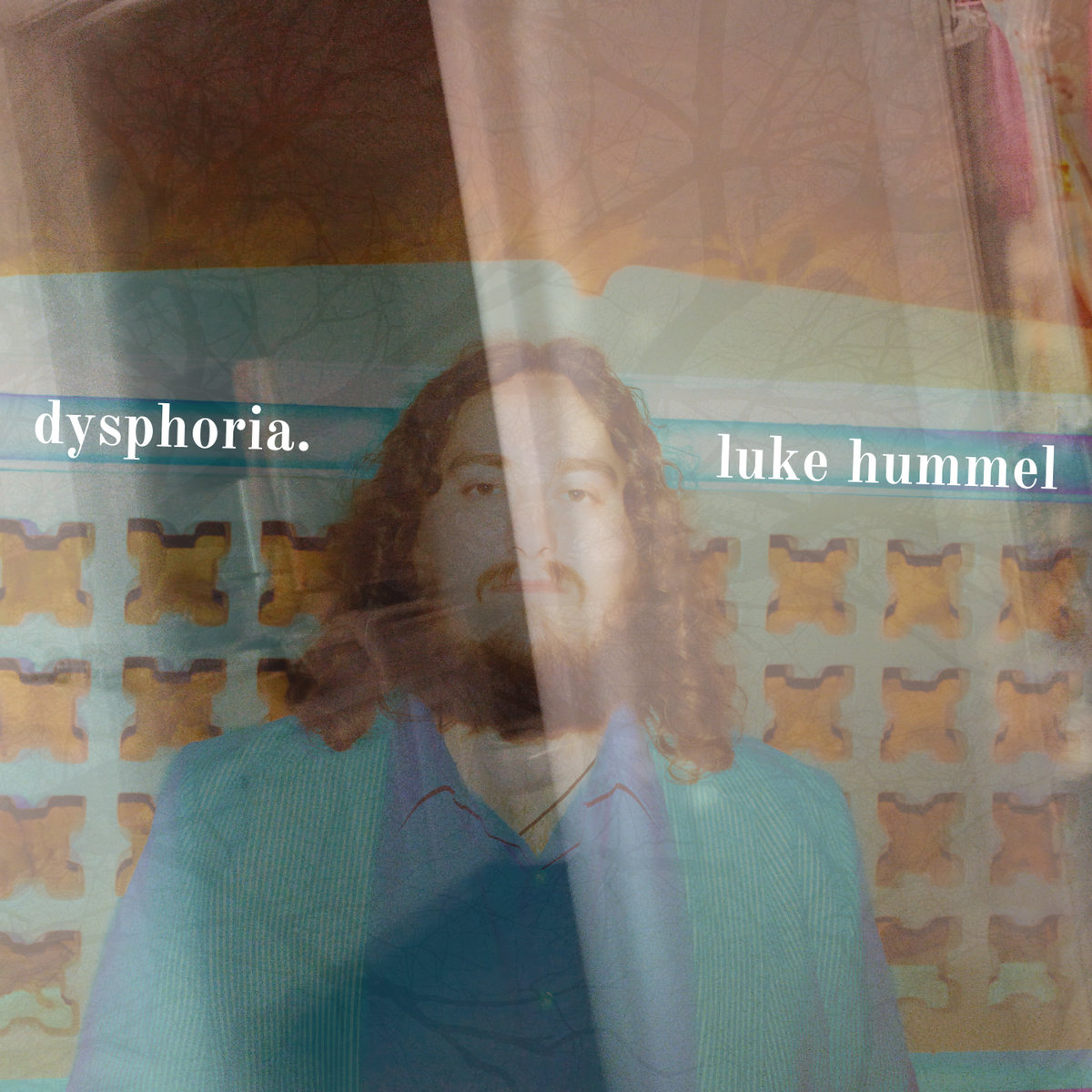
Take ‘woman,’ one of the standout tracks from his most recent release, dysphoria. The song barely rises above a murmur: a finger-picked guitar line, a barely-there beat, Hummel’s soft, conversational voice. On paper, it’s almost nothing. In practice, it’s the musical equivalent of a long exhale. You can hear the room around the song—the faint buzz of an amp, the subtle inconsistencies in the performance—and instead of feeling sloppy, those details make the track feel human.

That humanity is the through line of Hummel’s work. He writes about ordinary things: late shifts, half-remembered conversations, drives down Wilmington Pike after dark. But he treats those ordinary things with an uncommon tenderness. In an era when so much indie music strains for irony or grand statements, his songs feel refreshingly modest. They don’t demand your attention; they invite it.

Dayton, of course, has a long and strange musical history. This is the city that gave the world The Ohio Players, Guided by Voices, Brainiac, the Breeders, Hawthorne Heights, The New Old Fashioned, Oh Condor, The Creepy Crawlers—a place where scrappy experimentation has always thrived. Hummel fits comfortably into that lineage, even if his music is quieter than most of his hometown predecessors. Where Dayton rock once announced itself with blown-out guitars and basement-show chaos, Hummel represents the flip side: the reflective musician sitting on the back steps after the show, trying to make sense of everything.

One of the pleasures of lo-fi music is how it collapses the distance between artist and listener. Big studio records can feel like monuments; Hummel’s tracks feel like conversations. When he sings, it doesn’t sound like he’s performing so much as thinking out loud. In much of Luke’s music, it’s as if he is admitting that he’s better off being alone, ideas delivered so plainly thatit barely scans as a thought. Yet the idea lands with surprising weight. You believe him.

There’s also a gentle humor running through his work. Song titles like “fresh face” and “air dry clay” suggest a songwriter who understands his own anxieties well enough to smile at them. That balance—between melancholy and warmth, self-doubt and self-acceptance—is difficult to pull off without tipping into sentimentality. Hummel manages it with a light touch.

Hearing this kind of music on the radio can feel almost subversive. Commercial airwaves are designed for clarity and volume; lo-fi thrives on softness and texture. That’s what makes shows like Your Tuesday Afternoon Alternative with Dr. J so valuable. We carve out space for artists who operate outside the usual promotional machinery, musicians who might never trend on TikTok but who are building small, meaningful audiences one listener at a time.

For Hummel, a live radio appearance is less about plugging a product than about sharing a process. His performances tend to be relaxed and unvarnished, the musical equivalent of inviting strangers into his living room. I suspect that on the show, he’ll talk about quiet guitars, about recording on aging laptops, about the challenge of making art while holding down an ordinary Midwestern life. Those details matter because they’re inseparable from the songs themselves.

Lo-fi music often gets dismissed as minor or provisional—a stepping stone to something bigger and cleaner. Hummel’s work argues the opposite. There’s a quiet confidence in his refusal to polish away the rough edges. The imperfections aren’t problems to be fixed; they’re part of the story he’s telling.

In the end, that may be the best way to understand Luke Hummel: not as a local curiosity or a genre exercise, but as a careful observer translating everyday experiences into gentle, durable songs. His music doesn’t try to change the world. It tries to keep it company.

And on a Tuesday afternoon in Dayton, that feels like more than enough.

Let the Fox In: Todd The Fox, Dayton Grit, and the Living Pulse of Tuesday Afternoon Radio

Some cities hum, and some cities grind, and then there’s Dayton, Ohio, which does both at once, like it’s chewing aluminum foil and smiling through the sparks. Out of that glorious Midwestern feedback loop comes Todd The Fox—musician, songwriter, performer, singer—padding into your ears tomorrow on Your Tuesday Afternoon Alternative from 4–5 p.m. Eastern, impeccably dressed as if from a nineteenth-century sepia-toned picture, eyes bright, ready to knock over your preconceptions and maybe a lamp or two. This isn’t a press-release animal. This is the kind of musician who lives in the alley behind the club and somehow knows your name and the story of how you met.

Let’s get something straight before the bio-police arrive with their clipboards: Todd The Fox isn’t a “local act” the way people say “local” when they mean “small.” Dayton has always been a factory for nervous systems—Guided by Voices turning beer-soaked basements into libraries of genius, the Breeders bending melody until it smiles back, far too many funk ghosts rattling the windows to mention them all. Todd The Fox comes from that lineage of people who treat songs like living organisms, not products. The music breathes. It snarls. It slips between rock and roll styles the way a fox slips under a fence: quick, quiet, leaving you wondering how it got there and beautiful.

Listen closely, and you hear a songwriter who understands the dirty miracle of rockabilly, rock ‘n’ roll, juke joint, rock AND roll, pop, and more—how a hook can feel like salvation if you let it—and who also understands how to break the hook on purpose just to see what bleeds out. Todd’s songs don’t ask permission. They don’t knock. They kick the door, apologize sincerely, then steal your favorite record and give it back with new fingerprints. There’s classic melody here, yes, but it’s the kind that’s been roughed up by real nights and real mornings, the kind that knows the difference between romance and survival.

Performance-wise, Todd The Fox doesn’t “take the stage” so much as make it a living room and then light a match. There’s a physical intelligence to it, a sense that the body is another instrument and the crowd is a choir that doesn’t know it’s rehearsing. You don’t watch so much as get pulled into orbit. To call him a showman would truly understate it. That’s the secret sauce: the generosity. Even when the songs bite, they’re offered with an open palm. You’re invited to bleed a little, too. It’s communion with better jokes.

And here’s the thing the algorithms won’t tell you: Todd The Fox understands time. Not in the “retro” sense—this isn’t cosplay—but in the way great rock & roll always has, a kind of temporal vandalism. The performance of the songs feels like they all could’ve been written yesterday or twenty years from now, which is to say they live in the only time that matters: the one where you’re paying attention. There’s craft without fussiness, ambition without the TED Talk, and a willingness to leave the seams showing because that’s where the electricity leaks out.

Tomorrow’s hour on Your Tuesday Afternoon Alternative isn’t a content drop; it’s a rendezvous. Radio still matters when it’s alive, when it’s a room you can step into and feel the air change. From 4–5 p.m. Eastern, Todd The Fox comes by to talk shop, spin yarns, and let the music do what it does best: make a mess and call it truth. Expect stories that zig when you think they’ll zag, expect songs that refuse to sit still, expect the kind of conversation that remembers radio is a human act, not a playlist with a personality disorder.

If you’re tired of music that arrives pre-chewed, if you miss the feeling that something might go wrong in the best possible way, tune in. Todd The Fox is the sound of a city, of a tradition that learned how to survive by inventing its own fun, the sound of a songwriter who trusts the song more than the strategy. There’s wit here, and bite, and that elusive thing critics pretend to quantify: soul. Not the museum kind. The living, twitching kind that looks you in the eye and dares you to stay.

So set the dial. Clear the hour. Let the fox into the henhouse of your afternoon and see what survives. Tomorrow, 4–5 p.m. Eastern. Your Tuesday Afternoon Alternative. This is how radio remembers what it’s for.

Video of The Day: Lande Hekt – Lucky Now

Lande Hekt’s Lucky Now arrives like a confession scribbled on the back of a tour flyer in the time right before the sun rises after a long, long night of no good, lipstick-smudged, coffee-stained, and vibrating with the kind of nervous honesty that makes you wonder whether pop music still remembers how to bleed. This is not an album that kicks the door in; it slips through the crack, sits on the edge of the bed, and starts telling you uncomfortable truths about wanting, about settling, about the strange arithmetic we do when we decide that this—this life, this love, this version of ourselves—is “enough.” And that, right there, is its quiet miracle.

Hekt has always had a knack for making emotional vulnerability sound like a strength rather than a plea, but Lucky Now sharpens that instinct into something almost surgical. These songs shimmer with indie-pop polish, sure, but beneath the gloss is a constant low-grade anxiety: the fear that happiness is temporary, that luck is borrowed, that joy might evaporate the moment you name it. It’s pop music that knows better than to trust pop music’s old lies.

What makes Lucky Now hum instead of collapse under its own sensitivity is Hekt’s voice—not just the literal instrument, though that’s lovely in a windswept, half-smiling way—but the narrative voice, the persona who sings like she’s talking herself through decisions she’s already made and regrets she hasn’t fully admitted yet. This is adult pop in the truest sense: not about growing up, but about realizing you already did and you’re still not sure you like the furniture.

Musically, the record flirts with brightness while refusing to fully commit. The melodies are catchy in that sneaky way—hooks that don’t announce themselves so much as move into your head and rearrange the place. Synths glimmer, guitars jangle politely, and the production keeps things buoyant enough that the emotional weight doesn’t drag the songs into dour introspection. This is where Hekt is smarter than a lot of her peers: she understands that sadness hits harder when it’s wearing a smile.

There’s something almost punk about that restraint. Not punk as in distortion and safety pins, but punk as in refusal—the refusal to oversell, to dramatize, to scream when a whisper will do more damage. Lucky Now feels like a record made by someone who’s seen the emotional theatrics of pop romance and decided to opt out, replacing grand declarations with small, cutting observations. The result is intimacy without exhibitionism, confession without spectacle.

And yet, don’t mistake this for background music. The cumulative effect of these songs is quietly devastating. By the time you reach the later tracks, you realize you’ve been lured into a meditation on luck itself—how we use it as a shield, how we say “I’m lucky” when what we really mean is “I’m afraid to ask for more.” Hekt isn’t romanticizing compromise; she’s interrogating it, holding it up to the light to see where it cracks.

If Lester Bangs taught us anything, it’s that great pop records are X-rays of their cultural moment, and Lucky Now feels like an X-ray of millennial adulthood: stable but restless, grateful but suspicious, emotionally literate yet still haunted by the suspicion that something essential got lost along the way. This is music for people who have learned the language of self-care and are still figuring out how to live with the self they’ve so carefully curated.

Lucky Now doesn’t shout for your attention. It doesn’t need to. It waits. And then, one day, halfway through the chorus of a song you thought you already understood, it guts you. That’s luck, maybe. Or maybe it’s just honesty, finally landing where it’s supposed to be all along.

Dr. J’s Desert Island Albums: Counting Crows and the Art of Emotional Aftermath

How often have you been asked to name your top ten albums, or debated which records you’d take to a desert island? The “desert island album” is a familiar, hypothetical concept among music fans: the one record you could listen to endlessly and never tire of. It’s simply a way of naming your most cherished, all-time favorite album. For Dr. J, one of those perfect records is Counting Crows’ 1993 debut, August and Everything After.

Some records arrive like polite guests, shaking hands with the radio, smiling for the cameras, making sure not to spill anything on the carpet. And then some records kick in the door at 3 a.m., overwhelmed on their own feelings, bleeding a little, asking you if you’ve ever actually lived or if you’ve just been killing time until something breaks your heart. August and Everything After is the latter. It doesn’t so much introduce Counting Crows as it announces them, like a cracked-voiced preacher stumbling into town with a suitcase full of secrets and a head full of weather. That it’s their first record feels almost obscene. Bands aren’t supposed to sound this fully formed, this bruised, this emotionally articulate right out of the gate. This is supposed to take years of failure, challenges, and ill-advised love affairs. But here it is, fully alive, staring you down.

If genius means anything in rock and roll—and it does, despite all the sneering irony we’re trained to wear like armor—it means the ability to translate private confusion into public communion. Adam Duritz doesn’t just write songs; he writes confessions that somehow feel like yours, even when you’ve never lived in California, never stood on a street corner at night wondering who you were supposed to be, never tried to make sense of love after it’s already gone feral and bitten you. These songs don’t explain feelings; they inhabit them. They sit in the mess. They let the awkward silences linger. They don’t clean up after themselves. And that’s why people keep coming back.

“Round Here” opens the album not with a bang but with a question mark. It’s a song about dislocation, about being young enough to believe that identity is something you can find if you just look hard enough, and old enough to know that it might already be slipping away. “She says she’s tired of life, she must be tired of something,” Duritz sings, and it’s not melodrama—it’s reportage. He’s documenting the emotional static of a generation that grew up on promises it didn’t quite believe. There’s no manifesto here, no slogans. Just the sound of someone pacing around a parking lot trying to figure out how to be real in a world that feels increasingly wrong and staged.

And that’s the trick of August and Everything After: it sounds intimate without being precious, expansive without being bombastic. The band plays like they’re backing a nervous breakdown that somehow learned how to swing. The guitars shimmer and sigh; the rhythm section keeps things grounded, like a friend who knows when to let you rant and when to hand you a glass of water. T Bone Burnett’s production (Burnett also contributed guitar and vocals to the record) gives everything room to breathe, which is crucial because these songs need the oxygen. Smother them, and they’d collapse into self-pity. Instead, they hover in that dangerous space between vulnerability and confidence, where the best rock records live.

“Omaha” — one of my favorite songs on the record — is where the album first threatens to explode. It’s restless, jittery, propelled by a sense that staying still is a kind of death. Duritz sounds like someone running not toward something but away from the version of himself he’s afraid to become. This is a recurring theme throughout the record: movement as salvation, travel as therapy, geography as a stand-in for emotional states. Cities become characters, roads become metaphors, and every mile marker is another chance to start over, or at least pretend you can.

Then there’s “Mr. Jones,” the song that doomed the band to a lifetime of misunderstanding by becoming a hit. People heard it as an anthem of ambition, a singalong about wanting to be famous, to be seen. But listen closer, and it’s a song about emptiness, about mistaking visibility for connection. “We all want to be big stars,” Duritz sings, and it’s not triumph—it’s confession. The song pulses with the anxiety of someone who knows that being watched isn’t the same as being known. That radio stations turned it into a party song is almost beside the point; the genius is that it works despite the misreading, smuggling existential dread onto pop playlists like contraband.

The middle stretch of the album is where August and Everything After really earns its indispensability. “Perfect Blue Buildings” and “Anna Begins” slow things down, letting the emotional weight settle in your chest. These are songs about relationships not as fairy tales but as negotiations, as ongoing attempts to be less alone without losing yourself entirely. “Anna Begins” in particular feels like eavesdropping on someone thinking out loud, trying to talk himself into love and out of fear at the same time. It’s hesitant, messy, human. The song doesn’t resolve so much as it exhales, which is exactly right. Love rarely comes with neat conclusions. And remember, this is the band’s first record — wow.

What makes this record one that everyone has either owned, borrowed, stolen, or at least absorbed through cultural osmosis is how unapologetically it centers feeling in an era that was increasingly suspicious of it. The early ’90s had irony for days. Grunge made disaffection fashionable; alternative radio thrived on detachment. Counting Crows, meanwhile, walked in waving their emotions like a white flag and dared you to flinch. They didn’t hide behind distortion or sarcasm. They sang about longing, loneliness, and the aching desire to matter. And people listened because, beneath all the posturing, that’s what everyone was dealing with anyway.

“Time and Time Again” and “Rain King” push the album toward something almost mythic. Duritz begins to sound less like a diarist and more like a prophet with stage fright, evoking imagery that feels both biblical and personal at the same time. “Rain King” is particularly a masterclass in building atmosphere. It swells and recedes, gathering momentum until it feels like the sky might actually open up. It’s about control and surrender, about wanting to command the elements of your life while knowing that you’re mostly at their mercy. It’s the sound of someone learning to live with uncertainty rather than trying to conquer it.

And then there’s “A Murder of One,” the closer that doesn’t tie things up so much as leave them humming in your bloodstream. It’s expansive, reflective, tinged with regret but not crushed by it. Ending the album here feels intentional: after all the searching, all the restless motion, the record concludes not with answers but with a kind of hard-won acceptance. Life is complicated. Love is risky. Identity is a moving target. The best you can do is keep singing, keep reaching out, keep trying to make sense of the mess.

What’s staggering is that this is a debut. Not a tentative first step, not a collection of demos dressed up for release, but a fully realized statement of purpose. Counting Crows sound like a band that already knows who they are, even as their songs wrestle with uncertainty. That tension—between confidence and doubt, polish and rawness—is what gives August and Everything After its staying power. It feels lived-in, like these songs existed long before they were recorded, waiting for the right moment to surface.

In the end, the genius of August and Everything After isn’t just in its songwriting or performances, though both are exceptional. It’s in its insistence that emotional honesty is a form of rebellion. That talking about loneliness, about the hunger for connection, about the struggle to define yourself in a world that keeps changing the rules—that all of this matters. This is a record that people return to at different stages of their lives and hear something new each time, because it grows with you. Or maybe it just reminds you of who you were when you first heard it, and who you thought you might become.

Either way, it’s indispensable. Not because it tells you what to feel, but because it reminds you that feeling deeply is still possible. And for a debut album to pull that off—to make itself a permanent fixture in the emotional furniture of rock and roll—that’s not just impressive. That’s a small miracle, wrapped in August light and delivered just in time.

Video of The Day: Mike Bankhead – Something That I can’t Explain

Mike Bankhead’s “Something That I Can’t Explain” doesn’t so much begin as it leaks out of the speakers, a humid, half-remembered confession that carries a feeling from basements, barroom carpets, and the ghost of every rehearsal space Dayton ever forced into existence. You don’t listen to this song so much as you wander into it, like opening the wrong door in a familiar house and finding a room you forgot was there. That’s Bankhead’s trick: he makes the local feel mythic and the mythic feel like it’s leaning against a busted amp, waiting for the others to arrive.

Dayton has always been one of America’s great under-credited noise factories, and yup, I am ready to die on that hill. We gave the world funk, post-punk, industrial weirdness, and enough basement-bred genius to stock a dozen glossy documentaries that will never get made. Mike Bankhead sits right in the middle of that lineage—not as a tourist or a revivalist, but as a lifer. He’s one of those musicians who doesn’t just play in a scene; he is part of its circulatory system, hauling gear, showing up for other people’s gigs, recording, mixing, encouraging, needling, and generally making sure the whole messy organism keeps breathing. Every scene needs someone like Mike, part fan, part musician, part reminder of the reasons people do this.

“Something That I Can’t Explain” sounds like it was written by someone who’s been around long enough to know that the best songs aren’t about clarity; they’re about staying with the confusion. Sometimes the grey area matters more than the easy answers. The melody lurches forward like it’s got something urgent to tell you and then second-guesses itself halfway through the sentence. The vocals don’t demand your attention—they sidle up to it, muttering truths they’re not totally sure they’re allowed to say. This is not stadium rock. This is backroom metaphysics.

What makes Bankhead essential to Dayton isn’t just that he writes songs like this; it’s that he’s helped create the conditions where songs like this can exist at all. Scenes don’t survive on big breaks. They survive on people who show up. Bankhead has been one of those gravitational figures who make it easier for others, strangers, and the less confident artists to take the leap. When someone tells you, “Yeah, Mike’s involved,” you know it means things will actually happen—records will get finished, shows will get booked, weird ideas will be taken seriously instead of laughed out of the room.

There’s a Dayton-specific emotional weather system in “Something That I Can’t Explain.” It’s in the way the song refuses to resolve cleanly, the way it keeps circling a feeling instead of pinning it down. Dayton’s a town that’s been promised a lot and delivered just enough to keep hoping. Bankhead understands that tension, and he doesn’t try to smooth it over. He lets it hum, like feedback you don’t quite know how to kill without losing the song.

Lester Bangs used to say that the best rock and roll made you feel less alone in your own weirdness. Bankhead does that, but he does it with a Dayton accent—gritty, affectionate, slightly suspicious of success, deeply loyal to the people who were there before anyone else cared. “Something That I Can’t Explain” isn’t just a song; it’s a little flare shot up from a city that keeps reinventing itself in basements and back rooms. And Mike Bankhead, bless him, keeps striking the matches.