Dayton’s own American Whale stopped by the YTAA studio for a great conversation about music and songwriting. The show has already aired—and you can catch the whole thing now on Mixcloud. Turn it up and give it a listen!

Dayton’s own American Whale stopped by the YTAA studio for a great conversation about music and songwriting. The show has already aired—and you can catch the whole thing now on Mixcloud. Turn it up and give it a listen!
There is something wonderfully disorienting about “What In The Hell.” The New Old-Fashioned has always occupied that sweet spot where power pop, garage rock, country, and indie sensibilities collide, and this latest single turns the amps up while keeping the hooks firmly intact. It’s a song that feels both urgent and effortlessly catchy, asking a question that sounds increasingly relevant in 2026: What in the hell is going on?
The band’s trademark vocal interplay gives the track its personality. Tom Blackbern, Kent Montgomery, Matt Oliver, and David Payne sound less like a traditional lead singer with backing vocals and more like four friends shouting observations from different corners of the same room. The result is energetic, lived-in, and refreshingly authentic.
Musically, the song leans into crunchy guitars, a relentlessly driving rhythm section, and melodic choruses that refuse to leave your head. David Payne’s engineering at Reel Love Recording Co. captures the band’s live chemistry, while Tim Pritchard’s mix and mastering at Great Horned Audio gives every instrument room to breathe without sanding away the grit that makes the performance so engaging. Great Horned Audio and Reel Love Recording both deserve a mention as fantastic contributors to the Dayton music scene. They provide essential recording, mixing, and mastering studios for the local indie and alternative music scene, acting as a key hub for bands and artists on Magnaphone Records. Spaces that allow artists to be themselves are invaluable in contemporary music.
The music video, directed, filmed, and animated through inventive stop-motion by writer, musician, and artist Brandon Berry (The Paint Splats), perfectly complements the song’s restless energy. Rather than simply documenting a performance, Berry creates a visual world that mirrors the track’s quirky humor and anxious momentum. The stop-motion aesthetic gives everything a handmade, tactile quality that fits the band’s DIY spirit, making every frame feel like a labor of love.
Taken together, “What In The Hell” is another reminder of why Dayton’s music scene continues to produce artists with a distinctive voice. The New Old-Fashioned doesn’t chase trends—they make guitar-driven rock with a nod to country music that feels timeless while still speaking directly to the confusion and absurdity of the present moment. It’s smart, spirited, and impossible not to enjoy.

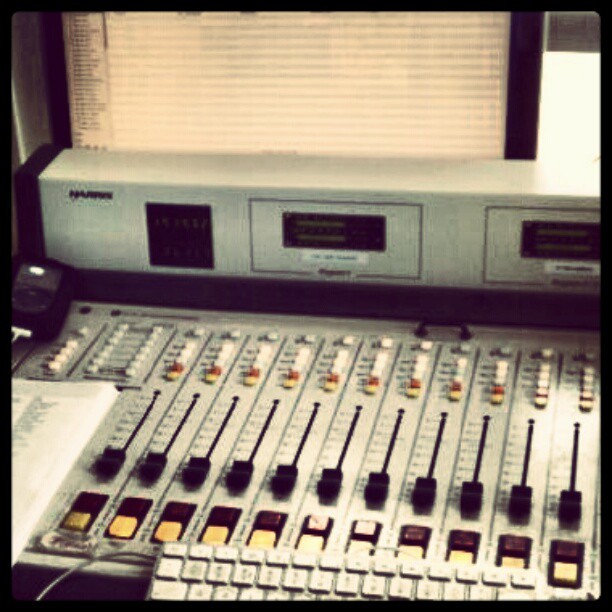
You know what I love about radio? One minute you’re getting your soul rattled by Elephants and Stars sounding like somebody spray-painted heartbreak across the side of a collapsing bowling alley, and the next minute The Linda Lindas come flying through the speakers like they just hijacked your older cousin’s garage band and turned it into a revolution. THAT’S radio, baby. Chaos with a heartbeat.
Sonic Whip’s “Survive” sounds like the inside of a jukebox after three cups of gas station coffee and a nervous breakdown somewhere outside Akron at 2 a.m. And I mean that as the highest compliment imaginable.
Cliff Hillis comes in with “The Square Route” like Big Star wandered into a neighborhood bar where somebody’s uncle still argues about whether power pop ever really died. Spoiler: it didn’t. It just learned how to drive at night with the windows down.
And then Bruce Hornsby shows up with Ezra Koenig like some kind of impossible musical blind date that SHOULD NOT WORK but absolutely does. It’s jazz-adjacent adult existentialism for people who still own concert ticket stubs from 1997 in a shoebox under the bed.
American Aquarium’s “History Repeats Itself” sounds like somebody reading tomorrow’s headlines through a busted neon sign in a Southern roadside diner. There’s dust on the boots, blood in the memory, and enough truth in there to make politicians nervous.
You hear a band name like Sports Boyfriend and think maybe you’re getting irony. Nope. You’re getting sharp little pop songs that ricochet around your skull like pinballs in a dive bar arcade nobody’s cleaned since the Clinton administration.
And then BOOM — Pere Ubu crashes into the set like a shopping cart full of sparks and loose wires. “Non-Alignment Pact” still sounds like the future arguing with itself in a Cleveland factory basement. Some songs age. That song mutates.
The Menzingers always sound like they know exactly how it feels to miss somebody while staring out the window of a moving car at 1:17 in the morning wondering where all your old friends went. Nobody writes working-class nostalgia with this much gasoline and heart.
Joe Pernice drops in with “Twenty-Thousand Times” sounding like a man who has quietly mastered the art of surviving disappointment beautifully. Some songs shout at you. Pernice just leans over and tells you the truth softly enough that you actually listen.
And The Laughing Chimes? Man, those songs sound like Midwest summers that disappeared before anybody realized they mattered. Jangling guitars, beautiful ache, tiny moments turned cosmic. Dayton understands that kind of music. Ohio INVENTED that emotional weather.
This is why we do this show. Because somewhere between Kiwi Jr., Humbird, Couchboy, The New Old-Fashioned, and The Long Ryders, somebody listening right now is hearing their new favorite song for the first time. And that little moment? That’s still magic.
Listen along at https://listen.streamon.fm/wudr
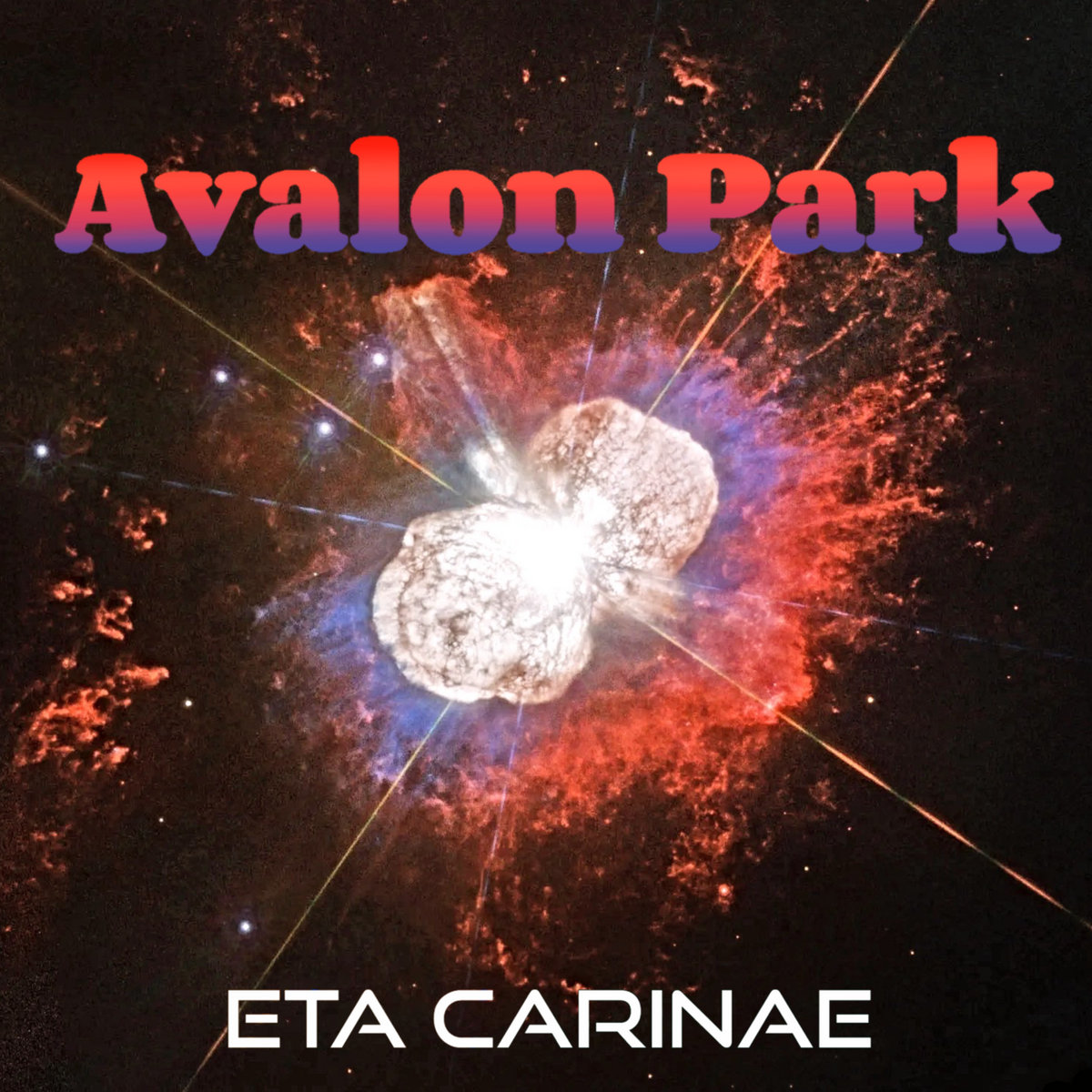
Let me tell you something about Springfield, Ohio that nobody asked you to care about and you’re going to care about anyway: in 1900, just west of what is now some community college, there was a roller coaster and a merry-go-round and a dance hall and a lake, all rolled into one magnificent sprawling fun zone they called Spring Grove Park, later renamed Avalon Park — until the dance hall caught fire, the roof caved in, and the whole beautiful disaster shut down forever in the 1930s.
I bring this up because that mythology — the burned-down dance hall, the ghost of American leisure, the whole gorgeous wreckage of the past — is exactly what Charlie and Amanda Jackson have bottled on Eta Carinae, their debut record as Avalon Park, and I want you to understand that this is one of those albums you hold up against the light and see something real moving inside it.
Charlie told Brandon Berry of The Dayton Daily News that they “slowly turned into Jackson Browne — so slowly that nobody noticed.” That is one of the finest self-descriptions in rock and roll journalism; I don’t care who disagrees with me. Because that’s exactly what happened. The shift from old-time country into classic 1970s pop with an alt feel is significant but hardly abrupt — leaning into 12-string riffage when appropriate, while still arranging with three- to four-chord progressions, drawing on Jackson Browne and Fleetwood Mac on one end, the Velvet Underground and 1960s pop on the other, with Charlie even bringing back rapid strum patterns from his punk rock days. You hear all of that on this record, and somehow it doesn’t sound like a shopping list of influences; it sounds like one coherent, aching human voice.
“Bloodshot Moon” kicks things off, and this song is as good an opening track as I’ve heard in years — warm beer on the jukebox, boots full of lead, a man wandering down 5th and Main in the blue hours looking for somebody he’s already lost. It’s classic country-rock structure, but the feel is pure California 1972, the kind of song that makes you want to roll the windows down at two in the morning and drive nowhere specific. Amanda’s harmonies ghost through the background like something half-remembered, and the marriage is audible in every bar.
“Dandelion Wine” is this album’s heart. Four winds blowing you home, the pot of gold at the rainbow’s end resolving into something simpler and better — just dandelion wine. That’s songwriting, folks. Not chord tricks, not production gimmicks. The couple’s voices braid together in the chorus in a way that sounds completely uncontrived, because they’ve spent years singing around the house together, harmonizing because they know each other’s voices — his voice, her voice, twenty years of stories. You can’t fake that. You really can’t.
Then there’s “Broken Branches,” which is where this record stops being pleasant and becomes genuinely important. A bloodstain on the floor, a child left to look after themself. Charlie wrote every word of it, but it’s about Amanda’s childhood — and because he’s known her for twenty-seven years total, he can write from her perspective as if she wrote it herself. That kind of intimacy between writer and subject is what separates the craftsmen from the confessors, and the confessors always win. The lyric “I thought everybody felt” — describing a childhood so abnormal she had no framework to recognize it as such — is the kind of line that hits you in a place beyond words.
“Pink Carnations” is the album’s rawest wound: a eulogy for someone gone too soon, church bells ringing, the singer telling God exactly where he can stick his plan. It earns that anger. And “The Cynic” — written by Amanda — cuts with the controlled precision of someone who’s been dismissed once too often by people who had easier childhoods.
The title track uses Eta Carinae — a binary stellar system so luminous it’s five million times brighter than our sun — as a metaphor for two people locked in a gravitational dance. The only thing keeping those two massive stars from going full supernova is the gravitational pull of each other — locked in what Charlie called a death dance. He wrote the song in 2020, which, as the Daily News noted, feels entirely appropriate. Out of all the years to write about two volatile forces holding each other together.
The album closes with “Feels Like Summertime,” and it contains a reference to “beyond the dusty road” — which was among the first songs Charlie ever wrote for Amanda when they were dating. Now they harmonize on it together. Everything comes back around. If that doesn’t do something to your chest, I’m not sure music is for you.
Eta Carinae was engineered and produced by David Payne (The New Old Fashioned) at Reel Love Recording Company, with the band consisting of son Gideon on bass, Karl Woschitz on drums, Casey Abbott on guitar that simply lifts every song, Emma Woodruff (Novena) on backing vocals, and Charlie’s brother Leigh on additional guitar. It’s a family record in every sense — named for a park that burned down, sustained by the gravity of two people who haven’t let go of each other yet.
Ten songs, forty-two minutes. Buy it.

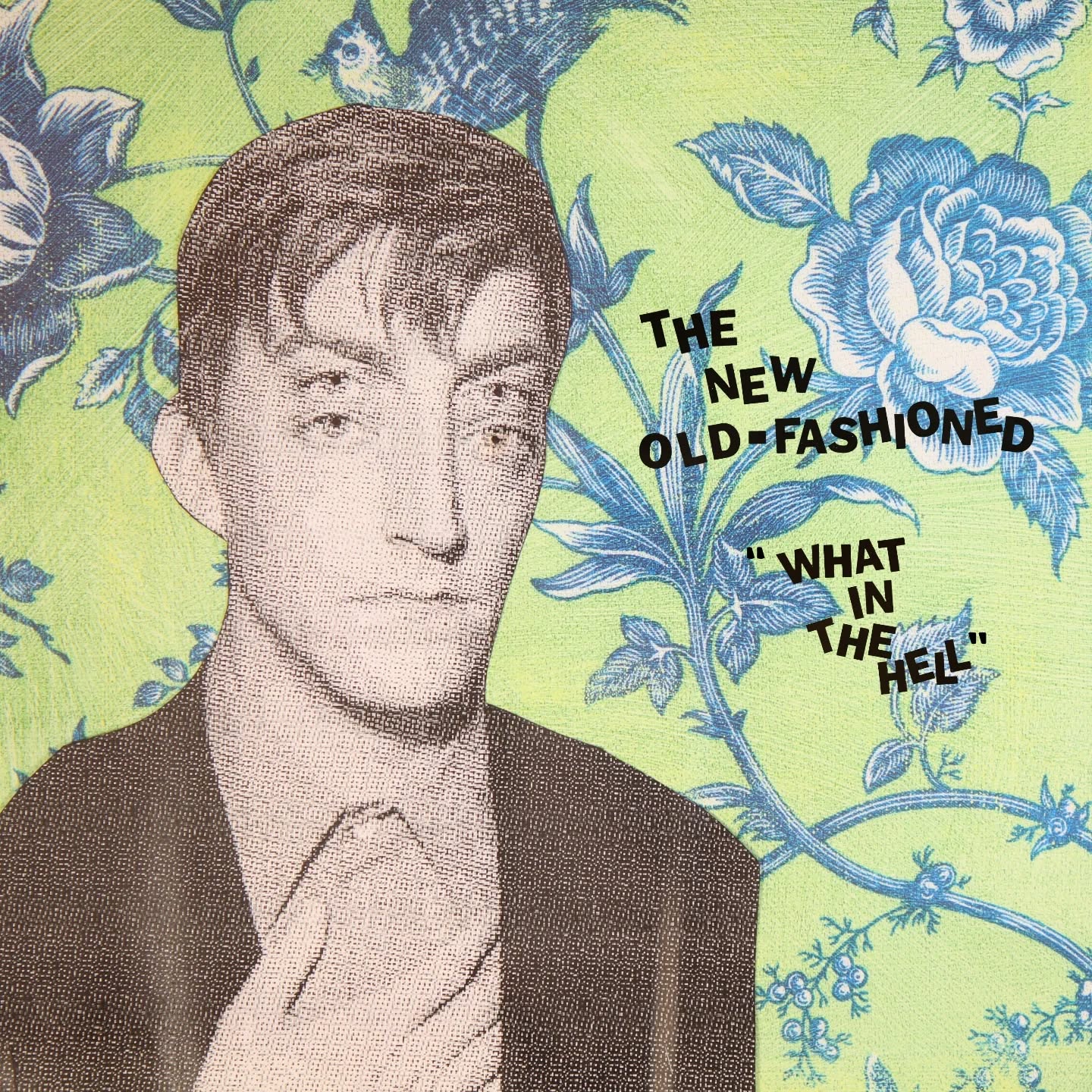
Today on YTAA, The New Old-Fashioned crashes into the studio, carrying the kind of anticipation that only comes when a band has been quietly building something behind the scenes instead of flooding the world with half-finished updates and social media breadcrumbs.
For fans of the Dayton scene, this is a notable moment. The band’s upcoming single, arriving June 6, marks the first new music released since the Big City EP. This record captured their knack for balancing heartland storytelling, jangling guitars, and the restless energy of musicians who understand that the best songs are often born somewhere between nostalgia and forward motion.
Listening to The New Old-Fashioned has always felt a little like finding a stack of well-worn records in a friend’s basement: familiar enough to immediately feel comforting, and alive enough to remind you why rock and roll keeps reinventing itself while recognizing where it came from in the first place. Their music pulls from the past without becoming trapped by it. That’s a difficult trick. Plenty of bands know how to imitate history; far fewer know how to converse with it.
And that’s what makes this new material intriguing. After the long stretch since Big City, the question isn’t whether the band can pick up where they left off. The question is what they’ve discovered in the meantime. What stories have accumulated? What rough edges have become sharper? What melodies have been waiting for the right moment to emerge?
Tune in this afternoon for a sneak peek at the new song and a conversation with the band about the road from Big City to this next chapter. If rock and roll is a continuing argument between who we were and who we’re trying to become, then The New Old-Fashioned sounds ready to pick that argument back up.
Listen here: WUDR YTAA Stream
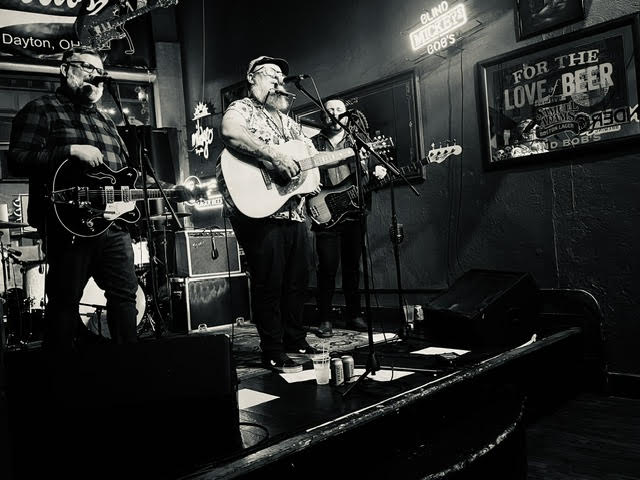
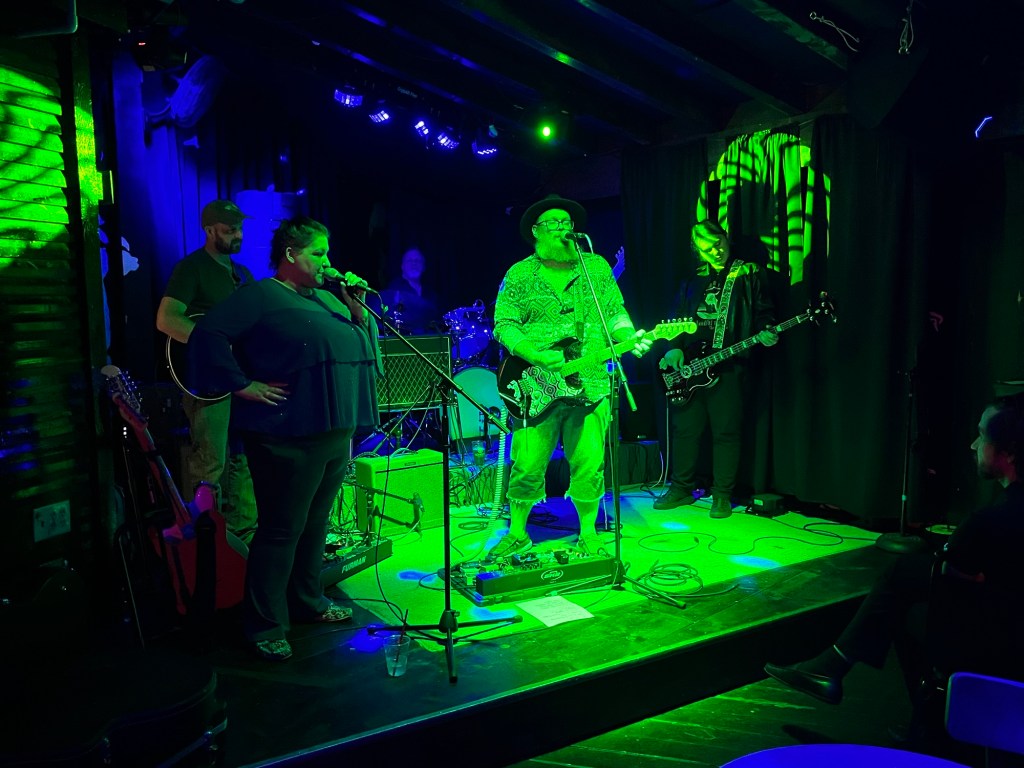
There are reunion shows that feel like exercises in forced nostalgia, half-remembered songs dragged out of storage like old winter coats that still smell faintly of dirt and heartbreak. And then there are reunion shows that remind you why music mattered in the first place. Last night at Blind Bob’s, Charlie Jackson and the Heartland Railway didn’t just reunite — they detonated. They transformed a packed bar into a sanctuary for those who believe in loud guitars played with genuine soul, rust-belt poetry, and the notion that music can still bear the weight of everyday lives without succumbing to irony.
The whole night felt less like a concert and more like a gathering of survivors. Dayton has always been one of those cities where music grows out of cracked pavement and factory smoke, where bands don’t emerge from marketing strategies but from long nights, cheap beer, broken hearts, and a refusal to disappear quietly. The room at Blind Bob’s had that sacred grime to it — sweat on the walls, people pressed together, everyone buzzing with the nervous electricity of seeing something that might actually matter.
Opening the night was Age Nowhere, and if you’ve been foolish enough to think alt-country has become nothing but boutique sadness for people who buy $70 vinyl reissues, this band would’ve knocked that idea straight out of your skull. They played with the kind of battered sincerity that can’t be faked. No posturing. No carefully curated “Americana” cosplay. Just songs that sounded lived in.
And then came the Ray Price cover. Damn. Paul Monin has a deep appreciation for country music that staggers the imagination.
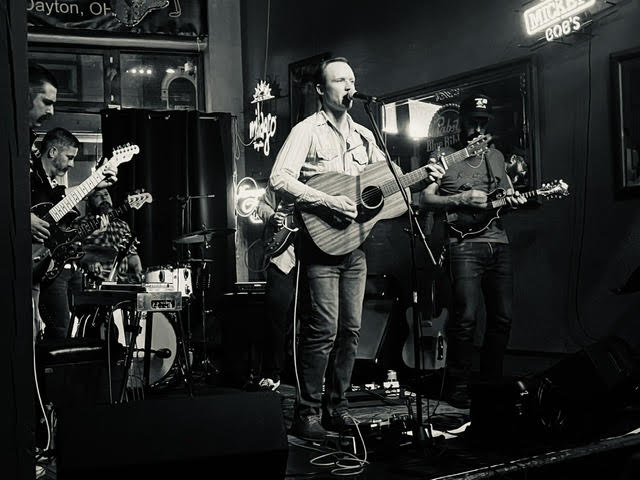
Most bands cover classic country songs like they’re handling museum artifacts. Age Nowhere attacked theirs like they were trying to pull the ghost of every lonely highway bar in America directly into the room. The song swayed and cried and staggered with that beautiful drunken dignity that old country music understood so well.
You could practically hear decades of jukeboxes rattling inside it. It wasn’t revivalism; it was resurrection. For a few minutes, Blind Bob’s stopped being a bar in Dayton and became every neon-lit tavern where somebody ever sat staring into a whiskey glass, wondering where their life wandered off to.
That is the effect of real country music.
Then came The New Old Fashioned, who delivered a set so fierce and emotionally direct it felt like being punched in the chest repeatedly by someone who genuinely loved you. There’s always a danger with bands carrying that kind of roots-rock torch that things drift into bar-band competency — pleasant enough, ultimately forgettable. But The New Old Fashioned played like they understood the stakes.
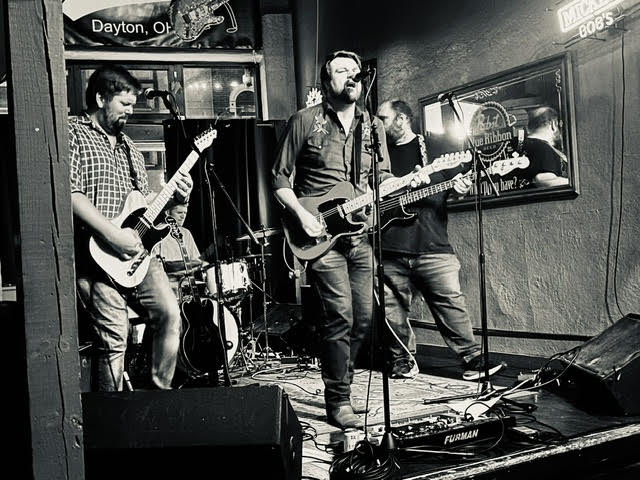
Their songs had dirt under their fingernails.
The guitars roared without becoming indulgent, the rhythm section locked into a relentless heartbeat, and every song carried the feeling that the world outside the club doors is coming apart faster than anyone wants to admit. They weren’t selling nostalgia for some imaginary better America. They were documenting the actual emotional wreckage people are dragging around right now.
And then they closed with a new song called “What the Hell.” That title alone sounds like a muttered prayer from modern America.
The song built slowly, almost cautiously, before exploding into this furious, weary anthem that captured the confusion and exhaustion of living through an era where everything feels simultaneously absurd and terrifying. It wasn’t political sloganeering. It was something rarer and more valuable: honest emotional testimony. The chorus hit the room like a collapsing ceiling. People weren’t politely applauding; they were reacting physically, shouting the words back by the end like they’d known the song for years. That’s the mark of something real. Great songs don’t introduce themselves. They reveal that they’ve been hiding inside people all along.
By the time Charlie Jackson and the Heartland Railway took the stage, the room already felt transformed, but what happened next elevated the night into something mythic. They didn’t play like a reunited band trying to recapture former glory. They played like a band that had spent years absorbing life and came back with scars and love worth singing about. From the first notes, they sounded enormous — not polished, not slick, but alive in the way only truly great rock and roll can be alive.
Charlie Jackson himself commanded the room with the weary charisma of somebody who has seen enough disappointment to understand joy properly. His voice carried that beautiful raggedness that can’t be manufactured in studios or singing lessons. It cracked in exactly the right places. Every lyric sounded earned. To call Charlie a great songwriter is to underplay the hand you’ve just been dealt. He writes about everyday life, family, real true love like his heart could explode from the weight it carries. A more real songwriter would be almost impossible to find.
And the band — good lord, the band.
The Heartland Railway lived up to their name. They sounded like freight trains rolling through Midwestern darkness, all momentum and thunder and aching beauty. The guitars shimmered and roared, songs expanded and contracted organically, and every player seemed completely locked into the same emotional frequency. This wasn’t technical perfection. It was something better: conviction.
That’s what made the night extraordinary. Conviction.
Nobody on that stage seemed interested in trends, algorithms, branding strategies, or whatever hollow nonsense currently passes for music industry ambition. These bands played because they had to do so, as if their very lives depended upon it. Because songs remain one of the few ways human beings can tell each other the truth without immediately looking away.
And maybe that’s why the reunion mattered so much.
One of the things that elevated Charlie Jackson and the Heartland Railway beyond merely being a great bar band reunion was the sheer emotional force of the harmonies between Charlie Jackson, Denny Cottle, and Brad Bowling. These weren’t polished, antiseptic harmonies built for pop radio or Nashville songwriting camps. These were human harmonies — rough around the edges in all the right ways, voices colliding and lifting each other like old friends finishing each other’s stories after years of hard living. Honestly, I believe that Denny could harmonize with anyone and make them sound better.
At times they sounded almost impossibly huge for such a small room, rising above the guitars with this aching, blue-collar grandeur that felt deeply Midwestern. There were moments when the three voices locked together so perfectly the entire room seemed to lean forward instinctively, like everyone suddenly realized they were hearing something increasingly rare: genuine musical chemistry that can’t be rehearsed into existence.
And underneath all of it was the drumming of Ricky Terrell, who played with the kind of instinctive power that held the whole night together. Terrell didn’t overplay because drummers like him understand something too many modern musicians forget — groove is emotional architecture. His playing was muscular but deeply human, giving the songs both propulsion and gravity. At times he sounded like a runaway freight train hammering through the Rust Belt at midnight; at others he pulled back with astonishing restraint, letting the songs breathe and ache before kicking them forward again. He was the engine underneath the Heartland Railway name, keeping everything moving with relentless heart and soul.
In an age where music is increasingly flattened into disposable content — background noise for scrolling and advertising — Charlie Jackson and the Heartland Railway reminded everyone packed into Blind Bob’s that live music can still feel dangerous, communal, and spiritually necessary. The show wasn’t about reliving the past. It was about proving there’s still life in this battered old form called rock and roll.
Last night in Dayton, there absolutely was.
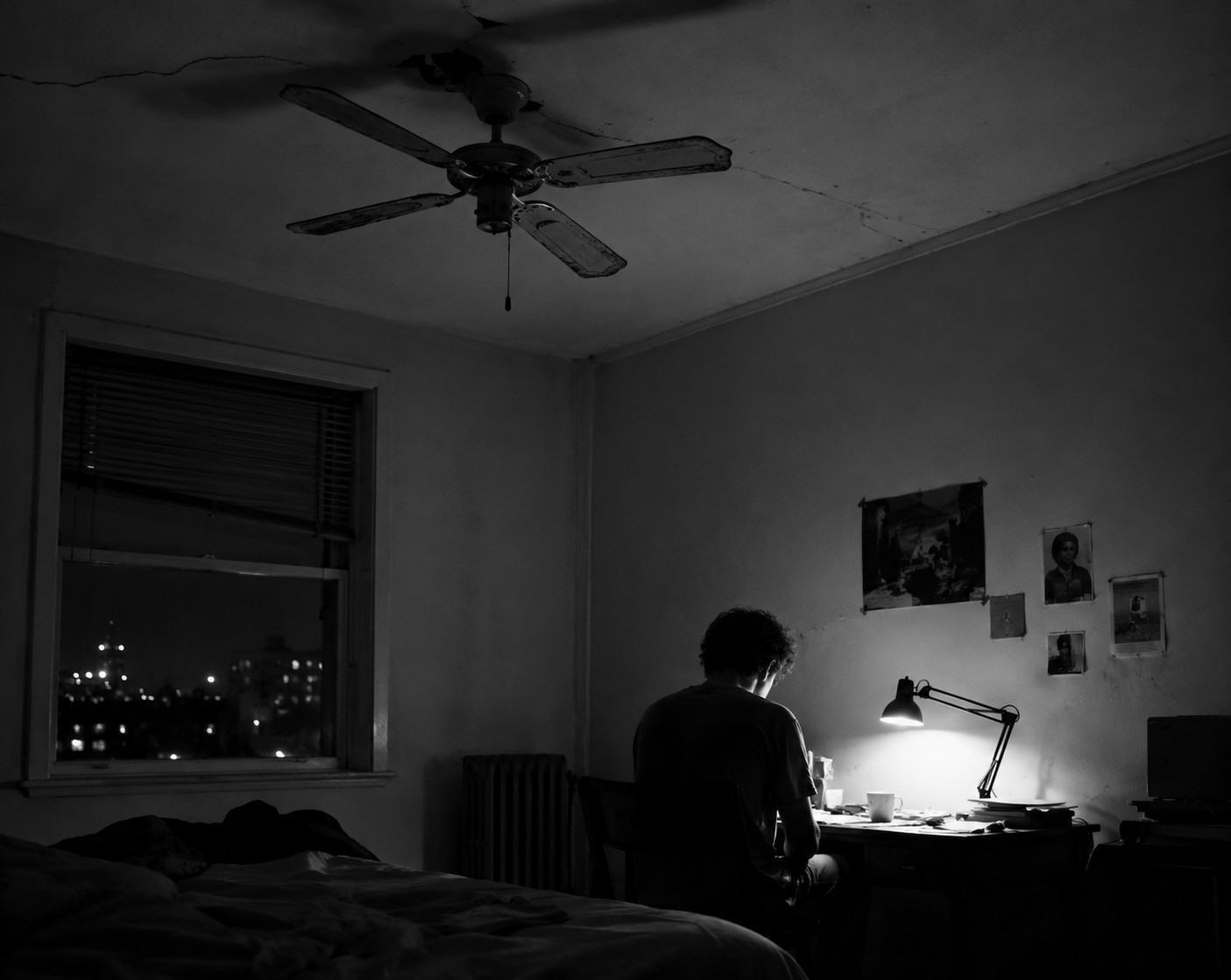
There is something almost heroic about a sad indie song. Not the theatrical heartbreak of arena rock, where somebody is always throwing a whiskey bottle against a wall while a power ballad swells behind them like a shampoo commercial. I mean the q7\48uieter stuff. The songs that sound like somebody sitting alone at 2:13 a.m. in a dim apartment, staring at a cracked ceiling fan while trying to figure out how to survive another Tuesday.
Indie music has always understood something the broader culture tries desperately to avoid: sadness is not a malfunction. It is not something to be “optimized away” with productivity hacks, mindfulness apps or motivational slogans printed on reusable water bottles. Sadness is part of being alive. The best indie musicians know this, and instead of hiding from it, they lean directly into the ache.
Take Ben Folds’ Late, his devastating tribute to Elliott Smith. It is one of those songs that sneaks up on you. No melodrama. No giant cathartic explosion. Just grief hanging in the air like cigarette smoke after everyone has left the room. Folds sings with the exhausted resignation of somebody trying to make sense of losing a friend who carried too much darkness for too long. The song feels unfinished emotionally because grief itself is unfinished. That is precisely why it works.
And Elliott Smith himself practically built an entire emotional architecture out of fragile sadness. His songs never begged for sympathy. They simply observed pain with unnerving precision. Listening to Smith was like overhearing somebody narrate their private collapse in real time, except somehow the honesty made listeners feel less alone rather than more isolated.
That paradox sits at the center of sad indie music: the lonelier the song, the more communal the experience becomes. Which brings me, naturally, to Dayton, Ohio. Because of course it does.
Dayton has always produced music that sounds like beautiful exhaustion. Maybe it is the Rust Belt atmosphere. Maybe it is the strange mixture of working-class realism, artistic ambition, and Midwestern isolation. Or maybe there is simply something in the water around the Gem City that encourages musicians to abandon pretense and get emotionally vulnerable.
Nobody embodied that spirit more than Guided By Voices. Robert Pollard and company made songs that sounded as though they had been recorded in the middle of a collapsing basement party using equipment rescued from a pawn shop fire. Yet buried beneath the glorious lo-fi chaos were moments of astonishing vulnerability.
Hold on Hope remains one of the great sad indie anthems precisely because it refuses easy redemption. The title sounds optimistic enough, but the song itself feels uncertain, wounded and tentative. Hope is not presented as triumph. It is presented as survival. A small flicker in the darkness. Pollard’s voice carries the exhaustion of somebody who has seen enough disappointment to understand that hope is not confidence. It is endurance.
That distinction matters.
Modern culture often treats happiness as a moral obligation. Social media especially has transformed emotional performance into a full-time job. Everybody is branding themselves as thriving, healing, crushing goals or living their best life. Meanwhile, millions of people are quietly anxious, lonely, overwhelmed and emotionally threadbare.
Sad indie music cuts through that performance.
It says: yes, things are difficult. Yes, people disappoint each other. Yes, your life may not resemble an inspirational TED Talk. But there is still meaning in the attempt to connect, to create, to keep going.
That honesty explains why so many listeners form almost intimate relationships with these songs. They become emotional landmarks attached to long drives, bad apartments, failed relationships and periods of uncertainty. A sad indie song often feels less like entertainment than companionship.
Dayton’s music scene has long specialized in this kind of emotional authenticity. Bands like Brainiac injected anxiety and instability directly into their sound, turning alienation into art-rock electricity. The Breeders balanced melodic sweetness with underlying tension and dislocation. Even the city’s punk and garage scenes carried a sense that beneath the noise lurked genuine vulnerability. The woefully under-appreciated Shrug, powered by Tod Weidner’s brilliant lyrics and melody, captured pure heartbreak in All Around the Underworld.
Real heartbreak in music rarely sounds cinematic. It sounds exhausted, confused, and unfinished. That is part of what makes Shrug’s All Around the Underworld so affecting. The song does not romanticize pain or turn emotional collapse into performance. Instead, it captures the dull ache of relationships and passing beyond this mortal coil, unraveling in real time — the kind of heartbreak where people keep talking past one another long after they have stopped understanding each other. The songs feel lived-in, carrying the emotional residue of late-night arguments, regret, and the strange silence that follows loss. Like the best sad indie music, All Around the Underworld understands that heartbreak is often less about dramatic endings than about learning to exist in the emotional wreckage when someone is no longer with us.
There is a reason so much great Midwestern indie music sounds slightly frayed around the edges. Perfection would ruin it.
The polished sterility of much mainstream pop leaves little room for emotional ambiguity. Everything arrives digitally perfected, emotionally focus-grouped, and algorithmically engineered for maximum playlist compatibility. Indie music, by contrast, often preserves the rough edges: cracked voices, awkward silences, tape hiss, lyrical uncertainty. Those imperfections create trust. The music sounds human because it allows itself to remain unfinished.
And maybe that is what listeners are really searching for. Not sadness itself, but recognition of what was once with us.
The feeling that somebody else has also sat awake at night, wondering whether things will improve. The reassurance that uncertainty, loneliness, and disappointment are not personal failures but shared human experiences.
That is why songs like “Late” or “Hold on Hope” or “All Along the Underworld” endure long after trendier music fades away. They do not promise transformation. They do not offer simplistic closure. Instead, they accompany listeners through difficult emotional terrain with honesty and humility. Sitting with the feelings rather than pretending that everything is alright.
The late and great (he would hate that) critic, Lester Bangs, once wrote about rock music as a force capable of exposing human truth beneath cultural nonsense. He understood that music mattered most not when it projected invulnerability, but when it documented confusion, desperation, and longing with enough sincerity to make people feel seen.
Sad indie music continues that tradition. Sometimes the most comforting thing a song can say is not “everything will be fine.” Sometimes it is simply: “I know.”
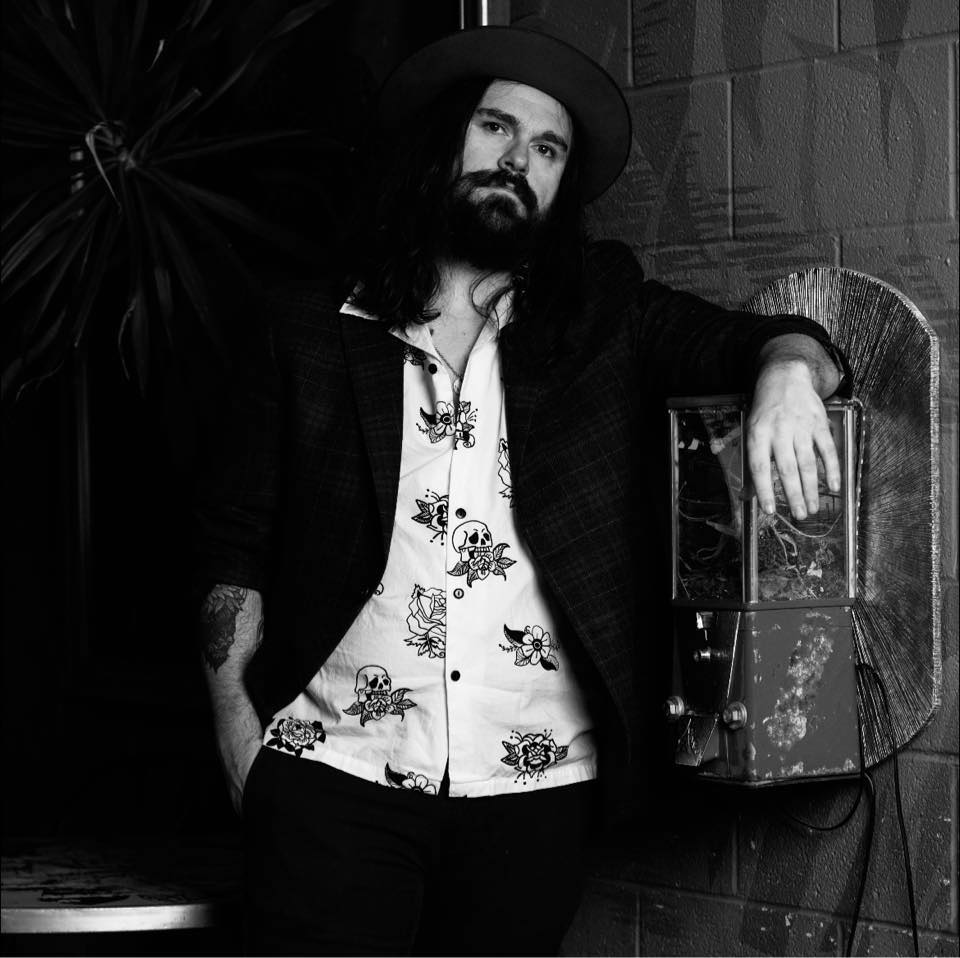
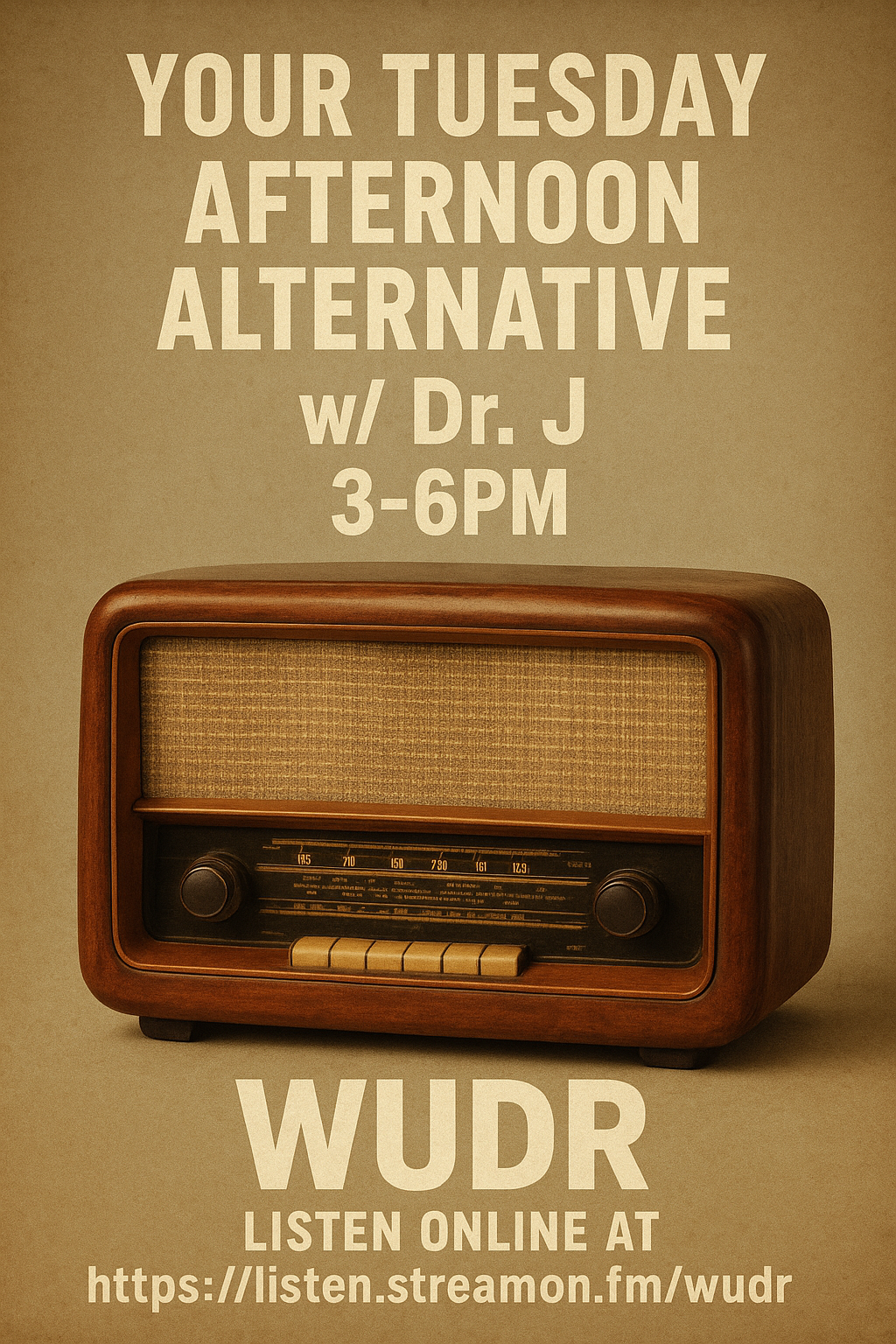
Today on YTAA, we’ve got a full slate of fresh sounds and standout artists lighting up the airwaves! Tune in for new music from Elephants and Stars, Leah Callahan, Mythical Motors, Knotts, TV Star, Kevin Robertson, Otoliths, Devvy Dub, Mike Chick, The Saint Cecilia, Sean Solomon, and plenty more discoveries you won’t want to miss.
We’re also excited to welcome Nicholas Johnson into the studio to talk about the upcoming anti-fascism show on April 30 at the fine Woodward Theater—a great chance to hear about the music, the scene, and what audiences can expect from a night of live performance.
Whether you’re listening from campus, your office, or the road, Your Tuesday Afternoon Alternative is your soundtrack for new music, local voices, and creative energy.
🎧 Listen live online 3-6pm (eastern) at: https://listen.streamon.fm/wudr
📻 Turn it up, discover something new, and spend your afternoon with us!
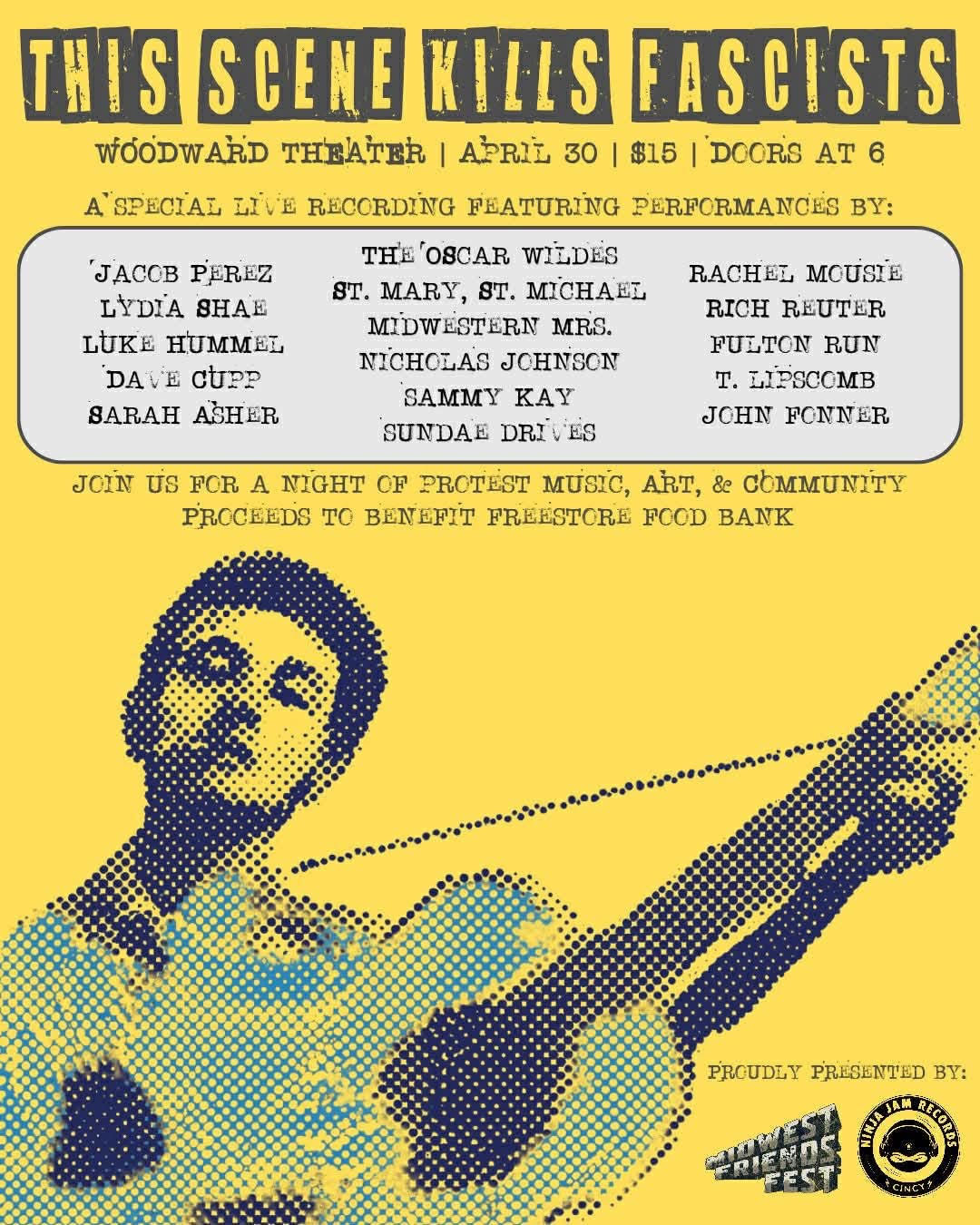
If you’ve ever driven around town with the radio on and the sun doing that late-afternoon slant that makes everything look like a memory already—gas stations glowing, parking lots half empty, the air buzzing with possibility and dread—then you already understand what Your Tuesday Afternoon Alternative is supposed to feel like.
And now, for the first time in a while, the last two full three-hour broadcasts are sitting online in all their sprawling, unruly glory over on Mixcloud. That’s six straight hours of music, ideas, weird segues, accidental poetry, and the kind of radio that only really works when nobody is trying too hard to make it work. Which, if we’re being honest, is the best kind.
Think of it as a kind of sonic time capsule: three hours where the world’s chaos gets distilled into guitars, synthesizers, a stray folk lament, maybe a punk blast that lasts ninety seconds but somehow resets your whole nervous system. Then you do it all again the next week. Radio as ritual. Radio as wandering conversation.
The thing about listening to these shows after the fact is that they become something slightly different than they were in the moment. Live radio is adrenaline and improvisation—you throw a song into the air and see what it does to the room. But on replay, the structure reveals itself. Themes emerge like ghosts in the static. Songs talk to each other across decades. A jangly indie track from 2024 suddenly feels like it’s answering a garage-rock scream from 1966.
That’s the secret architecture of good radio: it sounds loose but it’s secretly a web of connections. Which makes these two archived episodes especially fun to revisit. Over six hours, the mood drifts the way an actual Tuesday afternoon does. One minute the sun is out and everything sounds hopeful; the next minute you’re staring out the windshield thinking about every mistake you’ve ever made while some beautifully melancholy track hums through the speakers.
And that emotional whiplash is the point.
Great radio—especially college radio—has always been about resisting the algorithm. The streaming services want to smooth everything out into playlists that never challenge you. But real DJs still believe that music should occasionally knock the wind out of you. A dreamy pop song might suddenly give way to something ragged and noisy, and then a minute later you’re floating through a slow acoustic tune that feels like someone left a window open in your heart. That’s not bad programming. That’s life.
The two newly available shows capture that beautifully messy spirit. Across the six hours, you’ll hear indie rock rubbing shoulders with folk, garage, synth-pop, and the occasional left turn that makes you sit up and say, “Wait—what was that?” The answer, of course, is that it doesn’t always matter. Discovery is half the thrill.
And because the shows were recorded live, you also get the little human moments that make radio feel alive: the slightly crooked transitions, the spontaneous reflections, the sense that the whole thing could veer off the rails at any moment but somehow lands exactly where it needs to.
It’s the opposite of polished. It’s the sound of someone digging through a record collection and saying, You need to hear this.
Which is why having the full episodes archived on Mixcloud matters. Instead of a clipped highlight or a tidy playlist, you get the whole ride—the long arc of the afternoon, the gradual build, the strange emotional geography of three uninterrupted hours.
In other words: real radio.
If you spend enough time digging through Bandcamp tags at 2 a.m., you start to recognize the difference between lo-fi as an aesthetic and lo-fi as a way of seeing the world. The first is easy: tape hiss, gently warped guitars, a drum machine that sounds like it was rescued from a yard sale. The second is rarer and more interesting. It’s less about production tricks and more about a temperament—a willingness to let imperfection feel honest.
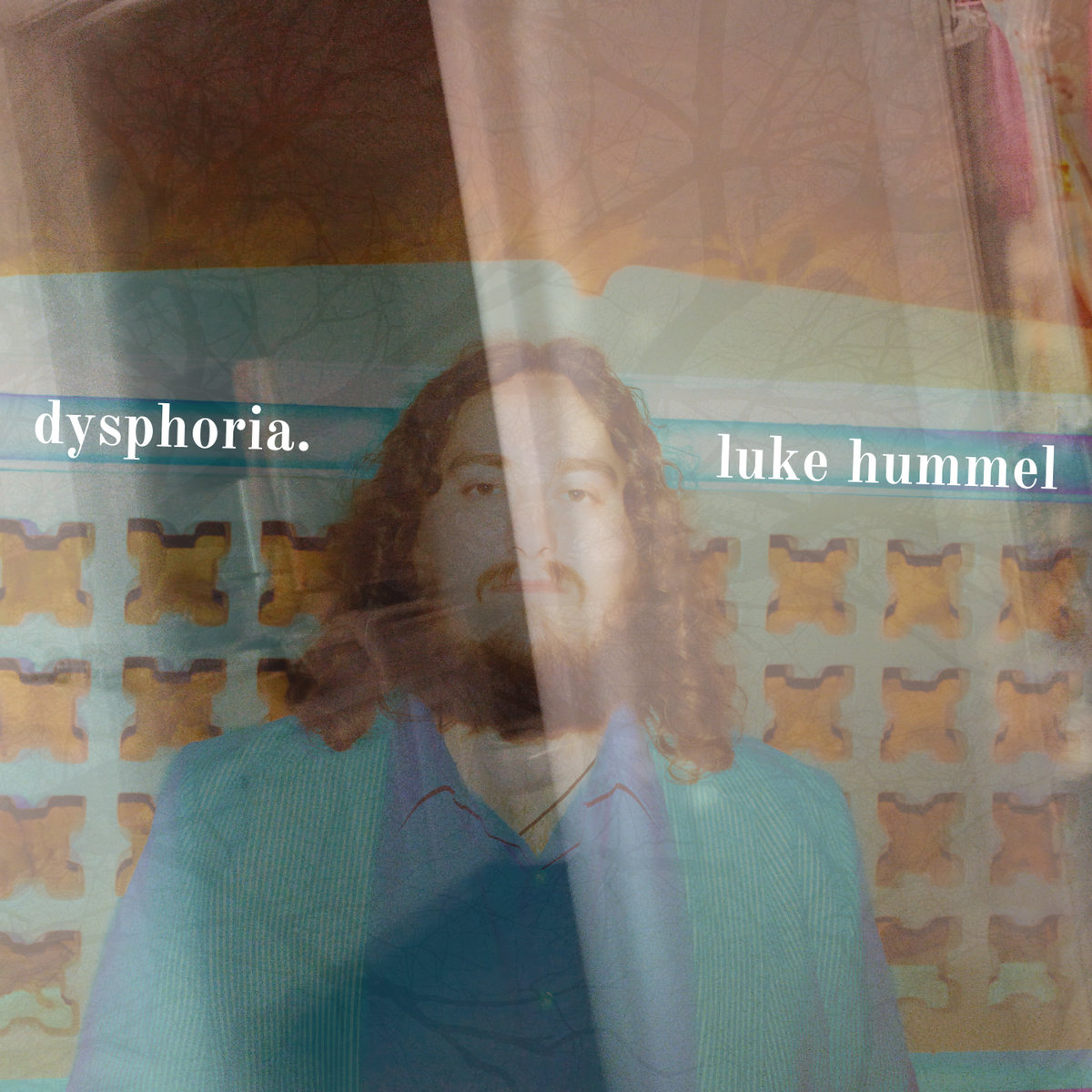
Dayton musician Luke Hummel, who will be appearing this week on Your Tuesday Afternoon Alternative with Dr. J from 4–5 p.m., belongs firmly in that second category.
Hummel has been drifting around the edges of Ohio’s DIY scene, releasing home-recorded EPs and singles that feel less like products than postcards. His songs arrive quietly, usually with little fanfare, and they tend to stick around longer than you expect. Listening to his catalog is a bit like thumbing through a box of Polaroids from someone else’s life: small moments, slightly faded, unexpectedly moving.
I’m supposed to have a vocabulary ready for this sort of thing. Words like “intimate,” “bedroom pop,” “hazy,” and “nostalgic.” All of them apply, and none of them quite capture what makes Hummel’s music worth paying attention to. The charm isn’t simply that it sounds homemade. It sounds lived in.
Take ‘woman,’ one of the standout tracks from his most recent release, dysphoria. The song barely rises above a murmur: a finger-picked guitar line, a barely-there beat, Hummel’s soft, conversational voice. On paper, it’s almost nothing. In practice, it’s the musical equivalent of a long exhale. You can hear the room around the song—the faint buzz of an amp, the subtle inconsistencies in the performance—and instead of feeling sloppy, those details make the track feel human.
That humanity is the through line of Hummel’s work. He writes about ordinary things: late shifts, half-remembered conversations, drives down Wilmington Pike after dark. But he treats those ordinary things with an uncommon tenderness. In an era when so much indie music strains for irony or grand statements, his songs feel refreshingly modest. They don’t demand your attention; they invite it.
Dayton, of course, has a long and strange musical history. This is the city that gave the world The Ohio Players, Guided by Voices, Brainiac, the Breeders, Hawthorne Heights, The New Old Fashioned, Oh Condor, The Creepy Crawlers—a place where scrappy experimentation has always thrived. Hummel fits comfortably into that lineage, even if his music is quieter than most of his hometown predecessors. Where Dayton rock once announced itself with blown-out guitars and basement-show chaos, Hummel represents the flip side: the reflective musician sitting on the back steps after the show, trying to make sense of everything.
One of the pleasures of lo-fi music is how it collapses the distance between artist and listener. Big studio records can feel like monuments; Hummel’s tracks feel like conversations. When he sings, it doesn’t sound like he’s performing so much as thinking out loud. In much of Luke’s music, it’s as if he is admitting that he’s better off being alone, ideas delivered so plainly thatit barely scans as a thought. Yet the idea lands with surprising weight. You believe him.
There’s also a gentle humor running through his work. Song titles like “fresh face” and “air dry clay” suggest a songwriter who understands his own anxieties well enough to smile at them. That balance—between melancholy and warmth, self-doubt and self-acceptance—is difficult to pull off without tipping into sentimentality. Hummel manages it with a light touch.
Hearing this kind of music on the radio can feel almost subversive. Commercial airwaves are designed for clarity and volume; lo-fi thrives on softness and texture. That’s what makes shows like Your Tuesday Afternoon Alternative with Dr. J so valuable. We carve out space for artists who operate outside the usual promotional machinery, musicians who might never trend on TikTok but who are building small, meaningful audiences one listener at a time.
For Hummel, a live radio appearance is less about plugging a product than about sharing a process. His performances tend to be relaxed and unvarnished, the musical equivalent of inviting strangers into his living room. I suspect that on the show, he’ll talk about quiet guitars, about recording on aging laptops, about the challenge of making art while holding down an ordinary Midwestern life. Those details matter because they’re inseparable from the songs themselves.
Lo-fi music often gets dismissed as minor or provisional—a stepping stone to something bigger and cleaner. Hummel’s work argues the opposite. There’s a quiet confidence in his refusal to polish away the rough edges. The imperfections aren’t problems to be fixed; they’re part of the story he’s telling.
In the end, that may be the best way to understand Luke Hummel: not as a local curiosity or a genre exercise, but as a careful observer translating everyday experiences into gentle, durable songs. His music doesn’t try to change the world. It tries to keep it company.
And on a Tuesday afternoon in Dayton, that feels like more than enough.
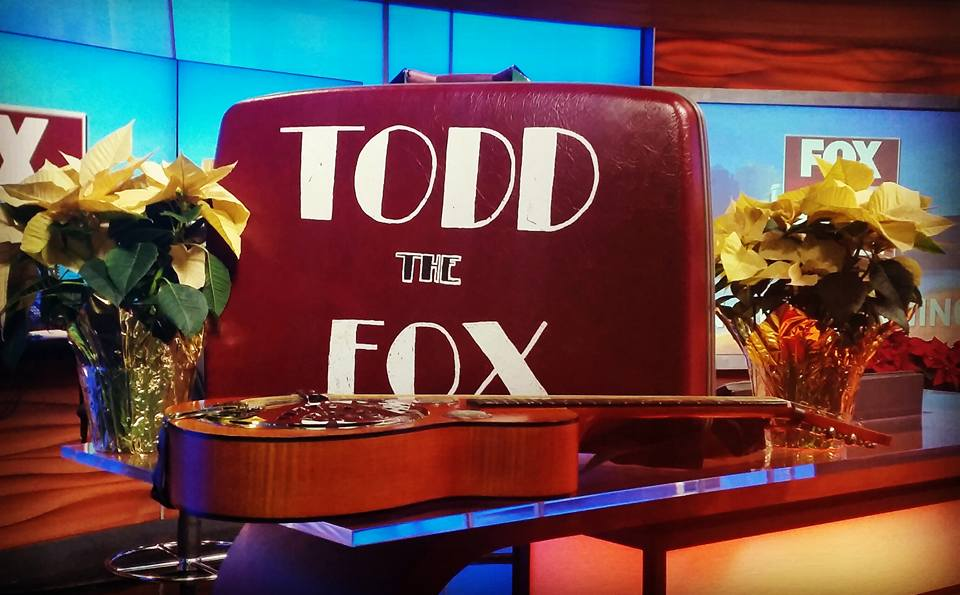
Some cities hum, and some cities grind, and then there’s Dayton, Ohio, which does both at once, like it’s chewing aluminum foil and smiling through the sparks. Out of that glorious Midwestern feedback loop comes Todd The Fox—musician, songwriter, performer, singer—padding into your ears tomorrow on Your Tuesday Afternoon Alternative from 4–5 p.m. Eastern, impeccably dressed as if from a nineteenth-century sepia-toned picture, eyes bright, ready to knock over your preconceptions and maybe a lamp or two. This isn’t a press-release animal. This is the kind of musician who lives in the alley behind the club and somehow knows your name and the story of how you met.
Let’s get something straight before the bio-police arrive with their clipboards: Todd The Fox isn’t a “local act” the way people say “local” when they mean “small.” Dayton has always been a factory for nervous systems—Guided by Voices turning beer-soaked basements into libraries of genius, the Breeders bending melody until it smiles back, far too many funk ghosts rattling the windows to mention them all. Todd The Fox comes from that lineage of people who treat songs like living organisms, not products. The music breathes. It snarls. It slips between rock and roll styles the way a fox slips under a fence: quick, quiet, leaving you wondering how it got there and beautiful.
Listen closely, and you hear a songwriter who understands the dirty miracle of rockabilly, rock ‘n’ roll, juke joint, rock AND roll, pop, and more—how a hook can feel like salvation if you let it—and who also understands how to break the hook on purpose just to see what bleeds out. Todd’s songs don’t ask permission. They don’t knock. They kick the door, apologize sincerely, then steal your favorite record and give it back with new fingerprints. There’s classic melody here, yes, but it’s the kind that’s been roughed up by real nights and real mornings, the kind that knows the difference between romance and survival.
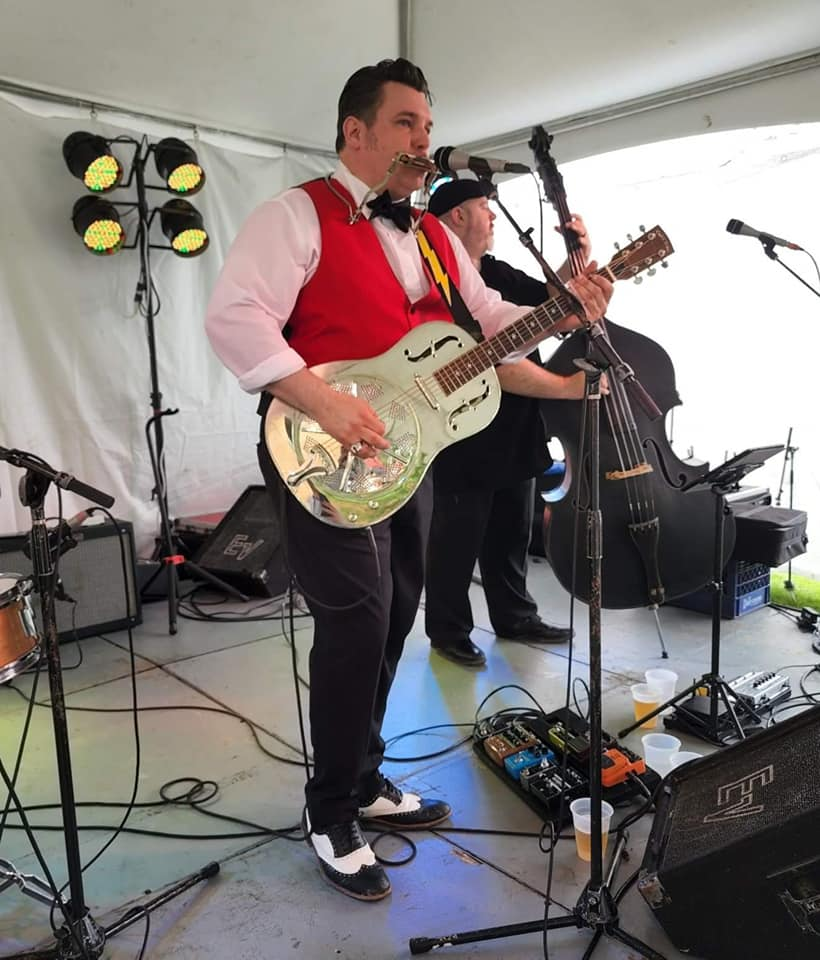
Performance-wise, Todd The Fox doesn’t “take the stage” so much as make it a living room and then light a match. There’s a physical intelligence to it, a sense that the body is another instrument and the crowd is a choir that doesn’t know it’s rehearsing. You don’t watch so much as get pulled into orbit. To call him a showman would truly understate it. That’s the secret sauce: the generosity. Even when the songs bite, they’re offered with an open palm. You’re invited to bleed a little, too. It’s communion with better jokes.
And here’s the thing the algorithms won’t tell you: Todd The Fox understands time. Not in the “retro” sense—this isn’t cosplay—but in the way great rock & roll always has, a kind of temporal vandalism. The performance of the songs feels like they all could’ve been written yesterday or twenty years from now, which is to say they live in the only time that matters: the one where you’re paying attention. There’s craft without fussiness, ambition without the TED Talk, and a willingness to leave the seams showing because that’s where the electricity leaks out.
Tomorrow’s hour on Your Tuesday Afternoon Alternative isn’t a content drop; it’s a rendezvous. Radio still matters when it’s alive, when it’s a room you can step into and feel the air change. From 4–5 p.m. Eastern, Todd The Fox comes by to talk shop, spin yarns, and let the music do what it does best: make a mess and call it truth. Expect stories that zig when you think they’ll zag, expect songs that refuse to sit still, expect the kind of conversation that remembers radio is a human act, not a playlist with a personality disorder.
If you’re tired of music that arrives pre-chewed, if you miss the feeling that something might go wrong in the best possible way, tune in. Todd The Fox is the sound of a city, of a tradition that learned how to survive by inventing its own fun, the sound of a songwriter who trusts the song more than the strategy. There’s wit here, and bite, and that elusive thing critics pretend to quantify: soul. Not the museum kind. The living, twitching kind that looks you in the eye and dares you to stay.
So set the dial. Clear the hour. Let the fox into the henhouse of your afternoon and see what survives. Tomorrow, 4–5 p.m. Eastern. Your Tuesday Afternoon Alternative. This is how radio remembers what it’s for.
Mike Bankhead’s “Something That I Can’t Explain” doesn’t so much begin as it leaks out of the speakers, a humid, half-remembered confession that carries a feeling from basements, barroom carpets, and the ghost of every rehearsal space Dayton ever forced into existence. You don’t listen to this song so much as you wander into it, like opening the wrong door in a familiar house and finding a room you forgot was there. That’s Bankhead’s trick: he makes the local feel mythic and the mythic feel like it’s leaning against a busted amp, waiting for the others to arrive.
Dayton has always been one of America’s great under-credited noise factories, and yup, I am ready to die on that hill. We gave the world funk, post-punk, industrial weirdness, and enough basement-bred genius to stock a dozen glossy documentaries that will never get made. Mike Bankhead sits right in the middle of that lineage—not as a tourist or a revivalist, but as a lifer. He’s one of those musicians who doesn’t just play in a scene; he is part of its circulatory system, hauling gear, showing up for other people’s gigs, recording, mixing, encouraging, needling, and generally making sure the whole messy organism keeps breathing. Every scene needs someone like Mike, part fan, part musician, part reminder of the reasons people do this.
“Something That I Can’t Explain” sounds like it was written by someone who’s been around long enough to know that the best songs aren’t about clarity; they’re about staying with the confusion. Sometimes the grey area matters more than the easy answers. The melody lurches forward like it’s got something urgent to tell you and then second-guesses itself halfway through the sentence. The vocals don’t demand your attention—they sidle up to it, muttering truths they’re not totally sure they’re allowed to say. This is not stadium rock. This is backroom metaphysics.
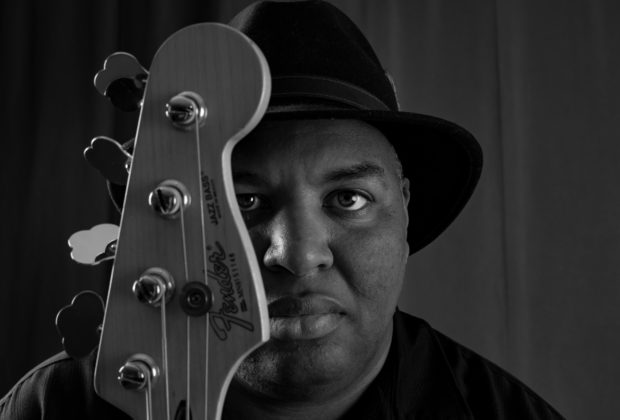
What makes Bankhead essential to Dayton isn’t just that he writes songs like this; it’s that he’s helped create the conditions where songs like this can exist at all. Scenes don’t survive on big breaks. They survive on people who show up. Bankhead has been one of those gravitational figures who make it easier for others, strangers, and the less confident artists to take the leap. When someone tells you, “Yeah, Mike’s involved,” you know it means things will actually happen—records will get finished, shows will get booked, weird ideas will be taken seriously instead of laughed out of the room.
There’s a Dayton-specific emotional weather system in “Something That I Can’t Explain.” It’s in the way the song refuses to resolve cleanly, the way it keeps circling a feeling instead of pinning it down. Dayton’s a town that’s been promised a lot and delivered just enough to keep hoping. Bankhead understands that tension, and he doesn’t try to smooth it over. He lets it hum, like feedback you don’t quite know how to kill without losing the song.
Lester Bangs used to say that the best rock and roll made you feel less alone in your own weirdness. Bankhead does that, but he does it with a Dayton accent—gritty, affectionate, slightly suspicious of success, deeply loyal to the people who were there before anyone else cared. “Something That I Can’t Explain” isn’t just a song; it’s a little flare shot up from a city that keeps reinventing itself in basements and back rooms. And Mike Bankhead, bless him, keeps striking the matches.
writing your next obsession
By G.C. Stein
Music and Interviews w/ Dr. J on Tuesdays 3-6 pm on WUDR Radio
An Uncool Podcast by two uncool guys.
College Sports, History, Music, Movies, NASCAR, Technology, Television and last but not least ... anything Southern!
Music and stuff....
online hub for this least-selling author
A Glasgow view of Americana and related music and writings.
Streaming Forward, Powered By The Past - if you love the 80s music, new music, Eurovision, cheesy pop and awesome playlists then let's get this pop party started!
Music and Interviews w/ Dr. J on Tuesdays 3-6 pm on WUDR Radio
Revealing the True Origins of Silence
Photographer, Designer, Editor and Educator Ray Laskowitz talks about pictures and their back stories.
Revisiting my extensive music collection, one artist at a time
Follow my blog for books, poems, photos, music, art, education, views...
Sweet, sweet pages of blissful music
Fanblog for the Raleigh, North Carolina-based band The Connells (formerly onesimpleband.net)
www.MusicConnectionDayton.com
Music Blog
This WordPress.com site is the cat’s pajamas
Musicology, songwriting, teaching, writing and research

