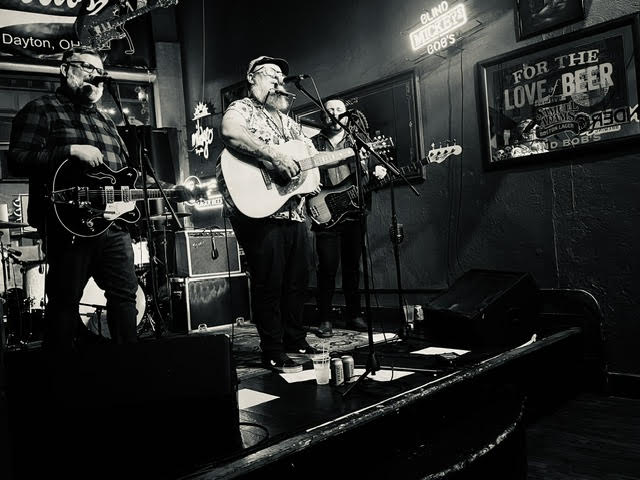
There are reunion shows that feel like exercises in forced nostalgia, half-remembered songs dragged out of storage like old winter coats that still smell faintly of dirt and heartbreak. And then there are reunion shows that remind you why music mattered in the first place. Last night at Blind Bob’s, Charlie Jackson and the Heartland Railway didn’t just reunite — they detonated. They transformed a packed bar into a sanctuary for those who believe in loud guitars played with genuine soul, rust-belt poetry, and the notion that music can still bear the weight of everyday lives without succumbing to irony.
The whole night felt less like a concert and more like a gathering of survivors. Dayton has always been one of those cities where music grows out of cracked pavement and factory smoke, where bands don’t emerge from marketing strategies but from long nights, cheap beer, broken hearts, and a refusal to disappear quietly. The room at Blind Bob’s had that sacred grime to it — sweat on the walls, people pressed together, everyone buzzing with the nervous electricity of seeing something that might actually matter.
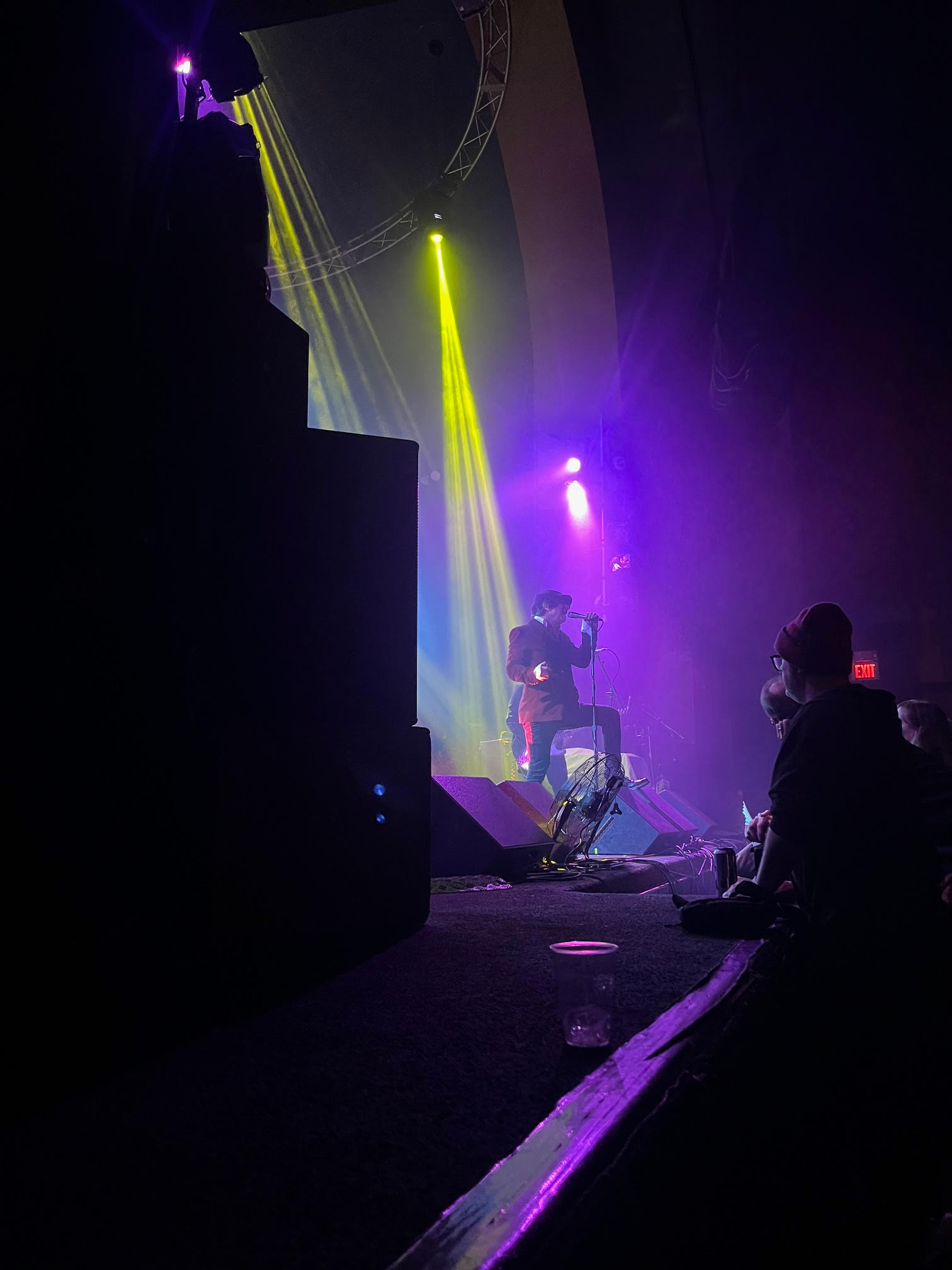
Opening the night was Age Nowhere, and if you’ve been foolish enough to think alt-country has become nothing but boutique sadness for people who buy $70 vinyl reissues, this band would’ve knocked that idea straight out of your skull. They played with the kind of battered sincerity that can’t be faked. No posturing. No carefully curated “Americana” cosplay. Just songs that sounded lived in.
And then came the Ray Price cover. Damn. Paul Monin has a deep appreciation for country music that staggers the imagination.
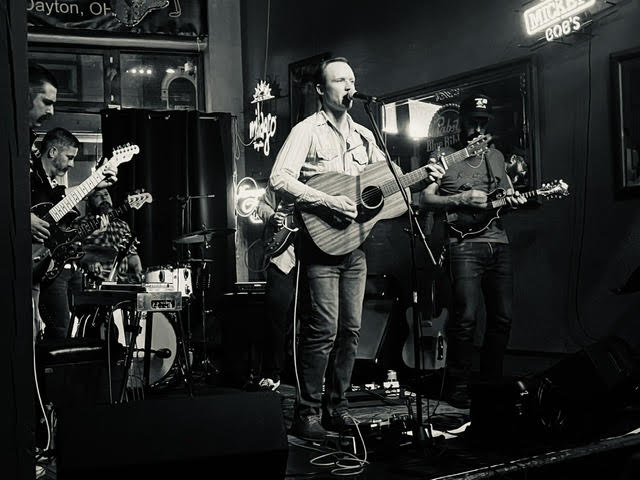
Most bands cover classic country songs like they’re handling museum artifacts. Age Nowhere attacked theirs like they were trying to pull the ghost of every lonely highway bar in America directly into the room. The song swayed and cried and staggered with that beautiful drunken dignity that old country music understood so well.
You could practically hear decades of jukeboxes rattling inside it. It wasn’t revivalism; it was resurrection. For a few minutes, Blind Bob’s stopped being a bar in Dayton and became every neon-lit tavern where somebody ever sat staring into a whiskey glass, wondering where their life wandered off to.
That is the effect of real country music.
Then came The New Old Fashioned, who delivered a set so fierce and emotionally direct it felt like being punched in the chest repeatedly by someone who genuinely loved you. There’s always a danger with bands carrying that kind of roots-rock torch that things drift into bar-band competency — pleasant enough, ultimately forgettable. But The New Old Fashioned played like they understood the stakes.
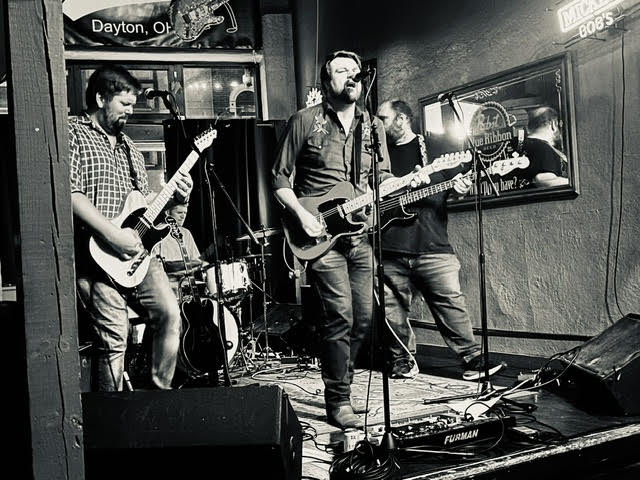
Their songs had dirt under their fingernails.
The guitars roared without becoming indulgent, the rhythm section locked into a relentless heartbeat, and every song carried the feeling that the world outside the club doors is coming apart faster than anyone wants to admit. They weren’t selling nostalgia for some imaginary better America. They were documenting the actual emotional wreckage people are dragging around right now.
And then they closed with a new song called “What the Hell.” That title alone sounds like a muttered prayer from modern America.
The song built slowly, almost cautiously, before exploding into this furious, weary anthem that captured the confusion and exhaustion of living through an era where everything feels simultaneously absurd and terrifying. It wasn’t political sloganeering. It was something rarer and more valuable: honest emotional testimony. The chorus hit the room like a collapsing ceiling. People weren’t politely applauding; they were reacting physically, shouting the words back by the end like they’d known the song for years. That’s the mark of something real. Great songs don’t introduce themselves. They reveal that they’ve been hiding inside people all along.
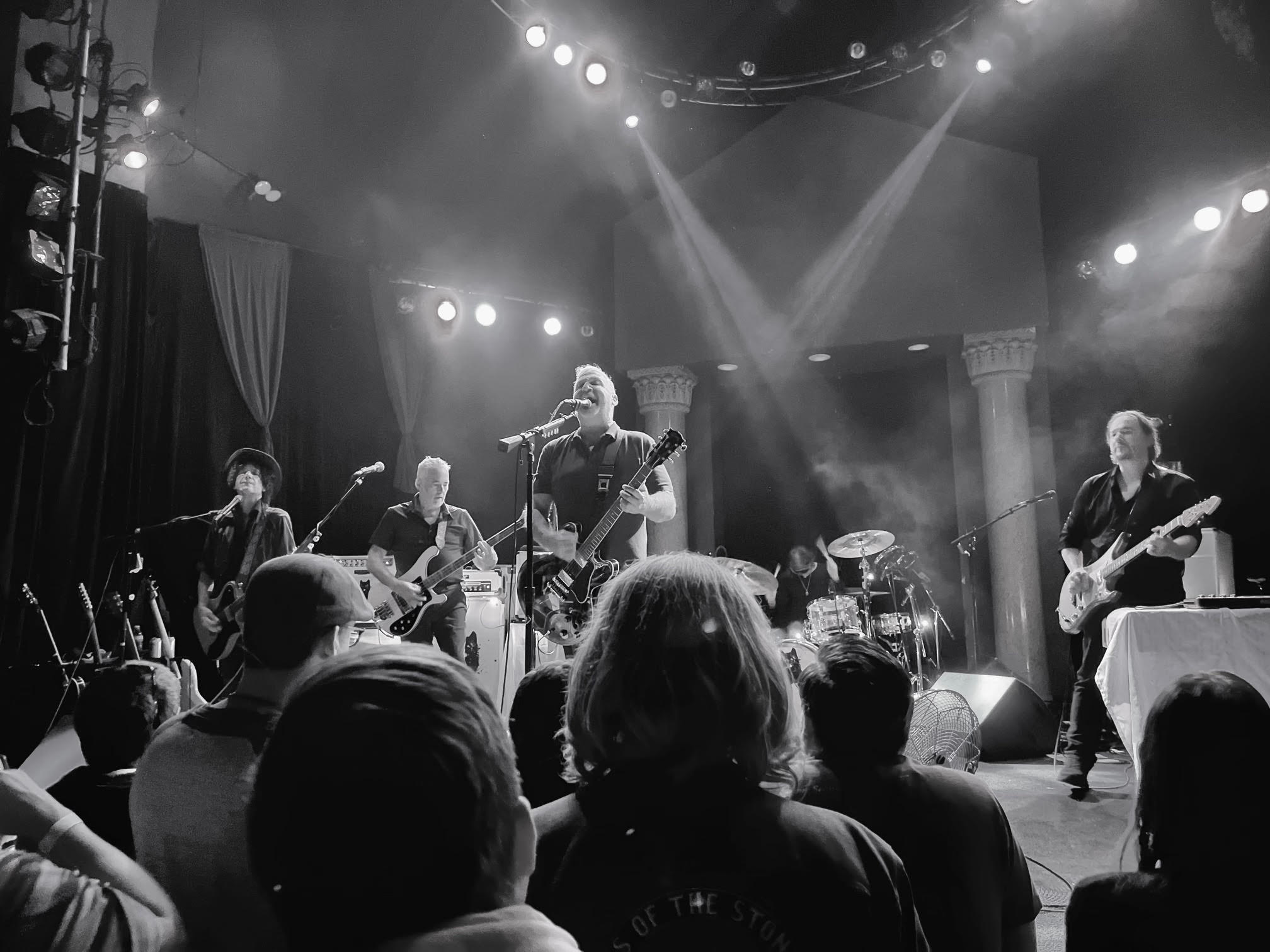
By the time Charlie Jackson and the Heartland Railway took the stage, the room already felt transformed, but what happened next elevated the night into something mythic. They didn’t play like a reunited band trying to recapture former glory. They played like a band that had spent years absorbing life and came back with scars and love worth singing about. From the first notes, they sounded enormous — not polished, not slick, but alive in the way only truly great rock and roll can be alive.
Charlie Jackson himself commanded the room with the weary charisma of somebody who has seen enough disappointment to understand joy properly. His voice carried that beautiful raggedness that can’t be manufactured in studios or singing lessons. It cracked in exactly the right places. Every lyric sounded earned. To call Charlie a great songwriter is to underplay the hand you’ve just been dealt. He writes about everyday life, family, real true love like his heart could explode from the weight it carries. A more real songwriter would be almost impossible to find.
And the band — good lord, the band.
The Heartland Railway lived up to their name. They sounded like freight trains rolling through Midwestern darkness, all momentum and thunder and aching beauty. The guitars shimmered and roared, songs expanded and contracted organically, and every player seemed completely locked into the same emotional frequency. This wasn’t technical perfection. It was something better: conviction.
That’s what made the night extraordinary. Conviction.
Nobody on that stage seemed interested in trends, algorithms, branding strategies, or whatever hollow nonsense currently passes for music industry ambition. These bands played because they had to do so, as if their very lives depended upon it. Because songs remain one of the few ways human beings can tell each other the truth without immediately looking away.
And maybe that’s why the reunion mattered so much.
One of the things that elevated Charlie Jackson and the Heartland Railway beyond merely being a great bar band reunion was the sheer emotional force of the harmonies between Charlie Jackson, Denny Cottle, and Brad Bowling. These weren’t polished, antiseptic harmonies built for pop radio or Nashville songwriting camps. These were human harmonies — rough around the edges in all the right ways, voices colliding and lifting each other like old friends finishing each other’s stories after years of hard living. Honestly, I believe that Denny could harmonize with anyone and make them sound better.
At times they sounded almost impossibly huge for such a small room, rising above the guitars with this aching, blue-collar grandeur that felt deeply Midwestern. There were moments when the three voices locked together so perfectly the entire room seemed to lean forward instinctively, like everyone suddenly realized they were hearing something increasingly rare: genuine musical chemistry that can’t be rehearsed into existence.
And underneath all of it was the drumming of Ricky Terrell, who played with the kind of instinctive power that held the whole night together. Terrell didn’t overplay because drummers like him understand something too many modern musicians forget — groove is emotional architecture. His playing was muscular but deeply human, giving the songs both propulsion and gravity. At times he sounded like a runaway freight train hammering through the Rust Belt at midnight; at others he pulled back with astonishing restraint, letting the songs breathe and ache before kicking them forward again. He was the engine underneath the Heartland Railway name, keeping everything moving with relentless heart and soul.
In an age where music is increasingly flattened into disposable content — background noise for scrolling and advertising — Charlie Jackson and the Heartland Railway reminded everyone packed into Blind Bob’s that live music can still feel dangerous, communal, and spiritually necessary. The show wasn’t about reliving the past. It was about proving there’s still life in this battered old form called rock and roll.
Last night in Dayton, there absolutely was.



 your tuesday afternoon alternative