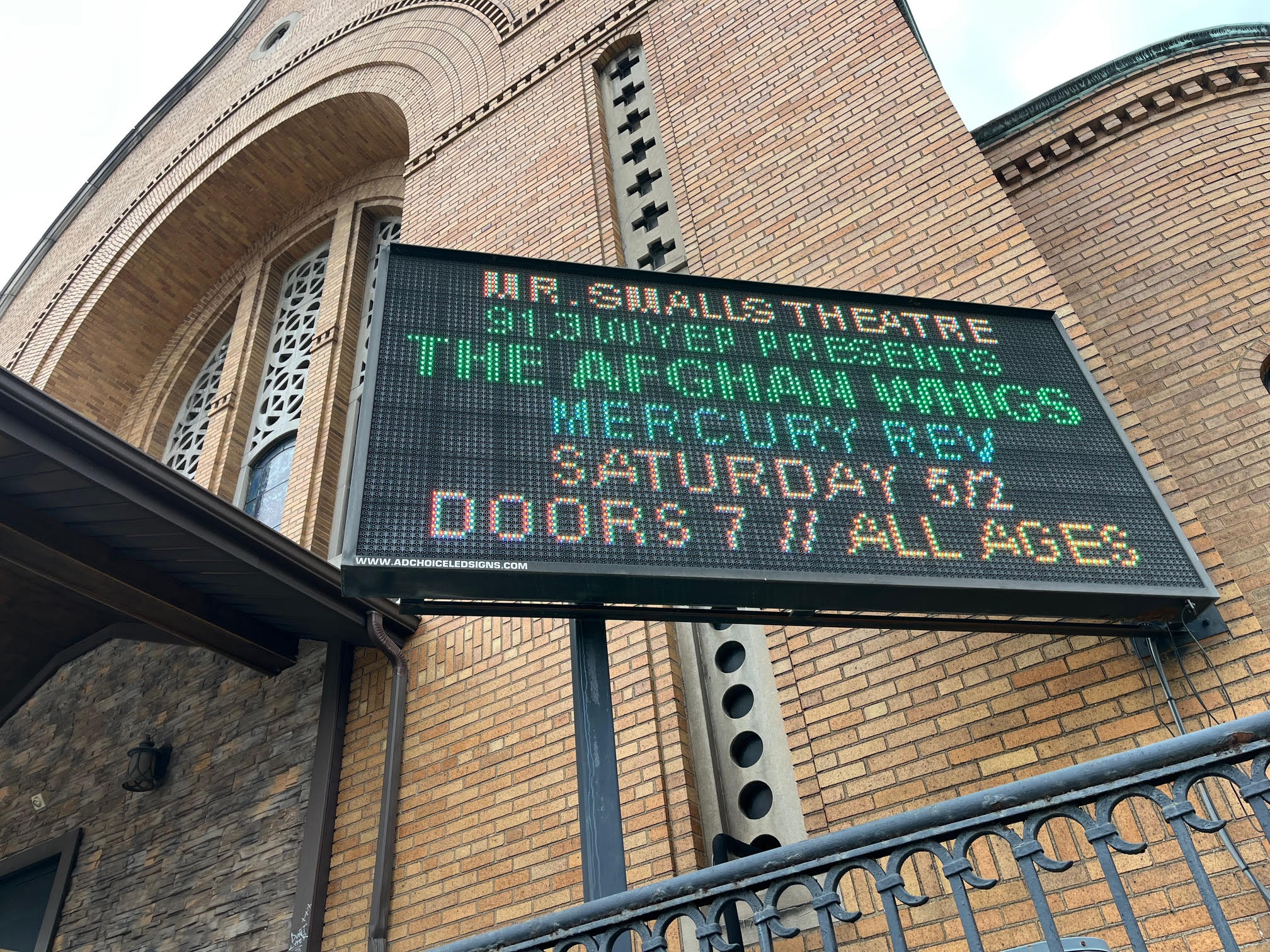
Walking out of Mr. Smalls Theatre just outside Pittsburgh in Millvale after seeing The Afghan Whigs and Mercury Rev, I wasn’t ready to rejoin ordinary life yet—the night had that afterglow where your ears are still ringing, and your thoughts feel rearranged.
It wasn’t just the setlist or the volume or even the swagger; it was the way the band seemed to push against the room until something gave, until the songs felt less like performances and more like events happening in real time. That lingering jolt—part adrenaline, part recognition—made it hard not to start thinking more seriously about why live music can hit with such force, why it sticks with you longer than it should, and why, at its best, it turns a night out into something closer to a reckoning.
The first thing to understand about live music is that it is not, despite the marketing copy and misty-eyed nostalgia, about perfection. If you want perfection, stay home with your lossless files, your algorithmic playlists, your remastered box sets that promise clarity but deliver sterility. Live music is about risk—sometimes small, sometimes catastrophic—and the electric possibility that something unrepeatable might happen in the next four minutes. Or not. That’s the deal.
I’ve seen enough shows to know that transcendence and tedium often share the same bill. A guitarist breaks a string and suddenly discovers a new way to finish the song. A singer misses a note and spends the rest of the set chasing redemption. Or worse, a band nails everything exactly as it appears on the record, which is to say they’ve mistaken competence for communion. The thrill, when it comes, arrives not because musicians are flawless, but because they’re human in public, negotiating sound, ego, and physics in real time.
This is why the best live performances feel less like presentations and more like arguments—between band members, between artist and audience, between intention and accident. You can hear it in the push and pull of rhythm, in the way a drummer drags the beat just enough to make the groove breathe, or a bassist locks in so tight it feels like gravity has shifted. It’s a social contract, renegotiated every night, and the audience is part of the rhythm section whether they know it or not.
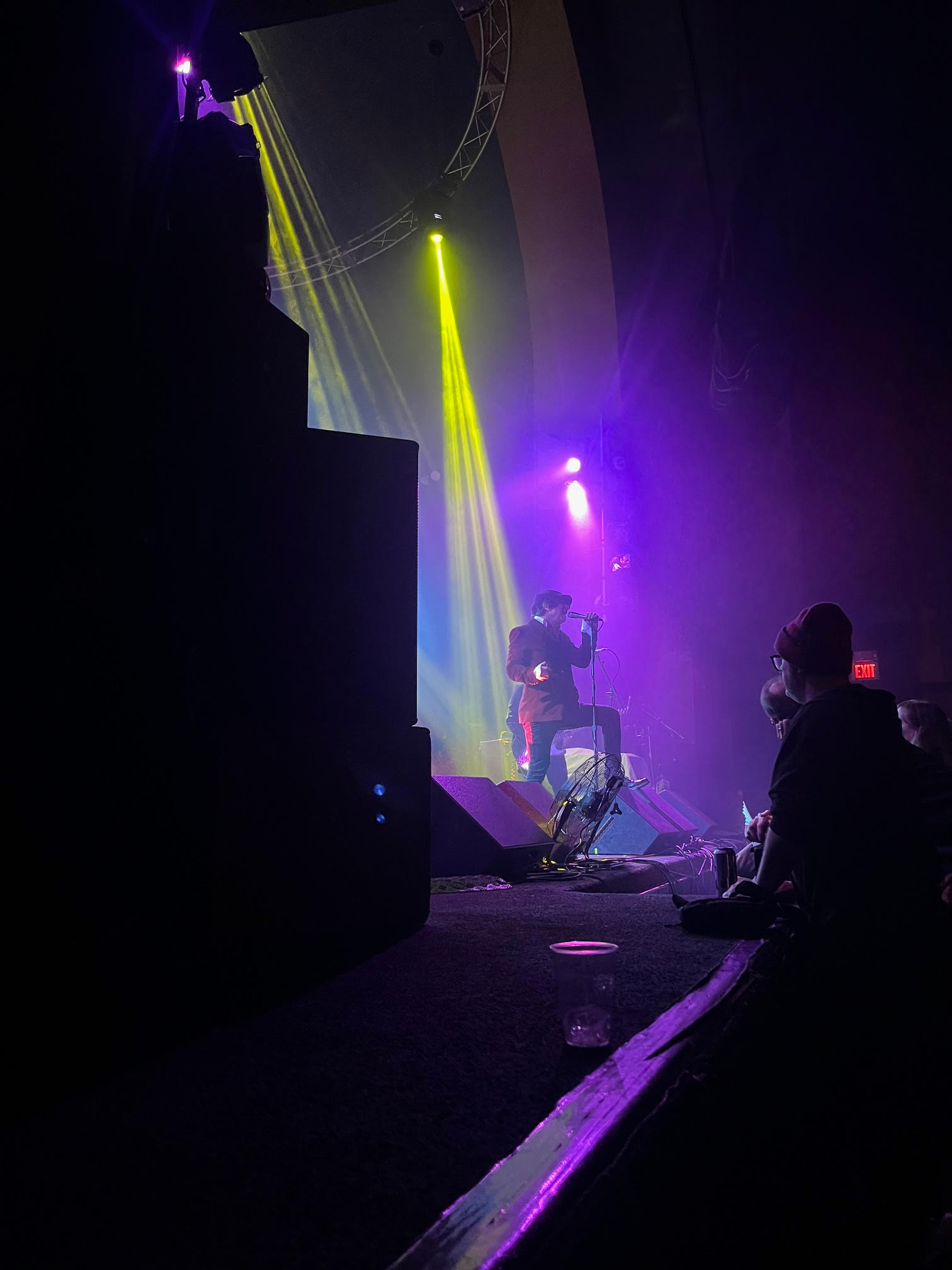
Let’s talk about volume, because volume is the most misunderstood instrument in the room. Loudness, deployed correctly, is not just a blunt force but a sculptor’s tool. It can sand down your defenses, blur the line between body and sound, make you feel as though you’re inside the song rather than merely hearing it. Of course, it can also flatten nuance and leave you with nothing but a ringing in your ears and a vague sense of having been bullied. The trick—the art—is in dynamics, in the rise and fall that gives music its narrative shape. A whisper can devastate if it follows a roar.
And then there’s the crowd, that unpredictable organism that can elevate or sabotage a performance. A great audience doesn’t just receive; it responds, feeds back, becomes a kind of living amplifier. You can feel it when a room is locked in: the collective intake of breath before a chorus, the split-second delay before applause as if everyone wants to hold the moment just a bit longer. Conversely, a disengaged crowd turns even the most committed performers into background noise. You can’t fake that connection, no matter how many times you tell people to put their hands up.
The mythology of live music tends to center on the big moments—the encore that brings the house down, the surprise guest, the note held impossibly long. But the real magic often resides in the margins: the offhand joke that lands, the half-forgotten B-side that suddenly feels essential, the way a song you’ve heard a hundred times reveals a new contour when played slightly slower, slightly rougher. These are the details that remind you music is not a fixed object but a living practice.
Of course, not all genres traffic in the same kind of immediacy. Some thrive on precision, others on chaos. A jazz ensemble might treat a standard like a blueprint for exploration, each solo a detour that risks getting lost. A punk band might barrel through a set with such velocity that songs blur into a single, exhilarating statement of intent. A pop act, often dismissed for its choreography and backing tracks, can still generate genuine excitement when it bends its own rules—when the star steps off the grid and reminds you there’s a person inside the production.
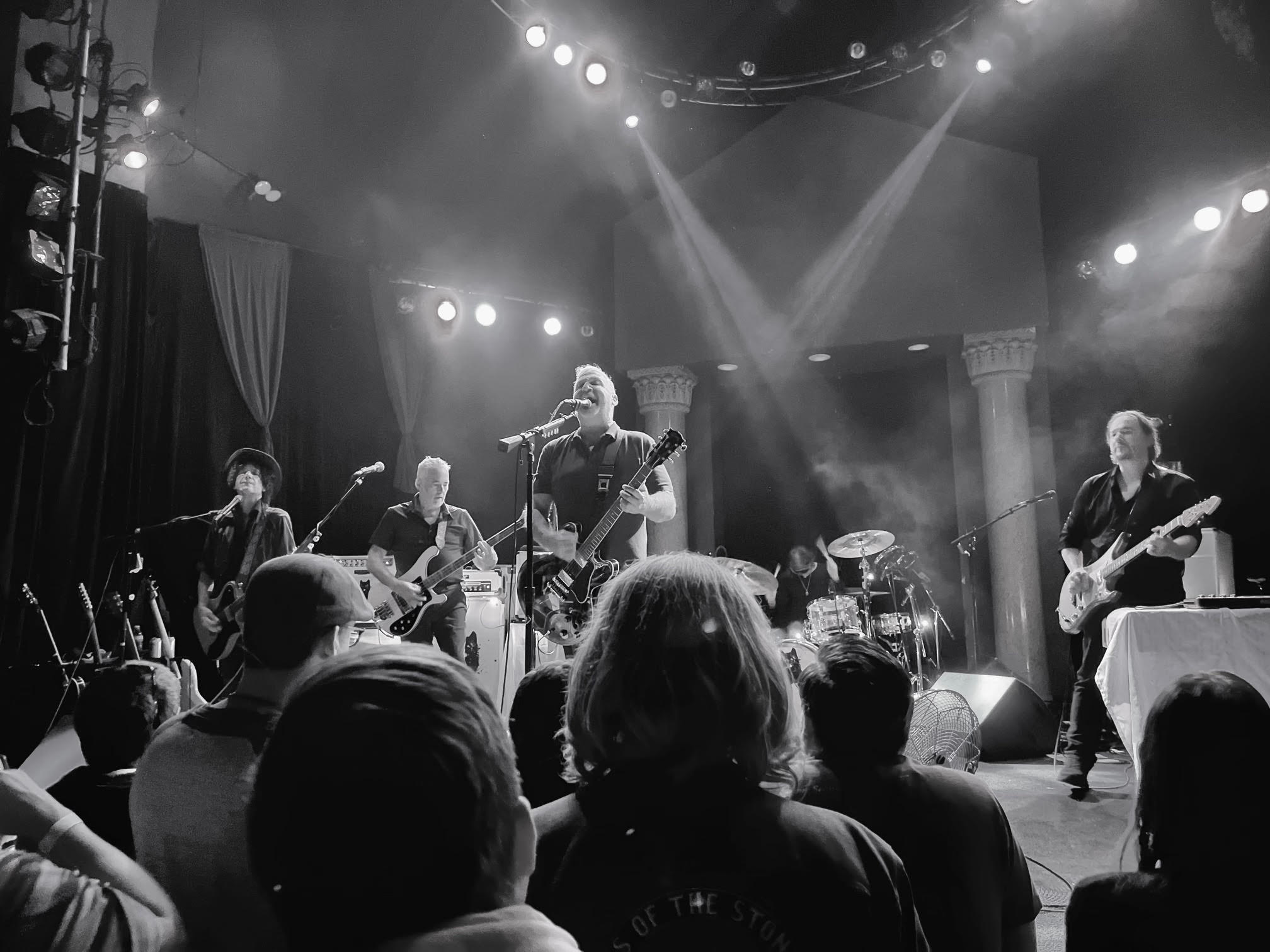
Technology, the supposed villain of authenticity debates, is both crutch and catalyst. Effects pedals, loops, digital rigs—they can insulate performers from error or open doors to textures that would otherwise be impossible. The question isn’t whether the tools are “real” but whether they’re used in service of something larger than themselves. A well-timed loop can turn a solo artist into a one-person orchestra; a poorly timed one can expose the scaffolding and drain the song of urgency.
Then there’s memory, which does its own remixing after the fact. The show you swear changed your life might have been merely very good, but time edits out the lulls and magnifies the peaks. Conversely, a set you dismissed as uneven might linger, a melody resurfacing days later, an image refusing to fade. Live music doesn’t just happen in the room; it continues in the stories we tell about it, the way we fold it into our personal canon.
What keeps people coming back, despite the cost, the inconvenience, the occasional disappointment, is the possibility of surprise. Not the contrived surprise of a setlist gimmick, but the genuine article: a moment that feels both inevitable and entirely unforeseen. It’s the singer who, for reasons even they might not fully grasp, commits a little harder on a particular night. The band that finds a pocket so deep you could lose a week in it. The audience that decides, collectively and without instruction, to give itself over to the experience.
You don’t get that at home. You get comfort, control, the ability to skip the tracks you don’t like. Live music asks for something else: attention, patience, a willingness to be present for the imperfect. In return, it offers the chance—never guaranteed, always contingent—that for a few minutes, the distance between artist and audience collapses, and what remains is not a performance but a shared event. Call it communion if you like, though that risks sounding pious. I prefer to think of it as a temporary alignment of forces, as rare and as real as anything we chase in culture.
So yes, the thrill is real. Not constant, not reliable, but real enough to justify the gamble. Because when it works—when the risk pays off—you’re not just hearing music. You’re inside it.



 your tuesday afternoon alternative