There is something wonderfully disorienting about “What In The Hell.” The New Old-Fashioned has always occupied that sweet spot where power pop, garage rock, country, and indie sensibilities collide, and this latest single turns the amps up while keeping the hooks firmly intact. It’s a song that feels both urgent and effortlessly catchy, asking a question that sounds increasingly relevant in 2026: What in the hell is going on?
The band’s trademark vocal interplay gives the track its personality. Tom Blackbern, Kent Montgomery, Matt Oliver, and David Payne sound less like a traditional lead singer with backing vocals and more like four friends shouting observations from different corners of the same room. The result is energetic, lived-in, and refreshingly authentic.
Musically, the song leans into crunchy guitars, a relentlessly driving rhythm section, and melodic choruses that refuse to leave your head. David Payne’s engineering at Reel Love Recording Co. captures the band’s live chemistry, while Tim Pritchard’s mix and mastering at Great Horned Audio gives every instrument room to breathe without sanding away the grit that makes the performance so engaging. Great Horned Audio and Reel Love Recording both deserve a mention as fantastic contributors to the Dayton music scene. They provide essential recording, mixing, and mastering studios for the local indie and alternative music scene, acting as a key hub for bands and artists on Magnaphone Records. Spaces that allow artists to be themselves are invaluable in contemporary music.
The music video, directed, filmed, and animated through inventive stop-motion by writer, musician, and artist Brandon Berry (The Paint Splats), perfectly complements the song’s restless energy. Rather than simply documenting a performance, Berry creates a visual world that mirrors the track’s quirky humor and anxious momentum. The stop-motion aesthetic gives everything a handmade, tactile quality that fits the band’s DIY spirit, making every frame feel like a labor of love.
Taken together, “What In The Hell” is another reminder of why Dayton’s music scene continues to produce artists with a distinctive voice. The New Old-Fashioned doesn’t chase trends—they make guitar-driven rock with a nod to country music that feels timeless while still speaking directly to the confusion and absurdity of the present moment. It’s smart, spirited, and impossible not to enjoy.
When Billy Bragg released She’s Got a New Spell, he proved that a protest singer could also write one of the sharpest love songs of the late twentieth century — not syrupy, not starry-eyed, but wired with anxiety, wit, and the uneasy thrill of falling hard when you know better.
This is romance as ideological crisis. The guitars jangle like nervous energy, and the lyrics read like marginal notes in a dog-eared paperback about class struggle and heartbreak. He’s not surrendering to love so much as negotiating with it — bargaining, questioning, trying to keep his political principles intact while his heart stages a coup.
What makes the song endure is that tension. It understands that love isn’t just chemistry; it’s disruption. It rearranges your priorities, scrambles your certainty, makes you reconsider the tidy theories you built to explain the world. One minute you’re organizing meetings and quoting manifestos, the next minute you’re staring at the phone, wondering if the revolution can wait until after dinner.
There’s humor in it, too — that dry, knowing grin running underneath the melody. Bragg isn’t mocking love; he’s marveling at how powerful it is, how it sneaks past your defenses and rewrites the rules. The “spell” isn’t magic in the fairy-tale sense. It’s the quiet, relentless pull of connection — the realization that vulnerability might be the most radical act of all.
Play it loud enough, and it still sounds like possibility.
Going to Omega Music for Record Store Day 2026 felt a little like stepping into a living archive of the city’s musical life. The line had already formed when I arrived downtown: people in band tees, parents with teenagers, longtime collectors trading stories about past finds, and that familiar hum of anticipation that only happens when music becomes a shared event rather than a private stream. Inside, the bins were packed with special releases and reissues, but just as memorable were the conversations: staff recommending records, strangers debating pressings, and the occasional cheer when someone found the album they had been hunting for. It reminded me that record stores are not just retail spaces; they are social spaces, places where music culture is performed collectively, one record at a time.
Music lovers around the world will come together today to celebrate Record Store Day. Conceived in 2007 to highlight the cultural significance of independent record stores and to champion vinyl culture, the occasion is now marked by live performances, exclusive releases, artist meet-and-greets, and other in-store events across the globe. One of its original aims—keeping vinyl records alive—has, in many ways, been fulfilled: vinyl is no longer a relic in need of saving.
In fact, vinyl’s resurgence remains one of the more unexpected cultural reversals of the digital age. In the United States, vinyl album sales increased for the 19th consecutive year in 2025. According to the Recording Industry Association of America (RIAA), 46.8 million EPs and LPs were sold last year, a dramatic rise from fewer than one million in 2006, when the format’s revival began.
At first glance, these figures might suggest a widespread return to analog listening. But vinyl’s resurgence tells a more complex—and more sociologically revealing—story than a simple narrative of nostalgia. Rather than displacing streaming, vinyl has found new meaning within a digital landscape of abundance and convenience—offering a more tangible, intentional way of engaging with music.
A comeback measured in decades
The vinyl revival is unusual because it has unfolded slowly and steadily rather than explosively. In an era defined by rapid technological change, vinyl’s growth has been incremental but persistent. The format has now logged nearly two decades of consecutive expansion, culminating in a milestone year in 2025 when U.S. vinyl sales surpassed $1 billion for the first time since the early 1980s.
Yet perspective matters. Vinyl is thriving, but it is not dominant. Streaming remains the overwhelming force in the music economy, accounting for roughly 82 percent of U.S. music revenue. Physical formats—including vinyl—collectively represent only a small share of overall consumption. This dual reality helps explain why vinyl feels simultaneously resurgent and niche. It is growing rapidly within a shrinking category. Vinyl now outsells CDs and dominates physical media, but physical media itself is no longer the center of the industry.
Historically, the difference is striking. During the peak of vinyl’s popularity in the 1970s, Americans purchased hundreds of millions of records annually. By comparison, today’s sales—while impressive relative to the early 2000s—remain far below those earlier highs.
Having collected records for decades, that contrast is easy to feel. I remember when vinyl wasn’t a niche or a statement—it was simply how music lived in the world. record stores were not destinations in the curated, event-driven sense we see today; they were routine stops, woven into everyday life. New releases arrived as communal moments, and the physical act of flipping through bins, pulling out a sleeve, and committing to an album was part of a shared cultural rhythm.
What stands out now is not just the scale, but the shift in meaning. Buying a record today carries a different kind of intentionality. It feels slower, more deliberate—sometimes even a little defiant. Where vinyl once dominated by default, it now persists by choice. For longtime collectors, that shift is palpable: the medium hasn’t just returned, it’s been recontextualized, taking on new symbolic weight in a landscape where music is otherwise instant, invisible, and everywhere at once.
In other words, vinyl is not returning to its past dominance. It is reinventing itself for a different cultural moment.
Ownership in an age of access
One of the most revealing facts about vinyl’s resurgence is that many buyers do not regularly play the records they purchase. Industry research suggests that roughly half of vinyl buyers do not even own a record player.
From the perspective of someone who has spent decades collecting and listening to records, that shift is both surprising and strangely understandable. For years, my relationship to vinyl was inseparable from the act of playing it: lowering the needle, hearing the soft crackle before the music begins, sitting with an album all the way through because skipping tracks required effort. Records were meant to be used, worn in, lived with.
Today, I still see younger collectors flipping through crates with the same excitement I remember, but the meaning of the object has changed. I’ve had conversations in record stores with people who carefully select albums for their artwork, their symbolic value, or the feeling of ownership—sometimes without any immediate intention of listening. The record becomes less a playback device and more a cultural artifact: something to display, to collect, to hold onto in a world where music itself often feels fleeting.
That doesn’t make the practice any less meaningful, but it does mark a profound shift. For longtime collectors, it reframes what it means to “own” music. The ritual of listening may no longer be central for everyone, but the desire for something tangible—for a physical connection to sound—remains as strong as ever.
This statistic might seem paradoxical, but it makes sense when viewed through the lens of contemporary consumer culture. Music streaming has solved the problem of access. With a smartphone and a subscription, listeners can hear almost any song instantly. What streaming cannot provide is a sense of ownership.
Vinyl fills that gap.
A record is tangible. It has weight, artwork, liner notes, and a physical presence that digital files lack. In sociological terms, vinyl functions as a symbolic object—something that represents identity, taste, and affiliation. Owning a record communicates commitment to an artist or genre in ways that clicking “save” on a playlist does not.
This dynamic helps explain why vinyl sales are often driven by dedicated fan communities and major cultural events. Blockbuster album releases and limited-edition pressings can transform records into collectible artifacts. In recent years, artists have released multiple versions of the same album—different colors, covers, or bonus tracks—encouraging fans to purchase more than one copy.
Collectors, not casual listeners, are increasingly shaping the market.
The role of independent record stores
Record Store Day itself points to another key factor in vinyl’s survival: community. Independent record stores today function as cultural hubs as much as retail spaces, hosting live performances, organizing listening parties, and creating opportunities for music fans to gather in ways that feel increasingly rare. These are experiences no algorithm can replicate.
Having spent years in and around these spaces, what stands out is how much of the experience has always been social, even when it wasn’t formally organized. I can think of countless afternoons spent in record stores where conversations unfolded naturally—over what was playing on the speakers, over a shared appreciation for an artist, or over a recommendation offered across the counter. You didn’t just discover music; you discovered it with other people.
That sense of connection feels even more pronounced now. On Record Store Day, I’ve watched lines wrap around city blocks, not just for exclusive releases but for the chance to participate in something collective. Inside, the atmosphere is part celebration, part ritual: strangers talking like old friends, staff curating not just inventory but experience, music filling the room in a way that demands presence. It’s a reminder that listening has always been, at least in part, a social act.
Independent stores remain central to this ecosystem in more material ways as well. A significant share of vinyl sales still flows through these local shops rather than large online marketplaces, reinforcing their role not just as nostalgic holdovers, but as active intermediaries in how music circulates today. For longtime collectors, that continuity matters. Even as formats and habits change, the record store endures—not just as a place to buy music, but as a place to belong.
From a sociological perspective, this matters because it reflects a broader shift toward experiential consumption. People are not simply buying products; they are seeking meaningful interactions. Visiting a record store, browsing shelves, and talking with staff or fellow customers creates a sense of belonging that streaming services cannot easily reproduce.
The resurgence of vinyl is therefore also a story about place. It is about the persistence of local culture in a global digital economy.
Nostalgia—and something more
Nostalgia is often cited as the primary driver of vinyl’s comeback, and it certainly plays a role. Many listeners associate records with earlier periods in their lives or with imagined past eras of musical authenticity. The tactile ritual of placing a needle on a record can evoke memories of childhood, adolescence, or family traditions.
But nostalgia alone cannot explain why younger generations—many of whom grew up entirely in the streaming era—are embracing vinyl. Surveys and retail observations suggest that Gen Z listeners are among the most enthusiastic vinyl buyers. For them, records are not reminders of the past. They are discoveries.
Younger consumers often describe vinyl as offering a more intentional listening experience. Unlike streaming, which encourages skipping and multitasking, records require attention. You must choose an album, place it on the turntable, and listen to one side at a time. The format imposes limits, and those limits create focus.
In a culture saturated with digital content, that sense of deliberateness can feel refreshing.
The future of the analog object
So how big is vinyl’s comeback really? Should we all dust off our old record players to prepare for an analog future of music Probably not.
Streaming will almost certainly remain the dominant mode of music consumption for the foreseeable future. Its convenience, affordability, and massive catalog make it difficult to displace. But vinyl does not need to replace streaming to remain relevant.
Instead, vinyl has carved out a stable niche as a premium, collectible format. It is less a competitor to digital music than a complement to it. Many listeners stream music daily but purchase vinyl occasionally, treating records as souvenirs of artists, concerts, or personal milestones.
This pattern reflects a broader truth about technology and culture: new media rarely eliminate old media entirely. They change how older formats are used. Books survived television. Radio survived podcasts. And vinyl, once written off as obsolete, has become a symbol of durability in an age defined by constant innovation. That may be the most important lesson of the vinyl revival. Even in a world dominated by streaming and cloud storage, physical objects still matter. They anchor memories, signal identity, and create connections that digital files alone cannot provide.
As Record Store Day celebrations unfold this year, the long lines outside local shops will serve as a reminder of that enduring appeal. Vinyl is not just a medium for music. It is a cultural artifact—one that continues to spin, quite literally, into the future.
Having the opportunity to sit down and have a conversation with guitarist and songwriter Travis Talbert about the new Mavis Guitar record was both a pleasure and a privilege. Our discussion moved easily between technical aspects of songwriting and deeper reflections on creativity, memory, and the emotional power of instrumental music. It was a reminder of how thoughtful and intentional his approach to music truly is—and how the stories behind the songs can be just as compelling as the melodies themselves.
When guitarist and songwriter Travis Talbert speaks about instrumental music, he does so with the quiet confidence of someone who has spent years learning to trust his instincts. His latest release with Mavis Guitar is not simply a collection of songs—it is a series of emotional snapshots, each rooted in memory, family, and lived experience. The trio will celebrate the album with a release show this Sunday at the historic Southgate House Revival, followed by select performances throughout the summer.
For Talbert, instrumental guitar music functions as a kind of emotional language. He believes melodies can communicate feelings in ways words sometimes cannot. As he explains, “I want it to be catchy, I want it to evoke some sort of emotion that is what I’m feeling—and I just kind of follow that.”
He compares his artistic philosophy to that of filmmaker David Lynch, whose work invites audiences to experience art rather than decode it. Instead of over-explaining meaning, Talbert prefers to let melodies “wash over” listeners. In his view, a well-crafted melody can communicate feeling just as powerfully as lyrics—sometimes even more so. “It’s still a language,” he says, “just not a language that is as spoken… but there’s also something that’s kind of universal about it.”
Songs as Emotional Vignettes
Each track on the new album represents a distinct emotional vignette. Talbert approaches composition not as a technical exercise but as a way of capturing specific moments and moods. The opening track, First Pitch Strikes, draws inspiration from baseball’s ritual of beginning strong—throwing a strike immediately to set the tone. The song establishes the musical direction of the record in the same way a first pitch signals the start of a game. “I always love a first pitch strike… especially at the beginning of the game. Just come out and throw one over the plate and get ahead. I like a record like that. I like a record that comes out and kind of tells you—this is overall where we’re gonna be.”
Another standout track, 88, was written for his young son, Leon. Built around a repetitive, hypnotic pattern, the piece captures the bittersweet mix of joy and tenderness that comes with watching a child grow. It reflects both happiness and a subtle melancholy—an awareness that these early years pass quickly. “I was trying to think—how does it feel to be his dad—and that’s how that is,” Talbert explains.
Meanwhile, Will There Be Ice Cream? explores the monotony of life on tour. “When you’re on tour… there’s a lot of monotony throughout your entire day for a very small bit of—this is why we were doing all this,” Talbert says. The composition uses an unusual time signature to create a slightly off-balance feeling, mirroring the repetitive routines of travel punctuated by small rewards. In this case, the reward is literal: the occasional post-show trip for ice cream, a simple pleasure that becomes symbolic of relief and camaraderie.
Talbert describes his standard for finishing a song in almost mystical terms. A piece is complete, he says, only when listening back recreates the original emotion that inspired it. If the music can “hypnotize” him—if it restores the feeling that sparked the idea—then the work is done: “If I can listen back to it and the spell that I kind of created can hypnotize me, then that’s—then I’m done.”
Collaboration Built on Trust
Although Talbert writes the initial arrangements, the album is fundamentally collaborative. The trio recorded all eight tracks remotely, an approach that required both structure and trust. Talbert typically sends a fully formed arrangement to his brother Will, who records the drum parts, and then to bassist Nick Vogepol. From there, the musicians refine the sound together.
The process balances direction with creative freedom. Talbert provides a framework, but each musician is encouraged to bring their own voice to the music. The guiding principle is simple: give everyone space to be themselves. “I try and leave enough room that they feel like they’re saying what they want,” he explains.
That philosophy is especially evident in the track Nick’s Other Name. Talbert improvised the piece and sent the recording to Vogepol without instructions. The bassist’s first response became the final version heard on the album. Their decades-long musical partnership—dating back to their teenage years—has created an intuitive connection that allows them to communicate without words.
Improvisation and the Live Experience
On stage, the trio embraces spontaneity. Rather than relying on rigid set lists or detailed roadmaps, they often improvise, allowing the music to evolve naturally in the moment. Talbert has found that this approach produces more authentic performances than carefully planned arrangements. “The best way to do that with this group is that if I just start playing… and we don’t talk about it ahead of time, it seems to go better,” he says.
The band is also selective about where they perform. Instrumental music can be introspective, and not every venue provides the right environment for that kind of listening. Instead of chasing every opportunity, the group chooses settings that align with their artistic vision—spaces where audiences are open to reflection and nuance. “We’re not gonna just take a gig because somebody said you can come play,” Talbert explains. “We’re kind of picky about where we’ll do this.”
Years of performing have given Talbert perspective on audience reactions. He no longer worries about playing to small crowds or distracted listeners. Experience has taught him resilience and patience, along with the understanding that meaningful connections often happen quietly. “I’ve been ignored by lots of people—and by almost no people, because there were almost no people there,” he says with a laugh. “I don’t really even let that faze me anymore.”
Influences and Creative Philosophy
Talbert’s approach to songwriting reflects a blend of artistic influences. In addition to his admiration for David Lynch, he often cites musician Bruce Springsteen, whose analogy about songwriting resonates deeply with him. Springsteen once described writing songs as assembling a working vehicle from parts of several broken cars—a metaphor Talbert finds both practical and liberating. “You might have to pull parts from three cars to make one of them run,” Talbert explains. “You’ve got three that don’t run now, but you have one that might run really great.”
This philosophy encourages experimentation and persistence. Not every idea will succeed, but each attempt contributes to the final result. Creativity, in this view, is less about perfection and more about discovery.
Music as Personal Connection
Many of the album’s compositions are deeply personal. Talbert has written pieces for family members, including an anniversary gift for his wife that he re-recorded multiple times in search of the right emotional tone. “That one was both,” he says. “I think I did write that as an anniversary gift… and I kept trying to chase what I had liked about the original recording.” The process illustrates his commitment to authenticity. He is willing to revisit and revise a song until it truly captures the feeling he intends to share.
At its core, the Mavis Guitar project began as a way of processing grief and memory. The name itself honors a beloved family dog, and the music that followed became a form of reflection and healing. “I wrote some tunes while she was kind of laying around when she was sick,” Talbert recalls. “There’s a way of kind of keeping myself sane.” Over time, that private practice evolved into a public artistic voice.
Looking Ahead
The release show at the Southgate House Revival on April 19th marks the beginning of a modest but meaningful performance schedule. Upcoming appearances include an improvised set opening for ambient pedal steel artist Luke Schneider, a benefit concert supporting healthcare access for musicians, and a summer performance alongside singer-songwriter William Matheny. Additional dates remain in development as the band balances touring with other professional commitments.
Despite the logistical challenges, Talbert remains focused on the music itself. For him, success is measured not in ticket sales or recognition but in emotional resonance—the ability of a melody to capture a feeling and share it with others.
As he puts it simply: “When I’m doing it, I feel the most like myself.”
In a musical landscape often dominated by spectacle and speed, the new Mavis Guitar album offers something quieter and more contemplative. It invites listeners to slow down, pay attention, and experience music as a form of emotional storytelling—one note at a time.
The band’s music can be found at Bandcamp, and you can connect with them on Facebook and Instagram. All photos used courtesy of Mavis Guitar and Travis Talbert.
In 1974, Nick Lowe wrote a song that asks a question so earnest it borders on naïve: (What’s so funny ’bout) peace, love, and understanding? Lowe recorded the song with his band, Brinsley Schwarz, on their album The New Favourites of… Brinsley Schwarz.
When Elvis Costello later recorded it in 1978—with Lowe as producer—he “donated” it as a B-side secret cover to his producer’s A-side single. The song then became so popular that it was included on Costello’s next album in America, added as the final track to the US version of Costello’s 1979 album Armed Forces, replacing the song “Sunday’s Best”.
In Costello’s version the question took on a sharper edge. Sung with urgency and a trace of frustration, it sounded less like a slogan and more like a plea shouted into the wind.
Half a century later, the song still circulates, but its emotional register has shifted. What once sounded idealistic now risks being heard as faintly ridiculous. Peace, love, and understanding? In this economy?
The song’s humor was always there. Lowe didn’t write an anthem so much as a rhetorical shrug. The narrator isn’t triumphantly declaring belief in human goodness; the narrator sounds confused, even wounded. Someone trying to connect in a world that seems determined to misunderstand them. The repeated question—what’s so funny…?—suggests that someone, somewhere, is laughing. The joke, apparently, is on anyone who thinks empathy might still matter.
In the 1970s, this skepticism made sense. The optimism of the 1960s had curdled. Vietnam dragged on, Watergate unfolded, and rock music itself was getting louder, angrier, and more ironic by the minute. Punk was around the corner, sharpening its knives. Against that backdrop, asking for “peace and love” could sound hopelessly retro, like showing up to a street fight armed with a daisy.
But Lowe’s song never fully abandons the daisy. Instead, it holds it out stubbornly, as if daring the listener to swat it away. The narrator wants connection. They want understanding. A real need, a desperate urgency for someone—anyone—to meet them halfway. The joke, if there is one, is that these desires are treated as unserious, even embarrassing.
Fast forward to the Trump era, and the song begins to sound less like irony and more like anthropology. We now live in a political culture where empathy is routinely framed as dangerous, compassion is dismissed as weakness, and kindness is treated with deep suspicion. Caring too much is naïve; caring at all is often portrayed as manipulative. Understanding others is rebranded as “coddling.” Peace is for suckers. Love is sentimental nonsense. And understanding—well, that sounds like something an elite would do.
In this context, Lowe’s question lands differently. What’s so funny about peace, love, and understanding? The answer, it turns out, is that they violate the prevailing norms of performative toughness, constructed morality whose point is to judge others. Lowe’s lyrics plead to slow things down, to stop and look around you. They complicate simple stories about winners and losers. They ask us to imagine other people as human beings rather than as enemies, caricatures, or content.
The song’s narrator is lonely, but not in the grand, romantic sense. They’re lonely in a mundane, social way. They want to talk. They want to be heard. They wants to be understood without having to shout or sneer. This is not the loneliness of heroic alienation; it’s the loneliness of someone living in a world that has lost patience with vulnerability.
That loneliness feels oddly familiar today. Contemporary political discourse often rewards outrage over curiosity and certainty over reflection. Admitting uncertainty—or worse, seeking understanding—can be treated as a sign of weakness. In that environment, Lowe’s song sounds almost transgressive. It insists that connection is not only desirable but necessary, even if it makes you look foolish.
There’s also something delightfully inconvenient about the song’s moral framework. It doesn’t divide the world neatly into good people and bad people. Instead, it suggests that everyone is confused, defensive, and afraid—and that the solution is not domination but mutual recognition, mutual aid. This is not a message that lends itself easily to rally chants or cable news panels.
Perhaps that’s why the song feels so quaint now. Its moral universe assumes that understanding is possible and worth pursuing. It assumes that people might actually change if they felt heard. These are dangerous assumptions in a political culture built on permanent grievance and perpetual conflict.
And yet, the song persists. It keeps being covered, replayed, and rediscovered. It resists. Maybe that’s because its central question refuses to age out. Every era has its reasons for mocking peace, love, and understanding. Every era has its own version of the sneer. The song doesn’t argue back so much as it asks us to notice the sneer and sit with it uncomfortably.
In that sense, the song’s humor is less about punchlines than about exposure. It reveals how strange it is that basic human values need defending at all. Why is kindness funny? Why does empathy provoke eye-rolling? Why does understanding feel like a liability?
The joke, Lowe seems to suggest, isn’t on peace and love. It’s on a society that finds them laughable.
So maybe the song’s endurance isn’t ironic after all. Maybe it survives because, in moments when cruelty becomes fashionable and indifference is rebranded as realism, someone needs to keep asking the unfashionable question. Calmly. Repeatedly. Almost politely.
What’s so funny about peace, love, and understanding?
The unsettling answer, then and now, is not that they are absurd—but that we’ve worked very hard to pretend they are, so maybe… just maybe we can work to make them real.
How often have you been asked to name your top ten albums, or debated which records you’d take to a desert island? The “desert island album” is a familiar, hypothetical concept among music fans: the one record you could listen to endlessly and never tire of. It’s simply a way of naming your most cherished, all-time favorite album. For Dr. J, one of those perfect records is Counting Crows’ 1993 debut, August and Everything After.
Some records arrive like polite guests, shaking hands with the radio, smiling for the cameras, making sure not to spill anything on the carpet. And then some records kick in the door at 3 a.m., overwhelmed on their own feelings, bleeding a little, asking you if you’ve ever actually lived or if you’ve just been killing time until something breaks your heart. August and Everything After is the latter. It doesn’t so much introduce Counting Crows as it announces them, like a cracked-voiced preacher stumbling into town with a suitcase full of secrets and a head full of weather. That it’s their first record feels almost obscene. Bands aren’t supposed to sound this fully formed, this bruised, this emotionally articulate right out of the gate. This is supposed to take years of failure, challenges, and ill-advised love affairs. But here it is, fully alive, staring you down.
If genius means anything in rock and roll—and it does, despite all the sneering irony we’re trained to wear like armor—it means the ability to translate private confusion into public communion. Adam Duritz doesn’t just write songs; he writes confessions that somehow feel like yours, even when you’ve never lived in California, never stood on a street corner at night wondering who you were supposed to be, never tried to make sense of love after it’s already gone feral and bitten you. These songs don’t explain feelings; they inhabit them. They sit in the mess. They let the awkward silences linger. They don’t clean up after themselves. And that’s why people keep coming back.
“Round Here” opens the album not with a bang but with a question mark. It’s a song about dislocation, about being young enough to believe that identity is something you can find if you just look hard enough, and old enough to know that it might already be slipping away. “She says she’s tired of life, she must be tired of something,” Duritz sings, and it’s not melodrama—it’s reportage. He’s documenting the emotional static of a generation that grew up on promises it didn’t quite believe. There’s no manifesto here, no slogans. Just the sound of someone pacing around a parking lot trying to figure out how to be real in a world that feels increasingly wrong and staged.
And that’s the trick of August and Everything After: it sounds intimate without being precious, expansive without being bombastic. The band plays like they’re backing a nervous breakdown that somehow learned how to swing. The guitars shimmer and sigh; the rhythm section keeps things grounded, like a friend who knows when to let you rant and when to hand you a glass of water. T Bone Burnett’s production (Burnett also contributed guitar and vocals to the record) gives everything room to breathe, which is crucial because these songs need the oxygen. Smother them, and they’d collapse into self-pity. Instead, they hover in that dangerous space between vulnerability and confidence, where the best rock records live.
“Omaha” — one of my favorite songs on the record — is where the album first threatens to explode. It’s restless, jittery, propelled by a sense that staying still is a kind of death. Duritz sounds like someone running not toward something but away from the version of himself he’s afraid to become. This is a recurring theme throughout the record: movement as salvation, travel as therapy, geography as a stand-in for emotional states. Cities become characters, roads become metaphors, and every mile marker is another chance to start over, or at least pretend you can.
Then there’s “Mr. Jones,” the song that doomed the band to a lifetime of misunderstanding by becoming a hit. People heard it as an anthem of ambition, a singalong about wanting to be famous, to be seen. But listen closer, and it’s a song about emptiness, about mistaking visibility for connection. “We all want to be big stars,” Duritz sings, and it’s not triumph—it’s confession. The song pulses with the anxiety of someone who knows that being watched isn’t the same as being known. That radio stations turned it into a party song is almost beside the point; the genius is that it works despite the misreading, smuggling existential dread onto pop playlists like contraband.
The middle stretch of the album is where August and Everything After really earns its indispensability. “Perfect Blue Buildings” and “Anna Begins” slow things down, letting the emotional weight settle in your chest. These are songs about relationships not as fairy tales but as negotiations, as ongoing attempts to be less alone without losing yourself entirely. “Anna Begins” in particular feels like eavesdropping on someone thinking out loud, trying to talk himself into love and out of fear at the same time. It’s hesitant, messy, human. The song doesn’t resolve so much as it exhales, which is exactly right. Love rarely comes with neat conclusions. And remember, this is the band’s first record — wow.
What makes this record one that everyone has either owned, borrowed, stolen, or at least absorbed through cultural osmosis is how unapologetically it centers feeling in an era that was increasingly suspicious of it. The early ’90s had irony for days. Grunge made disaffection fashionable; alternative radio thrived on detachment. Counting Crows, meanwhile, walked in waving their emotions like a white flag and dared you to flinch. They didn’t hide behind distortion or sarcasm. They sang about longing, loneliness, and the aching desire to matter. And people listened because, beneath all the posturing, that’s what everyone was dealing with anyway.
“Time and Time Again” and “Rain King” push the album toward something almost mythic. Duritz begins to sound less like a diarist and more like a prophet with stage fright, evoking imagery that feels both biblical and personal at the same time. “Rain King” is particularly a masterclass in building atmosphere. It swells and recedes, gathering momentum until it feels like the sky might actually open up. It’s about control and surrender, about wanting to command the elements of your life while knowing that you’re mostly at their mercy. It’s the sound of someone learning to live with uncertainty rather than trying to conquer it.
And then there’s “A Murder of One,” the closer that doesn’t tie things up so much as leave them humming in your bloodstream. It’s expansive, reflective, tinged with regret but not crushed by it. Ending the album here feels intentional: after all the searching, all the restless motion, the record concludes not with answers but with a kind of hard-won acceptance. Life is complicated. Love is risky. Identity is a moving target. The best you can do is keep singing, keep reaching out, keep trying to make sense of the mess.
What’s staggering is that this is a debut. Not a tentative first step, not a collection of demos dressed up for release, but a fully realized statement of purpose. Counting Crows sound like a band that already knows who they are, even as their songs wrestle with uncertainty. That tension—between confidence and doubt, polish and rawness—is what gives August and Everything After its staying power. It feels lived-in, like these songs existed long before they were recorded, waiting for the right moment to surface.
In the end, the genius of August and Everything After isn’t just in its songwriting or performances, though both are exceptional. It’s in its insistence that emotional honesty is a form of rebellion. That talking about loneliness, about the hunger for connection, about the struggle to define yourself in a world that keeps changing the rules—that all of this matters. This is a record that people return to at different stages of their lives and hear something new each time, because it grows with you. Or maybe it just reminds you of who you were when you first heard it, and who you thought you might become.
Either way, it’s indispensable. Not because it tells you what to feel, but because it reminds you that feeling deeply is still possible. And for a debut album to pull that off—to make itself a permanent fixture in the emotional furniture of rock and roll—that’s not just impressive. That’s a small miracle, wrapped in August light and delivered just in time.
It’s 2026, and if someone tells you that the gatekeepers have vanished, they’re half right — because the old ones never really left, and the new ones are algorithms you can’t talk to over a beer. But out here in the dust-soaked landscape where indie music still breathes, artists are inventing their own economies, building their own tribes, and sustaining entire careers without waving to Spotify’s backstage bouncer. This is the story of the new DIY pipeline — where radical drive, community, and patronage outshine cold, digital playlists.
Let’s start with a truth that should be shouted from every rooftop: you don’t need a major label to be heard anymore — you just need someone who’ll listen.That’s both terrifying and beautiful, especially when artists like Hello June come along and remind you why indie music is still worth the trouble. You might know Hello June as the West Virginia-rooted outfit whose reverb-soaked guitars and poetic introspection make a perfect late-night soundtrack to driving somewhere you shouldn’t be. Their songs, like “Mars” and “Honey I Promise,” shimmer with emotional clarity — the kind of music that makes you feel seen in the dark. Critics from Paste to NPR Music cited them early on, and they’ve carved a lane in the hearts of listeners without a “Major” label deal ever steering their ship.
Meanwhile, from the Midwest — not far from our own Dayton scene — artists like Beth Bombara have spent years building careers outside the corporate churn. Bombara, originally from Grand Rapids, relocated to St. Louis, Missouri, in 2007, where she became a prominent figure in the city’s Americana and roots music scene, blending folk and indie rock with a strong work ethic and a distinctive sound. She funded her first full-length in 2010 with Kickstarter and has since navigated life as a working artist armed with nothing more than her incredible voice, her evocative guitar, and her fans’ belief.
These are not anomalies — they’re the new normal.
The digital era promised democratization, but what we actually got was decentralization: power pulled out of a few hands and spread across millions of screens. No longer is the major label the only entity that can bankroll an album, book tours, or create community. Instead, bands, solo musicians, and writers are turning to platforms that were once footnotes in industry thinkpieces — places like Patreon, Bandcamp, Discord, and direct mailing lists, among other creative tools of communication.
So what’s the deal with Patreon? First co-invented by musician Jack Conte as a direct lifeline between artist and audience, Patreon operates on a simple but subversive idea: fans will pay if what you make matters to them — not just as background noise, but as something alive in their lives.
At its core, Patreon is a membership platform where a listener can become a patron — literally a supporter — of an artist they believe in. This isn’t an iTunes download or a Spotify stream; it’s ongoing support. The model flips the script: instead of chasing playlist placements and algorithm boosts, musicians offer exclusive content, early access to songs, behind-the-scenes videos, and even livestreams of rehearsals or songwriting sessions. It’s the 21st-century version of knocking on your favorite artist’s green room door after a show, but without the awkwardness and with a monthly subscription.
Let’s take Amanda Palmer as an example — not because she’s the only one doing it, but because she made it look possible for everyone. Palmer is a prominent example of an artist bypassing traditional music industry structures, having pioneered a sustainable career through direct-to-fan crowdfunding and patronage. Her success with Patreon, which at times saw her supported by over 11,000 patrons for her content, highlights a shift toward, and the viability of, an independent, community-funded model. With thousands of patrons, she has funded entire projects, released music on her own terms, and keeps her creative life spinning outside the corporate wheelhouse. Palmer’s success proves that authentic connection beats algorithmic luck every time.
Amanda Palmer isn’t alone — she’s just the loudest proof of concept. Once the door cracked open, a lot of artists realized they didn’t need permission anymore.
Take Pomplamoose, for instance. Jack Conte and Nataly Dawn didn’t just use Patreon — Conte co-built it after realizing that viral success on YouTube didn’t equal financial stability. Pomplamoose flipped the script by inviting fans into the process: behind-the-scenes videos, early releases, and transparent explanations of how music actually gets made and paid for. Their Patreon isn’t about mystique; it’s about trust. Fans know where their money goes, and in return, the band keeps control of its sound, schedule, and sanity.
Then there’s Jonathan Coulton, a cult hero long before “crowdfunding” became a buzzword. Coulton built his career through mailing lists, web releases, and fan support years before Patreon existed. When he later embraced patronage platforms, it felt less like a pivot and more like a natural extension of a relationship he’d already cultivated. His success reminds us that this model isn’t about tech — it’s about consistency and connection.
Erin McKeown offers another blueprint. A fiercely independent songwriter with a restless creative streak, McKeown has used Patreon to support not just albums but experimentation itself — new sounds, collaborations, and political engagement. Patrons aren’t just buying songs; they’re underwriting artistic freedom. That’s the real revolution here: the ability to fail, explore, and grow without a label hovering over your shoulder asking about “marketability.”
In the indie-folk and Americana world, artists like Dessa have also leaned into direct support. Through Patreon and direct fan engagement, Dessa has funded releases, tours, and multimedia projects while maintaining ownership of her work and her narrative. What stands out is how these artists talk to their supporters — not as consumers, but as collaborators in a shared cultural project.
Even younger, genre-blurring artists have taken notice. Jacob Collier turned his Patreon into a living room — a place for listening parties, deep musical nerdery, and real-time feedback from fans who care about chord changes and time signatures. It’s not mass culture; it’s micro-culture. And that’s exactly the point. Collier reimagined his Patreon into a hub for superfans: album recommendations, Zoom “hangs,” and listening parties — experiences you can’t get anywhere else.
What ties all of these artists together isn’t genre, fame level, or even platform — it’s a shared refusal to treat listeners like anonymous clicks. In each case, Patreon becomes less of a paywall and more of a campfire: a place where artists explain what they’re doing, why it matters, and how supporters are part of it.
This model scales down beautifully, too. The same logic that sustains Amanda Palmer or Pomplamoose works for regional and DIY artists — including those orbiting scenes like Dayton’s. An artist doesn’t need 11,000 patrons; sometimes 100 deeply invested listeners are enough to fund a record, press vinyl, or take a tour without going broke. That’s the quiet power of the system.
What all of this proves — over and over — is that authentic connection beats algorithmic luck every time. Algorithms reward sameness and volume. Communities reward honesty, risk, and presence. Patreon didn’t invent that truth — it just gave it a payment button. And once artists realized they could build sustainable lives by talking with their audiences instead of shouting at them, there was no going back.
Now take a beat and imagine that same mentality applied locally: imagine Dayton-area artists building scenes not by random algorithmic chance, but by actual conversation. Bands like The Nautical Theme, whose work has caught attention around the region and beyond — a duo with rich lyricism and intimate sound — are the perfect candidates for this kind of direct support model.
Instead of waiting for a mysterious playlist curator to decide whether they “fit,” these artists can launch a Patreon and say: “Here’s our new track before anyone else hears it.” “Here’s a video of us working through this melody.” “Here’s a Q&A or a private live chat.”
And the fans — the listeners who feel like family — respond.
This approach is not without its skeptics. Some fans grumble that putting music behind a paywall feels transactional, a betrayal of the free-streaming age. Others worry that Patreon can become a grind: you owe monthly content, you owe engagement, you owe something beyond the music itself. That criticism isn’t wrong — but it’s missing the bigger picture: Patreon isn’t about hiding your art, it’s about valuing your art.
Because here’s a fact nobody will whisper: streaming services pay ‘peanuts.’ Artists make fractions of pennies, and touring income can evaporate overnight (as COVID taught us). Patreon isn’t a silver bullet, but it gives back the dignity of direct support — something that crowdfunding pioneers like Bombara were already practicing a decade ago with Kickstarter.
And so we come full circle. This new DIY pipeline isn’t about rejection of platforms like Spotify or Apple Music — they still matter — it’s about not depending on them exclusively. It’s about deepening the relationship between artist and audience, and about building sustainable careers outside traditional structures.
You can see this new ecosystem everywhere you look:
Exclusive releases on Bandcamp that let fans pay more than the minimum — paying what they want to support the artist directly;
Patreon communities that reward superfans with behind-the-scenes access;
Local scenes where bands exchange audiences and cross-promote shows;
And yes, tiny micro-labels started by fans that release cassette tapes because who says they can’t?
It resembles the old punk DIY ethos as much as it does the post-internet world: make your art, find your people, and don’t wait for permission. Leave the algorithms to sort cookies — the real thing happens where hearts beat, and feet stomp at house shows, where fans feel like participants instead of data points.
Maybe there’s something inherently human about all this — after all, music has always been about connection. Whether it was someone handing you a mixtape in the ‘90s, a friend whispering about a local band at a bar, or a Patreon post that makes you feel like you’re part of the creative process — that’s what sustains music. Not corporate endorsements. Not algorithmic pushes. People who feel something choose to support something real.
And in 2026, that might just be the most radical thing of all.
The Cords: how a band turns pop instincts into craft
If rock and roll really is dead, then The Cords clearly missed the memo, because their new self-titled record kicks the coffin lid open, steals the eulogy notes, and sets the funeral pyre dancing like it’s 1979 again and tomorrow doesn’t exist. This thing isn’t just a debut—it’s a declaration, a sugar-buzzed jolt of pop-bright indie rock that doesn’t pretend to be cool, doesn’t hide behind irony, and doesn’t give a damn about whatever trend some influencer is spoon-feeding their followers this week. It’s melody as oxygen, chorus as lifeline, guitars strummed like they’re trying to shake loose every last excuse you’ve ever had for not feeling something. And thank God for that—because in a year drowning in algorithmic uselessness, The Cord showed up with color, conviction, and the kind of hooks that tattoo themselves on your spine: refreshingly infectious, all-ages indie-pop and jangle pop collection with bright, melodic hooks and irresistible harmonies.
When a band chooses to release a self-titled record deep into a career or at a moment of reinvention, it’s rarely an accident. A self-title asks listeners to pay attention: this is who we are, for better or worse. On The Cords, that gesture reads less like self-importance and more like quiet confidence. The album crystallizes a group whose greatest gift is the paradox of seeming easy: songs that land as immediate, catchy pop but reveal, on repeat listens, careful craftsmanship — arrangements that balance lift and restraint, choruses that stick without shouting, and lyrics that prize specificity over cliché.
This review explores why The Cords has quickly emerged as one of 2025’s most beloved releases (or at least for us at Your Tuesday Afternoon Alternative), examining how the record was made, what each musician brings to its radiant clarity, and how the band’s sound fits squarely—and confidently—within contemporary indie-pop and power-pop currents. Reviewers have praised the album’s effervescent hooks, bright harmonies, and early-Beatles-meets-C86 charm, calling it a reminder that joy, immediacy, and craft can still feel revelatory. By looking closely at the songs and the meticulous yet exuberant musicianship behind them, this piece makes the case echoed by critics across the board: The Cords proves that in an era of over-processed noise, genuine craftsmanship not only still matters—it stands out.
Who are The Cords?
Asking “Who are The Cords?” is entirely reasonable, especially given how quickly the duo seemed to burst onto the 2025 music landscape with a fully formed sound and a debut record that feels more like the work of seasoned veterans than newcomers. Their name appeared almost overnight in reviews, playlists, and year-end lists, prompting curious listeners to wonder how a band this polished could arrive with so little advance fanfare. The question reflects both genuine intrigue and the natural impulse to understand the people behind a record that has connected so widely, so suddenly. Ok, ok… let’s answer the question directly: The Cords are a rising Scottish indie-pop sister duo, Eva (guitar, vocals) and Grace (drums and percussion) Tedeschi, known for their catchy, jangle-pop sound reminiscent of ’80s/90s C86 indie, featuring loud guitars, drums, and infectious melodies. They gained buzz in the UK indie scene, playing with major bands like Belle and Sebastian, and released their self-titled debut album this year, solidifying their place as exciting new musicians with a fresh take on classic indie pop.
So, sure, The Cords are a rising indie rock band whose self-titled debut has pushed them from regional curiosity to one of the year’s most talked-about new acts. That love comes honestly. It is built around a shared love of sharp pop melodies, jangling guitars, and choruses designed to ignite rooms both small and large. The band blends classic power-pop instincts with the earnest shimmer of modern indie. While each member brings a distinct musical background to the project—ranging from DIY home-recording scenes to more polished studio work—they come together with a unity of purpose: to make songs that feel immediate, heartfelt, and boldly melodic. Their chemistry is unmistakable, the kind of collaborative spark that makes a first record sound less like a beginning and more like a band arriving fully formed.
A band in the room, not a solo project on a laptop
One of the first things you notice about The Cords is its sense of feel. The record breathes the way a live band breathes: near-mic’d guitars trade phrases, the bass doesn’t merely hold down the root but sings counterlines, and the drums are both precise and human — they click when they should and push when the song needs momentum. That sonic chemistry suggests an actual group in a room rather than a single songwriter piling tracks onto a click-track.
On this record, the players are careful taste-makers: a lead vocalist who carries the melody with an effortless honesty; a guitar riff is economical but unforgettable; bass lines that anchor and color in equal measure; a drummer who doubles as a dynamic architect; and occasional keys and backing vocals that thicken textures without smothering them. The album’s production is shaped in large part by Jonny Scott and Simon Liddell, who not only handled the recording and overall sonic direction but also contributed additional bass and keyboard parts. Their involvement adds depth, texture, and subtle melodic detail, helping the songs land with a clarity and fullness that elevate the duo’s core ideas. That production leans toward warm melody rather than slick overprocessing — vocals swirl, the guitars ring, and harmonies bloom in native stereo. The effect is immediate and intimate, like a favorite radio station that somehow still surprises you with classic Scottish indie pop, bringing energy and authenticity to the genre.
Classic hooks, modern precision
Musically, The Cords live at the intersection of indie-pop and modern indie rock. If power-pop is the art of building irresistible choruses around smart songcraft, this record nods to that lineage while keeping its feet in the present. The guitars often prefer jangle and concise counter-motifs over endless studio tinkering with reverb; the drum sounds favor snap and presence within the mix; the bass is melodic. Production choices keep the songs forward and communicative.
What’s clever about the album is how it uses contrast. A sleek, hummable chorus might follow a verse that’s rhythmically skittish or harmonically unusual; a bright hook will sit atop an unexpectedly rueful lyric. That push-and-pull keeps songs from flattening into mere earworms. The band knows how to write a chorus that hooks on first listen, but they’re more interested in building shoulders for those hooks to stand on so the singer can mean what she has to say within the sway of the song.
Ordinary detail, emotional honesty
Lyric writing on The Cords resists broad platitudes. Instead of grand pronouncements, these songs live in particulars: a lit street outside an apartment window, the wrong song playing on a cheap jukebox, saying goodbye, not knowing what to say. Those details anchor the songs emotionally; they make choruses feel earned rather than handed to the listener.
Themes recur — the ache of imperfect relationships, the friction between wanting to leave and wanting to belong, the peculiar loneliness of modern urban life — but the band treats these themes as lived experience, not albums’ worth of slogans. There’s tenderness here, an ability to hold both humor and regret in the same line. When the chorus opens up into sing-along clarity, the words are often small but direct, the kind that a listener can latch onto and repeat in daily life.
Rather than a list of titles, the album’s architecture is worth noting: it opens with a confident, urgent cut, “Fabulist” that announces the band’s melodic ambitions; it centers itself with a pair of mid-album songs that reveal its lyrical depth while stilling rocking (“You” and “I’m Not Sad”); and it closes with a return to the jangle with a reflective piece that leaves more questions than answers, “When You Said Goodbye” — a satisfying structure that mirrors human experience rather than manufactured catharsis.
The opener works as a thesis statement: brisk tempo, jangly guitars, a pre-chorus that sets up the payoff, and a chorus that lands like a bright bruise — it’s immediate and impossible to ignore. The arrangement focuses on guitar and drums, yet leaves space for letting the lyric breathe before swelling into a harmony-rich chorus. That dynamic — economy vs. abundance — is where the record’s emotional intelligence shows. The listener feels tugged along rather than pushed.
Musicianship: pop instincts, instrumental care
One of the pleasures of The Cords is hearing instrumentalists who understand restraint within the landscape of Scottish indie pop. The lead guitar rarely indulges in long solos; instead, short melodic figures become hooks in themselves. The bass often carries melodic interest in places a secondary vocal might have; the drums use space and silence as effectively as fills and cymbal swells. These are not instrumental showpieces; they are choices made to serve the song.
Backing vocals are used sparingly but to great effect: stacked parts in choruses heighten the sense of communal voice, whereas single harmony lines in bridges add emotional nuance. Keys and synths make tasteful cameos — a pad here, a tuned key there — supporting rather than competing. The overall musicianship communicates a band comfortable with pop’s mechanics yet allergic to disposable glitz.
Production plays a crucial role in a record like this. The engineers and producers behind The Cords opt for a live-room warmth; you can hear the string of the guitar and the breath before the vocal. The mix privileges midrange clarity so the melodies cut through without overwhelming the low end. Transients on percussion are preserved to give the drums snap, and the stereo image is used to place instruments in space rather than to dazzle with effects. That sonic philosophy — preserve the room, let the song guide the mix — keeps the album feeling human. It’s pop music with a pulse rather than sterilized pop.
For whom this record is made
The Cords will appeal to listeners who prize tunes that reward attention. Fans of classic power-pop and jangly indie rock will find the hooks irresistible, but casual listeners will also appreciate the plainspoken choruses and immediate melodies. The record sits comfortably between the worlds of radio friendliness and indie credibility: radio programmers get singable choruses; critics get craft and nuance.
Younger listeners who grew up with playlist culture may be surprised by how an album built around consistent melodic logic can still create small shocks of recognition — the kind of “I know this” feeling that a succinct chorus can produce. Older listeners will appreciate the band’s affinity for tradition without nostalgia.
This record matters
In a popular music moment dominated by hyper-production, viral singles, and an ever-shortening attention span, a record like The Cords is quietly radical. It insists on songcraft: beginning, middle, and end; it assumes the listener will return; it foregrounds human voices and real instruments. The album’s lack of pretense is, paradoxically, its statement. It shows how pop can be both pleasurable and thoughtful, how choruses can be cathartic without being manipulative.
For a listener who wants immediacy without cheapness — a hook that doesn’t insult intelligence — The Cords offers reassurance: good songs still matter, and a band playing together still sounds like something worth cherishing.
A self-titled album is a claim. The Cords lay claim to that title gently but firmly: here is a band confident in its pop instincts and literate in its emotional choices. The record’s charm rests on the marriage of classic pop construction with modern precision, the musicians’ disciplined instincts, and songwriting that values detail over slogan. It isn’t a manifesto; it’s a practice. And in an era of flash, there’s a particular pleasure in watching a band quietly do the work of making songs that last.
I’ll just say it: Grand Epiphaniesis one of the most human records you’re going to hear in 2025, and maybe one of the few that doesn’t insult your intelligence along the way. While many releases this year seem hell-bent on either drowning themselves in studio varnish or hiding behind hipster irony, Kim Ware walks in like someone who’s survived a few things and isn’t afraid to speak plainly about the bruises. These songs don’t howl, they don’t posture—they breathe. And in an era when pop throws confetti over every emotional breakdown and calls it catharsis, Ware has the guts to sit with the silence, to let the ache settle, to make music that’s actually about feeling something and not just Instagramming the wreckage. This is a record that believes in sincerity, and for that alone, it hits like a revelation.
Deepening the craft: Why Grand Epiphanies matters
When Grand Epiphanies was released in September 2025 via Fort Lowell Records, it arrived not as a gimmick or a throwback — but as an earnest statement from a songwriter who has spent nearly two decades refining her voice. For fans of Kim Ware and The Good Graces, the EP represents both continuity and evolution. It retains the emotional honesty and Southern-tinged indie-folk roots listeners have come to expect, while embracing fuller arrangements, sharper lyrical clarity, and a maturity of perspective that only time (and living) can provide.
What emerges is a collection of songs that treat heartbreak, regret, longing, and self-doubt not as melodrama, but as shared human truths. Ware doesn’t write to shock, to boast, or to gloss over. She writes to reach — to offer a mirror to listeners, and maybe a little company in whatever dark or quiet moment they find themselves. This EP is a reminder: vulnerability doesn’t have to be pretty. It just has to be honest.
The team: musicians behind the music
Although Kim Ware remains the creative heart of The Good Graces — vocals, guitar, and songwriting — Grand Epiphanies is a collaborative effort, supported by skilled players and producers who understand how to highlight nuance rather than mask it.
On this release, producers and multi-instrumentalists Steven Fiore and Justin Faircloth play central roles, adding guitar, piano, keyboards, bass, and even backing vocals, and in doing so, help shape the record’s rich but still intimate sonic layers. Their presence builds on a long tradition within The Good Graces: throughout previous albums, different collaborators have drifted in and out of the lineup, each contributing something distinct to the band’s evolving sound. That kind of fluid membership has always been part of the project’s identity, keeping Kim Ware’s songwriting deeply personal while allowing the music itself to remain open, flexible, and continually renewed rather than fixed in a single form.
This flexible model echoes what Ware once said about the band: not as a fixed entity but as a “very talented group of friends,” coming together when inspiration, time, and circumstance allow.
In practice, this means Grand Epiphanies doesn’t feel overproduced or manufactured. Instead, it feels like friends gathered in a room, listening, playing, and creating together — a mood that invites trust and intimacy rather than distance and gloss.
Sound and style: picking up old threads, weaving new ones
Listeners familiar with earlier Good Graces albums — from Sunset Over Saxapahaw (2008) through Ready (2022) — will find much that’s familiar on Grand Epiphanies. Ware’s Southern-tinged twang, her blend of folk, country, and indie-rock sensibilities, the unhurried melodies, the earnest vocal delivery — these remain essential.
Yet this EP also feels more expansive than some earlier efforts. The production, led by Fiore and Faircloth, layers guitars, piano, subtle harmonies, and occasionally banjo or other acoustic touches to build a richer emotional landscape around Ware’s voice. Although personal taste will always shape which tracks linger the longest, several songs on Grand Epiphanies stand out for the way they crystallize what the record does best. Take the track “Old/New”: its guitar strumming and vocal lines evoke late-afternoon melancholy, but as the song unfolds, piano and backing instrumentation widen the space — giving the listener room to sink into memory, longing, and possibility. unfolds like a gentle meditation on what we leave behind and what we carry forward, its subtle layers of instrumentation creating room for genuine emotional reflection.
“Wish I Would’ve Missed You” approaches heartbreak without melodrama, turning regret and longing into something more like the experience of leafing through old photographs—quiet, tender, and unexpectedly overwhelming. And then there is “Missed the Mark,” a song that speaks directly to the insecure, the hopeful, and the uncertain, offering both an appeal for human connection and a confession of imperfection that feels disarmingly honest.
The choice to include a cover — a reimagined version of Some Guys Have All the Luck — also signals the confidence in balancing reverence and reinvention. On this EP, the cover doesn’t feel like a novelty; instead, it sits comfortably alongside Ware’s originals, transformed gently to align with the EP’s mood and tone. “Some Guys Have All the Luck” serves as a bridge between past and present, inspiration and reinterpretation. It doesn’t overshadow the original; it complements it, reminding listeners that songs evolve just as people do.
Overall, the sound of Grand Epiphanies suggests maturity without restraint, emotional depth without melodrama — the kind of record that lingers long after the final note fades.
The gift in the songs: everyday life, honest reflection, and human connection
What often sets the best singer-songwriters apart is a gift for translating ordinary moments into emotional touchstones. On Grand Epiphanies, Kim Ware exercises that gift with clarity and courage. Rather than lean on clichés — heartbreak melodrama, romantic tropes — she mines the subtler, messier terrain of real experiences: regret, nostalgia, second chances, self-doubt, hope, and quiet resilience. Many of these themes resonate universally: longing and loneliness, memory and loss, the ache of roads not taken, the fragile optimism that hums beneath everyday life.
In “Wish I Would’ve Missed You”, Ware reflects on regret and longing with a spare lyricism that strikes more powerfully than most breakup ballads. “Spent it all on grad school… every now and then a memory stops me in my tracks,” she sings — not flaunting heartbreak but confessing to being human, vulnerable, flawed.
Elsewhere — in songs like “Missed the Mark” — she turns the lens inward, wrestling with feelings of inadequacy, uncertainty, and the desperate hope to connect. “I scan the room and hope the messages I send / Somehow reach a brand new stranger, and they become a brand new friend,” she confesses, exposing the artist’s fear and longing behind performing.
The album doesn’t promise closure. It doesn’t pretend that “everything works out.” Instead, it offers companionship: a voice that says, “I feel a lot of this too.” In that way, Grand Epiphanies avoids insulting the listener’s intelligence by offering simplistic solutions. It acknowledges complexity. It honors pain. And it believes in healing — not as a fairy tale but as a slow, sometimes messy process.
How Grand Epiphanies compares to previous work
To appreciate Grand Epiphanies, it helps to see it against the backdrop of Kim Ware’s musical journey. The Good Graces began in 2006 after Ware picked up an old acoustic guitar and started composing songs rooted in Southern indie-folk traditions.
Earlier records, like Close to the Sun (2014), showed a willingness to experiment — to mix folk and country, to play with ambient touches, drum machines, and subtle electronic textures. But even then, the core remained familiar: Ware’s voice, simple guitar patterns, emotionally candid lyrics.
With Ready (2022), the songwriting felt sharper, more intentional; melodies caught between wistful longing and restless urgency. Yet Grand Epiphanies pushes further. The songs are more cohesive; the instrumentation more deliberate; the emotional stakes clearer. Listeners can trace how time, experience, and loss have deepened Ware’s perspective.
This latest EP also suggests a renewed trust in collaboration. Rather than relying solely on acoustic minimalism — the refuge of vulnerability — Ware embraces fuller arrangements. The result isn’t flashy, but it feels abundant in feeling. It’s as though she’s saying: “These aren’t just my stories alone anymore; they are ours.”
Why Grand Epiphanies feels especially relevant in 2025
We live in a time when noise is constant — in our politics, our social media, our media cycles. Simplicity and quiet reflection often feel like luxuries. In that environment, an EP like Grand Epiphanies doesn’t just matter musically; it matters morally. It represents a kind of resistance — not flashy or confrontational, but human.
Kim Ware doesn’t demand answers; she offers empathy. She doesn’t pretend life gets clean after the hard parts; she reminds us that even when scars remain, beauty can survive. For listeners who feel worn down, uncertain, or haunted by memory, these songs can be small lamps in a dark room. For those simply seeking honest songwriting in a sea of glossy distractions, the EP offers relief.
Moreover, the collaborative, evolving model of The Good Graces — weaving friends, producers, rotating musicians into a living tapestry — speaks to music as community, not commodity. In an age of streaming algorithms and viral hits, that matters.
A few honest limitations — and why they don’t hurt the EP’s purpose
As with any release built around vulnerability and introspection, Grand Epiphanies may not cater to all tastes. Listeners expecting polished pop hooks, glossy production, and immediate gratification might find its pacing too slow, its mood too muted. The EP’s strength lies precisely in its restraint — in accepting that some feelings don’t come wrapped up neat and loud.
And with only five tracks, Grand Epiphanies can feel more like a snapshot than a full portrait. Themes are introduced, emotional arcs hinted at, but not always resolved. The sense is less of closure and more of continuation. Which, in many ways, may be the point: life rarely offers tidy endings.
Still — if you’re open to being held in uncertainty for a little while; if you’re willing to sit with a guitar, a voice, and a few gentle chords — the EP offers something rare: a place to breathe.
Kim Ware and The Good Graces — still speaking, still feeling
In a musical climate often dominated by spectacle, loudness, and overstated sentiment, Grand Epiphanies stands out not because it demands attention, but because it deserves it. Kim Ware’s songwriting remains a gift: honest, gentle, unguarded, but never cloying or insincere. Backed by The Good Graces, she continues to prove that folk and indie rock can still speak to our messy, uncertain lives with clarity and heart.
For longtime listeners, the EP will feel like a meaningful evolution — a band maturing, growing more confident, more open to collaboration. For those just discovering Ware, it offers a doorway into a catalogue full of stories that don’t hide behind cliches or affectation. And for anyone longing for music that reflects rather than distracts, that comforts rather than commodifies — Grand Epiphanies is a small, glowing jewel.
In 2025, when the world often seems determined to overwhelm us with noise, Kim Ware and The Good Graces invite us to slow down, listen, and remember: we are not alone. We are human. We are trying. And maybe — just maybe — that’s enough.
Look, Nebraska was already perfect in that cold-coffee, blackout-3-a.m. way that records sometimes accidentally are—Springsteen mumbling ghosts into a four-track like he’s afraid the neighbors might hear him unraveling. You don’t “improve” a hallucination. But here comes Nebraska ’82 with its alternate visions, its rust-belt apparitions, and suddenly you realize perfection isn’t the point anyway. What we’re getting now is the messy archaeology of a masterpiece—the dirt under its fingernails, the tape hiss, the roads not taken. It doesn’t dethrone the original bedroom-confessional monolith; it stands off to the side like a cracked mirror held up to the same bleak American sky. And damn if that mirror doesn’t show something worth staring into all over again.
Nebraska ’82: Expanded Edition arrives at the right time
With the 2025 release of Nebraska ’82: Expanded Edition, Springsteen and his team have delivered the most comprehensive, honest, and vivid portrait of one of the most haunted, intimate, and influential albums in rock history. The box set includes a newly remastered version of Nebraska as originally released, previously unheard demo outtakes, the long-rumored “Electric Nebraska” sessions with the full band, and a newly recorded live performance filmed in 2025.
For newcomers and longtime fans alike, this release offers both context and extension: context for how Nebraska came to be — from home demos on a TASCAM to a full LP — and extension in the form of alternate takes, jukebox-ready electric arrangements, and reflections of the songs through decades of memory.
It’s not just nostalgia or archival shelf-cleaning. What emerges is an album whose darkness, subtlety, and emotional power remain urgent. Nebraska ’82 still speaks — perhaps even more clearly now — to lives marked by uncertainty, longing, and resilience.
The original Nebraska — stark, personal, unforgettable
When Springsteen recorded Nebraska in late 1981 and early 1982, he did so not with a studio full of musicians but with a four-track recorder in his bedroom, an acoustic guitar, and a stark vision. The result was an album unlike anything else in his catalogue: bleak, intimate, confessional, but not confessional in a self-pitying sense. These were songs born from solitude, from the rawness of fear, regret, despair — made real by economy of arrangement.
Tracks like “Atlantic City,” “Johnny 99,” “State Trooper,” and “My Father’s House” traversed the margins of the American dream: economic hardship, moral desperation, violence, yearning for redemption. The spare instrumentation — sometimes only a guitar and a voice — made every lyric, every tremor of the vocal, every pause between notes count. The result is widely considered one of the great solo records in rock.
Decades later, Nebraska remains the gold standard for how quiet, low-fi recordings can deliver emotional immediacy. For many, it’s not just an album — it’s a private confessional, seen through the lens of loneliness and lost dreams.
What the Expanded Edition adds — and why it matters
Remastering with care
First, the 2025 remaster brings Nebraska into sharper focus without erasing its haunted intimacy. In a landscape where remasters often polish away character, this one preserves the album’s texture — the creaks, the echoes, the warmth of an acoustic guitar reverberating in a home studio — while improving clarity and depth. Critics who’ve heard the new edition note that the remastering reveals subtle layers previously buried: the quiet background of a mandolin here, the soft echo in the final chords there, the breath before a harsh lyric.
In short: the remastered Nebraska doesn’t feel like a revived relic — it feels alive again.
Solo outtakes and previously unreleased songs
The set’s first discs unearth acoustic outtakes and songs from the original 1982 sessions that didn’t make the album: Child Bride, The Losin’ Kind, Gun in Every Home, and On the Prowl — material fans have traded as bootlegs for decades or assumed lost forever.
Hearing them in official, high-quality form is revelatory. Tracks like “Gun in Every Home” offer a nightmarish portrait of domestic collapse and despair; “On the Prowl” pulses with a restless, searching energy that resonates with the rest of the album’s themes. Even though these songs were originally omitted, they expand the emotional terrain of Nebraska — reminding listeners that the darkness had multiple facets and that the record’s focus was always selective, not total.
Electric Nebraska — the “what might have been”
Perhaps the most dramatic and controversial addition is the long-rumored “Electric Nebraska” sessions. In April 1982, shortly after finishing the solo demos, Springsteen brought several members of the E Street Band into the studio (including Max Weinberg and Garry Tallent) and attempted full-band recordings of several Nebraska songs. In 2025, those sessions have finally emerged publicly — the first time many had heard them.
The results provoke awe — and ambivalence. On one hand, songs like electric versions of Atlantic City or Johnny 99 have a muscular, rock-ready energy. A demo of Born in the U.S.A. — originally written in the same era — appears in trio form (Springsteen, Weinberg, Tallent), described as “punk rockabilly.” It is electrifying, raw, and historically fascinating.
On the other hand — and critics largely agree — turning Nebraska into a full-band rock record would have gutted much of its power. The original’s bleak intimacy, its ghost-town loneliness, its moral urgency — all flowed from isolation and austerity. As Uncut’s review put it: “Electric Nebraska might have produced a competent rock album, but it wouldn’t have been Nebraska.”
The electric versions often feel like exercises — intriguing, occasionally thrilling, but never quite as honest. The contrast only strengthens the myth of the original: a man alone with a guitar, bearing witness to the American underbelly.
A 2025 live performance: memory as lens
Rounding out the set is a newly filmed live performance — Springsteen playing the full Nebraska album in order, at the Count Basie Theatre, Red Bank, New Jersey. Accompanied subtly by veteran musicians such as Larry Campbell and Charlie Giordano, the performance is respectful rather than grandiose, earnest rather than nostalgic. In a press statement, Springsteen remarked on the experience: hearing the songs again, he was struck by their “weight” — their capacity to move, even after decades.
The filmed concert is not a re-creation but a meditation. Compared with the original 1982 recordings, the live versions reflect the distance of time — a deeper voice, more lived-in phrasing — but they carry the songs’ sorrow, hope, and grit into a present that, for many listeners, remains uncertain.
What Nebraska ’82: Expanded Edition reveals about Nebraska’s enduring power
Listening to the full box set is, in a way, a masterclass in artistic decision — what to keep, what to discard, what to preserve, what to experiment with.
The original Nebraska stands undiminished. If anything, the contrast with the electric takes and outtakes sharpens what made it special. The sparseness, the solitude, the haunted tonal space — all reveal that Springsteen’s choice to release demos instead of studio recordings was not a compromise but a commitment to emotional truth. As one critic writes, the set underscores that “even when testing out the material with his most intuitive collaborators … the definitive version of Nebraska remains the one he captured on tape… tracking solo demos.”
Yet the collection is not purely about preservation — it expands the artist’s vision. The outtakes and electric versions show songs as living things: malleable, re-interpretive, incomplete. They reflect a period of creative restlessness, of questioning whether Americana songs needed to be acoustic, dark, personal, or if they could rock, rage, and roar.
For fans and historians, Nebraska ’82 offers context. For new listeners, it might serve as the entry point. For all, it’s a reminder that rock — stripped-down or electric — can still carry the weight of real human stories.
A few tensions and enduring questions
The Expanded Edition is not without controversy. Some reviewers warn against over-romanticizing the demos and dismissing the electric takes outright. As one Guardian column argues, if listeners imagine full-scale E Street–style treatments, they’ll likely be disappointed: the electric tracks “take the edge off, neutralising their impact.”
Others worry that the outtakes and alternate versions — while fascinating — might dilute the mythic purity of Nebraska. After all, part of the record’s power lies in its restraint. The expanded set invites comparisons, second-guessing, and reconsideration that can feel like peeling away a protective layer.
But perhaps that is precisely the point: art is not a mausoleum. Revisiting is not desecration — it is re-examination. And Nebraska ’82 gives listeners the tools to understand not just what the album was, but what it might have been, and what it still can be.
Why this edition matters — now so many years later
2025 is not 1982. The world Springsteen sang about — poverty, despair, moral compromise, broken dreams — has changed in many ways, yet in others remains startlingly similar. Economic instability, social dislocation, disillusionment with institutions — many of the conditions that haunted Nebraska then still haunt us now.
In that sense, Nebraska ’82: Expanded Edition arrives not as nostalgia, but as relevance. The spare melodies, the tales of desperation and longing, the fractures in the American dream — they resonate with renewed urgency. And by revisiting them alongside alternate takes and newer interpretations, listeners are invited to reflect not just on the past, but on how songs age, shift, and heal.
For younger listeners who might only know Springsteen from his arena-rock anthems or later work, this box set offers a different face of “the Boss” — quieter, darker, more human.
For longtime fans, it’s a gift: a chance to listen again, to compare, to reconsider.
A masterpiece re-examined — and still alive
Nebraska ’82: Expanded Edition does more than archive a landmark record. It reopens its doors, pulls back the curtain, and lets us hear not just the final songs, but the echoes, the experiments, the what-ifs, and the near-misses.
In doing so, it reaffirms what made Nebraska a classic: the courage to strip away everything but voice and guitar, to trust silence, to speak plainly about fear, regret, and survival. But it also acknowledges that songs are not static. They breathe, shift, and can be reborn.
Whether you come for the electric sessions, the unheard demos, the 2025 live film — or simply to hear Nebraska again — the result is the same: you feel the weight of its stories, the depth of its sorrow, the faint but persistent light of hope.
Forty-three years after it was first recorded in a bedroom in Colts Neck, Nebraska still matters. Nebraska ’82: Expanded Edition proves that not just as history, but as living, breathing music.
“CHICAGO” OR: HOW TAMAR BERK FOUND A MIRAGE IN THE MIDDLE OF A DYING DREAM
So there I was, chin-deep in a bowl of Frosted Flakes, when “Chicago” dropped through the ceiling like a sigh you forgot you were holding for thirty years. I was reviewing music and videos for YTAA when Tamar Berk, that sparkle-voiced assassin of suburban malaise, spins up something here that’s not quite a love letter, not quite a breakup note, sort of a tear stained note to her hometown. Or perhaps it is something more like a sonic postcard from the corner of hope and loss.
The song opens with this gauzy, aching shimmer—guitars jangling like they’re trying to remember what joy used to feel like. And Berk’s voice—wow, that voice—it floats in like an old Polaroid burned around the edges. It’s part Liz Phair, part Aimee Mann, and all that unnamable ache you get when you realize your childhood bedroom is now a guestroom with beige walls.
“Chicago” is about the place, sure, but also not. It’s about your Chicago—whatever town you left and keep returning to in your heart. Tamar doesn’t sing to the city as much as she sings through it, like she’s tunneling under Wicker Park and digging up old mixtapes and unread diaries. There’s a part where she sings, “It’s not that bad, it’s just sometimes I get so sad,” and if that doesn’t make you want to cry into your last CTA transfer, you’re probably already lost to us.
And the video! God. It’s a melancholic fever dream dipped in filters, grainy and glorious. We see Tamar playing the song, but the video also wanders through neighborhoods, streets, and venues that used to be the places she played in the past. Those places have a hold on us, a feverish dream of what was and isn’t where we are now, but has become inescapably a part of our identity. She doesn’t posture, doesn’t play cute—she just exists, like a memory you can’t delete, even though the file’s corrupted. There’s a stoic poetry to it all, like she’s auditioning for a role in the past and already knows she’s gonna get the part.
What Berk manages to do here—somehow, miraculously—is take nostalgia, which is usually just a cheap phony thought, and make it ache honest. “Chicago” is not some gimmick about going home; it’s a reckoning. It’s the realization that going back doesn’t fix anything, but you keep doing it anyway because sometimes ghosts are better company than strangers.
In the end, this song isn’t about Chicago. It’s about you. Me. All of us who traded in magic for rent payments, who look at our hometown skylines and see a mausoleum instead of a monument. Tamar Berk nailed that feeling to the wall like a love letter returned unopened. And for that, I thank her.
Now, if you’ll excuse me, I’ve got to go cry in a parking lot outside a now-defunct Denny’s.
Wussy is one of those bands that everyone should know. They are an ongoing musical effort for over two decades with a deep catalog. The band’s lyrics — courtesy of Chuck Cleaver and Lisa Walker — are inescapable without being cloying or false, and the band’s observations are relatable, accurate, frighteningly honest, and perhaps more than a little sad. Yet, the dark lyrics hold a unique power to connect deeply with listeners, offering catharsis and shared understanding. They articulate complex emotions like heartbreak, grief, failure no matter what we do, the creeping realization of loss, or loneliness in ways that often resonate universally. We all have felt this way. We have all had to pick ourselves up and pack it up and continue.
This band does not ‘talk down’ or excuse the all too often unbearable. This shared complexity alongside relatability can provide solace, reminding us that struggles and loss are part of a broader human experience. Artists like Leonard Cohen, Nick Drake, XTC, and Wussy use poignant imagery and evocative language to turn personal pain into something captivatingly beautiful and communal. Research in psychology suggests that sad music, especially lyrics, can paradoxically uplift by helping listeners process emotions, offering empathy and a sense of emotional release.
Wussy’s music thrives on atmosphere and contrasts: jangly, distorted guitars and bending pedal steel coexist with heartfelt melodies, while lyrical introspection is paired with propulsive energy. The driving drums and bass arrangements further cement the band’s gravitational pull. This mix defines their aesthetic, often drawing comparisons to The Pixies, Sonic Youth, and Yo La Tengo for their dynamic range.
The band’s dual-vocal approach, featuring Chuck Cleaver and Lisa Walker, adds an emotionally layered dimension to their sound. Their harmonies weave between tenderness and grit, reflecting the tension and warmth present in their lyrics. Themes of heartache, resilience, and the mundane beauty of everyday life emerge vividly, often set against rich, guitar-driven arrangements. Wussy’s sonic identity also incorporates regional pride, as clearly evident in their references to Cincinnati and the Midwest. Critics frequently praise their ability to turn intimate, local stories into universal experiences. Their use of reverb-heavy production and jangling guitar textures evoke both nostalgic warmth and emotional depth, earning them cult status among fans and critics alike. This unique fusion of raw emotion, lyrical storytelling, and sonic experimentation cements Wussy as one of the most compelling voices in contemporary music. Their music is deeply personal yet profoundly accessible, it reminds us that we are not alone.
I consider Wussy an iconic band. Not because of a pose or prophetic statements. Their swirl and sway of instruments and voices are completely unique. No one sounds like them. Wussy, may be labeled an indie rock band from Cincinnati, Ohio, but that does not fully capture what they do. The band has returned with a highly anticipated album titled Cincinnati, Ohio (released on Friday, November 15, 2024) and we are all better for it. This record marks their first full-length album in six years and their first since the passing of guitarist and co-founder John Erhardt (who had been in The Ass Ponys with Cleaver) in 2020. Known for blending honest heartfelt storytelling with robust, guitar-driven sounds, Wussy’s latest work reflects a nuanced exploration of loss, resilience, and their enduring love for their hometown.
The new record, released through hometown label and actual record store, Shake It Records, features ten tracks, including the singles “The Great Divide,” “Sure as The Sun,” and “Inhaler.” The band’s characteristic mix of Americana, Post-Punk, lo-fi noise pop, and introspective lyrics remains central to their sound. Tracks like “The Great Divide” showcase their ability to layer droning, propulsive rhythms with deeply evocative storytelling, capturing the emotional intensity fans have come to expect from Wussy’s catalog. These songs signify a period of renewal and creativity after a period of reflection during their hiatus. Many fans are excited about the release of these songs having heard acoustic versions of several of them during live streams during the lockdown of the Covid Pandemic.
The album draws from personal experiences and the band’s shared history in Cincinnati, a city they frequently reference in their music and where they live. Themes of identity, community, and memory are woven throughout the record, with a tone that both mourns and celebrates. This duality underscores the resilience of a band that has endured significant changes while staying true to its artistic roots. The band members do not pretend or play false flag arguments about their ties to their hometown. The ties that bind here are part of the band’s identity.
Wussy also released two accompanying EPs, The Great Divide and Cellar Door, further showcasing their ability to experiment with sound and storytelling. This multi-release strategy highlights their dedication to producing layered and diverse music for their audience. And Wussy fans are happy for these releases.
The band is known — and rightly celebrated — for its DIY ethos and deeply collaborative nature. Since their formation in 2001, Wussy has been widely praised for their raw authenticity and ability to merge genres seamlessly. Cincinnati, Ohio continues this tradition while evolving their sound to address both personal and universal themes, making it a compelling addition to the discography.
You can explore the album further, and I recommend that you do so! Or better yet purchase it through Shake It Records or Bandcamp. For more insights into the band and their new music, check out their official site or the well-deserved recent press coverage.
Streaming Forward, Powered By The Past - if you love the 80s music, new music, Eurovision, cheesy pop and awesome playlists then let's get this pop party started!

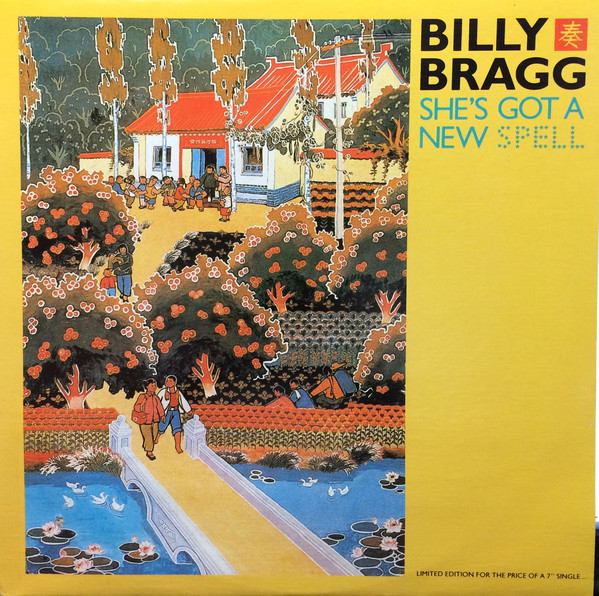
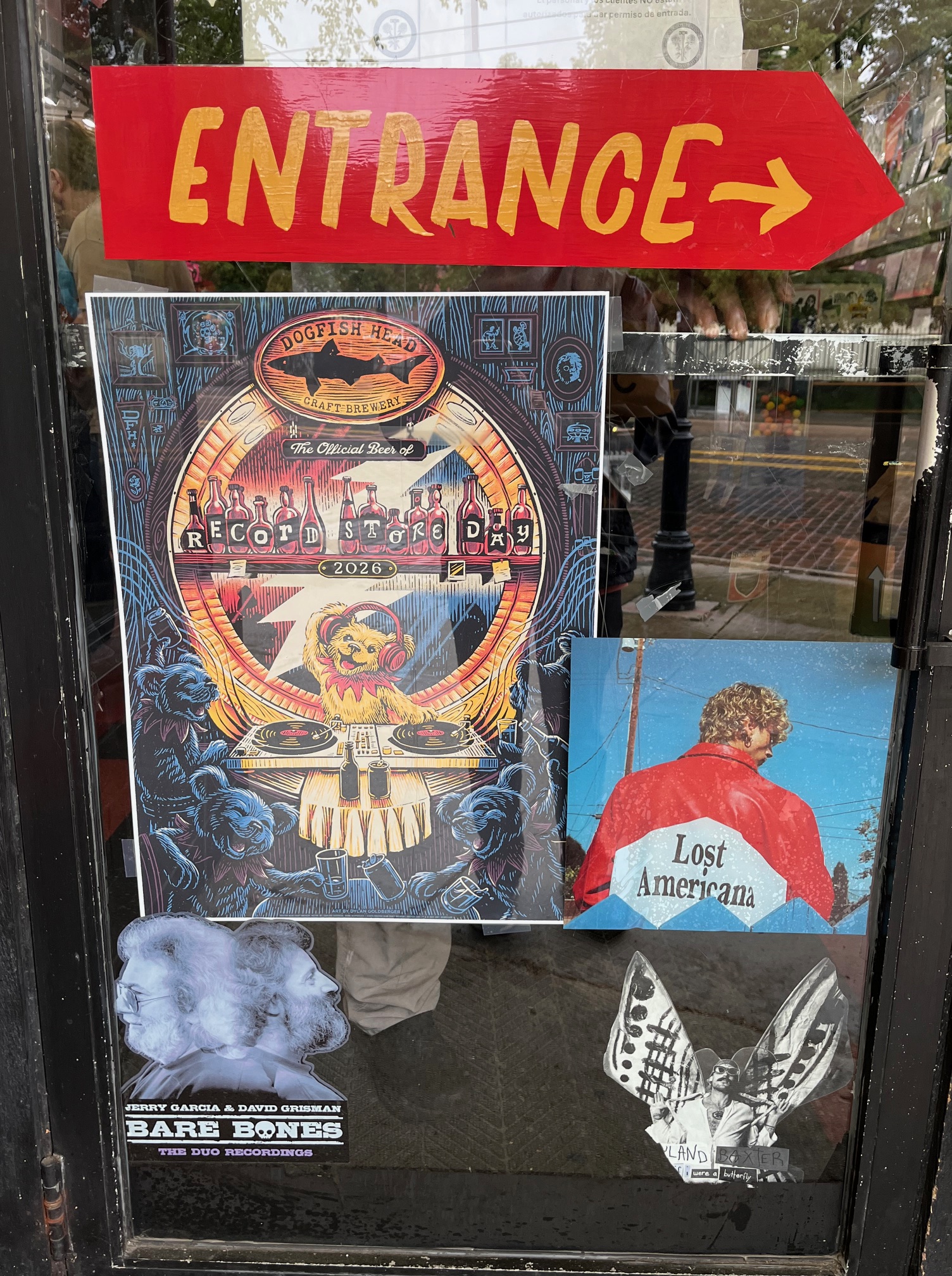
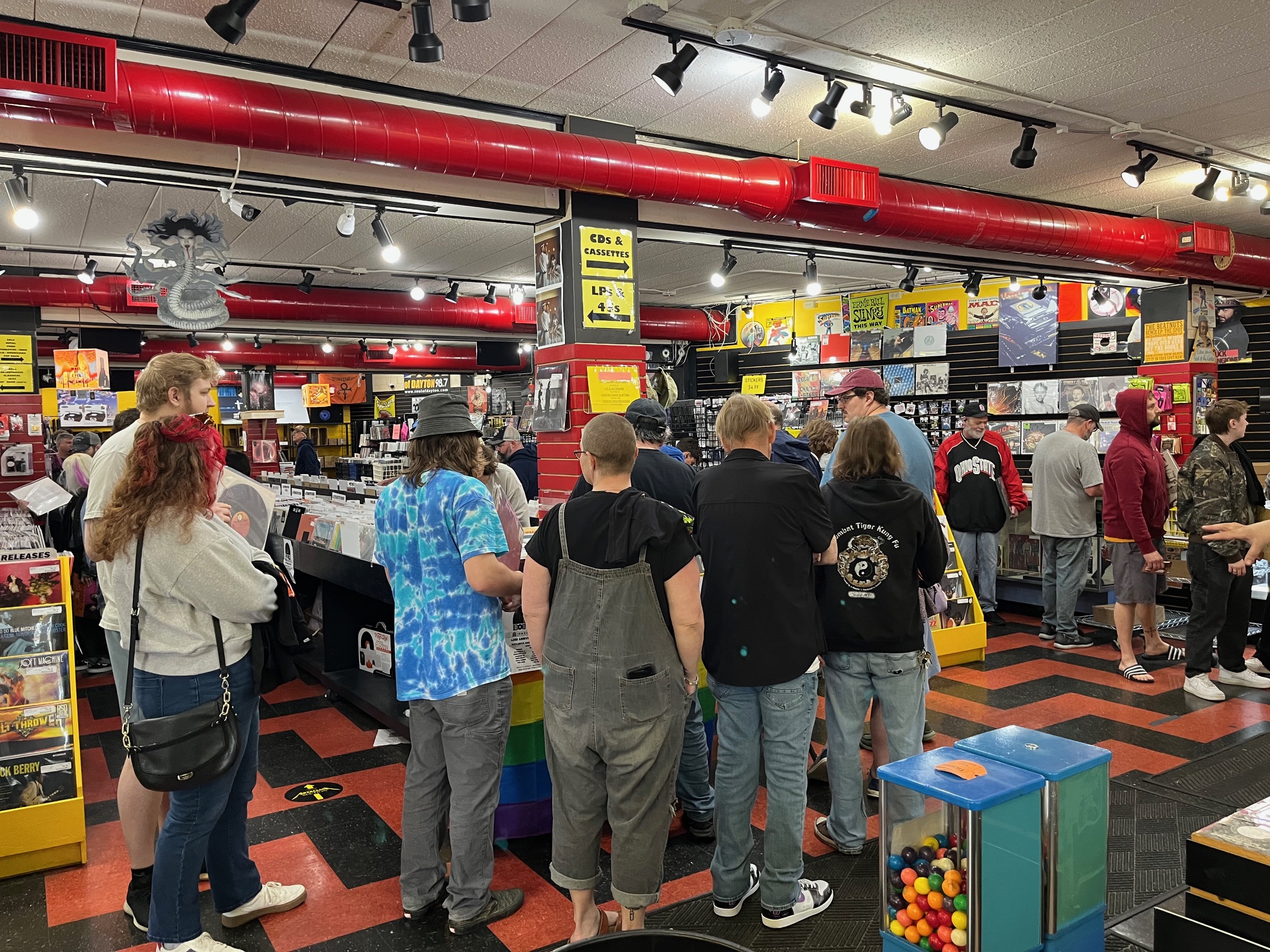
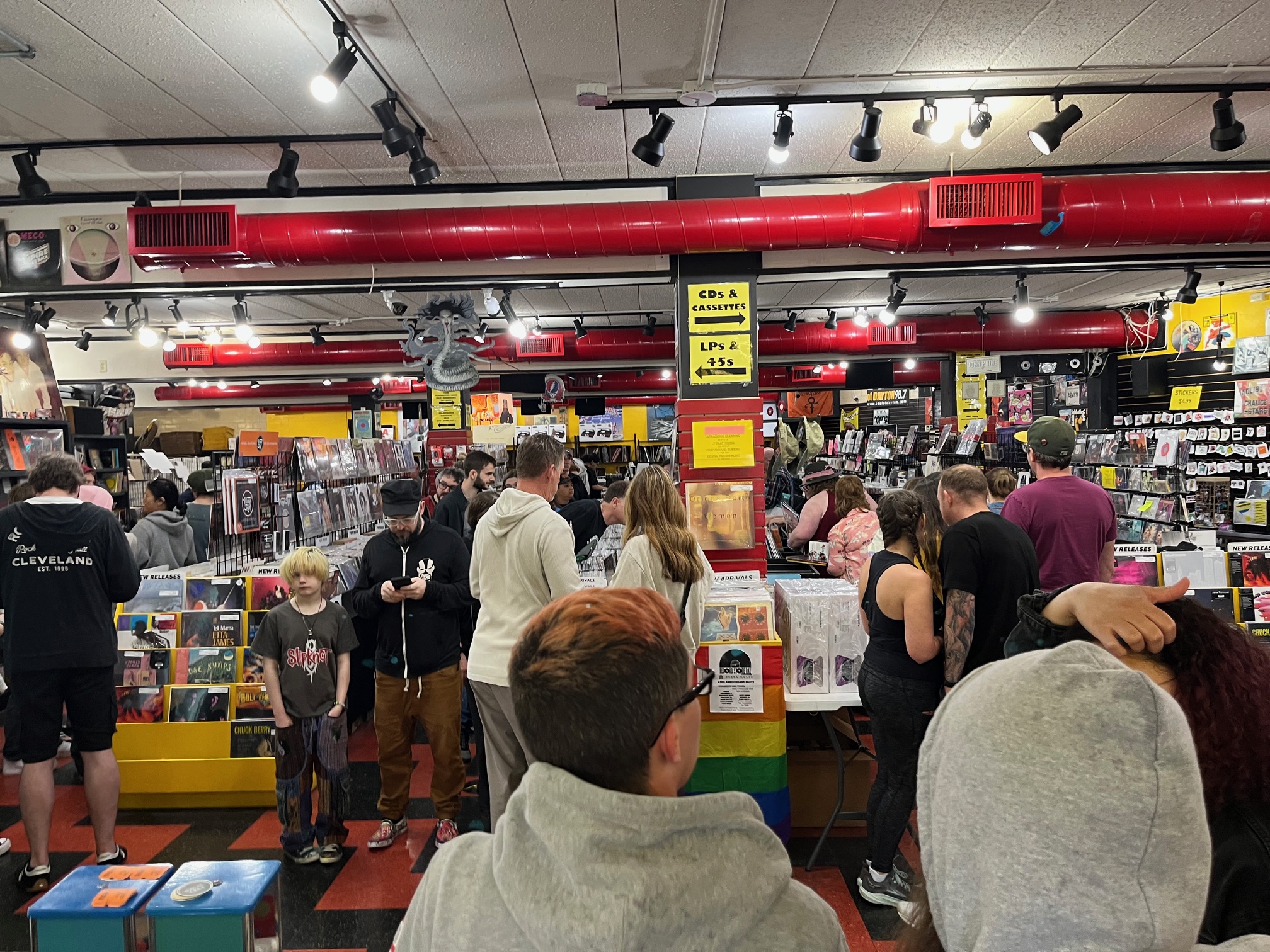
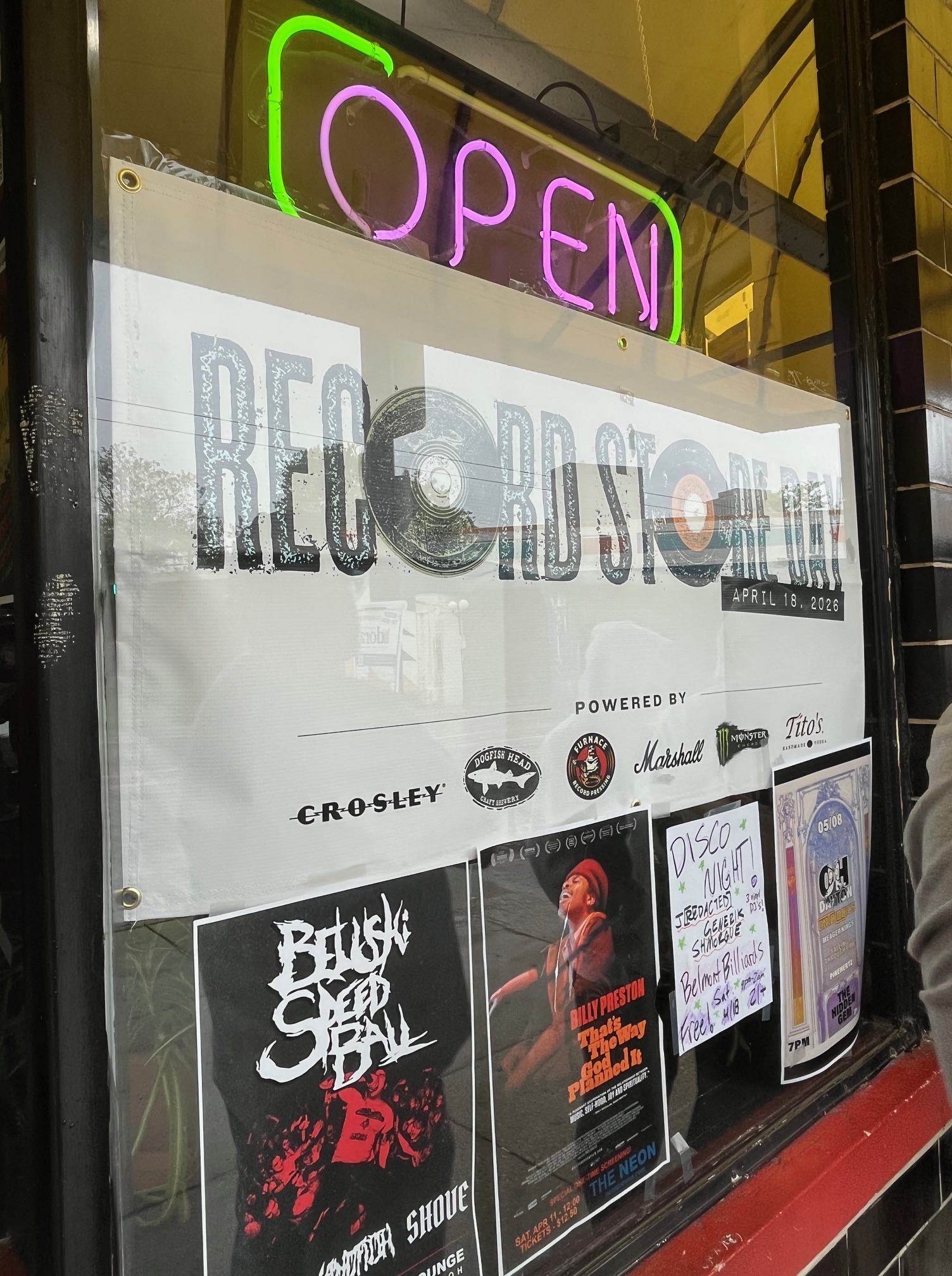
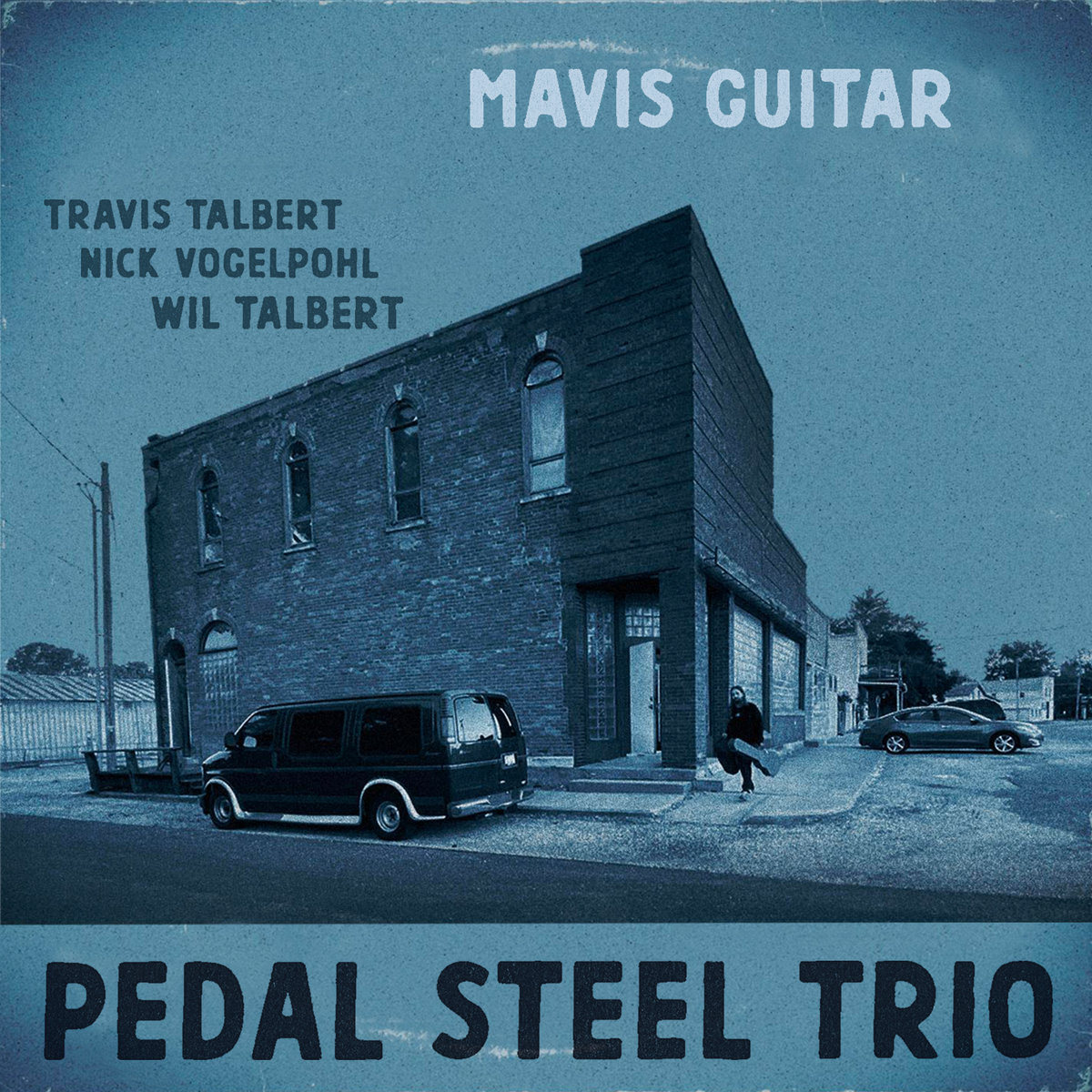
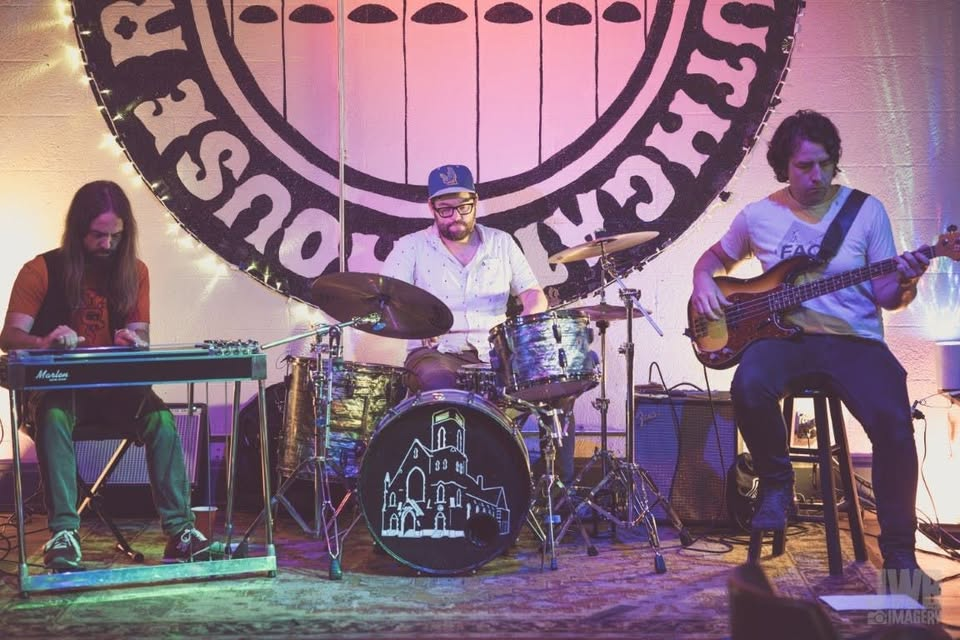
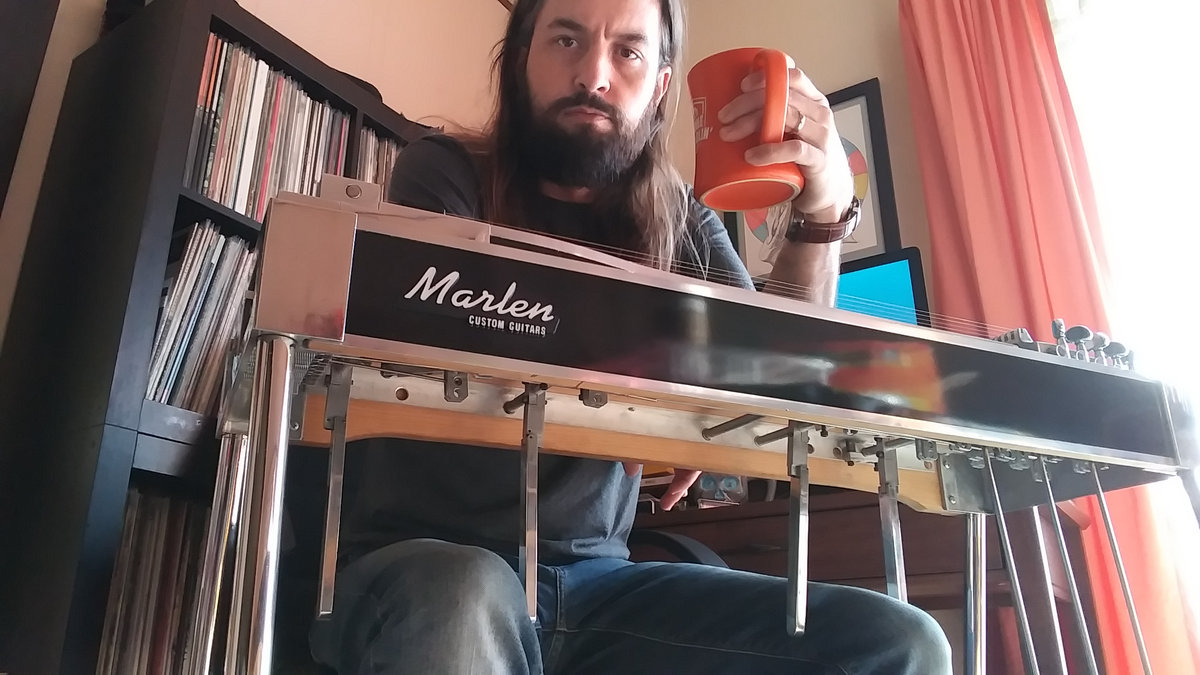
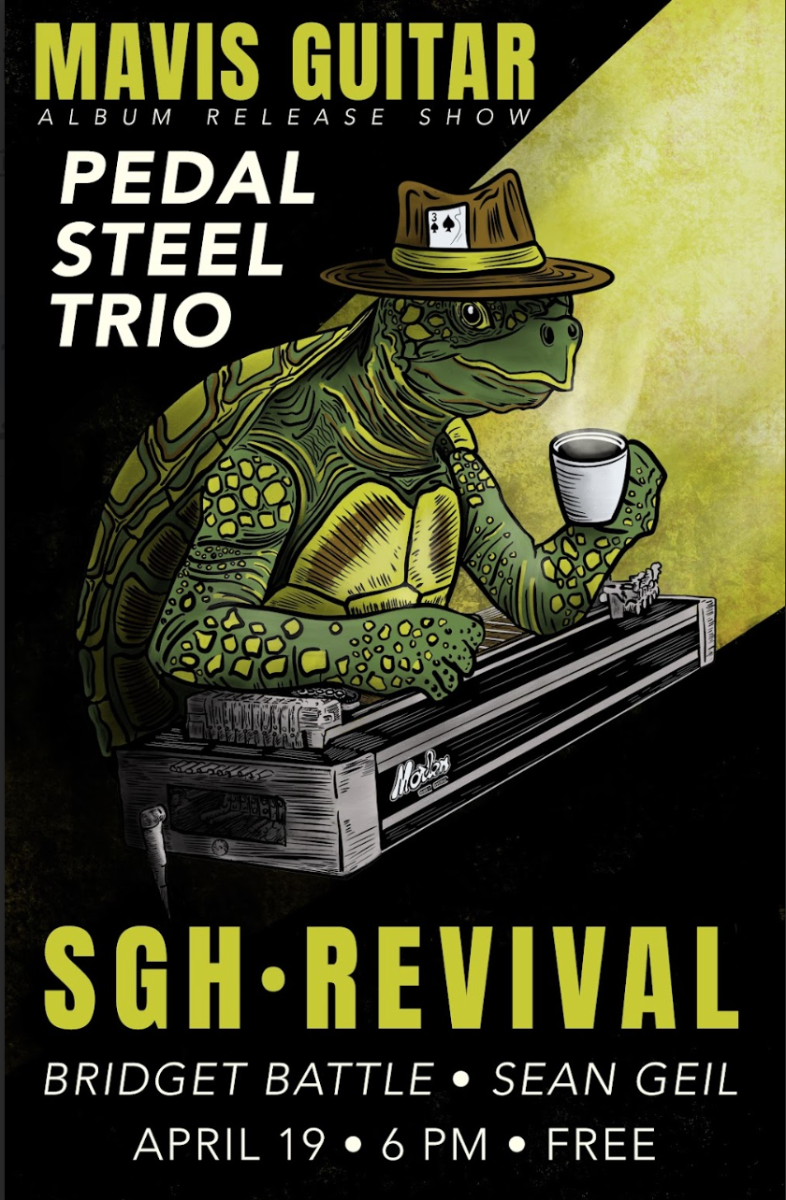
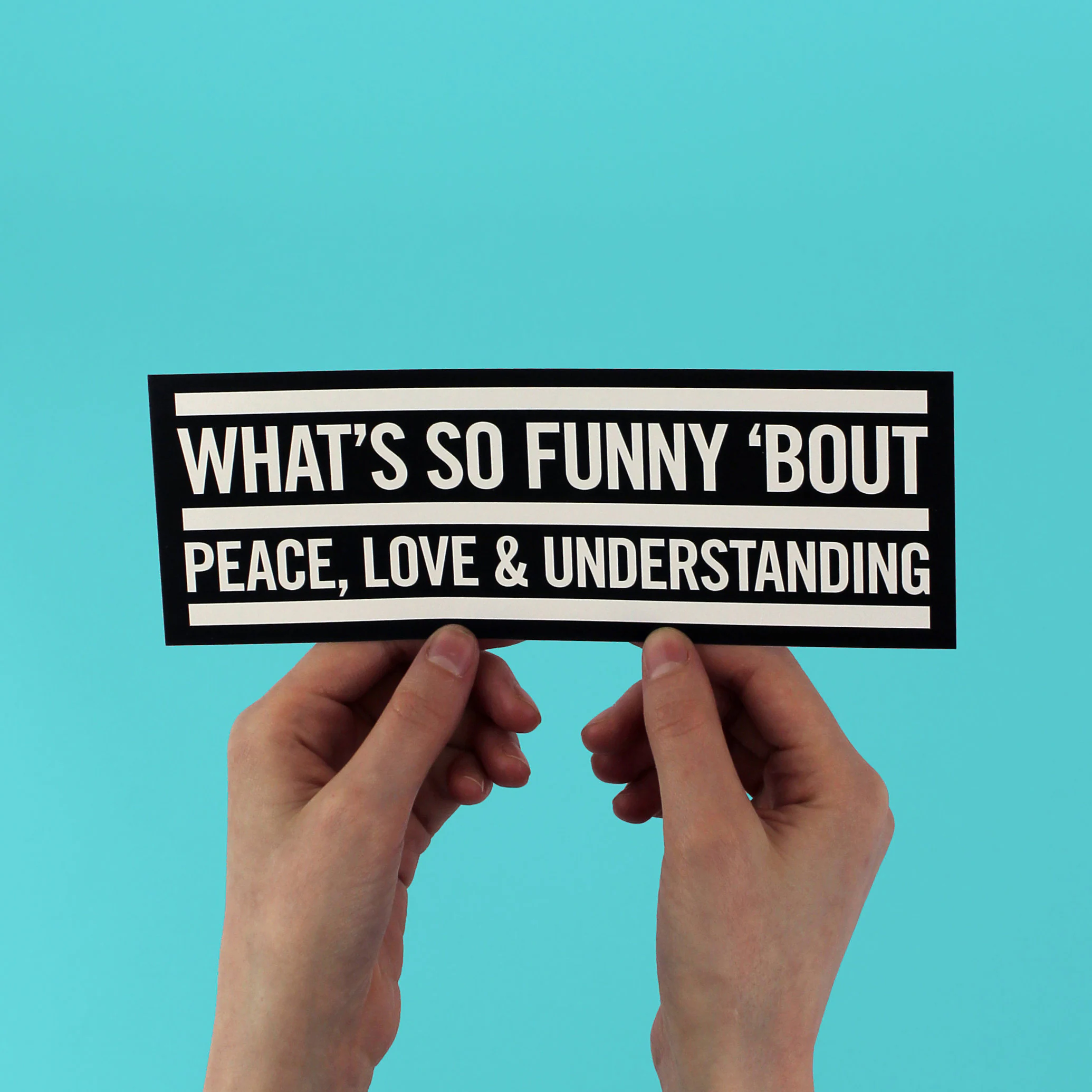
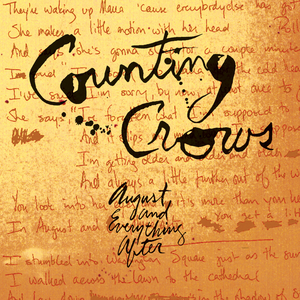






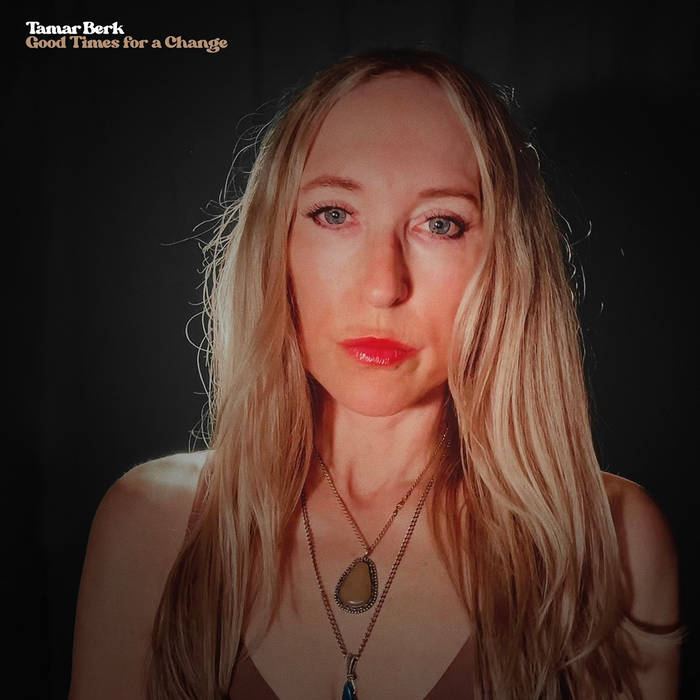

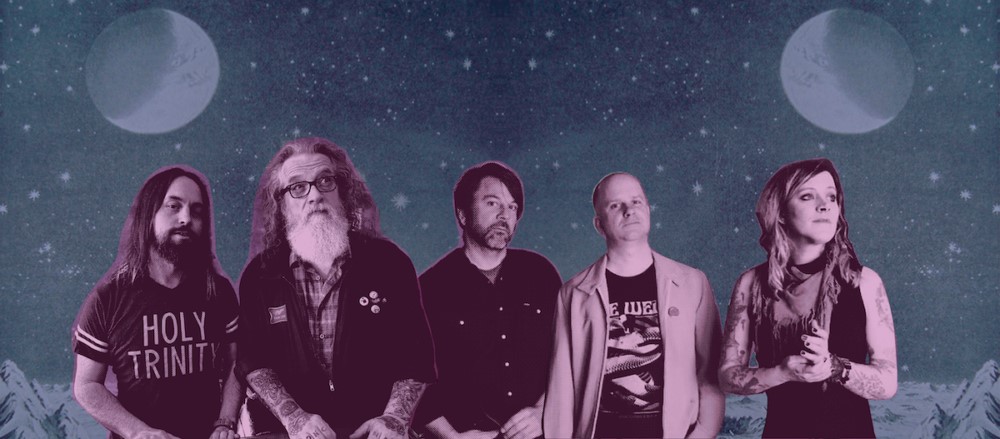


 your tuesday afternoon alternative