The vinyl revival is no longer a novelty. It’s a durable feature of the modern music economy.

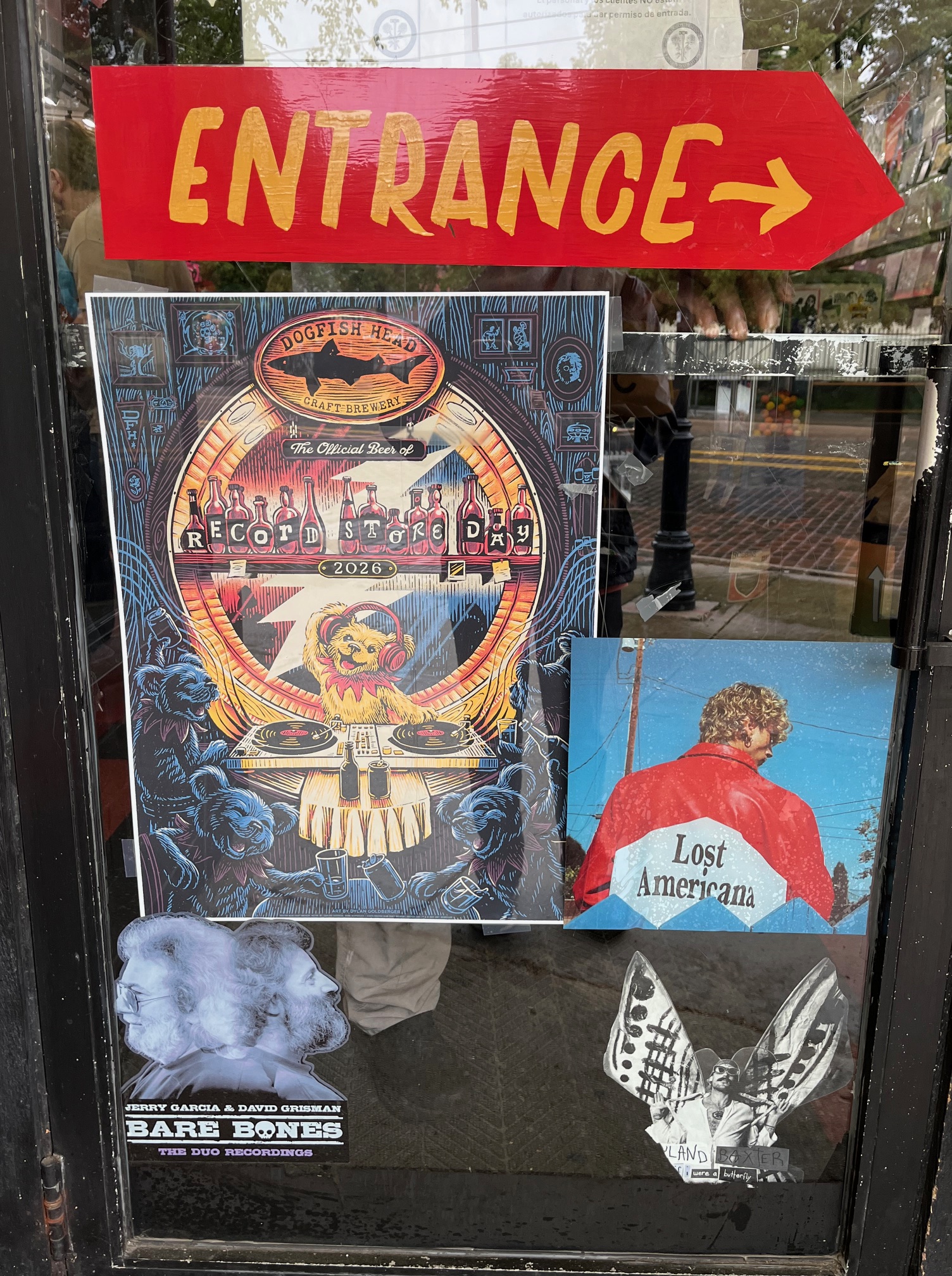
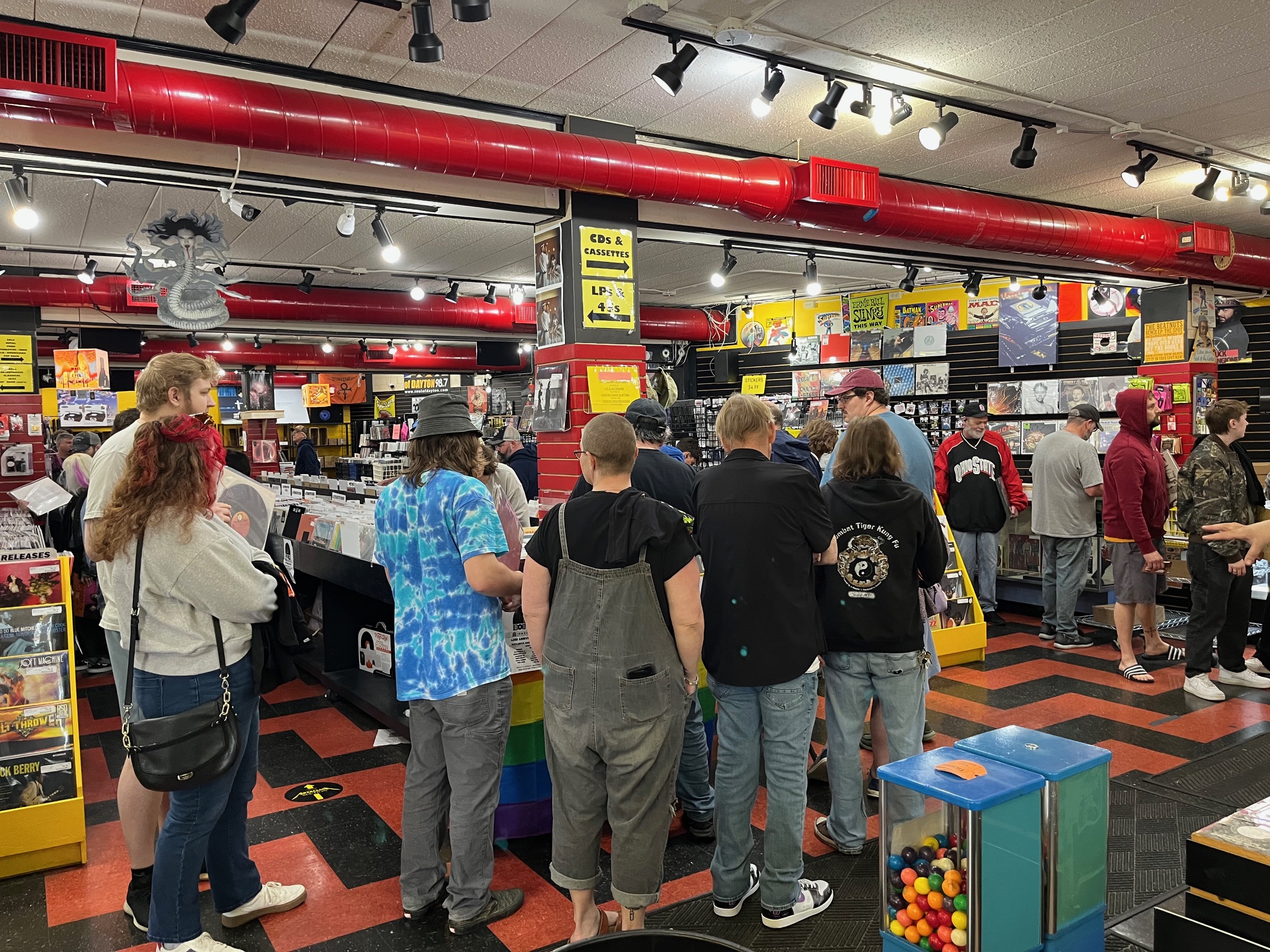
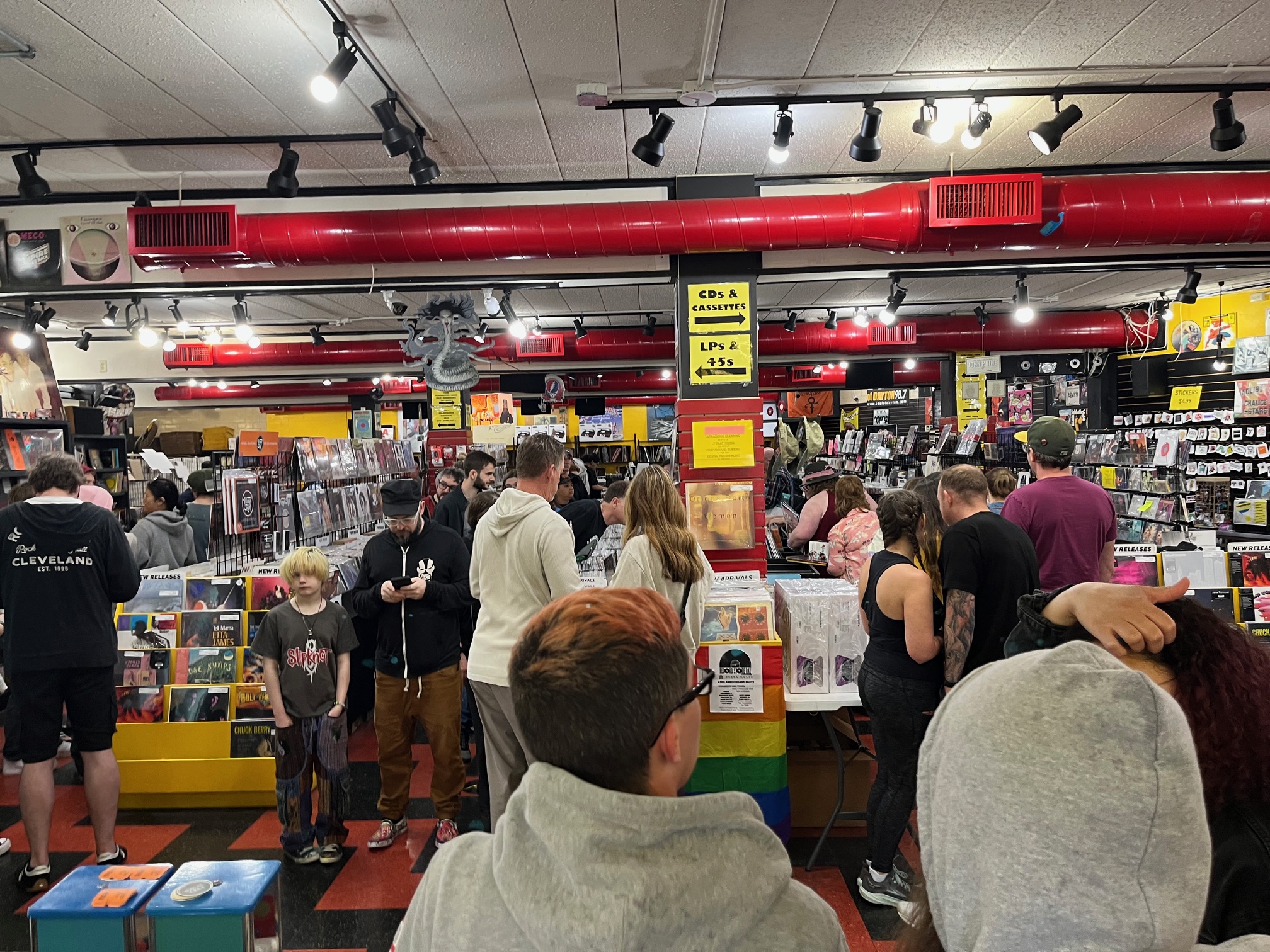
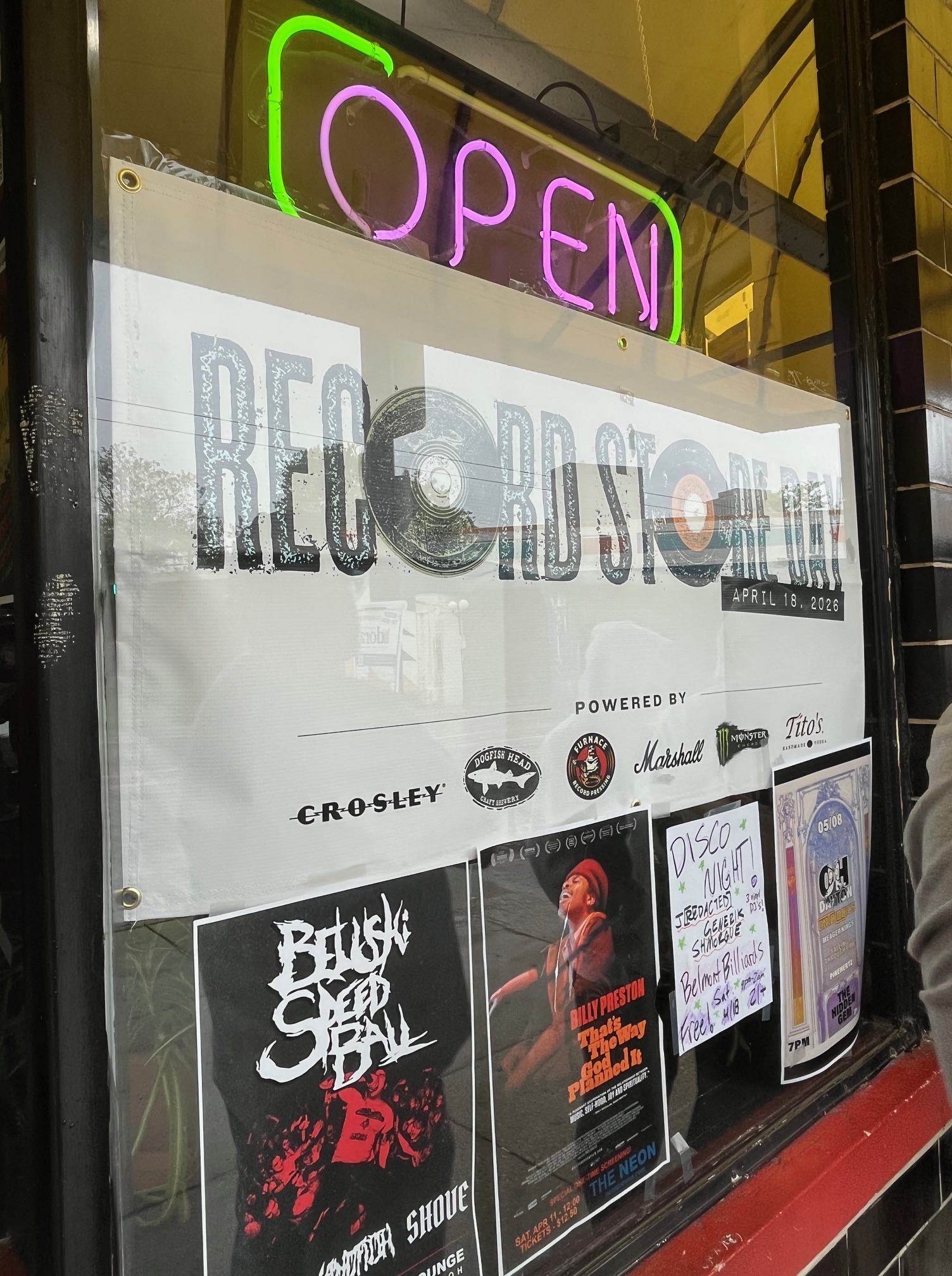
Going to Omega Music for Record Store Day 2026 felt a little like stepping into a living archive of the city’s musical life. The line had already formed when I arrived downtown: people in band tees, parents with teenagers, longtime collectors trading stories about past finds, and that familiar hum of anticipation that only happens when music becomes a shared event rather than a private stream. Inside, the bins were packed with special releases and reissues, but just as memorable were the conversations: staff recommending records, strangers debating pressings, and the occasional cheer when someone found the album they had been hunting for. It reminded me that record stores are not just retail spaces; they are social spaces, places where music culture is performed collectively, one record at a time.

Music lovers around the world will come together today to celebrate Record Store Day. Conceived in 2007 to highlight the cultural significance of independent record stores and to champion vinyl culture, the occasion is now marked by live performances, exclusive releases, artist meet-and-greets, and other in-store events across the globe. One of its original aims—keeping vinyl records alive—has, in many ways, been fulfilled: vinyl is no longer a relic in need of saving.

In fact, vinyl’s resurgence remains one of the more unexpected cultural reversals of the digital age. In the United States, vinyl album sales increased for the 19th consecutive year in 2025. According to the Recording Industry Association of America (RIAA), 46.8 million EPs and LPs were sold last year, a dramatic rise from fewer than one million in 2006, when the format’s revival began.

At first glance, these figures might suggest a widespread return to analog listening. But vinyl’s resurgence tells a more complex—and more sociologically revealing—story than a simple narrative of nostalgia. Rather than displacing streaming, vinyl has found new meaning within a digital landscape of abundance and convenience—offering a more tangible, intentional way of engaging with music.

A comeback measured in decades

The vinyl revival is unusual because it has unfolded slowly and steadily rather than explosively. In an era defined by rapid technological change, vinyl’s growth has been incremental but persistent. The format has now logged nearly two decades of consecutive expansion, culminating in a milestone year in 2025 when U.S. vinyl sales surpassed $1 billion for the first time since the early 1980s.

Yet perspective matters. Vinyl is thriving, but it is not dominant. Streaming remains the overwhelming force in the music economy, accounting for roughly 82 percent of U.S. music revenue. Physical formats—including vinyl—collectively represent only a small share of overall consumption. This dual reality helps explain why vinyl feels simultaneously resurgent and niche. It is growing rapidly within a shrinking category. Vinyl now outsells CDs and dominates physical media, but physical media itself is no longer the center of the industry.

Historically, the difference is striking. During the peak of vinyl’s popularity in the 1970s, Americans purchased hundreds of millions of records annually. By comparison, today’s sales—while impressive relative to the early 2000s—remain far below those earlier highs.

Having collected records for decades, that contrast is easy to feel. I remember when vinyl wasn’t a niche or a statement—it was simply how music lived in the world. record stores were not destinations in the curated, event-driven sense we see today; they were routine stops, woven into everyday life. New releases arrived as communal moments, and the physical act of flipping through bins, pulling out a sleeve, and committing to an album was part of a shared cultural rhythm.

What stands out now is not just the scale, but the shift in meaning. Buying a record today carries a different kind of intentionality. It feels slower, more deliberate—sometimes even a little defiant. Where vinyl once dominated by default, it now persists by choice. For longtime collectors, that shift is palpable: the medium hasn’t just returned, it’s been recontextualized, taking on new symbolic weight in a landscape where music is otherwise instant, invisible, and everywhere at once.

In other words, vinyl is not returning to its past dominance. It is reinventing itself for a different cultural moment.
Ownership in an age of access

One of the most revealing facts about vinyl’s resurgence is that many buyers do not regularly play the records they purchase. Industry research suggests that roughly half of vinyl buyers do not even own a record player.

From the perspective of someone who has spent decades collecting and listening to records, that shift is both surprising and strangely understandable. For years, my relationship to vinyl was inseparable from the act of playing it: lowering the needle, hearing the soft crackle before the music begins, sitting with an album all the way through because skipping tracks required effort. Records were meant to be used, worn in, lived with.

Today, I still see younger collectors flipping through crates with the same excitement I remember, but the meaning of the object has changed. I’ve had conversations in record stores with people who carefully select albums for their artwork, their symbolic value, or the feeling of ownership—sometimes without any immediate intention of listening. The record becomes less a playback device and more a cultural artifact: something to display, to collect, to hold onto in a world where music itself often feels fleeting.

That doesn’t make the practice any less meaningful, but it does mark a profound shift. For longtime collectors, it reframes what it means to “own” music. The ritual of listening may no longer be central for everyone, but the desire for something tangible—for a physical connection to sound—remains as strong as ever.

This statistic might seem paradoxical, but it makes sense when viewed through the lens of contemporary consumer culture. Music streaming has solved the problem of access. With a smartphone and a subscription, listeners can hear almost any song instantly. What streaming cannot provide is a sense of ownership.

Vinyl fills that gap.

A record is tangible. It has weight, artwork, liner notes, and a physical presence that digital files lack. In sociological terms, vinyl functions as a symbolic object—something that represents identity, taste, and affiliation. Owning a record communicates commitment to an artist or genre in ways that clicking “save” on a playlist does not.

This dynamic helps explain why vinyl sales are often driven by dedicated fan communities and major cultural events. Blockbuster album releases and limited-edition pressings can transform records into collectible artifacts. In recent years, artists have released multiple versions of the same album—different colors, covers, or bonus tracks—encouraging fans to purchase more than one copy.

Collectors, not casual listeners, are increasingly shaping the market.
The role of independent record stores

Record Store Day itself points to another key factor in vinyl’s survival: community. Independent record stores today function as cultural hubs as much as retail spaces, hosting live performances, organizing listening parties, and creating opportunities for music fans to gather in ways that feel increasingly rare. These are experiences no algorithm can replicate.

Having spent years in and around these spaces, what stands out is how much of the experience has always been social, even when it wasn’t formally organized. I can think of countless afternoons spent in record stores where conversations unfolded naturally—over what was playing on the speakers, over a shared appreciation for an artist, or over a recommendation offered across the counter. You didn’t just discover music; you discovered it with other people.

That sense of connection feels even more pronounced now. On Record Store Day, I’ve watched lines wrap around city blocks, not just for exclusive releases but for the chance to participate in something collective. Inside, the atmosphere is part celebration, part ritual: strangers talking like old friends, staff curating not just inventory but experience, music filling the room in a way that demands presence. It’s a reminder that listening has always been, at least in part, a social act.

Independent stores remain central to this ecosystem in more material ways as well. A significant share of vinyl sales still flows through these local shops rather than large online marketplaces, reinforcing their role not just as nostalgic holdovers, but as active intermediaries in how music circulates today. For longtime collectors, that continuity matters. Even as formats and habits change, the record store endures—not just as a place to buy music, but as a place to belong.

From a sociological perspective, this matters because it reflects a broader shift toward experiential consumption. People are not simply buying products; they are seeking meaningful interactions. Visiting a record store, browsing shelves, and talking with staff or fellow customers creates a sense of belonging that streaming services cannot easily reproduce.

The resurgence of vinyl is therefore also a story about place. It is about the persistence of local culture in a global digital economy.

Nostalgia—and something more

Nostalgia is often cited as the primary driver of vinyl’s comeback, and it certainly plays a role. Many listeners associate records with earlier periods in their lives or with imagined past eras of musical authenticity. The tactile ritual of placing a needle on a record can evoke memories of childhood, adolescence, or family traditions.

But nostalgia alone cannot explain why younger generations—many of whom grew up entirely in the streaming era—are embracing vinyl. Surveys and retail observations suggest that Gen Z listeners are among the most enthusiastic vinyl buyers. For them, records are not reminders of the past. They are discoveries.

Younger consumers often describe vinyl as offering a more intentional listening experience. Unlike streaming, which encourages skipping and multitasking, records require attention. You must choose an album, place it on the turntable, and listen to one side at a time. The format imposes limits, and those limits create focus.

In a culture saturated with digital content, that sense of deliberateness can feel refreshing.
The future of the analog object

So how big is vinyl’s comeback really? Should we all dust off our old record players to prepare for an analog future of music Probably not.

Streaming will almost certainly remain the dominant mode of music consumption for the foreseeable future. Its convenience, affordability, and massive catalog make it difficult to displace. But vinyl does not need to replace streaming to remain relevant.

Instead, vinyl has carved out a stable niche as a premium, collectible format. It is less a competitor to digital music than a complement to it. Many listeners stream music daily but purchase vinyl occasionally, treating records as souvenirs of artists, concerts, or personal milestones.

This pattern reflects a broader truth about technology and culture: new media rarely eliminate old media entirely. They change how older formats are used. Books survived television. Radio survived podcasts. And vinyl, once written off as obsolete, has become a symbol of durability in an age defined by constant innovation. That may be the most important lesson of the vinyl revival. Even in a world dominated by streaming and cloud storage, physical objects still matter. They anchor memories, signal identity, and create connections that digital files alone cannot provide.

As Record Store Day celebrations unfold this year, the long lines outside local shops will serve as a reminder of that enduring appeal. Vinyl is not just a medium for music. It is a cultural artifact—one that continues to spin, quite literally, into the future.

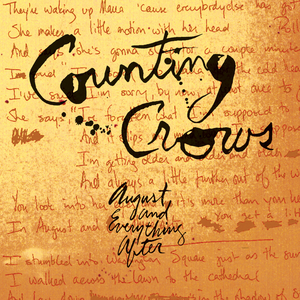
Dr. J’s Desert Island Albums: Counting Crows and the Art of Emotional Aftermath

How often have you been asked to name your top ten albums, or debated which records you’d take to a desert island? The “desert island album” is a familiar, hypothetical concept among music fans: the one record you could listen to endlessly and never tire of. It’s simply a way of naming your most cherished, all-time favorite album. For Dr. J, one of those perfect records is Counting Crows’ 1993 debut, August and Everything After.

Some records arrive like polite guests, shaking hands with the radio, smiling for the cameras, making sure not to spill anything on the carpet. And then some records kick in the door at 3 a.m., overwhelmed on their own feelings, bleeding a little, asking you if you’ve ever actually lived or if you’ve just been killing time until something breaks your heart. August and Everything After is the latter. It doesn’t so much introduce Counting Crows as it announces them, like a cracked-voiced preacher stumbling into town with a suitcase full of secrets and a head full of weather. That it’s their first record feels almost obscene. Bands aren’t supposed to sound this fully formed, this bruised, this emotionally articulate right out of the gate. This is supposed to take years of failure, challenges, and ill-advised love affairs. But here it is, fully alive, staring you down.

If genius means anything in rock and roll—and it does, despite all the sneering irony we’re trained to wear like armor—it means the ability to translate private confusion into public communion. Adam Duritz doesn’t just write songs; he writes confessions that somehow feel like yours, even when you’ve never lived in California, never stood on a street corner at night wondering who you were supposed to be, never tried to make sense of love after it’s already gone feral and bitten you. These songs don’t explain feelings; they inhabit them. They sit in the mess. They let the awkward silences linger. They don’t clean up after themselves. And that’s why people keep coming back.

“Round Here” opens the album not with a bang but with a question mark. It’s a song about dislocation, about being young enough to believe that identity is something you can find if you just look hard enough, and old enough to know that it might already be slipping away. “She says she’s tired of life, she must be tired of something,” Duritz sings, and it’s not melodrama—it’s reportage. He’s documenting the emotional static of a generation that grew up on promises it didn’t quite believe. There’s no manifesto here, no slogans. Just the sound of someone pacing around a parking lot trying to figure out how to be real in a world that feels increasingly wrong and staged.

And that’s the trick of August and Everything After: it sounds intimate without being precious, expansive without being bombastic. The band plays like they’re backing a nervous breakdown that somehow learned how to swing. The guitars shimmer and sigh; the rhythm section keeps things grounded, like a friend who knows when to let you rant and when to hand you a glass of water. T Bone Burnett’s production (Burnett also contributed guitar and vocals to the record) gives everything room to breathe, which is crucial because these songs need the oxygen. Smother them, and they’d collapse into self-pity. Instead, they hover in that dangerous space between vulnerability and confidence, where the best rock records live.

“Omaha” — one of my favorite songs on the record — is where the album first threatens to explode. It’s restless, jittery, propelled by a sense that staying still is a kind of death. Duritz sounds like someone running not toward something but away from the version of himself he’s afraid to become. This is a recurring theme throughout the record: movement as salvation, travel as therapy, geography as a stand-in for emotional states. Cities become characters, roads become metaphors, and every mile marker is another chance to start over, or at least pretend you can.

Then there’s “Mr. Jones,” the song that doomed the band to a lifetime of misunderstanding by becoming a hit. People heard it as an anthem of ambition, a singalong about wanting to be famous, to be seen. But listen closer, and it’s a song about emptiness, about mistaking visibility for connection. “We all want to be big stars,” Duritz sings, and it’s not triumph—it’s confession. The song pulses with the anxiety of someone who knows that being watched isn’t the same as being known. That radio stations turned it into a party song is almost beside the point; the genius is that it works despite the misreading, smuggling existential dread onto pop playlists like contraband.

The middle stretch of the album is where August and Everything After really earns its indispensability. “Perfect Blue Buildings” and “Anna Begins” slow things down, letting the emotional weight settle in your chest. These are songs about relationships not as fairy tales but as negotiations, as ongoing attempts to be less alone without losing yourself entirely. “Anna Begins” in particular feels like eavesdropping on someone thinking out loud, trying to talk himself into love and out of fear at the same time. It’s hesitant, messy, human. The song doesn’t resolve so much as it exhales, which is exactly right. Love rarely comes with neat conclusions. And remember, this is the band’s first record — wow.

What makes this record one that everyone has either owned, borrowed, stolen, or at least absorbed through cultural osmosis is how unapologetically it centers feeling in an era that was increasingly suspicious of it. The early ’90s had irony for days. Grunge made disaffection fashionable; alternative radio thrived on detachment. Counting Crows, meanwhile, walked in waving their emotions like a white flag and dared you to flinch. They didn’t hide behind distortion or sarcasm. They sang about longing, loneliness, and the aching desire to matter. And people listened because, beneath all the posturing, that’s what everyone was dealing with anyway.

“Time and Time Again” and “Rain King” push the album toward something almost mythic. Duritz begins to sound less like a diarist and more like a prophet with stage fright, evoking imagery that feels both biblical and personal at the same time. “Rain King” is particularly a masterclass in building atmosphere. It swells and recedes, gathering momentum until it feels like the sky might actually open up. It’s about control and surrender, about wanting to command the elements of your life while knowing that you’re mostly at their mercy. It’s the sound of someone learning to live with uncertainty rather than trying to conquer it.

And then there’s “A Murder of One,” the closer that doesn’t tie things up so much as leave them humming in your bloodstream. It’s expansive, reflective, tinged with regret but not crushed by it. Ending the album here feels intentional: after all the searching, all the restless motion, the record concludes not with answers but with a kind of hard-won acceptance. Life is complicated. Love is risky. Identity is a moving target. The best you can do is keep singing, keep reaching out, keep trying to make sense of the mess.

What’s staggering is that this is a debut. Not a tentative first step, not a collection of demos dressed up for release, but a fully realized statement of purpose. Counting Crows sound like a band that already knows who they are, even as their songs wrestle with uncertainty. That tension—between confidence and doubt, polish and rawness—is what gives August and Everything After its staying power. It feels lived-in, like these songs existed long before they were recorded, waiting for the right moment to surface.

In the end, the genius of August and Everything After isn’t just in its songwriting or performances, though both are exceptional. It’s in its insistence that emotional honesty is a form of rebellion. That talking about loneliness, about the hunger for connection, about the struggle to define yourself in a world that keeps changing the rules—that all of this matters. This is a record that people return to at different stages of their lives and hear something new each time, because it grows with you. Or maybe it just reminds you of who you were when you first heard it, and who you thought you might become.

Either way, it’s indispensable. Not because it tells you what to feel, but because it reminds you that feeling deeply is still possible. And for a debut album to pull that off—to make itself a permanent fixture in the emotional furniture of rock and roll—that’s not just impressive. That’s a small miracle, wrapped in August light and delivered just in time.

The Power of the first two songs.

The first two songs on an album hold immense power in shaping a listener’s experience, often serving as the gateway into the world the artist is trying to build. These opening tracks set the tone, establish the mood, and give a taste of the themes that will run through the rest of the record. Crafting these initial songs is a crucial task for artists and producers, as they serve as the hook that keeps listeners engaged, allowing the album to unfold and capture the listener’s imagination, emotions, and attention.

Setting the Tone and Mood

The opening track of an album is often a carefully constructed statement of intent. It’s the first impression, and like any introduction, it serves to intrigue and invite the listener to delve deeper. A powerful first track can instantly set the tone of the album, hinting at the sonic and lyrical themes that will be explored. For example, think of an album that opens with a haunting instrumental. This immediately suggests a reflective, perhaps dark journey. Alternatively, an upbeat, energizing track suggests an album filled with light-hearted or energetic themes.

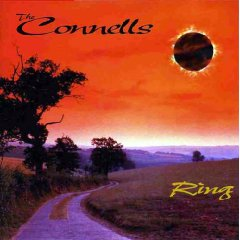
Take The Connells’ RING. as an example. The album opens with “Slackjawed,” a driving, propulsive track that begins with a ringing jovial guitar line that kicks the door down. This is not just an opening—it’s a jolt that immediately signals the weightiness of the themes and musical adventure the band is about to tackle. The moment serves as a thesis for the rest of the album, preparing the listener for a complex exploration of relationships, fate, and identity.

The tone established by the first track is further cemented by the second, which often serves as a continuation of the initial atmosphere or as a bridge to the core themes of the album. In RING, the transition into “Carry My Picture”— an explosive and intense follow-up to the first song — intensifies the listener’s engagement, showing the contrast between the introspective narrative and outward confrontation with social and personal identity “I’m just standing here, slackjawed.” In other words, you moved me. You shaped me. This careful juxtaposition illustrates how the first two songs can work together to create a powerful, immersive start to an album.

Creating Narrative Continuity

Albums often tell stories, whether they are explicitly narrative-driven or bound together by thematic cohesion. The first two songs frequently act as the opening scene of a larger narrative. By creating continuity between them, artists can effectively pull listeners into the story, making them feel invested from the outset.

Consider The Wall by Pink Floyd, an album that tells the story of a character named Pink, who builds an emotional and psychological wall to protect himself from the world. The first track, “In the Flesh?” poses questions, suggesting that things are not what they seem, and quickly transitions into the second track, “The Thin Ice,” which sets the stage for the protagonist’s descent into isolation. The connection between these two tracks is palpable, and the transition is seamless, establishing both a literal and metaphorical foundation for the narrative that follows.

In some albums, the first two songs don’t tell a literal story but rather establish a thematic continuity that will persist throughout. An album might open with a track expressing vulnerability, followed by one that portrays resilience, setting up an emotional arc that resonates through the subsequent songs. By presenting these contrasting or complementary emotions, the artist can make the listener feel like they are embarking on a journey, a crucial hook to keep them engaged.

Establishing a Sonic Palette

The first two songs also set the sonic palette for the album. They introduce the key musical elements, such as instrumentation, tempo, and production style, that will shape the album’s sound. This is essential in modern music, where genres and production techniques vary widely. Listeners often seek albums that provide a cohesive sound experience, and the first two tracks can communicate this cohesion, giving listeners a taste of what to expect and creating anticipation for the sonic evolution that will follow.

For example, in Radiohead’s OK Computer, the album opens with “Airbag,” a song layered with futuristic electronic elements blended with traditional rock instrumentation. This unique soundscape is extended in the second track, “Paranoid Android,” which introduces complex guitar riffs, atmospheric synths, and abrupt tempo changes. These two songs lay the groundwork for the rest of the album’s experimental sound, combining electronic and organic elements to create a dystopian atmosphere. Listeners are drawn in not only by the lyrics and themes but by the cohesive and innovative sound that is established right from the start.

By firmly establishing the album’s sonic identity, the first two tracks allow the listener to acclimate to the artist’s world. This is particularly important for artists experimenting with unconventional sounds or those aiming to create a specific atmosphere. When done effectively, the sonic continuity between the first two tracks assures the listener that they are in capable hands, encouraging them to stay and experience the album as a cohesive whole.

Creating Emotional Engagement

Emotion is at the heart of music’s appeal, and the first two songs often provide an emotional foundation that primes listeners for the rest of the album. Whether an album seeks to evoke joy, nostalgia, introspection, or anger, the opening tracks give listeners an emotional “baseline” for what lies ahead.

Consider Adele’s 21, which opens with the song “Rolling in the Deep.” This song, with its powerful vocals and emotionally charged lyrics, immediately taps into feelings of heartbreak and resilience. The next song, “Rumour Has It,” follows with a sense of defiant energy, maintaining the theme of love and betrayal but with a different emotional lens. These two songs set up an emotional journey that resonates deeply with listeners, creating an empathy that pulls them into Adele’s personal narrative. By the time the third track begins, listeners are already emotionally invested, making it more likely they will stay for the entire album.

This emotional engagement is often achieved through careful sequencing and pacing. The first track might start with a soft, melancholic tone, followed by a second track that ramps up the energy, reflecting the duality of human emotions and experiences. By drawing listeners into these contrasting emotional spaces, artists can make their album experience more compelling and relatable, effectively mirroring the ups and downs of real life.

Holding Listeners’ Attention in the Age of Streaming

In the digital age, where listeners have access to millions of songs at their fingertips, capturing attention quickly is more important than ever. Data shows that listeners often skip songs within the first 30 seconds, so artists have limited time to make an impression. The first two songs on an album are, therefore, instrumental in capturing—and retaining—the listener’s attention.

The power of these songs lies not only in their ability to entertain but in their capacity to communicate that there’s more worth sticking around for. Albums that fail to capture interest in the first two tracks risk being abandoned, and the narrative or emotional arc intended by the artist is lost. This is especially relevant in concept albums, where each song is meant to be part of a larger whole. The first two tracks thus become crucial for creating a sense of curiosity and engagement, encouraging listeners to invest in the album as a complete experience.

Yeah, the first two songs matter

The first two songs on an album are far more than just the beginning—they are the invitation, the hook, and the thesis statement of the artist’s vision. These songs wield the power to set the tone, establish narrative continuity, introduce the album’s sonic landscape, engage listeners emotionally, and hold their attention. When crafted with care, they turn a casual listener into an engaged participant, ready to experience the album as a journey rather than a collection of individual songs. In a world where listeners’ attention is at a premium, the power of the first two songs is undeniable, playing a critical role in how music is experienced and remembered.