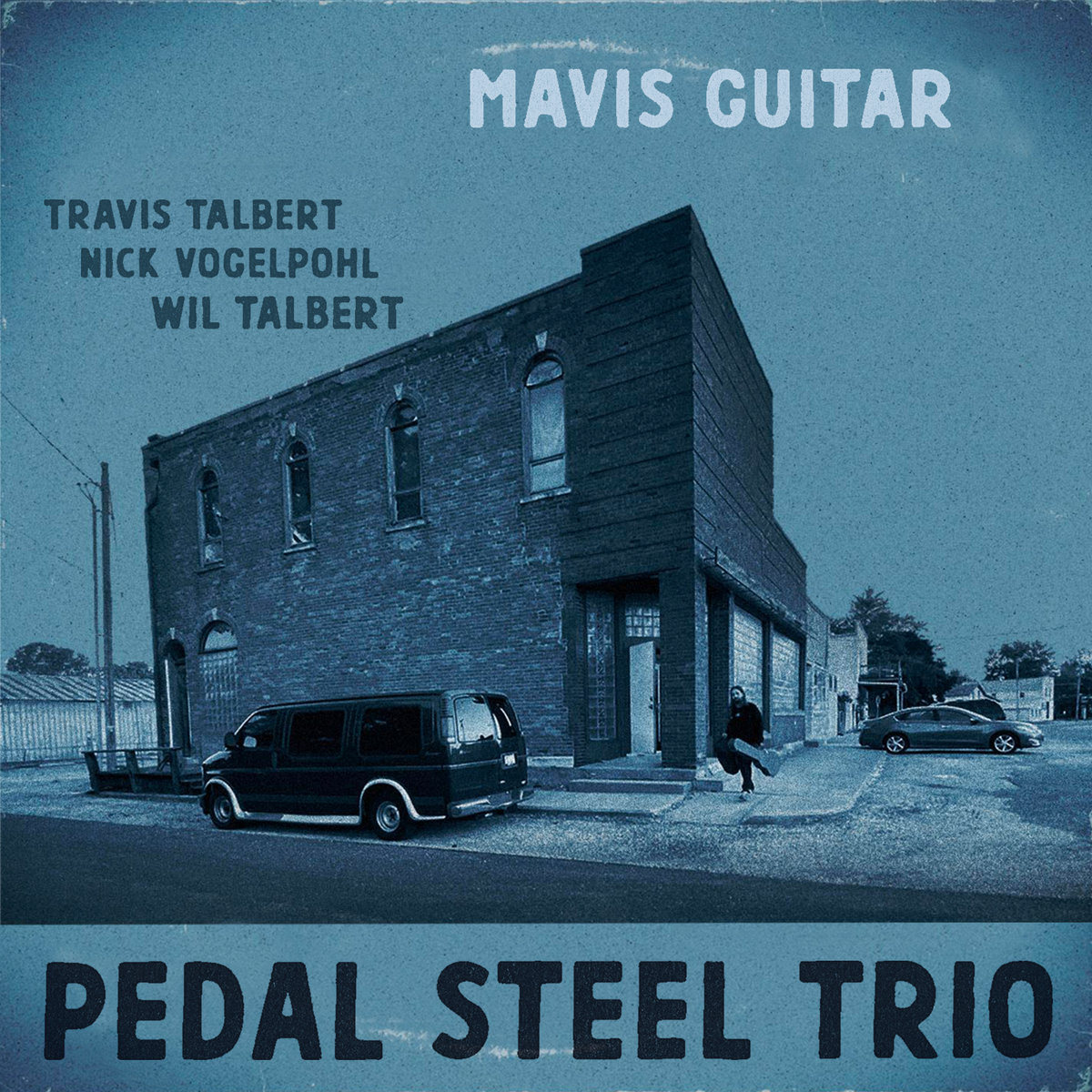
Having the opportunity to sit down and have a conversation with guitarist and songwriter Travis Talbert about the new Mavis Guitar record was both a pleasure and a privilege. Our discussion moved easily between technical aspects of songwriting and deeper reflections on creativity, memory, and the emotional power of instrumental music. It was a reminder of how thoughtful and intentional his approach to music truly is—and how the stories behind the songs can be just as compelling as the melodies themselves.
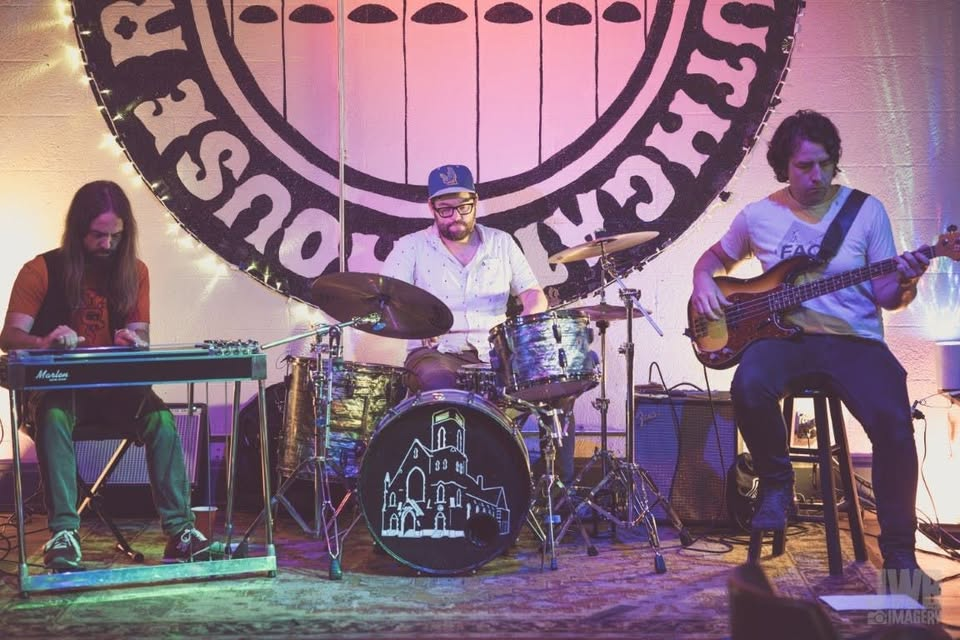
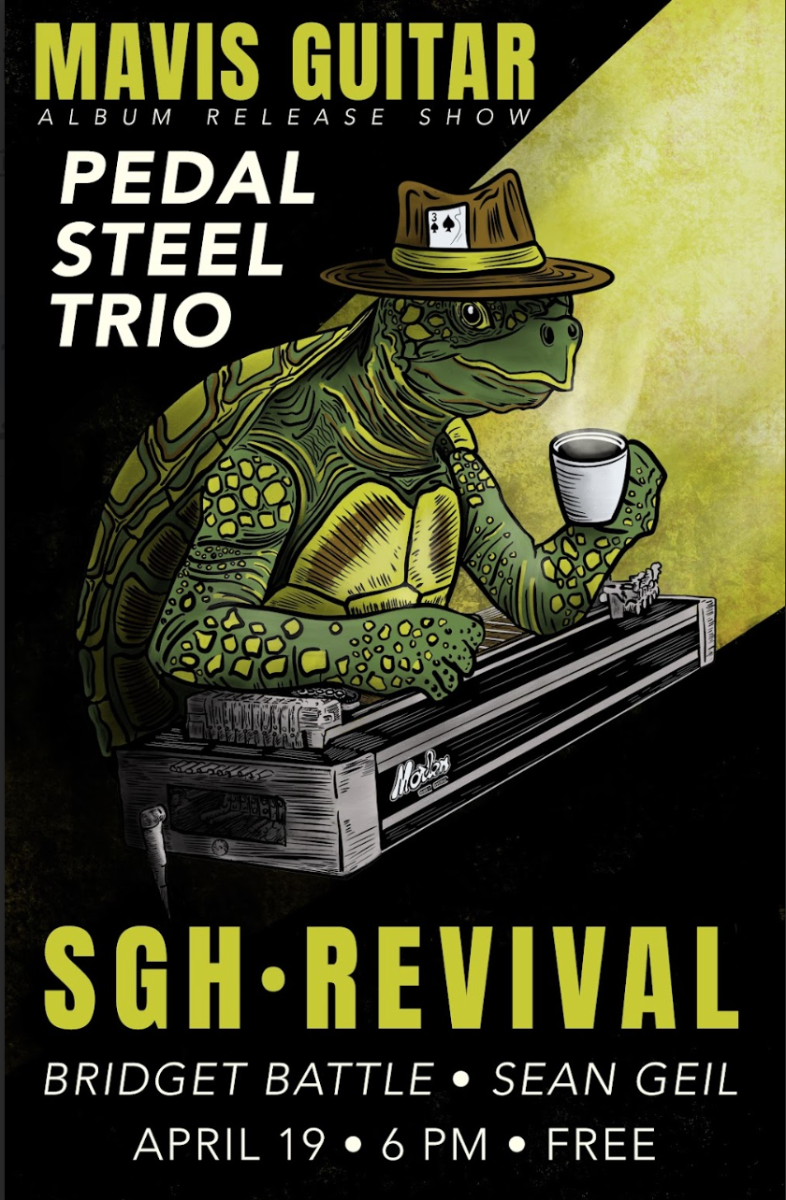
When guitarist and songwriter Travis Talbert speaks about instrumental music, he does so with the quiet confidence of someone who has spent years learning to trust his instincts. His latest release with Mavis Guitar is not simply a collection of songs—it is a series of emotional snapshots, each rooted in memory, family, and lived experience. The trio will celebrate the album with a release show this Sunday at the historic Southgate House Revival, followed by select performances throughout the summer.
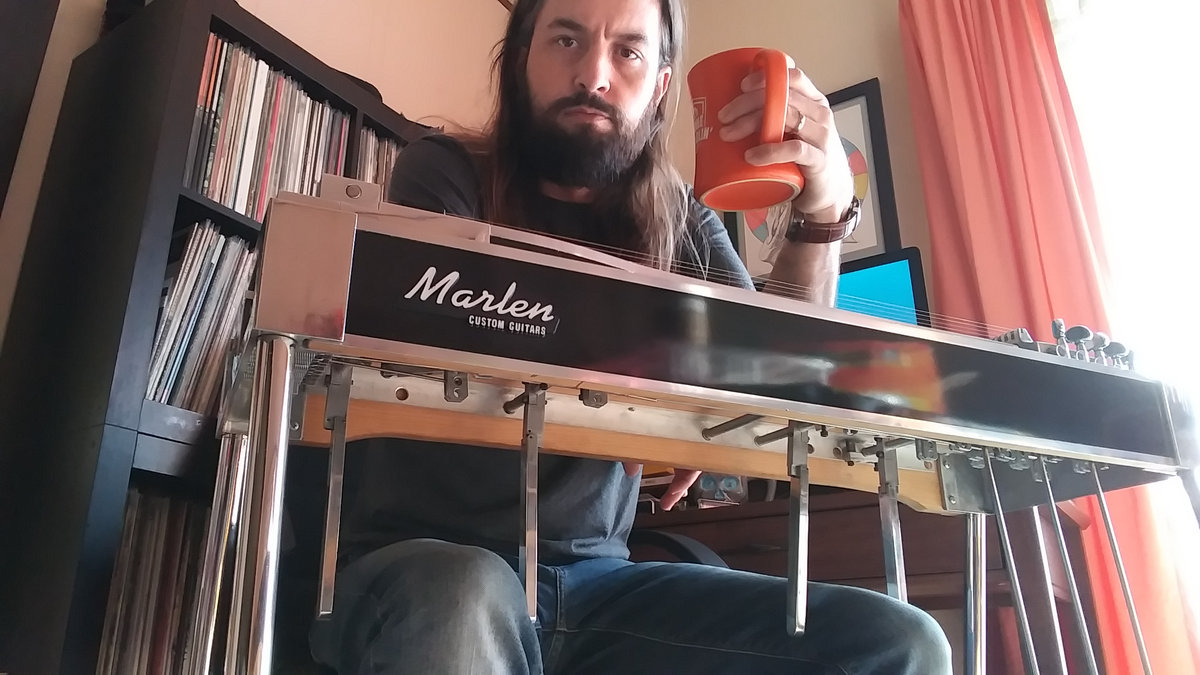
For Talbert, instrumental guitar music functions as a kind of emotional language. He believes melodies can communicate feelings in ways words sometimes cannot. As he explains, “I want it to be catchy, I want it to evoke some sort of emotion that is what I’m feeling—and I just kind of follow that.”
He compares his artistic philosophy to that of filmmaker David Lynch, whose work invites audiences to experience art rather than decode it. Instead of over-explaining meaning, Talbert prefers to let melodies “wash over” listeners. In his view, a well-crafted melody can communicate feeling just as powerfully as lyrics—sometimes even more so. “It’s still a language,” he says, “just not a language that is as spoken… but there’s also something that’s kind of universal about it.”
Songs as Emotional Vignettes
Each track on the new album represents a distinct emotional vignette. Talbert approaches composition not as a technical exercise but as a way of capturing specific moments and moods. The opening track, First Pitch Strikes, draws inspiration from baseball’s ritual of beginning strong—throwing a strike immediately to set the tone. The song establishes the musical direction of the record in the same way a first pitch signals the start of a game. “I always love a first pitch strike… especially at the beginning of the game. Just come out and throw one over the plate and get ahead. I like a record like that. I like a record that comes out and kind of tells you—this is overall where we’re gonna be.”
Another standout track, 88, was written for his young son, Leon. Built around a repetitive, hypnotic pattern, the piece captures the bittersweet mix of joy and tenderness that comes with watching a child grow. It reflects both happiness and a subtle melancholy—an awareness that these early years pass quickly. “I was trying to think—how does it feel to be his dad—and that’s how that is,” Talbert explains.
Meanwhile, Will There Be Ice Cream? explores the monotony of life on tour. “When you’re on tour… there’s a lot of monotony throughout your entire day for a very small bit of—this is why we were doing all this,” Talbert says. The composition uses an unusual time signature to create a slightly off-balance feeling, mirroring the repetitive routines of travel punctuated by small rewards. In this case, the reward is literal: the occasional post-show trip for ice cream, a simple pleasure that becomes symbolic of relief and camaraderie.
Talbert describes his standard for finishing a song in almost mystical terms. A piece is complete, he says, only when listening back recreates the original emotion that inspired it. If the music can “hypnotize” him—if it restores the feeling that sparked the idea—then the work is done: “If I can listen back to it and the spell that I kind of created can hypnotize me, then that’s—then I’m done.”
Collaboration Built on Trust
Although Talbert writes the initial arrangements, the album is fundamentally collaborative. The trio recorded all eight tracks remotely, an approach that required both structure and trust. Talbert typically sends a fully formed arrangement to his brother Will, who records the drum parts, and then to bassist Nick Vogepol. From there, the musicians refine the sound together.
The process balances direction with creative freedom. Talbert provides a framework, but each musician is encouraged to bring their own voice to the music. The guiding principle is simple: give everyone space to be themselves. “I try and leave enough room that they feel like they’re saying what they want,” he explains.
That philosophy is especially evident in the track Nick’s Other Name. Talbert improvised the piece and sent the recording to Vogepol without instructions. The bassist’s first response became the final version heard on the album. Their decades-long musical partnership—dating back to their teenage years—has created an intuitive connection that allows them to communicate without words.
Improvisation and the Live Experience
On stage, the trio embraces spontaneity. Rather than relying on rigid set lists or detailed roadmaps, they often improvise, allowing the music to evolve naturally in the moment. Talbert has found that this approach produces more authentic performances than carefully planned arrangements. “The best way to do that with this group is that if I just start playing… and we don’t talk about it ahead of time, it seems to go better,” he says.
The band is also selective about where they perform. Instrumental music can be introspective, and not every venue provides the right environment for that kind of listening. Instead of chasing every opportunity, the group chooses settings that align with their artistic vision—spaces where audiences are open to reflection and nuance. “We’re not gonna just take a gig because somebody said you can come play,” Talbert explains. “We’re kind of picky about where we’ll do this.”
Years of performing have given Talbert perspective on audience reactions. He no longer worries about playing to small crowds or distracted listeners. Experience has taught him resilience and patience, along with the understanding that meaningful connections often happen quietly. “I’ve been ignored by lots of people—and by almost no people, because there were almost no people there,” he says with a laugh. “I don’t really even let that faze me anymore.”
Influences and Creative Philosophy
Talbert’s approach to songwriting reflects a blend of artistic influences. In addition to his admiration for David Lynch, he often cites musician Bruce Springsteen, whose analogy about songwriting resonates deeply with him. Springsteen once described writing songs as assembling a working vehicle from parts of several broken cars—a metaphor Talbert finds both practical and liberating. “You might have to pull parts from three cars to make one of them run,” Talbert explains. “You’ve got three that don’t run now, but you have one that might run really great.”
This philosophy encourages experimentation and persistence. Not every idea will succeed, but each attempt contributes to the final result. Creativity, in this view, is less about perfection and more about discovery.
Music as Personal Connection
Many of the album’s compositions are deeply personal. Talbert has written pieces for family members, including an anniversary gift for his wife that he re-recorded multiple times in search of the right emotional tone. “That one was both,” he says. “I think I did write that as an anniversary gift… and I kept trying to chase what I had liked about the original recording.” The process illustrates his commitment to authenticity. He is willing to revisit and revise a song until it truly captures the feeling he intends to share.
At its core, the Mavis Guitar project began as a way of processing grief and memory. The name itself honors a beloved family dog, and the music that followed became a form of reflection and healing. “I wrote some tunes while she was kind of laying around when she was sick,” Talbert recalls. “There’s a way of kind of keeping myself sane.” Over time, that private practice evolved into a public artistic voice.
Looking Ahead
The release show at the Southgate House Revival on April 19th marks the beginning of a modest but meaningful performance schedule. Upcoming appearances include an improvised set opening for ambient pedal steel artist Luke Schneider, a benefit concert supporting healthcare access for musicians, and a summer performance alongside singer-songwriter William Matheny. Additional dates remain in development as the band balances touring with other professional commitments.
Despite the logistical challenges, Talbert remains focused on the music itself. For him, success is measured not in ticket sales or recognition but in emotional resonance—the ability of a melody to capture a feeling and share it with others.
As he puts it simply: “When I’m doing it, I feel the most like myself.”
In a musical landscape often dominated by spectacle and speed, the new Mavis Guitar album offers something quieter and more contemplative. It invites listeners to slow down, pay attention, and experience music as a form of emotional storytelling—one note at a time.
The band’s music can be found at Bandcamp, and you can connect with them on Facebook and Instagram. All photos used courtesy of Mavis Guitar and Travis Talbert.