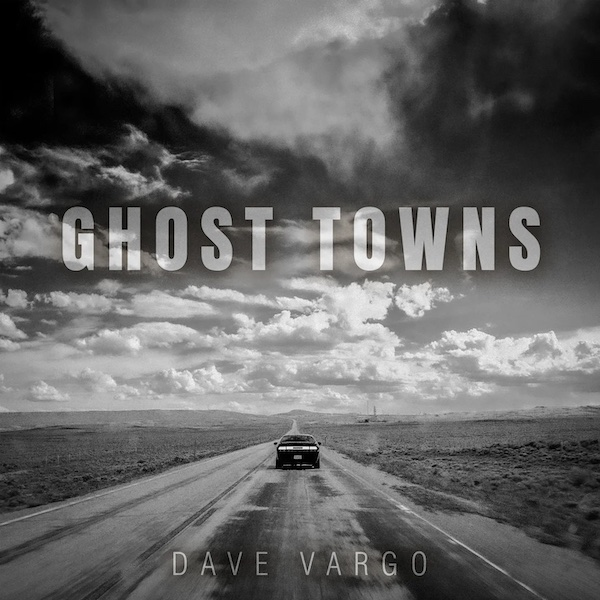
There’s a certain kind of working musician who doesn’t burn out, flame out, or get swallowed whole by the industry’s revolving door, but keeps hammering away at the same stubborn block of American life until the splinters start to glow. The kind who logs miles in vans that smell like coffee and guitar strings, who writes songs not because the market demands them but because the stories won’t leave their brain. On Ghost Towns, Dave Vargo sounds like he’s reached that hard-earned moment when the dust finally clears, and the grain shows through—deep, weathered, and unmistakably his voice.
Four albums in, he plays like a man who has stopped worrying about proving himself and started focusing on telling the truth. The songs tighten. The voice evokes authority. The guitar lines stop preening and start testifying. You can hear the miles in the strings, the late nights in the phrasing, the slow accumulation of wisdom that only arrives after enough wrong turns you learn to make the right ones matter.
Call it heartland rock with a graduate degree in persistence. Which is interesting considering Vargo hails from New Jersey. But this music is not based on some mythic vision, not the arena-rock fantasy of endless youth, but the lived-in variety—the music of people who have mortgages, memories, and a few regrets they carry like folded letters in a jacket pocket. This is rock and roll that knows how time works. It doesn’t fight the clock; it learns to keep rhythm with it.
And what makes Ghost Towns hit hard for me isn’t some flashy stylistic pivot or sudden genre detour. It’s the gravity. The well-earned discipline. A sense that he’s locked onto the emotional frequency he’s been circling for years, on Ghost Towns, he has made a deeply rooted connection to the emotions of everyday life. Vargo has always written about ordinary people wrestling with change, regret, and resilience, but here those struggles feel more tangible and tied together, almost serialized, like chapters in a paperback novel you keep on the nightstand because you’re not done with the characters yet. Reading and rereading until they feel like members of your own family.
For me, each song picks up a thread left dangling by the last. You can feel a continuity—the sense of movement from departure to reckoning to something that looks suspiciously like acceptance. I’m not sure you can trust it, as the illusion of acceptance is still another mirage. It’s not a concept album in the grand, prog-rock sense; it’s something more subtle. A good record about staying the course when the road bends, when the map fades, when the horizon refuses to sit still—of how to feel when the path chosen does not bend to the will but instead shapes you.
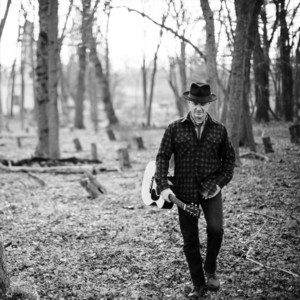
Vargo still builds his songs from the raw material of everyday life—missed chances, stubborn hope, quiet acts of endurance—but this time they carry more weight. They feel seasoned. The emotional stakes are higher because the narrator knows what it costs to keep going. These aren’t youthful declarations; they’re adult reckonings, shaped by time and sharpened by experience.
And then there’s that voice.
Vargo sings like a guy who learned melody in a bar band and empathy in a waiting room. It’s textured—grainy without being ragged, forceful without being theatrical. There’s a warmth to it, a human steadiness that refuses melodrama. He doesn’t oversell the emotion; he lets it simmer, lets the listener lean in. The grit in his delivery feels earned, the way a well-worn leather jacket earns its creases.
His guitar playing mirrors that evolution. Earlier records showcased skill—plenty of nimble runs and tasteful flourishes—but Ghost Towns reveals restraint, and restraint is the secret handshake of maturity in rock music. The solos don’t announce themselves with unnecessary flash because the player craves attention. Instead, they arrive, do their job, and slip back into the song like a good line in a conversation. Every note sounds intentional. Every phrase feels necessary.
You hear it immediately in “Anything at All,” the opener, which rolls in like a late-night confession broadcast from the passenger seat of a car heading nowhere in particular. The rhythm moves with classic rock certainty—steady, unpretentious—but the emotional undercurrent is restless, searching. It’s a breakup song on paper, yet what it’s really asking is existential: Who are you when the story you told yourself stops making sense? Then comes “Ghost Town,” the title track, an arrangement with a strong stylistic stamp that makes it unmistakable, and suddenly the album’s central metaphor snaps into focus. The ghosts here aren’t spectral figures drifting through abandoned streets; they’re memories, old versions of yourself, the places you left behind and never fully escaped. The music pushes forward with determined momentum, refusing to wallow. It’s less about loss than about living with what remains.
“A New Life” arrives like sunrise after a storm—bright, melodic, and grounded in optimism that feels earned rather than naïve. The guitar riff lifts the song just enough to suggest possibility, while the lyrics acknowledge the hard truth that renewal doesn’t erase the past; it grows out of it. You can hear the relief in the chorus, the cautious hope of someone who has survived long enough to believe in second chances. The song moves with the easy, rolling momentum of a country rocker with the kind of groove that feels road-tested and radio-ready but still full of unique personality. Vargo keeps the engine revving without spinning his wheels; the energy stays focused, purposeful, and grounded. He swings hard and plays with definition, and everything—from the crisp guitar runs to the grain in his voice—carries an unmistakable signature. This is Jersey muscle and craftsmanship at work, and it shows.
On “No Second Guessing,” Vargo leans into camaraderie—the quiet strength of friendship, the reassurance that comes from knowing someone has your back. It’s a mid-tempo rocker built for shared moments: a barroom chorus, a dashboard singalong, a collective exhale. Nothing flashy, nothing forced. Just the sound of trust set to a steady beat.
“Let It Go” taps into the album’s recurring image of motion—highways stretching into the distance, rearview mirrors shrinking the past. A slow, smooth build that keeps the tension taut. Until the guitars loosen, the rhythm breathes, and the narrator begins to travel lighter in the last minute of the song, until it returns to the original pace. It’s road music for grown-ups, music that understands freedom always comes with a price tag.
“Tales to Tell” shifts the spotlight to storytelling itself—the way we shape memories into narratives so we can live with them. There’s a line about choosing a small town “where history stakes its claim” that lands like a thesis statement for the whole record. Nostalgia and defiance share the same melody. “Not So Young” rocks with a grin you can practically hear through the speakers. It’s playful without being juvenile, confident without pretending time hasn’t passed. The groove is tight, the guitar crisp, the message clear: aging doesn’t dull the rhythm; it deepens it.
Then comes “Hard,” the emotional center of gravity on the album. The song unfolds slowly, patiently, building tension until the guitars shimmer with restrained intensity. It’s about endurance—love that survives uncertainty, commitment that refuses to crack under pressure. No theatrics, no bombast. Just a steady pulse of feeling. “Those Little Things” might be the album’s heart. An upbeat rhythm carries a story about resilience and the stubborn grace of staying positive when life turns cruel. The contrast between sound and subject hits like a revelation. Joy and sorrow are dancing in the same room, neither canceling the other out.
“But I Do” follows with affirmation—a pledge of loyalty delivered without grand gestures. The arrangement moves from spare space—an intimate mood that gives way to a rocker. It feels like a promise whispered and then declared before returning to the steady grace of the start.
“Promises” kicks the tempo back up, riding a wave of rolling riffs and forward momentum. The lyrics wrestle with accountability—how broken commitments echo across years, how the past refuses to stay buried. The music soars while the words question, and that tension is pure rock and roll electricity. Finally, “Where It Started” closes the record with emotional release. There may be no dramatic resolution, no tidy bow. Just recognition—the understanding that returning home isn’t about geography but perspective. The chords linger, the percussion drives forward, the lyrics carry unresolved return back to where things started, like a conversation that doesn’t need a final word because that conclusion may be shadows again.
What Ghost Towns ultimately proves is that growth in rock music doesn’t always mean theatrical reinvention. Sometimes it means integration—taking everything you’ve learned, everything you’ve endured, and shaping it into something cohesive and meaningful. The music sounds tighter, the arrangements breathe more naturally, and the production captures an earthy clarity in the guitar, bass, drums, and voice that suits the songs’ lived-in philosophy.
Most importantly, Vargo’s guitar has matured into something conversational. He’s not delivering speeches; he’s telling stories. And that shift—from performance to communication—is what separates a good record from a lasting one. Ghost Towns doesn’t try to change the world with a slogan. It doesn’t chase trends or court spectacle. What it does instead is stand its ground—solid, steady, stubbornly human. In a streaming era obsessed with speed and novelty, that kind of patience feels almost rebellious.
This is a record about persistence. About memory. Above movement along the long road of life. About the long road back to yourself. And in 2026, that might be the most radical sound of all.


