We Need to Make Time for Music Discovery in an Age of Endless Scrolling

There was a time—not that long ago, though it now feels like it belongs to another civilization—when finding music required effort. You had to go somewhere. You had to wait. You had to risk disappointment. You had to listen to something you didn’t already know you liked. That friction, that uncertainty, was the whole point. It was how music got inside you.

Today, we have more music available than any human being could listen to in a thousand lifetimes, yet many of us feel like we’re hearing less of it. Not less sound—oh, there’s plenty of sound—but less encounter. Less surprise. Less devotion. Less of that sacred, slightly ridiculous act of sitting down and letting a song take over your nervous system for three minutes and change.

What happened is simple enough to explain: we filled every available moment with something else. Digital social media promised connection, discovery, and access. And it delivered—spectacularly. And not at all. It created an environment where attention is endlessly fragmented. We don’t just listen anymore; we scroll while we listen. We check notifications while we listen. We skip ahead after fifteen seconds because the algorithm has trained us to expect instant gratification. The result is a strange paradox: we are surrounded by music, yet rarely immersed in it and not giving it the attention it richly deserves.

Music, real listening, requires time. Not a lot of time, necessarily. But uninterrupted time. Time that feels a little indulgent. Time that feels like you might be wasting it. And here’s the radical idea: that “wasted” time is exactly where discovery lives.

The great myth of the digital age is that more content equals more culture. But culture doesn’t grow from quantity. It grows from attention. A song becomes meaningful not because it exists somewhere on a server, but because someone listens to it—really listens—to the point where it rearranges their emotional furniture.

Think about the last time you discovered a piece of music that stopped you in your tracks. Maybe it was late at night. Maybe you were driving. Maybe you stumbled across it by accident. However it happened, the experience probably felt different from the usual blur of online consumption. It felt deliberate. It felt personal. It felt like you had found something instead of being fed something.

That distinction matters.

The architecture of social media is built around speed and repetition. The faster you move, the more you see. The more you see, the more you stay. But music works in the opposite direction. Music asks you to slow down. It asks you to sit with ambiguity. It asks you to listen to something unfamiliar long enough for it to make sense. Discovery, in other words, requires patience.

There was a time when patience was built into the system. You waited for the radio DJ to play something new. You flipped through record bins. You borrowed an album from a friend and listened to it because that was what you had. Sometimes you hated it at first. Sometimes you loved it immediately. Sometimes it grew on you slowly, like a strange plant taking root in your brain.

That slow growth is becoming harder to find in an environment where every distraction is just a thumb-swipe away. None of this means technology is the enemy. Streaming services, online radio, and digital archives have opened doors that were once locked. Independent artists can reach global audiences. Listeners can explore genres that would have been impossible to access in the past. The problem isn’t access. The problem is attention.

We are drowning in options, and that abundance can make us passive. Instead of seeking out music, we wait for it to appear in a curated feed. Instead of listening deeply, we sample briefly. Instead of committing to an album, we skim playlists.

The solution is not complicated, but it does require intention.
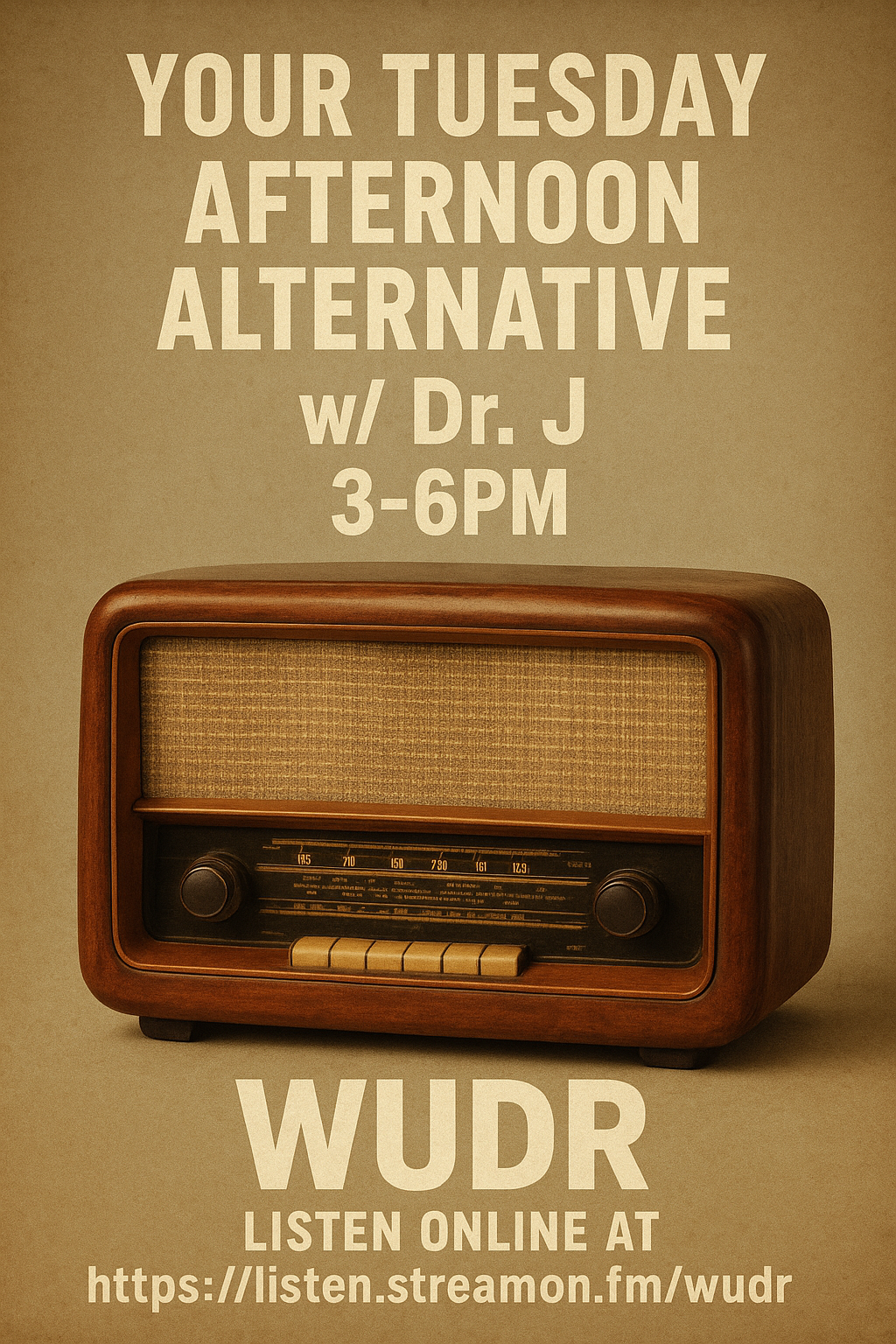
Set aside time to listen to music the way you might set aside time to read a book or watch a film. Turn off notifications. Resist the urge to multitask. Let the music play all the way through, even if it feels unfamiliar or challenging. Give yourself permission to be bored for a moment. Boredom, after all, is often the doorway to curiosity.

Another strategy is to reintroduce risk into your listening habits. Choose an artist you’ve never heard before. Explore a genre that makes you slightly uncomfortable. Listen to an entire album instead of a single track. Follow the recommendations of a trusted friend, a local radio station, or a human curator rather than an algorithm.

These small acts of resistance can transform listening from a background activity into a meaningful experience.

Music is not just entertainment. It is a way of understanding the world. It is a record of human feeling. It is a form of companionship. When we lose the habit of listening deeply, we lose more than songs—we lose a piece of our cultural imagination.

In an era defined by constant distraction, choosing to spend time with music is a quiet act of rebellion. It is a declaration that some experiences deserve our full attention. It is a reminder that discovery still matters.

So find an hour. Or even twenty minutes. Put your phone down. Press play. And listen—not while doing something else, but simply to hear what happens next. Wear the headphones. Clothes your eyes. Let the music become your universe.

The Unbearable Weight of Silence: Navigating Grief in the Dayton Music Community

Dayton musician, Jay Madewell passed away unexpected on December 10, 2023 at the age of 51. Jay was not just a passionate music fan and avid record collector but a DJ, fantastic musician, and drummer who contributed to many musical projects in Dayton, Ohio. He had been active in the Dayton music community for well over 30 years where he encouraged many musicians to embark on their own sonic adventures and music-based journeys. His efforts in the legendary Dayton Dirt Collective, the Rock ‘n’ Roll Playdate as well as being an active and adventurous club DJ, hosting several themed nights such as the 1960s-focused Fab Gear, L’80s Night, and others. He was also considered to be the top wedding DJ for local musicians. Jay was involved in far more bands and music projects than can easily be listed here, but to list just a few — Real Lulu, Team Void, Power to the Peephole, Lexo & the Leapers, Dirty/Clean and GeeGee’s Punk Rock All Stars — are all evidence of a profound musical life.

A gathering of friends and family will be held at the Yellow Cab Tavern, 700 E. 4th St, Dayton, OH 45402 from 2-6 PM on Sunday, December 17, 2023 to share stores and memories of Jay.

When Team Void visited Your Tuesday Afternoon Alternative, we got to know Jay a little. His enthusiasm, passion for music, amazing drumming, and wry sense of humor were on keen display. It was a pleasure to spend time with him. He had a fascinating charm, easy nature and also decidedly deadly wit, terrific sense of humor and provocative observational skill. Jay was kind and good natured without speaking down to others.

Music has incredible power to cut across the barriers we put up to protect ourselves, the distance of time, and the expanse of place, weaving itself into the fabric of our lives and becoming an integral part of our identity. Often it also becomes part of the experience and sense of a place, music becomes part of how we think about community. For music enthusiasts, the relationship with their favorite musicians goes beyond mere fandom; it is a deeply emotional and personal connection. Music fans wear t-shirts of a loved band or artists not simply to become walking billboards but to illustrate in obvious, perhaps unavoidable fashion, their association with a band, artist, record, tour… whatever connects them in some distant way to the music.

When a beloved musician passes away unexpectedly, the waves of grief that ripple through a community are profound, leaving a deep void that seems impossible to fill in the immediacy of the grief. The shockwave of loss feels personal as if one has lost a member of their family or a dear childhood friend and that feeling is real. It matters. The sudden death of a cherished musician sends a seismic shift through the hearts of friends, colleagues, fans, and others, creating a collective sense of disbelief and sorrow. Unlike other forms of loss, the death of a musician carries a unique weight. Music is the soundtrack to our lives, marking milestones, soothing sorrows, markers of accomplishments, and heightening joys. When a musician unexpectedly departs, it feels as though a part of our own narrative has been abruptly severed, leaving us grappling with an overwhelming sense of emptiness. The intimate connection to something profound and personally meaningful is severed; and that bond cannot be easily repaired or replaced.

Music is a deeply personal experience, often serving as a companion in times of solitude, celebration, sadness, or introspection. The lyrics and melodies of an artist become intertwined with the listener’s memories and emotions. Those who hear the music develop an intimate connection with the artist’s work, feeling as though the musician understands their innermost thoughts and feelings. The unexpected loss of this artistic confidant can be akin to losing a dear friend or mentor who understood without judgement how you feel. That cut is especially acute when the musician is in actuality a friend.

For many, music is more than a form of entertainment; it is a lifeline. The music we listen to is more than mere background noise to many of us, it is a soundtrack to life. Musicians have a unique ability to articulate the human experience, expressing emotions that listeners may struggle to put into words. When an artist passes away, the soundtrack to life is forever altered. The songs that once brought comfort, joy, or solace may now carry a bittersweet resonance, serving as a poignant reminder of an artist’s absence.

In the digital age, social media platforms serve as virtual gathering spaces for fans to collectively mourn the loss of a musician. Social media creates the space for mourning that ripples throughout networks close and those separated and far away. The outpouring of grief on platforms like Twitter, Instagram, and Facebook creates a sense of solidarity among fans, friends, and colleagues who share a deep connection to the artist’s work. Hashtags memorializing the musician trend whether locally or farther afield, amplifying the collective voice of mourning and allowing fans to express their grief in a public forum.

Fans often channel their grief into creating and sharing tributes that celebrate the life and legacy of the departed musician. From fan art and cover performances to heartfelt messages, photos and playlists, these tributes become a way for the community to collectively honor the artist’s impact on their lives. In this shared creative process, fans find solace and a sense of connection with others who are navigating the same turbulent seas of grief. These shared memories and tributes remind us that we are not alone.

The unexpected death of a musician shatters the illusion of immortality that often surrounds artists in the eyes of their fans, colleagues and the wider community. Music has the power to transcend time, and supporters may have envisioned their favorite musician continuing to create and evolve indefinitely. The sudden loss confronts us with the harsh reality of mortality, forcing all of us to grapple with the finite nature of life and fragility of art.

The music we love forms a crucial part of our identity, shaping our tastes, values, and even our sense of self. When a beloved musician dies unexpectedly, fans, friends, and colleagues may experience a profound identity crisis as they navigate a world where the artist’s voice and sound is forever silenced. The process of mourning becomes intertwined with a search for meaning and a reevaluation of one’s own identity without the guiding influence of the departed artist. Whether the contribution would be a song, a sound, a reassuring comment, or a silly joke — that source of comfort is no longer available. In those moments, a community turns to one another to find solidarity, hope and the needed comfort.

As with any form of loss, grieving the death of a beloved musician follows the familiar stages of denial, anger, bargaining, depression, and acceptance. Navigating the stages of grief should not be considered a path to closure but rather a journey in establishing a sense of self and some grasp at understanding amongst the loss. The process is uniquely complex for members of a music community, as each stage is intertwined with the artist’s body of work, their influence on us and the fumbling efforts to come to some form of understanding. Denial may manifest as an unwillingness to accept that the musician will never create new music, while anger may be directed at the unfairness of a life cut short.

Bargaining takes on a unique form as members of a music community may replay “what if” scenarios in their minds, imagining alternative outcomes that would have allowed the musician to continue making music. Depression may settle in as fans grapple with the void left by the artist’s absence, and acceptance becomes a delicate dance between honoring the musician’s legacy and embracing the inevitability of their departure.

While the pain of loss is profound, the legacy of a beloved musician — at any level of experience — endures through their body of work, the contributions to a music community, and the creation of art. Colleagues, fans and friends often find solace in revisiting the artist’s discography, discovering nuances in the lyrics and melodies that take on new meaning in the context of personal and collective grief. The music becomes a bridge between the past and the present, allowing fans to maintain a connection with the artist even in their absence.

Music has always held a special and unique healing force in our lives. In the midst of grief, music has the power to serve as a healing force. Fans may find comfort in the familiar strains of a favorite song, using music as a therapeutic tool to navigate the tumultuous emotions associated with loss. Cover performances by fellow musicians, tribute concerts, sharing of photos, and posthumous releases become cathartic experiences, providing the music community with an opportunity to collectively mourn while celebrating the artist’s enduring impact. The love that they created remains with us if we can only find it and see it.

The death of a beloved musician does not mark the end of a relationship with the artist; rather, it transforms into an enduring bond that transcends a physical realm. Fans continue to carry the torch of the musician’s legacy, introducing their work to new generations and ensuring that the impact of their artistry is not forgotten. In this way, the community becomes the custodian of the artist’s memory, keeping the flame alive through shared stories, photos, traditions, and the perpetuation of the music itself.

The grief experienced by members of a music community when a beloved musician passes away unexpectedly is a complex and deeply personal journey. Music’s profound impact on our lives elevates the loss beyond the realm of simple fandom, creating a unique and enduring connection that transcends time. As music fans and supporters navigate the stages of grief, music becomes a source of solace, a bridge between the past and the present, and a recognition of artistic expression’s enduring power and beauty. While the pain of loss is undeniable, the legacy of a beloved musician lives on through the hearts and ears of those who continue to find comfort, inspiration, and connection in the melodies and lyrics that once emanated from the now-silent stage.