Dayton Is a Frequency, Not a Place: A Love Letter with Feedback to a Scene That Won’t Sit Still

If you want to understand American music, you don’t start in the places that market themselves as capitals. You start in places where people have learned how to survive without being watched. Dayton, Ohio, is one of those places. It’s not a brand; it’s a frequency—sometimes distorted, sometimes melodic, often both at once. It’s the sound of basements, nondescript halls, record stores, radio studios on the left side of the dial, and people who keep making music because not making it would be worse.

Dayton has long lived with the mythology of The Ohio Players, Brainiac, The Breeders, and Guided By Voices, and rightly so. Those bands didn’t just “come from” Dayton; they carried its nervous system with them. The Ohio Players reshaped the structure of music. Brainiac turned post-industrial anxiety into neon futurism. The Breeders made abrasion feel intimate. Guided By Voices proved that lo-fi wasn’t an aesthetic so much as a work ethic—songs written because they had to be written, not because the market asked for them. But the mistake outsiders make is assuming the story ended there, like a museum exhibit frozen in amber. Dayton never stopped. It just got better at multiplying.

What makes Dayton’s music community distinct is density. Musicians don’t just play in one band; they circulate. You’ll see David Payne one night in The New Old Fashioned, another night anchoring something else entirely, as if styles were jackets you try on before walking back out into the weather. You’ll hear Rich Reuter bring the same melodic intelligence to Kittinger. You can see Howard Hensley sing the narratives of your life that you keep hidden in a private journal. You’ll catch Kyleen Downes making vulnerability sound like strength, then turn around and hear Chad Wells and Aarika Voegele in Cricketbows and Creepy Crawlers remind you that psychedelia is still a radical act.

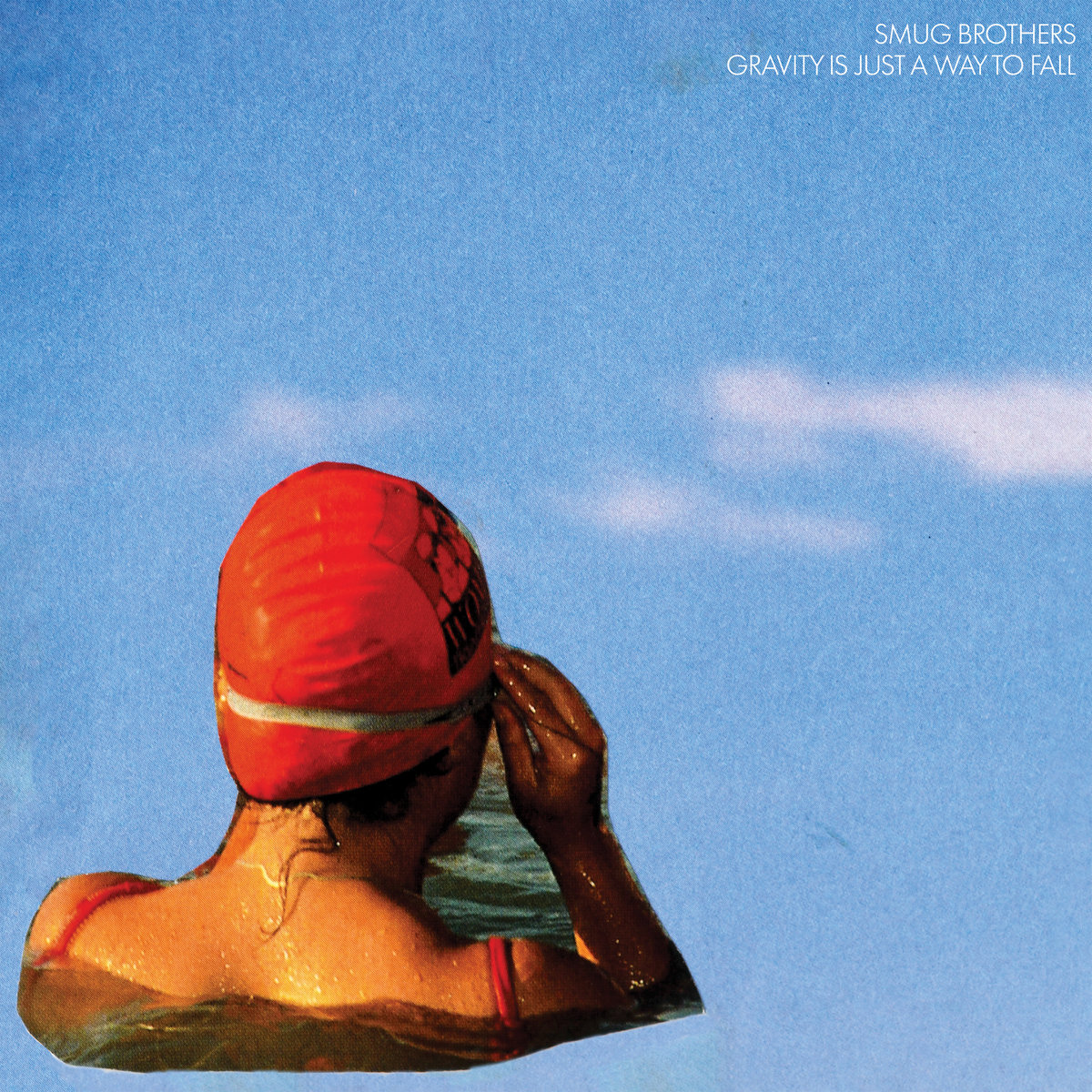
There’s a particular Dayton knack for bands that feel communal rather than hierarchical. Shrug operated like a shared engine—power pop with muscle memory, hooks built from collective trust. Smug Brothers do something similar in an indie lo-fi manner, but with a wink, as if to say: yes, we love the song, but we also love the joke inside it. Me Time pares things down until you can hear the room breathe, while Oh Condor leans into texture and atmosphere, stretching Dayton’s sound outward without losing its spine where punk urgency meets craft instead of fighting it.

And then there’s the streak of theatricality that runs through the city—not showbiz gloss, but the drama of people who know that art is a way to survive the week. Moira thrives on that tension between polish and pulse, while Todd The Fox reminds us that music doesn’t have to be ironic to be intelligent. Novena creates music that wraps around you and takes you through the experiences that you need not categorize but live within. Ghost Town Silence and Sadbox explore all of the corners, not as cosplay, but as honest terrain. They understand that Midwestern quiet can be loud if you listen closely enough.

Dayton also knows how to honor the songwriters—the ones who can stop a room with a voice and a guitar. Shannon Clark and The Sugar balance heart and harmony without sentimentality. Nick Kizinis crafts music that feels deeply personal and belonging to all of us at the same time. Mike Bankhead and Heather Redman carry storytelling traditions forward without turning them into nostalgia acts. Charlie Jackson, Sharon Lane, and Colin Richards and Spare Change all work in that space where craft meets community, where the goal isn’t fame but connection.

What’s striking is how the city supports experiments that don’t fit easy categories. The Nautical Theme reminds us that pop intelligence doesn’t have to announce itself with a thesis statement. Motel Faces and Motel Beds (separate names, shared grit) translate restlessness into motion, road songs for people who might not leave but still want to move. John Dubuc’s Guilty Pleasures embraces joy without apology, while Nick Kizirnis’s various projects show how longevity comes from curiosity, not branding.

Dayton’s rap and hip hop scene carries the same DIY backbone as its rock underground, but filtered through sharp lyricism, lived experience, and a deep sense of place. Tino delivers verses with clarity and purpose, balancing organic storytelling with an ear for hooks that stick without softening the message. Illwin brings a cerebral edge, blending introspection and technical skill in ways that reward close listening, while KCarter operates with a commanding presence, turning personal narrative into something anthemic and communal. Around them is a broader network of MCs, producers, DJs, and collaborators who treat hip hop not as a trend but as a language—one spoken fluently across clubs, community spaces, and independent releases. Like every vital Dayton scene, it thrives on collaboration over competition, local pride over imitation, and the belief that telling your own story, in your own voice, is the most radical move there is.

One of Dayton’s greatest strengths, too often undersold, never underpowered, is the depth and range of its women songwriters and musicians, artists who write with clarity, risk, and emotional authority. Amber Heart brings a fearless intimacy to her songs, pairing melodic grace with lyrical honesty that cuts clean through pretense. Samantha King writes with a restless intelligence, her work balancing vulnerability and bite, proof that introspection can still swing. Khrys Blank bends genre until it gives way, crafting songs that feel both deeply personal and quietly defiant, while Sharon Lane carries a lineage of soul, grit, and resilience that anchors the community itself. Add to this constellation the many other women shaping stages, sessions, and scenes across the city—singers, instrumentalists, bandleaders, collaborators—and a clearer picture emerges: Dayton doesn’t just feature women in its music culture; it is being actively defined by them. Their presence isn’t a sidebar or a trend. It’s the spine, the pulse, and the future of the sound.

Poptek Records operates like a pressure valve for Dayton pop intelligence, a label that understands hooks are a form of radical communication. The 1984 Draft brings nervy, literate indie punk rock that sounds like it’s pacing the room while thinking three steps ahead—melody sharpened by urgency, guitars wired straight into the bloodstream. Jill & Micah offer a different kind of voltage: intimate, harmonically rich, emotionally precise songs that trust quiet moments as much as crescendos, proving that restraint can hit just as hard as distortion. XL427 leans into power pop’s finest tradition—tight structures, smart turns, choruses that land without asking permission—while still carrying that unmistakable Dayton DNA of grit and sincerity. Taken together, and alongside the label’s other releases, Poptek’s roster feels less like a genre exercise and more like a shared belief system: songs matter, craft matters, and community matters. It’s pop music that knows where it’s from, isn’t embarrassed by joy, and refuses to confuse ambition with emptiness.

This ecosystem works because Dayton listens to itself. Bands go to each other’s shows. Musicians play on each other’s records. Area radio, house shows, small clubs, and DIY spaces form an infrastructure that doesn’t depend on permission. You can hear that lineage in The New Old Fashioned’s country infused power precision, in Oh Condor’s punk economy, in The Paint Splats’ melodic insistence, in Guided By Voices’s expansive moods still evolving. It’s a scene where influence flows sideways instead of top-down.

If the great rock critic, Lester Bangs (who I have been reading a lot of lately) taught us anything, it’s that scenes matter not because they’re perfect, but because they’re alive. Dayton’s scene is alive in the way a good band rehearsal is alive—messy, loud, generous, occasionally miraculous. It’s alive in the refusal to wait for validation. It’s alive in the way new bands grow up hearing old ones not as legends, but as neighbors.

So yes, celebrate Brainiac, The Breeders, and Guided By Voices. You should. But don’t stop there. Pay attention to Sharon Lane, Shrug, Amber Heart, Smug Brothers, The 1984 Draft, Age Nowhere, Moira, Tino, The Heisy Glass Company, Harold Hensley, Todd The Fox, Ghost Town Silence, Sadbox, Novena, Me Time, Oh Condor, Motel Faces, Motel Beds, Mike Bankhead, Cricketbows and Creepy Crawlers, The Nautical Theme, Illwin, Khrys Blank, Seth Canan, XL427, Samantha King, The Typical Johnsons, KCarter and all the songwriters and collaborators who keep showing up. Dayton isn’t a chapter in a rock history book. It’s an ongoing argument about why music matters—and it keeps winning that argument one show at a time.

Short Songs Have Every Reason to Live

Apologies to Randy Newman for the title, I just could not help myself. We all love a good, long album, don’t we? The sprawling epics, the suites, the ambitious arcs that stretch into the horizon like the great classic rock composers, forever nudging us to find meaning in the slow build, the dramatic rise, and the quiet moments in between. But what about the short, sharp, explosive bursts of sound? What about the brief moments when the band isn’t asking you to follow them through a journey or listen to their complicated metaphors for life? No. These songs grab you by the throat, punch you in the gut, and leave you feeling strangely satisfied, if not slightly unsettled. They take less time than most elevator rides, yet they can leave an emotional scar more enduring than any prog-rock symphony.

So what is it about these short songs that keeps us coming back for more? Why do they work on us so profoundly, often without the luxury of extended introspection or complicated arrangements? Perhaps it’s because they are the sound of life itself—imperfect, intense, and fleeting. Some of the joy is in the very fact of existence. As much as the towering albums of our favorite bands represent a broader spectrum of emotion, there’s something brutally honest and pure about a song that cuts through all the clutter, hits you, and leaves. Let’s take a look at the power of these little bangers, and why they can sometimes be the most influential songs in the world.

Short Songs: The Art of the Quick Impact

Lester Bangs, god rest his sarcastic and critical soul, understood the beauty of brevity. Bangs wasn’t one to be bogged down by theory or length—he appreciated the visceral punch of the immediate, unfiltered emotion that comes from a quick blast of sound. Short songs demand attention, forcing listeners into an intense, often surprising relationship with the music. There’s no room for pretension or self-indulgence. The song either works, or it doesn’t. It’s just you and the music, for as long as it lasts—maybe a minute, maybe three, but never more. The art of the short song lies in its ability to do something profound in a limited time frame, leaving you with a lasting impression, or even a gnawing feeling, long after the final note has passed. This is something that Robert Pollard is an undisputed master of.

Consider a song like The Ramones’ “Blitzkrieg Bop.” It’s barely two minutes long, yet it feels like the embodiment of youthful rebellion, an anthem that encapsulates everything that punk was about—raw energy, simplicity, and urgency. You can hear it, and it’s already over before you’ve had time to think about it. The beauty of this lies in the idea that this song doesn’t ask for reflection, doesn’t demand your intellectual labor, and doesn’t beg for analysis. It just exists—a blur of riffs and hooks that sums up a generation in its frantic sprint.

The brevity of such songs allows them to penetrate deeper than a 10-minute waltz ever could, or at least with more immediate results. A song like “I Wanna Be Your Dog” by The Stooges, which comes in at just under three minutes, does more in those 180 seconds than most of the bloated albums of its time could ever hope to accomplish. It’s simple, dirty, primal, and unrelenting—stirring up more in you in a few short moments than you might expect from an entire album. The impact of these songs is often direct, like a cold slap in the face, forcing you to reckon with them immediately.

The Radio Effect: Why Short Songs Work on the Airwaves

Here’s the thing—short songs don’t just get to your head. They get to the ears of the listener. That’s because brevity is a tool that radio stations, especially in the era before streaming, loved to exploit. The shorter the song, the more it could be played in a given timeframe, and the more it could break through the noise. The best of these songs—ahem, the ones that actually had something to say—became iconic because they didn’t overstay their welcome.

Let’s talk about The Clash for a minute. Their song “London Calling” clocks in at just over three minutes. Sure, it’s a little longer than “Blitzkrieg Bop,” but it still falls into that sweet spot where it feels like a complete statement that doesn’t need to drag on. It’s infectious, it’s compelling, and it doesn’t waste time telling you what’s wrong with the world—it shows you. The energy of the song doesn’t let you get bogged down in excessive flourishes or unnecessary complexity. By stripping away the fat, the band leaves you with pure, unadulterated punk rock power.

Even though London Calling might not be the shortest song on the airwaves, its ability to harness the raw spirit of rebellion in such a brief time makes it the epitome of what a short song can do—take over the world, turn everything upside down, and leave you wanting more. Which, let’s face it, is what we all want from a song, anyway.

The Punch and the Aftertaste: How Short Songs Leave Their Mark

Here’s the funny thing about short songs—they often don’t have the time to linger. But that’s what gives them their staying power. They are designed to stick with you, like a one-night stand that leaves you with a hangover of thoughts and feelings you can’t shake off. After just a brief encounter, they slip into your subconscious, grabbing your brain and twisting it in unexpected ways. They linger, even though they don’t have the time to do so.

Take for example, a song like “Fell In Love With a Girl” by The White Stripes. It’s a burst of electric energy that clocks in at just under two minutes. But what makes it so unforgettable is its immediacy. The riff, the rhythm, the lyrics—they don’t give you time to do anything but react. You’re in it, you’re out of it, but the song sticks with you, lingering in your head long after it’s over.

This is the power of a short song. It may be over before you’ve even had time to process it fully, but that doesn’t matter because the impact is there. Bangs would understand that these moments—these songs that don’t let you breathe—carry an emotional weight that’s disproportionate to their length. The brevity works because it doesn’t give you time to second guess, to dissect, or to overthink. It’s pure, undiluted emotion that cuts through the noise, like a sucker punch to the gut.

“Walkaways” by Counting Crows is the kind of song that hits like a slow-motion crash—strummed guitar and Adam Duritz’s vocals unraveling with all the desperation of a last-ditch attempt to save something that was doomed from the start. There’s a bittersweet, almost reckless honesty in the way he sadly almost pleads the lines:

I’ve gotta rush away
She said, I’ve been to Boston before
And anyway, this change I’ve been feeling
Doesn’t make the rain fall
No big differences these days
Just the same old walkaways

The rhythm is wistful and haunting, like a dream you can’t escape but desperately need to get farther and farther from it and then find you did not take a single step. It’s a beautiful mess—a reflection of how all of us bleed, falter, and still somehow move forward.

Short Songs and the Change They Ignite

Now let’s get to the meat of it—the impact these songs have on listeners. Why are they so powerful? Because they demand attention. You blink and it’s gone. In a world saturated with noise, social media distractions, and endless content, these short songs remind us of a time when music could be something immediate, spontaneous, and anarchic. They explode into your world and leave you questioning everything, and then, before you can fully comprehend it, they vanish.

They also create a sense of community. Every fan of punk rock, indie, or garage knows that feeling when you’re in a room full of people and the first few chords of a short, familiar song kick in. The energy shifts. You can feel the collective understanding—everyone knows the song, everyone knows the intensity, and it’s about to hit us all at once. That communal feeling, that shared experience, amplifies the effect of the song, making it a primal ritual, a call to arms that’s delivered in the simplest of packages.

Short songs give us permission to feel in ways that long-winded tracks often can’t. They teach us that the most significant moments are often the briefest. That intensity doesn’t have to take hours to build. That revolution, rebellion, love, and loss can be boiled down to a few lines, a few chords, a few seconds. The brevity is part of their power.

Smug Brothers’ “Hang Up” is a sweaty, gritty blast of pop-punk that comes at you like a shot of espresso chased by a beer. It’s raw, it’s relentless, and it doesn’t care if you’re ready for it. The guitars jangle like a rusty chain being dragged across pavement, while the lyrics tap into that familiar frustration, the kind that never seems to go away. But the brilliance of this song is its brevity—it hits hard, gives you no room to breathe, and then it’s gone, leaving you half-alive, craving more. It’s chaos wrapped in catchy melodies—perfectly imperfect. Smug Brothers understand the power of a brilliant song can sometimes be best demonstrated by not lingering.

The Brief, the Bold, and the Beautiful

In the end, short songs are, to borrow from Lester Bangs himself, a “shotgun blast of truth” that demands to be felt, not analyzed. They are the anthems of chaos, the rebellion of simplicity, and the embodiment of that glorious moment when everything aligns just right. These songs may be brief, but in that briefness lies their eternal power.

Bangs would’ve told you that these little ditties are a reflection of life’s fleeting nature. Sometimes, you get a moment that burns so brightly, you’re left staring at the ashes afterward, not even sure how it happened. And the short song is the perfect vehicle for that kind of magic. Whether it’s two minutes, three minutes, or less, these songs will always have something to say—something that’s too urgent to stretch out, something that can only be told in a flash, like a lightning strike across the sky.

Full YTAA Faves of 2024 Show on Mixcloud!

Every year, like clockwork, the music world implodes into its annual rite of passage: the “Best of” lists. It doesn’t matter whether we need them or not. We could all be listening to something that absolutely shreds, some obscure record that deserves reverence. Still, here we are, obsessing over arbitrary rankings, as if these lists will unlock some divine, objective truth. It is as if, somehow, this tiny, self-appointed cult of critics, bloggers, and tastemakers can distill the whole sprawling mess of 365 days of music into neat little categories that tell you what was really good.

It’s a bit comical, really. These lists are nothing more than trendy cultural currency, an exercise in opinion policing. As if, come December, we all need some authority to tell us what albums we should have liked. Sure, there are some gems in those Top 10s, some records that hit like a lightning bolt, that maybe wouldn’t have been discovered without the almighty guidance of Pitchfork or Rolling Stone. But let’s not kid ourselves – the list itself is a product, a marketing tool, another algorithm feeding on your desire for validation. The music may be real, but the rankings? Please.

Every December, the ritual plays out like a predictable drama: the same predictable indie hits, the same half-baked arguments, the same flavor-of-the-month that gets hyped until the world collectively shrugs and moves on. It’s all just noise. And yet, we devour it like it’s gospel, eagerly waiting for the validation that maybe, just maybe, our choices are “correct.” But here’s the thing: music is personal. These lists? They’re just noise. It’s time we recognize them for what they are: empty, meaningless packaging for a world that’s forgotten how to just listen.

And with all that said, we do an annual show featuring several hours of bands, musicians, songs and albums that impressed the hell out of us. But not going to make some silly rank order, just a bunch of songs that we thought were incredible. So, yeah if this is a bit speaking from both sides of the mouth, so be it.

Our YTAA Faves of 2024 show includes music from many excellent musicians, such as Tamar Berk, Wussy, Palm Ghosts, Nada Surf, Waxahatchee, MJ Lenderman, JD McPherson, Jeremy Porter, Former Champ, Jason Benefield, J. Robins, Dreamjacket, David Payne, Bad Bad Hats, Bike Routes, Brian Wells, The Campbell Apartment, Amy Rigby, The Armoires, Librarians With Hickeys, Bottlecap Mountain, Liv, The Popravinas, The Nautical Theme, Smug Brothers, The Cure, The Reds, Pinks & Purples, The Umbreallas, Nick Kizirnis, Guided By Voices, and The English Beat and The Tragically Hip re-releases.

So, if this is just another end-of-the-year ritual that nobody needs but everybody wants, then maybe it is worthwhile as a way to share some of the music that deserves to be heard.

Faves of 2023: Smug Brothers – In The Book of Bad Ideas

As we continue to pause and reflect on some amazing music from this year, we turn to an amazing local band. Smug Brothers, the indie rock veterans hailing from Dayton, Ohio, returned with their highly anticipated 2023 album, “In The Book of Bad Ideas.” Known for their eclectic sound and thought-provoking lyrics, the band has consistently pushed the boundaries of indie rock, and their latest release is no exception. “In The Book of Bad Ideas” not only showcases the band’s evolution but also serves as a clarion call to their ability to craft intricate and unconventional musical narratives.

In The Book of Bad Ideas,” is an adventure through the space that indie, psychedelia, lo fi share together in a flat where Robert Pollard has Big Star’s “Third” playing in the background. This album — one of the band’s best — defies expectations and solidifies the band’s status as indie rock innovators who connect to their influences without sounding derivative or contrived. Smug Brothers’ breathe new life and vigor into the musical consciousness of indie. From the opening chords of “89 Lullaby” where the band jumps immediately into the song like leaping into a rushing river, the album grabs listeners with its raw energy and doesn’t let go. That first song sets the tone for the sonic journey ahead. The intricate guitar work and dynamic drumming create a sense of urgency, drawing the listener in with its raw energy. Lead singer and songwriter Kyle Melton’s distinctive vocals add a layer of authenticity, immediately grabbing attention.

The back-to-back tracks, “Mistaken for Stars” and “Let Me Know When It’s Yes” encapsulates the band’s ability to seamlessly blend genres, creating a musical tapestry that is familiar and unique. Imagine songs that are both complex, catchy — damn catchy — and accessible.

Bend Blue The Copper” is a standout piece that exemplifies Smug Brothers’ ability to blend genres seamlessly. The track weaves through indie rock, punk, and even elements of folk, creating a sonic landscape that is as unpredictable as it is captivating. The lyrics seem to explore the consequences of impulsive decisions, adding depth to the already complex musical arrangement.

The album is a testament to the band’s evolution, showcasing a willingness to explore uncharted territory within the arrangements associated with independent music. Tracks like “Pattern Caveat” and “Since The First Time I Heard You Laugh” introduce experimental elements, with atmospheric soundscapes and genre-bending instrumentation. Smug Brothers’ frontman, Kyle Melton, delivers poignant lyrics throughout, exploring themes of impulsive decisions, nostalgia, and reinvention. These tracks seamlessly blends elements of psychedelic rock with electronic flourishes, creating a kaleidoscopic sonic tapestry. The result is a mesmerizing journey that defies categorization, showcasing the band’s fearlessness in pushing their artistic boundaries.

What Starts Out as Fun” takes the listener into uncharted territory with its experimental instrumentation and atmospheric production. The use of synthesizers and layered vocals creates a dreamlike quality, offering a stark contrast to the more straightforward rock elements present in earlier tracks. The band’s willingness to explore new sonic realms pays off, adding a refreshing dimension to the album.

An Age In An Instant” is a poignant ballad that showcases Smug Brothers’ ability to convey emotional depth through their music. The stripped-down arrangement allows Melton’s heartfelt lyrics to take center stage, touching on themes of nostalgia and loss. The subtle use of keyboards and acoustic guitar enhances the overall intimacy of the track, leaving a lasting emotional impact.

Stiff arms At The Still Waters” introduces a rhythmic complexity that keeps the listener on their toes. The interplay between the drums and bass creates a sense of urgency, while the guitar riffs add a layer of sophistication. The track’s dynamic shifts and unexpected twists highlight the band’s prowess in crafting music that is both intellectually stimulating and sonically engaging.

Enceladus Lexicon” stands out as a cinematic storytelling piece, with its evocative lyrics and sweeping musical arrangement. The instruments create soundscapes that transports the listener into the narrative woven by the song. Smug Brothers demonstrate their ability to create sonic landscapes that feel expansive and immersive.

Paradise Farms” injects a burst of energy into the album, featuring upbeat rhythms and infectious melodies. The track pays homage to the band’s Midwestern roots, capturing the spirit of resilience and reinvention. The juxtaposition of the lively instrumentation with thought-provoking lyrics adds layers of complexity to the overall listening experience.

In The Book of Bad Ideas” is more than just an album; it’s an experience that takes the listener on a rollercoaster of emotions and sonic landscapes. The band’s ability to balance introspective moments with energetic bursts creates a dynamic listening experience that resonates long after the final notes fade away. With this release, Smug Brothers have crafted a musical gem that pushes the boundaries of indie rock, inviting listeners to join them in the exploration of the unconventional and the brilliant. Throughout the record, the band, demonstrates their growth as musicians and their commitment to pushing the boundaries of indie rock. The album takes the listener through a diverse set of experiences in sound, from the raw energy of the opening track to the introspective moments of emotional vulnerability. With each track, Smug Brothers prove that they are not content to rest on past successes, but instead, they continue to evolve and explore new sonic territories. “In The Book of Bad Ideas” is a must-listen for anyone who appreciates music that challenges, engages, and ultimately transcends genre conventions. Smug Brothers have once again proven that they are at the forefront of indie rock’s creative frontier.

Favorites of 2023: Just the List

This time of the year every music writer’s fancy turns to the ubiquitous quest for the best of/favorites of the year. We start with a list of albums and singles we played on YTAA at least three or four times. Then we consider what songs and records slipped into our consciousness and we spent more time simply thinking about that song, that album — those words. If there is a pattern to what we loved in 2023, it is a bit hard to pin down. If we take a wild stab at an answer, 2023 was a year of amazing music from powerful, strong, thoughtful women musicians. From the incredible voice of Sarah Rudy in Hello June to the authenticity of Kim Ware and Van Plating across to the irresistible guitar tones and perfect singing of Tamar Berk, Blondshell, Beth Bombara, and Lydia Loveless, so many outstanding records were made outside of the men’s club this past year — and that is a welcome change.

Every writer, just like every music fan, has styles and sounds that they are irresistibly pulled towards. Clearly, Dr. J loves guitar. For some writers the list is likely to be diverse, reflecting a fusion of genres and innovative production techniques. And that is fine. With the continued influence of technology, some writers are drawn to artists who experimented with new sounds and collaborate across musical boundaries, creating a sonic outcome that resonates. For other writers, the search for a pure direct authenticity of instruments lead them to the streets where the music is painted without electronics. Acoustic and stripped down arrangements played on traditional equipment bring gratitude to the heavens for that music from some writers.

When crafting a list of favorites from the year, some writers will consider representation. Genres such as indie pop, electronic, and hip-hop may continue to dominate, with emerging artists bringing fresh perspectives and pushing creative boundaries. Collaborations between mainstream and indie artists could lead to unexpected yet captivating musical experiences. Shoegaze, for example, has made many returns after some commentators spilled tremendous amounts of ink over the idea that shoegaze had come and gone. Music in the year 2023 saw several bands who represented that style.

Lyrically, many of the themes explored in 2023 revolve around social issues, personal growth, feeling whatever the artist needs or desires to feel, perhaps some of the “Best” representations for the year are the songs that grab and do not let go of the human experience. Artists may use their platforms to address pressing matters, providing listeners with thought-provoking content that goes beyond mere entertainment and that might be the magic that some writers are drawn to when considering all the records and songs that came out during one trip around the sun.

There are some ‘off limits,’ ‘don’t walk on the grass’ ideas for us here at Your Tuesday Afternoon Alternative. Sure, the rise of virtual and augmented reality experiences may revolutionize the way music is consumed, offering immersive and interactive performances that redefine the traditional concert experience. But for us, human beings need to be part of the creation and experience of music. Streaming platforms might incorporate cutting-edge technologies to enhance the listener’s engagement with the music and while we can and should debate the lack of compensation, which is only going to get more challenging in 2024, AI generated melodies, tones, and arrangements of notes are not considered for inclusion on our favorites of the past year.

The best albums of 2023 could be those that not only showcase exceptional musical talent but also tell compelling stories or provide a unique perspective on the world. Artists who successfully blend innovation with authenticity may find themselves at the forefront of critical acclaim and commercial success and, to be entirely transparent, will immediate draw our attention for a favorites of the year.

Ultimately, the best music of 2023 will likely be a subjective experience, as individual tastes vary widely. However, it is important to consider this a reflective exercise. Every year is poised to be an exciting time for music enthusiasts, with a plethora of sounds and styles to explore, pushing the boundaries of what we thought possible in the world of music. Every year is full of promise. No annual march of the calendar is without merit and new experiences. So, to create a list of the music that moved you in 2023, is not to close the door to new auditory love but to remember we break our hearts so we can fall in love again with songs and albums we have not even heard yet.

The list below is our start on our favorites from this past year. A longer set of articles will come out exploring what it was that caught our attention in these albums and songs.

Favorite record for us in 2023:

Hello June – Artifacts

You can read our review of this fantastic record!

This music transcends time and place, resonating with listeners in their quest for meaning and understanding. The lyrics serve as a mirror, reflecting the innermost thoughts and emotions that often remain unspoken. Hello June’s “Artifacts” is a sonic masterpiece — and we are prepared to die on that hill to defend that assertion — that deserves a place in the hearts of all music fans. It is a timeless record that captures the essence of the human experience, a treasure chest of emotions waiting to be discovered with each listen. 

In no particular order of importance but records that we believe were mightily impressive:

The 1984 Draft – Best Friends Forever

The Replacements – Tim Let It Bleed Edition (Ed Stasium Mix)

Tamar Berk – Tiny Injuries

Smug Brothers – In The Book of Bad Ideas

Elephants and Stars – Get Your Own Army

The Nautical Theme – Get Somewhere

Palm Ghosts – I Love You, Burn in Hell

Van Plating – Orange Blossom Child

Lydia Loveless – Nothing is Gonna Stand In My Way Again

Kim Ware – Homely

Bottlecap Mountain – O Fantastik Melancholy

Beth Bombara – It All Goes Up

Nicholas Johnson – Shady Pines Vol. 2

The Pretty Flowers – A Company Sleeve

The Connells – Ring (Deluxe Edition)

Black Belt Eagle Scout – The Land, The Water, The Sky

Blondshell – Blondshell

Achilles Tenderloin – Tincture for Trouble

Mike Bankhead – I Am Experienced

Jason Isbell and the 400 Unit – Weathervanes

Some of our Favorites of 2023:

Arthur Alexander – …Steppin’ Out!

Mommy – Be Your Own Pet

Frankie Rose – Love as Projection

Cold Expectations – Static Reactions

Connections – Cool Change

The Connells – Set The Stage

Dolph Chaney – Mug

En Attendant Anna – Principia

Graham Parker & The Golden Tops – Last Chance to Learn the Twist

Guided By Voices – Nowhere to Go But Up/Welshpool Frillies

H.C. McEntire – Every Acre

Jess Williamson – Time Ain’t Accidental

John P. Strohm – Ready for Nothing

Jphono1 – Invisible Futures and Make Believe Pasts

Louise Post – Sleepwalker

Love Rat – Howl at the Moon

Matt Moran – Heartache Kid (Acoustic)

The Radio Field – Don’ts and Do’s

Shannon Clark & The Sugar – This Old World

Special Friend – Selkie

Tino and DJ Marrrtin – La Pie Bavarde

Trapper Schoepp – Siren Songs

Singles

No One Sphere – Fingerz to Lips

Elephants and Stars – Bled Out At The Scene

David Payne – Best Intentions

We Met In Paris – Mont Blanc Massif

The National – Eucalyptus

sparkle_jets uk – He’s Coming Out

The Well Wishers – So Important

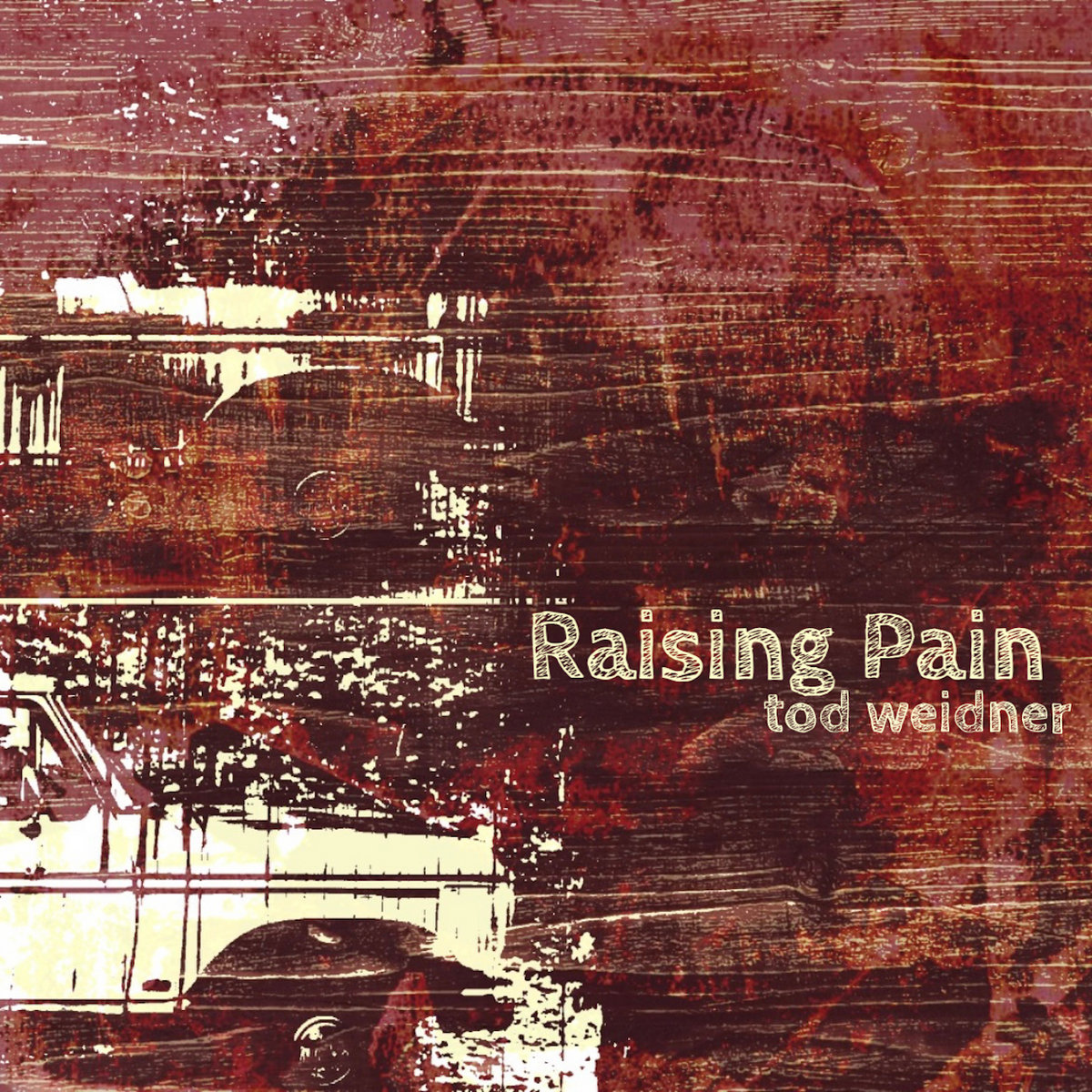
Tod Weidner – Raising Pain

Mike Bankhead – Latent

Given Names – Makin’ Eyes

Cowboys in The Campfire – Here We Go Again

Teenage Fanclub – Foreign Land

Hannah Jadagu – Lose

High on Stress – Over-Thru

Jeremy Porter and the Tucos – Five-Foot-Three and Tiger Eyes

Tyler Childers – Rustin’ in the Rain

Kurt Lee Wheeler – We Will Travel

Honorable Mentions

Yo La Tengo – This Stupid World

Amber Hargett – Coal Mine Canary

Brainiac – The Predator Nominate EP

Quiet Signals – Quiet Signals

Video of The Day: Smug Brothers – Pablo Icarus

Ohio rock band Smug Brothers is a collection of contradictions.

The members are neither smug nor brothers, and the caddish name poorly fits these serious, veteran musicians. Furthermore, Smug Brothers could very well be your favorite rock band, especially if you love the pop virility of the Beatles, the lyrical bafflement of Guided by Voices, and the beautiful shambles of Big Star—but you may never know, because you may never see them or hear them.

Take a nap, Schrödinger’s cat. This here is a real paradox.“We’ve been doing this for 20 years,” says Smug Brothers singer and guitarist Kyle Melton, “and no one knows who we are.”One of the reasons for this is the fact that due to real-life responsibilities and a shifting lineup on Spinal Tap proportions, the band rarely performs live.

“You have to tour to make any kind of headway [in the music business],” explains drummer Don Thrasher. “You can’t just play Dayton, Cincinnati, and a few other places and get famous. Any group that has ‘made’ it has had to hit the road and play anywhere they can.”

And then, when the group does perform live, there’s an exciting yet mystifying dimension of difference between the live sound and the recorded material.“A lot of bands today are really, really good at replicating their studio sound in a live setting,” Melton says. “That eludes us. We thrive in a more controlled environment.”

Not surprising for a group that began, way back in 2004, as a one-off studio project between Melton and Dayton musician and producer Darryl Robbins (Peopleperson, TV Queens). It was only with the addition of drummer Don Thrasher, in early 2008, that the Smug Brothers became, to paraphrase Pinocchio, a real band.

Since then, Melton and Thrasher have held down a steady center among a revolving cast of additional musicians—the current lineup includes Kyle Sowash, from Columbus indie-rock stalwarts The Kyle Sowashes, on bass—and have released a series of ever-improving singles, EPs, and LPs. The band’s most recent album, Application of the Twig, is the season of spring distilled into a porch party soundtrack. Brisk and refreshing.

“While we’re not well-known,” says Thrasher, “we make well-done records. We provide a good listening experience for people who like short, catchy songs.” Melton agrees. “A lot of care and consideration goes into our albums. They are singular experiences that you will never see duplicated live.”

All of which brings the Smug Brothers’ quandary full circle. To get a better sense of the elusive Smug Brothers sound, please visit smugbrothers.bandcamp.com! Do it!

Larry Evans’s Short Takes

Short Takes20861905_10155163938436032_8287770607918622248_oToday’s Short Takes comes courtesy of Dayton musician, bass player and writer Larry Evans.
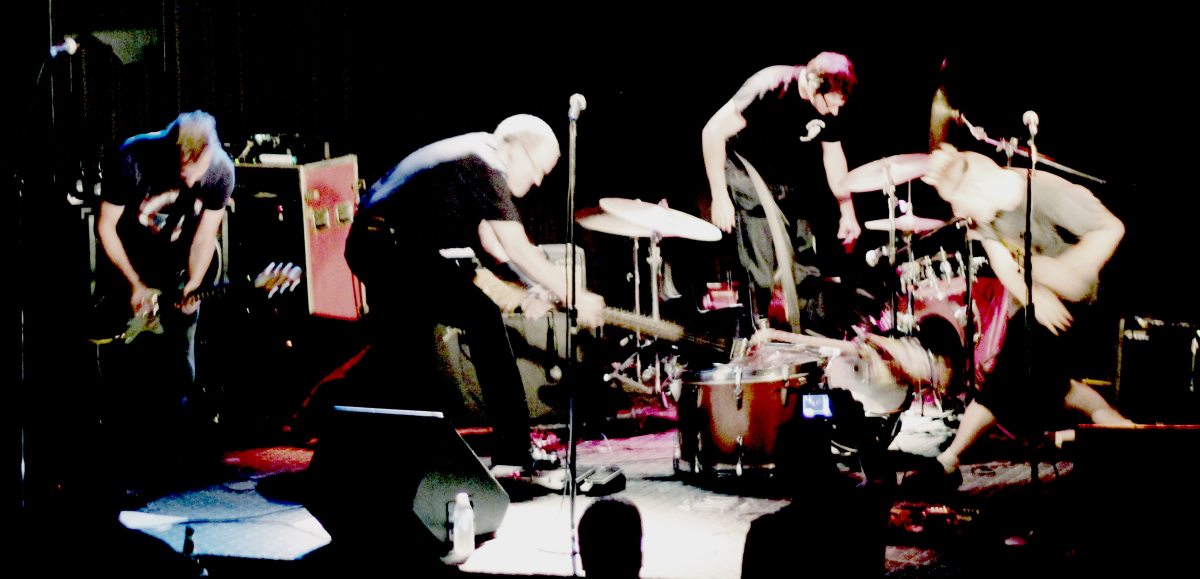
Larry was part of the Dayton-based punk musical force Lurchbox. You can hear some Lurchbox on their Soundcloud page! And we recommend that you do so!

He has been in several projects including Smug Brothers, Goodnight Goodnight as well as playing in The Last Waltz tribute project, contributing bass to the most recent DirtyClean album among other works! In this brief essay, Larry explores the influences, deep cuts and journey of rediscovery that have shaped his recent musical experiences. It is a real pleasure to have Larry share the music and songs that he has been enjoying with us. 

221456_419792818062825_117903429_oDr. J: What are you listening to right now?

Larry: I’ll never claim to have the weirdest preferences in music, or that my edgy taste will “blow your mind” (someone actually told me that, and they – sadly – didn’t). In conversations with other musicians over the years (and in reading through the submissions so ingeniously curated by Dr. J), I am humbled to learn that we all have our diverse reserves of “deep cuts” that have inspired and shaped us. I have been excited to discover the insights of some of my friends and heroes here, and I’m grateful for the opportunity to share some inspirations and discoveries of my own as well.

I have to start with an artist who was an early influence on my musical taste and pop instincts, and while I was a child when The Beatles were literally changing the world with their music, I came of age in my teens listening to artists who used the freshly-plowed musical landscape to nurture their inspired reactions to that revolution. So while Jeff Lynn’s tenure with the Electric Light Orchestra furthered the hook-laden, R&B/symphonic-inspired path The Beatles had ended on, a listen to his earlier work shows that he was on the same path all along, and responding in real time. Even before his time with psychedelic pop innovators The Move, Lynn’s work with The Idle Race in the late 60s displayed every bit of the playful creativity and gift for melody that would later become his hallmark. “I Like My Toys” is a perfect example of the tunesmithing that showed the Fab Four hadn’t cornered the market on stunning, seemingly effortless pop.

A lot of what I’ve been listening to lately has been a revisit to an era that I sort of skipped; while I was sold on Industrial groups like Ministry and Nine Inch Nails, I didn’t stray far from that (relatively) mainstream path. So over the years, I’ve been delving into bands I overlooked, like the legendary Killing Joke (who I could devote page after page to), Nitzer Ebb, Front 242, KMFDM, and most recently, Front Line Assembly. Because Bill Leeb had originally been in Skinny Puppy (and I was never really into their sparse take on the genre), I didn’t pay much attention but I recently stumbled across 1992’s “Tactical Neural Implant” and it opened up a whole new world for me. Still relatively minimalist from a melodic standpoint, it brings a broad range of rhythms and synthesizer textures that make me wonder what the last 30 years would have been like if I’d discovered this back then.

I also have to mention that Dayton’s own Hexadiode continues under the same electronic/industrial banner, while bringing their own darkness, passion, and inventiveness into the mix. A band whose musicality and ferociousness couldn’t really (for me) be comfortably categorized under “post-hardcore” (too progressive for punk, too jazz for metal, too melodic for industrial), was Canada’s Nomeansno, and I was fortunate to discover them at a live show in the late 80’s when band founder Rob Wright was already older than most of their contemporaries: I thought he was the band’s dad or something. But then I had my face joyfully torn off that night, and I’ve been a fan ever since. Before retiring in 2016, they recorded 10 studio albums, and there were EP’s, bootlegs, a live album, and a collaboration with Jello Biafra, but 1989’s WRONG has become my favorite.

https://www.youtube.com/watch?v=m01lPNVv90s

CocteauTwins.BlueBellKnoll.lpOn the emotionally polar opposite of post-hardcore is another genre that’s also consumed me off and on over the last 20-30 years: Shoegaze. I was never a fan of My Bloody Valentine (which isn’t a popular claim to stake among other shoegaze fans), and while their 1991 “Loveless” is often credited as making them pioneers of the form, I was much more drawn to melodies, as opposed to experimentation with raw noise. The Cocteau Twins’ delicate “Blue Bell Knoll” from a few years earlier in 1988 I consider a precursor, but Slowdive’s “Souvlaki” in 1993 was the defining moment for me (I also have to mention the band Ride, although at the time in the 90’s, they slipped by me altogether). A more recent (2003) entry, however, is from Andrew Saks’s project Sway, employing walls of sound thicker and more layered than anything Phil Spector could have dreamed of, and while some tracks from “The Millia Pink and Green” EP drift into MBV territory and overwhelm you with their sonic spectacle, the haunting, gorgeous track “Fall” makes it all worth the price of admission. Continue reading

11 Questions with… Kyle Melton

101714517_10163801825875154_1076073664824213504_nAfter a hiatus of a few months, we return with our eighth installment of ’11 Questions with…’ column. We resume these articles with an interview featuring Smug Brothers‘ songwriter, guitarist and singer Kyle Melton. We want to publicly thank Kyle for taking the time to answer these questions!

Smug Brothers have been a prolific and active band without sacrificing quality. The vision for Smug Brothers is reflected in the interests, lyrics and approach that Kyle Melton has crafted for the group. The development of this band parallels the songwriting focus.

Smug Brothers begin in 2005 with the exciting debut record, Buzzmounter. This record featured the driving Valentine Chapel. In the beginning the band’s music was written by Darryl Robbins [The Motel Beds, Overthought Musik‘s numerous side projects] and the vocals and lyrics were created by Kyle Melton. Over time, Smug Brothers transformed into a cohesive band adding several musicians and artists into its indie rock sensibility.  The eventual addition of Ex-Guided By Voices and Swearing at Motorists drummer Don Thrasher on drums and percussion and the departure of Darryl Robbins transformed the band. The addition of guitarist Brian Baker [Brat Curse] and then Scott Tribble added sonic texture to the group’s sound. Several talented bass players have participated in this project over the years including Marc Betts, Lurchbox’s Larry Evans and the current bass playing of multi-instrumentalist Kyle Sowash [The Kyle Sowashes]. While additional lineup changes have influenced the sound over the years, the vision for the project has stayed true to an imaginative concept for the most impactful and concise indie pop sound.

SBBMThe band has been incredibly active from 2005 – 2019, releasing several excellent Midwestern indie rock album including the fantastic On The Way to the Punchline, the powerfully inventive Woodpecker Paradise and the amazingly accessible and catchy, Disco Maroon. In a just musical world (do not hold your breath waiting!), Disco Maroon would have produced top 40 singles with ‘Hang Up’ and ‘My Little Crowd Pleaser.’

In 2019, with the record Attic Harvest the band released its first record on vinyl — which is an important achievement. The group also released Serve A Thirsty Moon in that same year which speaks to their productivity! And to add more fuel to the idea of productivity — in the past challenging year because of the pandemic — the band was still able to release two terrific EPs, Room Of The Year and Every Surface Under Heaven and the single ‘Flame Verbatim.’ 

Originally formed in Dayton, Ohio and then Smug Brothers HQ relocated to Columbus, Ohio, Smug Brothers  have released some of the most catchy, interesting and melodic Midwestern indie rock and roll in… well, the Midwest and beyond. 

SmugPromo2020

a2655189097_10Dr. J: What can you share with us about when and how you started writing the latest album Room Of The Year?

Kyle Melton (KM): Much of Room of the Year, as well as ‘Flame Verbatim’ and Every Surface Under Heaven, was written between fall 2018 and fall 2019. I was working from home during that year and had a guitar handy a lot of the time. We whittled down a batch of about 100 songs to 30 or so that we liked best, then set to work recording in December 2019 and got the 12 songs that appear on these three EPs before COVID-19 hit and we couldn’t get together to work on any more.

Dr. J: What is your approach in recording? What are your biggest challenges when creating new music? What is the biggest reward for you when making new music

KM: For these three most recent single EPs, we stuck with our tried-and-true method of Don [Thasher] and I getting in a room together and hashing out a rhythm track to build off. With the COVID-19 situation this year, we had to figure out how to get [Kyle] Sowash to record his bass parts from where he is. Scott had done a lot of work from his place and sent it over with Serve A Thirsty Moon, so we had that dialed in. For us, the biggest challenge is making time to get things done. As you get older, there are a lot more obstacles to getting music done than when you’re 25. I think there are levels of rewards: when you know you have a good basic track with a good energy you can build up, when everyone’s parts get added and the picture becomes more complete, when you add the extra touches to flesh it out, when you have a final mix/master that is what is going out. The whole process is still just such a buzz, really.

Dr. J: Freshman Zephyr is a fascinating song. There are some of the classic elements of the band and some exciting experimentation. In particular, for me, the use of electronics/keyboards adds an unexpected dimension to the song. When I expect a guitar part to come into the mix, a keyboard/electronic part does instead. Did you set out to explore a more expansive sonic feel when starting to work on that song?

KM: We’re always trying to figure out how to expand what it is we sound like, so I think Freshman Zephyr is in that lineage a bit. Scott really turned us more toward adding keyboards in a way we didn’t previously, so that’s largely his contribution. We rarely set out to do anything more than whatever the song asks us to do, really. It’s usually pretty obvious if something is going to work for a song or if we need to push out past ourselves to figure out what the song needs. And we typically know when we’ve found something we all like.

Dr. J: Room of The Year seems to address themes of existence apart from the technology that we have become Sbrosso comfortable using without asking what it means to be so dependent. I am thinking Radiator One, Good To Know Your Axis and Freshman Zephyr lyrically raise questions about technology. Would you say that is accurate? What themes were you addressing?

KM: Sure, there are flashes of coming to terms with technology in a lot of what I write. I think it’s just so prevalent in our current lives, that kind of thinking is going to be part of what I’m talking about. I have a very love/hate relationship with technology, as I’m sure a lot of us do. But I think we’re all working to find where we strike a balance between the benefits and whatever our humanity is. Where is your axis, you know?

Dr. J: How did Freshman Zephyr come together musically for you? How does that compare with Good To Know Your Axis?

KM: I think those songs have very different base identities: Freshman Zephyr is more in the pop house and Good to Know Your Axis is more in the postpunk range. So, from that standpoint, we would work on them with very different ideas in mind; you can’t really do the same kinds of things with both of these songs. We built them up in a similar way, but the four of us have developed a good unspoken language of what different types of songs would ask you to do.

Dr. J:  Where do you often derive inspiration to make music?

KM: I always have the itch to make music. The struggle is getting it down on the phone or on tape in a timely fashion. The inspiration is everywhere, really. Listening to what other people are putting out is always inspiring. Going back and digging on things I’ve heard countless times but finding one new nuance, that sets off an idea. Things people say on TV or the Internet or in a text message. All of it has potential to trigger me to get to work.

a0679371235_10Dr. J: How would you describe the music that you typically create? How has that process evolved or changed over time (especially as you think about your journey from Attic Harvest to Serve A Thirsty Moon to Flame Verbatim and Room of the Year)?

KM: I have to feel some kind of energy from the connection between the words and music to get things going. I tend to write words and music separately, so when I try and put them together, I’m hoping there is a cool thing that happens. And there’s a big range, so that’s helpful. The biggest thing for how I work and how we’re able to function as group from Attic Harvest up through these new EPs is sharing demos in advance with the group that gives us a better idea of what we can work on and a sketch of an idea. When Don and I started playing together back in 2008, I would just throw a song at him totally cold and we’d come up with something. He has a little more advance idea now, which he says he likes a lot more. I think a lot of how I put songs together is fundamentally the same as I’ve done for a long time: pick up a guitar, throw some words out, and see what comes together. I raise the sails and hope for a strong wind to get us somewhere new and interesting.

Dr. J: What is next for you musically? How would you describe your thoughts at this point for your next project after Room of the Year?

KM: It’s hard to predict what we’ll be able to do in the next year, as COVID-19 doesn’t seem to be going anywhere anytime soon. We have some things we’ve already started working on, so we’ll have to see what we come up with next. I think we’re all game to approach things a little differently, since we’re just not really able to do things the way we normally would.

Dr. J: What is your favorite song to perform? What makes it a current favorite in your
performances?

KM: Well, we didn’t get to do any shows this year, so this isn’t really a current view, but Investigative Years [from On The Way To The Punchline], Reminding Penumbra [from Attic Harvest], and Hang Up [from Disco Maroon] have always been very enjoyable for me. They all have different things going on, but they’re fun to sing and the band typically gets a good headwind going behind each of them.

Dr. J: What is one message you would hope that listeners find in the unique nature of your latest music?

KM: I think there’s a hopefulness in this most recent batch of songs. Always keep looking for new ways to engage yourself and the world. Remain open to possibilities. The world is a lot more than most of us realize. Enjoy the ride, you know?

Dr. J: As a musician, how are you adapting to the challenges of the Coronavirus?

128173312_10157765610728404_8864351974159478428_oKM: Not playing shows has been a real bummer this year. First year since I started playing in bands in 1992 that I won’t do a single gig. But there’s always time to work on music and I’m grateful the four of us figured out how to work remotely to keep the ball moving. I miss “the Brothers,” but we did a Zoom call recently just to have a hang. That’s what band practice is like in 2020.

You can follow Kyle Melton and Smug Brothers on various social media including:

Facebook     Twitter at @smugbrothers     Instagram at smugbrothers        Spotify    Bandcamp     YouTube

YTAA MonsterWe want to extend our sincere gratitude to Kyle for answering our questions and continuing to make some really excellent music! Click on the links throughout the article to visit Smug Brothers’s Bandcamp page! If any musicians or artists would like to participate in future ’11 Questions’ columns, please feel free to email us at drjytaa@gmail.com. All photos care of Kyle Melton.

your-tuesday-afternoon-alternative-color copy

YTAA Playlist 08-11-2020

unnamedThis week we have created a YTAA Playlist on Spotify for you listening pleasure! Next week we return to the YTAA Studio and the airwaves of WUDR 99.5 & 98.1fm in Dayton and online! We recommend that you visit the artists social media, webpages and bandcamp pages to support them!

The artists this week include new music from Guided by Voices, Benchmarks, Peopleperson, Tiny Stills, Frontier Folk Nebraska, Jess Cornelius, The Psychedelic Furs, Smug Brothers, Kathleen Edwards, Ryan Allen And His Extra Arms, Lydia Loveless, The Jayhawks, Nana Grizol, Samantha Crain, The Avett Brothers, Real Estate, CrocSoc Workshop, The Great Serpent Mound of Ohio, Carbon Leaf, Surfer Blood (featuring Pip Blom), Dolph Chaney and The Blow Monkeys — yup, they have new music for us all!

Some classics from Pere Ubu, The Pursuit of Happiness, Shrug, The Mayflies USA, Lab Partners, The White Soots, Captain of Industry, The New Old-Fashioned, Mandy Jewell, The Katawicks, Whiskeytown, Andrew Duhon, Gretchen’s Wheel, Manray and The Grapes of Wrath!

And some live versions of terrific songs from The Long Ryders and The Kyle Sowashes!

your-tuesday-afternoon-alternative-color copy


Video of the Day: Smug Brothers

Smug Brothers’ All Blur & Spark, out on CD on Gas Daddy Go Records on Monday, July 8

From the band:  Fifteen years since forming as a home recording outfit, Smug Brothers continue to find new ways to shake things up creatively. That’s certainly true of the new full-length, All Blur and Spark. Work on the Ohio band’s latest offering on Gas Daddy Go Records began before the February 2019 release of the crowd-funded vinyl album, Attic Harvest, and was curated by some of the group’s supporters.

“The songs were the result of the Attic Harvest fundraiser,” leader Kyle Melton said. “We offered contributors the option to have a custom song recorded as part of their contribution and 11 people participated. Each person was offered to choose an acoustic or full-band track and was then given a list of five titles from which to choose.

“We then recorded the songs quickly in late 2018 in time to send a CD copy of each song out with each person’s vinyl copy of Attic Harvest. When we had completed that project, we realized the 11 tracks would make a cool fan-curated album worth sharing with more people. We got each person’s permission to use their track and put it all together. And here we are at All Blur And Spark.”

Before these two 2019 albums, there were the studio projects with Darryl Robbins at BHA in Dayton (Woodpecker Paradise, 2015) and Micah Carli at Popside Recording in Troy, Ohio (Disco Maroon, 2017). Following these experiments in higher fidelity and the departure of lead guitarist Brian Baker and bassist Larry Evans, Melton and drummer Don Thrasher returned to the home-recording approach they’ve favored since joining forces in 2008.

“We really enjoyed recording studio albums with Darryl and Micah,” Thrasher said. “We’re proud of how those full-lengths turned out but working like that takes a lot of time in pre-production and post-production, not to mention tracking and overdubs. That’s how most bands make records but it’s not a very Smug way to work. Kyle and I prefer to get in the basement, take a few runs through a song and then lay it to the four-track cassette recorder while the material is still fresh.”

Melton and Thrasher perfected that approach on early releases like the digital LP Fortune Rumors (2011) and the cassette EP Strictly Triggers (2014), recording overdubs and vocals with Robbins (Overthought Musik, Motel Beds) as engineer/co-producer. That changed with Attic Harvest and All Blur And Spark, a one-two-punch that shows there’s still a lot of life left in this scrappy band of rockers.

It also marks a period of firsts. These are the first projects recorded with Melton at the helm in his basement studio and the first with the band’s new guitarist/keyboardist Scott Tribble, who is opening up new sonic dimensions in the music.

Being fully self-contained has also allowed Smug Brothers to increase its pace in Melton’s basement, with the group deep into sessions for several forthcoming releases. With the looming 20th anniversary of the band’s debut CD LP Buzzmounter (2005), it’s evident this scrappy outfit from Ohio will continue to grow.

Listen to All Blur And Spark at: https://gasdaddygo.bandcamp.com/album/gdg-024-all-blur-and-spark-cd

Our Pick for Best Song of 2015

download

Well it is not only that time of the year where everyone debates the “bests” of 2015 — best books, best shows, best foods, etc etc — it is time for us at Your Tuesday Afternoon Alternative to select the song that for us demonstrates the most exciting trends in indie music — and this was a task and a half.  There were so many great albums, terrific songs, and artists who stretched themselves and their audience that to select a single song as the very best of 2015 feels a little bit wrong. However, a selection like this can be emblematic and symbolic of what makes a genre or artist powerful.

So, our criteria are simple — the song must be catchy, well crafted, and becomes stuck in your head.  This song like all good ‘ear worms’ must be something that is nearly impossible to dislodge.  You find yourself wanting to hear it, needing to hear it.

There were many contenders for this spot in our opinion.  Great music from Waxahatchee, The Motel Beds, Jason Isbell, Cheerleader, Ghost Town Silence, Moira, The New Old-Fashioned, Best Coast, Smug Brothers, Line and Circle, Courtney Barnett, Soda Shop, Circa Waves, The 1984 Draft, and many others demanded to be considered.  And you will only do yourself a favor by checking into music from all of these bands.

Reflective_VinylAnd, in the end, these lists and choices are expressions of the person doing the choosing.  Yes.  Sure, these choices are partly biographic about the judge and are often more about getting a conversation started about what makes a great song or a great album or truly unique or powerful artwork.

With that said, our favorite song of 2015 is Mittenfields – Optimists.

Released this past April, optimists is a great song from start to finish. From the first hit of the drumstick to the melody line of the bass to the weaving of multiple beautiful guitar parts.  And oh what glory is in those guitar fills, leads and strums.  The weaving of three guitarists at the top of their game makes for a fantastic listening experience.  The guitar parts do not fight one another — they complement, they add to the aural experience and build upon one another.  And along with the guitar parts a drum sound that sounds like actual drums.  Not a tinny barely audible mish-mash of time keeping, but a strong hard hitting backbone for the song.  If that was not enough, Dave Mann’s clever bass play and vocals sung with an urgency that captivates the listener’s attention make the song impossible to ignore.  And as he sings optimistic lyrics that are not dripping with sappy syrup or faux sentimental — this gestalt of sounds makes an utterly complete piece of powerful indie power-pop.  It is nearly 2 minutes of indie perfection for those of us at Your Tuesday Afternoon Alternative.

How many songs can you listen to and the second that song is finished, you wished that it was still playing!  We even once played the song twice back-to-back on our program because close to four minutes seemed to give the song the length that it so richly deserved.  This song never gets old.  When every instrument is perfectly weaved in and out of the mix and it feels whole and meaningful and you find yourself singing along from the very first time you heard it — that is a great song.

And as the song starts — “We are all optimists, even on our bad days”

The only sour note here is that Mittenfields have broken up; but what a great tribute to leave behind.  We look forward to the music projects these musicians will pursue in 2016 and beyond.

DrJ


Once is Not Enough: Best of 2015 Shows

imagesThere was so much great music in 2015 that we are planning on two back to back radio shows celebrating that music!  We will even be joined by some special guests!  We will have our list of some of the most interesting music from 2015 — well, at least for Dr. J and Mrs Dr. J but we think that we will have at least a few things you will enjoy!

It was an amazing year for Dayton and local music with new releases from Andy Gabbard, Good Luck Year, The New Old-Fashioned, Brat Curse, The Repeating Arms, Moira, Ricked Wicky, Smug Brothers, Tim Gabard, Motel Beds, The Werks, The 1984 Draft, and many more!

We also had some new music from Me & Mountains – a few sneak peeks at their upcoming record ‘Gold’ which included the title track and a fantastic tune in The Only Way To Be.  The later tune written by a father to his young son.  There was also new music from Good English who had a big year in 2015 as well as a few peeks at the new Manray record.  There were many fantastic live shows that we will have to discuss as well

https://www.youtube.com/watch?v=o1hrRNY7GxM

This was a year that gave us new music from outside of Dayton too!  For music lovers across genres there was some great music from:  The Bottlerockets, Lightouts, The Decemberists, Mittenfields, Bad Bad Hats, Low, My Morning Jacket, Ryan Adams, Sleater-Kinney, Sea of Bees, Jason Isbell, Timeshares, Steve Earle & The Dukes, Ultimate Painting, Turbo Fruits, Wilco, Mikal Cronin, Waxahatchee, Varsity, Father John Misty, The Worriers, Pocket Panda, White Reaper, Twin River, a live records from The Drive-By Truckers and The Jayhawks and a fantastic 20th anniversary re-release from Son Volt.

So, join us as we celebrate some terrific music from 2015 beginning this coming Tuesday on WUDR from 3-6pm (e)!

DrJ