Today’s program featured music from Wussy, The Tragically Hip, Fancy Gap, Latvian Radio, Shai Fox, Rockaway, The English Beat, The Talking Heads, The Boxcar Suite, Smug Brothers, Friedberg, Brian Lisik, and much more. We also heard two songs recorded by and two live songs performed by our guests, Kyleen Downes and Sisco Red of Freya’s Felines.
Freya’s Felines is an engaging band from Dayton, Ohio, blending a unique mix of indie rock and folk influences with a touch of ethereal storytelling. The group’s name, inspired by Freya, the Norse goddess associated with love, beauty, and cats, reflects their whimsical yet deeply introspective artistic vision. Their music resonates with themes of nature, mysticism, and human connection, offering a fresh sound that has captivated local audiences.
The band, which began as a trio, is now composed of four members: guitarists and vocalists Kyleen Downes and Sisco Red form an unshakeable foundation. Their voices blend in waves of evocative yet accessible timbre, pitch, and flow. Abigail Moone’s hauntingly soulful voice serves as a key part of their sound. The most recent member Gabriella Erbacher is a bassist who brings a rhythmic pulse to their tracks with an almost soulful groove. Moone also contributes drumming whose subtle yet powerful beats add depth to their arrangements. Together, these musicians weave a sonic atmosphere that feels both intimate and expansive, drawing listeners into their world.
Wussy is one of those bands that everyone should know. They are an ongoing musical effort for over two decades with a deep catalog. The band’s lyrics — courtesy of Chuck Cleaver and Lisa Walker — are inescapable without being cloying or false, and the band’s observations are relatable, accurate, frighteningly honest, and perhaps more than a little sad. Yet, the dark lyrics hold a unique power to connect deeply with listeners, offering catharsis and shared understanding. They articulate complex emotions like heartbreak, grief, failure no matter what we do, the creeping realization of loss, or loneliness in ways that often resonate universally. We all have felt this way. We have all had to pick ourselves up and pack it up and continue.
This band does not ‘talk down’ or excuse the all too often unbearable. This shared complexity alongside relatability can provide solace, reminding us that struggles and loss are part of a broader human experience. Artists like Leonard Cohen, Nick Drake, XTC, and Wussy use poignant imagery and evocative language to turn personal pain into something captivatingly beautiful and communal. Research in psychology suggests that sad music, especially lyrics, can paradoxically uplift by helping listeners process emotions, offering empathy and a sense of emotional release.
Wussy’s music thrives on atmosphere and contrasts: jangly, distorted guitars and bending pedal steel coexist with heartfelt melodies, while lyrical introspection is paired with propulsive energy. The driving drums and bass arrangements further cement the band’s gravitational pull. This mix defines their aesthetic, often drawing comparisons to The Pixies, Sonic Youth, and Yo La Tengo for their dynamic range.
The band’s dual-vocal approach, featuring Chuck Cleaver and Lisa Walker, adds an emotionally layered dimension to their sound. Their harmonies weave between tenderness and grit, reflecting the tension and warmth present in their lyrics. Themes of heartache, resilience, and the mundane beauty of everyday life emerge vividly, often set against rich, guitar-driven arrangements. Wussy’s sonic identity also incorporates regional pride, as clearly evident in their references to Cincinnati and the Midwest. Critics frequently praise their ability to turn intimate, local stories into universal experiences. Their use of reverb-heavy production and jangling guitar textures evoke both nostalgic warmth and emotional depth, earning them cult status among fans and critics alike. This unique fusion of raw emotion, lyrical storytelling, and sonic experimentation cements Wussy as one of the most compelling voices in contemporary music. Their music is deeply personal yet profoundly accessible, it reminds us that we are not alone.
I consider Wussy an iconic band. Not because of a pose or prophetic statements. Their swirl and sway of instruments and voices are completely unique. No one sounds like them. Wussy, may be labeled an indie rock band from Cincinnati, Ohio, but that does not fully capture what they do. The band has returned with a highly anticipated album titled Cincinnati, Ohio (released on Friday, November 15, 2024) and we are all better for it. This record marks their first full-length album in six years and their first since the passing of guitarist and co-founder John Erhardt (who had been in The Ass Ponys with Cleaver) in 2020. Known for blending honest heartfelt storytelling with robust, guitar-driven sounds, Wussy’s latest work reflects a nuanced exploration of loss, resilience, and their enduring love for their hometown.
The new record, released through hometown label and actual record store, Shake It Records, features ten tracks, including the singles “The Great Divide,” “Sure as The Sun,” and “Inhaler.” The band’s characteristic mix of Americana, Post-Punk, lo-fi noise pop, and introspective lyrics remains central to their sound. Tracks like “The Great Divide” showcase their ability to layer droning, propulsive rhythms with deeply evocative storytelling, capturing the emotional intensity fans have come to expect from Wussy’s catalog. These songs signify a period of renewal and creativity after a period of reflection during their hiatus. Many fans are excited about the release of these songs having heard acoustic versions of several of them during live streams during the lockdown of the Covid Pandemic.
The album draws from personal experiences and the band’s shared history in Cincinnati, a city they frequently reference in their music and where they live. Themes of identity, community, and memory are woven throughout the record, with a tone that both mourns and celebrates. This duality underscores the resilience of a band that has endured significant changes while staying true to its artistic roots. The band members do not pretend or play false flag arguments about their ties to their hometown. The ties that bind here are part of the band’s identity.
Wussy also released two accompanying EPs, The Great Divide and Cellar Door, further showcasing their ability to experiment with sound and storytelling. This multi-release strategy highlights their dedication to producing layered and diverse music for their audience. And Wussy fans are happy for these releases.
The band is known — and rightly celebrated — for its DIY ethos and deeply collaborative nature. Since their formation in 2001, Wussy has been widely praised for their raw authenticity and ability to merge genres seamlessly. Cincinnati, Ohio continues this tradition while evolving their sound to address both personal and universal themes, making it a compelling addition to the discography.
You can explore the album further, and I recommend that you do so! Or better yet purchase it through Shake It Records or Bandcamp. For more insights into the band and their new music, check out their official site or the well-deserved recent press coverage.
Last week, I wrote about albums that have a great first two-song combo. After thinking about that and sharing my thoughts, I was asked other than the start of an album, what else matters? What else leaves a lasting mark? Perhaps we could call it a musical bruise. And that led to thinking about the days when all music was released on vinyl. Side A and Side B each had a start and end. But the most definitive ending is the last song on a record.
The final song on an album holds a unique and important place, acting as the last note of a record’s journey and often shaping how listeners interpret the entire album. Where have we been? Where do we go now? Whether it’s a contemplative, quiet piece that allows the themes of the record to echo softly in the listener’s mind or a powerful anthem that closes the experience with a bang, the last track often serves as a reflection, summation, or even contradiction of what came before it (I feel that this happens often for several bands that I love, R.E.M., U2, and Uncle Tupelo to name a few that deeply matter to me). This closing moment can evoke a range of emotions: closure, anticipation, hope, or bittersweet melancholy. For many, a strong final track can define the entire listening experience, leaving a lasting impression that elevates the album from a collection of songs to a complete, resonant work of art.
Establishing Closure and Completeness
A thoughtfully chosen final track can make an album feel like a completed story, giving it a sense of narrative and emotional closure. Albums, particularly concept records, often unfold with a progression of emotions, themes, or stories, and a powerful last song can bring these to a satisfying conclusion. This role is especially crucial for artists aiming to take listeners on a journey, where the album acts as a cohesive unit rather than a series of disconnected songs. Ending an album with a song that reinforces the record’s primary themes or revisits earlier emotions can leave listeners feeling as though they’ve completed a meaningful journey, much like reaching the last chapter of a novel. Consider that the very last song that Uncle Tupelo put onto a record was ‘Steal the Crumbs’ on their brilliant masterpiece ‘Anodyne.’ It is crushing to me that the last echoes of ‘No more will I see you,” was a statement of intent from Jay Farrar to Jeff Tweedy. It is still hard for me to listen to that song today.
The last song can also play a vital role in underscoring an artist’s vision. If the rest of the album serves to establish a mood, a style, or a story, then the final track acts as the artist’s way of saying, “This is what I really want to leave you with.” It is the musical statement they want listeners to hold onto, an encapsulation of everything they poured into the album. The finality can be overpowering.
Examples of Powerful Final Tracks
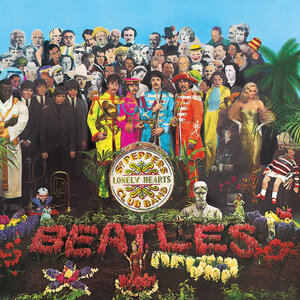
One standout example that is often discussed by those of us obsessed with music is “A Day in the Life” by The Beatles, the closing track of Sgt. Pepper’s Lonely Hearts Club Band. As a pioneering album in rock music history, Sgt. Pepper’s is an eclectic mix of sounds and styles that epitomizes The Beatles’ experimentation and innovation. The final track, “A Day in the Life,” is haunting and surreal, blending melancholy with a sense of curiosity and wonder. The song’s climactic, dissonant piano chord at the end creates a feeling of unresolved tension, inviting listeners to ponder its meaning long after the album is over. This impactful ending encapsulates the themes of discovery and mystery that pervade the album, making it feel timeless and open-ended.
Similarly, Radiohead’s OK Computer concludes with “The Tourist,” a slower, introspective track that contrasts with the chaotic energy of the rest of the album. OK Computer is known for its commentary on technology and alienation, exploring themes of existential anxiety and modern isolation. “The Tourist” stands apart from the album’s other songs in its simplicity, offering a moment of reflection that feels like a warning to “slow down” amid the dizzying pace of the digital age. The song’s restrained energy brings a reflective close to the album’s otherwise complex and unsettling journey, emphasizing its themes and leaving a deep impression.
Creating a Lasting Emotional Impact
Some final tracks are chosen to evoke powerful emotions, leaving listeners with an impression that will last beyond the music. For instance, David Bowie’s Blackstar closes with “I Can’t Give Everything Away.” This track, coming from Bowie’s final album before his death, is particularly poignant, dealing directly with themes of mortality, legacy, and departure. Bowie’s choice to end with this song feels like a farewell message, wrapping up his legendary career with a sense of grace and vulnerability. For listeners, the track is a heart-wrenching goodbye that gains even more weight within the context of Bowie’s life, allowing the album to transcend music and enter the realm of a personal, intimate farewell.
Nirvana’s In Utero, meanwhile, ends with the track “All Apologies.” The song reflects Kurt Cobain’s vulnerability and the conflicting emotions he experienced near the end of his life. It’s a bittersweet, haunting song that grapples with themes of forgiveness, regret, and identity. Given the rawness of In Utero, “All Apologies” acts as an understated yet emotionally charged conclusion. It’s a moment of both release and resignation, mirroring Cobain’s own inner conflicts. For listeners, it becomes a powerful closing note that brings a sense of poignancy to the album, especially in light of Cobain’s death just months after its release.
Offering Unexpected Twists
Sometimes, artists use the final track to surprise their audience, either by shifting the mood or presenting an unexpected style or message. This unpredictability can work as a memorable twist, leaving a lasting sense of intrigue. It changes the tone from the struggles explored in previous songs to pride and resilience, suggesting a sense of empowerment and identity that stays with the listener.
An example of an unexpected finale is the Arctic Monkeys’ “505” on their album Favourite Worst Nightmare. The song begins as a somber ballad but gradually builds into a soaring, intense climax. Its dynamic composition makes it feel like the album’s emotional pinnacle, one that explores themes of longing and nostalgia. “505” brings a sense of finality to the album but in a way that is both stirring and unpredictable, leaving listeners wanting more even as the music fades out.
Symbolism and Metaphor in Final Tracks
Artists also use the last track to imbue their album with metaphorical meaning, often turning the final moments into a symbolic experience. Pink Floyd’s The Wall famously ends with “Outside the Wall,” a soft, subdued song that contrasts with the bombastic nature of the album’s other tracks. As a conceptual record about isolation, rebellion, and self-destruction, The Wall reaches its emotional and narrative conclusion with this gentle, understated track. The song leaves listeners reflecting on the album’s themes with a mixture of sorrow and acceptance, making it an introspective and symbolic end to the epic story. Maybe it is a final track that can hint at continuity or invite speculation about future works.
The Final Song as a Reflection of the Album’s Themes
In many ways, the last song is the album’s most potent moment because it holds the power to tie all the preceding themes together in one emotional conclusion. The choice of final track is rarely arbitrary; it often holds the most weight and meaning. Whether it offers a moment of silence, explosive energy, quiet reflection, or unrestrained vulnerability, the final song gives shape and substance to the album, helping listeners make sense of the music as a whole.
In short, a powerful last track is not just the end of an album—it’s the parting message, the last look back, and the final chance to leave listeners with something unforgettable. When done well, it can transform the album into a cohesive, resonant work that remains with listeners long after the music has ended.
The Nautical Theme is a musical duo based in Dayton, Ohio, consisting of singer-songwriters Matt Shetler and Tesia Mallory. Known for their melodic, harmonious approach to folk and indie rock, the band combines Mallory’s bright, captivating vocals with Shetler’s rich, grounding tone, creating a deeply moving vocal interplay. Formed in 2016 from their previous project – Good Luck Year, The Nautical Theme emerged from Dayton’s vibrant indie scene, bringing their introspective, emotionally resonant music to local stages and steadily expanding their fanbase.
Their sound often features acoustic instrumentation that leans into folk sensibilities, with varying soft and propulsive piano, guitar, and occasionally percussive elements, allowing the raw storytelling and emotional intensity of their lyrics to shine through. They are adept at conveying themes of love, loss, and personal growth, providing listeners with an authentic experience that resonates on a deeply personal level. Their music is described as both soothing and thought-provoking, marked by a sensitivity that reflects the depth of their songwriting.
In 2018, they released their debut album Float an introspective collection of tracks highlighting the duo’s harmonies and storytelling prowess. The album was well-received, gaining attention for its vulnerability and sincerity, showcasing the depth of their collaborative process. Since then, The Nautical Theme has continued to release music that delves into universal human experiences with a nuanced, reflective perspective.
In March of 2020, the duo released Lows and Highs, an album that encapsulates the rollercoaster of emotions encountered during challenging times. This release demonstrated a maturation in their songwriting and production, expanding on their signature sound with more complex arrangements while still preserving the simplicity that makes their music so accessible. Something Old, Something New, Something Borrowed was released in 2021 which like the title suggests shows the dynamic musical duo playing an older song, a new composition, and a cover.
Roughly four years later, the duo released, Do Something which included two impressive EPs, Do Something and Get Somewhere (released in 2023) that showed their musical adventurism. Their most recent single expands on the adventure and the sonic palette that Matt and Tesia usually carry in their music. To say that we are excited by the broadening of the soundscapes that normally are explored by The Nautical Theme is an understatement.
The first two songs on an album hold immense power in shaping a listener’s experience, often serving as the gateway into the world the artist is trying to build. These opening tracks set the tone, establish the mood, and give a taste of the themes that will run through the rest of the record. Crafting these initial songs is a crucial task for artists and producers, as they serve as the hook that keeps listeners engaged, allowing the album to unfold and capture the listener’s imagination, emotions, and attention.
Setting the Tone and Mood
The opening track of an album is often a carefully constructed statement of intent. It’s the first impression, and like any introduction, it serves to intrigue and invite the listener to delve deeper. A powerful first track can instantly set the tone of the album, hinting at the sonic and lyrical themes that will be explored. For example, think of an album that opens with a haunting instrumental. This immediately suggests a reflective, perhaps dark journey. Alternatively, an upbeat, energizing track suggests an album filled with light-hearted or energetic themes.
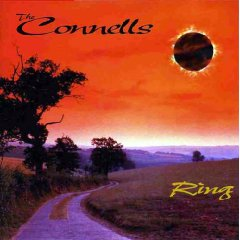
Take The Connells’ RING. as an example. The album opens with “Slackjawed,” a driving, propulsive track that begins with a ringing jovial guitar line that kicks the door down. This is not just an opening—it’s a jolt that immediately signals the weightiness of the themes and musical adventure the band is about to tackle. The moment serves as a thesis for the rest of the album, preparing the listener for a complex exploration of relationships, fate, and identity.
The tone established by the first track is further cemented by the second, which often serves as a continuation of the initial atmosphere or as a bridge to the core themes of the album. In RING, the transition into “Carry My Picture”— an explosive and intense follow-up to the first song — intensifies the listener’s engagement, showing the contrast between the introspective narrative and outward confrontation with social and personal identity “I’m just standing here, slackjawed.” In other words, you moved me. You shaped me. This careful juxtaposition illustrates how the first two songs can work together to create a powerful, immersive start to an album.
Creating Narrative Continuity
Albums often tell stories, whether they are explicitly narrative-driven or bound together by thematic cohesion. The first two songs frequently act as the opening scene of a larger narrative. By creating continuity between them, artists can effectively pull listeners into the story, making them feel invested from the outset.
Consider The Wall by Pink Floyd, an album that tells the story of a character named Pink, who builds an emotional and psychological wall to protect himself from the world. The first track, “In the Flesh?” poses questions, suggesting that things are not what they seem, and quickly transitions into the second track, “The Thin Ice,” which sets the stage for the protagonist’s descent into isolation. The connection between these two tracks is palpable, and the transition is seamless, establishing both a literal and metaphorical foundation for the narrative that follows.
In some albums, the first two songs don’t tell a literal story but rather establish a thematic continuity that will persist throughout. An album might open with a track expressing vulnerability, followed by one that portrays resilience, setting up an emotional arc that resonates through the subsequent songs. By presenting these contrasting or complementary emotions, the artist can make the listener feel like they are embarking on a journey, a crucial hook to keep them engaged.
Establishing a Sonic Palette
The first two songs also set the sonic palette for the album. They introduce the key musical elements, such as instrumentation, tempo, and production style, that will shape the album’s sound. This is essential in modern music, where genres and production techniques vary widely. Listeners often seek albums that provide a cohesive sound experience, and the first two tracks can communicate this cohesion, giving listeners a taste of what to expect and creating anticipation for the sonic evolution that will follow.
For example, in Radiohead’s OK Computer, the album opens with “Airbag,” a song layered with futuristic electronic elements blended with traditional rock instrumentation. This unique soundscape is extended in the second track, “Paranoid Android,” which introduces complex guitar riffs, atmospheric synths, and abrupt tempo changes. These two songs lay the groundwork for the rest of the album’s experimental sound, combining electronic and organic elements to create a dystopian atmosphere. Listeners are drawn in not only by the lyrics and themes but by the cohesive and innovative sound that is established right from the start.
By firmly establishing the album’s sonic identity, the first two tracks allow the listener to acclimate to the artist’s world. This is particularly important for artists experimenting with unconventional sounds or those aiming to create a specific atmosphere. When done effectively, the sonic continuity between the first two tracks assures the listener that they are in capable hands, encouraging them to stay and experience the album as a cohesive whole.
Creating Emotional Engagement
Emotion is at the heart of music’s appeal, and the first two songs often provide an emotional foundation that primes listeners for the rest of the album. Whether an album seeks to evoke joy, nostalgia, introspection, or anger, the opening tracks give listeners an emotional “baseline” for what lies ahead.
Consider Adele’s 21, which opens with the song “Rolling in the Deep.” This song, with its powerful vocals and emotionally charged lyrics, immediately taps into feelings of heartbreak and resilience. The next song, “Rumour Has It,” follows with a sense of defiant energy, maintaining the theme of love and betrayal but with a different emotional lens. These two songs set up an emotional journey that resonates deeply with listeners, creating an empathy that pulls them into Adele’s personal narrative. By the time the third track begins, listeners are already emotionally invested, making it more likely they will stay for the entire album.
This emotional engagement is often achieved through careful sequencing and pacing. The first track might start with a soft, melancholic tone, followed by a second track that ramps up the energy, reflecting the duality of human emotions and experiences. By drawing listeners into these contrasting emotional spaces, artists can make their album experience more compelling and relatable, effectively mirroring the ups and downs of real life.
Holding Listeners’ Attention in the Age of Streaming
In the digital age, where listeners have access to millions of songs at their fingertips, capturing attention quickly is more important than ever. Data shows that listeners often skip songs within the first 30 seconds, so artists have limited time to make an impression. The first two songs on an album are, therefore, instrumental in capturing—and retaining—the listener’s attention.
The power of these songs lies not only in their ability to entertain but in their capacity to communicate that there’s more worth sticking around for. Albums that fail to capture interest in the first two tracks risk being abandoned, and the narrative or emotional arc intended by the artist is lost. This is especially relevant in concept albums, where each song is meant to be part of a larger whole. The first two tracks thus become crucial for creating a sense of curiosity and engagement, encouraging listeners to invest in the album as a complete experience.
Yeah, the first two songs matter
The first two songs on an album are far more than just the beginning—they are the invitation, the hook, and the thesis statement of the artist’s vision. These songs wield the power to set the tone, establish narrative continuity, introduce the album’s sonic landscape, engage listeners emotionally, and hold their attention. When crafted with care, they turn a casual listener into an engaged participant, ready to experience the album as a journey rather than a collection of individual songs. In a world where listeners’ attention is at a premium, the power of the first two songs is undeniable, playing a critical role in how music is experienced and remembered.
In music certain bands emerge as pioneers, shapers of sound, catalyzing a moment in time that resonates beside them and long after. Influential bands become vanguards of a movement, keepers of a feeling that is always felt, something captivating and special. Brainiac, hailing from Dayton, Ohio, is one such band. Despite their brief existence in the 1990s, their sonic experimentation, genre-blurring compositions, and electrifying live performances continue to reverberate through the sweep of the music industry. Their music and their story equal parts exciting and tragic, leaving an indelible mark on subsequent generations of artists, fans, and music writers. In celebration of Justin Vellucci’s new book about the band and before posting a conversation we had about the book and the band, I wanted to take some time and consider the continuing relevance of Brainiac. It is worth exploring their innovative approach to music, their impact on subsequent genres, connection to the hometown that we share, and their enduring influence on contemporary music culture.
Brainiac’s journey began in the fertile underground music scene of Dayton, Ohio, in the late 1980s. Formed in 1992 by vocalist, guitarist, and keyboardist Tim Taylor, guitarist Michelle Bodine, bassist Juan Monasterio, and drummer Tyler Trent, Brainiac quickly gained attention for their unconventional blend of punk, new wave, rock, funk and electronic elements. Drawing inspiration from diverse influences such as Devo, Kraftwerk, Pere Ubu, The Breeders, Dayton’s Funk music legends, and Sonic Youth, Brainiac forged a distinctive sonic identity characterized by angular riffs, frenetic rhythms, and Taylor’s enigmatic vocals. Although Bodine left the band and was replaced by guitarist John Schmersal in 1993, her adventurous guitar style contributed significantly to the band’s early development.
Part of what makes Brainiac so unique is a fearless sonic deconstruction and reassembly. The courage to take songs apart and rebuild them in unexpected ways is a characteristic of everything the band ever created. At the heart of Brainiac’s music lies a spirit of willful experimentation and yearning for innovation. Their albums, including “Smack Bunny Baby” (1993), “Bonsai Superstar” (1994), “Hissing Prigs in Static Couture” (1996), showcase a complete and remarkable fearless willingness to push the boundaries of conventional rock music. Tracks like “Vincent Come On Down” and “Hot Seat Can’t Sit Down” bristle with manic energy, driven by Trent’s propulsive drumming and Monasterio’s solid bass, and across all of it is the sound of zigzagging jagged guitar lines. Keyboards and synth puncturing the rhythm taking the music in different directions. Meanwhile, Taylor’s lyrics, often oblique and surreal, add an additional layer of intrigue to Brainiac’s sonic tapestry. Sometimes bands write lyrics as if they are members of a secret club full of clues apropos of nothing and everything.
“Hissing Prigs in Static Couture,” the seminal album by Brainiac, stands as a testament to the band’s unparalleled creativity and sonic innovation. Released in 1996, it represents the apex of Brainiac’s artistic vision, encapsulating their unique blend of punk, new wave, and electronic influences. From the frenetic opener to the haunting closer “I am a Cracked Machine,” the album takes listeners on a wild, electrifying journey through a sonic landscape unlike any other.
At the heart of “Hissing Prigs in Static Couture” lies Brainiac’s fearless experimentation. Tracks like “Pussyfootin'” and “Strung” showcase the band’s ability to seamlessly meld abrasive guitars, pulsating synths, and infectious hooks, creating a sound that is simultaneously chaotic, melodic, and hypnotic. Meanwhile, Tim Taylor’s enigmatic vocals, veering from manic yelps to eerie whispers, add an extra layer of intrigue to the proceedings.
Decades after its release, “Hissing Prigs in Static Couture” remains a touchstone for fans of alternative and experimental music. Its influence can be heard in the work of countless artists, attesting to Brainiac’s enduring legacy as sonic pioneers. With its boundary-pushing compositions and electrifying energy, this album cements Brainiac’s status as one of the most innovative bands of the 1990s. Brainiac’s sonic adventurousness and take no prisoners approach laid the groundwork for numerous subsequent genres and musical movements. Their incorporation of electronic elements foreshadowed the rise of electronic rock and indie electronic music in the late 1990s and early 2000s. Bands like The Faint and LCD Soundsystem cite Brainiac as a formative influence, recognizing their pioneering role in bridging the gap between rock and electronic music.
Despite their tragically short-lived career—cut short by Taylor’s untimely death in 1997—Brainiac’s legacy endures. Their influence can be heard in the work of contemporary artists across a range of genres, from experimental rock to synth-pop. Moreover, Brainiac’s DIY ethos and fierce independence continue to inspire aspiring musicians and bands, serving as a reminder of the transformative power of artistic vision and uncompromising creativity. DIY is more than a slogan in the hands of bands making music that invades the consciousness and the musical bloodstream of fans.
Brainiac remains a singular force in the history of alternative and indie music, their legacy burnished by their fearless experimentation, genre-defying compositions, and electrifying live performances. More than two decades after their dissolution, their music continues to captivate and inspire, reminding us of the enduring power of sonic innovation and artistic vision. The recent reunion shows demonstrate the continuing hunger of music fans for this music and artistic vision. As long as there are musicians willing to push the boundaries of creativity and challenge the seemingly impenetrable music status quo, Brainiac’s influence will endure, ensuring their place in the pantheon of musical revolutionaries for generations to come.
In the space where Guided By Voices, Neutral Milk Hotel, and Pavement are the well recognized signposts of indie rock, bands often struggle to carve out a distinct identity, Mythical Motors’ latest offering, “Upside Down World,” emerges as a refreshing assured guitar driven lo-fi beauty. Their sound is a kaleidoscope of rock aesthetics, alternative swagger, garage rock grit, and melodic hooks that ensnare the listener in a whirlwind of sonic exploration. Released amidst a sea of all too predictable soundscapes, this album boldly ventures into uncharted territory, blending elements of psychedelic rock, folk, and dream pop to create a mesmerizing sonic journey. If fairness truly existed, this band would be a household name.
At the heart of Mythical Motors’ sonic identity is their penchant for brevity and spontaneity. Each song feels like a fleeting moment captured in time, with abrupt transitions and a sense of urgency that keeps the listener on their toes. The lo-fi production quality adds a layer of authenticity, as if the music is being transmitted directly from the garage where it was conceived.
From the opening track, “Take A Trip,” Mythical Motors invites listeners into a swirling and swaying universe where reality blurs and imagination reigns supreme. The passionate vocals soar over layers of equal parts jangling and fuzzy guitars next to driving bass and sparkle of intense percussion, setting the tone for the album’s sonic palate. Amidst the fuzz and distortion, there’s an undeniable pop sensibility that shines through in the form of catchy melodies and infectious hooks. Mythical Motors has a knack for crafting earworms that burrow their way into your subconscious, lingering long after the music has stopped. You will hum the tune long before you know the words.
Throughout “Upside Down World,” Mythical Motors demonstrate a remarkable ability to seamlessly weave together disparate musical influences without losing the Ramones-ian power pop finish. Tracks like “The Office of Royal Discovery” and “Grand January High” showcase the band’s penchant for crafting immediate atmospheric environment reminiscent of ’60s psychedelia, while songs like “Plastic Saturn,” “Upside Down World,” and “Book of Broken Man” incorporate early alternative melodies and harmonies as if Peter Buck played in early Guided By Voices.
One of the album’s standout moments comes in the form of “Court of The Beekeepers,” a fantastic song that showcases emotive vocals against a backdrop of synth blips, fuzz guitar and perfect backing vocals. Feels like ‘A Bell is a Cup… until its Struck’-era Wire. The song’s introspective lyrics explore themes of introspection and self-discovery, adding a layer of depth to the album’s gravity. And that last ten seconds of call and response will make you want to play the song over and over again.
Yet, for all its lo-fi allure, “Upside Down World” is not without its moments of raw energy and intensity. Tracks like “Elijah Stop Spinning” and “Stop The Sun” inject a dose of adrenaline into the album’s sonic tapestry, with driving rhythms and distorted guitars that propel the listener into a frenetic cascade of sound that feels like the listener should be spinning.
But perhaps the most remarkable aspect of “Upside Down World” is its ability to evoke a sense of nostalgia while still feeling decidedly contemporary. Drawing inspiration from the music of alternative past while embracing the present, Mythical Motors crafts a sound that feels both timeless and fresh, inviting listeners to lose themselves in its hypnotic melodies and evocative lyrics.
“Upside Down World” is more than just an album—it’s a transcendent experience that transports listeners to another realm entirely. With its near constant guitar attack, captivating vocals, and expansive sonic palette, Mythical Motors has crafted a musical odyssey that is sure to resonate with fans of indie rock and beyond. In a world where conformity runs the shop, Mythical Motors dares to defy expectations, offering up a sonic journey that is as daring as it is beautiful.
As we continue to celebrate some outstanding records in indie music from this past year, we come to the most recent album from Palm Ghosts. Our entire list can be found here!
Palm Ghosts emerges as a compelling force with their latest offering, “I Love You, Burn in Hell.” This album marks a significant step forward for the band, showcasing their artistic maturity and a sonic palette that delves into the realms of dream pop, shoegaze, and synthwave. As the title suggests, Palm Ghosts invites listeners into an existential space that is both darkly poetic and melodically enchanting, exploring themes of love, despair, and the spaces where desire, separation and the delight of melancholy all coexist.
Palm Ghosts emerges as a luminous thread, weaving together dreamy atmospheres, introspective lyrics, and a sonic palette that transcends genres. Formed in 2013 by songwriter Joseph Lekkas in Philadelphia, Pennsylvania, following a series of personal changes due to health concerns and a serious anxiety disorder, the band released it’s eponymously titled debut record in 2014 to critical acclaim. Palm Ghosts wore their influences — The Cure, New Order, Joy Division, Bowie, R.E.M., Ministry, Dead Can Dance, and more — on their sleeves while creating something exciting, surreal and fresh. After the release of their first record the band changed locales from Philadelphia to Nashville. The change in scenery influenced the effort toward a more jangly R.E.M. folky, alt-country vibe while still embracing the sound of ’80s and ’90s dream pop and shoegaze. Merging elements of these sounds together created a bricolage of sound that remained steadfast in the embrace to a melodic core. Across several stellar albums, the band has steadily carved a niche for themselves with their distinctive blend of dream pop, shoegaze, and synthwave influences.
At the heart of Palm Ghosts’ allure lies their ability to create soundscapes that feel simultaneously timeless and modern. Lekkas, serving as the band’s primary songwriter, vocalist, and multi-instrumentalist, demonstrates a keen ear for melody and a penchant for atmospheric arrangements. The result is music that invites listeners into a world where ethereal synths, reverb-laden guitars, and evocative vocals coalesce to form an immersive cinematic experience.
The band’s discography, including albums like “Architecture” and “Greenland,” showcases an evolution in their sound, with each release delving deeper into the complexities of human emotion and the mysteries of existence. Less a question of ‘why are we here?’ and more an exploration of ‘what being here means’, Palm Ghosts’ commitment to sonic exploration is evident in their willingness to traverse diverse musical landscapes, from the haunting introspection of shoegaze to the pulsating energy of synthwave.
Live performances by Palm Ghosts amplify the immersive quality of their music. The band, often expanded into a full ensemble for live shows, crafts an atmosphere that envelops the audience. Lekkas’ emotive vocals, coupled with the synergy of the instrumentalists, creates a synergy that captivates audiences and transports them into the ethereal realm of Palm Ghosts’ sonic universe. Beyond the music, Palm Ghosts engages with their audience through thoughtful and introspective lyricism. Themes of love, loss, and existential contemplation permeate their songs, inviting listeners to connect with the raw and vulnerable aspects of the human experience.
In a musical landscape crowded with fleeting trends, Palm Ghosts stands out as a beacon of artistic sincerity and sonic exploration. With a trajectory that promises continued innovation and introspection, the band invites us to navigate the sonic ether they have crafted, where each note resonates with emotion and every lyric invites us to delve deeper into the enigma of our own existence.
The album leads with the ethereal sounds of “Tilt,” setting the tone for the sonic journey ahead. Part Cure, Part Joy Division, the dreamy synths and haunting vocals draw listeners into a world where time seems to loop and emotions are in a constant flux. The steady percussion provides a grounding element, allowing the atmospheric textures to swirl and envelop the senses.
Transitioning seamlessly into the poppier “Drag,” Palm Ghosts maintains a balance between introspection and intensity. The pulsating beats create a sense of urgency, while the melancholic lyrics explore the complexities of fidelity and devotion. The layers of guitars and synthesizers intertwine, creating a rich tapestry of sound that resonates with emotional depth.
“She Came Playfully” takes a sonic detour into the atmospheric realms of shoegaze. The reverb-laden guitars and haunting vocals create a sense of longing and nostalgia. The lyrics delve into the metaphorical concept of finding someone “to leave behind,” exploring the lingering emotions and sensations that persist even when a part of oneself is absent.
The titular track, “I Love You, Burn in Hell,” serves as the emotional centerpiece of the album. With a title that immediately grabs attention, the song delves into the paradoxical nature of love and the tumultuous journey it often entails. The juxtaposition of the fiery imagery with the tender melodies reflects the band’s ability to convey complex emotions through their music.
The album takes a turn with “Machine Language,” a synth-driven track that pulsates with an infectious energy. The upbeat rhythm and catchy melodies add a dynamic layer to the overall sonic landscape. The lyrics play with the concept of self deprecation, exploring the intangible nature of connection and desire and separation that are wired into our very being. Being and nothingness are not contradictions but two sides of our personality. With an almost Depeche Mode incidental keyboard fills capture a restlessness of the machine dream.
Exploring a tempo and arrangement that evokes Mission of Burma, “Sleep, Billy Sleep” brings a sense of introspection and contemplation. The overall instrumentation allows the emotive vocals to take center stage, delivering lyrics that grapple with mortality and the impermanence of existence. The delicate balance between vulnerability and resilience is captured with finesse in this haunting song.
“Automatic for the Modern Age” and “Dissasociate” embraces a more rock and roll aesthetic, channeling the nostalgic vibes of the ’80s in an XTC vein. The pulsating electronic beats and retro synthesizers create a sonic landscape that feels both familiar and contemporary. The lyrics, delivered with a sense of increased urgency, explore the confessions and revelations that often surface in the quietude of midnight. And, the song simply rocks.
Continuing the exploration of synthwave influences, “Catherine Shackles” immerses listeners in a cinematic soundscape that David Bowie would have been quite comfortable calling home. The atmospheric production conjures images of neon-lit streets and private introspective moments. The evocative lyrics paint a vivid picture of navigating through the shadows of uncertainty and change.
Closing the album with the Gary Newmanesque “Fault Lines,” Palm Ghosts returns to a bass heavy dreamier, more contemplative atmosphere. The almost waltz-like cadence, coupled with the gentle sway of the melodies, creates a sense of bittersweet closure. The lyrics reflect on the restlessness that accompanies the night, both in the external world and within one’s internal landscape.
“I Love You, Burn in Hell” is a masterful exploration of the points of convergence across genres that showcases Palm Ghosts’ ability to seamlessly blend diverse influences into a cohesive and emotionally resonant whole. The album’s exploration of love, existential themes, and sonic experimentation reveals a band that is unafraid to push boundaries while maintaining a deep connection to the human experience even if the effort to reach out to others exceeds our grasp and needs. From the dreamy landscapes, damn hooky guitar parts, catchy vocals to the pulsating beats, each track contributes to the album’s overall narrative, creating an immersive experience that lingers in the listener’s consciousness. Palm Ghosts has not only crafted a collection of songs but a sonic odyssey that invites audiences to explore the shadows and complexities of the human soul. “I Love You, Burn in Hell” is a testament to the band’s artistic evolution and cements its place in our Favorites of 2023.
Why do some bands mean something to us? What is it about the sounds, the instruments, the lyrics… the whole of the sum of parts that resonate and make us care?
The appreciation of music is a complex and multifaceted experience that varies from person to person. There are several reasons why people care about certain music. Music has the power to evoke strong emotions and connect with people on a deep, personal level. Certain songs or genres may resonate with individuals based on their life experiences, memories, or current emotional states.
Elephants and Stars, the Canadian band led by singer and guitarist Manfred Stittmann and bassist Mike MacMillan, is a muscular blend of musical prowess and lyrical brilliance that captivates all who hear their songs. For us at YTAA, Elephants and Stars are a perfect band. Their sound transcends rock and roll boundaries, imagine fusing indie rock with catchy pop elements, creating an atmosphere that feels both familiar and refreshingly new. All too often today bands run screaming from power chords, danceable bass lines and crisp, solid drumming as if creating hooks in songs was wrong and to be avoided.
However, being limited is not a problem for Elephants and Stars! From album to album through the band’s impressive discography that was created in a few short years: “Recovery” (2020), “Dreamland” (2021), “Last Chance Power Drive” (2022) and “Get Your Own Army” (2023) — the band only becomes better and stronger at creating incredible melodies, passionate guitar driven tones, and powerful vocals that carry a sense of surreal and absurd on topics that matter such as relationships that fail no matter how much effort we extend in order to try and save them (“Bled Out At The Scene”) and the over powering sense of loneliness that accompanies being surrounded by distant, non-caring others (“Lost in New York City” and “Green Light to Pasadena”). As R.E.M. noted we are all “alone in a crowd, in the crowded barroom.”
One of the band’s standout qualities is their ability to craft melodies that linger in your mind long after the music stops. Each song feels like an intimate journey, a maze of personal introspection because their lyrics feel torn from our secret personal diaries, weaving through intricate layers of instrumentation while maintaining a sense of raw authenticity within a powered rock and roll framework. Stittmann’s hauntingly emotive voice adds depth and sincerity to the already evocative lyrics, drawing listeners into a world of introspection and contemplation all the while the music feels as if it is veering into the pathway of a runaway train; and that ride is thrilling all along the way. Going off the rails never felt so real and so good.
What truly sets Elephants and Stars apart from so many bands is their knack for personal storytelling through music. Their songs often explore themes of love, loss, and self-discovery, resonating with audiences on a deeply personal level — see our previous full review of their fantastic Get Your Own Army. Whether it’s an upbeat anthem or an emotional yet scratchy heartfelt voice, the band infuses every track on “Get Your Own Army” with an undeniable sincerity that tugs at the heartstrings and reminds us that we may be flawed but we are still worthy of care and concern.
Their live performances are nothing short of mesmerizing. The band’s chemistry on stage is palpable, creating an electric atmosphere that leaves the audience spellbound. Each member’s talent shines through, delivering a performance that is both technically impressive and emotionally stirring.
Overall, Elephants and Stars is a band that possesses the rare ability to transport listeners to another realm with their music. “Get Your Own Army” is a passionate continuation of the band’s efforts to make rock and roll songs that matter, that mean something. Their songs have a resonating personal and timeless quality that makes them instantly relatable yet endlessly captivating within a classic rock and roll approach. With their distinctive sound and genuine artistry, Elephants and Stars have undoubtedly secured a place among the most promising rock and roll bands today. For all of these reasons and more, this music spoke to us at Your Tuesday Afternoon Alternative and is one of our favorite releases of 2023.
As we continue to pause and reflect on some amazing music from this year, we turn to an amazing local band. Smug Brothers, the indie rock veterans hailing from Dayton, Ohio, returned with their highly anticipated 2023 album, “In The Book of Bad Ideas.” Known for their eclectic sound and thought-provoking lyrics, the band has consistently pushed the boundaries of indie rock, and their latest release is no exception. “In The Book of Bad Ideas” not only showcases the band’s evolution but also serves as a clarion call to their ability to craft intricate and unconventional musical narratives.
“In The Book of Bad Ideas,” is an adventure through the space that indie, psychedelia, lo fi share together in a flat where Robert Pollard has Big Star’s “Third” playing in the background. This album — one of the band’s best — defies expectations and solidifies the band’s status as indie rock innovators who connect to their influences without sounding derivative or contrived. Smug Brothers’ breathe new life and vigor into the musical consciousness of indie. From the opening chords of “89 Lullaby” where the band jumps immediately into the song like leaping into a rushing river, the album grabs listeners with its raw energy and doesn’t let go. That first song sets the tone for the sonic journey ahead. The intricate guitar work and dynamic drumming create a sense of urgency, drawing the listener in with its raw energy. Lead singer and songwriter Kyle Melton’s distinctive vocals add a layer of authenticity, immediately grabbing attention.
The back-to-back tracks, “Mistaken for Stars” and “Let Me Know When It’s Yes” encapsulates the band’s ability to seamlessly blend genres, creating a musical tapestry that is familiar and unique. Imagine songs that are both complex, catchy — damn catchy — and accessible.
“Bend Blue The Copper” is a standout piece that exemplifies Smug Brothers’ ability to blend genres seamlessly. The track weaves through indie rock, punk, and even elements of folk, creating a sonic landscape that is as unpredictable as it is captivating. The lyrics seem to explore the consequences of impulsive decisions, adding depth to the already complex musical arrangement.
The album is a testament to the band’s evolution, showcasing a willingness to explore uncharted territory within the arrangements associated with independent music. Tracks like “Pattern Caveat” and “Since The First Time I Heard You Laugh” introduce experimental elements, with atmospheric soundscapes and genre-bending instrumentation. Smug Brothers’ frontman, Kyle Melton, delivers poignant lyrics throughout, exploring themes of impulsive decisions, nostalgia, and reinvention. These tracks seamlessly blends elements of psychedelic rock with electronic flourishes, creating a kaleidoscopic sonic tapestry. The result is a mesmerizing journey that defies categorization, showcasing the band’s fearlessness in pushing their artistic boundaries.
“What Starts Out as Fun” takes the listener into uncharted territory with its experimental instrumentation and atmospheric production. The use of synthesizers and layered vocals creates a dreamlike quality, offering a stark contrast to the more straightforward rock elements present in earlier tracks. The band’s willingness to explore new sonic realms pays off, adding a refreshing dimension to the album.
“An Age In An Instant” is a poignant ballad that showcases Smug Brothers’ ability to convey emotional depth through their music. The stripped-down arrangement allows Melton’s heartfelt lyrics to take center stage, touching on themes of nostalgia and loss. The subtle use of keyboards and acoustic guitar enhances the overall intimacy of the track, leaving a lasting emotional impact.
“Stiff arms At The Still Waters” introduces a rhythmic complexity that keeps the listener on their toes. The interplay between the drums and bass creates a sense of urgency, while the guitar riffs add a layer of sophistication. The track’s dynamic shifts and unexpected twists highlight the band’s prowess in crafting music that is both intellectually stimulating and sonically engaging.
“Enceladus Lexicon” stands out as a cinematic storytelling piece, with its evocative lyrics and sweeping musical arrangement. The instruments create soundscapes that transports the listener into the narrative woven by the song. Smug Brothers demonstrate their ability to create sonic landscapes that feel expansive and immersive.
“Paradise Farms” injects a burst of energy into the album, featuring upbeat rhythms and infectious melodies. The track pays homage to the band’s Midwestern roots, capturing the spirit of resilience and reinvention. The juxtaposition of the lively instrumentation with thought-provoking lyrics adds layers of complexity to the overall listening experience.
“In The Book of Bad Ideas” is more than just an album; it’s an experience that takes the listener on a rollercoaster of emotions and sonic landscapes. The band’s ability to balance introspective moments with energetic bursts creates a dynamic listening experience that resonates long after the final notes fade away. With this release, Smug Brothers have crafted a musical gem that pushes the boundaries of indie rock, inviting listeners to join them in the exploration of the unconventional and the brilliant. Throughout the record, the band, demonstrates their growth as musicians and their commitment to pushing the boundaries of indie rock. The album takes the listener through a diverse set of experiences in sound, from the raw energy of the opening track to the introspective moments of emotional vulnerability. With each track, Smug Brothers prove that they are not content to rest on past successes, but instead, they continue to evolve and explore new sonic territories. “In The Book of Bad Ideas” is a must-listen for anyone who appreciates music that challenges, engages, and ultimately transcends genre conventions. Smug Brothers have once again proven that they are at the forefront of indie rock’s creative frontier.
Recently, Dr. J was able to find a rare pressing of The Monkees’ “Headquarters” in pristine condition for a steal of a price. Scouring record stands at antique malls can pay off!
“Headquarters” is a pivotal album in the band’s discography, marking a significant shift in their creative direction. Released in 1967 after the end of the tv show, this third studio album by The Monkees stands out as a turning point, as it represents the group’s desire for greater control over their music and image. This the band’s third album and first that was recorded under the group’s artistic control, but still strangely consistent with their first two albums made under the control of Screen Gems executive and rock and roll impresario Don Kirshner.
One of the most notable aspects of “Headquarters” is that it is the first album on which The Monkees took charge of the recording process. Unlike their previous releases, where session musicians were predominantly responsible for the instrumentation, “Headquarters” showcases the musical talents of the band members themselves. This newfound autonomy allowed The Monkees to establish their musical identity and demonstrate their proficiency as musicians.
The album opens with the energetic and catchy “You Told Me,” a track that sets the tone for the more mature and diverse sound found throughout “Headquarters.” The album’s lead single, “Randy Scouse Git,” penned by Micky Dolenz, is a whimsical and unconventional song that reflects the band’s growing desire to experiment with different musical styles and lyrical themes.
“Headquarters” also features notable contributions from each member, with Michael Nesmith’s “Sunny Girlfriend” and “You Just May Be the One” standing out for their folk-rock influences and introspective lyrics. Peter Tork’s “For Pete’s Sake” became synonymous with The Monkees and was later used as the closing theme for the second season of their television show.
The album is not without its lighter moments, such as Davy Jones’ romantic ballad “Forget That Girl” and the playful “Early Morning Blues and Greens.” These tracks, along with others, demonstrate the band’s ability to balance both serious and lighthearted elements within their music.
“Headquarters” may not have been as commercially successful as some of The Monkees’ earlier releases, but its significance lies in the artistic freedom it afforded the band. It paved the way for future albums like “Pisces, Aquarius, Capricorn & Jones Ltd.” and “The Birds, The Bees & The Monkees,” where The Monkees continued to exert more control over their creative output.
In retrospect, The Monkees’ “Headquarters” remains a fascinating chapter in the band’s evolution, showcasing their transition from a manufactured pop group to a more self-directed and musically adept ensemble. Fans of The Monkees will appreciate the album’s historical importance and the musical strides made by the group during this period of their career.
Tamar Berk has made songs with a passionate and uncompromising melodic twist since the mid-90s in Chicago-based Starball. Her first solo record was released in 2021, the excellent “Restless Dreams of Youth.” Then a year later following the passing of her father she released the deeply personal and passionate “Start at the End.” This year she shared another impressive record, “Tiny Injuries” which holds a sonic roadmap of vulnerability and resilience. In the realm of musical exploration, where artists often delve into the complex tapestry of human emotions, Tamar Berk emerges as a distinctive voice. This captivating collection of tracks serves as a testament to Berk’s prowess as a singer, arranger, and songwriter. Tamar is more than a tripled threat –she contributes to this record across vocals, backing vocals, guitars, bass, piano, synth, organ, percussion, and even strings. She demonstrates over and over again her ability to weave intricate narratives through her music while the melodies and arrangements make every song accessible, and just damn catchy.
The album kicks off with the Cheap Trick like “if u know, u Know,” setting the tone for the introspection yet resilient journey that unfolds. Berk’s breathy vocals, accompanied by keyboards, guitar, percussion, drums draw the listener into a contemplative yet rocking song space. The lyrics may unfurl like fragile threads themselves, delicately explore the vulnerability that is an intrinsic part of the human experience wrapped in a direct rock and roll embrace. Who doesn’t want to dance around the room to your feelings?
Transitioning seamlessly into “sunday driving,” Berk showcases her versatility, incorporating classic rock and roll soundscapes that create a recognizable experience that rips out the heart while creating an imminently danceable track. The track resonates with a sense of driving away from your problems, as if the listener is wandering through the echoes of their own thoughts while driving “Three thousand miles away.” But, of course, you can drive as long and as far as you want but there is always the return to our problems, our work, our challenges the next day. The melodies and poetic lyrics invite introspection while you find yourself swaying to the infectious chorus making the song a standout piece on the album.
The third song on the record marks a hauntingly beautiful, “what’s become of me, my friend,” where desperation, desolation, and exhaustion reach a fever pitch where tears cannot come and the problems are inescapable to the point where the narrator no longer recognizes themself: “What has become of me, my friend.” The need for a break, a day of fun is not forthcoming. Again, you can drive away, you can go, you can try once more to get away but all that is left is personal writing of a desperate email that is never sent. As the song builds – the incidental piano that swirls before the bridge and the release of emotion and the song does not end with a whimper but an explosion. The crash of the cymbals, the pounding of the piano, strumming of a guitar merges into the voice and drums crying out by the end.
As the album progresses, “permanent vacation” introduces a dynamic sonic palate. The rhythmic pulse of percussion and the interplay of electric guitars add a layer of intensity. Berk’s vocals, now imbued with a raw emotion, carry the weight of shattered reflections and fractured memories. The song builds to a powerful crescendo, leaving an indelible mark on the listener. The inclusion of some trumpet only adds dimension to a brilliant song.
The beautiful “cash out” swings with an almost waltz like rhythm that encircles the listener. Perhaps acknowledging that no book, no self help guru can solve the problems that someone is feeling. We all eventually succumb to the wait of what we carry. And coming to terms with that fact is real understanding. The next song, “drop in the bucket,” feels as if the writer has pulled themselves up and dusted off and walked back into the fray. The keyboards create arpeggios of anxiety that heighten the tension of the song. Berk’s layering of her vocals creates harmonies that are inescapable, we may feel like we have to keep going but we do not have to like it or enjoy it. Berk’s exploration of sonic textures and unconventional arrangements adds a layer of intrigue throughout but especially on “i was saved by the beauty in the world” and “’til i get home.”
The song “1997,” serves as the heart of the album. Berk’s songwriting prowess takes center stage, crafting a narrative that explores the resilience found in life’s smallest wounds. The delicate balance of vulnerability and strength is artfully portrayed, creating a poignant anthem for those who navigate the complexities of existence within an unavoidably catchy rock and roll arrangement.
Consistently throughout the record, the lyrics, like breathy ephemeral whispered truths, float through the air, inviting the listener to decipher their just slightly hidden meanings. This departure from conventional structures showcases Berk’s willingness to push boundaries and venture into uncharted musical territories within rock and roll.
Closing with the introspective “if i could fix one thing,” Berk brings the album full circle. The minimalist arrangement and introspective lyrics create a sense of catharsis, as if the listener has traveled through the shadows of their own emotions and emerged on the other side. It’s a reflective conclusion to a musical journey that leaves a lasting impression.
“Tiny Injuries” marks a significant evolution in Tamar Berk’s artistic expression. Drawing on influences from folk, indie, rock, spoken word, and ambient genres, Berk crafts a unique sonic palette that defies easy categorization. The album’s production, marked by its atmospheric elements mixed with classic rock and roll guitar, powerful drumming and percussion and nuanced instrumentation, reflects a meticulous attention to detail.
Berk’s lyrical prowess is equally commendable, drawing inspiration from the human experience and the intricacies of relationships, goals, connections to one another both passionate and frayed. The themes of vulnerability, resilience, and self-discovery resonate throughout the album, creating a cohesive narrative that unfolds with each passing track. The album benefits from a stellar production, with notable contributions from all of the musicians – each instrument, each note is given the space and interconnection it needs to fully flourish. The attention to sonic detail is evident, with each instrument finding its place in the mix, creating a lush and immersive listening experience.
Collaborations with musicians add another layer of depth to the album. Standout performances from instrumentalists bring a dynamic quality to the tracks, enhancing the emotional resonance of Berk’s compositions. The synergy between Berk and her collaborators is palpable, resulting in a cohesive and polished sonic offering.
On her third solo record “Tiny Injuries,” Tamar Berk invites listeners on a transformative journey through the complexities of the human experience. The album’s strength lies in its ability to balance vulnerability with resilience, creating a nuanced portrayal of life’s intricate tapestry. Berk’s evocative lyrics, coupled with her almost ethereal vocals and inventive musical arrangements, establish her as a formidable force and for all of these reasons, and perhaps more, this is one of our favorite records of 2023.
As “Tiny Injuries” resonates through the speakers, it leaves an indelible mark on the listener’s soul. Berk’s ability to navigate the delicate nuances of emotion with authenticity and grace elevates this album to a place of musical transcendence. In a world saturated with sound, Tamar Berk’s “Tiny Injuries” stands as a beautiful example to the enduring power of art to touch the heart and soul — and in those most painful, most vulnerable moments remind us that we are not alone.
Streaming Forward, Powered By The Past - if you love the 80s music, new music, Eurovision, cheesy pop and awesome playlists then let's get this pop party started!