Every year, like clockwork, the music world implodes into its annual rite of passage: the “Best of” lists. It doesn’t matter whether we need them or not. We could all be listening to something that absolutely shreds, some obscure record that deserves reverence. Still, here we are, obsessing over arbitrary rankings, as if these lists will unlock some divine, objective truth. It is as if, somehow, this tiny, self-appointed cult of critics, bloggers, and tastemakers can distill the whole sprawling mess of 365 days of music into neat little categories that tell you what was really good.
It’s a bit comical, really. These lists are nothing more than trendy cultural currency, an exercise in opinion policing. As if, come December, we all need some authority to tell us what albums we should have liked. Sure, there are some gems in those Top 10s, some records that hit like a lightning bolt, that maybe wouldn’t have been discovered without the almighty guidance of Pitchfork or Rolling Stone. But let’s not kid ourselves – the list itself is a product, a marketing tool, another algorithm feeding on your desire for validation. The music may be real, but the rankings? Please.
Every December, the ritual plays out like a predictable drama: the same predictable indie hits, the same half-baked arguments, the same flavor-of-the-month that gets hyped until the world collectively shrugs and moves on. It’s all just noise. And yet, we devour it like it’s gospel, eagerly waiting for the validation that maybe, just maybe, our choices are “correct.” But here’s the thing: music is personal. These lists? They’re just noise. It’s time we recognize them for what they are: empty, meaningless packaging for a world that’s forgotten how to just listen.
And with all that said, we do an annual show featuring several hours of bands, musicians, songs and albums that impressed the hell out of us. But not going to make some silly rank order, just a bunch of songs that we thought were incredible. So, yeah if this is a bit speaking from both sides of the mouth, so be it.
Our YTAA Faves of 2024 show includes music from many excellent musicians, such as Tamar Berk, Wussy, Palm Ghosts, Nada Surf, Waxahatchee, MJ Lenderman, JD McPherson, Jeremy Porter, Former Champ, Jason Benefield, J. Robins, Dreamjacket, David Payne, Bad Bad Hats, Bike Routes, Brian Wells, The Campbell Apartment, Amy Rigby, The Armoires, Librarians With Hickeys, Bottlecap Mountain, Liv, The Popravinas, The Nautical Theme, Smug Brothers, The Cure, The Reds, Pinks & Purples, The Umbreallas, Nick Kizirnis, Guided By Voices, and The English Beat and The Tragically Hip re-releases.
So, if this is just another end-of-the-year ritual that nobody needs but everybody wants, then maybe it is worthwhile as a way to share some of the music that deserves to be heard.
Let’s get something straight from the jump: independent radio—college stations, community stations, those hissing, crackling signals of barely legal wattage—are more than relics. They’re lifelines, and in a world drowning in curated blandness, they’re salvation that is desperately needed. Sure, you’ve got your algorithmic playlists and big-budget streaming platforms that can spit out the sonic equivalent of a hamburger combo meal, but let me ask you this: when’s the last time one of those songs on the apps and services truly blew your mind? When’s the last time a Spotify playlist made you feel something raw, something real, something alive?
Enter the humble, often-overlooked world of independent radio. These stations don’t play by the rules and thank God for that. College and community DJs who aren’t bound by focus groups or corporate overlords telling them which ten songs to cycle endlessly. They’re the anarchists of the airwaves, throwing down pop punk at 3 a.m., jazz fusion at noon, and some spoken-word poetry over ambient noise just because they can. They’re the kid in the back of the record store who’ll tell you that the B-side of a 7” pressed in someone’s basement in 1984 will change your life—and they’re right. Forgive me if this sounds trite or self-serving, but we believe in the power of music to change your life.
This is radio as it was meant to be: unpolished, unpredictable, and unafraid to go weird. College radio, especially, is often powered by the most crucial demographic for musical discovery—students who don’t yet know the rules they’re breaking. These DJs are sometimes just learning what it means to piece together a playlist, to tell a story in 20-minute sets, to unearth that obscure track nobody else has heard of. It’s raw, and it’s beautiful because it’s real.
And let’s not forget the community stations—the hyper-local powerhouses keeping neighborhoods and subcultures alive. These aren’t just radio shows; they’re conversations. They’re where you tune in to hear the pulse of your city, the heartbeat of your neighbors. It’s where activists and artists collide, where voices ignored by the mainstream get a microphone. It’s radio as rebellion, as resistance, as a refuge from the overpowering heavy challenges we all face.
Here’s the thing the big media conglomerates and tech giants don’t want you to realize: not everything should be convenient. Finding great music—or a great anything—takes work. It takes passion. That’s what makes it matter. Independent radio doesn’t spoon-feed you the hits; it hands you a map, points vaguely in a direction, and says, “Go get lost.” And in that wandering, you discover magic. You stumble across a DJ spinning a 10-minute opus made by an area band or a live set from some local group that sounds like they’re playing from the edge of the world. And you want to go there so you can be part of it.
In an era where everything feels like it’s been prepackaged, sanitized, and optimized for maximum engagement, independent radio stands as a glorious middle finger to the machine. It’s messy, it’s chaotic, and it’s alive in ways that nothing else in the modern media landscape can touch even thought they try to say that experimentation came from them.
What’s more, independent radio matters because it’s often the training ground for the voices we’ll be listening to in 10, 20, or 30 years. Think about all the media icons who got their start in college radio. Two words: Howard Stern. Ever heard of Rick Rubin? He was just some punk kid spinning records at NYU before founding Def Jam. Or Ira Glass, who honed his storytelling chops on the airwaves before becoming public radio’s golden boy. The indie stations are incubators for talent because they’re places where experimentation isn’t just allowed—it’s expected.
And don’t let anyone tell you radio is dead. Sure, the format’s shifted, and the big commercial stations are shells of their former selves, but indie radio persists because it’s adaptable. College stations now stream online, bringing their wild, untamed ethos to a global audience. Community stations podcast their shows, extending their reach far beyond the low-powered transmitter on the roof.
But more than that, indie radio matters because it’s personal. It’s not just about the music—it’s about the human connection. There’s something deeply comforting about hearing another person on the other end of the signal, someone who isn’t trying to sell you something, someone who’s just as excited about this obscure Brazilian psych-rock track as you are now that you’ve heard it. It’s a reminder that music isn’t just content—it’s communion.
And yeah, maybe it’s a little romantic to wax poetic about this scrappy corner of the media world. Maybe it’s easier to dismiss it as nostalgia for a pre-streaming era. But dismissing indie radio is to dismiss the very soul of music, the thing that makes it matter in the first place. It’s the idea that art doesn’t have to be perfect, that it doesn’t have to be profitable, that it can just be.
So the next time you’re scrolling through an endless stream of playlists that all sound the same, do yourself a favor: tune in to the static. Find the frequency where some over-caffeinated college kid is ranting about a new band you’ve never heard of, or where a local DJ is spinning records in a tiny room plastered with band posters and graffiti. Listen with your whole heart, and remember what it feels like to discover.
Because independent radio isn’t just a medium—it’s a movement. And in a world that desperately wants you to settle for the lowest common denominator, it’s the one place still daring to reach higher.
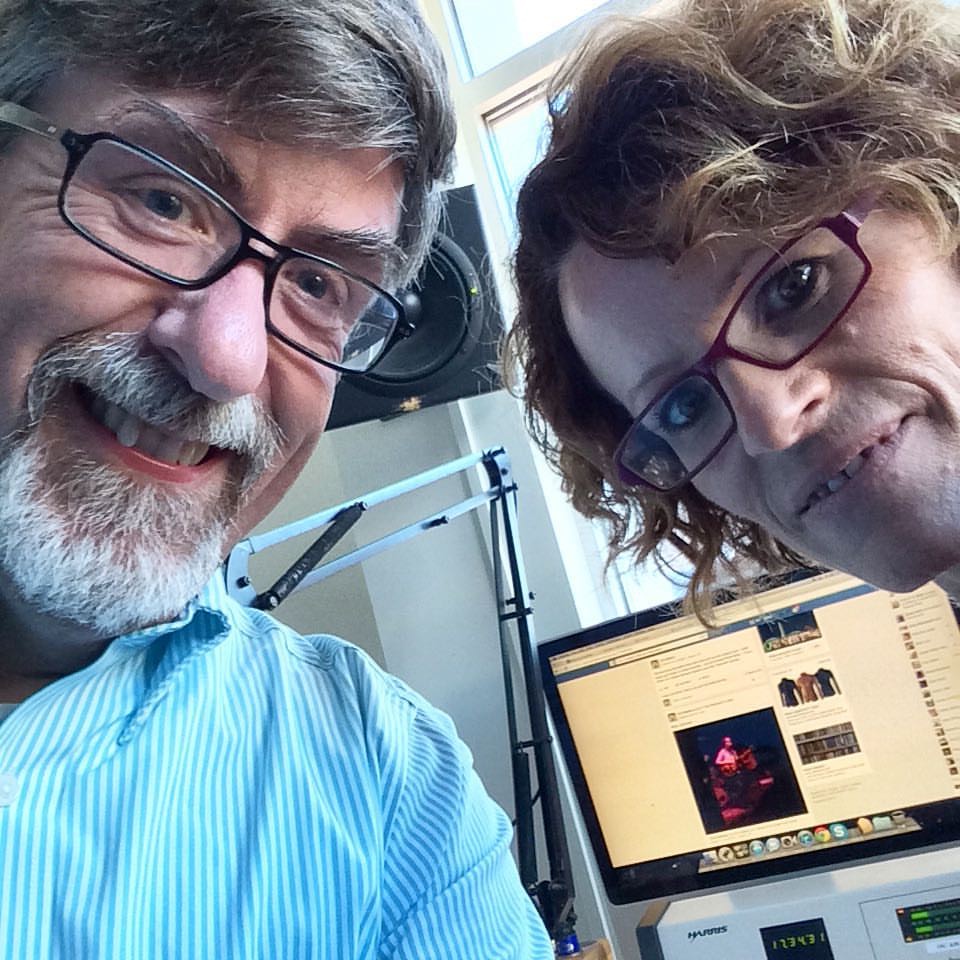
Let me tell you something about Your Tuesday Afternoon Alternative with Dr. J on WUDR, broadcasting from the unassuming outpost of Dayton, Ohio: it’s not just a radio show; it’s a séance for the musically restless. Dr. J, equal parts professor (sorry), music priest, and punk-rock lifer, orchestrates a sonic sermon that grabs you by the collar and drags you kicking, screaming, and grinning through the unpolished spaces of independent and local music.
This isn’t your prepackaged corporate playlist drivel, churned out by some algorithm. No, this is real-deal, deep-dive, bloodshot-eye curation. We don’t just play songs; we conduct a reckless, unhinged exploration of soundscapes that defy the mainstream’s sterilized borders. One minute you’re grooving to the jangly guitars of a Midwest indie gem; the next, you’re pummeled by fuzz-soaked shoegaze or swept away by a tender acoustic ballad. It’s a rollercoaster for your ears, and you’re strapped in tight for the ride.
The show’s strength lies in its refusal to compromise. We are not here to appease Spotify metrics or chase TikTok trends. We pride ourselves on digging into the marrow of what makes music vital: the stories, the sweat, and the imperfections that turn a song into a revelation. Local bands? We’ve got them. Overlooked gems? You bet. It’s a treasure map to sounds you didn’t know you needed but now can’t imagine living without.
Sure, the production’s raw, the format loose, but that’s part of the charm. A little nerdy? You betcha! It feels like you’re eavesdropping on a record store conversation in town. If music is a lifeline, Your Tuesday Afternoon Alternative is one of the buoys that keeps us from drowning in the sea of mediocrity. Dayton might be criminally overlooked, but we strive to ensure it’s never unheard of.
As we celebrate 20 years of Your Tuesday Afternoon Alternative, we thought we would ruminate for a moment or two on how music is selected for the show. It is never easy. There is always more that we want to play than we have the time to fit onto a show setlist. Curating a compelling playlist for any radio show is an art form that goes beyond just picking popular tracks or personal favorites. For an indie DJ, like myself, especially one focusing on alternative or non-mainstream genres, the process involves a balance of passion, research, intuition, and a non-ending effort to understand an audience. So, many listeners have asked how we choose music for Your Tuesday Afternoon Alternative, I thought I would create a list of key points and explain how we have been picking music over our 20 year history.
So, take a drink, and let’s jump in. Here’s a personal deep dive into the sometimes chaotic journey of how we select music for this radio show.
1. Understanding the Show’s Identity
The starting point for any DJ is a clear vision of the show’s identity. Being an indie DJ means that here at YTAA we strive to avoid the known names and focus on artists who are making incredible music but are overlooked for oh-so-many damn reasons. We typically try to craft a unique niche to stand out amidst the sea of mainstream programming. Whether the focus is alternative, indie-folk, dream pop, lo-fi beats, underground electronic, or indie rock, this identity serves as a guiding principle for music selection. When we say that we play “Music in all Directions!” this is what we mean.
Theme: Does the show explore specific themes, like nostalgia, indie holidays, memorial shows for those artists that we lost in the previous year, or emerging artists? We often decide to spotlight unsigned musicians or dedicate episodes to genres like shoegaze or post-punk revival.
Mood: We often prioritize mood over rigid genre boundaries. Whether the vibe is mellow, energetic, or experimental, the music should align with the emotional tone they aim to create. We might let more than the usual four songs and then radio break pattern because we don’t want to interfere with the groove, flow, or vibe.
2. Know the YTAA Audience
Understanding the audience is pivotal in crafting a playlist that resonates. While we often play music and artists we love, it is not exclusively about us. An indie DJ often caters to listeners who are adventurous, open to discovering new sounds, and appreciative of diversity. This is a critical piece of song selection for us at Your Tuesday Afternoon Alternative.
Demographics: Who is tuning in? College students might appreciate indie pop and fresh remixes, while an older audience might gravitate toward timeless indie rock or alt classics from the 80s and 90s alternative scenes.
Engagement Patterns: Over the years, we have tried to find ways to interact with the audience through social media, email requests, or live call-ins. Feedback from listeners helps shape future playlists, as we gain insights into what resonates and why those sounds or those artists mean something to the listener.
By understanding an audience, hopefully, we strike a balance between challenging listeners with fresh sounds and offering comfort through familiar tracks. Adventure and comfort may sound like contradictions, and perhaps that is not a problem.
3. Endlessly Scouting for New Music
Fear of missing out on an exciting song is something that drives Dr. J. One of the most exciting yet challenging aspects of being an indie DJ is the constant search for new music. Indie/Alternative music thrives on discovery, and looking for hidden gems means we may listen to hundreds of songs in the week before the show airs.
Digital Platforms: Streaming services like Spotify, Bandcamp, and SoundCloud are goldmines for discovering up-and-coming artists, even though those services have serious problems and refuse to compensate artists for the art they create. Playlists curated by other indie enthusiasts, labels, and blogs often serve as inspiration for YTAA.
Music Blogs and Reviews: Sites like Pitchfork, Stereogum, and Consequence of Sound provide reviews and spotlights on emerging indie artists. Niche blogs that focus on specific genres are especially valuable. Writers in local city papers can be worth their weight in gold in helping us find new artists and new music.
Live Performances: Attending local shows, festivals, and open mic nights allows us to experience new music firsthand and connect with artists in the Dayton community. This direct interaction often results in exclusive tracks or insider knowledge that we can share about the artists.
Labels and Press Kits: Indie labels like Rough Trade, Carpark Records, Gas Daddy Go, Sub Pop, 4AD, Sofaburn Records, Poptek Records, and Matador Records regularly send promotional material to DJs. Receiving press kits with unreleased tracks gives DJs access to fresh music before it hits mainstream platforms.
4. Balancing Familiarity with Discovery
One of the hallmarks of a great indie radio show is its ability to introduce listeners to new music while maintaining a sense of familiarity. That balance is always a challenge – we like to think of it as familiar without being too familiar.
Anchor Tracks: These are well-loved songs by established indie artists that help ground the playlist. For example, including tracks from artists like Tame Impala, The National, or Phoebe Bridgers can provide a touchstone for listeners.
Deep Cuts and Rarities: We often dig into back catalogs of popular bands to find lesser-known tracks, giving fans a deeper appreciation of their favorite artists.
Spotlighting the Unknown: The thrill of indie radio lies in the discovery of fresh talent. By including tracks from unsigned bands or debut singles, hopefully, we contribute, in some small way to creating an air of excitement and exclusivity.
Balancing these elements ensures the show is approachable while staying true to the indie ethos of exploration.
5. Crafting an Authentic Narrative or Flow
Great playlists tell a story or create a sonic journey. We carefully consider the sequence of songs to maintain engagement and evoke a range of emotions. Not too many fast songs in a row, not too many slow songs. We think of it as creating a wave and movement — ups and downs, fits and starts — that keeps the audience engaged and interested.
Opening and Closing Tracks: The first song sets the tone, grabbing the listener’s attention immediately. Over 20 years we usually start with a rocking driving tune. The closing track often leaves a lasting impression, so we choose something memorable or reflective, something that feels like it matters. Something that has the effect of a closer.
Transitions: Songs are placed in an order that feels natural, with smooth transitions in tempo, key, or mood. For instance, an upbeat indie-pop track might flow into a mid-tempo electronic piece before tapering into a dreamy ballad.
Themes: Some shows revolve around specific themes, like a “Summer Nostalgia” episode or a “Women in Music” feature. Thematic playlists require careful curation to ensure cohesiveness.
6. Incorporating Listener Input
Interactive elements often play a significant role across many of our radio shows. We incorporate song requests or dedicate segments to listener suggestions.
Requests: Allowing listeners to request songs fosters a sense of community and makes the show more dynamic. This is a sacred duty. It is important for us to do this to ensure these requests fit the show’s overall vibe.
Shoutouts: Listeners often feel a deeper connection to the show when their recommendations or dedications are acknowledged on air and in social media.
7. Staying True to Personal Taste
Any indie DJ’s personal taste is often the driving force behind their show. And we hope that is true for us. Passion for music is infectious, and when we share tracks we genuinely love, hopefully, it resonates with listeners. Our deep respect and love for local music is a critical hallmark to Your Tuesday Afternoon Alternative.
Signature Style: Do we have a style? Hmmm… this is an interesting question. We often try to develop a signature style that makes the YTAA show distinctive. This could be an affinity for quirky lo-fi sounds, obscure indie, or lush dreamscapes. We love it all.
Experimentation: We might take risks by featuring avant-garde or unconventional tracks, and it does not always work. While not every experiment will succeed, these moments often create the most memorable radio experiences.
8. Navigating Practical Constraints
Despite their creative freedom, we operate within certain boundaries that influence our choices. Yeah, left to our own devices, we would probably play songs with the occasional swear but we can’t. Or more correctly, we shouldn’t because there are consequences if we do so. Does anyone have a spare $25,000 to cover us for a song… right? Yeah, let’s not do that.
Time Limits: A radio hour typically includes advertisements, station IDs, and announcements, leaving about 40-50 minutes for music. We must prioritize tracks that fit the allotted time. This is why we rarely play long songs (five minutes or more is our definition here).
Licensing and Permissions: We often face restrictions on what we can play, depending on the station’s licensing agreements. This can limit access to certain tracks, especially from major or regional labels.
Technical Considerations: Some tracks may require editing for length, explicit content, or spoken elements in the beginning or ending of songs. Again, we have to ensure every song fits seamlessly into the show’s format.
9. Highlighting Diversity and Inclusivity
This matters. We often champion diversity by including music from a wide range of backgrounds, genres, and cultures.
Global Sounds: Many indie DJs explore music scenes from around the world, introducing listeners to genres like Afrobeat, K-indie, or Latinx dream pop.
Underrepresented Voices: Highlighting female artists, queer voices, or musicians of color can enrich the playlist and provide representation often missing in mainstream radio.
10. Staying Current While Embracing Timelessness
Balancing the latest trends with timeless classics is a delicate dance. While we pride ourselves on staying ahead of the curve (if we are lucky), we also appreciate the value of songs that transcend time.
New Releases: Every Tuesday afternoon we regularly update the station libraries with the latest tracks, ensuring YTAA shows feel fresh and relevant.
Evergreens: Some indie songs never lose their charm. Revisiting tracks from influential artists like The Replacements, R.E.M., or Uncle Tupelo can add depth to a playlist.
Conclusion: We are doing our best but wish we could play more.
Choosing music for an indie radio show is both an art and a science. It requires personal dedication, creativity, and a deep connection to the music. For us, every playlist is a reflection of our identity, a bridge to an audience, and a celebration of the vibrant, ever-evolving world of indie music. By blending passion with thoughtful curation, we hope to craft shows that are not just entertaining but deeply meaningful experiences for listeners. Thank you for sharing your valuable time with us over these 20 years. It means the world to us here.
Today’s program featured music from Wussy, The Tragically Hip, Fancy Gap, Latvian Radio, Shai Fox, Rockaway, The English Beat, The Talking Heads, The Boxcar Suite, Smug Brothers, Friedberg, Brian Lisik, and much more. We also heard two songs recorded by and two live songs performed by our guests, Kyleen Downes and Sisco Red of Freya’s Felines.
Freya’s Felines is an engaging band from Dayton, Ohio, blending a unique mix of indie rock and folk influences with a touch of ethereal storytelling. The group’s name, inspired by Freya, the Norse goddess associated with love, beauty, and cats, reflects their whimsical yet deeply introspective artistic vision. Their music resonates with themes of nature, mysticism, and human connection, offering a fresh sound that has captivated local audiences.
The band, which began as a trio, is now composed of four members: guitarists and vocalists Kyleen Downes and Sisco Red form an unshakeable foundation. Their voices blend in waves of evocative yet accessible timbre, pitch, and flow. Abigail Moone’s hauntingly soulful voice serves as a key part of their sound. The most recent member Gabriella Erbacher is a bassist who brings a rhythmic pulse to their tracks with an almost soulful groove. Moone also contributes drumming whose subtle yet powerful beats add depth to their arrangements. Together, these musicians weave a sonic atmosphere that feels both intimate and expansive, drawing listeners into their world.
Wussy is one of those bands that everyone should know. They are an ongoing musical effort for over two decades with a deep catalog. The band’s lyrics — courtesy of Chuck Cleaver and Lisa Walker — are inescapable without being cloying or false, and the band’s observations are relatable, accurate, frighteningly honest, and perhaps more than a little sad. Yet, the dark lyrics hold a unique power to connect deeply with listeners, offering catharsis and shared understanding. They articulate complex emotions like heartbreak, grief, failure no matter what we do, the creeping realization of loss, or loneliness in ways that often resonate universally. We all have felt this way. We have all had to pick ourselves up and pack it up and continue.
This band does not ‘talk down’ or excuse the all too often unbearable. This shared complexity alongside relatability can provide solace, reminding us that struggles and loss are part of a broader human experience. Artists like Leonard Cohen, Nick Drake, XTC, and Wussy use poignant imagery and evocative language to turn personal pain into something captivatingly beautiful and communal. Research in psychology suggests that sad music, especially lyrics, can paradoxically uplift by helping listeners process emotions, offering empathy and a sense of emotional release.
Wussy’s music thrives on atmosphere and contrasts: jangly, distorted guitars and bending pedal steel coexist with heartfelt melodies, while lyrical introspection is paired with propulsive energy. The driving drums and bass arrangements further cement the band’s gravitational pull. This mix defines their aesthetic, often drawing comparisons to The Pixies, Sonic Youth, and Yo La Tengo for their dynamic range.
The band’s dual-vocal approach, featuring Chuck Cleaver and Lisa Walker, adds an emotionally layered dimension to their sound. Their harmonies weave between tenderness and grit, reflecting the tension and warmth present in their lyrics. Themes of heartache, resilience, and the mundane beauty of everyday life emerge vividly, often set against rich, guitar-driven arrangements. Wussy’s sonic identity also incorporates regional pride, as clearly evident in their references to Cincinnati and the Midwest. Critics frequently praise their ability to turn intimate, local stories into universal experiences. Their use of reverb-heavy production and jangling guitar textures evoke both nostalgic warmth and emotional depth, earning them cult status among fans and critics alike. This unique fusion of raw emotion, lyrical storytelling, and sonic experimentation cements Wussy as one of the most compelling voices in contemporary music. Their music is deeply personal yet profoundly accessible, it reminds us that we are not alone.
I consider Wussy an iconic band. Not because of a pose or prophetic statements. Their swirl and sway of instruments and voices are completely unique. No one sounds like them. Wussy, may be labeled an indie rock band from Cincinnati, Ohio, but that does not fully capture what they do. The band has returned with a highly anticipated album titled Cincinnati, Ohio (released on Friday, November 15, 2024) and we are all better for it. This record marks their first full-length album in six years and their first since the passing of guitarist and co-founder John Erhardt (who had been in The Ass Ponys with Cleaver) in 2020. Known for blending honest heartfelt storytelling with robust, guitar-driven sounds, Wussy’s latest work reflects a nuanced exploration of loss, resilience, and their enduring love for their hometown.
The new record, released through hometown label and actual record store, Shake It Records, features ten tracks, including the singles “The Great Divide,” “Sure as The Sun,” and “Inhaler.” The band’s characteristic mix of Americana, Post-Punk, lo-fi noise pop, and introspective lyrics remains central to their sound. Tracks like “The Great Divide” showcase their ability to layer droning, propulsive rhythms with deeply evocative storytelling, capturing the emotional intensity fans have come to expect from Wussy’s catalog. These songs signify a period of renewal and creativity after a period of reflection during their hiatus. Many fans are excited about the release of these songs having heard acoustic versions of several of them during live streams during the lockdown of the Covid Pandemic.
The album draws from personal experiences and the band’s shared history in Cincinnati, a city they frequently reference in their music and where they live. Themes of identity, community, and memory are woven throughout the record, with a tone that both mourns and celebrates. This duality underscores the resilience of a band that has endured significant changes while staying true to its artistic roots. The band members do not pretend or play false flag arguments about their ties to their hometown. The ties that bind here are part of the band’s identity.
Wussy also released two accompanying EPs, The Great Divide and Cellar Door, further showcasing their ability to experiment with sound and storytelling. This multi-release strategy highlights their dedication to producing layered and diverse music for their audience. And Wussy fans are happy for these releases.
The band is known — and rightly celebrated — for its DIY ethos and deeply collaborative nature. Since their formation in 2001, Wussy has been widely praised for their raw authenticity and ability to merge genres seamlessly. Cincinnati, Ohio continues this tradition while evolving their sound to address both personal and universal themes, making it a compelling addition to the discography.
You can explore the album further, and I recommend that you do so! Or better yet purchase it through Shake It Records or Bandcamp. For more insights into the band and their new music, check out their official site or the well-deserved recent press coverage.
Doing local indie radio for 20 years is a labor of love, a commitment to the community, and a constant source of joy. At least, it sure has been for us at YTAA! Indie radio is a unique space where personality and passion shine through, where the constraints of commercial programming give way to creativity, spontaneity, and local voices. For two decades, the joy has been in connecting people through sound, amplifying voices that would otherwise go unheard, and showcasing music, stories, and topics that truly reflect the heart of music in times of darkness and light.
One of the most rewarding aspects of this journey has been building connections with listeners. Over the years, these listeners become more than just people tuning in—they become a family. Calls, emails, tweets, comments, posts, and even the occasional letter remind us that the work is meaningful and that there’s an audience who feels seen, heard, and represented by what’s being aired. In a world where media often feels homogenized and so darn artificial, we would like to believe that indie radio creates an unbreakable bond with its listeners by staying local, rooted, and real.
Another source of joy for us here at YTAA is discovering and promoting new, underrepresented music. The indie scene is full of gems that don’t always make it to mainstream playlists (for shame!), and introducing these sounds to an eager audience is incredibly fulfilling, heck – you might say it is the thing that keeps us coming back for more. The excitement of finding a new track or local artist and knowing that it will resonate with someone out there makes the work feel fresh, even after so many years.
The joy of indie radio also lies in the freedom to take risks, to be unconventional, and to experiment. Unlike larger stations tied to strict playlists or advertising pressures, an indie station, like WUDR, has the freedom to talk about niche issues, dive into deep conversations, and let shows develop organically. After 20 years, it’s clear that indie radio is more than just broadcasting; it’s about fostering a shared experience, celebrating local culture, and continuing a legacy of creativity and authenticity.
“Your Tuesday Afternoon Alternative,” hosted by Dr. J on WUDR Flyer Radio has been around for almost 20 years now! I try to offer an eclectic mix of indie, local, and alternative music that appeals to both dedicated fans and curious newcomers. I try to balance both well-known and emerging artists, providing listeners with a blend of what we hope are fresh discoveries alongside some familiar sounds that keep each episode engaging.
One of our show’s unique aspects is the passion for showcasing local and regional artists, particularly from the Dayton area, giving exposure to the rich musical talent often overlooked by mainstream outlets. Shame on them! I hope that our enthusiasm shines through, as we weave in anecdotes about the bands and tracks we play. This is meant to create a deeper connection to the music. We strive for passion but also for a laid-back, conversational tone that allows listeners to feel as though they’re joining a friend who’s sharing their latest musical finds. Because, in truth, that is what I do every week.
Tamar Berk’s latest song, “That’s Not a Lie,” from her recent excellent album Good Times for a Change, dives deep and explores the critical themes of honesty and vulnerability within relationships (and in an expansive canvas not simply romantic connections) and addresses a central question about how ready are we for the vulnerability that all relationships require. Consider how much are we willing to risk? Are we prepared for rejection? For appearing to be the fool — or foolish — in the face of striving to say what we feel directly and honestly.
The song is front and center on the uncomfortable truths people often face, exploring the complexity of admitting past mistakes and accepting one’s limits and flaws. Because we all have flaws even when we do not want to accept them. They stay with us, with every breath, every moment. Set against a rock and roll dynamic soundscape of driving electric guitar and drums, Berk’s emotive vocals convey and evoke both rawness, presence, and nostalgia, adding to the song’s emotional depth from the first note that she sings. This track carries an introspective tone, as Berk reflects on personal accountability, the challenges of openness, and the power of self-acceptance within partnerships.
The music video complements these themes by adopting a playful retro, almost interrogative visual style that feels present around us. It’s as though Berk is confronting herself, embodying the intense self-reflection that characterizes the song — she is doing the work. In her lyrics, she addresses a tension between the desire for honesty and the fear of vulnerability, a feeling that resonates across the album. Vulnerability is a recurring theme in her work reaching back to Starball, tying into her broader artistic exploration of personal growth and relationships. Berk wants to make music that means something and while this is not an after-school special kind of false sentimentality but a real discussion on the heart and the challenge of being gentle and risky with one’s heart. Precarity is a necessary condition of any connection.
We are fans of Berk’s earlier music and notice her brilliant mix of introspection and compelling indie-rock, dare we say ‘wall of sound.’ The song’s production style easily draws comparisons to ’90s rock influences, with a pitch pure effective blend of rock authenticity and modern polish. Ultimately, “That’s Not a Lie” stands out as a powerful statement within Berk’s ever-expanding and captivating discography, capturing her unique ability to weave personal narratives into relatable and engaging music that matters.
Last week, I wrote about albums that have a great first two-song combo. After thinking about that and sharing my thoughts, I was asked other than the start of an album, what else matters? What else leaves a lasting mark? Perhaps we could call it a musical bruise. And that led to thinking about the days when all music was released on vinyl. Side A and Side B each had a start and end. But the most definitive ending is the last song on a record.
The final song on an album holds a unique and important place, acting as the last note of a record’s journey and often shaping how listeners interpret the entire album. Where have we been? Where do we go now? Whether it’s a contemplative, quiet piece that allows the themes of the record to echo softly in the listener’s mind or a powerful anthem that closes the experience with a bang, the last track often serves as a reflection, summation, or even contradiction of what came before it (I feel that this happens often for several bands that I love, R.E.M., U2, and Uncle Tupelo to name a few that deeply matter to me). This closing moment can evoke a range of emotions: closure, anticipation, hope, or bittersweet melancholy. For many, a strong final track can define the entire listening experience, leaving a lasting impression that elevates the album from a collection of songs to a complete, resonant work of art.
Establishing Closure and Completeness
A thoughtfully chosen final track can make an album feel like a completed story, giving it a sense of narrative and emotional closure. Albums, particularly concept records, often unfold with a progression of emotions, themes, or stories, and a powerful last song can bring these to a satisfying conclusion. This role is especially crucial for artists aiming to take listeners on a journey, where the album acts as a cohesive unit rather than a series of disconnected songs. Ending an album with a song that reinforces the record’s primary themes or revisits earlier emotions can leave listeners feeling as though they’ve completed a meaningful journey, much like reaching the last chapter of a novel. Consider that the very last song that Uncle Tupelo put onto a record was ‘Steal the Crumbs’ on their brilliant masterpiece ‘Anodyne.’ It is crushing to me that the last echoes of ‘No more will I see you,” was a statement of intent from Jay Farrar to Jeff Tweedy. It is still hard for me to listen to that song today.
The last song can also play a vital role in underscoring an artist’s vision. If the rest of the album serves to establish a mood, a style, or a story, then the final track acts as the artist’s way of saying, “This is what I really want to leave you with.” It is the musical statement they want listeners to hold onto, an encapsulation of everything they poured into the album. The finality can be overpowering.
Examples of Powerful Final Tracks
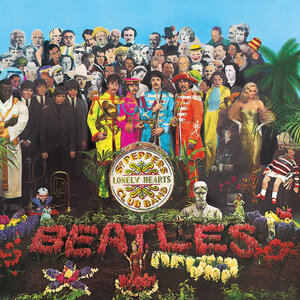
One standout example that is often discussed by those of us obsessed with music is “A Day in the Life” by The Beatles, the closing track of Sgt. Pepper’s Lonely Hearts Club Band. As a pioneering album in rock music history, Sgt. Pepper’s is an eclectic mix of sounds and styles that epitomizes The Beatles’ experimentation and innovation. The final track, “A Day in the Life,” is haunting and surreal, blending melancholy with a sense of curiosity and wonder. The song’s climactic, dissonant piano chord at the end creates a feeling of unresolved tension, inviting listeners to ponder its meaning long after the album is over. This impactful ending encapsulates the themes of discovery and mystery that pervade the album, making it feel timeless and open-ended.
Similarly, Radiohead’s OK Computer concludes with “The Tourist,” a slower, introspective track that contrasts with the chaotic energy of the rest of the album. OK Computer is known for its commentary on technology and alienation, exploring themes of existential anxiety and modern isolation. “The Tourist” stands apart from the album’s other songs in its simplicity, offering a moment of reflection that feels like a warning to “slow down” amid the dizzying pace of the digital age. The song’s restrained energy brings a reflective close to the album’s otherwise complex and unsettling journey, emphasizing its themes and leaving a deep impression.
Creating a Lasting Emotional Impact
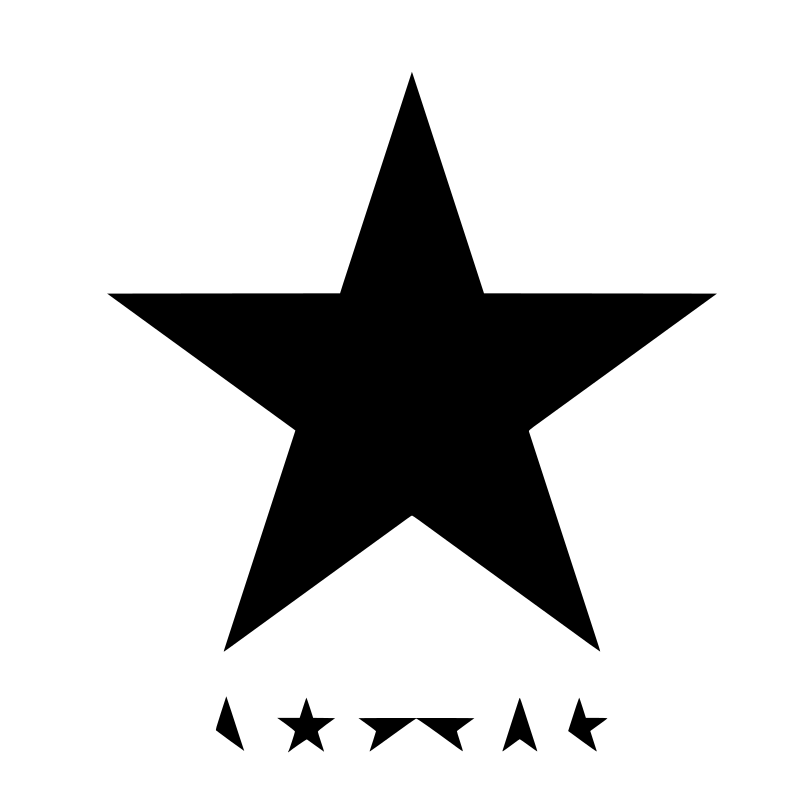
Some final tracks are chosen to evoke powerful emotions, leaving listeners with an impression that will last beyond the music. For instance, David Bowie’s Blackstar closes with “I Can’t Give Everything Away.” This track, coming from Bowie’s final album before his death, is particularly poignant, dealing directly with themes of mortality, legacy, and departure. Bowie’s choice to end with this song feels like a farewell message, wrapping up his legendary career with a sense of grace and vulnerability. For listeners, the track is a heart-wrenching goodbye that gains even more weight within the context of Bowie’s life, allowing the album to transcend music and enter the realm of a personal, intimate farewell.
Nirvana’s In Utero, meanwhile, ends with the track “All Apologies.” The song reflects Kurt Cobain’s vulnerability and the conflicting emotions he experienced near the end of his life. It’s a bittersweet, haunting song that grapples with themes of forgiveness, regret, and identity. Given the rawness of In Utero, “All Apologies” acts as an understated yet emotionally charged conclusion. It’s a moment of both release and resignation, mirroring Cobain’s own inner conflicts. For listeners, it becomes a powerful closing note that brings a sense of poignancy to the album, especially in light of Cobain’s death just months after its release.
Offering Unexpected Twists
Sometimes, artists use the final track to surprise their audience, either by shifting the mood or presenting an unexpected style or message. This unpredictability can work as a memorable twist, leaving a lasting sense of intrigue. It changes the tone from the struggles explored in previous songs to pride and resilience, suggesting a sense of empowerment and identity that stays with the listener.
An example of an unexpected finale is the Arctic Monkeys’ “505” on their album Favourite Worst Nightmare. The song begins as a somber ballad but gradually builds into a soaring, intense climax. Its dynamic composition makes it feel like the album’s emotional pinnacle, one that explores themes of longing and nostalgia. “505” brings a sense of finality to the album but in a way that is both stirring and unpredictable, leaving listeners wanting more even as the music fades out.
Symbolism and Metaphor in Final Tracks
Artists also use the last track to imbue their album with metaphorical meaning, often turning the final moments into a symbolic experience. Pink Floyd’s The Wall famously ends with “Outside the Wall,” a soft, subdued song that contrasts with the bombastic nature of the album’s other tracks. As a conceptual record about isolation, rebellion, and self-destruction, The Wall reaches its emotional and narrative conclusion with this gentle, understated track. The song leaves listeners reflecting on the album’s themes with a mixture of sorrow and acceptance, making it an introspective and symbolic end to the epic story. Maybe it is a final track that can hint at continuity or invite speculation about future works.
The Final Song as a Reflection of the Album’s Themes
In many ways, the last song is the album’s most potent moment because it holds the power to tie all the preceding themes together in one emotional conclusion. The choice of final track is rarely arbitrary; it often holds the most weight and meaning. Whether it offers a moment of silence, explosive energy, quiet reflection, or unrestrained vulnerability, the final song gives shape and substance to the album, helping listeners make sense of the music as a whole.
In short, a powerful last track is not just the end of an album—it’s the parting message, the last look back, and the final chance to leave listeners with something unforgettable. When done well, it can transform the album into a cohesive, resonant work that remains with listeners long after the music has ended.
The Nautical Theme is a musical duo based in Dayton, Ohio, consisting of singer-songwriters Matt Shetler and Tesia Mallory. Known for their melodic, harmonious approach to folk and indie rock, the band combines Mallory’s bright, captivating vocals with Shetler’s rich, grounding tone, creating a deeply moving vocal interplay. Formed in 2016 from their previous project – Good Luck Year, The Nautical Theme emerged from Dayton’s vibrant indie scene, bringing their introspective, emotionally resonant music to local stages and steadily expanding their fanbase.
Their sound often features acoustic instrumentation that leans into folk sensibilities, with varying soft and propulsive piano, guitar, and occasionally percussive elements, allowing the raw storytelling and emotional intensity of their lyrics to shine through. They are adept at conveying themes of love, loss, and personal growth, providing listeners with an authentic experience that resonates on a deeply personal level. Their music is described as both soothing and thought-provoking, marked by a sensitivity that reflects the depth of their songwriting.
In 2018, they released their debut album Float an introspective collection of tracks highlighting the duo’s harmonies and storytelling prowess. The album was well-received, gaining attention for its vulnerability and sincerity, showcasing the depth of their collaborative process. Since then, The Nautical Theme has continued to release music that delves into universal human experiences with a nuanced, reflective perspective.
In March of 2020, the duo released Lows and Highs, an album that encapsulates the rollercoaster of emotions encountered during challenging times. This release demonstrated a maturation in their songwriting and production, expanding on their signature sound with more complex arrangements while still preserving the simplicity that makes their music so accessible. Something Old, Something New, Something Borrowed was released in 2021 which like the title suggests shows the dynamic musical duo playing an older song, a new composition, and a cover.
Roughly four years later, the duo released, Do Something which included two impressive EPs, Do Something and Get Somewhere (released in 2023) that showed their musical adventurism. Their most recent single expands on the adventure and the sonic palette that Matt and Tesia usually carry in their music. To say that we are excited by the broadening of the soundscapes that normally are explored by The Nautical Theme is an understatement.
The first two songs on an album hold immense power in shaping a listener’s experience, often serving as the gateway into the world the artist is trying to build. These opening tracks set the tone, establish the mood, and give a taste of the themes that will run through the rest of the record. Crafting these initial songs is a crucial task for artists and producers, as they serve as the hook that keeps listeners engaged, allowing the album to unfold and capture the listener’s imagination, emotions, and attention.
Setting the Tone and Mood
The opening track of an album is often a carefully constructed statement of intent. It’s the first impression, and like any introduction, it serves to intrigue and invite the listener to delve deeper. A powerful first track can instantly set the tone of the album, hinting at the sonic and lyrical themes that will be explored. For example, think of an album that opens with a haunting instrumental. This immediately suggests a reflective, perhaps dark journey. Alternatively, an upbeat, energizing track suggests an album filled with light-hearted or energetic themes.
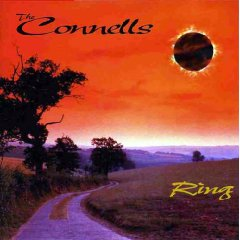
Take The Connells’ RING. as an example. The album opens with “Slackjawed,” a driving, propulsive track that begins with a ringing jovial guitar line that kicks the door down. This is not just an opening—it’s a jolt that immediately signals the weightiness of the themes and musical adventure the band is about to tackle. The moment serves as a thesis for the rest of the album, preparing the listener for a complex exploration of relationships, fate, and identity.
The tone established by the first track is further cemented by the second, which often serves as a continuation of the initial atmosphere or as a bridge to the core themes of the album. In RING, the transition into “Carry My Picture”— an explosive and intense follow-up to the first song — intensifies the listener’s engagement, showing the contrast between the introspective narrative and outward confrontation with social and personal identity “I’m just standing here, slackjawed.” In other words, you moved me. You shaped me. This careful juxtaposition illustrates how the first two songs can work together to create a powerful, immersive start to an album.
Creating Narrative Continuity
Albums often tell stories, whether they are explicitly narrative-driven or bound together by thematic cohesion. The first two songs frequently act as the opening scene of a larger narrative. By creating continuity between them, artists can effectively pull listeners into the story, making them feel invested from the outset.
Consider The Wall by Pink Floyd, an album that tells the story of a character named Pink, who builds an emotional and psychological wall to protect himself from the world. The first track, “In the Flesh?” poses questions, suggesting that things are not what they seem, and quickly transitions into the second track, “The Thin Ice,” which sets the stage for the protagonist’s descent into isolation. The connection between these two tracks is palpable, and the transition is seamless, establishing both a literal and metaphorical foundation for the narrative that follows.
In some albums, the first two songs don’t tell a literal story but rather establish a thematic continuity that will persist throughout. An album might open with a track expressing vulnerability, followed by one that portrays resilience, setting up an emotional arc that resonates through the subsequent songs. By presenting these contrasting or complementary emotions, the artist can make the listener feel like they are embarking on a journey, a crucial hook to keep them engaged.
Establishing a Sonic Palette
The first two songs also set the sonic palette for the album. They introduce the key musical elements, such as instrumentation, tempo, and production style, that will shape the album’s sound. This is essential in modern music, where genres and production techniques vary widely. Listeners often seek albums that provide a cohesive sound experience, and the first two tracks can communicate this cohesion, giving listeners a taste of what to expect and creating anticipation for the sonic evolution that will follow.
For example, in Radiohead’s OK Computer, the album opens with “Airbag,” a song layered with futuristic electronic elements blended with traditional rock instrumentation. This unique soundscape is extended in the second track, “Paranoid Android,” which introduces complex guitar riffs, atmospheric synths, and abrupt tempo changes. These two songs lay the groundwork for the rest of the album’s experimental sound, combining electronic and organic elements to create a dystopian atmosphere. Listeners are drawn in not only by the lyrics and themes but by the cohesive and innovative sound that is established right from the start.
By firmly establishing the album’s sonic identity, the first two tracks allow the listener to acclimate to the artist’s world. This is particularly important for artists experimenting with unconventional sounds or those aiming to create a specific atmosphere. When done effectively, the sonic continuity between the first two tracks assures the listener that they are in capable hands, encouraging them to stay and experience the album as a cohesive whole.
Creating Emotional Engagement
Emotion is at the heart of music’s appeal, and the first two songs often provide an emotional foundation that primes listeners for the rest of the album. Whether an album seeks to evoke joy, nostalgia, introspection, or anger, the opening tracks give listeners an emotional “baseline” for what lies ahead.
Consider Adele’s 21, which opens with the song “Rolling in the Deep.” This song, with its powerful vocals and emotionally charged lyrics, immediately taps into feelings of heartbreak and resilience. The next song, “Rumour Has It,” follows with a sense of defiant energy, maintaining the theme of love and betrayal but with a different emotional lens. These two songs set up an emotional journey that resonates deeply with listeners, creating an empathy that pulls them into Adele’s personal narrative. By the time the third track begins, listeners are already emotionally invested, making it more likely they will stay for the entire album.
This emotional engagement is often achieved through careful sequencing and pacing. The first track might start with a soft, melancholic tone, followed by a second track that ramps up the energy, reflecting the duality of human emotions and experiences. By drawing listeners into these contrasting emotional spaces, artists can make their album experience more compelling and relatable, effectively mirroring the ups and downs of real life.
Holding Listeners’ Attention in the Age of Streaming
In the digital age, where listeners have access to millions of songs at their fingertips, capturing attention quickly is more important than ever. Data shows that listeners often skip songs within the first 30 seconds, so artists have limited time to make an impression. The first two songs on an album are, therefore, instrumental in capturing—and retaining—the listener’s attention.
The power of these songs lies not only in their ability to entertain but in their capacity to communicate that there’s more worth sticking around for. Albums that fail to capture interest in the first two tracks risk being abandoned, and the narrative or emotional arc intended by the artist is lost. This is especially relevant in concept albums, where each song is meant to be part of a larger whole. The first two tracks thus become crucial for creating a sense of curiosity and engagement, encouraging listeners to invest in the album as a complete experience.
Yeah, the first two songs matter
The first two songs on an album are far more than just the beginning—they are the invitation, the hook, and the thesis statement of the artist’s vision. These songs wield the power to set the tone, establish narrative continuity, introduce the album’s sonic landscape, engage listeners emotionally, and hold their attention. When crafted with care, they turn a casual listener into an engaged participant, ready to experience the album as a journey rather than a collection of individual songs. In a world where listeners’ attention is at a premium, the power of the first two songs is undeniable, playing a critical role in how music is experienced and remembered.
Streaming Forward, Powered By The Past - if you love the 80s music, new music, Eurovision, cheesy pop and awesome playlists then let's get this pop party started!















 your tuesday afternoon alternative