Your Tuesday Afternoon Alternative is still on hiatus as we move from ArtStreet to the Roger Glass Performing Arts Center. Let’s be honest, moving sucks. It is simply awful. Moving is often considered one of life’s most daunting tasks, a process laden with stress, exhaustion, and emotional upheaval. The mere thought of packing up one’s life — or in this case an entire radio station — and relocating to a new place can send shivers down the spine of even the most resilient among us. Several factors contribute to the universally acknowledged sentiment that moving is an awful experience.
Firstly, the physical exertion involved in moving is undeniable. From the moment one begins to sift through CDs, vinyl records, and cassettes (yup, we have some of those), rolling up posters, and packing away fragile equipment so it can safely be moved is daunting. It does not feel unlike going through belongings, deciding what to keep and what to discard, to the arduous task of packing fragile items with the utmost care, the process demands a considerable amount of physical energy. Lifting heavy boxes (damn, these records are heavy!), navigating through narrow hallways (you have seen the pictures of the station), and loading and unloading furniture can take a toll on the body, leaving movers fatigued and drained. And remember all of the equipment is incredibly sensitive and expensive! “Do not drop anything!” is a repeated refrain.
Moreover, the emotional toll of moving cannot be overstated. Leaving behind familiar surroundings, our Artstreet friends, and changing the routines can evoke a profound sense of loss and nostalgia. The attachment to a place goes beyond the physical structure of a house; it encompasses memories, experiences, and a sense of belonging. Saying goodbye to all of this can be emotionally wrenching, leading to a mix of sadness, anxiety, and apprehension about the unknown that lies ahead for the station. I wrote about this and stand behind those ideas and memories. Leaving a space that was home for over 20 years is simply not easy.
The logistical challenges add another layer of complexity to the moving process. Coordinating timelines, arranging transportation, and dealing with unforeseen hiccups can turn a seemingly straightforward relocation into a logistical nightmare. The pressure to ensure that every item arrives intact at the new station destination in a brand new building, coupled with the need to settle into an unfamiliar environment quickly, amplifies the stress associated with moving. Of course, we want to be preparing a radio show today instead of moving an incredibly sensitive studio board!
Sure, moving is an inherently challenging and unpleasant experience due to the physical, emotional, and logistical demands it places on us. The disruption of established routines, the strain on relationships, and the overall upheaval of one’s life make moving a universally dreaded endeavor. We can’t even listen to the station unless we set up a laptop or bring in a radio because studio speakers were among the first to get disconnected. While it may signify a new beginning and the prospect of fresh opportunities, the process itself is undoubtedly an arduous journey that tests one’s resilience, adaptability, and good nature.
Perhaps this is just a long meandering path to say, YTAA will not be on this week. Moving is going forward and we are making progress, just a bit slower than any of us would like. We will be back broadcasting the show as soon as possible. Automation has taken over the radio station and during December we are broadcasting indie holiday music! Enjoy and see you real soon!
In a dimly lit space of my basement home studio, surrounded by an array of vinyl records, cassette tapes along a small wall, stacks of vintage vinyl 45s, piles of CDs, and an eclectic mix of posters from local and underground shows, I sit hunched over a laptop, ready to embark on music discovery. With a cat on my lap and another nearby, I listen to new songs, local music, and pieces of someone’s heart that they have kindly shared with Your Tuesday Afternoon Alternative. This is my sanctuary, the cockpit from which I navigate a vast sea of independent music. As an indie music radio DJ, I’ve made it my mission to curate and broadcast tunes that I believe in, music that resonates beyond the mainstream. There is no shame in loving the music that speaks to you, mainstream or not. But I want to find something new, something unique. Perhaps it is an overwhelming sense of fear of missing out on something incredible, something wonderful that was released and far too few have heard it. Providing a conduit for the amazing music that has gone overlooked has kept me interested in radio for over 19 years at WUDR and for many years prior.
My love affair with indie music began in the smoky corners of obscure spaces, crowded clubs, and hidden venues in Minneapolis in the 1980s. And that interest was heightened in 1983 when I joined KUMM Student Radio at the University of Minnesota at Morris. I had chosen a college a few hours away from home, Herman, Minnesota population 550. My graduation class only had 25 students in it. I was not sure what I wanted to become when I went to college, but I knew one thing quite clearly — I wanted to leave the confines of small-town Minnesota life. The albums that my classmates loved were not my music, they did not feel real and authentic to me. The music that I heard on the few radio stations — mostly country music — did not speak to me nearly as much as the obscure bands and music that I found on late-night TV shows or magazines like The Trouser Press, Cream, and Crawdaddy.
I had a few musically progressive friends and a cousin who was like a brother to me who broadened my music experience. I was exposed to so many unique bands and records by cool friends who introduced me to bands like The Ramones, Big Star, Alice Cooper, R.E.M., early KISS records, The Replacements, The Suburbs, Loud Fast Rules (who later changed their name to Soul Asylum), and Prince. I am still prepared to argue that his first three records were and are brilliant records that fused soul, funk, R&B, pop, and punk. While I enjoyed the British New Wave of Gary Numan and the Romance Wave of Roxy Music, it was Duran Duran who led me to Joy Division, Adam and The Ants, Spandau Ballet, and The Cure. From ‘Planet Earth’ and ‘Girls on Film,’ I found ‘Love Will Tear Us Apart,’ ‘Transmission,’ ‘Ant Music,’ ‘True’ and ‘Boys Don’t Cry’ — I then spent years over Robert Smith’s catalog. I was captivated one late night when David Bowie’s music video for Ashes to Ashes played on some obscure program. It was life-changing and led me to seek out music from Ziggy Stardust in all of his personas and identities.
While others were getting lost in the polished melodies of chart-toppers, I found solace in the raw, unfiltered sounds of independent artists. It wasn’t just about the music; it was about the stories told through the lyrics, the rebellion against conformity, and the genuine passion that fueled every chord, every snap of the drum, every note that was delivered with passion. These sounds and bands were authentic and real to me. I read a story in a music magazine — Melody Maker, New Music Express, Smash Hits… to be completely honest I do not remember — about a band named after a plane, U2, and that eventually led me to their first album ‘Boy’ and that again, led me to be changed. Now, to be fair I was listening to a seriously concerning amount of Pink Floyd, Nick Drake, Television, and Patti Smith. The gateway of The Ramones led to The Sex Pistols, The Clash, Blondie (especially those early records), and more. While I did enjoy some truly strange fascination for some rock and pop groups, I had records and the usual posters on my bedroom walls of Scandal, Rick Springfield, Journey, Styx, Hall & Oates, and a brief fling with The Eagles’ Hotel California and Long Run (that led me to The Flying Burrito Brothers and Graham Parsons — thanks for sharing your records, mom!).
When I got to college, I decided to take this passion to the airwaves, embracing the role of a sonic designer. Armed with a microphone and a collection of gems that I could not wait to share, I set out to carve a niche for myself in the crowded world of radio, one that would champion the unheard and challenge the established norms. It helped tremendously that bands like R.E.M., U2, Ministry, Depeche Mode, Red Rockers, The Cure, and far more than I have the time (or you dear reader – the interest in reading) to recount here were releasing amazing records in the 1980s. The time period of 1983 to 1988 was not only my college years but an amazingly fertile time for what became known as College Rock then was labeled as Alternative or Post-Punk.
It has not always been easy trying to build bridges with the unknown for me. Being an indie music DJ is more than just spinning records or pushing play or fading sounds in and out; it’s about building bridges between artists and listeners. In a world saturated with predictable playlists, my goal is to be a conduit for the undiscovered. I sift through submissions from garage bands in Brooklyn to folk troubadours in the Pacific Northwest, searching for that spark of authenticity that sets them apart. We have a policy at YTAA, anything shared with us gets a listen. And in those perfect moments when we want to hear a song again, that captures our attention when there are so many records to preview, there is magic in the sound waves.
It’s not always about polished production or catchy hooks; it’s about the genuine emotion that reverberates through the music. Each song is a unique brushstroke on the canvas of the YTAA show, painting a sonic landscape that moves beyond the conventional. The thrill of introducing listeners to a hidden beauty, the adrenaline of playing a track that might just become someone’s favorite song – that’s the heartbeat of our radio station. I cannot express how much joy is experienced when someone requests a song we have played or calls the station to ask who was that amazing musician or band that they heard.
In the sprawling landscape of commercial radio, where playlists are often dictated by corporate interests or worse an inhumane algorithm, maintaining independence is a dance on a tightrope. Yet, this dance is the very essence of the existence of Your Tuesday Afternoon Alternative and my role as a DJ. There’s a certain liberation in knowing that a YTAA playlist is not dictated by market trends or corporate interests. Sometimes it is an accident of happenstance or from a connection on social media. Whatever the reason, it’s a rebellion against the formulaic, an assertion that there’s value in the unconventional, the unknown, the liminal. I would like to believe that we have built a community of listeners who crave the unexplored, and who trust this program to guide them through sonic places and spaces of undiscovered music.
Behind every track played lies a story – the struggle of an indie artist trying to be heard, the triumphs and tribulations of navigating an industry that often favors the polished over the genuine. It’s not just about the music; it’s about the people who create it. It is a privilege to interview artists whose stories are as compelling as their melodies. From the indie folk singer who busked on street corners to fund her first album to the punk rock trio that converted an abandoned warehouse into a recording studio, each narrative adds depth to the sonic tapestry we weave on the airwaves. These stories resonate with our listeners, connecting them to the music in ways that transcend the superficial. These are real experiences told by real people about the authentic music they have made to present some feelings, emotions, and ideas — the search for solidarity and connection through music is important and it should be protected at all costs.
One of the joys of indie radio is the freedom to be unpredictable. While commercial stations follow rigid playlists curated by algorithms, YTAA revels in the spontaneity of crafting a playlist that mirrors the ebb and flow of emotions. From ethereal dream pop to gritty pop-punk anthems, the playlist is a rollercoaster ride that keeps listeners on the edge of their seats wondering what is coming up next. One of the most exciting experiences in music is when we are surprised.
On YTAA we are not afraid to delve into uncharted territories, juxtaposing genres in a way that challenges preconceived notions. A haunting acoustic ballad might be followed by a raucous electronic track, or a looking-back indie classic creating a musical journey that mirrors the unpredictability of life itself. It’s a sonic adventure that invites listeners to step outside their comfort zones and embrace the diversity of the indie music landscape.
As an indie music DJ, my connection with the audience goes beyond the confines of the radio waves. Social media has become a virtual extension of the studio, a platform where listeners can engage in real-time discussions about the music they love. We endeavor to play as many requests that we receive as possible. Sometimes a request can take the show in a different, unplanned direction, and isn’t that an opportunity? The sense of community that has emerged is a testament to the power of indie music to unite diverse souls under a common sonic umbrella. It has been a rare honor to connect with other music fans on Twitter, Instagram, Facebook, and on this page. From virtual album listening parties to live Q&A sessions with artists, the digital realm has allowed us to amplify the sense of camaraderie that defines the indie music scene. It’s not just about broadcasting music; it’s about fostering a community where passion for the unconventional is celebrated.
Navigating the indie wilderness is not without its challenges. Limited resources, the constant struggle for visibility, and the ever-present threat of obscurity are hurdles that indie artists face daily. As a DJ, I’ve witnessed the frustration of talented musicians grappling with a system that often seems designed to favor the established. Yet, it’s precisely these challenges that fuel the fire of the indie spirit. The tenacity of artists who refuse to be silenced, and the resilience of a community that thrives on the fringes – these are the stories that inspire me to keep pushing boundaries and championing the cause of the independent. It is possible that the unknown music can be even more captivating than the known.
As I peer into the future of my journey as an indie music DJ, the horizon is both exciting and uncertain. The music industry is in a state of constant flux, with new platforms and technologies reshaping how people find music. Yet, one thing remains constant – the hunger for authenticity, the craving for sounds that defy the cookie-cutter formulas of mainstream music. I envision a future where indie music continues to be a beacon of diversity and creativity. Whether through virtual concert experiences or immersive audio storytelling, the indie spirit will find new avenues to flourish. My role as a sonic guide will evolve, adapting to the changing currents of technology while staying true to the essence of independent expression. Maybe in some way, I am still the same person who knew that there was exciting and cool music waiting to be discovered, the only question was how to find it. Perhaps now the problem is how to find that music in an oversaturated culture of the moment; the internet is both friend and foe.
In the closing moments of every radio show, as the last notes of an indie anthem fade into the ether, I reflect on the journey that brought me to this point. From the dimly lit venues of my youth to the expansive world of radio waves, it’s been a ride fueled by passion, rebellion, and an unwavering belief in the power of independent music. In the vast sea of sonic possibilities, I continue to navigate the waves, a lone captain on a ship of indie music treasures. As long as there are artists pushing boundaries, as long as there are listeners hungry for the unconventional, the journey will endure. For in the realm of indie music, every note is a declaration of independence, and every DJ is a storyteller weaving tales of sonic rebellion. Now, let’s go listen to some interesting music we have not heard before.
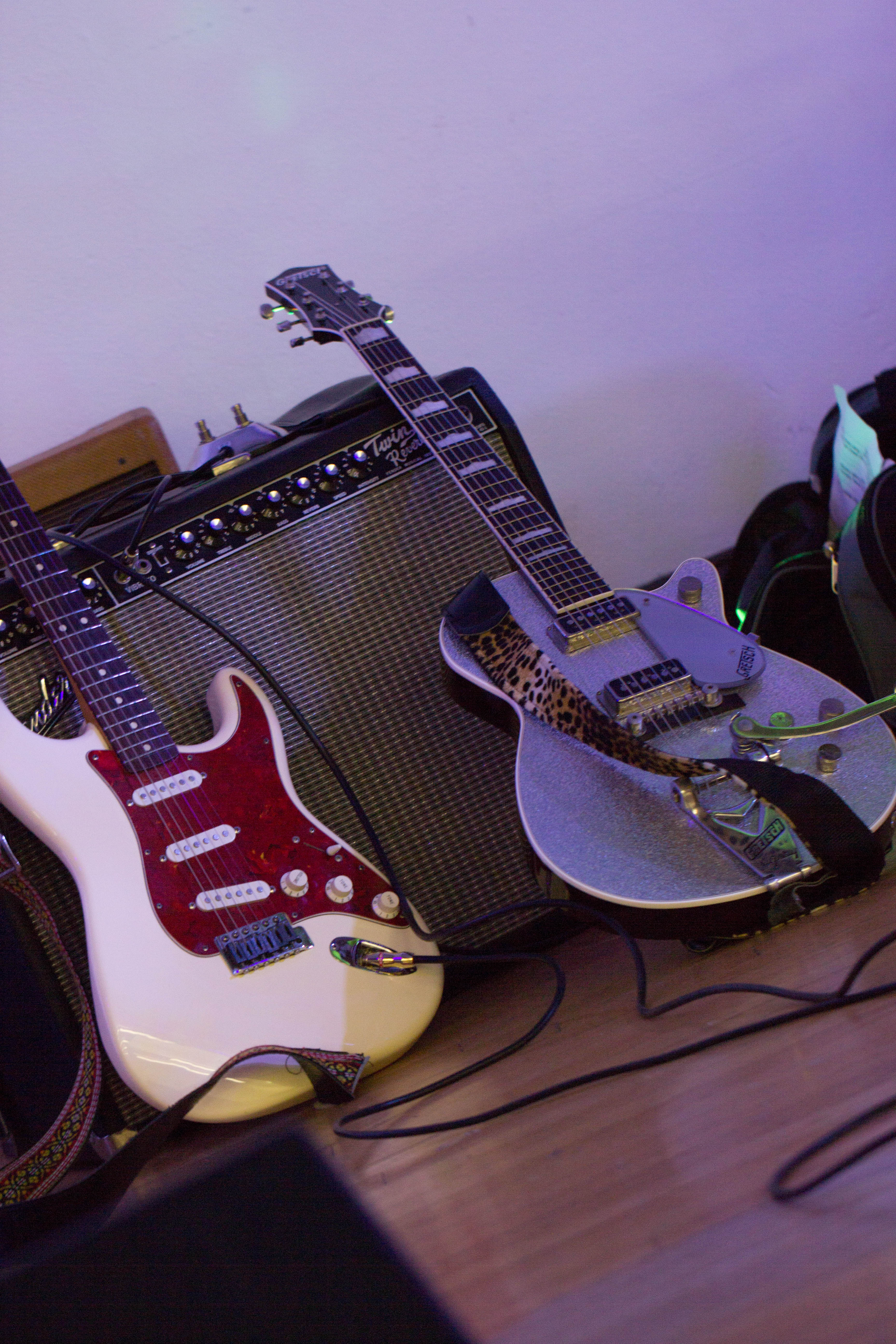
All station photos by Tom Gilliam Photography. Photos used with permission.
Normally, I am busy preparing for a radio show on Tuesday afternoons. Busy typing song titles into a computer that feels both like a friend and a reluctant companion. This Tuesday however, I am not doing any of that prep work because the radio station is preparing to move to its new home.
In the heart of the University of Dayton campus, nestled among the hustle and bustle, there exists a sanctuary that transcends the usual boundaries and divisions that we make for ourselves every day. For 22 years, a humble student-run radio station has occupied the same space, etching its mark on the airwaves and the souls of those who have tuned in whether they be students at the University of Dayton or community members looking for something captivating on the airwaves. In 2001, WUDR moved from cramped quarters in Kennedy Union to the then newly opened Artstreet complex creating a harmonious resonance that defies the transience of our ever-evolving world. The Artstreet experiment was untested on campus. It was a living, learning, creative space that playfully yet intentionally used architecture, design, and flexible classroom spaces to encourage applied creativity. WUDR Flyer Radio and Street Sounds Recording Studio shared the end of one of the buildings next to an open amphitheater for outdoor events. Before the radio station added online broadcasting, this came a few years later, the station provided a space for those with a passion for radio broadcasting, indie music enthusiasts, and students applying what they were learning in classes to come together toward a common goal of making radio shows.
While I was not a student for quite some time, I have long explored the role of a radio DJ. After receiving a positive tenure decision from the University of Dayton, I balanced my teaching, writing, and administrative obligations with a hunger to do radio again. For 19 years I tried to passionately advocate for local music balanced with an interest in new music and the development and evolution of indie and alternative music. For almost two decades that interest has animated Your Tuesday Afternoon Alternative. I wrote a personal essay about my sense of doing radio in September.
As I prepare to leave the studio that I have called my second office for 19 years, a wave of nostalgia washes over me. The worn-out carpet beneath my feet bears witness to the countless footsteps of other DJs — student and faculty — that have trodden this path before, each imprint telling a story of passion, dedication, and an unwavering commitment to the art of sound at WUDR. The walls, once adorned with posters of Dayton bands, amazing local shows, a few legendary musicians, and faded memories, seem to whisper tales of late-night broadcasts, whispered confessions, and the transformative power of music.
In an era where change is the only constant, the endurance of this student-run radio station becomes an anthem of constancy, a lighthouse guiding lost ships through the stormy seas of life. The comforting hum of the equipment, the familiar creaks in the chairs, the colors of the ENCO systems alongside the soft glow of the control panel all bear witness to the enduring spirit of a station that has weathered the storms of technological upheaval and the fickle tastes of an ever-evolving audience. The dim light and just barely audible hum of a computer to my right that sends the radio signal to the web is a constant companion.
It’s not just a radio station; it’s a time capsule, preserving the essence of an era long past while evolving with the pulse of the present. The student DJs who have graced this sacred space have become custodians of emotions, weaving the soundtrack of our lives through the carefully selected notes and melodies that have graced the airwaves for over two decades in this space (and over fifty years in total).
The connection between the station and its listeners is not merely a broadcast; it’s an intimate conversation that transcends the limits of physical space. You cannot see the people who are listening. The voices that have resonated through these speakers have been companions during late-night drives, all night cramming before a big test, solace during moments of solitude, and the soundtrack to celebrations and heartbreaks alike. The station has become a confidant, a friend, and a silent witness to the ebbs and flows of our collective experience on and off campus.
As the world around us races forward, this radio station through the various slogans and themes over the years — “rock in the gem city,” “music in all directions,” and “support your local music scene” — remains a constant, a testament to the enduring power of music to bind us across time and space. We come together even though we cannot see each other in that moment when a great song plays. It’s a reminder that, in the transient nature of life, some things are built to last. The 22 years encapsulated in these walls are not just a marker of time but a celebration of the resilience of the human spirit to create, connect, and find solace in the embrace of familiar melodies. Songs mean something beyond the notes, chords, voices… as they remind us what we feel.
In a society that often values the shiny and new, this radio station serves as a poignant reminder that there is beauty in the worn and weathered, in the stories etched into every scuff and scratch. It’s a living testament to the belief that, sometimes, the most profound expressions of art and emotion arise not from the pursuit of the novel but from the nurturing of what already exists.
Live, intimate performances in a radio station hold a profound significance in the realm of music and broadcasting. Unlike large concerts in arenas or stadiums, these intimate sessions offer a unique and up-close experience for both the artist, the DJ, and the audience. The confined space of a radio station creates an atmosphere that fosters a sense of connection, an all too quickly fleeting and personal bond allowing the artist’s emotions and musical nuances to be experienced with unparalleled intimacy. And I have been unbelievably fortunate to have so many guests in the studio.
From the audience’s perspective, the intimacy of a radio station performance offers a rare chance to witness their favorite musicians in an unfiltered setting. It forges a more profound bond between the listener and the artist, creating an environment where the nuances of the performance are not lost in the vastness of a large venue. Live, intimate performances on a radio station bring artists and audiences together in a way that transcends the traditional concert experience. They celebrate the essence of music, fostering a connection that resonates on a deeper level, making these performances invaluable in the rich tapestry of musical expression.
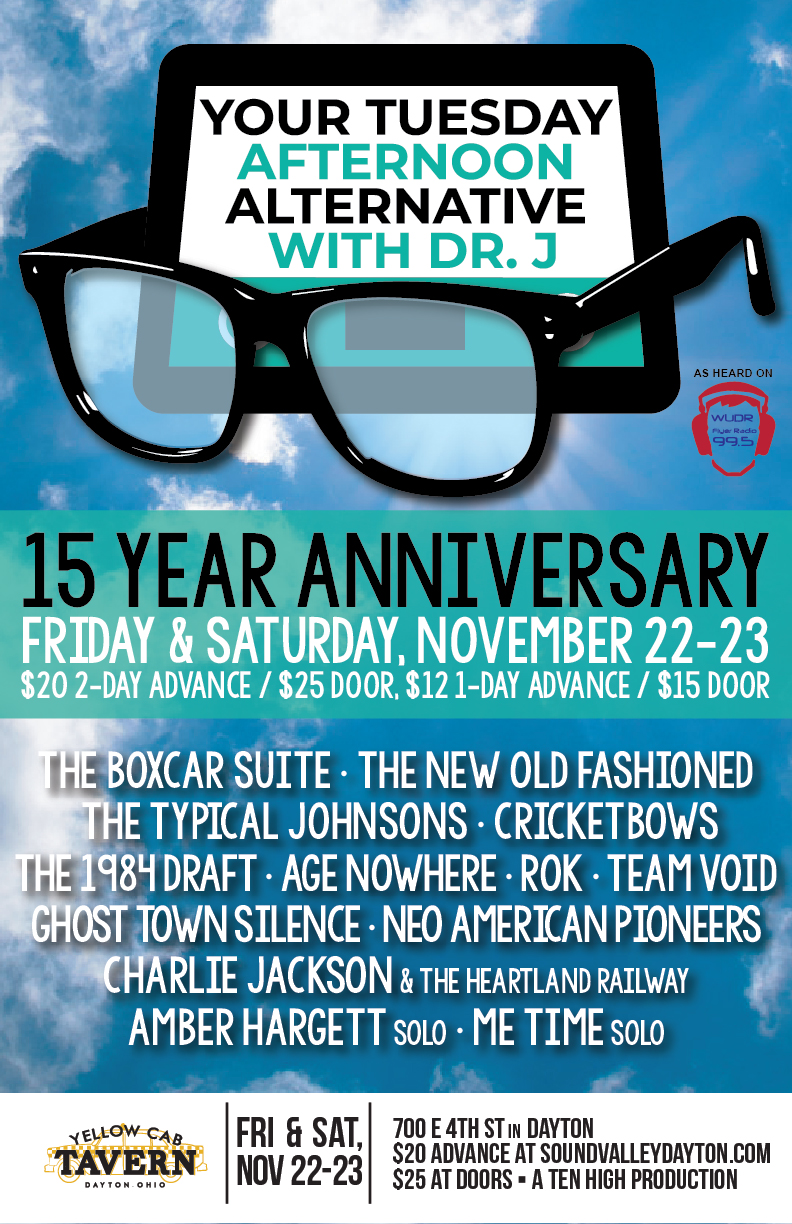
From Thrasher Cadillac to Ghost Town Silence’s Tom Gilliam, who joined me for our annual YTAA Indie Holiday program, several artists in Dayton, the region, and national touring acts have shared their music with our listeners. Incredible songwriter and musician Charlie Jackson made his very first radio interview and performance in the WUDR studio space at Artstreet. Remember his name, a songwriter with that much talent and lyrical richness is perfectly made for a large, national audience. There is not enough patience to list all of the musical acts who have shared their time and music with us but let’s try that perseverance just a touch: The New Old Fashioned, Amber Hargett, Oh Condor, Cricketbows, Brainiac, Age Nowhere, Smug Brothers, The 1984 Draft, K.Carter, Kris N., XL427, Team Void, Matt Moran, Librarians With Hickeys, Rossonian, Bottlecap Mountain, Renaissance, Serin Oh, Motel Faces, Avalon Park, Josh Thrasher, Nicholas Johnson, Nate Peters, Me & Mountains, David Payne, Mike Bankhead, Harold Hensley, Neo American Pioneers, Zack Sliver, Nasty Bingo, Khyrs Blank, The Boxcar Suite, Brian Wells, Trees and Wells, Jennifer Taylor, Sharon A. Lane, Scary Hotel, Jetty Bones, Heather Redman, Sadbox, The Nautical Theme, Tod Weidner, Ike B., Max B. Greene, Tim Gebard, Manray, Mandy Jewel, The Typical Johnsons, Ricky Terrell, Kevin Serey, Windsor Knotts, Kyle Byrum, Dave Zup, Bill Wendell, Paul Monin, Seth Canan and The Carriers, Don Thrasher, Dead Licks, Sam King, Far From Eden, Andrew Hunt, The Paint Splats, Emory Road, Achilles Tenderloin, Curse of Cassandra, Rich Reuter, Nick Kizirnis, Kyleen Downes, Goodnight Goodnight, Charles Hartman, Kurt Lee Wheeler (who traveled from Georgia to be on our show that day), Lisa Gain & The Rusty Silos, Mack McKenzie, Steve Shockley of the Original Lakeside, and so many more. Still here? That is far from a complete list because those are just some of the artists who were in the studio. The magic of the phone call-in provided for so many more artists to share their gifts with all of us.
For the artist, performing live on a radio station provides an opportunity to showcase raw talent and authenticity. Stripped of elaborate productions, the focus shifts to the purity of the music and the artist’s ability to connect with the audience on a personal level. It becomes a platform for artists to experiment, improvise, and unveil new dimensions of their creativity.
As I exit the studio, the faint strains of a timeless song linger in the air, I play The New Old Fashioned – Radio Waves. It is fitting. As David Payne sings, I carry with me the echoes of my 19 years in my second office, resonating not only in the frequencies of the music but in the very fabric of my being. This radio station is more than a collection of songs; it’s a living, breathing entity, a guardian of memories, and a symbol of the enduring power of music to transcend the limitations of time and space. It was home.
WUDR will move to its new space in the Roger Glass Center for the Arts over the next several weeks. We will set up shop in an exciting new space that was specifically designed with the station and student media in mind, but we carry with us the incredible music experiences, history, and warm embrace of a building that was the radio station’s home for 22 years. Here’s to many more.
Nineteen years feels like a long time to do anything. Why do a radio show when no one may be listening?
Let me tell you, being a radio DJ isn’t just a gig; it’s a cosmic voyage into the heart of musical expression and requires more endurance than you think. Just the other day, someone came up to me with ‘Hey, you’re that weird DJ guy!’ To which I answered, ‘Yup.’ And then they said, “Why do a show when you know no one is listening!” And, I stopped short, wondered about whether they were right, and then came to the conclusion that as long as one person finds comfort, as long as one person finds a song that speaks to them – then it matters. We are a community. We stand strong in the face of a destructive tide of avoidance and ignorance of new music. And that’s why I am who I am, standing behind the microphone every Tuesday afternoon, steering the ship that is ‘Your Tuesday Afternoon Alternative.’
If I were to condense 19 years of my life into a single, rhythmic heartbeat, it would be the pulsating cadence of a radio wave, broadcasting stories, music, and dreams to an invisible audience. My journey through college radio has been a dance with the ether, a passionate affair with sound, and a canvas for my creative expression. I invite you to join me on a nostalgic journey through the tapestry of my radio experience.
The Birth of an Odyssey
As the crackling needle touched vinyl for the first time in 1983, I found myself immersed in a world that was both electrifying and liberating. I began doing radio to work on improving my stutter but I also wanted to know more about music. I wanted to comb through the vinyl collection and find records that I had read about but never had the chance to hear. I was hungry for music old and new. College radio at the University of Minnesota was not just a hobby; it was a calling. Like music journalist David Marsh dissecting the nuances of rock lyrics, I dissected the frequencies and wavelengths that carried the voices of generations before me while anxiously awaiting the new music that was to come.
My first show, Radio Artifacts, was from 1983 to 1984 where I truly learned about indie music, Minnesota-based bands, and in so many ways the future of music through bands like R.E.M., Hüsker Dü, The Smiths, U2, The Replacements, The Cure, The Connells, and The Clash. From 1984 to 1988, a new show focused on alternative and college music and the art of music making, the poorly named ‘Art for Artsake’ that was both a play on my first name and — at least to me — a reflection of the mission of the show. During graduate school from 1988 to 1993, I was involved with Bowling Green State Universities’ WBGU where I had a succession of shows whose names were lost to reflections and glimpses of memory. After grad school, I dabbled in radio at WMUB in Oxford, Ohio from 1995 to 2000. For four years I had an itch I could not scratch.
The love of indie and alternative music was something that stayed with me even without a show. But eventually, that itch became unbearable and I started a show “The School of Rock with Dr. J” in 2004 at The University of Dayton’s WUDR. Modeled in some ways on the Jack Black movie — yeah I know: Cue the eye roll. TSOR was an almost didactic approach, I played music that mattered to me and explored current indie, local, and Dayton music. I explored how current unknown and undiscovered music was connected to the music of the past. Several shows explored how The Byrds – The Flying Burrito Brothers – The Eagles – Jason and the Scorchers – Cowpunk – Uncle Tupelo – Son Volt and Wilco were all connected. The airwaves were my playground from which I discovered the richness of independent, alternative, and college music.
During these various shows, I interviewed indie artists and underground bands. College radio was not just about the music; it was about the stories behind the notes. The vibrant community of DJs, producers, and listeners was a testament to the power of shared passion. Just like Dave Marsh in his work united rock aficionados, we united lovers of alternative sounds, forging connections beyond the frequencies.
Nineteen years is a long time to do anything, and within the span of my radio experiences, I have witnessed the tectonic shifts in the audio and radio landscape. College radio stations evolved from humble FM stations to digital juggernauts streaming across the globe. Writers and journalists have chronicled the evolution of rock music, and I chronicled the evolution of radio itself in the changes in my own practice. The use of digital tools has made so much of the “doing of radio” the clicks of buttons and the dragging of files. Many tasks that once involved carts and tape or vinyl were replaced with CDs which in turn were replaced themselves with digital files. The advent of the internet brought a new dawn, expanding our reach but also challenging our authenticity. Is radio still real in the digital age? In an era of Spotify, does radio still matter when you can listen to what you want, when you want, and do it all in the palm of your hand? Why do a radio show when no one might be listening?
The Sonic Shaman
You see, being a radio DJ is more than just “spinning tracks,” It’s more than just “playing music.” It is far more than just clicking a button and dragging a cursor across the soft glow of a computer screen. It’s about conjuring emotions and weaving stories through sound. When I join with the airwaves and internet signals, I am driven by faith in the power of new music. The beauty and the lifeblood of local music call to me. Maybe all of this is some strange and unchangeable part of being a “music evangelist.” Perhaps one becomes a sonic shaman of sorts, guiding listeners through the labyrinthine tapestry of music. Every tune I play carries a piece of my soul, and when those frequencies hit your ears, they transcend mere notes and rhythms. It’s a trip through time and space seeking the person who feels alone with a simple message that they are not disconnected, they matter and the community is better for their contributions.
The Rebel Cry
Lester Bangs, one of the quintessential American rock critics, taught us that music is the language of rebellion. And that’s precisely what I aim to channel with ‘Your Tuesday Afternoon Alternative.’ It’s a rebellion against the mundane, against the homogenized playlists of corporate radio. in my vision of myself, I am like the underground guerrilla fighter, battling the forces of mediocrity with a vinyl arsenal of sonic revolutionaries. Each song I play is a battle cry, a defiant scream against the mainstream. Or at least, that is probably what I really want to believe because, you know, 19 years is a long time.
The Community Connection
Radio is a lifeline to the community, a bridge between disparate souls. ‘Your Tuesday Afternoon Alternative’ is not just a show; it’s a lifeline for misfits, dreamers, and music lovers who still hang tight to the idea that music matters. I’m not just playing records; I’m forging connections. I’m the curator of a sonic underground, bringing people together through the magic of music. When that listener calls in to request a song, it’s more than a request; it’s a statement that says, “I’m part of this, too.” Those moments of connection are more important now than ever before. We need that musical validation: “Look, we are here and the music that speaks to us matters.”
The Quest for Obscurity
Lester Bangs was all about the obscure, the unknown, the raw. I share that passion. My show isn’t about chart-toppers or Billboard hits; it’s about the hidden gems, the indie bands struggling for recognition, the perfect voice that chills us while holding us close and telling us that everything is going to be alright. YTAA is about the beautiful unknowns, the forgotten tracks that deserve a second chance, and the great new songs that need to be heard. I think of myself as a musical archaeologist, digging through archives, near and far, and unearthing sonic treasures. It’s about unearthing the lost voices and forgotten riffs that deserve a place in the sun.
The Journey Continues
So why am I a radio DJ with ‘Your Tuesday Afternoon Alternative’? Why continue to be a DJ even if no one is listening? Because it’s not just a job; it’s a calling, a mission, a cosmic journey through the soundscape of the human experience. It’s a rebellion, a lifeline, and a quest for the obscure. It’s about community, connection, and the never-ending search for that perfect riff, that perfect groove, that unbelievable hit of the drum, that chilling voice that makes you catch your breath. It’s about the song that you cannot forget, no matter how hard you may try. It’s about the perfect lyric that shows you that you are not alone in feeling the way that you do.
Today, as I look back on 19 years of college/indie/alternative radio with YTAA, I see the echoes of countless voices, the resonance of music that touched souls, and the indelible mark it left on my life. David Marsh once wrote, “Rock and roll is an attitude, it’s not a musical form of a strict sort. It’s a way of doing things, of approaching things.” College radio, in my world, was — and is — that attitude – a way of doing things that transcended the mere act of broadcasting. So, yeah, it’s more than pushing a button and just playing a song. I would like to believe that it matters, and if it has meant something to just one person somewhere, anywhere then it was absolutely worth it for me.
Hopefully, this essay has helped chronicle my lifelong journey with college/indie radio – a journey that echoed the rhythms of my heart, shaped my identity, and allowed me to be a storyteller in a world of sound. Just as the radio DJs, Music writers, and journalists of the past contributed words that continue to resonate with music enthusiasts, the memories and experiences of 19 years on the airwaves/internet will forever resonate within me, a testament to the enduring power of radio and the magic of its transmission through time and space.
In the spirit of Lester Bangs, I’ll keep cranking up the volume, diving deep into the musical abyss, and taking you along for the ride. Because ‘Your Tuesday Afternoon Alternative’ is not just a show; it’s an alternative reality, a refuge for the sonic explorers, and a testament to the power of music to change our lives. So, tune in, turn it up, and let’s keep this cosmic journey rolling for as long as we are able to do so.
This week we joined in the studio with some incredibly authentic Americana musicians, The Touchy Feelys! Their latest record Breakup Songs about Staying Together is available now! Andrea Dawn Courts and Jason Trout — collectively known as The Touchy Feelys — are incredible songwriters and vocalists. The ability to create meaningful songs about the pressures, pushes and pulls of relationships and make those feelings understood within a prism of release for each listener is a rare talent. To call these songs evocative is to give a slender acknowledgement to the portent captured in this record. Produced, engineered and mixed by The Wizard Patrick Himes at Reel Love Studios in Dayton, Ohio, this record captures a raw authentic feel when two voices collide together around a swirl of guitars, drums, upright bass, piano and more. Our good friend Mr. Himes did incredible duty on this record! Patrick contributed drums, guitar, piano, organ, banjo, mandolin, omnichord, xylophone, vibraphone and pedal steel. Yeah, he helped out a little. But no matter the brilliant cacophony, without excellent songwriting and emotional singing, even the best of intentions would fall flat. We are happy to say that is not the situation here. These songs are the real deal.
Whether Andrea Dawn or Jason take the lead, there is an inescapable realization that these songs come from a genuine and authoritative vision. The best moments for me are when they sing together complimenting their individual strengths. Andrea Dawn has voice that draws from great roots voices of the past yet turns her phrasing around into something quite modern and relatable. Jason sings each song as if it is to be the last song he ever sings. These songs should be heard. Any fans of country, folk, Americana and roots music would be well served to give this album a passionate listen. Standouts on the record for us at YTAA include the driving ‘Hard Time,’ the rollicking “If You Weren’t My Lover,” the propulsive “Left Me Lonely” and the pensive “On High Lullaby.”
We are looking forward to speaking with them this week in the studio! Join us from 3-6pm on Your Tuesday Afternoon Alternative on WUDR Flyer Radio.
Today on Your Tuesday Afternoon Alternative with Dr. J we feature new music from The Darling Suns, Lavender Honey, Cricketbows, illuminati hotties, Pat Byrne, Izzy True (see our video of the day!), Oh Condor, The Revelries, Jayne Sachs, The Connells, Hiss Golden Messenger, Phil Yates & The Affiliates, Cold War Kids, Thrasher Cadillac, Paul Westerberg, True Lies, On The Runway and many more! And if that was not enough musical goodness, the show will kick off with new music from Dayton, Ohio’s own Neo American Pioneers. They have a new record ‘Into the Deep‘ coming out in July from the fine folks at Magnaphone Records!
Join Dr. J from 3-6pm on WUDR Flyer Radio! And if you cannot listen to the live show, check out our Mixcloud page! Remember that you can always reach out to us on twitter at drjytaa with your requests and suggestions!
The annual look back at the previous year in music is one of our favorite shows to do! This year Tom Gilliam joins Dr. J and Flower to play and discuss some of the best local, indie, alternative, folk, Americana, alt-country and more that came out in 2018!
We give thanks for great independent music by playing an assortment of local, Dayton, and indie songs! What songs have been so powerful on you that you cannot imagine your world without them?
During the show contribute to the discussion by giving us a call 937-229-2774 or a tweet for drjwudr with the songs that were released in 2018 that matter to you.
Join us online at wudr.udayton.edu or 99.5 & 98.1fm in Dayton, Ohio, USA!
The fine folks at Reveal Radio have created a Mixcloud that allows you to listen to past Your Tuesday Afternoon Alternative shows! New shows will be posted a few days after they air on Wednesdays from 2-5pm on RevealCentral.com. And don’t forget the old show time Tuesday 3-6pm on WUDR.
Dr. J is now part of the Reveal Radio family! Your Tuesday Afternoon Alternative will do an Internet radio program every Wednesday from 2-5pm Eastern Time zone followed by our good friend Gretchen Kelly’s ‘In The Rough’ radio show! What could be more punk than a Tuesday show on Wednesday? We could not be happier about collaborating with an effort focused on music in all genres, formats and approaches.
Reveal Radio began in 2012 as a radio show created by musician. Producer, Sound Technician Rob Puricelli. From Rob’s efforts to connect listeners to interesting, fun and new music, Radio Pure Gently was born. RPG’s mission was to embrace music in all of its forms. The approach was simple: recognize the influence of the classic performers in popular music while encouraging exploration of new music across genres.
From RPG, Reveal launched in 2017. The focus is on music. Period. Presenters create the playlists not any corporate behemoth as is all too common. The DJs play what interests and moves them. At Reveal, there are presenters and hosts with varied musical ideas from all around the world broadcasting 24/7 online because they are committed to exploring music. No agendas, which will be refreshing, right?
Reveal’s more well-known shows include Friday Night Live with Rob Puricelli, Synthetix Sundays with Marko Maric, Soiree 80s, The Diamond Field Radio Show with Andy Diamond, The Things That Dreams Are Made of with Daniel X. Belasco as well as the regular Thursday show.
You can now hear YTAA on Tuesdays at WUDR (online & 99.5/98.1fm) from 3-6pm Eastern and a freewheeling fun online version on Wednesdays from 2-5pm on Reveal. Join us for one show or heck, maybe both. See you on Tuesdays and Wednesdays!
This is it for this year. Yup. No more for this year at all! Its true! All done… no more Your Tuesday Afternoon Alternative‘s until next year. Uh huh!
Ok, ok we know it’s not funny… so our show this week is full of great releases from 2014, previews of new stuff from Grenades!? and The Tyler Cochran Trio! If you live in the Dayton area remember to head out on New Year’s Eve for Grenades!? Album Release & New Years Bash! And if you live elsewhere than the Gem City, go to a club, venue, music place that is having independent bands play! You already have your fill of corporate radio for the year! Always, always, always – Support Your Local Music Scene!
We are also exploring some new discoveries from Ipps and more on the show! We will have some previews of music from 2015 and some comments about musical stuff and things. So, you know the drill – 3-6pm on wudr.udayton.edu or 99.5 and 98.1fm in Dayton. It will be fun.
Expect quite a bit of music from 2014, discussions of great shows both local and farther flung!
Expect music from each decade and… well much more than three songs from The Connells during the show tomorrow! Trivia will be discussed, show plans will be made – it will be more than worth your time! We promise. Also expect discussion of The Motel Beds who are playing MPMF this weekend. Plus you can expect much music love for MPMF 2014! They have an amazing list of artists for the festival this year. It promises to be a great weekend of music in Cincinnati, Raleigh, NC, and in our hometown of Dayton, Ohio!
Streaming Forward, Powered By The Past - if you love the 80s music, new music, Eurovision, cheesy pop and awesome playlists then let's get this pop party started!



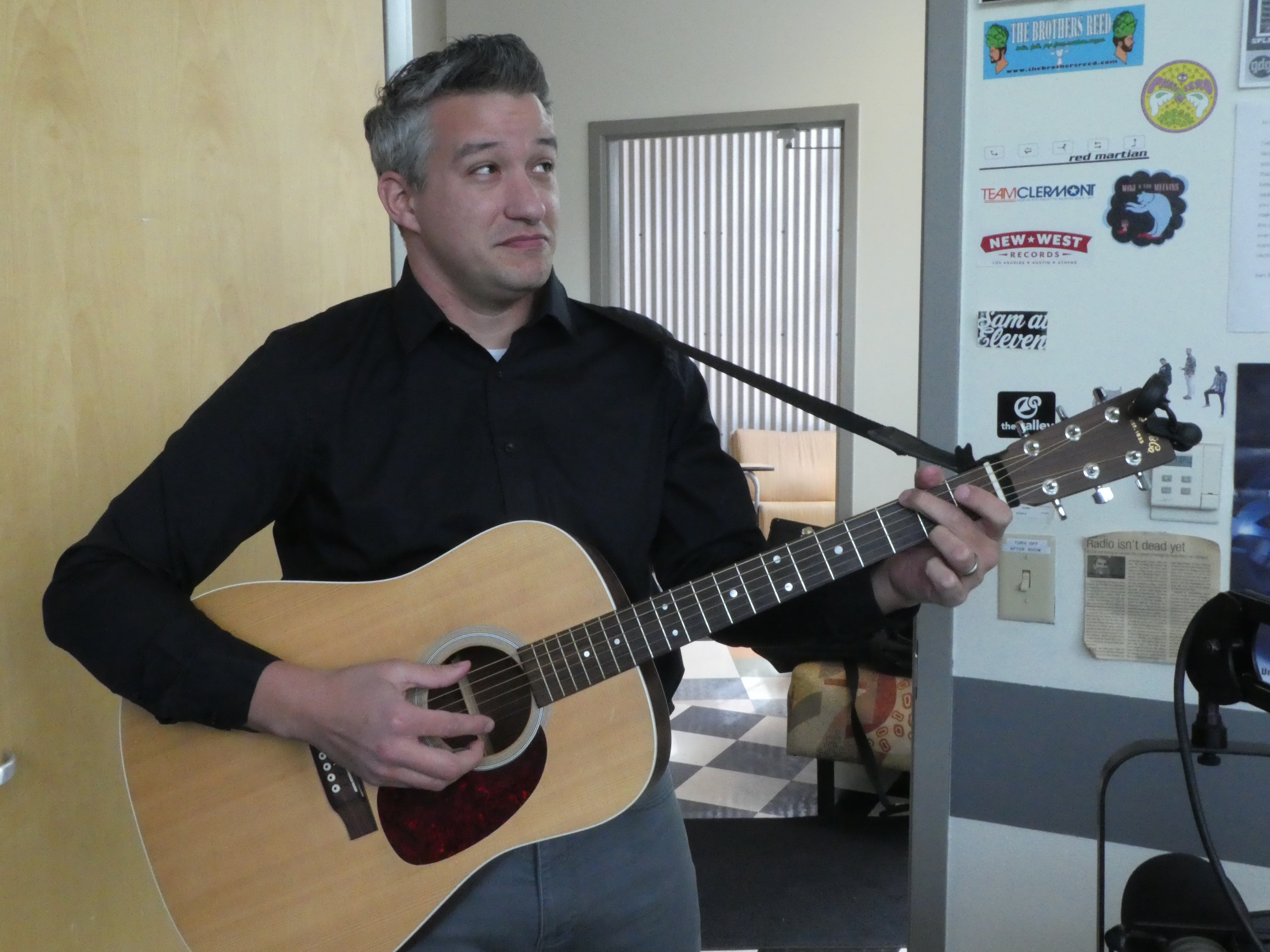

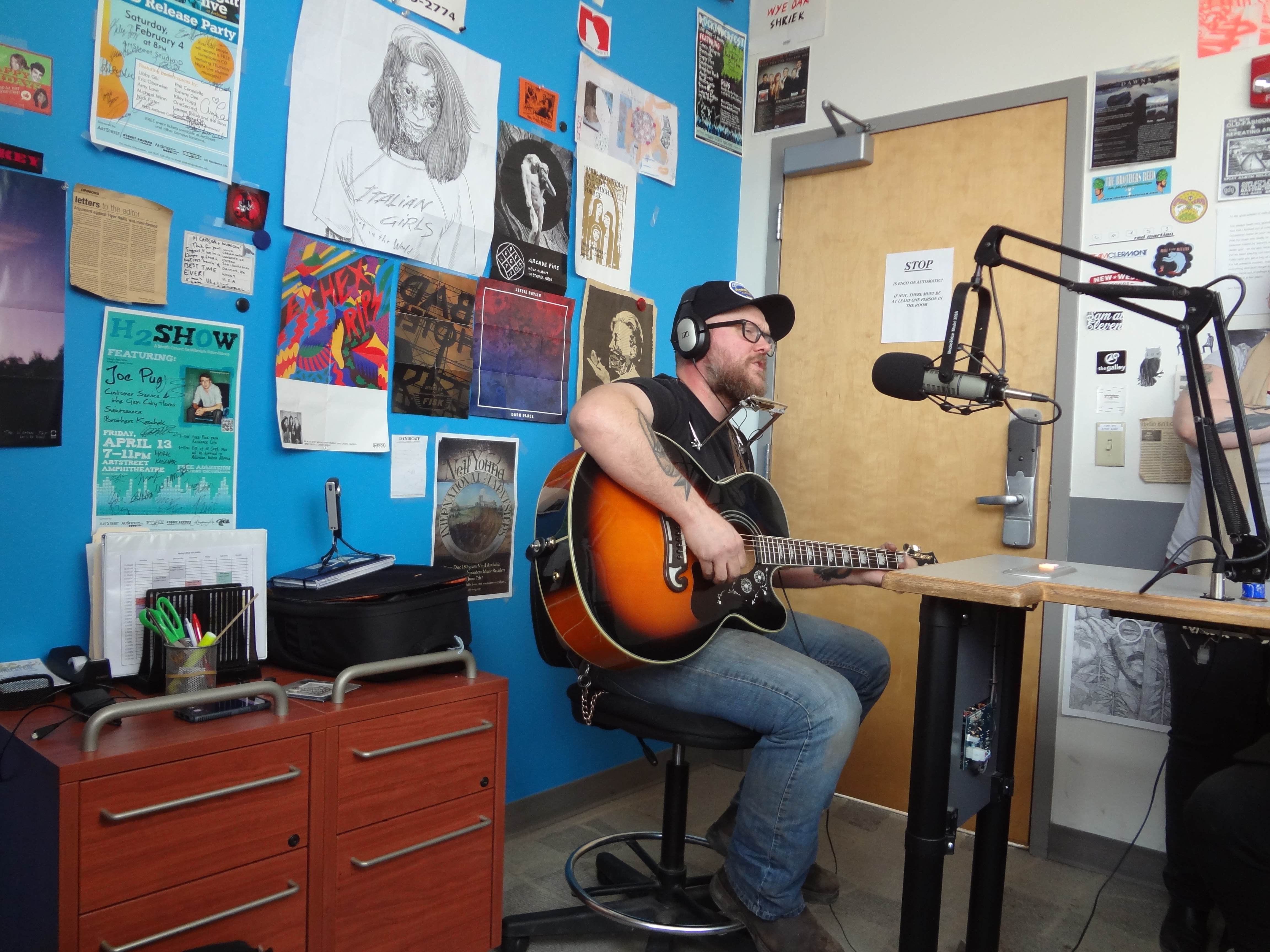


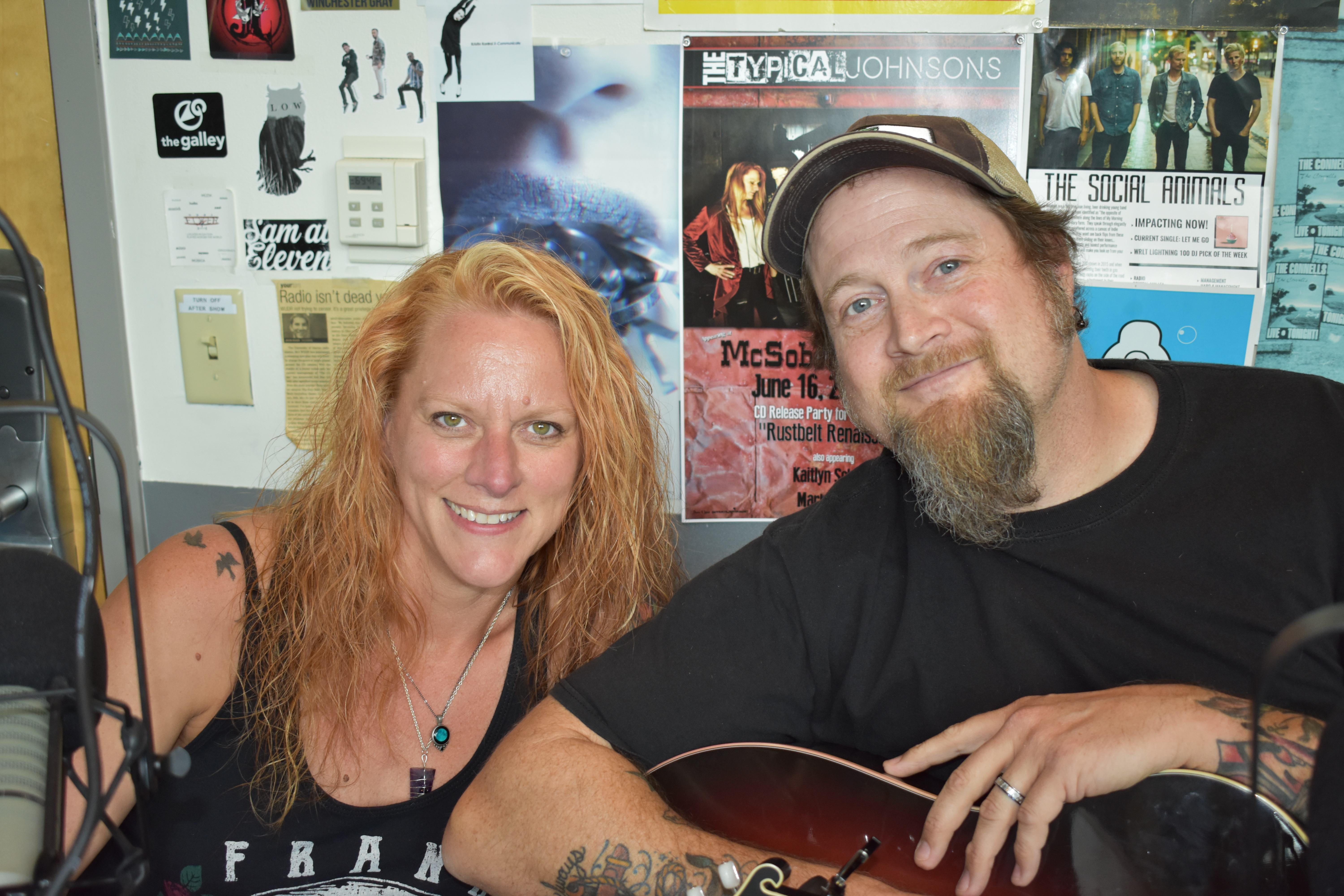
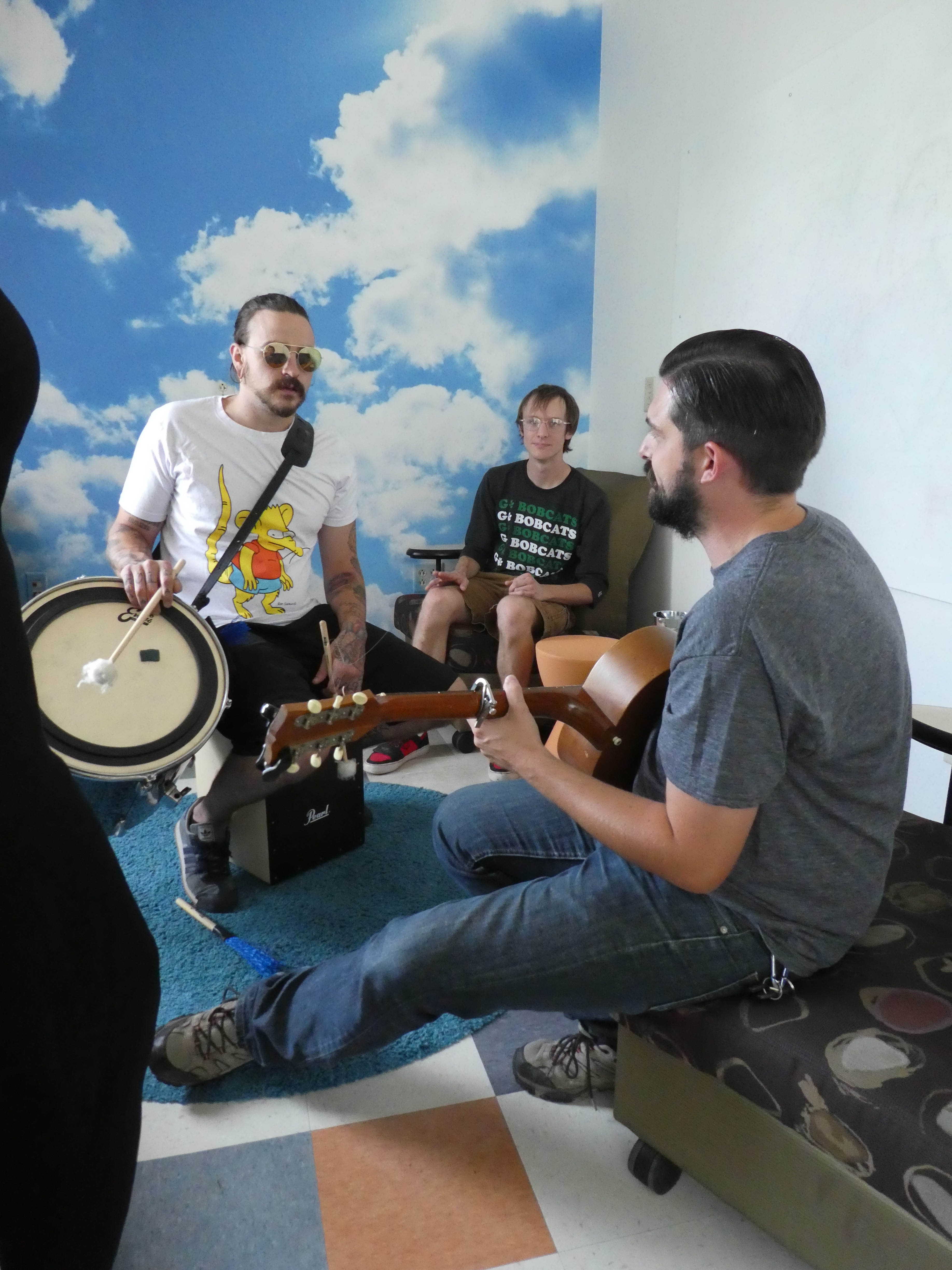

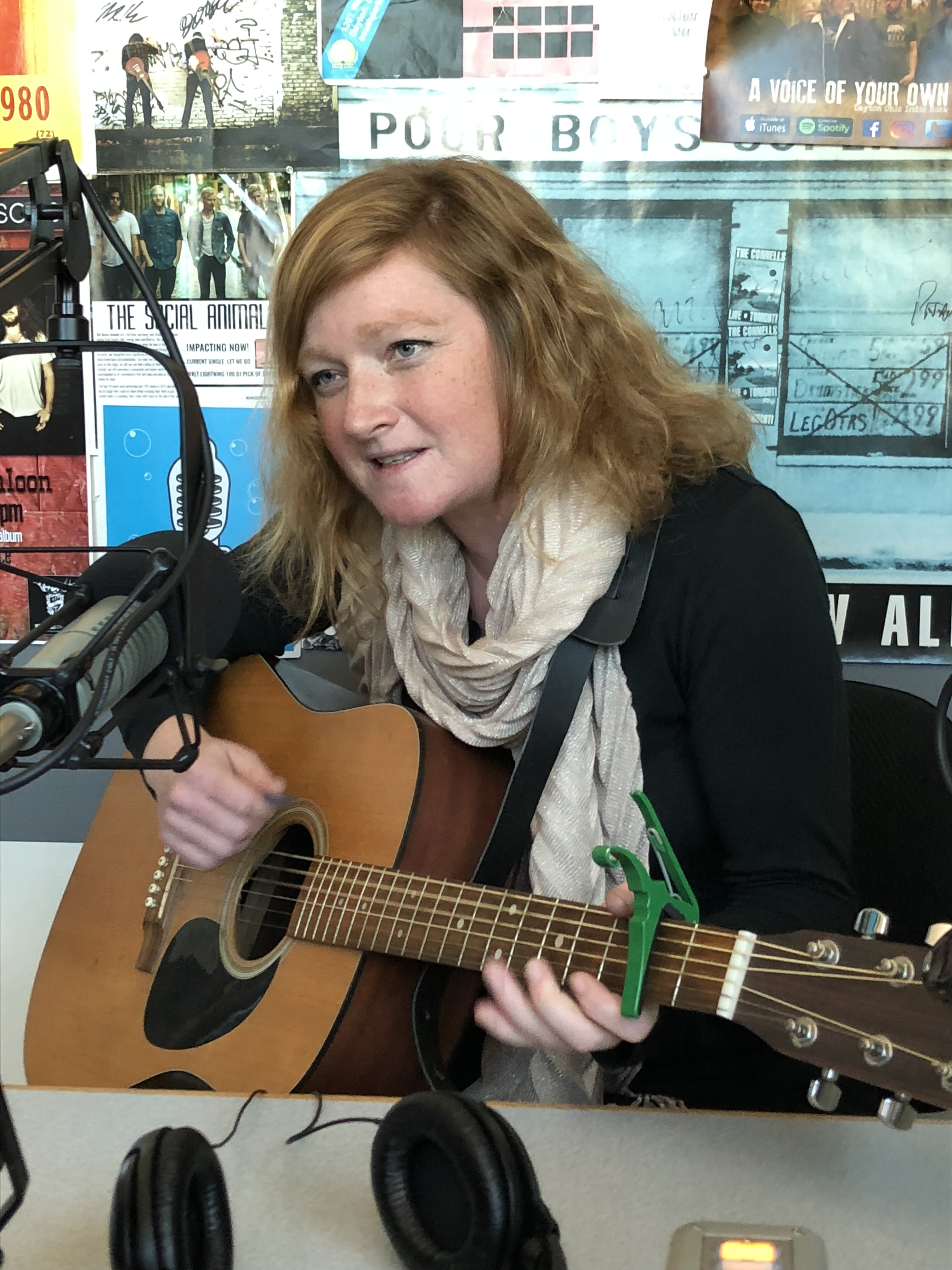


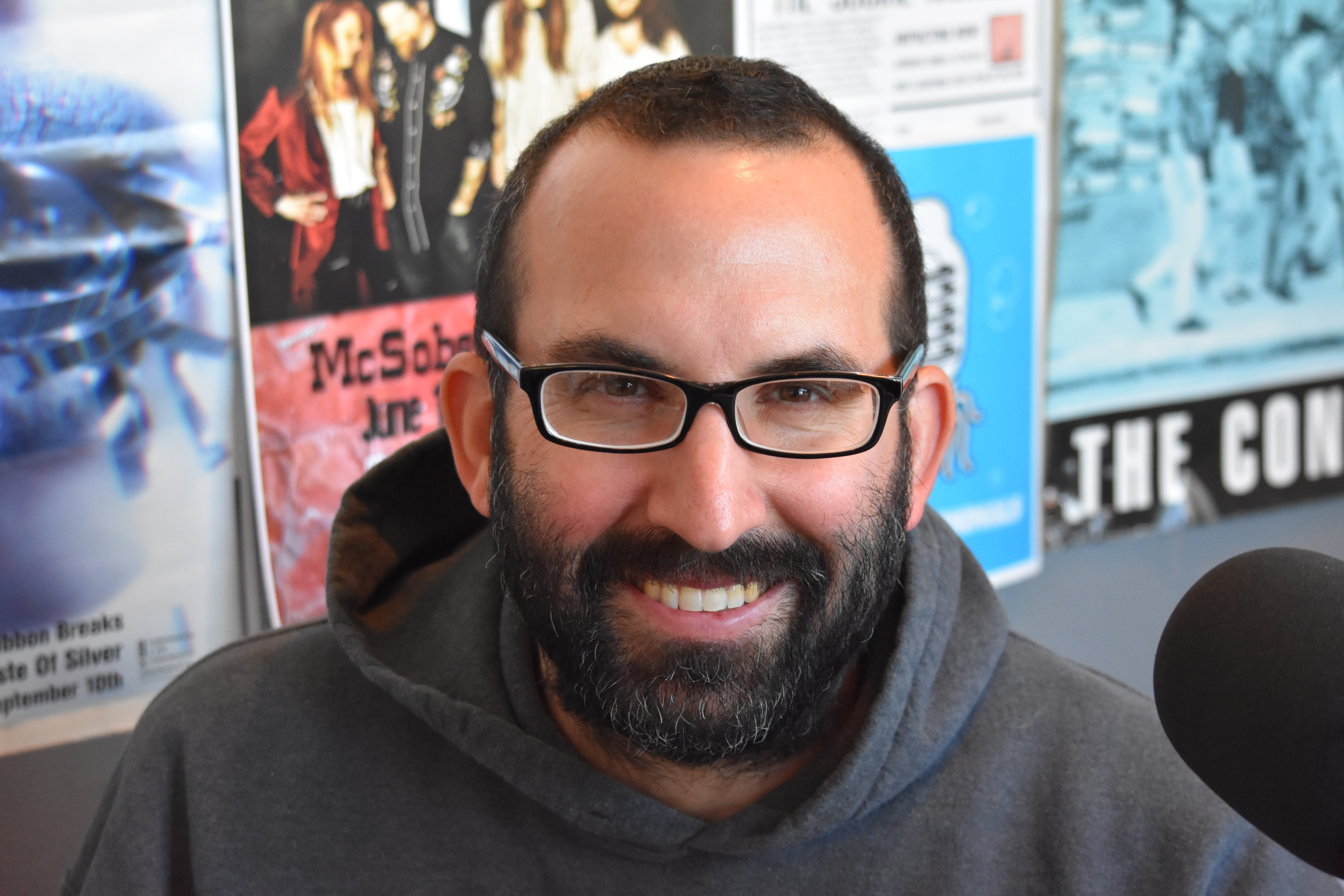


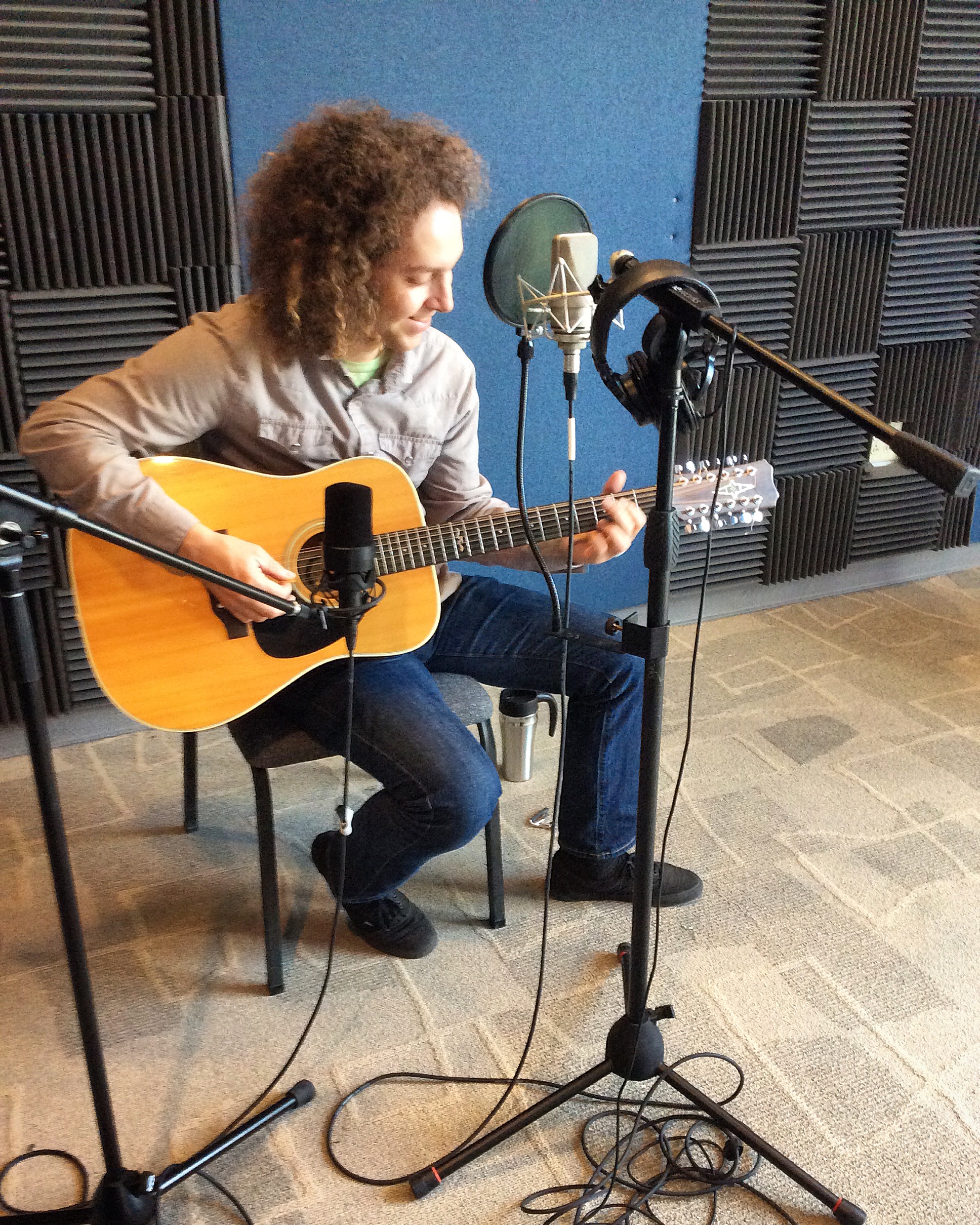


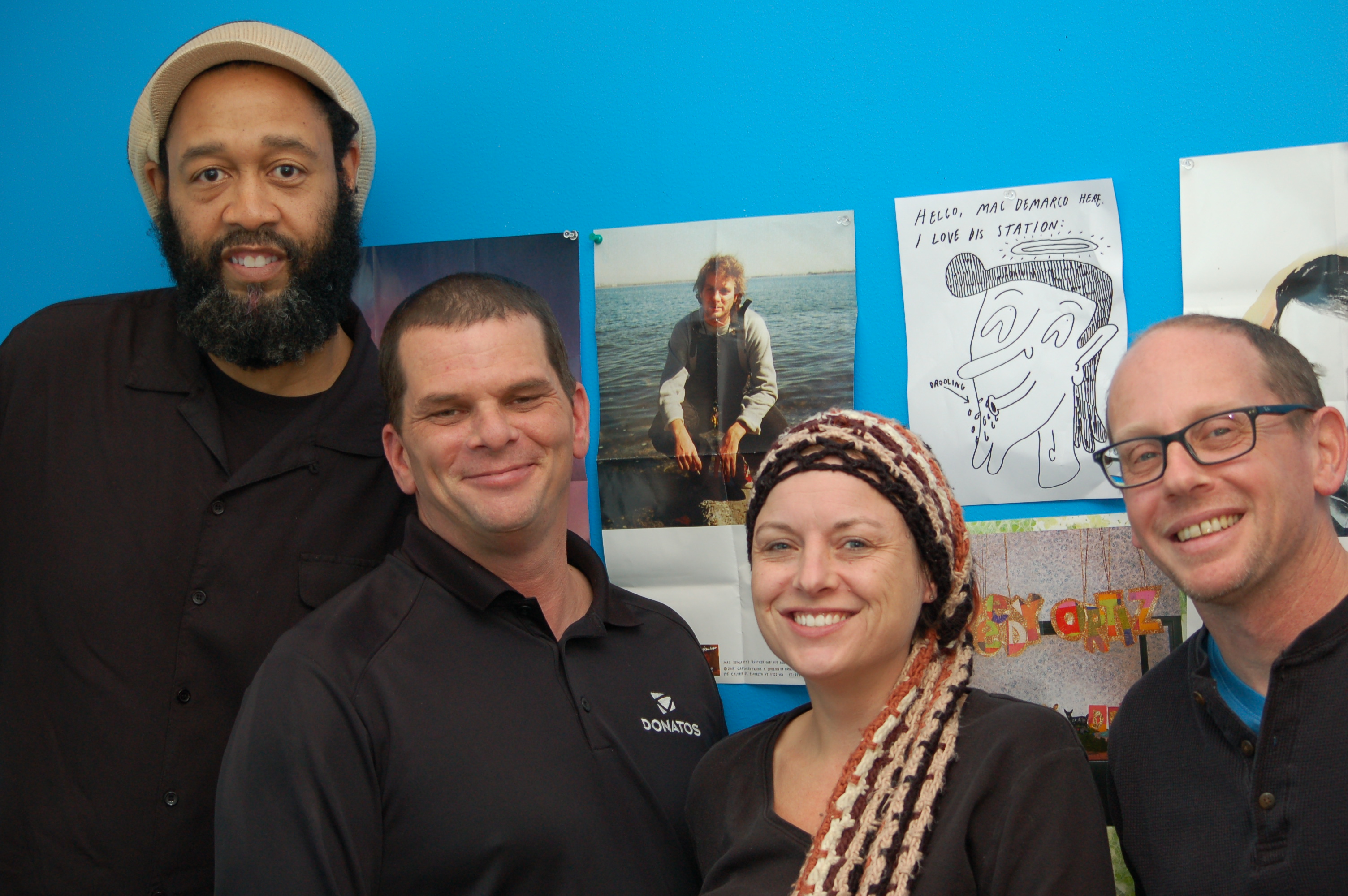



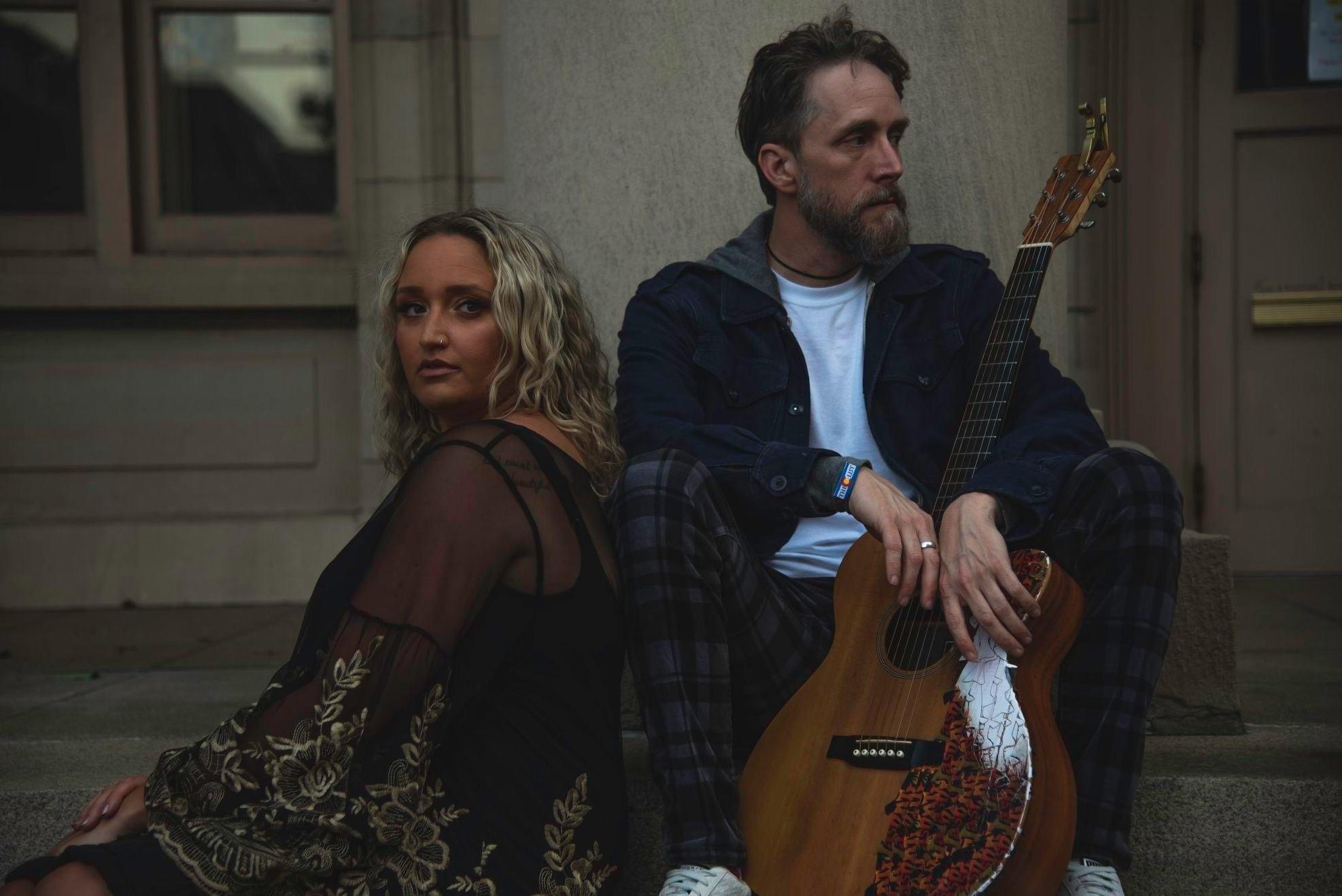


 The annual look back at the previous year in music is one of our favorite shows to do! This year Tom Gilliam joins Dr. J and Flower to play and discuss some of the best local, indie, alternative, folk, Americana, alt-country and more that came out in 2018!




 your tuesday afternoon alternative