Static Dreams: Why College and Community Independent Radio Still Matters

Let’s get something straight from the jump: independent radio—college stations, community stations, those hissing, crackling signals of barely legal wattage—are more than relics. They’re lifelines, and in a world drowning in curated blandness, they’re salvation that is desperately needed. Sure, you’ve got your algorithmic playlists and big-budget streaming platforms that can spit out the sonic equivalent of a hamburger combo meal, but let me ask you this: when’s the last time one of those songs on the apps and services truly blew your mind? When’s the last time a Spotify playlist made you feel something raw, something real, something alive?

Enter the humble, often-overlooked world of independent radio. These stations don’t play by the rules and thank God for that. College and community DJs who aren’t bound by focus groups or corporate overlords telling them which ten songs to cycle endlessly. They’re the anarchists of the airwaves, throwing down pop punk at 3 a.m., jazz fusion at noon, and some spoken-word poetry over ambient noise just because they can. They’re the kid in the back of the record store who’ll tell you that the B-side of a 7” pressed in someone’s basement in 1984 will change your life—and they’re right. Forgive me if this sounds trite or self-serving, but we believe in the power of music to change your life.

This is radio as it was meant to be: unpolished, unpredictable, and unafraid to go weird. College radio, especially, is often powered by the most crucial demographic for musical discovery—students who don’t yet know the rules they’re breaking. These DJs are sometimes just learning what it means to piece together a playlist, to tell a story in 20-minute sets, to unearth that obscure track nobody else has heard of. It’s raw, and it’s beautiful because it’s real.

And let’s not forget the community stations—the hyper-local powerhouses keeping neighborhoods and subcultures alive. These aren’t just radio shows; they’re conversations. They’re where you tune in to hear the pulse of your city, the heartbeat of your neighbors. It’s where activists and artists collide, where voices ignored by the mainstream get a microphone. It’s radio as rebellion, as resistance, as a refuge from the overpowering heavy challenges we all face.

Here’s the thing the big media conglomerates and tech giants don’t want you to realize: not everything should be convenient. Finding great music—or a great anything—takes work. It takes passion. That’s what makes it matter. Independent radio doesn’t spoon-feed you the hits; it hands you a map, points vaguely in a direction, and says, “Go get lost.” And in that wandering, you discover magic. You stumble across a DJ spinning a 10-minute opus made by an area band or a live set from some local group that sounds like they’re playing from the edge of the world. And you want to go there so you can be part of it.

In an era where everything feels like it’s been prepackaged, sanitized, and optimized for maximum engagement, independent radio stands as a glorious middle finger to the machine. It’s messy, it’s chaotic, and it’s alive in ways that nothing else in the modern media landscape can touch even thought they try to say that experimentation came from them.

What’s more, independent radio matters because it’s often the training ground for the voices we’ll be listening to in 10, 20, or 30 years. Think about all the media icons who got their start in college radio. Two words: Howard Stern. Ever heard of Rick Rubin? He was just some punk kid spinning records at NYU before founding Def Jam. Or Ira Glass, who honed his storytelling chops on the airwaves before becoming public radio’s golden boy. The indie stations are incubators for talent because they’re places where experimentation isn’t just allowed—it’s expected.

And don’t let anyone tell you radio is dead. Sure, the format’s shifted, and the big commercial stations are shells of their former selves, but indie radio persists because it’s adaptable. College stations now stream online, bringing their wild, untamed ethos to a global audience. Community stations podcast their shows, extending their reach far beyond the low-powered transmitter on the roof.

But more than that, indie radio matters because it’s personal. It’s not just about the music—it’s about the human connection. There’s something deeply comforting about hearing another person on the other end of the signal, someone who isn’t trying to sell you something, someone who’s just as excited about this obscure Brazilian psych-rock track as you are now that you’ve heard it. It’s a reminder that music isn’t just content—it’s communion.

And yeah, maybe it’s a little romantic to wax poetic about this scrappy corner of the media world. Maybe it’s easier to dismiss it as nostalgia for a pre-streaming era. But dismissing indie radio is to dismiss the very soul of music, the thing that makes it matter in the first place. It’s the idea that art doesn’t have to be perfect, that it doesn’t have to be profitable, that it can just be.

So the next time you’re scrolling through an endless stream of playlists that all sound the same, do yourself a favor: tune in to the static. Find the frequency where some over-caffeinated college kid is ranting about a new band you’ve never heard of, or where a local DJ is spinning records in a tiny room plastered with band posters and graffiti. Listen with your whole heart, and remember what it feels like to discover.

Because independent radio isn’t just a medium—it’s a movement. And in a world that desperately wants you to settle for the lowest common denominator, it’s the one place still daring to reach higher.

Wussy: The Best Rock Band in America

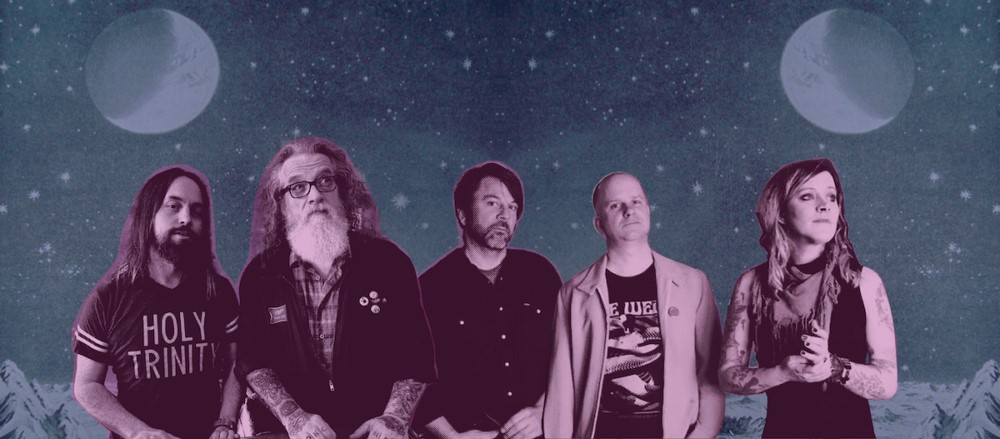
Wussy is one of those bands that everyone should know. They are an ongoing musical effort for over two decades with a deep catalog. The band’s lyrics — courtesy of Chuck Cleaver and Lisa Walker — are inescapable without being cloying or false, and the band’s observations are relatable, accurate, frighteningly honest, and perhaps more than a little sad. Yet, the dark lyrics hold a unique power to connect deeply with listeners, offering catharsis and shared understanding. They articulate complex emotions like heartbreak, grief, failure no matter what we do, the creeping realization of loss, or loneliness in ways that often resonate universally. We all have felt this way. We have all had to pick ourselves up and pack it up and continue.

This band does not ‘talk down’ or excuse the all too often unbearable. This shared complexity alongside relatability can provide solace, reminding us that struggles and loss are part of a broader human experience. Artists like Leonard Cohen, Nick Drake, XTC, and Wussy use poignant imagery and evocative language to turn personal pain into something captivatingly beautiful and communal. Research in psychology suggests that sad music, especially lyrics, can paradoxically uplift by helping listeners process emotions, offering empathy and a sense of emotional release.

Wussy’s music thrives on atmosphere and contrasts: jangly, distorted guitars and bending pedal steel coexist with heartfelt melodies, while lyrical introspection is paired with propulsive energy. The driving drums and bass arrangements further cement the band’s gravitational pull. This mix defines their aesthetic, often drawing comparisons to The Pixies, Sonic Youth, and Yo La Tengo for their dynamic range.

The band’s dual-vocal approach, featuring Chuck Cleaver and Lisa Walker, adds an emotionally layered dimension to their sound. Their harmonies weave between tenderness and grit, reflecting the tension and warmth present in their lyrics. Themes of heartache, resilience, and the mundane beauty of everyday life emerge vividly, often set against rich, guitar-driven arrangements. Wussy’s sonic identity also incorporates regional pride, as clearly evident in their references to Cincinnati and the Midwest. Critics frequently praise their ability to turn intimate, local stories into universal experiences. Their use of reverb-heavy production and jangling guitar textures evoke both nostalgic warmth and emotional depth, earning them cult status among fans and critics alike. This unique fusion of raw emotion, lyrical storytelling, and sonic experimentation cements Wussy as one of the most compelling voices in contemporary music. Their music is deeply personal yet profoundly accessible, it reminds us that we are not alone.

I consider Wussy an iconic band. Not because of a pose or prophetic statements. Their swirl and sway of instruments and voices are completely unique. No one sounds like them. Wussy, may be labeled an indie rock band from Cincinnati, Ohio, but that does not fully capture what they do. The band has returned with a highly anticipated album titled Cincinnati, Ohio (released on Friday, November 15, 2024) and we are all better for it. This record marks their first full-length album in six years and their first since the passing of guitarist and co-founder John Erhardt (who had been in The Ass Ponys with Cleaver) in 2020. Known for blending honest heartfelt storytelling with robust, guitar-driven sounds, Wussy’s latest work reflects a nuanced exploration of loss, resilience, and their enduring love for their hometown.

The new record, released through hometown label and actual record store, Shake It Records, features ten tracks, including the singles “The Great Divide,” “Sure as The Sun,” and “Inhaler.” The band’s characteristic mix of Americana, Post-Punk, lo-fi noise pop, and introspective lyrics remains central to their sound. Tracks like “The Great Divide” showcase their ability to layer droning, propulsive rhythms with deeply evocative storytelling, capturing the emotional intensity fans have come to expect from Wussy’s catalog. These songs signify a period of renewal and creativity after a period of reflection during their hiatus. Many fans are excited about the release of these songs having heard acoustic versions of several of them during live streams during the lockdown of the Covid Pandemic.

The album draws from personal experiences and the band’s shared history in Cincinnati, a city they frequently reference in their music and where they live. Themes of identity, community, and memory are woven throughout the record, with a tone that both mourns and celebrates. This duality underscores the resilience of a band that has endured significant changes while staying true to its artistic roots. The band members do not pretend or play false flag arguments about their ties to their hometown. The ties that bind here are part of the band’s identity.

Wussy also released two accompanying EPs, The Great Divide and Cellar Door, further showcasing their ability to experiment with sound and storytelling. This multi-release strategy highlights their dedication to producing layered and diverse music for their audience. And Wussy fans are happy for these releases.

The band is known — and rightly celebrated — for its DIY ethos and deeply collaborative nature. Since their formation in 2001, Wussy has been widely praised for their raw authenticity and ability to merge genres seamlessly. Cincinnati, Ohio continues this tradition while evolving their sound to address both personal and universal themes, making it a compelling addition to the discography.

You can explore the album further, and I recommend that you do so! Or better yet purchase it through Shake It Records or Bandcamp. For more insights into the band and their new music, check out their official site or the well-deserved recent press coverage.

YTAA Full Show is up!

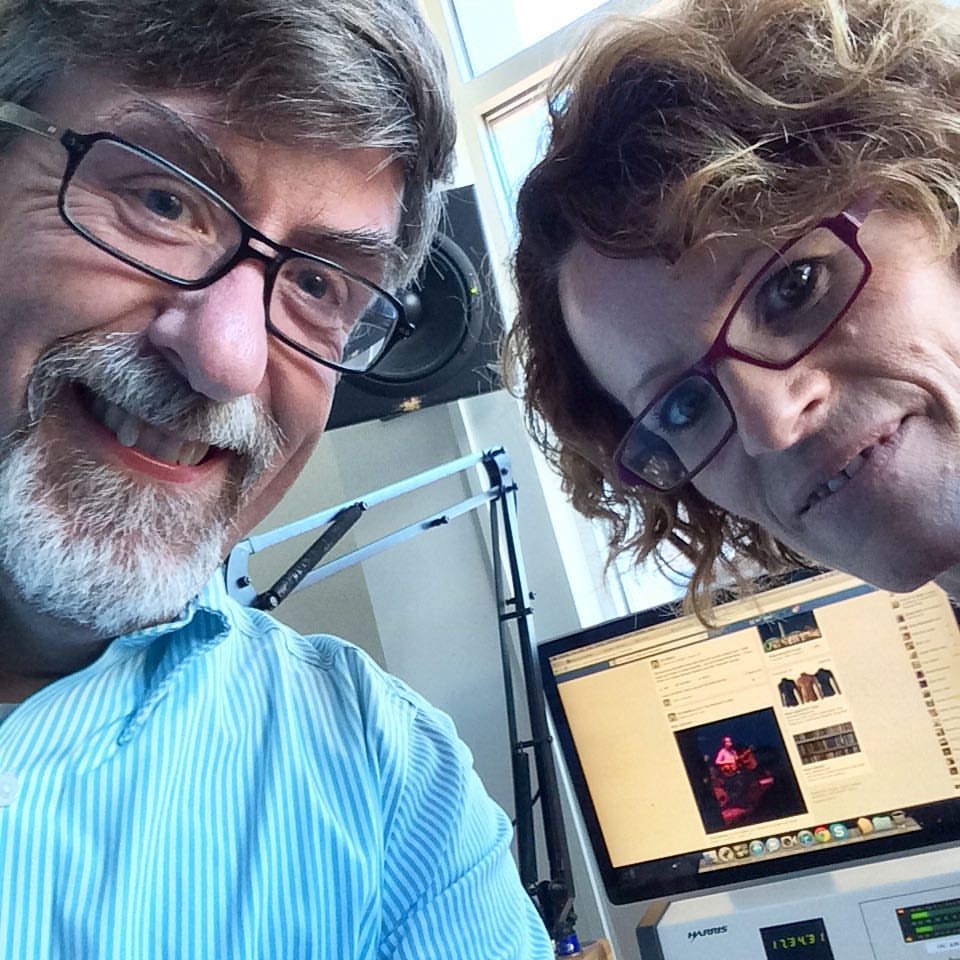
Doing local indie radio for 20 years is a labor of love, a commitment to the community, and a constant source of joy. At least, it sure has been for us at YTAA! Indie radio is a unique space where personality and passion shine through, where the constraints of commercial programming give way to creativity, spontaneity, and local voices. For two decades, the joy has been in connecting people through sound, amplifying voices that would otherwise go unheard, and showcasing music, stories, and topics that truly reflect the heart of music in times of darkness and light.

One of the most rewarding aspects of this journey has been building connections with listeners. Over the years, these listeners become more than just people tuning in—they become a family. Calls, emails, tweets, comments, posts, and even the occasional letter remind us that the work is meaningful and that there’s an audience who feels seen, heard, and represented by what’s being aired. In a world where media often feels homogenized and so darn artificial, we would like to believe that indie radio creates an unbreakable bond with its listeners by staying local, rooted, and real.

Another source of joy for us here at YTAA is discovering and promoting new, underrepresented music. The indie scene is full of gems that don’t always make it to mainstream playlists (for shame!), and introducing these sounds to an eager audience is incredibly fulfilling, heck – you might say it is the thing that keeps us coming back for more. The excitement of finding a new track or local artist and knowing that it will resonate with someone out there makes the work feel fresh, even after so many years.

The joy of indie radio also lies in the freedom to take risks, to be unconventional, and to experiment. Unlike larger stations tied to strict playlists or advertising pressures, an indie station, like WUDR, has the freedom to talk about niche issues, dive into deep conversations, and let shows develop organically. After 20 years, it’s clear that indie radio is more than just broadcasting; it’s about fostering a shared experience, celebrating local culture, and continuing a legacy of creativity and authenticity.

Video of The Day: Tamar Berk – That’s Not a Lie

Tamar Berk’s latest song, “That’s Not a Lie,” from her recent excellent album Good Times for a Change, dives deep and explores the critical themes of honesty and vulnerability within relationships (and in an expansive canvas not simply romantic connections) and addresses a central question about how ready are we for the vulnerability that all relationships require. Consider how much are we willing to risk? Are we prepared for rejection? For appearing to be the fool — or foolish — in the face of striving to say what we feel directly and honestly.

The song is front and center on the uncomfortable truths people often face, exploring the complexity of admitting past mistakes and accepting one’s limits and flaws. Because we all have flaws even when we do not want to accept them. They stay with us, with every breath, every moment. Set against a rock and roll dynamic soundscape of driving electric guitar and drums, Berk’s emotive vocals convey and evoke both rawness, presence, and nostalgia, adding to the song’s emotional depth from the first note that she sings. This track carries an introspective tone, as Berk reflects on personal accountability, the challenges of openness, and the power of self-acceptance within partnerships.

The music video complements these themes by adopting a playful retro, almost interrogative visual style that feels present around us. It’s as though Berk is confronting herself, embodying the intense self-reflection that characterizes the song — she is doing the work. In her lyrics, she addresses a tension between the desire for honesty and the fear of vulnerability, a feeling that resonates across the album. Vulnerability is a recurring theme in her work reaching back to Starball, tying into her broader artistic exploration of personal growth and relationships. Berk wants to make music that means something and while this is not an after-school special kind of false sentimentality but a real discussion on the heart and the challenge of being gentle and risky with one’s heart. Precarity is a necessary condition of any connection.

We are fans of Berk’s earlier music and notice her brilliant mix of introspection and compelling indie-rock, dare we say ‘wall of sound.’ The song’s production style easily draws comparisons to ’90s rock influences, with a pitch pure effective blend of rock authenticity and modern polish. Ultimately, “That’s Not a Lie” stands out as a powerful statement within Berk’s ever-expanding and captivating discography, capturing her unique ability to weave personal narratives into relatable and engaging music​ that matters.

Transmissions Never Stopped

In music certain bands emerge as pioneers, shapers of sound, catalyzing a moment in time that resonates beside them and long after. Influential bands become vanguards of a movement, keepers of a feeling that is always felt, something captivating and special. Brainiac, hailing from Dayton, Ohio, is one such band. Despite their brief existence in the 1990s, their sonic experimentation, genre-blurring compositions, and electrifying live performances continue to reverberate through the sweep of the music industry. Their music and their story equal parts exciting and tragic, leaving an indelible mark on subsequent generations of artists, fans, and music writers. In celebration of Justin Vellucci’s new book about the band and before posting a conversation we had about the book and the band, I wanted to take some time and consider the continuing relevance of Brainiac. It is worth exploring their innovative approach to music, their impact on subsequent genres, connection to the hometown that we share, and their enduring influence on contemporary music culture.

Brainiac’s journey began in the fertile underground music scene of Dayton, Ohio, in the late 1980s. Formed in 1992 by vocalist, guitarist, and keyboardist Tim Taylor, guitarist Michelle Bodine, bassist Juan Monasterio, and drummer Tyler Trent, Brainiac quickly gained attention for their unconventional blend of punk, new wave, rock, funk and electronic elements. Drawing inspiration from diverse influences such as Devo, Kraftwerk, Pere Ubu, The Breeders, Dayton’s Funk music legends, and Sonic Youth, Brainiac forged a distinctive sonic identity characterized by angular riffs, frenetic rhythms, and Taylor’s enigmatic vocals. Although Bodine left the band and was replaced by guitarist John Schmersal in 1993, her adventurous guitar style contributed significantly to the band’s early development.

Part of what makes Brainiac so unique is a fearless sonic deconstruction and reassembly. The courage to take songs apart and rebuild them in unexpected ways is a characteristic of everything the band ever created. At the heart of Brainiac’s music lies a spirit of willful experimentation and yearning for innovation. Their albums, including “Smack Bunny Baby” (1993), “Bonsai Superstar” (1994), “Hissing Prigs in Static Couture” (1996), showcase a complete and remarkable fearless willingness to push the boundaries of conventional rock music. Tracks like “Vincent Come On Down” and “Hot Seat Can’t Sit Down” bristle with manic energy, driven by Trent’s propulsive drumming and Monasterio’s solid bass, and across all of it is the sound of zigzagging jagged guitar lines. Keyboards and synth puncturing the rhythm taking the music in different directions. Meanwhile, Taylor’s lyrics, often oblique and surreal, add an additional layer of intrigue to Brainiac’s sonic tapestry. Sometimes bands write lyrics as if they are members of a secret club full of clues apropos of nothing and everything.

“Hissing Prigs in Static Couture,” the seminal album by Brainiac, stands as a testament to the band’s unparalleled creativity and sonic innovation. Released in 1996, it represents the apex of Brainiac’s artistic vision, encapsulating their unique blend of punk, new wave, and electronic influences. From the frenetic opener to the haunting closer “I am a Cracked Machine,” the album takes listeners on a wild, electrifying journey through a sonic landscape unlike any other.

At the heart of “Hissing Prigs in Static Couture” lies Brainiac’s fearless experimentation. Tracks like “Pussyfootin'” and “Strung” showcase the band’s ability to seamlessly meld abrasive guitars, pulsating synths, and infectious hooks, creating a sound that is simultaneously chaotic, melodic, and hypnotic. Meanwhile, Tim Taylor’s enigmatic vocals, veering from manic yelps to eerie whispers, add an extra layer of intrigue to the proceedings.

Decades after its release, “Hissing Prigs in Static Couture” remains a touchstone for fans of alternative and experimental music. Its influence can be heard in the work of countless artists, attesting to Brainiac’s enduring legacy as sonic pioneers. With its boundary-pushing compositions and electrifying energy, this album cements Brainiac’s status as one of the most innovative bands of the 1990s. Brainiac’s sonic adventurousness and take no prisoners approach laid the groundwork for numerous subsequent genres and musical movements. Their incorporation of electronic elements foreshadowed the rise of electronic rock and indie electronic music in the late 1990s and early 2000s. Bands like The Faint and LCD Soundsystem cite Brainiac as a formative influence, recognizing their pioneering role in bridging the gap between rock and electronic music.

Despite their tragically short-lived career—cut short by Taylor’s untimely death in 1997—Brainiac’s legacy endures. Their influence can be heard in the work of contemporary artists across a range of genres, from experimental rock to synth-pop. Moreover, Brainiac’s DIY ethos and fierce independence continue to inspire aspiring musicians and bands, serving as a reminder of the transformative power of artistic vision and uncompromising creativity. DIY is more than a slogan in the hands of bands making music that invades the consciousness and the musical bloodstream of fans.

Brainiac remains a singular force in the history of alternative and indie music, their legacy burnished by their fearless experimentation, genre-defying compositions, and electrifying live performances. More than two decades after their dissolution, their music continues to captivate and inspire, reminding us of the enduring power of sonic innovation and artistic vision. The recent reunion shows demonstrate the continuing hunger of music fans for this music and artistic vision. As long as there are musicians willing to push the boundaries of creativity and challenge the seemingly impenetrable music status quo, Brainiac’s influence will endure, ensuring their place in the pantheon of musical revolutionaries for generations to come.

‘Every Moment’ Does Not Wait

Yesterday, Nick Kizirnis joined Dr. J in the studio to discuss his latest record “Every Moment.” While Nick has been on the show before, it is still an exciting event for him to join us.

Nick Kizirnis, a name not unfamiliar to the echelons of the Dayton community rock and roll enthusiasts, has etched his mark in local music as a Dayton, Ohio-based musician, guitarist, and songwriter. With a career spanning several decades, Kizirnis has seamlessly blended his prowess as a guitarist with his innate talent for crafting compelling compositions, earning him a dedicated following and critical acclaim within the Dayton music community.

Born and raised in the vibrant musical landscape of Dayton, Ohio, Kizirnis was exposed to an array of musical genres from a young age. Inspired by the likes of Guided By Voices, Brainiac, and The Breeders, he embarked on his musical journey, honing his skills on the guitar and immersing himself in the rich tapestry of rock music across its many varied forms and styles.

Kizirnis’ musical odyssey gained momentum in the late 1980s when he co-founded the surf-rock band, The Mulchmen, alongside Greg Spence and Brian Hogarth. The Mulchmen quickly garnered attention for their infectious surf rock melodies, sweeping compositions, and electrifying live performances, establishing Kizirnis as a formidable force in the realm of rock music.

As a guitarist, Kizirnis’ virtuosity knows no bounds. His distinctive playing style, characterized by intricate riffs, blistering solos, and melodic phrasings, captivates audiences and fellow musicians alike, earning him admiration and respect within the music community. Whether unleashing thunderous power chords or delicately weaving nuanced melodies, Kizirnis’ guitar work serves as the sonic backbone of his musical endeavors, infusing each composition with depth, emotion, and vitality.

Beyond his prowess as a guitarist, Kizirnis’ songwriting prowess shines brightly, imbuing his music with poignant lyricism, infectious hooks, and irresistible charm. Drawing inspiration from personal experiences, introspection, and the human condition, his songs resonate on a deeply emotional level, offering listeners a glimpse into his innermost thoughts and feelings. From anthemic rockers to introspective ballads, Kizirnis’ songwriting versatility knows no bounds, showcasing his ability to craft timeless compositions that endure the test of time.

Throughout his illustrious career, Kizirnis has released a plethora of solo albums, each offering a unique sonic tapestry that reflects his artistic evolution and creative vision. From his debut solo effort, “Into the Loud” to atmospheric noir of “The Distance,” to the acoustic guitar and cello album “Quiet Signals” to the most recent release “Every Moment” Kizirnis’ discography serves as a testament to his unwavering commitment to his craft and his relentless pursuit of music that captivates the listener.

In addition to his solo endeavors, Kizirnis has collaborated with a diverse array of artists and musicians, further expanding his musical horizons and pushing the boundaries of his creativity. Whether lending his guitar prowess to recording sessions or sharing the stage with fellow luminaries, Kizirnis’ collaborative spirit and passion for music are evident in every endeavor he undertakes.

Beyond his contributions to the world of music, Kizirnis remains deeply rooted in his hometown of Dayton, Ohio, where he continues to inspire aspiring musicians and foster a vibrant musical community. Through his involvement in local music festivals, events, and educational initiatives, Kizirnis pays homage to his musical roots while paving the way for future generations of artists to thrive.

Nick Kizirnis stands as a testament to the enduring power of music to inspire, uplift, and unite. As a musician, guitarist, songwriter, and singer, he has left an indelible mark on the world of local rock music, captivating audiences with his unparalleled talent, boundless creativity, and unwavering passion. Whether shredding on stage, penning heartfelt lyrics, or mentoring aspiring musicians, Kizirnis’ dedication to his craft and his love for music shines brightly, illuminating the path for generations of musicians and music fans for years to come.

Nick is playing Blind Rage Records tomorrow, Thursday, May 2nd to celebrate the release of “Every Moment” which is out the next day, Friday, May 3rd everywhere you can get music.

Hyperfollow Bandcamp Facebook Instagram Every Moment

All images and pictures used with permission of the artist.

Traveling Lo-fi Locations: ‘Take A Trip’ Through Mythical Motors’ ‘Upside Down World'”

In the space where Guided By Voices, Neutral Milk Hotel, and Pavement are the well recognized signposts of indie rock, bands often struggle to carve out a distinct identity, Mythical Motors’ latest offering, “Upside Down World,” emerges as a refreshing assured guitar driven lo-fi beauty. Their sound is a kaleidoscope of rock aesthetics, alternative swagger, garage rock grit, and melodic hooks that ensnare the listener in a whirlwind of sonic exploration. Released amidst a sea of all too predictable soundscapes, this album boldly ventures into uncharted territory, blending elements of psychedelic rock, folk, and dream pop to create a mesmerizing sonic journey. If fairness truly existed, this band would be a household name.

At the heart of Mythical Motors’ sonic identity is their penchant for brevity and spontaneity. Each song feels like a fleeting moment captured in time, with abrupt transitions and a sense of urgency that keeps the listener on their toes. The lo-fi production quality adds a layer of authenticity, as if the music is being transmitted directly from the garage where it was conceived.

From the opening track, “Take A Trip,” Mythical Motors invites listeners into a swirling and swaying universe where reality blurs and imagination reigns supreme. The passionate vocals soar over layers of equal parts jangling and fuzzy guitars next to driving bass and sparkle of intense percussion, setting the tone for the album’s sonic palate. Amidst the fuzz and distortion, there’s an undeniable pop sensibility that shines through in the form of catchy melodies and infectious hooks. Mythical Motors has a knack for crafting earworms that burrow their way into your subconscious, lingering long after the music has stopped. You will hum the tune long before you know the words.

Throughout “Upside Down World,” Mythical Motors demonstrate a remarkable ability to seamlessly weave together disparate musical influences without losing the Ramones-ian power pop finish. Tracks like “The Office of Royal Discovery” and “Grand January High” showcase the band’s penchant for crafting immediate atmospheric environment reminiscent of ’60s psychedelia, while songs like “Plastic Saturn,” “Upside Down World,” and “Book of Broken Man” incorporate early alternative melodies and harmonies as if Peter Buck played in early Guided By Voices.

One of the album’s standout moments comes in the form of “Court of The Beekeepers,” a fantastic song that showcases emotive vocals against a backdrop of synth blips, fuzz guitar and perfect backing vocals. Feels like ‘A Bell is a Cup… until its Struck’-era Wire. The song’s introspective lyrics explore themes of introspection and self-discovery, adding a layer of depth to the album’s gravity. And that last ten seconds of call and response will make you want to play the song over and over again.

Yet, for all its lo-fi allure, “Upside Down World” is not without its moments of raw energy and intensity. Tracks like “Elijah Stop Spinning” and “Stop The Sun” inject a dose of adrenaline into the album’s sonic tapestry, with driving rhythms and distorted guitars that propel the listener into a frenetic cascade of sound that feels like the listener should be spinning.

But perhaps the most remarkable aspect of “Upside Down World” is its ability to evoke a sense of nostalgia while still feeling decidedly contemporary. Drawing inspiration from the music of alternative past while embracing the present, Mythical Motors crafts a sound that feels both timeless and fresh, inviting listeners to lose themselves in its hypnotic melodies and evocative lyrics.

“Upside Down World” is more than just an album—it’s a transcendent experience that transports listeners to another realm entirely. With its near constant guitar attack, captivating vocals, and expansive sonic palette, Mythical Motors has crafted a musical odyssey that is sure to resonate with fans of indie rock and beyond. In a world where conformity runs the shop, Mythical Motors dares to defy expectations, offering up a sonic journey that is as daring as it is beautiful.

Facebook Soundcloud Bandcamp Songkick Instagram

Video of The Day: The Nautical Theme – I’m Not Ready

Dayton, Ohio’s magnificent duo, The Nautical Theme have released the first single from their up-coming record “Do Something.” The song and the video are perfect compliments to the allure of the lyrics, bewitching sway of the vocals and the music that lays a solid terra firma around the composition.

Any long time listener to Your Tuesday Afternoon Alternative knows that we are fans of this band. And the magnetic pull of The Nautical Theme is tied to the essential quality of there music. In songs like “I’m Not Ready” there exists a magical phenomenon that transcends the boundaries of sound and captures the essence of human emotion—the beauty of two voices perfectly intertwined in a song. This captivating synergy elevates the musical experience, creating a harmonious blend that resonates with the listener’s soul. The combination of the two distinct voices of Matt Shelter and Tesia Mallory weaving together in a delicate dance brings forth an enchanting tapestry of sound that is both powerful and profoundly moving.

At its core, the beauty of these two voices entwined in song lies in the alchemy of harmony. When two voices merge seamlessly, a unique and transcendent sound is born. The interplay between melodies, harmonies, and tones creates a dynamic sonic landscape that draws the listener into a mesmerizing space. It is a delicate balance, a musical dance where each voice complements the other, enhancing the emotional impact of the song. Real emotion is found in those moments.

The human voice possesses a remarkable ability to convey a wide range of emotions, and when two voices come together in perfect harmony, they amplify the emotional and social depth of the music. Whether expressing love, heartbreak, joy, or sorrow, the dual voices intertwine to tell a compelling story, leaving an indelible mark on the listener’s heart and mind. And honestly, I am not entirely sure which emotion was the songwriter’s goal but all of them can be felt by the listener of this song.

One of the most enchanting aspects of two voices entwined in song is the power of contrast. Each voice brings its own unique timbre, color, and character to the composition. The contrast between high and low tones, soft and powerful dynamics, and different vocal qualities creates a rich and diverse auditory experience. In a well-executed merging like “I’m Not Ready,” the voices complement and contrast with each other, adding layers of complexity to the musical arrangement. The interplay between a soprano and a tenor, in this case, creates a captivating juxtaposition that elevates the overall impact of the song. This interweaving of diverse vocal elements captures the listener’s attention, inviting them to explore the nuances within the music.

The emotional resonance of melding voices is unparalleled in “I’m Not Ready,” as the combined voices create a sense of intimacy and connection. The shared experience of singing together fosters a profound sense of unity, both for the performers and the audience. The act of simply singing together is heightened when the voices convey a shared narrative or a dialogue between the singers. The listener becomes a participant in the journey, connecting with the lyrics on a personal level. The intertwining voices act as vessels, carrying the weight of the song and delivering it directly to the hearts of those who are fortunate enough to experience it.

Two voices entwined in song not only convey emotional depth but also showcase the technical prowess of the performers. The seamless coordination of vocal dynamics, pitch, and timing requires a high level of skill and precision. The beauty of a song like “I’m Not Ready” lies not only in the emotional resonance but also in the technical mastery displayed by the singers. The interplay of harmonies, counterpoint, and synchronized phrasing requires a deep understanding of musical theory and an acute sense of timing. When executed flawlessly, as is the case with “I’m Not Ready” the result is a breathtaking display of vocal artistry that leaves a lasting impression. The technical complexity adds another layer of appreciation for the beauty that emerges when two voices come together in perfect unison.

The beauty of two voices entwined in song remains a timeless and enchanting phenomenon for any music fan. The alchemy of harmony, the power of contrast, emotional resonance, and technical mastery combine to create a musical experience that transcends the ordinary. As listeners, we are fortunate to witness the magic that unfolds when two voices come together in perfect unison, creating a symphony of emotions that lingers in our hearts long after the final note has faded away. The beauty of two voices entwined in song is a proof of the enduring power of music to touch our souls and connect us on a meaningful and universal level.

Connect with The Nautical Theme: https://linktr.ee/thenauticaltheme

Faves of 2023: Elephants and Starts – Get Your Own Army

Why do some bands mean something to us? What is it about the sounds, the instruments, the lyrics… the whole of the sum of parts that resonate and make us care?

The appreciation of music is a complex and multifaceted experience that varies from person to person. There are several reasons why people care about certain music. Music has the power to evoke strong emotions and connect with people on a deep, personal level. Certain songs or genres may resonate with individuals based on their life experiences, memories, or current emotional states.

Elephants and Stars, the Canadian band led by singer and guitarist Manfred Stittmann and bassist Mike MacMillan, is a muscular blend of musical prowess and lyrical brilliance that captivates all who hear their songs. For us at YTAA, Elephants and Stars are a perfect band. Their sound transcends rock and roll boundaries, imagine fusing indie rock with catchy pop elements, creating an atmosphere that feels both familiar and refreshingly new. All too often today bands run screaming from power chords, danceable bass lines and crisp, solid drumming as if creating hooks in songs was wrong and to be avoided.

However, being limited is not a problem for Elephants and Stars! From album to album through the band’s impressive discography that was created in a few short years: “Recovery” (2020), “Dreamland” (2021), “Last Chance Power Drive” (2022) and “Get Your Own Army” (2023) — the band only becomes better and stronger at creating incredible melodies, passionate guitar driven tones, and powerful vocals that carry a sense of surreal and absurd on topics that matter such as relationships that fail no matter how much effort we extend in order to try and save them (“Bled Out At The Scene”) and the over powering sense of loneliness that accompanies being surrounded by distant, non-caring others (“Lost in New York City” and “Green Light to Pasadena”). As R.E.M. noted we are all “alone in a crowd, in the crowded barroom.”

One of the band’s standout qualities is their ability to craft melodies that linger in your mind long after the music stops. Each song feels like an intimate journey, a maze of personal introspection because their lyrics feel torn from our secret personal diaries, weaving through intricate layers of instrumentation while maintaining a sense of raw authenticity within a powered rock and roll framework. Stittmann’s hauntingly emotive voice adds depth and sincerity to the already evocative lyrics, drawing listeners into a world of introspection and contemplation all the while the music feels as if it is veering into the pathway of a runaway train; and that ride is thrilling all along the way. Going off the rails never felt so real and so good.

What truly sets Elephants and Stars apart from so many bands is their knack for personal storytelling through music. Their songs often explore themes of love, loss, and self-discovery, resonating with audiences on a deeply personal level — see our previous full review of their fantastic Get Your Own Army. Whether it’s an upbeat anthem or an emotional yet scratchy heartfelt voice, the band infuses every track on “Get Your Own Army” with an undeniable sincerity that tugs at the heartstrings and reminds us that we may be flawed but we are still worthy of care and concern.

Their live performances are nothing short of mesmerizing. The band’s chemistry on stage is palpable, creating an electric atmosphere that leaves the audience spellbound. Each member’s talent shines through, delivering a performance that is both technically impressive and emotionally stirring.

Overall, Elephants and Stars is a band that possesses the rare ability to transport listeners to another realm with their music. “Get Your Own Army” is a passionate continuation of the band’s efforts to make rock and roll songs that matter, that mean something. Their songs have a resonating personal and timeless quality that makes them instantly relatable yet endlessly captivating within a classic rock and roll approach. With their distinctive sound and genuine artistry, Elephants and Stars have undoubtedly secured a place among the most promising rock and roll bands today. For all of these reasons and more, this music spoke to us at Your Tuesday Afternoon Alternative and is one of our favorite releases of 2023.

Video of The Day: Super 8 – Take It From Me

On December 1st, The Plus Four released an EP. However, that band is actually a trick, a sly slight of hand from Paul ‘Trip’ Ryan of SUPER 8. All songs on the EP were written, performed, recorded, and produced by Mr. Ryan. The music incorporates love of The Beatles, a sweet nod to Donovan, early ’60s melody and melancholy, and an unflinching focus on pop songwriting. The music of the 1960s stands as a testament to a revolutionary era, marked by social upheaval, cultural shifts, and artistic innovation. Drawing inspiration from this golden age of music allows contemporary artists such as ‘Trip’ to tap into a rich reservoir of creativity, blending nostalgia with modern sensibilities.

The ability to take influence of the past and build on to it is a testament to enduring impact on the evolution of the music being made by Mr. Ryan. From innovative approaches to sound and studio techniques to timeless songwriting and eclectic influences, music of the 1960s and 1970s continues to provide a rich tapestry for artists and musicians to draw inspiration. As indie musicians continue to forge their own paths in the ever-changing whirlwind of the music industry, the bands and musicians of the past remain a guiding light, a source of encouragement to embrace experimentation, celebrate diversity, and pursue artistic independence. The spirit of The Beatles, The Rolling Stones, The Who, The Kinks, The Animals, The Searchers, Donovan and The Dave Clark Five lives on in the independent music scene via innovative artists like Paul ‘Trip’ Ryan. He holds a sacred testament to the timeless and transcendent nature of music that is catchy and thoughtful.

Remember that when the beat leads you to sway, clap and hum with a smile on your face — even if the lyrics are telling you terrible things can happen to all of us — it is because of the undeniable gravity of the pop hook. And, Trip is a master of the pop hook. Sometimes looking back allows us to move forward.

The elusive secret of the pop hook lies in its ability to transcend the boundaries of musical genres and captivate the listener’s attention with infectious melodies. Trip’s music, and especially this EP, stands in the present while looking back over his shoulder to a past that still sounds fresh and meaningful. A pop hook is that magical element that makes a song unforgettable, a snippet of sound that embeds itself in the listener’s mind and refuses to let go. It’s the sonic glue that binds the entire composition together, creating a memorable and often addictive experience. And that magic is the stock and trade of Paul Ryan.

At its core, a pop hook is a concise and catchy musical phrase that serves as the focal point of a song. It can manifest as a catchy vocal melody, an irresistible chord progression, or a combination of both in most of Trip’s songs. The secret lies in its simplicity and universality, making it accessible to a broad audience. Whether it’s the sing-along chorus or the infectious riff of a guitar, the pop hook has the power to resonate with listeners across diverse musical tastes.

The elusive nature of the pop hook is in its ability to strike a delicate balance between familiarity and novelty. It draws upon musical conventions and structures that are recognizable to the listener, providing a sense of comfort and predictability. Yet, at the same time, it introduces a unique twist or unexpected element that sets it apart from the mundane, ensuring that it stands out in the crowded landscape of popular music. This ability to hold these competing ideas together at the same time is a gift that Trip was blessed to possess.

The pop hooks of Paul Ryan whether we call him ‘Trip,’ ‘Super 8’ or ‘The Plus Four’, possess a magical quality that transcends cultural and linguistic barriers. It communicates directly with the listener’s emotions, creating an instant connection that transcends words. You want to sway, hum, and nod your head. The simplicity of a well-crafted pop hook allows it to become a universal language of emotion, enabling it to resonate with people around the world or across the years. Trip’s music is a carefully crafted combination of simplicity and uniqueness that transcends genres and cultures, leaving an indelible mark on the listener’s musical memory. As long as there are ears to listen, Trip’s quest for the perfect pop hook will continue to inspire anyone interested in great pop music regardless of the label we put on it or the time period in which it is generated.

The Unconventional Jingle: Exploring the Charms of Indie Rock Holiday Songs

The holiday season is traditionally accompanied by the familiar sounds of sleigh bells, cheerful choirs, and iconic tunes from well-established artists. However, for those with an inclination towards alternative and independent music, the indie rock genre offers a refreshing twist to the festive soundtrack. On November 21st, Tom Gilliam and I celebrated our 13th annual YTAA Indie Holiday show. We played music from Dolph Chaney, The Popravinas, The Ramones, The Pogues, Darling West, Heather Redman, Fitz and The Tantrums, My Morning Jacket, Van Plating, Olivia Frances, The Surfajettes, Best Coast, Trey Stone and The Ringers, Calexico, Librarians with Hickeys, Debra Devi, Fountains of Wayne, The Decemberists, Joey Ramone, Bad Religion, Heartless Bastards, The Killers, and Dayton’s own Escape Velocity among others over three hours. I wanted to publicly thank Tom Gilliam of the excellent Dayton-based band Ghost Town Silence, for doing this special show with me for over a decade. I wondered what is it about independent music that allows for the creation of exciting new holiday music. So, if you will indulge me as we enter the holiday season, I will delve into the world of indie rock holiday songs, exploring the charm and uniqueness they bring to the season.

Taking a break from tradition can be a healthy and positive experience. Indie rock holiday songs provide a welcome departure from the conventional jingles and carols that dominate the airwaves during the festive season. Unlike the predictability of traditional holiday music, indie rock artists infuse their creativity into the lyrics and melodies, offering a fresh and sometimes irreverent take on the holiday spirit. The departure from traditional sounds allows listeners to experience the season with a new perspective, embracing the diversity that indie rock brings to the table.

One of the hallmarks of indie rock is its ability to convey complex emotions through music, expressing complex emotions — that special sense of being hit “in the feels” can be a moment of self-reflection. While traditional holiday songs often focus on joy and celebration, indie rock holiday tunes explore a broader spectrum of feelings associated with the season. From the melancholic reflections on solitude during the holidays to the bittersweet nostalgia of past celebrations, indie rock captures the multifaceted nature of the holiday experience. Artists like Sufjan Stevens, The Shins, Debra Devi, and Heartless Bastards weave intricate narratives that resonate with those who may find the holiday season to be a mix of joy and introspection. The Decemberists’ reinterpretation of Big Star’s Jesus Christ, from their album 3rd released in 1974, illustrates this approach quite clearly. The band’s official video incorporates the idea of a Yule Log experience into the music video.

Indie rock holiday songs showcase a range of perspectives on the holidays, reflecting the diversity of experiences within the indie rock community. One of the great aspects of alternative and independent music is the opening to diverse perspectives on the holidays. These songs often touch upon themes like non-traditional celebrations, unconventional family dynamics, and the challenges of navigating societal expectations during the festive season. The narratives presented in indie rock holiday songs provide a sense of relatability for listeners who may not find their own experiences mirrored in more mainstream holiday music. The 2016 original holiday song, “I Feel It In My Bones” from The Killers’ alternative holiday album “Don’t Waste Your Wishes” takes a dark, almost sinister interpretation of Santa Claus.

Indie rock, by its very nature, is a genre that thrives on experimentation and innovation. The best characteristic of an independent song is the surprise you discover when you hear it. Dolph Chaney’s excellent “Jingle Bells” set to Van Halen’s “Panama” is a complete surprise as well as a delight! Big Stir Records has released several fantastic indie holiday songs as part of their Yuletide Wave. When applied to holiday music, the willingness to explore and recreate results in a rich tapestry of unique soundscapes in which to capture the seasonal vibe. From the indie alt-country and folk-infused sounds of Trey Stones and The Ringers’ “Santa, Please Bring Me a Guitar” to the rock and roll vibes of The Ramones “Merry Christmas (I Don’t Want to Fight Tonight),” these songs reimagine the sonic landscape of the holidays. The infusion of indie rock elements into holiday music introduces listeners to a sonic experience that goes beyond the traditional, breathing new life into the seasonal soundscape.

Indie rock holiday songs offer a delightful departure from the familiar tunes that dominate the airwaves during the festive season. By expressing complex emotions, presenting diverse perspectives, and exploring unique soundscapes, indie rock artists contribute a distinct flavor to the holiday music repertoire. The unconventional jingles and alternative carols provide an avenue for listeners to connect with the holiday spirit in ways that resonate with the ever-evolving nature of contemporary music. So, this holiday season, consider expanding your playlist to include indie rock gems that bring a touch of creativity and innovation to the festive sounds we hear this time of year.