The New DIY Pipeline: How Indie Artists Are Building Audiences Without Labels or Algorithms

It’s 2026, and if someone tells you that the gatekeepers have vanished, they’re half right — because the old ones never really left, and the new ones are algorithms you can’t talk to over a beer. But out here in the dust-soaked landscape where indie music still breathes, artists are inventing their own economies, building their own tribes, and sustaining entire careers without waving to Spotify’s backstage bouncer. This is the story of the new DIY pipeline — where radical drive, community, and patronage outshine cold, digital playlists.

Let’s start with a truth that should be shouted from every rooftop: you don’t need a major label to be heard anymore — you just need someone who’ll listen. That’s both terrifying and beautiful, especially when artists like Hello June come along and remind you why indie music is still worth the trouble. You might know Hello June as the West Virginia-rooted outfit whose reverb-soaked guitars and poetic introspection make a perfect late-night soundtrack to driving somewhere you shouldn’t be. Their songs, like “Mars” and “Honey I Promise,” shimmer with emotional clarity — the kind of music that makes you feel seen in the dark. Critics from Paste to NPR Music cited them early on, and they’ve carved a lane in the hearts of listeners without a “Major” label deal ever steering their ship.

Meanwhile, from the Midwest — not far from our own Dayton scene — artists like Beth Bombara have spent years building careers outside the corporate churn. Bombara, originally from Grand Rapids, relocated to St. Louis, Missouri, in 2007, where she became a prominent figure in the city’s Americana and roots music scene, blending folk and indie rock with a strong work ethic and a distinctive sound. She funded her first full-length in 2010 with Kickstarter and has since navigated life as a working artist armed with nothing more than her incredible voice, her evocative guitar, and her fans’ belief.

These are not anomalies — they’re the new normal.

The digital era promised democratization, but what we actually got was decentralization: power pulled out of a few hands and spread across millions of screens. No longer is the major label the only entity that can bankroll an album, book tours, or create community. Instead, bands, solo musicians, and writers are turning to platforms that were once footnotes in industry thinkpieces — places like Patreon, Bandcamp, Discord, and direct mailing lists, among other creative tools of communication.

So what’s the deal with Patreon? First co-invented by musician Jack Conte as a direct lifeline between artist and audience, Patreon operates on a simple but subversive idea: fans will pay if what you make matters to them — not just as background noise, but as something alive in their lives.

At its core, Patreon is a membership platform where a listener can become a patron — literally a supporter — of an artist they believe in. This isn’t an iTunes download or a Spotify stream; it’s ongoing support. The model flips the script: instead of chasing playlist placements and algorithm boosts, musicians offer exclusive content, early access to songs, behind-the-scenes videos, and even livestreams of rehearsals or songwriting sessions. It’s the 21st-century version of knocking on your favorite artist’s green room door after a show, but without the awkwardness and with a monthly subscription.

Let’s take Amanda Palmer as an example — not because she’s the only one doing it, but because she made it look possible for everyone. Palmer is a prominent example of an artist bypassing traditional music industry structures, having pioneered a sustainable career through direct-to-fan crowdfunding and patronage. Her success with Patreon, which at times saw her supported by over 11,000 patrons for her content, highlights a shift toward, and the viability of, an independent, community-funded model. With thousands of patrons, she has funded entire projects, released music on her own terms, and keeps her creative life spinning outside the corporate wheelhouse. Palmer’s success proves that authentic connection beats algorithmic luck every time.

Amanda Palmer isn’t alone — she’s just the loudest proof of concept. Once the door cracked open, a lot of artists realized they didn’t need permission anymore.

Take Pomplamoose, for instance. Jack Conte and Nataly Dawn didn’t just use Patreon — Conte co-built it after realizing that viral success on YouTube didn’t equal financial stability. Pomplamoose flipped the script by inviting fans into the process: behind-the-scenes videos, early releases, and transparent explanations of how music actually gets made and paid for. Their Patreon isn’t about mystique; it’s about trust. Fans know where their money goes, and in return, the band keeps control of its sound, schedule, and sanity.

Then there’s Jonathan Coulton, a cult hero long before “crowdfunding” became a buzzword. Coulton built his career through mailing lists, web releases, and fan support years before Patreon existed. When he later embraced patronage platforms, it felt less like a pivot and more like a natural extension of a relationship he’d already cultivated. His success reminds us that this model isn’t about tech — it’s about consistency and connection.

Erin McKeown offers another blueprint. A fiercely independent songwriter with a restless creative streak, McKeown has used Patreon to support not just albums but experimentation itself — new sounds, collaborations, and political engagement. Patrons aren’t just buying songs; they’re underwriting artistic freedom. That’s the real revolution here: the ability to fail, explore, and grow without a label hovering over your shoulder asking about “marketability.”

In the indie-folk and Americana world, artists like Dessa have also leaned into direct support. Through Patreon and direct fan engagement, Dessa has funded releases, tours, and multimedia projects while maintaining ownership of her work and her narrative. What stands out is how these artists talk to their supporters — not as consumers, but as collaborators in a shared cultural project.

Even younger, genre-blurring artists have taken notice. Jacob Collier turned his Patreon into a living room — a place for listening parties, deep musical nerdery, and real-time feedback from fans who care about chord changes and time signatures. It’s not mass culture; it’s micro-culture. And that’s exactly the point. Collier reimagined his Patreon into a hub for superfans: album recommendations, Zoom “hangs,” and listening parties — experiences you can’t get anywhere else.

What ties all of these artists together isn’t genre, fame level, or even platform — it’s a shared refusal to treat listeners like anonymous clicks. In each case, Patreon becomes less of a paywall and more of a campfire: a place where artists explain what they’re doing, why it matters, and how supporters are part of it.

This model scales down beautifully, too. The same logic that sustains Amanda Palmer or Pomplamoose works for regional and DIY artists — including those orbiting scenes like Dayton’s. An artist doesn’t need 11,000 patrons; sometimes 100 deeply invested listeners are enough to fund a record, press vinyl, or take a tour without going broke. That’s the quiet power of the system.

What all of this proves — over and over — is that authentic connection beats algorithmic luck every time. Algorithms reward sameness and volume. Communities reward honesty, risk, and presence. Patreon didn’t invent that truth — it just gave it a payment button. And once artists realized they could build sustainable lives by talking with their audiences instead of shouting at them, there was no going back.

Now take a beat and imagine that same mentality applied locally: imagine Dayton-area artists building scenes not by random algorithmic chance, but by actual conversation. Bands like The Nautical Theme, whose work has caught attention around the region and beyond — a duo with rich lyricism and intimate sound — are the perfect candidates for this kind of direct support model.

Instead of waiting for a mysterious playlist curator to decide whether they “fit,” these artists can launch a Patreon and say:
“Here’s our new track before anyone else hears it.”
“Here’s a video of us working through this melody.”
“Here’s a Q&A or a private live chat.”

And the fans — the listeners who feel like family — respond.

This approach is not without its skeptics. Some fans grumble that putting music behind a paywall feels transactional, a betrayal of the free-streaming age. Others worry that Patreon can become a grind: you owe monthly content, you owe engagement, you owe something beyond the music itself. That criticism isn’t wrong — but it’s missing the bigger picture: Patreon isn’t about hiding your art, it’s about valuing your art.

Because here’s a fact nobody will whisper: streaming services pay ‘peanuts.’ Artists make fractions of pennies, and touring income can evaporate overnight (as COVID taught us). Patreon isn’t a silver bullet, but it gives back the dignity of direct support — something that crowdfunding pioneers like Bombara were already practicing a decade ago with Kickstarter.

And so we come full circle. This new DIY pipeline isn’t about rejection of platforms like Spotify or Apple Music — they still matter — it’s about not depending on them exclusively. It’s about deepening the relationship between artist and audience, and about building sustainable careers outside traditional structures.

You can see this new ecosystem everywhere you look:

  • Exclusive releases on Bandcamp that let fans pay more than the minimum — paying what they want to support the artist directly;
  • Patreon communities that reward superfans with behind-the-scenes access;
  • Local scenes where bands exchange audiences and cross-promote shows;
  • And yes, tiny micro-labels started by fans that release cassette tapes because who says they can’t?

It resembles the old punk DIY ethos as much as it does the post-internet world: make your art, find your people, and don’t wait for permission. Leave the algorithms to sort cookies — the real thing happens where hearts beat, and feet stomp at house shows, where fans feel like participants instead of data points.

Maybe there’s something inherently human about all this — after all, music has always been about connection. Whether it was someone handing you a mixtape in the ‘90s, a friend whispering about a local band at a bar, or a Patreon post that makes you feel like you’re part of the creative process — that’s what sustains music. Not corporate endorsements. Not algorithmic pushes. People who feel something choose to support something real.

And in 2026, that might just be the most radical thing of all.

The Madness of Resurrection: Why Let It Be (2025 Remaster) Feels Like a Miracle

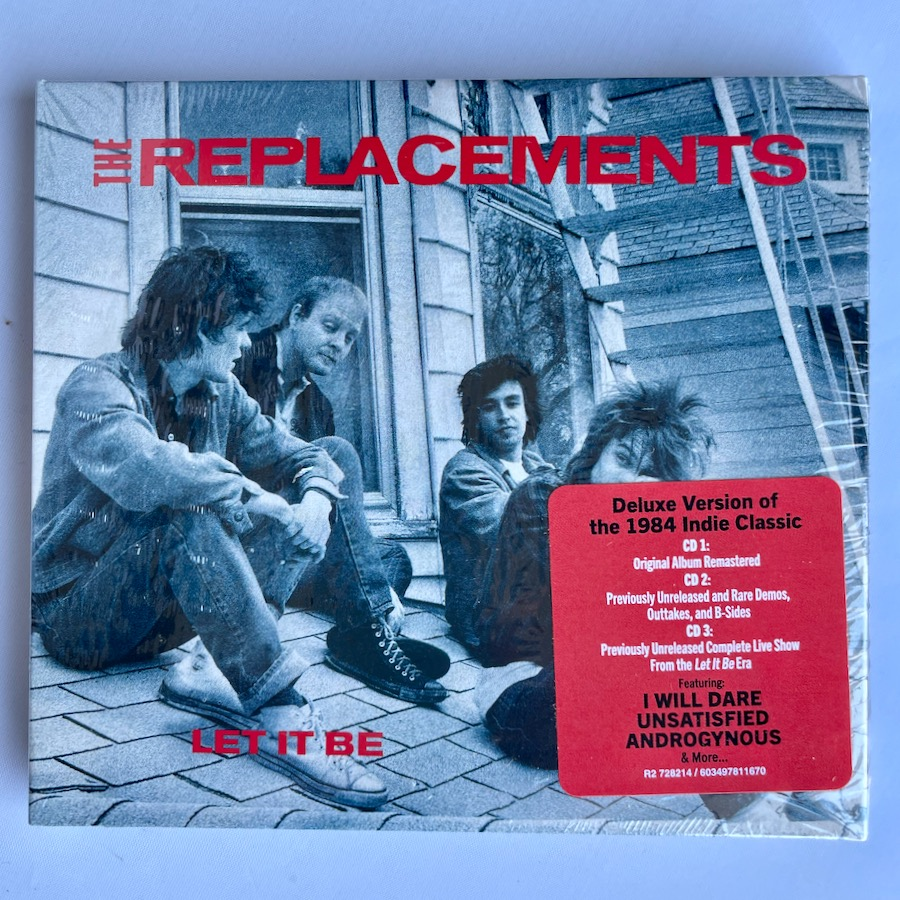
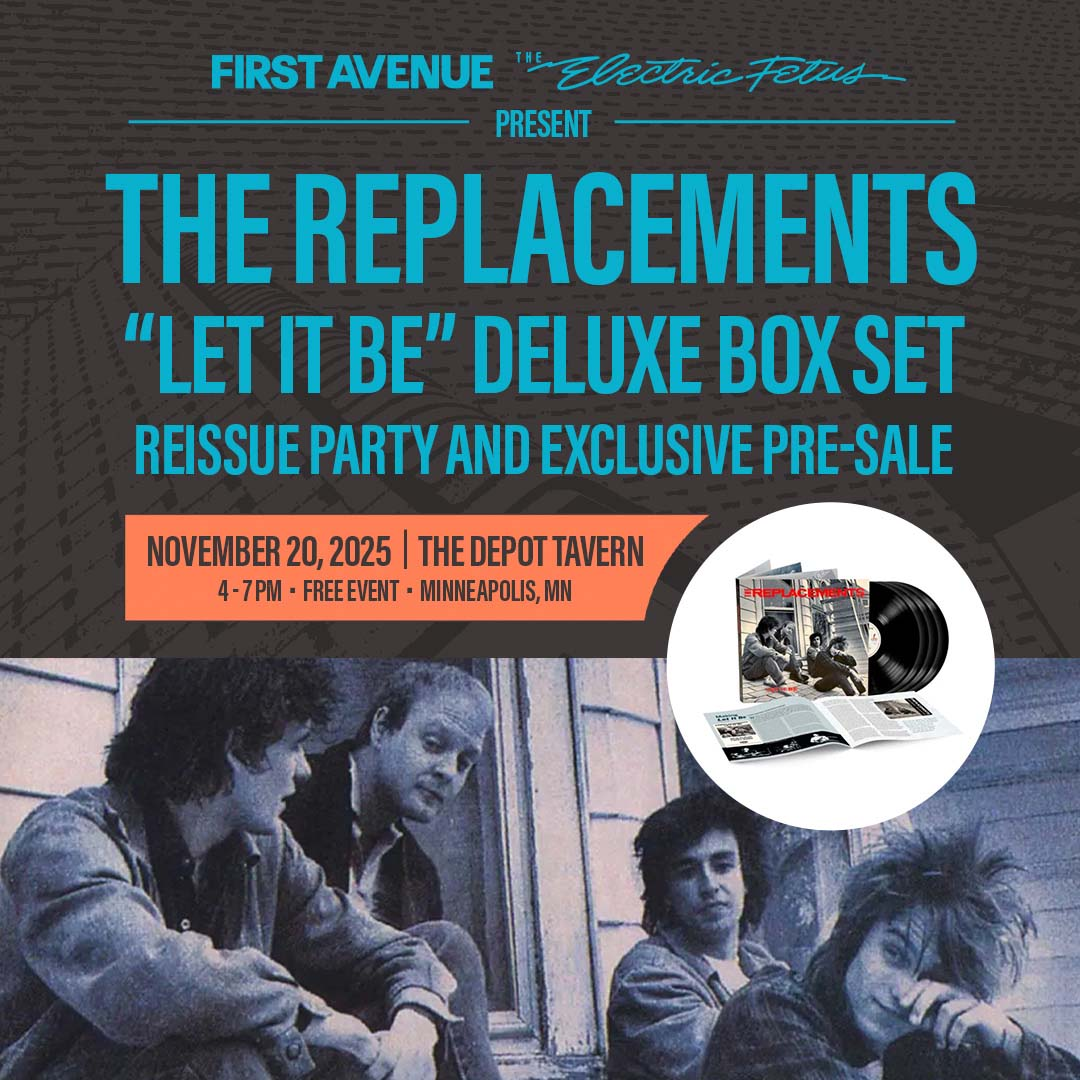
It’s one of those things that should never have happened. A scruffy, half-broken underdog band from Minneapolis — ragged, defiant, often self-sabotaging — getting the deluxe archival treatment usually reserved for polished legends, for “classic rock” cathedrals. Yet here we are: 2025, and Rhino Records (a part of Warner Music Group) has dusted off Let It Be, remixed, remastered, reboxed, expanded — and in doing so given the world a second chance to see the bruised poetry of the original 1984 record in high fidelity.

The fact that The Replacements are getting this kind of attention now — decades after their original flame flickered out — is almost absurd. And yet that absurdity is perfect. Because Let It Be was never meant to be smooth. It was meant to hurt, to stumble, to scream. The Deluxe Edition doesn’t try to smooth those edges — it highlights them, reminding us why this band never fit neatly into the mainstream, and why that’s exactly why they mattered.

The Skeletons & the Heart — An Album Understood

Originally released in 1984 via the indie label Twin/Tone Records, Let It Be was a moment of clarity for The Replacements: a record of transition, of longing, of half-formed innocence battered against a rock & roll dream.

The 2025 Deluxe Edition gives us disc one: the remastered original album — eleven songs that remain as vivid, ragged, and vital as ever. Then comes the rarities — alternate versions, outtakes, home demos — and a full 28-song live set from March 1984 at the Cubby Bear in Chicago.

This isn’t a rehydrated corpse. It’s a beating heart, reconnected. It’s the band as they were — flawed, sprawling, incomplete — presented again not as “heritage,” but as rock & roll living in the cracks between hope and chaos.

Track by Track: The Skin & Bones of Youth

Think about “I Will Dare” — opener of the album and a dare in itself. That fuzz-ed cardinal riff, the off-kilter swagger, Paul Westerberg’s voice like it’s scraping against the point of a razor. The 2025 remaster gives the guitars more room to breathe; you hear the strings buzz, the drum skins snap, and every syllable of “dare” tastes like adrenaline. It lands like a punch in the gut — and that’s exactly the point.

Then there’s “Favorite Thing,” where the punk cheek turns into something almost tender. A strange, shimmering melody over brittle chords, a voice struggling between affection and alienation: “I just don’t know what to do.” On the original vinyl you heard the ghosts of cheap amps and cigarette smoke; on this remaster you hear the humanity underneath.

“We’re Comin’ Out,” “Tommy Gets His Tonsils Out,” “Black Diamond” — all of them jittery, half-formed attempts at grandeur, teenage longing, and adolescent confusion. But the album’s heart lives in songs like “Androgynous” and “Unsatisfied.”

“Androgynous”: one of the few rock songs in history that wears its empathy on its sleeve without collapsing into sanctimony. A melody that aches, lyrics that don’t posture — and in 2025, the alternate version restores a full piano intro, a different vocal take: a softer, more haunted Replacements, vulnerable but unpretentious. 

“Unsatisfied”: bitter, ragged, full of longing. Westerberg’s voice cracks, the rhythm stutters, the world trembles. On this remaster, the grit is there, but so is the clarity — the bass-line you never heard before, the snare drum’s tiny echo, the breath between words. It’s like seeing an old scar under better light — you cringe, but you also understand how it shaped the person.

Songs like “Answering Machine” — small, shy, off-kilter — make you feel the quiet desperation of isolation, of trying to connect and hearing nothing but static. On this remaster, those staticky edges sharpen; the loneliness doesn’t sound like a studio effect anymore, it sounds like the room you’re in after the lights go out.

Listening to Let It Be, side to side, track after track, is like rummaging through someone’s teenage bedroom: posters peeling off drywall, cigarettes half-smoked in an ashtray, dreams scribbled over notebook margins. It doesn’t sound like “great production.” It sounds like truth.

Why Let It Be Was Always Too Big for Its Boots — and Yet Never Big Enough

The Replacements were never built for the spotlight. They were too ragged around the edges, too self-aware, too… real. And by “real” I mean “full of contradictions.” They wanted fame, but they didn’t want the shackles that come with it. They chased rebellion, but they also had voices cracked open by longing. They wrote love songs when they barely knew how to keep their own lives together.

By the time they were capable of being “bigger,” self-destruction and disillusionment had already set in. The guitarist whose shards of noise cut through Let It Be — Bob Stinson — drifted away soon after. Addiction, inner demons, burnout: the usual rock mythology that turns alive bands into ghost stories. 

It’s improbable that a band like The Replacements would ever get a deluxe archival box. It’s even more improbable we’d get one in 2025 — a time when nostalgia usually means safe, stable comfort records. But part of what makes this remaster so thrilling is that it refuses comfort. It resurrects the mess. It preserves the fractures. It honors the band not as legends, but as poets of sloppiness, heartbreak, and restless hope.

That’s why this reissue is more than just for longtime fans. It’s for anyone who ever felt like an outsider, anyone who ever saw beauty in chaos, anyone who ever listened to music and found pieces of themselves in the distortion.

What the 2025 Deluxe Edition Actually Adds — the Blood Under the Skin

Thanks to Rhino’s box, we now have a wealth of previously inaccessible material: alternate takes of “Gary’s Got a Boner,” “Favorite Thing,” a restored alternate of “Androgynous,” unreleased outtakes like “Who’s Gonna Take Us Alive” and “Street Girl,” home demos, and more. 

But perhaps the jewel in the set is the 28-song live set from March 1984 at the Cubby Bear, Chicago. A crowd-sourced tape, long buried in obscurity, now remastered and set free. On this live set you hear the band thrashing through not just Let It Be material, but older punk-raw cuts, covers of The Beach Boys, Bad Company, and the kind of sweaty, ragged, near-chaotic energy that only a band on the edge can deliver.

Rhino.com will also offer an exclusive bonus 10-inch vinyl release, Live at City Garden. Bundled with the vinyl edition and a T-shirt, this six-song soundboard recording was captured at the legendary Trenton, New Jersey, punk club on February 11, 1984. Highlights of the live EP include a rare performance of the ballad “You’re Getting Married,” played at the request of the band’s original manager and Twin/Tone co-founder Peter Jesperson, who also co-produced both the original Let It Be and the new deluxe edition. That track is a small, strange flower growing out of the concrete of punk rock — gentle, awkward, and deeply human.

These extras don’t feel like padding. They feel like excavation. They don’t try to mythologize the band — they just show: this was real. This was messy. This was alive.

For Fans & The Uninitiated — Two Doors to the Same Room

If you’ve loved The Replacements for decades, this Deluxe Edition is catharsis. It’s memory, resurrection, vindication. It’s turning the lights back on in a room you once lived in — seeing every cigarette burn mark on the table, the scratched vinyls leaning against the wall, the ghost of teenage hope in the corner.

If you’re new to The Replacements — maybe you grew up after the vinyl era, maybe your Spotify algorithm just nudged you — Let It Be (2025 Deluxe Edition) is a perfect entry point. The remaster cleans — but doesn’t polish — the sound. It clarifies, but doesn’t sterilize. And the expanded material draws out the band’s contradictions: tender yet abrasive, sloppy yet sincere, desperate yet hopeful.

In a moment where rock & roll sometimes feels like it’s been shoved into a nostalgia museum — safe, curated, predictable — this reissue punches through: real ragged edges, real emotion, real imperfection. It reminds you that rock was once a refuge for freaks, for outsiders, for the restless.

What Could’ve Been — And Why It Still Means Something

It’s almost uncanny: listening to Let It Be now, you can hear the potential of a much bigger future. Songs like “I Will Dare” and “Androgynous” aren’t just artifacts of mid-80s indie; you half expect them to echo off arenas, to lay foundations for generations. The Replacements had the songwriting, the heart, the courage — and at times, it sounds like they had the will for greatness.

But rock & roll doesn’t reward sincerity if the band can’t survive themselves. Bob Stinson’s drift, the instability, the lack of polish — all of that doomed them from riding their own wave. And in retrospect, that’s part of the charm. Let It Be feels like the greatest nearly-album the 1980s never let bloom fully.

The 2025 Deluxe Edition doesn’t rewrite that history. It doesn’t pretend the band got what they deserved. What it does is more courageous: it says, “Here is who they were. Here is what they felt. Here is the wreckage — and the beauty.” For anyone willing to peer into the wreckage, there’s a kind of redemption there.

A Final Salvo: Why Let It Be (2025) Matters

There’s a moment in the history of rock & roll when everything cracked wide open, when the neat boxes called “punk,” “indie,” “pop” blurred into something messy and human. The Replacements were among the first to do it — not by design, but by desperation, by honesty, by the stubborn belief that rock didn’t need to be polished to matter. Let It Be wasn’t just an album: it was a middle finger to complacency, a howl in the concrete night, a slag-heap love letter to the lonely.

In 2025, to give that album a deluxe reissue — remastered, expanded, recontextualized — is to say that those guttural screams, those jangly chords, those messy homespun ballads still matter. It’s a statement: that rock need not be perfect to be perfect. That pain, longing, chaos, longing, and heartbreak deserve clarity, not gloss.

If you’ve never heard The Replacements — or if all you know are legends and hearsay — this version of Let It Be is a gift. Not because it’s pretty, but because it’s honest. Not because it’s comfortable, but because it’s real.

So press play. Let the guitars crack. Let the drums rattle. Let the voices ache. Because the room is dark — and once you open the door, you might never want to leave.
Last Show of 2024

The last YTAA Show of 2024 broadcast on 12-31-2024 is up on the YTAA Mixcloud page! Please give the show a listen and share it with all of your friends. The first time you sit behind the mic and hear that low hum of the studio, you realize it’s a weird kind of experience. You’re not broadcasting a war, no, you’re not even sending out a weather report; you’re sending out your heartbeat. You’re putting yourself on the line, with nothing but an inch-thick foam divider and a sliding board full of dials between you and the abyss of total silence, the void of being utterly ignored. But that’s the thing. Even when you feel apart and separated from others, you’re not really alone.

There’s something visceral about radio. Yeah, even in 2024. It’s a love affair with anonymity after a fashion — you’re sending out these fragments of yourself, these half-thoughts, barely strung together sentences (I try, I actually am trying for something snappy and catchy), hoping someone, anyone, will hear. But even when no one’s listening, it doesn’t matter. You can say the weirdest stuff. You can be as loud as you want, or as quiet as you need to be in that moment. It’s like a secret between you and the speakers on the other side of the room. Who knows if anyone’s tuned in? Does it matter? Perhaps, it doesn’t matter. You’ve got the mic, and in this space, it’s yours even if it is only for three hours. You’re not just DJing songs; you’re performing the act of being. Becoming.

And there’s a rhythm to it, a pulse you can feel in your chest. The songs bleed into each other, and you start talking, almost without thinking, like an out-of-body experience. You riff, you ramble, you may talk about everything and nothing — akin to late-night rants, whispered secrets, some tale of life in the margins. It’s punk, it’s soul, it’s funk, it’s rock ‘n’ roll, and if you’re doing it right, it’s all on the edge of disaster, waiting to fly off the rails at any moment. And that’s the magic. You could screw it up. You probably will. But that’s what makes it real. In an increasingly overproduced, AI-scam-laden world, radio may be messy but that is what creates some of the joy in doing it.

Well, folks, here we are at the end of 2024, and I gotta say—thank you for sticking with me through the weirdness, the noise, and the absolute chaos that is Your Tuesday Afternoon Alternative. You could’ve been anywhere, listening to anything, but you chose to tune in to this mess of records, rants, and ramblings. Maybe you were searching for something new, or maybe you just wanted to escape the grind. Either way, I’m grateful for your ears, your time, and your madness. This isn’t just my show—it’s our show, so keep riding the wave, wherever it takes us in 2025.

See ya next Tuesday!

Video of The Day – The Nautical Theme – Different Lines

The Nautical Theme is a musical duo based in Dayton, Ohio, consisting of singer-songwriters Matt Shetler and Tesia Mallory. Known for their melodic, harmonious approach to folk and indie rock, the band combines Mallory’s bright, captivating vocals with Shetler’s rich, grounding tone, creating a deeply moving vocal interplay. Formed in 2016 from their previous project – Good Luck Year, The Nautical Theme emerged from Dayton’s vibrant indie scene, bringing their introspective, emotionally resonant music to local stages and steadily expanding their fanbase.

Their sound often features acoustic instrumentation that leans into folk sensibilities, with varying soft and propulsive piano, guitar, and occasionally percussive elements, allowing the raw storytelling and emotional intensity of their lyrics to shine through. They are adept at conveying themes of love, loss, and personal growth, providing listeners with an authentic experience that resonates on a deeply personal level. Their music is described as both soothing and thought-provoking, marked by a sensitivity that reflects the depth of their songwriting.

In 2018, they released their debut album Float an introspective collection of tracks highlighting the duo’s harmonies and storytelling prowess. The album was well-received, gaining attention for its vulnerability and sincerity, showcasing the depth of their collaborative process. Since then, The Nautical Theme has continued to release music that delves into universal human experiences with a nuanced, reflective perspective.

In March of 2020, the duo released Lows and Highs, an album that encapsulates the rollercoaster of emotions encountered during challenging times. This release demonstrated a maturation in their songwriting and production, expanding on their signature sound with more complex arrangements while still preserving the simplicity that makes their music so accessible. Something Old, Something New, Something Borrowed was released in 2021 which like the title suggests shows the dynamic musical duo playing an older song, a new composition, and a cover.

Roughly four years later, the duo released, Do Something which included two impressive EPs, Do Something and Get Somewhere (released in 2023) that showed their musical adventurism. Their most recent single expands on the adventure and the sonic palette that Matt and Tesia usually carry in their music. To say that we are excited by the broadening of the soundscapes that normally are explored by The Nautical Theme is an understatement.

‘Every Moment’ Does Not Wait

Yesterday, Nick Kizirnis joined Dr. J in the studio to discuss his latest record “Every Moment.” While Nick has been on the show before, it is still an exciting event for him to join us.

Nick Kizirnis, a name not unfamiliar to the echelons of the Dayton community rock and roll enthusiasts, has etched his mark in local music as a Dayton, Ohio-based musician, guitarist, and songwriter. With a career spanning several decades, Kizirnis has seamlessly blended his prowess as a guitarist with his innate talent for crafting compelling compositions, earning him a dedicated following and critical acclaim within the Dayton music community.

Born and raised in the vibrant musical landscape of Dayton, Ohio, Kizirnis was exposed to an array of musical genres from a young age. Inspired by the likes of Guided By Voices, Brainiac, and The Breeders, he embarked on his musical journey, honing his skills on the guitar and immersing himself in the rich tapestry of rock music across its many varied forms and styles.

Kizirnis’ musical odyssey gained momentum in the late 1980s when he co-founded the surf-rock band, The Mulchmen, alongside Greg Spence and Brian Hogarth. The Mulchmen quickly garnered attention for their infectious surf rock melodies, sweeping compositions, and electrifying live performances, establishing Kizirnis as a formidable force in the realm of rock music.

As a guitarist, Kizirnis’ virtuosity knows no bounds. His distinctive playing style, characterized by intricate riffs, blistering solos, and melodic phrasings, captivates audiences and fellow musicians alike, earning him admiration and respect within the music community. Whether unleashing thunderous power chords or delicately weaving nuanced melodies, Kizirnis’ guitar work serves as the sonic backbone of his musical endeavors, infusing each composition with depth, emotion, and vitality.

Beyond his prowess as a guitarist, Kizirnis’ songwriting prowess shines brightly, imbuing his music with poignant lyricism, infectious hooks, and irresistible charm. Drawing inspiration from personal experiences, introspection, and the human condition, his songs resonate on a deeply emotional level, offering listeners a glimpse into his innermost thoughts and feelings. From anthemic rockers to introspective ballads, Kizirnis’ songwriting versatility knows no bounds, showcasing his ability to craft timeless compositions that endure the test of time.

Throughout his illustrious career, Kizirnis has released a plethora of solo albums, each offering a unique sonic tapestry that reflects his artistic evolution and creative vision. From his debut solo effort, “Into the Loud” to atmospheric noir of “The Distance,” to the acoustic guitar and cello album “Quiet Signals” to the most recent release “Every Moment” Kizirnis’ discography serves as a testament to his unwavering commitment to his craft and his relentless pursuit of music that captivates the listener.

In addition to his solo endeavors, Kizirnis has collaborated with a diverse array of artists and musicians, further expanding his musical horizons and pushing the boundaries of his creativity. Whether lending his guitar prowess to recording sessions or sharing the stage with fellow luminaries, Kizirnis’ collaborative spirit and passion for music are evident in every endeavor he undertakes.

Beyond his contributions to the world of music, Kizirnis remains deeply rooted in his hometown of Dayton, Ohio, where he continues to inspire aspiring musicians and foster a vibrant musical community. Through his involvement in local music festivals, events, and educational initiatives, Kizirnis pays homage to his musical roots while paving the way for future generations of artists to thrive.

Nick Kizirnis stands as a testament to the enduring power of music to inspire, uplift, and unite. As a musician, guitarist, songwriter, and singer, he has left an indelible mark on the world of local rock music, captivating audiences with his unparalleled talent, boundless creativity, and unwavering passion. Whether shredding on stage, penning heartfelt lyrics, or mentoring aspiring musicians, Kizirnis’ dedication to his craft and his love for music shines brightly, illuminating the path for generations of musicians and music fans for years to come.

Nick is playing Blind Rage Records tomorrow, Thursday, May 2nd to celebrate the release of “Every Moment” which is out the next day, Friday, May 3rd everywhere you can get music.

Hyperfollow Bandcamp Facebook Instagram Every Moment

All images and pictures used with permission of the artist.

Harmony Clash: Dayton’s Sonic Showdown of the Bands

The 2024 Dayton, Ohio Battle of the Bands at The Brightside music and event venue (905 E 3rd St, Dayton, Ohio) marks a significant local cultural event that brings together diverse musical talents and showcases the vibrant local music scene. This annual contest has become a cornerstone for emerging artists, providing them with a platform to exhibit their skills, connect with the community, and potentially expand their reach. Let’s explore the Battle of the Bands contests in Dayton, focusing on the 2024 edition held at The Brightside in collaboration with Sound Valley over six weeks. In the interest of full disclosure, Dr. J has been a judge in previous contests and some of those experiences form the backbone for the comments here.

Dayton, Ohio has a rich musical heritage, with a legacy that includes the funk stylings of the Ohio Players and the avant-garde experimentation of Guided by Voices. The city has long been a breeding ground for impressive musical talent, and events like the Battle of the Bands contribute to the nurturing of this vibrant artistic community. These contests are more than just competitions; they are celebrations of creativity, expressions of identity, and opportunities for musicians to connect with their audience.

The Brightside, an innovative music venue in Dayton, serves as the perfect backdrop for the 2024 Battle of the Bands. With its intimate setting, excellent acoustics, and a history of hosting diverse musical acts, The Brightside has become a hub for both established and emerging artists. The venue’s commitment to supporting local talent aligns perfectly with the spirit of the Battle of the Bands contests.

The 2024 edition of the Battle of the Bands attracts music fans, reflecting the growing enthusiasm and joy of sound within the local music scene. Bands from various genres, ranging from indie rock to hip-hop, eagerly sign up to showcase their musical prowess. The diversity of styles represents an added dynamic element to the contests, ensuring that the audience experienced a wide spectrum of musical styles, performers and expressions.

One of the unique aspects of these contests is its emphasis on originality. Bands are encouraged to perform their own compositions, showcasing not only their technical abilities but also their songwriting skills. This shift towards original content presents an extra layer of excitement, as attendees are treated to fresh, innovative music that reflects unique perspectives of the participating artists.

The judging panels for the 2024 Battle of the Bands consists of industry professionals, local music critics, radio personalities, and others experienced in running local music events. Diverse panels each week ensure a fair evaluation process that consider both technical proficiency and the ability to engage and connect with the audience. Speaking of the audience, they also have a role in this process. Voting is split between the panel of judges and the audience. The judging criteria is transparent, providing bands with clear expectations and allowing them to tailor their performances accordingly.

As the contests unfold, The Brightside buzzes with energy and anticipation. Each band takes the stage with a palpable mix of nervousness and excitement, eager to leave a lasting impression. The audience, composed of music enthusiasts, friends, and family members, contribute to the vibrant atmosphere by cheering on their favorites and creating an atmosphere of camaraderie.

The interplay between the bands and the audience highlights the communal nature of this event. Local businesses and sponsors also played a crucial role in supporting the contest, contributing to the prize packages for the winners. The opportunity to play downtown Dayton’s Levitt Pavilion is a highly sought after experience for local musicians. This collaborative effort underscore the symbiotic relationship between the music community and the broader local music ecosystem.

Beyond the competitive aspect, the Battle of the Bands contests foster a sense of unity among musicians. On stage interactions, impromptu creativity, and shared stories created a supportive environment that transcended rivalry. Many bands and musicians form connections during the contest that extend beyond the event, leading to collaborations and joint performances in the future. Those bonds contribute to a healthy music scene in Dayton!

In addition to showcasing musical talent, the 2024 Battle of the Bands addresses important social and cultural themes. Some bands used their performances as a platform to raise awareness about social justice issues, environmental concerns, and mental health. The inclusive nature of the contest provided artists with an opportunity to express their views and connect with audiences on a deeper level.

The grand finale of the 2024 Dayton Battle of the Bands is a culmination of weeks of intense sonic competition. The finalists, having demonstrated exceptional musical abilities and stage presence, face off in a showdown that captivates the audience. The Brightside pulsates with energy as each band delivered a memorable performance, leaving a lasting impression on everyone present.

Ultimately, the judges and audiences face the challenging task of selecting a winner from the pool of exceptionally talented finalists. The decision is always a testament to the high caliber of musicianship on display throughout the contest. The winning band not only secures a substantial prize package but also earns the admiration and respect of their peers and the broader community.

As the 2024 Dayton Battle of the Bands concludes, it can leave a lasting impact on the local music scene. The event not only celebrates musical talent but also strengthens the sense of community among artists and fans alike. The Brightside, with its commitment to fostering creativity and supporting local talent, plays a pivotal role in making the contest a resounding success.

Looking ahead, the legacy of The Battle of the Bands serves as inspiration for future generations of musicians in Dayton. The event demonstrates the power of music to bring people together, transcend boundaries, and serve as a platform for meaningful expression. As the local music scene continues to evolve, events like these will remain instrumental in shaping the cultural identity of Dayton and contributing to its reputation as a thriving hub of artistic innovation. What can you do to contribute to an event such as this? You can be a part of it by going, participating and having fun.

The logistics:
The Doors open each week of The Battle of The Bands at 7pm
(NOTE: due to equipment load in, we cannot let patrons in earlier than 7pm). Shows are expected to run from 7:30pm to 10pm.

Tickets are $10 advance / $15 at the door.
Advance tickets are recommended.
Note – Ticket sales are used to cover production costs and prizes.

Ticket link! If you want to buy all six weeks you get into the finale free!

Dr. J’s Desert Island Albums: The Living Rock and Roll Circus with Kiss

The concept of desert island records and songs has become a fascinating cultural phenomenon, reflecting the profound impact that music can have on our lives. The idea stems from the hypothetical scenario of being stranded on a deserted island with only a limited selection of albums or songs. In this isolated setting, individuals are forced to choose a handful of musical companions that would accompany them through the challenges of solitude. An album in the desert island collection is considered a person’s absolute favorite, one they could listen to repeatedly and never tire of, making their social and physical isolation on an imagined desert island more bearable and more survivable.- Playing these songs and records transports the listener somewhere else, somewhere comfortable and meaningful.

These selections often transcend mere musical preferences, representing a deeply personal and emotional connection to specific tracks or albums. Desert island records are not just about the tunes themselves; they encapsulate memories, emotions, and moments in time. The chosen music becomes a source of solace, inspiration, and a reminder of the outside world.

People’s desert island picks vary widely, showcasing the diversity of musical tastes and the unique ways in which individuals relate to different genres and artists. Whether it’s the soothing melodies of a favorite album or the empowering lyrics of a cherished song, the desert island concept underscores the transformative power of music in shaping our identities and sustaining our spirits, even in the most isolated circumstances. As a cultural phenomenon, it highlights the enduring significance of music as a universal language that transcends boundaries and connects us to our deepest selves.

“Kiss Alive,” released on September 10, 1975, stands as a landmark album in the history of rock music, particularly in the realm of live recordings. This double-disc compilation not only captured the raw energy and charisma of Kiss’s live performances but also catapulted the band to new heights of success. This album — the band’s fourth — is a desert island record for us here at Your Tuesday Afternoon Alternative. In explaining why this record is among the all time favorites of Dr. J, we explore the significance of “Kiss Alive,” delving into its impact on the band’s career, the live album genre, and its enduring influence on subsequent generations of musicians and fans. I received a copy of the album a few years after its release and devoured the record. I grew up in a small Minnesotan farming community, population 550 (seriously!) and the thought of attending an iconic rock and roll concert was a dream that would not come true for a few years for me. However, with “Kiss Alive” I felt as if I were attending a dynamic rock and roll concert. It seemed like I was there in the audience. And that sense of being at a show was a significant characteristic of this record. No other record in my collection has had such a powerful influence on me when I put it on the record player.

“Kiss Alive” emerged during a crucial juncture in Kiss’s career. By 1975, the band had released three studio albums — “Kiss” (1973), “Hotter Than Hell” (1974), and “Dressed to Kill” (1975) — that garnered a dedicated fan base but hadn’t achieved mainstream success. The decision to release a live album was a strategic move, intended to capture the essence of their explosive live shows and convey the power of their stage presence to a wider audience. The album was compiled from recordings of concerts in Detroit, Cleveland, Wildwood, and Davenport during the band’s “Dressed to Kill” tour. The choice of a live album was not only a response to the lukewarm commercial reception of their studio albums but also a testament to Kiss’s belief in the authenticity and intensity of their live performances.

“Kiss Alive” turned out to be a game-changer for the band. The album peaked at No. 9 on the Billboard 200 chart and marked Kiss’s first top-ten album. Its success was instrumental in propelling the band into the mainstream, introducing them to a broader audience. The raw, unbridled energy captured on the album resonated with fans, and “Kiss Alive” quickly became a commercial juggernaut. This success continues today as 97% of Google users like the album.

The album breathed new life into songs that had previously gone unnoticed. Tracks like “Deuce,” “Strutter,” and “Black Diamond” took on a new dimension in the live setting, solidifying their place in the Kiss repertoire. The live versions became definitive renditions, and in some cases, they even surpassed the studio recordings in popularity.

“Kiss Alive” didn’t just elevate the status of the band; it also played a pivotal role in redefining the live album genre. Prior to its release, live albums were often considered secondary to studio recordings, serving as a means for artists to fulfill contractual obligations rather than a medium for artistic expression. “Kiss Alive” challenged this perception by demonstrating that a live album could capture the spirit and dynamism of a live performance, providing listeners with an immersive experience that transcended the studio environment. The success of “Kiss Alive” opened the floodgates for other bands to explore the live album format as a legitimate and powerful artistic statement.

One of the distinguishing features of “Kiss Alive” is its cinematic quality. The album wasn’t just an audio experience; it was a sonic journey that transported listeners into the heart of a Kiss concert. The sequencing of tracks, the interplay between band members and the audience, and the seamless transitions between songs created a narrative arc that mirrored the ebb and flow of a live performance.

The album opens with the iconic sound of a roaring crowd, setting the stage for the sonic assault that follows. Each song is like a chapter in the Kiss saga, with Paul Stanley, Gene Simmons, Ace Frehley, and Peter Criss each contributing their unique elements to the musical narrative. The album’s pacing and structure were carefully crafted to maintain the momentum and excitement of a live show, making it a cohesive and immersive experience for the listener.

Beyond its impact on the music industry, “Kiss Alive” became a cultural phenomenon. The album cover, featuring the iconic image of the band against a stark black background, captured the mystique and theatricality that defined Kiss’s image. The visual impact of the cover art complemented the sonic intensity of the music, creating a cohesive and memorable package.

Kiss’s stage presence and elaborate costumes, coupled with their signature face paint, became synonymous with the band’s identity. This visual spectacle, combined with the energy of their live performances as showcased on Kiss Alive, contributed to the band’s larger-than-life persona. Kiss wasn’t just a musical act; they were a multimedia experience, and “Kiss Alive” served as a gateway for fans to immerse themselves in the sonic world of Kiss.

“Kiss Alive’s” influence extends far beyond its initial release. The album laid the groundwork for the subsequent success of Kiss and paved the way for other artists to explore the potential of live recordings. It remains one of the best-selling live albums of all time and has been certified multi-platinum, a testament to its enduring popularity.

Moreover, “Kiss Alive” continues to inspire generations of musicians. The unbridled energy, the connection with the audience, and the sense of spectacle have become touchstones for artists seeking to create memorable live experiences. The album’s impact on the development of the hard rock and heavy metal genres is undeniable, with countless bands citing Kiss as a major influence.

Kiss Alive stands as a pinnacle in the history of live albums, showcasing the transformative power of a well-executed live recording. Its impact on Kiss’s career, the live album genre, and popular culture as a whole cannot be overstated. Kiss Alive is not merely a document of a band’s live performances; it is a sonic and visual journey that captures the essence of a musical revolution.

As Kiss celebrates its legacy after their final live concert, “Kiss Alive” remains a timeless testament to the band’s ability to connect with audiences and leave an indelible mark on the world of rock music. It is a sonic time capsule that transports listeners back to the mid-1970s, allowing them to experience the magic of a Kiss concert whenever the needle drops on those iconic vinyl grooves.