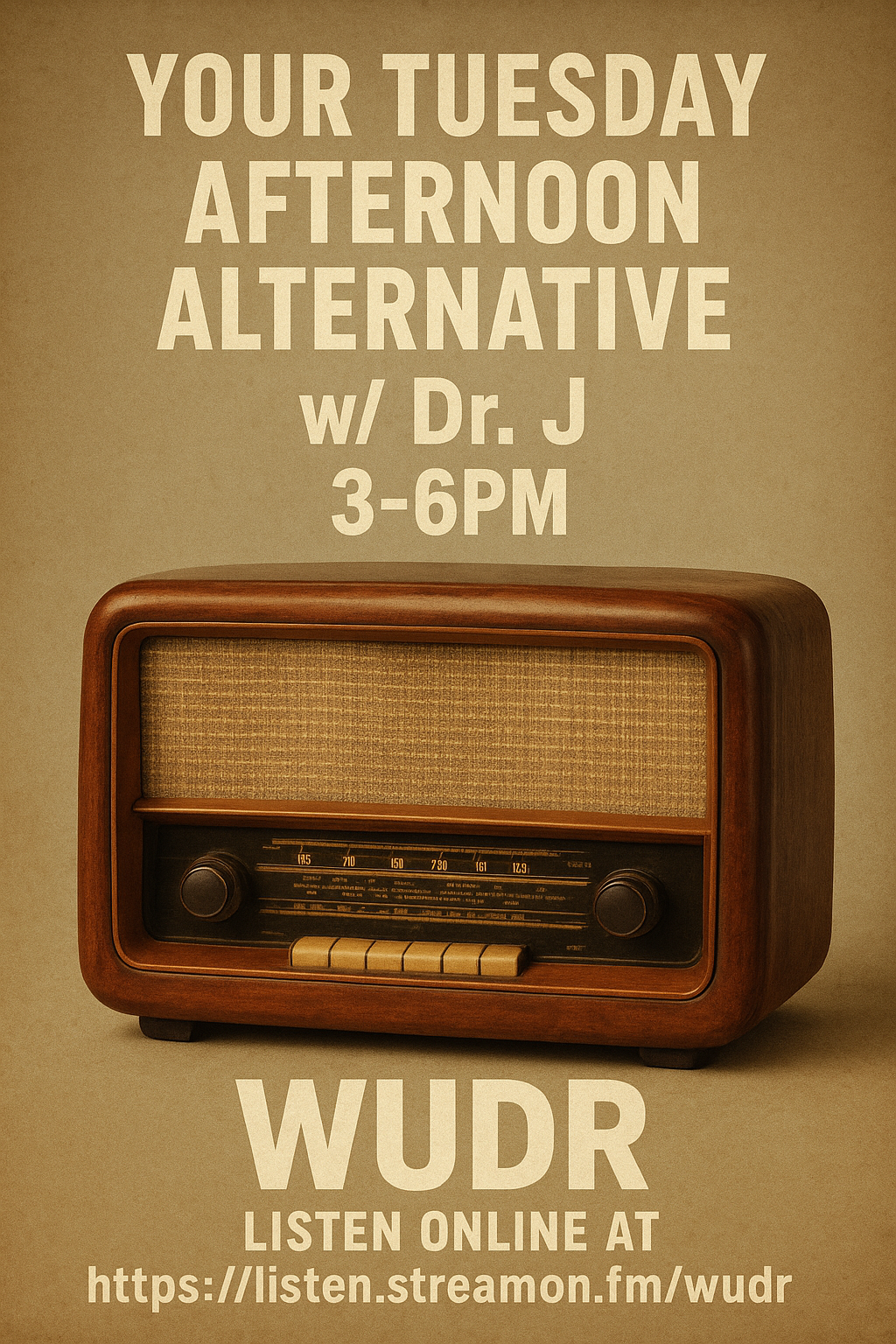
If you’ve ever driven around town with the radio on and the sun doing that late-afternoon slant that makes everything look like a memory already—gas stations glowing, parking lots half empty, the air buzzing with possibility and dread—then you already understand what Your Tuesday Afternoon Alternative is supposed to feel like.
And now, for the first time in a while, the last two full three-hour broadcasts are sitting online in all their sprawling, unruly glory over on Mixcloud. That’s six straight hours of music, ideas, weird segues, accidental poetry, and the kind of radio that only really works when nobody is trying too hard to make it work. Which, if we’re being honest, is the best kind.
Think of it as a kind of sonic time capsule: three hours where the world’s chaos gets distilled into guitars, synthesizers, a stray folk lament, maybe a punk blast that lasts ninety seconds but somehow resets your whole nervous system. Then you do it all again the next week. Radio as ritual. Radio as wandering conversation.
The thing about listening to these shows after the fact is that they become something slightly different than they were in the moment. Live radio is adrenaline and improvisation—you throw a song into the air and see what it does to the room. But on replay, the structure reveals itself. Themes emerge like ghosts in the static. Songs talk to each other across decades. A jangly indie track from 2024 suddenly feels like it’s answering a garage-rock scream from 1966.
That’s the secret architecture of good radio: it sounds loose but it’s secretly a web of connections. Which makes these two archived episodes especially fun to revisit. Over six hours, the mood drifts the way an actual Tuesday afternoon does. One minute the sun is out and everything sounds hopeful; the next minute you’re staring out the windshield thinking about every mistake you’ve ever made while some beautifully melancholy track hums through the speakers.
And that emotional whiplash is the point.
Great radio—especially college radio—has always been about resisting the algorithm. The streaming services want to smooth everything out into playlists that never challenge you. But real DJs still believe that music should occasionally knock the wind out of you. A dreamy pop song might suddenly give way to something ragged and noisy, and then a minute later you’re floating through a slow acoustic tune that feels like someone left a window open in your heart. That’s not bad programming. That’s life.
The two newly available shows capture that beautifully messy spirit. Across the six hours, you’ll hear indie rock rubbing shoulders with folk, garage, synth-pop, and the occasional left turn that makes you sit up and say, “Wait—what was that?” The answer, of course, is that it doesn’t always matter. Discovery is half the thrill.
And because the shows were recorded live, you also get the little human moments that make radio feel alive: the slightly crooked transitions, the spontaneous reflections, the sense that the whole thing could veer off the rails at any moment but somehow lands exactly where it needs to.
It’s the opposite of polished. It’s the sound of someone digging through a record collection and saying, You need to hear this.
Which is why having the full episodes archived on Mixcloud matters. Instead of a clipped highlight or a tidy playlist, you get the whole ride—the long arc of the afternoon, the gradual build, the strange emotional geography of three uninterrupted hours.
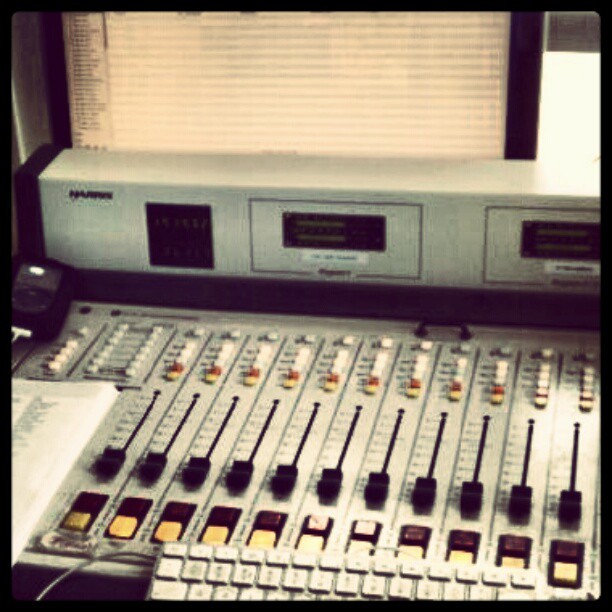
It doesn’t wait for permission, doesn’t ask what’s trending, doesn’t consult a branding deck before plugging in a guitar. It thrives in basements, on Bandcamp pages uploaded at 2 a.m., in college radio booths where the coffee is burnt and the signal barely clears the county line. It exists because someone, somewhere, had to get that sound out of their body.
If that sounds romantic, good. Romance is part of it. But indie music isn’t just a vibe. It’s an ecosystem, a stubborn alternative to the consolidated machinery of the global recording industry – a machinery dominated by conglomerates where quarterly returns can shape artistic decisions. Indie music, by contrast, has historically been defined less by genre than by structure: independent labels, self-released records, do-it-yourself touring circuits.
And that structural difference matters.
The term “indie” first cohered around labels such as Sub Pop and Dischord Records in the 1980s – scrappy operations that documented scenes rather than manufacturing them. Sub Pop helped export the Pacific Northwest’s snarling weirdos to the wider world, while Dischord Records, co-founded by Ian MacKaye, built an ethical framework around fair pricing and all-ages shows. These labels weren’t just distribution companies; they were community engines.
Indie music matters because it creates spaces where scenes can incubate without being immediately strip-mined for content.
Take Athens in the late 1970s and early 1980s. The town wasn’t a music capital. It was a college town with cheap rent and a handful of clubs. But out of that environment came bands like R.E.M. and The B-52’s – artists who began outside the mainstream industry’s glare. Their early records sounded like dispatches from a parallel America: jangling, strange, deeply regional. Before they were platinum, they were local.
That trajectory – from local to global without entirely shedding the local – is one of indie’s great gifts. It insists that geography, community and idiosyncrasy matter. It resists the flattening effect of algorithmic sameness.
Now, you could argue that in the age of streaming platforms, everything is “indie” and nothing is. After all, an artist can upload a track to Spotify from their bedroom and technically bypass a label. But independence is not just about distribution; it’s about control. Who owns the masters? Who decides the release schedule? Who determines whether a seven-minute feedback freakout makes the cut?
When artists retain creative and financial agency, they can take risks that a major-label A&R department might flag as commercially dubious. And risk is the lifeblood of cultural innovation.
Consider how many now-canonical bands began as indie outsiders. Sonic Youth turned dissonance into architecture, building cathedrals out of alternate tunings. The Replacements wrote songs that felt like barroom confessions shouted through a broken P.A. These groups were messy, imperfect, and gloriously human. Early R.E.M. showed that you could love where you come from and need to desperately leave it. They were not optimized. That was the point.
Indie music matters because it documents emotional realities that don’t always fit radio formats. Heartbreak that’s awkward rather than cinematic. Political anger that’s granular and local rather than slogan-ready. Joy that’s weird and private.
It also matters economically. Independent venues, record stores and labels form part of a broader cultural infrastructure. A club show supports bartenders and sound engineers. A small pressing plant keeps manufacturing skills alive. When fans buy directly from artists – on tour or through platforms like Bandcamp – a greater share of revenue stays within that ecosystem.
There is, too, a pedagogical dimension. For young musicians, indie scenes function as informal schools. You learn how to book shows, how to design a flyer, how to record on a shoestring budget. You learn that art is labor and collaboration. You learn that community is not a marketing demographic but a network of actual people who will help you load gear at midnight.
And yes, indie music is prone to mythologizing itself. It can lapse into gatekeeping, fetishize obscurity or confuse lo-fi aesthetics with moral virtue. Independence does not automatically equal integrity. But the aspiration toward autonomy – toward making something because you need to, not because a focus group requested it – remains vital.
In an era of cultural consolidation and algorithmic curation, indie music represents friction. It interrupts the seamless scroll with something jagged, something that doesn’t immediately resolve. It asks listeners to lean in rather than passively consume.
That friction can be uncomfortable. It can also be transformative.
Because at its best, indie music reminds us that culture is not only something delivered to us by corporations. It is something we make together in garages, in community centers, in cramped apartments with egg cartons taped to the walls. It is sustained by volunteers at college radio stations, by promoters who take a financial gamble on an unknown band, by fans who show up on a Tuesday night.
Indie music matters because it proves that art does not have to begin with scale. It can begin with urgency. With a riff that won’t let you sleep. With a lyric scribbled on a receipt. With a handful of friends who believe that their small-town noise deserves to exist.
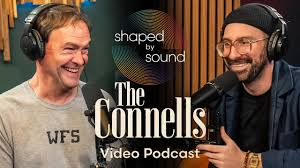
There’s something quietly radical about the endurance of The Connells. In an industry that chews up regional bands and spits them out as trivia questions, they have persisted—less as nostalgia act, more as a living argument for melody, craft and community. Their appearance on Shaped by Sound, the PBS North Carolina series devoted to the state’s rich musical ecosystem, feels less like a retrospective than a homecoming.
The show’s format—interweaving live studio performances with intimate conversation—suits them. From the opening notes of “Scotty’s Lament” (00:33), you’re reminded that the Connells’ power has never been about bombast. It’s about architecture. Two brothers—guitarist and songwriter Mike Connell and bassist David Connell—alongside a tight circle of friends from Raleigh, built one of North Carolina’s most enduring bands not on spectacle but on structure: chiming guitars, melodic bass lines, and choruses that feel both inevitable and earned.
PBS NC wisely lets the songs breathe. “Carry My Picture” (05:37) shimmers in the studio lights, its emotional directness framed by Doug MacMillan’s unmistakable voice—clear, yearning, unforced. Keyboardist Steve Potak adds texture and lift, while guitarist Mike Ayers and drummer Chris Stephenson lock into a groove that’s crisp but never clinical. Trumpeter Mike Mole, a later addition to the lineup, colors the arrangements with subtle brass flourishes, a reminder that this band has always been willing to expand its palette without abandoning its core.
That core, as the full conversation reveals, was forged in Raleigh in the early 1980s. A group of friends playing local gigs, hauling gear into clubs, refining songs night after night. They were part of a regional circuit that rewarded perseverance more than hype. The Connells didn’t arrive fully formed; they were shaped by the rooms they played, the audiences who showed up, and the belief that songcraft mattered.
Then comes the moment casual viewers may be waiting for: “’74–’75” (11:22). The band’s surprise overseas hit—particularly in Europe—remains one of the great stories of American alternative rock’s second tier. Released in the mid-1990s, it didn’t explode immediately at home. But abroad, the song connected, its nostalgic meditation on lost youth and passing time resonating across language barriers. On Shaped by Sound, the performance feels less like a victory lap and more like a reckoning. The arrangement is lean; the melody carries the emotional weight. When MacMillan sings about photographs and the quiet ache of growing older, the years between then and now collapse.
What’s striking in the interview segments is the absence of cynicism. There’s no bitterness about near-misses or industry vagaries. Instead, the Connells speak about the slow accumulation of work—about studio memories, about learning how to layer guitars without cluttering a mix, about the discipline of editing a song until only what matters remains. They talk about how “Seven” (17:28) and “Over There” (22:40) fit into their evolving catalogue, each song a chapter in a longer narrative rather than a bid for reinvention.
This is where Shaped by Sound’s broader mission comes into focus. The series—produced by PBS North Carolina in partnership with the Department of Natural and Cultural Resources and presented by Come Hear North Carolina—spotlights artists across indie rock, hip-hop, R&B, alt-country, jazz, bluegrass, and folk. We highly recommend the episodes on Wednesday and Superchunk. By placing the Connells within this living, breathing statewide scene, the show resists the myth that meaningful music only comes from coastal capitals. North Carolina is not just a backdrop; it’s an incubator.
For the Connells, community is not branding. It’s origin story. Two brothers, a handful of friends, and a city that allowed them to grow at their own pace. That ethos still animates the band. You can hear it in the way the guitars interlock without competing, in the steady pulse of the rhythm section, in the democratic space each member occupies. No one is posturing. Everyone is serving the song.
In an era of algorithmic playlists and disposable singles, The Connells’ appearance on Shaped by Sound is a reminder that durability is its own form of rebellion. Songs built carefully, performed faithfully, and shared within a community can travel far—sometimes all the way across the Atlantic—and still return home intact.
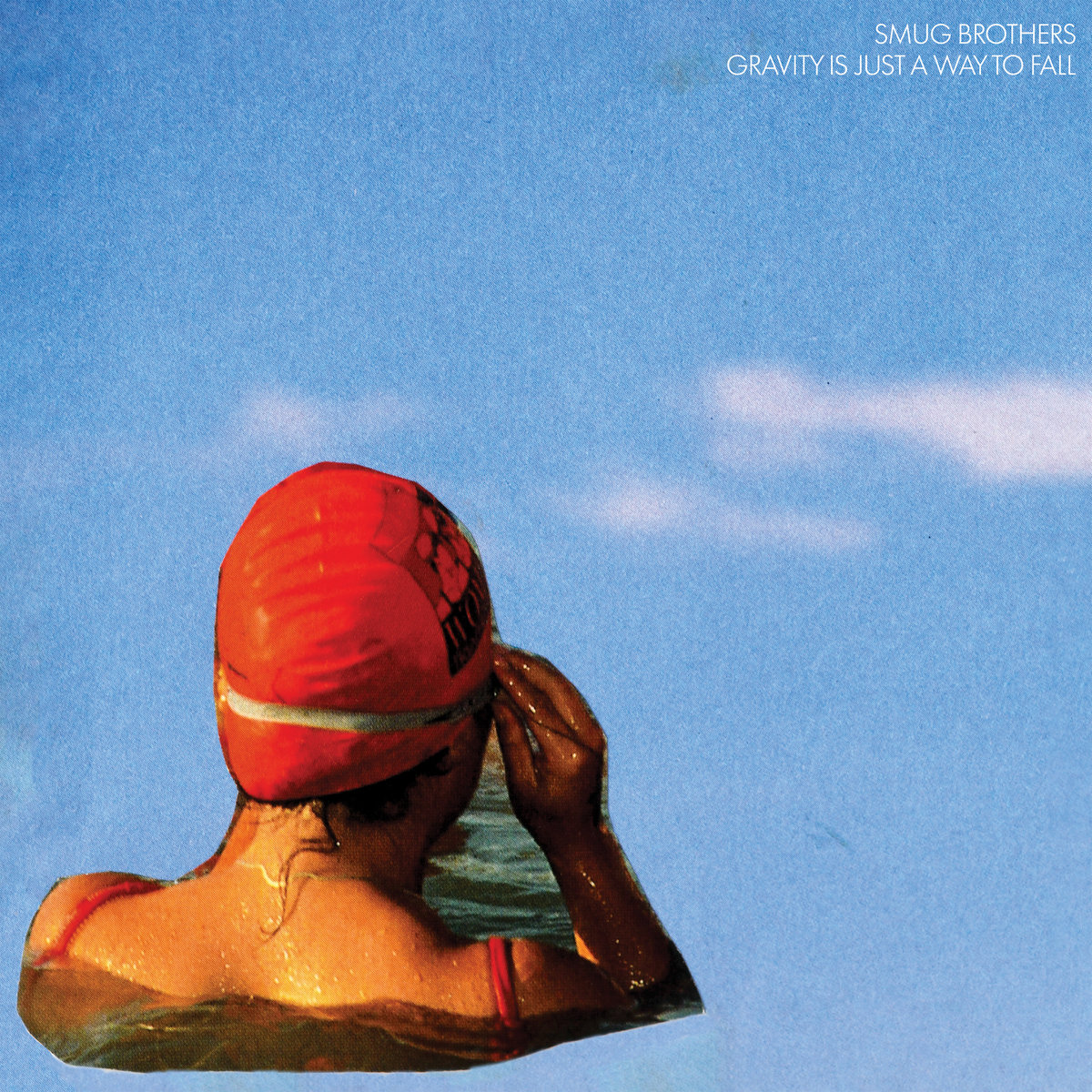
If rock and roll has gravity, it’s the kind that pulls you sideways — toward the basement show, the overdriven amp, the song that sounds like it was recorded in a kitchen but somehow rearranges your emotional furniture. And for twenty years, Dayton/Columbus, Ohio’s Smug Brothers have been quietly defying that gravity by embracing it. Their forthcoming 20-year retrospective, Gravity Is Just A Way To Fall (out May 15, 2026), isn’t a victory lap so much as a beautifully scuffed scrapbook — a reminder that some of the best American guitar music of the last two decades has been hiding in plain sight.
To understand Smug Brothers, you have to start in Dayton and then take a drive to Columbus, Ohio — that stubbornly fertile patch of Midwest soil that has produced more sharp, strange guitar bands than the coasts would like to admit. Think Guided by Voices, think Times New Viking, think Cloud Nothings, think Heartless Bastards. Bands that made imperfection a matter of principle. Beautiful chaos. Bands that treated melody like contraband — something to be smuggled past the gatekeepers of taste.
Smug Brothers fit that lineage, but they also complicate it. What began in the mid-2000s as a scrappy recording project between singer/guitarist Kyle Melton and Darryl Robbins (of Motel Beds) hardened into something deeper and more resilient when legendary drummer Don Thrasher — yes, that Don Thrasher from Guided by Voices and Swearing at Motorists — joined the fold. Since 2009, Melton and Thrasher have formed the core of a band that feels less like a stable lineup and more like an ongoing conversation over music. Over the years, that dialogue has included a rotating cast — Marc Betts, Brian Baker, Shaine Sullivan, Larry Evans, Scott Tribble, Kyle Sowash, Ryan Shaffer — all contributing to a catalog that’s as collector-friendly as it is emotionally direct. Each player adding something distinctive to the records they worked on.
But here’s the beautiful irony: you don’t need to track down the cassettes, the limited LPs, or the out-of-print CDs. Gravity Is Just A Way To Fall does the curatorial work for you. Several tracks have been remastered; some have never appeared on vinyl; a few have never existed in any physical format at all. After twenty years, the band decided to “summarize the work up to this point.” That word — summarize — sounds almost academic. What they’ve actually done is distill the fever.
And what a fever it is.
Smug Brothers have always specialized in the kind of riff-driven indie pop that feels both handmade and cosmically aligned. The early lo-fi recordings hinted at greatness — fuzzed-out guitars, melodies that ducked and weaved, drums that sounded like they were daring the tape machine to keep up. But even in those rough cuts, you could hear the bones: a Beatlesque instinct for earworms, an affection for left turns, a refusal to sand down the serrated edges.
Over time, Melton’s recording finesse sharpened. He recorded and mixed much of this retrospective himself, with key collaborations from Darryl Robbins and Micah Carli. Everything was mastered by Carl Saff, whose touch has become something of a seal of quality in indie circles. The result is a set of songs that feel alive rather than embalmed. This isn’t nostalgia; it’s voltage.
What makes Smug Brothers matter — especially now — is their commitment to the album as an artifact and as an attitude that reflects the music within. The front cover, “Solutions Vary With Regions.” The back cover, “The Hungry Rainmaker” (Artwork by PHOTOMACH. Layout by Joe Patterson and PHOTOMACH). These aren’t afterthoughts; they’re part of the argument. In an era where music is often stripped of context and shuffled into algorithmic soup, Smug Brothers insist on the tactile, the visual, the deliberate. Even when the songs are streaming in invisible code, they carry the residue of collage and ink.
And then there are the songs themselves — all written by Kyle Melton. That authorship matters. Across two decades, Melton has built a body of work that feels diaristic without being self-indulgent. The hooks sneak up on you. The choruses don’t explode so much as insist. The guitars jangle, scrape, shimmer. The drums propel rather than pummel. You find yourself humming along before you realize you’ve been converted.
A retrospective like Gravity Is Just A Way To Fall lives or dies by sequencing, and Smug Brothers have always understood that an album isn’t just a container — it’s a mood swing you consent to. These thirteen tracks trace the band’s restless melodic intelligence, moving from punchy immediacy to sly introspection without ever losing that basement-show voltage. It opens with “Let Me Know When It’s Yes,” a title that feels like a thesis statement for the entire catalog — yearning wrapped in defiance. And to be fair, a song that we have often played on YTAA. The guitars chime with that familiar Midwestern shimmer, but there’s an undercurrent of impatience here, a sense that indecision is the real antagonist. It’s a perfect curtain-raiser: concise, hook-forward, emotionally ambivalent in the best way.
“Interior Magnets” (clocking in at an impressively tight 3:01) is classic Smug Brothers compression — all tension and release packed into a pop-song frame. The rhythm section locks in with that loose-tight chemistry Kyle Melton and Don Thrasher have refined over the years, while the melody spirals inward. It’s a song about attraction and repulsion, about the invisible forces that keep people circling each other. One of our favorite Smug Brothers’ songs, “Meet A Changing World,” expands the lens. There’s something almost anthemic about it — not stadium-anthemic, but neighborhood-anthemic. The guitars layer into a bright, bracing wash, as if the band is daring uncertainty to make the first move. In contrast, “It Was Hard To Be A Team Last Night” — a simply brilliant tune — pulls the focus back to the micro-level of human friction. It’s wry, a little bruised, propelled by a riff that sounds like it’s arguing with itself.
“Beethoven Tonight” is pure Smug Brothers mischief — high culture dragged through a fuzz pedal. The song plays with grandeur without surrendering to it, balancing a classical wink with garage-rock muscle. Then comes “Hang Up,” lean and kinetic, built around the kind of chorus that arrives before you’ve fully processed the verse. It’s sharp, unsentimental, and irresistibly replayable. “Javelina Nowhere” may be the record’s most evocative left turn. The title alone suggests a desert hallucination, and the arrangement follows through a slightly off-center, textural, humming with atmosphere. “Take It Out On Me” snaps the focus back into a tight melodic frame, pairing vulnerability with propulsion. It’s accusatory and generous at once, a hallmark of Melton’s songwriting.
“Silent Velvet” glides toward you, in contrast, with a softness in the title, grit in the execution. There’s a dream-pop shimmer brushing against serrated guitar lines. “Seemed Like You To Me” feels like an old photograph discovered in a jacket pocket: reflective, warm, edged with ambiguity. Late-album highlights “Pablo Icarus” and “Every One Is Really Five” showcase the band’s love of conceptual wordplay. The former fuses myth and modernity, soaring melodically before tilting toward the sun. The latter is rhythmically insistent, almost mathy in its phrasing, but anchored by a chorus that keeps it human.
Closing track “How Different We Are” is less a statement of division than an acknowledgment of complexity. The guitars don’t explode; they bloom. The rhythm section doesn’t crash; it carries. As finales go, it’s quietly expansive — a reminder that across twenty years, Smug Brothers have thrived on tension: between polish and rawness, intimacy and noise, gravity and lift.
If last year’s Stuck on Beta (2025) suggested a band still hungry, still refining, still pushing outward, this retrospective confirms the long arc. Smug Brothers didn’t burn out. They didn’t calcify. They kept writing, recording, releasing, playing shows, and deepening their chemistry. Gravity, in their hands, isn’t a force that pins you down; it’s the thing you learn to fall through with style.
There’s something profoundly Midwestern about that ethos. No grand manifestos. No self-mythologizing. Just songs that are stacked one after another, each carrying its own small revelation. In a culture obsessed with the new thing, retrospectives can feel like retirement parties. But Gravity Is Just A Way To Fall plays more like a dispatch from a band still in motion.
Twenty years in, Smug Brothers remind us that indie rock isn’t a genre so much as a practice: keep the overhead low, keep the guitars loud, keep the songs sharp, keep the faith. The noise may be louder than ever, the platforms more crowded, the attention spans shorter. But when a riff locks in, when a chorus lifts, when a drumbeat nudges your pulse into alignment, none of that matters.
Gravity is just a way to fall. And sometimes, falling is how you learn what’s been holding you up all along.
Lynn Blakey never needed to raise her voice to be heard. She sang the way a good front-porch storyteller talks—leaning in just enough to make you feel like the song was meant for you and you alone. And for decades around Raleigh and the wider North Carolina music scene, that feeling wasn’t an illusion. It was her gift.
It is hard to believe that Blakey, beloved North Carolina indie-rock singer and member of Tres Chicas, Let’s Active, and Oh-OK, has died at 63 on February 6, 2026, of metastatic cancer. Her voice helped define a fiercely independent Southern music scene in the 1980s and ’90s—clear-eyed, melodic, and emotionally direct—and she was the inspiration behind The Replacements’ “Left of the Dial,” a college-radio anthem that captured the scrappy romance of underground rock.
Blakey first emerged in the orbit of Athens, Georgia’s post-punk ferment before becoming a cornerstone of North Carolina’s Triangle scene, bringing a jangly intelligence and unforced warmth to every project she touched. With Let’s Active, she helped marry the British Invasion sparkle to Southern introspection. In Oh-OK, she contributed to a band that, though short-lived, became cult-beloved for its artful minimalism. And in Tres Chicas, she found a late-career home for luminous three-part harmonies and songwriting that felt both rooted and timeless.
She was never the loudest person in the room, but when she sang, rooms leaned in. Her phrasing carried both ache and assurance, the sound of someone who understood that understatement can hit harder than volume. Across decades and lineups, she remained a musician’s musician—collaborative, literate, and grounded—whose influence far exceeded her fame.
Blakey’s passing leaves a quiet but undeniable absence in the community she helped build. The records remain: bright guitars, close harmonies, and that unmistakable voice—forever just left of the dial, and right at the heart of a scene she helped make possible.
Blakey was also known as a founding member of Tres Chicas, the harmony-rich trio she formed with Caitlin Cary (formerly of Whiskeytown) and Tonya Lamm (formerly of Hazeldine) in the late 1990s. But even that shorthand doesn’t quite capture her range. Before Tres Chicas, she fronted Glory Fountain, a jangly, literate outfit that blended folk-rock shimmer with a songwriter’s eye for the telling detail. And outside of bands, she was the sort of musician who could slip into a room with a guitar and quietly rearrange the emotional furniture.
If you were around the Triangle during the years when local record stores doubled as community centers and midweek shows felt like reunions, you probably remember the first time you heard her voice. It had a clarity that cut through bar noise without ever sounding sharp. There was ache in it, but not self-pity; resolve, but never bluster. She sang about love, distance, and the small negotiations of everyday life in a way that suggested she’d done her homework—on people, on history, on herself.
Tres Chicas arrived at a moment when harmony-driven Americana was enjoying a modest renaissance, and their self-titled debut felt both rooted and new. The trio’s blend nodded to classic country and Laurel Canyon without getting stuck there. Blakey’s presence in that mix was crucial. Cary brought a flinty edge, Lamm a warm steadiness, and Blakey a kind of luminous center. When the three voices locked in, it sounded less like three singers competing for space and more like a conversation among old friends who trusted one another enough to leave room.
That sense of trust extended beyond the stage. Blakey was, by all accounts, a musician’s musician—generous with time, quick with encouragement, and allergic to pretense. In a scene that has always prized authenticity, she embodied it without trying. She showed up. She learned the songs. She listened. Those qualities don’t make headlines, but they build communities.
Her work with Glory Fountain hinted early on at the strengths she would refine over the years: a knack for melody that felt inevitable rather than flashy, lyrics that rewarded close listening, and arrangements that gave songs space to breathe. There was often a literary bent to her writing, but never at the expense of heart. She understood that the best songs carry their intelligence lightly.
In performance, Blakey had a way of making even well-worn covers feel personal. She didn’t overpower a song; she inhabited it. You could hear her respect for the material, whether it was a country standard or a deep-cut folk tune. And when she stepped forward for an original, there was a quiet authority in the way she delivered a line—an assurance that she had something worth saying and trusted you to meet her halfway.
Like many artists who balance creativity with the practicalities of life, Blakey’s path wasn’t a straight line. There were stretches when family and work took precedence, when the spotlight dimmed and the songs were written in the margins of busy days. But even then, she remained woven into the fabric of the scene. Appearances might have been less frequent, yet when she returned to a stage, it felt less like a comeback and more like a continuation of a conversation paused but never ended.
Part of what made her so beloved was the absence of ego. She seemed more interested in the collective sound than in staking out territory. In Tres Chicas, that meant surrendering to three-part harmonies that required precision and humility. In solo settings, it meant letting a lyric land without overselling it. She trusted the audience to hear what she was offering.
In recent years, as the music industry grew louder and more frantic, Blakey’s approach felt almost radical. She stood for craft over clamor, for community over competition. The North Carolina scene has produced its share of nationally known acts, but it has always depended just as much on artists like her—people who stay, who mentor, who make the local feel consequential.
The measure of a musician isn’t only in album sales or marquee placement. It’s in the way songs linger after the last chord fades. It’s in the younger songwriter who finds the courage to share a new tune because someone like Lynn Blakey once did the same for them. It’s in the audience member who walks out of a show feeling a little less alone.
Blakey leaves behind recordings that still shimmer and a network of friends, collaborators, and listeners who carry her harmonies with them. In a town and a region that pride themselves on musical depth, she was one of the quiet pillars. Not flashy, not loud—just steady, thoughtful, and true.
In the end, that may be the most fitting tribute. Lynn Blakey made music that felt like an honest conversation. And for those who were lucky enough to hear her—live in a small club, on a record spinning late at night, or in the shared hush of a harmony line—that conversation continues.
When the helicopters circle low over a neighborhood, they make a sound that feels older than electricity. It is the thrum of authority announcing itself. In Minneapolis last winter, that sound mixed with others: the clatter of hurried suitcases, the click of phones spreading warnings in Spanish, Somali, Hmong, and English, the uneasy quiet of schoolrooms where too many desks sat empty. Federal immigration enforcement swept through the Twin Cities with a force that startled even communities accustomed to living with uncertainty.
And, as has happened so many times before in American history, musicians began turning the noise into music.
Protest songs rarely arrive as tidy manifestos. They appear instead as fragments of feeling—ballads scribbled on tour buses, verses tested at benefit shows, choruses sung in church basements and union halls. Bruce Springsteen has spent half a century mastering this art: the ability to take a specific injustice and fold it into the larger story of who we are. His recent live sets have revived “The Ghost of Tom Joad” and “American Skin (41 Shots),” reframing them for a new era in which questions of policing, borders, and belonging are once again painfully urgent. When he introduces those songs now, he often speaks directly about families living in fear of raids, making the connection between past struggles and present ones impossible to miss.
Springsteen has also used newer material to gesture toward the same terrain. In “Rainmaker,” from 2020’s Letter to You, he warns of leaders who “steal your dreams and kill your prayers,” a lyric that fans have increasingly heard as an indictment of the politics that enable harsh immigration crackdowns. At concerts in the Midwest, he has dedicated “Long Walk Home” to immigrant communities, turning an older song about alienation into a present-day pledge of solidarity. The message is classic Springsteen: America belongs to those who build it, not merely to those who police it.
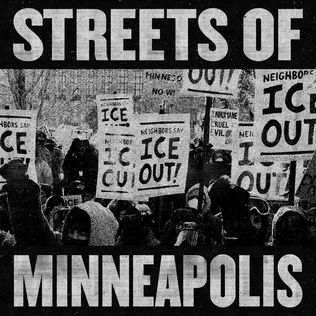
Bruce Springsteen’s “Streets of Minneapolis” stands as one of the most direct and urgent protest songs of his long career, written and released in January 2026 in response to violent federal immigration enforcement actions in Minneapolis. The song’s lyrics paint a stark picture of a city under duress—“a city aflame fought fire and ice ’neath an occupier’s boots”—and explicitly name the deaths of Alex Pretti and Renée Good at the hands of ICE agents as catalysts for the track’s creation. Springsteen recorded the song within days of the events and dedicated it to “the people of Minneapolis, our innocent immigrant neighbors,” underscoring its solidarity with those resisting what he called “state terror.” Musically, it begins with a spare acoustic arrangement before building into a fuller folk-rock chorus that includes a chant of “ICE out of Minneapolis,” transforming the narrative from lament to communal call to action. By invoking local streets and specific victims, Springsteen shifts from abstract critique to vivid storytelling, grounding national debates over immigration enforcement in the lived experiences of a particular place and its people.
Across the Atlantic, Billy Bragg has been sharpening his own brand of melodic concern. Bragg’s music has always insisted that politics is not an abstract debate but a lived experience. In recent years, he has circulated new compositions such as “The Sleep of Reason” and “King Tide and the Sunny Day Flood,” songs that connect nationalism, xenophobia, and state power in plainspoken language.
Billy Bragg’s recent song “City of Heroes” exemplifies how veteran protest singers are responding in real time to state violence and grassroots resistance. Written, recorded, and released in less than 24 hours in late January 2026, the track was inspired by the killing of Alex Pretti and the earlier death of Renée Good—both widely reported incidents involving U.S. Immigration and Customs Enforcement agents in Minneapolis, Minnesota. Bragg frames the song around a powerful invocation of Martin Niemöller’s famous warning about silence in the face of oppression, repurposing its structure to insist that individuals must stand up when “they came for the immigrants… refugees… five-year-olds… to my neighborhood.”
Rather than dwelling solely on the perpetrators of violence, the song centers the courage of ordinary Minneapolis residents who “will protect our home” despite tear gas, pepper spray, and intimidation, making the city itself a locus of collective heroism and moral witness. Through its stark lyrics and urgent folk-punk delivery, “City of Heroes” both honors local resistance and challenges listeners everywhere to confront injustice rather than look away.
What is different now is how quickly these songs travel and how intimately they are connected to specific communities. In Minnesota, local artists have woven themselves into the fabric of resistance. Somali American rapper Dua Saleh’s “body cast,” though not written solely about immigration, captures the claustrophobia of living under constant surveillance. Minneapolis songwriter Chastity Brown released “Back Seat” after volunteering with local advocacy groups; the song tells of a mother trying to explain to her son why “men in badges came before the sun.” Musicians have often turned their songs into anthems at rallies.
Nationally, a wave of artists has confronted immigration enforcement head-on. The Drive-By Truckers’ blistering “Babies in Cages” remains one of the clearest condemnations of family separation ever recorded, and the band has revived it repeatedly as raids intensify. Margo Price has performed the song at fundraisers, adding her own spoken-word verses about rural Midwestern towns emptied by deportations. Latin pop star Residente’s “This Is Not America” links border policy to a longer history of hemispheric violence, while Mexican-American band Las Cafeteras’ recent single “If I Was President” imagines a world where “no kid sleeps in a holding cell.”
Music becomes a form of accompaniment. It says to frightened families: you are not alone in this story.
Music critic Ann Powers has often observed that songs do not replace policy. They cannot halt a raid or change a law. But they shape the emotional climate in which those laws are debated. They help define what cruelty feels like and what compassion sounds like. In moments of crisis, they keep the human stakes visible. The current wave of immigration enforcement has produced images that feel almost medieval: agents in tactical gear arriving at dawn, children escorted past news cameras, workplaces emptied in minutes. Musicians respond by insisting on the modernity—and the intimacy—of these events.
These acts may seem small, but protest music has always worked through accumulation. One song becomes a hundred, then a thousand. The civil-rights anthems of the 1960s did not end segregation on their own, yet they provided the soundtrack that made the movement recognizable to itself. Today’s musicians are doing similar cultural labor, stitching together a sense of shared purpose across neighborhoods and genres. There is also a new bluntness in the language. Where earlier generations sometimes relied on metaphor, many contemporary artists name ICE directly. Punk bands from Duluth to Des Moines sell T-shirts that list hotline numbers on the back. Choirs gather outside detention centers to sing lullabies in many languages, turning public space into an improvised concert hall of solidarity.
Still, the best songs resist becoming mere slogans. Springsteen’s gift has always been his ability to locate the political inside the personal: the worker who just wants to get home, the teenager who dreams of a wider world, the immigrant who believes the promises printed on postcards. Bragg, too, mixes anger with tenderness, pairing sharp choruses with melodies that invite sing-alongs. Protest music must be welcoming as well as confrontational; it has to create a community big enough to hold grief and hope at the same time.
In Minneapolis and beyond, that community is gathering wherever music is made. At a recent benefit concert on the West Bank, performers from Somali jazz groups, Hmong folk ensembles, and indie-rock bands passed a guitar from hand to hand while families shared homemade food. Between songs, organizers explained how to donate to emergency housing funds and accompany neighbors to court hearings. The event felt less like a show than a temporary village, built out of rhythm and resolve.
This is how culture pushes back against fear. Not with grand gestures, but with steady, persistent acts of care. A chorus sung together. A lyric that tells the truth. A melody that refuses to look away.
The helicopters will eventually move on. Policies will change, as they always do. What remains are the stories people tell about how they treated one another when the pressure was on. Musicians like Springsteen and Bragg—and the countless local artists standing beside them—understand that their job is to help write those stories in sound: to give courage a tune that can be carried home and passed along.
Somewhere tonight in Minnesota, a teenager is learning three guitar chords and trying to fit the chaos around them into a song. That, too, is part of the resistance. In the long American argument over who belongs, music keeps insisting on an answer both simple and radical: everyone who can sing along.
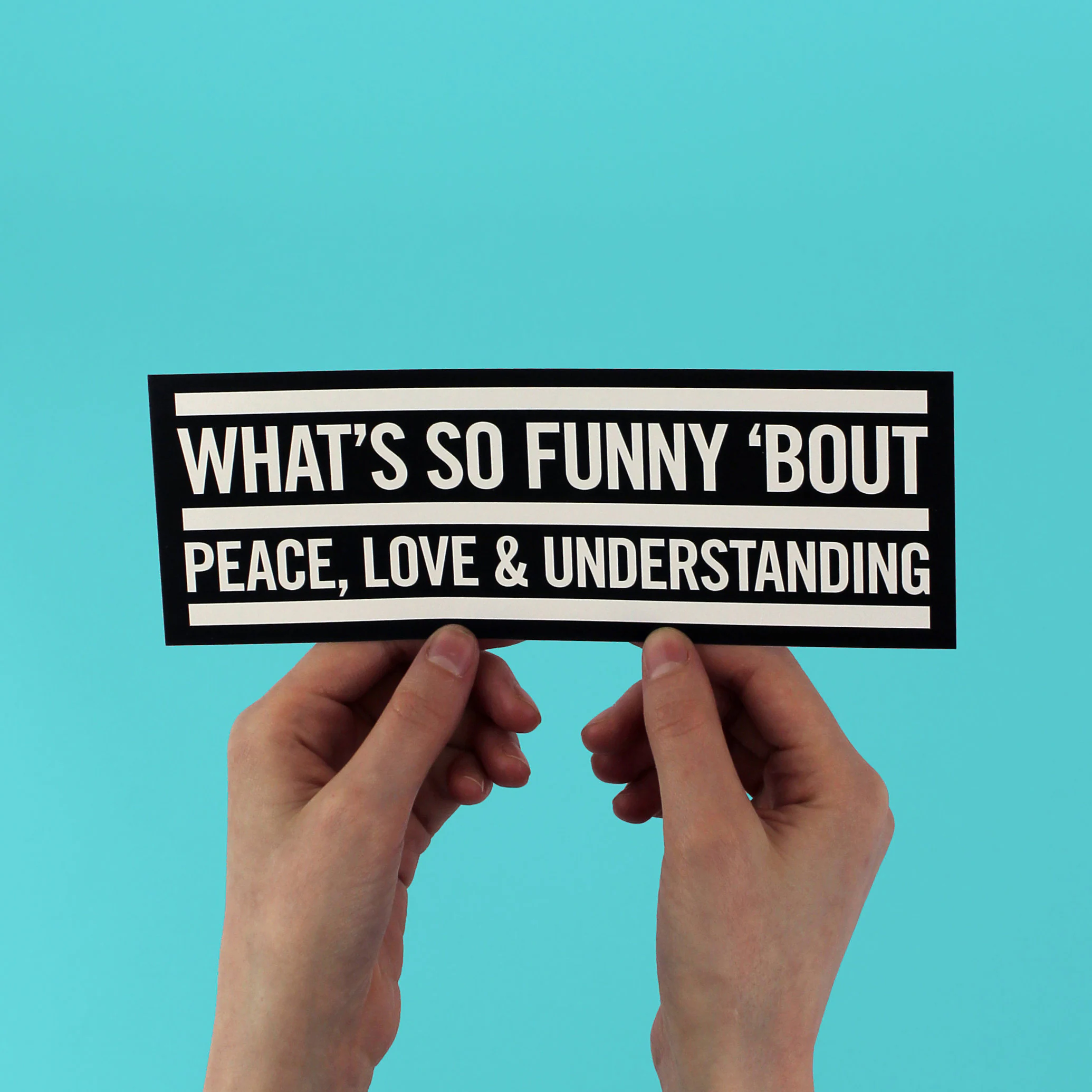
In 1974, Nick Lowe wrote a song that asks a question so earnest it borders on naïve: (What’s so funny ’bout) peace, love, and understanding? Lowe recorded the song with his band, Brinsley Schwarz, on their album The New Favourites of… Brinsley Schwarz.
When Elvis Costello later recorded it in 1978—with Lowe as producer—he “donated” it as a B-side secret cover to his producer’s A-side single. The song then became so popular that it was included on Costello’s next album in America, added as the final track to the US version of Costello’s 1979 album Armed Forces, replacing the song “Sunday’s Best”.
In Costello’s version the question took on a sharper edge. Sung with urgency and a trace of frustration, it sounded less like a slogan and more like a plea shouted into the wind.
Half a century later, the song still circulates, but its emotional register has shifted. What once sounded idealistic now risks being heard as faintly ridiculous. Peace, love, and understanding? In this economy?
The song’s humor was always there. Lowe didn’t write an anthem so much as a rhetorical shrug. The narrator isn’t triumphantly declaring belief in human goodness; the narrator sounds confused, even wounded. Someone trying to connect in a world that seems determined to misunderstand them. The repeated question—what’s so funny…?—suggests that someone, somewhere, is laughing. The joke, apparently, is on anyone who thinks empathy might still matter.
In the 1970s, this skepticism made sense. The optimism of the 1960s had curdled. Vietnam dragged on, Watergate unfolded, and rock music itself was getting louder, angrier, and more ironic by the minute. Punk was around the corner, sharpening its knives. Against that backdrop, asking for “peace and love” could sound hopelessly retro, like showing up to a street fight armed with a daisy.
But Lowe’s song never fully abandons the daisy. Instead, it holds it out stubbornly, as if daring the listener to swat it away. The narrator wants connection. They want understanding. A real need, a desperate urgency for someone—anyone—to meet them halfway. The joke, if there is one, is that these desires are treated as unserious, even embarrassing.
Fast forward to the Trump era, and the song begins to sound less like irony and more like anthropology. We now live in a political culture where empathy is routinely framed as dangerous, compassion is dismissed as weakness, and kindness is treated with deep suspicion. Caring too much is naïve; caring at all is often portrayed as manipulative. Understanding others is rebranded as “coddling.” Peace is for suckers. Love is sentimental nonsense. And understanding—well, that sounds like something an elite would do.
In this context, Lowe’s question lands differently. What’s so funny about peace, love, and understanding? The answer, it turns out, is that they violate the prevailing norms of performative toughness, constructed morality whose point is to judge others. Lowe’s lyrics plead to slow things down, to stop and look around you. They complicate simple stories about winners and losers. They ask us to imagine other people as human beings rather than as enemies, caricatures, or content.
The song’s narrator is lonely, but not in the grand, romantic sense. They’re lonely in a mundane, social way. They want to talk. They want to be heard. They wants to be understood without having to shout or sneer. This is not the loneliness of heroic alienation; it’s the loneliness of someone living in a world that has lost patience with vulnerability.
That loneliness feels oddly familiar today. Contemporary political discourse often rewards outrage over curiosity and certainty over reflection. Admitting uncertainty—or worse, seeking understanding—can be treated as a sign of weakness. In that environment, Lowe’s song sounds almost transgressive. It insists that connection is not only desirable but necessary, even if it makes you look foolish.
There’s also something delightfully inconvenient about the song’s moral framework. It doesn’t divide the world neatly into good people and bad people. Instead, it suggests that everyone is confused, defensive, and afraid—and that the solution is not domination but mutual recognition, mutual aid. This is not a message that lends itself easily to rally chants or cable news panels.
Perhaps that’s why the song feels so quaint now. Its moral universe assumes that understanding is possible and worth pursuing. It assumes that people might actually change if they felt heard. These are dangerous assumptions in a political culture built on permanent grievance and perpetual conflict.
And yet, the song persists. It keeps being covered, replayed, and rediscovered. It resists. Maybe that’s because its central question refuses to age out. Every era has its reasons for mocking peace, love, and understanding. Every era has its own version of the sneer. The song doesn’t argue back so much as it asks us to notice the sneer and sit with it uncomfortably.
In that sense, the song’s humor is less about punchlines than about exposure. It reveals how strange it is that basic human values need defending at all. Why is kindness funny? Why does empathy provoke eye-rolling? Why does understanding feel like a liability?
The joke, Lowe seems to suggest, isn’t on peace and love. It’s on a society that finds them laughable.
So maybe the song’s endurance isn’t ironic after all. Maybe it survives because, in moments when cruelty becomes fashionable and indifference is rebranded as realism, someone needs to keep asking the unfashionable question. Calmly. Repeatedly. Almost politely.
What’s so funny about peace, love, and understanding?
The unsettling answer, then and now, is not that they are absurd—but that we’ve worked very hard to pretend they are, so maybe… just maybe we can work to make them real.
It’s 2026, and if someone tells you that the gatekeepers have vanished, they’re half right — because the old ones never really left, and the new ones are algorithms you can’t talk to over a beer. But out here in the dust-soaked landscape where indie music still breathes, artists are inventing their own economies, building their own tribes, and sustaining entire careers without waving to Spotify’s backstage bouncer. This is the story of the new DIY pipeline — where radical drive, community, and patronage outshine cold, digital playlists.
Let’s start with a truth that should be shouted from every rooftop: you don’t need a major label to be heard anymore — you just need someone who’ll listen.That’s both terrifying and beautiful, especially when artists like Hello June come along and remind you why indie music is still worth the trouble. You might know Hello June as the West Virginia-rooted outfit whose reverb-soaked guitars and poetic introspection make a perfect late-night soundtrack to driving somewhere you shouldn’t be. Their songs, like “Mars” and “Honey I Promise,” shimmer with emotional clarity — the kind of music that makes you feel seen in the dark. Critics from Paste to NPR Music cited them early on, and they’ve carved a lane in the hearts of listeners without a “Major” label deal ever steering their ship.
Meanwhile, from the Midwest — not far from our own Dayton scene — artists like Beth Bombara have spent years building careers outside the corporate churn. Bombara, originally from Grand Rapids, relocated to St. Louis, Missouri, in 2007, where she became a prominent figure in the city’s Americana and roots music scene, blending folk and indie rock with a strong work ethic and a distinctive sound. She funded her first full-length in 2010 with Kickstarter and has since navigated life as a working artist armed with nothing more than her incredible voice, her evocative guitar, and her fans’ belief.
These are not anomalies — they’re the new normal.
The digital era promised democratization, but what we actually got was decentralization: power pulled out of a few hands and spread across millions of screens. No longer is the major label the only entity that can bankroll an album, book tours, or create community. Instead, bands, solo musicians, and writers are turning to platforms that were once footnotes in industry thinkpieces — places like Patreon, Bandcamp, Discord, and direct mailing lists, among other creative tools of communication.
So what’s the deal with Patreon? First co-invented by musician Jack Conte as a direct lifeline between artist and audience, Patreon operates on a simple but subversive idea: fans will pay if what you make matters to them — not just as background noise, but as something alive in their lives.
At its core, Patreon is a membership platform where a listener can become a patron — literally a supporter — of an artist they believe in. This isn’t an iTunes download or a Spotify stream; it’s ongoing support. The model flips the script: instead of chasing playlist placements and algorithm boosts, musicians offer exclusive content, early access to songs, behind-the-scenes videos, and even livestreams of rehearsals or songwriting sessions. It’s the 21st-century version of knocking on your favorite artist’s green room door after a show, but without the awkwardness and with a monthly subscription.
Let’s take Amanda Palmer as an example — not because she’s the only one doing it, but because she made it look possible for everyone. Palmer is a prominent example of an artist bypassing traditional music industry structures, having pioneered a sustainable career through direct-to-fan crowdfunding and patronage. Her success with Patreon, which at times saw her supported by over 11,000 patrons for her content, highlights a shift toward, and the viability of, an independent, community-funded model. With thousands of patrons, she has funded entire projects, released music on her own terms, and keeps her creative life spinning outside the corporate wheelhouse. Palmer’s success proves that authentic connection beats algorithmic luck every time.
Amanda Palmer isn’t alone — she’s just the loudest proof of concept. Once the door cracked open, a lot of artists realized they didn’t need permission anymore.
Take Pomplamoose, for instance. Jack Conte and Nataly Dawn didn’t just use Patreon — Conte co-built it after realizing that viral success on YouTube didn’t equal financial stability. Pomplamoose flipped the script by inviting fans into the process: behind-the-scenes videos, early releases, and transparent explanations of how music actually gets made and paid for. Their Patreon isn’t about mystique; it’s about trust. Fans know where their money goes, and in return, the band keeps control of its sound, schedule, and sanity.
Then there’s Jonathan Coulton, a cult hero long before “crowdfunding” became a buzzword. Coulton built his career through mailing lists, web releases, and fan support years before Patreon existed. When he later embraced patronage platforms, it felt less like a pivot and more like a natural extension of a relationship he’d already cultivated. His success reminds us that this model isn’t about tech — it’s about consistency and connection.
Erin McKeown offers another blueprint. A fiercely independent songwriter with a restless creative streak, McKeown has used Patreon to support not just albums but experimentation itself — new sounds, collaborations, and political engagement. Patrons aren’t just buying songs; they’re underwriting artistic freedom. That’s the real revolution here: the ability to fail, explore, and grow without a label hovering over your shoulder asking about “marketability.”
In the indie-folk and Americana world, artists like Dessa have also leaned into direct support. Through Patreon and direct fan engagement, Dessa has funded releases, tours, and multimedia projects while maintaining ownership of her work and her narrative. What stands out is how these artists talk to their supporters — not as consumers, but as collaborators in a shared cultural project.
Even younger, genre-blurring artists have taken notice. Jacob Collier turned his Patreon into a living room — a place for listening parties, deep musical nerdery, and real-time feedback from fans who care about chord changes and time signatures. It’s not mass culture; it’s micro-culture. And that’s exactly the point. Collier reimagined his Patreon into a hub for superfans: album recommendations, Zoom “hangs,” and listening parties — experiences you can’t get anywhere else.
What ties all of these artists together isn’t genre, fame level, or even platform — it’s a shared refusal to treat listeners like anonymous clicks. In each case, Patreon becomes less of a paywall and more of a campfire: a place where artists explain what they’re doing, why it matters, and how supporters are part of it.
This model scales down beautifully, too. The same logic that sustains Amanda Palmer or Pomplamoose works for regional and DIY artists — including those orbiting scenes like Dayton’s. An artist doesn’t need 11,000 patrons; sometimes 100 deeply invested listeners are enough to fund a record, press vinyl, or take a tour without going broke. That’s the quiet power of the system.
What all of this proves — over and over — is that authentic connection beats algorithmic luck every time. Algorithms reward sameness and volume. Communities reward honesty, risk, and presence. Patreon didn’t invent that truth — it just gave it a payment button. And once artists realized they could build sustainable lives by talking with their audiences instead of shouting at them, there was no going back.
Now take a beat and imagine that same mentality applied locally: imagine Dayton-area artists building scenes not by random algorithmic chance, but by actual conversation. Bands like The Nautical Theme, whose work has caught attention around the region and beyond — a duo with rich lyricism and intimate sound — are the perfect candidates for this kind of direct support model.
Instead of waiting for a mysterious playlist curator to decide whether they “fit,” these artists can launch a Patreon and say: “Here’s our new track before anyone else hears it.” “Here’s a video of us working through this melody.” “Here’s a Q&A or a private live chat.”
And the fans — the listeners who feel like family — respond.
This approach is not without its skeptics. Some fans grumble that putting music behind a paywall feels transactional, a betrayal of the free-streaming age. Others worry that Patreon can become a grind: you owe monthly content, you owe engagement, you owe something beyond the music itself. That criticism isn’t wrong — but it’s missing the bigger picture: Patreon isn’t about hiding your art, it’s about valuing your art.
Because here’s a fact nobody will whisper: streaming services pay ‘peanuts.’ Artists make fractions of pennies, and touring income can evaporate overnight (as COVID taught us). Patreon isn’t a silver bullet, but it gives back the dignity of direct support — something that crowdfunding pioneers like Bombara were already practicing a decade ago with Kickstarter.
And so we come full circle. This new DIY pipeline isn’t about rejection of platforms like Spotify or Apple Music — they still matter — it’s about not depending on them exclusively. It’s about deepening the relationship between artist and audience, and about building sustainable careers outside traditional structures.
You can see this new ecosystem everywhere you look:
Exclusive releases on Bandcamp that let fans pay more than the minimum — paying what they want to support the artist directly;
Patreon communities that reward superfans with behind-the-scenes access;
Local scenes where bands exchange audiences and cross-promote shows;
And yes, tiny micro-labels started by fans that release cassette tapes because who says they can’t?
It resembles the old punk DIY ethos as much as it does the post-internet world: make your art, find your people, and don’t wait for permission. Leave the algorithms to sort cookies — the real thing happens where hearts beat, and feet stomp at house shows, where fans feel like participants instead of data points.
Maybe there’s something inherently human about all this — after all, music has always been about connection. Whether it was someone handing you a mixtape in the ‘90s, a friend whispering about a local band at a bar, or a Patreon post that makes you feel like you’re part of the creative process — that’s what sustains music. Not corporate endorsements. Not algorithmic pushes. People who feel something choose to support something real.
And in 2026, that might just be the most radical thing of all.
I’ll just say it: Grand Epiphaniesis one of the most human records you’re going to hear in 2025, and maybe one of the few that doesn’t insult your intelligence along the way. While many releases this year seem hell-bent on either drowning themselves in studio varnish or hiding behind hipster irony, Kim Ware walks in like someone who’s survived a few things and isn’t afraid to speak plainly about the bruises. These songs don’t howl, they don’t posture—they breathe. And in an era when pop throws confetti over every emotional breakdown and calls it catharsis, Ware has the guts to sit with the silence, to let the ache settle, to make music that’s actually about feeling something and not just Instagramming the wreckage. This is a record that believes in sincerity, and for that alone, it hits like a revelation.
Deepening the craft: Why Grand Epiphanies matters
When Grand Epiphanies was released in September 2025 via Fort Lowell Records, it arrived not as a gimmick or a throwback — but as an earnest statement from a songwriter who has spent nearly two decades refining her voice. For fans of Kim Ware and The Good Graces, the EP represents both continuity and evolution. It retains the emotional honesty and Southern-tinged indie-folk roots listeners have come to expect, while embracing fuller arrangements, sharper lyrical clarity, and a maturity of perspective that only time (and living) can provide.
What emerges is a collection of songs that treat heartbreak, regret, longing, and self-doubt not as melodrama, but as shared human truths. Ware doesn’t write to shock, to boast, or to gloss over. She writes to reach — to offer a mirror to listeners, and maybe a little company in whatever dark or quiet moment they find themselves. This EP is a reminder: vulnerability doesn’t have to be pretty. It just has to be honest.
The team: musicians behind the music
Although Kim Ware remains the creative heart of The Good Graces — vocals, guitar, and songwriting — Grand Epiphanies is a collaborative effort, supported by skilled players and producers who understand how to highlight nuance rather than mask it.
On this release, producers and multi-instrumentalists Steven Fiore and Justin Faircloth play central roles, adding guitar, piano, keyboards, bass, and even backing vocals, and in doing so, help shape the record’s rich but still intimate sonic layers. Their presence builds on a long tradition within The Good Graces: throughout previous albums, different collaborators have drifted in and out of the lineup, each contributing something distinct to the band’s evolving sound. That kind of fluid membership has always been part of the project’s identity, keeping Kim Ware’s songwriting deeply personal while allowing the music itself to remain open, flexible, and continually renewed rather than fixed in a single form.
This flexible model echoes what Ware once said about the band: not as a fixed entity but as a “very talented group of friends,” coming together when inspiration, time, and circumstance allow.
In practice, this means Grand Epiphanies doesn’t feel overproduced or manufactured. Instead, it feels like friends gathered in a room, listening, playing, and creating together — a mood that invites trust and intimacy rather than distance and gloss.
Sound and style: picking up old threads, weaving new ones
Listeners familiar with earlier Good Graces albums — from Sunset Over Saxapahaw (2008) through Ready (2022) — will find much that’s familiar on Grand Epiphanies. Ware’s Southern-tinged twang, her blend of folk, country, and indie-rock sensibilities, the unhurried melodies, the earnest vocal delivery — these remain essential.
Yet this EP also feels more expansive than some earlier efforts. The production, led by Fiore and Faircloth, layers guitars, piano, subtle harmonies, and occasionally banjo or other acoustic touches to build a richer emotional landscape around Ware’s voice. Although personal taste will always shape which tracks linger the longest, several songs on Grand Epiphanies stand out for the way they crystallize what the record does best. Take the track “Old/New”: its guitar strumming and vocal lines evoke late-afternoon melancholy, but as the song unfolds, piano and backing instrumentation widen the space — giving the listener room to sink into memory, longing, and possibility. unfolds like a gentle meditation on what we leave behind and what we carry forward, its subtle layers of instrumentation creating room for genuine emotional reflection.
“Wish I Would’ve Missed You” approaches heartbreak without melodrama, turning regret and longing into something more like the experience of leafing through old photographs—quiet, tender, and unexpectedly overwhelming. And then there is “Missed the Mark,” a song that speaks directly to the insecure, the hopeful, and the uncertain, offering both an appeal for human connection and a confession of imperfection that feels disarmingly honest.
The choice to include a cover — a reimagined version of Some Guys Have All the Luck — also signals the confidence in balancing reverence and reinvention. On this EP, the cover doesn’t feel like a novelty; instead, it sits comfortably alongside Ware’s originals, transformed gently to align with the EP’s mood and tone. “Some Guys Have All the Luck” serves as a bridge between past and present, inspiration and reinterpretation. It doesn’t overshadow the original; it complements it, reminding listeners that songs evolve just as people do.
Overall, the sound of Grand Epiphanies suggests maturity without restraint, emotional depth without melodrama — the kind of record that lingers long after the final note fades.
The gift in the songs: everyday life, honest reflection, and human connection
What often sets the best singer-songwriters apart is a gift for translating ordinary moments into emotional touchstones. On Grand Epiphanies, Kim Ware exercises that gift with clarity and courage. Rather than lean on clichés — heartbreak melodrama, romantic tropes — she mines the subtler, messier terrain of real experiences: regret, nostalgia, second chances, self-doubt, hope, and quiet resilience. Many of these themes resonate universally: longing and loneliness, memory and loss, the ache of roads not taken, the fragile optimism that hums beneath everyday life.
In “Wish I Would’ve Missed You”, Ware reflects on regret and longing with a spare lyricism that strikes more powerfully than most breakup ballads. “Spent it all on grad school… every now and then a memory stops me in my tracks,” she sings — not flaunting heartbreak but confessing to being human, vulnerable, flawed.
Elsewhere — in songs like “Missed the Mark” — she turns the lens inward, wrestling with feelings of inadequacy, uncertainty, and the desperate hope to connect. “I scan the room and hope the messages I send / Somehow reach a brand new stranger, and they become a brand new friend,” she confesses, exposing the artist’s fear and longing behind performing.
The album doesn’t promise closure. It doesn’t pretend that “everything works out.” Instead, it offers companionship: a voice that says, “I feel a lot of this too.” In that way, Grand Epiphanies avoids insulting the listener’s intelligence by offering simplistic solutions. It acknowledges complexity. It honors pain. And it believes in healing — not as a fairy tale but as a slow, sometimes messy process.
How Grand Epiphanies compares to previous work
To appreciate Grand Epiphanies, it helps to see it against the backdrop of Kim Ware’s musical journey. The Good Graces began in 2006 after Ware picked up an old acoustic guitar and started composing songs rooted in Southern indie-folk traditions.
Earlier records, like Close to the Sun (2014), showed a willingness to experiment — to mix folk and country, to play with ambient touches, drum machines, and subtle electronic textures. But even then, the core remained familiar: Ware’s voice, simple guitar patterns, emotionally candid lyrics.
With Ready (2022), the songwriting felt sharper, more intentional; melodies caught between wistful longing and restless urgency. Yet Grand Epiphanies pushes further. The songs are more cohesive; the instrumentation more deliberate; the emotional stakes clearer. Listeners can trace how time, experience, and loss have deepened Ware’s perspective.
This latest EP also suggests a renewed trust in collaboration. Rather than relying solely on acoustic minimalism — the refuge of vulnerability — Ware embraces fuller arrangements. The result isn’t flashy, but it feels abundant in feeling. It’s as though she’s saying: “These aren’t just my stories alone anymore; they are ours.”
Why Grand Epiphanies feels especially relevant in 2025
We live in a time when noise is constant — in our politics, our social media, our media cycles. Simplicity and quiet reflection often feel like luxuries. In that environment, an EP like Grand Epiphanies doesn’t just matter musically; it matters morally. It represents a kind of resistance — not flashy or confrontational, but human.
Kim Ware doesn’t demand answers; she offers empathy. She doesn’t pretend life gets clean after the hard parts; she reminds us that even when scars remain, beauty can survive. For listeners who feel worn down, uncertain, or haunted by memory, these songs can be small lamps in a dark room. For those simply seeking honest songwriting in a sea of glossy distractions, the EP offers relief.
Moreover, the collaborative, evolving model of The Good Graces — weaving friends, producers, rotating musicians into a living tapestry — speaks to music as community, not commodity. In an age of streaming algorithms and viral hits, that matters.
A few honest limitations — and why they don’t hurt the EP’s purpose
As with any release built around vulnerability and introspection, Grand Epiphanies may not cater to all tastes. Listeners expecting polished pop hooks, glossy production, and immediate gratification might find its pacing too slow, its mood too muted. The EP’s strength lies precisely in its restraint — in accepting that some feelings don’t come wrapped up neat and loud.
And with only five tracks, Grand Epiphanies can feel more like a snapshot than a full portrait. Themes are introduced, emotional arcs hinted at, but not always resolved. The sense is less of closure and more of continuation. Which, in many ways, may be the point: life rarely offers tidy endings.
Still — if you’re open to being held in uncertainty for a little while; if you’re willing to sit with a guitar, a voice, and a few gentle chords — the EP offers something rare: a place to breathe.
Kim Ware and The Good Graces — still speaking, still feeling
In a musical climate often dominated by spectacle, loudness, and overstated sentiment, Grand Epiphanies stands out not because it demands attention, but because it deserves it. Kim Ware’s songwriting remains a gift: honest, gentle, unguarded, but never cloying or insincere. Backed by The Good Graces, she continues to prove that folk and indie rock can still speak to our messy, uncertain lives with clarity and heart.
For longtime listeners, the EP will feel like a meaningful evolution — a band maturing, growing more confident, more open to collaboration. For those just discovering Ware, it offers a doorway into a catalogue full of stories that don’t hide behind cliches or affectation. And for anyone longing for music that reflects rather than distracts, that comforts rather than commodifies — Grand Epiphanies is a small, glowing jewel.
In 2025, when the world often seems determined to overwhelm us with noise, Kim Ware and The Good Graces invite us to slow down, listen, and remember: we are not alone. We are human. We are trying. And maybe — just maybe — that’s enough.
Streaming Forward, Powered By The Past - if you love the 80s music, new music, Eurovision, cheesy pop and awesome playlists then let's get this pop party started!






 your tuesday afternoon alternative