Rob Hirst performs with Midnight Oil in 1988 at the Tower Theater in Philadelphia. (Bill McCay / Getty Images)
Rock music has always been good at noise. What it has been less reliable at—though never incapable of—is meaning. That is why the passing of Rob Hirst from Midnight Oil lands with a particular weight. It is not only the loss of a musician, but the loss of someone who helped prove that rock and roll could still function as a moral instrument without becoming preachy, hollow, or self-satisfied.
Midnight Oil was never just a band you put on in the background. Their music demanded attention. It asked listeners to sit up straighter, to think harder, to consider their place in a world shaped by power, inequality, and history. Rob was part of that engine—part of the collective force that turned urgency into sound and commitment into motion.
To understand why this matters, it helps to remember what Midnight Oil represented in the broader history of popular music. By the late 1970s and early 1980s, rock was splintering. Punk had stripped things down to raw confrontation. Arena rock had blown things up into a spectacle. New wave flirted with irony. Somewhere in that mix, Midnight Oil arrived with a different proposition: that rock could be loud and political, muscular and ethical, uncompromising without losing its humanity.
Rob’s contribution to that vision was not flashy. That is precisely the point. The band’s power never came from virtuosity for its own sake. It came from restraint, discipline, and a sense that every note existed in service of something larger than individual ego. This was rock music as collective labor—tight, propulsive, and purposeful. Think of this as where cultural significance often gets overlooked. We tend to focus on front figures, lyricists, or visible symbols of protest. But movements—musical or political—are sustained by people who show up consistently, shape the structure, and hold the center. Rob helped hold that center. The music moved because it was grounded.
That grounding mattered because Midnight Oil treated politics not as branding but as responsibility. Their songs did not offer vague calls to “change the world.” They named systems. They pointed to consequences. They located listeners inside histories of colonialism, environmental destruction, and economic exploitation. This was not background protest—it was confrontation set to a beat you could not ignore.
Yet what made Rob and the band enduring was that the music never collapsed into scolding. There was anger, yes, but also care. There was urgency, but also solidarity. The sound invited people in even as it challenged them. That balance—between confrontation and connection—is rare, and it is one reason the band still resonates across generations.
From an academic perspective, Midnight Oil complicates the idea that popular music must choose between mass appeal and political seriousness. Their success suggests something else: that audiences are often more capable of engaging complex ideas than the industry assumes. Rob’s work helped demonstrate that rhythm itself can carry ethical weight, that repetition can reinforce not just hooks but commitments.
There is also something important about how Midnight Oil aged. Many politically minded bands burn bright and disappear, their relevance trapped in a specific historical moment. But the Oil’s music did not rely on trend or novelty. Its concerns—land, labor, justice, responsibility—remain unresolved. In that sense, Rob’s legacy is not nostalgic. It is unfinished.
Loss sharpens this realization. When someone like Rob passes, we are reminded that cultural work is always temporary, even when its impact is not. The people who make the music eventually leave us. What remains is the sound—and the question of what we do with it.
For listeners, the answer is not just remembrance. It is continuation. To keep playing the records, yes—but also to keep asking the questions the music raised. To refuse the comfortable separation between art and action. To remember that rock and roll, at its best, has never been about escape alone. It has also been about attention. Rob’s life and work stand as a quiet rebuke to cynicism. At a time when political engagement is often reduced to slogans and aesthetics, Midnight Oil insisted on substance. Rob helped give that insistence a pulse. A beat that did not rush. A rhythm that held steady while the world lurched.
In the end, that may be the most fitting way to understand his contribution. Rob was part of a band that believed sound could still carry responsibility—and he helped make that belief audible. His passing is a loss. But the music remains, still insistent, still unresolved, still asking us to listen harder than we might prefer.
And that, in rock and roll terms, is about as real as it gets.
Some cities hum, and some cities grind, and then there’s Dayton, Ohio, which does both at once, like it’s chewing aluminum foil and smiling through the sparks. Out of that glorious Midwestern feedback loop comes Todd The Fox—musician, songwriter, performer, singer—padding into your ears tomorrow on Your Tuesday Afternoon Alternative from 4–5 p.m. Eastern, impeccably dressed as if from a nineteenth-century sepia-toned picture, eyes bright, ready to knock over your preconceptions and maybe a lamp or two. This isn’t a press-release animal. This is the kind of musician who lives in the alley behind the club and somehow knows your name and the story of how you met.
Let’s get something straight before the bio-police arrive with their clipboards: Todd The Fox isn’t a “local act” the way people say “local” when they mean “small.” Dayton has always been a factory for nervous systems—Guided by Voices turning beer-soaked basements into libraries of genius, the Breeders bending melody until it smiles back, far too many funk ghosts rattling the windows to mention them all. Todd The Fox comes from that lineage of people who treat songs like living organisms, not products. The music breathes. It snarls. It slips between rock and roll styles the way a fox slips under a fence: quick, quiet, leaving you wondering how it got there and beautiful.
Listen closely, and you hear a songwriter who understands the dirty miracle of rockabilly, rock ‘n’ roll, juke joint, rock AND roll, pop, and more—how a hook can feel like salvation if you let it—and who also understands how to break the hook on purpose just to see what bleeds out. Todd’s songs don’t ask permission. They don’t knock. They kick the door, apologize sincerely, then steal your favorite record and give it back with new fingerprints. There’s classic melody here, yes, but it’s the kind that’s been roughed up by real nights and real mornings, the kind that knows the difference between romance and survival.
Performance-wise, Todd The Fox doesn’t “take the stage” so much as make it a living room and then light a match. There’s a physical intelligence to it, a sense that the body is another instrument and the crowd is a choir that doesn’t know it’s rehearsing. You don’t watch so much as get pulled into orbit. To call him a showman would truly understate it. That’s the secret sauce: the generosity. Even when the songs bite, they’re offered with an open palm. You’re invited to bleed a little, too. It’s communion with better jokes.
And here’s the thing the algorithms won’t tell you: Todd The Fox understands time. Not in the “retro” sense—this isn’t cosplay—but in the way great rock & roll always has, a kind of temporal vandalism. The performance of the songs feels like they all could’ve been written yesterday or twenty years from now, which is to say they live in the only time that matters: the one where you’re paying attention. There’s craft without fussiness, ambition without the TED Talk, and a willingness to leave the seams showing because that’s where the electricity leaks out.
Tomorrow’s hour on Your Tuesday Afternoon Alternative isn’t a content drop; it’s a rendezvous. Radio still matters when it’s alive, when it’s a room you can step into and feel the air change. From 4–5 p.m. Eastern, Todd The Fox comes by to talk shop, spin yarns, and let the music do what it does best: make a mess and call it truth. Expect stories that zig when you think they’ll zag, expect songs that refuse to sit still, expect the kind of conversation that remembers radio is a human act, not a playlist with a personality disorder.
If you’re tired of music that arrives pre-chewed, if you miss the feeling that something might go wrong in the best possible way, tune in. Todd The Fox is the sound of a city, of a tradition that learned how to survive by inventing its own fun, the sound of a songwriter who trusts the song more than the strategy. There’s wit here, and bite, and that elusive thing critics pretend to quantify: soul. Not the museum kind. The living, twitching kind that looks you in the eye and dares you to stay.
So set the dial. Clear the hour. Let the fox into the henhouse of your afternoon and see what survives. Tomorrow, 4–5 p.m. Eastern. Your Tuesday Afternoon Alternative. This is how radio remembers what it’s for.
I have been watching a lot of music movies and documentaries. One of the most interesting music films I have seen is Deliver Me From Nowhere.
So, sure… I’m supposed to talk about a movie here, Deliver Me From Nowhere, which already sounds like a bootleg lyric scribbled on a diner napkin at 3 a.m., which is exactly right, because if you’re going to make a movie about Bruce Springsteen and you don’t start from the place where he’s half-lost, half-feral, recording songs alone with ghosts rattling around the room, running around his mind, then you’re just making another shrine, another museum exhibit with the volume turned down.
The trick with Springsteen—especially for film—is that he’s been embalmed while still breathing. Bandanas, stadiums, flag-waving, the myth of blue-collar transcendence with a backbeat you can chant to while buying merch. All of that is real enough, but it’s also the loudest, safest version of him. Deliver Me From Nowhere wisely points the camera in the opposite direction: toward the guy sitting alone with a cheap recorder, a harmonica, and a head full of the past that we all are trying to outrun from when we were kids, running as much from as well as to American dread. Toward Nebraska.
Let’s get this out of the way right now: Nebraska is one of the best albums Bruce Springsteen ever made. Maybe the best. And before the E Street choir starts humming “Born to Run” in protest, understand that this isn’t a knock on the big stuff. Those records are monuments. Nebraska is a crime scene. And crime scenes tell you more about a culture than monuments ever do.
The movie—at least in spirit, and somewhat in execution—gets that Nebraska wasn’t a detour or a demo tape that accidentally escaped. It was a confrontation. Springsteen stares straight into the cracked mirror of American masculinity and says, “Okay, let’s not lie about this.” No big band. No catharsis-by-chorus. Just flat voices telling flat stories about people who don’t get saved, or don’t even believe in salvation anymore (honestly, which is worse?).
If you want to understand why Deliver Me From Nowhere matters, you have to understand that Nebraska is a record made by someone who had already “won.” The success machine was humming. He could have turned the crank again and printed another anthem. Instead, he made a record where the American Dream shows up already foreclosed, the lawn brown, the marriage strained, the highway leading nowhere in particular.
That’s not an accident. That’s a choice. And it’s a deeply uncommercial one, which is what makes it all the more meaningful.
What the movie seems to grasp—again, fingers crossed as it doesn’t chicken out—is that Springsteen’s genius isn’t just empathy. A lot of critics stop there, because empathy is safe. Empathy doesn’t ask uncomfortable questions. But Nebraska isn’t just empathetic; it’s accusatory. Not in a preachy way, but in the way a good true-crime story accuses you by refusing to tidy itself up.
Take the title track. A killer talks. No moral lesson. No orchestral swell telling you how to feel. Just a voice explaining itself, almost bored, almost numb over the fact that the world is a place full of mean, anger, and hostility. That’s radical. Rock music, especially in the early ’80s, wasn’t supposed to do that. Rock was about triumph, even when it pretended to be about suffering. Nebraska lets suffering sit there without redemption, like an unpaid bill that you read in the dark after the electricity has been turned off.
A film about this period has to resist the urge to explain too much. Explanation is the enemy of dread. If Deliver Me From Nowhere turns into a neat psychological case study—“here’s why Bruce felt sad”—then it misses the point. The power of Nebraska is that it doesn’t psychoanalyze its characters. It listens to them. And sometimes listening is more disturbing than understanding.
What makes Nebraska one of Springsteen’s best albums (I know, I already said that) is precisely what made it risky: it’s unfinished in all the right ways. The tape hiss is part of the meaning. The thin sound isn’t lo-fi nostalgia; it’s a sonic moral choice. These songs don’t deserve polish because their lives don’t have it. You don’t add reverb to a confession. You do not turn up a whisper, you lean in and listen hard.
If the movie captures that—if it lets silence do some of the talking—it could be one of the rare music films that understands restraint. Most biopics are loud because they’re afraid. Afraid the audience will get bored, afraid the myth won’t survive scrutiny. But Nebraska survives because it’s small. It’s the sound of someone realizing that being heard by millions doesn’t mean you’ve said what you needed to say. There’s also something profoundly American about the timing. Nebraska comes out in the early Reagan years, when optimism was being sold wholesale again, when flags were back in fashion, and the word “hardship” was being politely escorted off the stage. Springsteen responds not with protest anthems but with stories about people who don’t make it into speeches. That’s political without being programmatic. It’s sociology disguised as folk noir.
And here’s where the movie has an opportunity most Springsteen narratives avoid: showing that this record isn’t an aberration but a key. You can draw a line from Nebraska forward—to The Ghost of Tom Joad, to the quieter corners of Tunnel of Love, to every moment when Springsteen chooses unease over uplift. Nebraska isn’t the opposite of the stadium-Bruce; it’s the engine room underneath it.
In the end, Deliver Me From Nowhere doesn’t need to convince us that Springsteen is important. That argument was settled decades ago. What it needs to do is remind us that importance isn’t always loud, and greatness isn’t always communal. Sometimes it’s one guy, alone, trying to tell the truth without a safety net.
That’s why Nebraska endures. Not because it’s bleak, but because it’s honest. It refuses to fake hope, and in doing so, it earns whatever hope you find in it. If the movie understands that—if it trusts the audience to sit with discomfort, with ambiguity, with the hiss of the tape still running—then it won’t just be another rock biopic. It’ll be something rarer: a film that knows the quietest records sometimes make the most noise.
Listening to new music is one of the last ways left to genuinely surprise yourself—no plane ticket, no self-help seminar required. It sneaks up on you. One minute you’re a fully formed adult with opinions calcified like bad arteries—I know what I like, thank you very much—and the next minute some racket you’ve never heard before is rewiring your nervous system. That’s the trick of new music: it doesn’t ask permission. It doesn’t care about your nostalgia. It kicks the door in and rearranges the furniture.
Because when you listen to new music—really listen, not the polite nodding you do while scrolling your phone—you’re admitting you might still be wrong about yourself. That’s a radical act. It means you’re willing to let a stranger sing directly into your bloodstream and tell you something you didn’t know you needed to hear. New music exposes the lie that your taste peaked at nineteen, that everything afterward is just footnotes and reissues. It says, No, pal, the story’s still going, and you’re in it whether you like it or not.
And here’s the positive part they don’t put on the brochure: new music keeps you human. It keeps you porous. It reminds you that other people are out there, sweating over guitars or laptops or busted drum kits, trying to translate whatever chaos is rattling around in their skulls into something that might connect. When you let that in, you’re practicing empathy without calling it that. You’re learning new emotional vocabulary. You’re discovering fresh ways to feel lousy, ecstatic, confused, horny, or hopeful—all of which beat the hell out of emotional reruns.
Listening to new music also wrecks your comfort zones in the best possible way. It makes you uncomfortable, and discomfort is growth with a lousy publicist. That weird rhythm you don’t “get”? That voice that sounds wrong to you? Those are the edges of your imagination being stretched. If you only listen to what already agrees with you, you’re not listening—you’re just reaffirming. New music says, Shut up for three minutes and try this on.
Most importantly, new music refuses to let you become a museum exhibit of your former cool. It doesn’t care that you once saw the band before they were famous or that you still own the original vinyl. It belongs to now, and by listening, you’re choosing to belong to now too. You’re saying that curiosity beats certainty, that becoming is better than having been.
So yeah, listening to new music shapes you in a positive way. It keeps you alert. It keeps you vulnerable. It keeps you alive. And in a world hell-bent on turning everyone into a predictable playlist, that might be the most rebellious thing you can still do.
Lande Hekt’s Lucky Now arrives like a confession scribbled on the back of a tour flyer in the time right before the sun rises after a long, long night of no good, lipstick-smudged, coffee-stained, and vibrating with the kind of nervous honesty that makes you wonder whether pop music still remembers how to bleed. This is not an album that kicks the door in; it slips through the crack, sits on the edge of the bed, and starts telling you uncomfortable truths about wanting, about settling, about the strange arithmetic we do when we decide that this—this life, this love, this version of ourselves—is “enough.” And that, right there, is its quiet miracle.
Hekt has always had a knack for making emotional vulnerability sound like a strength rather than a plea, but Lucky Now sharpens that instinct into something almost surgical. These songs shimmer with indie-pop polish, sure, but beneath the gloss is a constant low-grade anxiety: the fear that happiness is temporary, that luck is borrowed, that joy might evaporate the moment you name it. It’s pop music that knows better than to trust pop music’s old lies.
What makes Lucky Now hum instead of collapse under its own sensitivity is Hekt’s voice—not just the literal instrument, though that’s lovely in a windswept, half-smiling way—but the narrative voice, the persona who sings like she’s talking herself through decisions she’s already made and regrets she hasn’t fully admitted yet. This is adult pop in the truest sense: not about growing up, but about realizing you already did and you’re still not sure you like the furniture.
Musically, the record flirts with brightness while refusing to fully commit. The melodies are catchy in that sneaky way—hooks that don’t announce themselves so much as move into your head and rearrange the place. Synths glimmer, guitars jangle politely, and the production keeps things buoyant enough that the emotional weight doesn’t drag the songs into dour introspection. This is where Hekt is smarter than a lot of her peers: she understands that sadness hits harder when it’s wearing a smile.
There’s something almost punk about that restraint. Not punk as in distortion and safety pins, but punk as in refusal—the refusal to oversell, to dramatize, to scream when a whisper will do more damage. Lucky Now feels like a record made by someone who’s seen the emotional theatrics of pop romance and decided to opt out, replacing grand declarations with small, cutting observations. The result is intimacy without exhibitionism, confession without spectacle.
And yet, don’t mistake this for background music. The cumulative effect of these songs is quietly devastating. By the time you reach the later tracks, you realize you’ve been lured into a meditation on luck itself—how we use it as a shield, how we say “I’m lucky” when what we really mean is “I’m afraid to ask for more.” Hekt isn’t romanticizing compromise; she’s interrogating it, holding it up to the light to see where it cracks.
If Lester Bangs taught us anything, it’s that great pop records are X-rays of their cultural moment, and Lucky Now feels like an X-ray of millennial adulthood: stable but restless, grateful but suspicious, emotionally literate yet still haunted by the suspicion that something essential got lost along the way. This is music for people who have learned the language of self-care and are still figuring out how to live with the self they’ve so carefully curated.
Lucky Now doesn’t shout for your attention. It doesn’t need to. It waits. And then, one day, halfway through the chorus of a song you thought you already understood, it guts you. That’s luck, maybe. Or maybe it’s just honesty, finally landing where it’s supposed to be all along.
How often have you been asked to name your top ten albums, or debated which records you’d take to a desert island? The “desert island album” is a familiar, hypothetical concept among music fans: the one record you could listen to endlessly and never tire of. It’s simply a way of naming your most cherished, all-time favorite album. For Dr. J, one of those perfect records is Counting Crows’ 1993 debut, August and Everything After.
Some records arrive like polite guests, shaking hands with the radio, smiling for the cameras, making sure not to spill anything on the carpet. And then some records kick in the door at 3 a.m., overwhelmed on their own feelings, bleeding a little, asking you if you’ve ever actually lived or if you’ve just been killing time until something breaks your heart. August and Everything After is the latter. It doesn’t so much introduce Counting Crows as it announces them, like a cracked-voiced preacher stumbling into town with a suitcase full of secrets and a head full of weather. That it’s their first record feels almost obscene. Bands aren’t supposed to sound this fully formed, this bruised, this emotionally articulate right out of the gate. This is supposed to take years of failure, challenges, and ill-advised love affairs. But here it is, fully alive, staring you down.
If genius means anything in rock and roll—and it does, despite all the sneering irony we’re trained to wear like armor—it means the ability to translate private confusion into public communion. Adam Duritz doesn’t just write songs; he writes confessions that somehow feel like yours, even when you’ve never lived in California, never stood on a street corner at night wondering who you were supposed to be, never tried to make sense of love after it’s already gone feral and bitten you. These songs don’t explain feelings; they inhabit them. They sit in the mess. They let the awkward silences linger. They don’t clean up after themselves. And that’s why people keep coming back.
“Round Here” opens the album not with a bang but with a question mark. It’s a song about dislocation, about being young enough to believe that identity is something you can find if you just look hard enough, and old enough to know that it might already be slipping away. “She says she’s tired of life, she must be tired of something,” Duritz sings, and it’s not melodrama—it’s reportage. He’s documenting the emotional static of a generation that grew up on promises it didn’t quite believe. There’s no manifesto here, no slogans. Just the sound of someone pacing around a parking lot trying to figure out how to be real in a world that feels increasingly wrong and staged.
And that’s the trick of August and Everything After: it sounds intimate without being precious, expansive without being bombastic. The band plays like they’re backing a nervous breakdown that somehow learned how to swing. The guitars shimmer and sigh; the rhythm section keeps things grounded, like a friend who knows when to let you rant and when to hand you a glass of water. T Bone Burnett’s production (Burnett also contributed guitar and vocals to the record) gives everything room to breathe, which is crucial because these songs need the oxygen. Smother them, and they’d collapse into self-pity. Instead, they hover in that dangerous space between vulnerability and confidence, where the best rock records live.
“Omaha” — one of my favorite songs on the record — is where the album first threatens to explode. It’s restless, jittery, propelled by a sense that staying still is a kind of death. Duritz sounds like someone running not toward something but away from the version of himself he’s afraid to become. This is a recurring theme throughout the record: movement as salvation, travel as therapy, geography as a stand-in for emotional states. Cities become characters, roads become metaphors, and every mile marker is another chance to start over, or at least pretend you can.
Then there’s “Mr. Jones,” the song that doomed the band to a lifetime of misunderstanding by becoming a hit. People heard it as an anthem of ambition, a singalong about wanting to be famous, to be seen. But listen closer, and it’s a song about emptiness, about mistaking visibility for connection. “We all want to be big stars,” Duritz sings, and it’s not triumph—it’s confession. The song pulses with the anxiety of someone who knows that being watched isn’t the same as being known. That radio stations turned it into a party song is almost beside the point; the genius is that it works despite the misreading, smuggling existential dread onto pop playlists like contraband.
The middle stretch of the album is where August and Everything After really earns its indispensability. “Perfect Blue Buildings” and “Anna Begins” slow things down, letting the emotional weight settle in your chest. These are songs about relationships not as fairy tales but as negotiations, as ongoing attempts to be less alone without losing yourself entirely. “Anna Begins” in particular feels like eavesdropping on someone thinking out loud, trying to talk himself into love and out of fear at the same time. It’s hesitant, messy, human. The song doesn’t resolve so much as it exhales, which is exactly right. Love rarely comes with neat conclusions. And remember, this is the band’s first record — wow.
What makes this record one that everyone has either owned, borrowed, stolen, or at least absorbed through cultural osmosis is how unapologetically it centers feeling in an era that was increasingly suspicious of it. The early ’90s had irony for days. Grunge made disaffection fashionable; alternative radio thrived on detachment. Counting Crows, meanwhile, walked in waving their emotions like a white flag and dared you to flinch. They didn’t hide behind distortion or sarcasm. They sang about longing, loneliness, and the aching desire to matter. And people listened because, beneath all the posturing, that’s what everyone was dealing with anyway.
“Time and Time Again” and “Rain King” push the album toward something almost mythic. Duritz begins to sound less like a diarist and more like a prophet with stage fright, evoking imagery that feels both biblical and personal at the same time. “Rain King” is particularly a masterclass in building atmosphere. It swells and recedes, gathering momentum until it feels like the sky might actually open up. It’s about control and surrender, about wanting to command the elements of your life while knowing that you’re mostly at their mercy. It’s the sound of someone learning to live with uncertainty rather than trying to conquer it.
And then there’s “A Murder of One,” the closer that doesn’t tie things up so much as leave them humming in your bloodstream. It’s expansive, reflective, tinged with regret but not crushed by it. Ending the album here feels intentional: after all the searching, all the restless motion, the record concludes not with answers but with a kind of hard-won acceptance. Life is complicated. Love is risky. Identity is a moving target. The best you can do is keep singing, keep reaching out, keep trying to make sense of the mess.
What’s staggering is that this is a debut. Not a tentative first step, not a collection of demos dressed up for release, but a fully realized statement of purpose. Counting Crows sound like a band that already knows who they are, even as their songs wrestle with uncertainty. That tension—between confidence and doubt, polish and rawness—is what gives August and Everything After its staying power. It feels lived-in, like these songs existed long before they were recorded, waiting for the right moment to surface.
In the end, the genius of August and Everything After isn’t just in its songwriting or performances, though both are exceptional. It’s in its insistence that emotional honesty is a form of rebellion. That talking about loneliness, about the hunger for connection, about the struggle to define yourself in a world that keeps changing the rules—that all of this matters. This is a record that people return to at different stages of their lives and hear something new each time, because it grows with you. Or maybe it just reminds you of who you were when you first heard it, and who you thought you might become.
Either way, it’s indispensable. Not because it tells you what to feel, but because it reminds you that feeling deeply is still possible. And for a debut album to pull that off—to make itself a permanent fixture in the emotional furniture of rock and roll—that’s not just impressive. That’s a small miracle, wrapped in August light and delivered just in time.
It’s 2026, and if someone tells you that the gatekeepers have vanished, they’re half right — because the old ones never really left, and the new ones are algorithms you can’t talk to over a beer. But out here in the dust-soaked landscape where indie music still breathes, artists are inventing their own economies, building their own tribes, and sustaining entire careers without waving to Spotify’s backstage bouncer. This is the story of the new DIY pipeline — where radical drive, community, and patronage outshine cold, digital playlists.
Let’s start with a truth that should be shouted from every rooftop: you don’t need a major label to be heard anymore — you just need someone who’ll listen.That’s both terrifying and beautiful, especially when artists like Hello June come along and remind you why indie music is still worth the trouble. You might know Hello June as the West Virginia-rooted outfit whose reverb-soaked guitars and poetic introspection make a perfect late-night soundtrack to driving somewhere you shouldn’t be. Their songs, like “Mars” and “Honey I Promise,” shimmer with emotional clarity — the kind of music that makes you feel seen in the dark. Critics from Paste to NPR Music cited them early on, and they’ve carved a lane in the hearts of listeners without a “Major” label deal ever steering their ship.
Meanwhile, from the Midwest — not far from our own Dayton scene — artists like Beth Bombara have spent years building careers outside the corporate churn. Bombara, originally from Grand Rapids, relocated to St. Louis, Missouri, in 2007, where she became a prominent figure in the city’s Americana and roots music scene, blending folk and indie rock with a strong work ethic and a distinctive sound. She funded her first full-length in 2010 with Kickstarter and has since navigated life as a working artist armed with nothing more than her incredible voice, her evocative guitar, and her fans’ belief.
These are not anomalies — they’re the new normal.
The digital era promised democratization, but what we actually got was decentralization: power pulled out of a few hands and spread across millions of screens. No longer is the major label the only entity that can bankroll an album, book tours, or create community. Instead, bands, solo musicians, and writers are turning to platforms that were once footnotes in industry thinkpieces — places like Patreon, Bandcamp, Discord, and direct mailing lists, among other creative tools of communication.
So what’s the deal with Patreon? First co-invented by musician Jack Conte as a direct lifeline between artist and audience, Patreon operates on a simple but subversive idea: fans will pay if what you make matters to them — not just as background noise, but as something alive in their lives.
At its core, Patreon is a membership platform where a listener can become a patron — literally a supporter — of an artist they believe in. This isn’t an iTunes download or a Spotify stream; it’s ongoing support. The model flips the script: instead of chasing playlist placements and algorithm boosts, musicians offer exclusive content, early access to songs, behind-the-scenes videos, and even livestreams of rehearsals or songwriting sessions. It’s the 21st-century version of knocking on your favorite artist’s green room door after a show, but without the awkwardness and with a monthly subscription.
Let’s take Amanda Palmer as an example — not because she’s the only one doing it, but because she made it look possible for everyone. Palmer is a prominent example of an artist bypassing traditional music industry structures, having pioneered a sustainable career through direct-to-fan crowdfunding and patronage. Her success with Patreon, which at times saw her supported by over 11,000 patrons for her content, highlights a shift toward, and the viability of, an independent, community-funded model. With thousands of patrons, she has funded entire projects, released music on her own terms, and keeps her creative life spinning outside the corporate wheelhouse. Palmer’s success proves that authentic connection beats algorithmic luck every time.
Amanda Palmer isn’t alone — she’s just the loudest proof of concept. Once the door cracked open, a lot of artists realized they didn’t need permission anymore.
Take Pomplamoose, for instance. Jack Conte and Nataly Dawn didn’t just use Patreon — Conte co-built it after realizing that viral success on YouTube didn’t equal financial stability. Pomplamoose flipped the script by inviting fans into the process: behind-the-scenes videos, early releases, and transparent explanations of how music actually gets made and paid for. Their Patreon isn’t about mystique; it’s about trust. Fans know where their money goes, and in return, the band keeps control of its sound, schedule, and sanity.
Then there’s Jonathan Coulton, a cult hero long before “crowdfunding” became a buzzword. Coulton built his career through mailing lists, web releases, and fan support years before Patreon existed. When he later embraced patronage platforms, it felt less like a pivot and more like a natural extension of a relationship he’d already cultivated. His success reminds us that this model isn’t about tech — it’s about consistency and connection.
Erin McKeown offers another blueprint. A fiercely independent songwriter with a restless creative streak, McKeown has used Patreon to support not just albums but experimentation itself — new sounds, collaborations, and political engagement. Patrons aren’t just buying songs; they’re underwriting artistic freedom. That’s the real revolution here: the ability to fail, explore, and grow without a label hovering over your shoulder asking about “marketability.”
In the indie-folk and Americana world, artists like Dessa have also leaned into direct support. Through Patreon and direct fan engagement, Dessa has funded releases, tours, and multimedia projects while maintaining ownership of her work and her narrative. What stands out is how these artists talk to their supporters — not as consumers, but as collaborators in a shared cultural project.
Even younger, genre-blurring artists have taken notice. Jacob Collier turned his Patreon into a living room — a place for listening parties, deep musical nerdery, and real-time feedback from fans who care about chord changes and time signatures. It’s not mass culture; it’s micro-culture. And that’s exactly the point. Collier reimagined his Patreon into a hub for superfans: album recommendations, Zoom “hangs,” and listening parties — experiences you can’t get anywhere else.
What ties all of these artists together isn’t genre, fame level, or even platform — it’s a shared refusal to treat listeners like anonymous clicks. In each case, Patreon becomes less of a paywall and more of a campfire: a place where artists explain what they’re doing, why it matters, and how supporters are part of it.
This model scales down beautifully, too. The same logic that sustains Amanda Palmer or Pomplamoose works for regional and DIY artists — including those orbiting scenes like Dayton’s. An artist doesn’t need 11,000 patrons; sometimes 100 deeply invested listeners are enough to fund a record, press vinyl, or take a tour without going broke. That’s the quiet power of the system.
What all of this proves — over and over — is that authentic connection beats algorithmic luck every time. Algorithms reward sameness and volume. Communities reward honesty, risk, and presence. Patreon didn’t invent that truth — it just gave it a payment button. And once artists realized they could build sustainable lives by talking with their audiences instead of shouting at them, there was no going back.
Now take a beat and imagine that same mentality applied locally: imagine Dayton-area artists building scenes not by random algorithmic chance, but by actual conversation. Bands like The Nautical Theme, whose work has caught attention around the region and beyond — a duo with rich lyricism and intimate sound — are the perfect candidates for this kind of direct support model.
Instead of waiting for a mysterious playlist curator to decide whether they “fit,” these artists can launch a Patreon and say: “Here’s our new track before anyone else hears it.” “Here’s a video of us working through this melody.” “Here’s a Q&A or a private live chat.”
And the fans — the listeners who feel like family — respond.
This approach is not without its skeptics. Some fans grumble that putting music behind a paywall feels transactional, a betrayal of the free-streaming age. Others worry that Patreon can become a grind: you owe monthly content, you owe engagement, you owe something beyond the music itself. That criticism isn’t wrong — but it’s missing the bigger picture: Patreon isn’t about hiding your art, it’s about valuing your art.
Because here’s a fact nobody will whisper: streaming services pay ‘peanuts.’ Artists make fractions of pennies, and touring income can evaporate overnight (as COVID taught us). Patreon isn’t a silver bullet, but it gives back the dignity of direct support — something that crowdfunding pioneers like Bombara were already practicing a decade ago with Kickstarter.
And so we come full circle. This new DIY pipeline isn’t about rejection of platforms like Spotify or Apple Music — they still matter — it’s about not depending on them exclusively. It’s about deepening the relationship between artist and audience, and about building sustainable careers outside traditional structures.
You can see this new ecosystem everywhere you look:
Exclusive releases on Bandcamp that let fans pay more than the minimum — paying what they want to support the artist directly;
Patreon communities that reward superfans with behind-the-scenes access;
Local scenes where bands exchange audiences and cross-promote shows;
And yes, tiny micro-labels started by fans that release cassette tapes because who says they can’t?
It resembles the old punk DIY ethos as much as it does the post-internet world: make your art, find your people, and don’t wait for permission. Leave the algorithms to sort cookies — the real thing happens where hearts beat, and feet stomp at house shows, where fans feel like participants instead of data points.
Maybe there’s something inherently human about all this — after all, music has always been about connection. Whether it was someone handing you a mixtape in the ‘90s, a friend whispering about a local band at a bar, or a Patreon post that makes you feel like you’re part of the creative process — that’s what sustains music. Not corporate endorsements. Not algorithmic pushes. People who feel something choose to support something real.
And in 2026, that might just be the most radical thing of all.
Mike Bankhead’s “Something That I Can’t Explain” doesn’t so much begin as it leaks out of the speakers, a humid, half-remembered confession that carries a feeling from basements, barroom carpets, and the ghost of every rehearsal space Dayton ever forced into existence. You don’t listen to this song so much as you wander into it, like opening the wrong door in a familiar house and finding a room you forgot was there. That’s Bankhead’s trick: he makes the local feel mythic and the mythic feel like it’s leaning against a busted amp, waiting for the others to arrive.
Dayton has always been one of America’s great under-credited noise factories, and yup, I am ready to die on that hill. We gave the world funk, post-punk, industrial weirdness, and enough basement-bred genius to stock a dozen glossy documentaries that will never get made. Mike Bankhead sits right in the middle of that lineage—not as a tourist or a revivalist, but as a lifer. He’s one of those musicians who doesn’t just play in a scene; he is part of its circulatory system, hauling gear, showing up for other people’s gigs, recording, mixing, encouraging, needling, and generally making sure the whole messy organism keeps breathing. Every scene needs someone like Mike, part fan, part musician, part reminder of the reasons people do this.
“Something That I Can’t Explain” sounds like it was written by someone who’s been around long enough to know that the best songs aren’t about clarity; they’re about staying with the confusion. Sometimes the grey area matters more than the easy answers. The melody lurches forward like it’s got something urgent to tell you and then second-guesses itself halfway through the sentence. The vocals don’t demand your attention—they sidle up to it, muttering truths they’re not totally sure they’re allowed to say. This is not stadium rock. This is backroom metaphysics.
What makes Bankhead essential to Dayton isn’t just that he writes songs like this; it’s that he’s helped create the conditions where songs like this can exist at all. Scenes don’t survive on big breaks. They survive on people who show up. Bankhead has been one of those gravitational figures who make it easier for others, strangers, and the less confident artists to take the leap. When someone tells you, “Yeah, Mike’s involved,” you know it means things will actually happen—records will get finished, shows will get booked, weird ideas will be taken seriously instead of laughed out of the room.
There’s a Dayton-specific emotional weather system in “Something That I Can’t Explain.” It’s in the way the song refuses to resolve cleanly, the way it keeps circling a feeling instead of pinning it down. Dayton’s a town that’s been promised a lot and delivered just enough to keep hoping. Bankhead understands that tension, and he doesn’t try to smooth it over. He lets it hum, like feedback you don’t quite know how to kill without losing the song.
Lester Bangs used to say that the best rock and roll made you feel less alone in your own weirdness. Bankhead does that, but he does it with a Dayton accent—gritty, affectionate, slightly suspicious of success, deeply loyal to the people who were there before anyone else cared. “Something That I Can’t Explain” isn’t just a song; it’s a little flare shot up from a city that keeps reinventing itself in basements and back rooms. And Mike Bankhead, bless him, keeps striking the matches.
If you want to understand American music, you don’t start in the places that market themselves as capitals. You start in places where people have learned how to survive without being watched. Dayton, Ohio, is one of those places. It’s not a brand; it’s a frequency—sometimes distorted, sometimes melodic, often both at once. It’s the sound of basements, nondescript halls, record stores, radio studios on the left side of the dial, and people who keep making music because not making it would be worse.
Dayton has long lived with the mythology of The Ohio Players, Brainiac, The Breeders, and Guided By Voices, and rightly so. Those bands didn’t just “come from” Dayton; they carried its nervous system with them. The Ohio Players reshaped the structure of music. Brainiac turned post-industrial anxiety into neon futurism. The Breeders made abrasion feel intimate. Guided By Voices proved that lo-fi wasn’t an aesthetic so much as a work ethic—songs written because they had to be written, not because the market asked for them. But the mistake outsiders make is assuming the story ended there, like a museum exhibit frozen in amber. Dayton never stopped. It just got better at multiplying.
What makes Dayton’s music community distinct is density. Musicians don’t just play in one band; they circulate. You’ll see David Payne one night in The New Old Fashioned, another night anchoring something else entirely, as if styles were jackets you try on before walking back out into the weather. You’ll hear Rich Reuter bring the same melodic intelligence to Kittinger. You can see Howard Hensley sing the narratives of your life that you keep hidden in a private journal. You’ll catch Kyleen Downes making vulnerability sound like strength, then turn around and hear Chad Wells and Aarika Voegele in Cricketbows and Creepy Crawlers remind you that psychedelia is still a radical act.
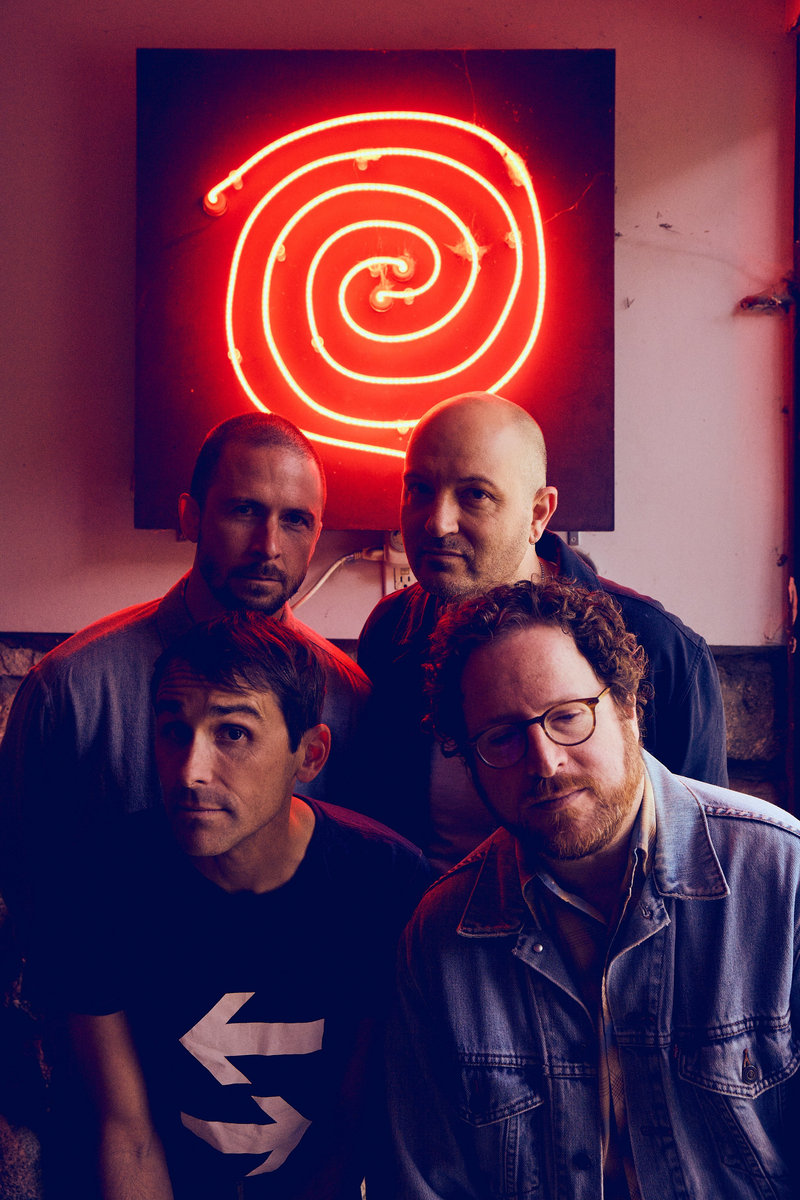
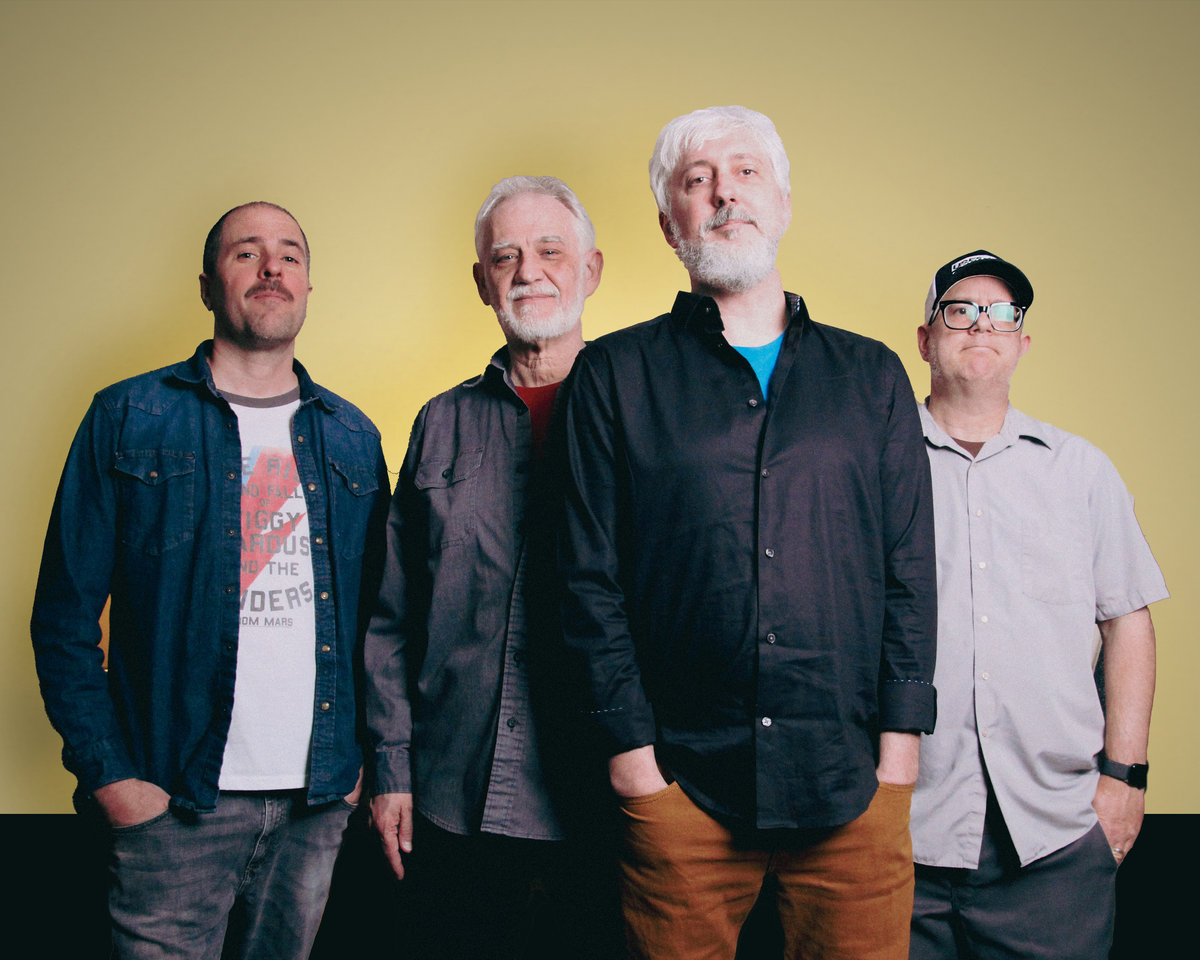
There’s a particular Dayton knack for bands that feel communal rather than hierarchical. Shrug operated like a shared engine—power pop with muscle memory, hooks built from collective trust. Smug Brothers do something similar in an indie lo-fi manner, but with a wink, as if to say: yes, we love the song, but we also love the joke inside it. Me Time pares things down until you can hear the room breathe, while Oh Condor leans into texture and atmosphere, stretching Dayton’s sound outward without losing its spine where punk urgency meets craft instead of fighting it.
And then there’s the streak of theatricality that runs through the city—not showbiz gloss, but the drama of people who know that art is a way to survive the week. Moira thrives on that tension between polish and pulse, while Todd The Fox reminds us that music doesn’t have to be ironic to be intelligent. Novena creates music that wraps around you and takes you through the experiences that you need not categorize but live within. Ghost Town Silence and Sadbox explore all of the corners, not as cosplay, but as honest terrain. They understand that Midwestern quiet can be loud if you listen closely enough.
Dayton also knows how to honor the songwriters—the ones who can stop a room with a voice and a guitar. Shannon Clark and The Sugar balance heart and harmony without sentimentality. Nick Kizinis crafts music that feels deeply personal and belonging to all of us at the same time. Mike Bankhead and Heather Redman carry storytelling traditions forward without turning them into nostalgia acts. Charlie Jackson, Sharon Lane, and Colin Richards and Spare Change all work in that space where craft meets community, where the goal isn’t fame but connection.
What’s striking is how the city supports experiments that don’t fit easy categories. The Nautical Theme reminds us that pop intelligence doesn’t have to announce itself with a thesis statement. Motel Faces and Motel Beds (separate names, shared grit) translate restlessness into motion, road songs for people who might not leave but still want to move. John Dubuc’s Guilty Pleasures embraces joy without apology, while Nick Kizirnis’s various projects show how longevity comes from curiosity, not branding.
Dayton’s rap and hip hop scene carries the same DIY backbone as its rock underground, but filtered through sharp lyricism, lived experience, and a deep sense of place. Tino delivers verses with clarity and purpose, balancing organic storytelling with an ear for hooks that stick without softening the message. Illwin brings a cerebral edge, blending introspection and technical skill in ways that reward close listening, while KCarter operates with a commanding presence, turning personal narrative into something anthemic and communal. Around them is a broader network of MCs, producers, DJs, and collaborators who treat hip hop not as a trend but as a language—one spoken fluently across clubs, community spaces, and independent releases. Like every vital Dayton scene, it thrives on collaboration over competition, local pride over imitation, and the belief that telling your own story, in your own voice, is the most radical move there is.
One of Dayton’s greatest strengths, too often undersold, never underpowered, is the depth and range of its women songwriters and musicians, artists who write with clarity, risk, and emotional authority. Amber Heart brings a fearless intimacy to her songs, pairing melodic grace with lyrical honesty that cuts clean through pretense. Samantha King writes with a restless intelligence, her work balancing vulnerability and bite, proof that introspection can still swing. Khrys Blank bends genre until it gives way, crafting songs that feel both deeply personal and quietly defiant, while Sharon Lane carries a lineage of soul, grit, and resilience that anchors the community itself. Add to this constellation the many other women shaping stages, sessions, and scenes across the city—singers, instrumentalists, bandleaders, collaborators—and a clearer picture emerges: Dayton doesn’t just feature women in its music culture; it is being actively defined by them. Their presence isn’t a sidebar or a trend. It’s the spine, the pulse, and the future of the sound.
Poptek Records operates like a pressure valve for Dayton pop intelligence, a label that understands hooks are a form of radical communication. The 1984 Draft brings nervy, literate indie punk rock that sounds like it’s pacing the room while thinking three steps ahead—melody sharpened by urgency, guitars wired straight into the bloodstream. Jill & Micah offer a different kind of voltage: intimate, harmonically rich, emotionally precise songs that trust quiet moments as much as crescendos, proving that restraint can hit just as hard as distortion. XL427 leans into power pop’s finest tradition—tight structures, smart turns, choruses that land without asking permission—while still carrying that unmistakable Dayton DNA of grit and sincerity. Taken together, and alongside the label’s other releases, Poptek’s roster feels less like a genre exercise and more like a shared belief system: songs matter, craft matters, and community matters. It’s pop music that knows where it’s from, isn’t embarrassed by joy, and refuses to confuse ambition with emptiness.
This ecosystem works because Dayton listens to itself. Bands go to each other’s shows. Musicians play on each other’s records. Area radio, house shows, small clubs, and DIY spaces form an infrastructure that doesn’t depend on permission. You can hear that lineage in The New Old Fashioned’s country infused power precision, in Oh Condor’s punk economy, in The Paint Splats’ melodic insistence, in Guided By Voices’s expansive moods still evolving. It’s a scene where influence flows sideways instead of top-down.
If the great rock critic, Lester Bangs (who I have been reading a lot of lately) taught us anything, it’s that scenes matter not because they’re perfect, but because they’re alive. Dayton’s scene is alive in the way a good band rehearsal is alive—messy, loud, generous, occasionally miraculous. It’s alive in the refusal to wait for validation. It’s alive in the way new bands grow up hearing old ones not as legends, but as neighbors.
So yes, celebrate Brainiac,The Breeders, and Guided By Voices. You should. But don’t stop there. Pay attention to Sharon Lane, Shrug, Amber Heart, Smug Brothers, The 1984Draft, Age Nowhere, Moira, Tino, The Heisy Glass Company, Harold Hensley, Todd The Fox, Ghost Town Silence, Sadbox, Novena, Me Time, Oh Condor, Motel Faces, Motel Beds, Mike Bankhead, Cricketbows and Creepy Crawlers, The Nautical Theme, Illwin, Khrys Blank, Seth Canan, XL427, Samantha King, The Typical Johnsons, KCarter and all the songwriters and collaborators who keep showing up. Dayton isn’t a chapter in a rock history book. It’s an ongoing argument about why music matters—and it keeps winning that argument one show at a time.
Morrissey has always been a weather system, not a touring artist. You don’t buy a ticket to see him so much as you gamble—you place a small, hopeful wager against history, logistics, exhaustion, grievance, the universe, and Morrissey himself. And in the last several years, the house has been winning.
Let’s talk numbers, because numbers have a way of cutting through myth. Since roughly 2019, Morrissey has canceled a staggering share of his scheduled concerts. Tracking sites that obsess over these things, think of them as the baseball-card collectors of broken promises, suggest that in the most recent stretch alone, he’s canceled nearly half of what he’s booked. In 2024, nine out of twenty-three shows vanished. In 2025, thirty-two out of sixty-three evaporated. Early 2026? Two more were gone before the coffee finished brewing on the new year. Forty-three cancellations in about two years. Forty-nine of his last hundred shows, period. Flip a coin. Heads, you get “There Is a Light That Never Goes Out.” Tails, you get an apologetic Instagram post.
Last Night I Dreamt That Somebody Played the Show
Now, before the comment section of this blog lights up like a bonfire of sanctimony, let’s be clear: this isn’t a hit job. Morrissey doesn’t need one. He’s been doing his own PR demolition derby for decades. This is about what it means when an artist who once articulated romantic alienation for an entire generation now can’t reliably show up in the flesh to sing about it.
Because live music, real, sweaty, inconvenient, human live music, is a contract. It’s not just a transaction, not a barcode scan, and a T-shirt upsell. It’s a promise: I will be there if you are. And when that promise breaks often enough, it stops feeling tragic and starts feeling structural.
Here’s where we can kick open the door and start yelling: rock and roll is not supposed to be a reliable thing, but it is supposed to be an act of presence. You can be sloppy, you can be late, you can be drunk, you can be transcendent or terrible, but you have to exist on the stage. Cancellation is the anti-performance. It’s a ghost story told by a promoter.
This Charming Man Will Not Appear Tonight
Morrissey’s defenders will point to his health, exhaustion, the cruelty of touring in one’s sixties, and the meatless catering demands of a man who has turned vegetarianism into performance art. All fair points! Touring is brutal. Capitalism eats its elders. The road is a grinder, but it has better lighting. But here’s the problem: Morrissey’s cancellation habit isn’t a sudden decline—it’s a pattern. A long, well-documented, almost conceptual-art-level commitment to not showing up.
And patterns change how we listen.
Once upon a time, Morrissey’s flakiness felt romantic. The same way The Smiths felt impossibly fragile, like they might dissolve if you looked at them too hard. You forgave the missed shows because the songs felt like secrets whispered directly into your ear. You forgave him because you believed—wrongly, beautifully—that sensitivity was incompatible with reliability.
But fast-forward to now, where entire tour legs disappear like a Vegas magician’s assistant, and the romance curdles into consumer fatigue. Fans book flights. Fans take time off work. Fans arrange childcare. Fans in Latin America, Europe, the Midwest—people for whom a Morrissey show is not a casual Tuesday night but a once-in-a-decade pilgrimage—get left holding the emotional bag.
Schrödinger’s Morrissey: The Show Both Exists and Doesn’t
At some point, the question stops being “Why does Morrissey cancel?” and becomes “Why do we keep pretending this is surprising?”
This is where Morrissey becomes less a singer and more a metaphor for late-stage rock stardom. He is the walking embodiment of the contradiction: an artist whose work once validated vulnerability now presiding over a system that treats audience trust as optional. He’s not alone in this, but he’s the most extreme case study because his cancellation rate is so high it borders on performance itself. It’s almost as if the absence is the point.
And maybe that’s the cruel irony. Morrissey, the great bard of loneliness, has perfected a way to make tens of thousands of people feel collectively stood up.
The tragedy isn’t that he cancels. The tragedy is that the cancellations have become part of the brand. They are baked into the expectation. “Did the show happen?” becomes the first question, not “Was it good?” That’s a catastrophic downgrade in cultural terms. Rock and roll isn’t supposed to be a Schrödinger’s cat.
Meanwhile, somewhere down the street, a local band is loading their own gear into a van that smells like old coffee and regret. They will play whether ten people show up or two hundred. They will play sick. They will play tired. They will play because showing up is the whole damn point. They don’t get to cancel half their dates and still be mythologized. They get one no-show before the scene quietly moves on without them.
That’s the contrast that hurts. Morrissey can cancel forty-nine out of a hundred shows and still sell tickets to the next one because nostalgia is the most powerful drug in the world. It keeps whispering, Maybe this time. It keeps telling us that the version of him we loved in 1986 is still hiding somewhere behind the scrim of lawsuits, grievances, and canceled soundchecks.
And look—I get it. I’d probably still roll the dice myself. To be perfectly honest, I have taken the chance, and I was fortunate in seeing a Morrissey show. That’s the sickness and the beauty of loving music that mattered to you when you were young. You keep hoping for communion even when history tells you to expect a refund.
How Soon Is Now? Very Possibly Never
But let’s stop pretending this is just bad luck. Over the last six years, the data tells a story as clear as any lyric Morrissey ever wrote: absence has become as defining as presence. Cancellation is no longer an exception; it’s a feature.
This isn’t a moral failing so much as a cosmic joke. The man who taught us how to feel has turned unreliability into an art form. The fans keep showing up to an empty stage, humming along to songs about disappointment, living inside the metaphor, whether they like it or not.
And maybe that’s the final, bitter punchline: Morrissey still understands his audience perfectly. He just doesn’t have to be there to prove it.
On December 31, 2025, a landmark moment in music and television history quietly unfolded: MTV’s dedicated 24-hour music video channels ended their broadcast run by playing the very same music video they debuted with 44 years earlier—The Buggles’ “Video Killed the Radio Star.”
This poetic symmetry, beginning and ending with the same song, is more than a nostalgic shrug. It reflects the arc of MTV’s influence on music, media, and popular culture, while offering a symbolic close to the era of television as a primary gateway for music discovery, as I discussed yesterday.
A Revolution Begins: MTV’s 1981 Launch
When MTV (Music Television) went on the air at 12:01 a.m. on August 1, 1981, its format was radical: a channel devoted exclusively to music videos playing around the clock. The first video ever broadcast was “Video Killed the Radio Star” by the British new wave band The Buggles.
The choice was as fitting as it was prophetic. Released in 1979 under Island Records, the song was itself a commentary on technological change in media—the rise of recorded music, video and digital production threatening the primacy of radio. Written by Trevor Horn, Geoff Downes and Bruce Woolley, and propelled by its synth-pop sound, it topped charts in many countries and became synonymous with the dawn of a new musical era. 
For MTV, the video was more than a catchy tune—it was an emblem. By placing a visual experience at the forefront of music consumption, MTV helped redefine how generations discovered artists, songs and styles.
MTV’s Golden Age: Cultural Force and Industry Shaper
Throughout the 1980s and early 1990s, MTV’s influence spread far beyond the small number of U.S. homes that could first receive its signal. Shows like Headbangers Ball, Yo! MTV Raps and 120 Minutes brought genres from indie to heavy metal to hip-hop into living rooms worldwide. Music videos became central to an artist’s identity and success.
The phrase “I want my MTV,” popularized in early marketing campaigns, became shorthand for youthful aspiration and cultural currency. The network propelled personalities such as Daisy Fuentes, Andy Dick and Kenneth “Babyface” Edmonds into stardom, and helped launch the careers of artists from Madonna to Nirvana.
MTV did more than broadcast music; it shaped how music was made. Record labels invested heavily in video production, and artists began approaching videos as art and narrative: from Michael Jackson’s cinematic Thriller to Peter Gabriel’s innovative visuals. These were not mere promotional tools—they were cultural events.
Shifting Tastes and the Digital Era
But the very forces that made MTV as indispensable in the 1980s, technology and shifting media consumption, also contributed to its decline as a music video destination. As cable expanded and then fragmented into dozens of channels, MTV began incorporating non-music programming like The Real World, Jersey Shore, and Ridiculousness as ratings drivers.
By the early 2000s, the rotation of music videos on MTV substantially diminished in the United States. Viewers found new ways to access music videos online through platforms like YouTube, Vevo, and later social media apps, eroding the unique value proposition that MTV once held. 
MTV’s decision to shift toward reality and entertainment formats, while commercially sensible, signaled a transformation of its brand identity. Instead of music television, it became a hub for youth-oriented pop culture broadly defined.
2025: The Last Music Videos Go Dark
The decision in 2025 to discontinue MTV’s 24-hour music video channels (including MTV Music, MTV 80s, MTV 90s, and MTV Live) marks the end of an era. While the core MTV channel remains on the air in some regions, focusing on reality programming, the dedicated music video channels that once defined the brand’s global footprint went dark as of December 31, 2025.
In the U.K., Ireland, France, Germany, Poland, Australia and Brazil, MTV’s music video stations signed off in a series of final broadcasts that referenced the channel’s own history. Most poignantly, MTV Music’s final transmission featured “Video Killed the Radio Star”—the very track that launched MTV in 1981. 
This choice was deeply symbolic. It acknowledged MTV’s roots while also recognizing a cultural moment in which traditional broadcast television has largely ceded music video discovery to the internet and mobile platforms. The channels’ sign-off was not a quiet disappearance into obscurity but a deliberate nod to the entire arc—from analogue radio and early cable to the digital screens of today.
Why This Matters Beyond Nostalgia
MTV’s lifecycle mirrors broader shifts in media: from centralized broadcasting to decentralized, on-demand digital networks. In its heyday, MTV was both a curator and creator of popular culture; it influenced fashion, language, and musical trends globally. The end of its music video channels underscores how much control over media audiences and creators now wield through algorithms and digital distribution.
Yet, the enduring relevance of “Video Killed the Radio Star” is telling. The song’s narrative, about innovation displacing older forms of media, remains the story of MTV itself. MTV didn’t just broadcast music videos; it embodied a shift in how people engage with music as a multisensory, visual, and social experience.
The song’s symbolic role at both MTV’s inception and sign-off offers a poignant bookend: a reminder that media landscapes evolve, often in ways that creators and audiences could hardly predict.
A Cultural Footprint That Endures
As MTV’s music video channels sign off forever, the network’s legacy lives on. It reshaped the music business, redefined television programming, and helped forge the visual vernacular of contemporary pop culture. Its final act—playing the same iconic music video that introduced the network in 1981—celebrates a remarkable 44-year journey.
In closing with “Video Killed the Radio Star,” MTV did not signal an end to music videos or visual creativity; rather, it acknowledged that the battleground for such creativity has moved. Music videos now thrive on digital platforms, created by artists and audiences alike. Yet the memory of MTV’s rise, and its graceful farewell, reminds us of a time when a single song could announce not just a broadcast, but a cultural revolution.
MTV pulling the plug on music video play feels less like a funeral and more like the end of a long, weird afterparty where the jukebox kept looping the same hits. This moment begs reflection, not because something pure just died, but because the illusion finally did. Music never belonged to the screen—it belonged to the noise, the sweat, the argument, the room. With the videos gone, maybe we’re forced back to the dangerous idea that songs have to stand on their own again. But that also means considering what we gained, what we lost, maybe what we never truly possessed.
For many Americans, like me, who came of age in the early 1980s, MTV was not something that simply arrived in their lives—it was something they discovered. That discovery often depended on geography, access to cable television, and a move away from home. For students who grew up in small towns, MTV could feel less like a TV channel and more like a portal to an entirely different cultural universe.
I graduated from high school in 1983 from a small town in West Central Minnesota, a place where musical discovery still relied heavily on local radio stations, record stores, and whatever happened to make its way into the school gym at dances. Cable television was limited, and MTV—still new, still experimental—was not part of everyday life. Music existed primarily as sound, not spectacle.
For me, that changed in college.
Encountering MTV for the first time was a sensory shock. Here was a channel that played nothing but music—all night, uninterrupted, from artists I had barely heard of to songs that sounded like they came from the future. I remember staying up all night watching it, unable to turn it off, as if sleep had suddenly become optional. Each video flowed into the next, creating a kind of visual mixtape that felt both intimate and overwhelming. It felt so cool.
What made MTV so powerful in that moment was not just the music, but the sense of connection. For students arriving on campus from rural or small-town America, MTV offered a crash course in youth culture, fashion, politics, and identity. British new wave bands, ska-influenced neo-soul, the sly, stylish new romantics, and later West Coast hip-hop artists and glam-metal performers all shared the same screen, collapsing distance and difference in ways that radio never could. You didn’t just hear the music—you saw how artists dressed, moved, and imagined themselves. The possibilities for musical identity felt endless, a perspective that now feels far too ‘pie in the sky Pollyannaesque’ optimism.
Those late-night viewing sessions were also communal. Dorm rooms became gathering spaces where people argued over favorite videos, discovered new bands together, and learned the visual language of a generation. MTV didn’t just reflect youth culture—it actively taught it, especially to those of us encountering it for the first time after leaving home.
Looking back, it is striking how formative those nights were. MTV functioned as an informal education in popular culture, one that filled gaps left by geography and access. For students from places like small-town Minnesota, it was a reminder that culture was bigger, louder, and more visually expressive than anything we had previously experienced.
That sense of discovery—of staying up all night because you couldn’t stop watching—is difficult to replicate in today’s algorithm-driven media environment. But for a generation that found MTV in college, those nights remain a vivid memory of what it felt like to stumble into a shared cultural moment and realize that the world was far larger than you had imagined.
Streaming Forward, Powered By The Past - if you love the 80s music, new music, Eurovision, cheesy pop and awesome playlists then let's get this pop party started!