Favorites of 2025: The Kyle Sowashes – Start Making Sense

We could have easily titled this column ‘Making Sense of It All: The Kyle Sowashes and the Enduring Power of Indie Rock Honesty,’ because the band’s new record not only showcases their musical growth but also highlights how their plainspoken sincerity continues to resonate in a genre often crowded with irony and affectation.

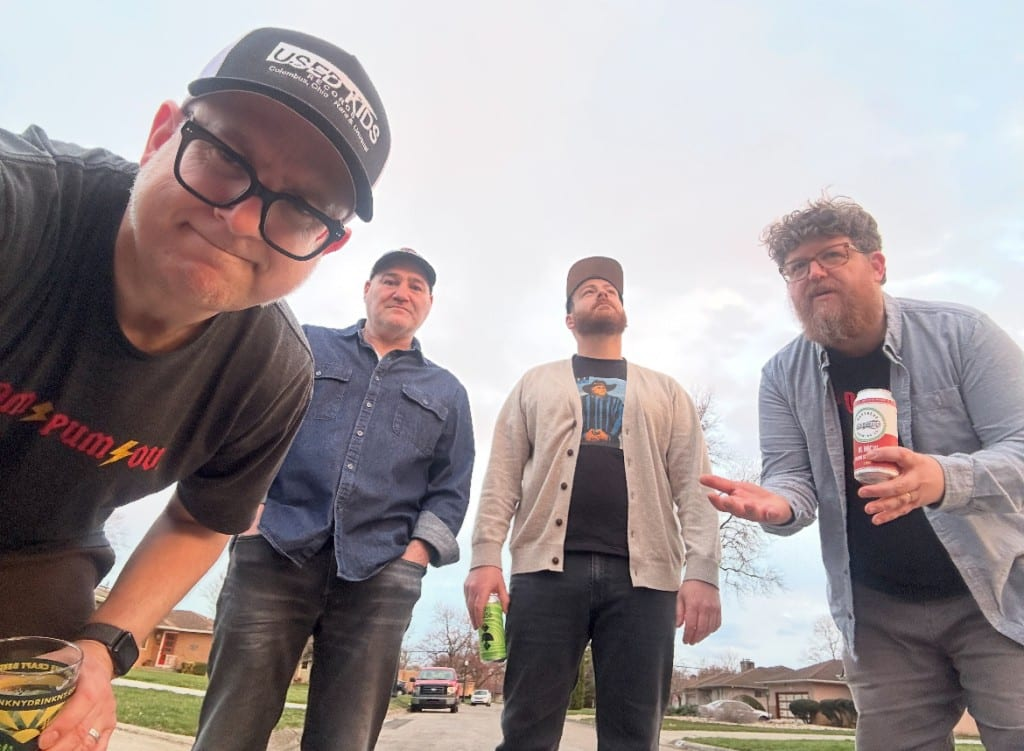
Independent rock has long thrived on the margins—small rooms, frayed gear, and bands that carve out meaning from the ordinary. Few groups embody this spirit as honestly and as energetically as The Kyle Sowashes, the long-running Columbus, Ohio outfit centered around singer, guitarist, and songwriter Kyle Sowash. Their terrific new record, Start Making Sense, feels both like a culmination of years of steady work and a refreshed sense of purpose. It is an album that sounds lived-in yet ambitious, familiar yet surprisingly expansive.

Like so many of their releases, it is driven by a collaborative band spirit, anchored by Sowash’s unmistakable songwriting voice. But on Start Making Sense, the musicians around him play an especially notable role. This is not merely a collection of songs written by a single songwriter—it is a group effort in the best sense, marked by thoughtful arrangements, spirited performances, and a chemistry that can only develop after years of making music together. The result is a record that feels warm, wry, cathartic, and deeply human.

A Band Made of People, Not Parts

The Kyle Sowashes have always been a band that foregrounds musicianship over mythology. No one is placed on a pedestal; every member shapes the sound. On Start Making Sense, the interplay among the musicians is central to what makes the record feel so alive.

At the center, of course, is Kyle Sowash, the principal songwriter, guitarist, and narrator of the band’s emotional landscape. His style has always blended self-deprecation with sincerity, humor with frustration, resignation with hope. He writes songs the way people talk when they’ve stopped trying to impress anyone. That honesty, paired with a gift for sticky melodies and driving chord progressions, continues to anchor the band.

But the supporting cast expands and elevates the material. The rhythm section, always a strength for the group, is especially tight on this release. The basslines give songs bounce and propulsion, while the drumming adds both momentum and nuance—capable of big-room punch but also subtle shifts in tone that mirror Sowash’s lyrical turns. Together they give the album its shape: urgent when needed, contemplative when the songs pull inward.

The guitar arrangements, too, show a band deeply comfortable playing with space. There are moments of noisy celebration, fuzzed-out riffs, and guitar lines that nod to 90s indie rock and power pop without ever feeling derivative. But there is also restraint when the songs call for it—arpeggiated lines, single-note phrases, and open-chord patterns that accent Sowash’s vocal pacing. The band understands when to push and when to stay out of the way, and that mutual sensitivity is one of the record’s quiet triumphs.

All of this makes Start Making Sense feel less like a front-person project and more like a snapshot of a genuine musical community. The band members are collaborators—not session players—and the record reflects that shared vision.

Sound: An Indie Rock Dial Tuned Just Right

The defining pleasure of listening to The Kyle Sowashes is the feeling that the band knows exactly who they are and that they approach their sound not as a limitation but as an expressive engine. Start Making Sense follows this tradition, delivering songs that are rooted in classic indie rock but refreshed through craft, energy, and emotional clarity.

The album’s guitar-forward sound recalls the big-hearted crunch of bands like Superchunk, The Weakerthans, early Guided by Voices, and 90s midwestern basement rock. But The Kyle Sowashes are not imitators. Their tone is warmer, their pacing more deliberate, their hooks more conversational. They capture what it feels like to be a functional adult who still carries adolescent anxieties; what it feels like to want to grow but not always know how.

The production strikes a careful balance. It is clean enough to reveal the band’s tight musicianship but raw enough to preserve the lived-in charm that defines their identity. The vocals are present but never over-polished; the guitars are textured but not overly layered; the drums have a live-room feel that makes even the more introspective songs sound communal.

This approach is particularly effective because Sowash’s songwriting thrives on immediacy. These songs feel like they were meant to be played in small rooms full of people who understand what it’s like to try, fail, and try again. The sonic palette—guitars that jangle and buzz, drums that sprint and shuffle, bass that grounds and guides—mirrors the emotional palette of the songs themselves.

What the Lyrics Reveal: Vulnerability Without Pretension

What has always separated Kyle Sowash from many of his indie rock peers is his ability to write lyrics that feel like real conversations. He avoids metaphors that spin out into abstraction and instead leans on the everyday: the tension between optimism and exhaustion, the mundane rhythms of adulthood, the stubborn persistence of doubt.

On Start Making Sense, the lyrics feel particularly pointed. There is a thematic thread running through the record about wanting to take stock of one’s life, wanting to be better (or at least different), but also feeling the tug of old habits or long-held insecurities. This tension animates the album emotionally.

Sowash wrestles with questions familiar to anyone who has lived long enough to feel the weight of their own decisions:

  • Am I becoming the person I hoped to be?
  • Am I letting people down without realizing it?
  • Is it too late to make meaningful changes?
  • Why does clarity arrive when I am least prepared for it?

And yet, the writing never lapses into self-pity. Sowash has a rare talent for pairing difficult emotions with flashes of humor or casual understatement. His delivery—half earnest, half exasperated—adds to this effect. Even in the most introspective moments, he trusts his audience. He doesn’t sermonize or hide behind dense metaphor. He simply tells the truth as he sees it.

The Album as a Whole: Why Start Making Sense Works

The strength of the record lies not just in its individual songs but in its overall narrative arc. Start Making Sense feels like a journey, not in a conceptual or theatrical sense, but in the emotional progression from beginning to end.

The early tracks tend to have a forward-thrusting, energetic urgency—songs filled with questions, doubts, and attempts to find clarity. As the album unfolds, the pacing shifts: there are moments of introspection, acceptance, humor, resignation, and renewed commitment.

By the final songs, the album arrives somewhere quieter and more grounded. The narrator has not solved everything—far from it—but there is a sense of movement, of incremental progress. And that sense is arguably more meaningful than any dramatic revelation would be.

This emotional pacing mirrors the band’s musical pacing. The guitars pull back when the lyrics sink deeper; the rhythm section tightens when the narrator feels unsettled; the arrangements widen when Sowash leans into hopeful refrains. The band listens to the songs, and the songs reward that attention.

Why They Matter Now

There is something profoundly refreshing about hearing a band like The Kyle Sowashes release a record like Start Making Sense in 2025. In a music culture where so many albums are shaped by algorithms, trends, or online personas, this record feels defiantly human. It is made by musicians who value craft, community, and honesty over spectacle.

Moreover, the themes of Start Making Sense—struggle, ambivalence, small victories, persistent hope—resonate in a cultural moment marked by fatigue and uncertainty. Many listeners will hear echoes of their own lives in the record: the feeling of trying to recalibrate when everything seems slightly off; the desire to “start making sense” of things that once felt straightforward.

The album does not promise transformation or transcendence. Instead, it offers companionship—a reminder that confusion and self-questioning are universal, and that music can help make sense of things even when life does not.

A Career Highlight and a Quiet Triumph

Start Making Sense stands as one of The Kyle Sowashes’ most affecting and best-crafted albums. It blends the energy of earlier records with a deeper emotional palette; it shows a band confident in its identity yet open to growth. The musicianship is sharp, the lyrics are resonant, and the sound manages to be both comfortingly familiar and subtly evolved.

It is not merely a strong indie rock record—it is a document of adulthood, of persistence, of reassessment, of trying again. In its modesty, it finds profundity; in its humor, it finds catharsis; in its unvarnished honesty, it finds connection. For longtime fans, Start Making Sense will feel like a natural and satisfying next chapter. For new listeners, it offers a compelling introduction to a band that has quietly built one of the most sincere bodies of work in Midwestern indie rock. And for everyone, it offers something increasingly rare: a rock album that makes you feel less alone.

Favorites of 2025: Tamar Berk – ‘ocd’

Why Tamar Berk deserves your attention

Tamar Berk is one of those rare musical talents who not only pour raw emotion into her songs but also writes, records, and produces them herself — forging a sound world that’s intensely personal, lo-fi‑grounded, and vivid. On her new 2025 album ocd, she delivers what many consider her most ambitious and emotionally immersive work yet: a reverb-soaked journey into looping thoughts, obsessions, and the restless inner life.

Raised on classical piano and early Disney soundtracks, Berk eventually gravitated toward influences like The Beatles, David Bowie, Liz Phair, and Elliott Smith — a mix that shaped her instinct for melody, emotional catharsis, and lyrical truth. What she makes now, though, is something singular: indie rock and dream‑pop fused with DIY grit, emotional honesty, and the courage to bare her inner world.

In what follows, I want to explore Tamar Berk’s strengths as a musician — her multi-instrumentalism, her knack for mood and texture — and how on ocd she channels overthinking, vulnerability, and occasional panic into songs that feel like listening to someone thinking aloud.

Multi‑layered musician: instruments, production & power of solo control

One of the most striking aspects of Tamar Berk’s work is how much of it she controls herself. On ocd, she handles not only vocals and songwriting but also guitars, piano, synths, Wurlitzer, organ, bass, strings, programming, percussion — often layering sounds to produce something both intimate and richly textured.

That DIY ethos gives her music a special honesty. Because she’s involved in nearly every aspect, nothing feels over-polished or disingenuous — the distortions, reverb, and ambient murkiness all serve the truth of her emotional landscape. The result: a sound that lingers, unsettles, and stays with you.

In musical terms, that means ocd isn’t strictly an indie‑pop or alt‑rock album. It’s more like a fever dream — alternately noisy and delicate, sometimes urgent, sometimes hazy. The instrumentation shifts fluidly: thick, fuzzy guitars and sparse, somber piano; ghostly synths and grounded bass; literal sonic loops echoing the mental loops the lyrics describe.

At times, Berk leans into distortion and echo to evoke disorientation; at others, she strips things down to nothing but light keys, soft vocals, and a sense of fragile introspection. That dynamic — the back‑and‑forth between chaos and calm — is exactly what gives ocd its power.

Lyrical honesty: overthinking, mental spirals, and the beauty inside the mess

If the music gives you the frame, the lyrics are the beating heart of ocd. This is an album that wears its anxieties on its sleeve — about obsession, memory, identity, self-doubt, longing, and the loops of anxiety and overthinking. As Berk puts it, she called the album ocd because she “lives in loops. I overthink everything. But this record helped me make a little bit of beautiful sense out of that.”

The lead single ‘Stay Close By’ sets the tone for the album: dreamy guitars and soft vocals weave around lyrics of indecision, longing, and inertia — “I don’t know why I can’t reply on time, or can’t make up my mind,” she sings. The result feels like a confession whispered in a quiet room: vulnerable, real, and ache-filled.

But not all of ocd wallows plaintively. The title track ocd itself confronts mental spirals head‑on, repeating lines like “I got OCD … over and over and over,” rendering the relentlessness of intrusive thoughts in musical form: looping, dizzying, claustrophobic.

Elsewhere, Berk’s songwriting explores memory, regret, longing, and desire for escape — or at least some kind of emotional catharsis. The songs move between bleak introspection and moments of fragile hope, capturing that tension many of us live with: the part that fears and ruminates, and the part that still wants connection, meaning, or release. As one summary puts it, ocd “invites listeners into her inner thoughts” — messy, complicated, yet somehow familiar and human.

A sonic and emotional arc: ocd as a map of inner turbulence

What makes ocd compelling — and perhaps unique in the indie scene this year — is how well its musical and lyrical elements align to create an overall arc: it feels less like a collection of songs and more like a single, immersive experience. Berk seems to want to draw listeners into her mind, step by step, track by track.

The album shifts between dream‑pop haze and rock‑tinged fervor, between introspective hush and emotional outburst. That dynamic — of contrast and layering — mirrors the experience of anxiety, overthinking, and identity searching. On one track you might be floating in soft guitars and wistful melodies; on the next you’re confronting distortion, repetition, and confessional urgency.

That tonal range reflects the alternation many of us know well: memory and regret, hope and despair, the attempt to control thoughts and the surrender when it becomes too much. In that sense, ocd isn’t just music — it’s a kind of emotional landscape, felt in sound as much as in words.

Importantly, Berk doesn’t pretend to provide tidy resolutions. Her voice doesn’t promise that overthinking will end, or that clarity will come. Instead, she offers catharsis, empathy, and solidarity — a map for all the tangled thoughts, the dark nights, the loops. It’s messy. It’s real. But it’s shared.

Why ocd matters as growth

For longtime followers of Tamar Berk, ocd may feel familiar in some ways: there are still fuzzy guitars, melodic hooks, and a DIY spirit. But this album marks a new level of ambition and vulnerability. As one review noted, this is her “most personal and intense work yet.”

Her growth is obvious — not just as a songwriter, but as a producer and composer. The fact that she plays multiple instruments, layers them herself, and co-produces the record gives ocd a cohesiveness and authenticity that few albums achieve. The emotional weight doesn’t come across as polished or packaged — it feels lived, raw, and human.

Moreover, at a time when mental health, overthinking, and the pressures of modern life feel increasingly pervasive, ocd offers something rare: a mirror that’s honest but compassionate. It doesn’t romanticize anxiety; it doesn’t idealize healing. It simply says: this is what it feels like. And maybe that’s enough — maybe that kind of honesty is exactly what art should do.

In that sense, Tamar Berk isn’t just writing songs — she’s doing what few musicians do: giving voice to inner chaos, shaping it into melody and texture, and inviting you to sit with it all. ocd isn’t easy listening. It’s hard, sometimes disquieting. But it’s real. And in its messy honesty lies its power.

Final thoughts: Tamar Berk as a voice for the over‑thinkers, the dreamers, the stranded

There’s a long tradition in music of turning pain into beauty, chaos into catharsis — but few artists do it with as much rawness, intimacy, and creative control as Tamar Berk. On ocd, she doesn’t just invite you in: she opens the door, hands you something fragile, and says, “this is what it feels like.”

That willingness to expose uncertainty, loops of thought, doubt — is an act of bravery. And as a listener, you’re not just a spectator: you become a companion in the spirals. Maybe you don’t walk out with answers. But you walk out with somewhere to begin.

If you’ve ever felt your thoughts spin too fast, if you’ve ever felt stuck in loops of regret or longing — ocd is for you. And even if you haven’t, this record might just show you what you never knew you could feel so deeply: the strange beauty of overthinking — and the power of turning it into art.

Give it a listen. Turn the lights down. And let Tamar Berk lead you through the loops.

The Madness of Resurrection: Why Let It Be (2025 Remaster) Feels Like a Miracle

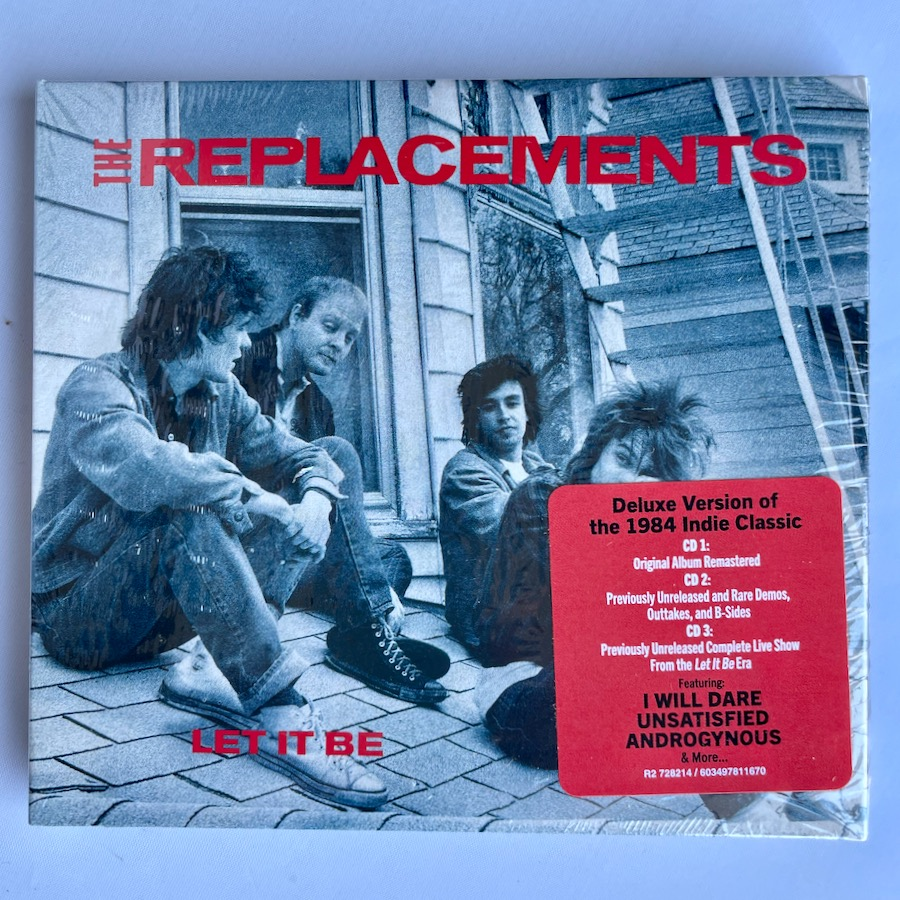
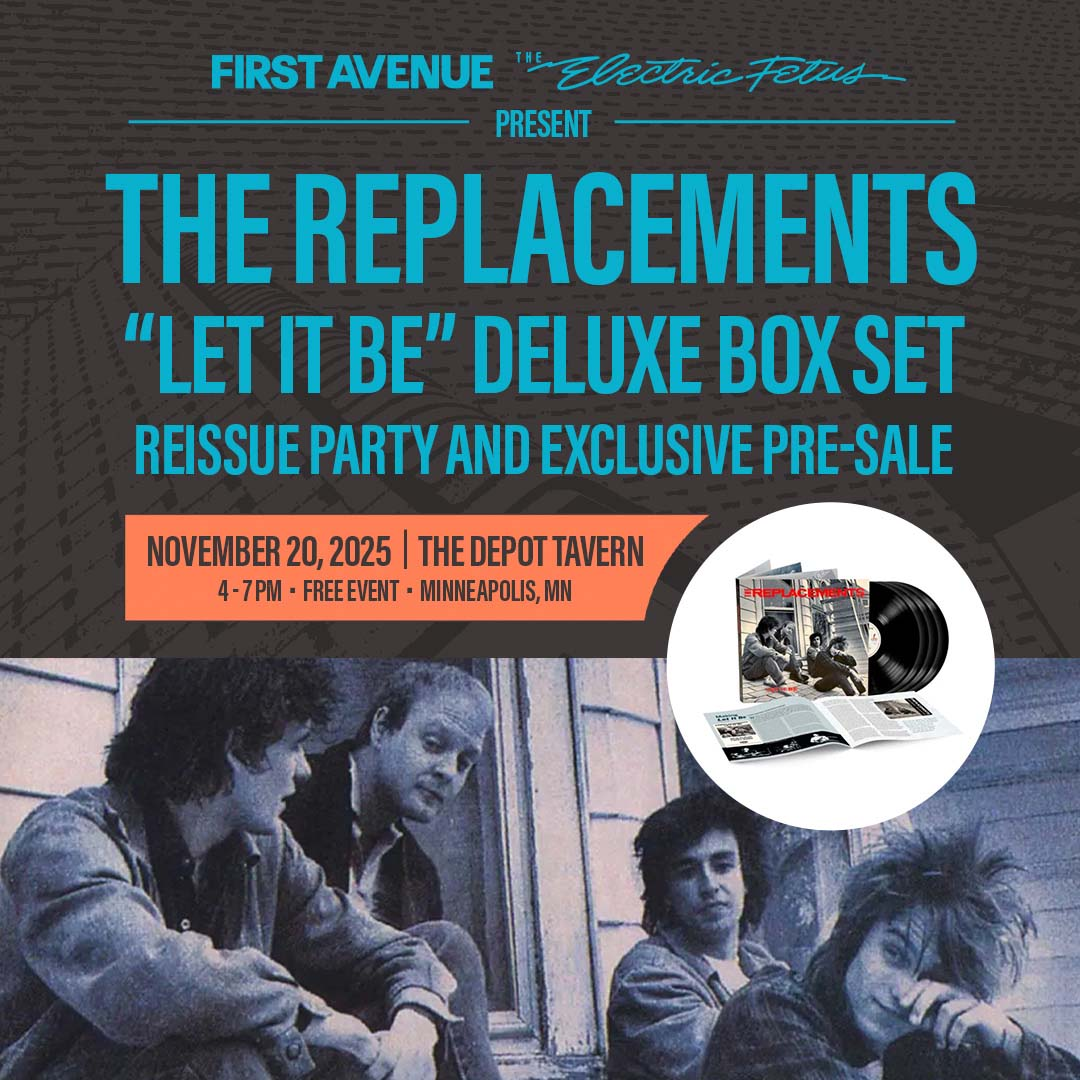
It’s one of those things that should never have happened. A scruffy, half-broken underdog band from Minneapolis — ragged, defiant, often self-sabotaging — getting the deluxe archival treatment usually reserved for polished legends, for “classic rock” cathedrals. Yet here we are: 2025, and Rhino Records (a part of Warner Music Group) has dusted off Let It Be, remixed, remastered, reboxed, expanded — and in doing so given the world a second chance to see the bruised poetry of the original 1984 record in high fidelity.

The fact that The Replacements are getting this kind of attention now — decades after their original flame flickered out — is almost absurd. And yet that absurdity is perfect. Because Let It Be was never meant to be smooth. It was meant to hurt, to stumble, to scream. The Deluxe Edition doesn’t try to smooth those edges — it highlights them, reminding us why this band never fit neatly into the mainstream, and why that’s exactly why they mattered.

The Skeletons & the Heart — An Album Understood

Originally released in 1984 via the indie label Twin/Tone Records, Let It Be was a moment of clarity for The Replacements: a record of transition, of longing, of half-formed innocence battered against a rock & roll dream.

The 2025 Deluxe Edition gives us disc one: the remastered original album — eleven songs that remain as vivid, ragged, and vital as ever. Then comes the rarities — alternate versions, outtakes, home demos — and a full 28-song live set from March 1984 at the Cubby Bear in Chicago.

This isn’t a rehydrated corpse. It’s a beating heart, reconnected. It’s the band as they were — flawed, sprawling, incomplete — presented again not as “heritage,” but as rock & roll living in the cracks between hope and chaos.

Track by Track: The Skin & Bones of Youth

Think about “I Will Dare” — opener of the album and a dare in itself. That fuzz-ed cardinal riff, the off-kilter swagger, Paul Westerberg’s voice like it’s scraping against the point of a razor. The 2025 remaster gives the guitars more room to breathe; you hear the strings buzz, the drum skins snap, and every syllable of “dare” tastes like adrenaline. It lands like a punch in the gut — and that’s exactly the point.

Then there’s “Favorite Thing,” where the punk cheek turns into something almost tender. A strange, shimmering melody over brittle chords, a voice struggling between affection and alienation: “I just don’t know what to do.” On the original vinyl you heard the ghosts of cheap amps and cigarette smoke; on this remaster you hear the humanity underneath.

“We’re Comin’ Out,” “Tommy Gets His Tonsils Out,” “Black Diamond” — all of them jittery, half-formed attempts at grandeur, teenage longing, and adolescent confusion. But the album’s heart lives in songs like “Androgynous” and “Unsatisfied.”

“Androgynous”: one of the few rock songs in history that wears its empathy on its sleeve without collapsing into sanctimony. A melody that aches, lyrics that don’t posture — and in 2025, the alternate version restores a full piano intro, a different vocal take: a softer, more haunted Replacements, vulnerable but unpretentious. 

“Unsatisfied”: bitter, ragged, full of longing. Westerberg’s voice cracks, the rhythm stutters, the world trembles. On this remaster, the grit is there, but so is the clarity — the bass-line you never heard before, the snare drum’s tiny echo, the breath between words. It’s like seeing an old scar under better light — you cringe, but you also understand how it shaped the person.

Songs like “Answering Machine” — small, shy, off-kilter — make you feel the quiet desperation of isolation, of trying to connect and hearing nothing but static. On this remaster, those staticky edges sharpen; the loneliness doesn’t sound like a studio effect anymore, it sounds like the room you’re in after the lights go out.

Listening to Let It Be, side to side, track after track, is like rummaging through someone’s teenage bedroom: posters peeling off drywall, cigarettes half-smoked in an ashtray, dreams scribbled over notebook margins. It doesn’t sound like “great production.” It sounds like truth.

Why Let It Be Was Always Too Big for Its Boots — and Yet Never Big Enough

The Replacements were never built for the spotlight. They were too ragged around the edges, too self-aware, too… real. And by “real” I mean “full of contradictions.” They wanted fame, but they didn’t want the shackles that come with it. They chased rebellion, but they also had voices cracked open by longing. They wrote love songs when they barely knew how to keep their own lives together.

By the time they were capable of being “bigger,” self-destruction and disillusionment had already set in. The guitarist whose shards of noise cut through Let It Be — Bob Stinson — drifted away soon after. Addiction, inner demons, burnout: the usual rock mythology that turns alive bands into ghost stories. 

It’s improbable that a band like The Replacements would ever get a deluxe archival box. It’s even more improbable we’d get one in 2025 — a time when nostalgia usually means safe, stable comfort records. But part of what makes this remaster so thrilling is that it refuses comfort. It resurrects the mess. It preserves the fractures. It honors the band not as legends, but as poets of sloppiness, heartbreak, and restless hope.

That’s why this reissue is more than just for longtime fans. It’s for anyone who ever felt like an outsider, anyone who ever saw beauty in chaos, anyone who ever listened to music and found pieces of themselves in the distortion.

What the 2025 Deluxe Edition Actually Adds — the Blood Under the Skin

Thanks to Rhino’s box, we now have a wealth of previously inaccessible material: alternate takes of “Gary’s Got a Boner,” “Favorite Thing,” a restored alternate of “Androgynous,” unreleased outtakes like “Who’s Gonna Take Us Alive” and “Street Girl,” home demos, and more. 

But perhaps the jewel in the set is the 28-song live set from March 1984 at the Cubby Bear, Chicago. A crowd-sourced tape, long buried in obscurity, now remastered and set free. On this live set you hear the band thrashing through not just Let It Be material, but older punk-raw cuts, covers of The Beach Boys, Bad Company, and the kind of sweaty, ragged, near-chaotic energy that only a band on the edge can deliver.

Rhino.com will also offer an exclusive bonus 10-inch vinyl release, Live at City Garden. Bundled with the vinyl edition and a T-shirt, this six-song soundboard recording was captured at the legendary Trenton, New Jersey, punk club on February 11, 1984. Highlights of the live EP include a rare performance of the ballad “You’re Getting Married,” played at the request of the band’s original manager and Twin/Tone co-founder Peter Jesperson, who also co-produced both the original Let It Be and the new deluxe edition. That track is a small, strange flower growing out of the concrete of punk rock — gentle, awkward, and deeply human.

These extras don’t feel like padding. They feel like excavation. They don’t try to mythologize the band — they just show: this was real. This was messy. This was alive.

For Fans & The Uninitiated — Two Doors to the Same Room

If you’ve loved The Replacements for decades, this Deluxe Edition is catharsis. It’s memory, resurrection, vindication. It’s turning the lights back on in a room you once lived in — seeing every cigarette burn mark on the table, the scratched vinyls leaning against the wall, the ghost of teenage hope in the corner.

If you’re new to The Replacements — maybe you grew up after the vinyl era, maybe your Spotify algorithm just nudged you — Let It Be (2025 Deluxe Edition) is a perfect entry point. The remaster cleans — but doesn’t polish — the sound. It clarifies, but doesn’t sterilize. And the expanded material draws out the band’s contradictions: tender yet abrasive, sloppy yet sincere, desperate yet hopeful.

In a moment where rock & roll sometimes feels like it’s been shoved into a nostalgia museum — safe, curated, predictable — this reissue punches through: real ragged edges, real emotion, real imperfection. It reminds you that rock was once a refuge for freaks, for outsiders, for the restless.

What Could’ve Been — And Why It Still Means Something

It’s almost uncanny: listening to Let It Be now, you can hear the potential of a much bigger future. Songs like “I Will Dare” and “Androgynous” aren’t just artifacts of mid-80s indie; you half expect them to echo off arenas, to lay foundations for generations. The Replacements had the songwriting, the heart, the courage — and at times, it sounds like they had the will for greatness.

But rock & roll doesn’t reward sincerity if the band can’t survive themselves. Bob Stinson’s drift, the instability, the lack of polish — all of that doomed them from riding their own wave. And in retrospect, that’s part of the charm. Let It Be feels like the greatest nearly-album the 1980s never let bloom fully.

The 2025 Deluxe Edition doesn’t rewrite that history. It doesn’t pretend the band got what they deserved. What it does is more courageous: it says, “Here is who they were. Here is what they felt. Here is the wreckage — and the beauty.” For anyone willing to peer into the wreckage, there’s a kind of redemption there.

A Final Salvo: Why Let It Be (2025) Matters

There’s a moment in the history of rock & roll when everything cracked wide open, when the neat boxes called “punk,” “indie,” “pop” blurred into something messy and human. The Replacements were among the first to do it — not by design, but by desperation, by honesty, by the stubborn belief that rock didn’t need to be polished to matter. Let It Be wasn’t just an album: it was a middle finger to complacency, a howl in the concrete night, a slag-heap love letter to the lonely.

In 2025, to give that album a deluxe reissue — remastered, expanded, recontextualized — is to say that those guttural screams, those jangly chords, those messy homespun ballads still matter. It’s a statement: that rock need not be perfect to be perfect. That pain, longing, chaos, longing, and heartbreak deserve clarity, not gloss.

If you’ve never heard The Replacements — or if all you know are legends and hearsay — this version of Let It Be is a gift. Not because it’s pretty, but because it’s honest. Not because it’s comfortable, but because it’s real.

So press play. Let the guitars crack. Let the drums rattle. Let the voices ache. Because the room is dark — and once you open the door, you might never want to leave.

Wussy: The Best Rock Band in America

Wussy is one of those bands that everyone should know. They are an ongoing musical effort for over two decades with a deep catalog. The band’s lyrics — courtesy of Chuck Cleaver and Lisa Walker — are inescapable without being cloying or false, and the band’s observations are relatable, accurate, frighteningly honest, and perhaps more than a little sad. Yet, the dark lyrics hold a unique power to connect deeply with listeners, offering catharsis and shared understanding. They articulate complex emotions like heartbreak, grief, failure no matter what we do, the creeping realization of loss, or loneliness in ways that often resonate universally. We all have felt this way. We have all had to pick ourselves up and pack it up and continue.

This band does not ‘talk down’ or excuse the all too often unbearable. This shared complexity alongside relatability can provide solace, reminding us that struggles and loss are part of a broader human experience. Artists like Leonard Cohen, Nick Drake, XTC, and Wussy use poignant imagery and evocative language to turn personal pain into something captivatingly beautiful and communal. Research in psychology suggests that sad music, especially lyrics, can paradoxically uplift by helping listeners process emotions, offering empathy and a sense of emotional release.

Wussy’s music thrives on atmosphere and contrasts: jangly, distorted guitars and bending pedal steel coexist with heartfelt melodies, while lyrical introspection is paired with propulsive energy. The driving drums and bass arrangements further cement the band’s gravitational pull. This mix defines their aesthetic, often drawing comparisons to The Pixies, Sonic Youth, and Yo La Tengo for their dynamic range.

The band’s dual-vocal approach, featuring Chuck Cleaver and Lisa Walker, adds an emotionally layered dimension to their sound. Their harmonies weave between tenderness and grit, reflecting the tension and warmth present in their lyrics. Themes of heartache, resilience, and the mundane beauty of everyday life emerge vividly, often set against rich, guitar-driven arrangements. Wussy’s sonic identity also incorporates regional pride, as clearly evident in their references to Cincinnati and the Midwest. Critics frequently praise their ability to turn intimate, local stories into universal experiences. Their use of reverb-heavy production and jangling guitar textures evoke both nostalgic warmth and emotional depth, earning them cult status among fans and critics alike. This unique fusion of raw emotion, lyrical storytelling, and sonic experimentation cements Wussy as one of the most compelling voices in contemporary music. Their music is deeply personal yet profoundly accessible, it reminds us that we are not alone.

I consider Wussy an iconic band. Not because of a pose or prophetic statements. Their swirl and sway of instruments and voices are completely unique. No one sounds like them. Wussy, may be labeled an indie rock band from Cincinnati, Ohio, but that does not fully capture what they do. The band has returned with a highly anticipated album titled Cincinnati, Ohio (released on Friday, November 15, 2024) and we are all better for it. This record marks their first full-length album in six years and their first since the passing of guitarist and co-founder John Erhardt (who had been in The Ass Ponys with Cleaver) in 2020. Known for blending honest heartfelt storytelling with robust, guitar-driven sounds, Wussy’s latest work reflects a nuanced exploration of loss, resilience, and their enduring love for their hometown.

The new record, released through hometown label and actual record store, Shake It Records, features ten tracks, including the singles “The Great Divide,” “Sure as The Sun,” and “Inhaler.” The band’s characteristic mix of Americana, Post-Punk, lo-fi noise pop, and introspective lyrics remains central to their sound. Tracks like “The Great Divide” showcase their ability to layer droning, propulsive rhythms with deeply evocative storytelling, capturing the emotional intensity fans have come to expect from Wussy’s catalog. These songs signify a period of renewal and creativity after a period of reflection during their hiatus. Many fans are excited about the release of these songs having heard acoustic versions of several of them during live streams during the lockdown of the Covid Pandemic.

The album draws from personal experiences and the band’s shared history in Cincinnati, a city they frequently reference in their music and where they live. Themes of identity, community, and memory are woven throughout the record, with a tone that both mourns and celebrates. This duality underscores the resilience of a band that has endured significant changes while staying true to its artistic roots. The band members do not pretend or play false flag arguments about their ties to their hometown. The ties that bind here are part of the band’s identity.

Wussy also released two accompanying EPs, The Great Divide and Cellar Door, further showcasing their ability to experiment with sound and storytelling. This multi-release strategy highlights their dedication to producing layered and diverse music for their audience. And Wussy fans are happy for these releases.

The band is known — and rightly celebrated — for its DIY ethos and deeply collaborative nature. Since their formation in 2001, Wussy has been widely praised for their raw authenticity and ability to merge genres seamlessly. Cincinnati, Ohio continues this tradition while evolving their sound to address both personal and universal themes, making it a compelling addition to the discography.

You can explore the album further, and I recommend that you do so! Or better yet purchase it through Shake It Records or Bandcamp. For more insights into the band and their new music, check out their official site or the well-deserved recent press coverage.

Video of the Day: Smug Brothers

Smug Brothers’ All Blur & Spark, out on CD on Gas Daddy Go Records on Monday, July 8

From the band:  Fifteen years since forming as a home recording outfit, Smug Brothers continue to find new ways to shake things up creatively. That’s certainly true of the new full-length, All Blur and Spark. Work on the Ohio band’s latest offering on Gas Daddy Go Records began before the February 2019 release of the crowd-funded vinyl album, Attic Harvest, and was curated by some of the group’s supporters.

“The songs were the result of the Attic Harvest fundraiser,” leader Kyle Melton said. “We offered contributors the option to have a custom song recorded as part of their contribution and 11 people participated. Each person was offered to choose an acoustic or full-band track and was then given a list of five titles from which to choose.

“We then recorded the songs quickly in late 2018 in time to send a CD copy of each song out with each person’s vinyl copy of Attic Harvest. When we had completed that project, we realized the 11 tracks would make a cool fan-curated album worth sharing with more people. We got each person’s permission to use their track and put it all together. And here we are at All Blur And Spark.”

Before these two 2019 albums, there were the studio projects with Darryl Robbins at BHA in Dayton (Woodpecker Paradise, 2015) and Micah Carli at Popside Recording in Troy, Ohio (Disco Maroon, 2017). Following these experiments in higher fidelity and the departure of lead guitarist Brian Baker and bassist Larry Evans, Melton and drummer Don Thrasher returned to the home-recording approach they’ve favored since joining forces in 2008.

“We really enjoyed recording studio albums with Darryl and Micah,” Thrasher said. “We’re proud of how those full-lengths turned out but working like that takes a lot of time in pre-production and post-production, not to mention tracking and overdubs. That’s how most bands make records but it’s not a very Smug way to work. Kyle and I prefer to get in the basement, take a few runs through a song and then lay it to the four-track cassette recorder while the material is still fresh.”

Melton and Thrasher perfected that approach on early releases like the digital LP Fortune Rumors (2011) and the cassette EP Strictly Triggers (2014), recording overdubs and vocals with Robbins (Overthought Musik, Motel Beds) as engineer/co-producer. That changed with Attic Harvest and All Blur And Spark, a one-two-punch that shows there’s still a lot of life left in this scrappy band of rockers.

It also marks a period of firsts. These are the first projects recorded with Melton at the helm in his basement studio and the first with the band’s new guitarist/keyboardist Scott Tribble, who is opening up new sonic dimensions in the music.

Being fully self-contained has also allowed Smug Brothers to increase its pace in Melton’s basement, with the group deep into sessions for several forthcoming releases. With the looming 20th anniversary of the band’s debut CD LP Buzzmounter (2005), it’s evident this scrappy outfit from Ohio will continue to grow.

Listen to All Blur And Spark at: https://gasdaddygo.bandcamp.com/album/gdg-024-all-blur-and-spark-cd

Kyleen Downes Returns with “Friends”

Kyleen Downes at YTAAOur pal Kyleen Downes returns to the YTAA Studio with her latest record and we are super excited to have her back on the program!

Kyleen Downes joins us tomorrow at YTAA to talk about her upcoming EP release and much more! Kyleen made FRIENDS, that is literally! She has a four song EP recorded on analogue at Reel Love Recording Company that she wants to share with us which is a good thing because sharing is caring.

Kyleen has a show where this fine music will debut on Friday, March 30th. She will be in very good company with Wonky Tonk, the Lovers, Kerchief, and Blossom Hall! You want to go and go early because the first 40 people through the door will get copies of the Friends EP for free. Yup, no money whether paper or bitcoin will be needed if you are among the first 40 to see the show at the Old Yellow Cab Tavern! You will need $8 to get into the show but that seems more than fair. Door opens at 7:30 pm and the music begins at 8 pm! Make those plans to join us on Tuesday, March 27 from 3-6pm on WUDR and then go see the show on Friday, March 30th with Kyleen, Wonky Tonk, The Lovers, Kerchief, and Blossom Hall.

Kyleen Downes – http://www.kyleendownes.com/

Wonky Tonk – https://wonkytonkmusic.bandcamp.com/

The Lovers – https://marjorieandthelovers.bandcamp.com/

Kerchief – https://kerchief.bandcamp.com/

Blossom Hall – https://blossomhall.bandcamp.com/

cropped-cropped-ytaa-monster-cropped.jpg

Tod Weidner & Charlie Jackson on the show tomorrow!

Tod WeidnerThis Tuesday we have a real treat for all of you music lovers! Tod Weidner (Shrug, Motel Beds) will be on the show playing some live music during the second hour of YTAA.  While Tod has been a guest on the show before we have not had the pleasure of having him play some songs for us from the performance studio.  The new Shrug album ‘Age of Ashes’ is a brilliant record and we are very excited about having Tod in the performance studio to play and talk about his music and upcoming shows with us.

If that was not enough musical goodness… around 6pm we are going to have Charlie Jackson in the performance space to play and chat.  We have been playing some of his songs for a while and they are terrific!  If you are not up on Charlie’s great songs… well, that one’s on you because we have been playing them on YTAA.Charlie Jackson

So, you have no excuses!  None.  Zip on the rationalizations.  Join us tomorrow for an expanded edition of Your Tuesday Afternoon Alternative from 3-8pm for some terrific new music and live performances from Tod Weidner and Charlie Jackson.  That happy feeling that you have right now is because you are excited about this show.  See you tomorrow beginning at 3pm on wudr.udayton.edu or 99.5 and 98.1fm in Dayton!

ALT Monster

Expansion

IMG_0555 - CopyWe have been hard at work on some changes to Your Tuesday Afternoon Alternative.  The recording studio across the hall is ready for band performances so we have some exciting guests coming in to play live and chat with us in the next few weeks and hopefully beyond!

So, if you like live music and discussions about music, songs, and more with an exciting array of bands and musicians, stay tuned for more details.  We are really excited about this opportunity to bring some more live performances to YTAA!

DrJ

MPMF13

Indie Bands near and far — it is now time to apply for Cincinnati’s MidPoint Music festival for 2013!   The Festival is September   26-28, 2013 this year!  The opportunity for artist submission is through Sonicbids as of Feb 1!   Do this please… would LOVE to see more great independent music, bands, and more at MPMF.13!


To submit use the Sonic Bids website!