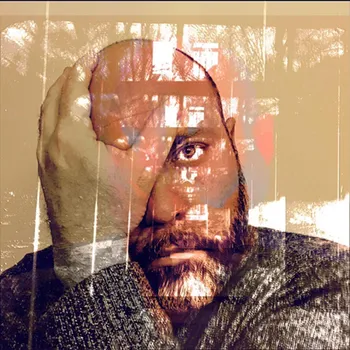
11 Questions with… Greg Humphreys

In American music, there are artists whose regional roots run deep, intertwining with the cultural fabric of their home state. Greg Humphreys, the charismatic frontman of Dillon Fence, has spent decades carving out a musical niche that echoes the soulful resonance of North Carolina. His solo endeavors, marked by a fusion of rock, blues, jazz, and Americana, showcase a maturity that comes from a life dedicated to the pursuit of authentic sound.

Humphreys’ musical journey began in the late ’80s with the formation of Dillon Fence, a Chapel Hill-based alternative rock band that became synonymous with the burgeoning music scene in North Carolina. The band’s sound, characterized by jangly guitars, introspective lyrics, and Humphreys’ powerful, soulful emotive vocals, contributed to the distinctive Southern sound emerging from that fertile music community that also gave rise to The Connells, The Veldt, Fetchin’ Bones, Superchunk, Let’s Active and The dBs.

Fast forward to the present, and Humphreys has embarked on a solo career that demonstrates both evolution and continuity. His 2021 release, “Spanish Steps,” stands as a testament to his ability to navigate diverse musical waters while maintaining a distinct Southern sensibility. His most recent single, “Take a Trip (Catch a Plane)” crosses soul, ’70s pop, jazz, and smooth strands of rock and roll. Humphreys’ voice, weathered by years of musical exploration but never beaten down, lends a richness that serves as the perfect vehicle for the emotional weight carried by his lyrics. The song weaves a narrative that touches on love, loss, and the inexorable pull of life’s forces, creating a compelling experience.

Humphreys skillfully blends genres, drawing from the deep well of American musical traditions. He is equally comfortable channeling a rootsy, folk vibe with acoustic guitars or when creating a sonic laid-back atmosphere. He is also just as skillful when letting everything hang out in a full-blown rock song. Humphreys’ ability to seamlessly integrate elements of the South’s musical heritage into a contemporary framework is one reason out of the many characteristics of his songs that make them feel like lifelong friends.

Whether one is listening to Greg’s solo work or his efforts in Dillon Fence and Hobex, the songs he makes allow him to flex his songwriting muscles, delivering introspective lyrics with a raw vulnerability that resonates with listeners. “Take a Trip (Catch a Plane)” stands out as a poignant exploration of the complexities of life and the enduring power of hope, driven by Humphreys’ soulful crooning and the subtle, never forced, instrumentation that accompanies it. Humphreys’ guitar work, a hallmark of his style, shines throughout the tune, demonstrating both technical proficiency and an intuitive understanding of the emotional nuances embedded in his compositions.

In a musical landscape often dominated by trends, the passing ‘sound of the moment’, and fleeting fads, Greg Humphreys stands as a beacon of authenticity, his music is tangibly real… it resonates. Greg’s music not only pays tribute to the distinctive musical heritage of North Carolina but also adds another chapter to Humphreys’ ongoing exploration of sound and emotion. His most recent music invites listeners to journey through the landscapes of the South, guided by a seasoned troubadour whose passion for music burns as passionately and brightly as ever.

Dr. J: What can you share with us about when and how you started writing music?

I started writing songs in high school. My high school garage band “The Trash” decided to start playing our original music… our members would bring songs in to try. My early songs make me wince a bit, but you have to start somewhere. Dillon Fence bass player (and fellow The Trash member) Chris Goode and I will often sing a line or two from these old songs for a few chuckles. 

I have to say, my basic appreciation and understanding of songcraft came from my dad. He was always listening to his favorite songs learning them and playing them on his guitar in his spare time.

I also think that my strong desire/need to create, expressed through art and music, comes from my mom. She’s been a visual artist for as long as I can remember and has had some different, interesting periods to her artistic expression.

Dr. J: What first led to your recording music? How do you approach production? 

I started recording on a boombox, then a couple of boomboxes. I remember re-creating the harmony solos on Boston’s “Peace of Mind” with two boom boxes in High School. 

After a couple years of this, my parents helped me get a Fostex 4 track recorder, which was my constant companion until I started learning ProTools / DAW recording in the late 90s. I have boxes and boxes of songs and music ideas I recorded in the 90s on that 4 track.

Of course, I learned a lot from the professional engineers and producers I worked with early on when making records with Dillon Fence and Hobex: Steve Gronback, John Plymale, Lou Giordano, Ron St. Germain, Mark Williams, David Leonard. I’ve also been lucky to sit in/take part in sessions with pros like John Wood, Joe Boyd, Al Kooper, Bill Symczyk, Chris Stamey, Mitch Easter, Don Dixon, and Jim Dickinson. 

As far as my production approach, I think my main attitude is, that there’s no “correct” way to do things. All that really matters is do you have an end result that is compelling and/or worthy of listening to over and over. If budget was no issue, I’d probably do a more collaborative recording with other musicians/engineers/studios, but I do enjoy making records on my own. 

I try to keep in mind that some of my favorite records were made with some of the most basic recording technology. I believe that what is going on in front of the mic is usually the most important factor in recording most musicians or singers. 

Dr. J: ‘Take a Trip (Catch a Plane)’ is your most recent music, what led to the making of that song? What were the main influences on your recording of this song? 

I talked about it at length in my bio over greghumphreys.net if you’d like to pull from that/peruse that. but essentially it’s a song I wrote for my wife kind of trying to express one of those feelings that’s personal yet universal. Hopefully, the song has the same quality.

Dr. J: The song Take a Trip (Catch a Plane)’ seems to capture a remarkable constellation of musical influences. The song seems to have a 1970s soul feel. Is that a correct interpretation? If that is correct, did you intend to create a song that connects to that style? If that is not correct, how would you describe the feeling of the song?

The rhythm section definitely has a ’70s soul vibe – Marvin Gaye records are always a North Star for me. I played bass guitar on this track, which is also a lot of fun and something I haven’t been doing on my trio records. This track is basically a taste of an approach I’ve been taking. Using drum machine sounds to create grooves. Building songs around a melody, groove, or musical idea using a looper. Then, building the arrangement over time either in live performance or in the studio.

 It’s not really that different from a songwriting approach I’ve used for bands I’ve fronted over the years. It’s just that I am able to create more of a “keeper” version on my own these days.

Dr. J: How did the song Take a Trip (Catch a Plane)’ come together musically for you?

The song really started from being inspired by a moment in a George Shearing “Lullaby of Birdland” recording where the musicians play the melody (Jazz terminology would be “the head”) together. I wanted to use that vibraphone sound, and I wrote a melody that is vaguely reminiscent of the Shearing tune – not as harmonically sophisticated, but still good. After that, I just followed my instincts to complete the song.

Dr. J: Where do you often derive inspiration to make music?

Looking back on my songwriting path, I’d say my main wellspring of music-making has been expressing myself – getting out all those feelings I have difficulty manifesting any other way. The confessional songwriting thing has definitely been a big part of who I am as a writer. That being said, I like switching it up and trying different approaches, and that shows up in my songs as well.

Dr. J: How would you describe the music that you create? How has that process evolved or changed over time (especially as you think about your journey in the last few years)?

I feel like in the back of my mind I’m always trying to create something that is timeless and universal. The quality that a great piece of music or song has – if you take it out of its cultural context, does it still resonate? I think that’s why I enjoy going down the wormhole with music from different eras or time periods and finding songs that grab me.

Dr. J: What is next for you musically? How would you describe your thoughts at this point for your next project or release?

I am close to the finish line on a couple of recording projects. One is a Dillon Fence live album that we recorded in April 2023. I think it captures the energy of the band in a good way and I’m looking forward to sharing it with our fans. I am proud of that catalog of music. 

The second is another solo album in the same fashion as my 2021 album “Spanish Steps,” using a lot of the approaches and techniques I mentioned earlier. “Take a Trip (Catch a Plane)” will be included on this album, as well as some other songs I’ve been writing over the last 3-4 years. I find that these days with my family life taking precedence I’m not nearly as prolific as I used to be. The songs that I do complete tend to be real “keepers” – songs that I keep coming back to over time. 

Dr. J: What is your favorite song to perform live? What is your favorite song to perform in general? What makes that song a current favorite in your performances? 

I think the song that I usually enjoy performing live most is usually my most recent song that I really believe in – the song that fits that category lately is called “Fall into the Sea.” That being said, I’ve gotta give props to a song I co-wrote with my old friend Jim Smith, “Windows,” which was originally on the Hobex LP “Back in the 90s.” I still play that song in almost every show. It just works, it connects, it makes people happy, and that makes me happy. 

Dr. J: What is one message you would hope that listeners find in Take a Trip (Catch a Plane)’?

Hopefully, they’ll find inspiration to renew their love for their significant other. That’s what it’s really about. The ‘Take a trip’ part is just an impetus to do that.

Dr. J: As a musician, how are you adapting to the challenges of creating music? What are your biggest challenges in creating music? 

That’s a big question. Honestly, I don’t really know which way to go. The sheer volume of music produced these days and the torrential nature of media consumption are obviously on my mind, as far as what is ahead. I consider myself lucky I have an (admittedly boutique) audience that still comes to see me play and listen to my music online, but obviously, the Internet disruption is real and it has affected my life. It has always been a rollercoaster ride and a struggle to pursue a creative life, though. 

I think my biggest challenge is managing the balance between my family life and my desire to pursue my art and music. There’s just not enough time in the day to do what I’d like to do. Once I have the time, I’m often too tired to do it! 

We want to extend our sincere gratitude to Greg Humphreys for answering our questions and continuing to make some really excellent music! Click on the links throughout the article to visit his social media or to listen to various songs that were discussed! If any musicians or artists would like to participate in future ’11 Questions with…’ columns, please feel free to email us at drjytaa@gmail.com. All photos and images courtesy of Greg Humphreys.

Facebook Youtube Bandcamp Take a Trip (Catch a Plane) Website Twitter Instagram Soundcloud Linktr.ee

‘I’m In Love With That Song’ – Tail Lights Fade

The allure of a particular song is a multifaceted phenomenon, weaving its magic through a combination of emotional resonance, relatability, and the intricate interplay of melody and lyrics. As subjective as musical taste is, the reasons people fall deeply in love with a specific song are as diverse as the songs themselves. How often do music fans argue about a band’s best song or best album?

At the heart of this enchantment lies the emotional connection. People feel that connection in a direct visceral way. Music, as a universal language, has an unparalleled ability to evoke feelings and memories. A song that we love feels like a part of us. It can feel like a part of our body. A song can transport us to a specific moment in time, rekindling the flames of nostalgia or unlocking emotions long buried, whether they should have stayed there or not. The melody becomes a vessel for sentiments that words alone might struggle to express. Whether it’s the joyous melody that accompanies a carefree summer (consider the body of work of The Beach Boys) or the melancholic strains of a breakup (Taylor Swift, Adele, and far too many singers and bands come to mind), people gravitate towards songs that serve as emotional anchors in their lives.

Relatability plays a crucial role in why we love the songs that we do. A song becomes a personal anthem when its lyrics resonate with the listener’s experiences, beliefs, or aspirations. When an artist articulates something the listener has felt but couldn’t put into words, an instant connection forms. It’s this shared human experience that allows a song to transcend its role as mere entertainment, transforming it into a companion on life’s journey. The lyrics become a mirror reflecting the listener’s own narrative, fostering a sense of understanding and kinship; perhaps the relatable song helps us become better people.

The melody itself, with its power to evoke mood and emotion, is another pivotal factor. A well-crafted melody possesses the ability to bypass the conscious mind, directly influencing the listener’s emotional state. We emote alongside the song. Whether it’s the soaring crescendo of a powerful ballad or the infectious rhythm of an upbeat pop song or that jangle that refuses to let us go, the melody is the sonic fingerprint that distinguishes one song from another. People fall in love with a song because its melody or rhythm is ingrained in their minds, creating a sonic imprint that resonates long after the final note has faded. This is the reason that people hear or hum or feel a song long after it is done.

Songs are also tied to places. The cultural and societal context in which a song emerges contributes to its appeal. Certain songs become anthems for entire generations, encapsulating the spirit of an era. Classic rock songs or pivotal albums wield an oversized influence because of their connection to time and place. The social and political climate during the release of a song can imbue it with additional layers of significance, turning it into a symbol of its time. Did Bruce Springsteen mean for ‘Born in the USA’ to become an anthem that its lyrics would dispute? As a result, people develop a profound connection to songs that encapsulate the collective experiences and sentiments of their generation. The Who’s ‘Won’t Get Fooled Again’ or R.E.M.’s Everyone Hurts illustrate such a generational charge.

The artist’s persona and authenticity also play a crucial role in cultivating a love for a song. When listeners perceive that an artist is genuine and transparent in their expression, it fosters a deeper connection. Did Nirvana’s ‘Smells Like Teen Spirit’ become such a transcendent hit because listeners were drawn to the idea that Kurt Cobain meant every single word with boundless passion? Authenticity resonates, and when an artist’s sincerity aligns with the listener’s values, it creates a bond that extends beyond the music itself. Most of Neil Young’s or Bob Dylan’s catalog demonstrates this idea.

In essence, the reasons people fall in love with a particular song are as complex and diverse as the human experience. Whether through emotional resonance, relatability, melody, cultural significance, or the authenticity of the artist, a song’s ability to captivate and enthrall lies in its capacity to tap into the myriad facets of the human soul. Ultimately, the love affair between a listener and a song is a testament to the profound impact that music, as an art form, can have on the human spirit.

In this new column, ‘I’m In Love With That Song’ — clearly a reference to The Replacements tune ‘Alex Chilton,’ we are going to explore songs that we love and the reasons we love them so much. The first song we consider is Buffalo Tom’s Tail Lights Fade from their 1992 record ‘Let Me Come Over.’

In the tapestry of my musical memories, there exists a thread that glows with the hazy warmth of nostalgia and the bittersweet tinge of unspoken emotions. It’s a thread spun by the melodic enchantment of Buffalo Tom’s “Tail Lights Fade,” a song that has embedded itself in the very fabric of my musical existence. As the needle of time etches its marks on the vinyl of my life, this track remains a constant groove, its resonance undiminished by the years. I remember the first time I heard it while working a lonely internship in a city far from my home. I was listening to a radio station that played “college rock” and in between R.E.M., Green Day, Nirvana, INXS, and The Gin Blossoms, late one night I heard a song with a brilliant jangly guitar and impressive passionate voice that picked me up and shook me.

Buffalo Tom, a band that emerged from the indie rock scene of the late ’80s, had an uncanny ability to distill the essence of emotional turbulence into their music. “Tail Lights Fade,” a standout track from their 1992 album “Let Me Come Over,” encapsulates this prowess with an immediacy that resonates far beyond its initial release. In the spirit of sharing, let me unravel the layers of affection I harbor for this song. It is not at all an overstatement to say “I love this song.”

The opening chords of “Tail Lights Fade” announce themselves with a quiet insistence, like the distant murmur of a storm on the horizon. Bill Janovitz’s vocals, a blend of raw vulnerability and raspy resilience, invite the listener into a world where heartache and hope collide. I immediately and wholeheartedly appreciated the way Buffalo Tom seamlessly wove elements of indie rock, alternative, and even hints of Americana into a sonic tapestry that defied easy categorization.

The song’s narrative unfolds like a poignant short story, each verse a snapshot capturing the ephemeral beauty of moments, people, and things we need slipping away. “Sister can you hear me now, The ringing in your ears, I’m down on the ground, My luck’s been dry for years,” sings Janovitz, painting a vivid tableau of a relationship marked by a subtle disconnect. It’s a narrative that immediately invites dissecting the intricacies of the writing in this song. What were the experiences that led someone to say their luck has been dry for years? The lyrics, sparse yet evocative, leave ample room for the listener to project their own experiences onto the canvas of the song. Maybe we all feel like we are sitting on the ground, looking around ourselves and wondering what happened to that luck that people seem to find so easily in the movies.

As the chorus (of sorts) arrives, the guitars surge with an emotional intensity that feels like a sonic catharsis. I believe that anyone with a discerning ear for musical craft can feel the way Buffalo Tom made a chorus that serves as both a melodic climax and an emotional release. The chorus is an anthem for those caught in the undertow of fading love — the powerless feeling of driving away. It is a refrain that reverberates with universal resonance. As Janovitz sings: “I’ve hit the wall, I’m about to fall, But I’m closing in on it, I feel so weak, On a losing streak, Watch my taillights fade to black.” And while the lyrics in this part of the song change with each telling, the loss only grows. It feels tangible. This is not just the reaping of an imaginary whirlwind, this loss is mine.

“Tail Lights Fade” has a distinctive sound, a blend of jangly guitars and melodic hooks that straddle the line between indie rock, alternative, and alt-country. The band clearly has a commitment to exploring the fringes of musical genres. Part of what draws me into the song is the way the band’s ability to seamlessly blend elements of Americana into their sound. The guitars can be loud and evoke wide-open spaces and dusty highways, adding a layer of nostalgia that enhances the song’s emotional weight. The sound of the instrumentation is heavy. Burdened with passionate yet unsuccessful purpose and lost hope. The narrator has already lost. They know they have lost. Anything else they tell themself as they drive away is a lie and they know it’s a lie.

The movement of “Tail Lights Fade” is full of sonic departure, and moments of introspection within the song’s dynamic journey. bands that dared to experiment, would likely commend Buffalo Tom for this unexpected twist. The bridge, with its stripped-down arrangement and Janovitz’s plaintive vocals, provides a brief respite before the song surges back into its anthemic chorus.

But beyond the musicality, it’s the emotional honesty of “Tail Lights Fade” that cements its place in my heart. Buffalo Tom doesn’t romanticize heartbreak; they lay it bare, unadorned, and achingly real. Anyone with a commitment to authenticity in music would appreciate the way Buffalo Tom captured the messy, imperfect beauty of love in its twilight. I must acknowledge the cultural and historical context of “Tail Lights Fade.” The early ’90s were a tumultuous time for alternative music, with the underground bubbling to the surface of mainstream consciousness. Buffalo Tom, nestled in the bosom of this musical revolution, embodied the spirit of a generation searching for meaning in the dissonance of the post-punk landscape.

“Tail Lights Fade” was a beacon for those navigating the emotional terrain of the era. Being open to contextualizing music within the broader cultural landscape would likely celebrate the song’s role as a soundtrack for a generation caught between the fading echoes of the ’80s and the impending roar of the grunge era.

As I reflect on my enduring love for “Tail Lights Fade,” I realize that my affection for the song extends beyond its musical attributes. It’s a talisman, a sonic artifact that has accompanied me through the various chapters of my life. When I have felt that no matter how hard I have tried to accomplish something I have failed at, this song has always been there for me. In that way, this song has become a marker of my personal history. It is alright to fail.

We all want to believe that given an opportunity we would champion the underdogs and celebrate the mavericks of the world, but do we? The power of Buffalo Tom and “Tail Lights Fade” is in its stark reveal that we lost, we were always going to lose and life continues. One of the reasons that I hear and feel the song long after listening to it is because it creates an image of loss, but also of endurance. “Tail Lights Fade” is a timeless testament to the power of music to capture the ineffable complexities of the human experience.

11 Questions with… Trapper Schoepp

In the tapestry of rootsy Americana music, Trapper Schoepp emerges as a singular and unyielding thread, weaving tales that resonate with a raw cinematic voice of American storytelling. Hailing from the heartland of Wisconsin, Schoepp is not just a musician; he is a troubadour, a poet, and a chronicler of the human experience. In April of this year, Trapper embarked on a journey and invited us to come along. His last album remains a fast drive on a gravel road through lyrical landscapes and melodic realms. Of his album, Siren Songs,’ — perhaps more a collection of stories from the heart and bone of life — we can feel the distance in time, place, and relationships.

Schoepp’s music is an alchemy of tradition and innovation, a fusion of folk, rock, and Americana that defies easy categorization. Schoepp’s work is imbued with a sense of timelessness, a nod to the roots of American music while fearlessly exploring his own territories. His songs are not mere compositions; they are living entities, breathing and evolving with each note, each chord, and each carefully chosen word.

The lyrical prowess of Trapper Schoepp is reminiscent of the great storytellers who have graced the American musical landscape. It is clear that Schoepp is a connoisseur of lyrics that cut to the core of the human experience and find solace in vivid portraits with words. Whether unraveling the complexities of love or navigating the tumultuous waters of contemporary society, Schoepp’s lyrics are a mirror reflecting the question of where we go from here, when we are not even sure what that means.

Yet, Schoepp is not content with resting on the laurels of tradition. Schoepp fearlessly tackles pressing social issues, offering poignant commentary on the state of the world. His music becomes a vessel for introspection and societal critique, echoing the sentiments of an artist committed to using his craft as a force for change.

Trapper Schoepp stands as a beacon. Through his unwavering commitment to authenticity and unrelenting passion for storytelling, Schoepp not only pays homage to the roots of American music but also pushes the boundaries, leaving an indelible mark on the ever-evolving tapestry of sound. Thank you for taking the time to answer our questions, good sir!

Dr. J: What can you share with us about when and how you started writing music?

I herniated a disc in my back when I was fifteen. My mother signed me up for guitar lessons and here I am! Still at it. My dentist at the time also gave me and my brother a box set of early Bob Dylan CDs. I think it was just serendipitous timing that I found music. Also, the stillness of a small town makes any kid start looking for a world outside of the one they see. 

Dr. J: What first led to your recording music? How do you approach production?

Songs first! I just did an album at Johnny Cash’s Cabin and I used the same two mics for 14 songs. Granted, very nice mics! But I try not to obsess too much on the technical side of recording. Leave it to the pros! We had two really great producers on my latest album – Patrick Sansone of Wilco and John Jackson of The Jayhawks. Both brought a lot of wisdom and joy to the recording process. 

I recorded my first album along Lake Pepin in Wisconsin with a group called Patchouli. I stripped the paint off their house in exchange for recording time. However ya gotta get it done, it gets done. I think a lot of artists feel this need to do it. That’s important. 

Dr. J: The cover of Lefty Frizzell’s ‘Long Black Veil’ is your most recent music, what led to the making of that song? What were the main influences on your recording of this song?

Obviously, Johnny Cash! You’ve heard of him?! I think he’s the last thing we Americans all agreed on…It’s a beautiful and haunting tune we’ve been ending our shows with. The story of a love triangle gone wrong with a public hanging in the town square… Classic folk music. Sign me up!

Dr. J: The song ‘Cliffs of Dover’ is the lead track on your last full-length album, Siren Songs seems to capture a remarkable constellation of musical influences. The song seems to have a pop feel. Is that a correct interpretation? If that is correct, did you intend to create a song that connects to that style? If that is not correct, how would you describe the feeling of the song?

I’m obsessed with classic pop music from the 60s and 70s. Stuff like Paul McCartney, Gilbert O’Sullivan, Harry Nillson, Randy Newman…Songwriter’s songwriters. Those singers inspire me a lot but I’m also listening to old-school hip-hop, Brian Eno’s ambient records, and early folk and blues music. I try to be open to any kind of music as long as it moves me.

Dr. J: How did the song ‘Cliffs of Dover’ come together musically for you?

I think I was listening to the song “Ca Plane Pour Moi” by Plastic Bertrand while news of the end of the Afghanistan war was on the TV. I felt so heartbroken for all those lost, as well as those dealing with PTSD. The lyrics describe a veteran struggling and the chorus takes us back to Vera Lynn’s WW2 anthem. 

Dr. J: Where do you often derive inspiration to make music?

As a songwriter, I’m always hot on the trail for the next song idea. It could be anything. A TV show, a good meal, an overheard conversation…Anything can inspire a song if you let it. 

Dr. J: How would you describe the music that you create? How has that process evolved or changed over time (especially as you think about your journey in the last few years)?

 For better or worse, I’m an inspired writer. I’m typically not sitting down, hammer and nail, pounding out songs every day. I try to write and sing what I’m excited about at that moment. There’s no particularly great mystery to it. It can be thought of as a trade as anything else. There is a magic to it, though.

Dr. J: What is next for you musically? How would you describe your thoughts at this point for your next project or release?

I’m interested in the classic country now but we’ll see if I still have my old boots around…

Dr. J: What is your favorite song to perform live? What is your favorite song to perform in general? What makes that song a current favorite in your performances?

Typically whatever is the newest to the set. Going into that great unknown musically can be a thrill. We play a Dylan song “Meet Me In The Morning” after the song I published with Bob Dylan, “On, Wisconsin.”

Dr. J: What is one message you would hope that listeners find in ‘Cliffs of Dover’?

It’s a call to peace in a sense. We’re living through difficult times now and I think music can be good balm. Despite the darkness and war in the world right now, I’m hoping we find some light through art and music. 

Dr. J: As a musician, how are you adapting to the challenges of creating music? What are your biggest challenges in creating music?

Finding the time! I think performers of all kinds are pulled in a lot of different directions and it’s good to make that time for yourself to write.

We want to extend our sincere gratitude to Trapper Schoepp for answering our questions and continuing to make some really excellent music! Click on the links throughout the article to visit his social media or to listen to various songs that were discussed! If any musicians or artists would like to participate in future ’11 Questions with…’ columns, please feel free to email us at drjytaa@gmail.com. All photos and images courtesy of Trapper Schoepp.

Facebook Youtube Bandcamp Long Black Veil Website Twitter Instagram Soundcloud

Video of The Day: Palm Ghosts – She Came Playfully

In the shadowy realms of contemporary indie music, Palm Ghosts emerge as neo-80’s ethereal phantoms weaving a haunting tapestry with their latest offering, “She Came Playfully.” The song is one of eleven incredible dark lullabies from the album I Love You, Burn in Hell released on Sweet Cheetah/Poptek Recs and Sell The Heart Records (in the US), and Engineer Records (in the UK). As the song barrels into an almost retro synthy groove, the listener is immediately transported to a sonic twilight zone, a place where nostalgia, darkness, and innovation engage in a mesmerizing dance of influence from across the alternative map such as The Psychedelic Furs, early XTC, The Cure, R.E.M., Tears for Fears, Duran Duran, and Joy Division.

Fronted by the enigmatic singer and songwriter Joseph Lekkas, Palm Ghosts doesn’t just create music; they summon spirits from the past and present, conjuring a sonic séance that reverberates through the soul. “She Came Playfully” serves as a portal, inviting us to traverse the haunted corridors of the band’s collective consciousness.

Lekkas, with a voice that feels like a séance conducted by David Bowie, Richard Butler, and Ian Curtis, guides us through a labyrinth of melancholic melodies and spectral harmonies. The beginning of the track is a sonic séance, blending dream pop with post-punk elements, creating an atmosphere that feels both timeless and contemporary. The ghostly synths and pulsating basslines provide the foundation for Lekkas’ vocals to soar, echoing through the haunted halls of a bygone era.

She Came Playfully,” is a sonic kaleidoscope that unfolds with spectral grace. The ethereal guitar lines and shimmering keys and synths create an otherworldly atmosphere, while Lekkas’ lyrics paint a vivid portrait of a love that transcends time and space. It’s a sonic séance that evokes the spirit of the ’80s new wave while maintaining a modern hint at a dark wave edge.

Palm Ghosts masterfully balances the ethereal and the tangible in this song. The band’s ability to blend haunting atmospheres with catchy hooks creates a sound that is both haunting and infectious. “She Came Playfully” is not just a song; it’s an invitation to embark on the nightboat. It’s a journey into the recesses of the subconscious, a pilgrimage guided by the spectral whispers of Palm Ghosts. As the final notes of “She Came Playfully” fade into the ether, the listener is left with a sense of having communed with the ghosts of music’s past, present, and future. This song stands as a testament to the power of sonic exploration and the enduring magic of musical séances.

The band is on tour now, go see them!

Embracing the Harmony: The Irresistible Allure of Dayton’s Local Music Scene

In the heart of Ohio, where the Great Miami River winds its way through the landscape, lies a city pulsating with rhythm and alive with melody – Dayton. Often overshadowed by larger musical hubs, Dayton boasts a local music scene that is as diverse and vibrant as the city itself. From intimate venues to grand concert halls, the Gem City resonates with the beats of talented local musicians who pour their hearts and souls into their craft. I would like to take a few moments to unravel the tapestry of Dayton’s local music scene, weaving a narrative that compels music enthusiasts, young and old, new to the area and stalwarts alike to partake in the experience of the incredible live music performances of the city that is home to YTAA.

Setting the Stage

Dayton, Ohio, is not just a city; it’s a living canvas painted with the hues of musical diversity. The local music scene here is a melting pot of genres, from the barn tours of past country troubadours and musicians who meld country, Americana, rock, bluegrass, and other musical styles from Todd The Fox, Age Nowhere, Amber Hargett, Charlie Jackson, Avalon Park, Neo American Pioneers, Rich Reuter, Ghost Town Silence — the original Rebel Set — Sam King, Achilles Tenderloin, The Nautical Theme, Great Serpent Mound of Ohio, Harold Hensley — THE Golden Voice of Dayton Roots Music, — M. Ross Perkins, Nick Kizirnis and The Repeating Arms (we would be here all day if I listed all of the great bands and musicians). The intimate evocative and powerful music of Paige Beller deserves its own essay alone. Just as the river sways through the city, the music and art swings across genres. Dayton is also home to the soulful strains of jazz and R&B (Heather Redman and the Reputation, Sharon A. Lane immediately comes to mind).

And, of course, Dayton is the capital of a form of funk music that took over the world thanks to The Ohio Players, Zapp, Heatwave, Lakeside, Faze-O, Slave, Dayton, and far more to mention here. The electrifying beats of indie rock of Guided By Voices, Brainiac, The Breeders, The 1984 Draft, XL427, The New Old Fashioned, Oh Condor, The Boxcar Suite, Yuppie, The Paint Splats, Seth Canan & The Carriers, Mike Bankhead, The Typical Johnsons, Cricketbows, John Dubuc’s Guilty Pleasures, Human Cannonball, Me Time (Andy Smith), Smug Brothers, and Shrug (again too many to list) propels the city since the salad days of funk. Dayton pulsates with the rhythm of hip-hop courtesy of Tino, K.Carter, Jeremy Street, Poetic, and Josh Thrasher (yup, far too many musicians to mention). The city’s venues, whether cozy bars or expansive concert spaces provide the perfect backdrop for artists to showcase their talents. Any night of the week there is a music event that can be transformative and wonderful.

The sense of community within Dayton’s music scene is palpable. Local musicians are not just performers; they are storytellers who narrate the collective experiences and emotions of the community. Attending a local music show in Dayton is not merely a night out; it is an immersion into the city’s cultural heartbeat.

Supporting Local Talent

Every city has its unsung heroes, and Dayton’s local musicians are no exception. These artists, often playing in smaller, more intimate venues, are the lifeblood of the music scene. Attending local shows is not just about enjoying music; it’s about supporting the dreams and aspirations of the artists who call Dayton home. The opportunity to connect with musicians who share their souls is an existential chance to become more than we are alone.

Local musicians in Dayton are not in singleminded pursuit of stardom; they are in pursuit of connection. They want their music to resonate with the people who come to understand the pulse of the city, and who can relate to its highs and lows. By attending local music shows, you become an active participant in nurturing the cultural roots that make Dayton truly unique and special.

Intimacy and Authenticity

Large concerts featuring international acts undoubtedly have their allure, but there’s something magical about the intimacy of a local music show. In Dayton’s smaller venues, you’re not just a face in the crowd; you’re an integral part of the performance. The energy exchange between the audience and the artists is palpable, creating an experience that transcends the mere consumption of music. The audience becomes family.

Local musicians often engage with their audience on a personal level, sharing anecdotes, expressing gratitude, and creating an atmosphere of genuine heartfelt connection. It’s in these moments that the boundary between performer and audience blurs, and you find yourself immersed in a shared musical journey. And in those moments we see our common humanity and find within one another something magical.

Affordability and Accessibility

One of the most appealing aspects of attending local music shows in Dayton is the affordability and accessibility. Unlike major concerts that may strain your budget, local shows offer an economic alternative without compromising the quality of the musical experience.

Furthermore, the accessibility of local venues contributes to a more inclusive atmosphere. Whether you’re a seasoned concert-goer or someone attending their first live performance, Dayton’s local music scene welcomes you with open arms. The diverse range of venues (Blind Bob’s, The Trolley Stop, Southpark Tavern, The Brightside, The Yellow Cab Tavern, and more) ensures that there’s something for everyone, from hole-in-the-wall bars in the Oregon district to historic theaters such as Memorial Hall, each offering a unique ambiance that adds to the allure of the experience.

Cultural Catalyst

Music has the power to transcend boundaries, bringing people from different walks of life together. In Dayton, local music acts as a cultural catalyst, fostering a sense of unity and pride among its residents. By attending local shows, you’re not just a spectator; you’re a participant in the cultural evolution of the city.

Dayton’s local music scene reflects the city’s rich tapestry of cultures and backgrounds. Whether you’re into blues, folk, or electronic beats, you’ll find a community that resonates with your musical preferences. These shared experiences contribute to the forging of lasting connections, fostering a sense of belonging that extends beyond the confines of the concert venue. Attending a local show is transformative.

The Ripple Effect

Attending local music shows in Dayton is not a solitary act; it’s a ripple that extends far beyond the immediate moment. By supporting local artists, you contribute to a thriving cultural ecosystem. The success of local musicians often leads to more opportunities for growth within the community, attracting attention to Dayton’s music scene on a broader scale. To say that the music and arts scene in Dayton deserves more attention is equivalent to stating the fact that water is wet.

Moreover, your presence at a local music show sends a powerful message – a testament to the fact that the city’s cultural identity is shaped by the collective enthusiasm of its residents. As Dayton’s local music scene flourishes, it becomes a beacon that draws attention to the city’s artistic spirit, potentially attracting even more talent and recognition. Attending local shows brings more music to everyone.

Just go, already!

In the midst of Dayton’s rivers, rolling hills, and urban landscapes lies a hidden gem – a music scene waiting to be explored and embraced. Attending local music shows in Dayton is not just a leisure activity; it’s a journey into the soul of the city, a celebration of diversity, and a testament to the power of music in fostering community.

The venues may be smaller, but the impact is monumental. In these spaces, local musicians weave stories that reflect the shared experiences, joys, and struggles of the community. By attending these shows, you become an integral part of this narrative, contributing to the cultural vibrancy that defines Dayton.

So, let the beats of Dayton’s local music scene guide you through a sonic adventure. Embrace the intimacy, support the dreams of local artists, and become a catalyst for cultural unity. Attend a local music show in Dayton – where the melodies are rich, the community is vibrant, and the experience is nothing short of magical.

Support Your Local Music Scene!

11 Questions with… The Popravinas

In the dimly lit corners of Americana, where the roots of rock ‘n’ roll intertwine with the twang of country, emerges The Popravinas—a band that embodies the spirit of a bygone era while injecting it with fresh, irreverent energy. Their latest, “3-Month Situation,” is a rollicking journey through heartache, relationships, and a hell of a good time.

From the first notes, it’s evident that The Popravinas are not here to play it safe. The song kicks off with an infectious jangly guitar that leads to a foot-stomping feel that sets the tone for the wild ride ahead. The gravelly vocals carry the weight of countless complicated romance stories, while the band’s tight instrumentation weaves a sonic tapestry that’s both nostalgic and contemporary. “3-Month Situation” is an unapologetic celebration of the working-class troubadour tradition of honest inspection of relationships. The song pays homage to the trials found in relationships like a mature Springsteen and early Johnny Cash. Appreciation to Eddy Sill for answering our questions!

Dr. J: What can you share with us about when and how you started writing music?

Back around the early 90s, I was part of a rather raucous alternative pop band in Los Angeles called The Mutts. One of the guitar players who was quite a prolific songwriter, heard some raw ideas of mine and encouraged me to start seriously writing songs. Once I started to do so, I saw people responding very positively to those tunes when I sang them onstage. My confidence grew quite quickly, and as time went on, it became a way of life for me.

Dr. J: What first led to your recording music? How do you approach production?

Recording (especially in the past) has always been somewhat of a boring process for me. In recent years, the advancements in digital recording have made it so much more pleasurable, easy, and exciting. I much prefer it as opposed to sitting in a boring studio for hours on end, as we now do much of our recording right in our bedrooms, emailing various takes back and forth to Lead Guitar/Producer John Adair.

Dr. J: 3-Month Situation’ is your most recent music, what led to the making of that song? What were the main influences on your recording of this song?

That’s a funny question because it was actually brought on by a woman who is a long-time friend of mine. She fairly recently mentioned that she was in a “three-month situation” with a guy, and it didn’t turn out all that well. I immediately wrote those three words down as a potential song title. The amazing thing is that I was going through some old emails from about seven years ago, and there was an email from her saying that she had just gotten out of a “three-month situation!” When I saw that, I knew I had to run with it, and it’s one of those songs that developed very quickly from that point.

Dr. J: The song ‘3-Month Situation’ captures a remarkable constellation of musical influences. The song seems to have an almost country feel. Is that a correct interpretation? If that is correct, did you intend to create a song that connects to that style? If that is not correct, how would you describe the feeling of the song?

We’ve done a bit of the Alt-Country thing on all four of our past albums, and you will hear that on some of the upcoming tunes (such as 3-Month Situation). Lyrically the song is better served in this style. The original idea was a bit more of a rock-n-roll song, but things can change a bit as different guitar & keyboard parts are created. We have a keyboard player (Bryon Haney) who actually lives in Charleston, SC, and he has added some good textures to the recordings in the past few years. He plays with us when we tour back east, and occasionally he comes out west to join us onstage.

Dr. J: How did the song ‘3-Month Situation come together musically for you?

As per our usual workflow, it starts with a very basic, lo-fi recording of whatever lyrics/melodies are drafted and a very basic, maybe one guitar, demo.  It’s mainly used to map out the tempo and structure.  After we recorded the drum track, we built up the instruments and then recorded the vocals last.  

3- Month had a few more layers of instruments but ultimately we stripped some away for some better dynamics and to give it a little more sovereignty from our other tunes.

Dr. J: Where do you often derive inspiration to make music?

It can be literally anywhere. It can be my next-door neighbor or many times it is traveling to faraway places like Europe. Most of it is observations and interpretations of personal and social experiences. Much of the time, humor is essential.

Dr. J: How would you describe the music that you create? How has that process evolved or changed over time (especially as you think about your journey in the last few years)?

It definitely has a combination of “twang and pop.” I used to kind of fight off the California vibe, but as time has gone on, I tend to let that flow if it needs to be in that direction. As a band, we have evolved to be more autonomous in recording our own ideas and instruments which has relieved a lot of the stresses of time and money.  The downside is we have less interaction creating all together at once in the same room which can bring some creative advantages. 

Dr. J: What is next for you musically? How would you describe your thoughts at this point for your next project or release?

We are looking forward to a new album to be released in the Spring of 2024, possibly sooner. We like to think things through on new material, as opposed to bombarding the market. Each of our albums has its own vibe and sound yet remains in our particular unique style.  I believe we offer a truly original sound while sounding extremely familiar to our listeners. 

Dr. J: What is your favorite song to perform live? What is your favorite song to perform in general? What makes that song a current favorite in your performances?

That is a tough one. I know our drummer (Steve Markowitz)  has a favorite in “Zoom to the Ocean” from our last album, “Goons West.”  It has some pretty challenging guitar parts that sound easier than they are to play.  People seem to like that one. I really enjoyed playing “3-Month Situation” live for the first time this past weekend… Until I went blank on some of the lyrics… Ha! But sometimes that kind of thing can really get an audience going, as we are the type of band that can have that kind of looseness work for us.

10. What is one message you would hope that listeners find in ‘3-Month Situation’?

Well, I hope that it strikes people musically and they can relate to what it speaks of. I was really impressed when it first came out that you (Art Jipson/Dr. J) tweeted how high the percentage is of people that date, and it all ends within three months. I love that kind of factual feedback!… lol.

Dr. J: As a musician, how are you adapting to the challenges of creating music? What are your biggest challenges in creating music?

Creating music can be easy. Being in a band can take some work. Getting the music heard is almost impossible.  There are so many obstacles if you don’t know the right people. We’d like to get some proper management, but until then we will continue on, and conduct our business as usual. Hey! If It was easy, everyone would do it!

We want to extend our sincere gratitude to Eddy and The Popravinas for answering our questions and continuing to make some really excellent music! Click on the links throughout the article to visit their social media or to listen to various songs that were discussed! If any musicians or artists would like to participate in future ’11 Questions with…’ columns, please feel free to email us at drjytaa@gmail.com. All photos and images courtesy of The Popravinas.

Bandcamp Facebook Youtube Twitter/X Instagram Reverb Nation

“Now And Then” by The Beatles

The world of music has been buzzing with anticipation ever since the news broke that the Fab Four, the legendary Beatles, had recorded a new song. It’s been over five decades since the band’s breakup, and many fans thought they’d never hear new material from the iconic quartet. But now, “Now And Then” has arrived, and it’s causing quite a stir. Speculation about the song has existed since it was recorded as a demo in 1977 with overdubs in 1995 by Paul McCartney, George Harrison (who would pass six years later), and Ringo Starr for the Anthology project. John Lennon recorded a rough demo in 1977, after his so-called retirement from music (approximately from 1975 to 1980) when he was a primary caretaker for his son, Sean. During the work on the Anthology series, the surviving members of The Beatles, Yoko Ono and Sean Lennon shared demo tapes recorded by John. Those demo tapes unearthed several songs including a version of “Now And Then” with Lennon on piano.

In their heyday, the Beatles were the embodiment of the British Invasion, revolutionizing rock ‘n’ roll and pop music, setting a standard that countless bands have aspired to since. With the release of “Now And Then,” they prove once again why their influence remains unparalleled. Of course, there is controversy surrounding the resurrection of “Now And Then.” Using sound source separation technology, AI, Pro Tools Noise Reduction, and techniques developed by The Beatles: Get Back (2021) filmmaker Peter Jackson, this is not a simple recording, this was not a splicing of tape but an effort to save one of the last songwriting efforts from John Lennon.

The song opens with a light piano touch and delicate acoustic guitar riff, immediately transporting the listener back to the timeless sound. This simple yet evocative introduction captures the essence of the Beatles and sets the stage for a chance to reconsider this influential group’s music and legacy.

As the opening verse begins, it’s clear that the years haven’t dulled the magic of Lennon and McCartney’s songwriting. The lyrics are introspective and poignant, reflecting on the passage of time, the need for another, and the fleeting nature of connection. The chorus is both haunting and beautiful, showcasing the unmistakable harmonies that made the Beatles famous. Lennon’s ethereal voice still carries the weight of a thousand emotions, while McCartney’s harmony adds a warm, comforting layer.

The song’s instrumentation reminds us why the Beatles’ timeless craft still holds allure. The lush string arrangements, reminiscent of the orchestration heard on tracks like “Eleanor Rigby,” add a rich layer of depth to the song. George Harrison’s slide guitar work is understated but masterful, and Ringo Starr’s drumming is as steady and unobtrusive as ever, providing a perfect foundation on which the melody soars.

But the true heart of “Now and Then” lies in the voice and the lyrics. Lennon’s voice and his verses reflect a sense of longing and nostalgia, a yearning for a connection to someone else. His words capture the essence of the social bond, and it’s clear that the need for connection has only deepened since Lennon’s passing in 1980. And I still remember where I was when I learned that Lennon had been killed. The memory of that day still brings tears to my eyes. McCartney’s contribution to the song mostly comes in the form of the bass and chorus, which is simultaneously uplifting and melancholic. The juxtaposition of these two elements is what makes the song so emotionally resonant. And the ability to hold those two disparate ideas together in a song is part of what The Beatles so influential and musically important.

The bridge of the song takes an unexpected turn, as it introduces a piano melody that harkens back to the band’s later, experimental period. The Beatles were known for pushing the boundaries of rock music, and, for this reviewer, “Now And Then” is no exception. The bridge is a beautiful fusion of their earlier and later styles, a testament to their ability to seamlessly blend different eras of their musical journey.

As the song approaches its climax, the band’s harmonies become even more transcendent, creating a sonic experience that is nothing short of breathtaking. The harmonies build to a space that moves at its own pace without rushing to an ending. It is impossible not to be moved by the sheer beauty of these legendary voices coming together again. The song reaches its emotional peak here, and it’s a reminder of one of the reasons that the Beatles remain one of the greatest bands in the history of music. The final moments of “Now And Then” bring the song full circle, returning to the feeling that opened the track. The song ends with a sense of acceptance and a quiet sense of hope.

It’s impossible to overstate the significance — and the controversy — of “Now And Then.” In a world where music trends come and go, and artists often struggle to maintain their relevance, The Beatles have managed to create a song that demonstrates some of what the band members would create in their respective solo projects, especially Lennon. It’s a statement of their enduring legacy and their ability to connect with listeners on a profound level.

The release of “Now And Then” has sparked a renewed interest in the Beatles’ music, and it’s not hard to see why, and I for one, welcome that rediscovery. The song is not only interesting because of the laborious effort to bring it to life but in the sweet simple feel of the songwriting. If for no other reason, the song is important because it reminds us all of the band’s unparalleled musical chemistry. It’s a reminder of the power of music to transcend time and touch the soul.

“Now and Then” is more than just a song; it’s a celebration of a band that changed the course of music history. It’s a tribute to the enduring power of their music and to the bond that still exists between the band members, even after all these years and even beyond the mortal coil.

For me, “Now and Then” is a triumph that reaffirms the Beatles’ status. It’s a song that captures a feeling from the band, ever so slightly hints at their early days as mop-topped lads from Liverpool to their later, more experimental phases. It’s a reminder of the timeless power of their music and the enduring connection they have with their audience. The Beatles have once again proven that their magic is as strong as ever, and “Now And Then” is a beautiful addition to their enduring legacy. It is most appropriate that the other “side” for the double A-Side is a new mix of their debut and first hit, Love Me Do. Perhaps in the release of Now And Then with Love Me Do (2023) we have, indeed, seen the future and the past.

Video of The Day: The Umbrellas – Three Cheers

This fun video of ‘Three Cheers’ by The Umbrellas is from their forthcoming album “Fairweather Friend,” out January 26th, 2024 on Slumberland Records & Tough Love Records. you can pre-order the record!

When it comes to the indie pop scene, the San Francisco Bay Area jangle indie pop of The Umbrellas began fully formed in 2019 with the Maritime EP. This is a band that has been quietly making waves since they formed in 2018, and their forthcoming record “Fairweather Friend” on Slumberland Records is a tribute to their undeniable talent for writing melodic indie pop music. This album, drenched in the nostalgia of jangle-pop, captures the essence of indie rock’s golden era while offering a fresh and contemporary take on the genre. It is a nod and wink to twee, indie, powerpop, and more with a healthy dollop of the Paisley Underground.

“Three Cheers” opens with a slide into an undeniable bouncing bass instantly pulling you into a dreamy world of melodic guitars and whimsical lyrics. Throughout the song, The Umbrella’s signature sound shines through with jangly guitar riffs, catchy hooks, and shimmering harmonies, reminiscent of bands like The Smiths and The Stone Roses. The vocals, delivered with a perfect blend of longing and optimism, add a captivating emotional depth to the music.

The lyrics are introspective and relatable, making it easy for listeners to connect with the song’s themes of change and self-discovery. The Umbrellas demonstrate a knack for crafting songs that resonate with a broad audience, showing an ability to bridge the gap between the past and present in the indie pop realm. So, better line up for ‘Fairweather Friend’ now.

The song’s production quality is top-notch, with every instrument and vocal line given ample space to breathe. The song maintains a consistent, sun-soaked atmosphere, but brings something unique to the table, ensuring that “Three Cheers” never becomes monotonous.

While the song is an exploration of indie pop’s classic elements, The Umbrella also infuses it with a modern feel and sensibility, ensuring that it doesn’t sound like a mere throwback. This balance between nostalgia and innovation sets “Three Cheers” apart in the crowded indie music warehouse.

In a time when indie pop is experiencing a resurgence, The Umbrellas’ “Three Cheers” is a refreshing addition to the genre. It’s an album that will undoubtedly appeal to both longtime fans of jangle-pop and newcomers looking for a captivating musical journey. With its infectious melodies and genuine lyricism, this song will have you moving, swaying, and dancing just like the band in the video. “Three Cheers is an irresistible invitation to immerse yourself in its sonic daydream, and it’s an invitation that’s impossible to resist.

Video of The Day: Hello June – Napkin

In the ever-shifting of the goalposts in indie music, Hello June emerges as a formidable force — see our review of their excellent Artifacts album — and their latest music video is for the song, “Napkin.” The song is a masterstroke that underscores their authenticity and musicality.

Hello June’s frontwoman, Sarah Rudy, unfurls a narrative drenched in raw emotion, reflecting on moments of vulnerability and self-discovery. “Napkin” is an intimate confessional, delivered with a hauntingly beautiful voice that captures the essence of a soul laid bare. The haunting instrumental arrangement until an unexpected explosion paints a sonic picture that runs the emotional tumult of the lyrics, further strengthening the song’s resonance.

The track’s compelling lyrics reveal the intricacies of human relationships, akin to the crumpled napkins that soak up spilled drinks and hidden sorrows. Rudy’s lyrical craft is akin to a modern-day poet, channeling the complexities of love, longing, and the leaving of pieces of ourselves with one another even if we are no longer a part of each other’s lives, with profound authenticity. As the song unfolds, it’s impossible not to feel the weight of these words:

All the houses were glowing – in the distance there like stars
When you and me were dreaming, we weren’t counting any scars
I wrote it on this napkin that I would never be what you need
Couldn’t tell myself it’s over, so I left a piece of me, so I left a piece of me

Musically, “Napkin” is a brilliant patient song of understated perfection. The delicate interplay between the guitars and Rudy’s ethereal vocals creates a sonic atmosphere that is both melancholic and mesmerizing. The song builds with an inexorable, yet restrained force, culminating in a cathartic crescendo as Rudy sings:

Cause I heard that I’m a good time
And I’m just another alibi
I’m the one in your dreams
I’m the ghost down the hall
The love of your life
But I’m nothing at all

And that leaves an indelible mark on the listener’s soul. “Napkin” and the evocative music video has Hello June clearly proving their mettle as storytellers and musicians. Their ability to capture the fragile beauty of human frailty and vulnerability sets them apart from the crowd. This is not just a song; it’s an experience that leaves you both moved and enlightened. You wonder what piece of yourself you left with someone else whether you meant to or not.

In a time when the world craves authenticity and emotional depth in music, Hello June’s “Napkin” delivers on all fronts. It’s a song that more than deserves to be heard and cherished.

Place, Music, and Family Matter: Van Plating is an Orange Blossom Child

Van Plating, the enigmatic musical virtuoso, has taken us on yet another mesmerizing journey through the polychromatic landscapes of her fertile musical imagination with her latest record, “Orange Blossom Child.” In this auditory odyssey — her third full-length album — Van Plating weaves together elements of Americana, bluegrass, folk, country, and rock music to create an album that’s nothing short of a contemporary sonic gestalt. With a nod to the spirit of experimentation and innovation that characterizes the country music troubadours, Outlaw Country, and innovators of the past (notably Tom Petty, Lucinda Williams, and Gram Parsons), Van Plating presents us with a record that sounds both nostalgic and profoundly modern; eschewing the contemporary bro-culture of country music, she has created a record that spins from introspection to controlled chaos while staying pure within a perspective that is far too rare in the country music of the charts. This is personal music made by a real, genuine person not by a committee trying to cram in all of the right words into a song to win a future promise of commerical endorsements.

Van Plating has always been a visionary artist, do yourself a favor and listen to her unbelievably captivating “The Way Down” from 2021 to hear her ability to paint a song with a hum or a vocalization. She has always been unafraid to traverse uncharted musical territories or bring together strands of sounds that when spun together capture the listener of a web of imaginative weaves of sound. She has accomplished this musical aerobatic artistry while staying true to her musical vision, and “Orange Blossom Child” is no exception. From the beginning of the album, it’s clear that Van Plating has embarked on a new sonic exploration that shows how country music can be made personal and political simultaneously. The record opens with the title track, “Orange Blossom Child,” a slow-build composition that blends drums, slinky guitar, and ethereal backing vocals, setting the stage for the sonic journey ahead. Plating’s distinctive vocals, filled with a sense of longing and wonder, guide us through this hypnotic dreamscape.

The album’s production quality is nothing short of exceptional. Every instrument and sound is meticulously crafted, and it’s evident that Van Plating and her team spared no effort in making every note count. The richness and depth of the arrangements are a testament to her dedication to her craft, as well as his commitment to delivering a listening experience that transcends the ordinary. The songs on this record defy the expected overly slick feel of contemporary country music.

One of the standout tracks on “Orange Blossom Child” is “Hole in My Chest (Big Feelings),” a sprawling acoustic and otherworldly composition that showcases Van Plating’s penchant for experimentation. Featuring Kirby Brown, the song begins with a mesmerizing guitar cadence that gradually gives way to layers of intricate vocals and haunting vocal harmonies. The result is an auditory space that feels both hauntingly beautiful and transcendental. Van Plating’s lyrics in this track delve into themes of being lost and yearning, adding an emotional depth that complements the musical intricacy.

Another highlight of the album is the track “The Heron,” which is a testament to Plating’s songwriting prowess. This song, featuring Elizabeth Cook, has a timeless quality to it, with a melody that feels like it could have been plucked from the annals of classic country music or written in the car listening to Lucinda Williams whether the road is gravel or paved. Van Plating’s storytelling ability shines through in this tune, with lyrics that invite the listener into a world of vivid imagery of place and a few moments of introspection about what we take from the places we come from and only realize later that impact was real and powerful. The song’s arrangement, featuring steel guitar, fiddle, and perfectly paired voices, creates a sense of intimacy and nostalgia that will have all of us wondering about how much of who we have become was/is a result of where we were raised.

“Orange Blossom Child” is an album that rewards deep and repeated listening. It’s a sonic tapestry that reveals new layers and nuances with each play that take elements of various genres and reassemble them. The complexity of Plating’s compositions is paired with a sense of accessibility, making it a record that can be enjoyed by both seasoned music aficionados and casual listeners alike. One can be a fan of Bluegrass and see the album as a revelation for its use of fiddle and peddle steel. Another listener could be a fan of Tom Petty and love the swing in the arrangements. An Outlaw Country fan can feel the influence of Willie Nelson, Waylon Jennings, and Jessi Colter across several tracks. The album’s diversity is evident in tracks like “The Hard Way” and “Jesus Saved Me On The Radio” which introduce a heavier, melodic electrified sound, reminiscent of the country rock of the late ’60s and ’70s with a sly nod to Gram Parsons and The Flying Burrito Brothers. Van Plating effortlessly shifts between musical styles, showcasing her versatility as an artist.

The record’s later section introduces a sense of introspection and vulnerability, with tracks like “The Sugar Plam Club” and “Zion is a Woman.” These songs offer a quieter and at the same time almost more playful side of Van Plating’s artistry. “Joel Called The Ravens” features a sway that captivates a listener with gentle vocal harmonies that lay upon the ground never forced but still inescapable, creating a hushed and meditative atmosphere. The spoken section of the song only adds to the storytelling as well as builds the music into the emotional depth of the song even further. “Joshua,” on the other hand, is a fiddle-driven ballad that showcases Van Plating’s ability to convey deep emotions through her voice and lyrics. Sometimes a whisper, a hum, a carried note convey as much as the loudest, longest yell.

As the album progresses, it becomes clear that “Orange Blossom Child” is a thematically connected album of sorts, with recurring themes and motifs that link the songs together through a reflection on place – often depictions and symbols of Florida – but many of the references could be from many different locations. Several songs explore the consequences of the choices we have made and the search for family and connections that move all of us. Often it is in the eyes of others that we truly see ourselves. The sense of a narrative arc is enhanced by Van Plating’s meticulous track sequencing, which takes the listener on a journey of self-discovery and opens the door to the possibility of self-transformation. The album’s closing track in particular, “Joshua,” ties the various threads of the record together, delivering a cathartic climax that leaves a lasting impression as the song fades around a heartfelt piece on the fiddle.

Lyrically, “Orange Blossom Child” is a poetic and personal journey about the places we feel and call home. Van Plating’s lyrical themes touch on universal subjects such as love, time, and the human condition. Her words are imbued with a sense of profound spirituality, inviting the listener to contemplate the deeper mysteries of life. Lines like “Good girls have edges that the boys can’t break” (from the opening title track) exemplify the lyrical depth and personal subject matter found throughout the album.

In terms of musicianship, Van Plating is joined by a talented ensemble of musicians who contribute to the album’s rich and diverse sound. All of the featured musicians add to the musical stew in unexpected and exciting ways. The synergy among the musicians is palpable, creating a sense of cohesion that is vital to the album’s overall impact. The intricate guitar work, the ethereal textures on fiddle, peddle steel, and the percussion arrangements whether intricate or all flat out on fire all come together to assemble a sonic landscape that is uniquely Van Plating’s own.

“Orange Blossom Child” is a testament to the power of music to transport and transform even if the discussion is tied to home. It’s an album that invites listeners to immerse themselves in its otherworldly sonic tapestry and embark on a journey of self-discovery while revealing the roots of where we stand and live. Van Plating has once again proven herself to be a musical visionary, unafraid to push the boundaries of creativity and artistry. With “Orange Blossom Child,” she has gifted us an album that will surely show country musicians that a statement can be so much more than a facile sing-along looking for a corporate sponsor. The album is a classic that transcends the confines of any specific era of country music.

In a country music industry often dominated by commercialism and formulaic compositions, Van Plating’s “Orange Blossom Child” is a refreshing and ambitious work of art that reminds us of the boundless possibilities of music. It’s a record that demands to be experienced, to be savored, and to be contemplated. Listen to this album with friends because you will want to talk about it. With this album, Van Plating has solidified her place as one of the most innovative and imaginative musicians of our time, and “Orange Blossom Child” is evidence of her enduring commitment to the pursuit of musical discovery.

Video of The Day: I Only Cry When I’m Alone – Beth Bombara

In a world where music often shies away from genuine emotional rawness, Beth Bombara’s “I Only Cry When I’m Alone” emerges as a breath of fresh air. With soul-stirring lyrics, an evocative voice, and a hauntingly beautiful melody, this track is a testament to the power of simplicity in songwriting. And from the first listen, you will be hooked. And hooked hard to this gem. We have been playing Beth’s music for several years on YTAA and while we are in love with her brilliant latest album, It All Goes Up, her previous albums and music require your undivided attention as well. Plus this video also features the excellent “Upside Down.”

Bombara, a native of Grant Rapids, Michigan has made St. Louis her home, and has a knack for crafting songs that cut straight to the core of the human experience, and “I Only Cry When I’m Alone” is no exception. The song begins with a Jangly guitar riff, setting a melancholic tone that persists throughout. Beth’s voice enters feeling like a whisper, soft but laden with emotion, immediately pulling the listener into her world.

The lyrics of the song are a poignant reflection on the struggles we often hide from the outside world. Bombara confesses, “I’m owning all my insecurities, Callin’ ’em out by name and watch the demons bleed,
They’re tryna hold me to the in-between,” as she explores the common human experience of concealing our pain and vulnerability, even from those closest to us. The words are heartfelt, relatable, and delivered with such sincerity that they linger in the mind long after the song ends.

One of the most remarkable aspects of this track is its ability to build tension and emotion without resorting to excess. Sometimes a whisper hits like the loudest scream. Beth Bombara’s vocals are the driving force, conveying a sense of solitude and fragility that captivates the listener. The song’s arrangement hits from the first, featuring a ’70s feel with jangly guitars and sparse yet driving percussion that holds the song in place, allowing the lyrics and Bombara’s voice to take center stage. The instrumentation creates an intimate atmosphere that underscores the theme of emotional isolation, it has the same sensibility of R.E.M.’s Camera when Stipe sings:

“Will you be remembered? Will she be remembered?
Alone in a crowd a bartered lantern borrowed
If I’m to be your camera then who will be your face?

Bombara’s excellent lyrics have the same impact as the R.E.M. classic. We all have felt the loneliness of solitude and being in a crowd and revealing how we truly feel, the hurts that cannot be contained anymore when we are away from the judging eyes of the world. As Beth sings and holds the word ‘alone’ for a few beats, the impact is even stronger and more unavoidable:

Invisible as air
Hoping  you still care
It  doesn’t matter where I go
I only cry when I’m alone
I  only cry when I’m alone

The song’s production values are impeccable, highlighting Beth Bombara’s unmistakable talents as a songwriter and performer. The mix is clean and balanced, allowing every element to shine through without overpowering the emotional core of the song. The soundscapes created by “I Only Cry When I’m Alone” are evocative, painting a picture of a solitary moment of vulnerability that anyone can relate to.

As “I Only Cry When I’m Alone” progresses, Bombara’s vocals gain strength and intensity, mirroring the idea of vulnerability gradually giving way to self-acceptance. The song’s crescendo is both musically and emotionally satisfying, a testament to Beth’s masterful storytelling.

Beth Bombara’s “I Only Cry When I’m Alone” is a perfect example of vulnerability, passion, the need for connection, and simple direct, and unflinching authenticity. In an atomized world of overproduction and artificial emotions, Bombara’s music stands out as a shining example of what it means to connect with an audience on a deep, emotional level. Her lyrics are poignant, her voice is captivating, and the arrangement is perfectly suited to the song. “I Only Cry When I’m Alone” is a testament to the enduring power of raw, honest songwriting and marks Beth Bombara as an artist to watch. It’s a timeless tune that will undoubtedly leave a lasting impression on anyone who takes the time to listen. Take the time to listen.