Once upon a time country music was made with an eye toward capturing authentic experience and real storytelling reigned supreme. David Payne’s latest release, “Best Intentions,” stands as a testament to the genre’s ability to capture the complexities of life. With its poignant yet accessible lyrics, soul-stirring melodies, and raw, unfiltered sound, Payne invites listeners on a profound sonic journey that delves into the depths of human emotion. The music video made to accompany the single deftly captures the feeling of the song.
The song opens with a twangy guitar riff that immediately sets the tone for what’s to come, the guitar lines bounce with a syncopation that reminds the listener of The Buckaroos’ Don Rich. Payne’s vocals, weathered by experience, carry the weight of the narrative, creating a sense of sincerity that resonates with the listener. It’s a classic country setup, but as the lyrics unfold, it becomes evident that “Best Intentions” is not just another run-of-the-mill country song. Instead, it navigates the intricacies of relationships, regrets, and the inevitability of life’s unpredictable twists. Sometimes we all need to step out for just a minute as the song reminds us.
At its core, the song explores the universal theme of good intentions gone awry. Payne’s lyrics paint a vivid picture of a protagonist grappling with the consequences of choices made with the purest of motives. The verses unfold like pages from a personal journal, revealing a depth of self-awareness and vulnerability rarely found in mainstream country music.
The driving rhythm and syncopation are where “Best Intentions” truly shines. A blend of heartfelt sincerity and a touch of melancholy, the refrain captures the essence of the human experience. Payne’s delivery is both soulful and genuine, carrying the weight of the narrative with every note he sings. It’s the kind of song that lingers in the mind, inviting introspection and resonating with those who have faced the complexities of relationships and the bittersweet nature of good intentions. Why do we need time away from those we care about? How does the time get away from us and suddenly — at least to us it seems a surprise — it’s “last call.”
The instrumentation plays a crucial role in shaping the song’s emotional landscape. The twangy guitars and fuzzy bass evoke a sense of nostalgia, paying homage to the traditional country sound, especially Buck Owens and The Buckaroos while infusing a modern edge. The arrangement is masterfully crafted, allowing each instrument to breathe and contribute to the overall sonic palette. Payne’s decision to keep the production stripped down and authentic enhances the song’s emotional impact, creating an intimate connection between the artist and the listener. The video enhances that idea by keeping the visual narrative of Payne in a bar drinking by himself.
It’s worth noting that “Best Intentions” stands out in the country music scene for its refusal to conform to formulaic trends. In an era where many artists prioritize commercial success over artistic integrity, Payne embraces the roots of country music, blending tradition with innovation. The song harkens back to a time when storytelling was at the forefront of the genre, and each note carried the weight of genuine emotion.
One of the most compelling aspects of “Best Intentions” is its ability to transcend the confines of country music and appeal to a broader audience. The themes of love, loss, and redemption are universal, making the song relatable to listeners across genres. Payne’s genuine approach as a storyteller shines through, creating an emotional resonance that extends beyond the boundaries of a single genre. Moreover, the song’s narrative depth opens the door for interpretation, allowing listeners to find their own meaning within the lyrics and the reason that the narrator needs some space to think. Whether reflecting on personal experiences or simply appreciating the artistry of the storytelling, “Best Intentions” invites a level of engagement that goes beyond casual listening.
David Payne’s “Best Intentions” is a standout addition to contemporary country music. Through its authentic storytelling, soul-stirring vocals, driving rhythm, and refusal to conform to industry norms, the song encapsulates the essence of a commitment to celebrating genuine artistic expression. As a sonic journey through the heart of a modern country, “Best Intentions” serves as a reminder of the power of music to connect us all through the shared experiences of the human condition.
Video By Brandon Berry at Broken Tape, LLC. The song was written by M. D. Payne Jr. It was produced, engineered, and mixed by Patrick Himes and David Payne on 2″ analog tape at Reel Love Recording Company in Dayton, Ohio. The song was mastered by Tim Pritchard at Great Horned Audio, Dayton, Ohio. Thanks to Magnaphone Records for releasing this country music gem.
The players: David Payne: Vocals, Acoustic Guitar Patrick Himes: Precision Bass, Percussion Brian Hoeflich: Drums Dan Spaugy: Electric Guitar Matt Spaugy: Tic Tac Bass, Fuzz Bass
In American music, there are artists whose regional roots run deep, intertwining with the cultural fabric of their home state. Greg Humphreys, the charismatic frontman of Dillon Fence, has spent decades carving out a musical niche that echoes the soulful resonance of North Carolina. His solo endeavors, marked by a fusion of rock, blues, jazz, and Americana, showcase a maturity that comes from a life dedicated to the pursuit of authentic sound.
Humphreys’ musical journey began in the late ’80s with the formation of Dillon Fence, a Chapel Hill-based alternative rock band that became synonymous with the burgeoning music scene in North Carolina. The band’s sound, characterized by jangly guitars, introspective lyrics, and Humphreys’ powerful, soulful emotive vocals, contributed to the distinctive Southern sound emerging from that fertile music community that also gave rise to The Connells, The Veldt, Fetchin’ Bones, Superchunk, Let’s Active and The dBs.
Fast forward to the present, and Humphreys has embarked on a solo career that demonstrates both evolution and continuity. His 2021 release, “Spanish Steps,” stands as a testament to his ability to navigate diverse musical waters while maintaining a distinct Southern sensibility. His most recent single, “Take a Trip (Catch a Plane)” crosses soul, ’70s pop, jazz, and smooth strands of rock and roll. Humphreys’ voice, weathered by years of musical exploration but never beaten down, lends a richness that serves as the perfect vehicle for the emotional weight carried by his lyrics. The song weaves a narrative that touches on love, loss, and the inexorable pull of life’s forces, creating a compelling experience.
Humphreys skillfully blends genres, drawing from the deep well of American musical traditions. He is equally comfortable channeling a rootsy, folk vibe with acoustic guitars or when creating a sonic laid-back atmosphere. He is also just as skillful when letting everything hang out in a full-blown rock song. Humphreys’ ability to seamlessly integrate elements of the South’s musical heritage into a contemporary framework is one reason out of the many characteristics of his songs that make them feel like lifelong friends.
Whether one is listening to Greg’s solo work or his efforts in Dillon Fence and Hobex, the songs he makes allow him to flex his songwriting muscles, delivering introspective lyrics with a raw vulnerability that resonates with listeners. “Take a Trip (Catch a Plane)” stands out as a poignant exploration of the complexities of life and the enduring power of hope, driven by Humphreys’ soulful crooning and the subtle, never forced, instrumentation that accompanies it. Humphreys’ guitar work, a hallmark of his style, shines throughout the tune, demonstrating both technical proficiency and an intuitive understanding of the emotional nuances embedded in his compositions.
In a musical landscape often dominated by trends, the passing ‘sound of the moment’, and fleeting fads, Greg Humphreys stands as a beacon of authenticity, his music is tangibly real… it resonates. Greg’s music not only pays tribute to the distinctive musical heritage of North Carolina but also adds another chapter to Humphreys’ ongoing exploration of sound and emotion. His most recent music invites listeners to journey through the landscapes of the South, guided by a seasoned troubadour whose passion for music burns as passionately and brightly as ever.
Dr. J: What can you share with us about when and how you started writing music?
I started writing songs in high school. My high school garage band “The Trash” decided to start playing our original music… our members would bring songs in to try. My early songs make me wince a bit, but you have to start somewhere. Dillon Fence bass player (and fellow The Trash member) Chris Goode and I will often sing a line or two from these old songs for a few chuckles.
I have to say, my basic appreciation and understanding of songcraft came from my dad. He was always listening to his favorite songs learning them and playing them on his guitar in his spare time.
I also think that my strong desire/need to create, expressed through art and music, comes from my mom. She’s been a visual artist for as long as I can remember and has had some different, interesting periods to her artistic expression.
Dr. J: What first led to your recording music? How do you approach production?
I started recording on a boombox, then a couple of boomboxes. I remember re-creating the harmony solos on Boston’s “Peace of Mind” with two boom boxes in High School.
After a couple years of this, my parents helped me get a Fostex 4 track recorder, which was my constant companion until I started learning ProTools / DAW recording in the late 90s. I have boxes and boxes of songs and music ideas I recorded in the 90s on that 4 track.
Of course, I learned a lot from the professional engineers and producers I worked with early on when making records with Dillon Fence and Hobex: Steve Gronback, John Plymale, Lou Giordano, Ron St. Germain, Mark Williams, David Leonard. I’ve also been lucky to sit in/take part in sessions with pros like John Wood, Joe Boyd, Al Kooper, Bill Symczyk, Chris Stamey, Mitch Easter, Don Dixon, and Jim Dickinson.
As far as my production approach, I think my main attitude is, that there’s no “correct” way to do things. All that really matters is do you have an end result that is compelling and/or worthy of listening to over and over. If budget was no issue, I’d probably do a more collaborative recording with other musicians/engineers/studios, but I do enjoy making records on my own.
I try to keep in mind that some of my favorite records were made with some of the most basic recording technology. I believe that what is going on in front of the mic is usually the most important factor in recording most musicians or singers.
Dr. J: ‘Take a Trip (Catch a Plane)’ is your most recent music, what led to the making of that song? What were the main influences on your recording of this song?
I talked about it at length in my bio over greghumphreys.net if you’d like to pull from that/peruse that. but essentially it’s a song I wrote for my wife kind of trying to express one of those feelings that’s personal yet universal. Hopefully, the song has the same quality.
Dr. J: The song ‘Take a Trip (Catch a Plane)’seems to capture a remarkable constellation of musical influences.The songseems to have a 1970s soul feel. Is that a correct interpretation? If that is correct, did you intend to create a song that connects to that style? If that is not correct, how would you describe the feeling of the song?
The rhythm section definitely has a ’70s soul vibe – Marvin Gaye records are always a North Star for me. I played bass guitar on this track, which is also a lot of fun and something I haven’t been doing on my trio records. This track is basically a taste of an approach I’ve been taking. Using drum machine sounds to create grooves. Building songs around a melody, groove, or musical idea using a looper. Then, building the arrangement over time either in live performance or in the studio.
It’s not really that different from a songwriting approach I’ve used for bands I’ve fronted over the years. It’s just that I am able to create more of a “keeper” version on my own these days.
The song really started from being inspired by a moment in a George Shearing “Lullaby of Birdland” recording where the musicians play the melody (Jazz terminology would be “the head”) together. I wanted to use that vibraphone sound, and I wrote a melody that is vaguely reminiscent of the Shearing tune – not as harmonically sophisticated, but still good. After that, I just followed my instincts to complete the song.
Dr. J: Where do you often derive inspiration to make music?
Looking back on my songwriting path, I’d say my main wellspring of music-making has been expressing myself – getting out all those feelings I have difficulty manifesting any other way. The confessional songwriting thing has definitely been a big part of who I am as a writer. That being said, I like switching it up and trying different approaches, and that shows up in my songs as well.
Dr. J: How would you describe the music that you create? How has that process evolved or changed over time (especially as you think about your journey in the last few years)?
I feel like in the back of my mind I’m always trying to create something that is timeless and universal. The quality that a great piece of music or song has – if you take it out of its cultural context, does it still resonate? I think that’s why I enjoy going down the wormhole with music from different eras or time periods and finding songs that grab me.
Dr. J: What is next for you musically? How would you describe your thoughts at this point for your next project or release?
I am close to the finish line on a couple of recording projects. One is a Dillon Fence live album that we recorded in April 2023. I think it captures the energy of the band in a good way and I’m looking forward to sharing it with our fans. I am proud of that catalog of music.
The second is another solo album in the same fashion as my 2021 album “Spanish Steps,” using a lot of the approaches and techniques I mentioned earlier. “Take a Trip (Catch a Plane)” will be included on this album, as well as some other songs I’ve been writing over the last 3-4 years. I find that these days with my family life taking precedence I’m not nearly as prolific as I used to be. The songs that I do complete tend to be real “keepers” – songs that I keep coming back to over time.
Dr. J: What is your favorite song to perform live? What is your favorite song to perform in general? What makes that song a current favorite in your performances?
I think the song that I usually enjoy performing live most is usually my most recent song that I really believe in – the song that fits that category lately is called “Fall into the Sea.” That being said, I’ve gotta give props to a song I co-wrote with my old friend Jim Smith, “Windows,” which was originally on the Hobex LP “Back in the 90s.” I still play that song in almost every show. It just works, it connects, it makes people happy, and that makes me happy.
Hopefully, they’ll find inspiration to renew their love for their significant other. That’s what it’s really about. The ‘Take a trip’ part is just an impetus to do that.
Dr. J: As a musician, how are you adapting to the challenges of creating music? What are your biggest challenges in creating music?
That’s a big question. Honestly, I don’t really know which way to go. The sheer volume of music produced these days and the torrential nature of media consumption are obviously on my mind, as far as what is ahead. I consider myself lucky I have an (admittedly boutique) audience that still comes to see me play and listen to my music online, but obviously, the Internet disruption is real and it has affected my life. It has always been a rollercoaster ride and a struggle to pursue a creative life, though.
I think my biggest challenge is managing the balance between my family life and my desire to pursue my art and music. There’s just not enough time in the day to do what I’d like to do. Once I have the time, I’m often too tired to do it!
We want to extend our sincere gratitude to Greg Humphreys for answering our questions and continuing to make some really excellent music! Click on the links throughout the article to visit his social media or to listen to various songs that were discussed! If any musicians or artists would like to participate in future ’11 Questions with…’ columns, please feel free to email us at drjytaa@gmail.com. All photos and images courtesy of Greg Humphreys.
In the shadowy realms of contemporary indie music, Palm Ghosts emerge as neo-80’s ethereal phantoms weaving a haunting tapestry with their latest offering, “She Came Playfully.” The song is one of eleven incredible dark lullabies from the album I Love You, Burn in Hell released on Sweet Cheetah/Poptek Recs and Sell The Heart Records (in the US), and Engineer Records (in the UK). As the song barrels into an almost retro synthy groove, the listener is immediately transported to a sonic twilight zone, a place where nostalgia, darkness, and innovation engage in a mesmerizing dance of influence from across the alternative map such as The Psychedelic Furs, early XTC, The Cure, R.E.M., Tears for Fears, Duran Duran, and Joy Division.
Fronted by the enigmatic singer and songwriter Joseph Lekkas, Palm Ghosts doesn’t just create music; they summon spirits from the past and present, conjuring a sonic séance that reverberates through the soul. “She Came Playfully” serves as a portal, inviting us to traverse the haunted corridors of the band’s collective consciousness.
Lekkas, with a voice that feels like a séance conducted by David Bowie, Richard Butler, and Ian Curtis, guides us through a labyrinth of melancholic melodies and spectral harmonies. The beginning of the track is a sonic séance, blending dream pop with post-punk elements, creating an atmosphere that feels both timeless and contemporary. The ghostly synths and pulsating basslines provide the foundation for Lekkas’ vocals to soar, echoing through the haunted halls of a bygone era.
“She Came Playfully,” is a sonic kaleidoscope that unfolds with spectral grace. The ethereal guitar lines and shimmering keys and synths create an otherworldly atmosphere, while Lekkas’ lyrics paint a vivid portrait of a love that transcends time and space. It’s a sonic séance that evokes the spirit of the ’80s new wave while maintaining a modern hint at a dark wave edge.
Palm Ghosts masterfully balances the ethereal and the tangible in this song. The band’s ability to blend haunting atmospheres with catchy hooks creates a sound that is both haunting and infectious. “She Came Playfully” is not just a song; it’s an invitation to embark on the nightboat. It’s a journey into the recesses of the subconscious, a pilgrimage guided by the spectral whispers of Palm Ghosts. As the final notes of “She Came Playfully” fade into the ether, the listener is left with a sense of having communed with the ghosts of music’s past, present, and future. This song stands as a testament to the power of sonic exploration and the enduring magic of musical séances.
In the ever-shifting of the goalposts in indie music, Hello June emerges as a formidable force — see our review of their excellent Artifacts album — and their latest music video is for the song, “Napkin.” The song is a masterstroke that underscores their authenticity and musicality.
Hello June’s frontwoman, Sarah Rudy, unfurls a narrative drenched in raw emotion, reflecting on moments of vulnerability and self-discovery. “Napkin” is an intimate confessional, delivered with a hauntingly beautiful voice that captures the essence of a soul laid bare. The haunting instrumental arrangement until an unexpected explosion paints a sonic picture that runs the emotional tumult of the lyrics, further strengthening the song’s resonance.
The track’s compelling lyrics reveal the intricacies of human relationships, akin to the crumpled napkins that soak up spilled drinks and hidden sorrows. Rudy’s lyrical craft is akin to a modern-day poet, channeling the complexities of love, longing, and the leaving of pieces of ourselves with one another even if we are no longer a part of each other’s lives, with profound authenticity. As the song unfolds, it’s impossible not to feel the weight of these words:
All the houses were glowing – in the distance there like stars When you and me were dreaming, we weren’t counting any scars I wrote it on this napkin that I would never be what you need Couldn’t tell myself it’s over, so I left a piece of me, so I left a piece of me
Musically, “Napkin” is a brilliant patient song of understated perfection. The delicate interplay between the guitars and Rudy’s ethereal vocals creates a sonic atmosphere that is both melancholic and mesmerizing. The song builds with an inexorable, yet restrained force, culminating in a cathartic crescendo as Rudy sings:
Cause I heard that I’m a good time And I’m just another alibi I’m the one in your dreams I’m the ghost down the hall The love of your life But I’m nothing at all
And that leaves an indelible mark on the listener’s soul. “Napkin” and the evocative music video has Hello June clearly proving their mettle as storytellers and musicians. Their ability to capture the fragile beauty of human frailty and vulnerability sets them apart from the crowd. This is not just a song; it’s an experience that leaves you both moved and enlightened. You wonder what piece of yourself you left with someone else whether you meant to or not.
In a time when the world craves authenticity and emotional depth in music, Hello June’s “Napkin” delivers on all fronts. It’s a song that more than deserves to be heard and cherished.
Van Plating, the enigmatic musical virtuoso, has taken us on yet another mesmerizing journey through the polychromatic landscapes of her fertile musical imagination with her latest record, “Orange Blossom Child.” In this auditory odyssey — her third full-length album — Van Plating weaves together elements of Americana, bluegrass, folk, country, and rock music to create an album that’s nothing short of a contemporary sonic gestalt. With a nod to the spirit of experimentation and innovation that characterizes the country music troubadours, Outlaw Country, and innovators of the past (notably Tom Petty, Lucinda Williams, and Gram Parsons), Van Plating presents us with a record that sounds both nostalgic and profoundly modern; eschewing the contemporary bro-culture of country music, she has created a record that spins from introspection to controlled chaos while staying pure within a perspective that is far too rare in the country music of the charts. This is personal music made by a real, genuine person not by a committee trying to cram in all of the right words into a song to win a future promise of commerical endorsements.
Van Plating has always been a visionary artist, do yourself a favor and listen to her unbelievably captivating “The Way Down” from 2021 to hear her ability to paint a song with a hum or a vocalization. She has always been unafraid to traverse uncharted musical territories or bring together strands of sounds that when spun together capture the listener of a web of imaginative weaves of sound. She has accomplished this musical aerobatic artistry while staying true to her musical vision, and “Orange Blossom Child” is no exception. From the beginning of the album, it’s clear that Van Plating has embarked on a new sonic exploration that shows how country music can be made personal and political simultaneously. The record opens with the title track, “Orange Blossom Child,” a slow-build composition that blends drums, slinky guitar, and ethereal backing vocals, setting the stage for the sonic journey ahead. Plating’s distinctive vocals, filled with a sense of longing and wonder, guide us through this hypnotic dreamscape.
The album’s production quality is nothing short of exceptional. Every instrument and sound is meticulously crafted, and it’s evident that Van Plating and her team spared no effort in making every note count. The richness and depth of the arrangements are a testament to her dedication to her craft, as well as his commitment to delivering a listening experience that transcends the ordinary. The songs on this record defy the expected overly slick feel of contemporary country music.
One of the standout tracks on “Orange Blossom Child” is “Hole in My Chest (Big Feelings),” a sprawling acoustic and otherworldly composition that showcases Van Plating’s penchant for experimentation. Featuring Kirby Brown, the song begins with a mesmerizing guitar cadence that gradually gives way to layers of intricate vocals and haunting vocal harmonies. The result is an auditory space that feels both hauntingly beautiful and transcendental. Van Plating’s lyrics in this track delve into themes of being lost and yearning, adding an emotional depth that complements the musical intricacy.
Another highlight of the album is the track “The Heron,” which is a testament to Plating’s songwriting prowess. This song, featuring Elizabeth Cook, has a timeless quality to it, with a melody that feels like it could have been plucked from the annals of classic country music or written in the car listening to Lucinda Williams whether the road is gravel or paved. Van Plating’s storytelling ability shines through in this tune, with lyrics that invite the listener into a world of vivid imagery of place and a few moments of introspection about what we take from the places we come from and only realize later that impact was real and powerful. The song’s arrangement, featuring steel guitar, fiddle, and perfectly paired voices, creates a sense of intimacy and nostalgia that will have all of us wondering about how much of who we have become was/is a result of where we were raised.
“Orange Blossom Child” is an album that rewards deep and repeated listening. It’s a sonic tapestry that reveals new layers and nuances with each play that take elements of various genres and reassemble them. The complexity of Plating’s compositions is paired with a sense of accessibility, making it a record that can be enjoyed by both seasoned music aficionados and casual listeners alike. One can be a fan of Bluegrass and see the album as a revelation for its use of fiddle and peddle steel. Another listener could be a fan of Tom Petty and love the swing in the arrangements. An Outlaw Country fan can feel the influence of Willie Nelson, Waylon Jennings, and Jessi Colter across several tracks. The album’s diversity is evident in tracks like “The Hard Way” and “Jesus Saved Me On The Radio” which introduce a heavier, melodic electrified sound, reminiscent of the country rock of the late ’60s and ’70s with a sly nod to Gram Parsons and The Flying Burrito Brothers. Van Plating effortlessly shifts between musical styles, showcasing her versatility as an artist.
The record’s later section introduces a sense of introspection and vulnerability, with tracks like “The Sugar Plam Club” and “Zion is a Woman.” These songs offer a quieter and at the same time almost more playful side of Van Plating’s artistry. “Joel Called The Ravens” features a sway that captivates a listener with gentle vocal harmonies that lay upon the ground never forced but still inescapable, creating a hushed and meditative atmosphere. The spoken section of the song only adds to the storytelling as well as builds the music into the emotional depth of the song even further. “Joshua,” on the other hand, is a fiddle-driven ballad that showcases Van Plating’s ability to convey deep emotions through her voice and lyrics. Sometimes a whisper, a hum, a carried note convey as much as the loudest, longest yell.
As the album progresses, it becomes clear that “Orange Blossom Child” is a thematically connected album of sorts, with recurring themes and motifs that link the songs together through a reflection on place – often depictions and symbols of Florida – but many of the references could be from many different locations. Several songs explore the consequences of the choices we have made and the search for family and connections that move all of us. Often it is in the eyes of others that we truly see ourselves. The sense of a narrative arc is enhanced by Van Plating’s meticulous track sequencing, which takes the listener on a journey of self-discovery and opens the door to the possibility of self-transformation. The album’s closing track in particular, “Joshua,” ties the various threads of the record together, delivering a cathartic climax that leaves a lasting impression as the song fades around a heartfelt piece on the fiddle.
Lyrically, “Orange Blossom Child” is a poetic and personal journey about the places we feel and call home. Van Plating’s lyrical themes touch on universal subjects such as love, time, and the human condition. Her words are imbued with a sense of profound spirituality, inviting the listener to contemplate the deeper mysteries of life. Lines like “Good girls have edges that the boys can’t break” (from the opening title track) exemplify the lyrical depth and personal subject matter found throughout the album.
In terms of musicianship, Van Plating is joined by a talented ensemble of musicians who contribute to the album’s rich and diverse sound. All of the featured musicians add to the musical stew in unexpected and exciting ways. The synergy among the musicians is palpable, creating a sense of cohesion that is vital to the album’s overall impact. The intricate guitar work, the ethereal textures on fiddle, peddle steel, and the percussion arrangements whether intricate or all flat out on fire all come together to assemble a sonic landscape that is uniquely Van Plating’s own.
“Orange Blossom Child” is a testament to the power of music to transport and transform even if the discussion is tied to home. It’s an album that invites listeners to immerse themselves in its otherworldly sonic tapestry and embark on a journey of self-discovery while revealing the roots of where we stand and live. Van Plating has once again proven herself to be a musical visionary, unafraid to push the boundaries of creativity and artistry. With “Orange Blossom Child,” she has gifted us an album that will surely show country musicians that a statement can be so much more than a facile sing-along looking for a corporate sponsor. The album is a classic that transcends the confines of any specific era of country music.
In a country music industry often dominated by commercialism and formulaic compositions, Van Plating’s “Orange Blossom Child” is a refreshing and ambitious work of art that reminds us of the boundless possibilities of music. It’s a record that demands to be experienced, to be savored, and to be contemplated. Listen to this album with friends because you will want to talk about it. With this album, Van Plating has solidified her place as one of the most innovative and imaginative musicians of our time, and “Orange Blossom Child” is evidence of her enduring commitment to the pursuit of musical discovery.
William Matheny’s latest offering, “That Grand, Old Feeling,” is a testament to his prowess in writing amazing music and personal poetic expressions to everyday life and an album that transports listeners to a bygone era while maintaining a firm grip on the present. It is an alt-country approach, part rock and roll, part folk, part country that cannot easily be labeled. In fact, Matheny embraces both sides of the alt-country equation. Known for his evocative storytelling, Matheny has created a record that straddles the line between nostalgia and innovation, delivering a refreshing take on the timeless themes of love, loss, longing, and self-discovery.
From the very first notes of “That Grand Old Feeling,” it’s clear that Matheny has crafted an album that echoes the classic Americana and folk-rock sound of the 1970s swirled with a 2000s songwriter’s pen. The warm, inviting instrumentation showcases his deep appreciation for the genre’s roots, but it’s Matheny’s songwriting, alongside the exuberance and spirit of guitar, bass, and drums that compliment the lyrical dexterity that truly stands out. The album is a collection of character-driven tales and introspective narratives that tug at the heartstrings, demonstrating Matheny’s gift for storytelling that resonates.
The title track, “Grand Old Feeling,” is a poignant song that reflects the tone of the record. With its electric guitars that pause to make space for Matheny’s heartfelt, emotionally charged vocals, it’s impossible not to get lost in the song’s sentiment. It’s a masterful composition that transports listeners to a world where emotions run deep, and life’s complexities are explored with honesty and grace, and all the while Matheny is not afraid to rock out and give musical voice to the frustrations that are so passionately felt.
Matheny’s ability to craft relatable, memorable characters is on full display in tracks like “Stranger’s Voice” a bittersweet slow-build rocker that tells the story of a person yearning to escape their mundane life. His lyrics are vivid and evocative, making it easy for listeners to empathize with the characters and situations he describes while being able to see themselves in the story.
The album takes a turn toward a more reflective sound with “Down at the Hotel Canfield” and “Christian Name,” where Matheny’s band kicks into high gear, infusing the song with infectious energy. This track, along with “Every Way to Lose” — a delight on the album — and 70s-influenced “Late Blooming Forever” showcases Matheny’s versatility as a songwriter, seamlessly shifting between intimate, acoustic moments and rollicking, full-band arrangements.
Throughout “That Grand, Old Feeling,” Matheny’s vocals are compelling, conveying both vulnerability and strength. His voice carries a depth of feeling that brings his stories to life, making it easy for listeners to connect with the album’s emotional core while swaying and dancing about the room.
While the majority of the album shines brightly, there are moments where some songs, like “Every Way to Lose” and “Strangers’ Voice,” stand out. However, the flow across the album is impressive as Matheny’s songwriting prowess remains clearly evident, demonstrating his commitment to delivering quality songs that capture something authentic.
In “That Grand, Old Feeling,” William Matheny has crafted a record that effortlessly captures the essence of 1970s rock, Americana, alt-country, and folk-rock while presenting a collection of timeless tales that resonate deeply with the listener. It’s an album that evokes a sense of nostalgia while remaining wholly contemporary, reaffirming Matheny’s position as a gifted storyteller and musician who is not beholden to any one musical tradition. “That Grand, Old Feeling” is a dusty testament to the enduring power of well-crafted songs, and it’s a must-listen for anyone who appreciates the art of storytelling through music.
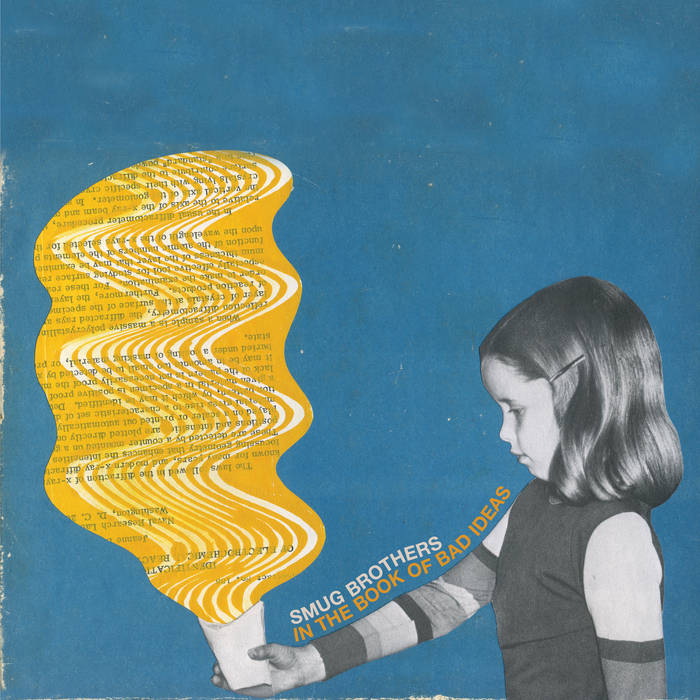
Amidst the echoing corridors of indie rock, there lies a trove of hidden gems that, despite their immense talent, have managed to elude the mainstream spotlight. Smug Brothers, a band hailing from both Dayton and Columbus, Ohio, has been one of these underappreciated treasures for over two decades. Their latest release, “In The Book of Bad Ideas,” is a testament to their unyielding passion and unwavering commitment to their craft. In this album, they’ve harnessed the raw power of indie rock ‘n’ roll, crafting gritty and honest music that resonates with anyone who has a heartbeat.
“In The Book of Bad Ideas” is not a record that pleads for your attention; it demands it. The record saunters into the room with a vibe that is warm, welcoming, and inviting. The album opens with the sweet swirling, jangly track “Lullaby.” Right from the first note, you’re thrust into a world of jangly guitars and unapologetic vocals — the song is a slide of authenticity. There’s a sense of urgency and swing in this song that sets the tone for the entire album.
Frontman, guitarist, and songwriter, Kyle Melton, is a gifted storyteller who possesses a voice that simultaneously conveys vulnerability and strength. As he sings it’s evident that the lyrics come from a place of honesty, making it easy for the listener to connect with the music on a personal level even when clever wordplay might hide the destination. Sometimes the fun elliptical mystery is more compelling than an obvious statement.
The Smug Brothers have cultivated a sound that’s refreshingly rebellious within the sonics of an indie rock attack — imagine Guided By Voices with a hint of R.E.M., a pinch of Swearing at Motorists at a lo-fi house on the corner. Tracks like “Pattern Caveat” and “Mistaken for Stars” are indie anthems, amplified by the band’s masterful use of distortion and reverb. Guitarists Kyle Melton and Scott Trimble churn out a jangle pattern riff after riff with an infectious intensity that keeps a loose enjoyment. Their synergy is evident, and they create a wall of sound that engulfs the listener.
The rhythm section, comprised of bassist Kyle Sowash and Dayton music legend, drummer Don Thrasher, is the heartbeat of the album. The band’s relentless energy is anchored by their solid groove, which is particularly prominent in tracks like “Mistaken for Stars,” “Let Me Know When It’s Yes,” “Since the First Time I Heard You Laugh” and “Sudden Berlin.” They are the backbone upon which the edifice of Smug Brothers’ sound stands. The percussion, in particular, jumps out on this record set against the chiming, shimmering guitar cadences over which Melton sings with restrained passion — always vulnerable, confident, and reflective.
While the Smug Brothers are unapologetically rocking out, there’s a depth to their music that elevates them above mere noise-makers. The band demonstrates significant emotional depth and nuance across the album’s 15 tracks. “An Age in an Instant,” a melancholic ballad, showcases the band’s ability to slow down and embrace vulnerability without a sneer or nod to fiction. Nothing is pretense, everything matters. The lyrics convey a sense of introspection and longing, accompanied by beautifully understated guitar work that allows Melton’s voice to take center stage. The song works because of the high-intensity songs that come before it, especially “Enceladus Lexicon.”
“In The Book of Bad Ideas” is not just an album about decision-making whether it’s personal choices or the ideas of others. It’s also a meditation on the human condition. In tracks like “Nights in Other Worlds,” the band grapples with themes of regret and longing, painting a poignant picture of the emotional complexities of life. These introspective moments are the yin to the album’s shimmering yang.
One of the most captivating aspects of “In The Book of Bad Ideas” is how it manages to feel both contemporary and nostalgic simultaneously. It’s as if the band has dusted off classic rock’s blueprint and breathed new life into it. You can hear shades of influences from the likes of The Replacements, Guided By Voices, The Beatles, Swearing at Motorists, The Smiths, and even glimpses of the punk sensibility of The Clash. But Smug Brothers don’t merely replicate; they reinterpret, adding their own unique spin.
“Paradise Farms” — the last song on the record — is a standout track that exemplifies this fusion of old and new. The song feels like an homage to rock ‘n’ roll itself lyrically and musically. The song serves as both a tribute and a mission statement. It’s an invitation to rediscover the pure, real, unfiltered spirit of rock music, and the Smug Brothers make a compelling case that the past informs and shapes the present but does not dominate new ideas.
“In The Book of Bad Ideas” is not just a triumph of songwriting and performance but also of production. The album was expertly mixed by Melton, himself, whose experience as a prolific songwriter, guitarist, and singer allows him to bring a wealth of knowledge to the project. Melton has crafted a sonic landscape that’s powerful, vulnerable, and nuanced, allowing the subtleties of each instrument and Melton’s own vocals to shine brightly.
“In The Book of Bad Ideas” is more than an album; it’s a musical odyssey. From the indie rock anthems to the introspective ballads, this record takes you on a rollercoaster ride of emotions. It’s an album that can accompany you during moments of rebellion and introspection, making it an ideal soundtrack for life’s myriad experiences. While Smug Brothers may not be a household name, their music is a testament to the enduring power of indie rock. “In The Book of Bad Ideas” is the culmination of their years of dedication and a reminder that sometimes, the most authentic and heartfelt music can be found off the beaten path.
“In The Book of Bad Ideas” is a testament to the enduring spirit of rock ‘n’ roll. The Smug Brothers have crafted an album that’s equal parts rebellion and introspection, all while paying homage to the roots of the genre. This album isn’t just a collection of songs; it’s a powerful statement that demands to be heard.
In a world saturated with music that often feels manufactured, the Smug Brothers’ authenticity and passion shine through. Their willingness to embrace vulnerability and channel raw energy through a jangle-shimmering prism makes “In The Book of Bad Ideas” a remarkable achievement. So, take a journey with Smug Brothers and immerse yourself in their world. You won’t be disappointed. This album is, quite simply, the book of great ideas.
Matt Derda & The High Watts are no strangers to the realm of heartfelt, soul-baring music. With their acoustic rendition of “Only Have Lies for You,” this talented ensemble provides an intimate glimpse into an emotional world that we hide from ourselves. We want to believe we only tell the truth to people we love, but perhaps because the feelings are too much, too close to the surface that in the end, we only have lies to share. The acoustic version of this song stripped down to its bare essence, showcases a vulnerable side of the band that is as profound as it is hauntingly beautiful.
The original version of “Only Have Lies for You” was a passionate and fervent track from the band’s “You Didn’t Know?” record. That first take was replete with emotion for days. The song soared with electric guitars, roaring percussion, and intense vocal delivery. However, this acoustic rendition takes a complete 180-degree turn, exposing the delicate, emotional core of the song. Sometimes stripping away the fast-paced guitar-focused delivery changes a song profoundly.
From the first strum of the guitar strings, the listener is plunged into a musical space where sincerity and raw emotion rule supreme. This space is not an easy place to inhabit. The questions are all too real. They hang heavy with deliberate purpose. The harmonica and banjo add dimension. The acoustic version of “Only Have Lies for You” presents Matt Derda’s voice as the central instrument, and it’s a revelation. His vocals are more compelling than ever, bearing a weighty authenticity that resonates with anyone who has ever loved and lost. He does not force the words, they simply fall and that makes the vocal even more impactful.
The lyrics of “Only Have Lies for You” have always held an enigmatic quality, and in this acoustic rendition, they come to life with a heightened sense of poignancy. The words feel like confessions whispered in the darkest corners of the heart, unraveling a tale of deception, self-discovery, and the pain of a love that couldn’t survive its own secrets. Derda’s evocative storytelling ability is magnificently displayed as he weaves his narrative into a heart-wrenching tapestry. It is heartbreaking and we cannot look away, we cannot stop listening to this revealing, beautiful song.
The additional guitar, banjo, and drum work, courtesy of The High Watts, adds further depth and a sense of melancholy to the song. Each strum and chord progression serves to underline the lyrical themes of regret and longing. The instrumental arrangement is beautifully understated, allowing Derda’s voice to take the spotlight and carry the emotional weight of the song. The acoustic version showcases the band’s ability to adapt and embrace a different musical direction while preserving the essence of the original song.
As the song progresses, the synergy between Derda’s vocal delivery and the acoustic instrumentation becomes more pronounced. The restrained drumming, subtle bass lines, and supportive vocals build a gentle yet powerful foundation for the song, while the harmonies within the band add a layer of richness to the sonic landscape. The chorus backing vocals sound almost choral in texture.
A particularly poignant moment in the song is the bridge, where Derda sings, “But you drove me to this, ‘Cause I made a second guess and your wonder, if I miss… you.” His voice quivers with the weight of remorse, and the listener is left hanging on every word. This is where the power of the acoustic rendition lies; it allows the listener to fully immerse themselves in the raw and unfiltered emotions that “Only Have Lies for You” encapsulates.
The production of this acoustic version is exceptional. The recording captures the subtleties and nuances of the performance, from the slight scrape of fingers on guitar strings to the breathiness in Derda’s vocals. The acoustic version brings out the human element of the song, making it feel like a live performance in an intimate setting.
Matt Derda & The High Watts have managed to successfully reinvent their own song with this acoustic version of “Only Have Lies for You.” The vulnerability and authenticity they bring to the forefront are palpable and stirring, and they’ve managed to expose the song’s emotional core in a way that is sure to leave a lasting impact on their audience. This rendition is a testament to their versatility as musicians and their commitment to crafting meaningful, timeless music.
In a world filled with manufactured pop and superficial love songs, “Only Have Lies for You” (Acoustic Version) stands out as a beacon of unadulterated emotion. It’s a reminder that sometimes the most powerful music is born from pain and honesty. Matt Derda & The High Watts have created a masterpiece of acoustic storytelling, a piece of music that transcends the boundaries of genre and time, reminding us that true artistry always finds a way to reach the heart.
In the realm of indie music, authenticity often takes precedence over grandeur, and artistic expression triumphs over commercial trends. Enter Hello June, a band that embodies these very principles in their latest release, “Artifacts.” An album that invites listeners on an introspective and emotionally charged listening experience through topics deeply intimate and as common as drawing a breath, “Artifacts” is a striking work in modern music. Let’s take a deep dive into this record to uncover the soul and depth that sets Hello June apart from so many.
West Virginia, the band’s home, is a state renowned for its scenic beauty, rugged terrain, and rich cultural tapestry woven by generations of hardworking folks. It’s a place where deep-rooted traditions blend with the influences of a changing world, and it’s within this remarkable backdrop that the band Hello June emerges as an undeniable musical force with their latest album. In a landscape where Appalachia’s legacy reverberates through the ages, Hello June’s music matters, and it matters profoundly.
From the moment you drop the needle or press play on your digital device, “Artifacts” envelops you in music that represents an almost cinematic soundscape. The album’s opening track, “Sometimes,” immediately transports you to a realm of personal frustration and introspection. Sarah Rudy’s dreamy yet resolute voice captures the essence of a dusty, winding road through the present, the past perhaps even the future, where forgotten memories reside.
The album’s title is aptly chosen, as “Artifacts” indeed feels like a collection of found treasures that capture real life, authentic emotion, and the yearning — that cuts so deep it hurts — for human connection. The band manages to imbue each track with a sense of personal history and weight, making it feel like you’re unearthing hidden secrets about yourself with every listen. “Sometimes” sets the tone by asking us to think about the emotion that might only leave us with enough to “fall down” and reflect, as if the band is guiding us through a museum of personal history.
The music of Hello June matters for a multitude of reasons. They are the torchbearers of Appalachian resilience, masters of atmospheric sound, and poets of profound introspection. Their artistic journey extends beyond mere sonic experimentation; it’s an exploration of life’s rawest emotions, the intricacies of human foibles, and the undeniable allure of places and communities often overlooked in the annals of popular music as real social locations. These places we are from matter. They shape us in ways we recognize and ways that we only understand later.
Throughout “Artifacts,” Hello June balances both hushed intimacy and roaring intensity. “Honey I Promise” serves as an example of this delicate equilibrium. The melancholic verses, driven by almost moody guitar work, lead to an explosive chorus where Rudy’s vocals soar and the band’s rhythm section, consisting of Whit Alexander and Caleb Crosby (Tyler Bryant and the Shakedown), propels the song to greater heights. It’s a rollercoaster of emotions that demands your attention, echoing the complexities of real-life relationships. The track’s steady drumbeat and echoing guitars build an emotional crescendo that mirrors the turbulence of a departure from a failed relationship.
“Artifacts” explores the theme of emotional bonds — “tied up together” from a variety of angles. “Interstate” paints a vivid picture of distance and separation. The imagery in Rudy’s lyrics transports you to a highway somewhere, capturing the bittersweet feeling of watching someone you love fly away. The fading away is the most heartbreaking. And realizing that last word, that last conversation, the last laugh between the two of you may not have been the one you would want to have as the last moments together, but it is all you have to hold on to. Sharing the fact that you love someone may elude your grasp whether it’s because of foolish pride or “picking a fight.”
Hello June’s penchant for poignant storytelling shines in “Napkin.” Rudy’s lyricism reveals a haunting narrative, evoking vivid images of a flickering film reel of memories. Her vocals convey vulnerability and raw emotion, ensuring that the listener is left hanging on to every word. The song’s dreamy, almost country-like atmosphere provides a stark contrast to the album’s more intense moments, illustrating the band’s ability to traverse a broad emotional and musical spectrum.
One of the standout tracks on “Artifacts” is “Faded Blue” which demonstrates the band’s ability to harness raw, unbridled energy. Rudy’s vocals take on a more rebellious tone here, while the band delivers a raucous performance. The lyrics of defiance and self-reliance cut through the music like a sharpened blade:
kneeled down beside you – scared of all my sins I’d wait to be forgiven and I’d wait to forget Start the day with a new fixation An awkward waltz and a chain reaction Tell me where do you go, tell me where do you go?
Hello June challenges societal expectations, calling for authenticity and independence. Hold on to the past but don’t let it alone define who you are and what you mean.
In the almost introspective Whiskeytown-like “23”, Sarah Rudy sings about looking back on one’s youth from the safe perch of years down the road. The driving feel of the song only makes the nostalgia that much more bitter and sweet. The driving drums and slinky guitar propel a rhythm that almost hides the intent of the song.
Tracks like “Soft Love” and “The Moon” showcase the band’s ability to harness the enduring spirit of self-disclosure, vulnerability, and the question of being enough for someone else. These songs feel ethereal and spacious while taking their time and in that patience transform evocative melodies that seem almost sparse as if our attention is required. Through Sarah Rudy’s captivating vocals and the intricate guitar work, they weave narratives of love, loss, and the indomitable strength of the human spirit. In the lineage of folk and Americana greats like Bob Dylan and Joni Mitchell, Hello June’s sound is unmistakably imbued with the DNA of a true heartland. Their intricate instrumentation, coupled with Sarah Rudy’s haunting vocals, allows for the construction of intricate auditory experiences. These are not merely songs, but living, breathing entities that envelop you, provoke emotions, and invite you to explore the depths of your own thoughts and feelings.
As we traverse deeper into the album, “No Easy Answer” presents itself as a fascinating almost swaying swagger departure. Its arrangement showcases the band’s experimentation with sound, offering listeners an instrumental match to the passionate lyrics before the song builds to a powerful climax. The passionate, powerful quality of “No Easy Answer” allows the listener’s mind to wander, creating an atmosphere that is equal parts introspective and worldly and yet able to grasp that there is in fact, “No Easy Answer” to most questions, at least to the questions that matter.
But it’s the penultimate track, “California,” that truly encapsulates the essence of “Artifacts.” A sweeping song of epic proportions, it’s a testament to the band’s ability to deliver an amazing groove without sacrificing intimacy. Rudy’s vocals once again shine, delivering a message of reassurance and understanding in a world that often feels chaotic and overwhelming.
Closing the album is “Take Me Home, Country Roads,” an introspective cover of that well-known tune that seems to bring the journey of the album full circle. Hello June, with all the heartfelt sentiment they can muster, bid farewell to the past. As Rudy sings the refrain “Take me home…” the band encourages us to embrace the present and move forward with the knowledge and strength gained from our personal artifacts.
“Artifacts” by Hello June is a rare record in the world of modern indie music. It’s an album that manages to be both nostalgic and forward-looking, intimate and grand, all at once. The band’s ability to capture complex emotions and translate them into music is nothing short of extraordinary. Sarah Rudy’s vocals, poetic lyricism, and the band’s masterful instrumentation create a unique, captivating sonic experience that stands out in an increasingly homogenized musical landscape. “Artifacts” is an album that deserves to be dissected, analyzed, and celebrated for its depth, creativity, and emotional resonance. It’s an album that reminds us of the power of music to touch our souls and make us reflect on our own “artifacts” in this ever-evolving path called life.
This music transcends time and place, resonating with listeners in their quest for meaning and understanding. The lyrics serve as a mirror, reflecting the innermost thoughts and emotions that often remain unspoken. Hello June’s “Artifacts” is a sonic masterpiece — and we are prepared to die on that hill to defend that assertion — that deserves a place in the hearts of all music fans. It is a timeless record that captures the essence of the human experience, a treasure chest of emotions waiting to be discovered with each listen. As we leave the album’s soundscape behind, we’re reminded that sometimes the most precious artifacts are the ones that reside within ourselves, waiting to be explored, cherished, and shared with the world.
Tamar Berk’s “Shadow Clues” from her record “Tiny Injuries” is a haunting brilliant masterpiece that weaves a tapestry of emotions with each delicate note and evocative lyric. Much like a detective searching for hidden truths, Berk’s songwriting skillfully unravels the complexities of the human experience, leaving listeners mesmerized and introspective.
From the very first chords, “Shadow Clues” cast a spell, drawing you into its ethereal lightless world. Is it dark because of our choices, the slow realization that we can only hold back the long night for so long? Berk’s voice, a rich and emotive instrument in its own right, resonates with a raw vulnerability that feels like a whispered confession in the dead of night. Berk’s singing evokes Rebecca Gates. Her phrasing and delivery are reminiscent of great music storytellers, yet there’s a contemporary edge that makes the song uniquely her own. The slow build of the song encapsulates the twists and turns of both discovery and disconnection.
The lyrics of “Shadow Clues” are a masterclass in epic storytelling. Berk paints vivid images with her words, offering glimpses into a shadowy world of secrets that linger in both delicate exploration and uncertainty. Consider lines like:
"Because all that you learned was a solid stare
And a stiff upper lip and a handshake grip
And a deadpan expression with a frigid touch
Unresponsive to the needles that stab you so much"
These lyrics evoke a sense of mystery and intrigue, while the chorus’s refrain of “You know I never know What you’re feeling, Look for the shadow clues, On the ceiling” carries a sense of longing, fear, and nostalgia that is impossible to ignore. Yet you want to know what is being felt. But you can’t. Is this a song about losing someone we care about and watching them fade away from us when all we want is to see the life run back into their face, their hands, their spirit? It feels that way.
The arrangement of the song is equally captivating. The instrumentation is sparse and building, allowing Berk’s voice to take center stage, but every instrument is carefully chosen and expertly played. The haunting, almost cinematic quality of the music complements the lyrical themes, creating an atmosphere of suspense and melancholy that lingers long after the song fades.
In “Tiny Injuries,” Tamar Berk has crafted an album that explores the complexities of love, loss, and self-discovery through pain, and “Shadow Clues” stands out as a standout track that encapsulates the album’s emotional depth. It’s a song that demands repeated listens, revealing new layers of meaning and nuance with each playthrough.
“Shadow Clues” by Tamar Berk is a song that deserves to be celebrated and dissected, a beautiful piece of art that speaks to the human condition with honesty and grace. It’s a reminder of the power of music to touch the soul and stir the heart, and Tamar Berk is undoubtedly an artist more than capable of weaving a landscape of distance and closeness in unison. And this song catches in your throat like the effort to suppress a cry that traveled through you and within great distance in order to be released.
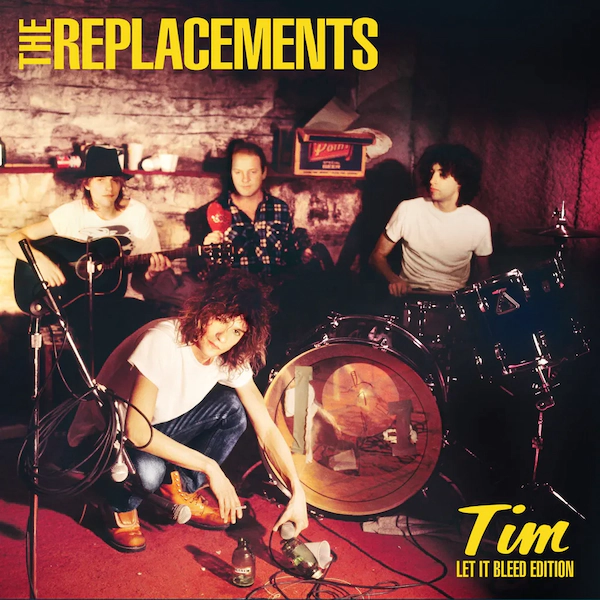
The Replacements’ 1985 masterpiece, “Tim,” has long been celebrated as a cornerstone of alternative rock history. With its timeless blend of punk energy and heart-wrenching ballads, the original album left an indelible mark on the music landscape. However, the production of ‘Tim’ has since its release been a subject of debate. While the original mix captured the power of the band, there was simply a lot of detail that was lost in an odd choice of mono-focused production and lo-fi-like aesthetic.
Now, in 2023, we’re treated to “Tim Let it Bleed Edition,” a reissue that not only pays homage to the original but adds a raw, unfiltered layer that deepens the emotional resonance of the record. Although nothing new was added to the remixed tracks by Ed Stasium, what is different is that we all can now clearly hear what the band was doing.
This “Let it Bleed Edition” is more than just a reissue; it’s a journey back in time. The original tracks, from the borderline reckless “Bastards of Young” to the devasting and powerful “Little Mascara” to the poignant “Swingin Party,” are as impactful as ever, maybe even more so because from the vocals to the guitars, bass, and drums listeners can find the detail that was simply buried. Westerberg’s voice is even more fragile and vulnerable yet cheeky and tough in an “I don’t need your validation and approval” way. The Replacements’ signature blend of rebellion and vulnerability shines through, capturing the essence of youthful angst and uncertainty.
Bob Stinson’s guitar parts shine in this remixed record with a power, finesse, and movement that was lost in the mono aesthetic of the original. There are parts and aspects to his playing that were simply lost. The phasing and shifting of Stinson’s movement was far more than assumed whether he was playing a silly rocker (“Lay It Down Clown,” “Dose of Thunder”) or a serious reflection on life’s challenges (“Little Mascara,” “Bastards of Young”). Bob Stinson was a great guitar player who was far more sophisticated and expressive than the original mix concealed.
“Little Mascara” in particular becomes more powerful lyrically and sonically with this remix. The song’s impact becomes inescapable. The sense of anomie, frustration, and entrapment of the narrative escalates to feel almost suffocating. This version is mind-blowing in part because it brims with a collusion between chaos and sentiment. A spectacular song that is fully realized in this new version of the album.
Also long overdue is the reflection and realization of what an incredible bass player, Tommy Stinson was at the tender age of 18 when the album was recorded. Stinson’s bass parts demonstrate a strength, speed, dexterity, and maturity on his instrument that is shocking. To say he is a damn fine bass player feels like an understatement. The Stasium remix reveals some of the finest bass runs and progressions in contemporary rock and roll. These are now clear and convincing in this version of the record.
“Here Comes a Regular” changed greatly in the new mix. That song morphed from a wistful song to a deeply melancholic almost melodramatic tune. The clarity of the vocals now does not allow a listener to hide from the sadness. That heavy emotional pain is far too real now, inescapable. It feels punishing and unbearable in a way that the original mix did not.
What truly sets this edition apart is the inclusion of previously unreleased live recordings and studio outtakes. The live tracks transport you to the sweaty, beer-soaked clubs of the ’80s, where The Replacements were at their most electrifying. Songs like “Hold My Life” and “Kiss Me on the Bus” gain a new vitality when performed in front of an eager crowd.
Drums can make or break the sound of a record. And Chris Mars was done a serious disservice with the original mixing. In the new mix, Mars has a feel, sway, and rhythm that was made mushy and soft but is now revealed to be anything but that. Wow, Mars’ drumming had some swing that was buried in the approach of the first record.
The studio outtakes, on the other hand, reveal the band’s creative process in all its messy glory. The rawness and imperfections in these unreleased gems provide a fascinating insight into The Replacements’ genius. “Waitress in the Sky (Alt Version)” showcases Paul Westerberg’s unmistakable wit, while “Here Comes a Regular (Demo)” strips the song down to its bare emotional bones, offering a more intimate connection with the band’s songwriting process.
‘Tim Let it Bleed Edition’ may not be a radical reinterpretation of the original, but it doesn’t need to be. The uncovering and clarity that is provided on the remix is like receiving the record for the first time. Nothing has been added because it was all already there just waiting to be discovered. Instead of reframing, this remix is a heartfelt tribute to a classic album, a love letter to a band that forever altered the course of alternative rock and indie. This reissue is a must-listen for die-hard fans and a perfect entry point for those who have yet to discover The Replacements’ timeless sound.
One is left to wonder if The Replacements would have achieved far more had Sire Records released this version of the record? While, this author, loves “Let It Be” and I still believe “Pleased to Meet Me” is damn near perfect — this version demonstrates the band was so much more than what was assumed. So much of what they could do was buried, hidden from the listener. Would The Replacements have then met Sire Records’ expectations in terms of sales? Certainly, the band created a powerful impression even with the mono aesthetic of the original production.
In the end, ‘Tim Let it Bleed Edition’ serves as a testament to the enduring power of The Replacements’ music. It’s a reminder that even decades later, their songs still resonate with the same raw energy and emotional honesty that made them legends in the first place. This edition may have “Let it Bleed” in the title, but it’s the heart and soul of The Replacements that truly bleed through every note.
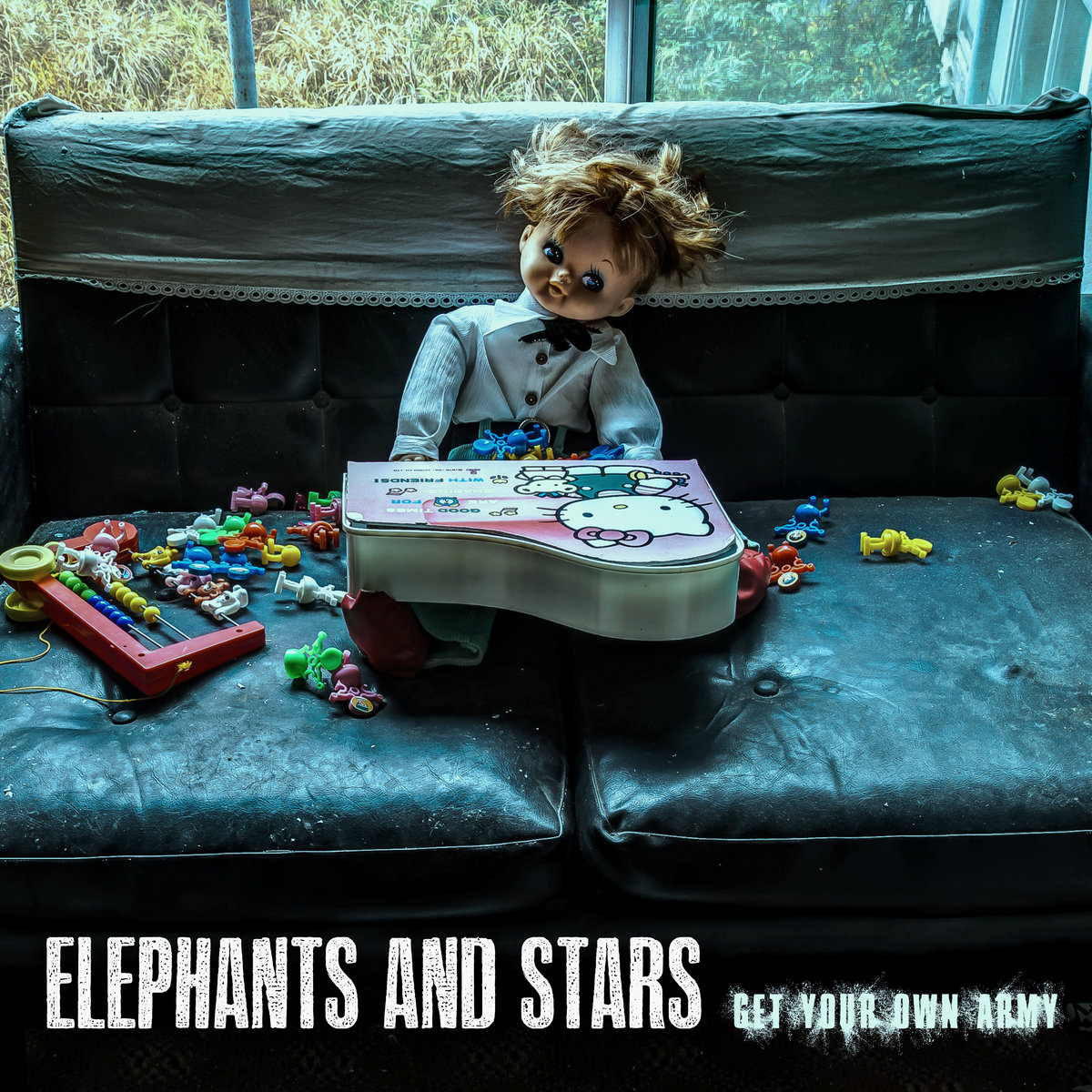
Elephants and Stars have put out an impressive array of albums in a few short years — Recovery (2020), Dreamland (2021), Last Chance Power Drive (2022) and Get Your Own Army (2023) — and have already made a meaningful impact to rock and roll with their incredible body of work. This Toronto-based band is like a supernova in the making, bursting onto the scene with a sound that’s as expansive and enthralling as the night sky. Elephants And Stars is thethird project formed around the long-running creative partnership of Manfred Stittmann and bassist Mike MacMillan, both of whom also formed the core of the late-90s/early-2000s groups Soap Opera and The First Time. The band has consistently delivered well-crafted songs with catchy melodies and thoughtful lyrics.
In the tradition of the great melodic rock and roll and New Wave bands of the ’70s and ’80s, Elephants and Stars takes us on a voyage of emotional release through their latest ‘Get Your Own Army‘. Their sonic palette is a rich tapestry woven with elements of rock, new wave, power pop, psychedelia, and folk, creating a sound that feels both nostalgic and refreshingly contemporary, a task that is hard to do in an authentic way. From the opening chords to the final fade-out, this album is a rollercoaster ride of musical nostalgia and contemporary innovation that illustrates that a music group can be versatile while delving into various musical styles. The band’s name itself suggests a blend of the colossal and the celestial, and their music lives up to this cosmic promise in perfect melodies that sway around deep storytelling and powerful lyrics.
The album kicks off with a thunderous guitar riff that immediately grabs your attention, setting the tone for what’s to come. “Gimme Ketamine,” is a true rock and roll track that grabs the listener and refuses to let go. Lead vocalist Stittman’s voice is a force of nature, akin to the gravitational pull of a black hole, drawing listeners into the band’s orbit. The instrumentation, featuring muscular guitar work, bouncing rhythms, and Cars-like synths, provides the perfect sonic backdrop for the band’s passions.
Throughout the album, the musicianship is outstanding. The guitars shred through parts large and small. The solos are played with precision and passion, while the rhythm section provides a solid foundation that keeps the songs grounded. One of the standout tracks is “Green Lights to Pasadena,” a sprawling epic that stretches the boundaries of the rock road song. It is a reflection on travel, perhaps personal, that takes the listener on a sonic adventure through landscapes of longing for effort and feeling lost: “We try until we don’t / Just die a little more.” The band’s musicianship shines here, with each member contributing to a propulsive and immersive sonic gestalt, everything mixed together with just a pinch of chaos. And you may find yourself swaying despite your resistance.
While Elephants and Stars draws inspiration from the past, they infuse their music with a modern sensibility and directness that keeps it from feeling like a mere nostalgia trip. Tracks like “Bled Out at the Scene” and “How Can It Be?” blend vintage influences with contemporary production techniques, creating a sound that’s both timeless, cutting-edge and so damn catchy. How often do we want to sing along to the slow realization of the death of a relationship?
“Get Your Own Army” is not just an album; it’s a sonic voyage through the heart of relationships viewed through a rock and roll lens. Elephants and Stars have crafted another fantastic record that showcases their immense talent and promises even greater rock and roll adventures in the future even while singing about the end, “On Your Deathbed (I wonder what you’ll think about).” With their captivating sound and down-to-earth vision, this Canadian band is poised to shine brightly in the ever-expanding universe of rock music with the simple realization that rock music lives.
Streaming Forward, Powered By The Past - if you love the 80s music, new music, Eurovision, cheesy pop and awesome playlists then let's get this pop party started!



















 your tuesday afternoon alternative