If you’ve ever driven around town with the radio on and the sun doing that late-afternoon slant that makes everything look like a memory already—gas stations glowing, parking lots half empty, the air buzzing with possibility and dread—then you already understand what Your Tuesday Afternoon Alternative is supposed to feel like.
And now, for the first time in a while, the last two full three-hour broadcasts are sitting online in all their sprawling, unruly glory over on Mixcloud. That’s six straight hours of music, ideas, weird segues, accidental poetry, and the kind of radio that only really works when nobody is trying too hard to make it work. Which, if we’re being honest, is the best kind.
Think of it as a kind of sonic time capsule: three hours where the world’s chaos gets distilled into guitars, synthesizers, a stray folk lament, maybe a punk blast that lasts ninety seconds but somehow resets your whole nervous system. Then you do it all again the next week. Radio as ritual. Radio as wandering conversation.
The thing about listening to these shows after the fact is that they become something slightly different than they were in the moment. Live radio is adrenaline and improvisation—you throw a song into the air and see what it does to the room. But on replay, the structure reveals itself. Themes emerge like ghosts in the static. Songs talk to each other across decades. A jangly indie track from 2024 suddenly feels like it’s answering a garage-rock scream from 1966.
That’s the secret architecture of good radio: it sounds loose but it’s secretly a web of connections. Which makes these two archived episodes especially fun to revisit. Over six hours, the mood drifts the way an actual Tuesday afternoon does. One minute the sun is out and everything sounds hopeful; the next minute you’re staring out the windshield thinking about every mistake you’ve ever made while some beautifully melancholy track hums through the speakers.
And that emotional whiplash is the point.
Great radio—especially college radio—has always been about resisting the algorithm. The streaming services want to smooth everything out into playlists that never challenge you. But real DJs still believe that music should occasionally knock the wind out of you. A dreamy pop song might suddenly give way to something ragged and noisy, and then a minute later you’re floating through a slow acoustic tune that feels like someone left a window open in your heart. That’s not bad programming. That’s life.
The two newly available shows capture that beautifully messy spirit. Across the six hours, you’ll hear indie rock rubbing shoulders with folk, garage, synth-pop, and the occasional left turn that makes you sit up and say, “Wait—what was that?” The answer, of course, is that it doesn’t always matter. Discovery is half the thrill.
And because the shows were recorded live, you also get the little human moments that make radio feel alive: the slightly crooked transitions, the spontaneous reflections, the sense that the whole thing could veer off the rails at any moment but somehow lands exactly where it needs to.
It’s the opposite of polished. It’s the sound of someone digging through a record collection and saying, You need to hear this.
Which is why having the full episodes archived on Mixcloud matters. Instead of a clipped highlight or a tidy playlist, you get the whole ride—the long arc of the afternoon, the gradual build, the strange emotional geography of three uninterrupted hours.
If rock and roll has gravity, it’s the kind that pulls you sideways — toward the basement show, the overdriven amp, the song that sounds like it was recorded in a kitchen but somehow rearranges your emotional furniture. And for twenty years, Dayton/Columbus, Ohio’s Smug Brothers have been quietly defying that gravity by embracing it. Their forthcoming 20-year retrospective, Gravity Is Just A Way To Fall (out May 15, 2026), isn’t a victory lap so much as a beautifully scuffed scrapbook — a reminder that some of the best American guitar music of the last two decades has been hiding in plain sight.
To understand Smug Brothers, you have to start in Dayton and then take a drive to Columbus, Ohio — that stubbornly fertile patch of Midwest soil that has produced more sharp, strange guitar bands than the coasts would like to admit. Think Guided by Voices, think Times New Viking, think Cloud Nothings, think Heartless Bastards. Bands that made imperfection a matter of principle. Beautiful chaos. Bands that treated melody like contraband — something to be smuggled past the gatekeepers of taste.
Smug Brothers fit that lineage, but they also complicate it. What began in the mid-2000s as a scrappy recording project between singer/guitarist Kyle Melton and Darryl Robbins (of Motel Beds) hardened into something deeper and more resilient when legendary drummer Don Thrasher — yes, that Don Thrasher from Guided by Voices and Swearing at Motorists — joined the fold. Since 2009, Melton and Thrasher have formed the core of a band that feels less like a stable lineup and more like an ongoing conversation over music. Over the years, that dialogue has included a rotating cast — Marc Betts, Brian Baker, Shaine Sullivan, Larry Evans, Scott Tribble, Kyle Sowash, Ryan Shaffer — all contributing to a catalog that’s as collector-friendly as it is emotionally direct. Each player adding something distinctive to the records they worked on.
But here’s the beautiful irony: you don’t need to track down the cassettes, the limited LPs, or the out-of-print CDs. Gravity Is Just A Way To Fall does the curatorial work for you. Several tracks have been remastered; some have never appeared on vinyl; a few have never existed in any physical format at all. After twenty years, the band decided to “summarize the work up to this point.” That word — summarize — sounds almost academic. What they’ve actually done is distill the fever.
And what a fever it is.
Smug Brothers have always specialized in the kind of riff-driven indie pop that feels both handmade and cosmically aligned. The early lo-fi recordings hinted at greatness — fuzzed-out guitars, melodies that ducked and weaved, drums that sounded like they were daring the tape machine to keep up. But even in those rough cuts, you could hear the bones: a Beatlesque instinct for earworms, an affection for left turns, a refusal to sand down the serrated edges.
Over time, Melton’s recording finesse sharpened. He recorded and mixed much of this retrospective himself, with key collaborations from Darryl Robbins and Micah Carli. Everything was mastered by Carl Saff, whose touch has become something of a seal of quality in indie circles. The result is a set of songs that feel alive rather than embalmed. This isn’t nostalgia; it’s voltage.
What makes Smug Brothers matter — especially now — is their commitment to the album as an artifact and as an attitude that reflects the music within. The front cover, “Solutions Vary With Regions.” The back cover, “The Hungry Rainmaker” (Artwork by PHOTOMACH. Layout by Joe Patterson and PHOTOMACH). These aren’t afterthoughts; they’re part of the argument. In an era where music is often stripped of context and shuffled into algorithmic soup, Smug Brothers insist on the tactile, the visual, the deliberate. Even when the songs are streaming in invisible code, they carry the residue of collage and ink.
And then there are the songs themselves — all written by Kyle Melton. That authorship matters. Across two decades, Melton has built a body of work that feels diaristic without being self-indulgent. The hooks sneak up on you. The choruses don’t explode so much as insist. The guitars jangle, scrape, shimmer. The drums propel rather than pummel. You find yourself humming along before you realize you’ve been converted.
A retrospective like Gravity Is Just A Way To Fall lives or dies by sequencing, and Smug Brothers have always understood that an album isn’t just a container — it’s a mood swing you consent to. These thirteen tracks trace the band’s restless melodic intelligence, moving from punchy immediacy to sly introspection without ever losing that basement-show voltage. It opens with “Let Me Know When It’s Yes,” a title that feels like a thesis statement for the entire catalog — yearning wrapped in defiance. And to be fair, a song that we have often played on YTAA. The guitars chime with that familiar Midwestern shimmer, but there’s an undercurrent of impatience here, a sense that indecision is the real antagonist. It’s a perfect curtain-raiser: concise, hook-forward, emotionally ambivalent in the best way.
“Interior Magnets” (clocking in at an impressively tight 3:01) is classic Smug Brothers compression — all tension and release packed into a pop-song frame. The rhythm section locks in with that loose-tight chemistry Kyle Melton and Don Thrasher have refined over the years, while the melody spirals inward. It’s a song about attraction and repulsion, about the invisible forces that keep people circling each other. One of our favorite Smug Brothers’ songs, “Meet A Changing World,” expands the lens. There’s something almost anthemic about it — not stadium-anthemic, but neighborhood-anthemic. The guitars layer into a bright, bracing wash, as if the band is daring uncertainty to make the first move. In contrast, “It Was Hard To Be A Team Last Night” — a simply brilliant tune — pulls the focus back to the micro-level of human friction. It’s wry, a little bruised, propelled by a riff that sounds like it’s arguing with itself.
“Beethoven Tonight” is pure Smug Brothers mischief — high culture dragged through a fuzz pedal. The song plays with grandeur without surrendering to it, balancing a classical wink with garage-rock muscle. Then comes “Hang Up,” lean and kinetic, built around the kind of chorus that arrives before you’ve fully processed the verse. It’s sharp, unsentimental, and irresistibly replayable. “Javelina Nowhere” may be the record’s most evocative left turn. The title alone suggests a desert hallucination, and the arrangement follows through a slightly off-center, textural, humming with atmosphere. “Take It Out On Me” snaps the focus back into a tight melodic frame, pairing vulnerability with propulsion. It’s accusatory and generous at once, a hallmark of Melton’s songwriting.
“Silent Velvet” glides toward you, in contrast, with a softness in the title, grit in the execution. There’s a dream-pop shimmer brushing against serrated guitar lines. “Seemed Like You To Me” feels like an old photograph discovered in a jacket pocket: reflective, warm, edged with ambiguity. Late-album highlights “Pablo Icarus” and “Every One Is Really Five” showcase the band’s love of conceptual wordplay. The former fuses myth and modernity, soaring melodically before tilting toward the sun. The latter is rhythmically insistent, almost mathy in its phrasing, but anchored by a chorus that keeps it human.
Closing track “How Different We Are” is less a statement of division than an acknowledgment of complexity. The guitars don’t explode; they bloom. The rhythm section doesn’t crash; it carries. As finales go, it’s quietly expansive — a reminder that across twenty years, Smug Brothers have thrived on tension: between polish and rawness, intimacy and noise, gravity and lift.
If last year’s Stuck on Beta (2025) suggested a band still hungry, still refining, still pushing outward, this retrospective confirms the long arc. Smug Brothers didn’t burn out. They didn’t calcify. They kept writing, recording, releasing, playing shows, and deepening their chemistry. Gravity, in their hands, isn’t a force that pins you down; it’s the thing you learn to fall through with style.
There’s something profoundly Midwestern about that ethos. No grand manifestos. No self-mythologizing. Just songs that are stacked one after another, each carrying its own small revelation. In a culture obsessed with the new thing, retrospectives can feel like retirement parties. But Gravity Is Just A Way To Fall plays more like a dispatch from a band still in motion.
Twenty years in, Smug Brothers remind us that indie rock isn’t a genre so much as a practice: keep the overhead low, keep the guitars loud, keep the songs sharp, keep the faith. The noise may be louder than ever, the platforms more crowded, the attention spans shorter. But when a riff locks in, when a chorus lifts, when a drumbeat nudges your pulse into alignment, none of that matters.
Gravity is just a way to fall. And sometimes, falling is how you learn what’s been holding you up all along.
Morrissey has always been a weather system, not a touring artist. You don’t buy a ticket to see him so much as you gamble—you place a small, hopeful wager against history, logistics, exhaustion, grievance, the universe, and Morrissey himself. And in the last several years, the house has been winning.
Let’s talk numbers, because numbers have a way of cutting through myth. Since roughly 2019, Morrissey has canceled a staggering share of his scheduled concerts. Tracking sites that obsess over these things, think of them as the baseball-card collectors of broken promises, suggest that in the most recent stretch alone, he’s canceled nearly half of what he’s booked. In 2024, nine out of twenty-three shows vanished. In 2025, thirty-two out of sixty-three evaporated. Early 2026? Two more were gone before the coffee finished brewing on the new year. Forty-three cancellations in about two years. Forty-nine of his last hundred shows, period. Flip a coin. Heads, you get “There Is a Light That Never Goes Out.” Tails, you get an apologetic Instagram post.
Last Night I Dreamt That Somebody Played the Show
Now, before the comment section of this blog lights up like a bonfire of sanctimony, let’s be clear: this isn’t a hit job. Morrissey doesn’t need one. He’s been doing his own PR demolition derby for decades. This is about what it means when an artist who once articulated romantic alienation for an entire generation now can’t reliably show up in the flesh to sing about it.
Because live music, real, sweaty, inconvenient, human live music, is a contract. It’s not just a transaction, not a barcode scan, and a T-shirt upsell. It’s a promise: I will be there if you are. And when that promise breaks often enough, it stops feeling tragic and starts feeling structural.
Here’s where we can kick open the door and start yelling: rock and roll is not supposed to be a reliable thing, but it is supposed to be an act of presence. You can be sloppy, you can be late, you can be drunk, you can be transcendent or terrible, but you have to exist on the stage. Cancellation is the anti-performance. It’s a ghost story told by a promoter.
This Charming Man Will Not Appear Tonight
Morrissey’s defenders will point to his health, exhaustion, the cruelty of touring in one’s sixties, and the meatless catering demands of a man who has turned vegetarianism into performance art. All fair points! Touring is brutal. Capitalism eats its elders. The road is a grinder, but it has better lighting. But here’s the problem: Morrissey’s cancellation habit isn’t a sudden decline—it’s a pattern. A long, well-documented, almost conceptual-art-level commitment to not showing up.
And patterns change how we listen.
Once upon a time, Morrissey’s flakiness felt romantic. The same way The Smiths felt impossibly fragile, like they might dissolve if you looked at them too hard. You forgave the missed shows because the songs felt like secrets whispered directly into your ear. You forgave him because you believed—wrongly, beautifully—that sensitivity was incompatible with reliability.
But fast-forward to now, where entire tour legs disappear like a Vegas magician’s assistant, and the romance curdles into consumer fatigue. Fans book flights. Fans take time off work. Fans arrange childcare. Fans in Latin America, Europe, the Midwest—people for whom a Morrissey show is not a casual Tuesday night but a once-in-a-decade pilgrimage—get left holding the emotional bag.
Schrödinger’s Morrissey: The Show Both Exists and Doesn’t
At some point, the question stops being “Why does Morrissey cancel?” and becomes “Why do we keep pretending this is surprising?”
This is where Morrissey becomes less a singer and more a metaphor for late-stage rock stardom. He is the walking embodiment of the contradiction: an artist whose work once validated vulnerability now presiding over a system that treats audience trust as optional. He’s not alone in this, but he’s the most extreme case study because his cancellation rate is so high it borders on performance itself. It’s almost as if the absence is the point.
And maybe that’s the cruel irony. Morrissey, the great bard of loneliness, has perfected a way to make tens of thousands of people feel collectively stood up.
The tragedy isn’t that he cancels. The tragedy is that the cancellations have become part of the brand. They are baked into the expectation. “Did the show happen?” becomes the first question, not “Was it good?” That’s a catastrophic downgrade in cultural terms. Rock and roll isn’t supposed to be a Schrödinger’s cat.
Meanwhile, somewhere down the street, a local band is loading their own gear into a van that smells like old coffee and regret. They will play whether ten people show up or two hundred. They will play sick. They will play tired. They will play because showing up is the whole damn point. They don’t get to cancel half their dates and still be mythologized. They get one no-show before the scene quietly moves on without them.
That’s the contrast that hurts. Morrissey can cancel forty-nine out of a hundred shows and still sell tickets to the next one because nostalgia is the most powerful drug in the world. It keeps whispering, Maybe this time. It keeps telling us that the version of him we loved in 1986 is still hiding somewhere behind the scrim of lawsuits, grievances, and canceled soundchecks.
And look—I get it. I’d probably still roll the dice myself. To be perfectly honest, I have taken the chance, and I was fortunate in seeing a Morrissey show. That’s the sickness and the beauty of loving music that mattered to you when you were young. You keep hoping for communion even when history tells you to expect a refund.
How Soon Is Now? Very Possibly Never
But let’s stop pretending this is just bad luck. Over the last six years, the data tells a story as clear as any lyric Morrissey ever wrote: absence has become as defining as presence. Cancellation is no longer an exception; it’s a feature.
This isn’t a moral failing so much as a cosmic joke. The man who taught us how to feel has turned unreliability into an art form. The fans keep showing up to an empty stage, humming along to songs about disappointment, living inside the metaphor, whether they like it or not.
And maybe that’s the final, bitter punchline: Morrissey still understands his audience perfectly. He just doesn’t have to be there to prove it.
If rock & roll really is supposed to be dead, then The Tisburys clearly didn’t get the memo, becauseA Still Life Revisited sounds like the kind of record made by people who still believe guitars can change your pulse rate and a chorus can rescue you from the beige grind of everyday life. It’s big-hearted, jangly, melodically drunk on its own hookiness, and just earnest enough to make cynics roll their eyes—right before quietly admitting that, okay fine, this rules. In an era where “indie rock” has become an algorithmic suggestion instead of a real-time human exhale, The Tisburys are writing songs that swing for transcendence without pretending they’re saints. They’re too busy making music that actually moves. And that might be the most subversive thing any band can do in 2025.
There’s a delicate alchemy in making music that sounds both freshly urgent and comfortably familiar. With A Still Life Revisited, The Tisburys — a Philadelphia band led by singer-songwriter Tyler Asay — manage that trick across ten tracks that feel immediate, carefully arranged, and, surprisingly, wise. The album moves with the confidence of a band that’s learned how to translate small domestic crises (turning thirty, marriages, memory, the peculiar ache of hometowns) into classic, hook-driven indie rock: chiming guitars, harmonized choruses, and narratives that reward close listening. In other words, this is modern power-pop with a conscience, and it may be the Tisburys’ sharpest collection yet.
What makes A Still Life Revisited sound like more than a solo songwriter backed by colleagues is the apparent solidity of the lineup and the way each instrumental voice gets its moment. The Tisburys cohere around Tyler Asay’s warm, slightly plaintive voice and his knack for melody, but the record belongs to a group: guitarist John Domenico’s tasteful leads, Jason McGovern’s keyboards and co-production instincts, Ben Cardine’s steady bass and Dan Nazario’s drums. The band’s website and press materials emphasize that this is “a band record,” one where arrangements were built by people who have been playing together for years and know how to leave space for each other. That chemistry is audible: the guitars converse, the rhythm section moves like a unit, and the keys add texture rather than crowding the mix.
Sound and lineage: power pop, indie rock, and a Philly-Jersey DNA
If you trace the DNA of A Still Life Revisited, you’ll find a lineage that ranges from jangly 90s college rock to the more melodically ornate sides of the early 2000s indie wave. The Tisburys wear those influences proudly — there are echoes of The Replacements’ emotional bluntness and Beatles-style melodic craft, but also the stadium-ready shimmer of bands who balanced grit with sheen. Yet the album never sounds like a pastiche. It’s unmistakably contemporary: production is bright without being slick, vocal harmonies land with the immediacy of a live show, and arrangements are built to make choruses stick. The band explicitly cites its Philly and Jersey Shore influences, and that regional grounding shows up in the record’s blend of small-town narrative detail and seaside, sing-along energy.
What makes The Tisburys special — and what lifts A Still Life Revisited above many power-pop records — is their attention to lyrical detail. Tyler Asay writes about ordinary moments in a way that strips them of cliché. Songs on the record address the “first half” of life — relationships, nostalgia, homecomings — without falling into mawkishness. Lines about family photographs, local landmarks, and the strange combination of comfort and claustrophobia that comes with returning to familiar places make these songs feel lived in. The best of the album pairs those specifics with anthemic choruses: you can sing along, but you can also listen closely and discover a story unfolding. Critics have singled out the band’s knack for marrying hooky arrangements with narrative songwriting as a central strength. And, you know, they are absolutely right.
Ordinary lives, big choruses
A Still Life Revisited isn’t a concept album in the strict sense, but the sequencing creates a coherent emotional arc — from longing to reflection to a kind of defiant hope. Several tracks stand out for the way they crystallize the band’s gifts.
“Forever” opens the record with a declaration:
“April days are forever Nineteen days not together Show my flaws through a camera lens No more lies waiting to forget”
Armed with a chorus designed to lodge in the skull. It’s a song built slowly: clearly, Asay rewrote and revised the arrangement until the parts clicked, and that patience shows. The song’s telescoping structure — verse to pre-chorus to a cathartic refrain — demonstrates the band’s skill at sculpting dynamics so that the chorus lands like a communal exhale. It feels right.
Elsewhere, the album dips into more reflective territory. Tracks rich in harmonies and piano offer moments of tenderness: memories, small defeats, and reconciliations appear in detail rather than in sweeping generalities. The sonics are dynamic, bloom with backing vocals and subtle keyboards — a technique the band uses repeatedly to give emotional weight to otherwise modest lines.
Other songs lean into the band’s power-pop muscles. Hooks here are not mere commercial concessions but emotional amplifiers; when the group sings together, the effect is immediate and communal. The closing track “Here Comes the Lonesome Dove” — described in reviews as an “urgent, upbeat” send-off — mixes strong harmonies, urgent rhythm, and slightly darker lyrical shades to finish the album on a note that feels both celebratory and bittersweet. It’s a perfect closer, an effective summation of the album’s themes: growth, memory, and the ambiguity of home.
Production and studio choices: warm, direct, human
Recorded at Mt. Slippery (Dr. Dog’s suburban studio) with longtime engineer/producer Justin Nazario, the album’s sonic identity favors clarity and warmth over gimmickry. That environment — a comfortable, band-friendly studio with analog sensibilities — helps the band capture immediacy without losing fidelity. The drums snap, guitars shimmer, and the vocal center is forward without being overly compressed; harmonies sit naturally in the room rather than stuck on top of a slick production. Listeners who prize the feeling of a live band in a room will find much to like here.
If you know The Tisburys’ older releases, the evolution on A Still Life Revisited is noticeable but not jarring. Earlier records leaned more heavily on 90s radio rock and could feel rawer in places; here, the songwriting feels tighter and more collaborative. Reviews suggest this is the band’s “most collaborative effort to date,” with multiple members contributing production and arrangement ideas — a shift from a single songwriter model to a more democratic studio approach. The result is songs that are fuller in texture but no less intimate; the details of domestic life are still central, but the band now frames them with broader, more anthemic musical gestures.
Importantly, the Tisburys haven’t abandoned their core voice. Where some bands try to “grow up” by abandoning what made them distinctive, The Tisburys have expanded their palette while preserving their melodic instincts and narrative focus. That balance — between continuity and growth — is what makes this album feel like a genuine step forward instead of a rebrand.
Who will love this album?
A Still Life Revisitedwill appeal to a broad swath of listeners: fans of modern power pop, devotees of literate indie rock, and anyone who finds comfort in songs that sound like they were written by people who noticed life’s small edges and decided to sing them out loud. In 2025, when many records either chase novelty or hide behind irony, there’s a particular pleasure in music that foregrounds craft and communal warmth. The Tisburys offer both: the skill of well-constructed pop songs and the feeling of a band that wants to connect, not merely perform.
Sure, everyone says that no record is perfect, and A Still Life Revisited has modest limits. For listeners looking for radical sonic innovation that avoids melody or confrontational protest-based lyrical stances, this is not the album for you. The album’s strengths: finely tuned melodies, thoughtful narratives, and a band that clearly knows how to shape a song’s emotional arc make this record a stellar release for 2025.
A band refining its craft
Ultimately, A Still Life Revisited reads like the work of a group that has learned how to harness its influences — The Beatles’ melodic sense, 90s power-pop energy, and early-aughts indie bombast — and direct them toward songs that feel honest and communal. The album isn’t trying to shock or to invent an entirely new style; it’s trying to do something arguably harder: write memorable songs that respect the listener’s intelligence and reward repeated listening.
For a modern band based in a city with a cultural identity as rich and complicated as Philadelphia’s, making an album this warm, melodic, and grounded is no small feat. A Still Life Revisited is The Tisburys at their most assured: a record of small truths and big choruses, sung by a band that understands the difference between a catchy line and a song that stays with you. If you like your indie rock crafted, communal, and emotionally direct, this is an album worth putting on repeat.
Indie rock has always thrived on the fringes: small venues, tiny labels, and the slow-building careers that reward patience more than hype. Few contemporary bands embody this spirit better than Elephants and Stars, the Canadian band whose latest album, Under the Earth and Above Heaven, feels like the result of years dedicated to refining melody, guitar as truth, rock and roll meaning, and a hard-won optimism tempered with a slight sarcasm that comes from not taking oneself too seriously. A real understanding that life has ups and downs.
The album’s title suggests a band thinking about place, about being suspended between hardship and hope, about grounding themselves even as they reach. And in many ways, this duality captures the spirit of Elephants and Stars themselves: musicians who write like they’ve lived a little, but still believe that a good chorus can solve something in the soul. A great song can change the world.
Under the Earth and Above Heaven is, simply put, their most confident and emotionally resonant work to date. But the record is also a reminder of why rock, guitars, harmonies, and honest storytelling still matter.
The band behind the sound To understand the record, it helps to understand the people who made it. Elephants and Stars operate in a tradition familiar to fans of early 2000s alternative rock: tight rhythm sections, guitars that shimmer and crunch, and lyrics that manage sincerity without slipping into sentimentality.
The lineup, anchored by frontman Manfred Sittmann, whose signature vocals blend warmth with a slight rasp, has solidified into a group whose interplay feels lived-in. Sittmann writes and sings with the clarity of someone who knows the exact weight of each line, but the band behind him keeps things agile rather than precious. Sittmann’s melodic instincts shape much of the band’s identity. He’s joined by Adam Seed, whose lead guitar work brings a sharp, expressive edge to their sound, and longtime collaborator Michael MacMillan, whose bass lines provide both structure, rhythm, and warmth. The rhythm section finds its heartbeat in drummer Stewart McKinney, while Simon Head expands the band’s sonic palette with textured, atmospheric keyboard layers. Together, they create a modern rock sound grounded in pop-punk roots. Music that’s unmistakably hook-driven yet designed with a clear mission: to help bring rock back to the forefront.
The band’s story stretches back years, especially for Sittmann and MacMillan, who previously played together in the excellent group Soap Opera. Their long creative history gives the songs on their latest release a natural chemistry and ease, the feeling of musicians who know exactly how to respond to one another. That chemistry reaches a new peak on Under the Earth and Above Heaven, released in February of this year and produced by Ian Blurton, a collaboration that sharpens their sound while preserving the emotional immediacy that defines their work.
The guitars, often handled in layered pairs, move between bright open-chord passages and more aggressive leads. The bass lines are melodic without overpowering the mix, and the drumming is purposeful and punchy where it should be, restrained where the lyrics need breathing room. The result is a sound built on chemistry rather than simply studio polish.
The band feels like a cohort of people who know how to play to each other’s strengths. This matters because Under the Earth and Above Heaven is an album that depends on emotional pacing: crescendos that feel earned, shifts in tone that feel organic, and choruses that arrive with the momentum of a live show.
A sound defined by uplift without naïveté From the opening track, Elephants and Stars make it clear that they are uninterested in the cynicism that often dominates modern rock. Their guitars ring with a kind of unguarded cascade of sonic joy, even when the lyrics are wrestling with frustration or loss. One of the most striking qualities of this album is how hope and melancholy coexist—not in competition, but in conversation.
The production leans into this duality. Vocals sit slightly forward in the mix, giving Sittmann’s storytelling a sense of directness and intimacy. The guitars, meanwhile, expand outward: wide, textured, layered. It’s the kind of sound associated with late-afternoon festival sets—sunlight still visible, the air cooling, the crowd settling into a collective feeling. And the sound? Loud, propulsive, aggressive, like a sonic caress.
What keeps the record from drifting into nostalgia is the band’s sense of precision. Each song feels built, not merely written. The hooks land with purpose. The bridges feel like necessary expansions, not detours. And the choruses—Elephants and Stars’ greatest strength—arrive like emotional confirmations. This is a band that believes in melody the way some bands believe in distortion pedals: as the emotional engine of the music.
The lyrical world of the album If the sound carries the emotional lift, the lyrics provide the grounding. Under the Earth and Above Heaven reads like a record about transition—moving from one stage of life to another, reconciling who you were with who you’re trying to become. The “earth” and “heaven” of the title function less as metaphysical spaces and more as metaphors for the pressures we carry and the aspirations we hold. Across the record, recurring themes emerge.
Across Under the Earth and Above Heaven, Elephants and Stars weave a thematic through-line that feels both deeply personal and universally readable. The record begins by making peace with the past, returning again and again to the bittersweet truth that old mistakes never quite vanish. Yet the band refuses to sink into regret. Instead, they treat memory like an old photograph—something to regard with a mix of tenderness and hard-earned gratitude for having made it through. That reflective stance sets the stage for one of the album’s central concerns: the search for steadiness in a world that rarely offers it. Life, as their lyrics suggest, often feels precarious, a suspended moment in which you’re “almost there” but never fully settled. But rather than express anxiety, the band leans toward determination, riding out the instability with resolve.
That determination is buoyed by another recurring insight: the importance of connection. Throughout the album, relationships of all kinds—romantic partners, close friends, the communities we build around ourselves—appear as the forces that keep us grounded. These songs push against the temptation to withdraw, insisting instead that meaning comes from being in the world with others. And within that engagement, the band finds flashes of transcendence in the most ordinary places: singing in the car, watching the sunrise after a sleepless night, catching the sound of someone’s laughter at just the right moment. These quiet, luminous details echo the “above heaven” imagery of the album’s title, suggesting that the extraordinary often reveals itself in the spaces where we least expect it.
The record carries an autobiographical weight without tipping into confession. Rather than offering a straightforward personal narrative, it gestures toward shared emotional terrain—less “here is my story” and more “here is a feeling you have probably known.” And while a full song-by-song analysis would exceed the scope of this discussion, several tracks stand out for the way they shape the album’s emotional arc, guiding listeners through reflection, uncertainty, connection, and ultimately the little but meaningful possibilities of joy.
The opener: urgency with clarity The opening track, The Ceiling, wastes no time establishing the album’s stakes. A driving beat, guitars that arrive fully formed, and lyrics that describe the moment when indecision becomes action. It feels like a thesis statement: the band is not here to wallow; they are here to move. A bit more than midway through the record comes a standout track that shifts the tempo and deepens the tone, ‘Unlucky.’ This is where the band’s lyrical strengths shine: reflections on resilience, the cost of growth, and the quiet strength found in simply continuing. The arrangement builds around a groove—guitar, sway in the keyboards, more subtle percussion, then a full electric swell—mirroring the emotional climb.
The late-album surge: an anthem of uplift As the album nears its conclusion, the band leans into one of their most triumphant choruses to date on ‘Paint Me Alive’. It’s the kind of moment designed to be shouted back at the stage, hands in the air, the kind of collective catharsis that only rock music can produce. The lyrics, which center on choosing light even when darkness is familiar, feel earned precisely because the album has carried listeners through doubt and tension.
The final track, The Ghosts, does something rare: it provides closure without collapsing into tidy resolution. It acknowledges the uncertainties that remain but offers a melodic reassurance that moving forward—however imperfectly—is worth celebrating.
Three elements make Under the Earth and Above Heaven one of Elephants and Stars’ most compelling releases: 1) Musical consistency without monotony. 2) The band has refined their sound without becoming predictable. And 3) Each song feels connected to the whole, but no two entries collapse into each other.
Emotional honesty that creates community In an era where irony often dominates indie music discourse, Elephants and Stars commit wholeheartedly to sincerity. Their stories are earnest but never naive. The band creates A sense of community embedded in the music. Listening to the album feels like being welcomed into a shared emotional space. It’s personal, but it’s not private.
Elephants and Stars occupy an interesting place in today’s musical world. They are neither trend-chasers nor purists. Instead, they carry forward the tradition of emotionally articulate guitar rock: bands like The Weakerthans, early Jimmy Eat World, or mid-period The Hold Steady—artists who treat songwriting as craft rather than marketing. Their music reminds listeners that rock still has a role to play in articulating everyday emotional life. Not the grand dramas, but the subtle struggles: trying to be better, trying to stay hopeful, trying to find footing. In a digital era marked by fragmentation and fatigue, Under the Earth and Above Heaven feels refreshingly grounded.
Perhaps the greatest achievement of the album is its replayability. The first listen offers immediacy—hooks that land, choruses that stick. But subsequent listens reveal the details: the way a harmony hangs in the background, the way a guitar line subtly echoes a lyrical theme, the way the rhythm section builds tension without overstating it. This is music built not just to impress, but to accompany. It is the kind of record listeners grow with and discover far more over repeated listens.
An album for the moment we’re in Under the Earth and Above Heavensucceeds because it feels like an album made by people committed to the power of song—not spectacle, not persona, but the craft of building moments of connection. In a fractured cultural moment, that feels almost radical.
Elephants and Stars may never be the kind of band that dominates streaming algorithms or headlines massive festivals. But this record demonstrates why they matter: they make music that sees listeners clearly. They make music that names the feelings many of us carry. They make music that reaches upward, outward, toward one another.
And sometimes, that’s exactly what good rock music is supposed to do.
We could have easily titled this column ‘Making Sense of It All: The Kyle Sowashes and the Enduring Power of Indie Rock Honesty,’ because the band’s new record not only showcases their musical growth but also highlights how their plainspoken sincerity continues to resonate in a genre often crowded with irony and affectation.
Independent rock has long thrived on the margins—small rooms, frayed gear, and bands that carve out meaning from the ordinary. Few groups embody this spirit as honestly and as energetically as The Kyle Sowashes, the long-running Columbus, Ohio outfit centered around singer, guitarist, and songwriter Kyle Sowash. Their terrific new record, Start Making Sense, feels both like a culmination of years of steady work and a refreshed sense of purpose. It is an album that sounds lived-in yet ambitious, familiar yet surprisingly expansive.
Like so many of their releases, it is driven by a collaborative band spirit, anchored by Sowash’s unmistakable songwriting voice. But on Start Making Sense, the musicians around him play an especially notable role. This is not merely a collection of songs written by a single songwriter—it is a group effort in the best sense, marked by thoughtful arrangements, spirited performances, and a chemistry that can only develop after years of making music together. The result is a record that feels warm, wry, cathartic, and deeply human.
A Band Made of People, Not Parts
The Kyle Sowashes have always been a band that foregrounds musicianship over mythology. No one is placed on a pedestal; every member shapes the sound. On Start Making Sense, the interplay among the musicians is central to what makes the record feel so alive.
At the center, of course, is Kyle Sowash, the principal songwriter, guitarist, and narrator of the band’s emotional landscape. His style has always blended self-deprecation with sincerity, humor with frustration, resignation with hope. He writes songs the way people talk when they’ve stopped trying to impress anyone. That honesty, paired with a gift for sticky melodies and driving chord progressions, continues to anchor the band.
But the supporting cast expands and elevates the material. The rhythm section, always a strength for the group, is especially tight on this release. The basslines give songs bounce and propulsion, while the drumming adds both momentum and nuance—capable of big-room punch but also subtle shifts in tone that mirror Sowash’s lyrical turns. Together they give the album its shape: urgent when needed, contemplative when the songs pull inward.
The guitar arrangements, too, show a band deeply comfortable playing with space. There are moments of noisy celebration, fuzzed-out riffs, and guitar lines that nod to 90s indie rock and power pop without ever feeling derivative. But there is also restraint when the songs call for it—arpeggiated lines, single-note phrases, and open-chord patterns that accent Sowash’s vocal pacing. The band understands when to push and when to stay out of the way, and that mutual sensitivity is one of the record’s quiet triumphs.
All of this makes Start Making Sense feel less like a front-person project and more like a snapshot of a genuine musical community. The band members are collaborators—not session players—and the record reflects that shared vision.
Sound: An Indie Rock Dial Tuned Just Right
The defining pleasure of listening to The Kyle Sowashes is the feeling that the band knows exactly who they are and that they approach their sound not as a limitation but as an expressive engine. Start Making Sense follows this tradition, delivering songs that are rooted in classic indie rock but refreshed through craft, energy, and emotional clarity.
The album’s guitar-forward sound recalls the big-hearted crunch of bands like Superchunk, The Weakerthans, early Guided by Voices, and 90s midwestern basement rock. But The Kyle Sowashes are not imitators. Their tone is warmer, their pacing more deliberate, their hooks more conversational. They capture what it feels like to be a functional adult who still carries adolescent anxieties; what it feels like to want to grow but not always know how.
The production strikes a careful balance. It is clean enough to reveal the band’s tight musicianship but raw enough to preserve the lived-in charm that defines their identity. The vocals are present but never over-polished; the guitars are textured but not overly layered; the drums have a live-room feel that makes even the more introspective songs sound communal.
This approach is particularly effective because Sowash’s songwriting thrives on immediacy. These songs feel like they were meant to be played in small rooms full of people who understand what it’s like to try, fail, and try again. The sonic palette—guitars that jangle and buzz, drums that sprint and shuffle, bass that grounds and guides—mirrors the emotional palette of the songs themselves.
What the Lyrics Reveal: Vulnerability Without Pretension
What has always separated Kyle Sowash from many of his indie rock peers is his ability to write lyrics that feel like real conversations. He avoids metaphors that spin out into abstraction and instead leans on the everyday: the tension between optimism and exhaustion, the mundane rhythms of adulthood, the stubborn persistence of doubt.
On Start Making Sense, the lyrics feel particularly pointed. There is a thematic thread running through the record about wanting to take stock of one’s life, wanting to be better (or at least different), but also feeling the tug of old habits or long-held insecurities. This tension animates the album emotionally.
Sowash wrestles with questions familiar to anyone who has lived long enough to feel the weight of their own decisions:
Am I becoming the person I hoped to be?
Am I letting people down without realizing it?
Is it too late to make meaningful changes?
Why does clarity arrive when I am least prepared for it?
And yet, the writing never lapses into self-pity. Sowash has a rare talent for pairing difficult emotions with flashes of humor or casual understatement. His delivery—half earnest, half exasperated—adds to this effect. Even in the most introspective moments, he trusts his audience. He doesn’t sermonize or hide behind dense metaphor. He simply tells the truth as he sees it.
The Album as a Whole: Why Start Making Sense Works
The strength of the record lies not just in its individual songs but in its overall narrative arc. Start Making Sense feels like a journey, not in a conceptual or theatrical sense, but in the emotional progression from beginning to end.
The early tracks tend to have a forward-thrusting, energetic urgency—songs filled with questions, doubts, and attempts to find clarity. As the album unfolds, the pacing shifts: there are moments of introspection, acceptance, humor, resignation, and renewed commitment.
By the final songs, the album arrives somewhere quieter and more grounded. The narrator has not solved everything—far from it—but there is a sense of movement, of incremental progress. And that sense is arguably more meaningful than any dramatic revelation would be.
This emotional pacing mirrors the band’s musical pacing. The guitars pull back when the lyrics sink deeper; the rhythm section tightens when the narrator feels unsettled; the arrangements widen when Sowash leans into hopeful refrains. The band listens to the songs, and the songs reward that attention.
Why They Matter Now
There is something profoundly refreshing about hearing a band like The Kyle Sowashes release a record like Start Making Sense in 2025. In a music culture where so many albums are shaped by algorithms, trends, or online personas, this record feels defiantly human. It is made by musicians who value craft, community, and honesty over spectacle.
Moreover, the themes of Start Making Sense—struggle, ambivalence, small victories, persistent hope—resonate in a cultural moment marked by fatigue and uncertainty. Many listeners will hear echoes of their own lives in the record: the feeling of trying to recalibrate when everything seems slightly off; the desire to “start making sense” of things that once felt straightforward.
The album does not promise transformation or transcendence. Instead, it offers companionship—a reminder that confusion and self-questioning are universal, and that music can help make sense of things even when life does not.
A Career Highlight and a Quiet Triumph
Start Making Sense stands as one of The Kyle Sowashes’ most affecting and best-crafted albums. It blends the energy of earlier records with a deeper emotional palette; it shows a band confident in its identity yet open to growth. The musicianship is sharp, the lyrics are resonant, and the sound manages to be both comfortingly familiar and subtly evolved.
It is not merely a strong indie rock record—it is a document of adulthood, of persistence, of reassessment, of trying again. In its modesty, it finds profundity; in its humor, it finds catharsis; in its unvarnished honesty, it finds connection. For longtime fans, Start Making Sense will feel like a natural and satisfying next chapter. For new listeners, it offers a compelling introduction to a band that has quietly built one of the most sincere bodies of work in Midwestern indie rock. And for everyone, it offers something increasingly rare: a rock album that makes you feel less alone.
“Mother, Pray for Me” finds The Beths doing what they do best: wrapping emotional unease in bright, tensile power-pop. It’s a song that feels instantly familiar if you know their catalog—those interlocking guitar lines, the melodic immediacy, Liz Stokes’ unmistakable vocal clarity—but it also pushes toward something rawer and more pleading than their usual wry self-interrogations.
From its opening measures, the song pulses with a kind of restless confession. Stokes delivers the title phrase not as a dramatic flourish but as a weary admission, a reaching-out from someone who’s been holding it together for too long. The Beths specialize in songs about the gap between who we want to be and who we are on our worst days; here, that gap takes on a spiritual edge. There’s a sense of hitting bottom—not catastrophically, but in the quieter, more believable ways people actually unravel.
The arrangement mirrors that emotional arc. The guitars shimmer and dart; the rhythm section plays with an almost anxious tightness, as if trying to keep the song from slipping out of its own grip. Harmonies, one of The Beths’ signature strengths, arrive like little reinforcements—friends showing up, steadying a shoulder. When the chorus lands, it’s both a release and a recognition: the pop sheen doesn’t lighten the weight of the plea so much as hold it with tenderness.
Lyrically, the song walks that Beths tightrope between self-reproach and self-awareness. The narrator isn’t blaming the world or asking for absolution; they’re simply acknowledging the moments when coping feels like an act of faith. The invocation of a mother’s prayer is less religious than relational—an admission that sometimes we need someone else’s hope to borrow.
“Mother, Pray for Me” ultimately stands out because it expands the band’s emotional vocabulary without abandoning their sonic DNA. It’s catchy, it’s cutting, and it lingers, an anthem for anyone who’s ever felt a little lost and dared to ask for help, even quietly.
In a year filled with shiny indie-rock releases, Damage the Pearl — the latest from Third of Never — stands out not just as a strong album but as a daring creative leap. It presents itself as an “Original Soundtrack,” blending rock, psychedelia, cinematic touches, and lyrical reflection into a unified whole. Instead of chasing hits, Third of Never offers a record that feels like a story, a mood, and an emotional piece all in one.
What follows in this favorite of 2025 consideration is an exploration of the key musicians behind the record, their roles, contributions, and chemistry, followed by a detailed analysis of the album’s sound, themes, and emotional impact. I argue that Damage the Pearl is not only one of the most compelling independent albums of 2025 but also a statement about what rock music can still be: inventive, collaborative, and emotionally powerful.
The musicians behind the music
At the heart of Third of Never is founder and guitarist/songwriter Jon Dawson, but Damage the Pearl also benefits from contributions by longtime collaborators and special guests.
Doug MacMillan — best known for his work with The Connells — handles lead vocals on the album. His voice offers a familiar yet fresh focus: a tone that blends vulnerability, grit, and a touch of wistful depth, perfect for the record’s haunting atmosphere. Jode Haskins plays bass (credited as “lead bass” on tracks like “Grab the Ground”), anchoring the record with a strong low-end that supports both the rockier and more psychedelic passages. Charles Cleaver contributes keyboard and possibly synth textures, giving some songs a layered, atmospheric dimension that broadens the sonic palette beyond straightforward rock. Brandon Ruth — on drums — drives the record’s rhythmic backbone, moving skillfully between finesse and force as the song’s mood calls for.
Beyond the core lineup, Damage the Pearl benefits from notable guest contributions: legendary keyboardist John “Rabbit” Bundrick (of The Who fame) and Steve Kilbey (of The Church), among others. Their input adds depth, history, and sonic color — reminding listeners that this is not a lo-fi one-man bedroom project but a fully realized band effort.
Together, they craft something alive — a vibrant collaboration of musicians, textures, and sensibilities.
A cinematic, psychedelic journey
Listening to Damage the Pearl feels less like playing an album and more like exploring a film’s soundtrack you haven’t seen yet. From the first moments, you’re pulled into a world of shifting moods: garage sparks, dreamy psychedelia, cinematic sweeps, and rock-driven hooks.
The lead single and our favorite track, “Grab the Ground,” sets the tone. Its shimmering guitars and steady groove evoke movement—literally and metaphorically—like a car speeding down a deserted highway under neon lights. This sense of motion aligns with the album’s larger goal: it is both a static work and a journey.
Other tracks lean toward subtle psychedelia or atmospheric rock: through keyboards, ambient touches, echoed vocals — layering mood over melody, feeling over immediacy. The guest contributions from Bundrick and Kilbey are especially effective here, broadening the band’s sonic identity beyond traditional rock tropes.
Even when the songs are more conventional rock-based (“groove + guitar + bass + drums + vocals”), the production gives them weight and space. The album rarely feels over-produced; Instead, it balances rawness and polish — capturing a tension between vulnerability and strength. As one review puts it: it “adds the right level of balance between instrumentation and vocals, so the full emotional effect of each song hits.”
What emerges is an album that’s both immediate and expansive — perfect for late-night introspection or full-volume road-trip listening.
Vulnerability and Resilience: Lyrics and emotional weight
One of the most powerful and compelling aspects of Damage the Pearl is how its lyrical themes, often focused on vulnerability, survival, identity, and inner conflict, intersect with the music’s cinematic and psychedelic character. The title track, Damage the Pearl, provides a sort of thematic statement for the record: the repeated line “What strikes the oyster doesn’t damage the pearl” suggests a reflection on resilience—inner fragility protected by layers of shell, with inner worth enduring outside shocks.
Lyrics like “remain cheerful despite your painful brain” suggest mental struggles, emotional effort, and the difficulty of staying light amid weight.
But there’s more here than just grief or melancholy. There is defiance, survival, and even hope. In relation to the sound—shifting from gritty to dreamy, rock to ambient—the album feels like an honest struggle with inner turmoil and external pressures. It doesn’t offer easy answers or neat closure. Instead, it welcomes listeners into a space of acknowledgment: “Yes, I feel what you feel,” it seems to say.
In interviews, the band confirms that Damage the Pearl was designed not just as an album but as a soundtrack to a film — a visual story that enhances its thematic goals. According to founder Jon Dawson, the cinematic concepts emerged late in the recording process, after the lines and moods had come together into something narratively suggestive.
This framing as “Original Soundtrack” shifts how you listen — every song becomes a scene, each mood a frame, and every lyric a line of dialogue in a larger story. And that story? It feels less like a tidy arc and more like a winding road trip through memory, loss, hope, and survival.
What Damage the Pearl does well, and where it leaves space
One of the album’s biggest strengths is its cohesion. Despite featuring multiple collaborators and a variety of sonic textures — from rock to psychedelia to ambient keys — the record feels unified. This is partly thanks to careful production and mixing, where every instrument, including vocals, occupies its own space, but also due to a consistent emotional and narrative tone. The listener isn’t jarred by sudden tonal shifts; instead, there’s a smooth flow and a clear internal logic — like a movie soundtrack that understands its scenes.
Moreover, the choice to present the album as a soundtrack is more than just stylistic; it enhances the listening experience. It sparks the imagination. It requires attention. It allows the listener to feel, reflect, and maybe even project their own stories onto the music.
At the same time, Damage the Pearl isn’t perfect — and that’s part of its honesty. It doesn’t always resolve its tensions. Some songs end softly, others fade into ambiguity. The “story” the album suggests is fragmented, impressionistic; you might find yourself with more questions than answers by the end. But maybe that’s the point. Maybe some emotional truths resist tidy closure.
There are moments when the cinematic ambition borders on grandiosity, where the mood threatens to overpower the song’s structure. But often, the balance — of texture, mood, simplicity, and complexity — pulls things back just in time.
Why Damage the Pearl matters — for Third of Never, for independent music, for listeners
For Third of Never, this album feels like a redefinition. No longer just a rock band producing standard records — they’ve expanded into a multimedia vision: soundtrack + album + film + narrative. It’s risky, ambitious, and yet grounded. It shows that the band is not moving backward into nostalgia or convention, but pushing forward into new possibilities.
For independent music in 2025 — when much of it feels packaged, algorithm-driven, and commercially safe — Damage the Pearl serves as a reminder that records can still be daring, mysterious, and emotionally intense. It demands something from the listener: patience, openness, and imagination. In return, it offers a lot: suspense, beauty, catharsis, resonance.
For listeners—especially those drawn to emotional honesty, moody textures, and music that feels alive rather than polished—this album is a gift. It doesn’t flinch from pain or uncertainty. It doesn’t offer easy answers. It provides space for reflection, for memory, for human complexity.
A soundtrack for the unsettled, a refuge for the introspective
In a musical landscape filled with albums that often feel like products — short, polished, predictable — Damage the Pearl feels like true art. It is chaotic, cinematic, full of emotion, and deeply human. It demonstrates what can happen when a band refuses to stick to a formula, when musicians collaborate across generations and genres (rock, psychedelia, cinematic ambition), and when they allow vulnerability and imagination to lead the work.
Third of Never and their individual collaborators — Jon Dawson, Doug MacMillan, Jode Haskins, Charles Cleaver, Brandon Ruth, John “Rabbit” Bundrick, Steve Kilbey — have created something that feels timeless, genre-blending, and fiercely genuine. This is not background music. It demands attention. It rewards patience.
If you haven’t heard Damage the Pearl yet — or if you’ve only listened once on shuffle, consider this a gentle nudge: put on headphones, turn down the lights, maybe grab a drink or nothing at all, and let the record wash over you. Maybe you’ll discover something in it you didn’t know you needed: a soundtrack for uncertainty, a companion for sleepless nights, or a mirror for unspoken feelings.
In a noisy world, Damage the Pearl is a subtle rebellion — an invitation to feel. And it’s one of the most worthwhile albums of 2025 so far.
In 2025, twin sisters Katie and Allison Crutchfield re-emerged in a manner few anticipated: not as members of a reformed punk band, but as collaborators on a new project called Snocaps. That reunion — their first musical partnership since their former band P.S. Eliot broke up in 2011 — signifies more than just nostalgia. It feels like a reconciliation of two distinct yet complementary musical sensibilities: Katie’s reflective Americana-influenced songwriting (familiar from Waxahatchee) and Allison’s sharper, hook-filled indie-rock instincts (from Swearin’). The result — the self-titled debut album Snocaps — is timely, heartfelt, and full of promise.
What makes this record especially compelling is that it doesn’t just rehash old chemistry. Instead, it showcases seasoned musicians playing with honesty, restraint, and an unexpected sense of freedom: the freedom to create music on their own terms, unburdened by expectations or commercial pressures. This essay examines the unique strengths of Katie and Allison — both individually and together — the role of their collaborators (notably MJ Lenderman and Brad Cook), and how Snocaps stands as a testament to their growth, creative synergy, and lasting relevance.
Katie Crutchfield: Americana roots, emotional clarity, evolving maturity
Katie Crutchfield has spent the past decade establishing herself as a compelling voice in indie rock, especially through Waxahatchee. Her songwriting typically centers on emotional honesty, rooted in real-life experiences, memory, love, regret, and self-discovery. On Snocaps, those qualities are very much present — but there’s also a heightened sense of reflection and acceptance, as if she’s writing not just from memory but from hindsight.
Tracks like “Wasteland” and “Doom” showcase this evolution. On “Wasteland,” Katie delivers alt-country grit and a sparse sense of solitude: the song explores themes of self-awareness, guilt, and longing. Meanwhile, “Doom” becomes a slow-burning reflection on fractured relationships and emotional burden — a gothic, folk-influenced breakup song where her voice conveys both resignation and defiance.
What’s remarkable is how she uses simplicity to maximize impact. Rather than relying on overly ornate arrangements, Katie often leaves space — a sparse guitar, a steady rhythm, a quiet harmonic — so her lyrics and voice can hold the listener’s attention. That restraint makes the emotional beats hit harder; you hear every inflection, hesitation, and sigh of regret or longing.
On Snocaps, there’s also a sense of emotional clarity and self-acceptance. These songs don’t fix everything — but they acknowledge pain, longing, and change without flinching. In that sense, Katie’s contribution feels mature, grounded, and painfully human.
Allison Crutchfield: hooks, energy, and a return with sharpened instincts
Allison Crutchfield has long been celebrated for her talent for catchy, guitar-driven hooks, a sharp indie-rock sensibility, and straightforward lyrics. With Swearin’, she built a reputation for raw, energetic songs. On Snocaps, she comes back with some of her most powerful and urgent material yet.
Her tracks on Snocaps — including “Heathcliff,” “Over Our Heads,” “You In Rehab,” and “Avalanche” — showcase her talent for melody and momentum. The album sometimes gains speed, urgency, and even a hint of recklessness: a fresh contrast to Katie’s more reflective moments. As one review mentions, songs like “Over Our Heads” move quickly, blending sharply crafted hooks with a laid-back, slacker-rock feel that keeps the music both well-structured and effortlessly loose.
Take “Heathcliff”: jangly guitars, picked bass, and a hook that seems to grow stronger with every listen — it evokes echoes of earlier indie-rock favorites while carving out new territory. And “You In Rehab,” alternately gritty and tender, carries a raw emotional weight: lyrics about recovery, regret, and ambiguous hope, delivered with heartfelt sincerity.
What’s impressive is how strong Allison sounds here: not as a nostalgia act returning to her former glories, but as an artist who has evolved, refined, and matured. Her vocals cut through clearly, the guitar hooks feel immediate, and the arrangements—whether fast or slow—all seem purposeful. Snocaps proves she’s lost none of her edge—and perhaps has gained a bit more clarity in her aim.
Together: complementary strengths, revived sister synergy, and a joint vision
If Katie brings introspection and emotional weight, and Allison brings energy and melodic drive — together, they create a balance that feels surprisingly natural, even after 14 years apart. As some critics note, the record feels like “a throwback and a vision of two brilliant songwriters in the here and now.”
Their vocal interplay — along with alternating songwriting credits — adds diversity and emotional depth to the album. Katie’s softer, more atmospheric songs sit beside Allison’s edgier rockers; together, they weave a tapestry of moods: from regret, longing, and reflection to restlessness, defiance, and passion. This variety keeps the album lively: it features no single tone or message but a chorus of lived experiences, emotions, and memories.
The fact that Snocaps was recorded in a burst — the sessions reportedly completed in a matter of days — adds to its rawness and honesty. The sisters described the project as a way to reconnect with the earliest, purest versions of their music-making selves — and you can hear that in the looseness, spontaneity, and emotional immediacy of many songs.
In some ways, the album operates like a conversation between two people with shared history but divergent paths — two versions of self, reunited. The result is both familiar and new: siblings making music again, but with years of growth, distance, and experience behind them.
The role of collaborators: building texture, grounding raw ideas, enriching musical depth
While Katie and Allison are the heart of Snocaps, the contributions of their collaborators — particularly MJ Lenderman and Brad Cook — are essential to what makes the record work so well.
The project features veteran musician-producer Brad Cook, who produced and engineered the record and also played instruments. His involvement ensures the album stays cohesive despite the varied voices and styles; he helps craft a sound that feels unified, intentional, and warm rather than scattered or inconsistent.
Then there’s MJ Lenderman: a multi-instrumentalist, guitarist, and drummer who plays on many tracks. His guitar work—electric, 12-string, atmospheric or gritty—adds depth, texture, and sometimes a rough edge that balances the emotional weight of the Crutchfields’ voices. In songs known for their melancholic or intense emotional content, his instrumentation often frames the song to amplify its impact rather than overshadow it.
This minimal guitar-bass-drums setup gives Snocaps a raw, intimate feel. There’s no unnecessary decoration; everything — from instrumentation to vocal delivery to production — feels intentional, genuine, and rooted. The result resembles a living room recording transformed through careful yet subtle craftsmanship: authentic, imperfect, and deeply personal.
In a musical moment often driven by maximal production and glossy polish, that restraint feels refreshing. It’s a reminder that sometimes the most resonant art comes from simplicity, collaboration, and genuine connection.
Lyrical themes and emotional resonance: nostalgia, growth, regret, resilience
One of the most compelling aspects of Snocaps lies in its lyrical honesty. The album treads familiar emotional territory — relationships, regret, addiction or recovery, longing, identity, roots — but does so with nuance and maturity. The years between P.S. Eliot and now show: these are not songs written in youth’s raw vulnerability, but with the awareness and reflection age brings.
For example:
On “You In Rehab,” Allison confronts the messiness of recovery and personal breakdown: regret, gratitude, and cautious hope co-exist in the lyrics.
In “Over Our Heads,” there is a sense of displacement and longing — a reflection on leaving hometowns or previous selves behind: “no hometown, no home state anymore.” That ache feels real, lived, universal.
Katie’s “Doom” brings out themes of disillusionment and heartbreak, exploring the weight of memory and the difficulty of moving forward without erasing the past.
In lighter moments — albeit tinged with bittersweetness — the songs deal with nostalgia, dreams, and the tension between youthful ambition and adult reality. The tracklist’s sequencing balances heavier songs with ones that have a glimmer of hope or wistful acceptance.
Throughout it all, the lyrical voice is understated but very emotional, exploring longing, regret, desire, and a stubborn kind of resilience. The recurring image of movement — roads, cars, leaving, returning — acts as a metaphor for inner journeys: navigating memory, home, identity, and growth.
In that sense, Snocaps doesn’t offer closure or easy answers. Instead, it offers accompaniment: a companion through uncertainty, regret, and hope. It’s less about fixing things than acknowledging them — and surviving.
Why Snocaps matters — for fans, for the sisters, for indie rock
Snocaps arrives at a moment when much music can feel calculated: long lead-ups, social-media-heavy rollouts, marketing, and image crafting. The fact that this album was released as a surprise — with no big campaign and no elaborate preamble — feels like a statement in itself. It’s an album made out of love, for sisterhood, for music.
For longtime fans of Katie and Allison — and their early band P.S. Eliot — this reunion is a welcome sight. But beyond nostalgia, Snocaps shows growth. It’s a reminder that time changes artists but doesn’t necessarily dull their voices. In fact, it can make them sharper.
For the broader indie-rock scene, Snocaps stands out as a subtle yet powerful example of what happens when experienced artists collaborate without pressure, allowing music to flow naturally, embracing imperfection, and prioritizing emotion over production polish. The album combines indie-rock hooks, Americana introspection, and raw honesty in a way that feels meaningful to listeners seeking authenticity and emotional depth.
Finally — for Katie and Allison themselves — Snocaps might be a one-off, but it feels like a reopening of a conversation: with each other, with their past, with their musical selves. It’s a moment of reckoning, reconciliation, and renewal — and it’s done with grace, restraint, and love.
Conclusion: The Crutchfields, reunited — and the power of making music on your own terms
In the whirlwind of 2025’s music scene — with flashy releases, social media buzz, and polished production — Snocaps arrives quiet, unassuming, and yet quietly insistence: this is music made for feeling, not for trending. It’s a record that trusts listener patience, emotional depth, and the power of simple instrumentals to carry weight. It’s flawed, honest, alive.
Katie Crutchfield brings her soul — subtle, wounded, hopeful. Allison Crutchfield brings her edge — sharp hooks, restless energy, unfiltered emotion. Together, their voices, histories, and instincts blend into something that feels both like a reunion and a reinvention. Adding collaborators like MJ Lenderman and Brad Cook — who contribute with taste, restraint, and shared history — results in an album that seems born out of necessity: a need to reconnect, to create, to speak.
Snocaps is more than just a project or a band. It’s a moment: a brief window into what happens when two talented siblings reclaim their story, their music, and their shared past — and turn it into something new. If you listen with your heart, you’ll hear history, honesty, and hope woven into jangly guitars, melancholic melodies, and voices that understand loss, healing, and resilience.
So if you’ve been waiting for something real, something personal, something without pretense? Snocaps is more than worth your time.
Tamar Berk is one of those rare musical talents who not only pour raw emotion into her songs but also writes, records, and produces them herself — forging a sound world that’s intensely personal, lo-fi‑grounded, and vivid. On her new 2025 album ocd, she delivers what many consider her most ambitious and emotionally immersive work yet: a reverb-soaked journey into looping thoughts, obsessions, and the restless inner life.
Raised on classical piano and early Disney soundtracks, Berk eventually gravitated toward influences like The Beatles, David Bowie, Liz Phair, and Elliott Smith — a mix that shaped her instinct for melody, emotional catharsis, and lyrical truth. What she makes now, though, is something singular: indie rock and dream‑pop fused with DIY grit, emotional honesty, and the courage to bare her inner world.
In what follows, I want to explore Tamar Berk’s strengths as a musician — her multi-instrumentalism, her knack for mood and texture — and how on ocd she channels overthinking, vulnerability, and occasional panic into songs that feel like listening to someone thinking aloud.
Multi‑layered musician: instruments, production & power of solo control
One of the most striking aspects of Tamar Berk’s work is how much of it she controls herself. On ocd, she handles not only vocals and songwriting but also guitars, piano, synths, Wurlitzer, organ, bass, strings, programming, percussion — often layering sounds to produce something both intimate and richly textured.
That DIY ethos gives her music a special honesty. Because she’s involved in nearly every aspect, nothing feels over-polished or disingenuous — the distortions, reverb, and ambient murkiness all serve the truth of her emotional landscape. The result: a sound that lingers, unsettles, and stays with you.
In musical terms, that means ocd isn’t strictly an indie‑pop or alt‑rock album. It’s more like a fever dream — alternately noisy and delicate, sometimes urgent, sometimes hazy. The instrumentation shifts fluidly: thick, fuzzy guitars and sparse, somber piano; ghostly synths and grounded bass; literal sonic loops echoing the mental loops the lyrics describe.
At times, Berk leans into distortion and echo to evoke disorientation; at others, she strips things down to nothing but light keys, soft vocals, and a sense of fragile introspection. That dynamic — the back‑and‑forth between chaos and calm — is exactly what gives ocd its power.
Lyrical honesty: overthinking, mental spirals, and the beauty inside the mess
If the music gives you the frame, the lyrics are the beating heart of ocd. This is an album that wears its anxieties on its sleeve — about obsession, memory, identity, self-doubt, longing, and the loops of anxiety and overthinking. As Berk puts it, she called the album ocd because she “lives in loops. I overthink everything. But this record helped me make a little bit of beautiful sense out of that.”
The lead single ‘Stay Close By’ sets the tone for the album: dreamy guitars and soft vocals weave around lyrics of indecision, longing, and inertia — “I don’t know why I can’t reply on time, or can’t make up my mind,” she sings. The result feels like a confession whispered in a quiet room: vulnerable, real, and ache-filled.
But not all of ocd wallows plaintively. The title track ocd itself confronts mental spirals head‑on, repeating lines like “I got OCD … over and over and over,” rendering the relentlessness of intrusive thoughts in musical form: looping, dizzying, claustrophobic.
Elsewhere, Berk’s songwriting explores memory, regret, longing, and desire for escape — or at least some kind of emotional catharsis. The songs move between bleak introspection and moments of fragile hope, capturing that tension many of us live with: the part that fears and ruminates, and the part that still wants connection, meaning, or release. As one summary puts it, ocd “invites listeners into her inner thoughts” — messy, complicated, yet somehow familiar and human.
A sonic and emotional arc: ocd as a map of inner turbulence
What makes ocd compelling — and perhaps unique in the indie scene this year — is how well its musical and lyrical elements align to create an overall arc: it feels less like a collection of songs and more like a single, immersive experience. Berk seems to want to draw listeners into her mind, step by step, track by track.
The album shifts between dream‑pop haze and rock‑tinged fervor, between introspective hush and emotional outburst. That dynamic — of contrast and layering — mirrors the experience of anxiety, overthinking, and identity searching. On one track you might be floating in soft guitars and wistful melodies; on the next you’re confronting distortion, repetition, and confessional urgency.
That tonal range reflects the alternation many of us know well: memory and regret, hope and despair, the attempt to control thoughts and the surrender when it becomes too much. In that sense, ocd isn’t just music — it’s a kind of emotional landscape, felt in sound as much as in words.
Importantly, Berk doesn’t pretend to provide tidy resolutions. Her voice doesn’t promise that overthinking will end, or that clarity will come. Instead, she offers catharsis, empathy, and solidarity — a map for all the tangled thoughts, the dark nights, the loops. It’s messy. It’s real. But it’s shared.
Why ocd matters as growth
For longtime followers of Tamar Berk, ocd may feel familiar in some ways: there are still fuzzy guitars, melodic hooks, and a DIY spirit. But this album marks a new level of ambition and vulnerability. As one review noted, this is her “most personal and intense work yet.”
Her growth is obvious — not just as a songwriter, but as a producer and composer. The fact that she plays multiple instruments, layers them herself, and co-produces the record gives ocd a cohesiveness and authenticity that few albums achieve. The emotional weight doesn’t come across as polished or packaged — it feels lived, raw, and human.
Moreover, at a time when mental health, overthinking, and the pressures of modern life feel increasingly pervasive, ocd offers something rare: a mirror that’s honest but compassionate. It doesn’t romanticize anxiety; it doesn’t idealize healing. It simply says: this is what it feels like. And maybe that’s enough — maybe that kind of honesty is exactly what art should do.
In that sense, Tamar Berk isn’t just writing songs — she’s doing what few musicians do: giving voice to inner chaos, shaping it into melody and texture, and inviting you to sit with it all. ocd isn’t easy listening. It’s hard, sometimes disquieting. But it’s real. And in its messy honesty lies its power.
Final thoughts: Tamar Berk as a voice for the over‑thinkers, the dreamers, the stranded
There’s a long tradition in music of turning pain into beauty, chaos into catharsis — but few artists do it with as much rawness, intimacy, and creative control as Tamar Berk. On ocd, she doesn’t just invite you in: she opens the door, hands you something fragile, and says, “this is what it feels like.”
That willingness to expose uncertainty, loops of thought, doubt — is an act of bravery. And as a listener, you’re not just a spectator: you become a companion in the spirals. Maybe you don’t walk out with answers. But you walk out with somewhere to begin.
If you’ve ever felt your thoughts spin too fast, if you’ve ever felt stuck in loops of regret or longing — ocd is for you. And even if you haven’t, this record might just show you what you never knew you could feel so deeply: the strange beauty of overthinking — and the power of turning it into art.
Give it a listen. Turn the lights down. And let Tamar Berk lead you through the loops.
Unboxing Let It Be (Deluxe Edition)with Peter Jesperson feels a bit like opening a time capsule with the person who helped seal it shut decades ago. As he lifts the lid, there’s an unmistakable spark of recognition in his voice—each piece of packaging, every photo, every scuffed tape box seems to carry a memory only he can unlock. What might otherwise feel like a standard deluxe reissue suddenly becomes charged with lived history.
Jesperson doesn’t just describe the material; he animates it. He flips through the booklet and, in an offhand comment, drops you right back into the chaos and brilliance of The Replacements in 1984. The band’s humor, volatility, tenderness, and absolute unpredictability all surface as he recalls how certain songs came together or how a particular live moment found its way onto a bonus disc.
Moving through the set with him is like being guided by the band’s archivist-in-chief—someone who doesn’t merely know the story but lived inside it. His excitement is contagious, and as he handles each artifact, the deluxe edition becomes more than a product; it becomes a reunion with the band, filtered through someone who never stopped believing in them. In his hands, the ephemera transforms into something warm and personal, a reminder of how unlikely and extraordinary this music was—and still is.
Nestled in the vibrant musical space of Asheville, North Carolina, Wagging emerges as a breath of fresh air, combining elements of country, folk, rock, and indie to create a sound that’s uniquely their own. With their captivating melodies, heartfelt lyrics, and at equal times dynamic and whispered performances, Wagging has swiftly become a cornerstone of Asheville’s excellent music scene.
At the heart of Wagging’s appeal lies their commitment to authenticity — any long time listener to our show will know how deeply that matters to us at Your Tuesday Afternoon Alternative. From the raw emotion in their lyrics to the organic instrumentation that permeates their sound, every aspect of their music feels genuine and unfiltered. This authenticity is evident from the moment you press play on one of their tracks, transporting listeners to a world where vulnerability is celebrated, perhaps even nurtured and all the while honesty is paramount.
One of the band’s most striking attributes is their ability to craft poignant narratives that resonate with audiences on a deeply personal level. Whether they’re exploring themes of love, loss, or the human condition, Wagging approaches each subject with a sincerity that is both refreshing and relatable. Songs like “Alien” and “Bent” showcase their talent for storytelling, painting vivid portraits of life’s triumphs and tribulations with poetic finesse.
But Wagging’s appeal extends far beyond their lyrical prowess. Musically, the band is a tour de force, effortlessly blending elements of alt country, folk, rock, and indie to create a sound that is at once timeless and contemporary. From the twang of the jangly guitar to the wail of a bouncy bass, every instrument in Wagging’s arsenal serves a purpose, adding depth and texture to their songs.
Central to Wagging’s sound is their dynamic instrumentation and tight-knit harmonies. Lead singer Alison’s haunting vocals soar above the lush backdrop of acoustic guitars and pulsating rhythms, creating a sense of intimacy and urgency that is impossible to ignore. Meanwhile, the rest of the band provide the perfect complement to Alison’s vocals, weaving intricate melodies and driving rhythms that keep listeners captivated from start to finish.
But perhaps what sets Wagging apart from their peers is their updated College Rock swagger. In live performance, the band proves that a trio continue to create an impenetrable harmonic wall of sound. Wagging’s live shows are not to be missed. Whether they’re playing to a sold-out crowd at a local venue or busking on the streets of downtown Asheville, the band approaches each show with an infectious energy and enthusiasm that is impossible to resist. From the moment they take the stage, it’s clear that Wagging is more than just a band—they’re a collective force of nature, hell-bent on spreading their message of love and solidarity to anyone willing to listen.
Wagging is a band on the rise, poised to make a significant impact on the musical landscape of Asheville and beyond. With their authentic sound, heartfelt lyrics, and electrifying live performances, they have carved out a space for themselves in the crowded world of indie folk rock, and it’s only a matter of time before the rest of the world takes notice. So do yourself a favor and check out Wagging—you’ll be glad you did.
Streaming Forward, Powered By The Past - if you love the 80s music, new music, Eurovision, cheesy pop and awesome playlists then let's get this pop party started!

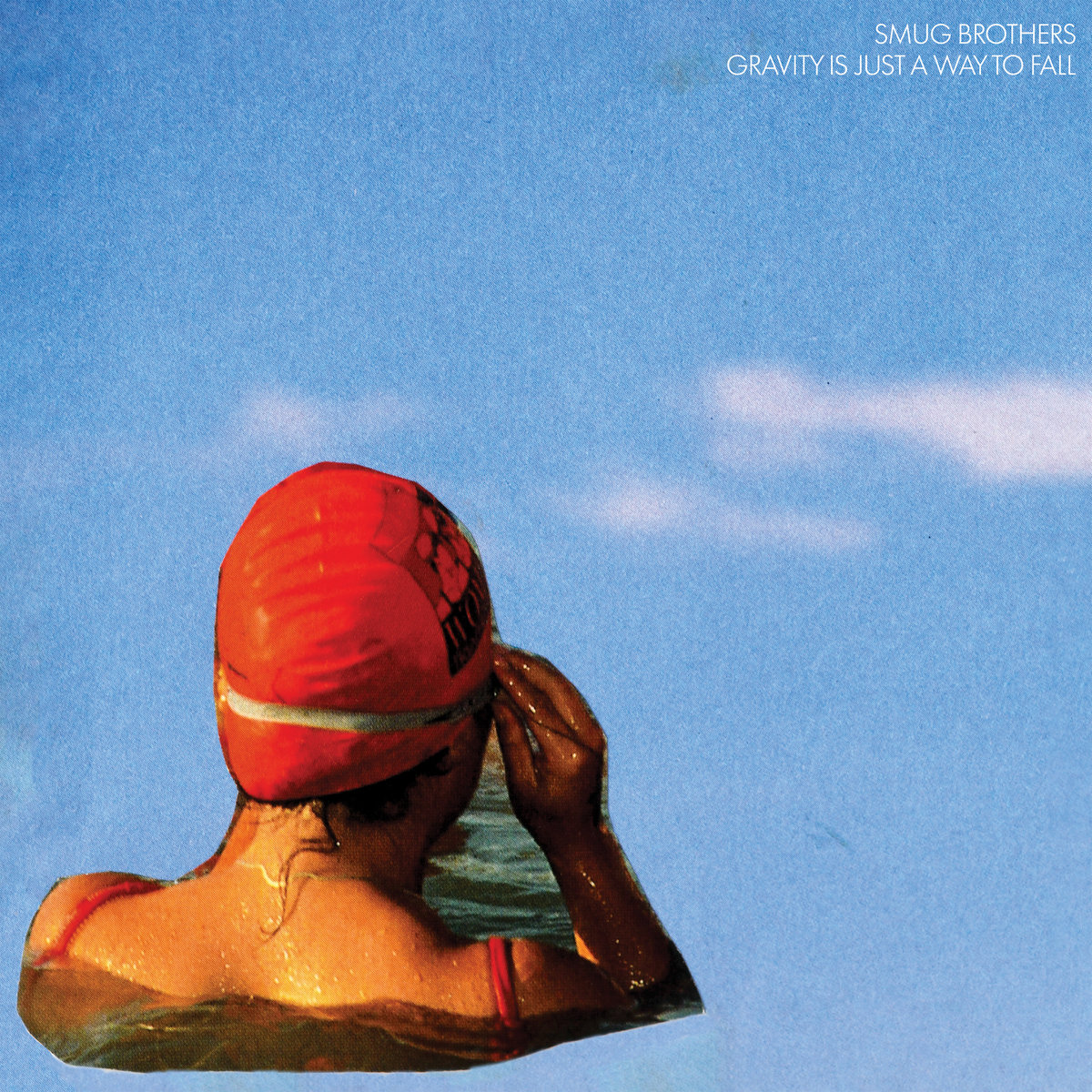





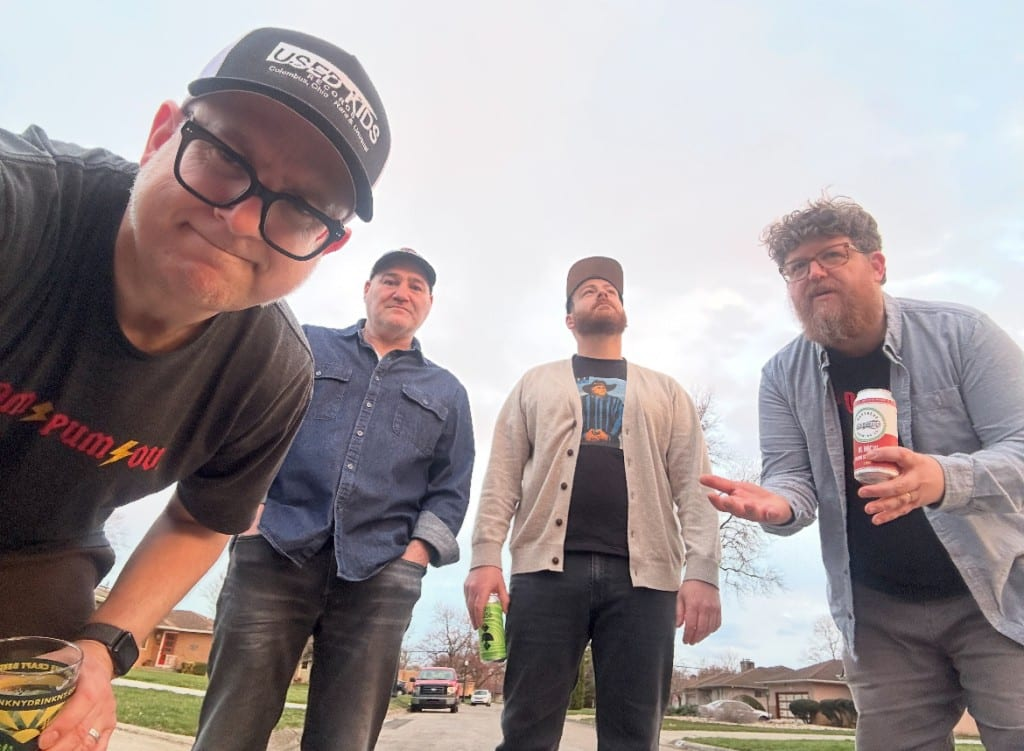


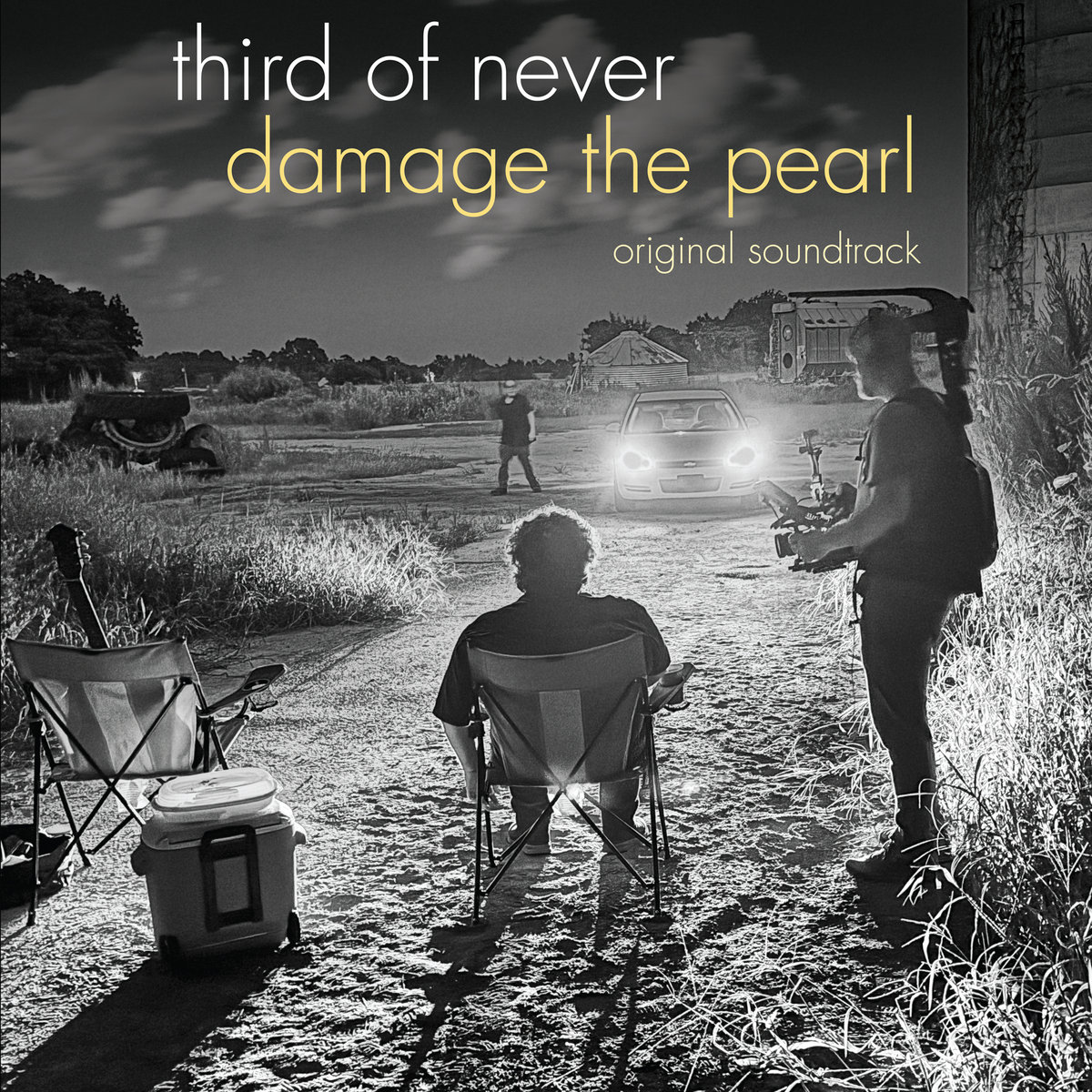
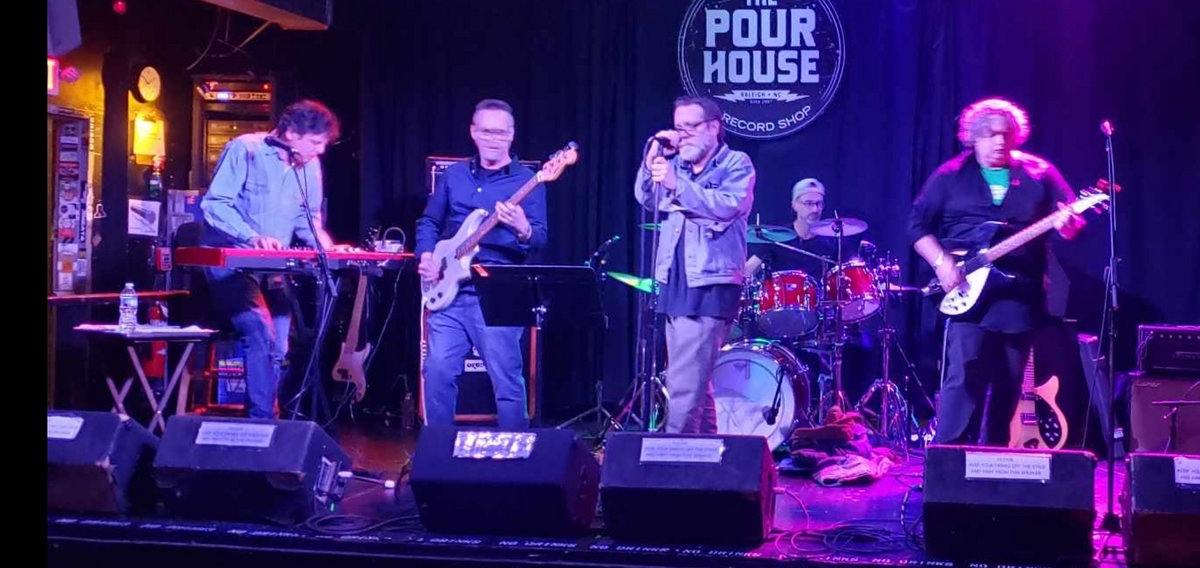



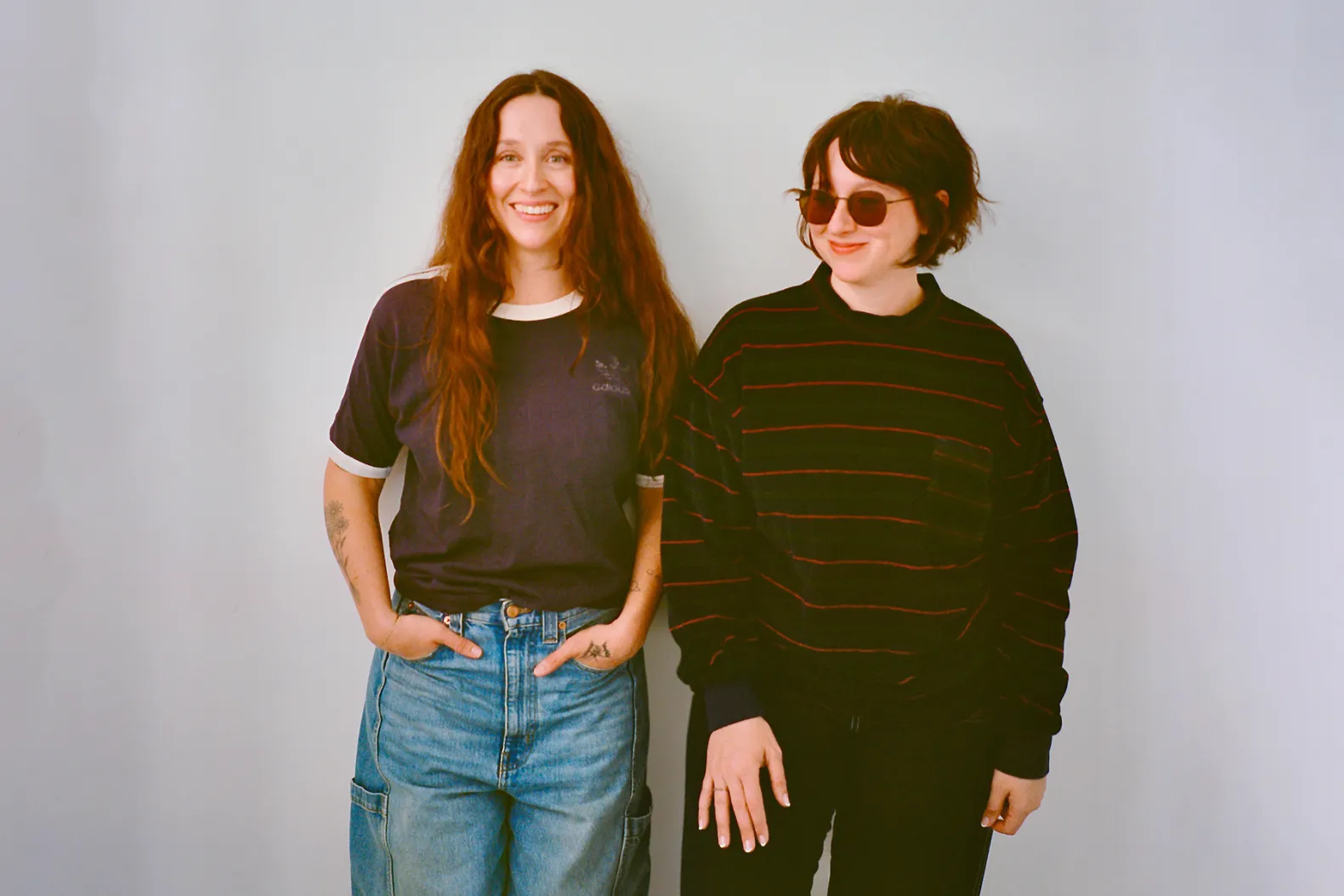



 your tuesday afternoon alternative