In the coming weeks we celebrate the holidays in full indie music style — is that really a thing? On Tuesday, December 17th we will be playing new, classic, and cover holiday songs on the show. Another year has come and gone. Can anyone else believe that we have been doing this for at least fourteen years, sheesh time does pass fast!
Indie holiday music is like that stray cat you take in—scrappy, scruffy, full of attitude, but somehow comforting. It’s the sound of bells and lo-fi drum beats weaving through a haze of reverb and melancholy, like a cold winter’s night painted in pastel hues. Forget those sugar-coated carols, these songs are the unsung heroes of the season, cloaked in irony, aching for connection amidst the forced cheer. They’ve got that off-kilter honesty, a rawness that refuses to conform to the Hallmark image of Christmas. It’s a quiet rebellion, but hell, it’s also really kind of beautiful.
We know that there is a lot of stress during the holidays with all the planning, shopping, and whatever else we are told to do during the holiday season. Well, we believe that any task goes better with music. So, pour yourself the ‘Nog, eat a cookie or three and let us help you relax with some great indie holiday music. If you have a suggestion for a cool holiday tune, let us know on drjytaa on the gmail!
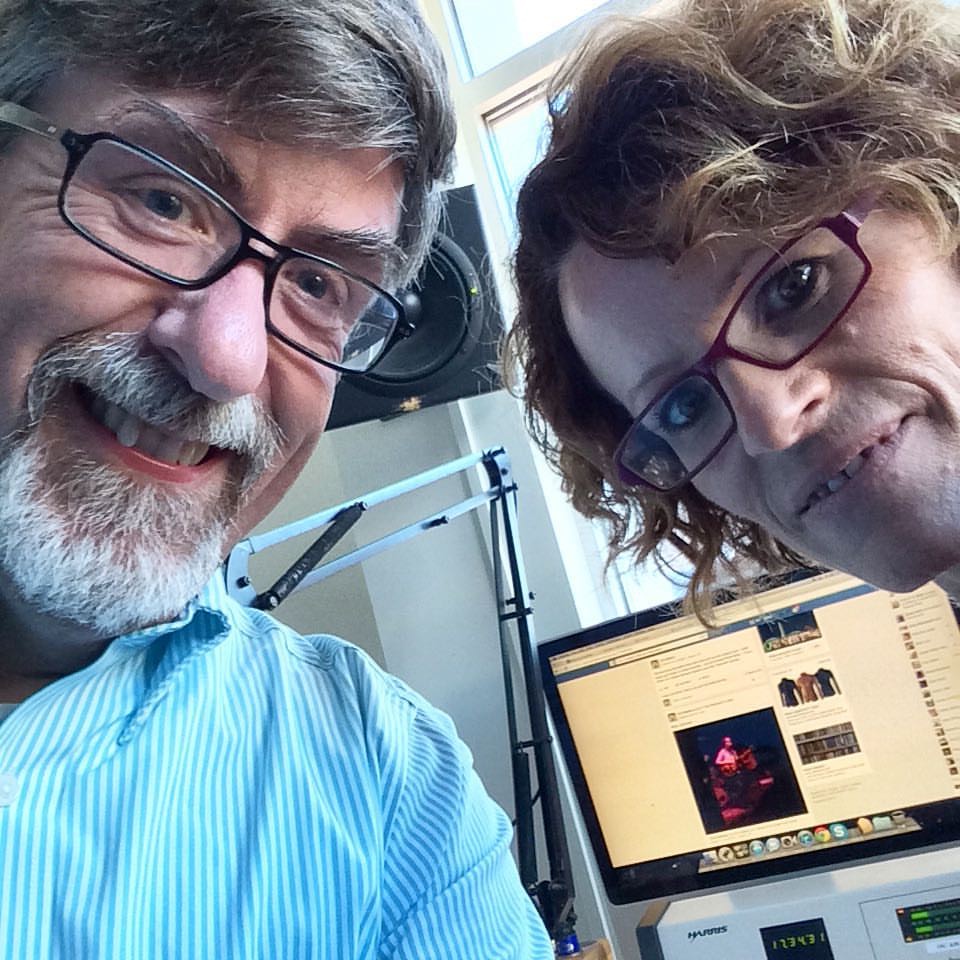
Dr. J can’t wait to co-host the 14th Annual Indie Holiday Radio Show on WUDR Flyer Radio 99.5/98.1’s Your Tuesday Afternoon Alternative with our good friend and frequent guest on the program, Tom Gilliam, who always brings some interesting holiday music to the mix. And as always, the talented Mrs Dr. J has made many a fine contribution to the show as well! You expect nothing less.
This year you have two chances to hear the indie holiday festivities! The first broadcast is on Tuesday, December 17th from 3-6 PM. Listen on 99.5 FM in Dayton, Ohio, USA, or stream the broadcast at wudr.udayton.edu. And if that was not enough we load the show into Mixcloud! You can listen on Wednesday at our Mixcloud page! We just can’t wait to play new and classic indie holiday songs for you. Save us some of the ‘nog.
Let’s get something straight from the jump: independent radio—college stations, community stations, those hissing, crackling signals of barely legal wattage—are more than relics. They’re lifelines, and in a world drowning in curated blandness, they’re salvation that is desperately needed. Sure, you’ve got your algorithmic playlists and big-budget streaming platforms that can spit out the sonic equivalent of a hamburger combo meal, but let me ask you this: when’s the last time one of those songs on the apps and services truly blew your mind? When’s the last time a Spotify playlist made you feel something raw, something real, something alive?
Enter the humble, often-overlooked world of independent radio. These stations don’t play by the rules and thank God for that. College and community DJs who aren’t bound by focus groups or corporate overlords telling them which ten songs to cycle endlessly. They’re the anarchists of the airwaves, throwing down pop punk at 3 a.m., jazz fusion at noon, and some spoken-word poetry over ambient noise just because they can. They’re the kid in the back of the record store who’ll tell you that the B-side of a 7” pressed in someone’s basement in 1984 will change your life—and they’re right. Forgive me if this sounds trite or self-serving, but we believe in the power of music to change your life.
This is radio as it was meant to be: unpolished, unpredictable, and unafraid to go weird. College radio, especially, is often powered by the most crucial demographic for musical discovery—students who don’t yet know the rules they’re breaking. These DJs are sometimes just learning what it means to piece together a playlist, to tell a story in 20-minute sets, to unearth that obscure track nobody else has heard of. It’s raw, and it’s beautiful because it’s real.
And let’s not forget the community stations—the hyper-local powerhouses keeping neighborhoods and subcultures alive. These aren’t just radio shows; they’re conversations. They’re where you tune in to hear the pulse of your city, the heartbeat of your neighbors. It’s where activists and artists collide, where voices ignored by the mainstream get a microphone. It’s radio as rebellion, as resistance, as a refuge from the overpowering heavy challenges we all face.
Here’s the thing the big media conglomerates and tech giants don’t want you to realize: not everything should be convenient. Finding great music—or a great anything—takes work. It takes passion. That’s what makes it matter. Independent radio doesn’t spoon-feed you the hits; it hands you a map, points vaguely in a direction, and says, “Go get lost.” And in that wandering, you discover magic. You stumble across a DJ spinning a 10-minute opus made by an area band or a live set from some local group that sounds like they’re playing from the edge of the world. And you want to go there so you can be part of it.
In an era where everything feels like it’s been prepackaged, sanitized, and optimized for maximum engagement, independent radio stands as a glorious middle finger to the machine. It’s messy, it’s chaotic, and it’s alive in ways that nothing else in the modern media landscape can touch even thought they try to say that experimentation came from them.
What’s more, independent radio matters because it’s often the training ground for the voices we’ll be listening to in 10, 20, or 30 years. Think about all the media icons who got their start in college radio. Two words: Howard Stern. Ever heard of Rick Rubin? He was just some punk kid spinning records at NYU before founding Def Jam. Or Ira Glass, who honed his storytelling chops on the airwaves before becoming public radio’s golden boy. The indie stations are incubators for talent because they’re places where experimentation isn’t just allowed—it’s expected.
And don’t let anyone tell you radio is dead. Sure, the format’s shifted, and the big commercial stations are shells of their former selves, but indie radio persists because it’s adaptable. College stations now stream online, bringing their wild, untamed ethos to a global audience. Community stations podcast their shows, extending their reach far beyond the low-powered transmitter on the roof.
But more than that, indie radio matters because it’s personal. It’s not just about the music—it’s about the human connection. There’s something deeply comforting about hearing another person on the other end of the signal, someone who isn’t trying to sell you something, someone who’s just as excited about this obscure Brazilian psych-rock track as you are now that you’ve heard it. It’s a reminder that music isn’t just content—it’s communion.
And yeah, maybe it’s a little romantic to wax poetic about this scrappy corner of the media world. Maybe it’s easier to dismiss it as nostalgia for a pre-streaming era. But dismissing indie radio is to dismiss the very soul of music, the thing that makes it matter in the first place. It’s the idea that art doesn’t have to be perfect, that it doesn’t have to be profitable, that it can just be.
So the next time you’re scrolling through an endless stream of playlists that all sound the same, do yourself a favor: tune in to the static. Find the frequency where some over-caffeinated college kid is ranting about a new band you’ve never heard of, or where a local DJ is spinning records in a tiny room plastered with band posters and graffiti. Listen with your whole heart, and remember what it feels like to discover.
Because independent radio isn’t just a medium—it’s a movement. And in a world that desperately wants you to settle for the lowest common denominator, it’s the one place still daring to reach higher.
Let me tell you something about Your Tuesday Afternoon Alternative with Dr. J on WUDR, broadcasting from the unassuming outpost of Dayton, Ohio: it’s not just a radio show; it’s a séance for the musically restless. Dr. J, equal parts professor (sorry), music priest, and punk-rock lifer, orchestrates a sonic sermon that grabs you by the collar and drags you kicking, screaming, and grinning through the unpolished spaces of independent and local music.
This isn’t your prepackaged corporate playlist drivel, churned out by some algorithm. No, this is real-deal, deep-dive, bloodshot-eye curation. We don’t just play songs; we conduct a reckless, unhinged exploration of soundscapes that defy the mainstream’s sterilized borders. One minute you’re grooving to the jangly guitars of a Midwest indie gem; the next, you’re pummeled by fuzz-soaked shoegaze or swept away by a tender acoustic ballad. It’s a rollercoaster for your ears, and you’re strapped in tight for the ride.
The show’s strength lies in its refusal to compromise. We are not here to appease Spotify metrics or chase TikTok trends. We pride ourselves on digging into the marrow of what makes music vital: the stories, the sweat, and the imperfections that turn a song into a revelation. Local bands? We’ve got them. Overlooked gems? You bet. It’s a treasure map to sounds you didn’t know you needed but now can’t imagine living without.
Sure, the production’s raw, the format loose, but that’s part of the charm. A little nerdy? You betcha! It feels like you’re eavesdropping on a record store conversation in town. If music is a lifeline, Your Tuesday Afternoon Alternative is one of the buoys that keeps us from drowning in the sea of mediocrity. Dayton might be criminally overlooked, but we strive to ensure it’s never unheard of.
Today’s program featured music from Wussy, The Tragically Hip, Fancy Gap, Latvian Radio, Shai Fox, Rockaway, The English Beat, The Talking Heads, The Boxcar Suite, Smug Brothers, Friedberg, Brian Lisik, and much more. We also heard two songs recorded by and two live songs performed by our guests, Kyleen Downes and Sisco Red of Freya’s Felines.
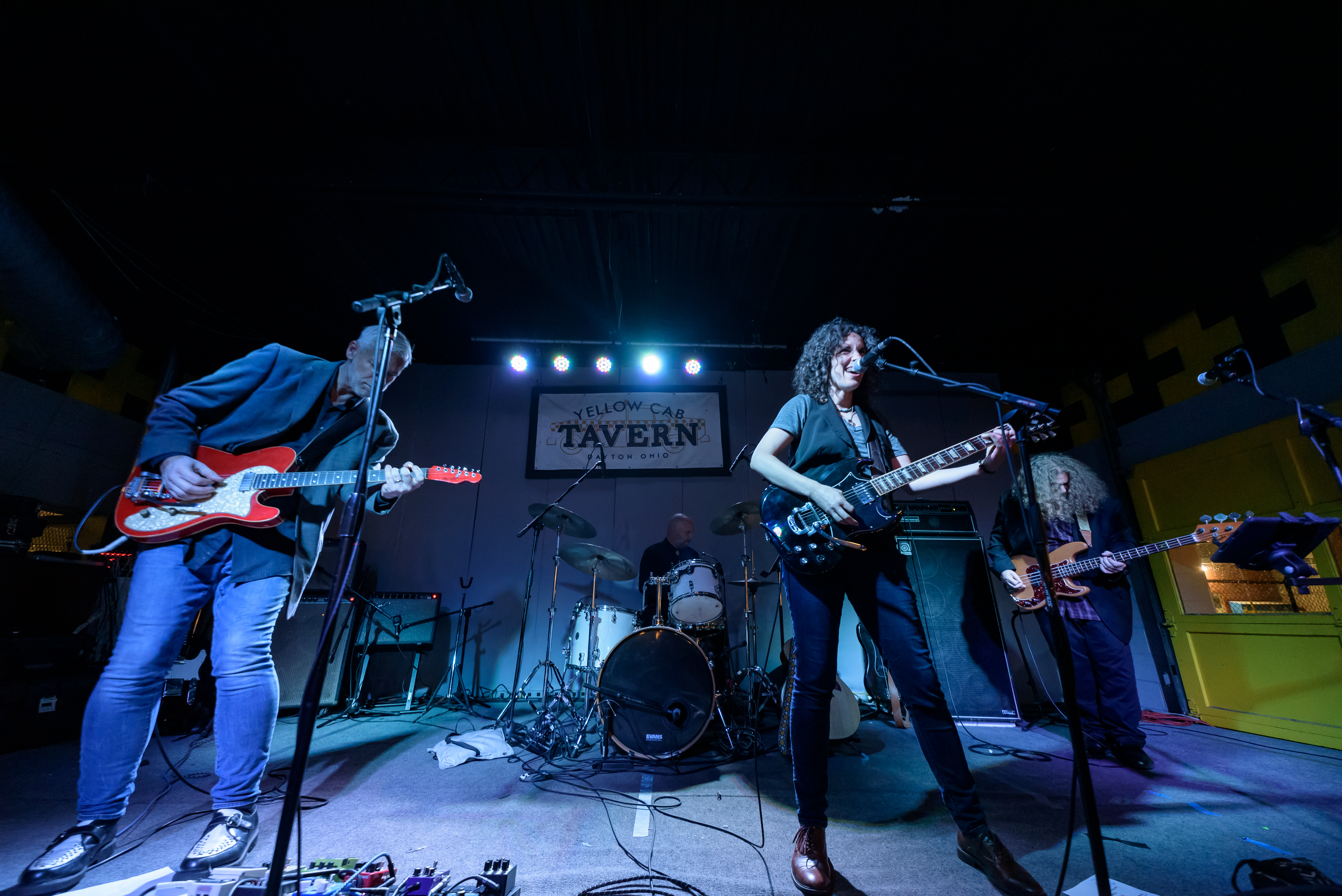
Freya’s Felines is an engaging band from Dayton, Ohio, blending a unique mix of indie rock and folk influences with a touch of ethereal storytelling. The group’s name, inspired by Freya, the Norse goddess associated with love, beauty, and cats, reflects their whimsical yet deeply introspective artistic vision. Their music resonates with themes of nature, mysticism, and human connection, offering a fresh sound that has captivated local audiences.
The band, which began as a trio, is now composed of four members: guitarists and vocalists Kyleen Downes and Sisco Red form an unshakeable foundation. Their voices blend in waves of evocative yet accessible timbre, pitch, and flow. Abigail Moone’s hauntingly soulful voice serves as a key part of their sound. The most recent member Gabriella Erbacher is a bassist who brings a rhythmic pulse to their tracks with an almost soulful groove. Moone also contributes drumming whose subtle yet powerful beats add depth to their arrangements. Together, these musicians weave a sonic atmosphere that feels both intimate and expansive, drawing listeners into their world.
Doing local indie radio for 20 years is a labor of love, a commitment to the community, and a constant source of joy. At least, it sure has been for us at YTAA! Indie radio is a unique space where personality and passion shine through, where the constraints of commercial programming give way to creativity, spontaneity, and local voices. For two decades, the joy has been in connecting people through sound, amplifying voices that would otherwise go unheard, and showcasing music, stories, and topics that truly reflect the heart of music in times of darkness and light.
One of the most rewarding aspects of this journey has been building connections with listeners. Over the years, these listeners become more than just people tuning in—they become a family. Calls, emails, tweets, comments, posts, and even the occasional letter remind us that the work is meaningful and that there’s an audience who feels seen, heard, and represented by what’s being aired. In a world where media often feels homogenized and so darn artificial, we would like to believe that indie radio creates an unbreakable bond with its listeners by staying local, rooted, and real.
Another source of joy for us here at YTAA is discovering and promoting new, underrepresented music. The indie scene is full of gems that don’t always make it to mainstream playlists (for shame!), and introducing these sounds to an eager audience is incredibly fulfilling, heck – you might say it is the thing that keeps us coming back for more. The excitement of finding a new track or local artist and knowing that it will resonate with someone out there makes the work feel fresh, even after so many years.
The joy of indie radio also lies in the freedom to take risks, to be unconventional, and to experiment. Unlike larger stations tied to strict playlists or advertising pressures, an indie station, like WUDR, has the freedom to talk about niche issues, dive into deep conversations, and let shows develop organically. After 20 years, it’s clear that indie radio is more than just broadcasting; it’s about fostering a shared experience, celebrating local culture, and continuing a legacy of creativity and authenticity.
“Your Tuesday Afternoon Alternative,” hosted by Dr. J on WUDR Flyer Radio has been around for almost 20 years now! I try to offer an eclectic mix of indie, local, and alternative music that appeals to both dedicated fans and curious newcomers. I try to balance both well-known and emerging artists, providing listeners with a blend of what we hope are fresh discoveries alongside some familiar sounds that keep each episode engaging.
One of our show’s unique aspects is the passion for showcasing local and regional artists, particularly from the Dayton area, giving exposure to the rich musical talent often overlooked by mainstream outlets. Shame on them! I hope that our enthusiasm shines through, as we weave in anecdotes about the bands and tracks we play. This is meant to create a deeper connection to the music. We strive for passion but also for a laid-back, conversational tone that allows listeners to feel as though they’re joining a friend who’s sharing their latest musical finds. Because, in truth, that is what I do every week.
In music certain bands emerge as pioneers, shapers of sound, catalyzing a moment in time that resonates beside them and long after. Influential bands become vanguards of a movement, keepers of a feeling that is always felt, something captivating and special. Brainiac, hailing from Dayton, Ohio, is one such band. Despite their brief existence in the 1990s, their sonic experimentation, genre-blurring compositions, and electrifying live performances continue to reverberate through the sweep of the music industry. Their music and their story equal parts exciting and tragic, leaving an indelible mark on subsequent generations of artists, fans, and music writers. In celebration of Justin Vellucci’s new book about the band and before posting a conversation we had about the book and the band, I wanted to take some time and consider the continuing relevance of Brainiac. It is worth exploring their innovative approach to music, their impact on subsequent genres, connection to the hometown that we share, and their enduring influence on contemporary music culture.
Brainiac’s journey began in the fertile underground music scene of Dayton, Ohio, in the late 1980s. Formed in 1992 by vocalist, guitarist, and keyboardist Tim Taylor, guitarist Michelle Bodine, bassist Juan Monasterio, and drummer Tyler Trent, Brainiac quickly gained attention for their unconventional blend of punk, new wave, rock, funk and electronic elements. Drawing inspiration from diverse influences such as Devo, Kraftwerk, Pere Ubu, The Breeders, Dayton’s Funk music legends, and Sonic Youth, Brainiac forged a distinctive sonic identity characterized by angular riffs, frenetic rhythms, and Taylor’s enigmatic vocals. Although Bodine left the band and was replaced by guitarist John Schmersal in 1993, her adventurous guitar style contributed significantly to the band’s early development.
Part of what makes Brainiac so unique is a fearless sonic deconstruction and reassembly. The courage to take songs apart and rebuild them in unexpected ways is a characteristic of everything the band ever created. At the heart of Brainiac’s music lies a spirit of willful experimentation and yearning for innovation. Their albums, including “Smack Bunny Baby” (1993), “Bonsai Superstar” (1994), “Hissing Prigs in Static Couture” (1996), showcase a complete and remarkable fearless willingness to push the boundaries of conventional rock music. Tracks like “Vincent Come On Down” and “Hot Seat Can’t Sit Down” bristle with manic energy, driven by Trent’s propulsive drumming and Monasterio’s solid bass, and across all of it is the sound of zigzagging jagged guitar lines. Keyboards and synth puncturing the rhythm taking the music in different directions. Meanwhile, Taylor’s lyrics, often oblique and surreal, add an additional layer of intrigue to Brainiac’s sonic tapestry. Sometimes bands write lyrics as if they are members of a secret club full of clues apropos of nothing and everything.
“Hissing Prigs in Static Couture,” the seminal album by Brainiac, stands as a testament to the band’s unparalleled creativity and sonic innovation. Released in 1996, it represents the apex of Brainiac’s artistic vision, encapsulating their unique blend of punk, new wave, and electronic influences. From the frenetic opener to the haunting closer “I am a Cracked Machine,” the album takes listeners on a wild, electrifying journey through a sonic landscape unlike any other.
At the heart of “Hissing Prigs in Static Couture” lies Brainiac’s fearless experimentation. Tracks like “Pussyfootin'” and “Strung” showcase the band’s ability to seamlessly meld abrasive guitars, pulsating synths, and infectious hooks, creating a sound that is simultaneously chaotic, melodic, and hypnotic. Meanwhile, Tim Taylor’s enigmatic vocals, veering from manic yelps to eerie whispers, add an extra layer of intrigue to the proceedings.
Decades after its release, “Hissing Prigs in Static Couture” remains a touchstone for fans of alternative and experimental music. Its influence can be heard in the work of countless artists, attesting to Brainiac’s enduring legacy as sonic pioneers. With its boundary-pushing compositions and electrifying energy, this album cements Brainiac’s status as one of the most innovative bands of the 1990s. Brainiac’s sonic adventurousness and take no prisoners approach laid the groundwork for numerous subsequent genres and musical movements. Their incorporation of electronic elements foreshadowed the rise of electronic rock and indie electronic music in the late 1990s and early 2000s. Bands like The Faint and LCD Soundsystem cite Brainiac as a formative influence, recognizing their pioneering role in bridging the gap between rock and electronic music.
Despite their tragically short-lived career—cut short by Taylor’s untimely death in 1997—Brainiac’s legacy endures. Their influence can be heard in the work of contemporary artists across a range of genres, from experimental rock to synth-pop. Moreover, Brainiac’s DIY ethos and fierce independence continue to inspire aspiring musicians and bands, serving as a reminder of the transformative power of artistic vision and uncompromising creativity. DIY is more than a slogan in the hands of bands making music that invades the consciousness and the musical bloodstream of fans.
Brainiac remains a singular force in the history of alternative and indie music, their legacy burnished by their fearless experimentation, genre-defying compositions, and electrifying live performances. More than two decades after their dissolution, their music continues to captivate and inspire, reminding us of the enduring power of sonic innovation and artistic vision. The recent reunion shows demonstrate the continuing hunger of music fans for this music and artistic vision. As long as there are musicians willing to push the boundaries of creativity and challenge the seemingly impenetrable music status quo, Brainiac’s influence will endure, ensuring their place in the pantheon of musical revolutionaries for generations to come.
Knotts, a dynamic artistic band hailing from Cincinnati, Ohio, has captivated audiences with their innovative approach to musical art. Comprising vocalist and multi-instrumentalist Adalia Powell-Boehne, Keyboardist Antoine Franklin, guitarist Jordan Wilson and drummer Isaiah Cook, KNOTTS has carved a niche for itself in the contemporary music scene through their catchy collaborative melodic weaving of rock, soul, loops, electronic and boundary-pushing sonic creations. Together, the band creates immersive moving personal musical experiences that challenge conventional notions of identity, connection and perception.
One of Knotts‘ most captivating and haunting songs is “Good Morning,” a large-scale sonic architecture that explores the interconnectedness of humanity, kindness and the irreplaceable act of uniting and building a relationship. Adalia’s powerful, plaintive, and emotional voice feels like the embrace of a long lost friend. The spark, heck the joy in the song springs from her incredible voice. The Song feels as if it comprises thousands of intricately woven musical threads suspended from the heart, forming a dense canopy that envelops listeners as they navigate the powerful act of deciding to spend a life together. Each thread of the song represents a human connection, symbolizing the invisible ties that bind individuals together in a shared experience of living.
As listeners move through the song (and the dare I say happy and vibrant accompanying video), they become acutely aware of their presence within this web of connections, prompting introspection and contemplation of their relationships with others. But this is not a heavy drowning question, it is has color and energy — saying yes to being with someone is supposed to be magical, mysterious and fun. Would you stay with someone while your face — and you — slowly age as demonstrated with the coming of lines on your face? The immersive and joyful bounce in the song allows for a deeply personal engagement with the music , transcending the boundaries of the all too often casual love song. “Good Morning” expresses the contentment and adventure of being with someone when you want to be there.
Knotts‘ work is characterized by a sense of fluidity and transformation, with many of their songs evolving over time in response to the questions of connection, identity, and being entangled within one another. By layering lyrical images and a sweep of keyboards, guitars and drums, they create a composition that challenge listeners to confront the realities of would they make the same decision to stay.
In a world increasingly characterized by division and isolation, Knotts offers a beacon of hope and connectivity through their music. By challenging listeners to reconsider their relationships with themselves and others, they inspire a renewed sense of empathy and understanding in an ever-changing world. As they continue to push the boundaries of artistic expression of love and connection in their music, KNOTTS remains a vital voice in the local music scene, reminding us of the transformative power of creativity and collaboration.
Knotts are playing tonight — Friday, March 1st at 7pm — with the powerhouse Heather Redman & The Reputation at The Oregon Express. Go Go Go!
Dayton, Ohio’s magnificent duo, The Nautical Theme have released the first single from their up-coming record “Do Something.” The song and the video are perfect compliments to the allure of the lyrics, bewitching sway of the vocals and the music that lays a solid terra firma around the composition.
Any long time listener to Your Tuesday Afternoon Alternative knows that we are fans of this band. And the magnetic pull of The Nautical Theme is tied to the essential quality of there music. In songs like “I’m Not Ready” there exists a magical phenomenon that transcends the boundaries of sound and captures the essence of human emotion—the beauty of two voices perfectly intertwined in a song. This captivating synergy elevates the musical experience, creating a harmonious blend that resonates with the listener’s soul. The combination of the two distinct voices of Matt Shelter and Tesia Mallory weaving together in a delicate dance brings forth an enchanting tapestry of sound that is both powerful and profoundly moving.
At its core, the beauty of these two voices entwined in song lies in the alchemy of harmony. When two voices merge seamlessly, a unique and transcendent sound is born. The interplay between melodies, harmonies, and tones creates a dynamic sonic landscape that draws the listener into a mesmerizing space. It is a delicate balance, a musical dance where each voice complements the other, enhancing the emotional impact of the song. Real emotion is found in those moments.
The human voice possesses a remarkable ability to convey a wide range of emotions, and when two voices come together in perfect harmony, they amplify the emotional and social depth of the music. Whether expressing love, heartbreak, joy, or sorrow, the dual voices intertwine to tell a compelling story, leaving an indelible mark on the listener’s heart and mind. And honestly, I am not entirely sure which emotion was the songwriter’s goal but all of them can be felt by the listener of this song.
One of the most enchanting aspects of two voices entwined in song is the power of contrast. Each voice brings its own unique timbre, color, and character to the composition. The contrast between high and low tones, soft and powerful dynamics, and different vocal qualities creates a rich and diverse auditory experience. In a well-executed merging like “I’m Not Ready,” the voices complement and contrast with each other, adding layers of complexity to the musical arrangement. The interplay between a soprano and a tenor, in this case, creates a captivating juxtaposition that elevates the overall impact of the song. This interweaving of diverse vocal elements captures the listener’s attention, inviting them to explore the nuances within the music.
The emotional resonance of melding voices is unparalleled in “I’m Not Ready,” as the combined voices create a sense of intimacy and connection. The shared experience of singing together fosters a profound sense of unity, both for the performers and the audience. The act of simply singing together is heightened when the voices convey a shared narrative or a dialogue between the singers. The listener becomes a participant in the journey, connecting with the lyrics on a personal level. The intertwining voices act as vessels, carrying the weight of the song and delivering it directly to the hearts of those who are fortunate enough to experience it.
Two voices entwined in song not only convey emotional depth but also showcase the technical prowess of the performers. The seamless coordination of vocal dynamics, pitch, and timing requires a high level of skill and precision. The beauty of a song like “I’m Not Ready” lies not only in the emotional resonance but also in the technical mastery displayed by the singers. The interplay of harmonies, counterpoint, and synchronized phrasing requires a deep understanding of musical theory and an acute sense of timing. When executed flawlessly, as is the case with “I’m Not Ready” the result is a breathtaking display of vocal artistry that leaves a lasting impression. The technical complexity adds another layer of appreciation for the beauty that emerges when two voices come together in perfect unison.
The beauty of two voices entwined in song remains a timeless and enchanting phenomenon for any music fan. The alchemy of harmony, the power of contrast, emotional resonance, and technical mastery combine to create a musical experience that transcends the ordinary. As listeners, we are fortunate to witness the magic that unfolds when two voices come together in perfect unison, creating a symphony of emotions that lingers in our hearts long after the final note has faded away. The beauty of two voices entwined in song is a proof of the enduring power of music to touch our souls and connect us on a meaningful and universal level.
The 2024 Dayton, Ohio Battle of the Bands at The Brightside music and event venue (905 E 3rd St, Dayton, Ohio) marks a significant local cultural event that brings together diverse musical talents and showcases the vibrant local music scene. This annual contest has become a cornerstone for emerging artists, providing them with a platform to exhibit their skills, connect with the community, and potentially expand their reach. Let’s explore the Battle of the Bands contests in Dayton, focusing on the 2024 edition held at The Brightside in collaboration with Sound Valley over six weeks. In the interest of full disclosure, Dr. J has been a judge in previous contests and some of those experiences form the backbone for the comments here.
Dayton, Ohio has a rich musical heritage, with a legacy that includes the funk stylings of the Ohio Players and the avant-garde experimentation of Guided by Voices. The city has long been a breeding ground for impressive musical talent, and events like the Battle of the Bands contribute to the nurturing of this vibrant artistic community. These contests are more than just competitions; they are celebrations of creativity, expressions of identity, and opportunities for musicians to connect with their audience.
The Brightside, an innovative music venue in Dayton, serves as the perfect backdrop for the 2024 Battle of the Bands. With its intimate setting, excellent acoustics, and a history of hosting diverse musical acts, The Brightside has become a hub for both established and emerging artists. The venue’s commitment to supporting local talent aligns perfectly with the spirit of the Battle of the Bands contests.
The 2024 edition of the Battle of the Bands attracts music fans, reflecting the growing enthusiasm and joy of sound within the local music scene. Bands from various genres, ranging from indie rock to hip-hop, eagerly sign up to showcase their musical prowess. The diversity of styles represents an added dynamic element to the contests, ensuring that the audience experienced a wide spectrum of musical styles, performers and expressions.
One of the unique aspects of these contests is its emphasis on originality. Bands are encouraged to perform their own compositions, showcasing not only their technical abilities but also their songwriting skills. This shift towards original content presents an extra layer of excitement, as attendees are treated to fresh, innovative music that reflects unique perspectives of the participating artists.
The judging panels for the 2024 Battle of the Bands consists of industry professionals, local music critics, radio personalities, and others experienced in running local music events. Diverse panels each week ensure a fair evaluation process that consider both technical proficiency and the ability to engage and connect with the audience. Speaking of the audience, they also have a role in this process. Voting is split between the panel of judges and the audience. The judging criteria is transparent, providing bands with clear expectations and allowing them to tailor their performances accordingly.
As the contests unfold, The Brightside buzzes with energy and anticipation. Each band takes the stage with a palpable mix of nervousness and excitement, eager to leave a lasting impression. The audience, composed of music enthusiasts, friends, and family members, contribute to the vibrant atmosphere by cheering on their favorites and creating an atmosphere of camaraderie.
The interplay between the bands and the audience highlights the communal nature of this event. Local businesses and sponsors also played a crucial role in supporting the contest, contributing to the prize packages for the winners. The opportunity to play downtown Dayton’s Levitt Pavilion is a highly sought after experience for local musicians. This collaborative effort underscore the symbiotic relationship between the music community and the broader local music ecosystem.
Beyond the competitive aspect, the Battle of the Bands contests foster a sense of unity among musicians. On stage interactions, impromptu creativity, and shared stories created a supportive environment that transcended rivalry. Many bands and musicians form connections during the contest that extend beyond the event, leading to collaborations and joint performances in the future. Those bonds contribute to a healthy music scene in Dayton!
In addition to showcasing musical talent, the 2024 Battle of the Bands addresses important social and cultural themes. Some bands used their performances as a platform to raise awareness about social justice issues, environmental concerns, and mental health. The inclusive nature of the contest provided artists with an opportunity to express their views and connect with audiences on a deeper level.
The grand finale of the 2024 Dayton Battle of the Bands is a culmination of weeks of intense sonic competition. The finalists, having demonstrated exceptional musical abilities and stage presence, face off in a showdown that captivates the audience. The Brightside pulsates with energy as each band delivered a memorable performance, leaving a lasting impression on everyone present.
Ultimately, the judges and audiences face the challenging task of selecting a winner from the pool of exceptionally talented finalists. The decision is always a testament to the high caliber of musicianship on display throughout the contest. The winning band not only secures a substantial prize package but also earns the admiration and respect of their peers and the broader community.
As the 2024 Dayton Battle of the Bands concludes, it can leave a lasting impact on the local music scene. The event not only celebrates musical talent but also strengthens the sense of community among artists and fans alike. The Brightside, with its commitment to fostering creativity and supporting local talent, plays a pivotal role in making the contest a resounding success.
Looking ahead, the legacy of The Battle of the Bands serves as inspiration for future generations of musicians in Dayton. The event demonstrates the power of music to bring people together, transcend boundaries, and serve as a platform for meaningful expression. As the local music scene continues to evolve, events like these will remain instrumental in shaping the cultural identity of Dayton and contributing to its reputation as a thriving hub of artistic innovation. What can you do to contribute to an event such as this? You can be a part of it by going, participating and having fun.
The logistics: The Doors open each week of The Battle of The Bands at 7pm (NOTE: due to equipment load in, we cannot let patrons in earlier than 7pm). Shows are expected to run from 7:30pm to 10pm.
Tickets are $10 advance / $15 at the door. Advance tickets are recommended. Note – Ticket sales are used to cover production costs and prizes.
Dayton, Ohio, a city known for its rich musical history, has produced a myriad of talented artists across various genres. Among the vibrant musical landscape emerges The Nautical Theme, a captivating duo that has been making waves with their latest record, “Get Somewhere.” Comprising long time bandmates Matt Shetler (Vocals, Guitar) and Tesia Mallory (Vocals, Keyboards), The Nautical Theme seamlessly blends folk, indie, and pop influences to create a sound that is uniquely their own.
“Get Somewhere,” the duo’s newest offering and one of our favorites of 2023, is a musical journey that explores the complexities of life, family, love, and the pursuit of meaning. Clocking in at six tracks, the album showcases the duo’s growth and maturity both lyrically and musically. From the moment the needle drops, listeners are transported into The Nautical Theme’s world, a place where introspection and vulnerability reign supreme.
One of the album’s standout tracks is the opener, “Sun Won’t Rise.” With its infectious melody and thought-provoking lyrics, the song sets the tone for the entire record. Dave’s skillful guitar playing complements Mallory’s soulful vocals, creating a harmonious blend that immediately captures the listener’s attention. The track explores the challenges of navigating the complexities of modern life, touching on themes of resilience and the pursuit of one’s true self.
As “Get Somewhere” unfolds, the duo delves into a range of emotions and experiences, crafting a narrative that resonates with listeners on a personal level. Tracks like “Trouble Tonight” and “Young and Free” showcase The Nautical Theme’s ability to craft catchy, introspective songs that stick with you long after the music stops. Matt and Tesia’s evocative storytelling and their intricate musical arrangements create a synergy that elevates each composition to new heights.
The album’s production is noteworthy, with each instrument and vocal line given the space to breathe. The sound is polished yet retains a raw, authentic quality that reflects the duo’s genuine approach to their craft. From the subtle nuances of Tesia’s voice to the intricate guitar work, every element of “Get Somewhere” is meticulously crafted, contributing to the overall sonic tapestry of the record.
Lyrically, The Nautical Theme explores themes of love, loss, and self-discovery. Matt’s poignant lyrics are a highlight, offering listeners a glimpse into the depths of emotions and experiences. Whether reflecting on the passage of time in “Home” or grappling with the complexities of relationships in “Something That You Needed,” Matt’s lyrical prowess shines throughout the album.
“Get Somewhere” also features a diverse sonic palette that keeps the listening experience engaging from start to finish. The duo seamlessly transitions between upbeat, folk-infused tracks like “Trouble Tonight” and more introspective, stripped-down moments such as “Something That You Needed.” This dynamic range showcases The Nautical Theme’s versatility as musicians and songwriters.
The album’s standout track for us, “Young and Free,” serves as a thematic centerpiece, encapsulating the essence of the entire record. With its infectious chorus and uplifting instrumentation, the song encourages listeners to embrace the journey of self-discovery and personal growth. It’s a testament to The Nautical Theme’s ability to create music that not only resonates on an emotional level but also inspires introspection and positive change. This is music that matters.
In addition to their musical prowess, The Nautical Theme’s connection with their audience is palpable. The authenticity and sincerity that permeate their music extend to their live performances, creating an immersive and intimate experience for fans. Dayton, Ohio, has become a key backdrop for their artistic journey, and the local community has embraced the duo with open arms.
As The Nautical Theme continues to carve out their own niche in the music industry, “Get Somewhere” stands as a testament to their growth and artistry. The record not only showcases their musical talent but also serves as a reflection of the human experience—its challenges, triumphs, and the perpetual quest for meaning.
The Nautical Theme’s “Get Somewhere” is a captivating musical odyssey that cements the duo’s status as rising stars in the indie folk scene across the country. With its rich lyricism, impeccable musicianship, and emotional depth, the album invites listeners to embark on a journey of self-discovery alongside the talented duo. The ability of Matt and Tesia to blend, swirl, and complement their voices is a rare ability in music. It is not at all trite to say that this duo was meant to sing together. As The Nautical Theme continues to make waves from their Dayton, Ohio, home base, “Get Somewhere” solidifies their place in the musical landscape, leaving an indelible mark on the hearts and ears of those who take the time to listen.
Streaming Forward, Powered By The Past - if you love the 80s music, new music, Eurovision, cheesy pop and awesome playlists then let's get this pop party started!