Favorites of 2025: Kim Ware and The Good Graces – Grand Epiphanies

I’ll just say it: Grand Epiphanies is one of the most human records you’re going to hear in 2025, and maybe one of the few that doesn’t insult your intelligence along the way. While many releases this year seem hell-bent on either drowning themselves in studio varnish or hiding behind hipster irony, Kim Ware walks in like someone who’s survived a few things and isn’t afraid to speak plainly about the bruises. These songs don’t howl, they don’t posture—they breathe. And in an era when pop throws confetti over every emotional breakdown and calls it catharsis, Ware has the guts to sit with the silence, to let the ache settle, to make music that’s actually about feeling something and not just Instagramming the wreckage. This is a record that believes in sincerity, and for that alone, it hits like a revelation.

Deepening the craft: Why Grand Epiphanies matters

When Grand Epiphanies was released in September 2025 via Fort Lowell Records, it arrived not as a gimmick or a throwback — but as an earnest statement from a songwriter who has spent nearly two decades refining her voice. For fans of Kim Ware and The Good Graces, the EP represents both continuity and evolution. It retains the emotional honesty and Southern-tinged indie-folk roots listeners have come to expect, while embracing fuller arrangements, sharper lyrical clarity, and a maturity of perspective that only time (and living) can provide.

What emerges is a collection of songs that treat heartbreak, regret, longing, and self-doubt not as melodrama, but as shared human truths. Ware doesn’t write to shock, to boast, or to gloss over. She writes to reach — to offer a mirror to listeners, and maybe a little company in whatever dark or quiet moment they find themselves. This EP is a reminder: vulnerability doesn’t have to be pretty. It just has to be honest.
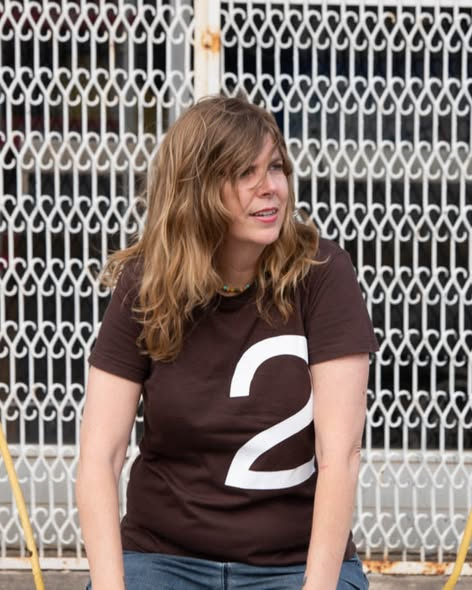
The team: musicians behind the music

Although Kim Ware remains the creative heart of The Good Graces — vocals, guitar, and songwriting — Grand Epiphanies is a collaborative effort, supported by skilled players and producers who understand how to highlight nuance rather than mask it.

On this release, producers and multi-instrumentalists Steven Fiore and Justin Faircloth play central roles, adding guitar, piano, keyboards, bass, and even backing vocals, and in doing so, help shape the record’s rich but still intimate sonic layers. Their presence builds on a long tradition within The Good Graces: throughout previous albums, different collaborators have drifted in and out of the lineup, each contributing something distinct to the band’s evolving sound. That kind of fluid membership has always been part of the project’s identity, keeping Kim Ware’s songwriting deeply personal while allowing the music itself to remain open, flexible, and continually renewed rather than fixed in a single form.

This flexible model echoes what Ware once said about the band: not as a fixed entity but as a “very talented group of friends,” coming together when inspiration, time, and circumstance allow.

In practice, this means Grand Epiphanies doesn’t feel overproduced or manufactured. Instead, it feels like friends gathered in a room, listening, playing, and creating together — a mood that invites trust and intimacy rather than distance and gloss.

Sound and style: picking up old threads, weaving new ones

Listeners familiar with earlier Good Graces albums — from Sunset Over Saxapahaw (2008) through Ready (2022) — will find much that’s familiar on Grand Epiphanies. Ware’s Southern-tinged twang, her blend of folk, country, and indie-rock sensibilities, the unhurried melodies, the earnest vocal delivery — these remain essential.

Yet this EP also feels more expansive than some earlier efforts. The production, led by Fiore and Faircloth, layers guitars, piano, subtle harmonies, and occasionally banjo or other acoustic touches to build a richer emotional landscape around Ware’s voice. Although personal taste will always shape which tracks linger the longest, several songs on Grand Epiphanies stand out for the way they crystallize what the record does best. Take the track “Old/New”: its guitar strumming and vocal lines evoke late-afternoon melancholy, but as the song unfolds, piano and backing instrumentation widen the space — giving the listener room to sink into memory, longing, and possibility. unfolds like a gentle meditation on what we leave behind and what we carry forward, its subtle layers of instrumentation creating room for genuine emotional reflection.

Wish I Would’ve Missed You approaches heartbreak without melodrama, turning regret and longing into something more like the experience of leafing through old photographs—quiet, tender, and unexpectedly overwhelming. And then there is Missed the Mark,” a song that speaks directly to the insecure, the hopeful, and the uncertain, offering both an appeal for human connection and a confession of imperfection that feels disarmingly honest.

The choice to include a cover — a reimagined version of Some Guys Have All the Luck — also signals the confidence in balancing reverence and reinvention. On this EP, the cover doesn’t feel like a novelty; instead, it sits comfortably alongside Ware’s originals, transformed gently to align with the EP’s mood and tone. Some Guys Have All the Luck serves as a bridge between past and present, inspiration and reinterpretation. It doesn’t overshadow the original; it complements it, reminding listeners that songs evolve just as people do.

Overall, the sound of Grand Epiphanies suggests maturity without restraint, emotional depth without melodrama — the kind of record that lingers long after the final note fades.

The gift in the songs: everyday life, honest reflection, and human connection

What often sets the best singer-songwriters apart is a gift for translating ordinary moments into emotional touchstones. On Grand Epiphanies, Kim Ware exercises that gift with clarity and courage. Rather than lean on clichés — heartbreak melodrama, romantic tropes — she mines the subtler, messier terrain of real experiences: regret, nostalgia, second chances, self-doubt, hope, and quiet resilience. Many of these themes resonate universally: longing and loneliness, memory and loss, the ache of roads not taken, the fragile optimism that hums beneath everyday life.

In Wish I Would’ve Missed You”, Ware reflects on regret and longing with a spare lyricism that strikes more powerfully than most breakup ballads. “Spent it all on grad school… every now and then a memory stops me in my tracks,” she sings — not flaunting heartbreak but confessing to being human, vulnerable, flawed.

Elsewhere — in songs like “Missed the Mark” — she turns the lens inward, wrestling with feelings of inadequacy, uncertainty, and the desperate hope to connect. “I scan the room and hope the messages I send / Somehow reach a brand new stranger, and they become a brand new friend,” she confesses, exposing the artist’s fear and longing behind performing.

The album doesn’t promise closure. It doesn’t pretend that “everything works out.” Instead, it offers companionship: a voice that says, “I feel a lot of this too.” In that way, Grand Epiphanies avoids insulting the listener’s intelligence by offering simplistic solutions. It acknowledges complexity. It honors pain. And it believes in healing — not as a fairy tale but as a slow, sometimes messy process.

How Grand Epiphanies compares to previous work

To appreciate Grand Epiphanies, it helps to see it against the backdrop of Kim Ware’s musical journey. The Good Graces began in 2006 after Ware picked up an old acoustic guitar and started composing songs rooted in Southern indie-folk traditions.

Earlier records, like Close to the Sun (2014), showed a willingness to experiment — to mix folk and country, to play with ambient touches, drum machines, and subtle electronic textures. But even then, the core remained familiar: Ware’s voice, simple guitar patterns, emotionally candid lyrics.

With Ready (2022), the songwriting felt sharper, more intentional; melodies caught between wistful longing and restless urgency. Yet Grand Epiphanies pushes further. The songs are more cohesive; the instrumentation more deliberate; the emotional stakes clearer. Listeners can trace how time, experience, and loss have deepened Ware’s perspective.

This latest EP also suggests a renewed trust in collaboration. Rather than relying solely on acoustic minimalism — the refuge of vulnerability — Ware embraces fuller arrangements. The result isn’t flashy, but it feels abundant in feeling. It’s as though she’s saying: “These aren’t just my stories alone anymore; they are ours.”

Why Grand Epiphanies feels especially relevant in 2025

We live in a time when noise is constant — in our politics, our social media, our media cycles. Simplicity and quiet reflection often feel like luxuries. In that environment, an EP like Grand Epiphanies doesn’t just matter musically; it matters morally. It represents a kind of resistance — not flashy or confrontational, but human.

Kim Ware doesn’t demand answers; she offers empathy. She doesn’t pretend life gets clean after the hard parts; she reminds us that even when scars remain, beauty can survive. For listeners who feel worn down, uncertain, or haunted by memory, these songs can be small lamps in a dark room. For those simply seeking honest songwriting in a sea of glossy distractions, the EP offers relief.

Moreover, the collaborative, evolving model of The Good Graces — weaving friends, producers, rotating musicians into a living tapestry — speaks to music as community, not commodity. In an age of streaming algorithms and viral hits, that matters.

A few honest limitations — and why they don’t hurt the EP’s purpose

As with any release built around vulnerability and introspection, Grand Epiphanies may not cater to all tastes. Listeners expecting polished pop hooks, glossy production, and immediate gratification might find its pacing too slow, its mood too muted. The EP’s strength lies precisely in its restraint — in accepting that some feelings don’t come wrapped up neat and loud.

And with only five tracks, Grand Epiphanies can feel more like a snapshot than a full portrait. Themes are introduced, emotional arcs hinted at, but not always resolved. The sense is less of closure and more of continuation. Which, in many ways, may be the point: life rarely offers tidy endings.

Still — if you’re open to being held in uncertainty for a little while; if you’re willing to sit with a guitar, a voice, and a few gentle chords — the EP offers something rare: a place to breathe.

Kim Ware and The Good Graces — still speaking, still feeling

In a musical climate often dominated by spectacle, loudness, and overstated sentiment, Grand Epiphanies stands out not because it demands attention, but because it deserves it. Kim Ware’s songwriting remains a gift: honest, gentle, unguarded, but never cloying or insincere. Backed by The Good Graces, she continues to prove that folk and indie rock can still speak to our messy, uncertain lives with clarity and heart.

For longtime listeners, the EP will feel like a meaningful evolution — a band maturing, growing more confident, more open to collaboration. For those just discovering Ware, it offers a doorway into a catalogue full of stories that don’t hide behind cliches or affectation. And for anyone longing for music that reflects rather than distracts, that comforts rather than commodifies — Grand Epiphanies is a small, glowing jewel.

In 2025, when the world often seems determined to overwhelm us with noise, Kim Ware and The Good Graces invite us to slow down, listen, and remember: we are not alone. We are human. We are trying. And maybe — just maybe — that’s enough.

Favorites of 2025: Bruce Springsteen – Nebraska 82 Expanded Edition

Look, Nebraska was already perfect in that cold-coffee, blackout-3-a.m. way that records sometimes accidentally are—Springsteen mumbling ghosts into a four-track like he’s afraid the neighbors might hear him unraveling. You don’t “improve” a hallucination. But here comes Nebraska ’82 with its alternate visions, its rust-belt apparitions, and suddenly you realize perfection isn’t the point anyway. What we’re getting now is the messy archaeology of a masterpiece—the dirt under its fingernails, the tape hiss, the roads not taken. It doesn’t dethrone the original bedroom-confessional monolith; it stands off to the side like a cracked mirror held up to the same bleak American sky. And damn if that mirror doesn’t show something worth staring into all over again.

Nebraska ’82: Expanded Edition arrives at the right time

With the 2025 release of Nebraska ’82: Expanded Edition, Springsteen and his team have delivered the most comprehensive, honest, and vivid portrait of one of the most haunted, intimate, and influential albums in rock history. The box set includes a newly remastered version of Nebraska as originally released, previously unheard demo outtakes, the long-rumored “Electric Nebraska” sessions with the full band, and a newly recorded live performance filmed in 2025.

For newcomers and longtime fans alike, this release offers both context and extension: context for how Nebraska came to be — from home demos on a TASCAM to a full LP — and extension in the form of alternate takes, jukebox-ready electric arrangements, and reflections of the songs through decades of memory.

It’s not just nostalgia or archival shelf-cleaning. What emerges is an album whose darkness, subtlety, and emotional power remain urgent. Nebraska ’82 still speaks — perhaps even more clearly now — to lives marked by uncertainty, longing, and resilience.

The original Nebraska — stark, personal, unforgettable

When Springsteen recorded Nebraska in late 1981 and early 1982, he did so not with a studio full of musicians but with a four-track recorder in his bedroom, an acoustic guitar, and a stark vision. The result was an album unlike anything else in his catalogue: bleak, intimate, confessional, but not confessional in a self-pitying sense. These were songs born from solitude, from the rawness of fear, regret, despair — made real by economy of arrangement.

Tracks like “Atlantic City,” “Johnny 99,” “State Trooper,” and “My Father’s House” traversed the margins of the American dream: economic hardship, moral desperation, violence, yearning for redemption. The spare instrumentation — sometimes only a guitar and a voice — made every lyric, every tremor of the vocal, every pause between notes count. The result is widely considered one of the great solo records in rock.

Decades later, Nebraska remains the gold standard for how quiet, low-fi recordings can deliver emotional immediacy. For many, it’s not just an album — it’s a private confessional, seen through the lens of loneliness and lost dreams.

What the Expanded Edition adds — and why it matters

Remastering with care

First, the 2025 remaster brings Nebraska into sharper focus without erasing its haunted intimacy. In a landscape where remasters often polish away character, this one preserves the album’s texture — the creaks, the echoes, the warmth of an acoustic guitar reverberating in a home studio — while improving clarity and depth. Critics who’ve heard the new edition note that the remastering reveals subtle layers previously buried: the quiet background of a mandolin here, the soft echo in the final chords there, the breath before a harsh lyric.

In short: the remastered Nebraska doesn’t feel like a revived relic — it feels alive again.

Solo outtakes and previously unreleased songs

The set’s first discs unearth acoustic outtakes and songs from the original 1982 sessions that didn’t make the album: Child Bride, The Losin’ Kind, Gun in Every Home, and On the Prowl — material fans have traded as bootlegs for decades or assumed lost forever.

Hearing them in official, high-quality form is revelatory. Tracks like “Gun in Every Home” offer a nightmarish portrait of domestic collapse and despair; “On the Prowl” pulses with a restless, searching energy that resonates with the rest of the album’s themes. Even though these songs were originally omitted, they expand the emotional terrain of Nebraska — reminding listeners that the darkness had multiple facets and that the record’s focus was always selective, not total.

Electric Nebraska — the “what might have been”

Perhaps the most dramatic and controversial addition is the long-rumored “Electric Nebraska” sessions. In April 1982, shortly after finishing the solo demos, Springsteen brought several members of the E Street Band into the studio (including Max Weinberg and Garry Tallent) and attempted full-band recordings of several Nebraska songs. In 2025, those sessions have finally emerged publicly — the first time many had heard them.

The results provoke awe — and ambivalence. On one hand, songs like electric versions of Atlantic City or Johnny 99 have a muscular, rock-ready energy. A demo of Born in the U.S.A. — originally written in the same era — appears in trio form (Springsteen, Weinberg, Tallent), described as “punk rockabilly.”  It is electrifying, raw, and historically fascinating.

On the other hand — and critics largely agree — turning Nebraska into a full-band rock record would have gutted much of its power. The original’s bleak intimacy, its ghost-town loneliness, its moral urgency — all flowed from isolation and austerity. As Uncut’s review put it: “Electric Nebraska might have produced a competent rock album, but it wouldn’t have been Nebraska.”

The electric versions often feel like exercises — intriguing, occasionally thrilling, but never quite as honest. The contrast only strengthens the myth of the original: a man alone with a guitar, bearing witness to the American underbelly.

A 2025 live performance: memory as lens

Rounding out the set is a newly filmed live performance — Springsteen playing the full Nebraska album in order, at the Count Basie Theatre, Red Bank, New Jersey. Accompanied subtly by veteran musicians such as Larry Campbell and Charlie Giordano, the performance is respectful rather than grandiose, earnest rather than nostalgic. In a press statement, Springsteen remarked on the experience: hearing the songs again, he was struck by their “weight” — their capacity to move, even after decades.

The filmed concert is not a re-creation but a meditation. Compared with the original 1982 recordings, the live versions reflect the distance of time — a deeper voice, more lived-in phrasing — but they carry the songs’ sorrow, hope, and grit into a present that, for many listeners, remains uncertain.

What Nebraska ’82: Expanded Edition reveals about Nebraska’s enduring power

Listening to the full box set is, in a way, a masterclass in artistic decision — what to keep, what to discard, what to preserve, what to experiment with.

The original Nebraska stands undiminished. If anything, the contrast with the electric takes and outtakes sharpens what made it special. The sparseness, the solitude, the haunted tonal space — all reveal that Springsteen’s choice to release demos instead of studio recordings was not a compromise but a commitment to emotional truth. As one critic writes, the set underscores that “even when testing out the material with his most intuitive collaborators … the definitive version of Nebraska remains the one he captured on tape… tracking solo demos.”

Yet the collection is not purely about preservation — it expands the artist’s vision. The outtakes and electric versions show songs as living things: malleable, re-interpretive, incomplete. They reflect a period of creative restlessness, of questioning whether Americana songs needed to be acoustic, dark, personal, or if they could rock, rage, and roar.

For fans and historians, Nebraska ’82 offers context. For new listeners, it might serve as the entry point. For all, it’s a reminder that rock — stripped-down or electric — can still carry the weight of real human stories.

A few tensions and enduring questions

The Expanded Edition is not without controversy. Some reviewers warn against over-romanticizing the demos and dismissing the electric takes outright. As one Guardian column argues, if listeners imagine full-scale E Street–style treatments, they’ll likely be disappointed: the electric tracks “take the edge off, neutralising their impact.”

Others worry that the outtakes and alternate versions — while fascinating — might dilute the mythic purity of Nebraska. After all, part of the record’s power lies in its restraint. The expanded set invites comparisons, second-guessing, and reconsideration that can feel like peeling away a protective layer.

But perhaps that is precisely the point: art is not a mausoleum. Revisiting is not desecration — it is re-examination. And Nebraska ’82 gives listeners the tools to understand not just what the album was, but what it might have been, and what it still can be.

Why this edition matters — now so many years later

2025 is not 1982. The world Springsteen sang about — poverty, despair, moral compromise, broken dreams — has changed in many ways, yet in others remains startlingly similar. Economic instability, social dislocation, disillusionment with institutions — many of the conditions that haunted Nebraska then still haunt us now.

In that sense, Nebraska ’82: Expanded Edition arrives not as nostalgia, but as relevance. The spare melodies, the tales of desperation and longing, the fractures in the American dream — they resonate with renewed urgency. And by revisiting them alongside alternate takes and newer interpretations, listeners are invited to reflect not just on the past, but on how songs age, shift, and heal.

For younger listeners who might only know Springsteen from his arena-rock anthems or later work, this box set offers a different face of “the Boss” — quieter, darker, more human.

For longtime fans, it’s a gift: a chance to listen again, to compare, to reconsider.

A masterpiece re-examined — and still alive

Nebraska ’82: Expanded Edition does more than archive a landmark record. It reopens its doors, pulls back the curtain, and lets us hear not just the final songs, but the echoes, the experiments, the what-ifs, and the near-misses.

In doing so, it reaffirms what made Nebraska a classic: the courage to strip away everything but voice and guitar, to trust silence, to speak plainly about fear, regret, and survival. But it also acknowledges that songs are not static. They breathe, shift, and can be reborn.

Whether you come for the electric sessions, the unheard demos, the 2025 live film — or simply to hear Nebraska again — the result is the same: you feel the weight of its stories, the depth of its sorrow, the faint but persistent light of hope.

Forty-three years after it was first recorded in a bedroom in Colts Neck, Nebraska still matters. Nebraska ’82: Expanded Edition proves that not just as history, but as living, breathing music.

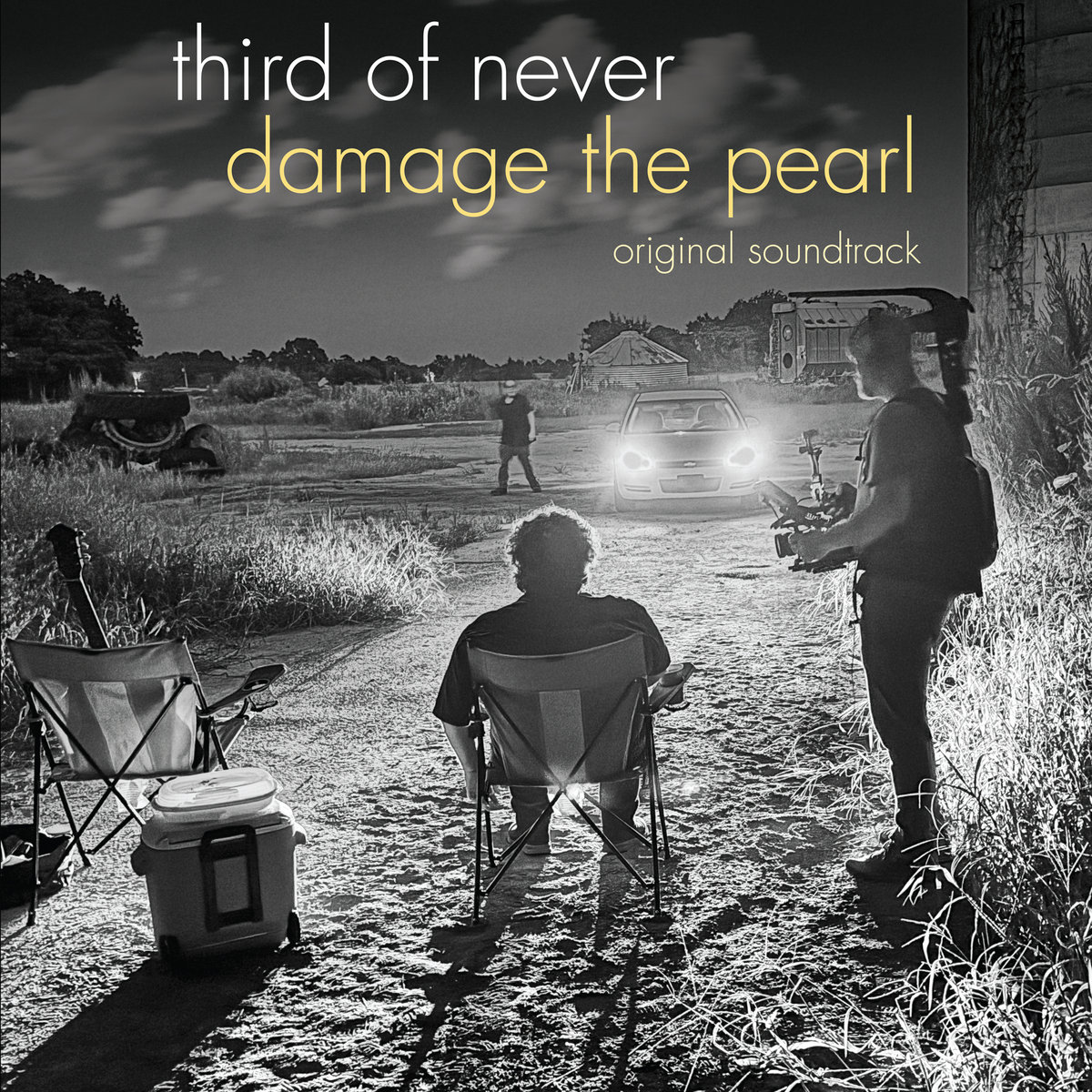
Favorites of 2025: Third of Never – Damage The Pearl

Third of Never and Damage the Pearl matters

In a year filled with shiny indie-rock releases, Damage the Pearl — the latest from Third of Never — stands out not just as a strong album but as a daring creative leap. It presents itself as an “Original Soundtrack,” blending rock, psychedelia, cinematic touches, and lyrical reflection into a unified whole. Instead of chasing hits, Third of Never offers a record that feels like a story, a mood, and an emotional piece all in one.

What follows in this favorite of 2025 consideration is an exploration of the key musicians behind the record, their roles, contributions, and chemistry, followed by a detailed analysis of the album’s sound, themes, and emotional impact. I argue that Damage the Pearl is not only one of the most compelling independent albums of 2025 but also a statement about what rock music can still be: inventive, collaborative, and emotionally powerful.

The musicians behind the music

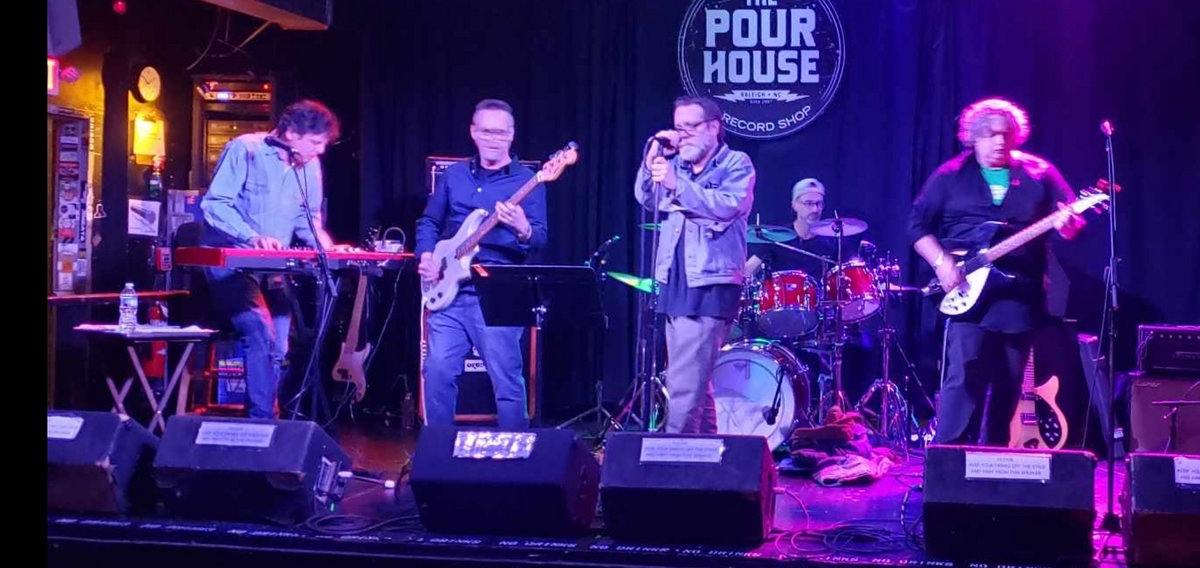
At the heart of Third of Never is founder and guitarist/songwriter Jon Dawson, but Damage the Pearl also benefits from contributions by longtime collaborators and special guests.

Doug MacMillan — best known for his work with The Connells — handles lead vocals on the album. His voice offers a familiar yet fresh focus: a tone that blends vulnerability, grit, and a touch of wistful depth, perfect for the record’s haunting atmosphere. Jode Haskins plays bass (credited as “lead bass” on tracks like “Grab the Ground”), anchoring the record with a strong low-end that supports both the rockier and more psychedelic passages. Charles Cleaver contributes keyboard and possibly synth textures, giving some songs a layered, atmospheric dimension that broadens the sonic palette beyond straightforward rock. Brandon Ruth — on drums — drives the record’s rhythmic backbone, moving skillfully between finesse and force as the song’s mood calls for.

Beyond the core lineup, Damage the Pearl benefits from notable guest contributions: legendary keyboardist John “Rabbit” Bundrick (of The Who fame) and Steve Kilbey (of The Church), among others. Their input adds depth, history, and sonic color — reminding listeners that this is not a lo-fi one-man bedroom project but a fully realized band effort.

Together, they craft something alive — a vibrant collaboration of musicians, textures, and sensibilities.

A cinematic, psychedelic journey

Listening to Damage the Pearl feels less like playing an album and more like exploring a film’s soundtrack you haven’t seen yet. From the first moments, you’re pulled into a world of shifting moods: garage sparks, dreamy psychedelia, cinematic sweeps, and rock-driven hooks.

The lead single and our favorite track, “Grab the Ground,” sets the tone. Its shimmering guitars and steady groove evoke movement—literally and metaphorically—like a car speeding down a deserted highway under neon lights. This sense of motion aligns with the album’s larger goal: it is both a static work and a journey.

Other tracks lean toward subtle psychedelia or atmospheric rock: through keyboards, ambient touches, echoed vocals — layering mood over melody, feeling over immediacy. The guest contributions from Bundrick and Kilbey are especially effective here, broadening the band’s sonic identity beyond traditional rock tropes.

Even when the songs are more conventional rock-based (“groove + guitar + bass + drums + vocals”), the production gives them weight and space. The album rarely feels over-produced; Instead, it balances rawness and polish — capturing a tension between vulnerability and strength. As one review puts it: it “adds the right level of balance between instrumentation and vocals, so the full emotional effect of each song hits.”

What emerges is an album that’s both immediate and expansive — perfect for late-night introspection or full-volume road-trip listening.

Vulnerability and Resilience: Lyrics and emotional weight

One of the most powerful and compelling aspects of Damage the Pearl is how its lyrical themes, often focused on vulnerability, survival, identity, and inner conflict, intersect with the music’s cinematic and psychedelic character. The title track, Damage the Pearl, provides a sort of thematic statement for the record: the repeated line “What strikes the oyster doesn’t damage the pearl” suggests a reflection on resilience—inner fragility protected by layers of shell, with inner worth enduring outside shocks.

Lyrics like “remain cheerful despite your painful brain” suggest mental struggles, emotional effort, and the difficulty of staying light amid weight.

But there’s more here than just grief or melancholy. There is defiance, survival, and even hope. In relation to the sound—shifting from gritty to dreamy, rock to ambient—the album feels like an honest struggle with inner turmoil and external pressures. It doesn’t offer easy answers or neat closure. Instead, it welcomes listeners into a space of acknowledgment: “Yes, I feel what you feel,” it seems to say.

In interviews, the band confirms that Damage the Pearl was designed not just as an album but as a soundtrack to a film — a visual story that enhances its thematic goals. According to founder Jon Dawson, the cinematic concepts emerged late in the recording process, after the lines and moods had come together into something narratively suggestive.

This framing as “Original Soundtrack” shifts how you listen — every song becomes a scene, each mood a frame, and every lyric a line of dialogue in a larger story. And that story? It feels less like a tidy arc and more like a winding road trip through memory, loss, hope, and survival.

What Damage the Pearl does well, and where it leaves space

One of the album’s biggest strengths is its cohesion. Despite featuring multiple collaborators and a variety of sonic textures — from rock to psychedelia to ambient keys — the record feels unified. This is partly thanks to careful production and mixing, where every instrument, including vocals, occupies its own space, but also due to a consistent emotional and narrative tone. The listener isn’t jarred by sudden tonal shifts; instead, there’s a smooth flow and a clear internal logic — like a movie soundtrack that understands its scenes.

Moreover, the choice to present the album as a soundtrack is more than just stylistic; it enhances the listening experience. It sparks the imagination. It requires attention. It allows the listener to feel, reflect, and maybe even project their own stories onto the music.

At the same time, Damage the Pearl isn’t perfect — and that’s part of its honesty. It doesn’t always resolve its tensions. Some songs end softly, others fade into ambiguity. The “story” the album suggests is fragmented, impressionistic; you might find yourself with more questions than answers by the end. But maybe that’s the point. Maybe some emotional truths resist tidy closure.

There are moments when the cinematic ambition borders on grandiosity, where the mood threatens to overpower the song’s structure. But often, the balance — of texture, mood, simplicity, and complexity — pulls things back just in time.

Why Damage the Pearl matters — for Third of Never, for independent music, for listeners

For Third of Never, this album feels like a redefinition. No longer just a rock band producing standard records — they’ve expanded into a multimedia vision: soundtrack + album + film + narrative. It’s risky, ambitious, and yet grounded. It shows that the band is not moving backward into nostalgia or convention, but pushing forward into new possibilities.

For independent music in 2025 — when much of it feels packaged, algorithm-driven, and commercially safe — Damage the Pearl serves as a reminder that records can still be daring, mysterious, and emotionally intense. It demands something from the listener: patience, openness, and imagination. In return, it offers a lot: suspense, beauty, catharsis, resonance.

For listeners—especially those drawn to emotional honesty, moody textures, and music that feels alive rather than polished—this album is a gift. It doesn’t flinch from pain or uncertainty. It doesn’t offer easy answers. It provides space for reflection, for memory, for human complexity.

A soundtrack for the unsettled, a refuge for the introspective

In a musical landscape filled with albums that often feel like products — short, polished, predictable — Damage the Pearl feels like true art. It is chaotic, cinematic, full of emotion, and deeply human. It demonstrates what can happen when a band refuses to stick to a formula, when musicians collaborate across generations and genres (rock, psychedelia, cinematic ambition), and when they allow vulnerability and imagination to lead the work.

Third of Never and their individual collaborators — Jon Dawson, Doug MacMillan, Jode Haskins, Charles Cleaver, Brandon Ruth, John “Rabbit” Bundrick, Steve Kilbey — have created something that feels timeless, genre-blending, and fiercely genuine. This is not background music. It demands attention. It rewards patience.

If you haven’t heard Damage the Pearl yet — or if you’ve only listened once on shuffle, consider this a gentle nudge: put on headphones, turn down the lights, maybe grab a drink or nothing at all, and let the record wash over you. Maybe you’ll discover something in it you didn’t know you needed: a soundtrack for uncertainty, a companion for sleepless nights, or a mirror for unspoken feelings.

In a noisy world, Damage the Pearl is a subtle rebellion — an invitation to feel. And it’s one of the most worthwhile albums of 2025 so far.

Favorites of 2025: Tamar Berk – ‘ocd’

Why Tamar Berk deserves your attention

Tamar Berk is one of those rare musical talents who not only pour raw emotion into her songs but also writes, records, and produces them herself — forging a sound world that’s intensely personal, lo-fi‑grounded, and vivid. On her new 2025 album ocd, she delivers what many consider her most ambitious and emotionally immersive work yet: a reverb-soaked journey into looping thoughts, obsessions, and the restless inner life.

Raised on classical piano and early Disney soundtracks, Berk eventually gravitated toward influences like The Beatles, David Bowie, Liz Phair, and Elliott Smith — a mix that shaped her instinct for melody, emotional catharsis, and lyrical truth. What she makes now, though, is something singular: indie rock and dream‑pop fused with DIY grit, emotional honesty, and the courage to bare her inner world.

In what follows, I want to explore Tamar Berk’s strengths as a musician — her multi-instrumentalism, her knack for mood and texture — and how on ocd she channels overthinking, vulnerability, and occasional panic into songs that feel like listening to someone thinking aloud.

Multi‑layered musician: instruments, production & power of solo control

One of the most striking aspects of Tamar Berk’s work is how much of it she controls herself. On ocd, she handles not only vocals and songwriting but also guitars, piano, synths, Wurlitzer, organ, bass, strings, programming, percussion — often layering sounds to produce something both intimate and richly textured.

That DIY ethos gives her music a special honesty. Because she’s involved in nearly every aspect, nothing feels over-polished or disingenuous — the distortions, reverb, and ambient murkiness all serve the truth of her emotional landscape. The result: a sound that lingers, unsettles, and stays with you.

In musical terms, that means ocd isn’t strictly an indie‑pop or alt‑rock album. It’s more like a fever dream — alternately noisy and delicate, sometimes urgent, sometimes hazy. The instrumentation shifts fluidly: thick, fuzzy guitars and sparse, somber piano; ghostly synths and grounded bass; literal sonic loops echoing the mental loops the lyrics describe.

At times, Berk leans into distortion and echo to evoke disorientation; at others, she strips things down to nothing but light keys, soft vocals, and a sense of fragile introspection. That dynamic — the back‑and‑forth between chaos and calm — is exactly what gives ocd its power.

Lyrical honesty: overthinking, mental spirals, and the beauty inside the mess

If the music gives you the frame, the lyrics are the beating heart of ocd. This is an album that wears its anxieties on its sleeve — about obsession, memory, identity, self-doubt, longing, and the loops of anxiety and overthinking. As Berk puts it, she called the album ocd because she “lives in loops. I overthink everything. But this record helped me make a little bit of beautiful sense out of that.”

The lead single ‘Stay Close By’ sets the tone for the album: dreamy guitars and soft vocals weave around lyrics of indecision, longing, and inertia — “I don’t know why I can’t reply on time, or can’t make up my mind,” she sings. The result feels like a confession whispered in a quiet room: vulnerable, real, and ache-filled.

But not all of ocd wallows plaintively. The title track ocd itself confronts mental spirals head‑on, repeating lines like “I got OCD … over and over and over,” rendering the relentlessness of intrusive thoughts in musical form: looping, dizzying, claustrophobic.

Elsewhere, Berk’s songwriting explores memory, regret, longing, and desire for escape — or at least some kind of emotional catharsis. The songs move between bleak introspection and moments of fragile hope, capturing that tension many of us live with: the part that fears and ruminates, and the part that still wants connection, meaning, or release. As one summary puts it, ocd “invites listeners into her inner thoughts” — messy, complicated, yet somehow familiar and human.

A sonic and emotional arc: ocd as a map of inner turbulence

What makes ocd compelling — and perhaps unique in the indie scene this year — is how well its musical and lyrical elements align to create an overall arc: it feels less like a collection of songs and more like a single, immersive experience. Berk seems to want to draw listeners into her mind, step by step, track by track.

The album shifts between dream‑pop haze and rock‑tinged fervor, between introspective hush and emotional outburst. That dynamic — of contrast and layering — mirrors the experience of anxiety, overthinking, and identity searching. On one track you might be floating in soft guitars and wistful melodies; on the next you’re confronting distortion, repetition, and confessional urgency.

That tonal range reflects the alternation many of us know well: memory and regret, hope and despair, the attempt to control thoughts and the surrender when it becomes too much. In that sense, ocd isn’t just music — it’s a kind of emotional landscape, felt in sound as much as in words.

Importantly, Berk doesn’t pretend to provide tidy resolutions. Her voice doesn’t promise that overthinking will end, or that clarity will come. Instead, she offers catharsis, empathy, and solidarity — a map for all the tangled thoughts, the dark nights, the loops. It’s messy. It’s real. But it’s shared.

Why ocd matters as growth

For longtime followers of Tamar Berk, ocd may feel familiar in some ways: there are still fuzzy guitars, melodic hooks, and a DIY spirit. But this album marks a new level of ambition and vulnerability. As one review noted, this is her “most personal and intense work yet.”

Her growth is obvious — not just as a songwriter, but as a producer and composer. The fact that she plays multiple instruments, layers them herself, and co-produces the record gives ocd a cohesiveness and authenticity that few albums achieve. The emotional weight doesn’t come across as polished or packaged — it feels lived, raw, and human.

Moreover, at a time when mental health, overthinking, and the pressures of modern life feel increasingly pervasive, ocd offers something rare: a mirror that’s honest but compassionate. It doesn’t romanticize anxiety; it doesn’t idealize healing. It simply says: this is what it feels like. And maybe that’s enough — maybe that kind of honesty is exactly what art should do.

In that sense, Tamar Berk isn’t just writing songs — she’s doing what few musicians do: giving voice to inner chaos, shaping it into melody and texture, and inviting you to sit with it all. ocd isn’t easy listening. It’s hard, sometimes disquieting. But it’s real. And in its messy honesty lies its power.

Final thoughts: Tamar Berk as a voice for the over‑thinkers, the dreamers, the stranded

There’s a long tradition in music of turning pain into beauty, chaos into catharsis — but few artists do it with as much rawness, intimacy, and creative control as Tamar Berk. On ocd, she doesn’t just invite you in: she opens the door, hands you something fragile, and says, “this is what it feels like.”

That willingness to expose uncertainty, loops of thought, doubt — is an act of bravery. And as a listener, you’re not just a spectator: you become a companion in the spirals. Maybe you don’t walk out with answers. But you walk out with somewhere to begin.

If you’ve ever felt your thoughts spin too fast, if you’ve ever felt stuck in loops of regret or longing — ocd is for you. And even if you haven’t, this record might just show you what you never knew you could feel so deeply: the strange beauty of overthinking — and the power of turning it into art.

Give it a listen. Turn the lights down. And let Tamar Berk lead you through the loops.

Full YTAA Faves of 2024 Show on Mixcloud!

Every year, like clockwork, the music world implodes into its annual rite of passage: the “Best of” lists. It doesn’t matter whether we need them or not. We could all be listening to something that absolutely shreds, some obscure record that deserves reverence. Still, here we are, obsessing over arbitrary rankings, as if these lists will unlock some divine, objective truth. It is as if, somehow, this tiny, self-appointed cult of critics, bloggers, and tastemakers can distill the whole sprawling mess of 365 days of music into neat little categories that tell you what was really good.

It’s a bit comical, really. These lists are nothing more than trendy cultural currency, an exercise in opinion policing. As if, come December, we all need some authority to tell us what albums we should have liked. Sure, there are some gems in those Top 10s, some records that hit like a lightning bolt, that maybe wouldn’t have been discovered without the almighty guidance of Pitchfork or Rolling Stone. But let’s not kid ourselves – the list itself is a product, a marketing tool, another algorithm feeding on your desire for validation. The music may be real, but the rankings? Please.

Every December, the ritual plays out like a predictable drama: the same predictable indie hits, the same half-baked arguments, the same flavor-of-the-month that gets hyped until the world collectively shrugs and moves on. It’s all just noise. And yet, we devour it like it’s gospel, eagerly waiting for the validation that maybe, just maybe, our choices are “correct.” But here’s the thing: music is personal. These lists? They’re just noise. It’s time we recognize them for what they are: empty, meaningless packaging for a world that’s forgotten how to just listen.

And with all that said, we do an annual show featuring several hours of bands, musicians, songs and albums that impressed the hell out of us. But not going to make some silly rank order, just a bunch of songs that we thought were incredible. So, yeah if this is a bit speaking from both sides of the mouth, so be it.

Our YTAA Faves of 2024 show includes music from many excellent musicians, such as Tamar Berk, Wussy, Palm Ghosts, Nada Surf, Waxahatchee, MJ Lenderman, JD McPherson, Jeremy Porter, Former Champ, Jason Benefield, J. Robins, Dreamjacket, David Payne, Bad Bad Hats, Bike Routes, Brian Wells, The Campbell Apartment, Amy Rigby, The Armoires, Librarians With Hickeys, Bottlecap Mountain, Liv, The Popravinas, The Nautical Theme, Smug Brothers, The Cure, The Reds, Pinks & Purples, The Umbreallas, Nick Kizirnis, Guided By Voices, and The English Beat and The Tragically Hip re-releases.

So, if this is just another end-of-the-year ritual that nobody needs but everybody wants, then maybe it is worthwhile as a way to share some of the music that deserves to be heard.

Faves of 2023: Elephants and Starts – Get Your Own Army

Why do some bands mean something to us? What is it about the sounds, the instruments, the lyrics… the whole of the sum of parts that resonate and make us care?

The appreciation of music is a complex and multifaceted experience that varies from person to person. There are several reasons why people care about certain music. Music has the power to evoke strong emotions and connect with people on a deep, personal level. Certain songs or genres may resonate with individuals based on their life experiences, memories, or current emotional states.

Elephants and Stars, the Canadian band led by singer and guitarist Manfred Stittmann and bassist Mike MacMillan, is a muscular blend of musical prowess and lyrical brilliance that captivates all who hear their songs. For us at YTAA, Elephants and Stars are a perfect band. Their sound transcends rock and roll boundaries, imagine fusing indie rock with catchy pop elements, creating an atmosphere that feels both familiar and refreshingly new. All too often today bands run screaming from power chords, danceable bass lines and crisp, solid drumming as if creating hooks in songs was wrong and to be avoided.

However, being limited is not a problem for Elephants and Stars! From album to album through the band’s impressive discography that was created in a few short years: “Recovery” (2020), “Dreamland” (2021), “Last Chance Power Drive” (2022) and “Get Your Own Army” (2023) — the band only becomes better and stronger at creating incredible melodies, passionate guitar driven tones, and powerful vocals that carry a sense of surreal and absurd on topics that matter such as relationships that fail no matter how much effort we extend in order to try and save them (“Bled Out At The Scene”) and the over powering sense of loneliness that accompanies being surrounded by distant, non-caring others (“Lost in New York City” and “Green Light to Pasadena”). As R.E.M. noted we are all “alone in a crowd, in the crowded barroom.”

One of the band’s standout qualities is their ability to craft melodies that linger in your mind long after the music stops. Each song feels like an intimate journey, a maze of personal introspection because their lyrics feel torn from our secret personal diaries, weaving through intricate layers of instrumentation while maintaining a sense of raw authenticity within a powered rock and roll framework. Stittmann’s hauntingly emotive voice adds depth and sincerity to the already evocative lyrics, drawing listeners into a world of introspection and contemplation all the while the music feels as if it is veering into the pathway of a runaway train; and that ride is thrilling all along the way. Going off the rails never felt so real and so good.

What truly sets Elephants and Stars apart from so many bands is their knack for personal storytelling through music. Their songs often explore themes of love, loss, and self-discovery, resonating with audiences on a deeply personal level — see our previous full review of their fantastic Get Your Own Army. Whether it’s an upbeat anthem or an emotional yet scratchy heartfelt voice, the band infuses every track on “Get Your Own Army” with an undeniable sincerity that tugs at the heartstrings and reminds us that we may be flawed but we are still worthy of care and concern.

Their live performances are nothing short of mesmerizing. The band’s chemistry on stage is palpable, creating an electric atmosphere that leaves the audience spellbound. Each member’s talent shines through, delivering a performance that is both technically impressive and emotionally stirring.

Overall, Elephants and Stars is a band that possesses the rare ability to transport listeners to another realm with their music. “Get Your Own Army” is a passionate continuation of the band’s efforts to make rock and roll songs that matter, that mean something. Their songs have a resonating personal and timeless quality that makes them instantly relatable yet endlessly captivating within a classic rock and roll approach. With their distinctive sound and genuine artistry, Elephants and Stars have undoubtedly secured a place among the most promising rock and roll bands today. For all of these reasons and more, this music spoke to us at Your Tuesday Afternoon Alternative and is one of our favorite releases of 2023.

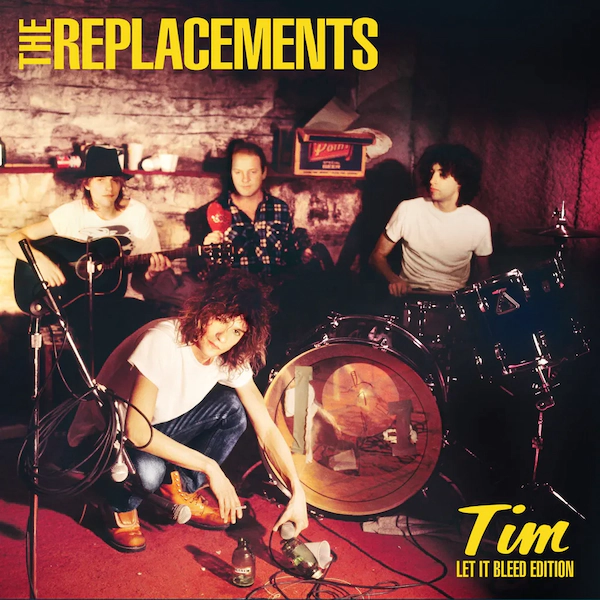
Faves of 2023: The Replacements – Tim Let It Bleed

Since the release of the Ed Stasium mix of Tim, we have been celebrating that record. We have been showcasing several thoughts about this mix.

For us, it is one of the best remixes of a record we have had the pleasure to hear. It demonstrates what an incredible band The Replacements were and the talents and unique contributions of each member in that band. Hearing the Stasium mix is like hearing these songs for the first time. And instead of revealing flaws and limitations, the remix does just the opposite. More than mere flashes of brilliance, the amazing sound is revealed — a band at the height of its ability. Hearing these songs it is like brushing debris and dirt off of stone and finding something even more beautiful than you were expecting. To be entirely forthcoming, this record has long been a favorite. But the muddiness of the original version always left something to be desired. This mix fixes that problem. And for that reason and many more, it is a favorite of 2023.

The brilliance of Ed Stasium’s mix on The Replacements’ “Tim: Let it Bleed Edition” lies in an ability to capture the raw energy and emotional depth of the band while enhancing the overall sonic experience. Stasium, a seasoned producer and engineer with an impressive track record, brought his expertise to the table, elevating the album to new heights.

One of the key elements of Stasium’s brilliance is his understanding of the band’s dynamic and the essence of their sound. The Replacements were known for their unpolished, punk-influenced aesthetic, and Stasium managed to preserve that authenticity while adding a layer of clarity to the mix. He struck a delicate balance between maintaining the band’s signature rough edges and ensuring that every instrument and vocal had its own space in the songs.

The album’s opener, “Hold My Life,” perfectly exemplifies Stasium’s prowess. The guitars roar with a gritty intensity, complemented by Paul Westerberg’s impassioned vocals. Stasium’s mix allows each instrument to shine individually, yet they come together seamlessly to create a powerful and cohesive sonic picture. The punchy drumming of Chris Mars cuts through with precision, anchoring the track’s driving rhythm.

Stasium’s attention to detail is evident throughout the album, especially on tracks like “Bastards of Young” and “Left of the Dial.” The former showcases Stasium’s ability to capture the nuances of Bob Stinson’s guitar work, from the jangly chords to the blistering solos. Meanwhile, “Left of the Dial” benefits from a mix that highlights the emotional resonance of Westerberg’s lyrics, making it a standout moment on the record.

Beyond the individual performances, Stasium also mastered the art of creating a three-dimensional sonic space, something that the previous version of the record significantly lacked. The Replacements’ music thrives on its live and unfiltered feel, and Stasium’s mix amplifies this by immersing the listener in a rich auditory experience. The layers of sound on tracks like “Swingin Party” or “Here Comes a Regular” create a sense of depth, inviting the audience to fully immerse themselves in the music.

In essence, Ed Stasium’s mix on “Tim: Let it Bleed Edition” showcases brilliance in understanding and enhancing the unique qualities of The Replacements. He managed to capture the essence of the band’s raw energy, preserving their authenticity while elevating the overall sonic quality of the album. Stasium’s contribution to this edition of “Tim” solidifies a reputation as a masterful engineer and producer, leaving an indelible mark on one of The Replacements’ most iconic albums by simply allowing the band to be itself.

Rob Perry Best of 2022

Every year we ask some of our music friends to share some of their thoughts on some of the albums/singles that were released in the past year.

Our good friend, fellow Connells fan, thoughtful social media user, and one of the most ardent new music fans Rob Perry agreed to share his thoughts about new music from the past year.

2022, for me, has been a year in that I got to get back out into the live music scene a bit and enjoy a lot of great music released by my favorite artists and some new ones, too.  I saw wildly enthusiastic live shows by Superchunk and Built To Spill (both with new albums this year) and more subdued ones like Waxahatchee and Sharon Silva.

As far as this year’s album releases go, here are five of my favorites.  All are records that I find easy to put on the turntable and enjoy from front to back.

Archers of Loaf – Reason in Decline … their first new album in over two decades was highly anticipated by long-time fans. But this record doesn’t have the signature noisy gnarl of the early releases. This is a band, seemingly now with a different sense of purpose. When I listen to this album I hear impeccably crafted songs, still distorted but looking more positively at our ever-changing world.

Favorite track: “Mama Was a War Profiteer

Tess Parks – And Those Who Were Seen Dancing … Here’s another record that’s been a long time coming. When released, it had been almost 10 years since Park’s last album “Blood Hot”. On this one, her ethereal vocals, mixed with sonic influences of Oasis, Patti Smith, and Primal Scream provide a nicely wrapped feeling of 90s nostalgia. Drop the needle on this and let your psyche explore it all.

Favorite track: “Do You Pray?

Rolling Blackouts Coastal Fever – Endless Rooms … This is the group’s third long play and it highlights their consistency and creative growth. What I love about this band and album is the incredible combination of songwriting skill layered intricately into their three-guitar interplay. There seems to be an ego-free vibe among the six-stringers Joe Russo, Joe White, and Fran Keaney. While this release doesn’t use the same template as the band’s debut “Hope Downs” it does expand on the definition of what a great Rolling Blackouts Coastal Fever record can be.

Favorite track: “Open Up Your Window

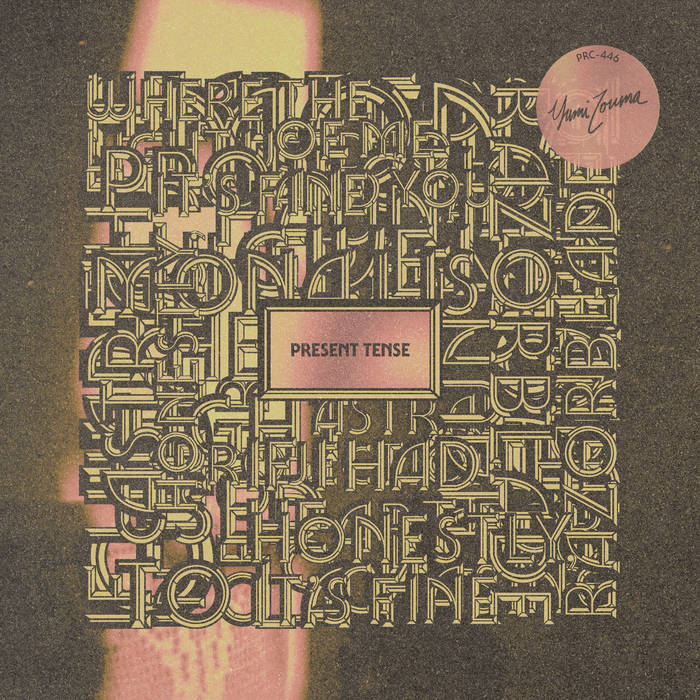
Yumi Zouma – Present Tense … The New Zealand quartet’s fourth album is a subtle shift from their previous records. While it’s still shimmering Dream Pop, this release hints at moving a bit towards mid-80s Fleetwood Mac or Hall & Oates. The band has done a great job of weaving a variety of textures into the songs on this record. “Present Tense” has a little something for almost everyone and listening will most certainly augment your mood.

Favorite track: “Mona Lisa

Spoon – Lucifer on the Sofa … In February, one of my favorite bands “finally” released their latest record after five long years. As their music always seems to be evolving, I wasn’t sure what the signature album sound might be. For me, the edgy-riffed “The Hardest Cut” definitely sets the tone but all of the tunes have a roughhewn and sparsely produced feel. The record sounds like it could have been recorded live in your living room. As usual from Britt Daniel, there’s excellent songwriting and a nice mix of tempo.

Favorite track: “Wild

We want to express our gratitude to Rob for taking the time to write one of these reviews.

Today’s Program Best of 2018

your-tuesday-afternoon-color copyThe annual look back at the previous year in music is one of our favorite shows to do! This year Tom Gilliam joins Dr. J and Flower to play and discuss some of the best local, indie, alternative, folk, Americana, alt-country and more that came out in 2018!

We give thanks for great independent music by playing an assortment of local, Dayton, and indie songs! What songs have been so powerful on you that you cannot imagine your world without them?

During the show contribute to the discussion by giving us a call 937-229-2774 or a tweet for drjwudr with the songs that were released in 2018 that matter to you.

Join us online at wudr.udayton.edu or 99.5 & 98.1fm in Dayton, Ohio, USA!

Today – Best of 2013 on Your Tuesday Afternoon Alternative

Image
Best of 2013 can often be found @ The Atlas and Anchor

Many great songs and bands from 2013 can be found profiled on the terrific Atlas and the Anchor site http://ow.ly/rDBCM

Best Music Of 2013 : NPR http://ow.ly/rDADj

100 Best Songs of 2013 | Rolling Stone http://ow.ly/rDAM2

The 50 Best Albums of 2013 | Complex http://ow.ly/rDARA

Best albums of 2013: 20-11 | Music | theguardian.comhttp://ow.ly/rDAWm

The 50 Best Songs of 2013 – List of the Day | Paste http://ow.ly/rDB1y

The 10 Best Music Videos of 2013 – List of the Day | Pastehttp://ow.ly/rDBa3

Best Songs of 2013 | Top Songs of 2013 « PMA – Pretty Much Amazinghttp://ow.ly/rDBjT

Amazon.com: Best Music of 2013…So Far http://ow.ly/rDBuQ

Join us in a few hours on WUDR!

YTAA Radio Image
Join us at wudr.udayton.edu every Tuesday!

This week: Best of 2013

Best music 2013This week we will discuss several of our favorite songs and albums from this past year. What did you like? What did you love? Join us from 3-6pm on December 10th on WUDR with your top ten lists for albums, songs, and anything else that you care to make a top ten list about.

Popthrillz---Alternative