Recently, Dr. J was able to find a rare pressing of The Monkees’ “Headquarters” in pristine condition for a steal of a price. Scouring record stands at antique malls can pay off!
“Headquarters” is a pivotal album in the band’s discography, marking a significant shift in their creative direction. Released in 1967 after the end of the tv show, this third studio album by The Monkees stands out as a turning point, as it represents the group’s desire for greater control over their music and image. This the band’s third album and first that was recorded under the group’s artistic control, but still strangely consistent with their first two albums made under the control of Screen Gems executive and rock and roll impresario Don Kirshner.
One of the most notable aspects of “Headquarters” is that it is the first album on which The Monkees took charge of the recording process. Unlike their previous releases, where session musicians were predominantly responsible for the instrumentation, “Headquarters” showcases the musical talents of the band members themselves. This newfound autonomy allowed The Monkees to establish their musical identity and demonstrate their proficiency as musicians.
The album opens with the energetic and catchy “You Told Me,” a track that sets the tone for the more mature and diverse sound found throughout “Headquarters.” The album’s lead single, “Randy Scouse Git,” penned by Micky Dolenz, is a whimsical and unconventional song that reflects the band’s growing desire to experiment with different musical styles and lyrical themes.
“Headquarters” also features notable contributions from each member, with Michael Nesmith’s “Sunny Girlfriend” and “You Just May Be the One” standing out for their folk-rock influences and introspective lyrics. Peter Tork’s “For Pete’s Sake” became synonymous with The Monkees and was later used as the closing theme for the second season of their television show.
The album is not without its lighter moments, such as Davy Jones’ romantic ballad “Forget That Girl” and the playful “Early Morning Blues and Greens.” These tracks, along with others, demonstrate the band’s ability to balance both serious and lighthearted elements within their music.
“Headquarters” may not have been as commercially successful as some of The Monkees’ earlier releases, but its significance lies in the artistic freedom it afforded the band. It paved the way for future albums like “Pisces, Aquarius, Capricorn & Jones Ltd.” and “The Birds, The Bees & The Monkees,” where The Monkees continued to exert more control over their creative output.
In retrospect, The Monkees’ “Headquarters” remains a fascinating chapter in the band’s evolution, showcasing their transition from a manufactured pop group to a more self-directed and musically adept ensemble. Fans of The Monkees will appreciate the album’s historical importance and the musical strides made by the group during this period of their career.
Tamar Berk has made songs with a passionate and uncompromising melodic twist since the mid-90s in Chicago-based Starball. Her first solo record was released in 2021, the excellent “Restless Dreams of Youth.” Then a year later following the passing of her father she released the deeply personal and passionate “Start at the End.” This year she shared another impressive record, “Tiny Injuries” which holds a sonic roadmap of vulnerability and resilience. In the realm of musical exploration, where artists often delve into the complex tapestry of human emotions, Tamar Berk emerges as a distinctive voice. This captivating collection of tracks serves as a testament to Berk’s prowess as a singer, arranger, and songwriter. Tamar is more than a tripled threat –she contributes to this record across vocals, backing vocals, guitars, bass, piano, synth, organ, percussion, and even strings. She demonstrates over and over again her ability to weave intricate narratives through her music while the melodies and arrangements make every song accessible, and just damn catchy.
The album kicks off with the Cheap Trick like “if u know, u Know,” setting the tone for the introspection yet resilient journey that unfolds. Berk’s breathy vocals, accompanied by keyboards, guitar, percussion, drums draw the listener into a contemplative yet rocking song space. The lyrics may unfurl like fragile threads themselves, delicately explore the vulnerability that is an intrinsic part of the human experience wrapped in a direct rock and roll embrace. Who doesn’t want to dance around the room to your feelings?
Transitioning seamlessly into “sunday driving,” Berk showcases her versatility, incorporating classic rock and roll soundscapes that create a recognizable experience that rips out the heart while creating an imminently danceable track. The track resonates with a sense of driving away from your problems, as if the listener is wandering through the echoes of their own thoughts while driving “Three thousand miles away.” But, of course, you can drive as long and as far as you want but there is always the return to our problems, our work, our challenges the next day. The melodies and poetic lyrics invite introspection while you find yourself swaying to the infectious chorus making the song a standout piece on the album.
The third song on the record marks a hauntingly beautiful, “what’s become of me, my friend,” where desperation, desolation, and exhaustion reach a fever pitch where tears cannot come and the problems are inescapable to the point where the narrator no longer recognizes themself: “What has become of me, my friend.” The need for a break, a day of fun is not forthcoming. Again, you can drive away, you can go, you can try once more to get away but all that is left is personal writing of a desperate email that is never sent. As the song builds – the incidental piano that swirls before the bridge and the release of emotion and the song does not end with a whimper but an explosion. The crash of the cymbals, the pounding of the piano, strumming of a guitar merges into the voice and drums crying out by the end.
As the album progresses, “permanent vacation” introduces a dynamic sonic palate. The rhythmic pulse of percussion and the interplay of electric guitars add a layer of intensity. Berk’s vocals, now imbued with a raw emotion, carry the weight of shattered reflections and fractured memories. The song builds to a powerful crescendo, leaving an indelible mark on the listener. The inclusion of some trumpet only adds dimension to a brilliant song.
The beautiful “cash out” swings with an almost waltz like rhythm that encircles the listener. Perhaps acknowledging that no book, no self help guru can solve the problems that someone is feeling. We all eventually succumb to the wait of what we carry. And coming to terms with that fact is real understanding. The next song, “drop in the bucket,” feels as if the writer has pulled themselves up and dusted off and walked back into the fray. The keyboards create arpeggios of anxiety that heighten the tension of the song. Berk’s layering of her vocals creates harmonies that are inescapable, we may feel like we have to keep going but we do not have to like it or enjoy it. Berk’s exploration of sonic textures and unconventional arrangements adds a layer of intrigue throughout but especially on “i was saved by the beauty in the world” and “’til i get home.”
The song “1997,” serves as the heart of the album. Berk’s songwriting prowess takes center stage, crafting a narrative that explores the resilience found in life’s smallest wounds. The delicate balance of vulnerability and strength is artfully portrayed, creating a poignant anthem for those who navigate the complexities of existence within an unavoidably catchy rock and roll arrangement.
Consistently throughout the record, the lyrics, like breathy ephemeral whispered truths, float through the air, inviting the listener to decipher their just slightly hidden meanings. This departure from conventional structures showcases Berk’s willingness to push boundaries and venture into uncharted musical territories within rock and roll.
Closing with the introspective “if i could fix one thing,” Berk brings the album full circle. The minimalist arrangement and introspective lyrics create a sense of catharsis, as if the listener has traveled through the shadows of their own emotions and emerged on the other side. It’s a reflective conclusion to a musical journey that leaves a lasting impression.
“Tiny Injuries” marks a significant evolution in Tamar Berk’s artistic expression. Drawing on influences from folk, indie, rock, spoken word, and ambient genres, Berk crafts a unique sonic palette that defies easy categorization. The album’s production, marked by its atmospheric elements mixed with classic rock and roll guitar, powerful drumming and percussion and nuanced instrumentation, reflects a meticulous attention to detail.
Berk’s lyrical prowess is equally commendable, drawing inspiration from the human experience and the intricacies of relationships, goals, connections to one another both passionate and frayed. The themes of vulnerability, resilience, and self-discovery resonate throughout the album, creating a cohesive narrative that unfolds with each passing track. The album benefits from a stellar production, with notable contributions from all of the musicians – each instrument, each note is given the space and interconnection it needs to fully flourish. The attention to sonic detail is evident, with each instrument finding its place in the mix, creating a lush and immersive listening experience.
Collaborations with musicians add another layer of depth to the album. Standout performances from instrumentalists bring a dynamic quality to the tracks, enhancing the emotional resonance of Berk’s compositions. The synergy between Berk and her collaborators is palpable, resulting in a cohesive and polished sonic offering.
On her third solo record “Tiny Injuries,” Tamar Berk invites listeners on a transformative journey through the complexities of the human experience. The album’s strength lies in its ability to balance vulnerability with resilience, creating a nuanced portrayal of life’s intricate tapestry. Berk’s evocative lyrics, coupled with her almost ethereal vocals and inventive musical arrangements, establish her as a formidable force and for all of these reasons, and perhaps more, this is one of our favorite records of 2023.
As “Tiny Injuries” resonates through the speakers, it leaves an indelible mark on the listener’s soul. Berk’s ability to navigate the delicate nuances of emotion with authenticity and grace elevates this album to a place of musical transcendence. In a world saturated with sound, Tamar Berk’s “Tiny Injuries” stands as a beautiful example to the enduring power of art to touch the heart and soul — and in those most painful, most vulnerable moments remind us that we are not alone.
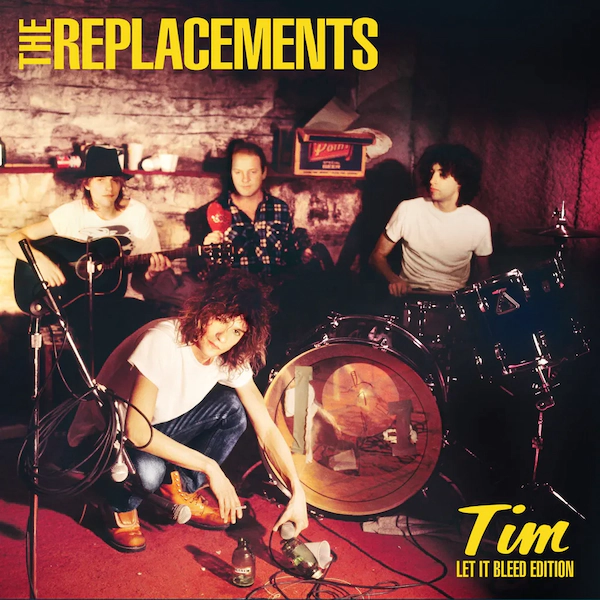
For us, it is one of the best remixes of a record we have had the pleasure to hear. It demonstrates what an incredible band The Replacements were and the talents and unique contributions of each member in that band. Hearing the Stasium mix is like hearing these songs for the first time. And instead of revealing flaws and limitations, the remix does just the opposite. More than mere flashes of brilliance, the amazing sound is revealed — a band at the height of its ability. Hearing these songs it is like brushing debris and dirt off of stone and finding something even more beautiful than you were expecting. To be entirely forthcoming, this record has long been a favorite. But the muddiness of the original version always left something to be desired. This mix fixes that problem. And for that reason and many more, it is a favorite of 2023.
The brilliance of Ed Stasium’s mix on The Replacements’ “Tim: Let it Bleed Edition” lies in an ability to capture the raw energy and emotional depth of the band while enhancing the overall sonic experience. Stasium, a seasoned producer and engineer with an impressive track record, brought his expertise to the table, elevating the album to new heights.
One of the key elements of Stasium’s brilliance is his understanding of the band’s dynamic and the essence of their sound. The Replacements were known for their unpolished, punk-influenced aesthetic, and Stasium managed to preserve that authenticity while adding a layer of clarity to the mix. He struck a delicate balance between maintaining the band’s signature rough edges and ensuring that every instrument and vocal had its own space in the songs.
The album’s opener, “Hold My Life,” perfectly exemplifies Stasium’s prowess. The guitars roar with a gritty intensity, complemented by Paul Westerberg’s impassioned vocals. Stasium’s mix allows each instrument to shine individually, yet they come together seamlessly to create a powerful and cohesive sonic picture. The punchy drumming of Chris Mars cuts through with precision, anchoring the track’s driving rhythm.
Stasium’s attention to detail is evident throughout the album, especially on tracks like “Bastards of Young” and “Left of the Dial.” The former showcases Stasium’s ability to capture the nuances of Bob Stinson’s guitar work, from the jangly chords to the blistering solos. Meanwhile, “Left of the Dial” benefits from a mix that highlights the emotional resonance of Westerberg’s lyrics, making it a standout moment on the record.
Beyond the individual performances, Stasium also mastered the art of creating a three-dimensional sonic space, something that the previous version of the record significantly lacked. The Replacements’ music thrives on its live and unfiltered feel, and Stasium’s mix amplifies this by immersing the listener in a rich auditory experience. The layers of sound on tracks like “Swingin Party” or “Here Comes a Regular” create a sense of depth, inviting the audience to fully immerse themselves in the music.
In essence, Ed Stasium’s mix on “Tim: Let it Bleed Edition” showcases brilliance in understanding and enhancing the unique qualities of The Replacements. He managed to capture the essence of the band’s raw energy, preserving their authenticity while elevating the overall sonic quality of the album. Stasium’s contribution to this edition of “Tim” solidifies a reputation as a masterful engineer and producer, leaving an indelible mark on one of The Replacements’ most iconic albums by simply allowing the band to be itself.
The city of Dayton, Ohio, has long been a hotbed for musical creativity, birthing numerous bands that have left an indelible mark on the music industry and on the hearts of music lovers. Among these, The 1984 Draft has carved its niche, blending indie rock sensibilities and the cleverness of punk music with heartfelt lyrics that resonate with audiences. In 2023, the band released “Best Friends Forever.” The buzz on this band is well earned and delivers on a promise of a musical journey that fans and critics alike were eager to embark upon.
Formed in the heart of Dayton, The 1984 Draft has been a mainstay in the indie rock scene, captivating listeners with their distinctive sound and poignant songwriting. Comprising members around the nucleus of principal songwriter, singer, guitarist Joe Anderl and uncompromising drummer and percussionist Justin Satinover, the band has consistently evolved while staying true to its roots. The band is rounded out with Eli Alban on guitar and Chip Heck on bass and most recently Cherry Fullam on backing/co-vocals. The band’s previous releases, including “Heisman Trophy Winner” and “Makes Good Choices,” showcased a musical maturation that hinted at the depth to come with “Best Friends Forever.”
“Best Friends Forever” is not just an album; it’s a sonic tapestry woven with the threads of emotion, experience, and musical prowess. From the opening chords to the fading echoes, the listener is taken on a captivating journey through the varied spaces, places and emotions of sound and sentiment. This is meaningful rock and roll that is not afraid to explore the challenges of maturity, work, aging, family, spirituality and the need for community.
The album kicks off with an anthemic track, “erryday” that serves as a rallying cry, immediately establishing the tone for what’s to come. The infectious energy and melodic hooks set the stage for a collection of songs that traverse the spectrum of human emotion without pulling any punches. If you are looking for charging rock and roll played and sung as if the band members lives depended on it, this it the record for you. Joe Anderl sings about topics deep and mundane with the same ‘take no prisoners’ approach that we used to take for granted from Bob Mould, Paul Westerberg and J. Robbins.
One of the standout features of The 1984 Draft’s music has always been the authenticity of their lyrics. “Best Friends Forever” is no exception. Each song is a lyrical voyage, delving into themes of life, challenge, resilience, and introspection. The band’s ability to craft narratives that resonate universally while maintaining a personal touch is a testament to their songwriting prowess.
Musically, the album showcases the band’s versatility. From the driving rhythms and electrifying guitar solos to the more subdued, introspective moments, The 1984 Draft proves their ability to experiment with different sonic panorama while maintaining a cohesive identity. The production quality elevates the listening experience, allowing each instrument and lyric to shine with clarity. The second track — and a personal favorite of ours — “Big Star” — celebrates the contributions of all of the members of the band. The backing vocals of Cherry Fullam elevate the song and her voice blends seamlessly with Joe Anderl’s.
Throughout the record, Justin Satinover demonstrates an unbelievable effort behind the drum kit that sounds and feels superhuman. The bass is played as a prime and lead instrument by Chip Heck. The bass is not an afterthought, the contribution of the lower end is just as critical as every other instrument. And speaking about the higher end, Eli Alban’s solos and progressions take the songs into orbit. Just listen to “Bells,” “War II,” “Rhino,” “Toldeo Strong” and ‘Hold Steady” — damn, this band rocks.
As “Best Friends Forever” made its way into the ears of fans and critics alike, the response was correctly overwhelmingly positive. Music journalists praised the album for its musical dexterity, lyrical depth, and emotional resonance. The band’s ability to seamlessly blend elements of alternative rock, punk, indie, and post-punk drew favorable comparisons to both classic and contemporary bands. Fans — such as us here at YTAA — took to social media to express their admiration for the album, with many highlighting specific tracks that resonated with them personally, give a listen to “Two Cow Barrage” and not feel the band’s love for the legendary Two Cow Garage. The sense of connection that The 1984 Draft fosters with their audience has always been a hallmark of their work, and “Best Friends Forever” only deepens that bond.
Within the ever-evolving music we call indie rock, The 1984 Draft’s “Best Friends Forever” is not only a spark from the band’s artistic growth and unwavering commitment to their craft, it is one of our favorite records of 2023. The album is not just a collection of songs but a narrative woven with sonic threads that tug at the heartstrings and heads of listeners. As the band’s musical journey continues, one can only anticipate what new real emotional landscapes The 1984 Draft will explore in the years to come.
This time of the year every music writer’s fancy turns to the ubiquitous quest for the best of/favorites of the year. We start with a list of albums and singles we played on YTAA at least three or four times. Then we consider what songs and records slipped into our consciousness and we spent more time simply thinking about that song, that album — those words. If there is a pattern to what we loved in 2023, it is a bit hard to pin down. If we take a wild stab at an answer, 2023 was a year of amazing music from powerful, strong, thoughtful women musicians. From the incredible voice of Sarah Rudy in Hello June to the authenticity of Kim Ware and Van Plating across to the irresistible guitar tones and perfect singing of Tamar Berk, Blondshell, Beth Bombara, and Lydia Loveless, so many outstanding records were made outside of the men’s club this past year — and that is a welcome change.
Every writer, just like every music fan, has styles and sounds that they are irresistibly pulled towards. Clearly, Dr. J loves guitar. For some writers the list is likely to be diverse, reflecting a fusion of genres and innovative production techniques. And that is fine. With the continued influence of technology, some writers are drawn to artists who experimented with new sounds and collaborate across musical boundaries, creating a sonic outcome that resonates. For other writers, the search for a pure direct authenticity of instruments lead them to the streets where the music is painted without electronics. Acoustic and stripped down arrangements played on traditional equipment bring gratitude to the heavens for that music from some writers.
When crafting a list of favorites from the year, some writers will consider representation. Genres such as indie pop, electronic, and hip-hop may continue to dominate, with emerging artists bringing fresh perspectives and pushing creative boundaries. Collaborations between mainstream and indie artists could lead to unexpected yet captivating musical experiences. Shoegaze, for example, has made many returns after some commentators spilled tremendous amounts of ink over the idea that shoegaze had come and gone. Music in the year 2023 saw several bands who represented that style.
Lyrically, many of the themes explored in 2023 revolve around social issues, personal growth, feeling whatever the artist needs or desires to feel, perhaps some of the “Best” representations for the year are the songs that grab and do not let go of the human experience. Artists may use their platforms to address pressing matters, providing listeners with thought-provoking content that goes beyond mere entertainment and that might be the magic that some writers are drawn to when considering all the records and songs that came out during one trip around the sun.
There are some ‘off limits,’ ‘don’t walk on the grass’ ideas for us here at Your Tuesday Afternoon Alternative. Sure, the rise of virtual and augmented reality experiences may revolutionize the way music is consumed, offering immersive and interactive performances that redefine the traditional concert experience. But for us, human beings need to be part of the creation and experience of music. Streaming platforms might incorporate cutting-edge technologies to enhance the listener’s engagement with the music and while we can and should debate the lack of compensation, which is only going to get more challenging in 2024, AI generated melodies, tones, and arrangements of notes are not considered for inclusion on our favorites of the past year.
The best albums of 2023 could be those that not only showcase exceptional musical talent but also tell compelling stories or provide a unique perspective on the world. Artists who successfully blend innovation with authenticity may find themselves at the forefront of critical acclaim and commercial success and, to be entirely transparent, will immediate draw our attention for a favorites of the year.
Ultimately, the best music of 2023 will likely be a subjective experience, as individual tastes vary widely. However, it is important to consider this a reflective exercise. Every year is poised to be an exciting time for music enthusiasts, with a plethora of sounds and styles to explore, pushing the boundaries of what we thought possible in the world of music. Every year is full of promise. No annual march of the calendar is without merit and new experiences. So, to create a list of the music that moved you in 2023, is not to close the door to new auditory love but to remember we break our hearts so we can fall in love again with songs and albums we have not even heard yet.
The list below is our start on our favorites from this past year. A longer set of articles will come out exploring what it was that caught our attention in these albums and songs.
This music transcends time and place, resonating with listeners in their quest for meaning and understanding. The lyrics serve as a mirror, reflecting the innermost thoughts and emotions that often remain unspoken. Hello June’s “Artifacts” is a sonic masterpiece — and we are prepared to die on that hill to defend that assertion — that deserves a place in the hearts of all music fans. It is a timeless record that captures the essence of the human experience, a treasure chest of emotions waiting to be discovered with each listen.
In no particular order of importance but records that we believe were mightily impressive:
The 1984 Draft – Best Friends Forever
The Replacements – Tim Let It Bleed Edition (Ed Stasium Mix)
Tamar Berk – Tiny Injuries
Smug Brothers – In The Book of Bad Ideas
Elephants and Stars – Get Your Own Army
The Nautical Theme – Get Somewhere
Palm Ghosts – I Love You, Burn in Hell
Van Plating – Orange Blossom Child
Lydia Loveless – Nothing is Gonna Stand In My Way Again
Kim Ware – Homely
Bottlecap Mountain – O Fantastik Melancholy
Beth Bombara – It All Goes Up
Nicholas Johnson – Shady Pines Vol. 2
The Pretty Flowers – A Company Sleeve
The Connells – Ring (Deluxe Edition)
Black Belt Eagle Scout – The Land, The Water, The Sky
Blondshell – Blondshell
Achilles Tenderloin – Tincture for Trouble
Mike Bankhead – I Am Experienced
Jason Isbell and the 400 Unit – Weathervanes
Some of our Favorites of 2023:
Arthur Alexander – …Steppin’ Out!
Mommy – Be Your Own Pet
Frankie Rose – Love as Projection
Cold Expectations – Static Reactions
Connections – Cool Change
The Connells – Set The Stage
Dolph Chaney – Mug
En Attendant Anna – Principia
Graham Parker & The Golden Tops – Last Chance to Learn the Twist
Guided By Voices – Nowhere to Go But Up/Welshpool Frillies
H.C. McEntire – Every Acre
Jess Williamson – Time Ain’t Accidental
John P. Strohm – Ready for Nothing
Jphono1 – Invisible Futures and Make Believe Pasts
Louise Post – Sleepwalker
Love Rat – Howl at the Moon
Matt Moran – Heartache Kid (Acoustic)
The Radio Field – Don’ts and Do’s
Shannon Clark & The Sugar – This Old World
Special Friend – Selkie
Tino and DJ Marrrtin – La Pie Bavarde
Trapper Schoepp – Siren Songs
Singles
No One Sphere – Fingerz to Lips
Elephants and Stars – Bled Out At The Scene
David Payne – Best Intentions
We Met In Paris – Mont Blanc Massif
The National – Eucalyptus
sparkle_jets uk – He’s Coming Out
The Well Wishers – So Important
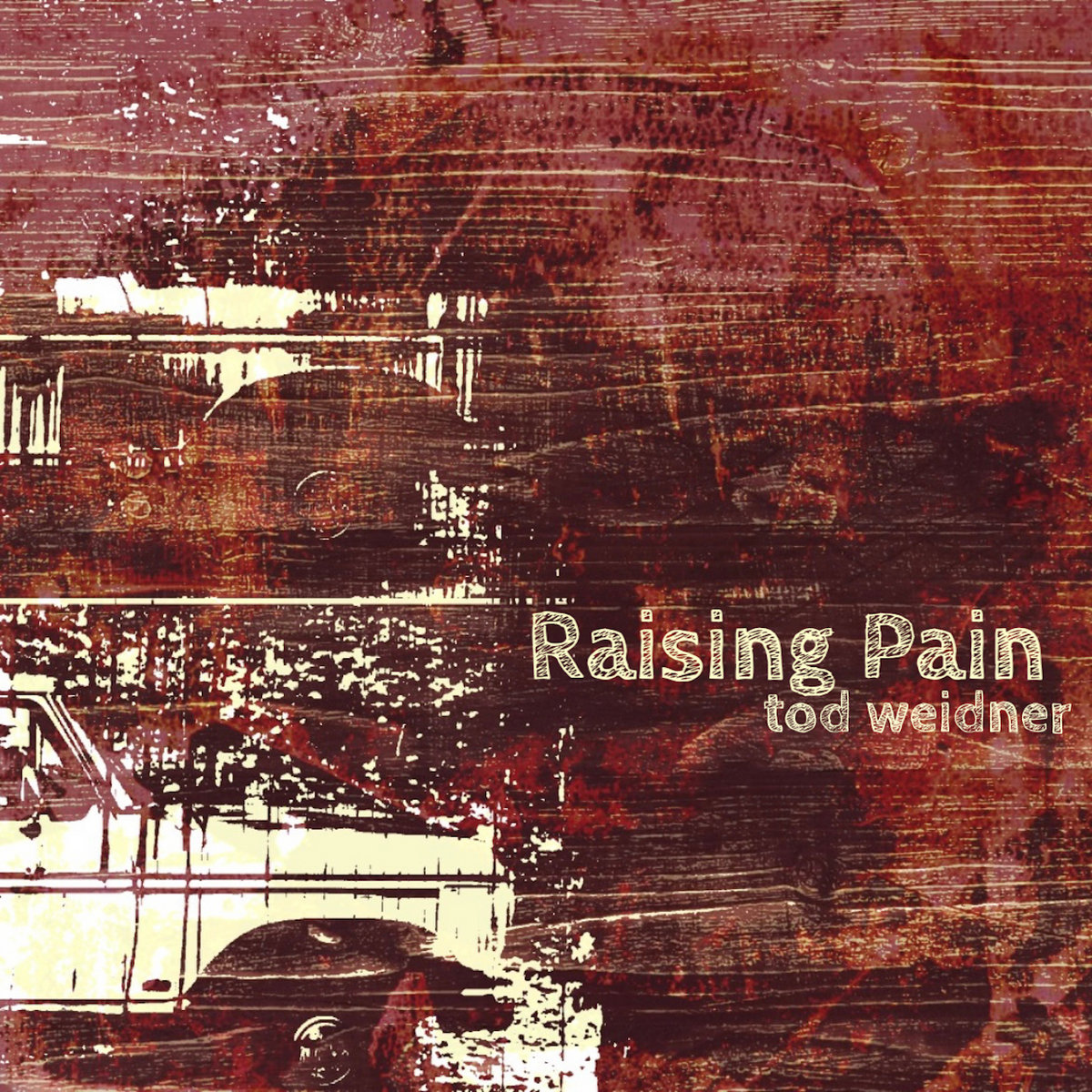
Tod Weidner – Raising Pain
Mike Bankhead – Latent
Given Names – Makin’ Eyes
Cowboys in The Campfire – Here We Go Again
Teenage Fanclub – Foreign Land
Hannah Jadagu – Lose
High on Stress – Over-Thru
Jeremy Porter and the Tucos – Five-Foot-Three and Tiger Eyes
In the digital streaming age where we all have instant access to an unparalleled variety of music — at least for now, it may seem paradoxical to consider the existence of unheard records. With thousands of records released every year and thousands of songs uploaded to streaming services every week, the sheer amount of available music is overwhelming. The vastness of the musical releases, coupled with the continuous influx of new creations and the persistent legacy of past works, results in an overwhelming number of records that remain unheard each year. Let’s delve into the reasons behind this phenomenon, exploring the factors contributing to the vast pool of undiscovered musical gems and considering the implications for both artists and listeners.
One of the strengths of music culture is the unending craft of music creation. The United States has long been a melting pot of diverse cultures, each contributing to the fantastic mix of musical genres and styles. From the birth of jazz in New Orleans to the rise of hip-hop in the Bronx, to the adventure of electronic music across the country, American music has evolved and branched out into an extraordinary array of forms. This constant evolution, driven by creativity and cultural cross-pollination, ensures a continuous influx of new records into the musical ecosystem.
The music industry, with its multifaceted nature, encompasses not only mainstream genres but also a plethora of incredible niche and independent scenes. While popular artists dominate the radio airwaves and streaming platforms, countless talented musicians operate in the peripheries, creating music that often goes unnoticed by the mainstream audience which we consider a distressing fact — and a mission of Your Tuesday Afternoon Alternative to address. YTAA as a radio show always focused on independent, local and amazing music that needs to be heard.
The expansive musical universe, we all inhabit, ensures that a considerable number of records go unheard each year simply due to the sheer volume of new releases and a cultivated ignorance of the mainstream record labels to push a limited number of artists and records, and a continuation of a narrowcasting approach by radio and streaming services. Consider Spotify’s financial model focusing on records that have high sales and high engagement. And this problem — and we think of the situation as a problem — is occurring despite an increase in the sales of physical copies of records. According to Oliver Payne, writing at Music Tech.com, “Physical album sales overall also saw a notable rise of 13.3 per cent in 2023, with 41.5 million physical copies sold compared to 2022’s 36.7 million. Notably, direct-to-consumer vinyl sales experienced substantial growth, reaching 2.6 million sales.”
The advent of digital technology and the rise of streaming platforms have revolutionized the way we consume music. It is not unreasonable to think of this as a digital deluge. While this has undoubtedly increased accessibility, it has also contributed to the phenomenon of unheard records. The democratization of music production means that anyone with a creative spark and basic equipment can produce and release music independently. And this opening for musicians is to be applauded and supported so that musicians regardless of reach can create music. Consequently, the sheer volume of music flooding online platforms can be overwhelming, making it challenging for even the most dedicated music enthusiasts to sift through the multitude of releases. An amazing song or incredible record can fall through the proverbial cracks all too easily.
Moreover, as we allude to earlier, the algorithms employed by streaming services often prioritize popular and commercially viable tracks, relegating many lesser-known gems to obscurity. As a result, artists operating outside the mainstream are faced with the daunting task of breaking through the digital noise to capture the attention of potential listeners. This digital deluge, while providing unprecedented opportunities for artists to share their work, also contributes to the growing pool of unheard records.
Economic realities and the struggle for visibility in a highly competitive music industry, is a core concern tied to unheard records. The economic considerations play a significant role in determining which records rise to prominence and which remain in relative obscurity. Major record labels, with their considerable resources, can afford extensive marketing campaigns and promotion efforts to elevate their artists into the public eye. Independent and unsigned musicians often face financial constraints that limit their ability and time to invest in promotion. Which assumes that artists are even interested in promotion in a challenging media and advertising environment in the first place. This issue motivated us to have conversations with musicians invested in music promotion on our podcast, Uncool Music Conversations with Andy & Art.
The lack of financial backing can result in talented artists creating exceptional records that languish in the shadows, unable to break into mainstream consciousness. In this context, the economic realities of the music industry contribute to the perpetuation of unheard records, creating a barrier for many artists to achieve the visibility they so richly deserve.
Taste curation, both on an individual and collective level, plays a pivotal role in determining which records gain traction and which fade into uncertainty regardless of how compelling an album or a song is for someone. Individual listeners often gravitate toward familiar genres, artists, or styles, limiting their exposure to a broader spectrum of musical offerings. Additionally, the collective taste of society, shaped by trends and cultural influences, can create a homogenized musical landscape that excludes many innovative and boundary-pushing works. Part of the challenge is encouraging music fans to listen to music that they do not know. Taking a chance on unfamiliar music remains a serious impediment for getting music heard.
Furthermore, the influence of music critics, radio stations, and streaming service playlists can shape public opinion and contribute to the perpetuation of certain genres or artists at the expense of others. This taste curation, while serving as a valuable guide for listeners, can inadvertently lead to the neglect of numerous records that fall outside the established norms.
The existence of unheard records has profound implications for artists, both established and emerging. For established artists, the pressure to conform to market trends and maintain commercial success can stifle experimentation and creativity. This not only limits the artist’s ability to explore new musical territories but also contributes to the saturation of certain genres at the expense of others.
Emerging artists, on the other hand, face the uphill battle of gaining visibility and recognition amid the vast sea of unheard records. The struggle for attention in a crowded digital landscape can be disheartening, and many talented musicians may find themselves overlooked simply due to the fierce competition for audience engagement.
The phenomenon of unheard records is not merely a challenge for individual artists but also has broader implications for the overall diversity and innovation within the space of music. The musical diversity and innovation are limited when all of the attention in music is devoted to just a handful of artists or albums. When a significant portion of the musical output remains undiscovered, the potential for cross-pollination of genres, the emergence of new styles, and the evolution of musical forms is hindered.
Diversity in music is a crucial aspect of cultural expression, reflecting the myriad perspectives and experiences within society. The failure to recognize and appreciate a wide range of musical creations diminishes the richness of the cultural tapestry of music, limiting the potential for innovation and the exploration of new sonic frontiers.
Let’s consider potential solutions and avenues for discovery for a moment. Addressing the issue of unheard records requires a multifaceted approach that involves both industry stakeholders and listeners. Increased support for independent and niche scenes, including financial backing for promotion and distribution, can empower artists who operate outside the mainstream. Streaming platforms can refine their algorithms to better highlight diverse and underrepresented music, ensuring that listeners are exposed to a broader range of offerings. Independent and local labels can and should be embraced and supported! Music fans can contribute to a healthy music ecosystem by supporting local labels! Our area has several independent labels such as Magnaphone Records, Poptek Recs, and Gas Daddy Go.
Supporting local record stores create physical and online spaces where music fans can expand their knowledge and experience of music. A simple solution is to go to these stores and support them. Talk to the staff who work there as they may have amazing recommendations for bands, artists and records that you may not know about yet. We recommend Omega Music, Blind Rage Records, Skeleton Dust Records, Toxic Beauty Records, Shake It Records, Everybody’s Records just to name some of the shops we regularly visit in our area.
Initiatives that celebrate musical diversity, such as festivals, awards, and curated playlists that explore songs beyond popular artists, can play a pivotal role in bringing attention to unheard records. Music enthusiasts can also contribute by actively seeking out and sharing lesser-known works, supporting local scenes, and engaging with a variety of genres to expand their musical horizons. In our city we have several incredible festivals such as Dayton Music Fest, Dayton Porchfest, Holidayton, Dayton Battle of The Bands, Showcase Thursdays at The Yellow Cab Tavern, Dayton Sideshow, and Winterfolk Dayton, again just scratching the surface of music events in the Gem City. Wherever you call home there are likely to be terrific music events where you can explore far more amazing music. Social media platforms and chat rooms where music fans respectfully share music that moves them is another source of information on unheard songs and albums.
The phenomenon of unheard records in the United States is a complex and multifaceted issue, shaped by the interplay of cultural, economic, and technological factors. This is not a concern that is easily resolved. But just because the challenge is difficult does not mean that it is impossible to address. As the music industry continues to evolve, addressing this challenge requires a collective effort from artists, industry stakeholders, and listeners alike. By fostering a culture that values diversity, embraces innovation, and supports independent voices, we can hope to unravel the symphony of unheard records and ensure that the full spectrum of musical creativity finds its audience. Take a chance and listen to something you do not know, it might be the next musical love of your life.
Dayton musician, Jay Madewell passed away unexpected on December 10, 2023 at the age of 51. Jay was not just a passionate music fan and avid record collector but a DJ, fantastic musician, and drummer who contributed to many musical projects in Dayton, Ohio. He had been active in the Dayton music community for well over 30 years where he encouraged many musicians to embark on their own sonic adventures and music-based journeys. His efforts in the legendary Dayton Dirt Collective, the Rock ‘n’ Roll Playdate as well as being an active and adventurous club DJ, hosting several themed nights such as the 1960s-focused Fab Gear, L’80s Night, and others. He was also considered to be the top wedding DJ for local musicians. Jay was involved in far more bands and music projects than can easily be listed here, but to list just a few — Real Lulu, Team Void, Power to the Peephole, Lexo & the Leapers, Dirty/Clean and GeeGee’s Punk Rock All Stars — are all evidence of a profound musical life.
A gathering of friends and family will be held at the Yellow Cab Tavern, 700 E. 4th St, Dayton, OH 45402 from 2-6 PM on Sunday, December 17, 2023 to share stores and memories of Jay.
When Team Void visited Your Tuesday Afternoon Alternative, we got to know Jay a little. His enthusiasm, passion for music, amazing drumming, and wry sense of humor were on keen display. It was a pleasure to spend time with him. He had a fascinating charm, easy nature and also decidedly deadly wit, terrific sense of humor and provocative observational skill. Jay was kind and good natured without speaking down to others.
Music has incredible power to cut across the barriers we put up to protect ourselves, the distance of time, and the expanse of place, weaving itself into the fabric of our lives and becoming an integral part of our identity. Often it also becomes part of the experience and sense of a place, music becomes part of how we think about community. For music enthusiasts, the relationship with their favorite musicians goes beyond mere fandom; it is a deeply emotional and personal connection. Music fans wear t-shirts of a loved band or artists not simply to become walking billboards but to illustrate in obvious, perhaps unavoidable fashion, their association with a band, artist, record, tour… whatever connects them in some distant way to the music.
When a beloved musician passes away unexpectedly, the waves of grief that ripple through a community are profound, leaving a deep void that seems impossible to fill in the immediacy of the grief. The shockwave of loss feels personal as if one has lost a member of their family or a dear childhood friend and that feeling is real. It matters. The sudden death of a cherished musician sends a seismic shift through the hearts of friends, colleagues, fans, and others, creating a collective sense of disbelief and sorrow. Unlike other forms of loss, the death of a musician carries a unique weight. Music is the soundtrack to our lives, marking milestones, soothing sorrows, markers of accomplishments, and heightening joys. When a musician unexpectedly departs, it feels as though a part of our own narrative has been abruptly severed, leaving us grappling with an overwhelming sense of emptiness. The intimate connection to something profound and personally meaningful is severed; and that bond cannot be easily repaired or replaced.
Music is a deeply personal experience, often serving as a companion in times of solitude, celebration, sadness, or introspection. The lyrics and melodies of an artist become intertwined with the listener’s memories and emotions. Those who hear the music develop an intimate connection with the artist’s work, feeling as though the musician understands their innermost thoughts and feelings. The unexpected loss of this artistic confidant can be akin to losing a dear friend or mentor who understood without judgement how you feel. That cut is especially acute when the musician is in actuality a friend.
For many, music is more than a form of entertainment; it is a lifeline. The music we listen to is more than mere background noise to many of us, it is a soundtrack to life. Musicians have a unique ability to articulate the human experience, expressing emotions that listeners may struggle to put into words. When an artist passes away, the soundtrack to life is forever altered. The songs that once brought comfort, joy, or solace may now carry a bittersweet resonance, serving as a poignant reminder of an artist’s absence.
In the digital age, social media platforms serve as virtual gathering spaces for fans to collectively mourn the loss of a musician. Social media creates the space for mourning that ripples throughout networks close and those separated and far away. The outpouring of grief on platforms like Twitter, Instagram, and Facebook creates a sense of solidarity among fans, friends, and colleagues who share a deep connection to the artist’s work. Hashtags memorializing the musician trend whether locally or farther afield, amplifying the collective voice of mourning and allowing fans to express their grief in a public forum.
Fans often channel their grief into creating and sharing tributes that celebrate the life and legacy of the departed musician. From fan art and cover performances to heartfelt messages, photos and playlists, these tributes become a way for the community to collectively honor the artist’s impact on their lives. In this shared creative process, fans find solace and a sense of connection with others who are navigating the same turbulent seas of grief. These shared memories and tributes remind us that we are not alone.
The unexpected death of a musician shatters the illusion of immortality that often surrounds artists in the eyes of their fans, colleagues and the wider community. Music has the power to transcend time, and supporters may have envisioned their favorite musician continuing to create and evolve indefinitely. The sudden loss confronts us with the harsh reality of mortality, forcing all of us to grapple with the finite nature of life and fragility of art.
The music we love forms a crucial part of our identity, shaping our tastes, values, and even our sense of self. When a beloved musician dies unexpectedly, fans, friends, and colleagues may experience a profound identity crisis as they navigate a world where the artist’s voice and sound is forever silenced. The process of mourning becomes intertwined with a search for meaning and a reevaluation of one’s own identity without the guiding influence of the departed artist. Whether the contribution would be a song, a sound, a reassuring comment, or a silly joke — that source of comfort is no longer available. In those moments, a community turns to one another to find solidarity, hope and the needed comfort.
As with any form of loss, grieving the death of a beloved musician follows the familiar stages of denial, anger, bargaining, depression, and acceptance. Navigating the stages of grief should not be considered a path to closure but rather a journey in establishing a sense of self and some grasp at understanding amongst the loss. The process is uniquely complex for members of a music community, as each stage is intertwined with the artist’s body of work, their influence on us and the fumbling efforts to come to some form of understanding. Denial may manifest as an unwillingness to accept that the musician will never create new music, while anger may be directed at the unfairness of a life cut short.
Bargaining takes on a unique form as members of a music community may replay “what if” scenarios in their minds, imagining alternative outcomes that would have allowed the musician to continue making music. Depression may settle in as fans grapple with the void left by the artist’s absence, and acceptance becomes a delicate dance between honoring the musician’s legacy and embracing the inevitability of their departure.
While the pain of loss is profound, the legacy of a beloved musician — at any level of experience — endures through their body of work, the contributions to a music community, and the creation of art. Colleagues, fans and friends often find solace in revisiting the artist’s discography, discovering nuances in the lyrics and melodies that take on new meaning in the context of personal and collective grief. The music becomes a bridge between the past and the present, allowing fans to maintain a connection with the artist even in their absence.
Music has always held a special and unique healing force in our lives. In the midst of grief, music has the power to serve as a healing force. Fans may find comfort in the familiar strains of a favorite song, using music as a therapeutic tool to navigate the tumultuous emotions associated with loss. Cover performances by fellow musicians, tribute concerts, sharing of photos, and posthumous releases become cathartic experiences, providing the music community with an opportunity to collectively mourn while celebrating the artist’s enduring impact. The love that they created remains with us if we can only find it and see it.
The death of a beloved musician does not mark the end of a relationship with the artist; rather, it transforms into an enduring bond that transcends a physical realm. Fans continue to carry the torch of the musician’s legacy, introducing their work to new generations and ensuring that the impact of their artistry is not forgotten. In this way, the community becomes the custodian of the artist’s memory, keeping the flame alive through shared stories, photos, traditions, and the perpetuation of the music itself.
The grief experienced by members of a music community when a beloved musician passes away unexpectedly is a complex and deeply personal journey. Music’s profound impact on our lives elevates the loss beyond the realm of simple fandom, creating a unique and enduring connection that transcends time. As music fans and supporters navigate the stages of grief, music becomes a source of solace, a bridge between the past and the present, and a recognition of artistic expression’s enduring power and beauty. While the pain of loss is undeniable, the legacy of a beloved musician lives on through the hearts and ears of those who continue to find comfort, inspiration, and connection in the melodies and lyrics that once emanated from the now-silent stage.
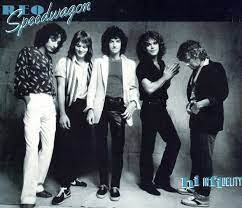
In the vast and diverse landscape of musical tastes, there are certain songs that hold a special place in our hearts, even if we’re reluctant to admit it. Reo Speedwagon’s “Keep on Loving You” is one such track that falls into the category of guilty pleasures. Released in 1980 as part of their album “Hi Infidelity,” the song encapsulates the essence of 80s power ballads of an era that reveled in that style. Despite its sometimes cheesy lyrics and over-the-top production, there’s an undeniable charm to the song that draws listeners in and keeps them hooked.
Before delving into the guilty pleasure that is “Keep on Loving You,” it’s essential to understand Reo Speedwagon’s rise. Formed in 1967, the band went through several lineup changes before finding success in the late 1970s and early 1980s. Their breakthrough came with the release of “Hi Infidelity,” an album that not only topped the charts but also became a defining record of the rock and pop landscape of the early 1980s. The album’s title was an awkward play on both ‘hi fi’ and the fact that so many pop songs were about relationships.
At its core, “Keep on Loving You” is a quintessential power ballad, a genre that dominated the airwaves in the early 1980s. The song is characterized by its emotive lyrics, soaring melodies, and a dramatic build-up that culminates in a powerful chorus. Lead singer Kevin Cronin’s soulful delivery adds a layer of sincerity to the track, making it resonate with listeners on a personal level. We could ask is the song about a real relationship? Is it Cheesy or Heartfelt?
One of the reasons “Keep on Loving You” falls into the guilty pleasure category for us is its unabashedly romantic and, some might say, cheesy lyrics. Lines like “And I’m gonna keep on loving you / ‘Cause it’s the only thing I wanna do” may seem cliché, but there’s an earnestness in Cronin’s delivery that transcends the lyrics’ simplicity. The song captures the universal theme of love and devotion, striking a chord with listeners who appreciate unabashed sentimentality. The over the top delivery of an over the top line creates a resonance, unlike the detached above it all approach of so many artists and band’s of the 1970s and early 1980s, Reo Speedwagon’s exuberant embrace of the exaggeration only makes the song land with even more strength.
Another aspect that contributes to the guilty pleasure status of the song is its production. “Keep on Loving You” is drenched in the sonic aesthetics of the early 1980s, with its prominent use of synthesizers, piano, power chords, and a bombastic drum sound. Some may argue that the production is excessive, extreme and overblown… perhaps even dated, but for others, it’s a nostalgic trip back to a time when music was unapologetically flashy and theatrical. The immoderate nature of the song is part of its charm, it is not subtle.
The term “guilty pleasure” often implies a sense of shame or embarrassment associated with enjoying something that may be considered outside one’s usual tastes. In the case of “Keep on Loving You,” the guilt may stem from a perceived lack of sophistication in its musical elements or a fear of judgment from those who favor more critically acclaimed genres. But we wonder why someone should feel the need to explain away the eye rolls and judgement of others. Embrace the love you feel for a song with a sly chagrin and acceptance, you love the song… even if it is not beloved by others. No one should ever have to justify the music that speaks to them.
However, guilt in this context is subjective, and embracing a guilty pleasure can be a liberating experience. In a world that often demands adherence to certain musical standards, allowing oneself to enjoy a song like “Keep on Loving You” becomes a rebellious act — a rejection of musical elitism in favor of personal enjoyment, you love the song even if others do not.
Part of the allure of guilty pleasures lies in the power of nostalgia. For those who grew up in the late 1970s and 1980s, “Keep on Loving You” serves as a time capsule, transporting them back to a period of big hair, neon lights, and cassette tapes. The song becomes a soundtrack to memories and experiences, making it more than just a musical indulgence, it is a faithless trip to the past.
In the realm of guilty pleasures, Reo Speedwagon’s “Keep on Loving You” stands as a testament to the enduring appeal of power ballads and the emotional resonance of nostalgic music. Whether it’s the cheesy lyrics, the bombastic production, or the unabashed romanticism, the song has earned its place in the hearts of many as a guilty pleasure worth celebrating. So, let go of the guilt, turn up the volume, and let the soaring melodies and heartfelt lyrics of Reo Speedwagon take you on a journey to a time when music was unapologetically loud, direct and bold.
On December 1st, The Plus Four released an EP. However, that band is actually a trick, a sly slight of hand from Paul ‘Trip’ Ryan of SUPER 8. All songs on the EP were written, performed, recorded, and produced by Mr. Ryan. The music incorporates love of The Beatles, a sweet nod to Donovan, early ’60s melody and melancholy, and an unflinching focus on pop songwriting. The music of the 1960s stands as a testament to a revolutionary era, marked by social upheaval, cultural shifts, and artistic innovation. Drawing inspiration from this golden age of music allows contemporary artists such as ‘Trip’ to tap into a rich reservoir of creativity, blending nostalgia with modern sensibilities.
The ability to take influence of the past and build on to it is a testament to enduring impact on the evolution of the music being made by Mr. Ryan. From innovative approaches to sound and studio techniques to timeless songwriting and eclectic influences, music of the 1960s and 1970s continues to provide a rich tapestry for artists and musicians to draw inspiration. As indie musicians continue to forge their own paths in the ever-changing whirlwind of the music industry, the bands and musicians of the past remain a guiding light, a source of encouragement to embrace experimentation, celebrate diversity, and pursue artistic independence. The spirit of The Beatles, The Rolling Stones, The Who, The Kinks, The Animals, The Searchers, Donovan and The Dave Clark Five lives on in the independent music scene via innovative artists like Paul ‘Trip’ Ryan. He holds a sacred testament to the timeless and transcendent nature of music that is catchy and thoughtful.
Remember that when the beat leads you to sway, clap and hum with a smile on your face — even if the lyrics are telling you terrible things can happen to all of us — it is because of the undeniable gravity of the pop hook. And, Trip is a master of the pop hook. Sometimes looking back allows us to move forward.
The elusive secret of the pop hook lies in its ability to transcend the boundaries of musical genres and captivate the listener’s attention with infectious melodies. Trip’s music, and especially this EP, stands in the present while looking back over his shoulder to a past that still sounds fresh and meaningful. A pop hook is that magical element that makes a song unforgettable, a snippet of sound that embeds itself in the listener’s mind and refuses to let go. It’s the sonic glue that binds the entire composition together, creating a memorable and often addictive experience. And that magic is the stock and trade of Paul Ryan.
At its core, a pop hook is a concise and catchy musical phrase that serves as the focal point of a song. It can manifest as a catchy vocal melody, an irresistible chord progression, or a combination of both in most of Trip’s songs. The secret lies in its simplicity and universality, making it accessible to a broad audience. Whether it’s the sing-along chorus or the infectious riff of a guitar, the pop hook has the power to resonate with listeners across diverse musical tastes.
The elusive nature of the pop hook is in its ability to strike a delicate balance between familiarity and novelty. It draws upon musical conventions and structures that are recognizable to the listener, providing a sense of comfort and predictability. Yet, at the same time, it introduces a unique twist or unexpected element that sets it apart from the mundane, ensuring that it stands out in the crowded landscape of popular music. This ability to hold these competing ideas together at the same time is a gift that Trip was blessed to possess.
The pop hooks of Paul Ryan whether we call him ‘Trip,’ ‘Super 8’ or ‘The Plus Four’, possess a magical quality that transcends cultural and linguistic barriers. It communicates directly with the listener’s emotions, creating an instant connection that transcends words. You want to sway, hum, and nod your head. The simplicity of a well-crafted pop hook allows it to become a universal language of emotion, enabling it to resonate with people around the world or across the years. Trip’s music is a carefully crafted combination of simplicity and uniqueness that transcends genres and cultures, leaving an indelible mark on the listener’s musical memory. As long as there are ears to listen, Trip’s quest for the perfect pop hook will continue to inspire anyone interested in great pop music regardless of the label we put on it or the time period in which it is generated.
In Rock and Roll, there exists many unique narratives —tales of talent, turmoil, and tragic consequences—that often define the legacies of musicians who left an indelible mark on the music industry. How often have we read about the passing of Jimi Hendrix, Hank Williams, Kurt Cobain, Janis Joplin, Cliff Burton, Duane Allman, and Prince? So many artists left this mortal coil far too young due to tragedy. Doug Hopkins, the enigmatic guitarist, and songwriter of Gin Blossoms, is one such figure whose life, music, and untimely death encapsulate the tragedy of the passing of the rock and roll spirit.
Born on April 11, 1961, in Seattle, Washington, Douglas Hopkins manifested an early affinity for the guitar. Raised in a household resonating with the melodies of The Beatles, The Rolling Stones, and The Kinks, he quickly developed an ear for catchy hooks and poignant lyrics that would later become the hallmark of his own songwriting. His innate musical talent, combined with a restless spirit, drove him to form Gin Blossoms in late 1987 in the fertile musical grounds of Tempe, Arizona. The band began with Bassist Bill Leen, singer and guitarist Jesse Valenzuela, Guitarist Richard Taylor, and percussionist and drummer Chris McCann. The early years were treacherous and tumultuous leading to many personnel changes, performance difficulties, and problems in recording. The band’s independent debut “Dusted” was released in 1989 which led to interest from A&M Records.
The Gin Blossoms threw themselves into recording and playing with a feverish intensity. The band’s lineup eventually solidified with Hopkins, Robin Wilson (vocals and guitar) replacing Taylor, Jesse Valenzuela (transitioning from lead to rhythm guitar), Bill Leen (bass), and Phillip Rhodes (drums). This group of players was especially interested in the thriving college rock scene of the time but focused less attention on being heavy and was more interested in powerful rhythm and melody. Hopkins, the primary songwriter, possessed a unique ability to distill complex emotions into catchy, radio-friendly tunes. The band’s jangly guitars, infectious melodies, harmonies, and introspective lyrics set them apart in an era dominated by grunge and hard-edged alternative rock.
Hopkins’ gift for crafting songs that were both musically and emotionally resonant became evident in the band’s breakthrough album, “New Miserable Experience” (released in 1992 after he was already out of the band). The record spawned hits from Hopkins’ pen such as “Hey Jealousy” and “Found Out About You,” which catapulted The Gin Blossoms into mainstream success. However, behind the veneer of their infectious sound lay the darker undercurrents of Hopkins’ personal struggles.
The lyrical content of many of Hopkins’ songs on “New Miserable Experience” hinted at the internal battles he faced. “Hey Jealousy,” with its catchy hooks and sing-along chorus, belied the pain and frustration of unrequited love. This dichotomy between upbeat melodies and melancholic lyrics became a trademark of the Gin Blossoms’ sound, reflecting the deep personal inner turmoil that haunted Hopkins.
Hopkins’ battles with addiction and depression intensified, painting a stark contrast to the upbeat melodies he crafted. As the band recorded New Miserable Experience the tensions around the recording effort weighed heavily on Hopkins and only accelerated his struggles with alcoholism and mental health. The pressures of delivering an album, coupled with the weight of personal demons, strained his relationships within the band. Despite his pivotal role in the creation of their signature sound, tensions reached a breaking point, leading to Hopkins’ departure from Gin Blossoms in 1992 as the band finished recording their breakthrough album.
The aftermath of Hopkins’ departure marked a turning point for both the guitarist and the band. The Gin Blossoms continued their journey without him, achieving further success with subsequent albums. Meanwhile, Hopkins grappled with the demons but his reach exceeded his grasp. Despite contributing briefly to other musical projects, notably The Chimeras, he struggled to find his footing in an industry that had once embraced him. His brief attempt to launch another project met with challenges, most of his own making, only further exacerbating his sense of isolation and despair. The tragic denouement of Doug Hopkins’ life unfolded on December 5, 1993, when he took his own life at the age of 32.
In the years that followed, the band faced a series of personal and professional setbacks in part due to the tensions that surrounded Hopkins. His death cast a somber shadow over the legacy of Gin Blossoms, forever linking his name to the melancholy melodies that defined the band’s sound. The circumstances surrounding his suicide raised poignant questions about the toll of artistic brilliance, mental health, and the sometimes-cruel whims of the music industry.
The impact of Doug Hopkins’ musical contributions endures, as his songs remain staples of ’90s alternative rock playlists as well as being used in television programs and movies. The Gin Blossoms, despite the internal conflicts that led to his departure, continue to honor his memory by performing his compositions. The bitter irony of his posthumous influence is a testament to the enduring power of his songwriting.
In the years following his death, retrospectives on Doug Hopkins’ life and career have attempted to unravel the complex layers of his persona. Interviews with bandmates, friends, and family shed light on the dichotomy of a man who could craft infectious pop gems while battling inner demons. The story that emerges is one of a troubled genius whose artistry became inseparable from his personal struggles.
The story of Doug Hopkins serves as a cautionary tale about the harsh realities that can accompany artistic brilliance. His life was a tumultuous symphony of highs and lows, and his music remains a poignant reminder of the fragile line that separates creativity from despair. As Gin Blossoms continues to perform, the ghost of Doug Hopkins lingers in the chords of “Hey Jealousy” and the haunting refrains of “Found Out About You,” immortalizing a songwriter whose melodies transcended the boundaries of time and tragedy.
Your Tuesday Afternoon Alternative is still on hiatus as we move from ArtStreet to the Roger Glass Performing Arts Center. Let’s be honest, moving sucks. It is simply awful. Moving is often considered one of life’s most daunting tasks, a process laden with stress, exhaustion, and emotional upheaval. The mere thought of packing up one’s life — or in this case an entire radio station — and relocating to a new place can send shivers down the spine of even the most resilient among us. Several factors contribute to the universally acknowledged sentiment that moving is an awful experience.
Firstly, the physical exertion involved in moving is undeniable. From the moment one begins to sift through CDs, vinyl records, and cassettes (yup, we have some of those), rolling up posters, and packing away fragile equipment so it can safely be moved is daunting. It does not feel unlike going through belongings, deciding what to keep and what to discard, to the arduous task of packing fragile items with the utmost care, the process demands a considerable amount of physical energy. Lifting heavy boxes (damn, these records are heavy!), navigating through narrow hallways (you have seen the pictures of the station), and loading and unloading furniture can take a toll on the body, leaving movers fatigued and drained. And remember all of the equipment is incredibly sensitive and expensive! “Do not drop anything!” is a repeated refrain.
Moreover, the emotional toll of moving cannot be overstated. Leaving behind familiar surroundings, our Artstreet friends, and changing the routines can evoke a profound sense of loss and nostalgia. The attachment to a place goes beyond the physical structure of a house; it encompasses memories, experiences, and a sense of belonging. Saying goodbye to all of this can be emotionally wrenching, leading to a mix of sadness, anxiety, and apprehension about the unknown that lies ahead for the station. I wrote about this and stand behind those ideas and memories. Leaving a space that was home for over 20 years is simply not easy.
The logistical challenges add another layer of complexity to the moving process. Coordinating timelines, arranging transportation, and dealing with unforeseen hiccups can turn a seemingly straightforward relocation into a logistical nightmare. The pressure to ensure that every item arrives intact at the new station destination in a brand new building, coupled with the need to settle into an unfamiliar environment quickly, amplifies the stress associated with moving. Of course, we want to be preparing a radio show today instead of moving an incredibly sensitive studio board!
Sure, moving is an inherently challenging and unpleasant experience due to the physical, emotional, and logistical demands it places on us. The disruption of established routines, the strain on relationships, and the overall upheaval of one’s life make moving a universally dreaded endeavor. We can’t even listen to the station unless we set up a laptop or bring in a radio because studio speakers were among the first to get disconnected. While it may signify a new beginning and the prospect of fresh opportunities, the process itself is undoubtedly an arduous journey that tests one’s resilience, adaptability, and good nature.
Perhaps this is just a long meandering path to say, YTAA will not be on this week. Moving is going forward and we are making progress, just a bit slower than any of us would like. We will be back broadcasting the show as soon as possible. Automation has taken over the radio station and during December we are broadcasting indie holiday music! Enjoy and see you real soon!
The holiday season is traditionally accompanied by the familiar sounds of sleigh bells, cheerful choirs, and iconic tunes from well-established artists. However, for those with an inclination towards alternative and independent music, the indie rock genre offers a refreshing twist to the festive soundtrack. On November 21st, Tom Gilliam and I celebrated our 13th annual YTAA Indie Holiday show. We played music from Dolph Chaney, The Popravinas, The Ramones, The Pogues, Darling West, Heather Redman, Fitz and The Tantrums, My Morning Jacket, Van Plating, Olivia Frances, The Surfajettes, Best Coast, Trey Stone and The Ringers, Calexico, Librarians with Hickeys, Debra Devi, Fountains of Wayne, The Decemberists, Joey Ramone, Bad Religion, Heartless Bastards, The Killers, and Dayton’s own Escape Velocity among others over three hours. I wanted to publicly thank Tom Gilliam of the excellent Dayton-based band Ghost Town Silence, for doing this special show with me for over a decade. I wondered what is it about independent music that allows for the creation of exciting new holiday music. So, if you will indulge me as we enter the holiday season, I will delve into the world of indie rock holiday songs, exploring the charm and uniqueness they bring to the season.
Taking a break from tradition can be a healthy and positive experience. Indie rock holiday songs provide a welcome departure from the conventional jingles and carols that dominate the airwaves during the festive season. Unlike the predictability of traditional holiday music, indie rock artists infuse their creativity into the lyrics and melodies, offering a fresh and sometimes irreverent take on the holiday spirit. The departure from traditional sounds allows listeners to experience the season with a new perspective, embracing the diversity that indie rock brings to the table.
One of the hallmarks of indie rock is its ability to convey complex emotions through music, expressing complex emotions — that special sense of being hit “in the feels” can be a moment of self-reflection. While traditional holiday songs often focus on joy and celebration, indie rock holiday tunes explore a broader spectrum of feelings associated with the season. From the melancholic reflections on solitude during the holidays to the bittersweet nostalgia of past celebrations, indie rock captures the multifaceted nature of the holiday experience. Artists like Sufjan Stevens, The Shins, Debra Devi, and Heartless Bastards weave intricate narratives that resonate with those who may find the holiday season to be a mix of joy and introspection. The Decemberists’ reinterpretation of Big Star’s Jesus Christ, from their album 3rd released in 1974, illustrates this approach quite clearly. The band’s official video incorporates the idea of a Yule Log experience into the music video.
Indie rock holiday songs showcase a range of perspectives on the holidays, reflecting the diversity of experiences within the indie rock community. One of the great aspects of alternative and independent music is the opening to diverse perspectives on the holidays. These songs often touch upon themes like non-traditional celebrations, unconventional family dynamics, and the challenges of navigating societal expectations during the festive season. The narratives presented in indie rock holiday songs provide a sense of relatability for listeners who may not find their own experiences mirrored in more mainstream holiday music. The 2016 original holiday song, “I Feel It In My Bones” from The Killers’ alternative holiday album “Don’t Waste Your Wishes” takes a dark, almost sinister interpretation of Santa Claus.
Indie rock, by its very nature, is a genre that thrives on experimentation and innovation. The best characteristic of an independent song is the surprise you discover when you hear it. Dolph Chaney’s excellent “Jingle Bells” set to Van Halen’s “Panama” is a complete surprise as well as a delight! Big Stir Records has released several fantastic indie holiday songs as part of their Yuletide Wave. When applied to holiday music, the willingness to explore and recreate results in a rich tapestry of unique soundscapes in which to capture the seasonal vibe. From the indie alt-country and folk-infused sounds of Trey Stones and The Ringers’ “Santa, Please Bring Me a Guitar” to the rock and roll vibes of The Ramones “Merry Christmas (I Don’t Want to Fight Tonight),” these songs reimagine the sonic landscape of the holidays. The infusion of indie rock elements into holiday music introduces listeners to a sonic experience that goes beyond the traditional, breathing new life into the seasonal soundscape.
Indie rock holiday songs offer a delightful departure from the familiar tunes that dominate the airwaves during the festive season. By expressing complex emotions, presenting diverse perspectives, and exploring unique soundscapes, indie rock artists contribute a distinct flavor to the holiday music repertoire. The unconventional jingles and alternative carols provide an avenue for listeners to connect with the holiday spirit in ways that resonate with the ever-evolving nature of contemporary music. So, this holiday season, consider expanding your playlist to include indie rock gems that bring a touch of creativity and innovation to the festive sounds we hear this time of year.
Streaming Forward, Powered By The Past - if you love the 80s music, new music, Eurovision, cheesy pop and awesome playlists then let's get this pop party started!





















 your tuesday afternoon alternative