There’s something quietly radical about the endurance of The Connells. In an industry that chews up regional bands and spits them out as trivia questions, they have persisted—less as nostalgia act, more as a living argument for melody, craft and community. Their appearance on Shaped by Sound, the PBS North Carolina series devoted to the state’s rich musical ecosystem, feels less like a retrospective than a homecoming.
The show’s format—interweaving live studio performances with intimate conversation—suits them. From the opening notes of “Scotty’s Lament” (00:33), you’re reminded that the Connells’ power has never been about bombast. It’s about architecture. Two brothers—guitarist and songwriter Mike Connell and bassist David Connell—alongside a tight circle of friends from Raleigh, built one of North Carolina’s most enduring bands not on spectacle but on structure: chiming guitars, melodic bass lines, and choruses that feel both inevitable and earned.
PBS NC wisely lets the songs breathe. “Carry My Picture” (05:37) shimmers in the studio lights, its emotional directness framed by Doug MacMillan’s unmistakable voice—clear, yearning, unforced. Keyboardist Steve Potak adds texture and lift, while guitarist Mike Ayers and drummer Chris Stephenson lock into a groove that’s crisp but never clinical. Trumpeter Mike Mole, a later addition to the lineup, colors the arrangements with subtle brass flourishes, a reminder that this band has always been willing to expand its palette without abandoning its core.
That core, as the full conversation reveals, was forged in Raleigh in the early 1980s. A group of friends playing local gigs, hauling gear into clubs, refining songs night after night. They were part of a regional circuit that rewarded perseverance more than hype. The Connells didn’t arrive fully formed; they were shaped by the rooms they played, the audiences who showed up, and the belief that songcraft mattered.
Then comes the moment casual viewers may be waiting for: “’74–’75” (11:22). The band’s surprise overseas hit—particularly in Europe—remains one of the great stories of American alternative rock’s second tier. Released in the mid-1990s, it didn’t explode immediately at home. But abroad, the song connected, its nostalgic meditation on lost youth and passing time resonating across language barriers. On Shaped by Sound, the performance feels less like a victory lap and more like a reckoning. The arrangement is lean; the melody carries the emotional weight. When MacMillan sings about photographs and the quiet ache of growing older, the years between then and now collapse.
What’s striking in the interview segments is the absence of cynicism. There’s no bitterness about near-misses or industry vagaries. Instead, the Connells speak about the slow accumulation of work—about studio memories, about learning how to layer guitars without cluttering a mix, about the discipline of editing a song until only what matters remains. They talk about how “Seven” (17:28) and “Over There” (22:40) fit into their evolving catalogue, each song a chapter in a longer narrative rather than a bid for reinvention.
This is where Shaped by Sound’s broader mission comes into focus. The series—produced by PBS North Carolina in partnership with the Department of Natural and Cultural Resources and presented by Come Hear North Carolina—spotlights artists across indie rock, hip-hop, R&B, alt-country, jazz, bluegrass, and folk. We highly recommend the episodes on Wednesday and Superchunk. By placing the Connells within this living, breathing statewide scene, the show resists the myth that meaningful music only comes from coastal capitals. North Carolina is not just a backdrop; it’s an incubator.
For the Connells, community is not branding. It’s origin story. Two brothers, a handful of friends, and a city that allowed them to grow at their own pace. That ethos still animates the band. You can hear it in the way the guitars interlock without competing, in the steady pulse of the rhythm section, in the democratic space each member occupies. No one is posturing. Everyone is serving the song.
In an era of algorithmic playlists and disposable singles, The Connells’ appearance on Shaped by Sound is a reminder that durability is its own form of rebellion. Songs built carefully, performed faithfully, and shared within a community can travel far—sometimes all the way across the Atlantic—and still return home intact.
If you spend enough time digging through Bandcamp tags at 2 a.m., you start to recognize the difference between lo-fi as an aesthetic and lo-fi as a way of seeing the world. The first is easy: tape hiss, gently warped guitars, a drum machine that sounds like it was rescued from a yard sale. The second is rarer and more interesting. It’s less about production tricks and more about a temperament—a willingness to let imperfection feel honest.
Dayton musician Luke Hummel, who will be appearing this week on Your Tuesday Afternoon Alternative with Dr. J from 4–5 p.m., belongs firmly in that second category.
Hummel has been drifting around the edges of Ohio’s DIY scene, releasing home-recorded EPs and singles that feel less like products than postcards. His songs arrive quietly, usually with little fanfare, and they tend to stick around longer than you expect. Listening to his catalog is a bit like thumbing through a box of Polaroids from someone else’s life: small moments, slightly faded, unexpectedly moving.
I’m supposed to have a vocabulary ready for this sort of thing. Words like “intimate,” “bedroom pop,” “hazy,” and “nostalgic.” All of them apply, and none of them quite capture what makes Hummel’s music worth paying attention to. The charm isn’t simply that it sounds homemade. It sounds lived in.
Take ‘woman,’ one of the standout tracks from his most recent release, dysphoria. The song barely rises above a murmur: a finger-picked guitar line, a barely-there beat, Hummel’s soft, conversational voice. On paper, it’s almost nothing. In practice, it’s the musical equivalent of a long exhale. You can hear the room around the song—the faint buzz of an amp, the subtle inconsistencies in the performance—and instead of feeling sloppy, those details make the track feel human.
That humanity is the through line of Hummel’s work. He writes about ordinary things: late shifts, half-remembered conversations, drives down Wilmington Pike after dark. But he treats those ordinary things with an uncommon tenderness. In an era when so much indie music strains for irony or grand statements, his songs feel refreshingly modest. They don’t demand your attention; they invite it.
Dayton, of course, has a long and strange musical history. This is the city that gave the world The Ohio Players, Guided by Voices, Brainiac, the Breeders, Hawthorne Heights, The New Old Fashioned, Oh Condor, The Creepy Crawlers—a place where scrappy experimentation has always thrived. Hummel fits comfortably into that lineage, even if his music is quieter than most of his hometown predecessors. Where Dayton rock once announced itself with blown-out guitars and basement-show chaos, Hummel represents the flip side: the reflective musician sitting on the back steps after the show, trying to make sense of everything.
One of the pleasures of lo-fi music is how it collapses the distance between artist and listener. Big studio records can feel like monuments; Hummel’s tracks feel like conversations. When he sings, it doesn’t sound like he’s performing so much as thinking out loud. In much of Luke’s music, it’s as if he is admitting that he’s better off being alone, ideas delivered so plainly thatit barely scans as a thought. Yet the idea lands with surprising weight. You believe him.
There’s also a gentle humor running through his work. Song titles like “fresh face” and “air dry clay” suggest a songwriter who understands his own anxieties well enough to smile at them. That balance—between melancholy and warmth, self-doubt and self-acceptance—is difficult to pull off without tipping into sentimentality. Hummel manages it with a light touch.
Hearing this kind of music on the radio can feel almost subversive. Commercial airwaves are designed for clarity and volume; lo-fi thrives on softness and texture. That’s what makes shows like Your Tuesday Afternoon Alternative with Dr. J so valuable. We carve out space for artists who operate outside the usual promotional machinery, musicians who might never trend on TikTok but who are building small, meaningful audiences one listener at a time.
For Hummel, a live radio appearance is less about plugging a product than about sharing a process. His performances tend to be relaxed and unvarnished, the musical equivalent of inviting strangers into his living room. I suspect that on the show, he’ll talk about quiet guitars, about recording on aging laptops, about the challenge of making art while holding down an ordinary Midwestern life. Those details matter because they’re inseparable from the songs themselves.
Lo-fi music often gets dismissed as minor or provisional—a stepping stone to something bigger and cleaner. Hummel’s work argues the opposite. There’s a quiet confidence in his refusal to polish away the rough edges. The imperfections aren’t problems to be fixed; they’re part of the story he’s telling.
In the end, that may be the best way to understand Luke Hummel: not as a local curiosity or a genre exercise, but as a careful observer translating everyday experiences into gentle, durable songs. His music doesn’t try to change the world. It tries to keep it company.
And on a Tuesday afternoon in Dayton, that feels like more than enough.
How often have you been asked to name your top ten albums, or debated which records you’d take to a desert island? The “desert island album” is a familiar, hypothetical concept among music fans: the one record you could listen to endlessly and never tire of. It’s simply a way of naming your most cherished, all-time favorite album. For Dr. J, one of those perfect records is Counting Crows’ 1993 debut, August and Everything After.
Some records arrive like polite guests, shaking hands with the radio, smiling for the cameras, making sure not to spill anything on the carpet. And then some records kick in the door at 3 a.m., overwhelmed on their own feelings, bleeding a little, asking you if you’ve ever actually lived or if you’ve just been killing time until something breaks your heart. August and Everything After is the latter. It doesn’t so much introduce Counting Crows as it announces them, like a cracked-voiced preacher stumbling into town with a suitcase full of secrets and a head full of weather. That it’s their first record feels almost obscene. Bands aren’t supposed to sound this fully formed, this bruised, this emotionally articulate right out of the gate. This is supposed to take years of failure, challenges, and ill-advised love affairs. But here it is, fully alive, staring you down.
If genius means anything in rock and roll—and it does, despite all the sneering irony we’re trained to wear like armor—it means the ability to translate private confusion into public communion. Adam Duritz doesn’t just write songs; he writes confessions that somehow feel like yours, even when you’ve never lived in California, never stood on a street corner at night wondering who you were supposed to be, never tried to make sense of love after it’s already gone feral and bitten you. These songs don’t explain feelings; they inhabit them. They sit in the mess. They let the awkward silences linger. They don’t clean up after themselves. And that’s why people keep coming back.
“Round Here” opens the album not with a bang but with a question mark. It’s a song about dislocation, about being young enough to believe that identity is something you can find if you just look hard enough, and old enough to know that it might already be slipping away. “She says she’s tired of life, she must be tired of something,” Duritz sings, and it’s not melodrama—it’s reportage. He’s documenting the emotional static of a generation that grew up on promises it didn’t quite believe. There’s no manifesto here, no slogans. Just the sound of someone pacing around a parking lot trying to figure out how to be real in a world that feels increasingly wrong and staged.
And that’s the trick of August and Everything After: it sounds intimate without being precious, expansive without being bombastic. The band plays like they’re backing a nervous breakdown that somehow learned how to swing. The guitars shimmer and sigh; the rhythm section keeps things grounded, like a friend who knows when to let you rant and when to hand you a glass of water. T Bone Burnett’s production (Burnett also contributed guitar and vocals to the record) gives everything room to breathe, which is crucial because these songs need the oxygen. Smother them, and they’d collapse into self-pity. Instead, they hover in that dangerous space between vulnerability and confidence, where the best rock records live.
“Omaha” — one of my favorite songs on the record — is where the album first threatens to explode. It’s restless, jittery, propelled by a sense that staying still is a kind of death. Duritz sounds like someone running not toward something but away from the version of himself he’s afraid to become. This is a recurring theme throughout the record: movement as salvation, travel as therapy, geography as a stand-in for emotional states. Cities become characters, roads become metaphors, and every mile marker is another chance to start over, or at least pretend you can.
Then there’s “Mr. Jones,” the song that doomed the band to a lifetime of misunderstanding by becoming a hit. People heard it as an anthem of ambition, a singalong about wanting to be famous, to be seen. But listen closer, and it’s a song about emptiness, about mistaking visibility for connection. “We all want to be big stars,” Duritz sings, and it’s not triumph—it’s confession. The song pulses with the anxiety of someone who knows that being watched isn’t the same as being known. That radio stations turned it into a party song is almost beside the point; the genius is that it works despite the misreading, smuggling existential dread onto pop playlists like contraband.
The middle stretch of the album is where August and Everything After really earns its indispensability. “Perfect Blue Buildings” and “Anna Begins” slow things down, letting the emotional weight settle in your chest. These are songs about relationships not as fairy tales but as negotiations, as ongoing attempts to be less alone without losing yourself entirely. “Anna Begins” in particular feels like eavesdropping on someone thinking out loud, trying to talk himself into love and out of fear at the same time. It’s hesitant, messy, human. The song doesn’t resolve so much as it exhales, which is exactly right. Love rarely comes with neat conclusions. And remember, this is the band’s first record — wow.
What makes this record one that everyone has either owned, borrowed, stolen, or at least absorbed through cultural osmosis is how unapologetically it centers feeling in an era that was increasingly suspicious of it. The early ’90s had irony for days. Grunge made disaffection fashionable; alternative radio thrived on detachment. Counting Crows, meanwhile, walked in waving their emotions like a white flag and dared you to flinch. They didn’t hide behind distortion or sarcasm. They sang about longing, loneliness, and the aching desire to matter. And people listened because, beneath all the posturing, that’s what everyone was dealing with anyway.
“Time and Time Again” and “Rain King” push the album toward something almost mythic. Duritz begins to sound less like a diarist and more like a prophet with stage fright, evoking imagery that feels both biblical and personal at the same time. “Rain King” is particularly a masterclass in building atmosphere. It swells and recedes, gathering momentum until it feels like the sky might actually open up. It’s about control and surrender, about wanting to command the elements of your life while knowing that you’re mostly at their mercy. It’s the sound of someone learning to live with uncertainty rather than trying to conquer it.
And then there’s “A Murder of One,” the closer that doesn’t tie things up so much as leave them humming in your bloodstream. It’s expansive, reflective, tinged with regret but not crushed by it. Ending the album here feels intentional: after all the searching, all the restless motion, the record concludes not with answers but with a kind of hard-won acceptance. Life is complicated. Love is risky. Identity is a moving target. The best you can do is keep singing, keep reaching out, keep trying to make sense of the mess.
What’s staggering is that this is a debut. Not a tentative first step, not a collection of demos dressed up for release, but a fully realized statement of purpose. Counting Crows sound like a band that already knows who they are, even as their songs wrestle with uncertainty. That tension—between confidence and doubt, polish and rawness—is what gives August and Everything After its staying power. It feels lived-in, like these songs existed long before they were recorded, waiting for the right moment to surface.
In the end, the genius of August and Everything After isn’t just in its songwriting or performances, though both are exceptional. It’s in its insistence that emotional honesty is a form of rebellion. That talking about loneliness, about the hunger for connection, about the struggle to define yourself in a world that keeps changing the rules—that all of this matters. This is a record that people return to at different stages of their lives and hear something new each time, because it grows with you. Or maybe it just reminds you of who you were when you first heard it, and who you thought you might become.
Either way, it’s indispensable. Not because it tells you what to feel, but because it reminds you that feeling deeply is still possible. And for a debut album to pull that off—to make itself a permanent fixture in the emotional furniture of rock and roll—that’s not just impressive. That’s a small miracle, wrapped in August light and delivered just in time.
If rock & roll really is supposed to be dead, then The Tisburys clearly didn’t get the memo, becauseA Still Life Revisited sounds like the kind of record made by people who still believe guitars can change your pulse rate and a chorus can rescue you from the beige grind of everyday life. It’s big-hearted, jangly, melodically drunk on its own hookiness, and just earnest enough to make cynics roll their eyes—right before quietly admitting that, okay fine, this rules. In an era where “indie rock” has become an algorithmic suggestion instead of a real-time human exhale, The Tisburys are writing songs that swing for transcendence without pretending they’re saints. They’re too busy making music that actually moves. And that might be the most subversive thing any band can do in 2025.
There’s a delicate alchemy in making music that sounds both freshly urgent and comfortably familiar. With A Still Life Revisited, The Tisburys — a Philadelphia band led by singer-songwriter Tyler Asay — manage that trick across ten tracks that feel immediate, carefully arranged, and, surprisingly, wise. The album moves with the confidence of a band that’s learned how to translate small domestic crises (turning thirty, marriages, memory, the peculiar ache of hometowns) into classic, hook-driven indie rock: chiming guitars, harmonized choruses, and narratives that reward close listening. In other words, this is modern power-pop with a conscience, and it may be the Tisburys’ sharpest collection yet.
What makes A Still Life Revisited sound like more than a solo songwriter backed by colleagues is the apparent solidity of the lineup and the way each instrumental voice gets its moment. The Tisburys cohere around Tyler Asay’s warm, slightly plaintive voice and his knack for melody, but the record belongs to a group: guitarist John Domenico’s tasteful leads, Jason McGovern’s keyboards and co-production instincts, Ben Cardine’s steady bass and Dan Nazario’s drums. The band’s website and press materials emphasize that this is “a band record,” one where arrangements were built by people who have been playing together for years and know how to leave space for each other. That chemistry is audible: the guitars converse, the rhythm section moves like a unit, and the keys add texture rather than crowding the mix.
Sound and lineage: power pop, indie rock, and a Philly-Jersey DNA
If you trace the DNA of A Still Life Revisited, you’ll find a lineage that ranges from jangly 90s college rock to the more melodically ornate sides of the early 2000s indie wave. The Tisburys wear those influences proudly — there are echoes of The Replacements’ emotional bluntness and Beatles-style melodic craft, but also the stadium-ready shimmer of bands who balanced grit with sheen. Yet the album never sounds like a pastiche. It’s unmistakably contemporary: production is bright without being slick, vocal harmonies land with the immediacy of a live show, and arrangements are built to make choruses stick. The band explicitly cites its Philly and Jersey Shore influences, and that regional grounding shows up in the record’s blend of small-town narrative detail and seaside, sing-along energy.
What makes The Tisburys special — and what lifts A Still Life Revisited above many power-pop records — is their attention to lyrical detail. Tyler Asay writes about ordinary moments in a way that strips them of cliché. Songs on the record address the “first half” of life — relationships, nostalgia, homecomings — without falling into mawkishness. Lines about family photographs, local landmarks, and the strange combination of comfort and claustrophobia that comes with returning to familiar places make these songs feel lived in. The best of the album pairs those specifics with anthemic choruses: you can sing along, but you can also listen closely and discover a story unfolding. Critics have singled out the band’s knack for marrying hooky arrangements with narrative songwriting as a central strength. And, you know, they are absolutely right.
Ordinary lives, big choruses
A Still Life Revisited isn’t a concept album in the strict sense, but the sequencing creates a coherent emotional arc — from longing to reflection to a kind of defiant hope. Several tracks stand out for the way they crystallize the band’s gifts.
“Forever” opens the record with a declaration:
“April days are forever Nineteen days not together Show my flaws through a camera lens No more lies waiting to forget”
Armed with a chorus designed to lodge in the skull. It’s a song built slowly: clearly, Asay rewrote and revised the arrangement until the parts clicked, and that patience shows. The song’s telescoping structure — verse to pre-chorus to a cathartic refrain — demonstrates the band’s skill at sculpting dynamics so that the chorus lands like a communal exhale. It feels right.
Elsewhere, the album dips into more reflective territory. Tracks rich in harmonies and piano offer moments of tenderness: memories, small defeats, and reconciliations appear in detail rather than in sweeping generalities. The sonics are dynamic, bloom with backing vocals and subtle keyboards — a technique the band uses repeatedly to give emotional weight to otherwise modest lines.
Other songs lean into the band’s power-pop muscles. Hooks here are not mere commercial concessions but emotional amplifiers; when the group sings together, the effect is immediate and communal. The closing track “Here Comes the Lonesome Dove” — described in reviews as an “urgent, upbeat” send-off — mixes strong harmonies, urgent rhythm, and slightly darker lyrical shades to finish the album on a note that feels both celebratory and bittersweet. It’s a perfect closer, an effective summation of the album’s themes: growth, memory, and the ambiguity of home.
Production and studio choices: warm, direct, human
Recorded at Mt. Slippery (Dr. Dog’s suburban studio) with longtime engineer/producer Justin Nazario, the album’s sonic identity favors clarity and warmth over gimmickry. That environment — a comfortable, band-friendly studio with analog sensibilities — helps the band capture immediacy without losing fidelity. The drums snap, guitars shimmer, and the vocal center is forward without being overly compressed; harmonies sit naturally in the room rather than stuck on top of a slick production. Listeners who prize the feeling of a live band in a room will find much to like here.
If you know The Tisburys’ older releases, the evolution on A Still Life Revisited is noticeable but not jarring. Earlier records leaned more heavily on 90s radio rock and could feel rawer in places; here, the songwriting feels tighter and more collaborative. Reviews suggest this is the band’s “most collaborative effort to date,” with multiple members contributing production and arrangement ideas — a shift from a single songwriter model to a more democratic studio approach. The result is songs that are fuller in texture but no less intimate; the details of domestic life are still central, but the band now frames them with broader, more anthemic musical gestures.
Importantly, the Tisburys haven’t abandoned their core voice. Where some bands try to “grow up” by abandoning what made them distinctive, The Tisburys have expanded their palette while preserving their melodic instincts and narrative focus. That balance — between continuity and growth — is what makes this album feel like a genuine step forward instead of a rebrand.
Who will love this album?
A Still Life Revisitedwill appeal to a broad swath of listeners: fans of modern power pop, devotees of literate indie rock, and anyone who finds comfort in songs that sound like they were written by people who noticed life’s small edges and decided to sing them out loud. In 2025, when many records either chase novelty or hide behind irony, there’s a particular pleasure in music that foregrounds craft and communal warmth. The Tisburys offer both: the skill of well-constructed pop songs and the feeling of a band that wants to connect, not merely perform.
Sure, everyone says that no record is perfect, and A Still Life Revisited has modest limits. For listeners looking for radical sonic innovation that avoids melody or confrontational protest-based lyrical stances, this is not the album for you. The album’s strengths: finely tuned melodies, thoughtful narratives, and a band that clearly knows how to shape a song’s emotional arc make this record a stellar release for 2025.
A band refining its craft
Ultimately, A Still Life Revisited reads like the work of a group that has learned how to harness its influences — The Beatles’ melodic sense, 90s power-pop energy, and early-aughts indie bombast — and direct them toward songs that feel honest and communal. The album isn’t trying to shock or to invent an entirely new style; it’s trying to do something arguably harder: write memorable songs that respect the listener’s intelligence and reward repeated listening.
For a modern band based in a city with a cultural identity as rich and complicated as Philadelphia’s, making an album this warm, melodic, and grounded is no small feat. A Still Life Revisited is The Tisburys at their most assured: a record of small truths and big choruses, sung by a band that understands the difference between a catchy line and a song that stays with you. If you like your indie rock crafted, communal, and emotionally direct, this is an album worth putting on repeat.
In a year filled with shiny indie-rock releases, Damage the Pearl — the latest from Third of Never — stands out not just as a strong album but as a daring creative leap. It presents itself as an “Original Soundtrack,” blending rock, psychedelia, cinematic touches, and lyrical reflection into a unified whole. Instead of chasing hits, Third of Never offers a record that feels like a story, a mood, and an emotional piece all in one.
What follows in this favorite of 2025 consideration is an exploration of the key musicians behind the record, their roles, contributions, and chemistry, followed by a detailed analysis of the album’s sound, themes, and emotional impact. I argue that Damage the Pearl is not only one of the most compelling independent albums of 2025 but also a statement about what rock music can still be: inventive, collaborative, and emotionally powerful.
The musicians behind the music
At the heart of Third of Never is founder and guitarist/songwriter Jon Dawson, but Damage the Pearl also benefits from contributions by longtime collaborators and special guests.
Doug MacMillan — best known for his work with The Connells — handles lead vocals on the album. His voice offers a familiar yet fresh focus: a tone that blends vulnerability, grit, and a touch of wistful depth, perfect for the record’s haunting atmosphere. Jode Haskins plays bass (credited as “lead bass” on tracks like “Grab the Ground”), anchoring the record with a strong low-end that supports both the rockier and more psychedelic passages. Charles Cleaver contributes keyboard and possibly synth textures, giving some songs a layered, atmospheric dimension that broadens the sonic palette beyond straightforward rock. Brandon Ruth — on drums — drives the record’s rhythmic backbone, moving skillfully between finesse and force as the song’s mood calls for.
Beyond the core lineup, Damage the Pearl benefits from notable guest contributions: legendary keyboardist John “Rabbit” Bundrick (of The Who fame) and Steve Kilbey (of The Church), among others. Their input adds depth, history, and sonic color — reminding listeners that this is not a lo-fi one-man bedroom project but a fully realized band effort.
Together, they craft something alive — a vibrant collaboration of musicians, textures, and sensibilities.
A cinematic, psychedelic journey
Listening to Damage the Pearl feels less like playing an album and more like exploring a film’s soundtrack you haven’t seen yet. From the first moments, you’re pulled into a world of shifting moods: garage sparks, dreamy psychedelia, cinematic sweeps, and rock-driven hooks.
The lead single and our favorite track, “Grab the Ground,” sets the tone. Its shimmering guitars and steady groove evoke movement—literally and metaphorically—like a car speeding down a deserted highway under neon lights. This sense of motion aligns with the album’s larger goal: it is both a static work and a journey.
Other tracks lean toward subtle psychedelia or atmospheric rock: through keyboards, ambient touches, echoed vocals — layering mood over melody, feeling over immediacy. The guest contributions from Bundrick and Kilbey are especially effective here, broadening the band’s sonic identity beyond traditional rock tropes.
Even when the songs are more conventional rock-based (“groove + guitar + bass + drums + vocals”), the production gives them weight and space. The album rarely feels over-produced; Instead, it balances rawness and polish — capturing a tension between vulnerability and strength. As one review puts it: it “adds the right level of balance between instrumentation and vocals, so the full emotional effect of each song hits.”
What emerges is an album that’s both immediate and expansive — perfect for late-night introspection or full-volume road-trip listening.
Vulnerability and Resilience: Lyrics and emotional weight
One of the most powerful and compelling aspects of Damage the Pearl is how its lyrical themes, often focused on vulnerability, survival, identity, and inner conflict, intersect with the music’s cinematic and psychedelic character. The title track, Damage the Pearl, provides a sort of thematic statement for the record: the repeated line “What strikes the oyster doesn’t damage the pearl” suggests a reflection on resilience—inner fragility protected by layers of shell, with inner worth enduring outside shocks.
Lyrics like “remain cheerful despite your painful brain” suggest mental struggles, emotional effort, and the difficulty of staying light amid weight.
But there’s more here than just grief or melancholy. There is defiance, survival, and even hope. In relation to the sound—shifting from gritty to dreamy, rock to ambient—the album feels like an honest struggle with inner turmoil and external pressures. It doesn’t offer easy answers or neat closure. Instead, it welcomes listeners into a space of acknowledgment: “Yes, I feel what you feel,” it seems to say.
In interviews, the band confirms that Damage the Pearl was designed not just as an album but as a soundtrack to a film — a visual story that enhances its thematic goals. According to founder Jon Dawson, the cinematic concepts emerged late in the recording process, after the lines and moods had come together into something narratively suggestive.
This framing as “Original Soundtrack” shifts how you listen — every song becomes a scene, each mood a frame, and every lyric a line of dialogue in a larger story. And that story? It feels less like a tidy arc and more like a winding road trip through memory, loss, hope, and survival.
What Damage the Pearl does well, and where it leaves space
One of the album’s biggest strengths is its cohesion. Despite featuring multiple collaborators and a variety of sonic textures — from rock to psychedelia to ambient keys — the record feels unified. This is partly thanks to careful production and mixing, where every instrument, including vocals, occupies its own space, but also due to a consistent emotional and narrative tone. The listener isn’t jarred by sudden tonal shifts; instead, there’s a smooth flow and a clear internal logic — like a movie soundtrack that understands its scenes.
Moreover, the choice to present the album as a soundtrack is more than just stylistic; it enhances the listening experience. It sparks the imagination. It requires attention. It allows the listener to feel, reflect, and maybe even project their own stories onto the music.
At the same time, Damage the Pearl isn’t perfect — and that’s part of its honesty. It doesn’t always resolve its tensions. Some songs end softly, others fade into ambiguity. The “story” the album suggests is fragmented, impressionistic; you might find yourself with more questions than answers by the end. But maybe that’s the point. Maybe some emotional truths resist tidy closure.
There are moments when the cinematic ambition borders on grandiosity, where the mood threatens to overpower the song’s structure. But often, the balance — of texture, mood, simplicity, and complexity — pulls things back just in time.
Why Damage the Pearl matters — for Third of Never, for independent music, for listeners
For Third of Never, this album feels like a redefinition. No longer just a rock band producing standard records — they’ve expanded into a multimedia vision: soundtrack + album + film + narrative. It’s risky, ambitious, and yet grounded. It shows that the band is not moving backward into nostalgia or convention, but pushing forward into new possibilities.
For independent music in 2025 — when much of it feels packaged, algorithm-driven, and commercially safe — Damage the Pearl serves as a reminder that records can still be daring, mysterious, and emotionally intense. It demands something from the listener: patience, openness, and imagination. In return, it offers a lot: suspense, beauty, catharsis, resonance.
For listeners—especially those drawn to emotional honesty, moody textures, and music that feels alive rather than polished—this album is a gift. It doesn’t flinch from pain or uncertainty. It doesn’t offer easy answers. It provides space for reflection, for memory, for human complexity.
A soundtrack for the unsettled, a refuge for the introspective
In a musical landscape filled with albums that often feel like products — short, polished, predictable — Damage the Pearl feels like true art. It is chaotic, cinematic, full of emotion, and deeply human. It demonstrates what can happen when a band refuses to stick to a formula, when musicians collaborate across generations and genres (rock, psychedelia, cinematic ambition), and when they allow vulnerability and imagination to lead the work.
Third of Never and their individual collaborators — Jon Dawson, Doug MacMillan, Jode Haskins, Charles Cleaver, Brandon Ruth, John “Rabbit” Bundrick, Steve Kilbey — have created something that feels timeless, genre-blending, and fiercely genuine. This is not background music. It demands attention. It rewards patience.
If you haven’t heard Damage the Pearl yet — or if you’ve only listened once on shuffle, consider this a gentle nudge: put on headphones, turn down the lights, maybe grab a drink or nothing at all, and let the record wash over you. Maybe you’ll discover something in it you didn’t know you needed: a soundtrack for uncertainty, a companion for sleepless nights, or a mirror for unspoken feelings.
In a noisy world, Damage the Pearl is a subtle rebellion — an invitation to feel. And it’s one of the most worthwhile albums of 2025 so far.
The New Zealand indie‑pop quartet The Beths have long stood out for their sharp songwriting, earworm melodies, and the emotional honesty that pulses through their lyrics. With their 2025 album Straight Line Was a Lie, they arrive at a new peak — refined in sound yet deeply raw in sentiment. It’s a record that doesn’t just reaffirm what makes them special; it feels like a rebirth: more considered, more textured, and more vulnerable than ever. As the band enters this next chapter, it’s become increasingly clear that The Beths aren’t just good at what they do — they’re extraordinary.
I want to take a moment and explore how each member’s musical contributions blend to form the band’s signature sound, and how the lyrics on Straight Line Was a Lie carve out an intimate, unsettling, yet hopeful portrait of life, growth, and mental health.
First, a quick refresher on the lineup. The Beths consist of:
Elizabeth Stokes – lead vocals, rhythm guitar, main songwriter
Jonathan Pearce – lead guitar, backing vocals, producer/engineer (on this record)
Benjamin Sinclair – bass guitar, backing vocals
Tristan Deck – drums, cymbals and percussion, backing vocals
In past releases, The Beths were already celebrated for their “jangly” guitar pop, shimmering harmonies, and driving rhythm section. On Straight Line Was a Lie, each member seems to lean more deeply into their strengths, and — crucially — into experimentation.
Elizabeth Stokes remains the heart of the band. Her voice — often conversational, sometimes aching — carries the emotional weight; her lyrical voice is sharper, more introspective, grappling frankly with themes of mental health, existential anxiety, familial ties, self-doubt, and the paradoxes of healing. The songs come from a place of personal upheaval, shaped by her experiences with health struggles, medication, and self‑reflection.
Jonathan Pearce wears dual hats on this record: lead guitarist and producer / engineer / mixer (on most tracks). That shift seems to have given the album a more cohesive, textured sonic palette: guitars (both his lead and Stokes’s rhythm) shimmer, sizzle, crash — sometimes jangly, sometimes atmospheric, sometimes dissonant. On songs like “Take,” the guitar solos ring with a fresh urgency; on “Ark of the Covenant,” guitar lines meld with subtle ambient touches to build something cinematic and haunting.
Benjamin Sinclair’s bass underpins the album with steady, often driving low‑end that grounds even the most introspective or experimental moments. While bass can be underappreciated in guitar‑heavy pop, here it anchors songs like “Take” with a muscular backbone that gives weight to the emotional landscape, and in upbeat numbers it drives the momentum forward, pushing choruses into sing‑along territory. The result is a rhythm section that feels both steady and alive.
Tristan Deck’s drumming and percussion complete the engine. On Straight Line Was a Lie, the drums don’t just keep time — they accentuate mood, shake loose tension, and steer transitions between jubilation and melancholy. Whether it’s propulsive beats on faster tracks or minimal, contemplative rhythms on the quieter ones, Deck’s playing adapts to the emotional terrain without overshadowing it. Backing vocals from Deck and Sinclair add subtle harmonic depth, reinforcing what has always been The Beths’ hallmark: layered vocal harmonies that linger.
Together, these four don’t just play instruments — they channel mood, memory, and meaning. On this record, the result feels less like a “band playing songs” and more like four people collaboratively mapping emotional terrain.
The sound of Straight Line Was a Lie: More than “jangly” pop
One of the defining qualities of The Beths’ earlier albums was that “jangly guitar + power‑pop hooks + emotional honesty” formula — and it worked beautifully. On Straight Line Was a Lie, they keep the hooks, but deepen the textures. The production (led by Pearce) emphasizes space, layering, contrast; songs can shift from bright, chiming pop to darker, atmospheric, even gritty territory. Critics note this album as “bigger, better and more complicated than they’ve ever been.”
The opening track and title song begins with a false start — a spoken “sorry I was thinking about something else” — a move that feels deliberate: it sets the tone for an album preoccupied with interruption, derailment, and return. The lyric “I thought I was getting better / But I’m back to where I started / And the straight line was a circle / Yeah the straight line was a lie” resounds as a central thesis. Life, the record suggests, is not a linear progression but a messy, looping, often contradictory journey.
Meanwhile, tracks like “No Joy” jolt with nervy urgency — the upbeat melody and driving beat bely lyrics that speak to anhedonia and existential stasis: “All my pleasures, guilty / Clean slate looking filthy / This year’s gonna kill me … Spirit should be crushing / But I don’t feel sad, I feel nothing.”
On “Metal,” they give form to something beautiful and strange: a metaphor about being alive as a “collaboration of bacteria, carbon and light,” needing “the metal in your blood to keep you alive.” It’s biological, cosmic, grounded, and dreamlike all at once — marrying emotion, science, and wonder in a simple but powerful package.
There’s also room for quiet minimalism. “Mother, Pray for Me” strips things back: gentle picking, soft vocals, aching longing. It’s a song about complicated family, grief, and generational wounds — and it lands not through bombast but through tender reserve.
Even the album’s final moments — on “Best Laid Plans” — feel bittersweet: jangly guitars and a buoyant rhythm, but implicit in the instrumentation and tone is a sense of unresolved longing, of “unfinished business.” It’s the sound of hope, but also of memory’s weight.
In sum: Straight Line Was a Lie isn’t simply “jangly indie pop with hooks” — it’s more ambitious: emotionally deeper, texturally richer, and willing to lean into shadows as much as light.
Lyrical worlds: Mental health, Memory, and the Myth of Progress
If the musical side is about textures, the lyrical work is about truth. On this record, The Beths — primarily through Stokes’s pen — interrogate themes of mental health, healing, identity, memory, and the uneasy breaks in between. The album’s title succinctly captures its philosophical impulse: that “linear progression is an illusion.” Life doesn’t follow a neat arc; healing does not happen on a straight line.
Much of that perspective comes from Stokes’s own life. In recent years she’s navigated serious health challenges (including a diagnosis with Graves’ disease), anxiety, and the disorienting effects of starting antidepressants for the first time. That upheaval forced a radical shift in how she writes: among other changes, she turned to stream‑of‑consciousness writing on a typewriter, exploring memories and feelings she’d avoided, and forcing herself to reckon with difficult emotions.
That kind of emotional honesty shows up throughout. On “Mosquitoes,” she wanders a creek near her home — a haven when “my house felt like a locked room” — only to find devastation: the same creek turned into a “raging sea” after floods. The song becomes quietly terrifying: an elegy to disappearance, impermanence, and the fragility of refuge.
In “Til My Heart Stops,” there’s a longing for simple embodied pleasures — riding a bike in the rain, flying a kite, dancing — even as the world feels heavy and weightless at once. According to one review, the song, with its unsettling distortion and ghostly atmosphere, “charts the fragility of life itself,” its abrupt ending like a heart’s final beat.
Elsewhere, “Ark of the Covenant” and “Best Laid Plans” explore inner excavation: digging through memory, confronting “fossilised nightmares,” searching for meaning — or closure — in the negative space of the self.
But it’s not purely despair or existential weight. There’s still wry humour, sharp imagery, and defiant tenderness. The need for “metal in your blood” in “Metal” — a call for grounding, resilience, a kind of elemental insistence on life — turns the personal and biological into something poetic and universal.
Taken together, the lyrics on Straight Line Was a Lie don’t just reflect mental health struggles or personal trauma — they interrogate the myth of constant improvement. They suggest healing is messy; growth is circular; humanity is fragile, often contradictory — but still worthy of wonder.
What this album means: Growth, Maturation, and a New Chapter for The Beths
For longtime fans, Straight Line Was a Lie may at first sound familiar: The Beths still write songs that stick in your brain. But this time, there’s a sense of expansion, of maturity, of ambition being reframed with nuance. Production is richer, the emotional stakes higher, and nothing feels simply disposable or background music. This is an album that rewards — demands — close listening.
Critically, the record has been widely praised. On aggregators it earns a strong Metascore, reflecting generally favorable to enthusiastic reviews. Reviewers note the band is “bigger, better and more complicated than they’ve ever been.” Others call it perhaps their “most incisive” album yet, one where existential anxieties and lyrical ambition meet pop hooks and evocative soundscapes.
Moreover, Straight Line Was a Lie feels like a milestone — not just in their discography, but in their artistic evolution. The move to have guitarist Jonathan Pearce handle production and engineering gives the album a more unified sonic identity. The decision by Stokes to overhaul her songwriting method — to face trauma, memory, and illness head‑on — brings a weight and vulnerability previously only hinted at. The whole band seems aligned: playing not just with precision and popcraft, but with emotional honesty.
For listeners, this album offers more than catchy choruses: it offers fellowship. It whispers that you are not alone if you’ve felt lost, stuck, or numb. It suggests that healing is not always about triumphs or tallies of progress, but about maintenance — about showing up, living, feeling, enduring. And it does all that while giving you songs you can dance to, or cry to, or sing loud at a concert.
Conclusion: The Beths as Emotional Architects
In a world that often feels driven by optimization, forward momentum, and constant productivity, Straight Line Was a Lie comes as a quiet, necessary reckoning. It refuses the idea that healing, growth, or life itself must follow a neat, linear trajectory. Instead, The Beths propose a different metaphor: life as cyclical, messy, and ongoing — something to be maintained, revisited, reflected upon, not “completed.”
As a band, The Beths have always been more than the sum of their catchy hooks or jangly guitars. On this album, they feel less like a pop act and more like emotional architects — sculptors of feeling, memory, and existential wonder. Each band member’s contribution is essential — from Stokes’s wrenching lyrics to Pearce’s layered production, from Sinclair’s grounding bass to Deck’s subtle but powerful rhythms.
Straight Line Was a Lie may end up being a soundtrack for an era — an album for when the world feels too fast, too forward, too relentlessly optimistic. It offers instead a different rhythm: patience, honesty, acceptance, and defiance.
If you haven’t listened to it yet — or haven’t listened closely — this is the moment: sit back, headphones on, and let The Beths guide you down the crooked, beautiful trail.
Tamar Berk has made songs with a passionate and uncompromising melodic twist since the mid-90s in Chicago-based Starball. Her first solo record was released in 2021, the excellent “Restless Dreams of Youth.” Then a year later following the passing of her father she released the deeply personal and passionate “Start at the End.” This year she shared another impressive record, “Tiny Injuries” which holds a sonic roadmap of vulnerability and resilience. In the realm of musical exploration, where artists often delve into the complex tapestry of human emotions, Tamar Berk emerges as a distinctive voice. This captivating collection of tracks serves as a testament to Berk’s prowess as a singer, arranger, and songwriter. Tamar is more than a tripled threat –she contributes to this record across vocals, backing vocals, guitars, bass, piano, synth, organ, percussion, and even strings. She demonstrates over and over again her ability to weave intricate narratives through her music while the melodies and arrangements make every song accessible, and just damn catchy.
The album kicks off with the Cheap Trick like “if u know, u Know,” setting the tone for the introspection yet resilient journey that unfolds. Berk’s breathy vocals, accompanied by keyboards, guitar, percussion, drums draw the listener into a contemplative yet rocking song space. The lyrics may unfurl like fragile threads themselves, delicately explore the vulnerability that is an intrinsic part of the human experience wrapped in a direct rock and roll embrace. Who doesn’t want to dance around the room to your feelings?
Transitioning seamlessly into “sunday driving,” Berk showcases her versatility, incorporating classic rock and roll soundscapes that create a recognizable experience that rips out the heart while creating an imminently danceable track. The track resonates with a sense of driving away from your problems, as if the listener is wandering through the echoes of their own thoughts while driving “Three thousand miles away.” But, of course, you can drive as long and as far as you want but there is always the return to our problems, our work, our challenges the next day. The melodies and poetic lyrics invite introspection while you find yourself swaying to the infectious chorus making the song a standout piece on the album.
The third song on the record marks a hauntingly beautiful, “what’s become of me, my friend,” where desperation, desolation, and exhaustion reach a fever pitch where tears cannot come and the problems are inescapable to the point where the narrator no longer recognizes themself: “What has become of me, my friend.” The need for a break, a day of fun is not forthcoming. Again, you can drive away, you can go, you can try once more to get away but all that is left is personal writing of a desperate email that is never sent. As the song builds – the incidental piano that swirls before the bridge and the release of emotion and the song does not end with a whimper but an explosion. The crash of the cymbals, the pounding of the piano, strumming of a guitar merges into the voice and drums crying out by the end.
As the album progresses, “permanent vacation” introduces a dynamic sonic palate. The rhythmic pulse of percussion and the interplay of electric guitars add a layer of intensity. Berk’s vocals, now imbued with a raw emotion, carry the weight of shattered reflections and fractured memories. The song builds to a powerful crescendo, leaving an indelible mark on the listener. The inclusion of some trumpet only adds dimension to a brilliant song.
The beautiful “cash out” swings with an almost waltz like rhythm that encircles the listener. Perhaps acknowledging that no book, no self help guru can solve the problems that someone is feeling. We all eventually succumb to the wait of what we carry. And coming to terms with that fact is real understanding. The next song, “drop in the bucket,” feels as if the writer has pulled themselves up and dusted off and walked back into the fray. The keyboards create arpeggios of anxiety that heighten the tension of the song. Berk’s layering of her vocals creates harmonies that are inescapable, we may feel like we have to keep going but we do not have to like it or enjoy it. Berk’s exploration of sonic textures and unconventional arrangements adds a layer of intrigue throughout but especially on “i was saved by the beauty in the world” and “’til i get home.”
The song “1997,” serves as the heart of the album. Berk’s songwriting prowess takes center stage, crafting a narrative that explores the resilience found in life’s smallest wounds. The delicate balance of vulnerability and strength is artfully portrayed, creating a poignant anthem for those who navigate the complexities of existence within an unavoidably catchy rock and roll arrangement.
Consistently throughout the record, the lyrics, like breathy ephemeral whispered truths, float through the air, inviting the listener to decipher their just slightly hidden meanings. This departure from conventional structures showcases Berk’s willingness to push boundaries and venture into uncharted musical territories within rock and roll.
Closing with the introspective “if i could fix one thing,” Berk brings the album full circle. The minimalist arrangement and introspective lyrics create a sense of catharsis, as if the listener has traveled through the shadows of their own emotions and emerged on the other side. It’s a reflective conclusion to a musical journey that leaves a lasting impression.
“Tiny Injuries” marks a significant evolution in Tamar Berk’s artistic expression. Drawing on influences from folk, indie, rock, spoken word, and ambient genres, Berk crafts a unique sonic palette that defies easy categorization. The album’s production, marked by its atmospheric elements mixed with classic rock and roll guitar, powerful drumming and percussion and nuanced instrumentation, reflects a meticulous attention to detail.
Berk’s lyrical prowess is equally commendable, drawing inspiration from the human experience and the intricacies of relationships, goals, connections to one another both passionate and frayed. The themes of vulnerability, resilience, and self-discovery resonate throughout the album, creating a cohesive narrative that unfolds with each passing track. The album benefits from a stellar production, with notable contributions from all of the musicians – each instrument, each note is given the space and interconnection it needs to fully flourish. The attention to sonic detail is evident, with each instrument finding its place in the mix, creating a lush and immersive listening experience.
Collaborations with musicians add another layer of depth to the album. Standout performances from instrumentalists bring a dynamic quality to the tracks, enhancing the emotional resonance of Berk’s compositions. The synergy between Berk and her collaborators is palpable, resulting in a cohesive and polished sonic offering.
On her third solo record “Tiny Injuries,” Tamar Berk invites listeners on a transformative journey through the complexities of the human experience. The album’s strength lies in its ability to balance vulnerability with resilience, creating a nuanced portrayal of life’s intricate tapestry. Berk’s evocative lyrics, coupled with her almost ethereal vocals and inventive musical arrangements, establish her as a formidable force and for all of these reasons, and perhaps more, this is one of our favorite records of 2023.
As “Tiny Injuries” resonates through the speakers, it leaves an indelible mark on the listener’s soul. Berk’s ability to navigate the delicate nuances of emotion with authenticity and grace elevates this album to a place of musical transcendence. In a world saturated with sound, Tamar Berk’s “Tiny Injuries” stands as a beautiful example to the enduring power of art to touch the heart and soul — and in those most painful, most vulnerable moments remind us that we are not alone.
In the tapestry of rootsy Americana music, Trapper Schoepp emerges as a singular and unyielding thread, weaving tales that resonate with a raw cinematic voice of American storytelling. Hailing from the heartland of Wisconsin, Schoepp is not just a musician; he is a troubadour, a poet, and a chronicler of the human experience. In April of this year, Trapper embarked on a journey and invited us to come along. His last album remains a fast drive on a gravel road through lyrical landscapes and melodic realms. Of his album, Siren Songs,’ — perhaps more a collection of stories from the heart and bone of life — we can feel the distance in time, place, and relationships.
Schoepp’s music is an alchemy of tradition and innovation, a fusion of folk, rock, and Americana that defies easy categorization. Schoepp’s work is imbued with a sense of timelessness, a nod to the roots of American music while fearlessly exploring his own territories. His songs are not mere compositions; they are living entities, breathing and evolving with each note, each chord, and each carefully chosen word.
The lyrical prowess of Trapper Schoepp is reminiscent of the great storytellers who have graced the American musical landscape. It is clear that Schoepp is a connoisseur of lyrics that cut to the core of the human experience and find solace in vivid portraits with words. Whether unraveling the complexities of love or navigating the tumultuous waters of contemporary society, Schoepp’s lyrics are a mirror reflecting the question of where we go from here, when we are not even sure what that means.
Yet, Schoepp is not content with resting on the laurels of tradition. Schoepp fearlessly tackles pressing social issues, offering poignant commentary on the state of the world. His music becomes a vessel for introspection and societal critique, echoing the sentiments of an artist committed to using his craft as a force for change.
Trapper Schoepp stands as a beacon. Through his unwavering commitment to authenticity and unrelenting passion for storytelling, Schoepp not only pays homage to the roots of American music but also pushes the boundaries, leaving an indelible mark on the ever-evolving tapestry of sound. Thank you for taking the time to answer our questions, good sir!
Dr. J: What can you share with us about when and how you started writing music?
I herniated a disc in my back when I was fifteen. My mother signed me up for guitar lessons and here I am! Still at it. My dentist at the time also gave me and my brother a box set of early Bob Dylan CDs. I think it was just serendipitous timing that I found music. Also, the stillness of a small town makes any kid start looking for a world outside of the one they see.
Dr. J: What first led to your recording music? How do you approach production?
Songs first! I just did an album at Johnny Cash’s Cabin and I used the same two mics for 14 songs. Granted, very nice mics! But I try not to obsess too much on the technical side of recording. Leave it to the pros! We had two really great producers on my latest album – Patrick Sansone of Wilco and John Jackson of The Jayhawks. Both brought a lot of wisdom and joy to the recording process.
I recorded my first album along Lake Pepin in Wisconsin with a group called Patchouli. I stripped the paint off their house in exchange for recording time. However ya gotta get it done, it gets done. I think a lot of artists feel this need to do it. That’s important.
Dr. J: The cover of Lefty Frizzell’s ‘Long Black Veil’ is your most recent music, what led to the making of that song? What were the main influences on your recording of this song?
Obviously, Johnny Cash! You’ve heard of him?! I think he’s the last thing we Americans all agreed on…It’s a beautiful and haunting tune we’ve been ending our shows with. The story of a love triangle gone wrong with a public hanging in the town square… Classic folk music. Sign me up!
Dr. J: The song ‘Cliffs of Dover’ is the lead track on your last full-length album, Siren Songs seems to capture a remarkable constellation of musical influences. The song seems to have a pop feel. Is that a correct interpretation? If that is correct, did you intend to create a song that connects to that style? If that is not correct, how would you describe the feeling of the song?
I’m obsessed with classic pop music from the 60s and 70s. Stuff like Paul McCartney, Gilbert O’Sullivan, Harry Nillson, Randy Newman…Songwriter’s songwriters. Those singers inspire me a lot but I’m also listening to old-school hip-hop, Brian Eno’s ambient records, and early folk and blues music. I try to be open to any kind of music as long as it moves me.
Dr. J: How did the song ‘Cliffs of Dover’ come together musically for you?
I think I was listening to the song “Ca Plane Pour Moi” by Plastic Bertrand while news of the end of the Afghanistan war was on the TV. I felt so heartbroken for all those lost, as well as those dealing with PTSD. The lyrics describe a veteran struggling and the chorus takes us back to Vera Lynn’s WW2 anthem.
Dr. J: Where do you often derive inspiration to make music?
As a songwriter, I’m always hot on the trail for the next song idea. It could be anything. A TV show, a good meal, an overheard conversation…Anything can inspire a song if you let it.
Dr. J: How would you describe the music that you create? How has that process evolved or changed over time (especially as you think about your journey in the last few years)?
For better or worse, I’m an inspired writer. I’m typically not sitting down, hammer and nail, pounding out songs every day. I try to write and sing what I’m excited about at that moment. There’s no particularly great mystery to it. It can be thought of as a trade as anything else. There is a magic to it, though.
Dr. J: What is next for you musically? How would you describe your thoughts at this point for your next project or release?
I’m interested in the classic country now but we’ll see if I still have my old boots around…
Dr. J: What is your favorite song to perform live? What is your favorite song to perform in general? What makes that song a current favorite in your performances?
Typically whatever is the newest to the set. Going into that great unknown musically can be a thrill. We play a Dylan song “Meet Me In The Morning” after the song I published with Bob Dylan, “On, Wisconsin.”
Dr. J: What is one message you would hope that listeners find in ‘Cliffs of Dover’?
It’s a call to peace in a sense. We’re living through difficult times now and I think music can be good balm. Despite the darkness and war in the world right now, I’m hoping we find some light through art and music.
Dr. J: As a musician, how are you adapting to the challenges of creating music? What are your biggest challenges in creating music?
Finding the time! I think performers of all kinds are pulled in a lot of different directions and it’s good to make that time for yourself to write.
We want to extend our sincere gratitude to Trapper Schoepp for answering our questions and continuing to make some really excellent music! Click on the links throughout the article to visit his social media or to listen to various songs that were discussed! If any musicians or artists would like to participate in future ’11 Questions with…’ columns, please feel free to email us at drjytaa@gmail.com. All photos and images courtesy of Trapper Schoepp.
Tod Weidner is an institution in his home town of Dayton, Ohio. Tod is a visionary songwriter making music that drives a listener to tap their toes without realizing the impactful lyric until one has been hooked. Tod has led the incredible band Shrug for decades. The admiration for Tod’s music has been well earned from a songcraft that brims with a direct and honest rock and roll that veers across rock, indie, folk and more. Tod’s gift for writing catchy songs that open an honest dialogue is one of the most important characteristics of his music! While Tod has relocated to the Bay Area, his music continues the sonic journeys he started in Dayton.
Dr. J: What can you share with us about when and how you started writing music?
Lyrically speaking, I’ve been hugely influenced by my dad. He was a high school English and Literature teacher for over 30 years, and he passed on to me a love of words and how to put them together.
Musically Speaking, I started playing guitarin my sophomore year of high school, in January of 1986. I grew up in a rural area of Ohio, about 25 miles geographically and a thousand light years philosophically from Dayton. Underground rock (“college rock” as it was known then) was a thing, but it hadn’t really reached our sheltered little school to any real extent. We just had the radio – AOR or Top 40. If I had been more familiar with punk and DIY indie bands of the day, it may have occurred to me that I could write my own music as soon as I had a couple chords under my belt but, as it was, those radio formats instilled a feeling that these artists were untouchable superhuman beings descended down from Mt. Olympus, so the best we mortals could do was to learn how to play their music and- maybe, if we were good enough- join a cover band.
At some point around 1990, I began to realize that I didn’t have to play covers of other people’s music. The early “gateway drug” bands that lured me from the flashy ‘80s hard rock into more organic, underground stuff were Jane’s Addiction, Soundgarden, Mother Love Bone, Screaming Trees, Masters of Reality, Faith No More, and bands like that. I started coming up with riffs and developing them into truly dreadful early attempts at songs. Those bands led me to early R.E.M., Robin Hitchcock & The Egyptians, and other groups that had a little more “jangle” to their sound, and that was a turning point in my sense of songcraft. In 1993 I joined a short-lived Dayton band called Tim, which is where I first started contributing my own songs. After a year or so, I left Tim and started Shrug, and that’s where I really shifted into a higher gear. I was a sponge- I was devouring music as fast as I could find it, and learning about songwriting along the way.
Dr. J: What first led to your recording music? How do you approach production?
TW: When I was just starting out writing songs, my bandmate and I found this huge monstrosity of a stereo called a Sinclair Studio 100 at a close-out furniture store in Columbus. It was about the size of a window unit air conditioner, with a turntable, a tuner, and a dual cassette deck. The thing was, though, that it also had a setting where you could use it as a four-track recorder- the EQ sliders turned into faders, and you could record multitrack demos on it. My buddy and I each bought one, and I developed some extremely rudimentary recording chops, by trial and error. I haven’t listened to any of those cassettes I made for years and years; it would be somewhere between amusing and horrifying to hear them again.
How do I approach production? That’s a complicated question. It’s always evolving. My favorite way to do it is to get everyone in a room together and just play live. Let some happy accidents and mistakes happen- that’s where the good stuff lives. That’s not always doable, though. Sometimes space or noise limitations force you to build songs one or two instruments at a time, which gives you more control over the finished product and opens up the song to some interesting possibilities for experimentation.
There’s a time and a place for both approaches. Ideally, I like to let the song dictate the method. Having said that, I’ve been writing and recording demos alone on GarageBand lately, so building the song piece by piece is kind of the default mode for me at the moment, at least as far as pre-production goes.
The solo singles I’ve released so far and the ones in the immediate pipeline- aside from “The Boys of Summer” (which was done by myself at home) have been mostly recorded in a beautiful, big, spacious studio in Los Angeles, and I’ve been blessed to have some monster musicians on the sessions, so the lion’s share of the music gets tracked live, with vocals and some extra guitar overdubs added later. It’s a good mix of the two methods.
Dr. J: Boys of Summer is your most recent music, what led to the making of that song? What was the main influence on your recording this cover?
TW: It was serendipity- pure happenstance. I’ve always adored the original version, written by Mike Campbell and Don Henley. It’s such an evocative song about nostalgia, and it resonates with me more and more the older I get. I always thought it would be cool to cover it at some point.
So it happened that, this past New Year’s Day, 2022, I was at home, in my music room, with a few hours to kill, so I just started messing around with the song, kind of flying by the seat of my pants. I didn’t want to do a copy of the original; I never understand it when artists do that. What’s the point? I had an idea to keep it sparse- dark and skeletal, kind of turning the upbeat mood of the original into something that delivers the same sentiment in a more brooding way. Don Henley’s version is, in my eyes, sung by a successful alpha-type guy who’s reminiscing about an old flame. But he never really gets close to owning up to taking any blame in why the relationship ended. The narrator of my version of the song is a loser. He let the best thing that ever happened to him drift away, and he knows it.
I had no intention of doing anything with my version- it was just sort of something to do for a few hours. I sent it to my manager on a whim, because I knew he liked the original as much as I did. He really liked my version, and convinced me that we should release it. I have a song coming out soon that we really want all the pieces in place for, so releasing a version of a song that people are already familiar with makes a certain amount of sense from a business standpoint. We figured a cover would reach a few new ears to give us that much bigger of an audience when the “real next course” gets served up. How that goes remains to be seen, but the response to “The Boys of Summer” has been really great so far, so I’m already considering it a win.
I’m actually glad I recorded the song with no lofty goals for it to be released, because there’s a vulnerability in the vocal performance that probably wouldn’t have survived all the overthinking I would have done had I been trying for “a single”. “Quick, dirty, and instinctive” is the way to go sometimes.
Dr. J: The song ‘City of San Jose’ captures a remarkable constellation of musical influences. The song seems to have an almost 1970s feel. Is that a correct interpretation? If that is correct, did you intend to create a song that connects to that time period? If that is not correct, how would you describe the feeling of the song?
TW: No, I’d say that’s a very accurate assessment. Most of what I do is rooted in the music of the 60s and 70s, either directly or one generation removed, and most of my favorite artists were doing their best work back then.
Dr. J: How did the song ‘City of San Jose’ come together musically for you?
TW: The song is kind of a love letter to a section of the San Francisco Bay Trail near where I live. During the peak of Lockdown, it was a great place to get some exercise away from a lot of other people. I also came up with a lot of lyrics for this current batch of songs out there.
I used an alternate tuning on my guitar for that one- DADGAD, a tuning that a lot of British artists gravitated towards in the late 60s and 70s; people like Bert Jansch, John Martyn, and Nick Drake. Jimmy Page used DADGAD on a lot of Led Zeppelin tracks, as well. My original demo for the song was very much in the British Folk vein- a bit quieter, more pastoral. When we got in the studio to record the actual version it became much more upbeat, but I’m not mad about that at all. I like both approaches a lot, and the final version we did in the studio served as a good introduction to the world of “Tod Weidner as a solo artist.”
Dr. J: Where do you often derive inspiration to make music?
TW: Well, it’s a compulsion, really. Playing guitar is really the one thing in my life that never fails to make me feel better. If I’m depressed, anxious, or out of sorts, there’s nothing I like better than to just pick up the guitar and lose myself for an hour or two. It’s my form of meditation. More often than not, a kernel of an idea will pop up somewhere in the course of my aimless noodling. The “voice memos” app on my phone is overflowing with minute-long ideas that either eventually will or already have become full-fledged songs.
Lyrically, I’ve been really making an effort over the past few years to simplify. In the beginning, I delighted in using big flowery words in my songs just for their own sake. While there’s certainly nothing wrong with that, per se, I’ve been fascinated lately with the songcraft of people like John Prine, Johnny Cash, or Tom Petty: songwriters who can lay down a simple truth that everyone can relate to, but with a clever little spin on it that just makes it land like a bomb. There’s a deceptively fine art to that, and I’m always trying to get better at it. Fewer words, more impact.
Dr. J: How would you describe the music that you typically create? How has that process evolved or changed over time (especially as you think about your journey in the last few years)?
TW: My standard line about my music is “songs about Love, Loss, The Loss of Love, and The Love of Loss”. There tends to be a touch of yearning, or wistfulness, a bit of melancholy in most of my music- “Sad Bastard Music”, as some people call it. It’s not dark all the time, but I think most artists have a tendency to ruminate about things, at least the ones I gravitate to.
Moving to California from Ohio was already a big new chapter in my life in and of itself, but the prospect of starting a solo career with a new tribe of people also definitely represents a turning of the page. Dayton will always be home, and I thank my lucky stars that I got to learn how to be a musician and writer in such an amazingly fertile music scene as Dayton’s, but there comes a time when a nurturing, close-knit environment runs the risk of becoming an insular echo chamber-type situation. In all honesty, that’s what Dayton started feeling like toward the end of my time there. It was time to get somewhere new and try my stuff out on people who hadn’t known me for decades. It’s a healthy thing to do.
My dear old friend, and now manager, Jack Piatt, has always championed my music, and through him, I’ve gotten to meet and work with people out here from very different backgrounds than mine. Which is also a healthy thing to do. Nomad, the gentleman who has produced my first five singles, has a resume that includes- among other things- a long stint as Babyface’s musical director. So he has a strong background in Soul and R&B, and that gives him a much different perspective than I have, coming from a more-or-less strict rock background. The “me” from 10 or 15 years ago would’ve been very skeptical of working with someone like that. But, as I said, this is a major new chapter of my life and career. I told myself, “Tod, you’ve been doing things a certain way for over 25 years. If you want to continue in the same bubble you’ve been operating in, you might as well just go back to Dayton and record the usual stuff with the same people at the same places.” If I want to get somewhere new, it’s a good idea to take some new outside advice, be open to change, and let go of some of my innate urges to control every aspect of the situation. I decided to start saying “yes”, instead of, “I dunno, that’s not how I usually do it.” And I have to say- it’s been working out really well so far. It’s refreshing, and exciting.
Dr. J: What is next for you musically? How would you describe your thoughts at this point for your next project?
TW: The next single is coming out sometime in February, and I think it’s going to really surprise people who are familiar with my back catalog. I’m very excited about this track, and the people I recorded it with. That’s all I want to say about it for now.
The plan is to release a digital single at a rate of about one a month, and eventually end up with enough songs for a full, physical album. I’m still old school enough that I like to hold a record or a CD in my hand and read liner notes and whatnot.
I came out of Lockdown with about 20 new songs, and I’m as proud of them as any I’ve ever written; I really believe it’s some of my best work, and I am dying to get on the road and play them for people.
Dr. J: What is your favorite song to perform live? What is your favorite song to perform in general? What makes that song a current favorite in your performances?
TW: I don’t know if I have a favorite song to perform. I have favorite types of songs, maybe. I love playing a song that lets me stretch out and go somewhere on the guitar because, at the end of the day, I still think of myself as a guitar player.
And I love a song that I can crawl inside and live in while I’m singing it. I just want to play something that moves people. That’s the objective: to play with sincerity and move people. There’s not much point in doing anything else.
Dr. J: What is one message you would hope that listeners find in the unique nature of your latest music?
TW: Well, as I said earlier, I tend to lean toward the darker end of the emotional spectrum with my songs, but lately- with this latest batch of songs, especially- I’ve been making more of a concerted effort to include a little ray of sunlight here and there in the songs. With the last several years of trauma and uncertainty, I think Hope is a valuable, rare commodity, and people need as much of it as they can get.
Music, and Art in general, serves multiple purposes: it can provide a feeling of escape for the listener, a chance to forget their troubles and go somewhere else for a few minutes. That’s a lovely thing.
But Music can also be a hand to hold in the dark. It can tell the listener, “You’re going through some painful times. I know how you feel, I feel that way, too. Let’s feel that way together.” That can be a beautiful thing, too- letting the listener know they’re not alone. I know Music has gotten me through some dark days and nights, and if my songs can help someone in that way, then I’ve done my part.
Dr. J: As a musician, how are you adapting to the challenges of the Coronavirus?
TW: Same as everyone, I suppose. It depends on the day. I miss playing shows, I know that. I hope that, sooner than later, I can get back to playing a gig without worrying about people going home sick. I’m also very aware of the privileged position from which I’m speaking.; my wife has been working from home, and we’re getting by alright. A lot of folks don’t have that luxury.
The silver lining for me, as a musician, has been the enforced down time. As I mentioned, it’s allowed me to really buckle down and work and produce a lot of songs I’m proud of. I’m thankful that I have songwriting as a way to work out my fear, dread, and anxiety. Again, a lot of people don’t have an outlet like that.
I guess it comes back to what I touched on in the previous question. As a singer/songwriter during this whole mess, I have a responsibility to reflect the times, relate to the listener, and provide them with some degree of solace. All things considered, it’s not a bad job to have.
We want to extend our sincere gratitude to Tod for answering our questions and continuing to make some really excellent music! Click on the links throughout the article to visit his social media or to listen to various songs that were discussed! If any musicians or artists would like to participate in future ’11 Questions with…’ columns, please feel free to email us at drjytaa@gmail.com. All photos and images courtesy of Tod Weidner.
Paul “Trip” Ryan of the one man band, Super 8, has been making some of the most melodic psychedelic indie-pop music around! Much of UK-based Trip’s music shimmers and sways into exquisitely crafted ear worms. In addition to his knack for melody, Trip also makes music with a lightness that sometimes hides the melancholy. This back and forth is most welcome in these days of challenge. As a one man band playing all of the instruments, an atmosphere is raised that allows listeners to drop into a musical concoction that does not ever disappoint. Each delicious single and the incredible collaboration with the incredible Lisa Mychols, crackles and glistens with just the right amount of sonic tension. If one were to look up ‘catchy songs’ in an encyclopedia, the entry would simply say ‘Super 8.’
Dr. J: What can you share with us about when and how you started writing music?
Super 8 (Trip): Well first off, thanks so much for taking the time to formulate these questions and for your interest in this music I make. OK, here goes then … I have always loved music! A very early memory of mine was listening to Simon & Garfunkel played in the family car when I was a kid and really connecting with the harmonies and rhythms. Later in my early teens I found an old, beat up guitar in an attic. In hindsight it was a truly terrible instrument with only four (rusty!) strings but, for a few months at least, I actually thought it was the greatest thing in the world! To encourage my enthusiasm my Folks later bought me a better acoustic guitar and, from there, I saved up pocket money to buy an electric one. I’m still ‘wheeling’n’dealing’ musical instruments to this day and still get that buzz that I had as a kid when I get to play a new instrument. In fact, my latest musical instrument fixation is the birthday present I received from my thoughtful wife at Hogmanay – a small bass harmonica. I’m so taken with it I put it to good use straight away – it’s a feature instrument on the new single (‘Out of My Head’). You can see me getting to grips with it in the video.
As for how I started writing music … it’s something I just fell into naturally. It just feels like the right thing for me to be doing in this life. I’ve had no formal training as such, I just try to capture the sounds I hear in my head as best I can with whatever musical tools I have at my disposal at any given time.
Dr. J: What first led to your recording music as SUPER 8? How do you approach production?
Trip: I trod the musical boards in a few local bands growing up in the North West of England. With Liverpool a short train ride to the west and Manchester another short train ride to the east it was an inspiring place to grow up (Warrington). I moved north to Scotland around the turn of the millennium and, borne of necessity without any band mates around, I tentatively started to make music on my own. (I had never sung one of my own songs prior to coming to Scotland – there must be something in the water here!) There was a brief spell at the beginning of the century where I tried the whole ‘band thing’ again but it didn’t work out… so ever since I’ve just accepted that I’m a solo studio artist (read: ‘hermit’!).
That said over the last couple of years as well as keeping my hand in with solo SUPER 8 stuff I have been collaborating remotely with the LA-based artist Lisa Mychols (more on that later). As to how I approach production? I’m not the world’s most technical guy I must admit. I’m not interested in the latest ‘must-have!’ fad gadget nor tweaking software for hours on end, I just use my ears until I find sounds that work well together. I play everything you hear on my solo records. Some instruments I can play better than others but I will give anything a go to try to get a tune out of it, whatever works for the song really. At the end of the day it’s ALL about the song!
Dr. J: Out of My Headis your most recent music, what led to the making of that song? What was the main influence on your songwriting at that time that you wrote this?
Trip: ‘Out Of My Head’ came together really quickly. I had the embryonic idea for it just before Christmas and threw down a rough musical sketch before heading south to England for the festive period. On my return I realized it would benefit from being faster and ‘quirkier’. As I said, I had been gifted a bass harmonica by this point so, after a quick crash course in bass harmonica technique (and discovering you can only blow into it, there’s no sound if you suck!) I attempted to put it to good use right away. The single came together really quickly after that. The wife and I made a quick (daft!) video for it last Wednesday and it was released (via Bandcamp) over the weekend just gone. As a composer I like it when inspiration strikes like that! What was just a rough idea can become a fully-formed & finished piece with a quick turnaround. I feel I do my best work when I’m ‘lost in music’ and ‘in the zone’ as it were! It’s inspiring and keeps me on my toes. I’m naturally a pretty impulsive person who needs to keep motivated. I tend to tire and lose interest when projects drag on.
As for the main influence for this particular song. Hmm… I hadn’t really thought about it but, now you ask, MAYBE it’s about a love that has been lost? And/or rejection? Or a feeling of being stuck in a certain situation out of one’s control with no apparent clear plan for the way forward. That and the knock-on doubts, personal frustration and disorientation as a result hence the title ‘Out Of My Head’. Or maybe it’s not about any of that and it’s about what book to read next? (I’m currently reading Brian Wilson’s autobiography). I dunno, some songs are hard to explain. They just ‘are what they are’ – a musical snapshot of a moment in time. I personally don’t write a diary so it all has to come out in some way I guess. As you can see, I’m not that great at explaining my songs – I prefer to just let the songs do the talking.
Dr. J: ‘Lisa Mychols & SUPER 8 album’ was the album you released in 2020 with Lisa Mychols. The songs on that record seem almost purposefully lighter hearted. Is that a correct interpretation of the record? If that is correct, did you intend to create an album that was purposefully more fun?
Trip: Ahh yeah, the debut album with Lisa was great fun – an absolute blast from start to finish! It just seemed to come along at the perfect time (for both of us I think!) It all started with a one-off single (‘Time Bomb’). We had such a laugh making that one (including being cast as clay figures in the video by my talented wife Gill!) that we decided to carry on and see where this 5,000 mile remote collaboration might lead. (Lisa lives in LA, I reside in Scotland so the whole album was made via file sharing. Believe it or not we have never actually met in person!)
Before too long we had what we thought was going to make a strong EP but then we did a couple more songs together and just thought: “Hey! What the heck? Let’s try for a full length album!” We were ping-ponging files back and forth across the Atlantic and just vibing off the whole project. It wasn’t our intention to make an entire Summer-themed album, that’s just the way it came out. We just let the songs inform us as to how THEY wanted to go. All very organic and natural sounding, nothing on that album was forced or premeditated, not written to order, we just went with the flow and within the space of just a few very creative months we had our album ‘in the can’. On its release (via the cool Canadian label: ‘The Beautiful Music’) it received numerous rave reviews with many folk referring to it as their ‘Album of the Summer’. I’m still very proud of that album. It definitely bottled a musical moment in time. Happy days & good vibrations! File under: ‘California/Brit Pop!’
Dr. J: How did the song ‘All My Worries’ come together musically for you?
Trip: I have to hold my hand up and admit that I was listening to a lot of Beatles around the time this was written. (Who am I trying to kid, I’m ALWAYS listening to The Beatles!) I guess I just soaked up some extra Beatles vibe around this time and it came out in this song. Again, not premeditated, the way this one panned out is the way this song informed me how it wanted to be. (That said, I admit it IS very Beatles-y-sounding …. to my ears anyway!)
Dr. J: Where do you often derive inspiration to make music?
Trip: Well, there’s The Beatles (see above – LOL!) but it doesn’t just come from listening to other folk’s music. It’s hard to explain really but I shall at least try …. most of the music I write actually comes to me ‘from within’ … and usually at the most inopportune moments! For example, I’ll be out walking somewhere and “BOOM!” I get a melody or a riff popping into my head and have to scrabble to capture it before it’s gone. (The voice recorder on my phone has helped me remember quite a few songs that would otherwise have been lost!) Another example? I could be mid-shave say and … “AARGGH! Here we go again!” It’s a curse at times but I can’t complain. The most exasperating situation? At night. I’m a light sleeper and most nights I find it very difficult to get off to sleep – it takes a long time for my mind to shut down! It’s often just when I’m (finally!) in that strange Twilight Zone place between conscious and unconscious thought that “PING!” a new song idea will choose to present itself! When it does, I either have to: A) wake myself up to capture it somehow or B) just let it slide hoping that, by rights, if it’s good enough then I should be able to just remember it until I wake at a civilized time in the morning, right?
Dr. J: How would you describe the music that you typically create? How has that process evolved or changed over time (especially as you think about your journey in the last few years?
Trip: Again, quite a difficult question as I find it very hard to describe my music ….. it’s more ‘a feeling’. I try not to pigeon-hole the music I make. There’s plenty of acts out there that play to their strengths and tastes as in: “We’re a Ska band!” or “We’re a Power Pop band!” (Whatever ‘Power Pop’ is – ha!) but, for me, I like to mix it up and keep fans of my music on their toes. I like the fact that I can, for example, write a little jazzy bossanova tune with Lisa (eg: ‘Your Summer Theme’) then go from that to an out ’n’ out Rocker with a medieval baroque section in 6/8 timing just thrown in for good measure (LOL!) There’s actually a lot of humour embedded into these songs I write. How would I sum them all up? It’s all just a big pick’n’mix musical melting pot really! As to how my songwriting process has evolved, I’d like to think I’m getting better as I go along here but, that said, I do not wish to get ‘too good’. I like all the ‘happy accidents’ that happen in the studio …. and the things that don’t seem to make sense. If I actually knew what I was doing and all the theory behind it then perhaps these chance moments would vanish and I’m not prepared to take that risk so I’ll just keep doing this while I can and not think too much about the process. So long as making music continues to be a fun, creative outlet for me then I shall endeavour to keep making it.
Dr. J: What is next for you musically? How would you describe your thoughts at this point for your next project?
Trip: Well it’s the start of a new year so we’re supposed to have resolutions, right? Musically speaking I already know I don’t want another year like last year! Looking back on it I got way too distracted with musical commissions and I completely took my eye off the ball (or should that be ‘ear’?) where making NEW music was concerned. So much so that I actually only managed to finish a mere handful of self-penned original songs (which is not like me at all – prior to 2021 I had a reputation for being prolific!) Here now in 2022 I need to turn that around and ‘get back’ to the one thing I feel I’m good at i.e.: being ‘a songwriter’. I hope to have two new albums out in 2022, one SUPER 8 solo and a follow-up with Lisa – watch this space!
Dr. J: What is your favorite song to perform live? What is your favorite song to perform in general? What makes that song a current favorite in your performances?
Trip: Like I say, I’m more of what you’d call ‘a studio musician’ nowadays. Being a solo ‘one man band’ as it were, I haven’t played a gig in the longest time. I guess my performances these days are on the records I make, what I play into the microphone when I’m multi-tracking a song. I tend to just let the songs do the talking now pretty much! I don’t really tend to have ‘a favourite’. I just go from recording one song to the next really.
Dr. J: What is one message you would hope that listeners find in the unique nature of your latest music?
No real ‘message’ as such more ‘a feeling’. That the music I present makes the listener feel good in themselves. Not one ‘thing’ in particular, just ‘a connection’. I write from the heart I guess and just try to be true to my school as it were – to write music that I like and, if I like it, hopefully others might too. ‘Tis a strange and magical thing ‘music’. It’s all so subjective!
Dr. J: As a musician, how are you adapting to the challenges of the Coronavirus?
Trip: Like everyone, I wish this thing would just disappear and let us all get back to and on with ‘normal’ life as we knew it – we live in hope! In the meantime we have to just keep our heads up and deal with the cards we’ve been dealt here. Musically speaking the one good thing to come out of all of this I guess is that us musicians have realised the potential of making music via file-sharing. I can’t really think of anything else positive to say on the whole ‘Corona’ front! Anyway, stay safe and thanks for reading!
We want to extend our sincere gratitude to Trip for answering our questions and continuing to make some really excellent music as Super 8! Click on the links throughout the article to visit his social media or to listen to various songs that were discussed! If any musicians or artists would like to participate in future ’11 Questions with…’ columns, please feel free to email us at drjytaa@gmail.com. All photos and images courtesy of Trip.
Some time ago songwriter Jayne Sachs agreed to answer our 11 Questions for this column! We appreciate Jayne taking the time out of her busy schedule to respond to these questions about songwriting, music making and performing. In 2015, she was a Daytonian of the Week!
Singer/Songwriter Jayne Sachs has been crafting songs in the Dayton Music Scene and beyond for several years. Jayne is currently a songwriter at Matt Lindsey Music in Nashville. She is an award winning songwriter with two first place wins in the prestigious John Lennon Songwriting Contest in the country and pop music categories, a rare occurrence. She is also a top winner in The UK Songwriting Contest and the International Acoustic Music Awards in the country category, we could go on and list the extensive recognition for her songwriting skills and techniques but that is not what this column is about. Our purpose here is to learn about songwriting and music directly from Jayne. However, I would be remiss if I did not take a moment to thank her because Jayne has also been very kind with her time agreeing to speak to Dr. J’s classes about music and songwriting.
What can you share with us about when and how you started writing your latest music?
For the last eight years I have been writing songs for pitching in the Nashville country market. Before this, I was in the indie/alt pop genre as an artist and performer.
When my dad on his death bed (sorry, I always go dark!) asked me about my future in music he asked what publishers do and if I could “get one”. I was pretty sure I couldn’t just “get one” but didn’t know enough about what they do and how I could actually ever get signed by one. I knew that publishers were located in all the music cities, with Nashville being the closest.
After my dad died, I received a letter that he had written to me while he was still alive. He told me how proud he was of my music journey and if I should ever decide to not continue, I should be happy with what I’ve done. Since I had no intention of slowing down I thought back to our conversation about publishers and decided to understand that side of the industry. One thing lead to another and I learned the country genre inside and out and actually ended up getting signed by a long time Nashville publisher. I write daily and turn songs into him for pitching. I wish I could tell my dad.
2. You worked closely with several musicians throughout your career, what led to your collaborations?
The musicians I’ve worked with the most and the longest are my band mates Steve VanEtten, Scott Shiverdecker and Kelly Morelock. I worked with Kelly prior to that with a different line up as well. What lead to that collaboration originally was my need for a live band, but also musicians who could take the songs and help arrange them in cool ways. Each one of these players is an expert on his instrument. Without them the songs would have remained acoustic based, but these guys put muscle behind my singer songwriter diddies.
3. Rain is a personal favorite, so I am curious about it. The song seems different to me from some of your other songs and music. What were you trying to capture with that song?
I wrote “Rain” about the music industry. But it’s a song that can be interpreted in any way that resonates with the listener. I guess I was feeling that the rain I was hoping for would wash the dirt of trying to get signed off of me so I could just feel free.
4. Rain also seems to address some ideas about expressing oneself. If that is correct, did you intend to address that theme?Is there a theme that you find yourself working with in your songs?
If that is your interpretation, then I meant to address it! I am all for the meaning of a song being how the listener takes it, except for my Nashville songs which can’t leave anything up for interpretation. Stuff is very literal in that market. But the theme of Rain for me is breaking out and washing shit off of myself and feeling carefree. I’ve always wanted to dance naked in an alley.. who wouldn’t?! Well maybe not in the bitter winter.. but even…
Rain is on a cd called Velveteen Girl. It was the only project I recorded with musicians other than my mates. I was working with a producer in Nashville, Lij Shaw, and he brought in his friends who do a lot of studio work. My band was on a break at that time as Scott and Steve already had kids and needed some time with their families. I’m proud of that cd and then my band emulated the songs so well once we got back together for live shows.
6. Where do you often derive inspiration to make music?
My songs as an artist tend to be dark and somewhat personal, whether they sound more ballad or more up tempo, sad or sarcastic. The song may not be about me specifically, but there is always an emotional bed that the song is lying on that I can relate to completely… the emotion. So to answer your question, the inspiration is the emotion. I may have just heard something that made me tear up, or laugh or feel empathy… and then if that feeling sticks around longer than a minute I may grab my guitar and try to dance with that feeling a bit. Listening to other’s songs that resonate with me is always inspiring. When I hear something I really love, my favorite thing to do is grab my own guitar and write.
7. How would you describe the music that you typically create? How has that process evolved or changed over time (especially as you think about your journey across your various projects such as your earlier music compared to the music you are making now)?
Writing for the Nashville market is what I’m concentrating on now but my journey in music started around age 18 at OSU when I started playing out a bit. As soon as I started writing original songs, I always wrote to perform them and then to record them and then to play them for an audience. I left music for a long while to have a normal career, even though I picked TV (a story in itself), but brought music back into my life in my 30’s. That is when I really got serious about writing and finding my true voice as an artist. That’s when I started playing live with a band and my career grew beautiful and crazy fun wings! This continued for years and years until I started writing for Nashville, a total shift in focus.
Learning how to write for the masses was like getting a PhD in neurosurgery. I dove into it with a fierce need to understand It and it’s been no different than learning a very specific skill.. or maybe brainwashing.. not sure! I feel I am a better writer now in general because I understand crafting for marketability purposes, but the trade off is not having the carefree heart as I did as an artist just writing for my project. I struggle to keep “me” in my writing now, but too much of “me” limits the chance of an artist wanting to record it. I’m writing for other artists now who are looking to record songs that resonate with them… and those artists are choosing songs that their audience will like… and those songs are being dissected by their label and team to figure out which ones could become singles and possibly a #1 on radio. So when I sit down to write now, I am trying to write a hit. And I’m still trying to keep a bit of me in it so I can still somehow relate to the emotion in the song.. but writing it in a way that will appeal to the masses. It’s f’n hard!! It’s the hardest writing I’ve ever attempted.
8. What is next for you musically? How would you describe your thoughts at this point for your next project?
I’m not sure what is next. I’m neck deep in Nashville. If I drown, I drown… but I’m a fairly resilient human who can dog paddle like an expert dog paddler! I’m extremely goal oriented and the goal is to get a major artist to cut one of my songs. I’m getting closer. Garth Brooks put a vocal on one of my co-written songs but then he ultimately passed on it. I heard that he sent it to another artist who he thought it might be better suited for. But we didn’t hear anything else on it. Ugh!! We were all holding our breaths on that one!
9. What is your favorite song to perform? What makes it a current favorite in your performances?
Oh let me see… a favorite? That’s hard to pick. I have a song I wrote for the Nashville market called “Somewhere” which I love to perform. I wrote it two years ago. It happened to win The John Lennon Songwriting Contest in the country category which was pretty darn validating.
10. What is one message you would hope that listeners find in the unique nature of your latest music?
Since my latest music is not for myself as an artist, I would say I hope listeners would still hear “me” in there as I struggle to keep that heart beating while writing in a completely different way.
11. As a musician, how did you adapt to the challenges of the Coronavirus? Is that changing for your now as music events are opening up again?
Since Covid, I’ve been co-writing via Zoom instead of being in a physical room with people in Nashville. I was traveling to music city every three weeks or so but I haven’t been back since the beginning of Covid. During the last year, I’ve done a few sets live via Facebook, so that is new territory for me. I miss the stage greatly. It’s where I honestly feel at home. Now that things are opening up, I hope to do a few shows every now and then.
You can follow Jayne Sachs on various social media including:
We want to extend our sincere gratitude to Jayne Sachs for answering our questions and continuing to make some really excellent music! Click on the links throughout the article to visit Jayne’s social media or to listen to various songs that were discussed! If any musicians or artists would like to participate in future ’11 Questions’ columns, please feel free to email us at drjytaa@gmail.com. All photos and images courtesy of Jayne Sachs.
Streaming Forward, Powered By The Past - if you love the 80s music, new music, Eurovision, cheesy pop and awesome playlists then let's get this pop party started!
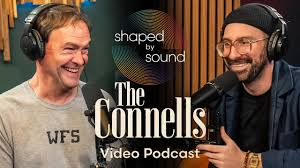

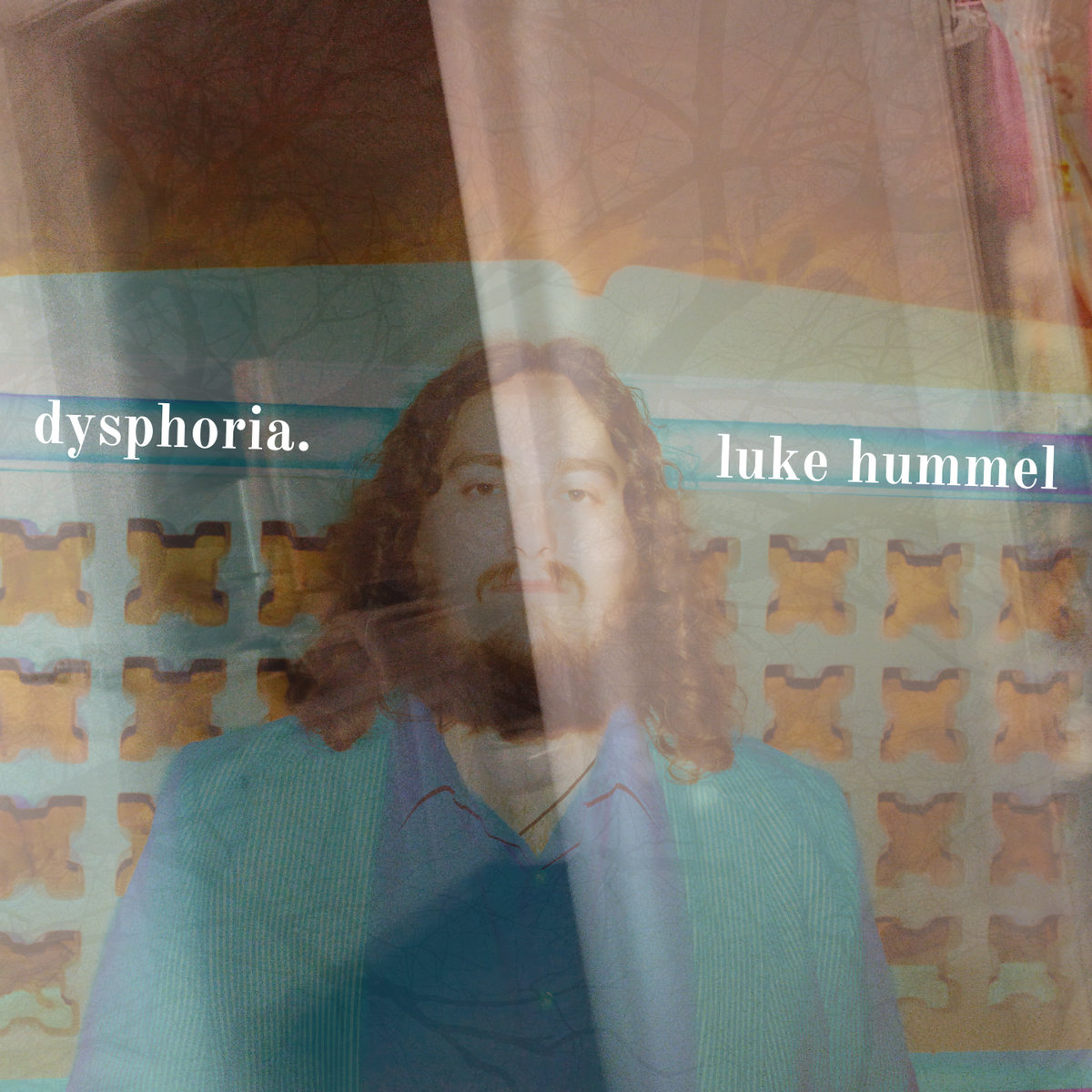
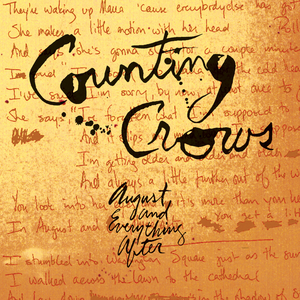


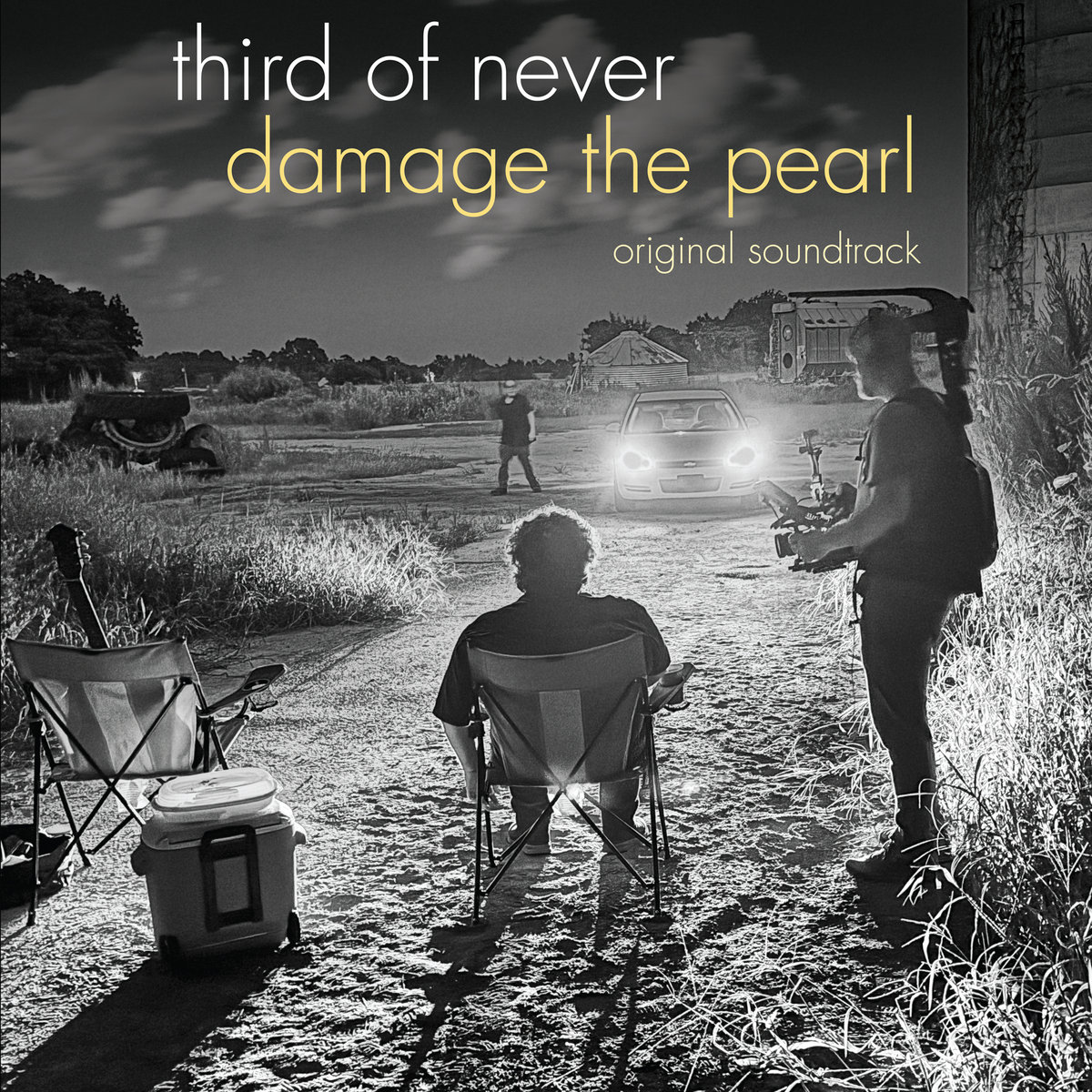
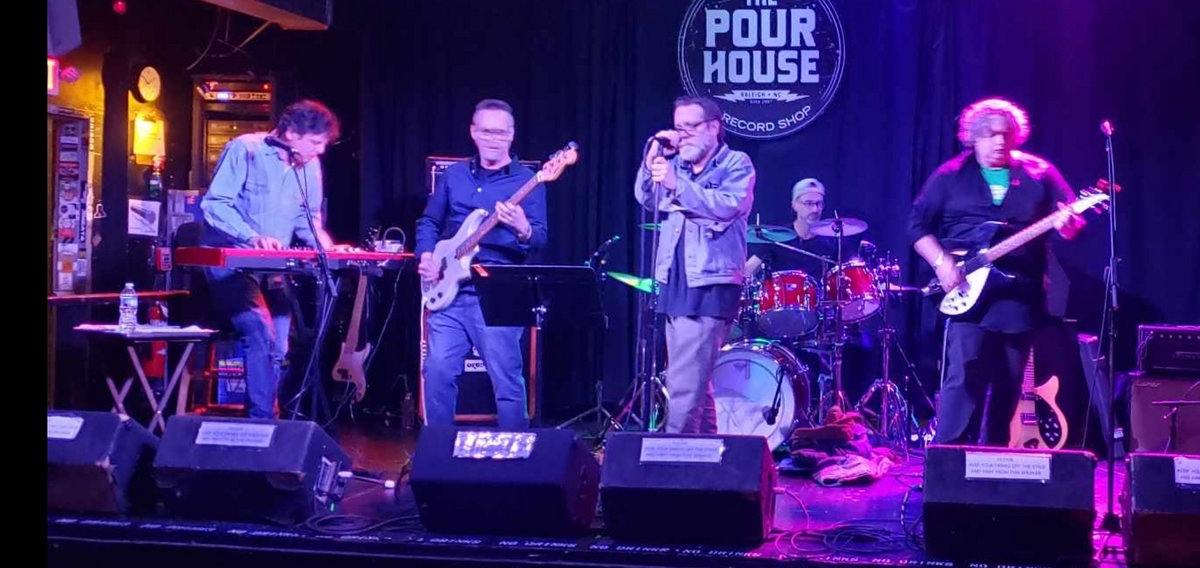
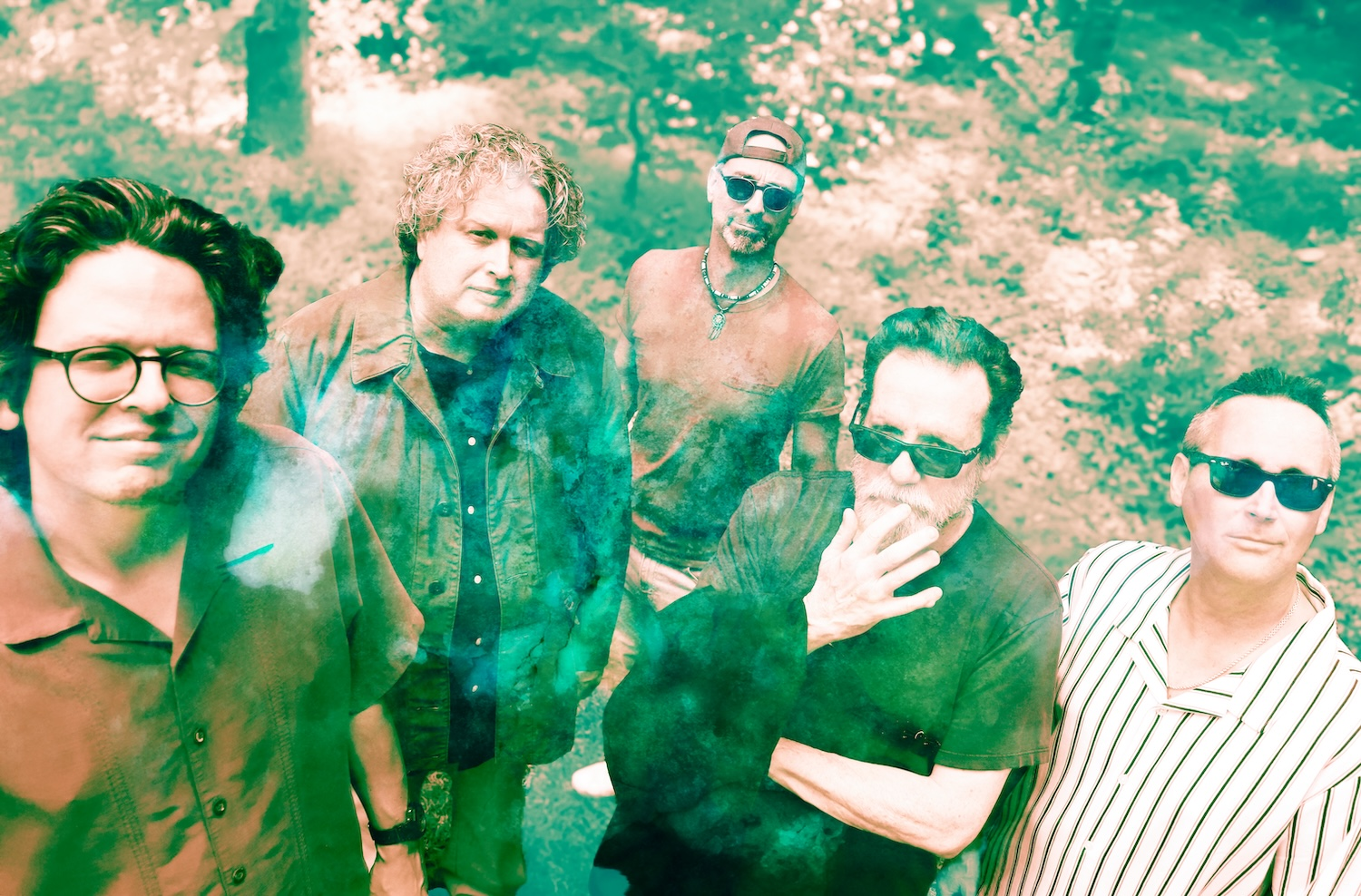


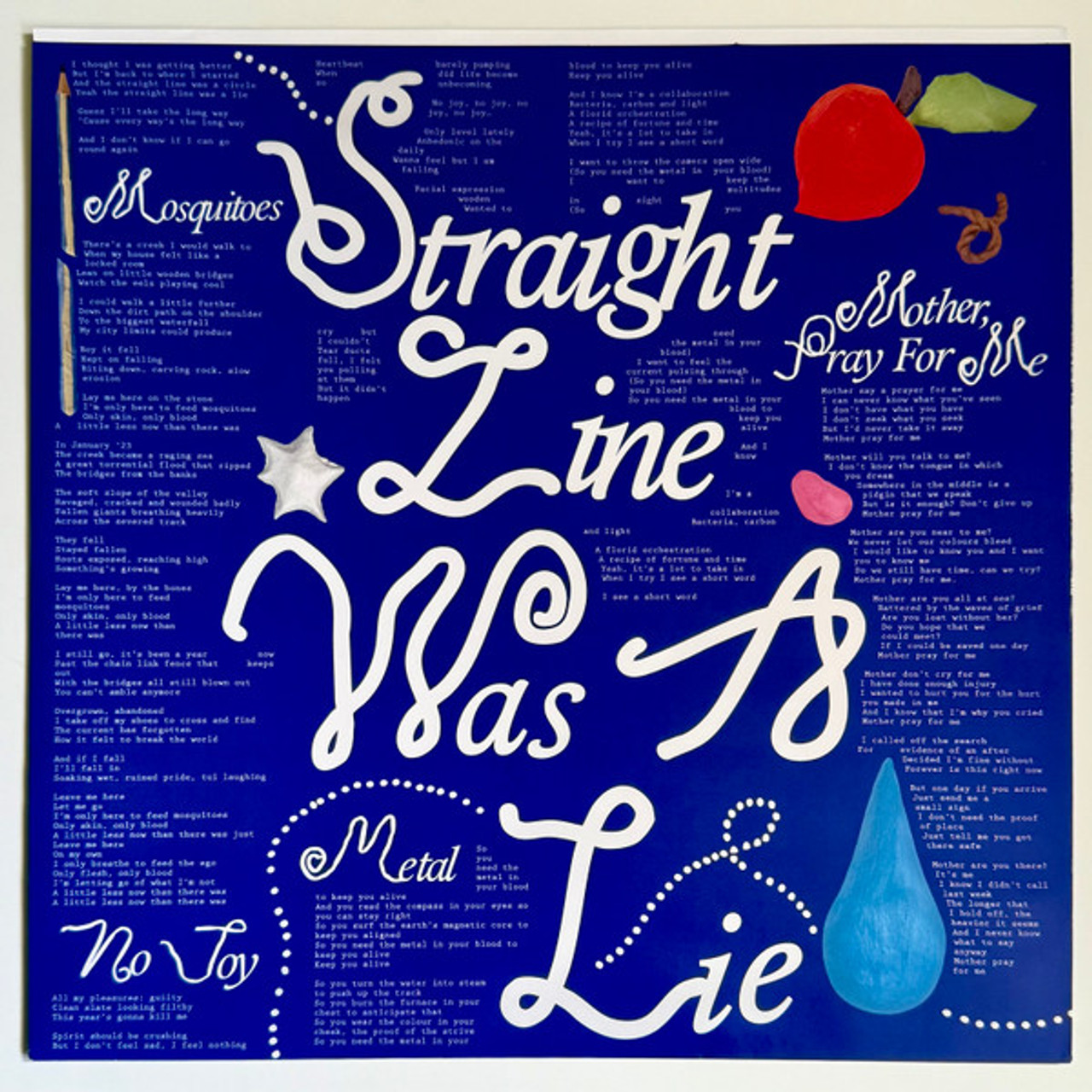

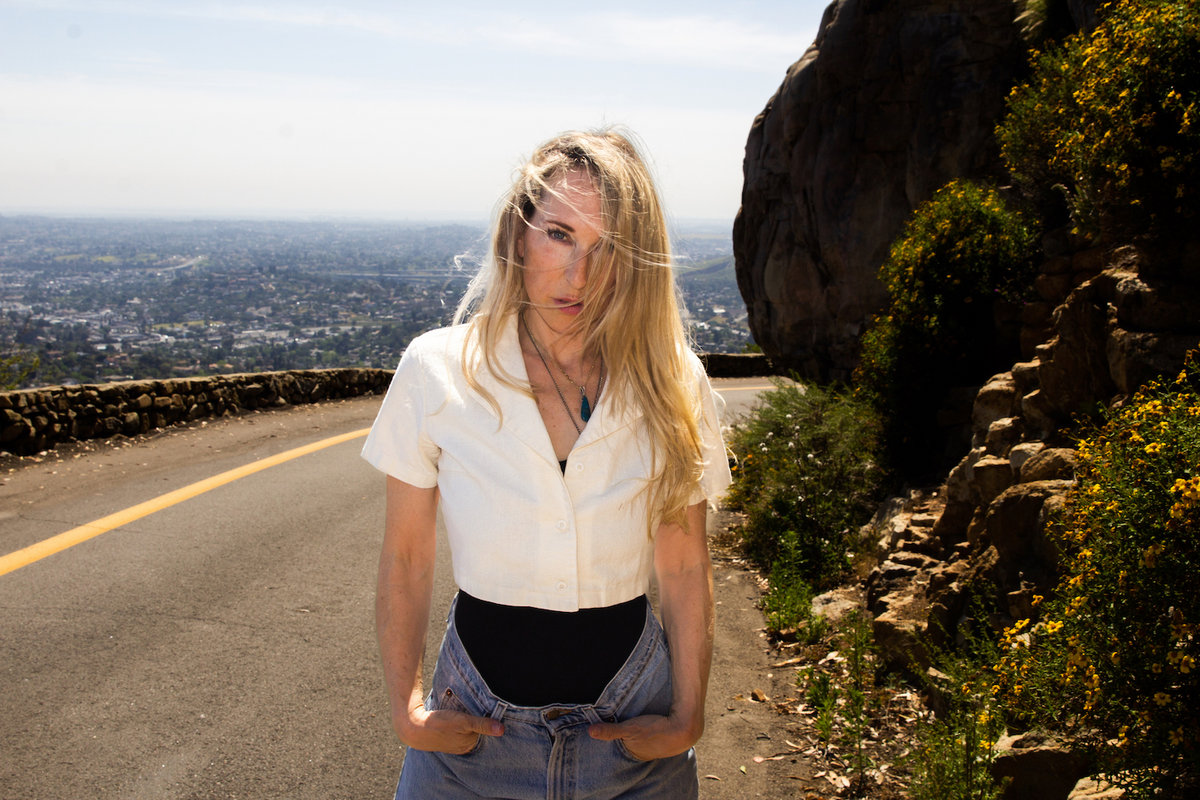




 your tuesday afternoon alternative