Video of The Day: Third of Never – Damage The Pearl

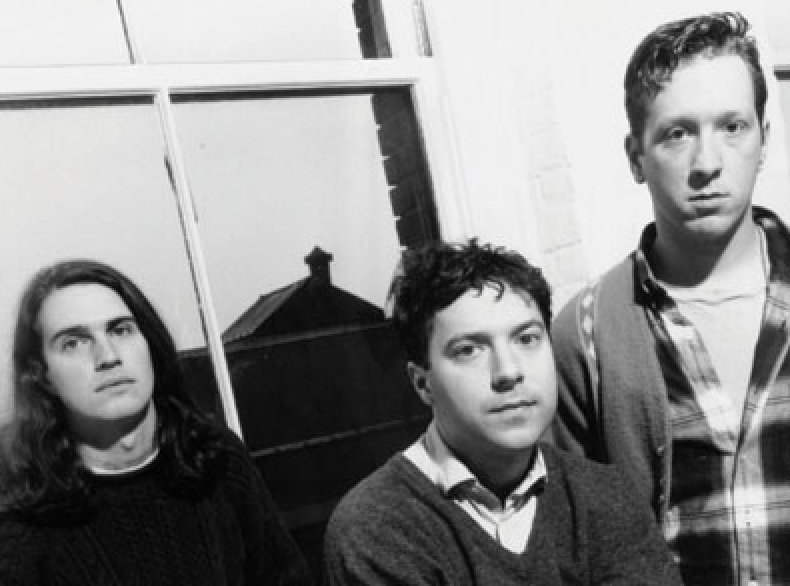
Damage the Pearl,” the standout title track from Third of Never’s latest record, is one of those songs that feels instantly lived-in—emotionally weathered, musically tight, and lyrically honest in ways that reward repeat listens. What Third of Never does so well across their catalog, melding melodic rock with angular edges, reflective lyricism, and a sense of drama that never tips into excess, comes into sharper focus here. The song is as much about mood as it is about narrative, and it invites the listener into a world where beauty and fracture sit side-by-side.

From the opening seconds, the track establishes a sonic landscape marked by contrast. Guitars shimmer and bite, building a foundation that feels both urgent and dreamlike. That duality mirrors the song’s thematic tension: “damage” and “pearl” aren’t just opposing concepts; they’re the twin poles around which the emotional arc revolves. The metaphor is simple but resonant—the “pearl” as something precious, hard-won, and vulnerable to harm; the “damage” as both external force and self-inflicted consequence.

Doug McMillen’s vocal performance lends the song much of its emotional depth. His delivery is unhurried but charged, as though he’s carefully excavating each phrase. There’s a rasp at the edges that suggests long nights, regrets, and resilience. He doesn’t dramatize the lyrics so much as inhabit them, giving the impression that the story being told has been carried quietly for a long time before finally being voiced.

Musically, the band strikes an impressive balance between tight arrangement and spacious atmosphere. Steve Potak’s keyboard textures ripple through the mix, adding color without overwhelming the guitars. His playing brings a sense of uplift to the darker corners of the track, hinting that even in the midst of damage, there’s clarity or even transcendence to be found. The rhythm section keeps the song grounded, propulsive without being forceful, allowing the emotional tension to breathe.

Lyrically, “Damage the Pearl” explores the fragile points in relationships—the places where trust is tested, where mistakes leave marks, where people confront the limits of what can be repaired. But the song resists cynicism. Instead, it seems to inhabit that complicated emotional terrain where hope and regret coexist. When the chorus opens up, the sense of release is less cathartic triumph and more a weary, honest exhalation. The band understands that complexity is sometimes more powerful than resolution.

The production enhances this emotional palette. Clean, spacious, and unafraid of subtle imperfections, it allows each instrument to carry its own weight. There’s no sense of overpolishing; the track feels human, textured, and lived-in. That sense of authenticity shapes the listening experience: the song sounds like a confession whispered and then amplified into the open air.

“Damage the Pearl” ultimately succeeds because it serves as both a strong standalone track and a thematic touchstone for the album bearing its name. It captures Third of Never’s ability to marry craft and feeling—to write rock music that is polished but soulful, introspective but accessible. It lingers after it ends, like a bruise you only notice when you press on it, and like a pearl that gleams all the more for having survived pressure.

Video of The Day: Tamar Berk – That’s Not a Lie

Tamar Berk’s latest song, “That’s Not a Lie,” from her recent excellent album Good Times for a Change, dives deep and explores the critical themes of honesty and vulnerability within relationships (and in an expansive canvas not simply romantic connections) and addresses a central question about how ready are we for the vulnerability that all relationships require. Consider how much are we willing to risk? Are we prepared for rejection? For appearing to be the fool — or foolish — in the face of striving to say what we feel directly and honestly.

The song is front and center on the uncomfortable truths people often face, exploring the complexity of admitting past mistakes and accepting one’s limits and flaws. Because we all have flaws even when we do not want to accept them. They stay with us, with every breath, every moment. Set against a rock and roll dynamic soundscape of driving electric guitar and drums, Berk’s emotive vocals convey and evoke both rawness, presence, and nostalgia, adding to the song’s emotional depth from the first note that she sings. This track carries an introspective tone, as Berk reflects on personal accountability, the challenges of openness, and the power of self-acceptance within partnerships.

The music video complements these themes by adopting a playful retro, almost interrogative visual style that feels present around us. It’s as though Berk is confronting herself, embodying the intense self-reflection that characterizes the song — she is doing the work. In her lyrics, she addresses a tension between the desire for honesty and the fear of vulnerability, a feeling that resonates across the album. Vulnerability is a recurring theme in her work reaching back to Starball, tying into her broader artistic exploration of personal growth and relationships. Berk wants to make music that means something and while this is not an after-school special kind of false sentimentality but a real discussion on the heart and the challenge of being gentle and risky with one’s heart. Precarity is a necessary condition of any connection.

We are fans of Berk’s earlier music and notice her brilliant mix of introspection and compelling indie-rock, dare we say ‘wall of sound.’ The song’s production style easily draws comparisons to ’90s rock influences, with a pitch pure effective blend of rock authenticity and modern polish. Ultimately, “That’s Not a Lie” stands out as a powerful statement within Berk’s ever-expanding and captivating discography, capturing her unique ability to weave personal narratives into relatable and engaging music​ that matters.

The Last Song

Last week, I wrote about albums that have a great first two-song combo. After thinking about that and sharing my thoughts, I was asked other than the start of an album, what else matters? What else leaves a lasting mark? Perhaps we could call it a musical bruise. And that led to thinking about the days when all music was released on vinyl. Side A and Side B each had a start and end. But the most definitive ending is the last song on a record.

The final song on an album holds a unique and important place, acting as the last note of a record’s journey and often shaping how listeners interpret the entire album. Where have we been? Where do we go now? Whether it’s a contemplative, quiet piece that allows the themes of the record to echo softly in the listener’s mind or a powerful anthem that closes the experience with a bang, the last track often serves as a reflection, summation, or even contradiction of what came before it (I feel that this happens often for several bands that I love, R.E.M., U2, and Uncle Tupelo to name a few that deeply matter to me). This closing moment can evoke a range of emotions: closure, anticipation, hope, or bittersweet melancholy. For many, a strong final track can define the entire listening experience, leaving a lasting impression that elevates the album from a collection of songs to a complete, resonant work of art.

Establishing Closure and Completeness

A thoughtfully chosen final track can make an album feel like a completed story, giving it a sense of narrative and emotional closure. Albums, particularly concept records, often unfold with a progression of emotions, themes, or stories, and a powerful last song can bring these to a satisfying conclusion. This role is especially crucial for artists aiming to take listeners on a journey, where the album acts as a cohesive unit rather than a series of disconnected songs. Ending an album with a song that reinforces the record’s primary themes or revisits earlier emotions can leave listeners feeling as though they’ve completed a meaningful journey, much like reaching the last chapter of a novel. Consider that the very last song that Uncle Tupelo put onto a record was ‘Steal the Crumbs’ on their brilliant masterpiece ‘Anodyne.’ It is crushing to me that the last echoes of ‘No more will I see you,” was a statement of intent from Jay Farrar to Jeff Tweedy. It is still hard for me to listen to that song today.

The last song can also play a vital role in underscoring an artist’s vision. If the rest of the album serves to establish a mood, a style, or a story, then the final track acts as the artist’s way of saying, “This is what I really want to leave you with.” It is the musical statement they want listeners to hold onto, an encapsulation of everything they poured into the album. The finality can be overpowering.

Examples of Powerful Final Tracks

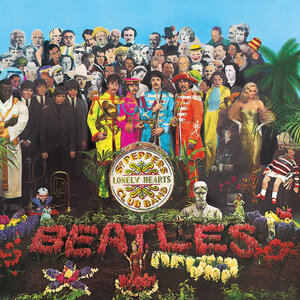
One standout example that is often discussed by those of us obsessed with music is “A Day in the Life” by The Beatles, the closing track of Sgt. Pepper’s Lonely Hearts Club Band. As a pioneering album in rock music history, Sgt. Pepper’s is an eclectic mix of sounds and styles that epitomizes The Beatles’ experimentation and innovation. The final track, “A Day in the Life,” is haunting and surreal, blending melancholy with a sense of curiosity and wonder. The song’s climactic, dissonant piano chord at the end creates a feeling of unresolved tension, inviting listeners to ponder its meaning long after the album is over. This impactful ending encapsulates the themes of discovery and mystery that pervade the album, making it feel timeless and open-ended.

Similarly, Radiohead’s OK Computer concludes with “The Tourist,” a slower, introspective track that contrasts with the chaotic energy of the rest of the album. OK Computer is known for its commentary on technology and alienation, exploring themes of existential anxiety and modern isolation. “The Tourist” stands apart from the album’s other songs in its simplicity, offering a moment of reflection that feels like a warning to “slow down” amid the dizzying pace of the digital age. The song’s restrained energy brings a reflective close to the album’s otherwise complex and unsettling journey, emphasizing its themes and leaving a deep impression.

Creating a Lasting Emotional Impact

Some final tracks are chosen to evoke powerful emotions, leaving listeners with an impression that will last beyond the music. For instance, David Bowie’s Blackstar closes with “I Can’t Give Everything Away.” This track, coming from Bowie’s final album before his death, is particularly poignant, dealing directly with themes of mortality, legacy, and departure. Bowie’s choice to end with this song feels like a farewell message, wrapping up his legendary career with a sense of grace and vulnerability. For listeners, the track is a heart-wrenching goodbye that gains even more weight within the context of Bowie’s life, allowing the album to transcend music and enter the realm of a personal, intimate farewell.

Nirvana’s In Utero, meanwhile, ends with the track “All Apologies.” The song reflects Kurt Cobain’s vulnerability and the conflicting emotions he experienced near the end of his life. It’s a bittersweet, haunting song that grapples with themes of forgiveness, regret, and identity. Given the rawness of In Utero, “All Apologies” acts as an understated yet emotionally charged conclusion. It’s a moment of both release and resignation, mirroring Cobain’s own inner conflicts. For listeners, it becomes a powerful closing note that brings a sense of poignancy to the album, especially in light of Cobain’s death just months after its release.

Offering Unexpected Twists

Sometimes, artists use the final track to surprise their audience, either by shifting the mood or presenting an unexpected style or message. This unpredictability can work as a memorable twist, leaving a lasting sense of intrigue. It changes the tone from the struggles explored in previous songs to pride and resilience, suggesting a sense of empowerment and identity that stays with the listener.

An example of an unexpected finale is the Arctic Monkeys’ “505” on their album Favourite Worst Nightmare. The song begins as a somber ballad but gradually builds into a soaring, intense climax. Its dynamic composition makes it feel like the album’s emotional pinnacle, one that explores themes of longing and nostalgia. “505” brings a sense of finality to the album but in a way that is both stirring and unpredictable, leaving listeners wanting more even as the music fades out.

Symbolism and Metaphor in Final Tracks

Artists also use the last track to imbue their album with metaphorical meaning, often turning the final moments into a symbolic experience. Pink Floyd’s The Wall famously ends with “Outside the Wall,” a soft, subdued song that contrasts with the bombastic nature of the album’s other tracks. As a conceptual record about isolation, rebellion, and self-destruction, The Wall reaches its emotional and narrative conclusion with this gentle, understated track. The song leaves listeners reflecting on the album’s themes with a mixture of sorrow and acceptance, making it an introspective and symbolic end to the epic story. Maybe it is a final track that can hint at continuity or invite speculation about future works.

The Final Song as a Reflection of the Album’s Themes

In many ways, the last song is the album’s most potent moment because it holds the power to tie all the preceding themes together in one emotional conclusion. The choice of final track is rarely arbitrary; it often holds the most weight and meaning. Whether it offers a moment of silence, explosive energy, quiet reflection, or unrestrained vulnerability, the final song gives shape and substance to the album, helping listeners make sense of the music as a whole.

In short, a powerful last track is not just the end of an album—it’s the parting message, the last look back, and the final chance to leave listeners with something unforgettable. When done well, it can transform the album into a cohesive, resonant work that remains with listeners long after the music has ended.

‘I’m In Love With That Song’ – Tail Lights Fade

The allure of a particular song is a multifaceted phenomenon, weaving its magic through a combination of emotional resonance, relatability, and the intricate interplay of melody and lyrics. As subjective as musical taste is, the reasons people fall deeply in love with a specific song are as diverse as the songs themselves. How often do music fans argue about a band’s best song or best album?

At the heart of this enchantment lies the emotional connection. People feel that connection in a direct visceral way. Music, as a universal language, has an unparalleled ability to evoke feelings and memories. A song that we love feels like a part of us. It can feel like a part of our body. A song can transport us to a specific moment in time, rekindling the flames of nostalgia or unlocking emotions long buried, whether they should have stayed there or not. The melody becomes a vessel for sentiments that words alone might struggle to express. Whether it’s the joyous melody that accompanies a carefree summer (consider the body of work of The Beach Boys) or the melancholic strains of a breakup (Taylor Swift, Adele, and far too many singers and bands come to mind), people gravitate towards songs that serve as emotional anchors in their lives.

Relatability plays a crucial role in why we love the songs that we do. A song becomes a personal anthem when its lyrics resonate with the listener’s experiences, beliefs, or aspirations. When an artist articulates something the listener has felt but couldn’t put into words, an instant connection forms. It’s this shared human experience that allows a song to transcend its role as mere entertainment, transforming it into a companion on life’s journey. The lyrics become a mirror reflecting the listener’s own narrative, fostering a sense of understanding and kinship; perhaps the relatable song helps us become better people.

The melody itself, with its power to evoke mood and emotion, is another pivotal factor. A well-crafted melody possesses the ability to bypass the conscious mind, directly influencing the listener’s emotional state. We emote alongside the song. Whether it’s the soaring crescendo of a powerful ballad or the infectious rhythm of an upbeat pop song or that jangle that refuses to let us go, the melody is the sonic fingerprint that distinguishes one song from another. People fall in love with a song because its melody or rhythm is ingrained in their minds, creating a sonic imprint that resonates long after the final note has faded. This is the reason that people hear or hum or feel a song long after it is done.

Songs are also tied to places. The cultural and societal context in which a song emerges contributes to its appeal. Certain songs become anthems for entire generations, encapsulating the spirit of an era. Classic rock songs or pivotal albums wield an oversized influence because of their connection to time and place. The social and political climate during the release of a song can imbue it with additional layers of significance, turning it into a symbol of its time. Did Bruce Springsteen mean for ‘Born in the USA’ to become an anthem that its lyrics would dispute? As a result, people develop a profound connection to songs that encapsulate the collective experiences and sentiments of their generation. The Who’s ‘Won’t Get Fooled Again’ or R.E.M.’s Everyone Hurts illustrate such a generational charge.

The artist’s persona and authenticity also play a crucial role in cultivating a love for a song. When listeners perceive that an artist is genuine and transparent in their expression, it fosters a deeper connection. Did Nirvana’s ‘Smells Like Teen Spirit’ become such a transcendent hit because listeners were drawn to the idea that Kurt Cobain meant every single word with boundless passion? Authenticity resonates, and when an artist’s sincerity aligns with the listener’s values, it creates a bond that extends beyond the music itself. Most of Neil Young’s or Bob Dylan’s catalog demonstrates this idea.

In essence, the reasons people fall in love with a particular song are as complex and diverse as the human experience. Whether through emotional resonance, relatability, melody, cultural significance, or the authenticity of the artist, a song’s ability to captivate and enthrall lies in its capacity to tap into the myriad facets of the human soul. Ultimately, the love affair between a listener and a song is a testament to the profound impact that music, as an art form, can have on the human spirit.

In this new column, ‘I’m In Love With That Song’ — clearly a reference to The Replacements tune ‘Alex Chilton,’ we are going to explore songs that we love and the reasons we love them so much. The first song we consider is Buffalo Tom’s Tail Lights Fade from their 1992 record ‘Let Me Come Over.’

In the tapestry of my musical memories, there exists a thread that glows with the hazy warmth of nostalgia and the bittersweet tinge of unspoken emotions. It’s a thread spun by the melodic enchantment of Buffalo Tom’s “Tail Lights Fade,” a song that has embedded itself in the very fabric of my musical existence. As the needle of time etches its marks on the vinyl of my life, this track remains a constant groove, its resonance undiminished by the years. I remember the first time I heard it while working a lonely internship in a city far from my home. I was listening to a radio station that played “college rock” and in between R.E.M., Green Day, Nirvana, INXS, and The Gin Blossoms, late one night I heard a song with a brilliant jangly guitar and impressive passionate voice that picked me up and shook me.

Buffalo Tom, a band that emerged from the indie rock scene of the late ’80s, had an uncanny ability to distill the essence of emotional turbulence into their music. “Tail Lights Fade,” a standout track from their 1992 album “Let Me Come Over,” encapsulates this prowess with an immediacy that resonates far beyond its initial release. In the spirit of sharing, let me unravel the layers of affection I harbor for this song. It is not at all an overstatement to say “I love this song.”

The opening chords of “Tail Lights Fade” announce themselves with a quiet insistence, like the distant murmur of a storm on the horizon. Bill Janovitz’s vocals, a blend of raw vulnerability and raspy resilience, invite the listener into a world where heartache and hope collide. I immediately and wholeheartedly appreciated the way Buffalo Tom seamlessly wove elements of indie rock, alternative, and even hints of Americana into a sonic tapestry that defied easy categorization.

The song’s narrative unfolds like a poignant short story, each verse a snapshot capturing the ephemeral beauty of moments, people, and things we need slipping away. “Sister can you hear me now, The ringing in your ears, I’m down on the ground, My luck’s been dry for years,” sings Janovitz, painting a vivid tableau of a relationship marked by a subtle disconnect. It’s a narrative that immediately invites dissecting the intricacies of the writing in this song. What were the experiences that led someone to say their luck has been dry for years? The lyrics, sparse yet evocative, leave ample room for the listener to project their own experiences onto the canvas of the song. Maybe we all feel like we are sitting on the ground, looking around ourselves and wondering what happened to that luck that people seem to find so easily in the movies.

As the chorus (of sorts) arrives, the guitars surge with an emotional intensity that feels like a sonic catharsis. I believe that anyone with a discerning ear for musical craft can feel the way Buffalo Tom made a chorus that serves as both a melodic climax and an emotional release. The chorus is an anthem for those caught in the undertow of fading love — the powerless feeling of driving away. It is a refrain that reverberates with universal resonance. As Janovitz sings: “I’ve hit the wall, I’m about to fall, But I’m closing in on it, I feel so weak, On a losing streak, Watch my taillights fade to black.” And while the lyrics in this part of the song change with each telling, the loss only grows. It feels tangible. This is not just the reaping of an imaginary whirlwind, this loss is mine.

“Tail Lights Fade” has a distinctive sound, a blend of jangly guitars and melodic hooks that straddle the line between indie rock, alternative, and alt-country. The band clearly has a commitment to exploring the fringes of musical genres. Part of what draws me into the song is the way the band’s ability to seamlessly blend elements of Americana into their sound. The guitars can be loud and evoke wide-open spaces and dusty highways, adding a layer of nostalgia that enhances the song’s emotional weight. The sound of the instrumentation is heavy. Burdened with passionate yet unsuccessful purpose and lost hope. The narrator has already lost. They know they have lost. Anything else they tell themself as they drive away is a lie and they know it’s a lie.

The movement of “Tail Lights Fade” is full of sonic departure, and moments of introspection within the song’s dynamic journey. bands that dared to experiment, would likely commend Buffalo Tom for this unexpected twist. The bridge, with its stripped-down arrangement and Janovitz’s plaintive vocals, provides a brief respite before the song surges back into its anthemic chorus.

But beyond the musicality, it’s the emotional honesty of “Tail Lights Fade” that cements its place in my heart. Buffalo Tom doesn’t romanticize heartbreak; they lay it bare, unadorned, and achingly real. Anyone with a commitment to authenticity in music would appreciate the way Buffalo Tom captured the messy, imperfect beauty of love in its twilight. I must acknowledge the cultural and historical context of “Tail Lights Fade.” The early ’90s were a tumultuous time for alternative music, with the underground bubbling to the surface of mainstream consciousness. Buffalo Tom, nestled in the bosom of this musical revolution, embodied the spirit of a generation searching for meaning in the dissonance of the post-punk landscape.

“Tail Lights Fade” was a beacon for those navigating the emotional terrain of the era. Being open to contextualizing music within the broader cultural landscape would likely celebrate the song’s role as a soundtrack for a generation caught between the fading echoes of the ’80s and the impending roar of the grunge era.

As I reflect on my enduring love for “Tail Lights Fade,” I realize that my affection for the song extends beyond its musical attributes. It’s a talisman, a sonic artifact that has accompanied me through the various chapters of my life. When I have felt that no matter how hard I have tried to accomplish something I have failed at, this song has always been there for me. In that way, this song has become a marker of my personal history. It is alright to fail.

We all want to believe that given an opportunity we would champion the underdogs and celebrate the mavericks of the world, but do we? The power of Buffalo Tom and “Tail Lights Fade” is in its stark reveal that we lost, we were always going to lose and life continues. One of the reasons that I hear and feel the song long after listening to it is because it creates an image of loss, but also of endurance. “Tail Lights Fade” is a timeless testament to the power of music to capture the ineffable complexities of the human experience.