Screaming in the Dark: How Rock Lyrics Tear Your Soul Open and Leave You Wanting More

Rock and roll has always been a violent, all-consuming beast that claws at your insides and leaves you aching for more. But it’s not just the guitar riffs that keep you coming back; it’s the words. The lyrics, when they hit, can get under your skin, lodge in your brain, and make you feel like you’ve been struck by lightning—or a falling star, depending on how poetic you want to get. The best rock songs are often the ones that tear down the walls between the listener and the songwriter, making you feel as if you’re walking through the fires of their soul, even if they don’t want you there.

This kind of raw vulnerability, this open wound of expression, can’t be faked. And if it is, you know it. But when it’s authentic? When it comes from a place that is somehow both personal and universal? That’s when you hear it: the sound of someone throwing everything they have into their lyrics, turning something that might just be a scribbled note into an anthem for the disillusioned.

And that’s where songs like those from The Connells, The Counting Crows, R.E.M., and The Replacements come in. They’ve got it—whatever it is. And they know how to wield it like a sword, carving out spaces for us all to exist inside their verses. It’s not just about being clever or complex. It’s about being real. It’s about making you feel something.

So what makes these lyrics powerful? Let’s dive in and break it down.

The Connells – The Beauty of the Everyday Struggle

Let’s start with The Connells. They’re like that band you heard on the radio and never quite knew whether you were supposed to cry or just nod along to the rhythm. Their song “74-75” is a classic example of lyrics that don’t just tell a story—they pull you into the middle of it, making you feel like a participant rather than an observer.

The thing about “74-75” isn’t the narrative; it’s the way it captures a feeling, a sense of longing for a time that’s already passed, a time that exists only in memory. The line “I was the one who let you know
I was your “sorry ever after”/’74-’75”
hits with the subtle melancholy of a songwriter who knows that the world they once envisioned didn’t quite turn out as expected. There’s no bitterness, no anger—just a quiet resignation. It’s not the anger of punk or the bombast of glam rock, but something more delicate: a personal and collective sadness.

This sense of fading away, of history marching on regardless of your desire to keep up, is where The Connells find their power. The lyrics don’t scream for attention. They don’t force you to accept them. Instead, they settle in, like the dust in an old attic that you haven’t bothered to clean. In a way, The Connells’ ability to articulate the passing of time, the things that slip away without us even realizing it, taps into a very human vulnerability: we can’t stop the inevitable, but we can remember, and sometimes that’s enough.

Counting Crows – The Beauty of Messy, Imperfect Souls

Counting Crows are often described as the quintessential ‘90s band, and while that might seem like a dismissive label to some, it’s hard to ignore how well they captured the emotional complexity of that era. The lyrics in songs like “Mr. Jones” or “A Long December” are imbued with a kind of longing that speaks to the frustrations of being stuck in your own head, lost in self-reflection, while also looking outward toward the world and wondering why it all feels so… empty.

There’s a rawness in Adam Duritz’s delivery, a sense of vulnerability that comes across as both introspective and confessional. In “A Long December,” Duritz sings, “And it’s been a long December, and there’s reason to believe / Maybe this year will be better than the last.” The power here isn’t just in the lines themselves but in the tone—the weariness in Duritz’s voice, the way it wavers, suggesting that this isn’t just about a bad month or a rough time. It’s about the constant cycle of hope and despair, the cyclical nature of life that repeats even though you don’t want it to. The power of Counting Crows’ lyrics lies in their ability to capture that very human struggle: the push-pull between wanting to believe things can get better and the awareness that life often doesn’t give you any guarantees.

But it’s not just about the sad, reflective moments. Counting Crows are also masters of finding beauty in the messiness of life. In “Mr. Jones,” Duritz sings about longing for fame and success, but in a way that’s almost self-deprecating, revealing the insecurity that so often accompanies dreams of grandeur. There’s something painfully human about the way he expresses these desires, especially when paired with the upbeat, almost celebratory musical backdrop. It’s as if Counting Crows are trying to convince themselves that they can rise above their own doubts, even if they don’t fully believe it. This contradiction—wanting something so badly while knowing it won’t solve your problems—is what makes their lyrics hit so hard.

R.E.M. – The Beauty of Ambiguity and Mystique

Now, R.E.M. is where things get interesting. They’re a band known for their obtuse, enigmatic lyrics—songs that you can never quite figure out, yet they speak to you as if they understand your deepest thoughts. “Losing My Religion” is the prime example of this. Michael Stipe’s lyrics are fragmented, filled with obscure references, and yet they carry an emotional weight that speaks to the very heart of human confusion and self-doubt.

“Losing My Religion,” for instance, is about more than just faith; it’s about the moment when you realize that the rules you’ve followed might not hold true anymore. The phrase “losing my religion” isn’t literal. It’s not about God or theology—it’s about that overwhelming sense of being on the verge of breaking, of seeing everything you thought was true start to unravel. Stipe’s voice doesn’t just sing these words; it resonates with the sorrow of understanding that, sometimes, there is no answer. The ambiguity is powerful because it reflects the messiness of our own lives: we’re all searching for meaning in a world that doesn’t provide any simple answers.

R.E.M.’s strength lies in their ability to articulate universal feelings—loss, confusion, longing—through highly ambiguous lyrics. You might not always know exactly what they’re talking about, but you know what it feels like. And that’s what makes their songs so potent. They create a space where the listener can impose their own experiences, their own meanings, into the lyrics, making each song feel personal.

The Replacements – The Beauty of Chaos and Rebellion

And then there are The Replacements. If R.E.M. is ambiguity, The Replacements are the messy, unpolished, chaotic force that says, “Here I am, take me or leave me. Either way, we don’t care.” There’s an undeniable power in their ability to capture the feeling of disillusionment with the world, but they do it with a defiance that borders on self-destructive. Their lyrics are often frantic, raw, and vulnerable as if the band is afraid that, if they don’t get it all out in one go, they might implode.

Take “Bastards of Young,” for example. It’s a call to arms for the disaffected youth, the ones who are always on the outside, looking in. The repeated refrain “We are the sons of no one / Bastards of young” rings with both anger and an almost celebratory tone—like a badge of honor worn by those who never quite fit into society’s neat little boxes. What’s powerful about this is that it isn’t just about rebellion for the sake of rebellion. It’s about a deep-seated sense of alienation, a recognition that the world may never accept you, and maybe that’s okay.

There’s a sense of desperation in these lyrics, a feeling that maybe the only way to survive is to burn everything down. But there’s also humor, even in the chaos, a reminder that life is messy, imperfect, and sometimes beautiful in its destruction.

The Power of Lyrics in Rock and Roll

The lyrics that make rock and roll so potent aren’t the ones that try to fit neatly into a box or explain everything away. They’re the ones that dive into the mess of human existence and say, “This is who I am, for better or worse.” It’s the raw vulnerability of The Connells’ reflections on time, the longing and self-doubt of Counting Crows, the cryptic mystery of R.E.M.’s disillusionment, and the raw, unvarnished chaos of The Replacements that make rock and roll lyrics so powerful. It’s not simply about the clever wordplay or the polished metaphors—it’s the truth, delivered with all the mess and pain that comes with it.

Rock and roll is about real emotions. And the best songs? They make you feel something, deep down—whether you want to or not. And we are all the better for it.

Last Show of 2024

The last YTAA Show of 2024 broadcast on 12-31-2024 is up on the YTAA Mixcloud page! Please give the show a listen and share it with all of your friends. The first time you sit behind the mic and hear that low hum of the studio, you realize it’s a weird kind of experience. You’re not broadcasting a war, no, you’re not even sending out a weather report; you’re sending out your heartbeat. You’re putting yourself on the line, with nothing but an inch-thick foam divider and a sliding board full of dials between you and the abyss of total silence, the void of being utterly ignored. But that’s the thing. Even when you feel apart and separated from others, you’re not really alone.

There’s something visceral about radio. Yeah, even in 2024. It’s a love affair with anonymity after a fashion — you’re sending out these fragments of yourself, these half-thoughts, barely strung together sentences (I try, I actually am trying for something snappy and catchy), hoping someone, anyone, will hear. But even when no one’s listening, it doesn’t matter. You can say the weirdest stuff. You can be as loud as you want, or as quiet as you need to be in that moment. It’s like a secret between you and the speakers on the other side of the room. Who knows if anyone’s tuned in? Does it matter? Perhaps, it doesn’t matter. You’ve got the mic, and in this space, it’s yours even if it is only for three hours. You’re not just DJing songs; you’re performing the act of being. Becoming.

And there’s a rhythm to it, a pulse you can feel in your chest. The songs bleed into each other, and you start talking, almost without thinking, like an out-of-body experience. You riff, you ramble, you may talk about everything and nothing — akin to late-night rants, whispered secrets, some tale of life in the margins. It’s punk, it’s soul, it’s funk, it’s rock ‘n’ roll, and if you’re doing it right, it’s all on the edge of disaster, waiting to fly off the rails at any moment. And that’s the magic. You could screw it up. You probably will. But that’s what makes it real. In an increasingly overproduced, AI-scam-laden world, radio may be messy but that is what creates some of the joy in doing it.

Well, folks, here we are at the end of 2024, and I gotta say—thank you for sticking with me through the weirdness, the noise, and the absolute chaos that is Your Tuesday Afternoon Alternative. You could’ve been anywhere, listening to anything, but you chose to tune in to this mess of records, rants, and ramblings. Maybe you were searching for something new, or maybe you just wanted to escape the grind. Either way, I’m grateful for your ears, your time, and your madness. This isn’t just my show—it’s our show, so keep riding the wave, wherever it takes us in 2025.

See ya next Tuesday!

Wussy: The Best Rock Band in America

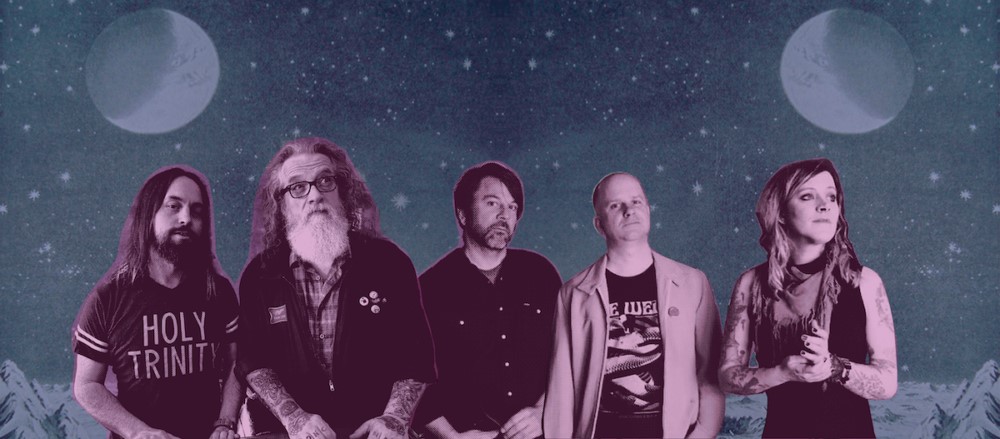
Wussy is one of those bands that everyone should know. They are an ongoing musical effort for over two decades with a deep catalog. The band’s lyrics — courtesy of Chuck Cleaver and Lisa Walker — are inescapable without being cloying or false, and the band’s observations are relatable, accurate, frighteningly honest, and perhaps more than a little sad. Yet, the dark lyrics hold a unique power to connect deeply with listeners, offering catharsis and shared understanding. They articulate complex emotions like heartbreak, grief, failure no matter what we do, the creeping realization of loss, or loneliness in ways that often resonate universally. We all have felt this way. We have all had to pick ourselves up and pack it up and continue.

This band does not ‘talk down’ or excuse the all too often unbearable. This shared complexity alongside relatability can provide solace, reminding us that struggles and loss are part of a broader human experience. Artists like Leonard Cohen, Nick Drake, XTC, and Wussy use poignant imagery and evocative language to turn personal pain into something captivatingly beautiful and communal. Research in psychology suggests that sad music, especially lyrics, can paradoxically uplift by helping listeners process emotions, offering empathy and a sense of emotional release.

Wussy’s music thrives on atmosphere and contrasts: jangly, distorted guitars and bending pedal steel coexist with heartfelt melodies, while lyrical introspection is paired with propulsive energy. The driving drums and bass arrangements further cement the band’s gravitational pull. This mix defines their aesthetic, often drawing comparisons to The Pixies, Sonic Youth, and Yo La Tengo for their dynamic range.

The band’s dual-vocal approach, featuring Chuck Cleaver and Lisa Walker, adds an emotionally layered dimension to their sound. Their harmonies weave between tenderness and grit, reflecting the tension and warmth present in their lyrics. Themes of heartache, resilience, and the mundane beauty of everyday life emerge vividly, often set against rich, guitar-driven arrangements. Wussy’s sonic identity also incorporates regional pride, as clearly evident in their references to Cincinnati and the Midwest. Critics frequently praise their ability to turn intimate, local stories into universal experiences. Their use of reverb-heavy production and jangling guitar textures evoke both nostalgic warmth and emotional depth, earning them cult status among fans and critics alike. This unique fusion of raw emotion, lyrical storytelling, and sonic experimentation cements Wussy as one of the most compelling voices in contemporary music. Their music is deeply personal yet profoundly accessible, it reminds us that we are not alone.

I consider Wussy an iconic band. Not because of a pose or prophetic statements. Their swirl and sway of instruments and voices are completely unique. No one sounds like them. Wussy, may be labeled an indie rock band from Cincinnati, Ohio, but that does not fully capture what they do. The band has returned with a highly anticipated album titled Cincinnati, Ohio (released on Friday, November 15, 2024) and we are all better for it. This record marks their first full-length album in six years and their first since the passing of guitarist and co-founder John Erhardt (who had been in The Ass Ponys with Cleaver) in 2020. Known for blending honest heartfelt storytelling with robust, guitar-driven sounds, Wussy’s latest work reflects a nuanced exploration of loss, resilience, and their enduring love for their hometown.

The new record, released through hometown label and actual record store, Shake It Records, features ten tracks, including the singles “The Great Divide,” “Sure as The Sun,” and “Inhaler.” The band’s characteristic mix of Americana, Post-Punk, lo-fi noise pop, and introspective lyrics remains central to their sound. Tracks like “The Great Divide” showcase their ability to layer droning, propulsive rhythms with deeply evocative storytelling, capturing the emotional intensity fans have come to expect from Wussy’s catalog. These songs signify a period of renewal and creativity after a period of reflection during their hiatus. Many fans are excited about the release of these songs having heard acoustic versions of several of them during live streams during the lockdown of the Covid Pandemic.

The album draws from personal experiences and the band’s shared history in Cincinnati, a city they frequently reference in their music and where they live. Themes of identity, community, and memory are woven throughout the record, with a tone that both mourns and celebrates. This duality underscores the resilience of a band that has endured significant changes while staying true to its artistic roots. The band members do not pretend or play false flag arguments about their ties to their hometown. The ties that bind here are part of the band’s identity.

Wussy also released two accompanying EPs, The Great Divide and Cellar Door, further showcasing their ability to experiment with sound and storytelling. This multi-release strategy highlights their dedication to producing layered and diverse music for their audience. And Wussy fans are happy for these releases.

The band is known — and rightly celebrated — for its DIY ethos and deeply collaborative nature. Since their formation in 2001, Wussy has been widely praised for their raw authenticity and ability to merge genres seamlessly. Cincinnati, Ohio continues this tradition while evolving their sound to address both personal and universal themes, making it a compelling addition to the discography.

You can explore the album further, and I recommend that you do so! Or better yet purchase it through Shake It Records or Bandcamp. For more insights into the band and their new music, check out their official site or the well-deserved recent press coverage.

Dr. J’s Desert Island Albums: The Living Rock and Roll Circus with Kiss

The concept of desert island records and songs has become a fascinating cultural phenomenon, reflecting the profound impact that music can have on our lives. The idea stems from the hypothetical scenario of being stranded on a deserted island with only a limited selection of albums or songs. In this isolated setting, individuals are forced to choose a handful of musical companions that would accompany them through the challenges of solitude. An album in the desert island collection is considered a person’s absolute favorite, one they could listen to repeatedly and never tire of, making their social and physical isolation on an imagined desert island more bearable and more survivable.- Playing these songs and records transports the listener somewhere else, somewhere comfortable and meaningful.

These selections often transcend mere musical preferences, representing a deeply personal and emotional connection to specific tracks or albums. Desert island records are not just about the tunes themselves; they encapsulate memories, emotions, and moments in time. The chosen music becomes a source of solace, inspiration, and a reminder of the outside world.

People’s desert island picks vary widely, showcasing the diversity of musical tastes and the unique ways in which individuals relate to different genres and artists. Whether it’s the soothing melodies of a favorite album or the empowering lyrics of a cherished song, the desert island concept underscores the transformative power of music in shaping our identities and sustaining our spirits, even in the most isolated circumstances. As a cultural phenomenon, it highlights the enduring significance of music as a universal language that transcends boundaries and connects us to our deepest selves.

“Kiss Alive,” released on September 10, 1975, stands as a landmark album in the history of rock music, particularly in the realm of live recordings. This double-disc compilation not only captured the raw energy and charisma of Kiss’s live performances but also catapulted the band to new heights of success. This album — the band’s fourth — is a desert island record for us here at Your Tuesday Afternoon Alternative. In explaining why this record is among the all time favorites of Dr. J, we explore the significance of “Kiss Alive,” delving into its impact on the band’s career, the live album genre, and its enduring influence on subsequent generations of musicians and fans. I received a copy of the album a few years after its release and devoured the record. I grew up in a small Minnesotan farming community, population 550 (seriously!) and the thought of attending an iconic rock and roll concert was a dream that would not come true for a few years for me. However, with “Kiss Alive” I felt as if I were attending a dynamic rock and roll concert. It seemed like I was there in the audience. And that sense of being at a show was a significant characteristic of this record. No other record in my collection has had such a powerful influence on me when I put it on the record player.

“Kiss Alive” emerged during a crucial juncture in Kiss’s career. By 1975, the band had released three studio albums — “Kiss” (1973), “Hotter Than Hell” (1974), and “Dressed to Kill” (1975) — that garnered a dedicated fan base but hadn’t achieved mainstream success. The decision to release a live album was a strategic move, intended to capture the essence of their explosive live shows and convey the power of their stage presence to a wider audience. The album was compiled from recordings of concerts in Detroit, Cleveland, Wildwood, and Davenport during the band’s “Dressed to Kill” tour. The choice of a live album was not only a response to the lukewarm commercial reception of their studio albums but also a testament to Kiss’s belief in the authenticity and intensity of their live performances.

“Kiss Alive” turned out to be a game-changer for the band. The album peaked at No. 9 on the Billboard 200 chart and marked Kiss’s first top-ten album. Its success was instrumental in propelling the band into the mainstream, introducing them to a broader audience. The raw, unbridled energy captured on the album resonated with fans, and “Kiss Alive” quickly became a commercial juggernaut. This success continues today as 97% of Google users like the album.

The album breathed new life into songs that had previously gone unnoticed. Tracks like “Deuce,” “Strutter,” and “Black Diamond” took on a new dimension in the live setting, solidifying their place in the Kiss repertoire. The live versions became definitive renditions, and in some cases, they even surpassed the studio recordings in popularity.

“Kiss Alive” didn’t just elevate the status of the band; it also played a pivotal role in redefining the live album genre. Prior to its release, live albums were often considered secondary to studio recordings, serving as a means for artists to fulfill contractual obligations rather than a medium for artistic expression. “Kiss Alive” challenged this perception by demonstrating that a live album could capture the spirit and dynamism of a live performance, providing listeners with an immersive experience that transcended the studio environment. The success of “Kiss Alive” opened the floodgates for other bands to explore the live album format as a legitimate and powerful artistic statement.

One of the distinguishing features of “Kiss Alive” is its cinematic quality. The album wasn’t just an audio experience; it was a sonic journey that transported listeners into the heart of a Kiss concert. The sequencing of tracks, the interplay between band members and the audience, and the seamless transitions between songs created a narrative arc that mirrored the ebb and flow of a live performance.

The album opens with the iconic sound of a roaring crowd, setting the stage for the sonic assault that follows. Each song is like a chapter in the Kiss saga, with Paul Stanley, Gene Simmons, Ace Frehley, and Peter Criss each contributing their unique elements to the musical narrative. The album’s pacing and structure were carefully crafted to maintain the momentum and excitement of a live show, making it a cohesive and immersive experience for the listener.

Beyond its impact on the music industry, “Kiss Alive” became a cultural phenomenon. The album cover, featuring the iconic image of the band against a stark black background, captured the mystique and theatricality that defined Kiss’s image. The visual impact of the cover art complemented the sonic intensity of the music, creating a cohesive and memorable package.

Kiss’s stage presence and elaborate costumes, coupled with their signature face paint, became synonymous with the band’s identity. This visual spectacle, combined with the energy of their live performances as showcased on Kiss Alive, contributed to the band’s larger-than-life persona. Kiss wasn’t just a musical act; they were a multimedia experience, and “Kiss Alive” served as a gateway for fans to immerse themselves in the sonic world of Kiss.

“Kiss Alive’s” influence extends far beyond its initial release. The album laid the groundwork for the subsequent success of Kiss and paved the way for other artists to explore the potential of live recordings. It remains one of the best-selling live albums of all time and has been certified multi-platinum, a testament to its enduring popularity.

Moreover, “Kiss Alive” continues to inspire generations of musicians. The unbridled energy, the connection with the audience, and the sense of spectacle have become touchstones for artists seeking to create memorable live experiences. The album’s impact on the development of the hard rock and heavy metal genres is undeniable, with countless bands citing Kiss as a major influence.

Kiss Alive stands as a pinnacle in the history of live albums, showcasing the transformative power of a well-executed live recording. Its impact on Kiss’s career, the live album genre, and popular culture as a whole cannot be overstated. Kiss Alive is not merely a document of a band’s live performances; it is a sonic and visual journey that captures the essence of a musical revolution.

As Kiss celebrates its legacy after their final live concert, “Kiss Alive” remains a timeless testament to the band’s ability to connect with audiences and leave an indelible mark on the world of rock music. It is a sonic time capsule that transports listeners back to the mid-1970s, allowing them to experience the magic of a Kiss concert whenever the needle drops on those iconic vinyl grooves.

Faves of 2023: Elephants and Starts – Get Your Own Army

Why do some bands mean something to us? What is it about the sounds, the instruments, the lyrics… the whole of the sum of parts that resonate and make us care?

The appreciation of music is a complex and multifaceted experience that varies from person to person. There are several reasons why people care about certain music. Music has the power to evoke strong emotions and connect with people on a deep, personal level. Certain songs or genres may resonate with individuals based on their life experiences, memories, or current emotional states.

Elephants and Stars, the Canadian band led by singer and guitarist Manfred Stittmann and bassist Mike MacMillan, is a muscular blend of musical prowess and lyrical brilliance that captivates all who hear their songs. For us at YTAA, Elephants and Stars are a perfect band. Their sound transcends rock and roll boundaries, imagine fusing indie rock with catchy pop elements, creating an atmosphere that feels both familiar and refreshingly new. All too often today bands run screaming from power chords, danceable bass lines and crisp, solid drumming as if creating hooks in songs was wrong and to be avoided.

However, being limited is not a problem for Elephants and Stars! From album to album through the band’s impressive discography that was created in a few short years: “Recovery” (2020), “Dreamland” (2021), “Last Chance Power Drive” (2022) and “Get Your Own Army” (2023) — the band only becomes better and stronger at creating incredible melodies, passionate guitar driven tones, and powerful vocals that carry a sense of surreal and absurd on topics that matter such as relationships that fail no matter how much effort we extend in order to try and save them (“Bled Out At The Scene”) and the over powering sense of loneliness that accompanies being surrounded by distant, non-caring others (“Lost in New York City” and “Green Light to Pasadena”). As R.E.M. noted we are all “alone in a crowd, in the crowded barroom.”

One of the band’s standout qualities is their ability to craft melodies that linger in your mind long after the music stops. Each song feels like an intimate journey, a maze of personal introspection because their lyrics feel torn from our secret personal diaries, weaving through intricate layers of instrumentation while maintaining a sense of raw authenticity within a powered rock and roll framework. Stittmann’s hauntingly emotive voice adds depth and sincerity to the already evocative lyrics, drawing listeners into a world of introspection and contemplation all the while the music feels as if it is veering into the pathway of a runaway train; and that ride is thrilling all along the way. Going off the rails never felt so real and so good.

What truly sets Elephants and Stars apart from so many bands is their knack for personal storytelling through music. Their songs often explore themes of love, loss, and self-discovery, resonating with audiences on a deeply personal level — see our previous full review of their fantastic Get Your Own Army. Whether it’s an upbeat anthem or an emotional yet scratchy heartfelt voice, the band infuses every track on “Get Your Own Army” with an undeniable sincerity that tugs at the heartstrings and reminds us that we may be flawed but we are still worthy of care and concern.

Their live performances are nothing short of mesmerizing. The band’s chemistry on stage is palpable, creating an electric atmosphere that leaves the audience spellbound. Each member’s talent shines through, delivering a performance that is both technically impressive and emotionally stirring.

Overall, Elephants and Stars is a band that possesses the rare ability to transport listeners to another realm with their music. “Get Your Own Army” is a passionate continuation of the band’s efforts to make rock and roll songs that matter, that mean something. Their songs have a resonating personal and timeless quality that makes them instantly relatable yet endlessly captivating within a classic rock and roll approach. With their distinctive sound and genuine artistry, Elephants and Stars have undoubtedly secured a place among the most promising rock and roll bands today. For all of these reasons and more, this music spoke to us at Your Tuesday Afternoon Alternative and is one of our favorite releases of 2023.

Shane MacGowan: A Poet of the Streets, a Balladeer of Rebellion

In musical history, certain figures stand out as rebels, challenging conventions and giving voice to the unspoken sentiments of their generation. Shane MacGowan, the enigmatic frontman of The Pogues, was undeniably one such luminary. With his gravelly voice, poetic lyricism, and unapologetic embrace of Irish roots, MacGowan became a defining force in the world of punk and folk fusion. As we celebrate the indomitable spirit of his artistic legacy, it’s essential to delve into the essence of the man who breathed life into timeless anthems of rebellion and romance with a bemused wry smile.

Shane Patrick Lysaght MacGowan was born on December 25, 1957, in Pembury, Kent, to Irish parents. Raised in Tipperary, Ireland, he absorbed the rich tapestry of Irish culture, folklore, and music from an early age. This upbringing would later weave its way into the fabric of The Pogues’ music, shaping the band’s distinctive sound and catapulting them to the forefront of the folk-punk movement in the late ’70s and 1980s.

The Pogues emerged in the early 1980s, a tumultuous period where punk’s raw energy collided with traditional Irish folk, giving birth to a genre-bending sonic landscape. MacGowan, with his unruly hair, torn clothing, and a perpetual cigarette dangling from his lips, embodied the rebellious spirit of the times. His persona was a paradox — a punk poet who found solace in the echoes of Ireland’s past while navigating the gritty reality of London’s streets.

At the heart of MacGowan’s brilliance lay his songwriting. His lyrics were a patchwork of vivid narratives, drawing inspiration from the struggles of the working class, the beauty of love, and the tumultuous history of Ireland. “Fairytale of New York,” arguably The Pogues’ magnum opus, encapsulates this duality. Released in 1987 and included on the excellent “If I Should Fall from Grace with God,” the song is a bittersweet tale of love, dreams, and disappointment, set against a backdrop of an Irish immigrant’s Christmas in New York City. MacGowan’s poignant lyrics, combined with Kirsty MacColl’s haunting vocals, created an enduring masterpiece that transcended genres and resonated across generations. The song is just as powerful today as it was when it was first shared with the world.

MacGowan’s ability to infuse punk’s rawness with traditional Irish folk melodies was a testament to his musical prowess. The Pogues’ sound was a collision of tin whistle, accordion, and mandolin, melding seamlessly with electric guitars and drums. This fusion created an anthemic quality that resonated with audiences far beyond the punk and folk scenes. The band’s discography, including albums like “Rum, Sodomy & the Lash” and “If I Should Fall from Grace with God,” became a sonic pilgrimage for those seeking a rebellious yet nostalgic journey through the Irish soul.

Beyond the music, Shane MacGowan’s stage presence was a spectacle itself. Often appearing disheveled and seemingly unbothered by conventional norms, he commanded attention with an almost hypnotic charisma. His performances were raw, unfiltered, and charged with an energy that mirrored the rebellious heartbeat of punk. Whether he was stumbling across the stage or bellowing lyrics with raw intensity, MacGowan’s presence was a visceral experience that left an indelible mark on anyone fortunate enough to witness it.

However, behind the chaotic exterior and raucous performances, Shane MacGowan grappled with personal demons. Substance abuse, particularly his well-documented struggles with alcohol, became a defining aspect of his narrative. It was a tumultuous dance with self-destruction that added an element of tragedy to his story. Yet, even in the midst of personal battles, MacGowan’s commitment to his craft remained unwavering. His resilience, coupled with an unyielding passion for storytelling through music, showcased the depth of his artistic dedication.

As the years passed, MacGowan’s physical appearance became a visual testament to the toll his lifestyle had taken. The once-youthful firebrand now sported weathered features, a visible testament to the battles fought both on and off the stage. Despite the toll of time and excess, his voice retained its distinctive rasp, a testament to the enduring power of his artistry.

The Pogues disbanded in 1996, marking the end of an era. While the band members pursued individual projects, MacGowan continued to make music and collaborate with various artists. His solo work, including the critically acclaimed “The Snake” album, showcased a more introspective and nuanced side of his songwriting. Even in the absence of The Pogues’ collective energy, MacGowan’s solo endeavors demonstrated his ability to evolve while staying true to his roots.

Shane MacGowan’s impact extends beyond the realm of music. His influence reverberates through the works of countless artists who found inspiration in the collision of punk’s defiance and folk’s storytelling. The Pogues’ legacy, anchored in MacGowan’s vision endures as a testament to the enduring power of musical rebellion and cultural fusion.

In the wake of his passing, the world mourns not just a musician but a poet, a storyteller, and a provocateur. Shane MacGowan’s journey was one of highs and lows, a tumultuous ride through the corridors of creativity and chaos. His legacy, however, is etched into the very fabric of musical history, an indomitable force that continues to inspire those who seek the unbridled spirit of rebellion and the timeless beauty of poetic expression.

Heather Redman & The Reputation: A Funky Soulful-Blues Infused Rock Odyssey

In the ever-evolving kaleidoscope of rock and blues, it’s rare to come across a band that can channel the raw essence of classic genres while injecting a fresh and exhilarating spirit into their music. Enter Heather Redman & The Reputation, a group of fantastic Dayton, Ohio musicians whose debut album is nothing short of a revelation in the world of contemporary rock and roll. If you’re craving the kind of music that grabs you by the soul and refuses to let go, then look no further. This is Heather Redman & The Reputation, and their self-titled album is a tour de force of funky soulful blues-infused rock that takes you on a journey through love, pain, longing, and everything in between.

Heather Redman’s husky, soulful voice immediately captivates the listener, drawing them into the world of her lyrics. The Reputation’s instrumentation serves as the perfect backdrop to Redman’s compelling storytelling, creating a synergy that is seldom encountered in modern music. Their self-titled album takes you on a mesmerizing musical journey, exploring a variety of emotional landscapes through a potent blend of soul, blues, rock, and blues influences.

The opening track, “Everybody,” sets the tone for the entire album. Redman’s voice takes center stage, conveying the emotional depth of the lyrics. It’s a heartfelt tour-de-force ode to community where all are welcome, with a bluesy, slow-tempo groove that pulls you in and doesn’t let go for a single second. The vocals are exceptional. Whether she whispers or screams, Redman sings with unrestrained passion that would destroy a lesser singer. I would pay money to hear Heather Redman sing the phonebook. The guitar work courtesy of Matt Webster on this track is exceptional, capturing the essence of classic soulful blues while adding a modern flair. The keyboards feel like they are dancing around the room. The percussion propels the song forward so well that you are a bit surprised when the song ends. It’s a tantalizing preview of what’s to come.

As the album progresses, “Step Back Girl” showcases Heather Redman’s songwriting prowess. The lyrics are poignant and fun, painting a picture of flirtation, fascination, and being a little star-struck. The Reputation’s musicianship is on full display, with a jangly guitar that adds a layer of emotional depth to the song. This track is a testament to the band’s ability to convey complex emotions through their music without talking down to their audience. There is a wink that the object of affection may be important to the narrator of the song as well as the young lady filled with longing watching the desired musician up on stage.

The album takes a turn with “Wait For Me,” a high-energy track that fuses rock with blues in an electrifying way. Redman’s voice soars, showing her versatility as a vocalist. The Reputation’s rhythm section locks into a tight groove, propelling the song forward with an infectious energy. “Wait For Me” is a stand-out track that demonstrates the band’s ability to switch between different moods and styles seamlessly. This song swirls from the start of the organ to the punch of the chorus with a beautiful harmonic blending of voices and emotions. The song captures the pushes and pulls of hope, desire, and the slow realization that we are all waiting.

One of the defining qualities of this album is its lyrical depth and swirling maelstrom of musical inventiveness. “Daydream” is a prime example, a song that seems to delve into themes of reflection and regret. Redman’s lyrical delivery is passionate and introspective at the same time, and the band’s movement is at times restrained and in other moments goes full bore like their lives depend on it. The instrumentation provides the perfect canvas for Heather Redman to paint her emotional narrative. The use of horns in this track is a beautiful touch, adding to the overall quality of the song.

The album reaches its climax with the Salvadore Ross cover of “Broken Bones,” a mesmerizing track that is a testament to the band’s songwriting and musicianship. Heather Redman’s vocals are hauntingly beautiful, and the Reputation’s arrangement is powerful. This song is a perfect encapsulation of the band’s ability to create music that is both emotionally resonant and musically engaging. The guitar solo in “Broken Bones” is a thing of beauty, showcasing the band’s virtuosity.

As the album approaches the end, the choice of the Amber Hargett penned evocative tune “Prove It To Me” provides a poignant and intimate moment. Redman’s voice is soulful and resolute with a dash of defiance conveying a sense of demand while carrying under the surface hints of closure and acceptance. The Reputation’s acoustic instrumentation in this track is a departure from the rest of the album, showcasing their versatility. It’s a bittersweet clarion call to ‘Prove It To Me‘ that leaves a lasting impression. The drums and percussion on this song from veteran drummer Dan Stahl shine on this song.

Every soulful album should have a passionate plea and Tryin‘ — the penultimate song on the record — is a barn burner that just simply leaves everything on the floor. Heather Redman’s lyrics are a testament to her songwriting abilities. Her words cut to the core of human emotions, exploring themes of love, heartbreak, and self-discovery. The lyrics of this song are thought-provoking and relatable, making it easy for listeners to connect with it on a personal level. Across the eight songs on the entire record, Redman’s storytelling is vivid and evocative, creating a strong emotional resonance that lingers long after the music stops. The listener is left wondering, what happens after the music fades.

The closing track, “The Getdown,” is a fitting end to the album. It’s a triumphant and anthemic song that encapsulates the essence of Heather Redman & The Reputation. The band’s chemistry is on full display, with a powerful, driving rhythm section and searing guitar work. Redman’s vocals are filled with determination and resolve, making it clear that this band has arrived and is here to stay.

Throughout the album, Heather Redman & The Reputation effortlessly blend elements of blues and rock, creating a sound that is both timeless and contemporary. The interplay between Redman’s expressive vocals and the band’s impeccable instrumentation is a match made in musical heaven. This album isn’t just a collection of songs; it’s a narrative journey that takes the listener through the highs and lows of life’s experiences.

The Reputation’s musicianship is equally impressive. The band members are not just skilled instrumentalists; they are true artists who understand the nuances of their craft. Their ability to seamlessly switch between different styles and moods is a testament to their versatility and adaptability. The guitar work, in particular, is a highlight, with solos that are both soulful and electrifying. The organ/keyboards pull a sonic sleight of hand in creating a sway to the songs that add to the bounce and joy of each tune.

Heather Redman & The Reputation’s self-titled album is a triumph in modern rock music because it is so rare for a debut album to smoothly transition across styles and there is no awkwardness or jarring shift, the songs flow as if moving downstream. It’s a rare gem that captures the spirit of classic blues and rock while infusing it with fresh and contemporary energy with a healthy helping of soul. The band’s ability to convey complex emotions through their music is nothing short of remarkable, and Heather Redman’s vocals are a force to be reckoned with. You cannot look away when Heather Redman sings, it’s as if her singing possesses an unrelenting gravitational pull.

In a musical landscape that often prioritizes the trendy and the ephemeral, Heather Redman & The Reputation stand as a testament to the enduring power of authentic and emotionally charged music. This album is a must-listen for anyone who craves music that goes beyond the surface and delves deep into the human experience. Heather Redman & The Reputation have not only made a name for themselves; they’ve etched their reputation into the annals of rock and blues music. This is the band you will want to remember.

So, if you’re in the mood for a musical journey that will move your soul, make sure to give “Heather Redman & The Reputation” a spin. This is an album that demands to be heard and it will not take ‘no’ for an answer. This record will leave a lasting impression and firmly establishes Heather Redman & The Reputation as a force to be reckoned with in the musical spheres of funk, soul, rock, and blues. Don’t miss out on the opportunity to witness their sly musical magic.

Matt Moran & The Palominos in Dayton!

This past Tuesday it was a real pleasure to have Matt Moran, Dan Moran, Jonas Walker, and James Gedda in the YTAA studio and then have the opportunity to go to The Hidden Gem Music Club and see them play a fantastic show. The concert was ably opened by James Gedda. His baritone and alt-country swagger reminds a listener of Dave Alvin crossed with Darius Rucker with just a pinch of Sturgill Simpson. Gedda’s humor and authentic sensibility set the perfect mood for the night. Give a listen to his excellent music!

Then Matt Moran & The Palominos kicked the night into the stratosphere! An incredible set of songs that featured tunes from Matt Moran’s excellent Heartache Kid and Heartache Kid Acoustic records. The band was tighter than a fused bolt. Across a sonic theater that included a high-energy cover of ‘Atlantic City,’ the band barrelled like a runaway train going downhill. To say that the band demonstrated the kind of chemistry that a group would sell their soul to possess is an understatement.

The harmonies between Matt and Dan Moran had that blood harmony that is only held by brothers who not only grew up together but know where all the bodies are buried and hold the secrets of one another close to their hearts. Speaking of Dan Moran, his bass runs were impressive and yet never overwhelmed the songs. If bass is the secret weapon in music, then Dan is the guard of the armory.

I would be remiss if I did not mention the incredible work behind the drum kit. Jonas Walker added the right amount of percussion, fills, and sways to every song regardless of the tempo. His enthusiasm was infectious while bobbing his head, smiling, and adding the occasional yelp and scream but only when it added spice to the song.

Matt’s voice is an all too rare gift. Even when he is singing a song written about characters he created from his fertile imagination about a restaurant that he regularly drove by but could not go in because the reality might not match the story written in one’s mind – ‘Break Her Heart‘ – you would swear that he was singing about a heartbreak that he could only have experienced himself to be able to draw upon such emotion.

If you are unfamiliar with Matt Moran & The Palominos, then you have some musical homework. Don’t worry, you are going to love it. Matt is on Twitter, Instagram, Facebook, and Bandcamp. Plus his own site.