
YTAA Full Show from 04-23-2024
Yesterday’s YTAA full show is now on Mixcloud! Give it a listen and let me know what you think! Thanks, your friendly community DJ — Dr. J!

In the digital streaming age where we all have instant access to an unparalleled variety of music — at least for now, it may seem paradoxical to consider the existence of unheard records. With thousands of records released every year and thousands of songs uploaded to streaming services every week, the sheer amount of available music is overwhelming. The vastness of the musical releases, coupled with the continuous influx of new creations and the persistent legacy of past works, results in an overwhelming number of records that remain unheard each year. Let’s delve into the reasons behind this phenomenon, exploring the factors contributing to the vast pool of undiscovered musical gems and considering the implications for both artists and listeners.
One of the strengths of music culture is the unending craft of music creation. The United States has long been a melting pot of diverse cultures, each contributing to the fantastic mix of musical genres and styles. From the birth of jazz in New Orleans to the rise of hip-hop in the Bronx, to the adventure of electronic music across the country, American music has evolved and branched out into an extraordinary array of forms. This constant evolution, driven by creativity and cultural cross-pollination, ensures a continuous influx of new records into the musical ecosystem.
The music industry, with its multifaceted nature, encompasses not only mainstream genres but also a plethora of incredible niche and independent scenes. While popular artists dominate the radio airwaves and streaming platforms, countless talented musicians operate in the peripheries, creating music that often goes unnoticed by the mainstream audience which we consider a distressing fact — and a mission of Your Tuesday Afternoon Alternative to address. YTAA as a radio show always focused on independent, local and amazing music that needs to be heard.
The expansive musical universe, we all inhabit, ensures that a considerable number of records go unheard each year simply due to the sheer volume of new releases and a cultivated ignorance of the mainstream record labels to push a limited number of artists and records, and a continuation of a narrowcasting approach by radio and streaming services. Consider Spotify’s financial model focusing on records that have high sales and high engagement. And this problem — and we think of the situation as a problem — is occurring despite an increase in the sales of physical copies of records. According to Oliver Payne, writing at Music Tech.com, “Physical album sales overall also saw a notable rise of 13.3 per cent in 2023, with 41.5 million physical copies sold compared to 2022’s 36.7 million. Notably, direct-to-consumer vinyl sales experienced substantial growth, reaching 2.6 million sales.”

The advent of digital technology and the rise of streaming platforms have revolutionized the way we consume music. It is not unreasonable to think of this as a digital deluge. While this has undoubtedly increased accessibility, it has also contributed to the phenomenon of unheard records. The democratization of music production means that anyone with a creative spark and basic equipment can produce and release music independently. And this opening for musicians is to be applauded and supported so that musicians regardless of reach can create music. Consequently, the sheer volume of music flooding online platforms can be overwhelming, making it challenging for even the most dedicated music enthusiasts to sift through the multitude of releases. An amazing song or incredible record can fall through the proverbial cracks all too easily.
Moreover, as we allude to earlier, the algorithms employed by streaming services often prioritize popular and commercially viable tracks, relegating many lesser-known gems to obscurity. As a result, artists operating outside the mainstream are faced with the daunting task of breaking through the digital noise to capture the attention of potential listeners. This digital deluge, while providing unprecedented opportunities for artists to share their work, also contributes to the growing pool of unheard records.
Economic realities and the struggle for visibility in a highly competitive music industry, is a core concern tied to unheard records. The economic considerations play a significant role in determining which records rise to prominence and which remain in relative obscurity. Major record labels, with their considerable resources, can afford extensive marketing campaigns and promotion efforts to elevate their artists into the public eye. Independent and unsigned musicians often face financial constraints that limit their ability and time to invest in promotion. Which assumes that artists are even interested in promotion in a challenging media and advertising environment in the first place. This issue motivated us to have conversations with musicians invested in music promotion on our podcast, Uncool Music Conversations with Andy & Art.
The lack of financial backing can result in talented artists creating exceptional records that languish in the shadows, unable to break into mainstream consciousness. In this context, the economic realities of the music industry contribute to the perpetuation of unheard records, creating a barrier for many artists to achieve the visibility they so richly deserve.

Taste curation, both on an individual and collective level, plays a pivotal role in determining which records gain traction and which fade into uncertainty regardless of how compelling an album or a song is for someone. Individual listeners often gravitate toward familiar genres, artists, or styles, limiting their exposure to a broader spectrum of musical offerings. Additionally, the collective taste of society, shaped by trends and cultural influences, can create a homogenized musical landscape that excludes many innovative and boundary-pushing works. Part of the challenge is encouraging music fans to listen to music that they do not know. Taking a chance on unfamiliar music remains a serious impediment for getting music heard.
Furthermore, the influence of music critics, radio stations, and streaming service playlists can shape public opinion and contribute to the perpetuation of certain genres or artists at the expense of others. This taste curation, while serving as a valuable guide for listeners, can inadvertently lead to the neglect of numerous records that fall outside the established norms.

The existence of unheard records has profound implications for artists, both established and emerging. For established artists, the pressure to conform to market trends and maintain commercial success can stifle experimentation and creativity. This not only limits the artist’s ability to explore new musical territories but also contributes to the saturation of certain genres at the expense of others.
Emerging artists, on the other hand, face the uphill battle of gaining visibility and recognition amid the vast sea of unheard records. The struggle for attention in a crowded digital landscape can be disheartening, and many talented musicians may find themselves overlooked simply due to the fierce competition for audience engagement.

The phenomenon of unheard records is not merely a challenge for individual artists but also has broader implications for the overall diversity and innovation within the space of music. The musical diversity and innovation are limited when all of the attention in music is devoted to just a handful of artists or albums. When a significant portion of the musical output remains undiscovered, the potential for cross-pollination of genres, the emergence of new styles, and the evolution of musical forms is hindered.
Diversity in music is a crucial aspect of cultural expression, reflecting the myriad perspectives and experiences within society. The failure to recognize and appreciate a wide range of musical creations diminishes the richness of the cultural tapestry of music, limiting the potential for innovation and the exploration of new sonic frontiers.

Let’s consider potential solutions and avenues for discovery for a moment. Addressing the issue of unheard records requires a multifaceted approach that involves both industry stakeholders and listeners. Increased support for independent and niche scenes, including financial backing for promotion and distribution, can empower artists who operate outside the mainstream. Streaming platforms can refine their algorithms to better highlight diverse and underrepresented music, ensuring that listeners are exposed to a broader range of offerings. Independent and local labels can and should be embraced and supported! Music fans can contribute to a healthy music ecosystem by supporting local labels! Our area has several independent labels such as Magnaphone Records, Poptek Recs, and Gas Daddy Go.
Supporting local record stores create physical and online spaces where music fans can expand their knowledge and experience of music. A simple solution is to go to these stores and support them. Talk to the staff who work there as they may have amazing recommendations for bands, artists and records that you may not know about yet. We recommend Omega Music, Blind Rage Records, Skeleton Dust Records, Toxic Beauty Records, Shake It Records, Everybody’s Records just to name some of the shops we regularly visit in our area.

Initiatives that celebrate musical diversity, such as festivals, awards, and curated playlists that explore songs beyond popular artists, can play a pivotal role in bringing attention to unheard records. Music enthusiasts can also contribute by actively seeking out and sharing lesser-known works, supporting local scenes, and engaging with a variety of genres to expand their musical horizons. In our city we have several incredible festivals such as Dayton Music Fest, Dayton Porchfest, Holidayton, Dayton Battle of The Bands, Showcase Thursdays at The Yellow Cab Tavern, Dayton Sideshow, and Winterfolk Dayton, again just scratching the surface of music events in the Gem City. Wherever you call home there are likely to be terrific music events where you can explore far more amazing music. Social media platforms and chat rooms where music fans respectfully share music that moves them is another source of information on unheard songs and albums.

The phenomenon of unheard records in the United States is a complex and multifaceted issue, shaped by the interplay of cultural, economic, and technological factors. This is not a concern that is easily resolved. But just because the challenge is difficult does not mean that it is impossible to address. As the music industry continues to evolve, addressing this challenge requires a collective effort from artists, industry stakeholders, and listeners alike. By fostering a culture that values diversity, embraces innovation, and supports independent voices, we can hope to unravel the symphony of unheard records and ensure that the full spectrum of musical creativity finds its audience. Take a chance and listen to something you do not know, it might be the next musical love of your life.

Normally, I am busy preparing for a radio show on Tuesday afternoons. Busy typing song titles into a computer that feels both like a friend and a reluctant companion. This Tuesday however, I am not doing any of that prep work because the radio station is preparing to move to its new home.
In the heart of the University of Dayton campus, nestled among the hustle and bustle, there exists a sanctuary that transcends the usual boundaries and divisions that we make for ourselves every day. For 22 years, a humble student-run radio station has occupied the same space, etching its mark on the airwaves and the souls of those who have tuned in whether they be students at the University of Dayton or community members looking for something captivating on the airwaves. In 2001, WUDR moved from cramped quarters in Kennedy Union to the then newly opened Artstreet complex creating a harmonious resonance that defies the transience of our ever-evolving world. The Artstreet experiment was untested on campus. It was a living, learning, creative space that playfully yet intentionally used architecture, design, and flexible classroom spaces to encourage applied creativity. WUDR Flyer Radio and Street Sounds Recording Studio shared the end of one of the buildings next to an open amphitheater for outdoor events. Before the radio station added online broadcasting, this came a few years later, the station provided a space for those with a passion for radio broadcasting, indie music enthusiasts, and students applying what they were learning in classes to come together toward a common goal of making radio shows.
While I was not a student for quite some time, I have long explored the role of a radio DJ. After receiving a positive tenure decision from the University of Dayton, I balanced my teaching, writing, and administrative obligations with a hunger to do radio again. For 19 years I tried to passionately advocate for local music balanced with an interest in new music and the development and evolution of indie and alternative music. For almost two decades that interest has animated Your Tuesday Afternoon Alternative. I wrote a personal essay about my sense of doing radio in September.

As I prepare to leave the studio that I have called my second office for 19 years, a wave of nostalgia washes over me. The worn-out carpet beneath my feet bears witness to the countless footsteps of other DJs — student and faculty — that have trodden this path before, each imprint telling a story of passion, dedication, and an unwavering commitment to the art of sound at WUDR. The walls, once adorned with posters of Dayton bands, amazing local shows, a few legendary musicians, and faded memories, seem to whisper tales of late-night broadcasts, whispered confessions, and the transformative power of music.
In an era where change is the only constant, the endurance of this student-run radio station becomes an anthem of constancy, a lighthouse guiding lost ships through the stormy seas of life. The comforting hum of the equipment, the familiar creaks in the chairs, the colors of the ENCO systems alongside the soft glow of the control panel all bear witness to the enduring spirit of a station that has weathered the storms of technological upheaval and the fickle tastes of an ever-evolving audience. The dim light and just barely audible hum of a computer to my right that sends the radio signal to the web is a constant companion.
It’s not just a radio station; it’s a time capsule, preserving the essence of an era long past while evolving with the pulse of the present. The student DJs who have graced this sacred space have become custodians of emotions, weaving the soundtrack of our lives through the carefully selected notes and melodies that have graced the airwaves for over two decades in this space (and over fifty years in total).

The connection between the station and its listeners is not merely a broadcast; it’s an intimate conversation that transcends the limits of physical space. You cannot see the people who are listening. The voices that have resonated through these speakers have been companions during late-night drives, all night cramming before a big test, solace during moments of solitude, and the soundtrack to celebrations and heartbreaks alike. The station has become a confidant, a friend, and a silent witness to the ebbs and flows of our collective experience on and off campus.
As the world around us races forward, this radio station through the various slogans and themes over the years — “rock in the gem city,” “music in all directions,” and “support your local music scene” — remains a constant, a testament to the enduring power of music to bind us across time and space. We come together even though we cannot see each other in that moment when a great song plays. It’s a reminder that, in the transient nature of life, some things are built to last. The 22 years encapsulated in these walls are not just a marker of time but a celebration of the resilience of the human spirit to create, connect, and find solace in the embrace of familiar melodies. Songs mean something beyond the notes, chords, voices… as they remind us what we feel.
In a society that often values the shiny and new, this radio station serves as a poignant reminder that there is beauty in the worn and weathered, in the stories etched into every scuff and scratch. It’s a living testament to the belief that, sometimes, the most profound expressions of art and emotion arise not from the pursuit of the novel but from the nurturing of what already exists.

Live, intimate performances in a radio station hold a profound significance in the realm of music and broadcasting. Unlike large concerts in arenas or stadiums, these intimate sessions offer a unique and up-close experience for both the artist, the DJ, and the audience. The confined space of a radio station creates an atmosphere that fosters a sense of connection, an all too quickly fleeting and personal bond allowing the artist’s emotions and musical nuances to be experienced with unparalleled intimacy. And I have been unbelievably fortunate to have so many guests in the studio.

From the audience’s perspective, the intimacy of a radio station performance offers a rare chance to witness their favorite musicians in an unfiltered setting. It forges a more profound bond between the listener and the artist, creating an environment where the nuances of the performance are not lost in the vastness of a large venue. Live, intimate performances on a radio station bring artists and audiences together in a way that transcends the traditional concert experience. They celebrate the essence of music, fostering a connection that resonates on a deeper level, making these performances invaluable in the rich tapestry of musical expression.


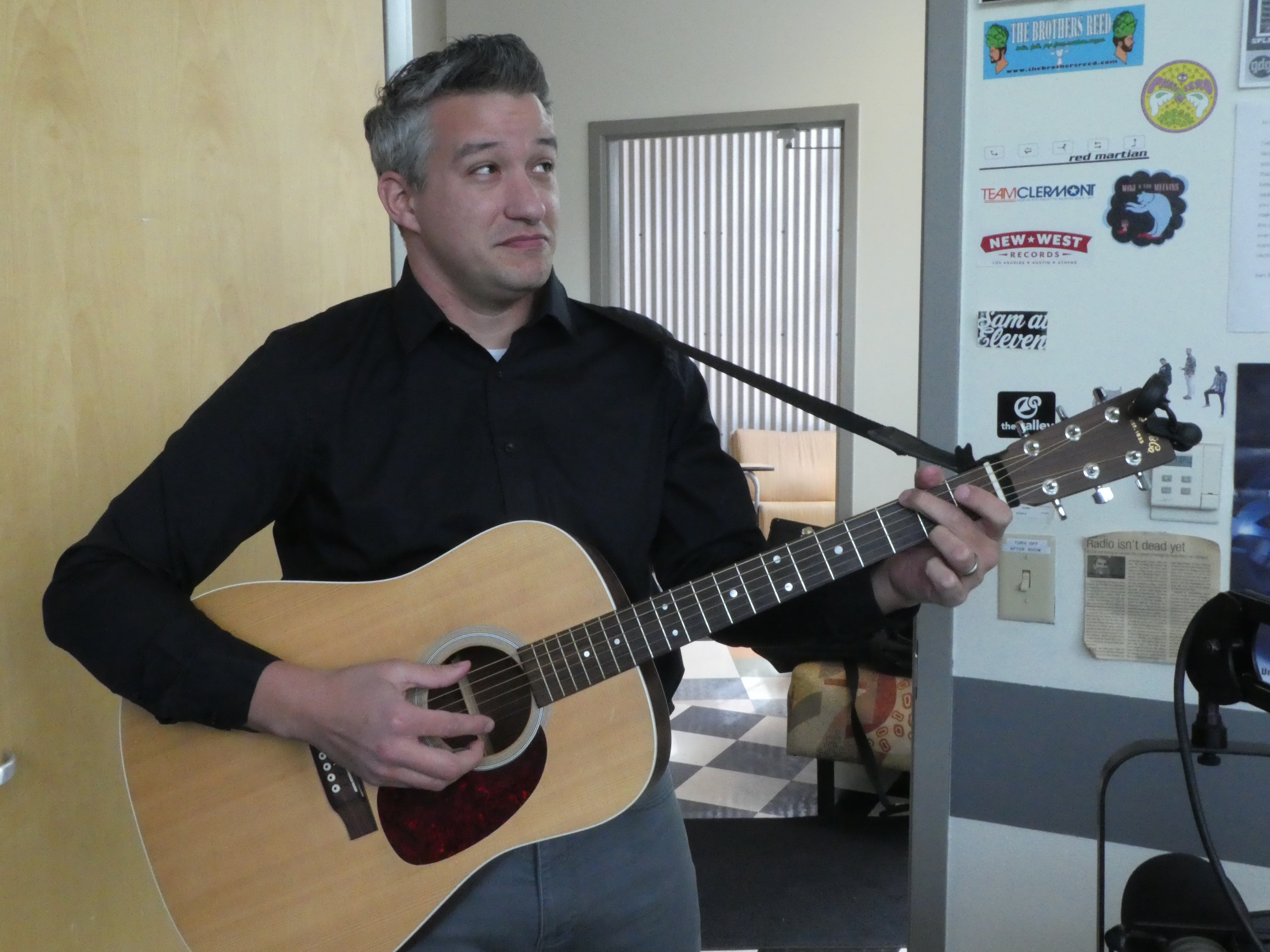

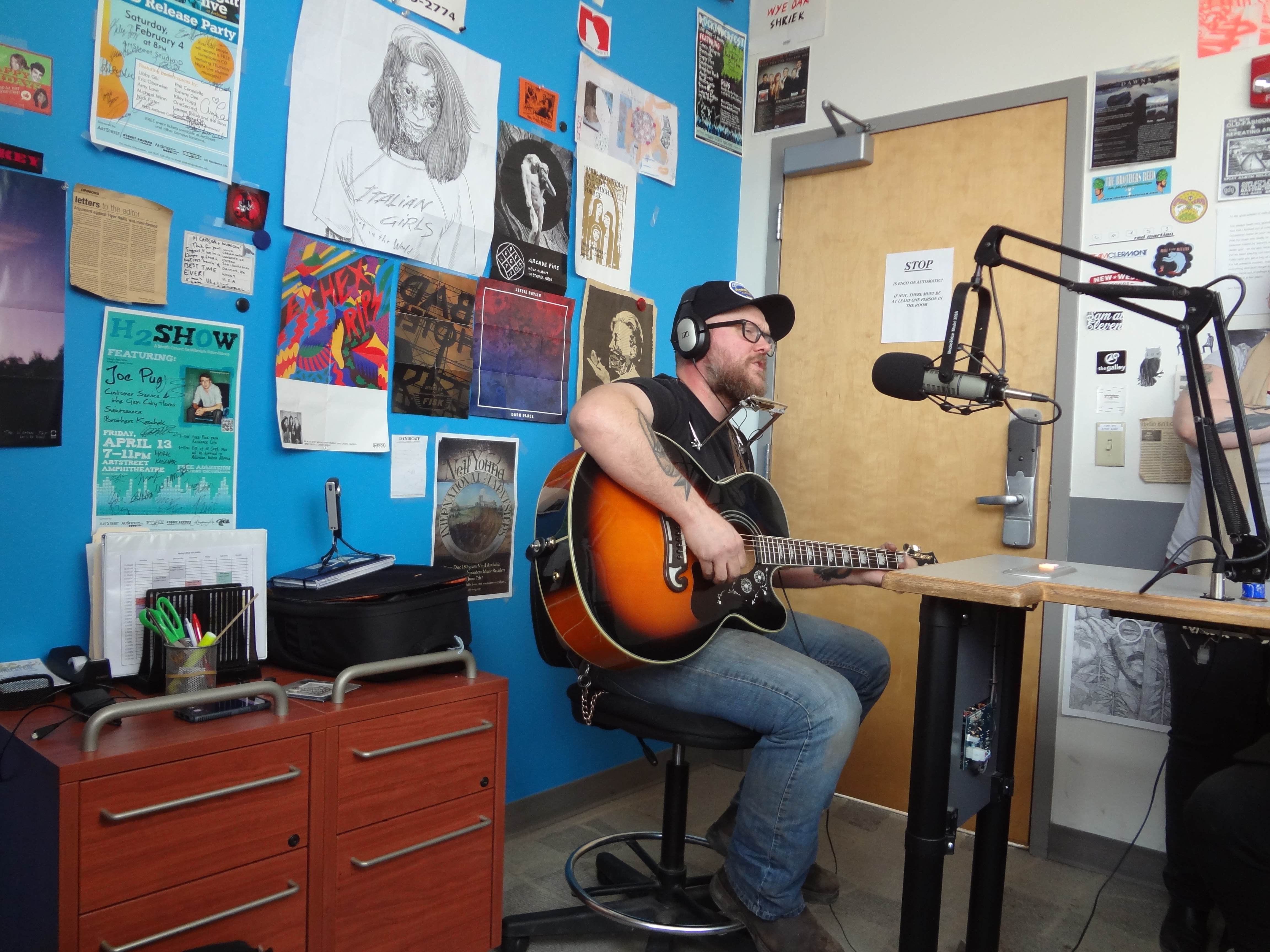


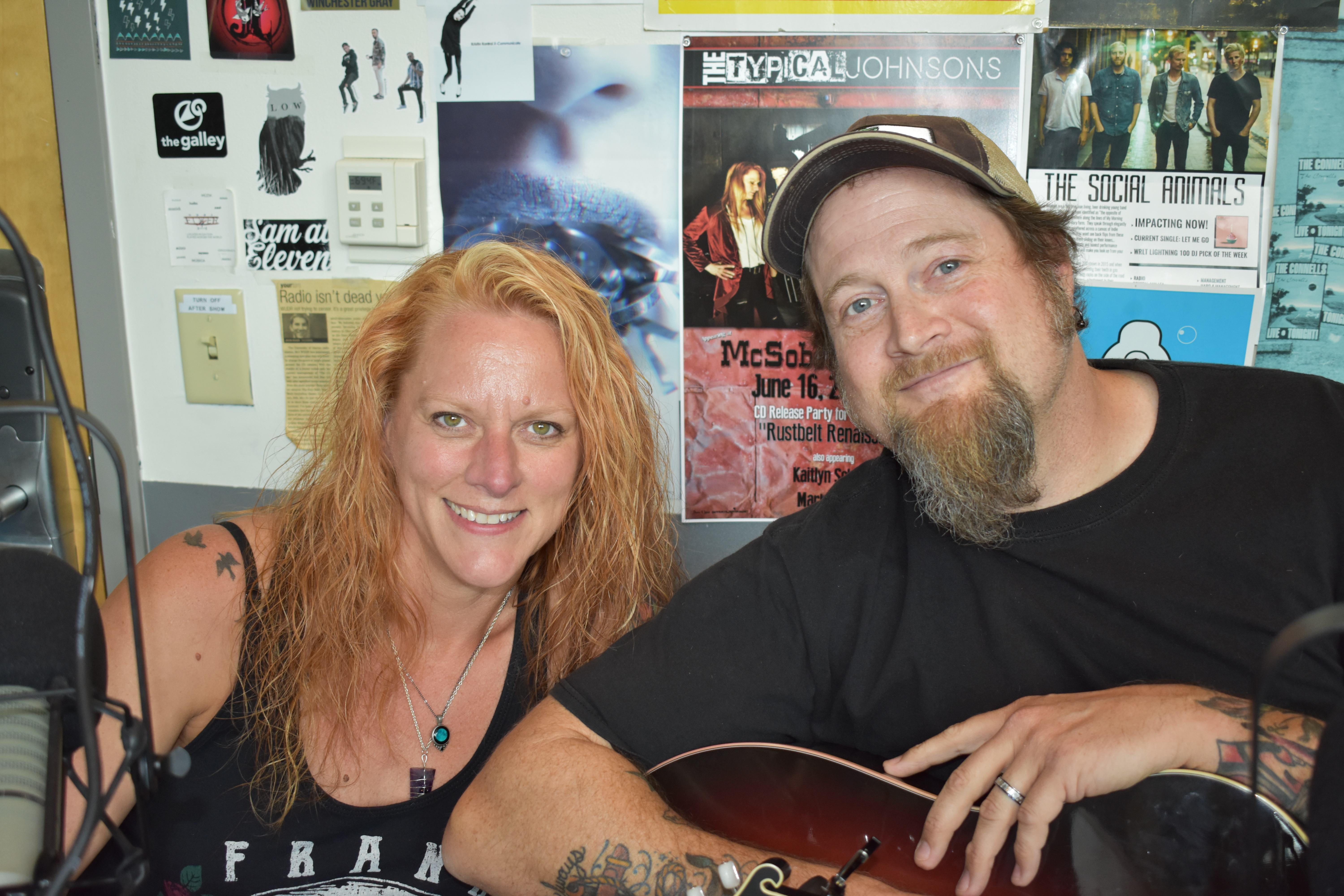
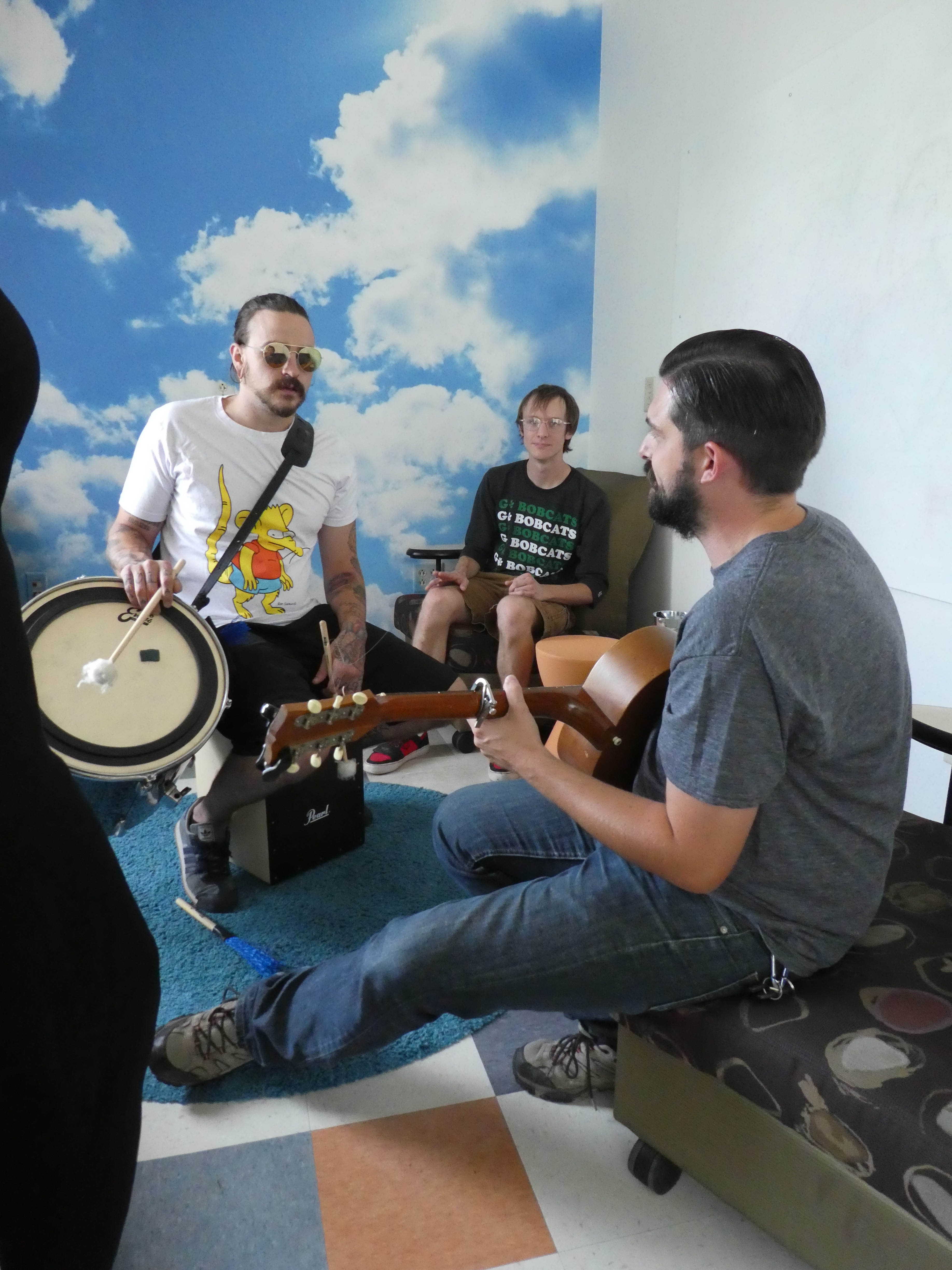

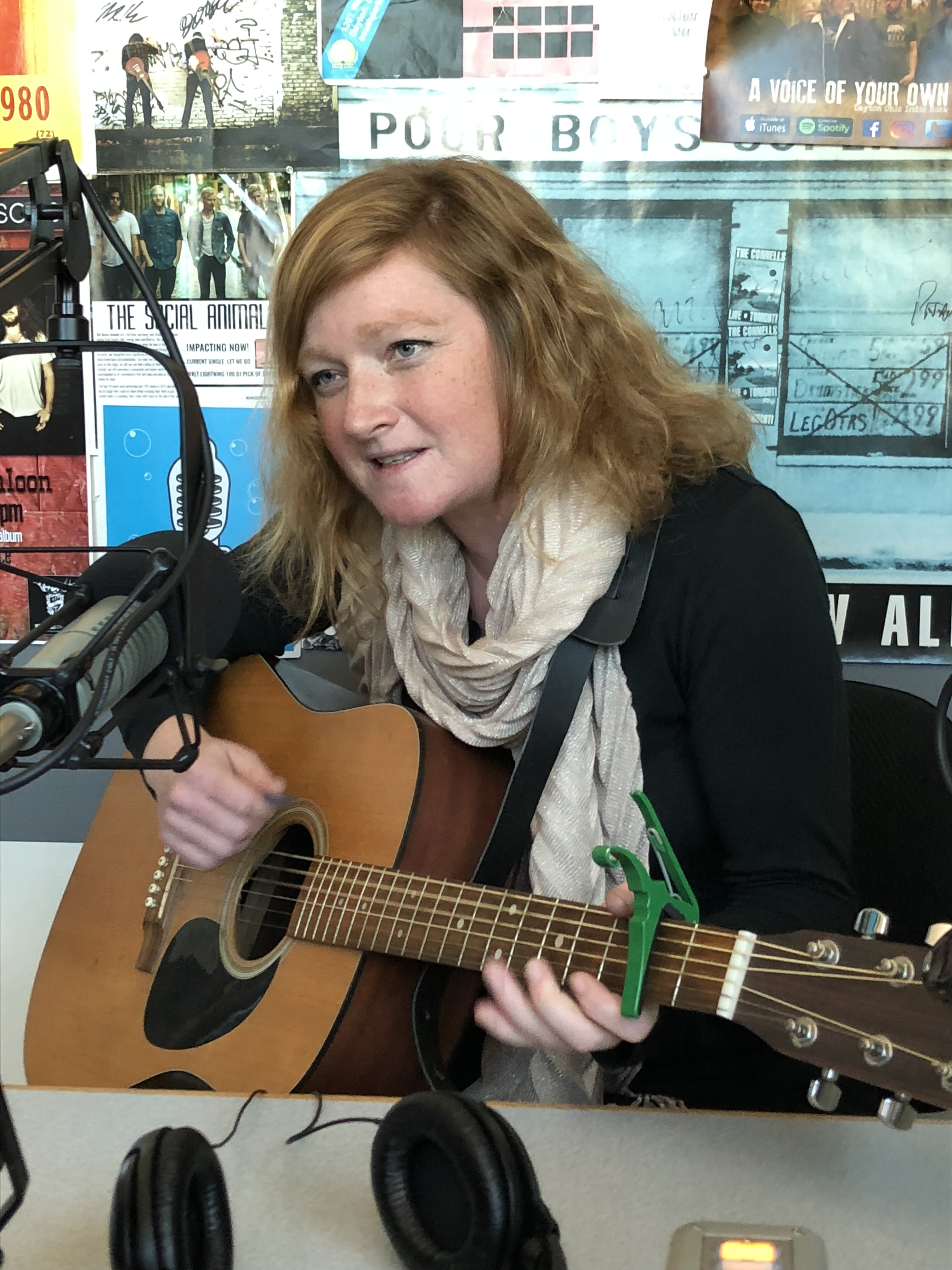


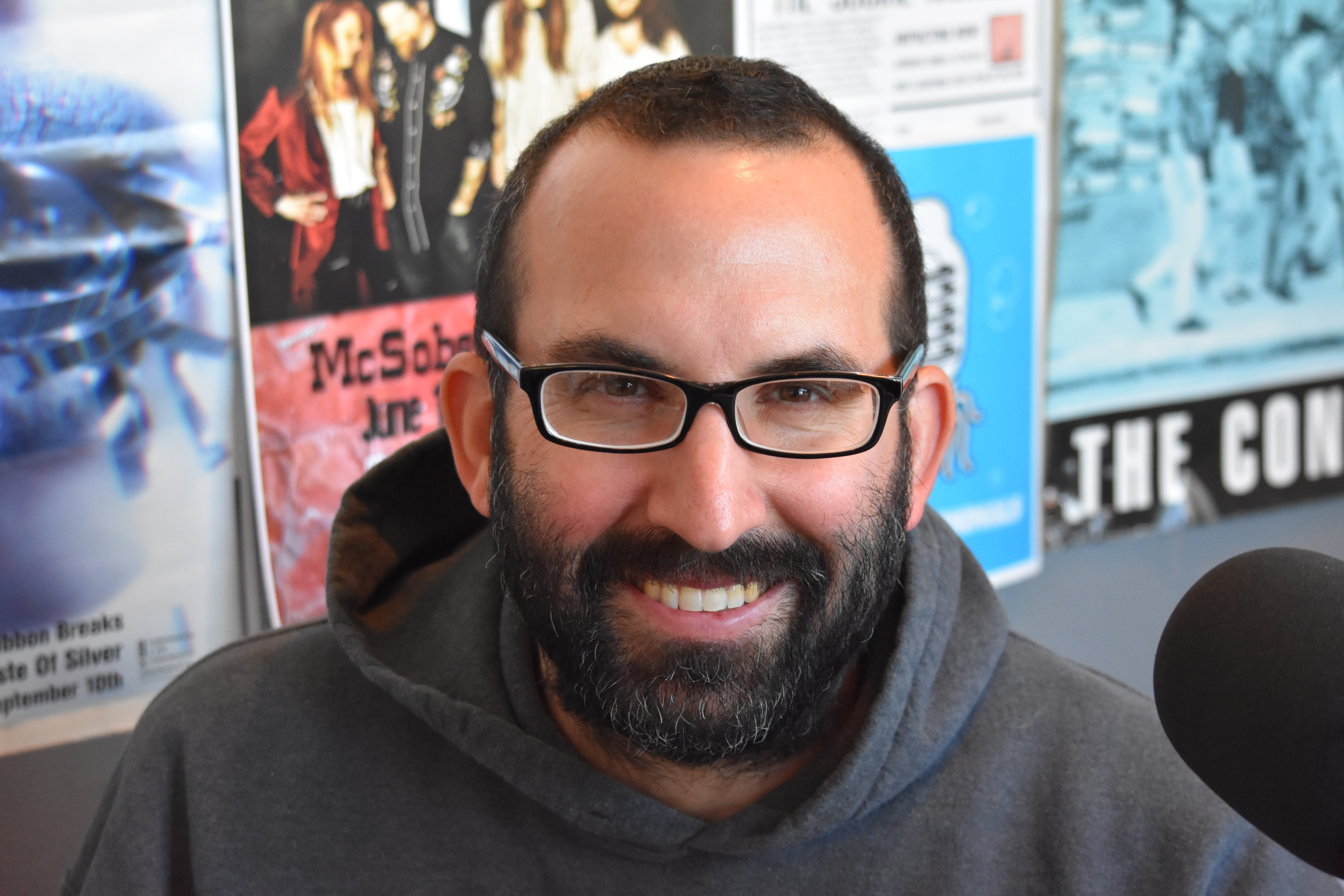


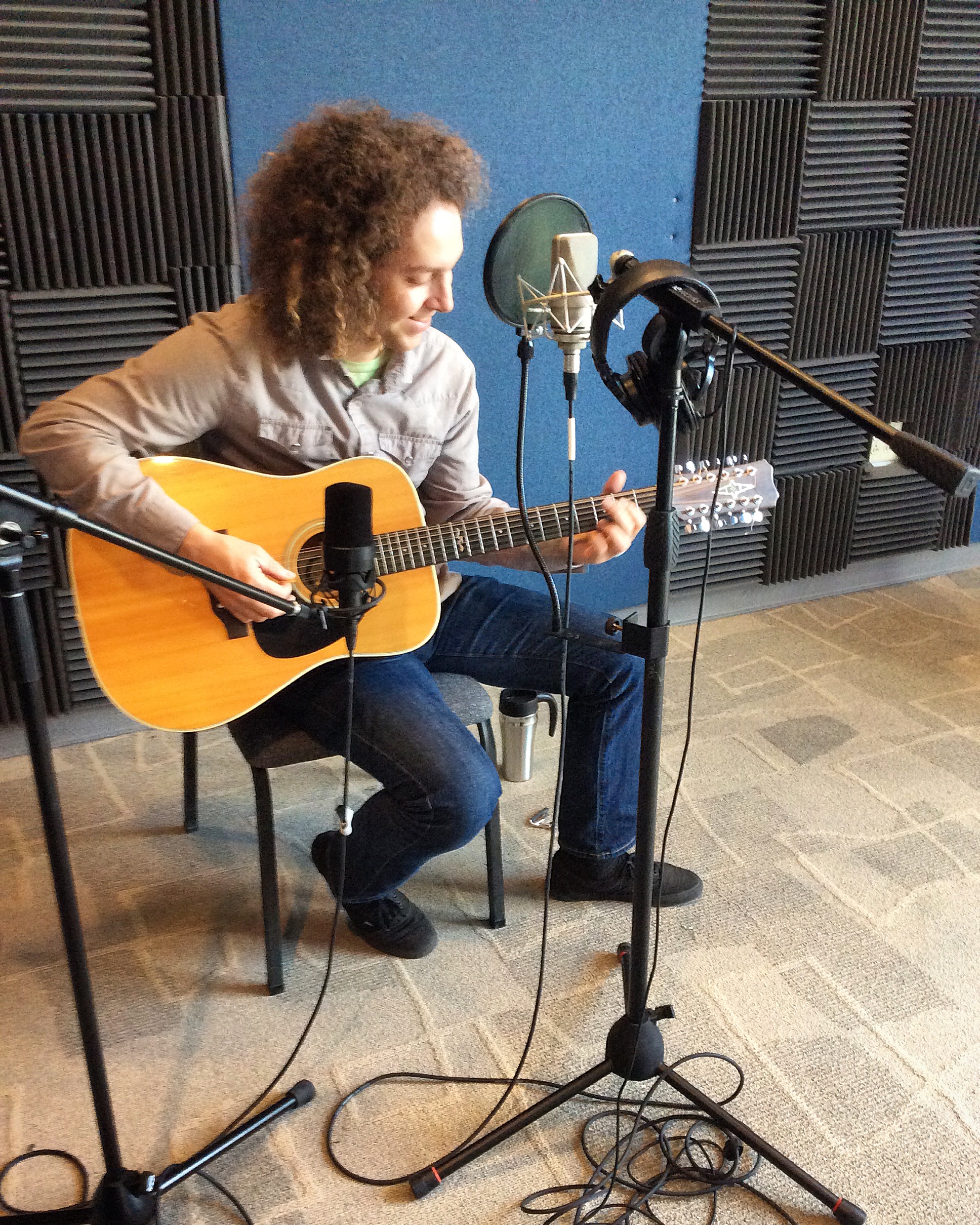


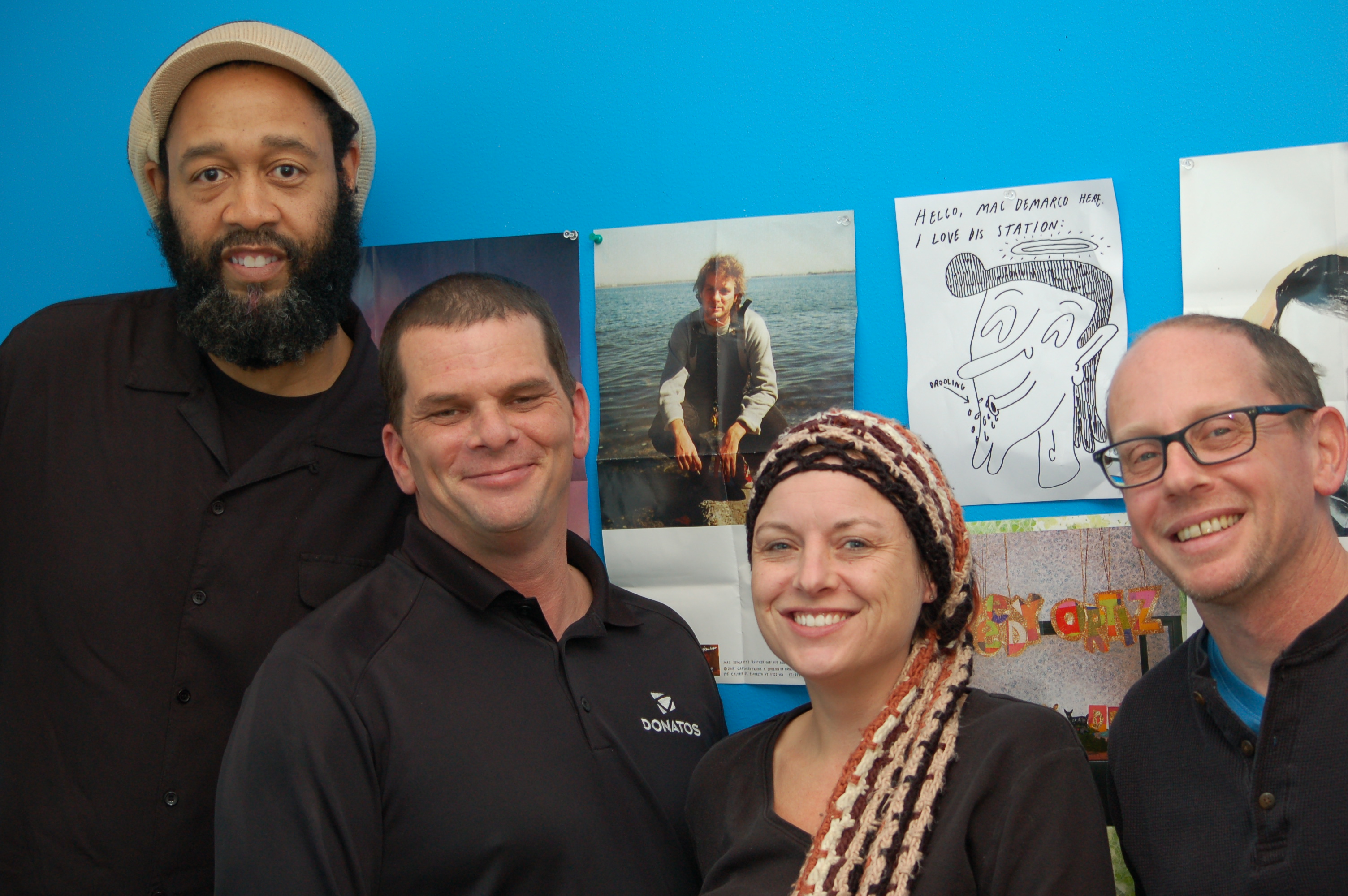

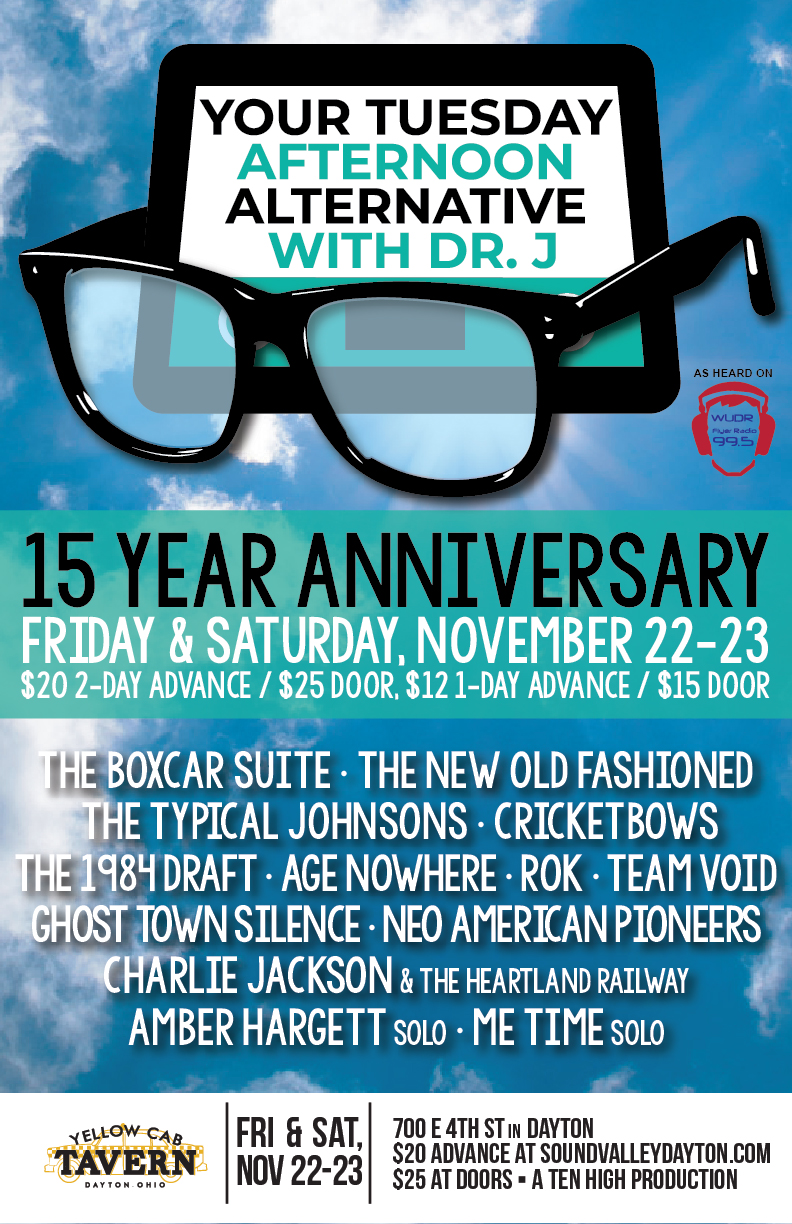
From Thrasher Cadillac to Ghost Town Silence’s Tom Gilliam, who joined me for our annual YTAA Indie Holiday program, several artists in Dayton, the region, and national touring acts have shared their music with our listeners. Incredible songwriter and musician Charlie Jackson made his very first radio interview and performance in the WUDR studio space at Artstreet. Remember his name, a songwriter with that much talent and lyrical richness is perfectly made for a large, national audience. There is not enough patience to list all of the musical acts who have shared their time and music with us but let’s try that perseverance just a touch: The New Old Fashioned, Amber Hargett, Oh Condor, Cricketbows, Brainiac, Age Nowhere, Smug Brothers, The 1984 Draft, K.Carter, Kris N., XL427, Team Void, Matt Moran, Librarians With Hickeys, Rossonian, Bottlecap Mountain, Renaissance, Serin Oh, Motel Faces, Avalon Park, Josh Thrasher, Nicholas Johnson, Nate Peters, Me & Mountains, David Payne, Mike Bankhead, Harold Hensley, Neo American Pioneers, Zack Sliver, Nasty Bingo, Khyrs Blank, The Boxcar Suite, Brian Wells, Trees and Wells, Jennifer Taylor, Sharon A. Lane, Scary Hotel, Jetty Bones, Heather Redman, Sadbox, The Nautical Theme, Tod Weidner, Ike B., Max B. Greene, Tim Gebard, Manray, Mandy Jewel, The Typical Johnsons, Ricky Terrell, Kevin Serey, Windsor Knotts, Kyle Byrum, Dave Zup, Bill Wendell, Paul Monin, Seth Canan and The Carriers, Don Thrasher, Dead Licks, Sam King, Far From Eden, Andrew Hunt, The Paint Splats, Emory Road, Achilles Tenderloin, Curse of Cassandra, Rich Reuter, Nick Kizirnis, Kyleen Downes, Goodnight Goodnight, Charles Hartman, Kurt Lee Wheeler (who traveled from Georgia to be on our show that day), Lisa Gain & The Rusty Silos, Mack McKenzie, Steve Shockley of the Original Lakeside, and so many more. Still here? That is far from a complete list because those are just some of the artists who were in the studio. The magic of the phone call-in provided for so many more artists to share their gifts with all of us.
For the artist, performing live on a radio station provides an opportunity to showcase raw talent and authenticity. Stripped of elaborate productions, the focus shifts to the purity of the music and the artist’s ability to connect with the audience on a personal level. It becomes a platform for artists to experiment, improvise, and unveil new dimensions of their creativity.
As I exit the studio, the faint strains of a timeless song linger in the air, I play The New Old Fashioned – Radio Waves. It is fitting. As David Payne sings, I carry with me the echoes of my 19 years in my second office, resonating not only in the frequencies of the music but in the very fabric of my being. This radio station is more than a collection of songs; it’s a living, breathing entity, a guardian of memories, and a symbol of the enduring power of music to transcend the limitations of time and space. It was home.

WUDR will move to its new space in the Roger Glass Center for the Arts over the next several weeks. We will set up shop in an exciting new space that was specifically designed with the station and student media in mind, but we carry with us the incredible music experiences, history, and warm embrace of a building that was the radio station’s home for 22 years. Here’s to many more.
Nineteen years feels like a long time to do anything. Why do a radio show when no one may be listening?
Let me tell you, being a radio DJ isn’t just a gig; it’s a cosmic voyage into the heart of musical expression and requires more endurance than you think. Just the other day, someone came up to me with ‘Hey, you’re that weird DJ guy!’ To which I answered, ‘Yup.’ And then they said, “Why do a show when you know no one is listening!” And, I stopped short, wondered about whether they were right, and then came to the conclusion that as long as one person finds comfort, as long as one person finds a song that speaks to them – then it matters. We are a community. We stand strong in the face of a destructive tide of avoidance and ignorance of new music. And that’s why I am who I am, standing behind the microphone every Tuesday afternoon, steering the ship that is ‘Your Tuesday Afternoon Alternative.’

If I were to condense 19 years of my life into a single, rhythmic heartbeat, it would be the pulsating cadence of a radio wave, broadcasting stories, music, and dreams to an invisible audience. My journey through college radio has been a dance with the ether, a passionate affair with sound, and a canvas for my creative expression. I invite you to join me on a nostalgic journey through the tapestry of my radio experience.
The Birth of an Odyssey
As the crackling needle touched vinyl for the first time in 1983, I found myself immersed in a world that was both electrifying and liberating. I began doing radio to work on improving my stutter but I also wanted to know more about music. I wanted to comb through the vinyl collection and find records that I had read about but never had the chance to hear. I was hungry for music old and new. College radio at the University of Minnesota was not just a hobby; it was a calling. Like music journalist David Marsh dissecting the nuances of rock lyrics, I dissected the frequencies and wavelengths that carried the voices of generations before me while anxiously awaiting the new music that was to come.
My first show, Radio Artifacts, was from 1983 to 1984 where I truly learned about indie music, Minnesota-based bands, and in so many ways the future of music through bands like R.E.M., Hüsker Dü, The Smiths, U2, The Replacements, The Cure, The Connells, and The Clash. From 1984 to 1988, a new show focused on alternative and college music and the art of music making, the poorly named ‘Art for Artsake’ that was both a play on my first name and — at least to me — a reflection of the mission of the show. During graduate school from 1988 to 1993, I was involved with Bowling Green State Universities’ WBGU where I had a succession of shows whose names were lost to reflections and glimpses of memory. After grad school, I dabbled in radio at WMUB in Oxford, Ohio from 1995 to 2000. For four years I had an itch I could not scratch.
The love of indie and alternative music was something that stayed with me even without a show. But eventually, that itch became unbearable and I started a show “The School of Rock with Dr. J” in 2004 at The University of Dayton’s WUDR. Modeled in some ways on the Jack Black movie — yeah I know: Cue the eye roll. TSOR was an almost didactic approach, I played music that mattered to me and explored current indie, local, and Dayton music. I explored how current unknown and undiscovered music was connected to the music of the past. Several shows explored how The Byrds – The Flying Burrito Brothers – The Eagles – Jason and the Scorchers – Cowpunk – Uncle Tupelo – Son Volt and Wilco were all connected. The airwaves were my playground from which I discovered the richness of independent, alternative, and college music.
During these various shows, I interviewed indie artists and underground bands. College radio was not just about the music; it was about the stories behind the notes. The vibrant community of DJs, producers, and listeners was a testament to the power of shared passion. Just like Dave Marsh in his work united rock aficionados, we united lovers of alternative sounds, forging connections beyond the frequencies.

Nineteen years is a long time to do anything, and within the span of my radio experiences, I have witnessed the tectonic shifts in the audio and radio landscape. College radio stations evolved from humble FM stations to digital juggernauts streaming across the globe. Writers and journalists have chronicled the evolution of rock music, and I chronicled the evolution of radio itself in the changes in my own practice. The use of digital tools has made so much of the “doing of radio” the clicks of buttons and the dragging of files. Many tasks that once involved carts and tape or vinyl were replaced with CDs which in turn were replaced themselves with digital files. The advent of the internet brought a new dawn, expanding our reach but also challenging our authenticity. Is radio still real in the digital age? In an era of Spotify, does radio still matter when you can listen to what you want, when you want, and do it all in the palm of your hand? Why do a radio show when no one might be listening?
The Sonic Shaman
You see, being a radio DJ is more than just “spinning tracks,” It’s more than just “playing music.” It is far more than just clicking a button and dragging a cursor across the soft glow of a computer screen. It’s about conjuring emotions and weaving stories through sound. When I join with the airwaves and internet signals, I am driven by faith in the power of new music. The beauty and the lifeblood of local music call to me. Maybe all of this is some strange and unchangeable part of being a “music evangelist.” Perhaps one becomes a sonic shaman of sorts, guiding listeners through the labyrinthine tapestry of music. Every tune I play carries a piece of my soul, and when those frequencies hit your ears, they transcend mere notes and rhythms. It’s a trip through time and space seeking the person who feels alone with a simple message that they are not disconnected, they matter and the community is better for their contributions.
The Rebel Cry
Lester Bangs, one of the quintessential American rock critics, taught us that music is the language of rebellion. And that’s precisely what I aim to channel with ‘Your Tuesday Afternoon Alternative.’ It’s a rebellion against the mundane, against the homogenized playlists of corporate radio. in my vision of myself, I am like the underground guerrilla fighter, battling the forces of mediocrity with a vinyl arsenal of sonic revolutionaries. Each song I play is a battle cry, a defiant scream against the mainstream. Or at least, that is probably what I really want to believe because, you know, 19 years is a long time.
The Community Connection
Radio is a lifeline to the community, a bridge between disparate souls. ‘Your Tuesday Afternoon Alternative’ is not just a show; it’s a lifeline for misfits, dreamers, and music lovers who still hang tight to the idea that music matters. I’m not just playing records; I’m forging connections. I’m the curator of a sonic underground, bringing people together through the magic of music. When that listener calls in to request a song, it’s more than a request; it’s a statement that says, “I’m part of this, too.” Those moments of connection are more important now than ever before. We need that musical validation: “Look, we are here and the music that speaks to us matters.”
The Quest for Obscurity
Lester Bangs was all about the obscure, the unknown, the raw. I share that passion. My show isn’t about chart-toppers or Billboard hits; it’s about the hidden gems, the indie bands struggling for recognition, the perfect voice that chills us while holding us close and telling us that everything is going to be alright. YTAA is about the beautiful unknowns, the forgotten tracks that deserve a second chance, and the great new songs that need to be heard. I think of myself as a musical archaeologist, digging through archives, near and far, and unearthing sonic treasures. It’s about unearthing the lost voices and forgotten riffs that deserve a place in the sun.
The Journey Continues
So why am I a radio DJ with ‘Your Tuesday Afternoon Alternative’? Why continue to be a DJ even if no one is listening? Because it’s not just a job; it’s a calling, a mission, a cosmic journey through the soundscape of the human experience. It’s a rebellion, a lifeline, and a quest for the obscure. It’s about community, connection, and the never-ending search for that perfect riff, that perfect groove, that unbelievable hit of the drum, that chilling voice that makes you catch your breath. It’s about the song that you cannot forget, no matter how hard you may try. It’s about the perfect lyric that shows you that you are not alone in feeling the way that you do.

Today, as I look back on 19 years of college/indie/alternative radio with YTAA, I see the echoes of countless voices, the resonance of music that touched souls, and the indelible mark it left on my life. David Marsh once wrote, “Rock and roll is an attitude, it’s not a musical form of a strict sort. It’s a way of doing things, of approaching things.” College radio, in my world, was — and is — that attitude – a way of doing things that transcended the mere act of broadcasting. So, yeah, it’s more than pushing a button and just playing a song. I would like to believe that it matters, and if it has meant something to just one person somewhere, anywhere then it was absolutely worth it for me.
Hopefully, this essay has helped chronicle my lifelong journey with college/indie radio – a journey that echoed the rhythms of my heart, shaped my identity, and allowed me to be a storyteller in a world of sound. Just as the radio DJs, Music writers, and journalists of the past contributed words that continue to resonate with music enthusiasts, the memories and experiences of 19 years on the airwaves/internet will forever resonate within me, a testament to the enduring power of radio and the magic of its transmission through time and space.
In the spirit of Lester Bangs, I’ll keep cranking up the volume, diving deep into the musical abyss, and taking you along for the ride. Because ‘Your Tuesday Afternoon Alternative’ is not just a show; it’s an alternative reality, a refuge for the sonic explorers, and a testament to the power of music to change our lives. So, tune in, turn it up, and let’s keep this cosmic journey rolling for as long as we are able to do so.
Age Nowhere surprised Dr. J with a cover of ‘New Madrid’ from Uncle Tupelo’s last record Anodyne when they visited on March 19th of this year. The Jeff Tweedy penned song references the New Madrid fault which is south of St. Louis where Uncle Tupelo members Jeff Tweedy, Jay Farrar and Mike Heidorn grew up. The band hailed from Belleville Illinois which is across the river from St. Louis. The New Madrid fault is the location of one of the most powerful earthquakes in the United States. The line about rivers running backwards is taken from a result of the massive earthquake in 1812. Another line in the song was based on a prediction made by Browning that predicted a massive earthquake would strike the fault and surrounding area in 1990.
Allow us to set a scene. Imagine stepping in for a drink at a bar where Sticky Fingers era Keith Richards is hanging out with his Nudie Cohen Suit wearing pal Graham Parsons and a world weary Chris Robinson of the Black Crowes. They are all sitting in a booth commenting on the passing musical fancies of the day. That is the experience of Age Nowhere! Imagine a true double guitar attack from Identical-twin brothers Matt and Dan Spaugy paired with smoky evocative lyrics sung by Paul Monin propelled by driving drums from Seth Gilliam and pounding bass of Matt Terry. That is the experience of Age Nowhere.The band takes it’s nom de plume from one of the standout tracks on Dayton’s own Shrug‘s 2005 record ‘Whole Hog For The Macho Jesus.’
Age Nowhere surprised Dr. J with a cover of ‘New Madrid’ from Uncle Tupelo’s last record Anodyne. The Jeff Tweedy penned song references The New Madrid fault which is south of St. Louis where Uncle Tupelo members Jeff Tweedy, Jay Farrar and Mike Heidorn grew up. The band hailed from Belleville Illinois which is across the river from St. Louis. The New Madrid fault is the location of one of the most powerful earthquakes in the United States. The line about rivers running backwards is taken from a result of the massive earthquake in 1812. Another line in the song was based on a prediction made by Browning that predicted a massive earthquake would strike the fault and surrounding area in 1990.
Allow us to set a scene. Imagine stepping in for a drink at a bar where Sticky Fingers era Keith Richards is hanging out with his Nudie Cohen Suit wearing pal Graham Parsons and a world weary Chris Robinson of the Black Crowes. They are all sitting in a booth commenting on the passing musical fancies of the day. That is the experience of Age Nowhere! Imagine a true double guitar attack from Identical-twin brothers Matt and Dan Spaugy paired with smoky evocative lyrics sung by Paul Monin propelled by driving drums from Seth Gilliam and pounding bass of Matt Terry. That is the experience of Age Nowhere.The band takes it’s nom de plume from one of the standout tracks on Dayton’s own Shrug‘s 2005 record ‘Whole Hog For The Macho Jesus.’
 The austere trio, Starving in The Belly of The Whale, profoundly explore the rewards in intimate, intricate and delicate sound. Led by meaning-filled song composer, guitarist and vocalist Ricky Terrell. SITBOTW has organically evolved over the years to incorporate the soft dynamics of multi-instrumentalist Scott Loy on cello, vocals and saw and Lacey Terrell on vocals, percussion and theremin. Starving in the Belly of the Whale beautiful construct patient yet driving arrangements with emotional lyrics and inescapable vocal arrangements that reveal the hidden serendipity of the beauty in quiet spaces.

Starving in the Belly of The Whale just started pre-orders and crowdfunding for their new music. They have raised over 30% with 30 more days to go (as of this writing)! Any support (purchase or sharing) will help SITBOTW get this terrific new music to as many ears as possible!
Join Dr. J as he welcomes Starving in The Belly of The Whale back to the YTAA studio to discuss their upcoming record ‘A Memory Preserved’ on April 9th from 3-6pm on wudr.udayton.edu and 99.5 & 98.1fm in Dayton, Ohio!

 Folks have been asking for set lists so we here at Your Tuesday Afternoon Alternative are happy to oblige.
If anyone would like to contact us with questions, new music, requests, suggestions, fashion tips… just email us at drjytaa@gmail or tweet us at drjytaa!
 We are continuously searching for exciting and varied music for Your Tuesday Afternoon Alternative and would like to encourage bands, poets, musicians, songwriters, storytellers and artists across genres to consider contacting us for possible broadcast on future episodes of YTAA.
Social media is the easiest way to contact us. You can reach us at drjytaa on twitter and drjytaa using gmail and in our Your Tuesday Afternoon Alternative radio page and group page on Facebook.
If you wish to send a CD rather than a file, please send items to:
Dr. J //Your Tuesday Afternoon Alternative
Department of Sociology
University of Dayton
300 College Park Ave
Dayton, Ohio 45469-1442
It would be most helpful if you included any information on touring and show plans, contact information and social media, and any interesting stories about the project and the musicians involved. Please note any profanity in your correspondence and know that on WUDR we must abide by all FCC regulations; however, on Reveal we have far greater latitude on what can be played on an Internet stream.
Thank you! Cheers! – Dr. J
By G.C. Stein
Music and Interviews w/ Dr. J on Tuesdays 3-6 pm on WUDR Radio
An Uncool Podcast by two uncool guys.
College Sports, History, Music, Movies, NASCAR, Technology, Television and last but not least ... anything Southern!
Music and stuff....
online hub for this least-selling author
A Glasgow view of Americana and related music and writings.
Streaming Forward, Powered By The Past - if you love the 80s music, new music, Eurovision, cheesy pop and awesome playlists then let's get this pop party started!
Music and Interviews w/ Dr. J on Tuesdays 3-6 pm on WUDR Radio
Revealing the True Origins of Silence
Photographer, Designer, Editor and Educator Ray Laskowitz talks about pictures and their back stories.
Revisiting my extensive music collection, one artist at a time
Follow my blog for books, poems, photos, music, art, education, views...
Sweet, sweet pages of blissful music
Fanblog for the Raleigh, North Carolina-based band The Connells (formerly onesimpleband.net)
www.MusicConnectionDayton.com
Music Blog
This WordPress.com site is the cat’s pajamas
Musicology, songwriting, teaching, writing and research


 your tuesday afternoon alternative