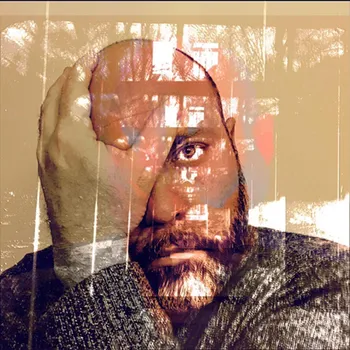
Musician Tamar Berk is a gifted, meaningful songwriter who has a rare talent to craft songs that hit with an undeniable power. She is able to weave deeply personal narratives that remain honest statements of life, loss, grief, joy and everything across that continuum. Evocative songs, such as ‘Permanent Vacation’ possess a unique ability to stir deep emotions and create a lasting impact on listeners. Sonic compositions like ‘Permanent Vacation’ often go beyond the surface, tapping into the realms of nostalgia, love, melancholy, or even inspiration. They have the power to transport individuals to specific moments in their lives or trigger a range of emotions that resonate on a personal level. And while writing about deep subjects with an unflinching approach, the music swings and swirls. Tamar Berk’s music is catchy, driving and undeniably captivating. This is one of the reasons that Berk’s 2023 album ‘Tiny Injuries’ was one of our favorite records of last year.
One defining characteristic of evocative songs is their ability to convey a narrative or a mood through a combination of powerful lyrics and emotive melodies. The lyrics may tell a compelling story, exploring themes of love, heartbreak, resilience, or social issues. Simultaneously, the music complements these themes, enhancing the emotional experience and leaving a lasting impression on the listener. Tamar Berk excels at shining a light on these experiences.
These songs often become timeless classics, transcending cultural and generational boundaries. Tamar Berk is an artist who excels in creating evocative songs are adept at capturing the essence of the human experience, translating complex emotions into a musical language that resonates universally. Whether it’s the haunting vocals or the dynamic arrangement, ‘Permanent Vacation’ is a song that possess an undeniable allure that goes beyond mere entertainment. However, the video for ‘Permanent Vacation’ possesses a sense of fun that highlights the friction between powerful statement and the need to move beyond the weights we carry and the burdens that hold us down.
Listeners often connect with evocative songs on a personal level, finding solace, inspiration, or understanding in the music. The power of these songs lies in their ability to mirror the diverse facets of the human condition, offering a sense of companionship and shared experience. They remind us that we are not alone. How we feel matters. What we feel matters.
‘Permanent Vacation’ is an example of an evocative and damn catchy song that shares the common thread of leaving a profound impact while creating a lasting emotional resonance that extends far beyond the duration of the song itself. It is alright to need a break.
The new year opens with the return of our 11 Questions with… column. Given Names is an exciting new project from Dr. J’s home state of Minnesota. That state has always been home to thrilling music such as The Replacements, Husker Du, Soul Asylum, Prince, Semisonic, Babe in Toyland, The Jayhawks, The Suburbs, and many more.
Given Names is a group of friends who create music that combines elements of indie, rock, dream pop, and power pop, with hints of synth and dance. The group is an exciting indie pop quartet based in Mankato and Minneapolis, featuring Laura Schultz (lead vocals, rhythm guitar), Meghan Irwin (synth, backing vocals), Michelle Roche (drums, backing vocals), and Mandy Wirig (lead guitar, backing vocals). In 2023, they released their debut single, “Makin’ Eyes’ last year. It is a song that channels their influences while incorporating their distinctive musical vision. It is also one of our favorite singles from this past year.
Given Names creates a swirling yet solid indie dream pop that encapsulates the ethereal essence of dreams through a distinctly feminine lens. It is a musical realm where the boundaries between reality and imagination blur, and emotions cascade in a surreal mix of sound. The musicians collaborate to craft a sonic dreamscape that is both otherworldly and intimately connected to the intricacies of experience. It is real.
Dream pop is often characterized by its atmospheric soundscapes and lush melodies, sound becomes a canvas for these artistic collaborations to explore themes of loss, love, empowerment, and self-discovery. The almost ethereal vocals, layered and harmonized, transport listeners into a transcendent-like state where time seems to slow down, and emotions are amplified. The dreamy quality of the music is a manifestation of the artists’ collective desire to create a space that reflects the intricacies of the psyche.
Lyrically, ‘Makin Eyes’ delves into introspective narratives that navigate the complexities of relationships, self-realization, connection, and the pursuit of one’s dreams. Themes of resilience and empowerment seem to subtly weave through the verses, creating a tapestry of emotions that resonate with listeners on a deeply personal level.
The collaborative nature of Given Names fosters a bond among the artists involved, each contributing a unique perspective to the collective soundscape. This collaboration extends beyond the music itself, influencing the visuals, single art, and live performances. The result is a holistic artistic expression that celebrates the diversity of artists’ voices and experiences. As dreamy all-women-created power pop continues to evolve, it not only pushes the boundaries of musical exploration but also challenges preconceived notions about femininity in the music industry. It remembers and celebrates the creative prowess of women in shaping the sonic landscapes of sonic dreams and emotions, inviting listeners to immerse themselves in a world where the line between reality and reverie is beautifully blurred.
We contacted the band and Laura and Mandy kindly answered our questions for this column (LS: Laura Schultz; MW: Mandy Wirig).
Dr. J: What can you share with us about when and how you started writing music?
LS: I started writing music with a good friend, Laura MacDonald, in high school. She and I wrote songs about strange dreams we had or our World History Teacher, (some lyrics were “Mr. Schnieder, you’re a really cool guy. In World History, you taught us to ask why”). I started doing it more seriously in undergrad in Oshkosh, WI, where I played with some absolutely amazing musicians and friends.
MW: I started writing music in high school. I began playing guitar at thirteen and was in my first band, a punk band, at 16-17. I’ve always been influenced by singer/songwriters and the very melody-driven sounds of the sixties, particularly The Beatles and McCartney, and that influence can be found in almost all of my guitar parts.
Dr. J: What first led to your recording music? How do you approach production?
LS: I see recording as a snapshot of a song in a moment. It may not be how we always perform the song, but it is representative of that moment, with those players and resources that we had at the time. I think of a producer as an editor, someone who can look more objectively at the song and make suggestions, or provide an outside perspective that we might not have been able to access, since we are closer to the song itself.
Dr. J: ‘Makin Eyes’ is your most recent music, what led to the making of that song? What were the main influences on your recording this song?
LS: From the writing perspective, almost all of my songs are written the same way I wrote them with my high school friend, Laura. I free-write a full page of words, careful not to judge them as they come out, not thinking of them as lyrics but just as phrases or strings of words, then I go back and circle words or phrases I like, then I figure out how they all make sense together. The music comes last for me, but it comes easiest for me after I have lyrics.
MW: My love of melody is what inspired the main guitar riff in the song. I’ve always loved how “hummable” George Harrison’s guitar solos are, and how prominent melodic guitar work is in so much of the British Invasion and Power Pop songs that I love. I wanted a lead guitar part that could stand on its own as a melody while still incorporating that shimmery, jangly sound.
Dr. J: The song ‘Makin Eyes’ seems to capture a remarkable constellation of musical influences. The song seems to have an ‘80s pop feel. Is that a correct interpretation? If that is correct, did you intend to create a song that connects to that style? If that is not correct, how would you describe the feeling of the song?
LS: Well thank you! I think you can interpret the song however you like! ’80s pop feel sounds good to me! I try not to think about what style I’m writing songs in, just kind of letting the song ask for what it needs.
MW: I think it definitely hearkens back to bands like The Go-Gos and The Bangles, who themselves were influenced by a lot of Power Pop and earlier styles of music, and I love that you’ve grouped “Makin Eyes” in that category.
Dr. J: How did the song ‘Makin Eyes’ come together musically for you?
MW: Laura is our principal songwriter, and she brought the lyrics and chords to us shortly after I joined the band, so this is one of the first songs that was a true full-band collaboration for us. Within two weeks of our first rehearsal, I had brought the song home and developed what became the signature guitar riff, and the song has really fleshed out during the last couple of years as we’ve continued to perform it live. To see how it’s evolved into the multi-tracked studio version with all of its jangle and shimmer has been really gratifying.
Dr. J: Where do you often derive inspiration to make music?
LS: I think of my lyrics as a sort of amalgamation of what is happening in my life, the way I am consciously or unconsciously feeling about things; the worries or thrills or boredoms of everyday life. I think of songs as a container for my present moment experience.
MW: I’m also a visual artist in addition to a musician, and each medium has always influenced the other. I also derive inspiration from surrounding myself with art of all types—the books I read, the music I listen to, the films I watch, the events I attend. And as cliche as it sounds, there’s nothing quite like a hot shower, a weird dream, or boredom to spark an idea that can be scribbled down for creation.
Dr. J: What is next for you musically? How would you describe your thoughts at this point for your next project or release?
MW: We’re currently in the process of finishing up our first album and getting ready to choose our second single for release. The plan is to get those squared away, and then to start performing more often, hopefully expanding the areas we’re booking shows in beyond our southern Minnesota roots.
Dr. J: How would you describe the music that you create? How has that process evolved or changed over time (especially as you think about your journey in the last few years)?
MW: We describe the music we create as Indie Pop, which is a pretty broad category in and of itself. We originally began as a four-piece with a synth player, and that synth-heavy ‘80s influence is still prevalent in our work, but we also include influences like the Velvet Underground, Low, and reverb-heavy guitar work from the mid- to late-‘60s.
Dr. J: What is your favorite song to perform live? What is your favorite song to perform in general? What makes that song a current favorite in your performances?
MW: My personal favorite is “Game Was Rigged.” It’s a story of love gone wrong set to a bouncy melody that’s impossible not to dance to when you’re playing it.
Dr. J: What is one message you would hope that listeners find in ‘Makin Eyes’?
LS: Honestly what first comes to mind is that I’m interested in narrowing the gap between performer and audience member. I want people to feel as though they could write a song too, they could perform it, they could record it! If it’s something that inspires you, please let it! Let’s all make things.
Dr. J: a musician, how are you adapting to the challenges of creating music? What are your biggest challenges to creating music?
MW: We’ve got a somewhat unique situation where we don’t all live in the same location anymore, with Laura and Michelle living in Mankato while I’ve moved almost an hour-and-a-half away to Minneapolis. Things like practices and recording sessions definitely need to be planned out pretty well in advance to accommodate this. We’re also three very busy women juggling full-time careers in addition to the band—I’m an artist, teaching artist, and gallery owner, Laura is a social worker, and Michelle is a full-time musician and music teacher who plays in several groups—which can make it challenging to not only coordinate our schedules, but also to make time for things like social media and finding new venues to perform.
We want to extend our sincere gratitude to Given Names and especially Laura and Mandy for answering our questions and continuing to make some really excellent music! Click on the links below the article to visit their social media or to listen to the song that we discussed! If any musicians or artists would like to participate in future ’11 Questions with…’ columns, please feel free to email us at drjytaa@gmail.com. All photos and images courtesy of Given Names.
As we stand on the threshold of a new year, 2024, let us consider the promise of discovery and the enchantment of melodies yet to be heard. This time of year we reflect on the past, let’s look to the future as well. Every year holds great songs, fantastic albums, and life changing concerts that we did not expect.
The world of music is vast and ever-expanding, offering a symphony of possibilities waiting to be explored. In the coming year, let our aspirations harmonize with the rhythm of new beats and the melody of fresh voices, creating an orchestra of experiences that resonate with joy and fulfillment. We find that we are not alone in how we feel. Through music we can build community.
Here at Your Tuesday Afternoon Alternative we believe wholeheartedly that music is a universal language that transcends borders and cultures and has the extraordinary ability to evoke emotions, trigger memories, and connect individuals across time and place. Music helps us feel. It matters. It is a source of solace, inspiration, and celebration, reflecting the challenges we all face. When we feel passionately, music reflects and shows us that what we feel matters. As we extend our best wishes for the new year, let us acknowledge the transformative and important power of music and its potential to elevate our spirits, stimulate our minds, and unite us in shared moments of harmony and rhythm. The best music becomes part of who we are as individuals and members of a community. Music speaks to us.
The pursuit of discovering new music is like setting sail on uncharted waters, with each note and rhythm representing a new island waiting to be explored. In 2024, let curiosity be our compass, guiding us through unexplored genres, hidden gems, surprises, unexpected adventures, and emerging artists. Music is teeming with innovation and diversity, offering a rich tapestry of sounds that cater to every taste and preference. Explore our favorites of 2023 for just a few suggestions of where to start exploring if you need a place to start.
In the spirit of the new year, make a resolution to step out of your musical comfort zone. Whether it’s delving into genres you’ve never explored or supporting local, independent artists (And we cannot emphasize checking out local music enough! Do it!), the journey of musical discovery is as much about embracing the unfamiliar as it is about cherishing the familiar. There is so much music being made that is available to you wherever you happen to be, whatever you call home.
One of the most exciting aspects of exploring diverse music is the opportunity to appreciate the unique stories and cultural expressions embedded in each sound composition. In 2024, let us break down barriers and build bridges through the universal language of music, fostering a broad and rich music community that cherishes and respects the richness of our collective sonic heritage. Diversity is the heartbeat of the musical world. There is so much “out there” — whatever that really means — that taking risks with music you do not know can be the best gift that you give yourself. In the coming year, let us celebrate the richness of musical traditions from wherever they originate. The world offers a myriad of sonic treasures waiting to be uncovered. Your new favorite song is waiting.
The dawn of a new year brings with it the promise of new beginnings for aspiring musicians. As we extend our best wishes for 2024, let us also pledge to support and uplift emerging artists. The music industry is a dynamic ecosystem, constantly evolving with the emergence of fresh talents eager to share their unique perspectives with the world.
Platforms such as independent music festivals, online streaming services, and local music scenes are fertile grounds for discovering hidden gems. Make it a resolution to attend live performances, explore local music scenes, and follow independent artists on digital platforms. Sign up for their mailing lists and notifications so that when these artists release music, you will know and be able to listen to it. Give this music a chance, that is all we are asking, all we are suggesting. By doing so, you not only contribute to the growth of emerging talents but also enrich your own musical journey with the thrill of new discoveries.
Music is a communal experience that gains its true power when shared. In the coming year, let us make a conscious effort to connect with others through the joy of music. Whether it’s attending concerts with friends, participating in musical communities online, or introducing loved ones to your favorite tunes, the act of sharing music enhances its magic. Remember the first time you heard a song you could not get “out of your head”? Share what you find with others, ask them to share their discoveries with you. Build community, one new song, one unique album, one new found artist at a time.
Create collaborative playlists, organize music-themed gatherings, and engage in conversations about your favorite tracks. Visit your favorite water hole and share what you have found with other music fans. By fostering a culture of shared musical experiences, we not only strengthen our connections with others but also create a ripple effect, spreading the joy of music to those around us.
The advent of technology has revolutionized the way we discover and consume music. Streaming platforms, social media, and algorithm-driven recommendations have made it easier than ever to stumble upon new and exciting sounds. In the new year, let us not only embrace the opportunities technology offers for musical exploration but use these new tools to support artists directly through attending shows, buying merchandise and obtaining physical copies of the music whenever possible.
Strive to explore personalized playlists, discover artists through social media platforms, and engage with music communities online. Take advantage of the wealth of information at your fingertips to unearth hidden treasures and create a customized and adventurous musical journey that reflects your evolving tastes and preferences and do not fear going beyond the familiar terrain that you have so long enjoyed. Take a chance. Make a leap. Listen to something new.
As the clock ticks down to the beginning of 2024, let the promise of a new year inspire us to embrace the vast world of music with open hearts and eager ears. The journey of musical discovery should be a lifelong adventure, and in the coming year, may the symphony of new sounds resonate with joy, fulfillment, and the boundless possibilities that await.
In extending our best wishes for the new year, let us celebrate the transformative power of music, the diversity of sound and lyrics, and the talents of emerging artists. May the melodies of 2024 be a soundtrack to our shared experiences, connecting all of us through the universal and binding nature that is music. Cheers to a harmonious and melodious new year filled with the joy of discovering new musical horizons!
In November, we wrote a review of Van Plating’s excellent “Orange Blossom Child.” The record is not only one of our favorites of 2023 but carries an important legacy forward. Honestly, that review still expresses some of the reasons that her record spoke to us here at Your Tuesday Afternoon Alternative. It was a real, authentic record made by a true original.
Authentic country music is more than just a genre; it’s a soulful narrative that weaves together the threads of everyday life, love, heartbreak, challenge and the “ups and downs” and occasional sideways glance of the anything but simple, human experience. Rooted in the rural landscapes of America but over time about far more than bucolic existence, this musical genre emerged from the folk traditions of the 19th century and has since evolved into a distinct and influential form of artistic expression while exploring the problems of place. One can become too rooted. However, for Van Plating that is not a dilemma without solution. Her music answers the mysteries of place and self in a language that does not speak down to the listener. That authentic puzzle solving is part of what makes Van Plating’s music so damn powerful. Through this record we come to see ourselves and wonder about the places, spaces and home that made us.
At its core, authentic country music resonates with credible, truthful and genuine storytelling. The lyrics often mirror the struggles and triumphs of ordinary people, reflecting the joys and sorrows of life. Artists like Hank Williams, Johnny Cash, Willie Nelson, Loretta Lynn, and Dolly Parton have become iconic figures, not only for their musical talents but also for their ability to capture the essence of the human condition through their songs. And equally important is the characteristic of real country music that all too often becomes a punch line of a bad joke — a sense of place. This idea of place, town, community, neighborhood, or area becomes part of the music. Whether the lyric is focused on an effort to escape the clutches of being held down because of where you come from or a reflection of the myriad influences of the place you once called home. Those experiences — in that place — made you who and what you are as a person. Home is inescapable because it lives within you. These musicians, and we count Van Plating among them, have played a pivotal role in shaping of modern country music and contributing to its enduring appeal.
One hallmark of authentic country music is its connection to the roots of lived experience and culture. With influences from folk, blues, and gospel music, country songs tell the stories of hardworking individuals, the beauty of the countryside, and the complexities of human relationships. The twang of a steel guitar, the melancholy of a fiddle, and the honesty in the lyrics create a unique and evocative sound that speaks to the soul.
Furthermore, authentic country music serves as a reflection of one’s cultural identity. It often embraces regional nuances, providing a snapshot of life in that place, that home. Whether it’s the dusty trails of the Southwest, the rolling hills of Appalachia, or the vast expanses of the Midwest, country music paints a vivid picture of the landscapes that have shaped its artists and their stories.
In a world where musical genres continuously evolve, authentic country music stands as a timeless sacrament to the enduring power of storytelling through song. Its ability to connect with listeners on a deeply personal level transcends generations, making it a cherished and enduring form of musical expression. As long as there are stories to tell and emotions to convey, authentic country music will continue to resonate, carrying the rich tradition of music into the future. And Van Plating with her spirited and vibrant “Orange Blossom Child” carries that tradition forward.
As we continue to celebrate some outstanding records in indie music from this past year, we come to the most recent album from Palm Ghosts. Our entire list can be found here!
Palm Ghosts emerges as a compelling force with their latest offering, “I Love You, Burn in Hell.” This album marks a significant step forward for the band, showcasing their artistic maturity and a sonic palette that delves into the realms of dream pop, shoegaze, and synthwave. As the title suggests, Palm Ghosts invites listeners into an existential space that is both darkly poetic and melodically enchanting, exploring themes of love, despair, and the spaces where desire, separation and the delight of melancholy all coexist.
Palm Ghosts emerges as a luminous thread, weaving together dreamy atmospheres, introspective lyrics, and a sonic palette that transcends genres. Formed in 2013 by songwriter Joseph Lekkas in Philadelphia, Pennsylvania, following a series of personal changes due to health concerns and a serious anxiety disorder, the band released it’s eponymously titled debut record in 2014 to critical acclaim. Palm Ghosts wore their influences — The Cure, New Order, Joy Division, Bowie, R.E.M., Ministry, Dead Can Dance, and more — on their sleeves while creating something exciting, surreal and fresh. After the release of their first record the band changed locales from Philadelphia to Nashville. The change in scenery influenced the effort toward a more jangly R.E.M. folky, alt-country vibe while still embracing the sound of ’80s and ’90s dream pop and shoegaze. Merging elements of these sounds together created a bricolage of sound that remained steadfast in the embrace to a melodic core. Across several stellar albums, the band has steadily carved a niche for themselves with their distinctive blend of dream pop, shoegaze, and synthwave influences.
At the heart of Palm Ghosts’ allure lies their ability to create soundscapes that feel simultaneously timeless and modern. Lekkas, serving as the band’s primary songwriter, vocalist, and multi-instrumentalist, demonstrates a keen ear for melody and a penchant for atmospheric arrangements. The result is music that invites listeners into a world where ethereal synths, reverb-laden guitars, and evocative vocals coalesce to form an immersive cinematic experience.
The band’s discography, including albums like “Architecture” and “Greenland,” showcases an evolution in their sound, with each release delving deeper into the complexities of human emotion and the mysteries of existence. Less a question of ‘why are we here?’ and more an exploration of ‘what being here means’, Palm Ghosts’ commitment to sonic exploration is evident in their willingness to traverse diverse musical landscapes, from the haunting introspection of shoegaze to the pulsating energy of synthwave.
Live performances by Palm Ghosts amplify the immersive quality of their music. The band, often expanded into a full ensemble for live shows, crafts an atmosphere that envelops the audience. Lekkas’ emotive vocals, coupled with the synergy of the instrumentalists, creates a synergy that captivates audiences and transports them into the ethereal realm of Palm Ghosts’ sonic universe. Beyond the music, Palm Ghosts engages with their audience through thoughtful and introspective lyricism. Themes of love, loss, and existential contemplation permeate their songs, inviting listeners to connect with the raw and vulnerable aspects of the human experience.
In a musical landscape crowded with fleeting trends, Palm Ghosts stands out as a beacon of artistic sincerity and sonic exploration. With a trajectory that promises continued innovation and introspection, the band invites us to navigate the sonic ether they have crafted, where each note resonates with emotion and every lyric invites us to delve deeper into the enigma of our own existence.
The album leads with the ethereal sounds of “Tilt,” setting the tone for the sonic journey ahead. Part Cure, Part Joy Division, the dreamy synths and haunting vocals draw listeners into a world where time seems to loop and emotions are in a constant flux. The steady percussion provides a grounding element, allowing the atmospheric textures to swirl and envelop the senses.
Transitioning seamlessly into the poppier “Drag,” Palm Ghosts maintains a balance between introspection and intensity. The pulsating beats create a sense of urgency, while the melancholic lyrics explore the complexities of fidelity and devotion. The layers of guitars and synthesizers intertwine, creating a rich tapestry of sound that resonates with emotional depth.
“She Came Playfully” takes a sonic detour into the atmospheric realms of shoegaze. The reverb-laden guitars and haunting vocals create a sense of longing and nostalgia. The lyrics delve into the metaphorical concept of finding someone “to leave behind,” exploring the lingering emotions and sensations that persist even when a part of oneself is absent.
The titular track, “I Love You, Burn in Hell,” serves as the emotional centerpiece of the album. With a title that immediately grabs attention, the song delves into the paradoxical nature of love and the tumultuous journey it often entails. The juxtaposition of the fiery imagery with the tender melodies reflects the band’s ability to convey complex emotions through their music.
The album takes a turn with “Machine Language,” a synth-driven track that pulsates with an infectious energy. The upbeat rhythm and catchy melodies add a dynamic layer to the overall sonic landscape. The lyrics play with the concept of self deprecation, exploring the intangible nature of connection and desire and separation that are wired into our very being. Being and nothingness are not contradictions but two sides of our personality. With an almost Depeche Mode incidental keyboard fills capture a restlessness of the machine dream.
Exploring a tempo and arrangement that evokes Mission of Burma, “Sleep, Billy Sleep” brings a sense of introspection and contemplation. The overall instrumentation allows the emotive vocals to take center stage, delivering lyrics that grapple with mortality and the impermanence of existence. The delicate balance between vulnerability and resilience is captured with finesse in this haunting song.
“Automatic for the Modern Age” and “Dissasociate” embraces a more rock and roll aesthetic, channeling the nostalgic vibes of the ’80s in an XTC vein. The pulsating electronic beats and retro synthesizers create a sonic landscape that feels both familiar and contemporary. The lyrics, delivered with a sense of increased urgency, explore the confessions and revelations that often surface in the quietude of midnight. And, the song simply rocks.
Continuing the exploration of synthwave influences, “Catherine Shackles” immerses listeners in a cinematic soundscape that David Bowie would have been quite comfortable calling home. The atmospheric production conjures images of neon-lit streets and private introspective moments. The evocative lyrics paint a vivid picture of navigating through the shadows of uncertainty and change.
Closing the album with the Gary Newmanesque “Fault Lines,” Palm Ghosts returns to a bass heavy dreamier, more contemplative atmosphere. The almost waltz-like cadence, coupled with the gentle sway of the melodies, creates a sense of bittersweet closure. The lyrics reflect on the restlessness that accompanies the night, both in the external world and within one’s internal landscape.
“I Love You, Burn in Hell” is a masterful exploration of the points of convergence across genres that showcases Palm Ghosts’ ability to seamlessly blend diverse influences into a cohesive and emotionally resonant whole. The album’s exploration of love, existential themes, and sonic experimentation reveals a band that is unafraid to push boundaries while maintaining a deep connection to the human experience even if the effort to reach out to others exceeds our grasp and needs. From the dreamy landscapes, damn hooky guitar parts, catchy vocals to the pulsating beats, each track contributes to the album’s overall narrative, creating an immersive experience that lingers in the listener’s consciousness. Palm Ghosts has not only crafted a collection of songs but a sonic odyssey that invites audiences to explore the shadows and complexities of the human soul. “I Love You, Burn in Hell” is a testament to the band’s artistic evolution and cements its place in our Favorites of 2023.
In popular music, certain songs become more than there frames of sound to become cultural phenomena. Band Aid’s “Do They Know It’s Christmas?” is undeniably one such song. Released in 1984, this track emerged as a powerful anthem of compassion and a call to action, rallying the global community to address the famine crisis in Ethiopia. On Christmas Day, 2023, we explore the genesis of the collaboration, consider it’s impact, and ponder the enduring legacy of “Do They Know It’s Christmas?” as a positive example by some in the music industry for reach for an opportunity to create music in order to inspire social change.
The catalyst for the creation of Band Aid and its subsequent anthem was the devastating famine that swept across Ethiopia in the early 1980s. Witnessing the horrifying images of starvation and suffering on their television screens, Bob Geldof, lead singer of The Boomtown Rats, and Midge Ure, Ultravox’s frontman, felt compelled to channel their concern, grief, and empathy into action. The result was the formation of Band Aid, a collective of some of the most prominent British and Irish musicians of the time.
“Do They Know It’s Christmas?” penned by Geldof and Ure in a whirlwind of creativity. The songwriting process was fueled by a desire to craft a poignant yet accessible message that would resonate with listeners and inspire them to contribute to the relief efforts. The lyrics, though simplistic in structure, carried a profound emotional weight, urging people to reflect on their own fortunes and consider the less fortunate, particularly those directly affected by the Ethiopian famine.
The recording of “Do They Know It’s Christmas?” was a momentous event that brought together an unprecedented gathering of popular musicians. On November 25, 1984, a constellation of pop stars, including all of the members of Duran Duran, Bono of U2, Boy George of Culture Club, Phil Collins of Genesis, George Michael of Wham!, Bananarama, and Sting of The Police, members of Status Quo, Spandau Ballet, Kool and the Gang, Heaven 17, among others, converged at SARM West Studios in London to contribute their vocals to the charity single. The collaborative effort resulted in a rich tapestry of voices, each lending its unique timbre to the song’s emotional resonance.
Produced by Trevor Horn, the musical arrangement seamlessly blended pop and rock elements, providing a catchy and uplifting backdrop to the poignant lyrics. The opening piano riff, the iconic chorus, and the heartfelt solos all contributed to the song’s timeless quality. Moreover, the collective nature of the project reinforced the idea that music could be a powerful force for unity and positive change.
Released on December 3, 1984, “Do They Know It’s Christmas?” achieved immediate success, soaring to the top of the charts in multiple countries. Beyond its commercial success, the song became a symbol of solidarity and compassion, raising awareness about the Ethiopian famine and inspiring a global movement for charitable giving. The song sold over two million copies around the globe and raised more than $24 million dollars.
The accompanying music video, featuring clips of the recording sessions and footage from Ethiopia, served as a visual reinforcement of the song’s message. Viewers were confronted with the stark reality of the famine, prompting a visceral emotional response that transcended geographical boundaries. The visual impact of the music video further fueled the charitable momentum, prompting viewers to take action and contribute to the cause.
One of the key aspects of “Do They Know It’s Christmas?” was its explicit call to action. The song urged listeners to “Feed the World” and implored them to recognize the shared responsibility of the global community in addressing issues of poverty and famine. This call to action resonated with millions, fostering a sense of collective responsibility and encouraging individuals to make a tangible difference through charitable donations.
While “Do They Know It’s Christmas?” remains a revered song for many people, it has not been immune to criticism. Some have argued that the song perpetuates a Eurocentric and paternalistic perspective, portraying Africa as a monolithic entity in need of Western saviors. The line “Well tonight thank God it’s them instead of you” has been particularly scrutinized for its potentially insensitive implications. Some critics have noted that the “over the top” approach in the music leaves little sonic space for introspection and reflection. The bombastic arrangement, capitalistic enterprise and self-righteous nature of the effort have also drawn criticism.
In response to these critiques, it is essential to acknowledge the historical context in which the song was created. Band Aid’s intention was not to perpetuate stereotypes or reinforce a colonialist mindset but rather to urgently address a humanitarian crisis using music to convey the need for action. Nevertheless, the criticisms underscore the complexities inherent in using music as a tool for social change and the importance of approaching such endeavors with sensitivity and cultural awareness.
Despite the criticisms, the positive impact of “Do They Know It’s Christmas?” cannot be understated. The song’s success catalyzed the Live Aid concerts in 1985, which raised substantial funds for famine relief in Ethiopia. The ripple effect of Band Aid’s initiative also inspired subsequent charity singles, such as USA for Africa’s “We Are the World.” These collective efforts demonstrated the potential of the music industry to mobilize significant resources for humanitarian causes, leaving an indelible mark on the intersection of music and social responsibility. Band Aid and Live Aid combined raised about $150 million dollars for the famine relief effort in Ethiopia.
Band Aid II was formed in the 1989 to re-record the song. Band Aid II’s version of “Do They Know It’s Christmas?” was produced by the legendary songwriting and production team Stock, Aitken and Waterman and took the song in a different direction. The follow-up was released on December 11, 1989, it topped the UK Christmas charts for 3 weeks. The line-up featured some of the biggest British stars of the late ’80s. In 2014, Band Aid 30, Bob Geldof and Midge Ure relaunched the project with music artists in an effort to draw attention to the Ebola crisis in Western Africa.
Despite the criticisms that have been leveled against the song, “Do They Know It’s Christmas?” by Band Aid stands as an example of the transformative power of music in addressing pressing global issues. Born out of a genuine desire to make a difference, the song became a rallying cry for compassion, unity, and social responsibility. Its impact affected the charts, influencing a generation of musicians and listeners to recognize the potential of their art to effect positive change.
While acknowledging the song’s imperfections and criticisms of it, we believe it is crucial to view “Do They Know It’s Christmas?” within the historical context and empathy of its creation. The song’s enduring legacy lies not only in its music but also in its ability to galvanize people to contribute to the greater good. As we reflect on the song’s influence over the decades, it serves as a reminder that music has the power not only to entertain but also to inspire, challenge, and, ultimately, change the world.
Dayton, Ohio, a city known for its rich musical history, has produced a myriad of talented artists across various genres. Among the vibrant musical landscape emerges The Nautical Theme, a captivating duo that has been making waves with their latest record, “Get Somewhere.” Comprising long time bandmates Matt Shetler (Vocals, Guitar) and Tesia Mallory (Vocals, Keyboards), The Nautical Theme seamlessly blends folk, indie, and pop influences to create a sound that is uniquely their own.
“Get Somewhere,” the duo’s newest offering and one of our favorites of 2023, is a musical journey that explores the complexities of life, family, love, and the pursuit of meaning. Clocking in at six tracks, the album showcases the duo’s growth and maturity both lyrically and musically. From the moment the needle drops, listeners are transported into The Nautical Theme’s world, a place where introspection and vulnerability reign supreme.
One of the album’s standout tracks is the opener, “Sun Won’t Rise.” With its infectious melody and thought-provoking lyrics, the song sets the tone for the entire record. Dave’s skillful guitar playing complements Mallory’s soulful vocals, creating a harmonious blend that immediately captures the listener’s attention. The track explores the challenges of navigating the complexities of modern life, touching on themes of resilience and the pursuit of one’s true self.
As “Get Somewhere” unfolds, the duo delves into a range of emotions and experiences, crafting a narrative that resonates with listeners on a personal level. Tracks like “Trouble Tonight” and “Young and Free” showcase The Nautical Theme’s ability to craft catchy, introspective songs that stick with you long after the music stops. Matt and Tesia’s evocative storytelling and their intricate musical arrangements create a synergy that elevates each composition to new heights.
The album’s production is noteworthy, with each instrument and vocal line given the space to breathe. The sound is polished yet retains a raw, authentic quality that reflects the duo’s genuine approach to their craft. From the subtle nuances of Tesia’s voice to the intricate guitar work, every element of “Get Somewhere” is meticulously crafted, contributing to the overall sonic tapestry of the record.
Lyrically, The Nautical Theme explores themes of love, loss, and self-discovery. Matt’s poignant lyrics are a highlight, offering listeners a glimpse into the depths of emotions and experiences. Whether reflecting on the passage of time in “Home” or grappling with the complexities of relationships in “Something That You Needed,” Matt’s lyrical prowess shines throughout the album.
“Get Somewhere” also features a diverse sonic palette that keeps the listening experience engaging from start to finish. The duo seamlessly transitions between upbeat, folk-infused tracks like “Trouble Tonight” and more introspective, stripped-down moments such as “Something That You Needed.” This dynamic range showcases The Nautical Theme’s versatility as musicians and songwriters.
The album’s standout track for us, “Young and Free,” serves as a thematic centerpiece, encapsulating the essence of the entire record. With its infectious chorus and uplifting instrumentation, the song encourages listeners to embrace the journey of self-discovery and personal growth. It’s a testament to The Nautical Theme’s ability to create music that not only resonates on an emotional level but also inspires introspection and positive change. This is music that matters.
In addition to their musical prowess, The Nautical Theme’s connection with their audience is palpable. The authenticity and sincerity that permeate their music extend to their live performances, creating an immersive and intimate experience for fans. Dayton, Ohio, has become a key backdrop for their artistic journey, and the local community has embraced the duo with open arms.
As The Nautical Theme continues to carve out their own niche in the music industry, “Get Somewhere” stands as a testament to their growth and artistry. The record not only showcases their musical talent but also serves as a reflection of the human experience—its challenges, triumphs, and the perpetual quest for meaning.
The Nautical Theme’s “Get Somewhere” is a captivating musical odyssey that cements the duo’s status as rising stars in the indie folk scene across the country. With its rich lyricism, impeccable musicianship, and emotional depth, the album invites listeners to embark on a journey of self-discovery alongside the talented duo. The ability of Matt and Tesia to blend, swirl, and complement their voices is a rare ability in music. It is not at all trite to say that this duo was meant to sing together. As The Nautical Theme continues to make waves from their Dayton, Ohio, home base, “Get Somewhere” solidifies their place in the musical landscape, leaving an indelible mark on the hearts and ears of those who take the time to listen.
The concept of desert island records and songs has become a fascinating cultural phenomenon, reflecting the profound impact that music can have on our lives. The idea stems from the hypothetical scenario of being stranded on a deserted island with only a limited selection of albums or songs. In this isolated setting, individuals are forced to choose a handful of musical companions that would accompany them through the challenges of solitude. An album in the desert island collection is considered a person’s absolute favorite, one they could listen to repeatedly and never tire of, making their social and physical isolation on an imagined desert island more bearable and more survivable.- Playing these songs and records transports the listener somewhere else, somewhere comfortable and meaningful.
These selections often transcend mere musical preferences, representing a deeply personal and emotional connection to specific tracks or albums. Desert island records are not just about the tunes themselves; they encapsulate memories, emotions, and moments in time. The chosen music becomes a source of solace, inspiration, and a reminder of the outside world.
People’s desert island picks vary widely, showcasing the diversity of musical tastes and the unique ways in which individuals relate to different genres and artists. Whether it’s the soothing melodies of a favorite album or the empowering lyrics of a cherished song, the desert island concept underscores the transformative power of music in shaping our identities and sustaining our spirits, even in the most isolated circumstances. As a cultural phenomenon, it highlights the enduring significance of music as a universal language that transcends boundaries and connects us to our deepest selves.
“Kiss Alive,” released on September 10, 1975, stands as a landmark album in the history of rock music, particularly in the realm of live recordings. This double-disc compilation not only captured the raw energy and charisma of Kiss’s live performances but also catapulted the band to new heights of success. This album — the band’s fourth — is a desert island record for us here at Your Tuesday Afternoon Alternative. In explaining why this record is among the all time favorites of Dr. J, we explore the significance of “Kiss Alive,” delving into its impact on the band’s career, the live album genre, and its enduring influence on subsequent generations of musicians and fans. I received a copy of the album a few years after its release and devoured the record. I grew up in a small Minnesotan farming community, population 550 (seriously!) and the thought of attending an iconic rock and roll concert was a dream that would not come true for a few years for me. However, with “Kiss Alive” I felt as if I were attending a dynamic rock and roll concert. It seemed like I was there in the audience. And that sense of being at a show was a significant characteristic of this record. No other record in my collection has had such a powerful influence on me when I put it on the record player.
“Kiss Alive” emerged during a crucial juncture in Kiss’s career. By 1975, the band had released three studio albums — “Kiss” (1973), “Hotter Than Hell” (1974), and “Dressed to Kill” (1975) — that garnered a dedicated fan base but hadn’t achieved mainstream success. The decision to release a live album was a strategic move, intended to capture the essence of their explosive live shows and convey the power of their stage presence to a wider audience. The album was compiled from recordings of concerts in Detroit, Cleveland, Wildwood, and Davenport during the band’s “Dressed to Kill” tour. The choice of a live album was not only a response to the lukewarm commercial reception of their studio albums but also a testament to Kiss’s belief in the authenticity and intensity of their live performances.
“Kiss Alive” turned out to be a game-changer for the band. The album peaked at No. 9 on the Billboard 200 chart and marked Kiss’s first top-ten album. Its success was instrumental in propelling the band into the mainstream, introducing them to a broader audience. The raw, unbridled energy captured on the album resonated with fans, and “Kiss Alive” quickly became a commercial juggernaut. This success continues today as 97% of Google users like the album.
The album breathed new life into songs that had previously gone unnoticed. Tracks like “Deuce,” “Strutter,” and “Black Diamond” took on a new dimension in the live setting, solidifying their place in the Kiss repertoire. The live versions became definitive renditions, and in some cases, they even surpassed the studio recordings in popularity.
“Kiss Alive” didn’t just elevate the status of the band; it also played a pivotal role in redefining the live album genre. Prior to its release, live albums were often considered secondary to studio recordings, serving as a means for artists to fulfill contractual obligations rather than a medium for artistic expression. “Kiss Alive” challenged this perception by demonstrating that a live album could capture the spirit and dynamism of a live performance, providing listeners with an immersive experience that transcended the studio environment. The success of “Kiss Alive” opened the floodgates for other bands to explore the live album format as a legitimate and powerful artistic statement.
One of the distinguishing features of “Kiss Alive” is its cinematic quality. The album wasn’t just an audio experience; it was a sonic journey that transported listeners into the heart of a Kiss concert. The sequencing of tracks, the interplay between band members and the audience, and the seamless transitions between songs created a narrative arc that mirrored the ebb and flow of a live performance.
The album opens with the iconic sound of a roaring crowd, setting the stage for the sonic assault that follows. Each song is like a chapter in the Kiss saga, with Paul Stanley, Gene Simmons, Ace Frehley, and Peter Criss each contributing their unique elements to the musical narrative. The album’s pacing and structure were carefully crafted to maintain the momentum and excitement of a live show, making it a cohesive and immersive experience for the listener.
Beyond its impact on the music industry, “Kiss Alive” became a cultural phenomenon. The album cover, featuring the iconic image of the band against a stark black background, captured the mystique and theatricality that defined Kiss’s image. The visual impact of the cover art complemented the sonic intensity of the music, creating a cohesive and memorable package.
Kiss’s stage presence and elaborate costumes, coupled with their signature face paint, became synonymous with the band’s identity. This visual spectacle, combined with the energy of their live performances as showcased on Kiss Alive, contributed to the band’s larger-than-life persona. Kiss wasn’t just a musical act; they were a multimedia experience, and “Kiss Alive” served as a gateway for fans to immerse themselves in the sonic world of Kiss.
“Kiss Alive’s” influence extends far beyond its initial release. The album laid the groundwork for the subsequent success of Kiss and paved the way for other artists to explore the potential of live recordings. It remains one of the best-selling live albums of all time and has been certified multi-platinum, a testament to its enduring popularity.
Moreover, “Kiss Alive” continues to inspire generations of musicians. The unbridled energy, the connection with the audience, and the sense of spectacle have become touchstones for artists seeking to create memorable live experiences. The album’s impact on the development of the hard rock and heavy metal genres is undeniable, with countless bands citing Kiss as a major influence.
Kiss Alive stands as a pinnacle in the history of live albums, showcasing the transformative power of a well-executed live recording. Its impact on Kiss’s career, the live album genre, and popular culture as a whole cannot be overstated. Kiss Alive is not merely a document of a band’s live performances; it is a sonic and visual journey that captures the essence of a musical revolution.
As Kiss celebrates its legacy after their final live concert, “Kiss Alive” remains a timeless testament to the band’s ability to connect with audiences and leave an indelible mark on the world of rock music. It is a sonic time capsule that transports listeners back to the mid-1970s, allowing them to experience the magic of a Kiss concert whenever the needle drops on those iconic vinyl grooves.
Why do some bands mean something to us? What is it about the sounds, the instruments, the lyrics… the whole of the sum of parts that resonate and make us care?
The appreciation of music is a complex and multifaceted experience that varies from person to person. There are several reasons why people care about certain music. Music has the power to evoke strong emotions and connect with people on a deep, personal level. Certain songs or genres may resonate with individuals based on their life experiences, memories, or current emotional states.
Elephants and Stars, the Canadian band led by singer and guitarist Manfred Stittmann and bassist Mike MacMillan, is a muscular blend of musical prowess and lyrical brilliance that captivates all who hear their songs. For us at YTAA, Elephants and Stars are a perfect band. Their sound transcends rock and roll boundaries, imagine fusing indie rock with catchy pop elements, creating an atmosphere that feels both familiar and refreshingly new. All too often today bands run screaming from power chords, danceable bass lines and crisp, solid drumming as if creating hooks in songs was wrong and to be avoided.
However, being limited is not a problem for Elephants and Stars! From album to album through the band’s impressive discography that was created in a few short years: “Recovery” (2020), “Dreamland” (2021), “Last Chance Power Drive” (2022) and “Get Your Own Army” (2023) — the band only becomes better and stronger at creating incredible melodies, passionate guitar driven tones, and powerful vocals that carry a sense of surreal and absurd on topics that matter such as relationships that fail no matter how much effort we extend in order to try and save them (“Bled Out At The Scene”) and the over powering sense of loneliness that accompanies being surrounded by distant, non-caring others (“Lost in New York City” and “Green Light to Pasadena”). As R.E.M. noted we are all “alone in a crowd, in the crowded barroom.”
One of the band’s standout qualities is their ability to craft melodies that linger in your mind long after the music stops. Each song feels like an intimate journey, a maze of personal introspection because their lyrics feel torn from our secret personal diaries, weaving through intricate layers of instrumentation while maintaining a sense of raw authenticity within a powered rock and roll framework. Stittmann’s hauntingly emotive voice adds depth and sincerity to the already evocative lyrics, drawing listeners into a world of introspection and contemplation all the while the music feels as if it is veering into the pathway of a runaway train; and that ride is thrilling all along the way. Going off the rails never felt so real and so good.
What truly sets Elephants and Stars apart from so many bands is their knack for personal storytelling through music. Their songs often explore themes of love, loss, and self-discovery, resonating with audiences on a deeply personal level — see our previous full review of their fantastic Get Your Own Army. Whether it’s an upbeat anthem or an emotional yet scratchy heartfelt voice, the band infuses every track on “Get Your Own Army” with an undeniable sincerity that tugs at the heartstrings and reminds us that we may be flawed but we are still worthy of care and concern.
Their live performances are nothing short of mesmerizing. The band’s chemistry on stage is palpable, creating an electric atmosphere that leaves the audience spellbound. Each member’s talent shines through, delivering a performance that is both technically impressive and emotionally stirring.
Overall, Elephants and Stars is a band that possesses the rare ability to transport listeners to another realm with their music. “Get Your Own Army” is a passionate continuation of the band’s efforts to make rock and roll songs that matter, that mean something. Their songs have a resonating personal and timeless quality that makes them instantly relatable yet endlessly captivating within a classic rock and roll approach. With their distinctive sound and genuine artistry, Elephants and Stars have undoubtedly secured a place among the most promising rock and roll bands today. For all of these reasons and more, this music spoke to us at Your Tuesday Afternoon Alternative and is one of our favorite releases of 2023.
As we continue to pause and reflect on some amazing music from this year, we turn to an amazing local band. Smug Brothers, the indie rock veterans hailing from Dayton, Ohio, returned with their highly anticipated 2023 album, “In The Book of Bad Ideas.” Known for their eclectic sound and thought-provoking lyrics, the band has consistently pushed the boundaries of indie rock, and their latest release is no exception. “In The Book of Bad Ideas” not only showcases the band’s evolution but also serves as a clarion call to their ability to craft intricate and unconventional musical narratives.
“In The Book of Bad Ideas,” is an adventure through the space that indie, psychedelia, lo fi share together in a flat where Robert Pollard has Big Star’s “Third” playing in the background. This album — one of the band’s best — defies expectations and solidifies the band’s status as indie rock innovators who connect to their influences without sounding derivative or contrived. Smug Brothers’ breathe new life and vigor into the musical consciousness of indie. From the opening chords of “89 Lullaby” where the band jumps immediately into the song like leaping into a rushing river, the album grabs listeners with its raw energy and doesn’t let go. That first song sets the tone for the sonic journey ahead. The intricate guitar work and dynamic drumming create a sense of urgency, drawing the listener in with its raw energy. Lead singer and songwriter Kyle Melton’s distinctive vocals add a layer of authenticity, immediately grabbing attention.
The back-to-back tracks, “Mistaken for Stars” and “Let Me Know When It’s Yes” encapsulates the band’s ability to seamlessly blend genres, creating a musical tapestry that is familiar and unique. Imagine songs that are both complex, catchy — damn catchy — and accessible.
“Bend Blue The Copper” is a standout piece that exemplifies Smug Brothers’ ability to blend genres seamlessly. The track weaves through indie rock, punk, and even elements of folk, creating a sonic landscape that is as unpredictable as it is captivating. The lyrics seem to explore the consequences of impulsive decisions, adding depth to the already complex musical arrangement.
The album is a testament to the band’s evolution, showcasing a willingness to explore uncharted territory within the arrangements associated with independent music. Tracks like “Pattern Caveat” and “Since The First Time I Heard You Laugh” introduce experimental elements, with atmospheric soundscapes and genre-bending instrumentation. Smug Brothers’ frontman, Kyle Melton, delivers poignant lyrics throughout, exploring themes of impulsive decisions, nostalgia, and reinvention. These tracks seamlessly blends elements of psychedelic rock with electronic flourishes, creating a kaleidoscopic sonic tapestry. The result is a mesmerizing journey that defies categorization, showcasing the band’s fearlessness in pushing their artistic boundaries.
“What Starts Out as Fun” takes the listener into uncharted territory with its experimental instrumentation and atmospheric production. The use of synthesizers and layered vocals creates a dreamlike quality, offering a stark contrast to the more straightforward rock elements present in earlier tracks. The band’s willingness to explore new sonic realms pays off, adding a refreshing dimension to the album.
“An Age In An Instant” is a poignant ballad that showcases Smug Brothers’ ability to convey emotional depth through their music. The stripped-down arrangement allows Melton’s heartfelt lyrics to take center stage, touching on themes of nostalgia and loss. The subtle use of keyboards and acoustic guitar enhances the overall intimacy of the track, leaving a lasting emotional impact.
“Stiff arms At The Still Waters” introduces a rhythmic complexity that keeps the listener on their toes. The interplay between the drums and bass creates a sense of urgency, while the guitar riffs add a layer of sophistication. The track’s dynamic shifts and unexpected twists highlight the band’s prowess in crafting music that is both intellectually stimulating and sonically engaging.
“Enceladus Lexicon” stands out as a cinematic storytelling piece, with its evocative lyrics and sweeping musical arrangement. The instruments create soundscapes that transports the listener into the narrative woven by the song. Smug Brothers demonstrate their ability to create sonic landscapes that feel expansive and immersive.
“Paradise Farms” injects a burst of energy into the album, featuring upbeat rhythms and infectious melodies. The track pays homage to the band’s Midwestern roots, capturing the spirit of resilience and reinvention. The juxtaposition of the lively instrumentation with thought-provoking lyrics adds layers of complexity to the overall listening experience.
“In The Book of Bad Ideas” is more than just an album; it’s an experience that takes the listener on a rollercoaster of emotions and sonic landscapes. The band’s ability to balance introspective moments with energetic bursts creates a dynamic listening experience that resonates long after the final notes fade away. With this release, Smug Brothers have crafted a musical gem that pushes the boundaries of indie rock, inviting listeners to join them in the exploration of the unconventional and the brilliant. Throughout the record, the band, demonstrates their growth as musicians and their commitment to pushing the boundaries of indie rock. The album takes the listener through a diverse set of experiences in sound, from the raw energy of the opening track to the introspective moments of emotional vulnerability. With each track, Smug Brothers prove that they are not content to rest on past successes, but instead, they continue to evolve and explore new sonic territories. “In The Book of Bad Ideas” is a must-listen for anyone who appreciates music that challenges, engages, and ultimately transcends genre conventions. Smug Brothers have once again proven that they are at the forefront of indie rock’s creative frontier.
Recently, Dr. J was able to find a rare pressing of The Monkees’ “Headquarters” in pristine condition for a steal of a price. Scouring record stands at antique malls can pay off!
“Headquarters” is a pivotal album in the band’s discography, marking a significant shift in their creative direction. Released in 1967 after the end of the tv show, this third studio album by The Monkees stands out as a turning point, as it represents the group’s desire for greater control over their music and image. This the band’s third album and first that was recorded under the group’s artistic control, but still strangely consistent with their first two albums made under the control of Screen Gems executive and rock and roll impresario Don Kirshner.
One of the most notable aspects of “Headquarters” is that it is the first album on which The Monkees took charge of the recording process. Unlike their previous releases, where session musicians were predominantly responsible for the instrumentation, “Headquarters” showcases the musical talents of the band members themselves. This newfound autonomy allowed The Monkees to establish their musical identity and demonstrate their proficiency as musicians.
The album opens with the energetic and catchy “You Told Me,” a track that sets the tone for the more mature and diverse sound found throughout “Headquarters.” The album’s lead single, “Randy Scouse Git,” penned by Micky Dolenz, is a whimsical and unconventional song that reflects the band’s growing desire to experiment with different musical styles and lyrical themes.
“Headquarters” also features notable contributions from each member, with Michael Nesmith’s “Sunny Girlfriend” and “You Just May Be the One” standing out for their folk-rock influences and introspective lyrics. Peter Tork’s “For Pete’s Sake” became synonymous with The Monkees and was later used as the closing theme for the second season of their television show.
The album is not without its lighter moments, such as Davy Jones’ romantic ballad “Forget That Girl” and the playful “Early Morning Blues and Greens.” These tracks, along with others, demonstrate the band’s ability to balance both serious and lighthearted elements within their music.
“Headquarters” may not have been as commercially successful as some of The Monkees’ earlier releases, but its significance lies in the artistic freedom it afforded the band. It paved the way for future albums like “Pisces, Aquarius, Capricorn & Jones Ltd.” and “The Birds, The Bees & The Monkees,” where The Monkees continued to exert more control over their creative output.
In retrospect, The Monkees’ “Headquarters” remains a fascinating chapter in the band’s evolution, showcasing their transition from a manufactured pop group to a more self-directed and musically adept ensemble. Fans of The Monkees will appreciate the album’s historical importance and the musical strides made by the group during this period of their career.
Tamar Berk has made songs with a passionate and uncompromising melodic twist since the mid-90s in Chicago-based Starball. Her first solo record was released in 2021, the excellent “Restless Dreams of Youth.” Then a year later following the passing of her father she released the deeply personal and passionate “Start at the End.” This year she shared another impressive record, “Tiny Injuries” which holds a sonic roadmap of vulnerability and resilience. In the realm of musical exploration, where artists often delve into the complex tapestry of human emotions, Tamar Berk emerges as a distinctive voice. This captivating collection of tracks serves as a testament to Berk’s prowess as a singer, arranger, and songwriter. Tamar is more than a tripled threat –she contributes to this record across vocals, backing vocals, guitars, bass, piano, synth, organ, percussion, and even strings. She demonstrates over and over again her ability to weave intricate narratives through her music while the melodies and arrangements make every song accessible, and just damn catchy.
The album kicks off with the Cheap Trick like “if u know, u Know,” setting the tone for the introspection yet resilient journey that unfolds. Berk’s breathy vocals, accompanied by keyboards, guitar, percussion, drums draw the listener into a contemplative yet rocking song space. The lyrics may unfurl like fragile threads themselves, delicately explore the vulnerability that is an intrinsic part of the human experience wrapped in a direct rock and roll embrace. Who doesn’t want to dance around the room to your feelings?
Transitioning seamlessly into “sunday driving,” Berk showcases her versatility, incorporating classic rock and roll soundscapes that create a recognizable experience that rips out the heart while creating an imminently danceable track. The track resonates with a sense of driving away from your problems, as if the listener is wandering through the echoes of their own thoughts while driving “Three thousand miles away.” But, of course, you can drive as long and as far as you want but there is always the return to our problems, our work, our challenges the next day. The melodies and poetic lyrics invite introspection while you find yourself swaying to the infectious chorus making the song a standout piece on the album.
The third song on the record marks a hauntingly beautiful, “what’s become of me, my friend,” where desperation, desolation, and exhaustion reach a fever pitch where tears cannot come and the problems are inescapable to the point where the narrator no longer recognizes themself: “What has become of me, my friend.” The need for a break, a day of fun is not forthcoming. Again, you can drive away, you can go, you can try once more to get away but all that is left is personal writing of a desperate email that is never sent. As the song builds – the incidental piano that swirls before the bridge and the release of emotion and the song does not end with a whimper but an explosion. The crash of the cymbals, the pounding of the piano, strumming of a guitar merges into the voice and drums crying out by the end.
As the album progresses, “permanent vacation” introduces a dynamic sonic palate. The rhythmic pulse of percussion and the interplay of electric guitars add a layer of intensity. Berk’s vocals, now imbued with a raw emotion, carry the weight of shattered reflections and fractured memories. The song builds to a powerful crescendo, leaving an indelible mark on the listener. The inclusion of some trumpet only adds dimension to a brilliant song.
The beautiful “cash out” swings with an almost waltz like rhythm that encircles the listener. Perhaps acknowledging that no book, no self help guru can solve the problems that someone is feeling. We all eventually succumb to the wait of what we carry. And coming to terms with that fact is real understanding. The next song, “drop in the bucket,” feels as if the writer has pulled themselves up and dusted off and walked back into the fray. The keyboards create arpeggios of anxiety that heighten the tension of the song. Berk’s layering of her vocals creates harmonies that are inescapable, we may feel like we have to keep going but we do not have to like it or enjoy it. Berk’s exploration of sonic textures and unconventional arrangements adds a layer of intrigue throughout but especially on “i was saved by the beauty in the world” and “’til i get home.”
The song “1997,” serves as the heart of the album. Berk’s songwriting prowess takes center stage, crafting a narrative that explores the resilience found in life’s smallest wounds. The delicate balance of vulnerability and strength is artfully portrayed, creating a poignant anthem for those who navigate the complexities of existence within an unavoidably catchy rock and roll arrangement.
Consistently throughout the record, the lyrics, like breathy ephemeral whispered truths, float through the air, inviting the listener to decipher their just slightly hidden meanings. This departure from conventional structures showcases Berk’s willingness to push boundaries and venture into uncharted musical territories within rock and roll.
Closing with the introspective “if i could fix one thing,” Berk brings the album full circle. The minimalist arrangement and introspective lyrics create a sense of catharsis, as if the listener has traveled through the shadows of their own emotions and emerged on the other side. It’s a reflective conclusion to a musical journey that leaves a lasting impression.
“Tiny Injuries” marks a significant evolution in Tamar Berk’s artistic expression. Drawing on influences from folk, indie, rock, spoken word, and ambient genres, Berk crafts a unique sonic palette that defies easy categorization. The album’s production, marked by its atmospheric elements mixed with classic rock and roll guitar, powerful drumming and percussion and nuanced instrumentation, reflects a meticulous attention to detail.
Berk’s lyrical prowess is equally commendable, drawing inspiration from the human experience and the intricacies of relationships, goals, connections to one another both passionate and frayed. The themes of vulnerability, resilience, and self-discovery resonate throughout the album, creating a cohesive narrative that unfolds with each passing track. The album benefits from a stellar production, with notable contributions from all of the musicians – each instrument, each note is given the space and interconnection it needs to fully flourish. The attention to sonic detail is evident, with each instrument finding its place in the mix, creating a lush and immersive listening experience.
Collaborations with musicians add another layer of depth to the album. Standout performances from instrumentalists bring a dynamic quality to the tracks, enhancing the emotional resonance of Berk’s compositions. The synergy between Berk and her collaborators is palpable, resulting in a cohesive and polished sonic offering.
On her third solo record “Tiny Injuries,” Tamar Berk invites listeners on a transformative journey through the complexities of the human experience. The album’s strength lies in its ability to balance vulnerability with resilience, creating a nuanced portrayal of life’s intricate tapestry. Berk’s evocative lyrics, coupled with her almost ethereal vocals and inventive musical arrangements, establish her as a formidable force and for all of these reasons, and perhaps more, this is one of our favorite records of 2023.
As “Tiny Injuries” resonates through the speakers, it leaves an indelible mark on the listener’s soul. Berk’s ability to navigate the delicate nuances of emotion with authenticity and grace elevates this album to a place of musical transcendence. In a world saturated with sound, Tamar Berk’s “Tiny Injuries” stands as a beautiful example to the enduring power of art to touch the heart and soul — and in those most painful, most vulnerable moments remind us that we are not alone.
Streaming Forward, Powered By The Past - if you love the 80s music, new music, Eurovision, cheesy pop and awesome playlists then let's get this pop party started!






 your tuesday afternoon alternative