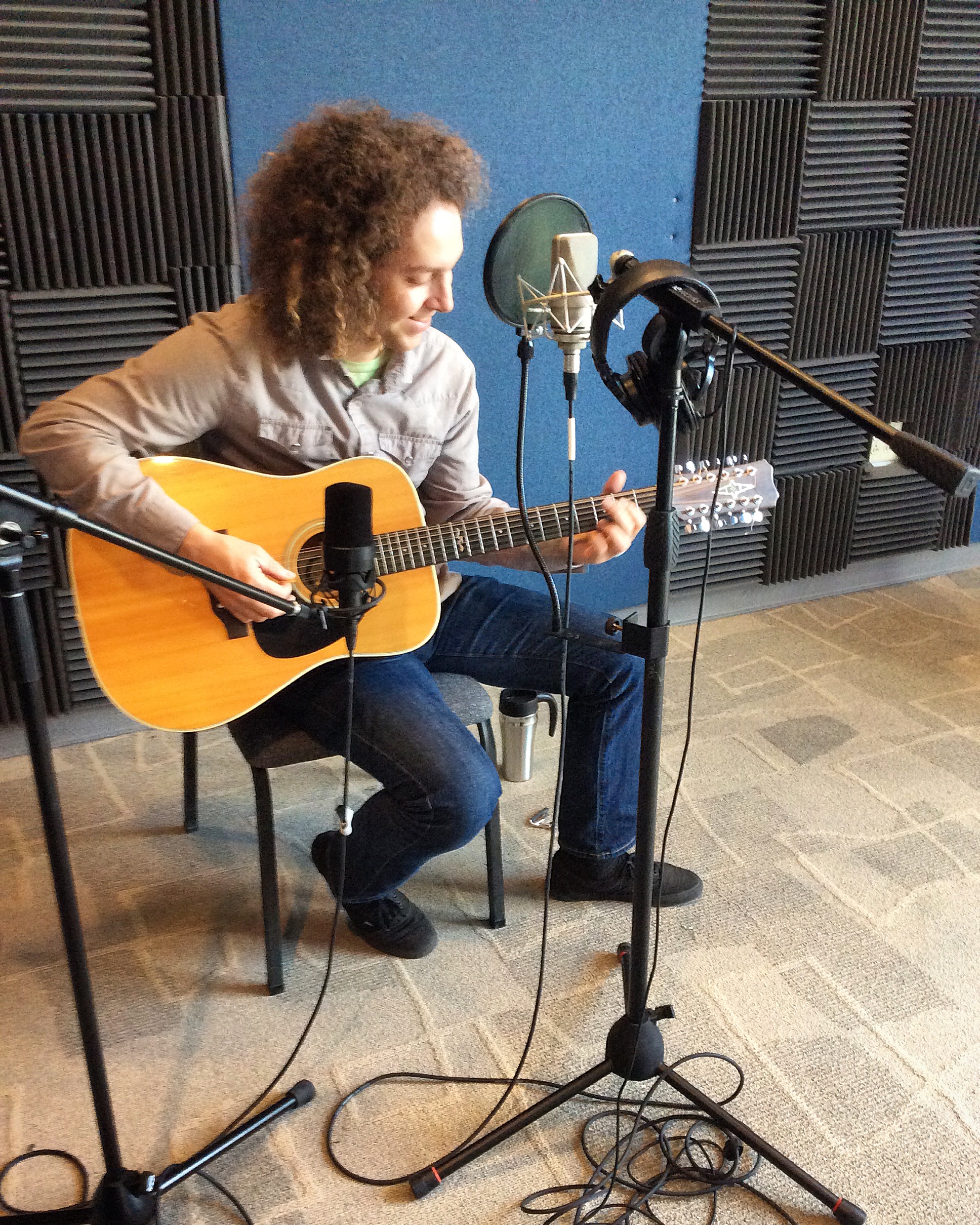
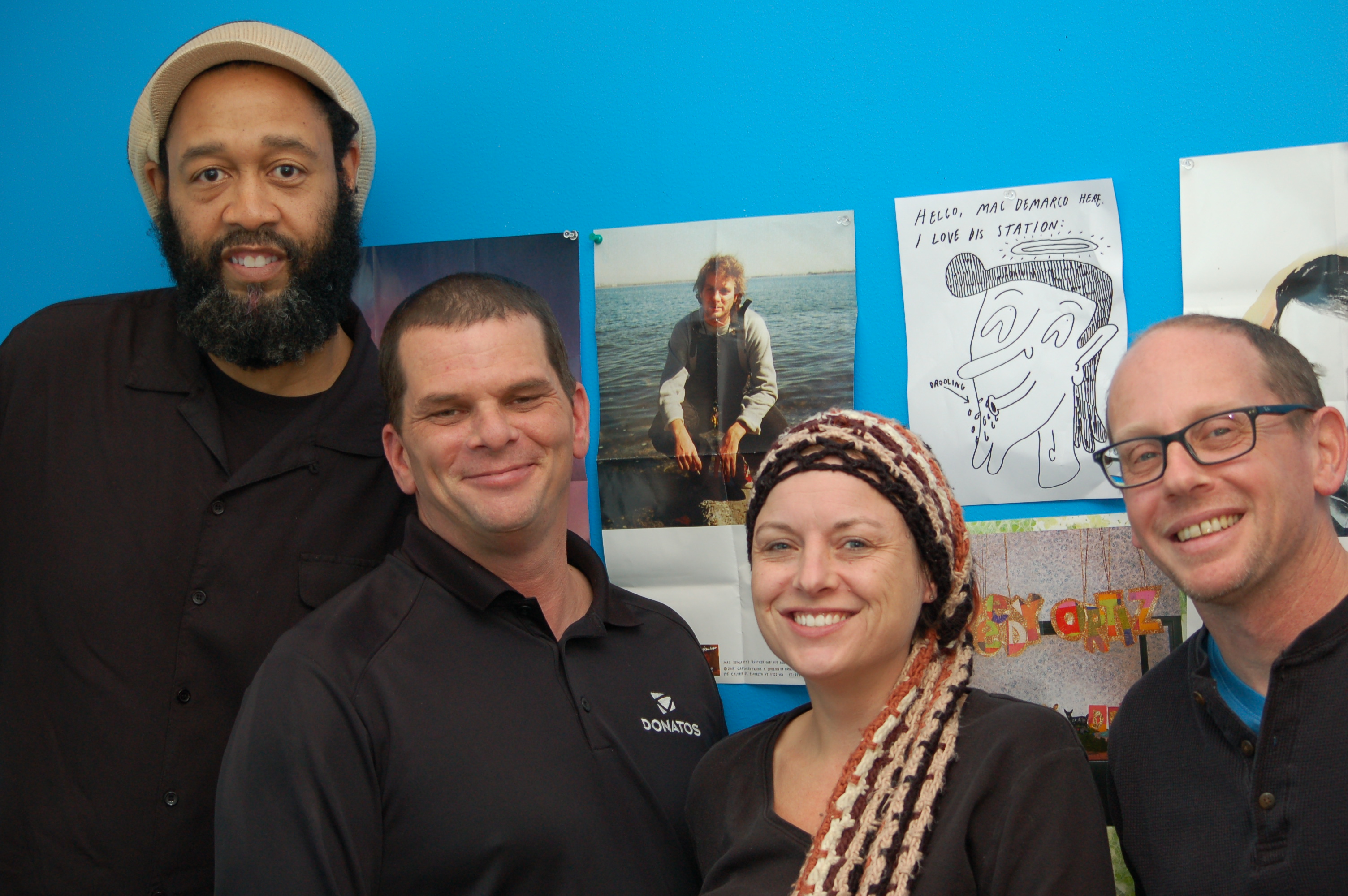
The city of Dayton, Ohio, has long been a hotbed for musical creativity, birthing numerous bands that have left an indelible mark on the music industry and on the hearts of music lovers. Among these, The 1984 Draft has carved its niche, blending indie rock sensibilities and the cleverness of punk music with heartfelt lyrics that resonate with audiences. In 2023, the band released “Best Friends Forever.” The buzz on this band is well earned and delivers on a promise of a musical journey that fans and critics alike were eager to embark upon.
Formed in the heart of Dayton, The 1984 Draft has been a mainstay in the indie rock scene, captivating listeners with their distinctive sound and poignant songwriting. Comprising members around the nucleus of principal songwriter, singer, guitarist Joe Anderl and uncompromising drummer and percussionist Justin Satinover, the band has consistently evolved while staying true to its roots. The band is rounded out with Eli Alban on guitar and Chip Heck on bass and most recently Cherry Fullam on backing/co-vocals. The band’s previous releases, including “Heisman Trophy Winner” and “Makes Good Choices,” showcased a musical maturation that hinted at the depth to come with “Best Friends Forever.”
“Best Friends Forever” is not just an album; it’s a sonic tapestry woven with the threads of emotion, experience, and musical prowess. From the opening chords to the fading echoes, the listener is taken on a captivating journey through the varied spaces, places and emotions of sound and sentiment. This is meaningful rock and roll that is not afraid to explore the challenges of maturity, work, aging, family, spirituality and the need for community.
The album kicks off with an anthemic track, “erryday” that serves as a rallying cry, immediately establishing the tone for what’s to come. The infectious energy and melodic hooks set the stage for a collection of songs that traverse the spectrum of human emotion without pulling any punches. If you are looking for charging rock and roll played and sung as if the band members lives depended on it, this it the record for you. Joe Anderl sings about topics deep and mundane with the same ‘take no prisoners’ approach that we used to take for granted from Bob Mould, Paul Westerberg and J. Robbins.
One of the standout features of The 1984 Draft’s music has always been the authenticity of their lyrics. “Best Friends Forever” is no exception. Each song is a lyrical voyage, delving into themes of life, challenge, resilience, and introspection. The band’s ability to craft narratives that resonate universally while maintaining a personal touch is a testament to their songwriting prowess.
Musically, the album showcases the band’s versatility. From the driving rhythms and electrifying guitar solos to the more subdued, introspective moments, The 1984 Draft proves their ability to experiment with different sonic panorama while maintaining a cohesive identity. The production quality elevates the listening experience, allowing each instrument and lyric to shine with clarity. The second track — and a personal favorite of ours — “Big Star” — celebrates the contributions of all of the members of the band. The backing vocals of Cherry Fullam elevate the song and her voice blends seamlessly with Joe Anderl’s.
Throughout the record, Justin Satinover demonstrates an unbelievable effort behind the drum kit that sounds and feels superhuman. The bass is played as a prime and lead instrument by Chip Heck. The bass is not an afterthought, the contribution of the lower end is just as critical as every other instrument. And speaking about the higher end, Eli Alban’s solos and progressions take the songs into orbit. Just listen to “Bells,” “War II,” “Rhino,” “Toldeo Strong” and ‘Hold Steady” — damn, this band rocks.
As “Best Friends Forever” made its way into the ears of fans and critics alike, the response was correctly overwhelmingly positive. Music journalists praised the album for its musical dexterity, lyrical depth, and emotional resonance. The band’s ability to seamlessly blend elements of alternative rock, punk, indie, and post-punk drew favorable comparisons to both classic and contemporary bands. Fans — such as us here at YTAA — took to social media to express their admiration for the album, with many highlighting specific tracks that resonated with them personally, give a listen to “Two Cow Barrage” and not feel the band’s love for the legendary Two Cow Garage. The sense of connection that The 1984 Draft fosters with their audience has always been a hallmark of their work, and “Best Friends Forever” only deepens that bond.
Within the ever-evolving music we call indie rock, The 1984 Draft’s “Best Friends Forever” is not only a spark from the band’s artistic growth and unwavering commitment to their craft, it is one of our favorite records of 2023. The album is not just a collection of songs but a narrative woven with sonic threads that tug at the heartstrings and heads of listeners. As the band’s musical journey continues, one can only anticipate what new real emotional landscapes The 1984 Draft will explore in the years to come.
Dayton musician, Jay Madewell passed away unexpected on December 10, 2023 at the age of 51. Jay was not just a passionate music fan and avid record collector but a DJ, fantastic musician, and drummer who contributed to many musical projects in Dayton, Ohio. He had been active in the Dayton music community for well over 30 years where he encouraged many musicians to embark on their own sonic adventures and music-based journeys. His efforts in the legendary Dayton Dirt Collective, the Rock ‘n’ Roll Playdate as well as being an active and adventurous club DJ, hosting several themed nights such as the 1960s-focused Fab Gear, L’80s Night, and others. He was also considered to be the top wedding DJ for local musicians. Jay was involved in far more bands and music projects than can easily be listed here, but to list just a few — Real Lulu, Team Void, Power to the Peephole, Lexo & the Leapers, Dirty/Clean and GeeGee’s Punk Rock All Stars — are all evidence of a profound musical life.
A gathering of friends and family will be held at the Yellow Cab Tavern, 700 E. 4th St, Dayton, OH 45402 from 2-6 PM on Sunday, December 17, 2023 to share stores and memories of Jay.
When Team Void visited Your Tuesday Afternoon Alternative, we got to know Jay a little. His enthusiasm, passion for music, amazing drumming, and wry sense of humor were on keen display. It was a pleasure to spend time with him. He had a fascinating charm, easy nature and also decidedly deadly wit, terrific sense of humor and provocative observational skill. Jay was kind and good natured without speaking down to others.
Music has incredible power to cut across the barriers we put up to protect ourselves, the distance of time, and the expanse of place, weaving itself into the fabric of our lives and becoming an integral part of our identity. Often it also becomes part of the experience and sense of a place, music becomes part of how we think about community. For music enthusiasts, the relationship with their favorite musicians goes beyond mere fandom; it is a deeply emotional and personal connection. Music fans wear t-shirts of a loved band or artists not simply to become walking billboards but to illustrate in obvious, perhaps unavoidable fashion, their association with a band, artist, record, tour… whatever connects them in some distant way to the music.
When a beloved musician passes away unexpectedly, the waves of grief that ripple through a community are profound, leaving a deep void that seems impossible to fill in the immediacy of the grief. The shockwave of loss feels personal as if one has lost a member of their family or a dear childhood friend and that feeling is real. It matters. The sudden death of a cherished musician sends a seismic shift through the hearts of friends, colleagues, fans, and others, creating a collective sense of disbelief and sorrow. Unlike other forms of loss, the death of a musician carries a unique weight. Music is the soundtrack to our lives, marking milestones, soothing sorrows, markers of accomplishments, and heightening joys. When a musician unexpectedly departs, it feels as though a part of our own narrative has been abruptly severed, leaving us grappling with an overwhelming sense of emptiness. The intimate connection to something profound and personally meaningful is severed; and that bond cannot be easily repaired or replaced.
Music is a deeply personal experience, often serving as a companion in times of solitude, celebration, sadness, or introspection. The lyrics and melodies of an artist become intertwined with the listener’s memories and emotions. Those who hear the music develop an intimate connection with the artist’s work, feeling as though the musician understands their innermost thoughts and feelings. The unexpected loss of this artistic confidant can be akin to losing a dear friend or mentor who understood without judgement how you feel. That cut is especially acute when the musician is in actuality a friend.
For many, music is more than a form of entertainment; it is a lifeline. The music we listen to is more than mere background noise to many of us, it is a soundtrack to life. Musicians have a unique ability to articulate the human experience, expressing emotions that listeners may struggle to put into words. When an artist passes away, the soundtrack to life is forever altered. The songs that once brought comfort, joy, or solace may now carry a bittersweet resonance, serving as a poignant reminder of an artist’s absence.
In the digital age, social media platforms serve as virtual gathering spaces for fans to collectively mourn the loss of a musician. Social media creates the space for mourning that ripples throughout networks close and those separated and far away. The outpouring of grief on platforms like Twitter, Instagram, and Facebook creates a sense of solidarity among fans, friends, and colleagues who share a deep connection to the artist’s work. Hashtags memorializing the musician trend whether locally or farther afield, amplifying the collective voice of mourning and allowing fans to express their grief in a public forum.
Fans often channel their grief into creating and sharing tributes that celebrate the life and legacy of the departed musician. From fan art and cover performances to heartfelt messages, photos and playlists, these tributes become a way for the community to collectively honor the artist’s impact on their lives. In this shared creative process, fans find solace and a sense of connection with others who are navigating the same turbulent seas of grief. These shared memories and tributes remind us that we are not alone.
The unexpected death of a musician shatters the illusion of immortality that often surrounds artists in the eyes of their fans, colleagues and the wider community. Music has the power to transcend time, and supporters may have envisioned their favorite musician continuing to create and evolve indefinitely. The sudden loss confronts us with the harsh reality of mortality, forcing all of us to grapple with the finite nature of life and fragility of art.
The music we love forms a crucial part of our identity, shaping our tastes, values, and even our sense of self. When a beloved musician dies unexpectedly, fans, friends, and colleagues may experience a profound identity crisis as they navigate a world where the artist’s voice and sound is forever silenced. The process of mourning becomes intertwined with a search for meaning and a reevaluation of one’s own identity without the guiding influence of the departed artist. Whether the contribution would be a song, a sound, a reassuring comment, or a silly joke — that source of comfort is no longer available. In those moments, a community turns to one another to find solidarity, hope and the needed comfort.
As with any form of loss, grieving the death of a beloved musician follows the familiar stages of denial, anger, bargaining, depression, and acceptance. Navigating the stages of grief should not be considered a path to closure but rather a journey in establishing a sense of self and some grasp at understanding amongst the loss. The process is uniquely complex for members of a music community, as each stage is intertwined with the artist’s body of work, their influence on us and the fumbling efforts to come to some form of understanding. Denial may manifest as an unwillingness to accept that the musician will never create new music, while anger may be directed at the unfairness of a life cut short.
Bargaining takes on a unique form as members of a music community may replay “what if” scenarios in their minds, imagining alternative outcomes that would have allowed the musician to continue making music. Depression may settle in as fans grapple with the void left by the artist’s absence, and acceptance becomes a delicate dance between honoring the musician’s legacy and embracing the inevitability of their departure.
While the pain of loss is profound, the legacy of a beloved musician — at any level of experience — endures through their body of work, the contributions to a music community, and the creation of art. Colleagues, fans and friends often find solace in revisiting the artist’s discography, discovering nuances in the lyrics and melodies that take on new meaning in the context of personal and collective grief. The music becomes a bridge between the past and the present, allowing fans to maintain a connection with the artist even in their absence.
Music has always held a special and unique healing force in our lives. In the midst of grief, music has the power to serve as a healing force. Fans may find comfort in the familiar strains of a favorite song, using music as a therapeutic tool to navigate the tumultuous emotions associated with loss. Cover performances by fellow musicians, tribute concerts, sharing of photos, and posthumous releases become cathartic experiences, providing the music community with an opportunity to collectively mourn while celebrating the artist’s enduring impact. The love that they created remains with us if we can only find it and see it.
The death of a beloved musician does not mark the end of a relationship with the artist; rather, it transforms into an enduring bond that transcends a physical realm. Fans continue to carry the torch of the musician’s legacy, introducing their work to new generations and ensuring that the impact of their artistry is not forgotten. In this way, the community becomes the custodian of the artist’s memory, keeping the flame alive through shared stories, photos, traditions, and the perpetuation of the music itself.
The grief experienced by members of a music community when a beloved musician passes away unexpectedly is a complex and deeply personal journey. Music’s profound impact on our lives elevates the loss beyond the realm of simple fandom, creating a unique and enduring connection that transcends time. As music fans and supporters navigate the stages of grief, music becomes a source of solace, a bridge between the past and the present, and a recognition of artistic expression’s enduring power and beauty. While the pain of loss is undeniable, the legacy of a beloved musician lives on through the hearts and ears of those who continue to find comfort, inspiration, and connection in the melodies and lyrics that once emanated from the now-silent stage.
In a dimly lit space of my basement home studio, surrounded by an array of vinyl records, cassette tapes along a small wall, stacks of vintage vinyl 45s, piles of CDs, and an eclectic mix of posters from local and underground shows, I sit hunched over a laptop, ready to embark on music discovery. With a cat on my lap and another nearby, I listen to new songs, local music, and pieces of someone’s heart that they have kindly shared with Your Tuesday Afternoon Alternative. This is my sanctuary, the cockpit from which I navigate a vast sea of independent music. As an indie music radio DJ, I’ve made it my mission to curate and broadcast tunes that I believe in, music that resonates beyond the mainstream. There is no shame in loving the music that speaks to you, mainstream or not. But I want to find something new, something unique. Perhaps it is an overwhelming sense of fear of missing out on something incredible, something wonderful that was released and far too few have heard it. Providing a conduit for the amazing music that has gone overlooked has kept me interested in radio for over 19 years at WUDR and for many years prior.
My love affair with indie music began in the smoky corners of obscure spaces, crowded clubs, and hidden venues in Minneapolis in the 1980s. And that interest was heightened in 1983 when I joined KUMM Student Radio at the University of Minnesota at Morris. I had chosen a college a few hours away from home, Herman, Minnesota population 550. My graduation class only had 25 students in it. I was not sure what I wanted to become when I went to college, but I knew one thing quite clearly — I wanted to leave the confines of small-town Minnesota life. The albums that my classmates loved were not my music, they did not feel real and authentic to me. The music that I heard on the few radio stations — mostly country music — did not speak to me nearly as much as the obscure bands and music that I found on late-night TV shows or magazines like The Trouser Press, Cream, and Crawdaddy.
I had a few musically progressive friends and a cousin who was like a brother to me who broadened my music experience. I was exposed to so many unique bands and records by cool friends who introduced me to bands like The Ramones, Big Star, Alice Cooper, R.E.M., early KISS records, The Replacements, The Suburbs, Loud Fast Rules (who later changed their name to Soul Asylum), and Prince. I am still prepared to argue that his first three records were and are brilliant records that fused soul, funk, R&B, pop, and punk. While I enjoyed the British New Wave of Gary Numan and the Romance Wave of Roxy Music, it was Duran Duran who led me to Joy Division, Adam and The Ants, Spandau Ballet, and The Cure. From ‘Planet Earth’ and ‘Girls on Film,’ I found ‘Love Will Tear Us Apart,’ ‘Transmission,’ ‘Ant Music,’ ‘True’ and ‘Boys Don’t Cry’ — I then spent years over Robert Smith’s catalog. I was captivated one late night when David Bowie’s music video for Ashes to Ashes played on some obscure program. It was life-changing and led me to seek out music from Ziggy Stardust in all of his personas and identities.
While others were getting lost in the polished melodies of chart-toppers, I found solace in the raw, unfiltered sounds of independent artists. It wasn’t just about the music; it was about the stories told through the lyrics, the rebellion against conformity, and the genuine passion that fueled every chord, every snap of the drum, every note that was delivered with passion. These sounds and bands were authentic and real to me. I read a story in a music magazine — Melody Maker, New Music Express, Smash Hits… to be completely honest I do not remember — about a band named after a plane, U2, and that eventually led me to their first album ‘Boy’ and that again, led me to be changed. Now, to be fair I was listening to a seriously concerning amount of Pink Floyd, Nick Drake, Television, and Patti Smith. The gateway of The Ramones led to The Sex Pistols, The Clash, Blondie (especially those early records), and more. While I did enjoy some truly strange fascination for some rock and pop groups, I had records and the usual posters on my bedroom walls of Scandal, Rick Springfield, Journey, Styx, Hall & Oates, and a brief fling with The Eagles’ Hotel California and Long Run (that led me to The Flying Burrito Brothers and Graham Parsons — thanks for sharing your records, mom!).
When I got to college, I decided to take this passion to the airwaves, embracing the role of a sonic designer. Armed with a microphone and a collection of gems that I could not wait to share, I set out to carve a niche for myself in the crowded world of radio, one that would champion the unheard and challenge the established norms. It helped tremendously that bands like R.E.M., U2, Ministry, Depeche Mode, Red Rockers, The Cure, and far more than I have the time (or you dear reader – the interest in reading) to recount here were releasing amazing records in the 1980s. The time period of 1983 to 1988 was not only my college years but an amazingly fertile time for what became known as College Rock then was labeled as Alternative or Post-Punk.
It has not always been easy trying to build bridges with the unknown for me. Being an indie music DJ is more than just spinning records or pushing play or fading sounds in and out; it’s about building bridges between artists and listeners. In a world saturated with predictable playlists, my goal is to be a conduit for the undiscovered. I sift through submissions from garage bands in Brooklyn to folk troubadours in the Pacific Northwest, searching for that spark of authenticity that sets them apart. We have a policy at YTAA, anything shared with us gets a listen. And in those perfect moments when we want to hear a song again, that captures our attention when there are so many records to preview, there is magic in the sound waves.
It’s not always about polished production or catchy hooks; it’s about the genuine emotion that reverberates through the music. Each song is a unique brushstroke on the canvas of the YTAA show, painting a sonic landscape that moves beyond the conventional. The thrill of introducing listeners to a hidden beauty, the adrenaline of playing a track that might just become someone’s favorite song – that’s the heartbeat of our radio station. I cannot express how much joy is experienced when someone requests a song we have played or calls the station to ask who was that amazing musician or band that they heard.
In the sprawling landscape of commercial radio, where playlists are often dictated by corporate interests or worse an inhumane algorithm, maintaining independence is a dance on a tightrope. Yet, this dance is the very essence of the existence of Your Tuesday Afternoon Alternative and my role as a DJ. There’s a certain liberation in knowing that a YTAA playlist is not dictated by market trends or corporate interests. Sometimes it is an accident of happenstance or from a connection on social media. Whatever the reason, it’s a rebellion against the formulaic, an assertion that there’s value in the unconventional, the unknown, the liminal. I would like to believe that we have built a community of listeners who crave the unexplored, and who trust this program to guide them through sonic places and spaces of undiscovered music.
Behind every track played lies a story – the struggle of an indie artist trying to be heard, the triumphs and tribulations of navigating an industry that often favors the polished over the genuine. It’s not just about the music; it’s about the people who create it. It is a privilege to interview artists whose stories are as compelling as their melodies. From the indie folk singer who busked on street corners to fund her first album to the punk rock trio that converted an abandoned warehouse into a recording studio, each narrative adds depth to the sonic tapestry we weave on the airwaves. These stories resonate with our listeners, connecting them to the music in ways that transcend the superficial. These are real experiences told by real people about the authentic music they have made to present some feelings, emotions, and ideas — the search for solidarity and connection through music is important and it should be protected at all costs.
One of the joys of indie radio is the freedom to be unpredictable. While commercial stations follow rigid playlists curated by algorithms, YTAA revels in the spontaneity of crafting a playlist that mirrors the ebb and flow of emotions. From ethereal dream pop to gritty pop-punk anthems, the playlist is a rollercoaster ride that keeps listeners on the edge of their seats wondering what is coming up next. One of the most exciting experiences in music is when we are surprised.
On YTAA we are not afraid to delve into uncharted territories, juxtaposing genres in a way that challenges preconceived notions. A haunting acoustic ballad might be followed by a raucous electronic track, or a looking-back indie classic creating a musical journey that mirrors the unpredictability of life itself. It’s a sonic adventure that invites listeners to step outside their comfort zones and embrace the diversity of the indie music landscape.
As an indie music DJ, my connection with the audience goes beyond the confines of the radio waves. Social media has become a virtual extension of the studio, a platform where listeners can engage in real-time discussions about the music they love. We endeavor to play as many requests that we receive as possible. Sometimes a request can take the show in a different, unplanned direction, and isn’t that an opportunity? The sense of community that has emerged is a testament to the power of indie music to unite diverse souls under a common sonic umbrella. It has been a rare honor to connect with other music fans on Twitter, Instagram, Facebook, and on this page. From virtual album listening parties to live Q&A sessions with artists, the digital realm has allowed us to amplify the sense of camaraderie that defines the indie music scene. It’s not just about broadcasting music; it’s about fostering a community where passion for the unconventional is celebrated.
Navigating the indie wilderness is not without its challenges. Limited resources, the constant struggle for visibility, and the ever-present threat of obscurity are hurdles that indie artists face daily. As a DJ, I’ve witnessed the frustration of talented musicians grappling with a system that often seems designed to favor the established. Yet, it’s precisely these challenges that fuel the fire of the indie spirit. The tenacity of artists who refuse to be silenced, and the resilience of a community that thrives on the fringes – these are the stories that inspire me to keep pushing boundaries and championing the cause of the independent. It is possible that the unknown music can be even more captivating than the known.
As I peer into the future of my journey as an indie music DJ, the horizon is both exciting and uncertain. The music industry is in a state of constant flux, with new platforms and technologies reshaping how people find music. Yet, one thing remains constant – the hunger for authenticity, the craving for sounds that defy the cookie-cutter formulas of mainstream music. I envision a future where indie music continues to be a beacon of diversity and creativity. Whether through virtual concert experiences or immersive audio storytelling, the indie spirit will find new avenues to flourish. My role as a sonic guide will evolve, adapting to the changing currents of technology while staying true to the essence of independent expression. Maybe in some way, I am still the same person who knew that there was exciting and cool music waiting to be discovered, the only question was how to find it. Perhaps now the problem is how to find that music in an oversaturated culture of the moment; the internet is both friend and foe.
In the closing moments of every radio show, as the last notes of an indie anthem fade into the ether, I reflect on the journey that brought me to this point. From the dimly lit venues of my youth to the expansive world of radio waves, it’s been a ride fueled by passion, rebellion, and an unwavering belief in the power of independent music. In the vast sea of sonic possibilities, I continue to navigate the waves, a lone captain on a ship of indie music treasures. As long as there are artists pushing boundaries, as long as there are listeners hungry for the unconventional, the journey will endure. For in the realm of indie music, every note is a declaration of independence, and every DJ is a storyteller weaving tales of sonic rebellion. Now, let’s go listen to some interesting music we have not heard before.
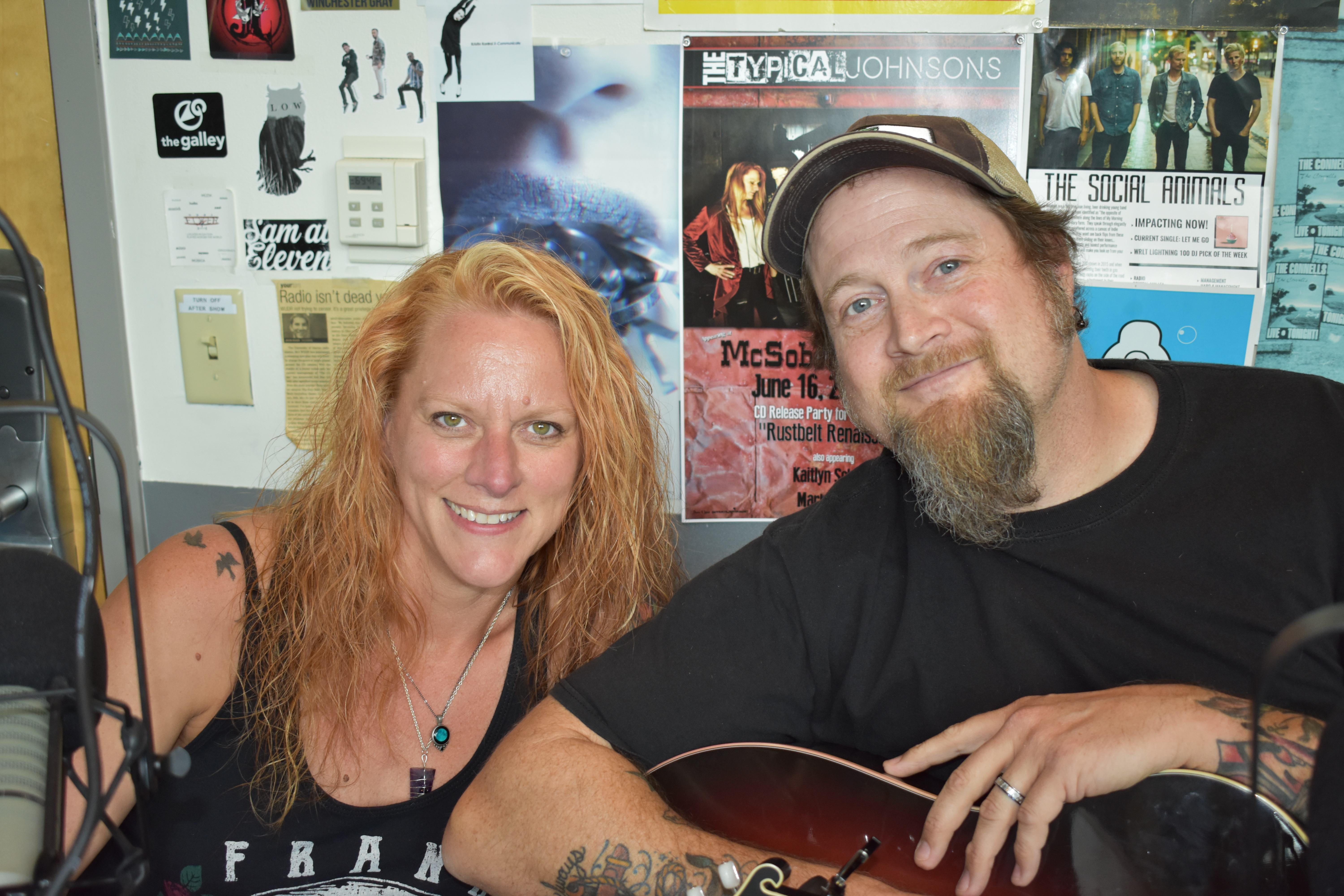
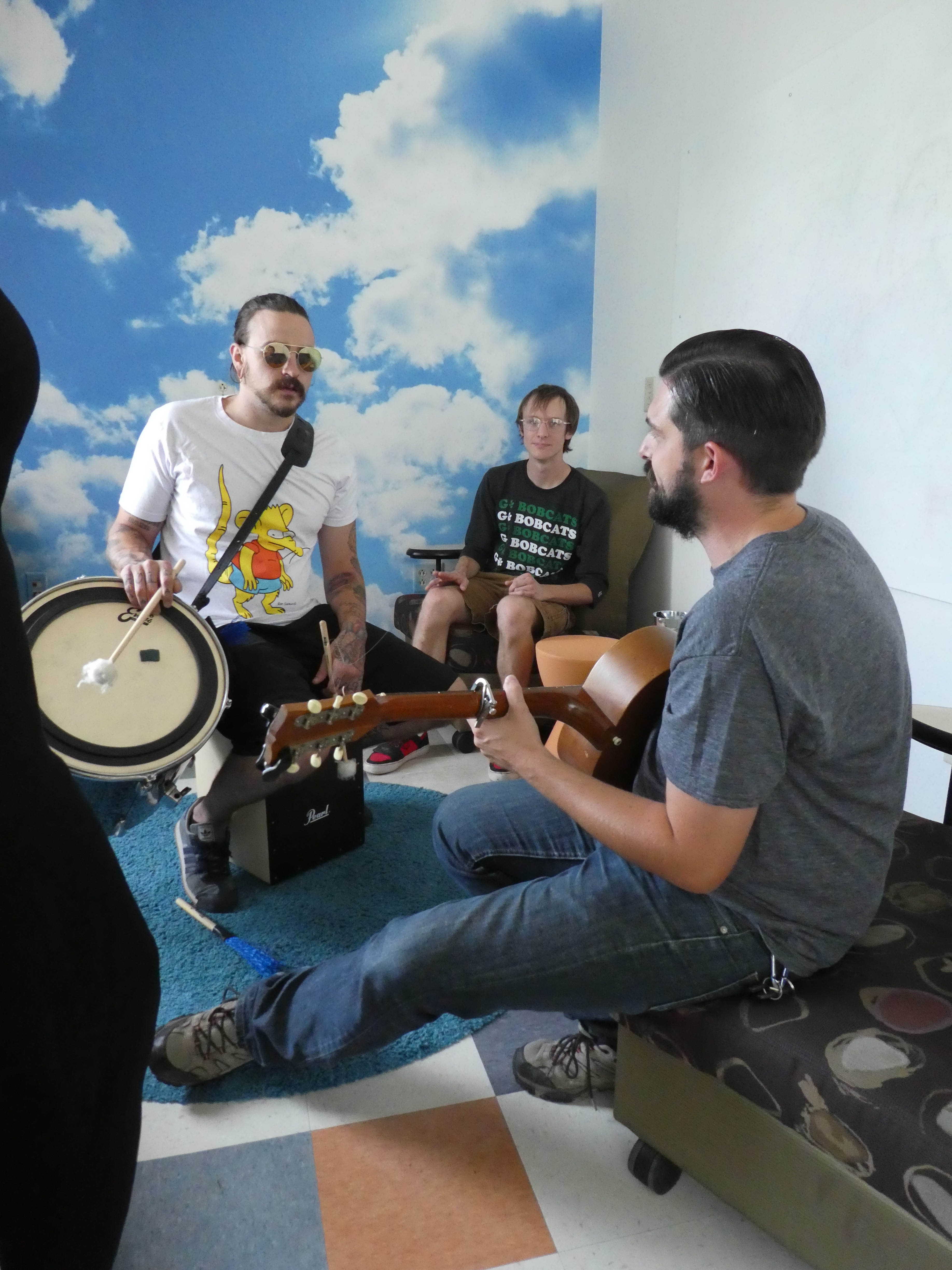
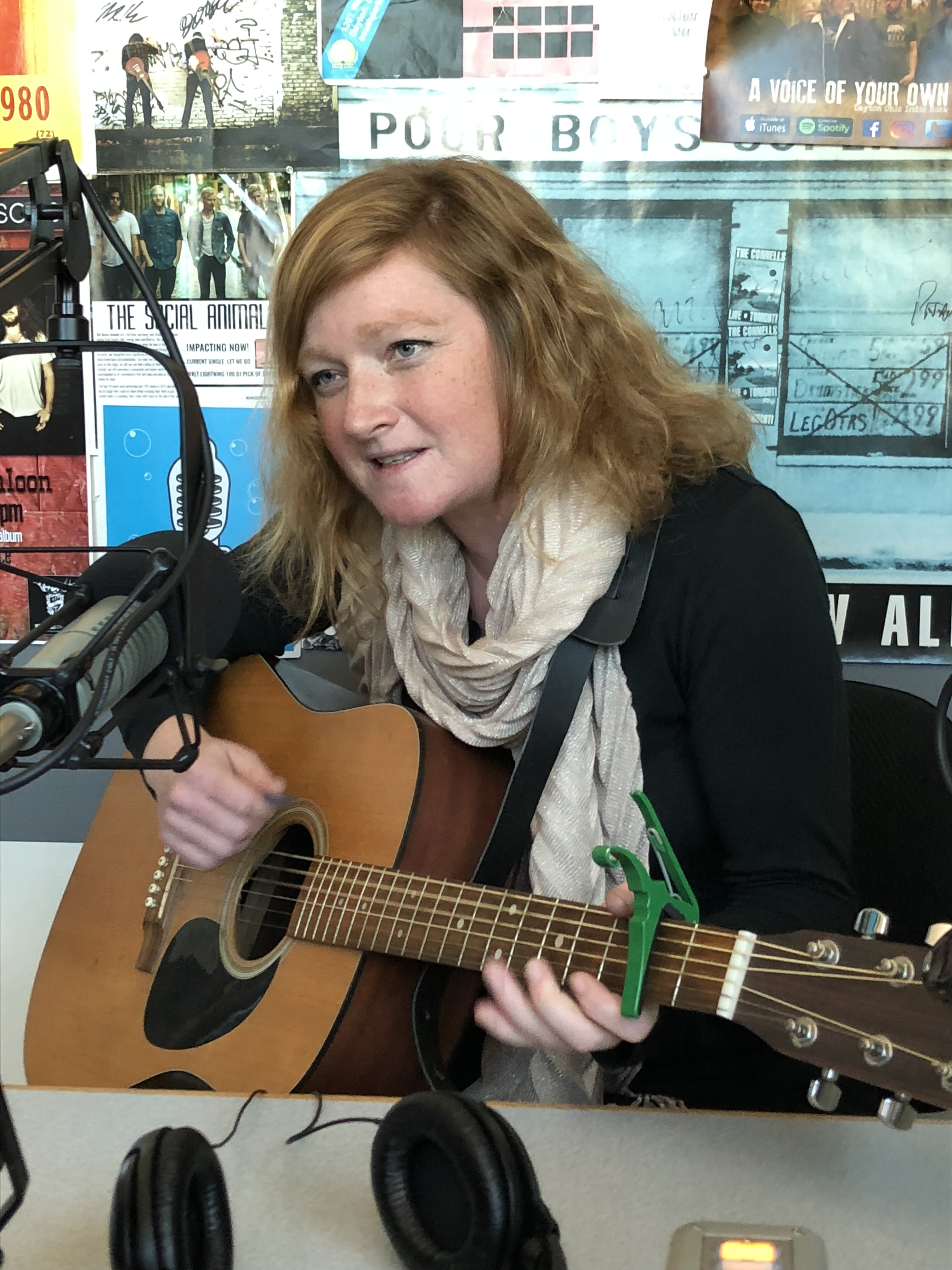
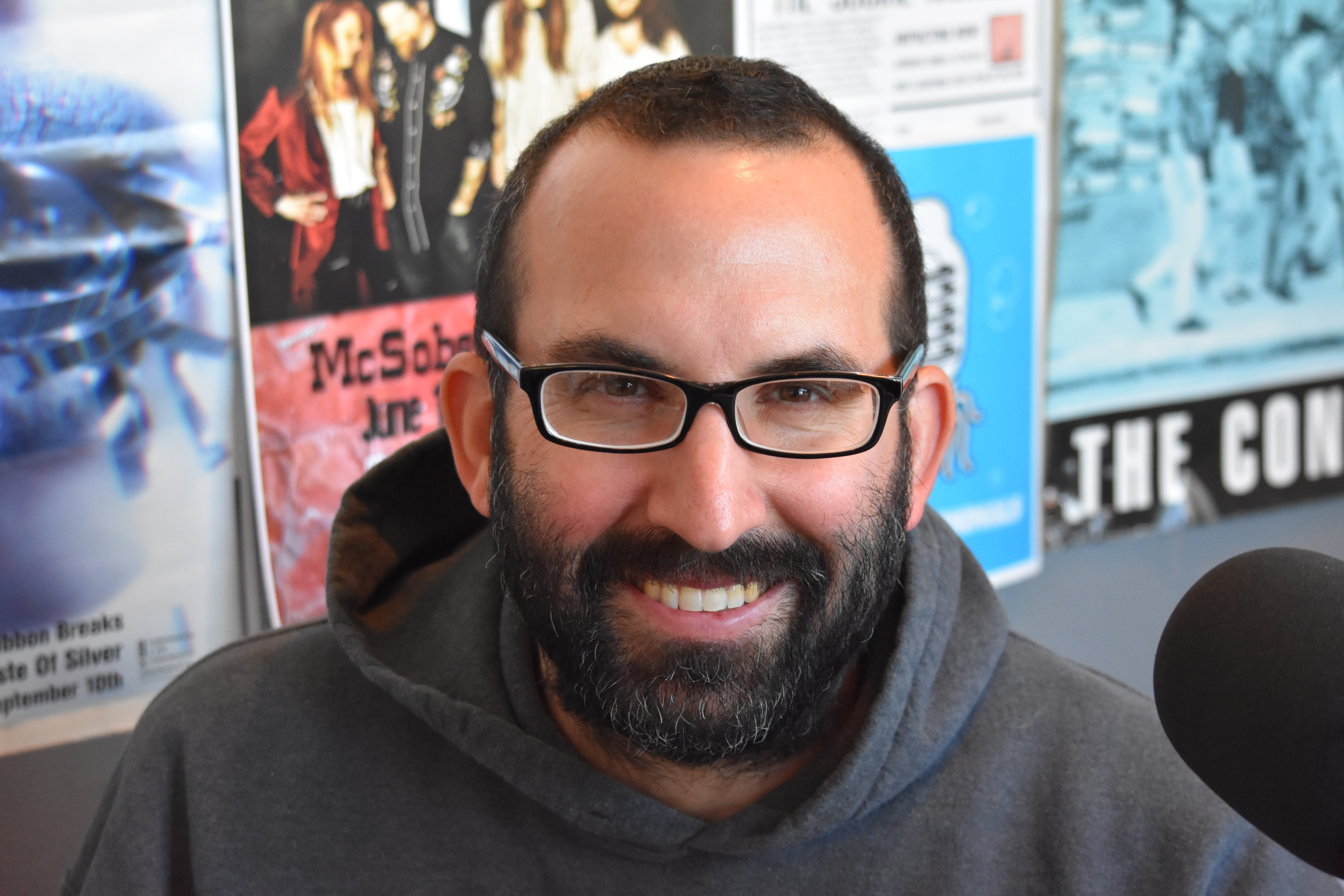
All station photos by Tom Gilliam Photography. Photos used with permission.
Normally, I am busy preparing for a radio show on Tuesday afternoons. Busy typing song titles into a computer that feels both like a friend and a reluctant companion. This Tuesday however, I am not doing any of that prep work because the radio station is preparing to move to its new home.
In the heart of the University of Dayton campus, nestled among the hustle and bustle, there exists a sanctuary that transcends the usual boundaries and divisions that we make for ourselves every day. For 22 years, a humble student-run radio station has occupied the same space, etching its mark on the airwaves and the souls of those who have tuned in whether they be students at the University of Dayton or community members looking for something captivating on the airwaves. In 2001, WUDR moved from cramped quarters in Kennedy Union to the then newly opened Artstreet complex creating a harmonious resonance that defies the transience of our ever-evolving world. The Artstreet experiment was untested on campus. It was a living, learning, creative space that playfully yet intentionally used architecture, design, and flexible classroom spaces to encourage applied creativity. WUDR Flyer Radio and Street Sounds Recording Studio shared the end of one of the buildings next to an open amphitheater for outdoor events. Before the radio station added online broadcasting, this came a few years later, the station provided a space for those with a passion for radio broadcasting, indie music enthusiasts, and students applying what they were learning in classes to come together toward a common goal of making radio shows.
While I was not a student for quite some time, I have long explored the role of a radio DJ. After receiving a positive tenure decision from the University of Dayton, I balanced my teaching, writing, and administrative obligations with a hunger to do radio again. For 19 years I tried to passionately advocate for local music balanced with an interest in new music and the development and evolution of indie and alternative music. For almost two decades that interest has animated Your Tuesday Afternoon Alternative. I wrote a personal essay about my sense of doing radio in September.
As I prepare to leave the studio that I have called my second office for 19 years, a wave of nostalgia washes over me. The worn-out carpet beneath my feet bears witness to the countless footsteps of other DJs — student and faculty — that have trodden this path before, each imprint telling a story of passion, dedication, and an unwavering commitment to the art of sound at WUDR. The walls, once adorned with posters of Dayton bands, amazing local shows, a few legendary musicians, and faded memories, seem to whisper tales of late-night broadcasts, whispered confessions, and the transformative power of music.
In an era where change is the only constant, the endurance of this student-run radio station becomes an anthem of constancy, a lighthouse guiding lost ships through the stormy seas of life. The comforting hum of the equipment, the familiar creaks in the chairs, the colors of the ENCO systems alongside the soft glow of the control panel all bear witness to the enduring spirit of a station that has weathered the storms of technological upheaval and the fickle tastes of an ever-evolving audience. The dim light and just barely audible hum of a computer to my right that sends the radio signal to the web is a constant companion.
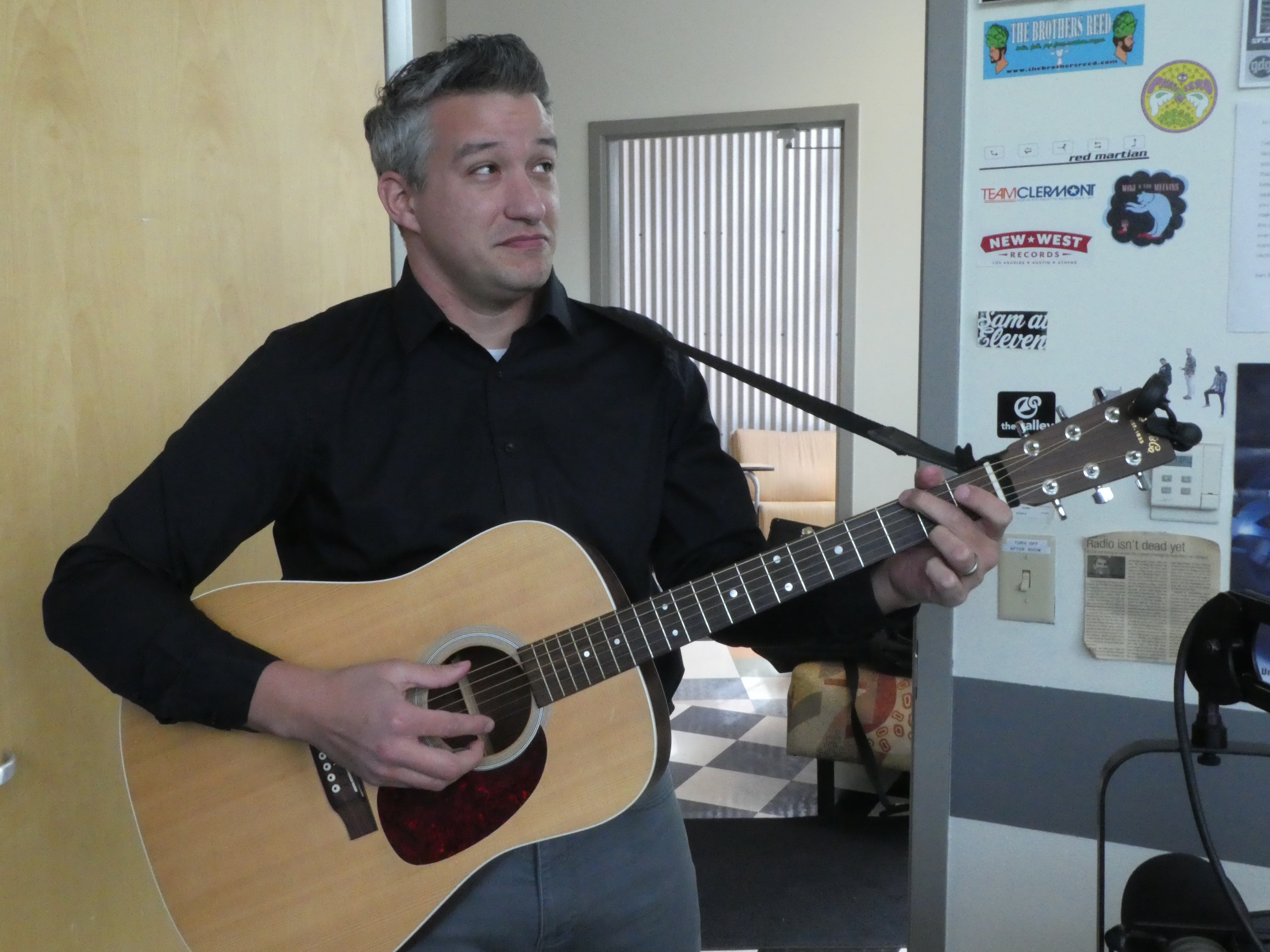
It’s not just a radio station; it’s a time capsule, preserving the essence of an era long past while evolving with the pulse of the present. The student DJs who have graced this sacred space have become custodians of emotions, weaving the soundtrack of our lives through the carefully selected notes and melodies that have graced the airwaves for over two decades in this space (and over fifty years in total).
The connection between the station and its listeners is not merely a broadcast; it’s an intimate conversation that transcends the limits of physical space. You cannot see the people who are listening. The voices that have resonated through these speakers have been companions during late-night drives, all night cramming before a big test, solace during moments of solitude, and the soundtrack to celebrations and heartbreaks alike. The station has become a confidant, a friend, and a silent witness to the ebbs and flows of our collective experience on and off campus.
As the world around us races forward, this radio station through the various slogans and themes over the years — “rock in the gem city,” “music in all directions,” and “support your local music scene” — remains a constant, a testament to the enduring power of music to bind us across time and space. We come together even though we cannot see each other in that moment when a great song plays. It’s a reminder that, in the transient nature of life, some things are built to last. The 22 years encapsulated in these walls are not just a marker of time but a celebration of the resilience of the human spirit to create, connect, and find solace in the embrace of familiar melodies. Songs mean something beyond the notes, chords, voices… as they remind us what we feel.
In a society that often values the shiny and new, this radio station serves as a poignant reminder that there is beauty in the worn and weathered, in the stories etched into every scuff and scratch. It’s a living testament to the belief that, sometimes, the most profound expressions of art and emotion arise not from the pursuit of the novel but from the nurturing of what already exists.
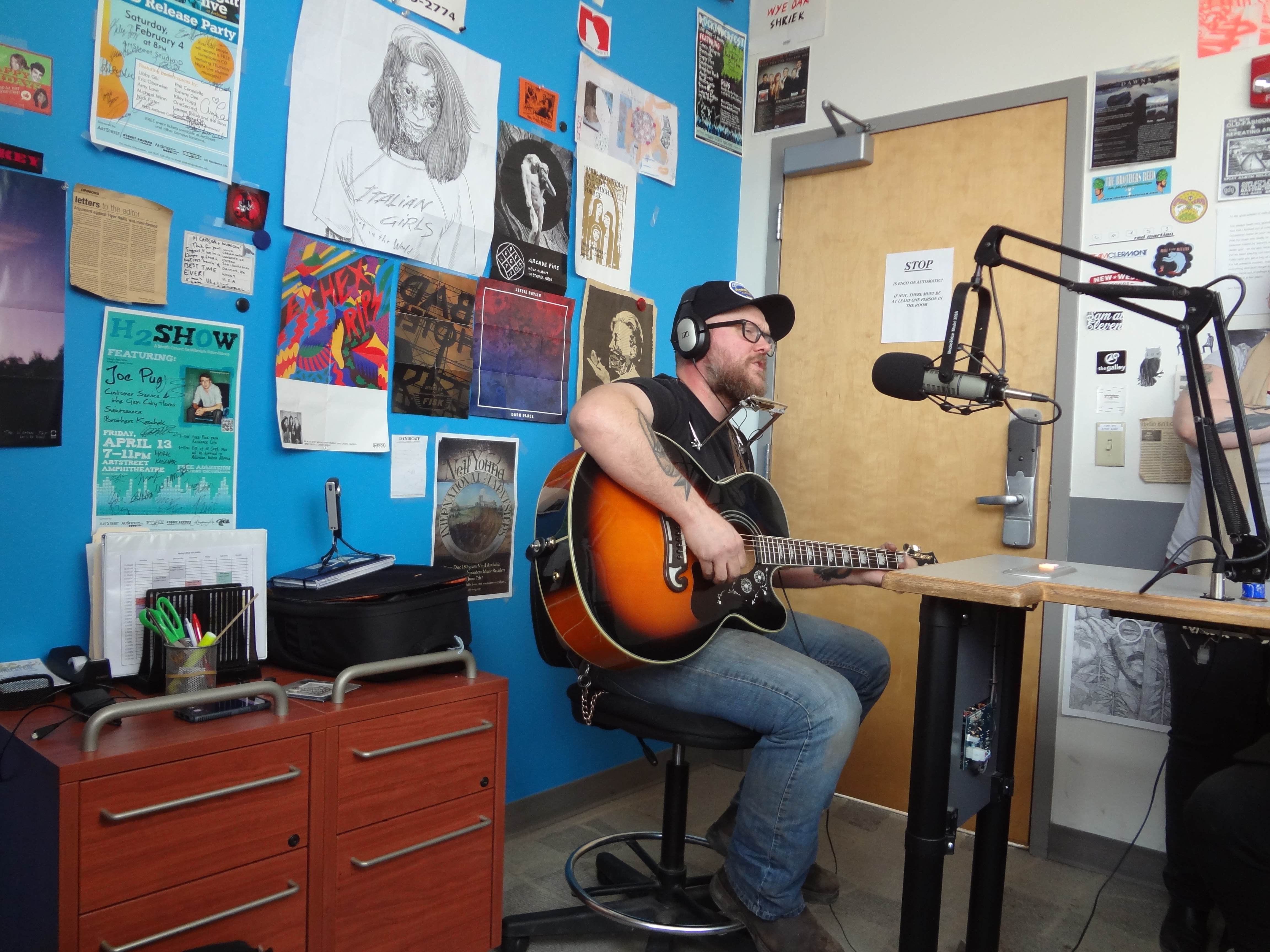
Live, intimate performances in a radio station hold a profound significance in the realm of music and broadcasting. Unlike large concerts in arenas or stadiums, these intimate sessions offer a unique and up-close experience for both the artist, the DJ, and the audience. The confined space of a radio station creates an atmosphere that fosters a sense of connection, an all too quickly fleeting and personal bond allowing the artist’s emotions and musical nuances to be experienced with unparalleled intimacy. And I have been unbelievably fortunate to have so many guests in the studio.
From the audience’s perspective, the intimacy of a radio station performance offers a rare chance to witness their favorite musicians in an unfiltered setting. It forges a more profound bond between the listener and the artist, creating an environment where the nuances of the performance are not lost in the vastness of a large venue. Live, intimate performances on a radio station bring artists and audiences together in a way that transcends the traditional concert experience. They celebrate the essence of music, fostering a connection that resonates on a deeper level, making these performances invaluable in the rich tapestry of musical expression.
From Thrasher Cadillac to Ghost Town Silence’s Tom Gilliam, who joined me for our annual YTAA Indie Holiday program, several artists in Dayton, the region, and national touring acts have shared their music with our listeners. Incredible songwriter and musician Charlie Jackson made his very first radio interview and performance in the WUDR studio space at Artstreet. Remember his name, a songwriter with that much talent and lyrical richness is perfectly made for a large, national audience. There is not enough patience to list all of the musical acts who have shared their time and music with us but let’s try that perseverance just a touch: The New Old Fashioned, Amber Hargett, Oh Condor, Cricketbows, Brainiac, Age Nowhere, Smug Brothers, The 1984 Draft, K.Carter, Kris N., XL427, Team Void, Matt Moran, Librarians With Hickeys, Rossonian, Bottlecap Mountain, Renaissance, Serin Oh, Motel Faces, Avalon Park, Josh Thrasher, Nicholas Johnson, Nate Peters, Me & Mountains, David Payne, Mike Bankhead, Harold Hensley, Neo American Pioneers, Zack Sliver, Nasty Bingo, Khyrs Blank, The Boxcar Suite, Brian Wells, Trees and Wells, Jennifer Taylor, Sharon A. Lane, Scary Hotel, Jetty Bones, Heather Redman, Sadbox, The Nautical Theme, Tod Weidner, Ike B., Max B. Greene, Tim Gebard, Manray, Mandy Jewel, The Typical Johnsons, Ricky Terrell, Kevin Serey, Windsor Knotts, Kyle Byrum, Dave Zup, Bill Wendell, Paul Monin, Seth Canan and The Carriers, Don Thrasher, Dead Licks, Sam King, Far From Eden, Andrew Hunt, The Paint Splats, Emory Road, Achilles Tenderloin, Curse of Cassandra, Rich Reuter, Nick Kizirnis, Kyleen Downes, Goodnight Goodnight, Charles Hartman, Kurt Lee Wheeler (who traveled from Georgia to be on our show that day), Lisa Gain & The Rusty Silos, Mack McKenzie, Steve Shockley of the Original Lakeside, and so many more. Still here? That is far from a complete list because those are just some of the artists who were in the studio. The magic of the phone call-in provided for so many more artists to share their gifts with all of us.
For the artist, performing live on a radio station provides an opportunity to showcase raw talent and authenticity. Stripped of elaborate productions, the focus shifts to the purity of the music and the artist’s ability to connect with the audience on a personal level. It becomes a platform for artists to experiment, improvise, and unveil new dimensions of their creativity.
As I exit the studio, the faint strains of a timeless song linger in the air, I play The New Old Fashioned – Radio Waves. It is fitting. As David Payne sings, I carry with me the echoes of my 19 years in my second office, resonating not only in the frequencies of the music but in the very fabric of my being. This radio station is more than a collection of songs; it’s a living, breathing entity, a guardian of memories, and a symbol of the enduring power of music to transcend the limitations of time and space. It was home.
WUDR will move to its new space in the Roger Glass Center for the Arts over the next several weeks. We will set up shop in an exciting new space that was specifically designed with the station and student media in mind, but we carry with us the incredible music experiences, history, and warm embrace of a building that was the radio station’s home for 22 years. Here’s to many more.
In the ever-shifting realm of music, where emotions dance to the rhythm of melodies and lyrics, the significance of first-person accounts is akin to the heartbeat of that sonic industry. Many books, articles, ‘zines, blogs, documentaries, and more have chronicled the evolution of rock and roll. Often the stories are made vivid through personal narratives which serve as soulful storytellers, encapsulating the visceral essence of musical experiences.
At the heart of this effort lies the undeniable truth that music is a deeply personal affair. Beyond the glitz of stage lights and the glamour of fame, the authentic narratives of individuals thrust us into the beating heart of musical spaces. First-person accounts unravel the mysteries behind the creation of iconic songs, giving us a backstage pass to the emotions, struggles, and triumphs that shape the artist’s sonic voyage.
Take, for instance, the confessional tales of Bob Dylan as he traversed the winds of change in the 1960s. His first-person accounts, woven into the lyrical tapestry of folk and protest music, became the anthems of a generation. Rolling Stone’s intimate interviews with Dylan, where he bared his soul and articulated the intricacies of his musical odyssey, stand as testaments to the power of firsthand narratives in deciphering the magic behind the music. First-person accounts from producers, engineers, and mixers also offer a peek behind the curtain at music creation. When those who shape and capture sound share their ‘I was there’ experiences as only someone who was present at the creation of the music can, all music fans are given an opportunity to learn how the various pieces were captured and assembled into song.
These direct accounts bridge the chasm between artist and audience, forging a profound connection. Whether it’s the euphoria of a Woodstock moment, the stories that surround Live Aid, or the fan culture of Swifties, first-person experiences, oral histories, and those who bear witness to the melancholy of a heartbreak anthem, the firsthand narratives serve as empathetic conduits. The reader becomes a fellow traveler in the sonic expedition, sharing the highs and lows, and reveling in the universal language that transcends boundaries.
In our digital culture, where streaming services and algorithms dictate musical preferences, the authenticity of firsthand accounts offers a refreshing counterpoint. It reminds us that behind every beat, every lyric, every strum of a guitar, there’s a human story waiting to be unveiled. It’s the firsthand narratives that echo through attempts to understand music and the music industry, immortalizing the songs and the artists who dared to dream. These narratives, with their raw honesty and unfiltered passion, weave an indelible tapestry that captures not just the sound but the soul of music.
With these ideas in mind, we contacted various music professionals who work in different facets of the industry. Tim Anderl who has written extensively on music and shared his passion and enthusiasm for music to the extent of creating — from the ground up — his own music promotion company is one of the first to kindly answer our call for a reflective essay on their personal experiences. Thank you very much, Tim. This excellent essay shines a light on music publicity and promotion.
Although I’d studied magazine journalism as an undergraduate student at Ohio University with the intent of becoming a professional music feature writer, the reality upon graduation was that if I wanted to live independently and have the blessings of creature comforts like health and dental insurance, I might have to be agile in my job search. Roughly two months later, I’d secured a junior administrative position at a medical non-profit in Cleveland, Ohio. While I did have the opportunity to flex some of my writing/journalism muscles — organizing a monthly health lines program for AM news radio, writing for and editing the organization’s monthly newsletter/magazine, and coordinating inputs for an insert in the Cleveland Plain Dealer — the truth was, I was drifting farther, and farther from my original plan.
Thus began a series of DIY endeavors, including a cut-and-paste print zine, an online music magazine, a blog, and eventual “freelance” work for a variety of publications, a couple paid, but most unpaid. The payment, or lack thereof, never really bothered me. During the ’90s and ’00s, publicists still sent physical releases for review. This meant sometimes dozens of free CDs, and occasionally records, for many years. Any writing that did yield a payday was donated to a charity or local food bank as by this time I’d taken a comfortable job as a marketing and communications professional with a large government contractor that primarily paid my bills. And, my day job also afforded me the freedom of spending every waking hour outside of work going to shows, promoting shows, reviewing music, and interviewing bands.
Then, 12 years ago I had a crisis of conscience after the subjects of a handful of features and two cover stories, published in international print magazines, were outed publicly for abusing their power dynamic to take advantage of or sexually abuse members of their fanbase. The question that emerged for me was, “Why am I spending hundreds of hours a month writing features on seemingly disgusting people that I don’t actually know in real life?” As the recipient of dozens to hundreds of pitches by music publicists each day via email, I decided to try my hand at music PR, something that I really had no experience in aside from being familiar with writing and circulating press releases to non-music entities.
Original color logo by Dan Rizer
And Sweet Cheetah Publicity was prematurely born. Where did the moniker come from you ask? The answer is two-fold. First, it was inspired by a short-lived Kent, Ohio band called Suite Cheetah. How does that make sense you ask? As I visualized what I wanted writers/listeners to say when they heard a release I’d sent them, the answer became, “Sweet Cheetah! This is so good!” It made sense in my mind’s eye anyway…
At the time, the swim lane that I decided to concentrate on consisted of doing free PR for my local friends and their bands and projects, leaning on a small list of publications and my Hotmail account. But, it wasn’t long before longtime friends from other parts of the country and world came calling. Then friends of friends came calling, as did people with no prior connection to me circle in any way. And as the requests for help multiplied exponentially, so did the workload. It no longer made sense to send individual emails to a couple hundred contacts on my modest list, and I purchased a Mailchimp subscription, importing my contacts, and making strategic email blasts possible.
Another complete game-changer for the endeavor came when my brother’s band, The 1984 Draft, began planning for their debut album release. Suffering from severe imposter syndrome as a publicist, I provided my brother with contacts for those that I deemed the best publicists I knew and he began to contact them. Of the dozen or so he reached out to, he received only a single reply. This resulted in a conference call where the publicist outlined the cost of an effort that would place a few singles as premieres, and result in circulation of a press release or two. The cost: $1,000 for a month’s campaign.
Black and White Logo by Paul Rentler
When I heard about the meeting, I offered my brother the option of working with me to push the record out together. Simply, it didn’t, and still doesn’t really, make sense to me that a small independent artist or band that is already shouldering the cost of a practice space, recording, mixing, mastering, pressing a physical product, booking their own shows, printing their own merch, paying a grand a month for a publicist, who, truth be told, can’t really promise a tangible ROI or sales. Anyway, as a result of dozens of hours of research on his part, and an old press list a friend had received from someone in the Guided By Voices camp, my brother returned to me with an audience list, including radio, that was several hundred publications, podcasts, blogs, etc. deep.
The result of that campaign, in which my brother and I worked for 7 months, was dozens of interviews, features, reviews, radio plays, and much to our delight, placements on several “best of the year” lists. Additionally, this established a solid, somewhat successful modus operandi that I would use to work on other campaigns in the future.
Additionally, around that time and with the amount of work continuing to grow, the model for SCPR evolved into a “pro-bono PR in exchange for some commitment to charitable giving” model that, to date has resulted in donations of over $100K to a variety of charitable organizations including the NAACP legal defense fund, the American Heart Association, Brigid’s Path, House of Bread, Shoes For The Shoeless, Punks with Lunch, and Appalachian Prison Book Project, to name a small sampling. Sometimes the contribution is $20, sometimes $100, sometimes over $1,000.
Palm Ghosts cover art by Joseph Lekkas
In 2023, inspired by my friends from Palm Ghosts and Bobby Johnson from The Ghost Is Clear Records also launched a SCPR Cover For A Cause series this year, delivering incredible covers from Canyons, Jeremy Porter & The Tucos, halicon, Palm Ghosts, and Resignation to the Bandcamp platform and with the proceeds going to charity.
Thanks also to the behind-the-scenes heroes who helped with mixing and mastering including Dan Coutant from Sun Room Mastering, J Robbins, and Chris Common.
Sweet Cheetah PR also saw a variety of exciting projects. For instance, working with Brainiac on their UK/U.S. tour and archival releases, and saw a tremendous amount of attention including a review in Pitchfork, Brooklyn Vegan, and feature items in Stereogum, The New York Times, The Guardian, etc. I was also blessed to continue working with some of my very favorite musicians and labels of all time like J. Robbins and Jawbox, Jack Duckworth of Scotland’s Soft Riot, Philadelphia noise mongers Rid of Me, Scott Padden and the gang from Pilot To Gunner, Mark Kaiser, the genius behind the Sacramento-based Mt.St.Mtn label, Matt Traxler of Cleveland’s Steadfast Records, etc. SCPR also continues to sponsor our favorite music interview podcast, Peter Tanski’s The Book of Very Very Bad Things.
I also discovered, via my network of friends, some incredible emerging artists: Toledo-based, teenaged songwriter Cash K. Allen (who joined the SCPR 11th anniversary celebration with Fred Mascherino, Paige Beller, and The 1984 Draft), Richmond, Virginia’s Roseneath, and Los Angeles’ Lewis.
Truth be told, I’m so blessed to have a cadre of talented, awesome friends who’ve allowed me to remain in the orbit during my adult life, and that makes it impossible to name them all and detail the reasons why I love and am inspired by them. They’re the reason Sweet Cheetah has the good fortune of being curated to my personal tastes, and a high level of musicianship, which brings an incredible sense of pride with regards to my involvement and work.
Toward the end of the year, in partnership with Dayton’s Poptek Records, the California Bay Area label Sell The Heart Records, and Engineer Records in the UK/EU released the most recent album from Palm Ghosts, titled I Love You, Burn In Hell. With the help of the SCPR network, the band also visited Dayton, Columbus, Cleveland, and Athens for live performances this year. Although I’m not sure what the future of Sweet Cheetah Records will be, I’m beyond thankful to have been involved in this trio’s incredible release.
I’m not sure what 2024 has to offer by way of Sweet Cheetah yet. I have made a handful of commitments to a couple great bands and labels already. Will there be more Covers For A Cause or another Sweet Cheetah Records release? Will publications and journalists who’ve not responded to us in 12 years start paying attention? Will journalists and publications who’ve been kind to us in the past, continue to spread the good news about those we work with? The only thing I can say for sure is that any commitment I make to a project will receive the same stubborn tenacity that I think I’ve proven in the past, and anyone who supports our work is sure to receive a sincere, and heartfelt thank you. And, thank YOU.
Moroni Lane’s record, “Alchemy,” released almost a year ago on October 27, 2022, is a mesmerizing soulful journey into the nature of community building through heartfelt musical spirituality, social solidarity, and musical introspection. “Alchemy” is a spellbinding journey through a lush, sonic wilderness, proving that the lyrical boundaries of contemporary music are meant to be explored and stretched. The album, filled with an eclectic blend of textures, is a testament to Lane’s artistic prowess, poetry, and sonic experimentation. In a world filled with cookie-cutter pop and formulaic songwriting, “Alchemy” stands as a refreshing testament to the magic of musical alchemy in building community. Moroni Lane unapologetically seeks to build bridges of understanding that create ‘uplift and unity’ for all humanity. Do not think, for a moment, that such a challenge in creating real togetherness is a joke or an impossible task. As Lane demonstrates music’s power to touch us emotionally can accomplish this massive task.
Lane, a multi-instrumentalist and singer-songwriter hailing from the Gem city of Dayton, Ohio, has built a reputation for crafting music that defies easy classification. With “Alchemy,” he dives even deeper into his creative well, blending elements of Americana, folk, jazz, rock, and psychedelia to create a sonic tapestry that is both ethereal and rooted in the fragile threads of raw human emotion.
The album kicks off with the sparse title track, “Howl At The Moon,” setting the tone for the entire journey. The song is a bold opening statement, with Lane’s resonant voice delivering lyrics that speak of transformation and self-discovery through self-actualization and awakening. The instrumentation, a seamless blend of acoustic guitars and a rhythm section that knows when to hold back and when to push forward, creates a sound landscape that’s as vast as it is intimate.
Lane’s songwriting is a standout feature throughout the album. “High and Low” takes us into a powerful dreamlike state with its swirling, acoustic guitar and Lane’s ethereal vocals reminding us “That you have been enough, since your first breath of life.” The lyrics paint a vivid picture of empowerment derived from a celestial promise, drawing the listener into a spiritual gift. It’s a testament to Lane’s ability to create a sonic atmosphere that envelops the listener with music that is pleasing while extorting the listener to reflect, think, and act.
The tracks “The Light of Her Love” and “Let Go” showcase Lane’s gift for crafting memorable hooks and choruses. “Let Go,” in particular, is an infectious anthem that’s impossible not to sway along to as the song progresses. With catchy melodies and clever lyricism, it’s a prime example of Lane’s sensibility. “Other Worlds,” on the other hand, delves into a more contemplative and introspective realm, exploring themes of cosmic alignment and personal transformation. Here, Lane’s lyrical depth shines brightly, and his vocal performance is particularly evocative.
One of the standout moments of the album is “Reign.” The song is a masterclass in atmospheric production, with Lane’s voice floating above a backdrop of shimmering acoustic guitar and delicate percussion. The result is a breathtaking blend of sound that tugs at the heartstrings. The lyrics are equally compelling, painting a vivid picture of a journey to find inner peace and connection with the world around us. Here, Lane demonstrates his prowess as a guitarist, delivering a soulful and evocative performance. It’s a moment of respite, a chance for listeners to pause and reflect on the musical journey they’ve been on so far. Lane’s ability to communicate through instrumental music is evidence of his talent as a musician.
The closing track, “In The Hands of The Gods,” serves as a fitting conclusion to the album. It’s a gentle and contemplative piece that draws the listener into a gentle reflective state of mind. The soft, melodic guitar lines and Lane’s soothing vocals evoke a sense of closure and renewal, leaving a lasting impression.
“Alchemy” is an album that demands multiple listens. It’s a multifaceted work of art that unveils new layers and nuances with each replay. Moroni Lane’s songwriting and musicianship are exceptional, and the album showcases his ability to seamlessly blend different musical elements, creating a sound that is uniquely his own.
Lane’s vocals are a standout feature throughout the album, with a remarkable range and an emotional depth that connects with the listener on a profound level. His lyrics are poetic and thought-provoking, offering a glimpse into the complexities of the human experience and the yearning for connection to one another. The album is a beautiful ode to the impermanence of life, and the necessity of communities that care for all members often featuring a stripped-down arrangement that allows Lane’s vocals to take center stage. His voice is accompanied by minimal acoustic guitar and subtle percussive embellishments, creating a sense of intimacy and vulnerability.
The production of “Alchemy” is also worth noting. The album’s soundscapes are lush and immersive, with each instrument serving a purpose and contributing to the overall experience. Lane and his collaborators have paid meticulous attention to detail, resulting in an album that is both polished and organic.
In a world where mainstream music often leans toward predictability and sameness, Moroni Lane’s “Alchemy” is a breath of fresh air. It’s a reminder that music can be a powerful medium for self-expression and exploration. The album invites listeners to dive deep into their own thoughts and feelings, resonating with themes of personal transformation, self-discovery, and the interconnectedness of the universe. It’s a reminder that true artistry knows no constraints and that the alchemical process of turning raw emotion into music is a profound and timeless endeavor. In “Alchemy,” Lane has indeed achieved musical magic.
This Friday, December 9, 2022, Heather Redman releases her first solo record! This is fantastic news. A rock and roll record with soul, funk, country, and RnB influences, this record is real. In fact, if you were to look up the definition of authentic in the dictionary you would see a picture of this artist. Heather has some of the most impressive vocals that you can imagine. She has energy and more virtuosity than you can shake a stick at — or in other words, we mean it when we say we would listen to her sing the phone book.
Heather Redman has assembled a crack band featuring the rhythm section from Dayton giants Shrug — Dan Stahl (drums) and Bryan Lakatos (bass) and kickin’ guitar from Matt Webster (The Professors, oh let’s be honest far too many bands to mention) and the multi-instrumentalist David Payne (The New Old Fashioned, Midwest Business Machine, not to mention his own stellar solo recordings)! The album was produced by “The Wizard” Patrick Himes, who contributed more than a few sonic touches to this excellent album.
If you add it all up and you have a recipe for music textures that illuminate their influences while adding new musical territory to the map of songcraft called ‘Heather Redman & The Reputation.
To help you get ready for this new record, care of the fine folks at Magnaphone Records, Heather has released a music video for her second advance single “Wait For Me.” From the start of the thrill of the keyboards to the shot of the drum and strum of the bass string followed by Heather’s hairs standing up on your neck vocals, the sway and swirl of this song will capture your heart. But fear not, you can have it back in a little over three minutes.
Dan Spaugy and Billy Swayne of Neo American Pioneers came on the YTAA program to discuss their upcoming Creedence Clearwater Revival Tribute show ‘A Song for Everyone’ at The Yellow Cab Tavern on Saturday, May 7, 2022!
According to the Pioneers: Take a trip to Cosmo’s Basement and celebrate with the Neo American Pioneers as they present “Wrote a Song for Everyone: A Tribute to Creedence Clearwater Revival.” on May 7th at The Yellow Cab Tavern!
A full evening of music, they will be featuring a selection of 25 CCR hits across their seven studio albums in an intimate club setting. Capturing the raw rock and roll energy of CCR’s early years, before they were headlining stadium tours and iconic festivals like Woodstock, you will not want to miss this.
Cover starts at 8pm with music starting at 9pm. Tickets are $8 in advance and $12 at the doors. All ages are welcome with a guardian. **Discounted presale tickets end at Midnight on May 6th Presale tickets available here: https://ten-high-productions.square.s…
Yellow Cab’s resident truck, The Pizza Bandit, will be set up and serving through 10pm. Produced by Level Up Productions Location: The Yellow Cab Tavern 700 East 4th Street Dayton, Ohio 45402
Hello there Music Friends! It is Spring and what better way to celebrate than with music!
Today we have a brand new Your Tuesday Afternoon Alternative on WUDR Flyer Radio with the incredible Dayton-based musician, guitarist and songwriter and all around great guy Nick Kizirnis!
Nick has been making incredible music for years across genres and styles! Whether you want to hear surf rock, indie, guitar-led orchestra, power pop – Nick is accomplished across several styles of music. His 2020 album ‘The Distance‘ was one of our favorites of the last several years! It is a real pleasure to welcome him to the show today! We are excited to hear him play a few songs live in the studio!
Join us from 3-6pm today! And hey, just so you know… most of the music we are playing today was chosen specifically by Nick!
Dayton musician, songwriter, guitarist and producer Rich Reuter joined D. J on Your Tuesday Afternoon Alternative on March 22, 2022 in Dayton, Ohio on WUDR Flyer Radio at The University of Dayton. He played live and chatted about his recent music, new EP ‘Endless Parade‘, his work on Nicholas Johnson’s Back Upstate record and his work on his next full length ‘The Captain II’. You can discover his music at bandcamp. We discussed his approach to songwriting, production and performing the music.
You can follow Rich on social media. He is on Twitter and Instagram! You can listen to Rich’s music at Soundcloud! And Spotify:
Dayton’s own neo-soul electronic groovemachine Lavender Honey have a new video for us music lovers! Their latest song ‘Did It In The Dark’ swings with a shimmering electronic swagger. The video was created by OnlyNoise and set in the Zen Lounge in Dayton, Ohio and captures the magical dreamscape that Lavender Honey expertly craft with their music. We are excited about the band’s forthcoming debut album that was recorded with Samuri Sound. You can hear more of their music on the Lavender Honey’s bandcamp page.
The first couple of Dayton Country Music have their first single from their upcoming debut record! Harkening back to the classic country duets and duos of classic country past, Charlie & Amanda craft songs that address and document the challenges of real life with heart, sincerity and authenticity. Their music reminds us of the legendary country duos of Conway Twitty and Loretta Lynn, George Jones and Tammy Wynette, Kenny Rodgers and Dolly Parton and Johnny Cash and June Carter. The most appropriately titled full length album “The King & Queen of Dayton Country” is available for pre-order now at at the duo’s bandcamp page. The record will be available everywhere on July 25, 2020. You owe it to yourself to check out the first single!
Streaming Forward, Powered By The Past - if you love the 80s music, new music, Eurovision, cheesy pop and awesome playlists then let's get this pop party started!