Place, Music, and Family Matter: Van Plating is an Orange Blossom Child

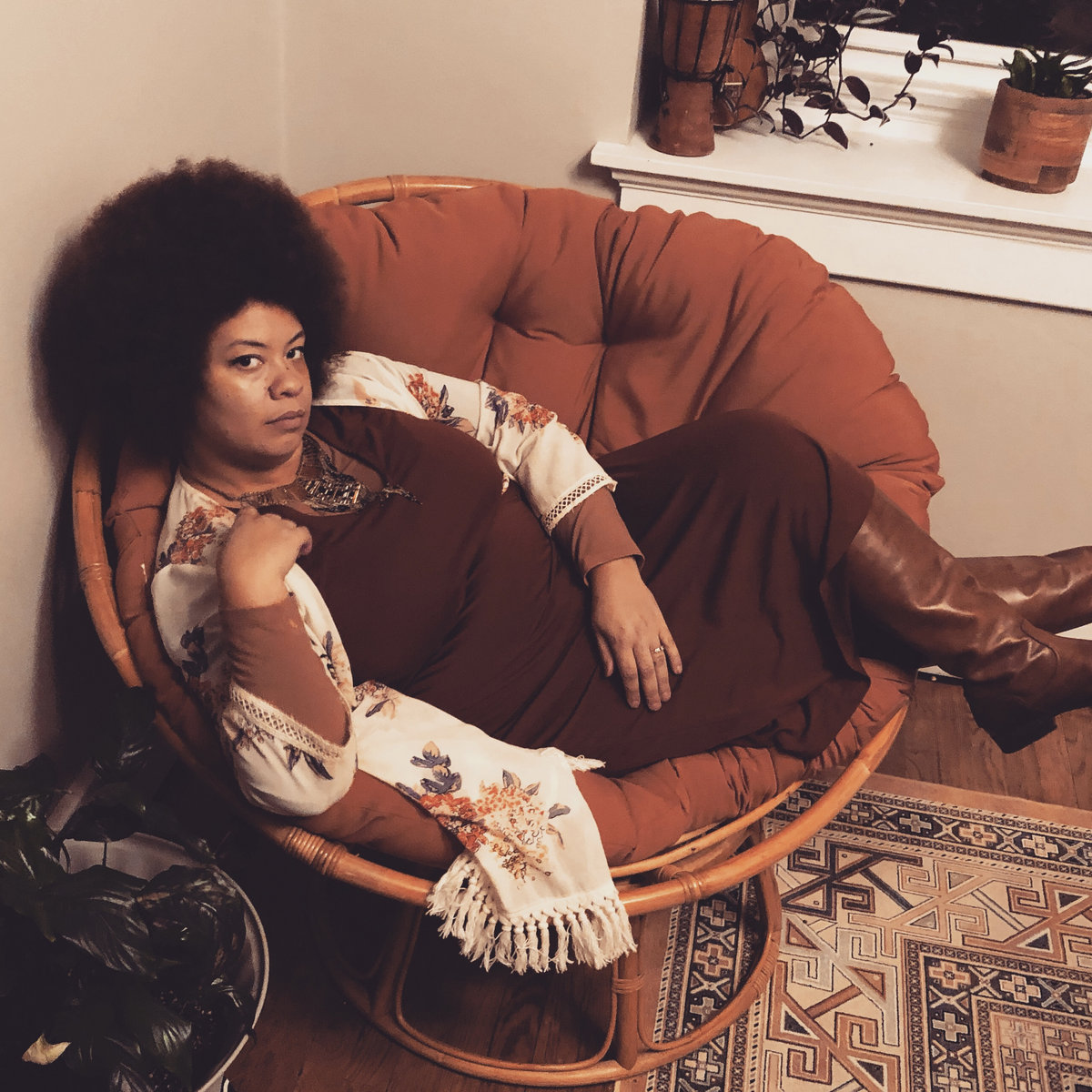
Van Plating, the enigmatic musical virtuoso, has taken us on yet another mesmerizing journey through the polychromatic landscapes of her fertile musical imagination with her latest record, “Orange Blossom Child.” In this auditory odyssey — her third full-length album — Van Plating weaves together elements of Americana, bluegrass, folk, country, and rock music to create an album that’s nothing short of a contemporary sonic gestalt. With a nod to the spirit of experimentation and innovation that characterizes the country music troubadours, Outlaw Country, and innovators of the past (notably Tom Petty, Lucinda Williams, and Gram Parsons), Van Plating presents us with a record that sounds both nostalgic and profoundly modern; eschewing the contemporary bro-culture of country music, she has created a record that spins from introspection to controlled chaos while staying pure within a perspective that is far too rare in the country music of the charts. This is personal music made by a real, genuine person not by a committee trying to cram in all of the right words into a song to win a future promise of commerical endorsements.

Van Plating has always been a visionary artist, do yourself a favor and listen to her unbelievably captivating “The Way Down” from 2021 to hear her ability to paint a song with a hum or a vocalization. She has always been unafraid to traverse uncharted musical territories or bring together strands of sounds that when spun together capture the listener of a web of imaginative weaves of sound. She has accomplished this musical aerobatic artistry while staying true to her musical vision, and “Orange Blossom Child” is no exception. From the beginning of the album, it’s clear that Van Plating has embarked on a new sonic exploration that shows how country music can be made personal and political simultaneously. The record opens with the title track, “Orange Blossom Child,” a slow-build composition that blends drums, slinky guitar, and ethereal backing vocals, setting the stage for the sonic journey ahead. Plating’s distinctive vocals, filled with a sense of longing and wonder, guide us through this hypnotic dreamscape.

The album’s production quality is nothing short of exceptional. Every instrument and sound is meticulously crafted, and it’s evident that Van Plating and her team spared no effort in making every note count. The richness and depth of the arrangements are a testament to her dedication to her craft, as well as his commitment to delivering a listening experience that transcends the ordinary. The songs on this record defy the expected overly slick feel of contemporary country music.

One of the standout tracks on “Orange Blossom Child” is “Hole in My Chest (Big Feelings),” a sprawling acoustic and otherworldly composition that showcases Van Plating’s penchant for experimentation. Featuring Kirby Brown, the song begins with a mesmerizing guitar cadence that gradually gives way to layers of intricate vocals and haunting vocal harmonies. The result is an auditory space that feels both hauntingly beautiful and transcendental. Van Plating’s lyrics in this track delve into themes of being lost and yearning, adding an emotional depth that complements the musical intricacy.

Another highlight of the album is the track “The Heron,” which is a testament to Plating’s songwriting prowess. This song, featuring Elizabeth Cook, has a timeless quality to it, with a melody that feels like it could have been plucked from the annals of classic country music or written in the car listening to Lucinda Williams whether the road is gravel or paved. Van Plating’s storytelling ability shines through in this tune, with lyrics that invite the listener into a world of vivid imagery of place and a few moments of introspection about what we take from the places we come from and only realize later that impact was real and powerful. The song’s arrangement, featuring steel guitar, fiddle, and perfectly paired voices, creates a sense of intimacy and nostalgia that will have all of us wondering about how much of who we have become was/is a result of where we were raised.

“Orange Blossom Child” is an album that rewards deep and repeated listening. It’s a sonic tapestry that reveals new layers and nuances with each play that take elements of various genres and reassemble them. The complexity of Plating’s compositions is paired with a sense of accessibility, making it a record that can be enjoyed by both seasoned music aficionados and casual listeners alike. One can be a fan of Bluegrass and see the album as a revelation for its use of fiddle and peddle steel. Another listener could be a fan of Tom Petty and love the swing in the arrangements. An Outlaw Country fan can feel the influence of Willie Nelson, Waylon Jennings, and Jessi Colter across several tracks. The album’s diversity is evident in tracks like “The Hard Way” and “Jesus Saved Me On The Radio” which introduce a heavier, melodic electrified sound, reminiscent of the country rock of the late ’60s and ’70s with a sly nod to Gram Parsons and The Flying Burrito Brothers. Van Plating effortlessly shifts between musical styles, showcasing her versatility as an artist.

The record’s later section introduces a sense of introspection and vulnerability, with tracks like “The Sugar Plam Club” and “Zion is a Woman.” These songs offer a quieter and at the same time almost more playful side of Van Plating’s artistry. “Joel Called The Ravens” features a sway that captivates a listener with gentle vocal harmonies that lay upon the ground never forced but still inescapable, creating a hushed and meditative atmosphere. The spoken section of the song only adds to the storytelling as well as builds the music into the emotional depth of the song even further. “Joshua,” on the other hand, is a fiddle-driven ballad that showcases Van Plating’s ability to convey deep emotions through her voice and lyrics. Sometimes a whisper, a hum, a carried note convey as much as the loudest, longest yell.

As the album progresses, it becomes clear that “Orange Blossom Child” is a thematically connected album of sorts, with recurring themes and motifs that link the songs together through a reflection on place – often depictions and symbols of Florida – but many of the references could be from many different locations. Several songs explore the consequences of the choices we have made and the search for family and connections that move all of us. Often it is in the eyes of others that we truly see ourselves. The sense of a narrative arc is enhanced by Van Plating’s meticulous track sequencing, which takes the listener on a journey of self-discovery and opens the door to the possibility of self-transformation. The album’s closing track in particular, “Joshua,” ties the various threads of the record together, delivering a cathartic climax that leaves a lasting impression as the song fades around a heartfelt piece on the fiddle.

Lyrically, “Orange Blossom Child” is a poetic and personal journey about the places we feel and call home. Van Plating’s lyrical themes touch on universal subjects such as love, time, and the human condition. Her words are imbued with a sense of profound spirituality, inviting the listener to contemplate the deeper mysteries of life. Lines like “Good girls have edges that the boys can’t break” (from the opening title track) exemplify the lyrical depth and personal subject matter found throughout the album.

In terms of musicianship, Van Plating is joined by a talented ensemble of musicians who contribute to the album’s rich and diverse sound. All of the featured musicians add to the musical stew in unexpected and exciting ways. The synergy among the musicians is palpable, creating a sense of cohesion that is vital to the album’s overall impact. The intricate guitar work, the ethereal textures on fiddle, peddle steel, and the percussion arrangements whether intricate or all flat out on fire all come together to assemble a sonic landscape that is uniquely Van Plating’s own.

“Orange Blossom Child” is a testament to the power of music to transport and transform even if the discussion is tied to home. It’s an album that invites listeners to immerse themselves in its otherworldly sonic tapestry and embark on a journey of self-discovery while revealing the roots of where we stand and live. Van Plating has once again proven herself to be a musical visionary, unafraid to push the boundaries of creativity and artistry. With “Orange Blossom Child,” she has gifted us an album that will surely show country musicians that a statement can be so much more than a facile sing-along looking for a corporate sponsor. The album is a classic that transcends the confines of any specific era of country music.

In a country music industry often dominated by commercialism and formulaic compositions, Van Plating’s “Orange Blossom Child” is a refreshing and ambitious work of art that reminds us of the boundless possibilities of music. It’s a record that demands to be experienced, to be savored, and to be contemplated. Listen to this album with friends because you will want to talk about it. With this album, Van Plating has solidified her place as one of the most innovative and imaginative musicians of our time, and “Orange Blossom Child” is evidence of her enduring commitment to the pursuit of musical discovery.

Video of The Day: I Only Cry When I’m Alone – Beth Bombara

In a world where music often shies away from genuine emotional rawness, Beth Bombara’s “I Only Cry When I’m Alone” emerges as a breath of fresh air. With soul-stirring lyrics, an evocative voice, and a hauntingly beautiful melody, this track is a testament to the power of simplicity in songwriting. And from the first listen, you will be hooked. And hooked hard to this gem. We have been playing Beth’s music for several years on YTAA and while we are in love with her brilliant latest album, It All Goes Up, her previous albums and music require your undivided attention as well. Plus this video also features the excellent “Upside Down.”

Bombara, a native of Grant Rapids, Michigan has made St. Louis her home, and has a knack for crafting songs that cut straight to the core of the human experience, and “I Only Cry When I’m Alone” is no exception. The song begins with a Jangly guitar riff, setting a melancholic tone that persists throughout. Beth’s voice enters feeling like a whisper, soft but laden with emotion, immediately pulling the listener into her world.

The lyrics of the song are a poignant reflection on the struggles we often hide from the outside world. Bombara confesses, “I’m owning all my insecurities, Callin’ ’em out by name and watch the demons bleed,
They’re tryna hold me to the in-between,” as she explores the common human experience of concealing our pain and vulnerability, even from those closest to us. The words are heartfelt, relatable, and delivered with such sincerity that they linger in the mind long after the song ends.

One of the most remarkable aspects of this track is its ability to build tension and emotion without resorting to excess. Sometimes a whisper hits like the loudest scream. Beth Bombara’s vocals are the driving force, conveying a sense of solitude and fragility that captivates the listener. The song’s arrangement hits from the first, featuring a ’70s feel with jangly guitars and sparse yet driving percussion that holds the song in place, allowing the lyrics and Bombara’s voice to take center stage. The instrumentation creates an intimate atmosphere that underscores the theme of emotional isolation, it has the same sensibility of R.E.M.’s Camera when Stipe sings:

“Will you be remembered? Will she be remembered?
Alone in a crowd a bartered lantern borrowed
If I’m to be your camera then who will be your face?

Bombara’s excellent lyrics have the same impact as the R.E.M. classic. We all have felt the loneliness of solitude and being in a crowd and revealing how we truly feel, the hurts that cannot be contained anymore when we are away from the judging eyes of the world. As Beth sings and holds the word ‘alone’ for a few beats, the impact is even stronger and more unavoidable:

Invisible as air
Hoping  you still care
It  doesn’t matter where I go
I only cry when I’m alone
I  only cry when I’m alone

The song’s production values are impeccable, highlighting Beth Bombara’s unmistakable talents as a songwriter and performer. The mix is clean and balanced, allowing every element to shine through without overpowering the emotional core of the song. The soundscapes created by “I Only Cry When I’m Alone” are evocative, painting a picture of a solitary moment of vulnerability that anyone can relate to.

As “I Only Cry When I’m Alone” progresses, Bombara’s vocals gain strength and intensity, mirroring the idea of vulnerability gradually giving way to self-acceptance. The song’s crescendo is both musically and emotionally satisfying, a testament to Beth’s masterful storytelling.

Beth Bombara’s “I Only Cry When I’m Alone” is a perfect example of vulnerability, passion, the need for connection, and simple direct, and unflinching authenticity. In an atomized world of overproduction and artificial emotions, Bombara’s music stands out as a shining example of what it means to connect with an audience on a deep, emotional level. Her lyrics are poignant, her voice is captivating, and the arrangement is perfectly suited to the song. “I Only Cry When I’m Alone” is a testament to the enduring power of raw, honest songwriting and marks Beth Bombara as an artist to watch. It’s a timeless tune that will undoubtedly leave a lasting impression on anyone who takes the time to listen. Take the time to listen.

Heather Redman & The Reputation: A Funky Soulful-Blues Infused Rock Odyssey

In the ever-evolving kaleidoscope of rock and blues, it’s rare to come across a band that can channel the raw essence of classic genres while injecting a fresh and exhilarating spirit into their music. Enter Heather Redman & The Reputation, a group of fantastic Dayton, Ohio musicians whose debut album is nothing short of a revelation in the world of contemporary rock and roll. If you’re craving the kind of music that grabs you by the soul and refuses to let go, then look no further. This is Heather Redman & The Reputation, and their self-titled album is a tour de force of funky soulful blues-infused rock that takes you on a journey through love, pain, longing, and everything in between.

Heather Redman’s husky, soulful voice immediately captivates the listener, drawing them into the world of her lyrics. The Reputation’s instrumentation serves as the perfect backdrop to Redman’s compelling storytelling, creating a synergy that is seldom encountered in modern music. Their self-titled album takes you on a mesmerizing musical journey, exploring a variety of emotional landscapes through a potent blend of soul, blues, rock, and blues influences.

The opening track, “Everybody,” sets the tone for the entire album. Redman’s voice takes center stage, conveying the emotional depth of the lyrics. It’s a heartfelt tour-de-force ode to community where all are welcome, with a bluesy, slow-tempo groove that pulls you in and doesn’t let go for a single second. The vocals are exceptional. Whether she whispers or screams, Redman sings with unrestrained passion that would destroy a lesser singer. I would pay money to hear Heather Redman sing the phonebook. The guitar work courtesy of Matt Webster on this track is exceptional, capturing the essence of classic soulful blues while adding a modern flair. The keyboards feel like they are dancing around the room. The percussion propels the song forward so well that you are a bit surprised when the song ends. It’s a tantalizing preview of what’s to come.

As the album progresses, “Step Back Girl” showcases Heather Redman’s songwriting prowess. The lyrics are poignant and fun, painting a picture of flirtation, fascination, and being a little star-struck. The Reputation’s musicianship is on full display, with a jangly guitar that adds a layer of emotional depth to the song. This track is a testament to the band’s ability to convey complex emotions through their music without talking down to their audience. There is a wink that the object of affection may be important to the narrator of the song as well as the young lady filled with longing watching the desired musician up on stage.

The album takes a turn with “Wait For Me,” a high-energy track that fuses rock with blues in an electrifying way. Redman’s voice soars, showing her versatility as a vocalist. The Reputation’s rhythm section locks into a tight groove, propelling the song forward with an infectious energy. “Wait For Me” is a stand-out track that demonstrates the band’s ability to switch between different moods and styles seamlessly. This song swirls from the start of the organ to the punch of the chorus with a beautiful harmonic blending of voices and emotions. The song captures the pushes and pulls of hope, desire, and the slow realization that we are all waiting.

One of the defining qualities of this album is its lyrical depth and swirling maelstrom of musical inventiveness. “Daydream” is a prime example, a song that seems to delve into themes of reflection and regret. Redman’s lyrical delivery is passionate and introspective at the same time, and the band’s movement is at times restrained and in other moments goes full bore like their lives depend on it. The instrumentation provides the perfect canvas for Heather Redman to paint her emotional narrative. The use of horns in this track is a beautiful touch, adding to the overall quality of the song.

The album reaches its climax with the Salvadore Ross cover of “Broken Bones,” a mesmerizing track that is a testament to the band’s songwriting and musicianship. Heather Redman’s vocals are hauntingly beautiful, and the Reputation’s arrangement is powerful. This song is a perfect encapsulation of the band’s ability to create music that is both emotionally resonant and musically engaging. The guitar solo in “Broken Bones” is a thing of beauty, showcasing the band’s virtuosity.

As the album approaches the end, the choice of the Amber Hargett penned evocative tune “Prove It To Me” provides a poignant and intimate moment. Redman’s voice is soulful and resolute with a dash of defiance conveying a sense of demand while carrying under the surface hints of closure and acceptance. The Reputation’s acoustic instrumentation in this track is a departure from the rest of the album, showcasing their versatility. It’s a bittersweet clarion call to ‘Prove It To Me‘ that leaves a lasting impression. The drums and percussion on this song from veteran drummer Dan Stahl shine on this song.

Every soulful album should have a passionate plea and Tryin‘ — the penultimate song on the record — is a barn burner that just simply leaves everything on the floor. Heather Redman’s lyrics are a testament to her songwriting abilities. Her words cut to the core of human emotions, exploring themes of love, heartbreak, and self-discovery. The lyrics of this song are thought-provoking and relatable, making it easy for listeners to connect with it on a personal level. Across the eight songs on the entire record, Redman’s storytelling is vivid and evocative, creating a strong emotional resonance that lingers long after the music stops. The listener is left wondering, what happens after the music fades.

The closing track, “The Getdown,” is a fitting end to the album. It’s a triumphant and anthemic song that encapsulates the essence of Heather Redman & The Reputation. The band’s chemistry is on full display, with a powerful, driving rhythm section and searing guitar work. Redman’s vocals are filled with determination and resolve, making it clear that this band has arrived and is here to stay.

Throughout the album, Heather Redman & The Reputation effortlessly blend elements of blues and rock, creating a sound that is both timeless and contemporary. The interplay between Redman’s expressive vocals and the band’s impeccable instrumentation is a match made in musical heaven. This album isn’t just a collection of songs; it’s a narrative journey that takes the listener through the highs and lows of life’s experiences.

The Reputation’s musicianship is equally impressive. The band members are not just skilled instrumentalists; they are true artists who understand the nuances of their craft. Their ability to seamlessly switch between different styles and moods is a testament to their versatility and adaptability. The guitar work, in particular, is a highlight, with solos that are both soulful and electrifying. The organ/keyboards pull a sonic sleight of hand in creating a sway to the songs that add to the bounce and joy of each tune.

Heather Redman & The Reputation’s self-titled album is a triumph in modern rock music because it is so rare for a debut album to smoothly transition across styles and there is no awkwardness or jarring shift, the songs flow as if moving downstream. It’s a rare gem that captures the spirit of classic blues and rock while infusing it with fresh and contemporary energy with a healthy helping of soul. The band’s ability to convey complex emotions through their music is nothing short of remarkable, and Heather Redman’s vocals are a force to be reckoned with. You cannot look away when Heather Redman sings, it’s as if her singing possesses an unrelenting gravitational pull.

In a musical landscape that often prioritizes the trendy and the ephemeral, Heather Redman & The Reputation stand as a testament to the enduring power of authentic and emotionally charged music. This album is a must-listen for anyone who craves music that goes beyond the surface and delves deep into the human experience. Heather Redman & The Reputation have not only made a name for themselves; they’ve etched their reputation into the annals of rock and blues music. This is the band you will want to remember.

So, if you’re in the mood for a musical journey that will move your soul, make sure to give “Heather Redman & The Reputation” a spin. This is an album that demands to be heard and it will not take ‘no’ for an answer. This record will leave a lasting impression and firmly establishes Heather Redman & The Reputation as a force to be reckoned with in the musical spheres of funk, soul, rock, and blues. Don’t miss out on the opportunity to witness their sly musical magic.

Revisiting Tim: A Personal Journey Through The Repalcements’ Iconic Album

As we celebrate the Ed Stasium remix of The Replacements album ‘Tim‘, we thought gathering other music lovers’ thoughts would be a great way to stop and consider the impact of this record. The fourth ‘Revisit’ comes from our friend, musician, and music writer, Matt Derda of Matt Derda & The High Watts! Matt is a Chicago area-based musician who has released some incredible music. Thank you, Matt!

Recently, I saw a video where someone had a Fender Telecaster guitar and the paint started to wear off. Underneath the black layer of paint was an incredible paisley design. The guitar was perfect already and it played great, but with this discovery, it’s now an amazingly beautiful guitar. I think you get the metaphor here.

I was a huge fan of the Dead Man’s Pop reissue and it felt like a totally new Replacements’ record. I really didn’t have that much of an issue with the original Don’t Tell A Soul like everyone else did, but it was a welcome update. But I actually couldn’t fathom how they could make Tim better. Bastards of Young is already in my top 5 best songs of all time. However, Tim (Let It Bleed Edition) should probably become an adjective to describe something that is old, but yet new at the same time. I don’t know that there is a better example to ever exist.

Every single track is familiar, yet slightly different. I think what stands out the most is how much you can hear the clarity of all of the guitar parts. If you already thought Bob Stinson was a genius guitar player before, well now he’s a guitar god. And really the whole band just played incredibly well off each other. I prefer to listen to live recordings, either bootlegs or official releases. The Tim (Let It Bleed Edition) sounds like a live recording. It’s as if you’re sitting in the room with The Mats as they play all of these tracks together. 

And everything seems to have a little extra swing to it. I don’t think I realized how danceable this record was before. Kiss Me On The Bus was already pretty peppy, but something about being able to hear Bob’s guitar and Tommy’s bass a little better makes me want to get up and dance. Dose of Thunder sounds a little less KISS and more like the Dead Boys. Waitress in the Sky could easily be a hit on Outlaw Country on SiriusXM radio. Bastards of the Young doesn’t sound all that much different, but it didn’t need to. It’s perfect.

A proud parenting moment for me was when my six-year-old asked me what song I was listening to one night while doing the dishes. It was the new Ed Stasium mix of Waitress in the Sky. She said, “I like this song.” I’ve never been prouder.

The stand-out song for me though is Swingin Party. I never really cared for this song. Of course, the lyrics are masterful, per all Westerberg tunes, but I just thought the song was kind of boring. Everyone always loves that song so I was kind of embarrassed that I didn’t care for it. However, on this reissue, it seems like a totally different song. It went from one of my least favorites to one of my favorites. I think it is because you can clearly hear Tommy’s bass lines. The song actually swings now.

Finally, I have always been a huge fan of the song Nowhere is My Home. It’s probably one of my top 10 favorite Mats songs, and it was originally cut from the album! This edition gives us two…TWO versions of Nowhere is My Home

All in all…10/10. Would recommend.

Video of The Day: William Matheny – Stranger’s Voice

William Matheny’s latest offering, “That Grand, Old Feeling,” is a testament to his prowess in writing amazing music and personal poetic expressions to everyday life and an album that transports listeners to a bygone era while maintaining a firm grip on the present. It is an alt-country approach, part rock and roll, part folk, part country that cannot easily be labeled. In fact, Matheny embraces both sides of the alt-country equation. Known for his evocative storytelling, Matheny has created a record that straddles the line between nostalgia and innovation, delivering a refreshing take on the timeless themes of love, loss, longing, and self-discovery.

From the very first notes of “That Grand Old Feeling,” it’s clear that Matheny has crafted an album that echoes the classic Americana and folk-rock sound of the 1970s swirled with a 2000s songwriter’s pen. The warm, inviting instrumentation showcases his deep appreciation for the genre’s roots, but it’s Matheny’s songwriting, alongside the exuberance and spirit of guitar, bass, and drums that compliment the lyrical dexterity that truly stands out. The album is a collection of character-driven tales and introspective narratives that tug at the heartstrings, demonstrating Matheny’s gift for storytelling that resonates.

The title track, “Grand Old Feeling,” is a poignant song that reflects the tone of the record. With its electric guitars that pause to make space for Matheny’s heartfelt, emotionally charged vocals, it’s impossible not to get lost in the song’s sentiment. It’s a masterful composition that transports listeners to a world where emotions run deep, and life’s complexities are explored with honesty and grace, and all the while Matheny is not afraid to rock out and give musical voice to the frustrations that are so passionately felt.

Matheny’s ability to craft relatable, memorable characters is on full display in tracks like “Stranger’s Voice” a bittersweet slow-build rocker that tells the story of a person yearning to escape their mundane life. His lyrics are vivid and evocative, making it easy for listeners to empathize with the characters and situations he describes while being able to see themselves in the story.

The album takes a turn toward a more reflective sound with “Down at the Hotel Canfield” and “Christian Name,” where Matheny’s band kicks into high gear, infusing the song with infectious energy. This track, along with “Every Way to Lose” — a delight on the album — and 70s-influenced “Late Blooming Forever” showcases Matheny’s versatility as a songwriter, seamlessly shifting between intimate, acoustic moments and rollicking, full-band arrangements.

Throughout “That Grand, Old Feeling,” Matheny’s vocals are compelling, conveying both vulnerability and strength. His voice carries a depth of feeling that brings his stories to life, making it easy for listeners to connect with the album’s emotional core while swaying and dancing about the room.

While the majority of the album shines brightly, there are moments where some songs, like “Every Way to Lose” and “Strangers’ Voice,” stand out. However, the flow across the album is impressive as Matheny’s songwriting prowess remains clearly evident, demonstrating his commitment to delivering quality songs that capture something authentic.

In “That Grand, Old Feeling,” William Matheny has crafted a record that effortlessly captures the essence of 1970s rock, Americana, alt-country, and folk-rock while presenting a collection of timeless tales that resonate deeply with the listener. It’s an album that evokes a sense of nostalgia while remaining wholly contemporary, reaffirming Matheny’s position as a gifted storyteller and musician who is not beholden to any one musical tradition. “That Grand, Old Feeling” is a dusty testament to the enduring power of well-crafted songs, and it’s a must-listen for anyone who appreciates the art of storytelling through music.

The Musical Soul of Moroni Lane

Moroni Lane’s record, “Alchemy,” released almost a year ago on October 27, 2022, is a mesmerizing soulful journey into the nature of community building through heartfelt musical spirituality, social solidarity, and musical introspection. “Alchemy” is a spellbinding journey through a lush, sonic wilderness, proving that the lyrical boundaries of contemporary music are meant to be explored and stretched. The album, filled with an eclectic blend of textures, is a testament to Lane’s artistic prowess, poetry, and sonic experimentation. In a world filled with cookie-cutter pop and formulaic songwriting, “Alchemy” stands as a refreshing testament to the magic of musical alchemy in building community. Moroni Lane unapologetically seeks to build bridges of understanding that create ‘uplift and unity’ for all humanity. Do not think, for a moment, that such a challenge in creating real togetherness is a joke or an impossible task. As Lane demonstrates music’s power to touch us emotionally can accomplish this massive task.

Lane, a multi-instrumentalist and singer-songwriter hailing from the Gem city of Dayton, Ohio, has built a reputation for crafting music that defies easy classification. With “Alchemy,” he dives even deeper into his creative well, blending elements of Americana, folk, jazz, rock, and psychedelia to create a sonic tapestry that is both ethereal and rooted in the fragile threads of raw human emotion.

The album kicks off with the sparse title track, “Howl At The Moon,” setting the tone for the entire journey. The song is a bold opening statement, with Lane’s resonant voice delivering lyrics that speak of transformation and self-discovery through self-actualization and awakening. The instrumentation, a seamless blend of acoustic guitars and a rhythm section that knows when to hold back and when to push forward, creates a sound landscape that’s as vast as it is intimate.

Lane’s songwriting is a standout feature throughout the album. “High and Low” takes us into a powerful dreamlike state with its swirling, acoustic guitar and Lane’s ethereal vocals reminding us “That you have been enough, since your first breath of life.” The lyrics paint a vivid picture of empowerment derived from a celestial promise, drawing the listener into a spiritual gift. It’s a testament to Lane’s ability to create a sonic atmosphere that envelops the listener with music that is pleasing while extorting the listener to reflect, think, and act.

The tracks “The Light of Her Love” and “Let Go” showcase Lane’s gift for crafting memorable hooks and choruses. “Let Go,” in particular, is an infectious anthem that’s impossible not to sway along to as the song progresses. With catchy melodies and clever lyricism, it’s a prime example of Lane’s sensibility. “Other Worlds,” on the other hand, delves into a more contemplative and introspective realm, exploring themes of cosmic alignment and personal transformation. Here, Lane’s lyrical depth shines brightly, and his vocal performance is particularly evocative.

One of the standout moments of the album is “Reign.” The song is a masterclass in atmospheric production, with Lane’s voice floating above a backdrop of shimmering acoustic guitar and delicate percussion. The result is a breathtaking blend of sound that tugs at the heartstrings. The lyrics are equally compelling, painting a vivid picture of a journey to find inner peace and connection with the world around us. Here, Lane demonstrates his prowess as a guitarist, delivering a soulful and evocative performance. It’s a moment of respite, a chance for listeners to pause and reflect on the musical journey they’ve been on so far. Lane’s ability to communicate through instrumental music is evidence of his talent as a musician.

The closing track, “In The Hands of The Gods,” serves as a fitting conclusion to the album. It’s a gentle and contemplative piece that draws the listener into a gentle reflective state of mind. The soft, melodic guitar lines and Lane’s soothing vocals evoke a sense of closure and renewal, leaving a lasting impression.

Alchemy” is an album that demands multiple listens. It’s a multifaceted work of art that unveils new layers and nuances with each replay. Moroni Lane’s songwriting and musicianship are exceptional, and the album showcases his ability to seamlessly blend different musical elements, creating a sound that is uniquely his own.

Lane’s vocals are a standout feature throughout the album, with a remarkable range and an emotional depth that connects with the listener on a profound level. His lyrics are poetic and thought-provoking, offering a glimpse into the complexities of the human experience and the yearning for connection to one another. The album is a beautiful ode to the impermanence of life, and the necessity of communities that care for all members often featuring a stripped-down arrangement that allows Lane’s vocals to take center stage. His voice is accompanied by minimal acoustic guitar and subtle percussive embellishments, creating a sense of intimacy and vulnerability.

The production of “Alchemy” is also worth noting. The album’s soundscapes are lush and immersive, with each instrument serving a purpose and contributing to the overall experience. Lane and his collaborators have paid meticulous attention to detail, resulting in an album that is both polished and organic.

In a world where mainstream music often leans toward predictability and sameness, Moroni Lane’sAlchemy” is a breath of fresh air. It’s a reminder that music can be a powerful medium for self-expression and exploration. The album invites listeners to dive deep into their own thoughts and feelings, resonating with themes of personal transformation, self-discovery, and the interconnectedness of the universe. It’s a reminder that true artistry knows no constraints and that the alchemical process of turning raw emotion into music is a profound and timeless endeavor. In “Alchemy,” Lane has indeed achieved musical magic.

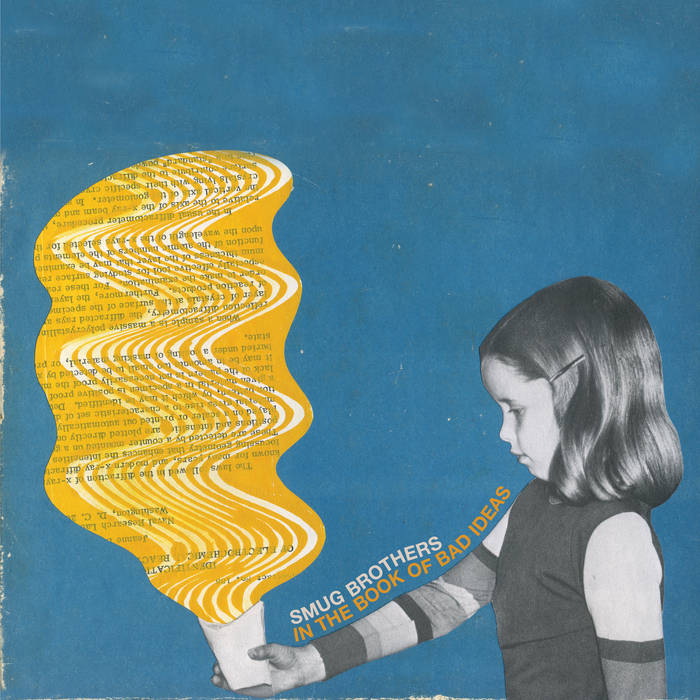
Smug Brothers’ “In The Book of Bad Ideas” – A Triumph of Grit and Honesty

Amidst the echoing corridors of indie rock, there lies a trove of hidden gems that, despite their immense talent, have managed to elude the mainstream spotlight. Smug Brothers, a band hailing from both Dayton and Columbus, Ohio, has been one of these underappreciated treasures for over two decades. Their latest release, “In The Book of Bad Ideas,” is a testament to their unyielding passion and unwavering commitment to their craft. In this album, they’ve harnessed the raw power of indie rock ‘n’ roll, crafting gritty and honest music that resonates with anyone who has a heartbeat.

In The Book of Bad Ideas” is not a record that pleads for your attention; it demands it. The record saunters into the room with a vibe that is warm, welcoming, and inviting. The album opens with the sweet swirling, jangly track “Lullaby.” Right from the first note, you’re thrust into a world of jangly guitars and unapologetic vocals — the song is a slide of authenticity. There’s a sense of urgency and swing in this song that sets the tone for the entire album.

Frontman, guitarist, and songwriter, Kyle Melton, is a gifted storyteller who possesses a voice that simultaneously conveys vulnerability and strength. As he sings it’s evident that the lyrics come from a place of honesty, making it easy for the listener to connect with the music on a personal level even when clever wordplay might hide the destination. Sometimes the fun elliptical mystery is more compelling than an obvious statement.

The Smug Brothers have cultivated a sound that’s refreshingly rebellious within the sonics of an indie rock attack — imagine Guided By Voices with a hint of R.E.M., a pinch of Swearing at Motorists at a lo-fi house on the corner. Tracks like “Pattern Caveat” and “Mistaken for Stars” are indie anthems, amplified by the band’s masterful use of distortion and reverb. Guitarists Kyle Melton and Scott Trimble churn out a jangle pattern riff after riff with an infectious intensity that keeps a loose enjoyment. Their synergy is evident, and they create a wall of sound that engulfs the listener.

The rhythm section, comprised of bassist Kyle Sowash and Dayton music legend, drummer Don Thrasher, is the heartbeat of the album. The band’s relentless energy is anchored by their solid groove, which is particularly prominent in tracks like “Mistaken for Stars,” “Let Me Know When It’s Yes,” “Since the First Time I Heard You Laugh” and “Sudden Berlin.” They are the backbone upon which the edifice of Smug Brothers’ sound stands. The percussion, in particular, jumps out on this record set against the chiming, shimmering guitar cadences over which Melton sings with restrained passion — always vulnerable, confident, and reflective.

While the Smug Brothers are unapologetically rocking out, there’s a depth to their music that elevates them above mere noise-makers. The band demonstrates significant emotional depth and nuance across the album’s 15 tracks. “An Age in an Instant,” a melancholic ballad, showcases the band’s ability to slow down and embrace vulnerability without a sneer or nod to fiction. Nothing is pretense, everything matters. The lyrics convey a sense of introspection and longing, accompanied by beautifully understated guitar work that allows Melton’s voice to take center stage. The song works because of the high-intensity songs that come before it, especially “Enceladus Lexicon.”

In The Book of Bad Ideas” is not just an album about decision-making whether it’s personal choices or the ideas of others. It’s also a meditation on the human condition. In tracks like “Nights in Other Worlds,” the band grapples with themes of regret and longing, painting a poignant picture of the emotional complexities of life. These introspective moments are the yin to the album’s shimmering yang.

One of the most captivating aspects of “In The Book of Bad Ideas” is how it manages to feel both contemporary and nostalgic simultaneously. It’s as if the band has dusted off classic rock’s blueprint and breathed new life into it. You can hear shades of influences from the likes of The Replacements, Guided By Voices, The Beatles, Swearing at Motorists, The Smiths, and even glimpses of the punk sensibility of The Clash. But Smug Brothers don’t merely replicate; they reinterpret, adding their own unique spin.

Paradise Farms” — the last song on the record — is a standout track that exemplifies this fusion of old and new. The song feels like an homage to rock ‘n’ roll itself lyrically and musically. The song serves as both a tribute and a mission statement. It’s an invitation to rediscover the pure, real, unfiltered spirit of rock music, and the Smug Brothers make a compelling case that the past informs and shapes the present but does not dominate new ideas.

In The Book of Bad Ideas” is not just a triumph of songwriting and performance but also of production. The album was expertly mixed by Melton, himself, whose experience as a prolific songwriter, guitarist, and singer allows him to bring a wealth of knowledge to the project. Melton has crafted a sonic landscape that’s powerful, vulnerable, and nuanced, allowing the subtleties of each instrument and Melton’s own vocals to shine brightly.

In The Book of Bad Ideas” is more than an album; it’s a musical odyssey. From the indie rock anthems to the introspective ballads, this record takes you on a rollercoaster ride of emotions. It’s an album that can accompany you during moments of rebellion and introspection, making it an ideal soundtrack for life’s myriad experiences. While Smug Brothers may not be a household name, their music is a testament to the enduring power of indie rock. “In The Book of Bad Ideas” is the culmination of their years of dedication and a reminder that sometimes, the most authentic and heartfelt music can be found off the beaten path.

In The Book of Bad Ideas” is a testament to the enduring spirit of rock ‘n’ roll. The Smug Brothers have crafted an album that’s equal parts rebellion and introspection, all while paying homage to the roots of the genre. This album isn’t just a collection of songs; it’s a powerful statement that demands to be heard.

In a world saturated with music that often feels manufactured, the Smug Brothers’ authenticity and passion shine through. Their willingness to embrace vulnerability and channel raw energy through a jangle-shimmering prism makes “In The Book of Bad Ideas” a remarkable achievement. So, take a journey with Smug Brothers and immerse yourself in their world. You won’t be disappointed. This album is, quite simply, the book of great ideas.

Matt Derda & The High Watts Unveil Raw Authenticity with “Only Have Lies for You” (Acoustic Version)

Matt Derda & The High Watts are no strangers to the realm of heartfelt, soul-baring music. With their acoustic rendition of “Only Have Lies for You,” this talented ensemble provides an intimate glimpse into an emotional world that we hide from ourselves. We want to believe we only tell the truth to people we love, but perhaps because the feelings are too much, too close to the surface that in the end, we only have lies to share. The acoustic version of this song stripped down to its bare essence, showcases a vulnerable side of the band that is as profound as it is hauntingly beautiful.

The original version of “Only Have Lies for You” was a passionate and fervent track from the band’s “You Didn’t Know?” record. That first take was replete with emotion for days. The song soared with electric guitars, roaring percussion, and intense vocal delivery. However, this acoustic rendition takes a complete 180-degree turn, exposing the delicate, emotional core of the song. Sometimes stripping away the fast-paced guitar-focused delivery changes a song profoundly.

From the first strum of the guitar strings, the listener is plunged into a musical space where sincerity and raw emotion rule supreme. This space is not an easy place to inhabit. The questions are all too real. They hang heavy with deliberate purpose. The harmonica and banjo add dimension. The acoustic version of “Only Have Lies for You” presents Matt Derda’s voice as the central instrument, and it’s a revelation. His vocals are more compelling than ever, bearing a weighty authenticity that resonates with anyone who has ever loved and lost. He does not force the words, they simply fall and that makes the vocal even more impactful.

The lyrics of “Only Have Lies for You” have always held an enigmatic quality, and in this acoustic rendition, they come to life with a heightened sense of poignancy. The words feel like confessions whispered in the darkest corners of the heart, unraveling a tale of deception, self-discovery, and the pain of a love that couldn’t survive its own secrets. Derda’s evocative storytelling ability is magnificently displayed as he weaves his narrative into a heart-wrenching tapestry. It is heartbreaking and we cannot look away, we cannot stop listening to this revealing, beautiful song.

The additional guitar, banjo, and drum work, courtesy of The High Watts, adds further depth and a sense of melancholy to the song. Each strum and chord progression serves to underline the lyrical themes of regret and longing. The instrumental arrangement is beautifully understated, allowing Derda’s voice to take the spotlight and carry the emotional weight of the song. The acoustic version showcases the band’s ability to adapt and embrace a different musical direction while preserving the essence of the original song.

As the song progresses, the synergy between Derda’s vocal delivery and the acoustic instrumentation becomes more pronounced. The restrained drumming, subtle bass lines, and supportive vocals build a gentle yet powerful foundation for the song, while the harmonies within the band add a layer of richness to the sonic landscape. The chorus backing vocals sound almost choral in texture.

A particularly poignant moment in the song is the bridge, where Derda sings, “But you drove me to this, ‘Cause I made a second guess and your wonder, if I miss… you.” His voice quivers with the weight of remorse, and the listener is left hanging on every word. This is where the power of the acoustic rendition lies; it allows the listener to fully immerse themselves in the raw and unfiltered emotions that “Only Have Lies for You” encapsulates.

The production of this acoustic version is exceptional. The recording captures the subtleties and nuances of the performance, from the slight scrape of fingers on guitar strings to the breathiness in Derda’s vocals. The acoustic version brings out the human element of the song, making it feel like a live performance in an intimate setting.

Matt Derda & The High Watts have managed to successfully reinvent their own song with this acoustic version of “Only Have Lies for You.” The vulnerability and authenticity they bring to the forefront are palpable and stirring, and they’ve managed to expose the song’s emotional core in a way that is sure to leave a lasting impact on their audience. This rendition is a testament to their versatility as musicians and their commitment to crafting meaningful, timeless music.

In a world filled with manufactured pop and superficial love songs, “Only Have Lies for You” (Acoustic Version) stands out as a beacon of unadulterated emotion. It’s a reminder that sometimes the most powerful music is born from pain and honesty. Matt Derda & The High Watts have created a masterpiece of acoustic storytelling, a piece of music that transcends the boundaries of genre and time, reminding us that true artistry always finds a way to reach the heart.

The Enduring Resonance of Albums

In the ever-evolving landscape of music, where singles reign supreme on the charts and dominate streaming and what’s left of radio airwaves, it may seem audacious to suggest that albums still hold an essential place in the hearts of musicians and music fans. Consider the profound exploration of the myriad reasons that albums, those cohesive and immersive bodies of work, continue to be more important to the world of music than singles. Simply put, why do albums, as comprehensive artistic expressions, outshine the fleeting glimmers of singles? In an updated article in June of this year, The New York Times noted that Vinyl is selling so well that it has become difficult to sell.

In today’s digital age, where the allure of instant gratification looms large, singles often capture our attention with catchy hooks and immediate gratification. The latest new “thing” pushed by the music industry. However, one could argue that singles stand as mere fragments of a larger narrative, while albums, these grand tapestries of sound, continue to stand tall as the ultimate artistic statement. I would like to explore why albums reign supreme, holding the keys to the heart and soul of the music world.

To understand the importance of albums, one must delve into the very essence of music itself. At the core of the musical experience lies storytelling and emotional depth, attributes that albums are uniquely positioned to deliver. Unlike singles, which are often a fleeting burst of musical energy, albums invite us to step into the artist’s world, witness a narrative unfold, and take a journey through a spectrum of observations and emotions. I recently wrote about an album that delivers just such a passionate kick, Hello June’s Artifacts – which you should explore because in doing so, you are exploring yourself.

While singles can provide instant gratification, it’s albums that offer a depth of connection with an artist/band. A well-crafted album reveals the artist’s identity, their evolving style, and their growth over time. It is through albums that we can chart an artist’s musical journey, from their early struggles to the heights of their creative prowess. While singles are often designed to strike like lightning, albums are the tempest that follows, the storm that leaves us soaked. A full record gives artists the freedom to experiment and explore. Take, for instance, The Beatles’ “Sgt. Pepper’s Lonely Hearts Club Band.” This groundbreaking album saw the band transition from their pop roots into a new realm of sonic experimentation ( although, I could argue that this search for ever-expansive creative expression began with “Rubbert Soul” and took a leap forward into the ether with ‘Revolver,” but “Sgt. Pepper is the album that most people know so I use that as the example here). The canvas of an album allows artists to stretch their creative muscles, delivering a varied, dynamic, and enriching musical experience.

The sequencing of songs in an album is a meticulous art. It’s not just about stringing tracks together; it’s about creating a cohesive narrative. From the frenetic energy of an opening track to the cathartic release of the closing one, albums take us on a journey that singles, by their very nature, cannot replicate. The art of sequencing tracks on an album is like composing a symphony. A well-structured album takes the listener on a journey, from the opening notes to the closing chords. The arrangement of tracks is a work of art, carefully designed to elicit emotional highs and lows. Albums make us feel as if we’re part of something bigger, a story told through sound.

Think of iconic albums like Pink Floyd’s “The Wall” or The Beatles’ “Revolver” (see I found a space for it). These are masterpieces that transcend individual songs, and it’s the collective experience of listening to the entire album that elevates the music to a different realm. Albums are capable of evoking deep emotions, transcending time and space to create profound memories. Albums, in all their glory, are where the art of storytelling finds its true home. From Pink Floyd’s “The Wall” to Kendrick Lamar’s “good kid, m.A.A.d city,” these long-form musical narratives immerse the listener in a profound experience. It’s not just about catchy hooks or a chorus; it’s about crafting a journey that unravels, evokes emotions, and leaves an indelible mark on the listener.

One key aspect of albums that singles lack is thematic unity. An album often explores a central theme, be it love, politics, or existential musings. This thematic continuity enriches the listening experience and helps listeners connect with the artist’s vision on a profound level. Albums are the fertile ground where new genres and subcultures take root and thrive. Think about Nirvana’s “Nevermind” ushering in the grunge era or Public Enemy’s “It Takes a Nation of Millions to Hold Us Back” shaping the future of hip-hop. These albums weren’t just music; they were cultural movements. Albums provide the platform for artists to explore new musical territories, ultimately influencing the very landscape of popular music.

The art of album cover design is another underappreciated aspect of the album format. Iconic album covers such as Nirvana’s “Nevermind” or Pink Floyd’s “The Dark Side of the Moon” are etched in the annals of music history, providing a visual representation of the artist’s vision.

Albums allow artists to experiment and take risks, push the boundaries of their creativity, and challenge listeners. Singles, on the other hand, are often shaped by the need for immediate chart success. It’s the albums that serve as the canvas for musical exploration and innovation. Albums serve as a bridge between artists and their audiences. Through the lyrics, melodies, and arrangements, artists reveal their innermost thoughts, feelings, and experiences. Listening to an album is not just passive consumption; it’s an intimate, transformative experience. Whether it’s the heartbreak of Adele’s “21” or the political urgency of Bob Dylan’s “The Times They Are A-Changin’,” albums foster a profound connection with the listener.

Not only do albums provide a broader canvas for musical expression, but they also offer artists a platform to collaborate with a diverse range of musicians, producers, and engineers. These collaborative efforts can result in a rich tapestry of sound that transcends the limitations of singles.

The album format is also crucial in showcasing an artist’s versatility. While a single may only capture one facet of an artist’s talent, an album can showcase their range, from intimate ballads to boundless rockers, from introspective lyrics to politically charged anthems. Consider the album as an immersive experience, akin to reading a novel or watching a film. Albums encourage us to set aside time, to actively engage with the music, and to appreciate the full spectrum of an artist’s expression. They invite us to lose ourselves in a sonic world.

One of the most compelling arguments in favor of albums is their capacity to provoke deep and sustained discussion. Critics and fans alike engage in in-depth analyses of albums, debating their merits, themes, and artistic choices. Singles, although enjoyable, rarely evoke the same level of discourse. As we’ve seen, albums possess unique qualities that make them a vital and enduring aspect of music. The depth, thematic coherence, sequencing, visual art, room for experimentation, and capacity for discussion all contribute to their longevity. In an age where instant gratification often trumps artistic depth, the enduring importance of albums in the world of music should not be underestimated.

Video of the Day: Behind the Sound: Replacements’ ‘Tim’ gets remastered

When a classic album from the annals of rock history gets the remix treatment, fans often approach it with a mixture of excitement and trepidation. In the case of The Replacements’ seminal record ‘Tim,’ which recently received a remix that was discussed in a video ‘Behind the Sound: Replacements’ ‘Tim’ gets remastered,’ this cautious optimism was well-founded. The result is a meticulous and loving restoration of an album that not only preserves its raw emotional power but also enhances its sonic experience for a new generation.

Originally released in 1985, ‘Tim’ was an album that catapulted The Replacements into the alternative rock pantheon. Known for their punk-influenced sound, the band’s music always possessed a gritty, midwestern unpolished charm, and ‘Tim’ was no exception. But with this remixed edition, listeners are treated to an experience that remains faithful to the band’s raw essence while elevating it to new heights.

One of the most remarkable aspects of ‘Tim’ has always been its emotional depth. It’s an album that’s often regarded as a cornerstone of American alternative rock, thanks to its introspective and sometimes turbulent lyrics. With the remix, this emotional core is brought into sharper focus. The subtle nuances in Paul Westerberg’s raspy vocals and the poignant lyrical themes are now more pronounced, allowing listeners to delve deeper into the album’s soul.

The instrumental components of ‘Tim’ have been given a thorough makeover as well. The album’s instrumental arrangements, once somewhat obscured by the lo-fi production values of the 1980s, now shine through with greater clarity. Chris Mars’ drumming, Tommy Stinson’s basslines, and Bob Stinson’s searing guitar work are all more defined. Each instrument is allowed to breathe, and their combined efforts are all the more powerful for it.

The soundstage of this remix deserves special praise. The separation of instruments, the placement of Westerberg’s vocals, and the overall balance of the mix are executed with remarkable finesse. In songs like ‘Bastards of Young’ and ‘Swingin Party,’ the emotional punch is delivered with newfound precision. The album’s quieter moments, such as ‘Here Comes a Regular,’ showcase a depth and subtlety that were somewhat muted in the original release.

The remix process, handled by Ed Stasium who clearly understands the album’s significance, respects the integrity of ‘Tim.’ It doesn’t attempt to transform the music into something it’s not. Instead, it removes the layers of sonic muddiness and distortion that had accumulated over the years, allowing the album’s authenticity to shine through. The result is an album that feels fresh and relevant, even decades after its initial release.

Despite the overall sonic improvements, there’s a warmth to the remixed ‘Tim’ that retains the album’s original character. The imperfections and rough edges that make The Replacements so beloved remain intact, a reminder of the band’s DIY ethos and punk roots.

For fans of The Replacements who have cherished ‘Tim’ for years, the Tim: Let It Bleed edition is a gift that allows them to experience the album in a new light. For those who are new to the band, it’s a fantastic entry point that showcases the band’s musical brilliance.

In conclusion, ‘Behind the Sound: Replacements’ ‘Tim’ gets remastered’ is an exceptional example of how a remaster can enhance a classic album without sacrificing its essence. The emotional depth of ‘Tim’ remains untouched, while the sonic quality is remarkably improved. This remix not only does justice to an important album in alternative rock history but also demonstrates the enduring power of The Replacements’ music. Whether you’re a long-time fan or just discovering the band, this remastered ‘Tim’ is a must-listen that captures the essence of an era while sounding fresh and captivating in the present.

Hello June – Artifacts

In the realm of indie music, authenticity often takes precedence over grandeur, and artistic expression triumphs over commercial trends. Enter Hello June, a band that embodies these very principles in their latest release, “Artifacts.” An album that invites listeners on an introspective and emotionally charged listening experience through topics deeply intimate and as common as drawing a breath, “Artifacts” is a striking work in modern music. Let’s take a deep dive into this record to uncover the soul and depth that sets Hello June apart from so many.

West Virginia, the band’s home, is a state renowned for its scenic beauty, rugged terrain, and rich cultural tapestry woven by generations of hardworking folks. It’s a place where deep-rooted traditions blend with the influences of a changing world, and it’s within this remarkable backdrop that the band Hello June emerges as an undeniable musical force with their latest album. In a landscape where Appalachia’s legacy reverberates through the ages, Hello June’s music matters, and it matters profoundly.

From the moment you drop the needle or press play on your digital device, “Artifacts” envelops you in music that represents an almost cinematic soundscape. The album’s opening track, “Sometimes,” immediately transports you to a realm of personal frustration and introspection. Sarah Rudy’s dreamy yet resolute voice captures the essence of a dusty, winding road through the present, the past perhaps even the future, where forgotten memories reside.

The album’s title is aptly chosen, as “Artifacts” indeed feels like a collection of found treasures that capture real life, authentic emotion, and the yearning — that cuts so deep it hurts — for human connection. The band manages to imbue each track with a sense of personal history and weight, making it feel like you’re unearthing hidden secrets about yourself with every listen. “Sometimes” sets the tone by asking us to think about the emotion that might only leave us with enough to “fall down” and reflect, as if the band is guiding us through a museum of personal history.

The music of Hello June matters for a multitude of reasons. They are the torchbearers of Appalachian resilience, masters of atmospheric sound, and poets of profound introspection. Their artistic journey extends beyond mere sonic experimentation; it’s an exploration of life’s rawest emotions, the intricacies of human foibles, and the undeniable allure of places and communities often overlooked in the annals of popular music as real social locations. These places we are from matter. They shape us in ways we recognize and ways that we only understand later.

Throughout “Artifacts,” Hello June balances both hushed intimacy and roaring intensity. “Honey I Promise” serves as an example of this delicate equilibrium. The melancholic verses, driven by almost moody guitar work, lead to an explosive chorus where Rudy’s vocals soar and the band’s rhythm section, consisting of Whit Alexander and Caleb Crosby (Tyler Bryant and the Shakedown), propels the song to greater heights. It’s a rollercoaster of emotions that demands your attention, echoing the complexities of real-life relationships. The track’s steady drumbeat and echoing guitars build an emotional crescendo that mirrors the turbulence of a departure from a failed relationship.

Artifacts” explores the theme of emotional bonds — “tied up together” from a variety of angles. “Interstate” paints a vivid picture of distance and separation. The imagery in Rudy’s lyrics transports you to a highway somewhere, capturing the bittersweet feeling of watching someone you love fly away. The fading away is the most heartbreaking. And realizing that last word, that last conversation, the last laugh between the two of you may not have been the one you would want to have as the last moments together, but it is all you have to hold on to. Sharing the fact that you love someone may elude your grasp whether it’s because of foolish pride or “picking a fight.”

Hello June’s penchant for poignant storytelling shines in “Napkin.” Rudy’s lyricism reveals a haunting narrative, evoking vivid images of a flickering film reel of memories. Her vocals convey vulnerability and raw emotion, ensuring that the listener is left hanging on to every word. The song’s dreamy, almost country-like atmosphere provides a stark contrast to the album’s more intense moments, illustrating the band’s ability to traverse a broad emotional and musical spectrum.

One of the standout tracks on “Artifacts” is “Faded Blue” which demonstrates the band’s ability to harness raw, unbridled energy. Rudy’s vocals take on a more rebellious tone here, while the band delivers a raucous performance. The lyrics of defiance and self-reliance cut through the music like a sharpened blade:

kneeled down beside you – scared of all my sins 
I’d wait to be forgiven and I’d wait to forget
Start the day with a new fixation
An awkward waltz and a chain reaction
Tell me where do you go, tell me where do you go? 

Hello June challenges societal expectations, calling for authenticity and independence. Hold on to the past but don’t let it alone define who you are and what you mean.

In the almost introspective Whiskeytown-like “23”, Sarah Rudy sings about looking back on one’s youth from the safe perch of years down the road. The driving feel of the song only makes the nostalgia that much more bitter and sweet. The driving drums and slinky guitar propel a rhythm that almost hides the intent of the song.

Tracks like “Soft Love” and “The Moon” showcase the band’s ability to harness the enduring spirit of self-disclosure, vulnerability, and the question of being enough for someone else. These songs feel ethereal and spacious while taking their time and in that patience transform evocative melodies that seem almost sparse as if our attention is required. Through Sarah Rudy’s captivating vocals and the intricate guitar work, they weave narratives of love, loss, and the indomitable strength of the human spirit. In the lineage of folk and Americana greats like Bob Dylan and Joni Mitchell, Hello June’s sound is unmistakably imbued with the DNA of a true heartland. Their intricate instrumentation, coupled with Sarah Rudy’s haunting vocals, allows for the construction of intricate auditory experiences. These are not merely songs, but living, breathing entities that envelop you, provoke emotions, and invite you to explore the depths of your own thoughts and feelings.

As we traverse deeper into the album, “No Easy Answer” presents itself as a fascinating almost swaying swagger departure. Its arrangement showcases the band’s experimentation with sound, offering listeners an instrumental match to the passionate lyrics before the song builds to a powerful climax. The passionate, powerful quality of “No Easy Answer” allows the listener’s mind to wander, creating an atmosphere that is equal parts introspective and worldly and yet able to grasp that there is in fact, “No Easy Answer” to most questions, at least to the questions that matter.

But it’s the penultimate track, “California,” that truly encapsulates the essence of “Artifacts.” A sweeping song of epic proportions, it’s a testament to the band’s ability to deliver an amazing groove without sacrificing intimacy. Rudy’s vocals once again shine, delivering a message of reassurance and understanding in a world that often feels chaotic and overwhelming.

Closing the album is “Take Me Home, Country Roads,” an introspective cover of that well-known tune that seems to bring the journey of the album full circle. Hello June, with all the heartfelt sentiment they can muster, bid farewell to the past. As Rudy sings the refrain “Take me home…” the band encourages us to embrace the present and move forward with the knowledge and strength gained from our personal artifacts.

Artifacts” by Hello June is a rare record in the world of modern indie music. It’s an album that manages to be both nostalgic and forward-looking, intimate and grand, all at once. The band’s ability to capture complex emotions and translate them into music is nothing short of extraordinary. Sarah Rudy’s vocals, poetic lyricism, and the band’s masterful instrumentation create a unique, captivating sonic experience that stands out in an increasingly homogenized musical landscape. “Artifacts” is an album that deserves to be dissected, analyzed, and celebrated for its depth, creativity, and emotional resonance. It’s an album that reminds us of the power of music to touch our souls and make us reflect on our own “artifacts” in this ever-evolving path called life.

This music transcends time and place, resonating with listeners in their quest for meaning and understanding. The lyrics serve as a mirror, reflecting the innermost thoughts and emotions that often remain unspoken. Hello June’sArtifacts” is a sonic masterpiece — and we are prepared to die on that hill to defend that assertion — that deserves a place in the hearts of all music fans. It is a timeless record that captures the essence of the human experience, a treasure chest of emotions waiting to be discovered with each listen. As we leave the album’s soundscape behind, we’re reminded that sometimes the most precious artifacts are the ones that reside within ourselves, waiting to be explored, cherished, and shared with the world.