The Case for an Annual Indie Holiday Show on Your Tuesday Afternoon Alternative

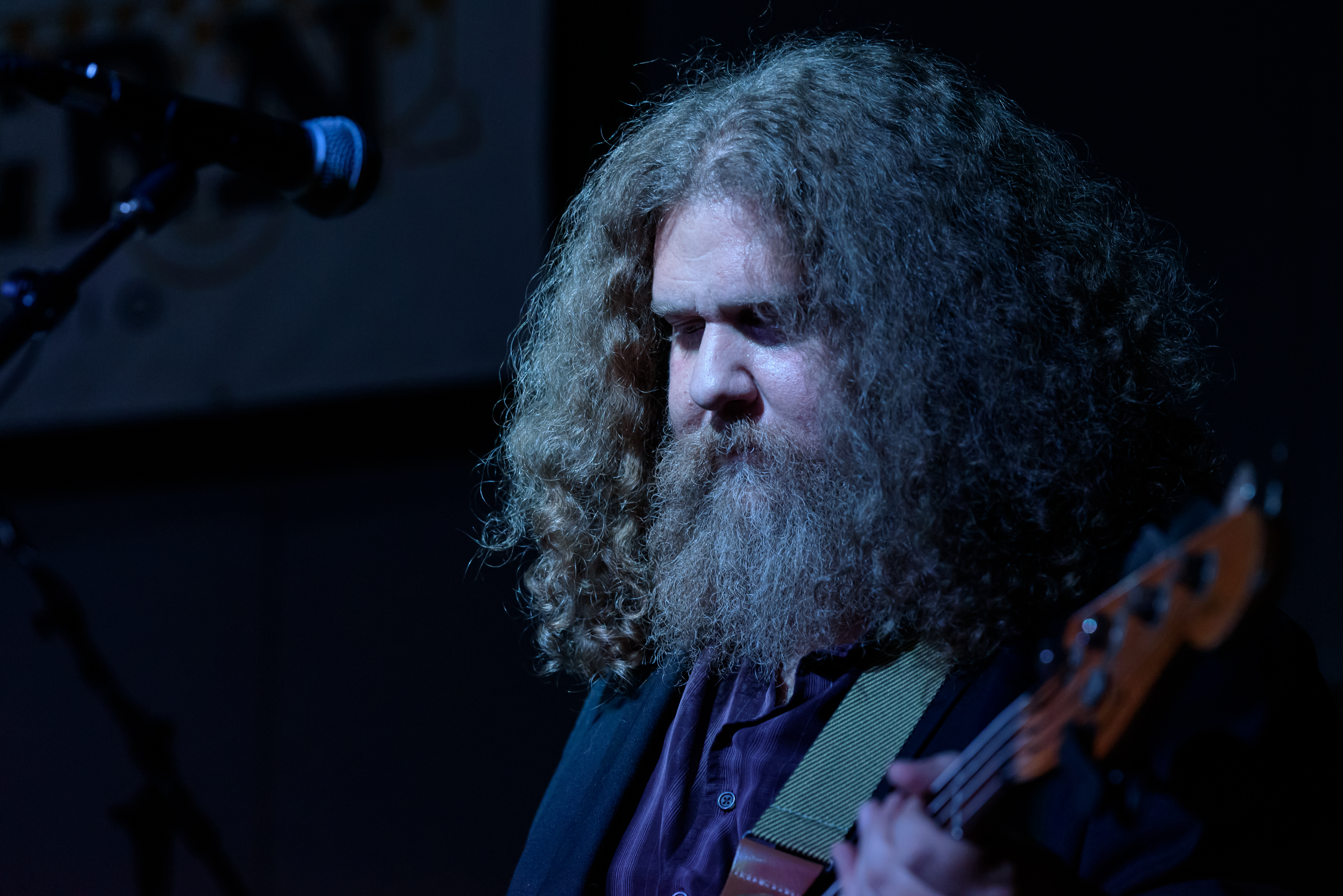
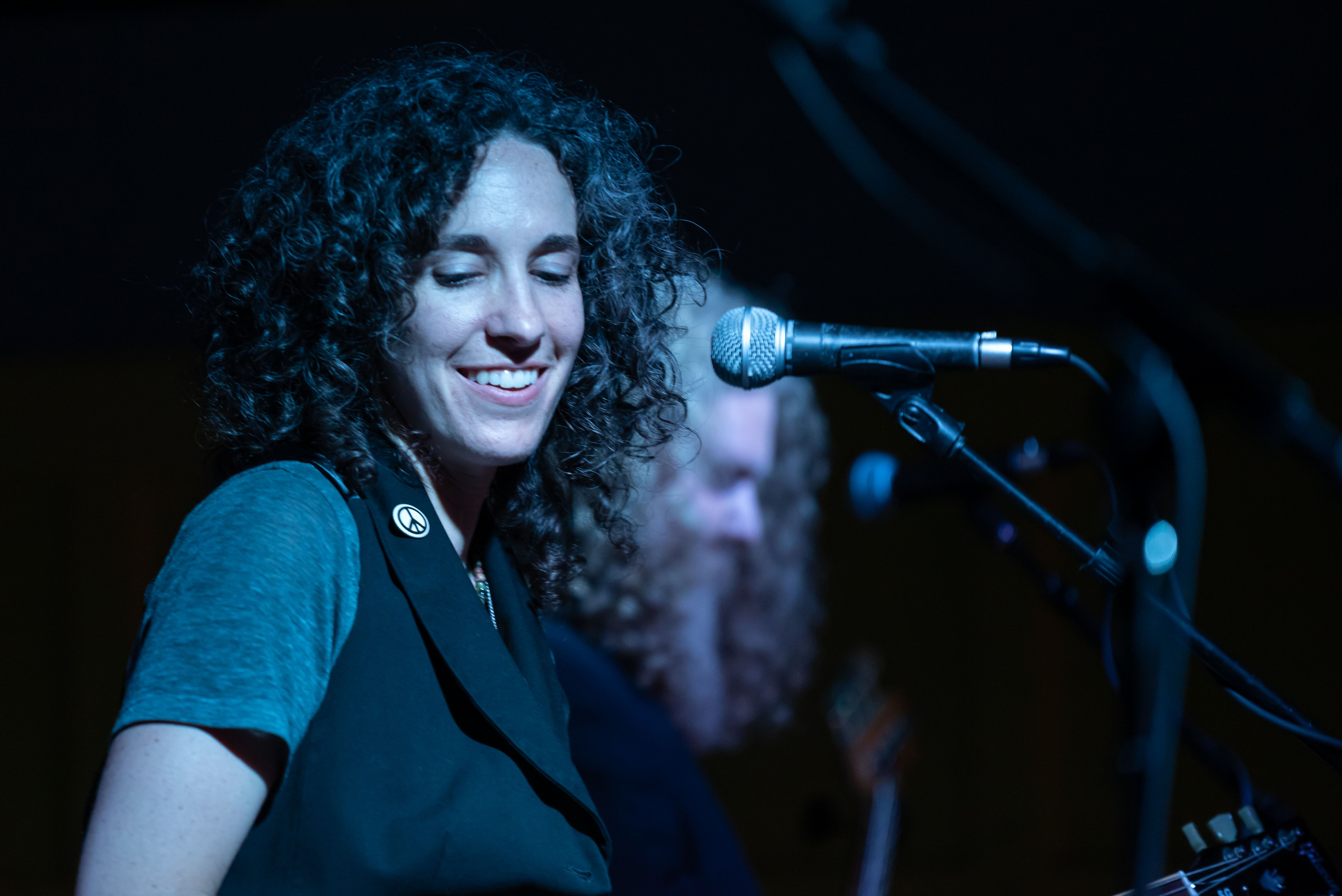
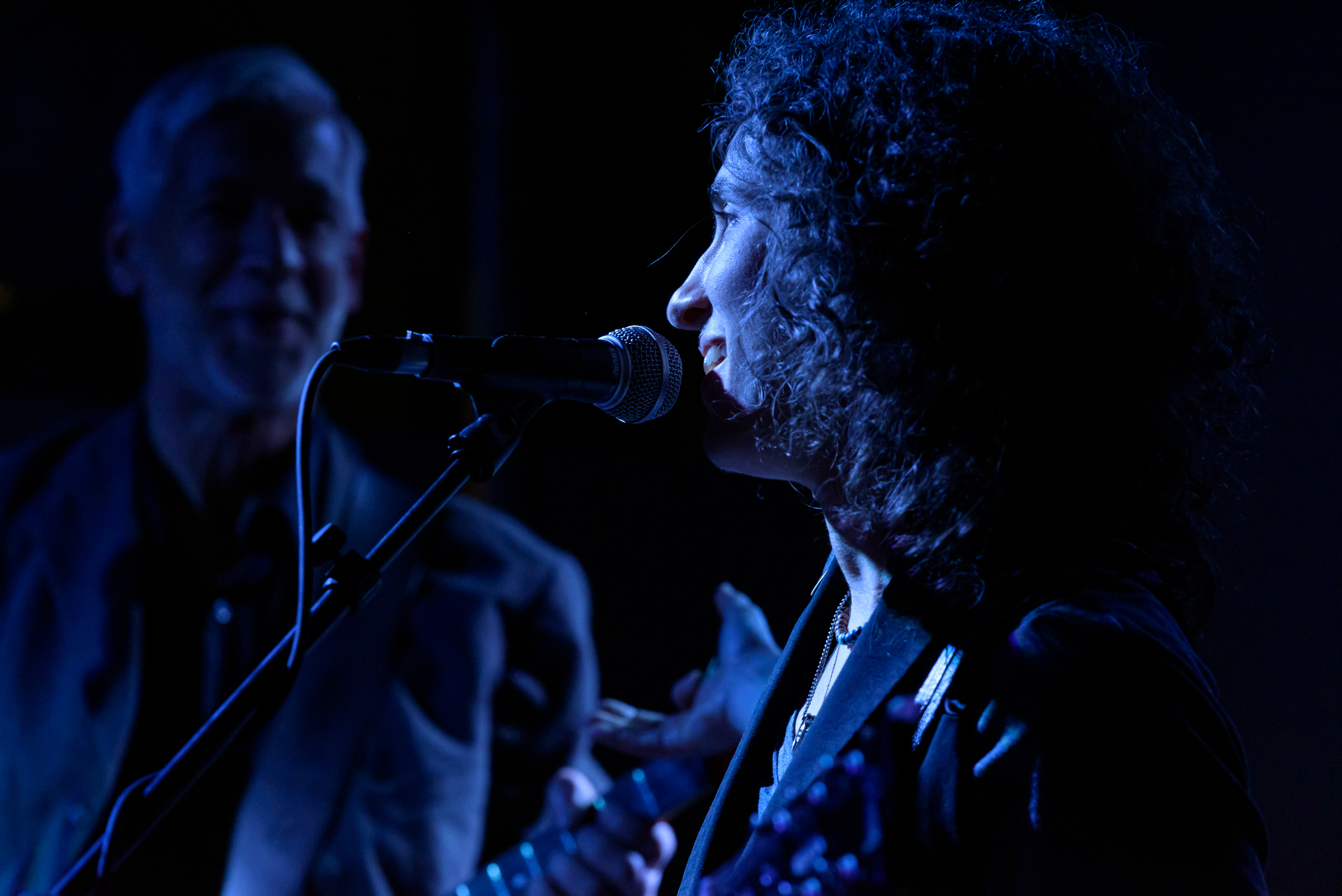
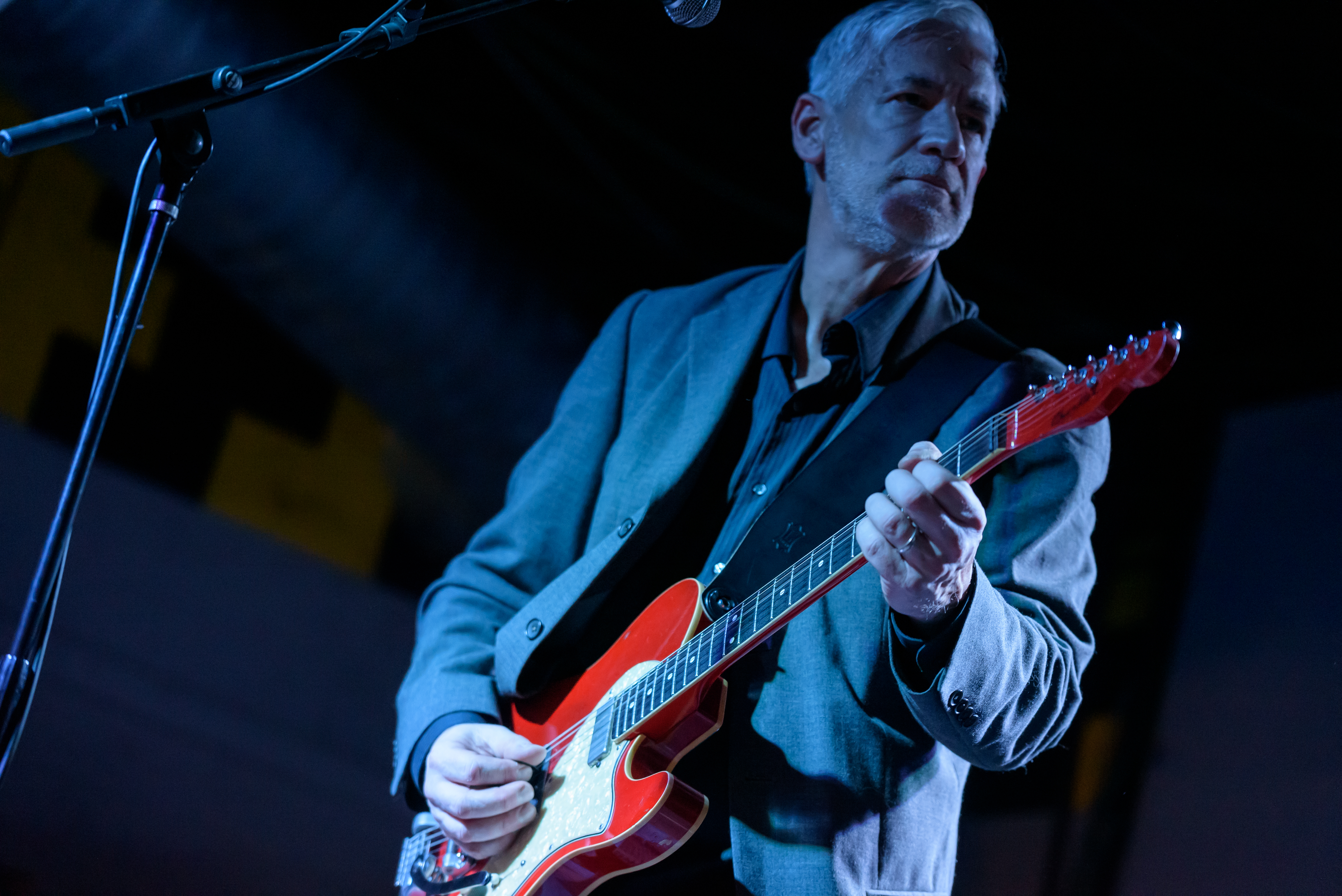
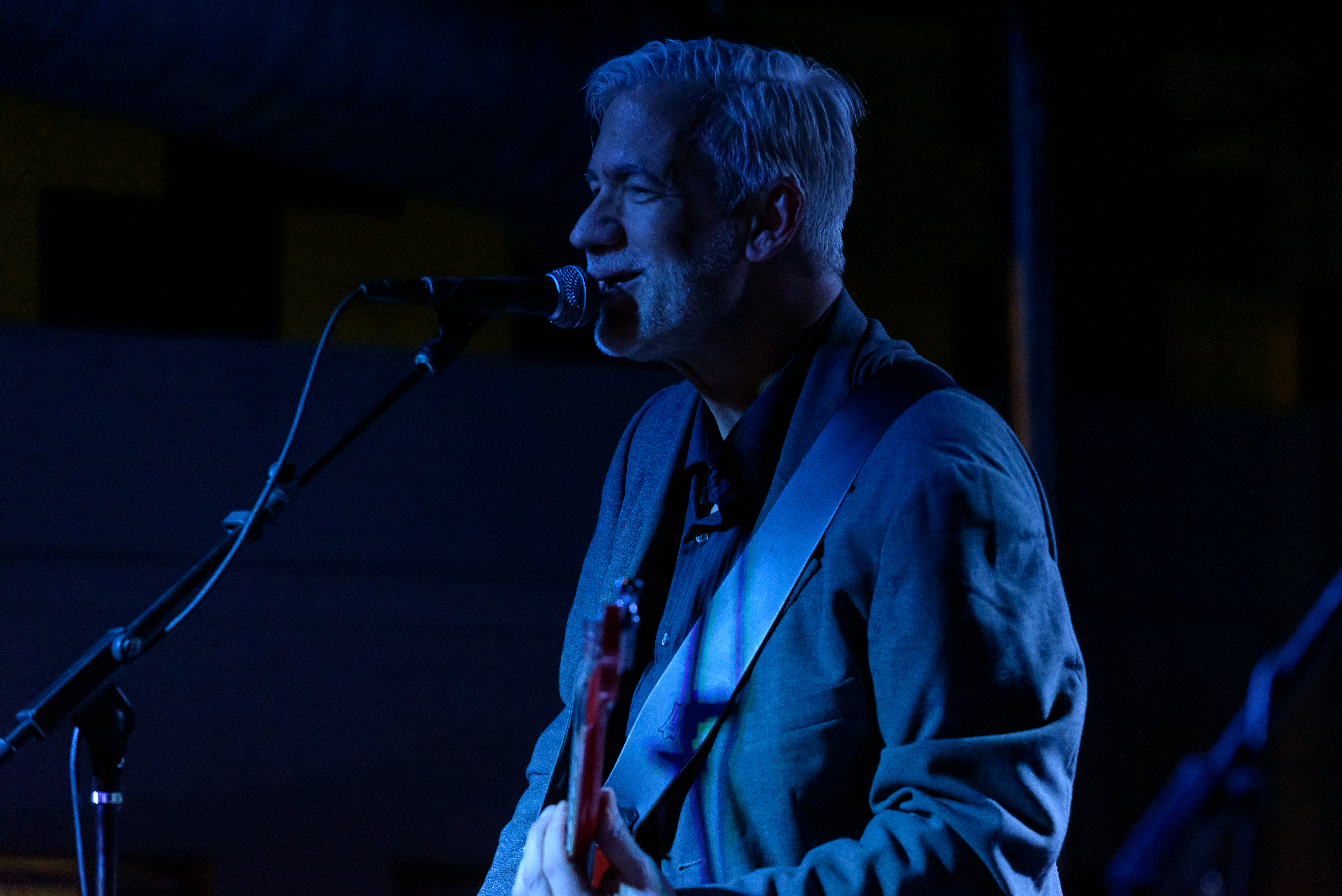
Yesterday, I did this show with Tom Gilliam, and that’s the thing the algorithms will never understand. Two humans in a room, pulling songs out of the ether, reacting in real time, laughing when a track zigged where we expected a zag. Tom brought his usual mix of deep cuts and quiet conviction, the kind that says I trust this song to hold the room. No branding, no content strategy—just listening, choosing, and letting the music breathe for three hour when the season feels like it’s suffocating everything else.

Every December, the radio loses its damn mind.

The same songs come crawling out of the speakers like embalmed corpses in tinsel: glossy, overproduced, scrubbed of friction, scrubbed of history, scrubbed of anything resembling an actual human feeling. You could swap the station, the city, or the year and never know the difference. Time collapses. Experience flattens. You are trapped in a snow globe, and someone else is shaking it for profit.

And yet—somewhere beneath the jingle-industrial complex—people are still writing holiday songs that don’t sound like they were focus-grouped by a mall. Songs that admit the season is weird, heavy, funny, lonely, joyous, exhausting, and occasionally beautiful in spite of itself. Songs that don’t pretend everyone’s family gets along or that joy arrives on schedule.

That’s where the annual indie holiday show on Your Tuesday Afternoon Alternative comes in—not as seasonal programming, but as resistance.

Let’s get one thing straight: this isn’t about “saving Christmas.” Christmas doesn’t need saving. It’s doing just fine, selling sweaters and nostalgia to people who don’t necessarily like each other. This is about rescuing listening from the annual corporate hostage situation. It’s about carving out one afternoon where the holidays sound like actual life instead of a marketing campaign with sleigh bells.

Indie holiday music lives in the cracks. It’s written by people who don’t owe the season anything, which is precisely why it matters. These artists aren’t trying to out-Marathon Mariah or out-smile Bing Crosby. They’re asking different questions. What does winter feel like when you’re broke? What does joy sound like when it’s provisional? What happens when you miss someone who isn’t coming back, or never really came home in the first place?

That’s not anti-holiday. That’s honest.

An annual indie holiday show works because Your Tuesday Afternoon Alternative has never been about sonic wallpaper. The show treats music like it has consequences—like it comes from somewhere and goes somewhere else. Dropping an indie holiday show into that tradition doesn’t feel like a novelty episode; it feels like an extension of the show’s moral logic. If you care about music the rest of the year, why would you stop caring in December?

And let’s talk about ritual, because the mainstream gets that part wrong too. Ritual doesn’t mean repetition without thought. That’s just habit dressed up as tradition. Ritual means returning to something because it still tells the truth. An annual indie holiday show isn’t the same playlist every year—it’s the same intention. Same question, new answers. Same season, different weather.

Some years the songs lean hopeful, like they’re daring the future to be better. Other years they’re threadbare, muttering survival strategies over cheap keyboards and acoustic guitars. That fluctuation isn’t a bug—it’s the archive. You can trace cultural mood swings through these songs like tree rings. Pandemic years sound different. Post-pandemic years sound tired in new ways. Political chaos hums under the choruses whether the artists want it to or not.

Mainstream holiday radio pretends time stands still. Indie holiday music documents the fact that it doesn’t.

There’s also something quietly radical about giving these songs space. Holiday tracks by indie artists are usually treated like curios—one-off novelties, seasonal jokes, algorithmic dead ends. But when you put them together in a thoughtful broadcast, they stop being gimmicks and start sounding like what they are: people grappling with tradition in real time. Covers become reinterpretations. Originals become statements. Irony gives way to vulnerability.

And vulnerability, in December, is practically punk rock.

The indie holiday show also creates a temporary community—one that doesn’t require fake cheer or mandatory sentimentality. Listeners aren’t asked to feel a certain way; they’re invited to show up however they are. If you’re happy, great. If you’re barely holding it together, pull up a chair. There’s room for both. That’s a rare offer in a season obsessed with emotional conformity.

Over time, something else happens. Certain songs come back—not because they’re “classics,” but because they earned it. A track that once felt like a lifeline resurfaces years later as a memory. A song that sounded bleak one December suddenly feels tender in hindsight. The show accumulates history. It remembers for you.

That’s not nostalgia. That’s continuity.

There’s a curatorial responsibility here too. Indie holiday music exists in a thousand scattered corners—Bandcamp pages, limited vinyl runs, digital EPs dropped quietly into the void. An annual show gathers those fragments and says, “This matters. Someone heard this. You’re not alone.” That gesture means something in a culture where algorithms decide worth based on velocity instead of resonance.

And make no mistake: this is what independent radio is for. Not scale. Not domination. Presence. Choice. Taste with a point of view. At a time when “discovery” is mostly just machine-generated déjà vu, a human saying “listen to this—here’s why” is a small act of rebellion.

The indie holiday show also refuses the biggest lie of the season: that joy must be loud, uncomplicated, and universally accessible. Indie artists know better. They write about chosen families, fractured homes, grief that sharpens during celebrations, joy that arrives sideways and leaves early. These songs don’t cancel the holidays; they make them survivable.

Which brings us back to Your Tuesday Afternoon Alternative. Doing an annual indie holiday show isn’t branding. It’s ethos. It says the show doesn’t clock out when things get messy or sentimental. It says the holidays deserve the same critical attention, curiosity, and care as any other cultural moment.

And maybe that’s the real point. In a world hellbent on smoothing everything into sameness, this show insists on texture. On friction. On humanity. It trusts listeners to handle complexity—and that trust is rare.

So yes, do the indie holiday show. Do it every year. Let it change. Let it argue with itself. Let it contradict the season while still loving it. Let it be strange, sad, funny, and occasionally transcendent.

Because if the holidays are going to mean anything at all, they should at least sound like real people trying to make it through them together.

Full Show from 11-26-2024 up on Mixcloud

Let me tell you something about Your Tuesday Afternoon Alternative with Dr. J on WUDR, broadcasting from the unassuming outpost of Dayton, Ohio: it’s not just a radio show; it’s a séance for the musically restless. Dr. J, equal parts professor (sorry), music priest, and punk-rock lifer, orchestrates a sonic sermon that grabs you by the collar and drags you kicking, screaming, and grinning through the unpolished spaces of independent and local music.

This isn’t your prepackaged corporate playlist drivel, churned out by some algorithm. No, this is real-deal, deep-dive, bloodshot-eye curation. We don’t just play songs; we conduct a reckless, unhinged exploration of soundscapes that defy the mainstream’s sterilized borders. One minute you’re grooving to the jangly guitars of a Midwest indie gem; the next, you’re pummeled by fuzz-soaked shoegaze or swept away by a tender acoustic ballad. It’s a rollercoaster for your ears, and you’re strapped in tight for the ride.

The show’s strength lies in its refusal to compromise. We are not here to appease Spotify metrics or chase TikTok trends. We pride ourselves on digging into the marrow of what makes music vital: the stories, the sweat, and the imperfections that turn a song into a revelation. Local bands? We’ve got them. Overlooked gems? You bet. It’s a treasure map to sounds you didn’t know you needed but now can’t imagine living without.

Sure, the production’s raw, the format loose, but that’s part of the charm. A little nerdy? You betcha! It feels like you’re eavesdropping on a record store conversation in town. If music is a lifeline, Your Tuesday Afternoon Alternative is one of the buoys that keeps us from drowning in the sea of mediocrity. Dayton might be criminally overlooked, but we strive to ensure it’s never unheard of.

The Last Song

Last week, I wrote about albums that have a great first two-song combo. After thinking about that and sharing my thoughts, I was asked other than the start of an album, what else matters? What else leaves a lasting mark? Perhaps we could call it a musical bruise. And that led to thinking about the days when all music was released on vinyl. Side A and Side B each had a start and end. But the most definitive ending is the last song on a record.

The final song on an album holds a unique and important place, acting as the last note of a record’s journey and often shaping how listeners interpret the entire album. Where have we been? Where do we go now? Whether it’s a contemplative, quiet piece that allows the themes of the record to echo softly in the listener’s mind or a powerful anthem that closes the experience with a bang, the last track often serves as a reflection, summation, or even contradiction of what came before it (I feel that this happens often for several bands that I love, R.E.M., U2, and Uncle Tupelo to name a few that deeply matter to me). This closing moment can evoke a range of emotions: closure, anticipation, hope, or bittersweet melancholy. For many, a strong final track can define the entire listening experience, leaving a lasting impression that elevates the album from a collection of songs to a complete, resonant work of art.

Establishing Closure and Completeness

A thoughtfully chosen final track can make an album feel like a completed story, giving it a sense of narrative and emotional closure. Albums, particularly concept records, often unfold with a progression of emotions, themes, or stories, and a powerful last song can bring these to a satisfying conclusion. This role is especially crucial for artists aiming to take listeners on a journey, where the album acts as a cohesive unit rather than a series of disconnected songs. Ending an album with a song that reinforces the record’s primary themes or revisits earlier emotions can leave listeners feeling as though they’ve completed a meaningful journey, much like reaching the last chapter of a novel. Consider that the very last song that Uncle Tupelo put onto a record was ‘Steal the Crumbs’ on their brilliant masterpiece ‘Anodyne.’ It is crushing to me that the last echoes of ‘No more will I see you,” was a statement of intent from Jay Farrar to Jeff Tweedy. It is still hard for me to listen to that song today.

The last song can also play a vital role in underscoring an artist’s vision. If the rest of the album serves to establish a mood, a style, or a story, then the final track acts as the artist’s way of saying, “This is what I really want to leave you with.” It is the musical statement they want listeners to hold onto, an encapsulation of everything they poured into the album. The finality can be overpowering.

Examples of Powerful Final Tracks

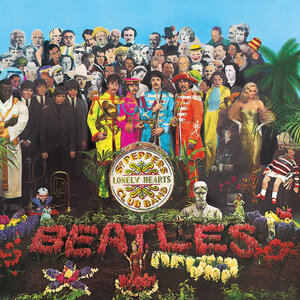
One standout example that is often discussed by those of us obsessed with music is “A Day in the Life” by The Beatles, the closing track of Sgt. Pepper’s Lonely Hearts Club Band. As a pioneering album in rock music history, Sgt. Pepper’s is an eclectic mix of sounds and styles that epitomizes The Beatles’ experimentation and innovation. The final track, “A Day in the Life,” is haunting and surreal, blending melancholy with a sense of curiosity and wonder. The song’s climactic, dissonant piano chord at the end creates a feeling of unresolved tension, inviting listeners to ponder its meaning long after the album is over. This impactful ending encapsulates the themes of discovery and mystery that pervade the album, making it feel timeless and open-ended.
Similarly, Radiohead’s OK Computer concludes with “The Tourist,” a slower, introspective track that contrasts with the chaotic energy of the rest of the album. OK Computer is known for its commentary on technology and alienation, exploring themes of existential anxiety and modern isolation. “The Tourist” stands apart from the album’s other songs in its simplicity, offering a moment of reflection that feels like a warning to “slow down” amid the dizzying pace of the digital age. The song’s restrained energy brings a reflective close to the album’s otherwise complex and unsettling journey, emphasizing its themes and leaving a deep impression.

Creating a Lasting Emotional Impact

Some final tracks are chosen to evoke powerful emotions, leaving listeners with an impression that will last beyond the music. For instance, David Bowie’s Blackstar closes with “I Can’t Give Everything Away.” This track, coming from Bowie’s final album before his death, is particularly poignant, dealing directly with themes of mortality, legacy, and departure. Bowie’s choice to end with this song feels like a farewell message, wrapping up his legendary career with a sense of grace and vulnerability. For listeners, the track is a heart-wrenching goodbye that gains even more weight within the context of Bowie’s life, allowing the album to transcend music and enter the realm of a personal, intimate farewell.

Nirvana’s In Utero, meanwhile, ends with the track “All Apologies.” The song reflects Kurt Cobain’s vulnerability and the conflicting emotions he experienced near the end of his life. It’s a bittersweet, haunting song that grapples with themes of forgiveness, regret, and identity. Given the rawness of In Utero, “All Apologies” acts as an understated yet emotionally charged conclusion. It’s a moment of both release and resignation, mirroring Cobain’s own inner conflicts. For listeners, it becomes a powerful closing note that brings a sense of poignancy to the album, especially in light of Cobain’s death just months after its release.

Offering Unexpected Twists

Sometimes, artists use the final track to surprise their audience, either by shifting the mood or presenting an unexpected style or message. This unpredictability can work as a memorable twist, leaving a lasting sense of intrigue. It changes the tone from the struggles explored in previous songs to pride and resilience, suggesting a sense of empowerment and identity that stays with the listener.

An example of an unexpected finale is the Arctic Monkeys’ “505” on their album Favourite Worst Nightmare. The song begins as a somber ballad but gradually builds into a soaring, intense climax. Its dynamic composition makes it feel like the album’s emotional pinnacle, one that explores themes of longing and nostalgia. “505” brings a sense of finality to the album but in a way that is both stirring and unpredictable, leaving listeners wanting more even as the music fades out.

Symbolism and Metaphor in Final Tracks

Artists also use the last track to imbue their album with metaphorical meaning, often turning the final moments into a symbolic experience. Pink Floyd’s The Wall famously ends with “Outside the Wall,” a soft, subdued song that contrasts with the bombastic nature of the album’s other tracks. As a conceptual record about isolation, rebellion, and self-destruction, The Wall reaches its emotional and narrative conclusion with this gentle, understated track. The song leaves listeners reflecting on the album’s themes with a mixture of sorrow and acceptance, making it an introspective and symbolic end to the epic story. Maybe it is a final track that can hint at continuity or invite speculation about future works.

The Final Song as a Reflection of the Album’s Themes

In many ways, the last song is the album’s most potent moment because it holds the power to tie all the preceding themes together in one emotional conclusion. The choice of final track is rarely arbitrary; it often holds the most weight and meaning. Whether it offers a moment of silence, explosive energy, quiet reflection, or unrestrained vulnerability, the final song gives shape and substance to the album, helping listeners make sense of the music as a whole.

In short, a powerful last track is not just the end of an album—it’s the parting message, the last look back, and the final chance to leave listeners with something unforgettable. When done well, it can transform the album into a cohesive, resonant work that remains with listeners long after the music has ended.

Best Wishes for Harmonious Horizons in the New Year of 2024

As we stand on the threshold of a new year, 2024, let us consider the promise of discovery and the enchantment of melodies yet to be heard. This time of year we reflect on the past, let’s look to the future as well. Every year holds great songs, fantastic albums, and life changing concerts that we did not expect.

The world of music is vast and ever-expanding, offering a symphony of possibilities waiting to be explored. In the coming year, let our aspirations harmonize with the rhythm of new beats and the melody of fresh voices, creating an orchestra of experiences that resonate with joy and fulfillment. We find that we are not alone in how we feel. Through music we can build community.

Here at Your Tuesday Afternoon Alternative we believe wholeheartedly that music is a universal language that transcends borders and cultures and has the extraordinary ability to evoke emotions, trigger memories, and connect individuals across time and place. Music helps us feel. It matters. It is a source of solace, inspiration, and celebration, reflecting the challenges we all face. When we feel passionately, music reflects and shows us that what we feel matters. As we extend our best wishes for the new year, let us acknowledge the transformative and important power of music and its potential to elevate our spirits, stimulate our minds, and unite us in shared moments of harmony and rhythm. The best music becomes part of who we are as individuals and members of a community. Music speaks to us.

The pursuit of discovering new music is like setting sail on uncharted waters, with each note and rhythm representing a new island waiting to be explored. In 2024, let curiosity be our compass, guiding us through unexplored genres, hidden gems, surprises, unexpected adventures, and emerging artists. Music is teeming with innovation and diversity, offering a rich tapestry of sounds that cater to every taste and preference. Explore our favorites of 2023 for just a few suggestions of where to start exploring if you need a place to start.

In the spirit of the new year, make a resolution to step out of your musical comfort zone. Whether it’s delving into genres you’ve never explored or supporting local, independent artists (And we cannot emphasize checking out local music enough! Do it!), the journey of musical discovery is as much about embracing the unfamiliar as it is about cherishing the familiar. There is so much music being made that is available to you wherever you happen to be, whatever you call home.

One of the most exciting aspects of exploring diverse music is the opportunity to appreciate the unique stories and cultural expressions embedded in each sound composition. In 2024, let us break down barriers and build bridges through the universal language of music, fostering a broad and rich music community that cherishes and respects the richness of our collective sonic heritage. Diversity is the heartbeat of the musical world. There is so much “out there” — whatever that really means — that taking risks with music you do not know can be the best gift that you give yourself. In the coming year, let us celebrate the richness of musical traditions from wherever they originate. The world offers a myriad of sonic treasures waiting to be uncovered. Your new favorite song is waiting.

The dawn of a new year brings with it the promise of new beginnings for aspiring musicians. As we extend our best wishes for 2024, let us also pledge to support and uplift emerging artists. The music industry is a dynamic ecosystem, constantly evolving with the emergence of fresh talents eager to share their unique perspectives with the world.

Platforms such as independent music festivals, online streaming services, and local music scenes are fertile grounds for discovering hidden gems. Make it a resolution to attend live performances, explore local music scenes, and follow independent artists on digital platforms. Sign up for their mailing lists and notifications so that when these artists release music, you will know and be able to listen to it. Give this music a chance, that is all we are asking, all we are suggesting. By doing so, you not only contribute to the growth of emerging talents but also enrich your own musical journey with the thrill of new discoveries.

Music is a communal experience that gains its true power when shared. In the coming year, let us make a conscious effort to connect with others through the joy of music. Whether it’s attending concerts with friends, participating in musical communities online, or introducing loved ones to your favorite tunes, the act of sharing music enhances its magic. Remember the first time you heard a song you could not get “out of your head”? Share what you find with others, ask them to share their discoveries with you. Build community, one new song, one unique album, one new found artist at a time.

Create collaborative playlists, organize music-themed gatherings, and engage in conversations about your favorite tracks. Visit your favorite water hole and share what you have found with other music fans. By fostering a culture of shared musical experiences, we not only strengthen our connections with others but also create a ripple effect, spreading the joy of music to those around us.

The advent of technology has revolutionized the way we discover and consume music. Streaming platforms, social media, and algorithm-driven recommendations have made it easier than ever to stumble upon new and exciting sounds. In the new year, let us not only embrace the opportunities technology offers for musical exploration but use these new tools to support artists directly through attending shows, buying merchandise and obtaining physical copies of the music whenever possible.

Strive to explore personalized playlists, discover artists through social media platforms, and engage with music communities online. Take advantage of the wealth of information at your fingertips to unearth hidden treasures and create a customized and adventurous musical journey that reflects your evolving tastes and preferences and do not fear going beyond the familiar terrain that you have so long enjoyed. Take a chance. Make a leap. Listen to something new.

As the clock ticks down to the beginning of 2024, let the promise of a new year inspire us to embrace the vast world of music with open hearts and eager ears. The journey of musical discovery should be a lifelong adventure, and in the coming year, may the symphony of new sounds resonate with joy, fulfillment, and the boundless possibilities that await.

In extending our best wishes for the new year, let us celebrate the transformative power of music, the diversity of sound and lyrics, and the talents of emerging artists. May the melodies of 2024 be a soundtrack to our shared experiences, connecting all of us through the universal and binding nature that is music. Cheers to a harmonious and melodious new year filled with the joy of discovering new musical horizons!

Swaying in the Radio Waves

In a dimly lit space of my basement home studio, surrounded by an array of vinyl records, cassette tapes along a small wall, stacks of vintage vinyl 45s, piles of CDs, and an eclectic mix of posters from local and underground shows, I sit hunched over a laptop, ready to embark on music discovery. With a cat on my lap and another nearby, I listen to new songs, local music, and pieces of someone’s heart that they have kindly shared with Your Tuesday Afternoon Alternative. This is my sanctuary, the cockpit from which I navigate a vast sea of independent music. As an indie music radio DJ, I’ve made it my mission to curate and broadcast tunes that I believe in, music that resonates beyond the mainstream. There is no shame in loving the music that speaks to you, mainstream or not. But I want to find something new, something unique. Perhaps it is an overwhelming sense of fear of missing out on something incredible, something wonderful that was released and far too few have heard it. Providing a conduit for the amazing music that has gone overlooked has kept me interested in radio for over 19 years at WUDR and for many years prior.

My love affair with indie music began in the smoky corners of obscure spaces, crowded clubs, and hidden venues in Minneapolis in the 1980s. And that interest was heightened in 1983 when I joined KUMM Student Radio at the University of Minnesota at Morris. I had chosen a college a few hours away from home, Herman, Minnesota population 550. My graduation class only had 25 students in it. I was not sure what I wanted to become when I went to college, but I knew one thing quite clearly — I wanted to leave the confines of small-town Minnesota life. The albums that my classmates loved were not my music, they did not feel real and authentic to me. The music that I heard on the few radio stations — mostly country music — did not speak to me nearly as much as the obscure bands and music that I found on late-night TV shows or magazines like The Trouser Press, Cream, and Crawdaddy.

I had a few musically progressive friends and a cousin who was like a brother to me who broadened my music experience. I was exposed to so many unique bands and records by cool friends who introduced me to bands like The Ramones, Big Star, Alice Cooper, R.E.M., early KISS records, The Replacements, The Suburbs, Loud Fast Rules (who later changed their name to Soul Asylum), and Prince. I am still prepared to argue that his first three records were and are brilliant records that fused soul, funk, R&B, pop, and punk. While I enjoyed the British New Wave of Gary Numan and the Romance Wave of Roxy Music, it was Duran Duran who led me to Joy Division, Adam and The Ants, Spandau Ballet, and The Cure. From ‘Planet Earth’ and ‘Girls on Film,’ I found ‘Love Will Tear Us Apart,’ ‘Transmission,’ ‘Ant Music,’ ‘True’ and ‘Boys Don’t Cry’ — I then spent years over Robert Smith’s catalog. I was captivated one late night when David Bowie’s music video for Ashes to Ashes played on some obscure program. It was life-changing and led me to seek out music from Ziggy Stardust in all of his personas and identities.

While others were getting lost in the polished melodies of chart-toppers, I found solace in the raw, unfiltered sounds of independent artists. It wasn’t just about the music; it was about the stories told through the lyrics, the rebellion against conformity, and the genuine passion that fueled every chord, every snap of the drum, every note that was delivered with passion. These sounds and bands were authentic and real to me. I read a story in a music magazine — Melody Maker, New Music Express, Smash Hits… to be completely honest I do not remember — about a band named after a plane, U2, and that eventually led me to their first album ‘Boy’ and that again, led me to be changed. Now, to be fair I was listening to a seriously concerning amount of Pink Floyd, Nick Drake, Television, and Patti Smith. The gateway of The Ramones led to The Sex Pistols, The Clash, Blondie (especially those early records), and more. While I did enjoy some truly strange fascination for some rock and pop groups, I had records and the usual posters on my bedroom walls of Scandal, Rick Springfield, Journey, Styx, Hall & Oates, and a brief fling with The Eagles’ Hotel California and Long Run (that led me to The Flying Burrito Brothers and Graham Parsons — thanks for sharing your records, mom!).

When I got to college, I decided to take this passion to the airwaves, embracing the role of a sonic designer. Armed with a microphone and a collection of gems that I could not wait to share, I set out to carve a niche for myself in the crowded world of radio, one that would champion the unheard and challenge the established norms. It helped tremendously that bands like R.E.M., U2, Ministry, Depeche Mode, Red Rockers, The Cure, and far more than I have the time (or you dear reader – the interest in reading) to recount here were releasing amazing records in the 1980s. The time period of 1983 to 1988 was not only my college years but an amazingly fertile time for what became known as College Rock then was labeled as Alternative or Post-Punk.

It has not always been easy trying to build bridges with the unknown for me. Being an indie music DJ is more than just spinning records or pushing play or fading sounds in and out; it’s about building bridges between artists and listeners. In a world saturated with predictable playlists, my goal is to be a conduit for the undiscovered. I sift through submissions from garage bands in Brooklyn to folk troubadours in the Pacific Northwest, searching for that spark of authenticity that sets them apart. We have a policy at YTAA, anything shared with us gets a listen. And in those perfect moments when we want to hear a song again, that captures our attention when there are so many records to preview, there is magic in the sound waves.

It’s not always about polished production or catchy hooks; it’s about the genuine emotion that reverberates through the music. Each song is a unique brushstroke on the canvas of the YTAA show, painting a sonic landscape that moves beyond the conventional. The thrill of introducing listeners to a hidden beauty, the adrenaline of playing a track that might just become someone’s favorite song – that’s the heartbeat of our radio station. I cannot express how much joy is experienced when someone requests a song we have played or calls the station to ask who was that amazing musician or band that they heard.

In the sprawling landscape of commercial radio, where playlists are often dictated by corporate interests or worse an inhumane algorithm, maintaining independence is a dance on a tightrope. Yet, this dance is the very essence of the existence of Your Tuesday Afternoon Alternative and my role as a DJ. There’s a certain liberation in knowing that a YTAA playlist is not dictated by market trends or corporate interests. Sometimes it is an accident of happenstance or from a connection on social media. Whatever the reason, it’s a rebellion against the formulaic, an assertion that there’s value in the unconventional, the unknown, the liminal. I would like to believe that we have built a community of listeners who crave the unexplored, and who trust this program to guide them through sonic places and spaces of undiscovered music.

Behind every track played lies a story – the struggle of an indie artist trying to be heard, the triumphs and tribulations of navigating an industry that often favors the polished over the genuine. It’s not just about the music; it’s about the people who create it. It is a privilege to interview artists whose stories are as compelling as their melodies. From the indie folk singer who busked on street corners to fund her first album to the punk rock trio that converted an abandoned warehouse into a recording studio, each narrative adds depth to the sonic tapestry we weave on the airwaves. These stories resonate with our listeners, connecting them to the music in ways that transcend the superficial. These are real experiences told by real people about the authentic music they have made to present some feelings, emotions, and ideas — the search for solidarity and connection through music is important and it should be protected at all costs.

One of the joys of indie radio is the freedom to be unpredictable. While commercial stations follow rigid playlists curated by algorithms, YTAA revels in the spontaneity of crafting a playlist that mirrors the ebb and flow of emotions. From ethereal dream pop to gritty pop-punk anthems, the playlist is a rollercoaster ride that keeps listeners on the edge of their seats wondering what is coming up next. One of the most exciting experiences in music is when we are surprised.

On YTAA we are not afraid to delve into uncharted territories, juxtaposing genres in a way that challenges preconceived notions. A haunting acoustic ballad might be followed by a raucous electronic track, or a looking-back indie classic creating a musical journey that mirrors the unpredictability of life itself. It’s a sonic adventure that invites listeners to step outside their comfort zones and embrace the diversity of the indie music landscape.

As an indie music DJ, my connection with the audience goes beyond the confines of the radio waves. Social media has become a virtual extension of the studio, a platform where listeners can engage in real-time discussions about the music they love. We endeavor to play as many requests that we receive as possible. Sometimes a request can take the show in a different, unplanned direction, and isn’t that an opportunity? The sense of community that has emerged is a testament to the power of indie music to unite diverse souls under a common sonic umbrella. It has been a rare honor to connect with other music fans on Twitter, Instagram, Facebook, and on this page. From virtual album listening parties to live Q&A sessions with artists, the digital realm has allowed us to amplify the sense of camaraderie that defines the indie music scene. It’s not just about broadcasting music; it’s about fostering a community where passion for the unconventional is celebrated.

Navigating the indie wilderness is not without its challenges. Limited resources, the constant struggle for visibility, and the ever-present threat of obscurity are hurdles that indie artists face daily. As a DJ, I’ve witnessed the frustration of talented musicians grappling with a system that often seems designed to favor the established. Yet, it’s precisely these challenges that fuel the fire of the indie spirit. The tenacity of artists who refuse to be silenced, and the resilience of a community that thrives on the fringes – these are the stories that inspire me to keep pushing boundaries and championing the cause of the independent. It is possible that the unknown music can be even more captivating than the known.

As I peer into the future of my journey as an indie music DJ, the horizon is both exciting and uncertain. The music industry is in a state of constant flux, with new platforms and technologies reshaping how people find music. Yet, one thing remains constant – the hunger for authenticity, the craving for sounds that defy the cookie-cutter formulas of mainstream music. I envision a future where indie music continues to be a beacon of diversity and creativity. Whether through virtual concert experiences or immersive audio storytelling, the indie spirit will find new avenues to flourish. My role as a sonic guide will evolve, adapting to the changing currents of technology while staying true to the essence of independent expression. Maybe in some way, I am still the same person who knew that there was exciting and cool music waiting to be discovered, the only question was how to find it. Perhaps now the problem is how to find that music in an oversaturated culture of the moment; the internet is both friend and foe.

In the closing moments of every radio show, as the last notes of an indie anthem fade into the ether, I reflect on the journey that brought me to this point. From the dimly lit venues of my youth to the expansive world of radio waves, it’s been a ride fueled by passion, rebellion, and an unwavering belief in the power of independent music. In the vast sea of sonic possibilities, I continue to navigate the waves, a lone captain on a ship of indie music treasures. As long as there are artists pushing boundaries, as long as there are listeners hungry for the unconventional, the journey will endure. For in the realm of indie music, every note is a declaration of independence, and every DJ is a storyteller weaving tales of sonic rebellion. Now, let’s go listen to some interesting music we have not heard before.

All station photos by Tom Gilliam Photography. Photos used with permission.

Did you know?

Your Tuesday Afternoon Alternative used to be called ‘School of Rock w/ Dr. J’? True story. The program was an outgrowth of classes that Dr. J taught at the University of Dayton on the sociology of popular music, popular music in society, and the history of popular music in the United States. This began in November of 2004 and lasted for a few years until the program was retooled to focus on indie, local, and Dayton, Ohio music and the talented Mrs. Dr. J became a regular part of the program. By 2010, the focus of the show had changed.

Then the program was re-named ‘Your Tuesday Afternoon Alternative’ and featured Dr. J and Mrs. Dr. J (we are truly a married couple) and we did the program together for a few years. Of course, it is important to note that Mrs. Dr. J was making significant contributions to the program behind the scenes. During that time we even featured segments that focused on different ideas near and dear to her heart — ‘Mrs. Dr. J’s Dance Party,’ ‘Dayton Concert Calendar’, and ‘Favorite Song of the Week.’

The School of Rock program was an extension of those classes where Dr. J would investigate a particular song, album, or artist and explore where that sound came from in the classroom. Who influenced a sound that is popular today? Where did that approach originate? These segments — often taking over an hour of the show were efforts to draw clear lineage for music that we played on the show. But no one likes a preachy college professor discussing lines of influence every week. And the show organically moved toward an interest in the amazing music scene in Dayton, Ohio specifically, and the American Midwest more generally. This combined with an interest in alternative, independent, and new and local music.

One of our first programs drew a line from traditional music to folk music to Hank Williams and early country, Appalachian, and bluegrass music to The Byrds (especially Sweetheart of the Rodeo) and Graham Parsons and The Flying Burrito Brothers to The Eagles (who shared a founding member Bernie Leadon) to modern bluegrass and newgrass (notably Sam Bush, Bela Fleck) and alt-country of the Avett Brothers, Whiskeytown, and Uncle Tupelo (a big favorite of ours). These and other bands drew from all of the music that they loved in their formative years — Rockability, Juke Joint, Rock ‘n’ Roll, Punk Rock, Country, Americana, and Folk music among other influences.

While the program no longer explores a single thread of an idea and expanded from a two-hour program to a three-hour show so that there would be time to conduct interviews with bands, artists, and creatives, the interest in finding time to reflect deeply on music is a passion that still drives the radio show today.

YTAA was once the School of Rock w/ Dr. J

What a Night!

On September 16th, Nick Kizirnis, Kyleen Downes, and Isicle played a stellar show for us at Your Tuesday Afternoon Alternative and several classes from the University of Dayton at the Yellow Cab Tavern. It was a fantastic show full of amazing music and spectacular performances! Thank you, Nick, Kyleen, and Isicle! All photos by Tom Gilliam Photography!

Dan Spaugy and Billy Swayne on YTAA

Dan Spaugy and Billy Swayne of Neo American Pioneers came on the YTAA program to discuss their upcoming Creedence Clearwater Revival Tribute show ‘A Song for Everyone’ at The Yellow Cab Tavern on Saturday, May 7, 2022!

More info here: https://buff.ly/3vNiIRB

According to the Pioneers: Take a trip to Cosmo’s Basement and celebrate with the Neo American Pioneers as they present “Wrote a Song for Everyone: A Tribute to Creedence Clearwater Revival.” on May 7th at The Yellow Cab Tavern!

A full evening of music, they will be featuring a selection of 25 CCR hits across their seven studio albums in an intimate club setting. Capturing the raw rock and roll energy of CCR’s early years, before they were headlining stadium tours and iconic festivals like Woodstock, you will not want to miss this.

Cover starts at 8pm with music starting at 9pm. Tickets are $8 in advance and $12 at the doors. All ages are welcome with a guardian. **Discounted presale tickets end at Midnight on May 6th Presale tickets available here: https://ten-high-productions.square.s…

Yellow Cab’s resident truck, The Pizza Bandit, will be set up and serving through 10pm. Produced by Level Up Productions Location: The Yellow Cab Tavern 700 East 4th Street Dayton, Ohio 45402

Dayton Guitars 4 Heroes on YTAA

It is going to be quite the program today!

We have music from Tod Weidner, Cricketbows, No One Sphere, Rich Reuter, The Connells, Oh Condor, Nick Kizirnis, Amber Hargett Music, Samantha J King, The 1984 Draft, Todd Farrell Jr., Sammy Kay, XL427, The Nautical Theme and much more!

If that was not enough in hour #2 we have Ron Burns and Art Nitsch of Rec 4 Heroes / Dayton and Dayton Guitars 4 Heroes Band in the studio.

Ron and Art will talk about the Dayton Guitars 4 Heroes organization and what they do for veterans as well as the programs they offer for those service members who are dealing with PTSD, anxiety and combat related injuries.

We look forward to learning how music programs in general and guitar, ukulele and harmonica therapy in particular are used in helping veterans overcome challenges, especially the far too common response of self harm.

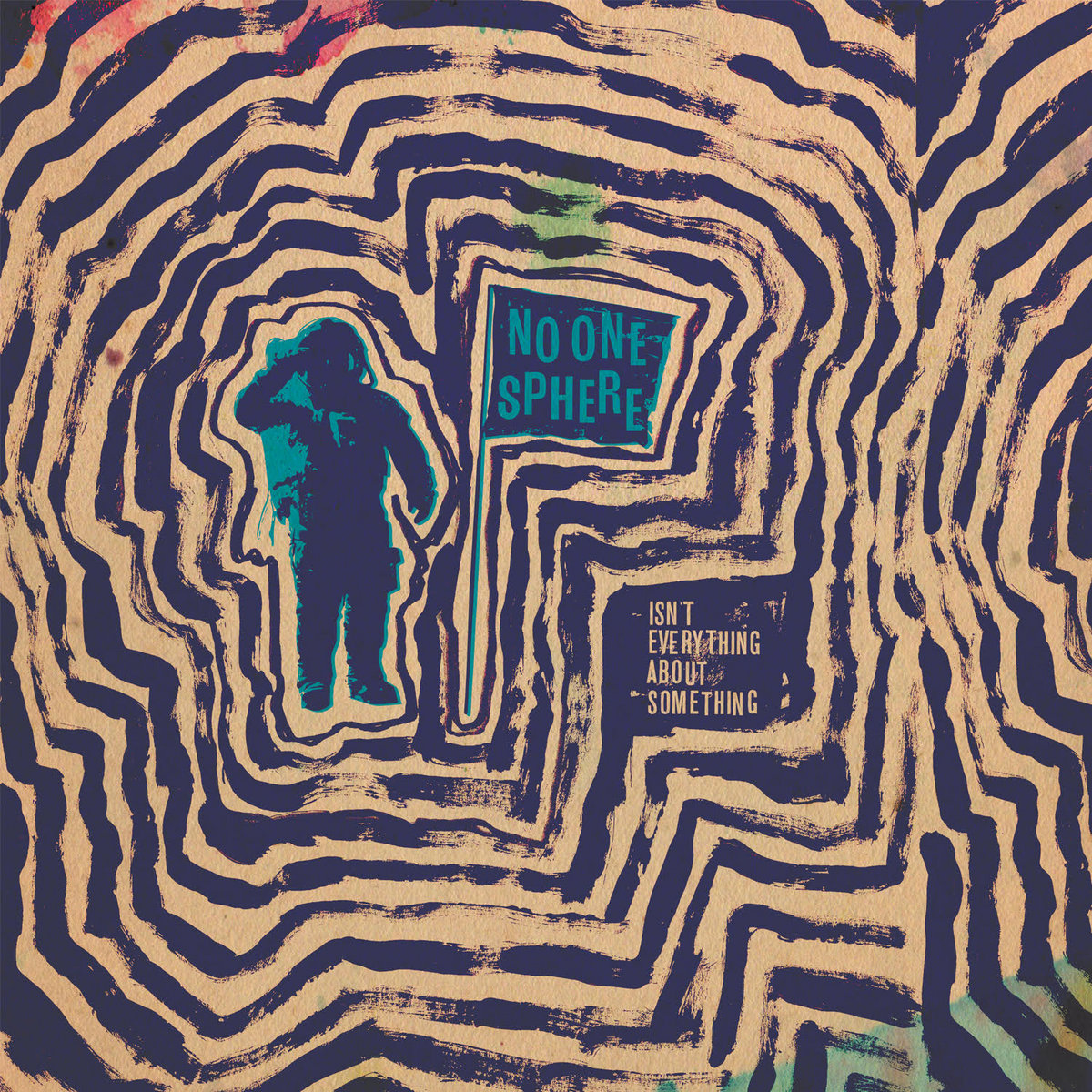
In hour #3 we have an interview with Dave Mann and Jarrett Nicolay of No One Sphere. We have download codes to their incredible record ‘Isn’t Everything About Something’ to give away!

So, join us from 3-6pm on Your Tuesday Afternoon Alternative on WUDR Flyer Radio 99.5/98 and online!

Rich Reuter on YTAA!

Dayton musician, songwriter, guitarist and producer Rich Reuter joined D. J on Your Tuesday Afternoon Alternative on March 22, 2022 in Dayton, Ohio on WUDR Flyer Radio at The University of Dayton. He played live and chatted about his recent music, new EP ‘Endless Parade‘, his work on Nicholas Johnson’s Back Upstate record and his work on his next full length ‘The Captain II’. You can discover his music at bandcamp. We discussed his approach to songwriting, production and performing the music.

You can follow Rich on social media. He is on Twitter and Instagram! You can listen to Rich’s music at Soundcloud! And Spotify:

Guests in the Studio

Many thanks to David Scott and Tori Adams of Lavender Honey for joining Dr. J in the studio today to discuss their music, upcoming music video (releases this Friday!!!) and sharing their creative process with us here at Your Tuesday Afternoon Alternative. Next week our good friend Paul Monnin of Age Nowhere join us in the studio!

New Show Today!

Hello There Music Friends,

Today on Your Tuesday Afternoon Alternative we have new music from Kurt Lee Wheeler, The Lighthouse and the Whaler, Cat Ridgeway, Jason Matu, Chapell, Rise Against, Ghost Hounds, Bat Fangs, Moviola, The Color Fred, On the Runway, Oh Condor and much more.

This week we will be spotlighting several artists such as The Grief Brothers, Peter Hall, Burning Ferns and Bandicoot who are on the V4Velindre charity mixtape created by Kevin McGrath! We will be playing a #rearviewfrontview set of songs from The Connells. As well as discussing what it means to go to a music show in 2021.

So, join Dr. J & Flower for YTAA over at Flyer Radio

New Show Today on http://listen.streamon.fm/wudr