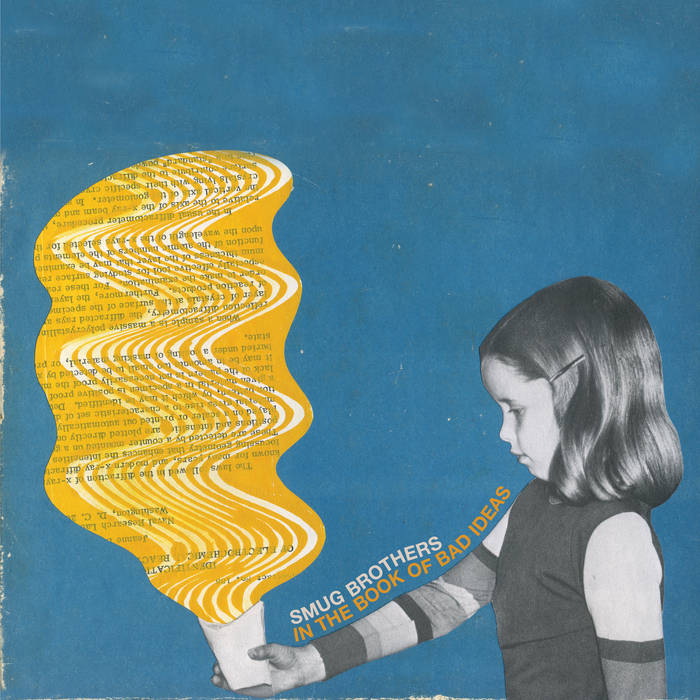
Smug Brothers’ “In The Book of Bad Ideas” – A Triumph of Grit and Honesty

Amidst the echoing corridors of indie rock, there lies a trove of hidden gems that, despite their immense talent, have managed to elude the mainstream spotlight. Smug Brothers, a band hailing from both Dayton and Columbus, Ohio, has been one of these underappreciated treasures for over two decades. Their latest release, “In The Book of Bad Ideas,” is a testament to their unyielding passion and unwavering commitment to their craft. In this album, they’ve harnessed the raw power of indie rock ‘n’ roll, crafting gritty and honest music that resonates with anyone who has a heartbeat.

In The Book of Bad Ideas” is not a record that pleads for your attention; it demands it. The record saunters into the room with a vibe that is warm, welcoming, and inviting. The album opens with the sweet swirling, jangly track “Lullaby.” Right from the first note, you’re thrust into a world of jangly guitars and unapologetic vocals — the song is a slide of authenticity. There’s a sense of urgency and swing in this song that sets the tone for the entire album.

Frontman, guitarist, and songwriter, Kyle Melton, is a gifted storyteller who possesses a voice that simultaneously conveys vulnerability and strength. As he sings it’s evident that the lyrics come from a place of honesty, making it easy for the listener to connect with the music on a personal level even when clever wordplay might hide the destination. Sometimes the fun elliptical mystery is more compelling than an obvious statement.
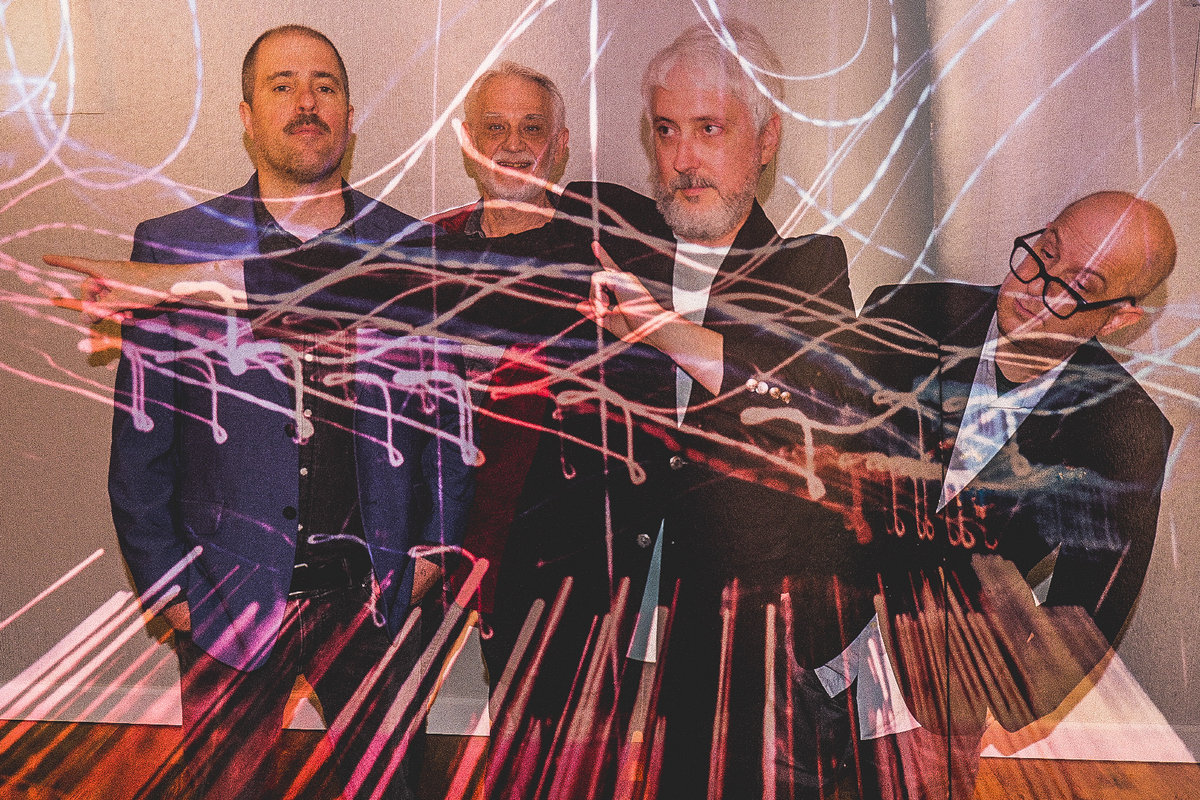
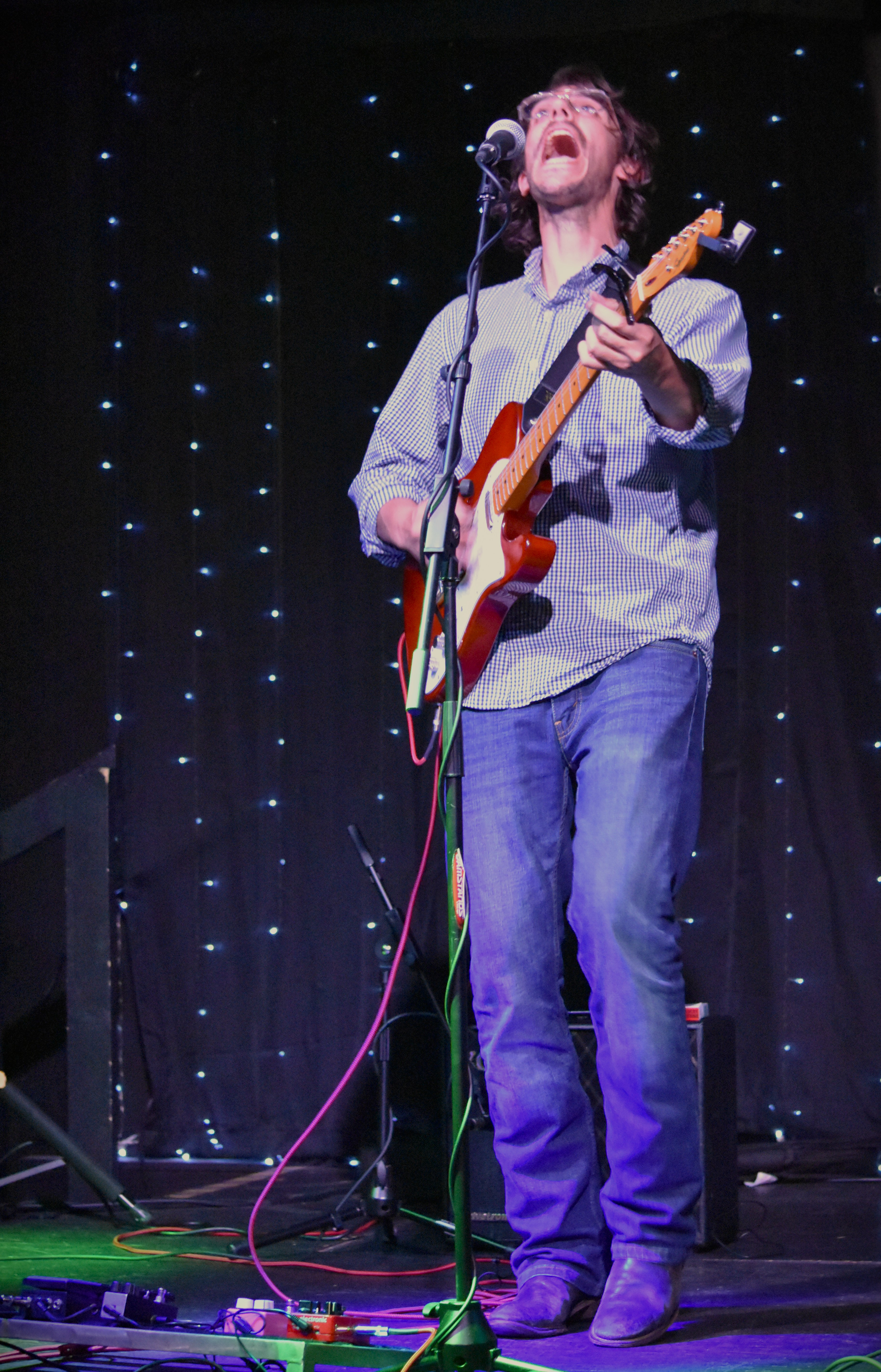
The Smug Brothers have cultivated a sound that’s refreshingly rebellious within the sonics of an indie rock attack — imagine Guided By Voices with a hint of R.E.M., a pinch of Swearing at Motorists at a lo-fi house on the corner. Tracks like “Pattern Caveat” and “Mistaken for Stars” are indie anthems, amplified by the band’s masterful use of distortion and reverb. Guitarists Kyle Melton and Scott Trimble churn out a jangle pattern riff after riff with an infectious intensity that keeps a loose enjoyment. Their synergy is evident, and they create a wall of sound that engulfs the listener.

The rhythm section, comprised of bassist Kyle Sowash and Dayton music legend, drummer Don Thrasher, is the heartbeat of the album. The band’s relentless energy is anchored by their solid groove, which is particularly prominent in tracks like “Mistaken for Stars,” “Let Me Know When It’s Yes,” “Since the First Time I Heard You Laugh” and “Sudden Berlin.” They are the backbone upon which the edifice of Smug Brothers’ sound stands. The percussion, in particular, jumps out on this record set against the chiming, shimmering guitar cadences over which Melton sings with restrained passion — always vulnerable, confident, and reflective.

While the Smug Brothers are unapologetically rocking out, there’s a depth to their music that elevates them above mere noise-makers. The band demonstrates significant emotional depth and nuance across the album’s 15 tracks. “An Age in an Instant,” a melancholic ballad, showcases the band’s ability to slow down and embrace vulnerability without a sneer or nod to fiction. Nothing is pretense, everything matters. The lyrics convey a sense of introspection and longing, accompanied by beautifully understated guitar work that allows Melton’s voice to take center stage. The song works because of the high-intensity songs that come before it, especially “Enceladus Lexicon.”

In The Book of Bad Ideas” is not just an album about decision-making whether it’s personal choices or the ideas of others. It’s also a meditation on the human condition. In tracks like “Nights in Other Worlds,” the band grapples with themes of regret and longing, painting a poignant picture of the emotional complexities of life. These introspective moments are the yin to the album’s shimmering yang.

One of the most captivating aspects of “In The Book of Bad Ideas” is how it manages to feel both contemporary and nostalgic simultaneously. It’s as if the band has dusted off classic rock’s blueprint and breathed new life into it. You can hear shades of influences from the likes of The Replacements, Guided By Voices, The Beatles, Swearing at Motorists, The Smiths, and even glimpses of the punk sensibility of The Clash. But Smug Brothers don’t merely replicate; they reinterpret, adding their own unique spin.

Paradise Farms” — the last song on the record — is a standout track that exemplifies this fusion of old and new. The song feels like an homage to rock ‘n’ roll itself lyrically and musically. The song serves as both a tribute and a mission statement. It’s an invitation to rediscover the pure, real, unfiltered spirit of rock music, and the Smug Brothers make a compelling case that the past informs and shapes the present but does not dominate new ideas.

In The Book of Bad Ideas” is not just a triumph of songwriting and performance but also of production. The album was expertly mixed by Melton, himself, whose experience as a prolific songwriter, guitarist, and singer allows him to bring a wealth of knowledge to the project. Melton has crafted a sonic landscape that’s powerful, vulnerable, and nuanced, allowing the subtleties of each instrument and Melton’s own vocals to shine brightly.

In The Book of Bad Ideas” is more than an album; it’s a musical odyssey. From the indie rock anthems to the introspective ballads, this record takes you on a rollercoaster ride of emotions. It’s an album that can accompany you during moments of rebellion and introspection, making it an ideal soundtrack for life’s myriad experiences. While Smug Brothers may not be a household name, their music is a testament to the enduring power of indie rock. “In The Book of Bad Ideas” is the culmination of their years of dedication and a reminder that sometimes, the most authentic and heartfelt music can be found off the beaten path.

In The Book of Bad Ideas” is a testament to the enduring spirit of rock ‘n’ roll. The Smug Brothers have crafted an album that’s equal parts rebellion and introspection, all while paying homage to the roots of the genre. This album isn’t just a collection of songs; it’s a powerful statement that demands to be heard.

In a world saturated with music that often feels manufactured, the Smug Brothers’ authenticity and passion shine through. Their willingness to embrace vulnerability and channel raw energy through a jangle-shimmering prism makes “In The Book of Bad Ideas” a remarkable achievement. So, take a journey with Smug Brothers and immerse yourself in their world. You won’t be disappointed. This album is, quite simply, the book of great ideas.

Matt Derda & The High Watts Unveil Raw Authenticity with “Only Have Lies for You” (Acoustic Version)

Matt Derda & The High Watts are no strangers to the realm of heartfelt, soul-baring music. With their acoustic rendition of “Only Have Lies for You,” this talented ensemble provides an intimate glimpse into an emotional world that we hide from ourselves. We want to believe we only tell the truth to people we love, but perhaps because the feelings are too much, too close to the surface that in the end, we only have lies to share. The acoustic version of this song stripped down to its bare essence, showcases a vulnerable side of the band that is as profound as it is hauntingly beautiful.

The original version of “Only Have Lies for You” was a passionate and fervent track from the band’s “You Didn’t Know?” record. That first take was replete with emotion for days. The song soared with electric guitars, roaring percussion, and intense vocal delivery. However, this acoustic rendition takes a complete 180-degree turn, exposing the delicate, emotional core of the song. Sometimes stripping away the fast-paced guitar-focused delivery changes a song profoundly.

From the first strum of the guitar strings, the listener is plunged into a musical space where sincerity and raw emotion rule supreme. This space is not an easy place to inhabit. The questions are all too real. They hang heavy with deliberate purpose. The harmonica and banjo add dimension. The acoustic version of “Only Have Lies for You” presents Matt Derda’s voice as the central instrument, and it’s a revelation. His vocals are more compelling than ever, bearing a weighty authenticity that resonates with anyone who has ever loved and lost. He does not force the words, they simply fall and that makes the vocal even more impactful.

The lyrics of “Only Have Lies for You” have always held an enigmatic quality, and in this acoustic rendition, they come to life with a heightened sense of poignancy. The words feel like confessions whispered in the darkest corners of the heart, unraveling a tale of deception, self-discovery, and the pain of a love that couldn’t survive its own secrets. Derda’s evocative storytelling ability is magnificently displayed as he weaves his narrative into a heart-wrenching tapestry. It is heartbreaking and we cannot look away, we cannot stop listening to this revealing, beautiful song.

The additional guitar, banjo, and drum work, courtesy of The High Watts, adds further depth and a sense of melancholy to the song. Each strum and chord progression serves to underline the lyrical themes of regret and longing. The instrumental arrangement is beautifully understated, allowing Derda’s voice to take the spotlight and carry the emotional weight of the song. The acoustic version showcases the band’s ability to adapt and embrace a different musical direction while preserving the essence of the original song.

As the song progresses, the synergy between Derda’s vocal delivery and the acoustic instrumentation becomes more pronounced. The restrained drumming, subtle bass lines, and supportive vocals build a gentle yet powerful foundation for the song, while the harmonies within the band add a layer of richness to the sonic landscape. The chorus backing vocals sound almost choral in texture.

A particularly poignant moment in the song is the bridge, where Derda sings, “But you drove me to this, ‘Cause I made a second guess and your wonder, if I miss… you.” His voice quivers with the weight of remorse, and the listener is left hanging on every word. This is where the power of the acoustic rendition lies; it allows the listener to fully immerse themselves in the raw and unfiltered emotions that “Only Have Lies for You” encapsulates.

The production of this acoustic version is exceptional. The recording captures the subtleties and nuances of the performance, from the slight scrape of fingers on guitar strings to the breathiness in Derda’s vocals. The acoustic version brings out the human element of the song, making it feel like a live performance in an intimate setting.

Matt Derda & The High Watts have managed to successfully reinvent their own song with this acoustic version of “Only Have Lies for You.” The vulnerability and authenticity they bring to the forefront are palpable and stirring, and they’ve managed to expose the song’s emotional core in a way that is sure to leave a lasting impact on their audience. This rendition is a testament to their versatility as musicians and their commitment to crafting meaningful, timeless music.

In a world filled with manufactured pop and superficial love songs, “Only Have Lies for You” (Acoustic Version) stands out as a beacon of unadulterated emotion. It’s a reminder that sometimes the most powerful music is born from pain and honesty. Matt Derda & The High Watts have created a masterpiece of acoustic storytelling, a piece of music that transcends the boundaries of genre and time, reminding us that true artistry always finds a way to reach the heart.

Desert Island Album: A Gritty and Poignant Journey Through the Heartland with Uncle Tupelo

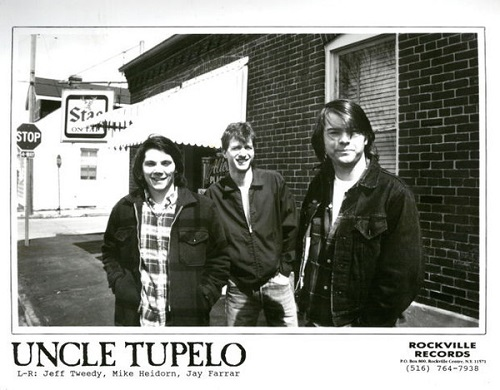
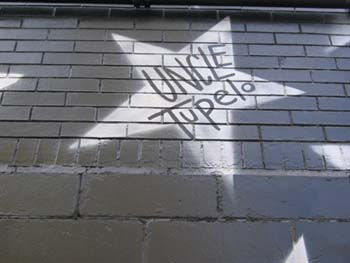
How often has someone asked what are your top ten albums in your record collection? Or how many of us have had one of those bar conversations where we are hypothetically trapped on a desert island with only ten records? A desert island album is meant to be a fun concept often discussed among music fans. It refers to an album that someone would choose to have with them if they were stranded on a desert island, again just hypothetically speaking — because no one is really trapped anywhere. An album in the desert island collection is considered a person’s absolute favorite, one they could listen to repeatedly and never tire of, making their isolation on the desert island more bearable, and more manageable until they are rescued. At least in my positive interpretation, there is a rescue. It’s essentially a way of asking someone to identify their all-time favorite or most cherished album. One of these perfect records, for Dr. J, is Uncle Tupelo’s sophomore effort, “Still Feel Gone.”

“Still Feel Gone,” is a raw and unapologetic exploration of the American heartland, capturing the essence of rural life with a blend of punk energy and alt-country sensibilities. Released in 1991, this album solidifies Uncle Tupelo’s place as pioneers of the burgeoning alternative country movement, paving the way for bands like Drive By Truckers, Calexico, Giant Sand, Whiskeytown, Lucero, Magnolia Electric Co., Kathleen Edwards, and far too many to mention, to follow. And, of course, the bands created in the wake of Jay Farrar and Jeff Tweedy’s breaking up of Uncle Tupelo, Wilco and Son Volt continue to mine the alt-country aesthetic in adventurous ways.

Uncle Tupelo were not the only alt-country band of that time, certainly The Old 97s, Lucinda Williams, Steve Earle, The Jayhawks, Cowboy Junkies, and Richard Buckner quickly come to mind, however the fusing of punk, folk, traditional music and country in authentic and personal lyrics within a melding of sonic forms that stayed true to a rock and roll aesthetic was unique.

The opening track, “Gun,” sets the tone for the entire album with its blistering guitars and rebellious lyrics. Jay Farrar and Jeff Tweedy’s distinctive voices, each with its own unique timbre, intertwine seamlessly throughout the record, creating a compelling dynamic. It’s a testament to their songwriting prowess that they can effortlessly switch from the hard-edged, punk-influenced sound of “Gun” to the melancholic and introspective “Looking for a Way Out.”

“Still Feel Gone” explores themes of isolation, longing, and disillusionment, often delivered through vivid storytelling drawn from relatable personal experiences. Songs like “True To Life”, “Discarded” “If That’s Alright” and “Fall Down Easy” paint pictures of a world where dreams have been deferred, and the protagonists are left grappling with the consequences of their choices. There is a profound difference in stopping yourself and being unable to grasp what has been denied you all the while knowing that you are missing something. The lyrics are poignant, introspective and poetic, reflecting the struggles of ordinary people trying to find their place in a changing world that does not look at all like what was promised.

The album’s musical diversity is one of its strengths. “Still Be Around” showcases the band’s ability to craft a memorable, melodic tune, while “D. Boon” pays tribute to the late, great guitarist from The Minutemen, a band that clearly influenced Uncle Tupelo’s punk leanings. Several songs broaden Uncle Tupelo’s palette incorporating more instrumentation than you find on a punk record.

Consistently the songs on “Still Feel Gone” carry a burden of working class life. And this accessibility to everyday experience without seeing it as precious but rather the hard fought requirements of making a living, however you can do that, is one of the many strengths of this record. This authentic lyrical approach cements a characteristic that comes to define the alt-country musical movement: testament to the incredible past music that continues to guide our steps as we think about why we are in the state of life we find ourselves and reinventing music to express the frustration, and occasional anger that brings, while staying true to emotions of the heart. Consistently the songs on ‘Still Feel Gone” have lyrics that feel like the band was writing about you or someone close to you that you wish you could help but nothing you try to do ever goes right.

One of the standout tracks on the album (and to be honest this is a record of ‘all killer, no filler’), for me, is “Watch Me Fall.” It’s a haunting and yet strangely bouncing tune that captures the essence of loneliness and despair with a clash of what feels like a counter-programming of melodic guitars, bouncy bass and damn near peppy percussion. Farrar and Tweedy’s vocals harmonize beautifully, creating a haunting and unforgettable listening experience that still puts a pep in your step. The song is not some simple “sad sack” depressive episode, it is the realization that maybe, just maybe you are going to fail because the house always wins:

Some folks find
that their role in life
is to fail
at everything they try

while other folks see
but not like me
There’s one thing
that they’re damn good at

Gather around you all
Come around and see
Those who stand tall
Why don’t you please, watch me fall

This mix of lyrics reflecting the economic challenges of life with music that feels like it is taking you in a completely different direction reaches a highpoint with “Punch Drunk.” The song’s lyrics explore the existential challenge of hard work and hard living while the driving rock and roll that instead of reaching a screeching guitars crescendo, fades out. The music reflecting the subject matter perfectly. But perhaps the best line on the album — among so many powerful lyrics — is when Jay Farrar sings:

“Tried to stay, tried to run
There’s never been enough reason
To believe in anyone
This trickle-down theory has left all these… pockets empty
and the bar clock says three A.M.
Fallout shelter sign above the door
In other words, don’t come here anymore

The production on “Still Feel Gone” is intentionally unpolished, giving the album an authentic, DIY feel that complements the raw emotions conveyed in the songs. Producer Sean Slade’s decision to capture the band’s live energy pays off, allowing Uncle Tupelo’s passion and intensity to shine through whether the song holds a punkish pacing and energy or a languid, slow movement.

While “Still Feel Gone” may not have achieved the same commercial success as some of their contemporaries, it remains a timeless and influential record in the alt-country genre. Uncle Tupelo’s ability to blend punk and country elements with introspective lyrics makes this album a compelling and enduring work of art that captures real truth without ever feeling forced or a songwriter’s exercise. Jay and Jeff sing about the working class not as an academic survey but because of their life history. “Still Feel Gone” is a testament to the band’s vision and talent that their music still resonates with listeners, inviting them to explore the heartland’s complexities through their distinctive sonic frame.

And for all of these reasons and perhaps more, it is one of Dr. J’s Desert Island records.

Max B. Greene on YTAA to Talk about the Bluesy Resurgence of the Cigar Box Guitar

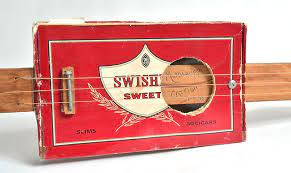
In the world of music, there are certain instruments that transcend their conventional roles, carrying with them the weight of history and the soul of a culture. Among these, the cigar box guitar has emerged as a true icon, steeped in bluesy mystique and a symbol of defiance against the conventional. This unassuming instrument, born from the ingenuity of impoverished musicians captured the essence of a genre so perfectly that it became emblematic of an entire musical movement. The electric guitar is undoubtedly one such instrument, carrying the weight of rock ‘n’ roll on its frets. Yet, nestled in the dusty corners of American musical heritage, there’s another instrument that’s been making a quiet but powerful comeback, breathing life into the roots of blues and folk music: the Cigar Box Guitar. This humble instrument, often crafted from repurposed materials like cigar boxes, reclaimed wood, and improvised hardware, has seen a resurgence in recent years, reviving the spirit of the Delta blues and capturing the imaginations of musicians and artisans alike.

The origins of the Cigar Box Guitar are as humble as the materials used to construct it. It traces its roots back to the mid-1800s when it first emerged in the American South. In those days, slaves and impoverished workers denied access to conventional musical instruments, turned to their resourcefulness. They pieced together these simple, resonant instruments from discarded cigar boxes, broomsticks, and whatever else was readily available. These creations, initially seen as products of necessity, soon became the voice of a generation. The sound of a Cigar Box Guitar wails with the sorrow of the Delta, echoing the hardships and hopes of its creators.

Fast forward to the early 20th century, and the Cigar Box Guitar found its place in the burgeoning blues scene. Musicians like Blind Willie Johnson, Lightnin’ Hopkins, and Hound Dog Taylor adopted these homemade instruments, which were often easier to obtain than store-bought alternatives. The raw, primal sound of the Cigar Box Guitar complemented the emotional intensity of the blues, resulting in a unique and unforgettable sonic experience. These instruments embodied the spirit of the working-class bluesmen, using whatever they had to create music that would resonate through the ages.

However, as the decades rolled on and mass-produced instruments flooded the market, the Cigar Box Guitar faded into obscurity. The folk and blues revival of the 1960s briefly brought it back into the spotlight, but it never regained the prominence it once had. That is, until the 21st century, when a new generation of musicians and artisans rediscovered the magic of these humble instruments, sparking a Cigar Box Guitar renaissance.

The revival of the Cigar Box Guitar can be attributed to a confluence of factors. First and foremost, there was a growing desire among musicians to break away from the homogenized sound of mass-produced instruments and return to a more authentic, raw, and grassroots approach to music-making. In an era dominated by digital technology and auto-tuned perfection, the Cigar Box Guitar stands as a symbol of authenticity, imperfections, and individuality.

Another catalyst for this resurgence was the DIY (do-it-yourself) movements that have periodically swept through the musical world. Musicians and hobbyists began building their own Cigar Box Guitars, drawing inspiration from the past while infusing their creations with modern design sensibilities. The internet played a crucial role in connecting like-minded enthusiasts, enabling them to share knowledge, tutorials, and resources for building and playing these unique instruments. This newfound sense of community further fueled the Cigar Box Guitar revival.

This revival was not limited to just musicians. Artisans and craftsmen embraced the Cigar Box Guitar as a canvas for their creativity. These instruments became works of art, adorned with intricate designs, and crafted with meticulous attention to detail. Luthiers experimented with different materials and techniques, pushing the boundaries of what a Cigar Box Guitar could be. The intersection of craftsmanship and music gave rise to a subculture of Cigar Box Guitar enthusiasts, turning these instruments into coveted collector’s items.

One of the most significant factors contributing to the resurgence of the Cigar Box Guitar was its role in the modern blues and roots music scene. Musicians like Ben Harper, Seasick Steve, Samanta Fish, and Jack White began incorporating Cigar Box Guitars into their performances and recordings, introducing a new generation of listeners to the instrument’s unique and evocative sound. These artists breathed fresh life into the blues tradition, using Cigar Box Guitars to connect with the genre’s deep roots while adding their own contemporary twists.

Moreover, Cigar Box Guitar festivals and gatherings started popping up across the country, providing a platform for enthusiasts to showcase their creations and talents. These events brought together musicians, luthiers, and fans, fostering a sense of camaraderie and celebration of the instrument’s rich history. The Cigar Box Guitar had officially made its comeback and was here to stay.

The resurgence of the Cigar Box Guitar has not only been a revival of a musical instrument but also a revival of a rich cultural and artistic tradition. It’s a testament to the enduring power of music to transcend time and place, to connect people across generations, and to keep the spirit of the blues alive.

Today, Cigar Box Guitars come in various shapes and sizes, from the traditional three-string models to more experimental creations with multiple strings and complex electronics. Some are adorned with intricate artwork, while others retain the rustic charm of their predecessors. What unites them all is the unmistakable sound that harks back to the origins of the blues—a sound that carries the weight of history and the soul of the Delta.

As the Cigar Box Guitar resurgence continues to gain momentum, it serves as a reminder of the enduring appeal of handmade, authentic music. It’s a tribute to the resourcefulness of those who, in times of hardship, crafted beauty from the simplest of materials. It’s a celebration of the blues, a genre born from pain but tempered with resilience and hope.

In an age where the music industry is often dominated by commercialism and conformity, the Cigar Box Guitar resurgence is a rebellious and refreshing movement. It reminds us that music is not just a product to be consumed but a living, breathing art form that can be reinvented, reimagined, and reclaimed by anyone with a passion for its power.

As the Cigar Box Guitar takes center stage once again, it beckons us to rediscover the roots of American music, honor the legacy of those who played it in the past, and to carry forward the torch of creativity and authenticity. In the hands of a new generation of musicians and artisans, the Cigar Box Guitar is not just an instrument; it’s a testament to the enduring spirit of the blues and a symbol of the boundless possibilities that can arise from the simplest of beginnings.

So, as you listen to the hauntingly beautiful strains of a Cigar Box Guitar, remember that it’s more than just an instrument; it’s a living piece of history, a testament to the enduring power of music, and a reminder that sometimes, the most extraordinary things can emerge from the most ordinary of materials. The Cigar Box Guitar resurgence is a testament to the timeless allure of handmade music, and it’s a revival that’s here to stay, carrying the spirit of the blues into a new era.

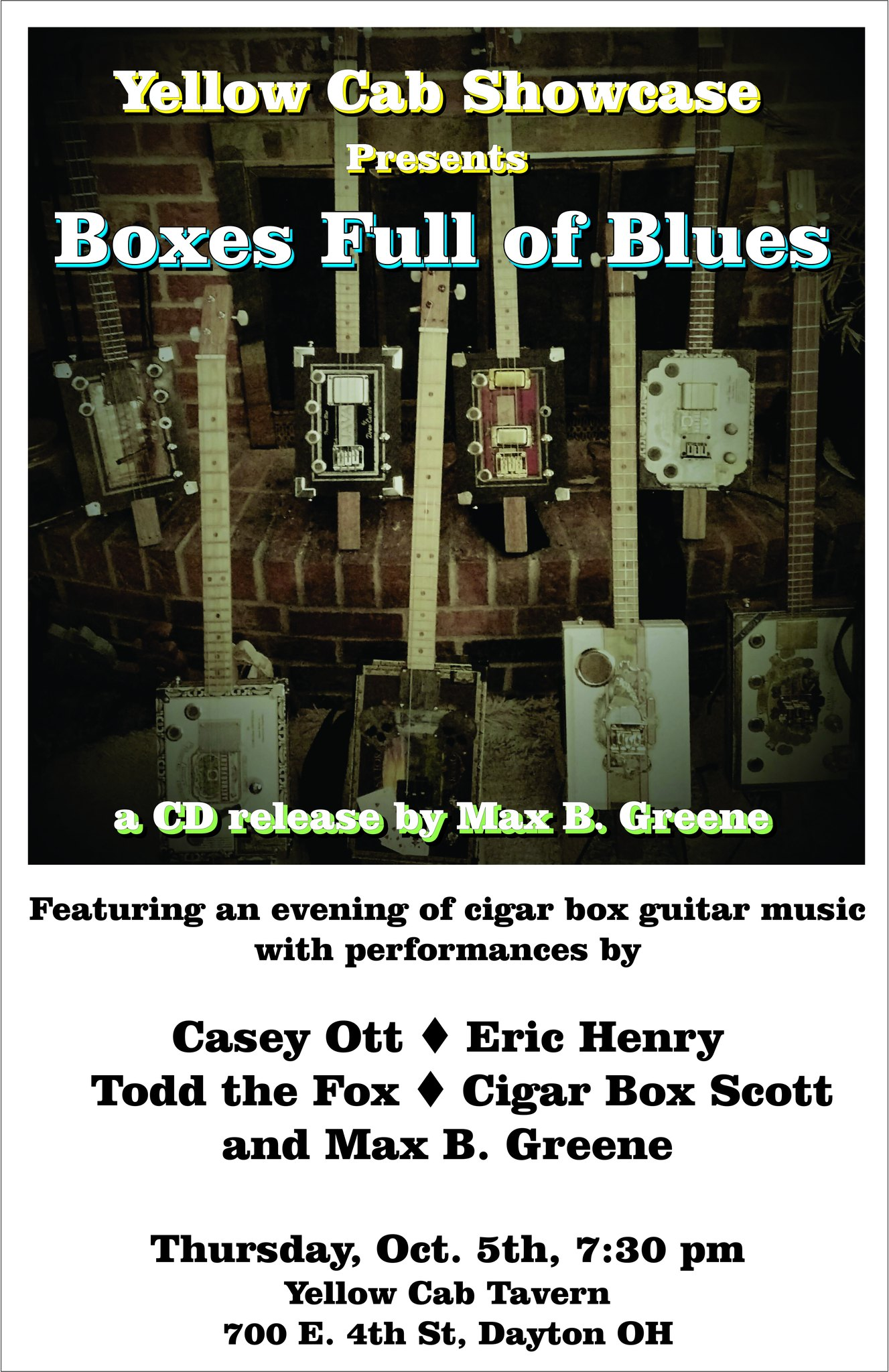
Dayton musician Max B. Greene has a new collection of blues music recorded on 3-string cigar box guitars that he is celebrating on Thursday, October 5th alongside guitarists Casey Ott, Eric Henry, Todd the Fox, and Cigar Box Scott. Max will be bringing in one of his guitars and playing a couple tunes on a cigar box guitar, as well as discussing the cigar box guitar phenomenon sweeping the country.

Grooving to the Beat of ‘Your Tuesday Afternoon Alternative’: The 19-Year Sonic Odyssey of a Radio DJ

Nineteen years feels like a long time to do anything. Why do a radio show when no one may be listening?

Let me tell you, being a radio DJ isn’t just a gig; it’s a cosmic voyage into the heart of musical expression and requires more endurance than you think. Just the other day, someone came up to me with ‘Hey, you’re that weird DJ guy!’ To which I answered, ‘Yup.’ And then they said, “Why do a show when you know no one is listening!” And, I stopped short, wondered about whether they were right, and then came to the conclusion that as long as one person finds comfort, as long as one person finds a song that speaks to them – then it matters. We are a community. We stand strong in the face of a destructive tide of avoidance and ignorance of new music. And that’s why I am who I am, standing behind the microphone every Tuesday afternoon, steering the ship that is ‘Your Tuesday Afternoon Alternative.’

If I were to condense 19 years of my life into a single, rhythmic heartbeat, it would be the pulsating cadence of a radio wave, broadcasting stories, music, and dreams to an invisible audience. My journey through college radio has been a dance with the ether, a passionate affair with sound, and a canvas for my creative expression. I invite you to join me on a nostalgic journey through the tapestry of my radio experience.

The Birth of an Odyssey

As the crackling needle touched vinyl for the first time in 1983, I found myself immersed in a world that was both electrifying and liberating. I began doing radio to work on improving my stutter but I also wanted to know more about music. I wanted to comb through the vinyl collection and find records that I had read about but never had the chance to hear. I was hungry for music old and new. College radio at the University of Minnesota was not just a hobby; it was a calling. Like music journalist David Marsh dissecting the nuances of rock lyrics, I dissected the frequencies and wavelengths that carried the voices of generations before me while anxiously awaiting the new music that was to come.

My first show, Radio Artifacts, was from 1983 to 1984 where I truly learned about indie music, Minnesota-based bands, and in so many ways the future of music through bands like R.E.M., Hüsker Dü, The Smiths, U2, The Replacements, The Cure, The Connells, and The Clash. From 1984 to 1988, a new show focused on alternative and college music and the art of music making, the poorly named ‘Art for Artsake’ that was both a play on my first name and — at least to me — a reflection of the mission of the show. During graduate school from 1988 to 1993, I was involved with Bowling Green State Universities’ WBGU where I had a succession of shows whose names were lost to reflections and glimpses of memory. After grad school, I dabbled in radio at WMUB in Oxford, Ohio from 1995 to 2000. For four years I had an itch I could not scratch.

The love of indie and alternative music was something that stayed with me even without a show. But eventually, that itch became unbearable and I started a show “The School of Rock with Dr. J” in 2004 at The University of Dayton’s WUDR. Modeled in some ways on the Jack Black movie — yeah I know: Cue the eye roll. TSOR was an almost didactic approach, I played music that mattered to me and explored current indie, local, and Dayton music. I explored how current unknown and undiscovered music was connected to the music of the past. Several shows explored how The Byrds – The Flying Burrito Brothers – The Eagles – Jason and the Scorchers – Cowpunk – Uncle Tupelo – Son Volt and Wilco were all connected. The airwaves were my playground from which I discovered the richness of independent, alternative, and college music.

During these various shows, I interviewed indie artists and underground bands. College radio was not just about the music; it was about the stories behind the notes. The vibrant community of DJs, producers, and listeners was a testament to the power of shared passion. Just like Dave Marsh in his work united rock aficionados, we united lovers of alternative sounds, forging connections beyond the frequencies.

Nineteen years is a long time to do anything, and within the span of my radio experiences, I have witnessed the tectonic shifts in the audio and radio landscape. College radio stations evolved from humble FM stations to digital juggernauts streaming across the globe. Writers and journalists have chronicled the evolution of rock music, and I chronicled the evolution of radio itself in the changes in my own practice. The use of digital tools has made so much of the “doing of radio” the clicks of buttons and the dragging of files. Many tasks that once involved carts and tape or vinyl were replaced with CDs which in turn were replaced themselves with digital files. The advent of the internet brought a new dawn, expanding our reach but also challenging our authenticity. Is radio still real in the digital age? In an era of Spotify, does radio still matter when you can listen to what you want, when you want, and do it all in the palm of your hand? Why do a radio show when no one might be listening?

The Sonic Shaman

You see, being a radio DJ is more than just “spinning tracks,” It’s more than just “playing music.” It is far more than just clicking a button and dragging a cursor across the soft glow of a computer screen. It’s about conjuring emotions and weaving stories through sound. When I join with the airwaves and internet signals, I am driven by faith in the power of new music. The beauty and the lifeblood of local music call to me. Maybe all of this is some strange and unchangeable part of being a “music evangelist.” Perhaps one becomes a sonic shaman of sorts, guiding listeners through the labyrinthine tapestry of music. Every tune I play carries a piece of my soul, and when those frequencies hit your ears, they transcend mere notes and rhythms. It’s a trip through time and space seeking the person who feels alone with a simple message that they are not disconnected, they matter and the community is better for their contributions.

The Rebel Cry

Lester Bangs, one of the quintessential American rock critics, taught us that music is the language of rebellion. And that’s precisely what I aim to channel with ‘Your Tuesday Afternoon Alternative.’ It’s a rebellion against the mundane, against the homogenized playlists of corporate radio. in my vision of myself, I am like the underground guerrilla fighter, battling the forces of mediocrity with a vinyl arsenal of sonic revolutionaries. Each song I play is a battle cry, a defiant scream against the mainstream. Or at least, that is probably what I really want to believe because, you know, 19 years is a long time.

The Community Connection

Radio is a lifeline to the community, a bridge between disparate souls. ‘Your Tuesday Afternoon Alternative’ is not just a show; it’s a lifeline for misfits, dreamers, and music lovers who still hang tight to the idea that music matters. I’m not just playing records; I’m forging connections. I’m the curator of a sonic underground, bringing people together through the magic of music. When that listener calls in to request a song, it’s more than a request; it’s a statement that says, “I’m part of this, too.” Those moments of connection are more important now than ever before. We need that musical validation: “Look, we are here and the music that speaks to us matters.”

The Quest for Obscurity

Lester Bangs was all about the obscure, the unknown, the raw. I share that passion. My show isn’t about chart-toppers or Billboard hits; it’s about the hidden gems, the indie bands struggling for recognition, the perfect voice that chills us while holding us close and telling us that everything is going to be alright. YTAA is about the beautiful unknowns, the forgotten tracks that deserve a second chance, and the great new songs that need to be heard. I think of myself as a musical archaeologist, digging through archives, near and far, and unearthing sonic treasures. It’s about unearthing the lost voices and forgotten riffs that deserve a place in the sun.

The Journey Continues

So why am I a radio DJ with ‘Your Tuesday Afternoon Alternative’? Why continue to be a DJ even if no one is listening? Because it’s not just a job; it’s a calling, a mission, a cosmic journey through the soundscape of the human experience. It’s a rebellion, a lifeline, and a quest for the obscure. It’s about community, connection, and the never-ending search for that perfect riff, that perfect groove, that unbelievable hit of the drum, that chilling voice that makes you catch your breath. It’s about the song that you cannot forget, no matter how hard you may try. It’s about the perfect lyric that shows you that you are not alone in feeling the way that you do.

Today, as I look back on 19 years of college/indie/alternative radio with YTAA, I see the echoes of countless voices, the resonance of music that touched souls, and the indelible mark it left on my life. David Marsh once wrote, “Rock and roll is an attitude, it’s not a musical form of a strict sort. It’s a way of doing things, of approaching things.” College radio, in my world, was — and is — that attitude – a way of doing things that transcended the mere act of broadcasting. So, yeah, it’s more than pushing a button and just playing a song. I would like to believe that it matters, and if it has meant something to just one person somewhere, anywhere then it was absolutely worth it for me.

Hopefully, this essay has helped chronicle my lifelong journey with college/indie radio – a journey that echoed the rhythms of my heart, shaped my identity, and allowed me to be a storyteller in a world of sound. Just as the radio DJs, Music writers, and journalists of the past contributed words that continue to resonate with music enthusiasts, the memories and experiences of 19 years on the airwaves/internet will forever resonate within me, a testament to the enduring power of radio and the magic of its transmission through time and space.

In the spirit of Lester Bangs, I’ll keep cranking up the volume, diving deep into the musical abyss, and taking you along for the ride. Because ‘Your Tuesday Afternoon Alternative’ is not just a show; it’s an alternative reality, a refuge for the sonic explorers, and a testament to the power of music to change our lives. So, tune in, turn it up, and let’s keep this cosmic journey rolling for as long as we are able to do so.

Revisiting Tim: A Personal Journey Through The Replacements’ Iconic Album

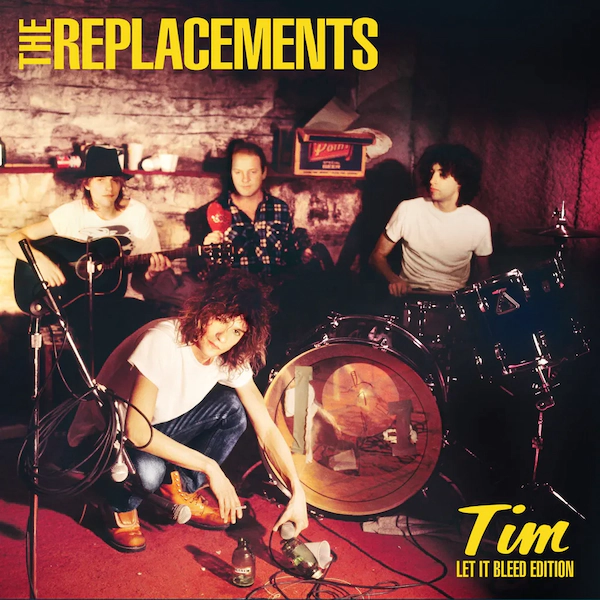
As we celebrate the Ed Stasium remix of The Replacements album ‘Tim‘, we thought gathering other music lovers’ thoughts would be a great way to stop and consider the impact of this record. Our first ‘Revisit’ comes from our friend, Jim Doherty known as DJ Calc on WRKC Radio Kings College in Wilkes-Barre, Pennsylvania.

One of the joys of parenting my children as they move through their teen years has been re-engaging with music I have loved and falling in love with records all over again. This has happened a number of times when I manage to convert my kids into being fans of music that matters to me. Sometimes, however, falling in love all over again does not involve my kids. Sometimes it is just me and an album I thought I knew.

One band that I have not converted my kids, or my wife, to is The Replacements. In some ways, I see this as a failure of parenting. In some ways, though, this means that I get to lose myself in Paul Westerberg’s world without sharing that with anyone else in my house. Twice now in the past three years, I have fallen head over heels in love with a Replacements album that has already been part of my life for decades. A couple of years ago it was the Matt Wallace remix of Don’t Tell a Soul. This week, it is the Ed Stasium remix of Tim.

I started working at a record store in my college town in 1984 and one of the slew of miraculous albums that came out then was Let it Be. That album began a lifelong love affair with The Replacements. When Tim, their major label debut, came out in 1985 I was predisposed to love it and love it I have for decades now. But that love was always tempered a bit by the sort of soggy sound of the record. Tommy Stinson and Chris Mars, a dynamite rhythm section that roared on the earlier records by the band seemed neutered on this album. The guitars did not ring with the same power I was used to from the ‘Mats. It was easy to blame this on the record being their major label debut and the finger generally got pointed at the corporate label that wanted to tame the band. As with most stories, this was way too simple a reading of the situation.

Listening to this new remix almost feels like I am listening to some lost chapter of the band. The rhythm section kicks, and there is space for the guitars to ring, especially Bob Stinson who is still somewhat of a ghost on this album. The outro to ‘Little Mascara’ is a revelation. Westerberg’s voice – especially on ‘Little Mascara’ and ‘Here Comes a Regular’ – is just heartbreaking in its emotional depth. For a person whose public character was that of a person who could not be bothered to care (a favorite lyric of his is “One foot in the door, the other foot in the gutter. The sweet smell that you adore, yeah I think I’d rather smother”) it is sure clear in his singing here that he is deeply invested in these songs and in the characters being portrayed.

You can hear Jim’s radio programs on Mixcloud

Video of The Day: Cold Expectations – Trench Coats

Cold Expectations is a dark, jangle-pop band from Boston MA. Formed in 2016, Steve Prygoda (guitar, synth, and vocals) and JoEllen Saunders Yannis (bass, vocals) have shapeshifted the band’s sound over the years, creating 21st-century pop songs that borrow from the post-punk and new wave past. Mike Demers (Winter Project/Krebstar) fills out the band with incredibly poppy driving rhythms.

The song is Cold Expectations’ anthem to the weirdo art punks feeling isolated, misunderstood, and completely alone. Who knew there were so many of us that felt that way growing up? Our armor from the mundane, conformist world was leather jackets, trench coats, army boots, furious hair, and ferocious mixtapes, the weirder the better. 

For the video, the band crept around the recently emptied Sound Museum rehearsal rooms on the move-out day as the venerable rehearsal space was closing, with JoEllen’s teen skateboarding through the hallway sporting a vintage “Sound Museum” tee. The frantic and energized vision for the video was brought to its glorious conclusion by ace videographer Allison Tanenhaus, who also produced the band’s “Two Blueberries” and “In the Padlocked Night” videos.

Matt Moran & The Palominos in Dayton!

This past Tuesday it was a real pleasure to have Matt Moran, Dan Moran, Jonas Walker, and James Gedda in the YTAA studio and then have the opportunity to go to The Hidden Gem Music Club and see them play a fantastic show. The concert was ably opened by James Gedda. His baritone and alt-country swagger reminds a listener of Dave Alvin crossed with Darius Rucker with just a pinch of Sturgill Simpson. Gedda’s humor and authentic sensibility set the perfect mood for the night. Give a listen to his excellent music!

Then Matt Moran & The Palominos kicked the night into the stratosphere! An incredible set of songs that featured tunes from Matt Moran’s excellent Heartache Kid and Heartache Kid Acoustic records. The band was tighter than a fused bolt. Across a sonic theater that included a high-energy cover of ‘Atlantic City,’ the band barrelled like a runaway train going downhill. To say that the band demonstrated the kind of chemistry that a group would sell their soul to possess is an understatement.

The harmonies between Matt and Dan Moran had that blood harmony that is only held by brothers who not only grew up together but know where all the bodies are buried and hold the secrets of one another close to their hearts. Speaking of Dan Moran, his bass runs were impressive and yet never overwhelmed the songs. If bass is the secret weapon in music, then Dan is the guard of the armory.

I would be remiss if I did not mention the incredible work behind the drum kit. Jonas Walker added the right amount of percussion, fills, and sways to every song regardless of the tempo. His enthusiasm was infectious while bobbing his head, smiling, and adding the occasional yelp and scream but only when it added spice to the song.

Matt’s voice is an all too rare gift. Even when he is singing a song written about characters he created from his fertile imagination about a restaurant that he regularly drove by but could not go in because the reality might not match the story written in one’s mind – ‘Break Her Heart‘ – you would swear that he was singing about a heartbreak that he could only have experienced himself to be able to draw upon such emotion.

If you are unfamiliar with Matt Moran & The Palominos, then you have some musical homework. Don’t worry, you are going to love it. Matt is on Twitter, Instagram, Facebook, and Bandcamp. Plus his own site.

Pride Rocks!

There is a real challenge in our community that is all too often ignored. According to recent research, suicide is the second leading cause of death among young people aged 10 to 24. Lesbian, gay, bisexual, transgender, queer, and questioning youth (LGBTQ+) are significantly at increased risk. LGBTQ+ youth are more than four times as likely to attempt suicide than their peers.

The National Conference for Community & Justice of Greater Dayton (NCCJ) is organizing a fantastic event on May 13, 2023, to raise public awareness of these issues and create a welcoming and supportive space for all members of our community. The event is called Pride Rocks! and it will bring people together over food, music, friendship, and more.

This event includes music, community participation and involvement, and healthy ways to educate one another on suicide prevention. In partnership with the Dayton Metro Library, Equitas Health, the Hope Collective Church, Mental Health and Recovery Board of Clark, Champaign, and Green Counties in Ohio, Montgomery County ADAMHS, and Ohio Naturally, the NCCJ is creating a free and open public event to build solidarity and health in the Dayton region.

You can learn more about Pride Rocks! by reaching out to NCCJ Dayton at info@nccjgreaterdayton.org or calling 937-222-6225 to request information

Bottlecap Mountain is on the show today!

One of Dr. J’s favorite bands, Bottlecap Mountain, will be in Dayton on Tuesday, March 28, 2023, and that is a cause for celebration.

After a visit to Your Tuesday Afternoon Alternative for an interview and some live acoustic songs during our second hour they will play a set at Blind Bob’s in Dayton tonight!

Imagine a great indie pop rock band with a side of funk and a Replacements meet Uncle Tupelo vibe. This is a band that has no problem stepping into various genres and styles — Folk, Indie, Americana, Rock, or even Power Pop — with a sense of humor and sly social commentary served with a side of melody.

Do not let the band’s playfulness disguise the lyrically rich storytelling and musicianship that they can demonstrate in a single song like ‘Canoe’ or ‘Dream On, Come On’. The bass lines, keyboard, and slashing guitar on ‘AstralFunk’ show how the band can make a slinky funky tune that will carry you along. “Resurrection Blues’ has a powerful pull that recalls Folk and Americana at their most urgent. And this band rocks! ‘My Little Demon’ is an honestly heavy, bluesy confection that urges all of us to soulful reflection.

Their latest album is a well-made affair while keeping a whimsical look at the subjects of everyday life. They are tight, and not afraid of crunchy guitars, bubbly bass, and a keyboard foundation which is a real pleasure. In fact, one of the strengths of the band is the ability to move from quiet to loud or vice versa without being jarring or precious. The vocals on the record are nothing short of perfect. This is a record to be played loudly and often.

Come see the Austin, Texas quartet play songs from their sixth album ‘O! Fantastik Melancholy’ at Blind Bob’s tonight!

Today on YTAA

Tuesdays are our favorite days! Radio day!

Tons of new music. Some indie classics. We love radio day. Today we are spotlighting music from Nicholas Johnson, Kim Ware, Bottlecap Mountain, and Nick Kizirnis!

The set list includes songs from our good pal Nicholas Johnson, High on Stress (from Minneapolis, MN), Kim Ware, Librarians with Hickeys (Ohio by way of Big Stir Records), BAILEN, ODESZA, Panic Pocket, Connections (from Columbus, Ohio), POPSICKO (seriously Big Stir records roster is an impressive lineup of great indie powerpop), Iguana Death Cult, Unkown Mortal Orchestra, ALIENS, The Band of Heathens, Bottlecap Mountain, James, Genevieve Artadi, The Speedways, The 1984 Draft (Dayton, Ohio), M83, The Housemartins, Daughter, Nick Kizirnis (Dayton, Ohio), Phoenix, Beach Bunny, The Connells, Greg Dulli, Achilles Tenderloin, Steady Holiday, Let’s Active, Nicole Yun, The Tisburys and The Replacements.

We will be chatting about some exciting shows on the horizon from Nicholas Johnson, The Pinkerton Raid, Age Nowhere, Bottlecap Mountain, and more happening in our hometown of Dayton, Ohio.

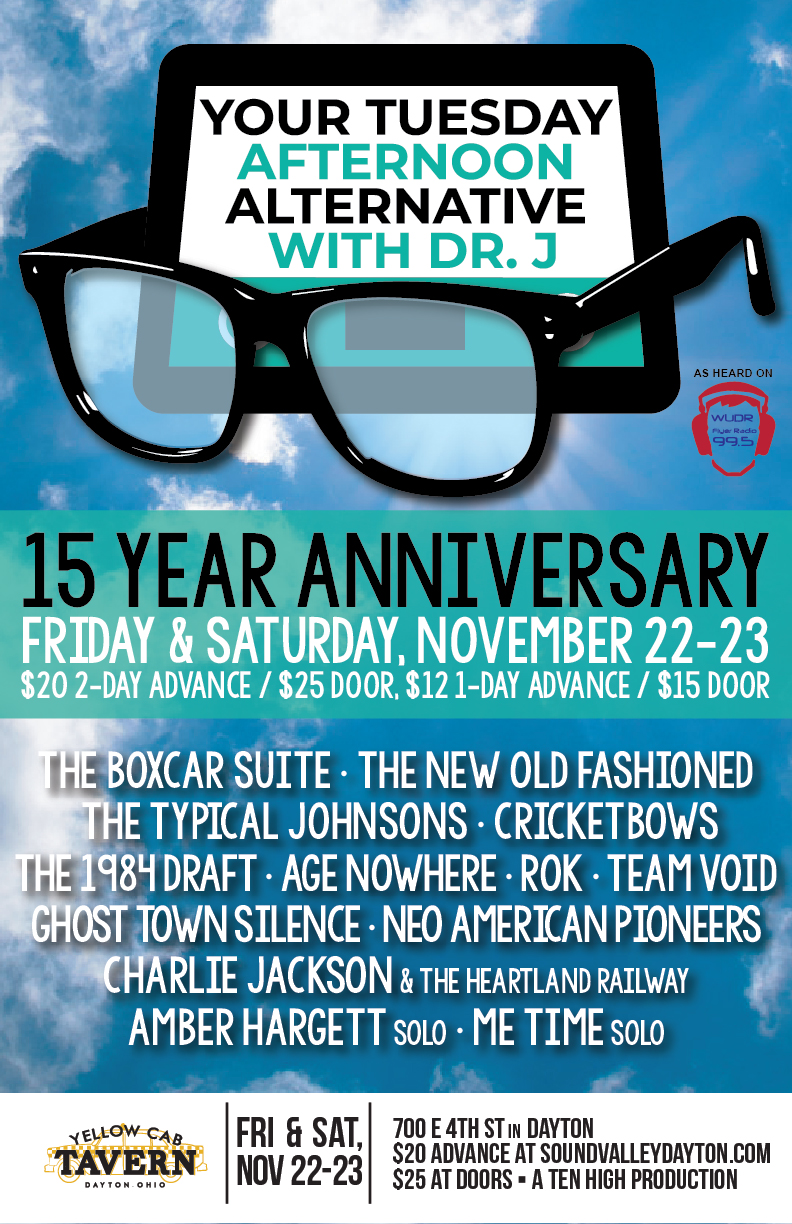
Listen along from 3-6pm on WUDR Flyer Radio

Did you know?

Your Tuesday Afternoon Alternative used to be called ‘School of Rock w/ Dr. J’? True story. The program was an outgrowth of classes that Dr. J taught at the University of Dayton on the sociology of popular music, popular music in society, and the history of popular music in the United States. This began in November of 2004 and lasted for a few years until the program was retooled to focus on indie, local, and Dayton, Ohio music and the talented Mrs. Dr. J became a regular part of the program. By 2010, the focus of the show had changed.

Then the program was re-named ‘Your Tuesday Afternoon Alternative’ and featured Dr. J and Mrs. Dr. J (we are truly a married couple) and we did the program together for a few years. Of course, it is important to note that Mrs. Dr. J was making significant contributions to the program behind the scenes. During that time we even featured segments that focused on different ideas near and dear to her heart — ‘Mrs. Dr. J’s Dance Party,’ ‘Dayton Concert Calendar’, and ‘Favorite Song of the Week.’

The School of Rock program was an extension of those classes where Dr. J would investigate a particular song, album, or artist and explore where that sound came from in the classroom. Who influenced a sound that is popular today? Where did that approach originate? These segments — often taking over an hour of the show were efforts to draw clear lineage for music that we played on the show. But no one likes a preachy college professor discussing lines of influence every week. And the show organically moved toward an interest in the amazing music scene in Dayton, Ohio specifically, and the American Midwest more generally. This combined with an interest in alternative, independent, and new and local music.

One of our first programs drew a line from traditional music to folk music to Hank Williams and early country, Appalachian, and bluegrass music to The Byrds (especially Sweetheart of the Rodeo) and Graham Parsons and The Flying Burrito Brothers to The Eagles (who shared a founding member Bernie Leadon) to modern bluegrass and newgrass (notably Sam Bush, Bela Fleck) and alt-country of the Avett Brothers, Whiskeytown, and Uncle Tupelo (a big favorite of ours). These and other bands drew from all of the music that they loved in their formative years — Rockability, Juke Joint, Rock ‘n’ Roll, Punk Rock, Country, Americana, and Folk music among other influences.

While the program no longer explores a single thread of an idea and expanded from a two-hour program to a three-hour show so that there would be time to conduct interviews with bands, artists, and creatives, the interest in finding time to reflect deeply on music is a passion that still drives the radio show today.

YTAA was once the School of Rock w/ Dr. J