Transmissions Never Stopped

In music certain bands emerge as pioneers, shapers of sound, catalyzing a moment in time that resonates beside them and long after. Influential bands become vanguards of a movement, keepers of a feeling that is always felt, something captivating and special. Brainiac, hailing from Dayton, Ohio, is one such band. Despite their brief existence in the 1990s, their sonic experimentation, genre-blurring compositions, and electrifying live performances continue to reverberate through the sweep of the music industry. Their music and their story equal parts exciting and tragic, leaving an indelible mark on subsequent generations of artists, fans, and music writers. In celebration of Justin Vellucci’s new book about the band and before posting a conversation we had about the book and the band, I wanted to take some time and consider the continuing relevance of Brainiac. It is worth exploring their innovative approach to music, their impact on subsequent genres, connection to the hometown that we share, and their enduring influence on contemporary music culture.

Brainiac’s journey began in the fertile underground music scene of Dayton, Ohio, in the late 1980s. Formed in 1992 by vocalist, guitarist, and keyboardist Tim Taylor, guitarist Michelle Bodine, bassist Juan Monasterio, and drummer Tyler Trent, Brainiac quickly gained attention for their unconventional blend of punk, new wave, rock, funk and electronic elements. Drawing inspiration from diverse influences such as Devo, Kraftwerk, Pere Ubu, The Breeders, Dayton’s Funk music legends, and Sonic Youth, Brainiac forged a distinctive sonic identity characterized by angular riffs, frenetic rhythms, and Taylor’s enigmatic vocals. Although Bodine left the band and was replaced by guitarist John Schmersal in 1993, her adventurous guitar style contributed significantly to the band’s early development.

Part of what makes Brainiac so unique is a fearless sonic deconstruction and reassembly. The courage to take songs apart and rebuild them in unexpected ways is a characteristic of everything the band ever created. At the heart of Brainiac’s music lies a spirit of willful experimentation and yearning for innovation. Their albums, including “Smack Bunny Baby” (1993), “Bonsai Superstar” (1994), “Hissing Prigs in Static Couture” (1996), showcase a complete and remarkable fearless willingness to push the boundaries of conventional rock music. Tracks like “Vincent Come On Down” and “Hot Seat Can’t Sit Down” bristle with manic energy, driven by Trent’s propulsive drumming and Monasterio’s solid bass, and across all of it is the sound of zigzagging jagged guitar lines. Keyboards and synth puncturing the rhythm taking the music in different directions. Meanwhile, Taylor’s lyrics, often oblique and surreal, add an additional layer of intrigue to Brainiac’s sonic tapestry. Sometimes bands write lyrics as if they are members of a secret club full of clues apropos of nothing and everything.

“Hissing Prigs in Static Couture,” the seminal album by Brainiac, stands as a testament to the band’s unparalleled creativity and sonic innovation. Released in 1996, it represents the apex of Brainiac’s artistic vision, encapsulating their unique blend of punk, new wave, and electronic influences. From the frenetic opener to the haunting closer “I am a Cracked Machine,” the album takes listeners on a wild, electrifying journey through a sonic landscape unlike any other.

At the heart of “Hissing Prigs in Static Couture” lies Brainiac’s fearless experimentation. Tracks like “Pussyfootin'” and “Strung” showcase the band’s ability to seamlessly meld abrasive guitars, pulsating synths, and infectious hooks, creating a sound that is simultaneously chaotic, melodic, and hypnotic. Meanwhile, Tim Taylor’s enigmatic vocals, veering from manic yelps to eerie whispers, add an extra layer of intrigue to the proceedings.

Decades after its release, “Hissing Prigs in Static Couture” remains a touchstone for fans of alternative and experimental music. Its influence can be heard in the work of countless artists, attesting to Brainiac’s enduring legacy as sonic pioneers. With its boundary-pushing compositions and electrifying energy, this album cements Brainiac’s status as one of the most innovative bands of the 1990s. Brainiac’s sonic adventurousness and take no prisoners approach laid the groundwork for numerous subsequent genres and musical movements. Their incorporation of electronic elements foreshadowed the rise of electronic rock and indie electronic music in the late 1990s and early 2000s. Bands like The Faint and LCD Soundsystem cite Brainiac as a formative influence, recognizing their pioneering role in bridging the gap between rock and electronic music.

Despite their tragically short-lived career—cut short by Taylor’s untimely death in 1997—Brainiac’s legacy endures. Their influence can be heard in the work of contemporary artists across a range of genres, from experimental rock to synth-pop. Moreover, Brainiac’s DIY ethos and fierce independence continue to inspire aspiring musicians and bands, serving as a reminder of the transformative power of artistic vision and uncompromising creativity. DIY is more than a slogan in the hands of bands making music that invades the consciousness and the musical bloodstream of fans.

Brainiac remains a singular force in the history of alternative and indie music, their legacy burnished by their fearless experimentation, genre-defying compositions, and electrifying live performances. More than two decades after their dissolution, their music continues to captivate and inspire, reminding us of the enduring power of sonic innovation and artistic vision. The recent reunion shows demonstrate the continuing hunger of music fans for this music and artistic vision. As long as there are musicians willing to push the boundaries of creativity and challenge the seemingly impenetrable music status quo, Brainiac’s influence will endure, ensuring their place in the pantheon of musical revolutionaries for generations to come.

‘Every Moment’ Does Not Wait

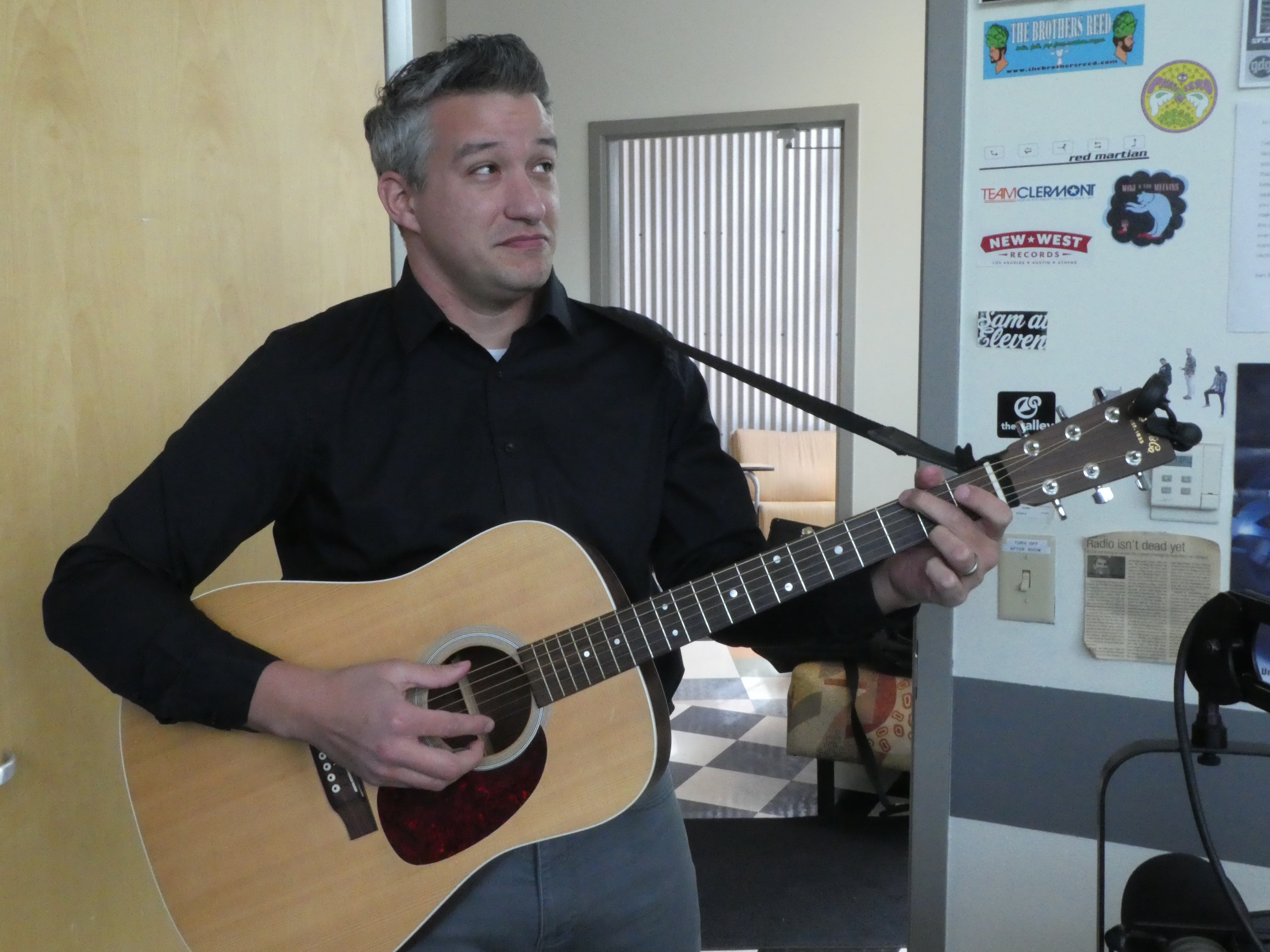
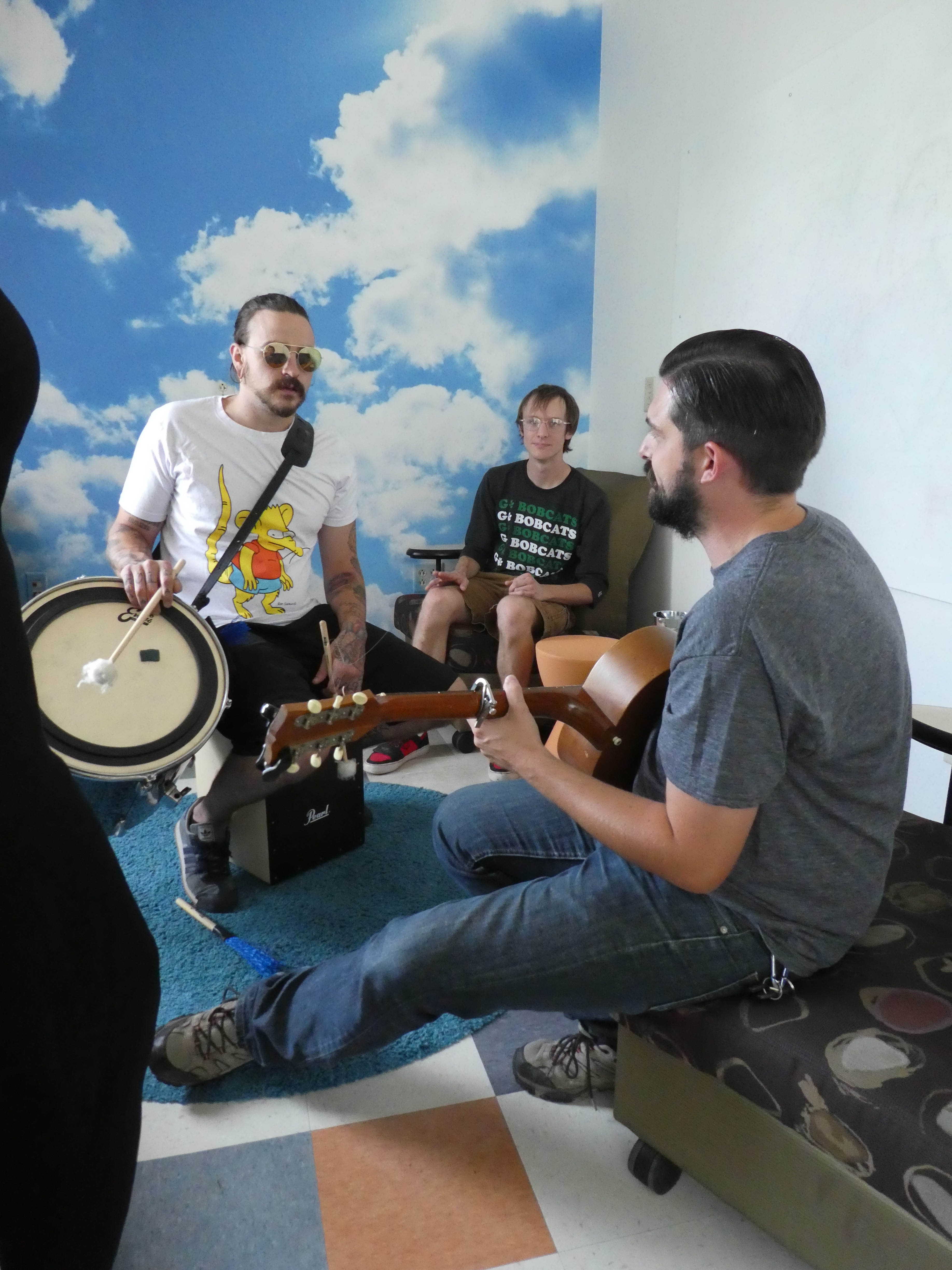
Yesterday, Nick Kizirnis joined Dr. J in the studio to discuss his latest record “Every Moment.” While Nick has been on the show before, it is still an exciting event for him to join us.

Nick Kizirnis, a name not unfamiliar to the echelons of the Dayton community rock and roll enthusiasts, has etched his mark in local music as a Dayton, Ohio-based musician, guitarist, and songwriter. With a career spanning several decades, Kizirnis has seamlessly blended his prowess as a guitarist with his innate talent for crafting compelling compositions, earning him a dedicated following and critical acclaim within the Dayton music community.

Born and raised in the vibrant musical landscape of Dayton, Ohio, Kizirnis was exposed to an array of musical genres from a young age. Inspired by the likes of Guided By Voices, Brainiac, and The Breeders, he embarked on his musical journey, honing his skills on the guitar and immersing himself in the rich tapestry of rock music across its many varied forms and styles.

Kizirnis’ musical odyssey gained momentum in the late 1980s when he co-founded the surf-rock band, The Mulchmen, alongside Greg Spence and Brian Hogarth. The Mulchmen quickly garnered attention for their infectious surf rock melodies, sweeping compositions, and electrifying live performances, establishing Kizirnis as a formidable force in the realm of rock music.

As a guitarist, Kizirnis’ virtuosity knows no bounds. His distinctive playing style, characterized by intricate riffs, blistering solos, and melodic phrasings, captivates audiences and fellow musicians alike, earning him admiration and respect within the music community. Whether unleashing thunderous power chords or delicately weaving nuanced melodies, Kizirnis’ guitar work serves as the sonic backbone of his musical endeavors, infusing each composition with depth, emotion, and vitality.

Beyond his prowess as a guitarist, Kizirnis’ songwriting prowess shines brightly, imbuing his music with poignant lyricism, infectious hooks, and irresistible charm. Drawing inspiration from personal experiences, introspection, and the human condition, his songs resonate on a deeply emotional level, offering listeners a glimpse into his innermost thoughts and feelings. From anthemic rockers to introspective ballads, Kizirnis’ songwriting versatility knows no bounds, showcasing his ability to craft timeless compositions that endure the test of time.

Throughout his illustrious career, Kizirnis has released a plethora of solo albums, each offering a unique sonic tapestry that reflects his artistic evolution and creative vision. From his debut solo effort, “Into the Loud” to atmospheric noir of “The Distance,” to the acoustic guitar and cello album “Quiet Signals” to the most recent release “Every Moment” Kizirnis’ discography serves as a testament to his unwavering commitment to his craft and his relentless pursuit of music that captivates the listener.

In addition to his solo endeavors, Kizirnis has collaborated with a diverse array of artists and musicians, further expanding his musical horizons and pushing the boundaries of his creativity. Whether lending his guitar prowess to recording sessions or sharing the stage with fellow luminaries, Kizirnis’ collaborative spirit and passion for music are evident in every endeavor he undertakes.

Beyond his contributions to the world of music, Kizirnis remains deeply rooted in his hometown of Dayton, Ohio, where he continues to inspire aspiring musicians and foster a vibrant musical community. Through his involvement in local music festivals, events, and educational initiatives, Kizirnis pays homage to his musical roots while paving the way for future generations of artists to thrive.

Nick Kizirnis stands as a testament to the enduring power of music to inspire, uplift, and unite. As a musician, guitarist, songwriter, and singer, he has left an indelible mark on the world of local rock music, captivating audiences with his unparalleled talent, boundless creativity, and unwavering passion. Whether shredding on stage, penning heartfelt lyrics, or mentoring aspiring musicians, Kizirnis’ dedication to his craft and his love for music shines brightly, illuminating the path for generations of musicians and music fans for years to come.

Nick is playing Blind Rage Records tomorrow, Thursday, May 2nd to celebrate the release of “Every Moment” which is out the next day, Friday, May 3rd everywhere you can get music.

Hyperfollow Bandcamp Facebook Instagram Every Moment

All images and pictures used with permission of the artist.

Pride Rocks! 2024: The Vital Role of Pride Events in Fostering a Healthy and Inclusive Community

The National Conference for Community and Justice of Greater Dayton (NCCJ) sponsors an important event every year: Pride Rocks!

In recent decades, Pride events have emerged as powerful symbols of LGBTQ+ visibility, acceptance, and celebration. These gatherings go far beyond mere festivals; they serve as crucial catalysts for building healthy and inclusive communities. Pride events offer platforms for advocacy, education, and solidarity, fostering environments where all individuals can thrive authentically. Through embracing diversity and promoting equality, Pride events play an indispensable role in shaping communities that prioritize acceptance and understanding.

One of the paramount reasons for the significance of Pride events lies in their ability to provide a safe space for LGBTQ+ individuals and allies. In many parts of the world, both near and far, discrimination, prejudice, and violence against LGBTQ+ individuals persist. Pride events offer a refuge where people can express themselves without fear of judgment or persecution. This sense of safety and belonging is essential for the mental and emotional well-being of LGBTQ+ individuals, affirming their identities and validating their experiences.

Moreover, Pride events serve as powerful platforms for advocacy and awareness-raising. While progress has been made in LGBTQ+ rights, significant challenges remain, including legal discrimination, social stigma, and healthcare disparities. Pride events amplify the voices of marginalized communities, spotlighting issues such as equal rights, anti-discrimination laws, and access to healthcare. By raising awareness and mobilizing support, Pride events drive societal change and advance the effort for LGBTQ+ equality.

Education is another cornerstone of Pride events’ importance in creating inclusive communities. Many people lack understanding of LGBTQ+ identities and experiences, perpetuating harmful stereotypes and biases. Pride events offer opportunities for education and dialogue, allowing individuals to learn about diverse gender identities, sexual orientations, and lived experiences. Through various activities, music events, workshops, panels, and discussions, Pride events promote empathy, compassion, and cultural competence, fostering environments where differences are celebrated rather than feared.

Pride events play a vital role in building solidarity and allyship across communities. Inclusive communities are built on a foundation of mutual respect and support, transcending differences in gender, sexuality, race, and ethnicity. Pride events bring together people from all walks of life, forging connections and alliances that transcend individual identities. By standing together in solidarity, communities become stronger and more resilient, united in their commitment to equality and social justice.

Importantly, Pride events contribute to the visibility and representation of LGBTQ+ individuals in society. Visibility is crucial for combatting stereotypes and challenging misconceptions about LGBTQ+ identities. By showcasing the diversity and vibrancy of LGBTQ+ communities, Pride events challenge heteronormative narratives and expand societal perceptions of gender and sexuality. Moreover, representation in public spaces fosters a sense of belonging and acceptance, affirming the existence and validity of LGBTQ+ identities.

Pride events are indispensable for creating healthy and inclusive communities. By providing safe spaces, advocating for equality, promoting education, fostering solidarity, and increasing visibility, Pride events contribute to the well-being and empowerment of LGBTQ+ individuals and allies. These gatherings are not only celebrations of identity, music and love but also catalysts for social change and progress. As we continue to strive for a world where all individuals are accepted and celebrated for who they are, Pride events will remain beacons of hope and resilience in the journey towards equality and inclusion. So, join with your fellow community members on May 18th at The Levitt Pavilion from 11:00am to 3:00pm for Pride Rocks! and help build a culture of solidarity and community where all are welcome.

YTAA Full Show April 16, 2024

Yesterday’s YTAA full show is now on Mixcloud! Give it a listen and let me know what you think! Thanks, your friendly community DJ — Dr. J!

Favorites of 2023: Just the List

This time of the year every music writer’s fancy turns to the ubiquitous quest for the best of/favorites of the year. We start with a list of albums and singles we played on YTAA at least three or four times. Then we consider what songs and records slipped into our consciousness and we spent more time simply thinking about that song, that album — those words. If there is a pattern to what we loved in 2023, it is a bit hard to pin down. If we take a wild stab at an answer, 2023 was a year of amazing music from powerful, strong, thoughtful women musicians. From the incredible voice of Sarah Rudy in Hello June to the authenticity of Kim Ware and Van Plating across to the irresistible guitar tones and perfect singing of Tamar Berk, Blondshell, Beth Bombara, and Lydia Loveless, so many outstanding records were made outside of the men’s club this past year — and that is a welcome change.

Every writer, just like every music fan, has styles and sounds that they are irresistibly pulled towards. Clearly, Dr. J loves guitar. For some writers the list is likely to be diverse, reflecting a fusion of genres and innovative production techniques. And that is fine. With the continued influence of technology, some writers are drawn to artists who experimented with new sounds and collaborate across musical boundaries, creating a sonic outcome that resonates. For other writers, the search for a pure direct authenticity of instruments lead them to the streets where the music is painted without electronics. Acoustic and stripped down arrangements played on traditional equipment bring gratitude to the heavens for that music from some writers.

When crafting a list of favorites from the year, some writers will consider representation. Genres such as indie pop, electronic, and hip-hop may continue to dominate, with emerging artists bringing fresh perspectives and pushing creative boundaries. Collaborations between mainstream and indie artists could lead to unexpected yet captivating musical experiences. Shoegaze, for example, has made many returns after some commentators spilled tremendous amounts of ink over the idea that shoegaze had come and gone. Music in the year 2023 saw several bands who represented that style.

Lyrically, many of the themes explored in 2023 revolve around social issues, personal growth, feeling whatever the artist needs or desires to feel, perhaps some of the “Best” representations for the year are the songs that grab and do not let go of the human experience. Artists may use their platforms to address pressing matters, providing listeners with thought-provoking content that goes beyond mere entertainment and that might be the magic that some writers are drawn to when considering all the records and songs that came out during one trip around the sun.

There are some ‘off limits,’ ‘don’t walk on the grass’ ideas for us here at Your Tuesday Afternoon Alternative. Sure, the rise of virtual and augmented reality experiences may revolutionize the way music is consumed, offering immersive and interactive performances that redefine the traditional concert experience. But for us, human beings need to be part of the creation and experience of music. Streaming platforms might incorporate cutting-edge technologies to enhance the listener’s engagement with the music and while we can and should debate the lack of compensation, which is only going to get more challenging in 2024, AI generated melodies, tones, and arrangements of notes are not considered for inclusion on our favorites of the past year.

The best albums of 2023 could be those that not only showcase exceptional musical talent but also tell compelling stories or provide a unique perspective on the world. Artists who successfully blend innovation with authenticity may find themselves at the forefront of critical acclaim and commercial success and, to be entirely transparent, will immediate draw our attention for a favorites of the year.

Ultimately, the best music of 2023 will likely be a subjective experience, as individual tastes vary widely. However, it is important to consider this a reflective exercise. Every year is poised to be an exciting time for music enthusiasts, with a plethora of sounds and styles to explore, pushing the boundaries of what we thought possible in the world of music. Every year is full of promise. No annual march of the calendar is without merit and new experiences. So, to create a list of the music that moved you in 2023, is not to close the door to new auditory love but to remember we break our hearts so we can fall in love again with songs and albums we have not even heard yet.

The list below is our start on our favorites from this past year. A longer set of articles will come out exploring what it was that caught our attention in these albums and songs.

Favorite record for us in 2023:

Hello June – Artifacts

You can read our review of this fantastic record!

This music transcends time and place, resonating with listeners in their quest for meaning and understanding. The lyrics serve as a mirror, reflecting the innermost thoughts and emotions that often remain unspoken. Hello June’s “Artifacts” is a sonic masterpiece — and we are prepared to die on that hill to defend that assertion — that deserves a place in the hearts of all music fans. It is a timeless record that captures the essence of the human experience, a treasure chest of emotions waiting to be discovered with each listen. 

In no particular order of importance but records that we believe were mightily impressive:

The 1984 Draft – Best Friends Forever

The Replacements – Tim Let It Bleed Edition (Ed Stasium Mix)

Tamar Berk – Tiny Injuries

Smug Brothers – In The Book of Bad Ideas

Elephants and Stars – Get Your Own Army

The Nautical Theme – Get Somewhere

Palm Ghosts – I Love You, Burn in Hell

Van Plating – Orange Blossom Child

Lydia Loveless – Nothing is Gonna Stand In My Way Again

Kim Ware – Homely

Bottlecap Mountain – O Fantastik Melancholy

Beth Bombara – It All Goes Up

Nicholas Johnson – Shady Pines Vol. 2

The Pretty Flowers – A Company Sleeve

The Connells – Ring (Deluxe Edition)

Black Belt Eagle Scout – The Land, The Water, The Sky

Blondshell – Blondshell

Achilles Tenderloin – Tincture for Trouble

Mike Bankhead – I Am Experienced

Jason Isbell and the 400 Unit – Weathervanes

Some of our Favorites of 2023:

Arthur Alexander – …Steppin’ Out!

Mommy – Be Your Own Pet

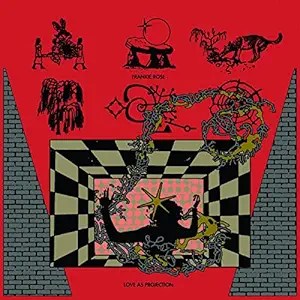
Frankie Rose – Love as Projection

Cold Expectations – Static Reactions

Connections – Cool Change

The Connells – Set The Stage

Dolph Chaney – Mug

En Attendant Anna – Principia

Graham Parker & The Golden Tops – Last Chance to Learn the Twist

Guided By Voices – Nowhere to Go But Up/Welshpool Frillies

H.C. McEntire – Every Acre

Jess Williamson – Time Ain’t Accidental

John P. Strohm – Ready for Nothing

Jphono1 – Invisible Futures and Make Believe Pasts

Louise Post – Sleepwalker

Love Rat – Howl at the Moon

Matt Moran – Heartache Kid (Acoustic)

The Radio Field – Don’ts and Do’s

Shannon Clark & The Sugar – This Old World

Special Friend – Selkie

Tino and DJ Marrrtin – La Pie Bavarde

Trapper Schoepp – Siren Songs

Singles

No One Sphere – Fingerz to Lips

Elephants and Stars – Bled Out At The Scene

David Payne – Best Intentions

We Met In Paris – Mont Blanc Massif

The National – Eucalyptus

sparkle_jets uk – He’s Coming Out

The Well Wishers – So Important

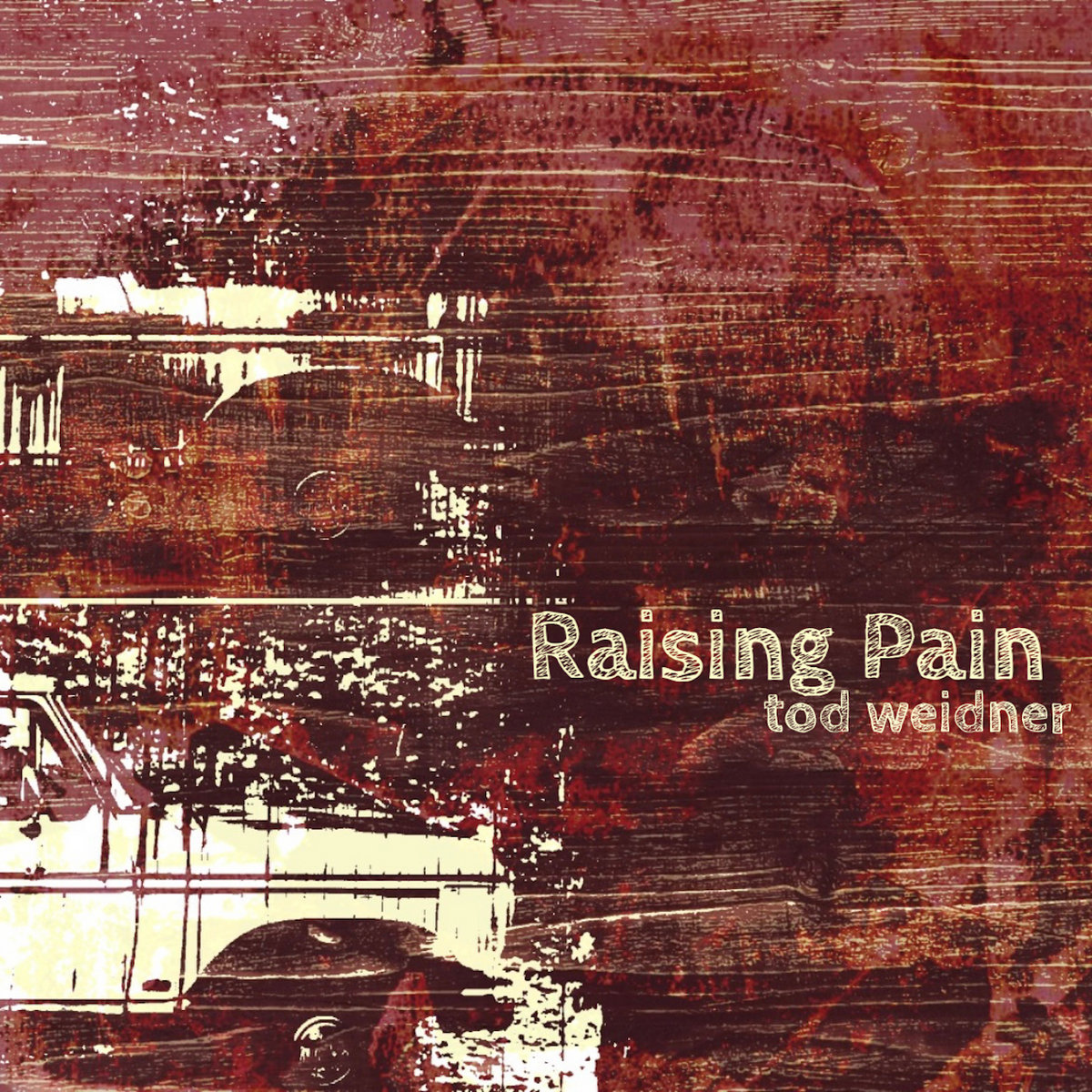
Tod Weidner – Raising Pain

Mike Bankhead – Latent

Given Names – Makin’ Eyes

Cowboys in The Campfire – Here We Go Again

Teenage Fanclub – Foreign Land

Hannah Jadagu – Lose

High on Stress – Over-Thru

Jeremy Porter and the Tucos – Five-Foot-Three and Tiger Eyes

Tyler Childers – Rustin’ in the Rain

Kurt Lee Wheeler – We Will Travel

Honorable Mentions

Yo La Tengo – This Stupid World

Amber Hargett – Coal Mine Canary

Brainiac – The Predator Nominate EP

Quiet Signals – Quiet Signals

Exploring the Tragedy of Unheard Records

In the digital streaming age where we all have instant access to an unparalleled variety of music — at least for now, it may seem paradoxical to consider the existence of unheard records. With thousands of records released every year and thousands of songs uploaded to streaming services every week, the sheer amount of available music is overwhelming. The vastness of the musical releases, coupled with the continuous influx of new creations and the persistent legacy of past works, results in an overwhelming number of records that remain unheard each year. Let’s delve into the reasons behind this phenomenon, exploring the factors contributing to the vast pool of undiscovered musical gems and considering the implications for both artists and listeners.

One of the strengths of music culture is the unending craft of music creation. The United States has long been a melting pot of diverse cultures, each contributing to the fantastic mix of musical genres and styles. From the birth of jazz in New Orleans to the rise of hip-hop in the Bronx, to the adventure of electronic music across the country, American music has evolved and branched out into an extraordinary array of forms. This constant evolution, driven by creativity and cultural cross-pollination, ensures a continuous influx of new records into the musical ecosystem.

The music industry, with its multifaceted nature, encompasses not only mainstream genres but also a plethora of incredible niche and independent scenes. While popular artists dominate the radio airwaves and streaming platforms, countless talented musicians operate in the peripheries, creating music that often goes unnoticed by the mainstream audience which we consider a distressing fact — and a mission of Your Tuesday Afternoon Alternative to address. YTAA as a radio show always focused on independent, local and amazing music that needs to be heard.

The expansive musical universe, we all inhabit, ensures that a considerable number of records go unheard each year simply due to the sheer volume of new releases and a cultivated ignorance of the mainstream record labels to push a limited number of artists and records, and a continuation of a narrowcasting approach by radio and streaming services. Consider Spotify’s financial model focusing on records that have high sales and high engagement. And this problem — and we think of the situation as a problem — is occurring despite an increase in the sales of physical copies of records. According to Oliver Payne, writing at Music Tech.com, “Physical album sales overall also saw a notable rise of 13.3 per cent in 2023, with 41.5 million physical copies sold compared to 2022’s 36.7 million. Notably, direct-to-consumer vinyl sales experienced substantial growth, reaching 2.6 million sales.”

The advent of digital technology and the rise of streaming platforms have revolutionized the way we consume music. It is not unreasonable to think of this as a digital deluge. While this has undoubtedly increased accessibility, it has also contributed to the phenomenon of unheard records. The democratization of music production means that anyone with a creative spark and basic equipment can produce and release music independently. And this opening for musicians is to be applauded and supported so that musicians regardless of reach can create music. Consequently, the sheer volume of music flooding online platforms can be overwhelming, making it challenging for even the most dedicated music enthusiasts to sift through the multitude of releases. An amazing song or incredible record can fall through the proverbial cracks all too easily.

Moreover, as we allude to earlier, the algorithms employed by streaming services often prioritize popular and commercially viable tracks, relegating many lesser-known gems to obscurity. As a result, artists operating outside the mainstream are faced with the daunting task of breaking through the digital noise to capture the attention of potential listeners. This digital deluge, while providing unprecedented opportunities for artists to share their work, also contributes to the growing pool of unheard records.

Economic realities and the struggle for visibility in a highly competitive music industry, is a core concern tied to unheard records. The economic considerations play a significant role in determining which records rise to prominence and which remain in relative obscurity. Major record labels, with their considerable resources, can afford extensive marketing campaigns and promotion efforts to elevate their artists into the public eye. Independent and unsigned musicians often face financial constraints that limit their ability and time to invest in promotion. Which assumes that artists are even interested in promotion in a challenging media and advertising environment in the first place. This issue motivated us to have conversations with musicians invested in music promotion on our podcast, Uncool Music Conversations with Andy & Art.

The lack of financial backing can result in talented artists creating exceptional records that languish in the shadows, unable to break into mainstream consciousness. In this context, the economic realities of the music industry contribute to the perpetuation of unheard records, creating a barrier for many artists to achieve the visibility they so richly deserve.

Taste curation, both on an individual and collective level, plays a pivotal role in determining which records gain traction and which fade into uncertainty regardless of how compelling an album or a song is for someone. Individual listeners often gravitate toward familiar genres, artists, or styles, limiting their exposure to a broader spectrum of musical offerings. Additionally, the collective taste of society, shaped by trends and cultural influences, can create a homogenized musical landscape that excludes many innovative and boundary-pushing works. Part of the challenge is encouraging music fans to listen to music that they do not know. Taking a chance on unfamiliar music remains a serious impediment for getting music heard.

Furthermore, the influence of music critics, radio stations, and streaming service playlists can shape public opinion and contribute to the perpetuation of certain genres or artists at the expense of others. This taste curation, while serving as a valuable guide for listeners, can inadvertently lead to the neglect of numerous records that fall outside the established norms.

The existence of unheard records has profound implications for artists, both established and emerging. For established artists, the pressure to conform to market trends and maintain commercial success can stifle experimentation and creativity. This not only limits the artist’s ability to explore new musical territories but also contributes to the saturation of certain genres at the expense of others.

Emerging artists, on the other hand, face the uphill battle of gaining visibility and recognition amid the vast sea of unheard records. The struggle for attention in a crowded digital landscape can be disheartening, and many talented musicians may find themselves overlooked simply due to the fierce competition for audience engagement.

The phenomenon of unheard records is not merely a challenge for individual artists but also has broader implications for the overall diversity and innovation within the space of music. The musical diversity and innovation are limited when all of the attention in music is devoted to just a handful of artists or albums. When a significant portion of the musical output remains undiscovered, the potential for cross-pollination of genres, the emergence of new styles, and the evolution of musical forms is hindered.

Diversity in music is a crucial aspect of cultural expression, reflecting the myriad perspectives and experiences within society. The failure to recognize and appreciate a wide range of musical creations diminishes the richness of the cultural tapestry of music, limiting the potential for innovation and the exploration of new sonic frontiers.

Let’s consider potential solutions and avenues for discovery for a moment. Addressing the issue of unheard records requires a multifaceted approach that involves both industry stakeholders and listeners. Increased support for independent and niche scenes, including financial backing for promotion and distribution, can empower artists who operate outside the mainstream. Streaming platforms can refine their algorithms to better highlight diverse and underrepresented music, ensuring that listeners are exposed to a broader range of offerings. Independent and local labels can and should be embraced and supported! Music fans can contribute to a healthy music ecosystem by supporting local labels! Our area has several independent labels such as Magnaphone Records, Poptek Recs, and Gas Daddy Go.

Supporting local record stores create physical and online spaces where music fans can expand their knowledge and experience of music. A simple solution is to go to these stores and support them. Talk to the staff who work there as they may have amazing recommendations for bands, artists and records that you may not know about yet. We recommend Omega Music, Blind Rage Records, Skeleton Dust Records, Toxic Beauty Records, Shake It Records, Everybody’s Records just to name some of the shops we regularly visit in our area.

Initiatives that celebrate musical diversity, such as festivals, awards, and curated playlists that explore songs beyond popular artists, can play a pivotal role in bringing attention to unheard records. Music enthusiasts can also contribute by actively seeking out and sharing lesser-known works, supporting local scenes, and engaging with a variety of genres to expand their musical horizons. In our city we have several incredible festivals such as Dayton Music Fest, Dayton Porchfest, Holidayton, Dayton Battle of The Bands, Showcase Thursdays at The Yellow Cab Tavern, Dayton Sideshow, and Winterfolk Dayton, again just scratching the surface of music events in the Gem City. Wherever you call home there are likely to be terrific music events where you can explore far more amazing music. Social media platforms and chat rooms where music fans respectfully share music that moves them is another source of information on unheard songs and albums.

The phenomenon of unheard records in the United States is a complex and multifaceted issue, shaped by the interplay of cultural, economic, and technological factors. This is not a concern that is easily resolved. But just because the challenge is difficult does not mean that it is impossible to address. As the music industry continues to evolve, addressing this challenge requires a collective effort from artists, industry stakeholders, and listeners alike. By fostering a culture that values diversity, embraces innovation, and supports independent voices, we can hope to unravel the symphony of unheard records and ensure that the full spectrum of musical creativity finds its audience. Take a chance and listen to something you do not know, it might be the next musical love of your life.

Moving is awful and other Non-delights

Your Tuesday Afternoon Alternative is still on hiatus as we move from ArtStreet to the Roger Glass Performing Arts Center. Let’s be honest, moving sucks. It is simply awful. Moving is often considered one of life’s most daunting tasks, a process laden with stress, exhaustion, and emotional upheaval. The mere thought of packing up one’s life — or in this case an entire radio station — and relocating to a new place can send shivers down the spine of even the most resilient among us. Several factors contribute to the universally acknowledged sentiment that moving is an awful experience.

Firstly, the physical exertion involved in moving is undeniable. From the moment one begins to sift through CDs, vinyl records, and cassettes (yup, we have some of those), rolling up posters, and packing away fragile equipment so it can safely be moved is daunting. It does not feel unlike going through belongings, deciding what to keep and what to discard, to the arduous task of packing fragile items with the utmost care, the process demands a considerable amount of physical energy. Lifting heavy boxes (damn, these records are heavy!), navigating through narrow hallways (you have seen the pictures of the station), and loading and unloading furniture can take a toll on the body, leaving movers fatigued and drained. And remember all of the equipment is incredibly sensitive and expensive! “Do not drop anything!” is a repeated refrain.

Moreover, the emotional toll of moving cannot be overstated. Leaving behind familiar surroundings, our Artstreet friends, and changing the routines can evoke a profound sense of loss and nostalgia. The attachment to a place goes beyond the physical structure of a house; it encompasses memories, experiences, and a sense of belonging. Saying goodbye to all of this can be emotionally wrenching, leading to a mix of sadness, anxiety, and apprehension about the unknown that lies ahead for the station. I wrote about this and stand behind those ideas and memories. Leaving a space that was home for over 20 years is simply not easy.

The logistical challenges add another layer of complexity to the moving process. Coordinating timelines, arranging transportation, and dealing with unforeseen hiccups can turn a seemingly straightforward relocation into a logistical nightmare. The pressure to ensure that every item arrives intact at the new station destination in a brand new building, coupled with the need to settle into an unfamiliar environment quickly, amplifies the stress associated with moving. Of course, we want to be preparing a radio show today instead of moving an incredibly sensitive studio board!

Sure, moving is an inherently challenging and unpleasant experience due to the physical, emotional, and logistical demands it places on us. The disruption of established routines, the strain on relationships, and the overall upheaval of one’s life make moving a universally dreaded endeavor. We can’t even listen to the station unless we set up a laptop or bring in a radio because studio speakers were among the first to get disconnected. While it may signify a new beginning and the prospect of fresh opportunities, the process itself is undoubtedly an arduous journey that tests one’s resilience, adaptability, and good nature.

Perhaps this is just a long meandering path to say, YTAA will not be on this week. Moving is going forward and we are making progress, just a bit slower than any of us would like. We will be back broadcasting the show as soon as possible. Automation has taken over the radio station and during December we are broadcasting indie holiday music! Enjoy and see you real soon!

The Unconventional Jingle: Exploring the Charms of Indie Rock Holiday Songs

The holiday season is traditionally accompanied by the familiar sounds of sleigh bells, cheerful choirs, and iconic tunes from well-established artists. However, for those with an inclination towards alternative and independent music, the indie rock genre offers a refreshing twist to the festive soundtrack. On November 21st, Tom Gilliam and I celebrated our 13th annual YTAA Indie Holiday show. We played music from Dolph Chaney, The Popravinas, The Ramones, The Pogues, Darling West, Heather Redman, Fitz and The Tantrums, My Morning Jacket, Van Plating, Olivia Frances, The Surfajettes, Best Coast, Trey Stone and The Ringers, Calexico, Librarians with Hickeys, Debra Devi, Fountains of Wayne, The Decemberists, Joey Ramone, Bad Religion, Heartless Bastards, The Killers, and Dayton’s own Escape Velocity among others over three hours. I wanted to publicly thank Tom Gilliam of the excellent Dayton-based band Ghost Town Silence, for doing this special show with me for over a decade. I wondered what is it about independent music that allows for the creation of exciting new holiday music. So, if you will indulge me as we enter the holiday season, I will delve into the world of indie rock holiday songs, exploring the charm and uniqueness they bring to the season.

Taking a break from tradition can be a healthy and positive experience. Indie rock holiday songs provide a welcome departure from the conventional jingles and carols that dominate the airwaves during the festive season. Unlike the predictability of traditional holiday music, indie rock artists infuse their creativity into the lyrics and melodies, offering a fresh and sometimes irreverent take on the holiday spirit. The departure from traditional sounds allows listeners to experience the season with a new perspective, embracing the diversity that indie rock brings to the table.

One of the hallmarks of indie rock is its ability to convey complex emotions through music, expressing complex emotions — that special sense of being hit “in the feels” can be a moment of self-reflection. While traditional holiday songs often focus on joy and celebration, indie rock holiday tunes explore a broader spectrum of feelings associated with the season. From the melancholic reflections on solitude during the holidays to the bittersweet nostalgia of past celebrations, indie rock captures the multifaceted nature of the holiday experience. Artists like Sufjan Stevens, The Shins, Debra Devi, and Heartless Bastards weave intricate narratives that resonate with those who may find the holiday season to be a mix of joy and introspection. The Decemberists’ reinterpretation of Big Star’s Jesus Christ, from their album 3rd released in 1974, illustrates this approach quite clearly. The band’s official video incorporates the idea of a Yule Log experience into the music video.

Indie rock holiday songs showcase a range of perspectives on the holidays, reflecting the diversity of experiences within the indie rock community. One of the great aspects of alternative and independent music is the opening to diverse perspectives on the holidays. These songs often touch upon themes like non-traditional celebrations, unconventional family dynamics, and the challenges of navigating societal expectations during the festive season. The narratives presented in indie rock holiday songs provide a sense of relatability for listeners who may not find their own experiences mirrored in more mainstream holiday music. The 2016 original holiday song, “I Feel It In My Bones” from The Killers’ alternative holiday album “Don’t Waste Your Wishes” takes a dark, almost sinister interpretation of Santa Claus.

Indie rock, by its very nature, is a genre that thrives on experimentation and innovation. The best characteristic of an independent song is the surprise you discover when you hear it. Dolph Chaney’s excellent “Jingle Bells” set to Van Halen’s “Panama” is a complete surprise as well as a delight! Big Stir Records has released several fantastic indie holiday songs as part of their Yuletide Wave. When applied to holiday music, the willingness to explore and recreate results in a rich tapestry of unique soundscapes in which to capture the seasonal vibe. From the indie alt-country and folk-infused sounds of Trey Stones and The Ringers’ “Santa, Please Bring Me a Guitar” to the rock and roll vibes of The Ramones “Merry Christmas (I Don’t Want to Fight Tonight),” these songs reimagine the sonic landscape of the holidays. The infusion of indie rock elements into holiday music introduces listeners to a sonic experience that goes beyond the traditional, breathing new life into the seasonal soundscape.

Indie rock holiday songs offer a delightful departure from the familiar tunes that dominate the airwaves during the festive season. By expressing complex emotions, presenting diverse perspectives, and exploring unique soundscapes, indie rock artists contribute a distinct flavor to the holiday music repertoire. The unconventional jingles and alternative carols provide an avenue for listeners to connect with the holiday spirit in ways that resonate with the ever-evolving nature of contemporary music. So, this holiday season, consider expanding your playlist to include indie rock gems that bring a touch of creativity and innovation to the festive sounds we hear this time of year.

Swaying in the Radio Waves

In a dimly lit space of my basement home studio, surrounded by an array of vinyl records, cassette tapes along a small wall, stacks of vintage vinyl 45s, piles of CDs, and an eclectic mix of posters from local and underground shows, I sit hunched over a laptop, ready to embark on music discovery. With a cat on my lap and another nearby, I listen to new songs, local music, and pieces of someone’s heart that they have kindly shared with Your Tuesday Afternoon Alternative. This is my sanctuary, the cockpit from which I navigate a vast sea of independent music. As an indie music radio DJ, I’ve made it my mission to curate and broadcast tunes that I believe in, music that resonates beyond the mainstream. There is no shame in loving the music that speaks to you, mainstream or not. But I want to find something new, something unique. Perhaps it is an overwhelming sense of fear of missing out on something incredible, something wonderful that was released and far too few have heard it. Providing a conduit for the amazing music that has gone overlooked has kept me interested in radio for over 19 years at WUDR and for many years prior.

My love affair with indie music began in the smoky corners of obscure spaces, crowded clubs, and hidden venues in Minneapolis in the 1980s. And that interest was heightened in 1983 when I joined KUMM Student Radio at the University of Minnesota at Morris. I had chosen a college a few hours away from home, Herman, Minnesota population 550. My graduation class only had 25 students in it. I was not sure what I wanted to become when I went to college, but I knew one thing quite clearly — I wanted to leave the confines of small-town Minnesota life. The albums that my classmates loved were not my music, they did not feel real and authentic to me. The music that I heard on the few radio stations — mostly country music — did not speak to me nearly as much as the obscure bands and music that I found on late-night TV shows or magazines like The Trouser Press, Cream, and Crawdaddy.

I had a few musically progressive friends and a cousin who was like a brother to me who broadened my music experience. I was exposed to so many unique bands and records by cool friends who introduced me to bands like The Ramones, Big Star, Alice Cooper, R.E.M., early KISS records, The Replacements, The Suburbs, Loud Fast Rules (who later changed their name to Soul Asylum), and Prince. I am still prepared to argue that his first three records were and are brilliant records that fused soul, funk, R&B, pop, and punk. While I enjoyed the British New Wave of Gary Numan and the Romance Wave of Roxy Music, it was Duran Duran who led me to Joy Division, Adam and The Ants, Spandau Ballet, and The Cure. From ‘Planet Earth’ and ‘Girls on Film,’ I found ‘Love Will Tear Us Apart,’ ‘Transmission,’ ‘Ant Music,’ ‘True’ and ‘Boys Don’t Cry’ — I then spent years over Robert Smith’s catalog. I was captivated one late night when David Bowie’s music video for Ashes to Ashes played on some obscure program. It was life-changing and led me to seek out music from Ziggy Stardust in all of his personas and identities.

While others were getting lost in the polished melodies of chart-toppers, I found solace in the raw, unfiltered sounds of independent artists. It wasn’t just about the music; it was about the stories told through the lyrics, the rebellion against conformity, and the genuine passion that fueled every chord, every snap of the drum, every note that was delivered with passion. These sounds and bands were authentic and real to me. I read a story in a music magazine — Melody Maker, New Music Express, Smash Hits… to be completely honest I do not remember — about a band named after a plane, U2, and that eventually led me to their first album ‘Boy’ and that again, led me to be changed. Now, to be fair I was listening to a seriously concerning amount of Pink Floyd, Nick Drake, Television, and Patti Smith. The gateway of The Ramones led to The Sex Pistols, The Clash, Blondie (especially those early records), and more. While I did enjoy some truly strange fascination for some rock and pop groups, I had records and the usual posters on my bedroom walls of Scandal, Rick Springfield, Journey, Styx, Hall & Oates, and a brief fling with The Eagles’ Hotel California and Long Run (that led me to The Flying Burrito Brothers and Graham Parsons — thanks for sharing your records, mom!).

When I got to college, I decided to take this passion to the airwaves, embracing the role of a sonic designer. Armed with a microphone and a collection of gems that I could not wait to share, I set out to carve a niche for myself in the crowded world of radio, one that would champion the unheard and challenge the established norms. It helped tremendously that bands like R.E.M., U2, Ministry, Depeche Mode, Red Rockers, The Cure, and far more than I have the time (or you dear reader – the interest in reading) to recount here were releasing amazing records in the 1980s. The time period of 1983 to 1988 was not only my college years but an amazingly fertile time for what became known as College Rock then was labeled as Alternative or Post-Punk.

It has not always been easy trying to build bridges with the unknown for me. Being an indie music DJ is more than just spinning records or pushing play or fading sounds in and out; it’s about building bridges between artists and listeners. In a world saturated with predictable playlists, my goal is to be a conduit for the undiscovered. I sift through submissions from garage bands in Brooklyn to folk troubadours in the Pacific Northwest, searching for that spark of authenticity that sets them apart. We have a policy at YTAA, anything shared with us gets a listen. And in those perfect moments when we want to hear a song again, that captures our attention when there are so many records to preview, there is magic in the sound waves.

It’s not always about polished production or catchy hooks; it’s about the genuine emotion that reverberates through the music. Each song is a unique brushstroke on the canvas of the YTAA show, painting a sonic landscape that moves beyond the conventional. The thrill of introducing listeners to a hidden beauty, the adrenaline of playing a track that might just become someone’s favorite song – that’s the heartbeat of our radio station. I cannot express how much joy is experienced when someone requests a song we have played or calls the station to ask who was that amazing musician or band that they heard.

In the sprawling landscape of commercial radio, where playlists are often dictated by corporate interests or worse an inhumane algorithm, maintaining independence is a dance on a tightrope. Yet, this dance is the very essence of the existence of Your Tuesday Afternoon Alternative and my role as a DJ. There’s a certain liberation in knowing that a YTAA playlist is not dictated by market trends or corporate interests. Sometimes it is an accident of happenstance or from a connection on social media. Whatever the reason, it’s a rebellion against the formulaic, an assertion that there’s value in the unconventional, the unknown, the liminal. I would like to believe that we have built a community of listeners who crave the unexplored, and who trust this program to guide them through sonic places and spaces of undiscovered music.

Behind every track played lies a story – the struggle of an indie artist trying to be heard, the triumphs and tribulations of navigating an industry that often favors the polished over the genuine. It’s not just about the music; it’s about the people who create it. It is a privilege to interview artists whose stories are as compelling as their melodies. From the indie folk singer who busked on street corners to fund her first album to the punk rock trio that converted an abandoned warehouse into a recording studio, each narrative adds depth to the sonic tapestry we weave on the airwaves. These stories resonate with our listeners, connecting them to the music in ways that transcend the superficial. These are real experiences told by real people about the authentic music they have made to present some feelings, emotions, and ideas — the search for solidarity and connection through music is important and it should be protected at all costs.

One of the joys of indie radio is the freedom to be unpredictable. While commercial stations follow rigid playlists curated by algorithms, YTAA revels in the spontaneity of crafting a playlist that mirrors the ebb and flow of emotions. From ethereal dream pop to gritty pop-punk anthems, the playlist is a rollercoaster ride that keeps listeners on the edge of their seats wondering what is coming up next. One of the most exciting experiences in music is when we are surprised.

On YTAA we are not afraid to delve into uncharted territories, juxtaposing genres in a way that challenges preconceived notions. A haunting acoustic ballad might be followed by a raucous electronic track, or a looking-back indie classic creating a musical journey that mirrors the unpredictability of life itself. It’s a sonic adventure that invites listeners to step outside their comfort zones and embrace the diversity of the indie music landscape.

As an indie music DJ, my connection with the audience goes beyond the confines of the radio waves. Social media has become a virtual extension of the studio, a platform where listeners can engage in real-time discussions about the music they love. We endeavor to play as many requests that we receive as possible. Sometimes a request can take the show in a different, unplanned direction, and isn’t that an opportunity? The sense of community that has emerged is a testament to the power of indie music to unite diverse souls under a common sonic umbrella. It has been a rare honor to connect with other music fans on Twitter, Instagram, Facebook, and on this page. From virtual album listening parties to live Q&A sessions with artists, the digital realm has allowed us to amplify the sense of camaraderie that defines the indie music scene. It’s not just about broadcasting music; it’s about fostering a community where passion for the unconventional is celebrated.

Navigating the indie wilderness is not without its challenges. Limited resources, the constant struggle for visibility, and the ever-present threat of obscurity are hurdles that indie artists face daily. As a DJ, I’ve witnessed the frustration of talented musicians grappling with a system that often seems designed to favor the established. Yet, it’s precisely these challenges that fuel the fire of the indie spirit. The tenacity of artists who refuse to be silenced, and the resilience of a community that thrives on the fringes – these are the stories that inspire me to keep pushing boundaries and championing the cause of the independent. It is possible that the unknown music can be even more captivating than the known.

As I peer into the future of my journey as an indie music DJ, the horizon is both exciting and uncertain. The music industry is in a state of constant flux, with new platforms and technologies reshaping how people find music. Yet, one thing remains constant – the hunger for authenticity, the craving for sounds that defy the cookie-cutter formulas of mainstream music. I envision a future where indie music continues to be a beacon of diversity and creativity. Whether through virtual concert experiences or immersive audio storytelling, the indie spirit will find new avenues to flourish. My role as a sonic guide will evolve, adapting to the changing currents of technology while staying true to the essence of independent expression. Maybe in some way, I am still the same person who knew that there was exciting and cool music waiting to be discovered, the only question was how to find it. Perhaps now the problem is how to find that music in an oversaturated culture of the moment; the internet is both friend and foe.

In the closing moments of every radio show, as the last notes of an indie anthem fade into the ether, I reflect on the journey that brought me to this point. From the dimly lit venues of my youth to the expansive world of radio waves, it’s been a ride fueled by passion, rebellion, and an unwavering belief in the power of independent music. In the vast sea of sonic possibilities, I continue to navigate the waves, a lone captain on a ship of indie music treasures. As long as there are artists pushing boundaries, as long as there are listeners hungry for the unconventional, the journey will endure. For in the realm of indie music, every note is a declaration of independence, and every DJ is a storyteller weaving tales of sonic rebellion. Now, let’s go listen to some interesting music we have not heard before.

All station photos by Tom Gilliam Photography. Photos used with permission.

Resonance in Sound: 22 Years of Echoes at Artstreet

Normally, I am busy preparing for a radio show on Tuesday afternoons. Busy typing song titles into a computer that feels both like a friend and a reluctant companion. This Tuesday however, I am not doing any of that prep work because the radio station is preparing to move to its new home.

In the heart of the University of Dayton campus, nestled among the hustle and bustle, there exists a sanctuary that transcends the usual boundaries and divisions that we make for ourselves every day. For 22 years, a humble student-run radio station has occupied the same space, etching its mark on the airwaves and the souls of those who have tuned in whether they be students at the University of Dayton or community members looking for something captivating on the airwaves. In 2001, WUDR moved from cramped quarters in Kennedy Union to the then newly opened Artstreet complex creating a harmonious resonance that defies the transience of our ever-evolving world. The Artstreet experiment was untested on campus. It was a living, learning, creative space that playfully yet intentionally used architecture, design, and flexible classroom spaces to encourage applied creativity. WUDR Flyer Radio and Street Sounds Recording Studio shared the end of one of the buildings next to an open amphitheater for outdoor events. Before the radio station added online broadcasting, this came a few years later, the station provided a space for those with a passion for radio broadcasting, indie music enthusiasts, and students applying what they were learning in classes to come together toward a common goal of making radio shows.

While I was not a student for quite some time, I have long explored the role of a radio DJ. After receiving a positive tenure decision from the University of Dayton, I balanced my teaching, writing, and administrative obligations with a hunger to do radio again. For 19 years I tried to passionately advocate for local music balanced with an interest in new music and the development and evolution of indie and alternative music. For almost two decades that interest has animated Your Tuesday Afternoon Alternative. I wrote a personal essay about my sense of doing radio in September.

As I prepare to leave the studio that I have called my second office for 19 years, a wave of nostalgia washes over me. The worn-out carpet beneath my feet bears witness to the countless footsteps of other DJs — student and faculty — that have trodden this path before, each imprint telling a story of passion, dedication, and an unwavering commitment to the art of sound at WUDR. The walls, once adorned with posters of Dayton bands, amazing local shows, a few legendary musicians, and faded memories, seem to whisper tales of late-night broadcasts, whispered confessions, and the transformative power of music.

In an era where change is the only constant, the endurance of this student-run radio station becomes an anthem of constancy, a lighthouse guiding lost ships through the stormy seas of life. The comforting hum of the equipment, the familiar creaks in the chairs, the colors of the ENCO systems alongside the soft glow of the control panel all bear witness to the enduring spirit of a station that has weathered the storms of technological upheaval and the fickle tastes of an ever-evolving audience. The dim light and just barely audible hum of a computer to my right that sends the radio signal to the web is a constant companion.

It’s not just a radio station; it’s a time capsule, preserving the essence of an era long past while evolving with the pulse of the present. The student DJs who have graced this sacred space have become custodians of emotions, weaving the soundtrack of our lives through the carefully selected notes and melodies that have graced the airwaves for over two decades in this space (and over fifty years in total).

The connection between the station and its listeners is not merely a broadcast; it’s an intimate conversation that transcends the limits of physical space. You cannot see the people who are listening. The voices that have resonated through these speakers have been companions during late-night drives, all night cramming before a big test, solace during moments of solitude, and the soundtrack to celebrations and heartbreaks alike. The station has become a confidant, a friend, and a silent witness to the ebbs and flows of our collective experience on and off campus.

As the world around us races forward, this radio station through the various slogans and themes over the years — “rock in the gem city,” “music in all directions,” and “support your local music scene” — remains a constant, a testament to the enduring power of music to bind us across time and space. We come together even though we cannot see each other in that moment when a great song plays. It’s a reminder that, in the transient nature of life, some things are built to last. The 22 years encapsulated in these walls are not just a marker of time but a celebration of the resilience of the human spirit to create, connect, and find solace in the embrace of familiar melodies. Songs mean something beyond the notes, chords, voices… as they remind us what we feel.

In a society that often values the shiny and new, this radio station serves as a poignant reminder that there is beauty in the worn and weathered, in the stories etched into every scuff and scratch. It’s a living testament to the belief that, sometimes, the most profound expressions of art and emotion arise not from the pursuit of the novel but from the nurturing of what already exists.

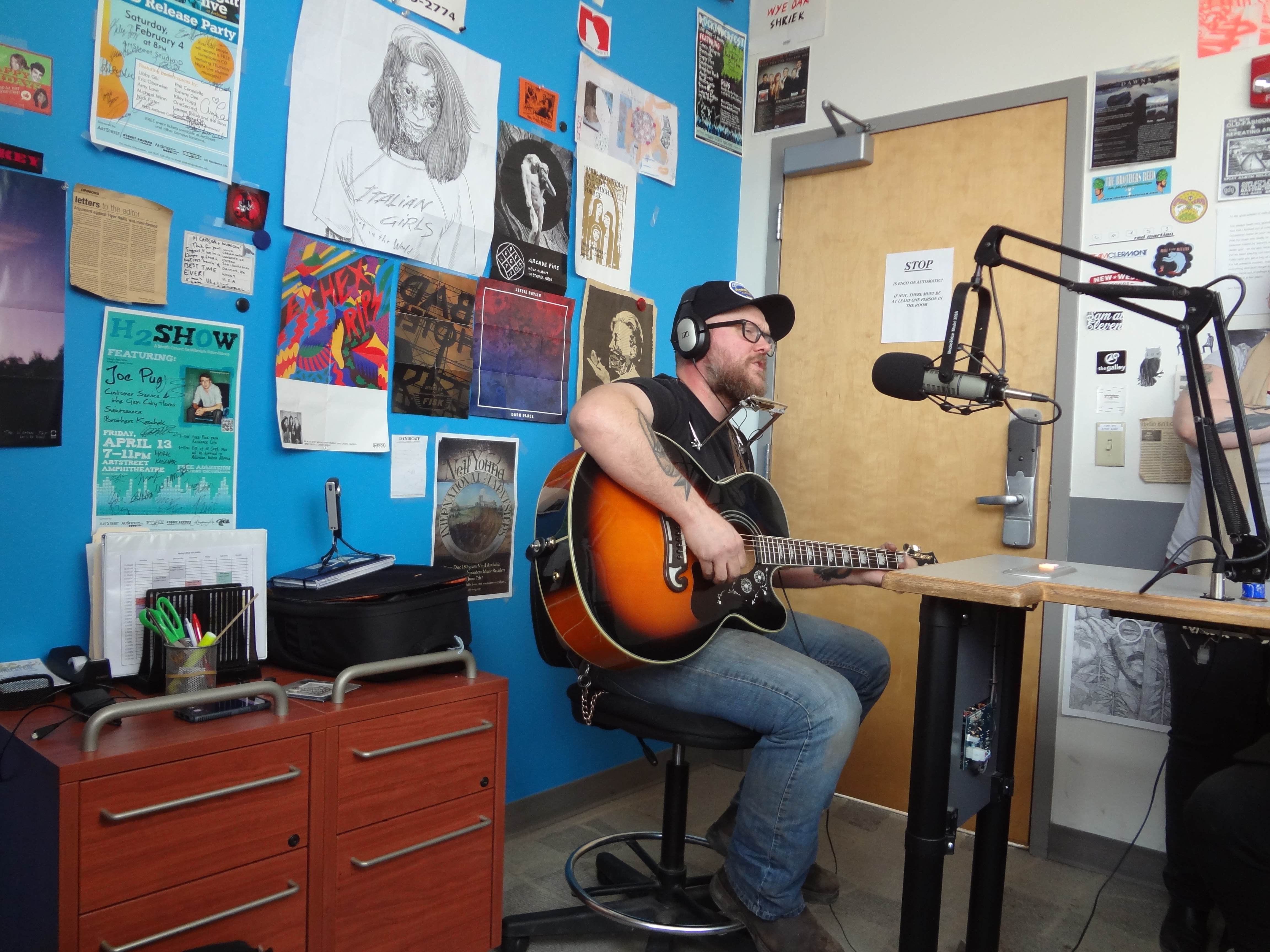
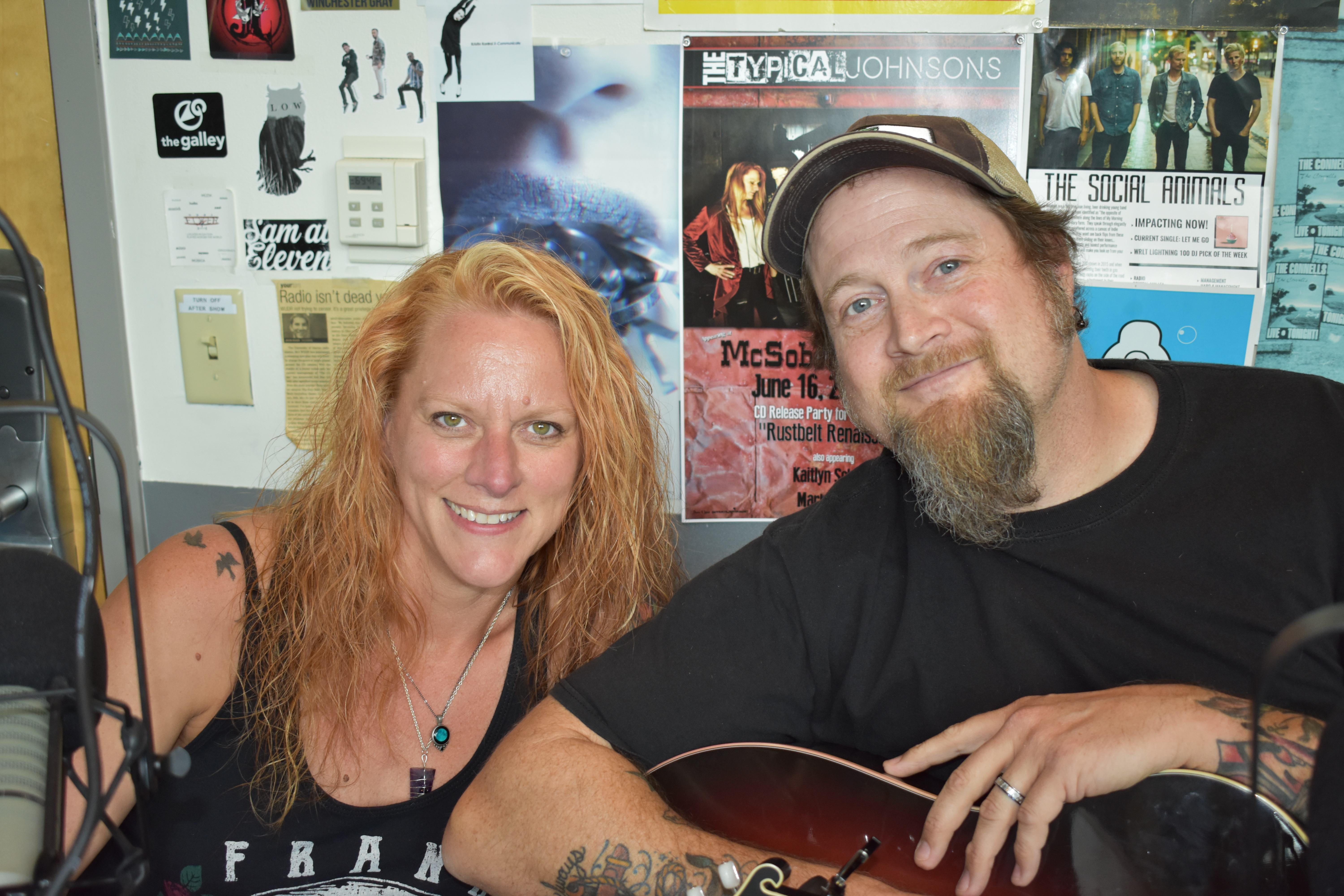
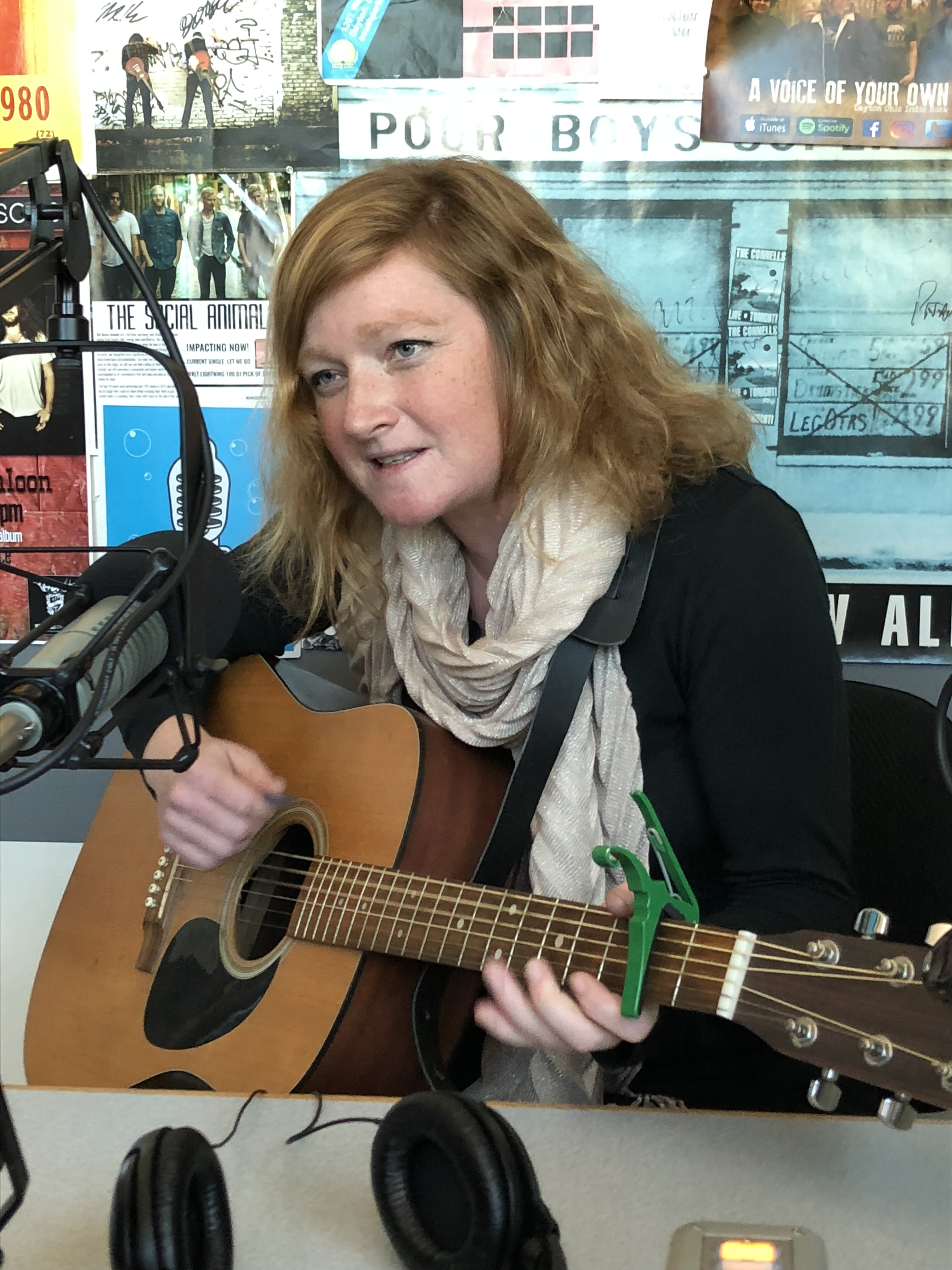
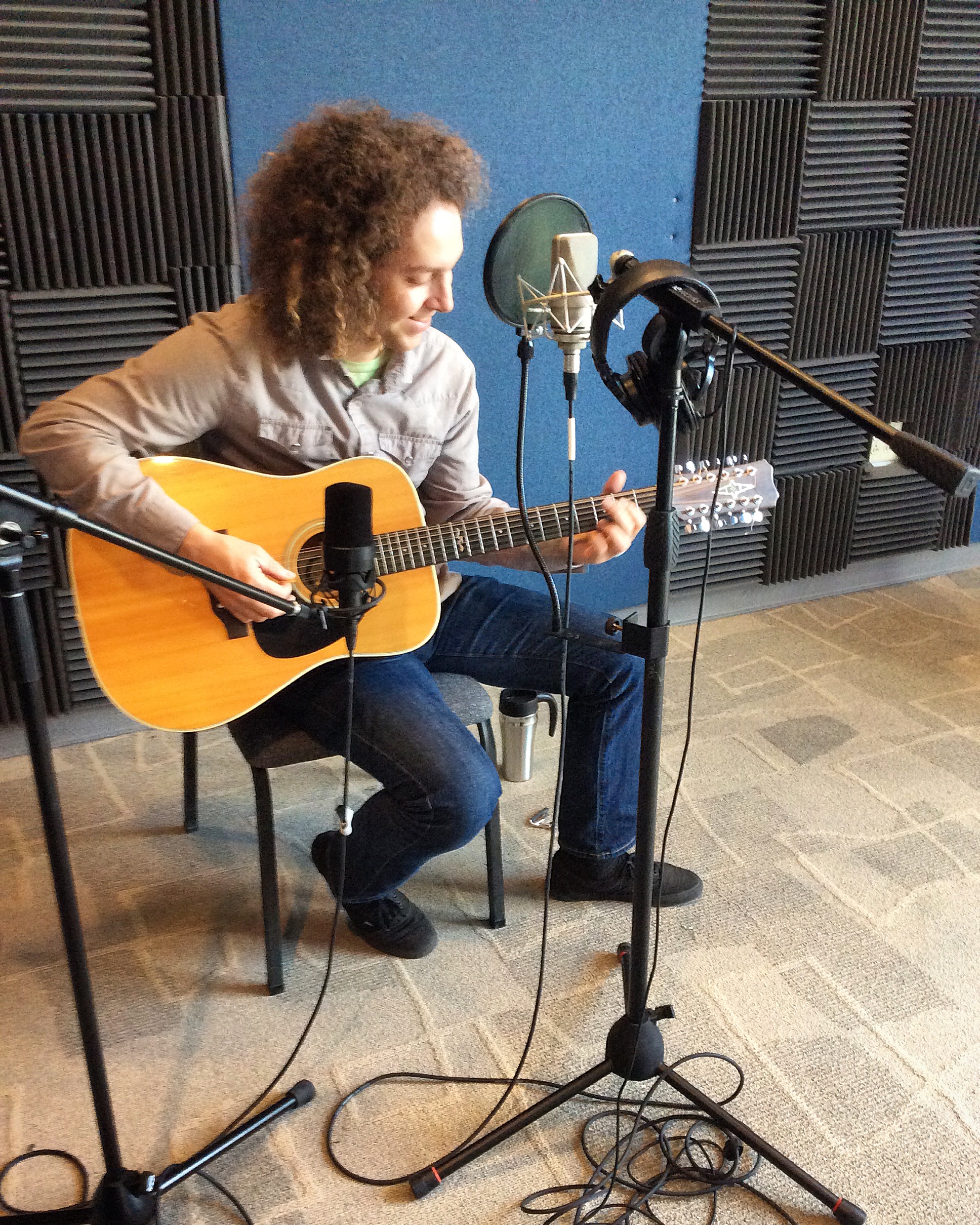
Live, intimate performances in a radio station hold a profound significance in the realm of music and broadcasting. Unlike large concerts in arenas or stadiums, these intimate sessions offer a unique and up-close experience for both the artist, the DJ, and the audience. The confined space of a radio station creates an atmosphere that fosters a sense of connection, an all too quickly fleeting and personal bond allowing the artist’s emotions and musical nuances to be experienced with unparalleled intimacy. And I have been unbelievably fortunate to have so many guests in the studio.

From the audience’s perspective, the intimacy of a radio station performance offers a rare chance to witness their favorite musicians in an unfiltered setting. It forges a more profound bond between the listener and the artist, creating an environment where the nuances of the performance are not lost in the vastness of a large venue. Live, intimate performances on a radio station bring artists and audiences together in a way that transcends the traditional concert experience. They celebrate the essence of music, fostering a connection that resonates on a deeper level, making these performances invaluable in the rich tapestry of musical expression.

From Thrasher Cadillac to Ghost Town Silence’s Tom Gilliam, who joined me for our annual YTAA Indie Holiday program, several artists in Dayton, the region, and national touring acts have shared their music with our listeners. Incredible songwriter and musician Charlie Jackson made his very first radio interview and performance in the WUDR studio space at Artstreet. Remember his name, a songwriter with that much talent and lyrical richness is perfectly made for a large, national audience. There is not enough patience to list all of the musical acts who have shared their time and music with us but let’s try that perseverance just a touch: The New Old Fashioned, Amber Hargett, Oh Condor, Cricketbows, Brainiac, Age Nowhere, Smug Brothers, The 1984 Draft, K.Carter, Kris N., XL427, Team Void, Matt Moran, Librarians With Hickeys, Rossonian, Bottlecap Mountain, Renaissance, Serin Oh, Motel Faces, Avalon Park, Josh Thrasher, Nicholas Johnson, Nate Peters, Me & Mountains, David Payne, Mike Bankhead, Harold Hensley, Neo American Pioneers, Zack Sliver, Nasty Bingo, Khyrs Blank, The Boxcar Suite, Brian Wells, Trees and Wells, Jennifer Taylor, Sharon A. Lane, Scary Hotel, Jetty Bones, Heather Redman, Sadbox, The Nautical Theme, Tod Weidner, Ike B., Max B. Greene, Tim Gebard, Manray, Mandy Jewel, The Typical Johnsons, Ricky Terrell, Kevin Serey, Windsor Knotts, Kyle Byrum, Dave Zup, Bill Wendell, Paul Monin, Seth Canan and The Carriers, Don Thrasher, Dead Licks, Sam King, Far From Eden, Andrew Hunt, The Paint Splats, Emory Road, Achilles Tenderloin, Curse of Cassandra, Rich Reuter, Nick Kizirnis, Kyleen Downes, Goodnight Goodnight, Charles Hartman, Kurt Lee Wheeler (who traveled from Georgia to be on our show that day), Lisa Gain & The Rusty Silos, Mack McKenzie, Steve Shockley of the Original Lakeside, and so many more. Still here? That is far from a complete list because those are just some of the artists who were in the studio. The magic of the phone call-in provided for so many more artists to share their gifts with all of us.

For the artist, performing live on a radio station provides an opportunity to showcase raw talent and authenticity. Stripped of elaborate productions, the focus shifts to the purity of the music and the artist’s ability to connect with the audience on a personal level. It becomes a platform for artists to experiment, improvise, and unveil new dimensions of their creativity.

As I exit the studio, the faint strains of a timeless song linger in the air, I play The New Old Fashioned – Radio Waves. It is fitting. As David Payne sings, I carry with me the echoes of my 19 years in my second office, resonating not only in the frequencies of the music but in the very fabric of my being. This radio station is more than a collection of songs; it’s a living, breathing entity, a guardian of memories, and a symbol of the enduring power of music to transcend the limitations of time and space. It was home.

WUDR will move to its new space in the Roger Glass Center for the Arts over the next several weeks. We will set up shop in an exciting new space that was specifically designed with the station and student media in mind, but we carry with us the incredible music experiences, history, and warm embrace of a building that was the radio station’s home for 22 years. Here’s to many more.

Video of The Day: I Only Cry When I’m Alone – Beth Bombara

In a world where music often shies away from genuine emotional rawness, Beth Bombara’s “I Only Cry When I’m Alone” emerges as a breath of fresh air. With soul-stirring lyrics, an evocative voice, and a hauntingly beautiful melody, this track is a testament to the power of simplicity in songwriting. And from the first listen, you will be hooked. And hooked hard to this gem. We have been playing Beth’s music for several years on YTAA and while we are in love with her brilliant latest album, It All Goes Up, her previous albums and music require your undivided attention as well. Plus this video also features the excellent “Upside Down.”

Bombara, a native of Grant Rapids, Michigan has made St. Louis her home, and has a knack for crafting songs that cut straight to the core of the human experience, and “I Only Cry When I’m Alone” is no exception. The song begins with a Jangly guitar riff, setting a melancholic tone that persists throughout. Beth’s voice enters feeling like a whisper, soft but laden with emotion, immediately pulling the listener into her world.

The lyrics of the song are a poignant reflection on the struggles we often hide from the outside world. Bombara confesses, “I’m owning all my insecurities, Callin’ ’em out by name and watch the demons bleed,
They’re tryna hold me to the in-between,” as she explores the common human experience of concealing our pain and vulnerability, even from those closest to us. The words are heartfelt, relatable, and delivered with such sincerity that they linger in the mind long after the song ends.

One of the most remarkable aspects of this track is its ability to build tension and emotion without resorting to excess. Sometimes a whisper hits like the loudest scream. Beth Bombara’s vocals are the driving force, conveying a sense of solitude and fragility that captivates the listener. The song’s arrangement hits from the first, featuring a ’70s feel with jangly guitars and sparse yet driving percussion that holds the song in place, allowing the lyrics and Bombara’s voice to take center stage. The instrumentation creates an intimate atmosphere that underscores the theme of emotional isolation, it has the same sensibility of R.E.M.’s Camera when Stipe sings:

“Will you be remembered? Will she be remembered?
Alone in a crowd a bartered lantern borrowed
If I’m to be your camera then who will be your face?

Bombara’s excellent lyrics have the same impact as the R.E.M. classic. We all have felt the loneliness of solitude and being in a crowd and revealing how we truly feel, the hurts that cannot be contained anymore when we are away from the judging eyes of the world. As Beth sings and holds the word ‘alone’ for a few beats, the impact is even stronger and more unavoidable:

Invisible as air
Hoping  you still care
It  doesn’t matter where I go
I only cry when I’m alone
I  only cry when I’m alone

The song’s production values are impeccable, highlighting Beth Bombara’s unmistakable talents as a songwriter and performer. The mix is clean and balanced, allowing every element to shine through without overpowering the emotional core of the song. The soundscapes created by “I Only Cry When I’m Alone” are evocative, painting a picture of a solitary moment of vulnerability that anyone can relate to.

As “I Only Cry When I’m Alone” progresses, Bombara’s vocals gain strength and intensity, mirroring the idea of vulnerability gradually giving way to self-acceptance. The song’s crescendo is both musically and emotionally satisfying, a testament to Beth’s masterful storytelling.

Beth Bombara’s “I Only Cry When I’m Alone” is a perfect example of vulnerability, passion, the need for connection, and simple direct, and unflinching authenticity. In an atomized world of overproduction and artificial emotions, Bombara’s music stands out as a shining example of what it means to connect with an audience on a deep, emotional level. Her lyrics are poignant, her voice is captivating, and the arrangement is perfectly suited to the song. “I Only Cry When I’m Alone” is a testament to the enduring power of raw, honest songwriting and marks Beth Bombara as an artist to watch. It’s a timeless tune that will undoubtedly leave a lasting impression on anyone who takes the time to listen. Take the time to listen.

The Musical Soul of Moroni Lane

Moroni Lane’s record, “Alchemy,” released almost a year ago on October 27, 2022, is a mesmerizing soulful journey into the nature of community building through heartfelt musical spirituality, social solidarity, and musical introspection. “Alchemy” is a spellbinding journey through a lush, sonic wilderness, proving that the lyrical boundaries of contemporary music are meant to be explored and stretched. The album, filled with an eclectic blend of textures, is a testament to Lane’s artistic prowess, poetry, and sonic experimentation. In a world filled with cookie-cutter pop and formulaic songwriting, “Alchemy” stands as a refreshing testament to the magic of musical alchemy in building community. Moroni Lane unapologetically seeks to build bridges of understanding that create ‘uplift and unity’ for all humanity. Do not think, for a moment, that such a challenge in creating real togetherness is a joke or an impossible task. As Lane demonstrates music’s power to touch us emotionally can accomplish this massive task.

Lane, a multi-instrumentalist and singer-songwriter hailing from the Gem city of Dayton, Ohio, has built a reputation for crafting music that defies easy classification. With “Alchemy,” he dives even deeper into his creative well, blending elements of Americana, folk, jazz, rock, and psychedelia to create a sonic tapestry that is both ethereal and rooted in the fragile threads of raw human emotion.

The album kicks off with the sparse title track, “Howl At The Moon,” setting the tone for the entire journey. The song is a bold opening statement, with Lane’s resonant voice delivering lyrics that speak of transformation and self-discovery through self-actualization and awakening. The instrumentation, a seamless blend of acoustic guitars and a rhythm section that knows when to hold back and when to push forward, creates a sound landscape that’s as vast as it is intimate.

Lane’s songwriting is a standout feature throughout the album. “High and Low” takes us into a powerful dreamlike state with its swirling, acoustic guitar and Lane’s ethereal vocals reminding us “That you have been enough, since your first breath of life.” The lyrics paint a vivid picture of empowerment derived from a celestial promise, drawing the listener into a spiritual gift. It’s a testament to Lane’s ability to create a sonic atmosphere that envelops the listener with music that is pleasing while extorting the listener to reflect, think, and act.

The tracks “The Light of Her Love” and “Let Go” showcase Lane’s gift for crafting memorable hooks and choruses. “Let Go,” in particular, is an infectious anthem that’s impossible not to sway along to as the song progresses. With catchy melodies and clever lyricism, it’s a prime example of Lane’s sensibility. “Other Worlds,” on the other hand, delves into a more contemplative and introspective realm, exploring themes of cosmic alignment and personal transformation. Here, Lane’s lyrical depth shines brightly, and his vocal performance is particularly evocative.

One of the standout moments of the album is “Reign.” The song is a masterclass in atmospheric production, with Lane’s voice floating above a backdrop of shimmering acoustic guitar and delicate percussion. The result is a breathtaking blend of sound that tugs at the heartstrings. The lyrics are equally compelling, painting a vivid picture of a journey to find inner peace and connection with the world around us. Here, Lane demonstrates his prowess as a guitarist, delivering a soulful and evocative performance. It’s a moment of respite, a chance for listeners to pause and reflect on the musical journey they’ve been on so far. Lane’s ability to communicate through instrumental music is evidence of his talent as a musician.

The closing track, “In The Hands of The Gods,” serves as a fitting conclusion to the album. It’s a gentle and contemplative piece that draws the listener into a gentle reflective state of mind. The soft, melodic guitar lines and Lane’s soothing vocals evoke a sense of closure and renewal, leaving a lasting impression.

Alchemy” is an album that demands multiple listens. It’s a multifaceted work of art that unveils new layers and nuances with each replay. Moroni Lane’s songwriting and musicianship are exceptional, and the album showcases his ability to seamlessly blend different musical elements, creating a sound that is uniquely his own.

Lane’s vocals are a standout feature throughout the album, with a remarkable range and an emotional depth that connects with the listener on a profound level. His lyrics are poetic and thought-provoking, offering a glimpse into the complexities of the human experience and the yearning for connection to one another. The album is a beautiful ode to the impermanence of life, and the necessity of communities that care for all members often featuring a stripped-down arrangement that allows Lane’s vocals to take center stage. His voice is accompanied by minimal acoustic guitar and subtle percussive embellishments, creating a sense of intimacy and vulnerability.

The production of “Alchemy” is also worth noting. The album’s soundscapes are lush and immersive, with each instrument serving a purpose and contributing to the overall experience. Lane and his collaborators have paid meticulous attention to detail, resulting in an album that is both polished and organic.

In a world where mainstream music often leans toward predictability and sameness, Moroni Lane’sAlchemy” is a breath of fresh air. It’s a reminder that music can be a powerful medium for self-expression and exploration. The album invites listeners to dive deep into their own thoughts and feelings, resonating with themes of personal transformation, self-discovery, and the interconnectedness of the universe. It’s a reminder that true artistry knows no constraints and that the alchemical process of turning raw emotion into music is a profound and timeless endeavor. In “Alchemy,” Lane has indeed achieved musical magic.