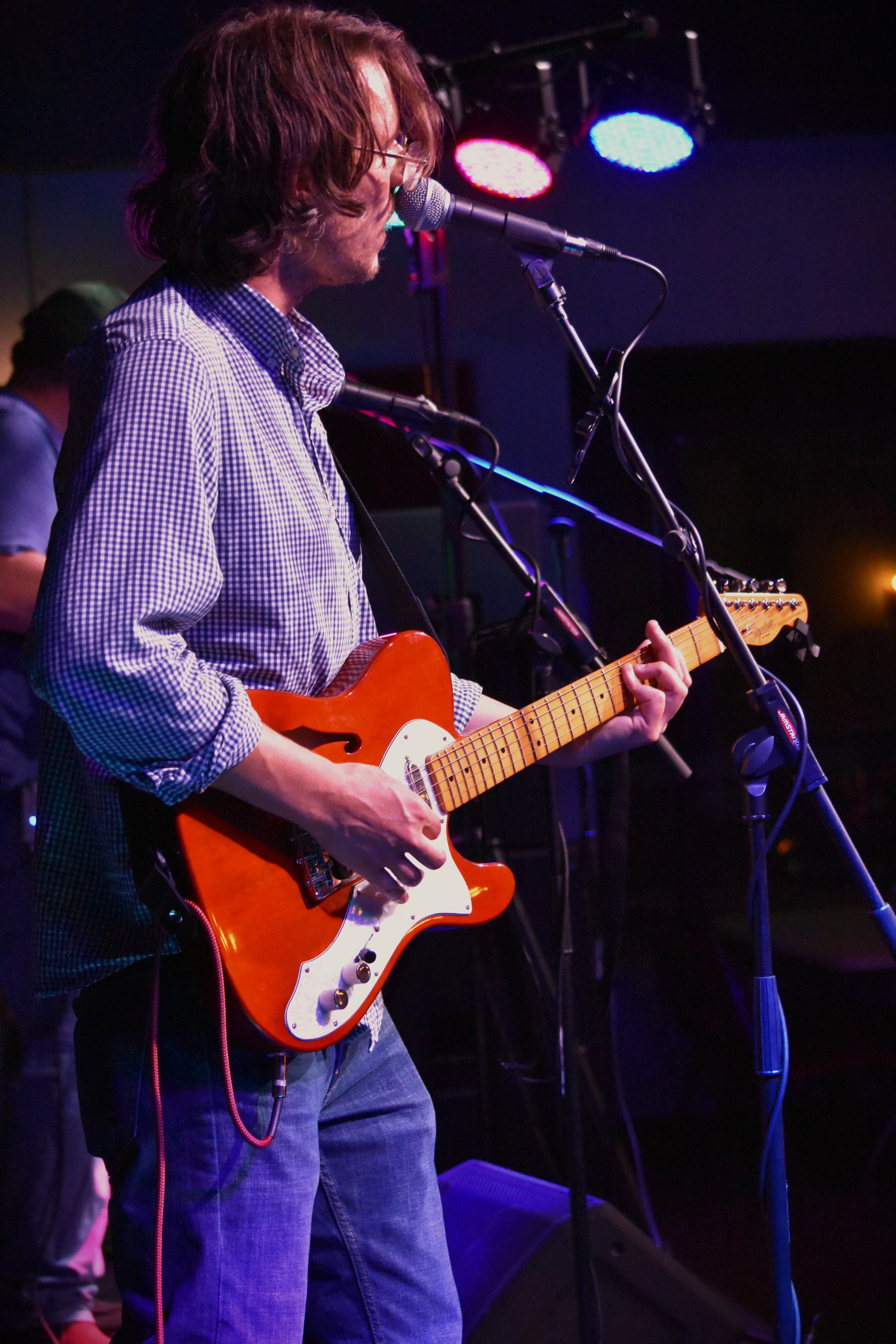
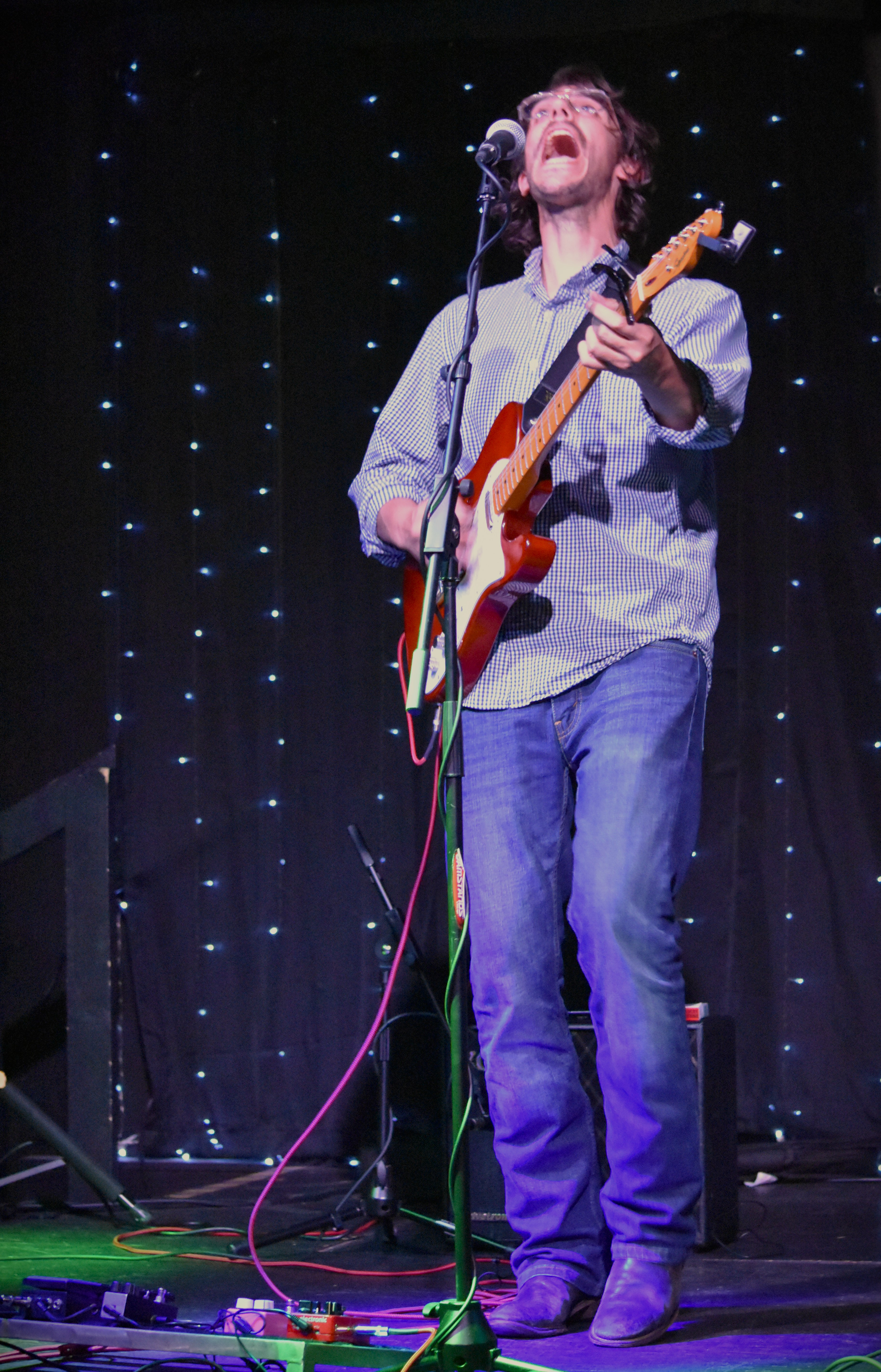
Swaying in the Radio Waves

In a dimly lit space of my basement home studio, surrounded by an array of vinyl records, cassette tapes along a small wall, stacks of vintage vinyl 45s, piles of CDs, and an eclectic mix of posters from local and underground shows, I sit hunched over a laptop, ready to embark on music discovery. With a cat on my lap and another nearby, I listen to new songs, local music, and pieces of someone’s heart that they have kindly shared with Your Tuesday Afternoon Alternative. This is my sanctuary, the cockpit from which I navigate a vast sea of independent music. As an indie music radio DJ, I’ve made it my mission to curate and broadcast tunes that I believe in, music that resonates beyond the mainstream. There is no shame in loving the music that speaks to you, mainstream or not. But I want to find something new, something unique. Perhaps it is an overwhelming sense of fear of missing out on something incredible, something wonderful that was released and far too few have heard it. Providing a conduit for the amazing music that has gone overlooked has kept me interested in radio for over 19 years at WUDR and for many years prior.

My love affair with indie music began in the smoky corners of obscure spaces, crowded clubs, and hidden venues in Minneapolis in the 1980s. And that interest was heightened in 1983 when I joined KUMM Student Radio at the University of Minnesota at Morris. I had chosen a college a few hours away from home, Herman, Minnesota population 550. My graduation class only had 25 students in it. I was not sure what I wanted to become when I went to college, but I knew one thing quite clearly — I wanted to leave the confines of small-town Minnesota life. The albums that my classmates loved were not my music, they did not feel real and authentic to me. The music that I heard on the few radio stations — mostly country music — did not speak to me nearly as much as the obscure bands and music that I found on late-night TV shows or magazines like The Trouser Press, Cream, and Crawdaddy.

I had a few musically progressive friends and a cousin who was like a brother to me who broadened my music experience. I was exposed to so many unique bands and records by cool friends who introduced me to bands like The Ramones, Big Star, Alice Cooper, R.E.M., early KISS records, The Replacements, The Suburbs, Loud Fast Rules (who later changed their name to Soul Asylum), and Prince. I am still prepared to argue that his first three records were and are brilliant records that fused soul, funk, R&B, pop, and punk. While I enjoyed the British New Wave of Gary Numan and the Romance Wave of Roxy Music, it was Duran Duran who led me to Joy Division, Adam and The Ants, Spandau Ballet, and The Cure. From ‘Planet Earth’ and ‘Girls on Film,’ I found ‘Love Will Tear Us Apart,’ ‘Transmission,’ ‘Ant Music,’ ‘True’ and ‘Boys Don’t Cry’ — I then spent years over Robert Smith’s catalog. I was captivated one late night when David Bowie’s music video for Ashes to Ashes played on some obscure program. It was life-changing and led me to seek out music from Ziggy Stardust in all of his personas and identities.

While others were getting lost in the polished melodies of chart-toppers, I found solace in the raw, unfiltered sounds of independent artists. It wasn’t just about the music; it was about the stories told through the lyrics, the rebellion against conformity, and the genuine passion that fueled every chord, every snap of the drum, every note that was delivered with passion. These sounds and bands were authentic and real to me. I read a story in a music magazine — Melody Maker, New Music Express, Smash Hits… to be completely honest I do not remember — about a band named after a plane, U2, and that eventually led me to their first album ‘Boy’ and that again, led me to be changed. Now, to be fair I was listening to a seriously concerning amount of Pink Floyd, Nick Drake, Television, and Patti Smith. The gateway of The Ramones led to The Sex Pistols, The Clash, Blondie (especially those early records), and more. While I did enjoy some truly strange fascination for some rock and pop groups, I had records and the usual posters on my bedroom walls of Scandal, Rick Springfield, Journey, Styx, Hall & Oates, and a brief fling with The Eagles’ Hotel California and Long Run (that led me to The Flying Burrito Brothers and Graham Parsons — thanks for sharing your records, mom!).

When I got to college, I decided to take this passion to the airwaves, embracing the role of a sonic designer. Armed with a microphone and a collection of gems that I could not wait to share, I set out to carve a niche for myself in the crowded world of radio, one that would champion the unheard and challenge the established norms. It helped tremendously that bands like R.E.M., U2, Ministry, Depeche Mode, Red Rockers, The Cure, and far more than I have the time (or you dear reader – the interest in reading) to recount here were releasing amazing records in the 1980s. The time period of 1983 to 1988 was not only my college years but an amazingly fertile time for what became known as College Rock then was labeled as Alternative or Post-Punk.

It has not always been easy trying to build bridges with the unknown for me. Being an indie music DJ is more than just spinning records or pushing play or fading sounds in and out; it’s about building bridges between artists and listeners. In a world saturated with predictable playlists, my goal is to be a conduit for the undiscovered. I sift through submissions from garage bands in Brooklyn to folk troubadours in the Pacific Northwest, searching for that spark of authenticity that sets them apart. We have a policy at YTAA, anything shared with us gets a listen. And in those perfect moments when we want to hear a song again, that captures our attention when there are so many records to preview, there is magic in the sound waves.

It’s not always about polished production or catchy hooks; it’s about the genuine emotion that reverberates through the music. Each song is a unique brushstroke on the canvas of the YTAA show, painting a sonic landscape that moves beyond the conventional. The thrill of introducing listeners to a hidden beauty, the adrenaline of playing a track that might just become someone’s favorite song – that’s the heartbeat of our radio station. I cannot express how much joy is experienced when someone requests a song we have played or calls the station to ask who was that amazing musician or band that they heard.

In the sprawling landscape of commercial radio, where playlists are often dictated by corporate interests or worse an inhumane algorithm, maintaining independence is a dance on a tightrope. Yet, this dance is the very essence of the existence of Your Tuesday Afternoon Alternative and my role as a DJ. There’s a certain liberation in knowing that a YTAA playlist is not dictated by market trends or corporate interests. Sometimes it is an accident of happenstance or from a connection on social media. Whatever the reason, it’s a rebellion against the formulaic, an assertion that there’s value in the unconventional, the unknown, the liminal. I would like to believe that we have built a community of listeners who crave the unexplored, and who trust this program to guide them through sonic places and spaces of undiscovered music.

Behind every track played lies a story – the struggle of an indie artist trying to be heard, the triumphs and tribulations of navigating an industry that often favors the polished over the genuine. It’s not just about the music; it’s about the people who create it. It is a privilege to interview artists whose stories are as compelling as their melodies. From the indie folk singer who busked on street corners to fund her first album to the punk rock trio that converted an abandoned warehouse into a recording studio, each narrative adds depth to the sonic tapestry we weave on the airwaves. These stories resonate with our listeners, connecting them to the music in ways that transcend the superficial. These are real experiences told by real people about the authentic music they have made to present some feelings, emotions, and ideas — the search for solidarity and connection through music is important and it should be protected at all costs.

One of the joys of indie radio is the freedom to be unpredictable. While commercial stations follow rigid playlists curated by algorithms, YTAA revels in the spontaneity of crafting a playlist that mirrors the ebb and flow of emotions. From ethereal dream pop to gritty pop-punk anthems, the playlist is a rollercoaster ride that keeps listeners on the edge of their seats wondering what is coming up next. One of the most exciting experiences in music is when we are surprised.

On YTAA we are not afraid to delve into uncharted territories, juxtaposing genres in a way that challenges preconceived notions. A haunting acoustic ballad might be followed by a raucous electronic track, or a looking-back indie classic creating a musical journey that mirrors the unpredictability of life itself. It’s a sonic adventure that invites listeners to step outside their comfort zones and embrace the diversity of the indie music landscape.

As an indie music DJ, my connection with the audience goes beyond the confines of the radio waves. Social media has become a virtual extension of the studio, a platform where listeners can engage in real-time discussions about the music they love. We endeavor to play as many requests that we receive as possible. Sometimes a request can take the show in a different, unplanned direction, and isn’t that an opportunity? The sense of community that has emerged is a testament to the power of indie music to unite diverse souls under a common sonic umbrella. It has been a rare honor to connect with other music fans on Twitter, Instagram, Facebook, and on this page. From virtual album listening parties to live Q&A sessions with artists, the digital realm has allowed us to amplify the sense of camaraderie that defines the indie music scene. It’s not just about broadcasting music; it’s about fostering a community where passion for the unconventional is celebrated.

Navigating the indie wilderness is not without its challenges. Limited resources, the constant struggle for visibility, and the ever-present threat of obscurity are hurdles that indie artists face daily. As a DJ, I’ve witnessed the frustration of talented musicians grappling with a system that often seems designed to favor the established. Yet, it’s precisely these challenges that fuel the fire of the indie spirit. The tenacity of artists who refuse to be silenced, and the resilience of a community that thrives on the fringes – these are the stories that inspire me to keep pushing boundaries and championing the cause of the independent. It is possible that the unknown music can be even more captivating than the known.

As I peer into the future of my journey as an indie music DJ, the horizon is both exciting and uncertain. The music industry is in a state of constant flux, with new platforms and technologies reshaping how people find music. Yet, one thing remains constant – the hunger for authenticity, the craving for sounds that defy the cookie-cutter formulas of mainstream music. I envision a future where indie music continues to be a beacon of diversity and creativity. Whether through virtual concert experiences or immersive audio storytelling, the indie spirit will find new avenues to flourish. My role as a sonic guide will evolve, adapting to the changing currents of technology while staying true to the essence of independent expression. Maybe in some way, I am still the same person who knew that there was exciting and cool music waiting to be discovered, the only question was how to find it. Perhaps now the problem is how to find that music in an oversaturated culture of the moment; the internet is both friend and foe.

In the closing moments of every radio show, as the last notes of an indie anthem fade into the ether, I reflect on the journey that brought me to this point. From the dimly lit venues of my youth to the expansive world of radio waves, it’s been a ride fueled by passion, rebellion, and an unwavering belief in the power of independent music. In the vast sea of sonic possibilities, I continue to navigate the waves, a lone captain on a ship of indie music treasures. As long as there are artists pushing boundaries, as long as there are listeners hungry for the unconventional, the journey will endure. For in the realm of indie music, every note is a declaration of independence, and every DJ is a storyteller weaving tales of sonic rebellion. Now, let’s go listen to some interesting music we have not heard before.

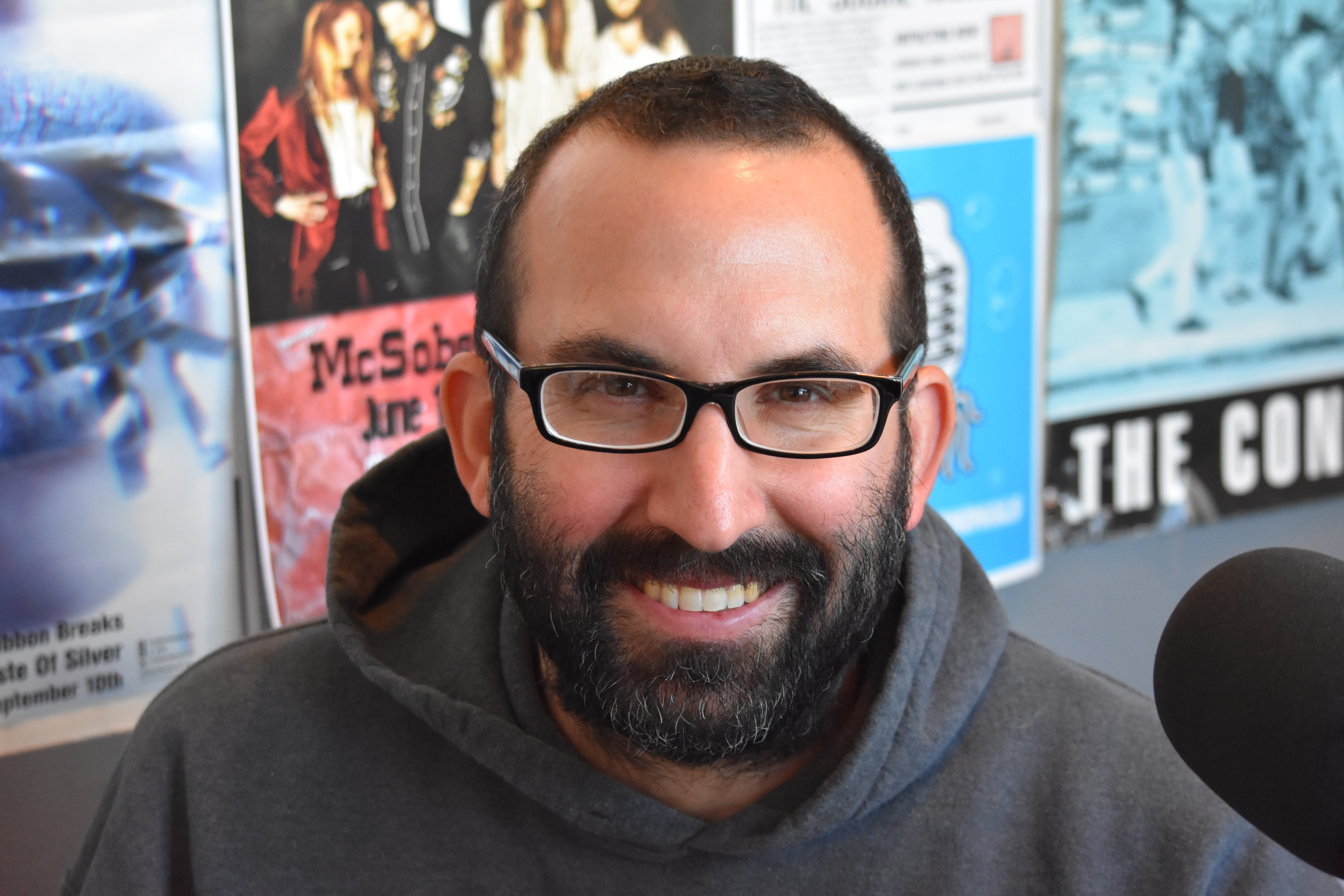
All station photos by Tom Gilliam Photography. Photos used with permission.

Resonance in Sound: 22 Years of Echoes at Artstreet

Normally, I am busy preparing for a radio show on Tuesday afternoons. Busy typing song titles into a computer that feels both like a friend and a reluctant companion. This Tuesday however, I am not doing any of that prep work because the radio station is preparing to move to its new home.

In the heart of the University of Dayton campus, nestled among the hustle and bustle, there exists a sanctuary that transcends the usual boundaries and divisions that we make for ourselves every day. For 22 years, a humble student-run radio station has occupied the same space, etching its mark on the airwaves and the souls of those who have tuned in whether they be students at the University of Dayton or community members looking for something captivating on the airwaves. In 2001, WUDR moved from cramped quarters in Kennedy Union to the then newly opened Artstreet complex creating a harmonious resonance that defies the transience of our ever-evolving world. The Artstreet experiment was untested on campus. It was a living, learning, creative space that playfully yet intentionally used architecture, design, and flexible classroom spaces to encourage applied creativity. WUDR Flyer Radio and Street Sounds Recording Studio shared the end of one of the buildings next to an open amphitheater for outdoor events. Before the radio station added online broadcasting, this came a few years later, the station provided a space for those with a passion for radio broadcasting, indie music enthusiasts, and students applying what they were learning in classes to come together toward a common goal of making radio shows.

While I was not a student for quite some time, I have long explored the role of a radio DJ. After receiving a positive tenure decision from the University of Dayton, I balanced my teaching, writing, and administrative obligations with a hunger to do radio again. For 19 years I tried to passionately advocate for local music balanced with an interest in new music and the development and evolution of indie and alternative music. For almost two decades that interest has animated Your Tuesday Afternoon Alternative. I wrote a personal essay about my sense of doing radio in September.

As I prepare to leave the studio that I have called my second office for 19 years, a wave of nostalgia washes over me. The worn-out carpet beneath my feet bears witness to the countless footsteps of other DJs — student and faculty — that have trodden this path before, each imprint telling a story of passion, dedication, and an unwavering commitment to the art of sound at WUDR. The walls, once adorned with posters of Dayton bands, amazing local shows, a few legendary musicians, and faded memories, seem to whisper tales of late-night broadcasts, whispered confessions, and the transformative power of music.

In an era where change is the only constant, the endurance of this student-run radio station becomes an anthem of constancy, a lighthouse guiding lost ships through the stormy seas of life. The comforting hum of the equipment, the familiar creaks in the chairs, the colors of the ENCO systems alongside the soft glow of the control panel all bear witness to the enduring spirit of a station that has weathered the storms of technological upheaval and the fickle tastes of an ever-evolving audience. The dim light and just barely audible hum of a computer to my right that sends the radio signal to the web is a constant companion.

It’s not just a radio station; it’s a time capsule, preserving the essence of an era long past while evolving with the pulse of the present. The student DJs who have graced this sacred space have become custodians of emotions, weaving the soundtrack of our lives through the carefully selected notes and melodies that have graced the airwaves for over two decades in this space (and over fifty years in total).

The connection between the station and its listeners is not merely a broadcast; it’s an intimate conversation that transcends the limits of physical space. You cannot see the people who are listening. The voices that have resonated through these speakers have been companions during late-night drives, all night cramming before a big test, solace during moments of solitude, and the soundtrack to celebrations and heartbreaks alike. The station has become a confidant, a friend, and a silent witness to the ebbs and flows of our collective experience on and off campus.

As the world around us races forward, this radio station through the various slogans and themes over the years — “rock in the gem city,” “music in all directions,” and “support your local music scene” — remains a constant, a testament to the enduring power of music to bind us across time and space. We come together even though we cannot see each other in that moment when a great song plays. It’s a reminder that, in the transient nature of life, some things are built to last. The 22 years encapsulated in these walls are not just a marker of time but a celebration of the resilience of the human spirit to create, connect, and find solace in the embrace of familiar melodies. Songs mean something beyond the notes, chords, voices… as they remind us what we feel.

In a society that often values the shiny and new, this radio station serves as a poignant reminder that there is beauty in the worn and weathered, in the stories etched into every scuff and scratch. It’s a living testament to the belief that, sometimes, the most profound expressions of art and emotion arise not from the pursuit of the novel but from the nurturing of what already exists.

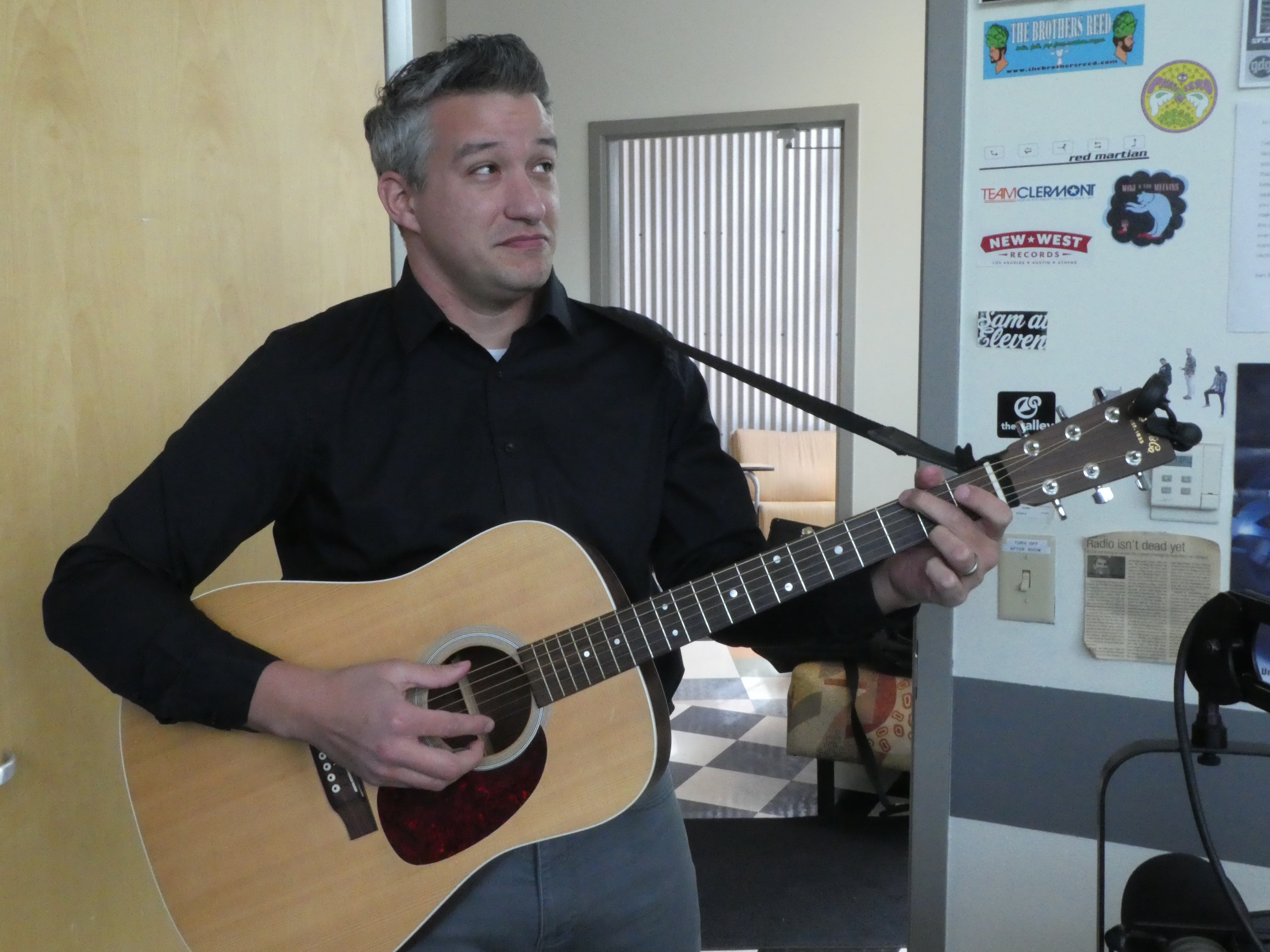
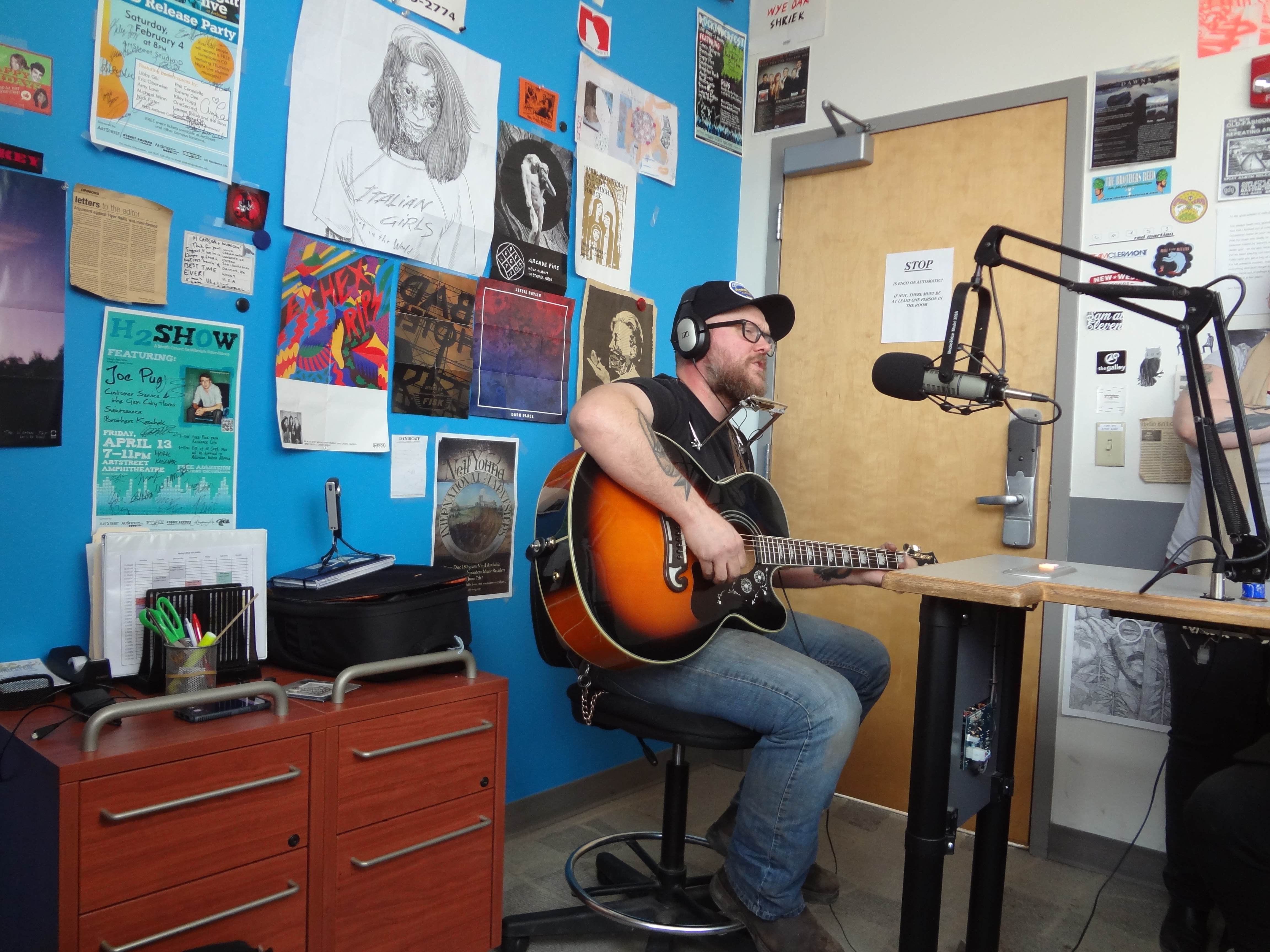
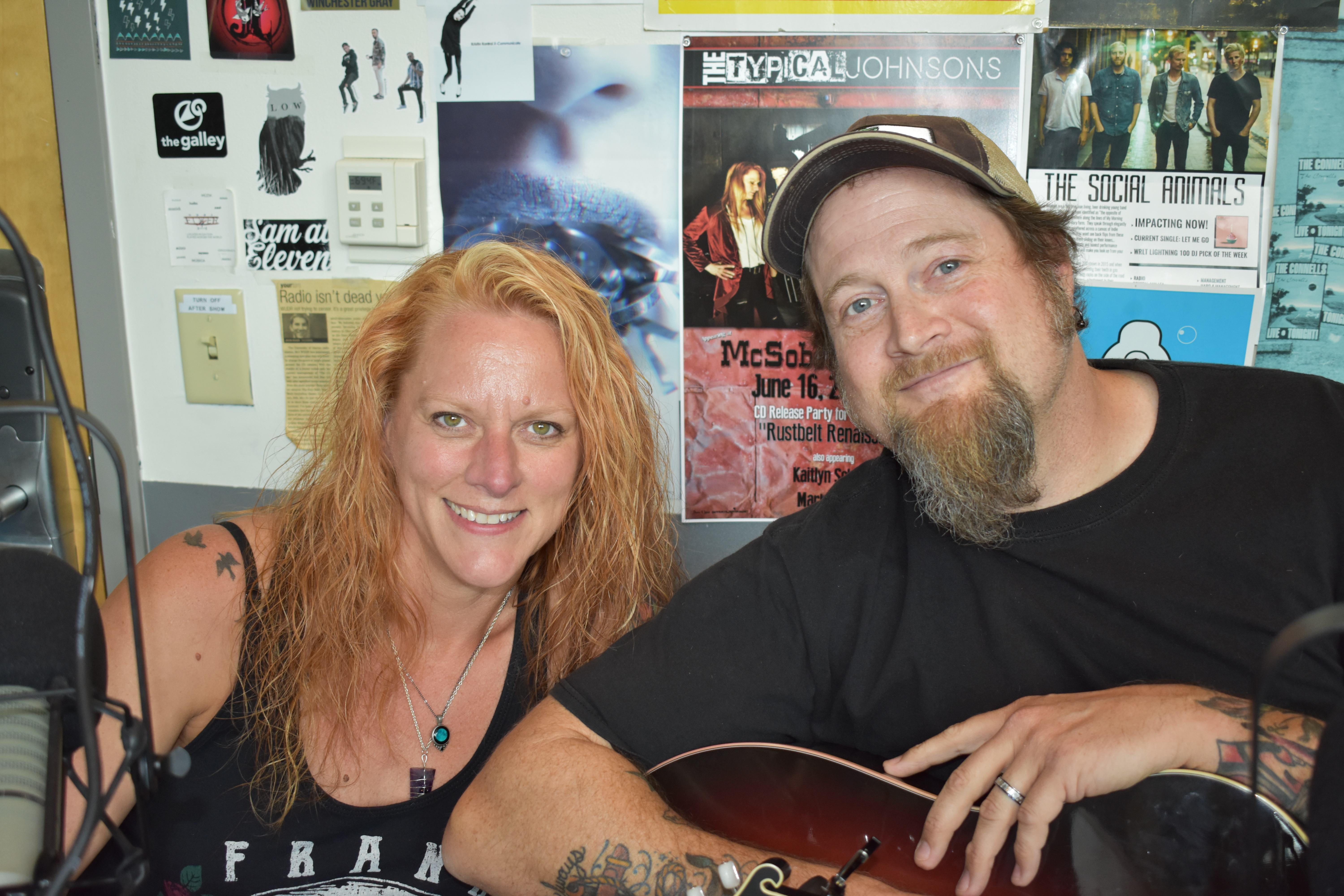
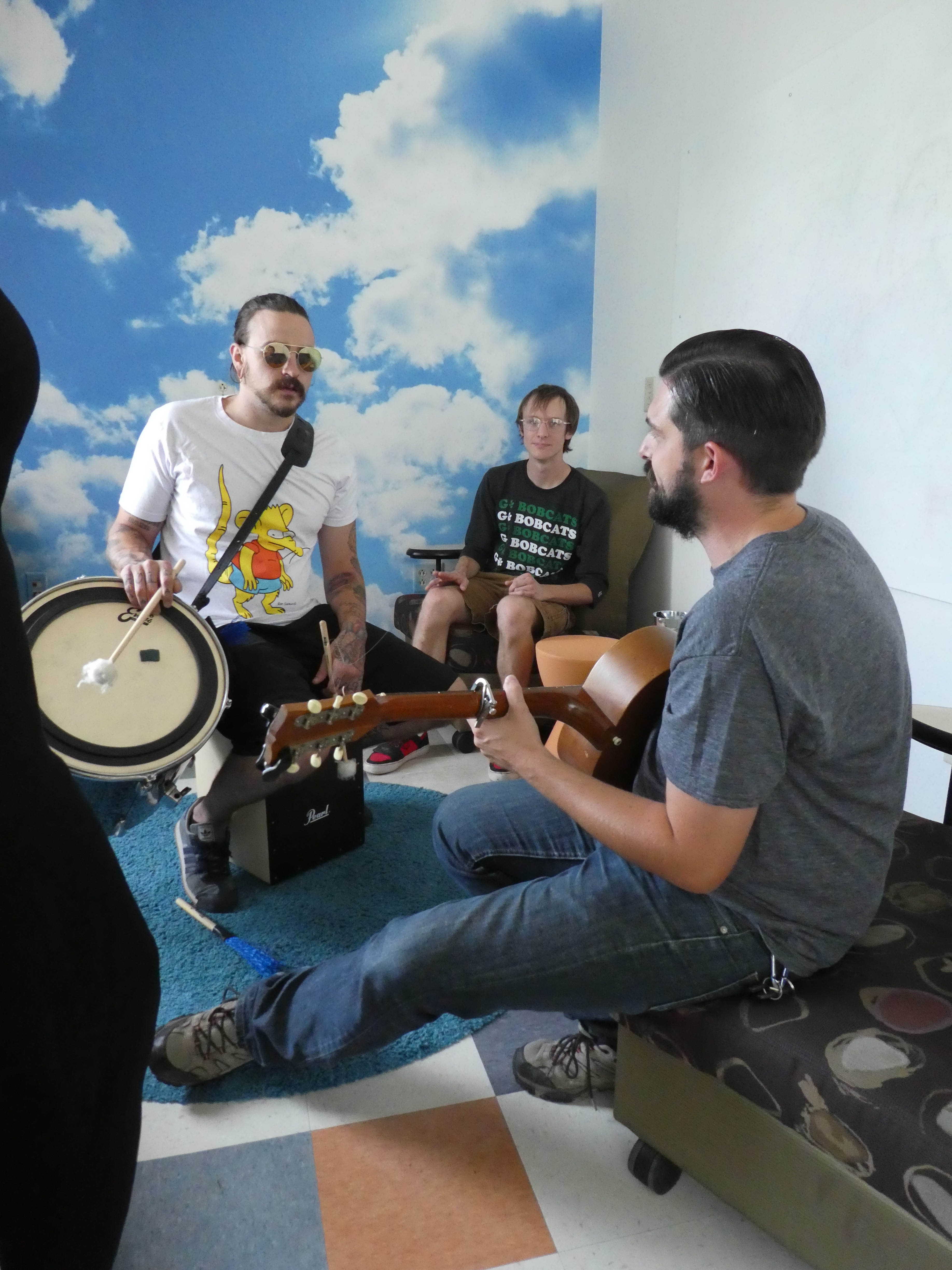
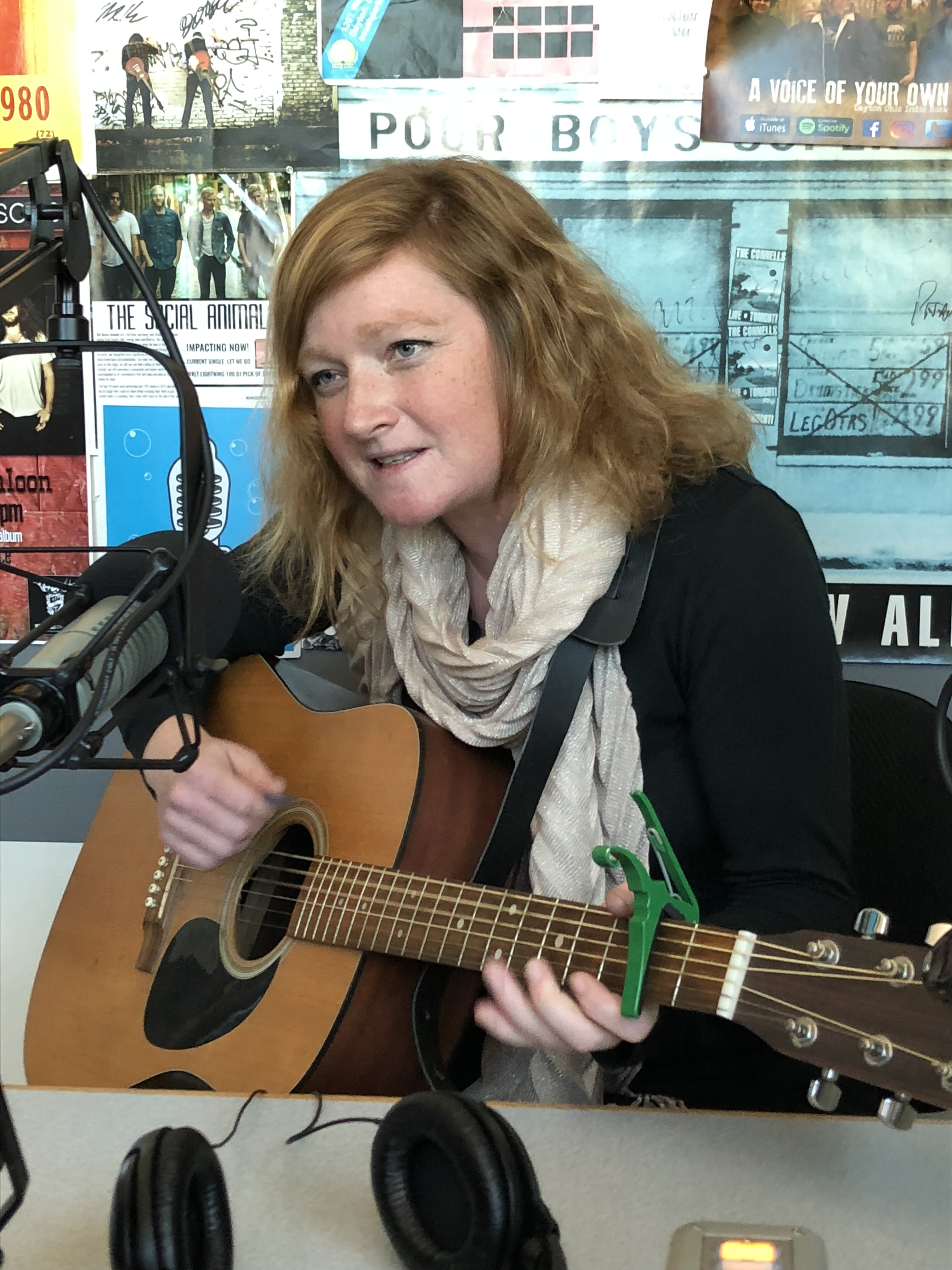
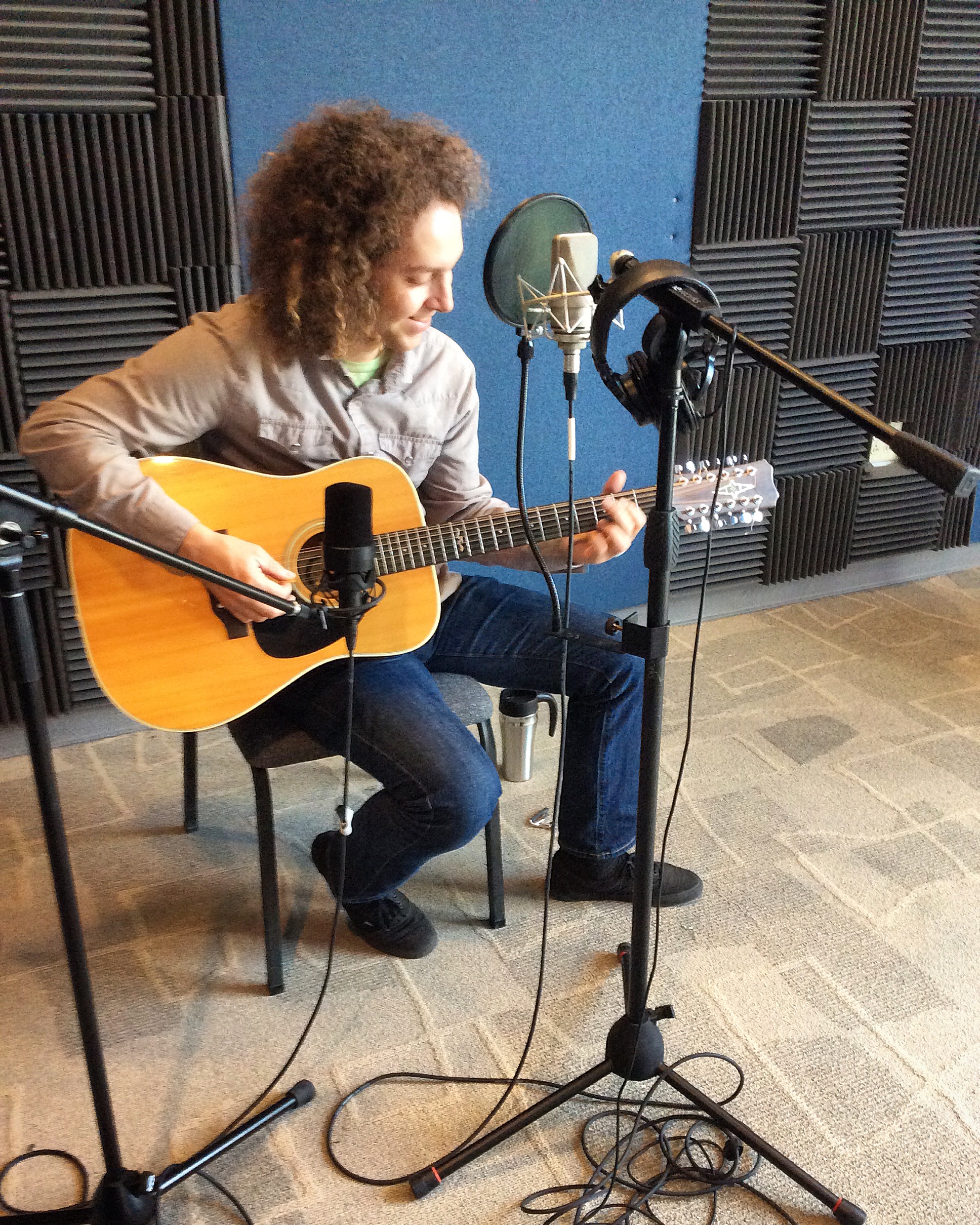
Live, intimate performances in a radio station hold a profound significance in the realm of music and broadcasting. Unlike large concerts in arenas or stadiums, these intimate sessions offer a unique and up-close experience for both the artist, the DJ, and the audience. The confined space of a radio station creates an atmosphere that fosters a sense of connection, an all too quickly fleeting and personal bond allowing the artist’s emotions and musical nuances to be experienced with unparalleled intimacy. And I have been unbelievably fortunate to have so many guests in the studio.

From the audience’s perspective, the intimacy of a radio station performance offers a rare chance to witness their favorite musicians in an unfiltered setting. It forges a more profound bond between the listener and the artist, creating an environment where the nuances of the performance are not lost in the vastness of a large venue. Live, intimate performances on a radio station bring artists and audiences together in a way that transcends the traditional concert experience. They celebrate the essence of music, fostering a connection that resonates on a deeper level, making these performances invaluable in the rich tapestry of musical expression.

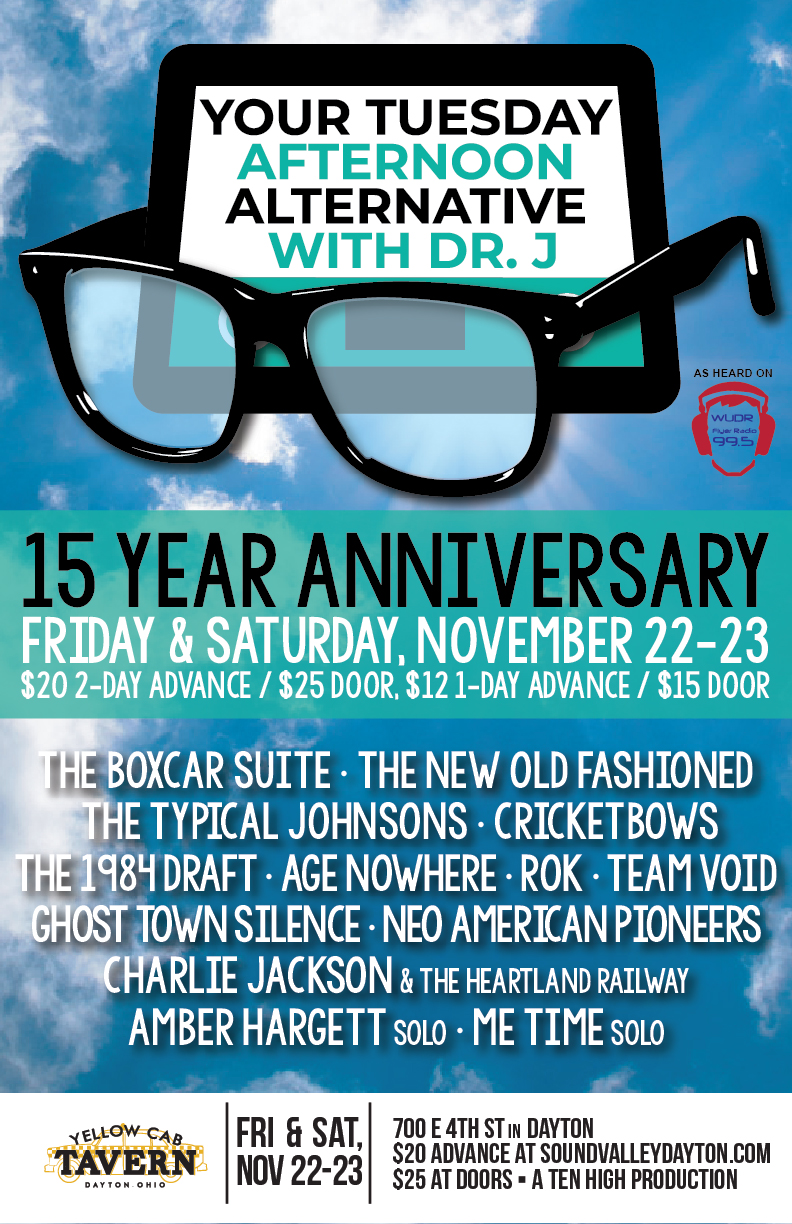
From Thrasher Cadillac to Ghost Town Silence’s Tom Gilliam, who joined me for our annual YTAA Indie Holiday program, several artists in Dayton, the region, and national touring acts have shared their music with our listeners. Incredible songwriter and musician Charlie Jackson made his very first radio interview and performance in the WUDR studio space at Artstreet. Remember his name, a songwriter with that much talent and lyrical richness is perfectly made for a large, national audience. There is not enough patience to list all of the musical acts who have shared their time and music with us but let’s try that perseverance just a touch: The New Old Fashioned, Amber Hargett, Oh Condor, Cricketbows, Brainiac, Age Nowhere, Smug Brothers, The 1984 Draft, K.Carter, Kris N., XL427, Team Void, Matt Moran, Librarians With Hickeys, Rossonian, Bottlecap Mountain, Renaissance, Serin Oh, Motel Faces, Avalon Park, Josh Thrasher, Nicholas Johnson, Nate Peters, Me & Mountains, David Payne, Mike Bankhead, Harold Hensley, Neo American Pioneers, Zack Sliver, Nasty Bingo, Khyrs Blank, The Boxcar Suite, Brian Wells, Trees and Wells, Jennifer Taylor, Sharon A. Lane, Scary Hotel, Jetty Bones, Heather Redman, Sadbox, The Nautical Theme, Tod Weidner, Ike B., Max B. Greene, Tim Gebard, Manray, Mandy Jewel, The Typical Johnsons, Ricky Terrell, Kevin Serey, Windsor Knotts, Kyle Byrum, Dave Zup, Bill Wendell, Paul Monin, Seth Canan and The Carriers, Don Thrasher, Dead Licks, Sam King, Far From Eden, Andrew Hunt, The Paint Splats, Emory Road, Achilles Tenderloin, Curse of Cassandra, Rich Reuter, Nick Kizirnis, Kyleen Downes, Goodnight Goodnight, Charles Hartman, Kurt Lee Wheeler (who traveled from Georgia to be on our show that day), Lisa Gain & The Rusty Silos, Mack McKenzie, Steve Shockley of the Original Lakeside, and so many more. Still here? That is far from a complete list because those are just some of the artists who were in the studio. The magic of the phone call-in provided for so many more artists to share their gifts with all of us.

For the artist, performing live on a radio station provides an opportunity to showcase raw talent and authenticity. Stripped of elaborate productions, the focus shifts to the purity of the music and the artist’s ability to connect with the audience on a personal level. It becomes a platform for artists to experiment, improvise, and unveil new dimensions of their creativity.

As I exit the studio, the faint strains of a timeless song linger in the air, I play The New Old Fashioned – Radio Waves. It is fitting. As David Payne sings, I carry with me the echoes of my 19 years in my second office, resonating not only in the frequencies of the music but in the very fabric of my being. This radio station is more than a collection of songs; it’s a living, breathing entity, a guardian of memories, and a symbol of the enduring power of music to transcend the limitations of time and space. It was home.

WUDR will move to its new space in the Roger Glass Center for the Arts over the next several weeks. We will set up shop in an exciting new space that was specifically designed with the station and student media in mind, but we carry with us the incredible music experiences, history, and warm embrace of a building that was the radio station’s home for 22 years. Here’s to many more.

Video of The Day: I Only Cry When I’m Alone – Beth Bombara

In a world where music often shies away from genuine emotional rawness, Beth Bombara’s “I Only Cry When I’m Alone” emerges as a breath of fresh air. With soul-stirring lyrics, an evocative voice, and a hauntingly beautiful melody, this track is a testament to the power of simplicity in songwriting. And from the first listen, you will be hooked. And hooked hard to this gem. We have been playing Beth’s music for several years on YTAA and while we are in love with her brilliant latest album, It All Goes Up, her previous albums and music require your undivided attention as well. Plus this video also features the excellent “Upside Down.”

Bombara, a native of Grant Rapids, Michigan has made St. Louis her home, and has a knack for crafting songs that cut straight to the core of the human experience, and “I Only Cry When I’m Alone” is no exception. The song begins with a Jangly guitar riff, setting a melancholic tone that persists throughout. Beth’s voice enters feeling like a whisper, soft but laden with emotion, immediately pulling the listener into her world.

The lyrics of the song are a poignant reflection on the struggles we often hide from the outside world. Bombara confesses, “I’m owning all my insecurities, Callin’ ’em out by name and watch the demons bleed,
They’re tryna hold me to the in-between,” as she explores the common human experience of concealing our pain and vulnerability, even from those closest to us. The words are heartfelt, relatable, and delivered with such sincerity that they linger in the mind long after the song ends.

One of the most remarkable aspects of this track is its ability to build tension and emotion without resorting to excess. Sometimes a whisper hits like the loudest scream. Beth Bombara’s vocals are the driving force, conveying a sense of solitude and fragility that captivates the listener. The song’s arrangement hits from the first, featuring a ’70s feel with jangly guitars and sparse yet driving percussion that holds the song in place, allowing the lyrics and Bombara’s voice to take center stage. The instrumentation creates an intimate atmosphere that underscores the theme of emotional isolation, it has the same sensibility of R.E.M.’s Camera when Stipe sings:

“Will you be remembered? Will she be remembered?
Alone in a crowd a bartered lantern borrowed
If I’m to be your camera then who will be your face?

Bombara’s excellent lyrics have the same impact as the R.E.M. classic. We all have felt the loneliness of solitude and being in a crowd and revealing how we truly feel, the hurts that cannot be contained anymore when we are away from the judging eyes of the world. As Beth sings and holds the word ‘alone’ for a few beats, the impact is even stronger and more unavoidable:

Invisible as air
Hoping  you still care
It  doesn’t matter where I go
I only cry when I’m alone
I  only cry when I’m alone

The song’s production values are impeccable, highlighting Beth Bombara’s unmistakable talents as a songwriter and performer. The mix is clean and balanced, allowing every element to shine through without overpowering the emotional core of the song. The soundscapes created by “I Only Cry When I’m Alone” are evocative, painting a picture of a solitary moment of vulnerability that anyone can relate to.

As “I Only Cry When I’m Alone” progresses, Bombara’s vocals gain strength and intensity, mirroring the idea of vulnerability gradually giving way to self-acceptance. The song’s crescendo is both musically and emotionally satisfying, a testament to Beth’s masterful storytelling.

Beth Bombara’s “I Only Cry When I’m Alone” is a perfect example of vulnerability, passion, the need for connection, and simple direct, and unflinching authenticity. In an atomized world of overproduction and artificial emotions, Bombara’s music stands out as a shining example of what it means to connect with an audience on a deep, emotional level. Her lyrics are poignant, her voice is captivating, and the arrangement is perfectly suited to the song. “I Only Cry When I’m Alone” is a testament to the enduring power of raw, honest songwriting and marks Beth Bombara as an artist to watch. It’s a timeless tune that will undoubtedly leave a lasting impression on anyone who takes the time to listen. Take the time to listen.

The Musical Soul of Moroni Lane

Moroni Lane’s record, “Alchemy,” released almost a year ago on October 27, 2022, is a mesmerizing soulful journey into the nature of community building through heartfelt musical spirituality, social solidarity, and musical introspection. “Alchemy” is a spellbinding journey through a lush, sonic wilderness, proving that the lyrical boundaries of contemporary music are meant to be explored and stretched. The album, filled with an eclectic blend of textures, is a testament to Lane’s artistic prowess, poetry, and sonic experimentation. In a world filled with cookie-cutter pop and formulaic songwriting, “Alchemy” stands as a refreshing testament to the magic of musical alchemy in building community. Moroni Lane unapologetically seeks to build bridges of understanding that create ‘uplift and unity’ for all humanity. Do not think, for a moment, that such a challenge in creating real togetherness is a joke or an impossible task. As Lane demonstrates music’s power to touch us emotionally can accomplish this massive task.

Lane, a multi-instrumentalist and singer-songwriter hailing from the Gem city of Dayton, Ohio, has built a reputation for crafting music that defies easy classification. With “Alchemy,” he dives even deeper into his creative well, blending elements of Americana, folk, jazz, rock, and psychedelia to create a sonic tapestry that is both ethereal and rooted in the fragile threads of raw human emotion.

The album kicks off with the sparse title track, “Howl At The Moon,” setting the tone for the entire journey. The song is a bold opening statement, with Lane’s resonant voice delivering lyrics that speak of transformation and self-discovery through self-actualization and awakening. The instrumentation, a seamless blend of acoustic guitars and a rhythm section that knows when to hold back and when to push forward, creates a sound landscape that’s as vast as it is intimate.

Lane’s songwriting is a standout feature throughout the album. “High and Low” takes us into a powerful dreamlike state with its swirling, acoustic guitar and Lane’s ethereal vocals reminding us “That you have been enough, since your first breath of life.” The lyrics paint a vivid picture of empowerment derived from a celestial promise, drawing the listener into a spiritual gift. It’s a testament to Lane’s ability to create a sonic atmosphere that envelops the listener with music that is pleasing while extorting the listener to reflect, think, and act.

The tracks “The Light of Her Love” and “Let Go” showcase Lane’s gift for crafting memorable hooks and choruses. “Let Go,” in particular, is an infectious anthem that’s impossible not to sway along to as the song progresses. With catchy melodies and clever lyricism, it’s a prime example of Lane’s sensibility. “Other Worlds,” on the other hand, delves into a more contemplative and introspective realm, exploring themes of cosmic alignment and personal transformation. Here, Lane’s lyrical depth shines brightly, and his vocal performance is particularly evocative.

One of the standout moments of the album is “Reign.” The song is a masterclass in atmospheric production, with Lane’s voice floating above a backdrop of shimmering acoustic guitar and delicate percussion. The result is a breathtaking blend of sound that tugs at the heartstrings. The lyrics are equally compelling, painting a vivid picture of a journey to find inner peace and connection with the world around us. Here, Lane demonstrates his prowess as a guitarist, delivering a soulful and evocative performance. It’s a moment of respite, a chance for listeners to pause and reflect on the musical journey they’ve been on so far. Lane’s ability to communicate through instrumental music is evidence of his talent as a musician.
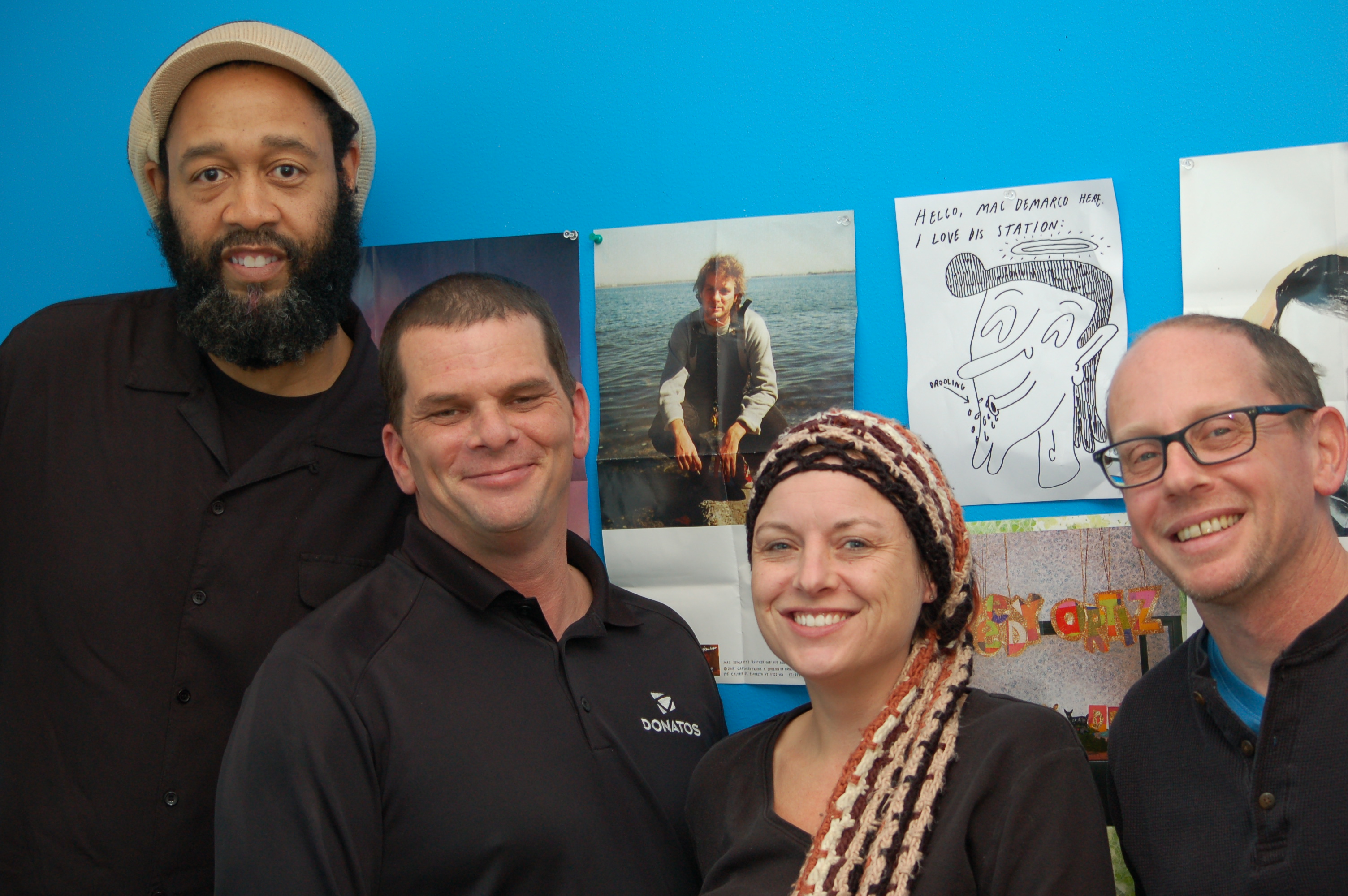
The closing track, “In The Hands of The Gods,” serves as a fitting conclusion to the album. It’s a gentle and contemplative piece that draws the listener into a gentle reflective state of mind. The soft, melodic guitar lines and Lane’s soothing vocals evoke a sense of closure and renewal, leaving a lasting impression.

Alchemy” is an album that demands multiple listens. It’s a multifaceted work of art that unveils new layers and nuances with each replay. Moroni Lane’s songwriting and musicianship are exceptional, and the album showcases his ability to seamlessly blend different musical elements, creating a sound that is uniquely his own.

Lane’s vocals are a standout feature throughout the album, with a remarkable range and an emotional depth that connects with the listener on a profound level. His lyrics are poetic and thought-provoking, offering a glimpse into the complexities of the human experience and the yearning for connection to one another. The album is a beautiful ode to the impermanence of life, and the necessity of communities that care for all members often featuring a stripped-down arrangement that allows Lane’s vocals to take center stage. His voice is accompanied by minimal acoustic guitar and subtle percussive embellishments, creating a sense of intimacy and vulnerability.

The production of “Alchemy” is also worth noting. The album’s soundscapes are lush and immersive, with each instrument serving a purpose and contributing to the overall experience. Lane and his collaborators have paid meticulous attention to detail, resulting in an album that is both polished and organic.

In a world where mainstream music often leans toward predictability and sameness, Moroni Lane’sAlchemy” is a breath of fresh air. It’s a reminder that music can be a powerful medium for self-expression and exploration. The album invites listeners to dive deep into their own thoughts and feelings, resonating with themes of personal transformation, self-discovery, and the interconnectedness of the universe. It’s a reminder that true artistry knows no constraints and that the alchemical process of turning raw emotion into music is a profound and timeless endeavor. In “Alchemy,” Lane has indeed achieved musical magic.

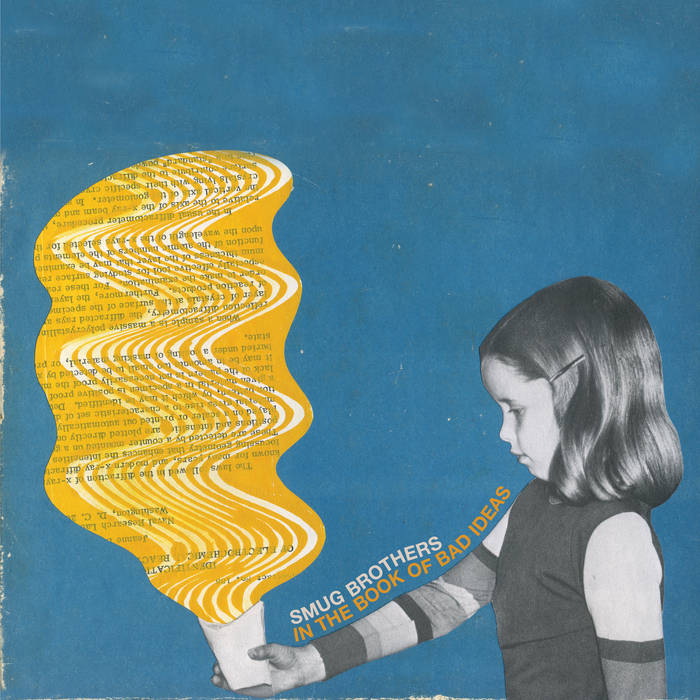
Smug Brothers’ “In The Book of Bad Ideas” – A Triumph of Grit and Honesty

Amidst the echoing corridors of indie rock, there lies a trove of hidden gems that, despite their immense talent, have managed to elude the mainstream spotlight. Smug Brothers, a band hailing from both Dayton and Columbus, Ohio, has been one of these underappreciated treasures for over two decades. Their latest release, “In The Book of Bad Ideas,” is a testament to their unyielding passion and unwavering commitment to their craft. In this album, they’ve harnessed the raw power of indie rock ‘n’ roll, crafting gritty and honest music that resonates with anyone who has a heartbeat.

In The Book of Bad Ideas” is not a record that pleads for your attention; it demands it. The record saunters into the room with a vibe that is warm, welcoming, and inviting. The album opens with the sweet swirling, jangly track “Lullaby.” Right from the first note, you’re thrust into a world of jangly guitars and unapologetic vocals — the song is a slide of authenticity. There’s a sense of urgency and swing in this song that sets the tone for the entire album.

Frontman, guitarist, and songwriter, Kyle Melton, is a gifted storyteller who possesses a voice that simultaneously conveys vulnerability and strength. As he sings it’s evident that the lyrics come from a place of honesty, making it easy for the listener to connect with the music on a personal level even when clever wordplay might hide the destination. Sometimes the fun elliptical mystery is more compelling than an obvious statement.

The Smug Brothers have cultivated a sound that’s refreshingly rebellious within the sonics of an indie rock attack — imagine Guided By Voices with a hint of R.E.M., a pinch of Swearing at Motorists at a lo-fi house on the corner. Tracks like “Pattern Caveat” and “Mistaken for Stars” are indie anthems, amplified by the band’s masterful use of distortion and reverb. Guitarists Kyle Melton and Scott Trimble churn out a jangle pattern riff after riff with an infectious intensity that keeps a loose enjoyment. Their synergy is evident, and they create a wall of sound that engulfs the listener.

The rhythm section, comprised of bassist Kyle Sowash and Dayton music legend, drummer Don Thrasher, is the heartbeat of the album. The band’s relentless energy is anchored by their solid groove, which is particularly prominent in tracks like “Mistaken for Stars,” “Let Me Know When It’s Yes,” “Since the First Time I Heard You Laugh” and “Sudden Berlin.” They are the backbone upon which the edifice of Smug Brothers’ sound stands. The percussion, in particular, jumps out on this record set against the chiming, shimmering guitar cadences over which Melton sings with restrained passion — always vulnerable, confident, and reflective.

While the Smug Brothers are unapologetically rocking out, there’s a depth to their music that elevates them above mere noise-makers. The band demonstrates significant emotional depth and nuance across the album’s 15 tracks. “An Age in an Instant,” a melancholic ballad, showcases the band’s ability to slow down and embrace vulnerability without a sneer or nod to fiction. Nothing is pretense, everything matters. The lyrics convey a sense of introspection and longing, accompanied by beautifully understated guitar work that allows Melton’s voice to take center stage. The song works because of the high-intensity songs that come before it, especially “Enceladus Lexicon.”

In The Book of Bad Ideas” is not just an album about decision-making whether it’s personal choices or the ideas of others. It’s also a meditation on the human condition. In tracks like “Nights in Other Worlds,” the band grapples with themes of regret and longing, painting a poignant picture of the emotional complexities of life. These introspective moments are the yin to the album’s shimmering yang.

One of the most captivating aspects of “In The Book of Bad Ideas” is how it manages to feel both contemporary and nostalgic simultaneously. It’s as if the band has dusted off classic rock’s blueprint and breathed new life into it. You can hear shades of influences from the likes of The Replacements, Guided By Voices, The Beatles, Swearing at Motorists, The Smiths, and even glimpses of the punk sensibility of The Clash. But Smug Brothers don’t merely replicate; they reinterpret, adding their own unique spin.

Paradise Farms” — the last song on the record — is a standout track that exemplifies this fusion of old and new. The song feels like an homage to rock ‘n’ roll itself lyrically and musically. The song serves as both a tribute and a mission statement. It’s an invitation to rediscover the pure, real, unfiltered spirit of rock music, and the Smug Brothers make a compelling case that the past informs and shapes the present but does not dominate new ideas.

In The Book of Bad Ideas” is not just a triumph of songwriting and performance but also of production. The album was expertly mixed by Melton, himself, whose experience as a prolific songwriter, guitarist, and singer allows him to bring a wealth of knowledge to the project. Melton has crafted a sonic landscape that’s powerful, vulnerable, and nuanced, allowing the subtleties of each instrument and Melton’s own vocals to shine brightly.

In The Book of Bad Ideas” is more than an album; it’s a musical odyssey. From the indie rock anthems to the introspective ballads, this record takes you on a rollercoaster ride of emotions. It’s an album that can accompany you during moments of rebellion and introspection, making it an ideal soundtrack for life’s myriad experiences. While Smug Brothers may not be a household name, their music is a testament to the enduring power of indie rock. “In The Book of Bad Ideas” is the culmination of their years of dedication and a reminder that sometimes, the most authentic and heartfelt music can be found off the beaten path.

In The Book of Bad Ideas” is a testament to the enduring spirit of rock ‘n’ roll. The Smug Brothers have crafted an album that’s equal parts rebellion and introspection, all while paying homage to the roots of the genre. This album isn’t just a collection of songs; it’s a powerful statement that demands to be heard.

In a world saturated with music that often feels manufactured, the Smug Brothers’ authenticity and passion shine through. Their willingness to embrace vulnerability and channel raw energy through a jangle-shimmering prism makes “In The Book of Bad Ideas” a remarkable achievement. So, take a journey with Smug Brothers and immerse yourself in their world. You won’t be disappointed. This album is, quite simply, the book of great ideas.

Matt Derda & The High Watts Unveil Raw Authenticity with “Only Have Lies for You” (Acoustic Version)

Matt Derda & The High Watts are no strangers to the realm of heartfelt, soul-baring music. With their acoustic rendition of “Only Have Lies for You,” this talented ensemble provides an intimate glimpse into an emotional world that we hide from ourselves. We want to believe we only tell the truth to people we love, but perhaps because the feelings are too much, too close to the surface that in the end, we only have lies to share. The acoustic version of this song stripped down to its bare essence, showcases a vulnerable side of the band that is as profound as it is hauntingly beautiful.

The original version of “Only Have Lies for You” was a passionate and fervent track from the band’s “You Didn’t Know?” record. That first take was replete with emotion for days. The song soared with electric guitars, roaring percussion, and intense vocal delivery. However, this acoustic rendition takes a complete 180-degree turn, exposing the delicate, emotional core of the song. Sometimes stripping away the fast-paced guitar-focused delivery changes a song profoundly.

From the first strum of the guitar strings, the listener is plunged into a musical space where sincerity and raw emotion rule supreme. This space is not an easy place to inhabit. The questions are all too real. They hang heavy with deliberate purpose. The harmonica and banjo add dimension. The acoustic version of “Only Have Lies for You” presents Matt Derda’s voice as the central instrument, and it’s a revelation. His vocals are more compelling than ever, bearing a weighty authenticity that resonates with anyone who has ever loved and lost. He does not force the words, they simply fall and that makes the vocal even more impactful.

The lyrics of “Only Have Lies for You” have always held an enigmatic quality, and in this acoustic rendition, they come to life with a heightened sense of poignancy. The words feel like confessions whispered in the darkest corners of the heart, unraveling a tale of deception, self-discovery, and the pain of a love that couldn’t survive its own secrets. Derda’s evocative storytelling ability is magnificently displayed as he weaves his narrative into a heart-wrenching tapestry. It is heartbreaking and we cannot look away, we cannot stop listening to this revealing, beautiful song.

The additional guitar, banjo, and drum work, courtesy of The High Watts, adds further depth and a sense of melancholy to the song. Each strum and chord progression serves to underline the lyrical themes of regret and longing. The instrumental arrangement is beautifully understated, allowing Derda’s voice to take the spotlight and carry the emotional weight of the song. The acoustic version showcases the band’s ability to adapt and embrace a different musical direction while preserving the essence of the original song.

As the song progresses, the synergy between Derda’s vocal delivery and the acoustic instrumentation becomes more pronounced. The restrained drumming, subtle bass lines, and supportive vocals build a gentle yet powerful foundation for the song, while the harmonies within the band add a layer of richness to the sonic landscape. The chorus backing vocals sound almost choral in texture.

A particularly poignant moment in the song is the bridge, where Derda sings, “But you drove me to this, ‘Cause I made a second guess and your wonder, if I miss… you.” His voice quivers with the weight of remorse, and the listener is left hanging on every word. This is where the power of the acoustic rendition lies; it allows the listener to fully immerse themselves in the raw and unfiltered emotions that “Only Have Lies for You” encapsulates.

The production of this acoustic version is exceptional. The recording captures the subtleties and nuances of the performance, from the slight scrape of fingers on guitar strings to the breathiness in Derda’s vocals. The acoustic version brings out the human element of the song, making it feel like a live performance in an intimate setting.

Matt Derda & The High Watts have managed to successfully reinvent their own song with this acoustic version of “Only Have Lies for You.” The vulnerability and authenticity they bring to the forefront are palpable and stirring, and they’ve managed to expose the song’s emotional core in a way that is sure to leave a lasting impact on their audience. This rendition is a testament to their versatility as musicians and their commitment to crafting meaningful, timeless music.

In a world filled with manufactured pop and superficial love songs, “Only Have Lies for You” (Acoustic Version) stands out as a beacon of unadulterated emotion. It’s a reminder that sometimes the most powerful music is born from pain and honesty. Matt Derda & The High Watts have created a masterpiece of acoustic storytelling, a piece of music that transcends the boundaries of genre and time, reminding us that true artistry always finds a way to reach the heart.

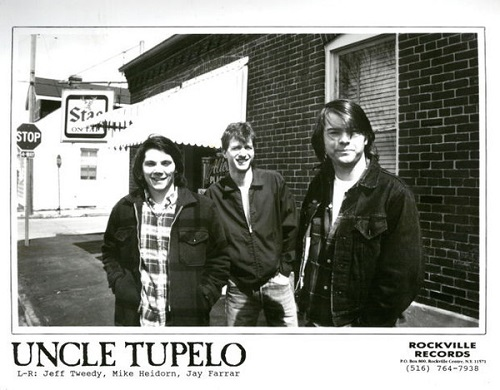
Desert Island Album: A Gritty and Poignant Journey Through the Heartland with Uncle Tupelo

How often has someone asked what are your top ten albums in your record collection? Or how many of us have had one of those bar conversations where we are hypothetically trapped on a desert island with only ten records? A desert island album is meant to be a fun concept often discussed among music fans. It refers to an album that someone would choose to have with them if they were stranded on a desert island, again just hypothetically speaking — because no one is really trapped anywhere. An album in the desert island collection is considered a person’s absolute favorite, one they could listen to repeatedly and never tire of, making their isolation on the desert island more bearable, and more manageable until they are rescued. At least in my positive interpretation, there is a rescue. It’s essentially a way of asking someone to identify their all-time favorite or most cherished album. One of these perfect records, for Dr. J, is Uncle Tupelo’s sophomore effort, “Still Feel Gone.”

“Still Feel Gone,” is a raw and unapologetic exploration of the American heartland, capturing the essence of rural life with a blend of punk energy and alt-country sensibilities. Released in 1991, this album solidifies Uncle Tupelo’s place as pioneers of the burgeoning alternative country movement, paving the way for bands like Drive By Truckers, Calexico, Giant Sand, Whiskeytown, Lucero, Magnolia Electric Co., Kathleen Edwards, and far too many to mention, to follow. And, of course, the bands created in the wake of Jay Farrar and Jeff Tweedy’s breaking up of Uncle Tupelo, Wilco and Son Volt continue to mine the alt-country aesthetic in adventurous ways.

Uncle Tupelo were not the only alt-country band of that time, certainly The Old 97s, Lucinda Williams, Steve Earle, The Jayhawks, Cowboy Junkies, and Richard Buckner quickly come to mind, however the fusing of punk, folk, traditional music and country in authentic and personal lyrics within a melding of sonic forms that stayed true to a rock and roll aesthetic was unique.

The opening track, “Gun,” sets the tone for the entire album with its blistering guitars and rebellious lyrics. Jay Farrar and Jeff Tweedy’s distinctive voices, each with its own unique timbre, intertwine seamlessly throughout the record, creating a compelling dynamic. It’s a testament to their songwriting prowess that they can effortlessly switch from the hard-edged, punk-influenced sound of “Gun” to the melancholic and introspective “Looking for a Way Out.”

“Still Feel Gone” explores themes of isolation, longing, and disillusionment, often delivered through vivid storytelling drawn from relatable personal experiences. Songs like “True To Life”, “Discarded” “If That’s Alright” and “Fall Down Easy” paint pictures of a world where dreams have been deferred, and the protagonists are left grappling with the consequences of their choices. There is a profound difference in stopping yourself and being unable to grasp what has been denied you all the while knowing that you are missing something. The lyrics are poignant, introspective and poetic, reflecting the struggles of ordinary people trying to find their place in a changing world that does not look at all like what was promised.

The album’s musical diversity is one of its strengths. “Still Be Around” showcases the band’s ability to craft a memorable, melodic tune, while “D. Boon” pays tribute to the late, great guitarist from The Minutemen, a band that clearly influenced Uncle Tupelo’s punk leanings. Several songs broaden Uncle Tupelo’s palette incorporating more instrumentation than you find on a punk record.

Consistently the songs on “Still Feel Gone” carry a burden of working class life. And this accessibility to everyday experience without seeing it as precious but rather the hard fought requirements of making a living, however you can do that, is one of the many strengths of this record. This authentic lyrical approach cements a characteristic that comes to define the alt-country musical movement: testament to the incredible past music that continues to guide our steps as we think about why we are in the state of life we find ourselves and reinventing music to express the frustration, and occasional anger that brings, while staying true to emotions of the heart. Consistently the songs on ‘Still Feel Gone” have lyrics that feel like the band was writing about you or someone close to you that you wish you could help but nothing you try to do ever goes right.

One of the standout tracks on the album (and to be honest this is a record of ‘all killer, no filler’), for me, is “Watch Me Fall.” It’s a haunting and yet strangely bouncing tune that captures the essence of loneliness and despair with a clash of what feels like a counter-programming of melodic guitars, bouncy bass and damn near peppy percussion. Farrar and Tweedy’s vocals harmonize beautifully, creating a haunting and unforgettable listening experience that still puts a pep in your step. The song is not some simple “sad sack” depressive episode, it is the realization that maybe, just maybe you are going to fail because the house always wins:

Some folks find
that their role in life
is to fail
at everything they try

while other folks see
but not like me
There’s one thing
that they’re damn good at

Gather around you all
Come around and see
Those who stand tall
Why don’t you please, watch me fall

This mix of lyrics reflecting the economic challenges of life with music that feels like it is taking you in a completely different direction reaches a highpoint with “Punch Drunk.” The song’s lyrics explore the existential challenge of hard work and hard living while the driving rock and roll that instead of reaching a screeching guitars crescendo, fades out. The music reflecting the subject matter perfectly. But perhaps the best line on the album — among so many powerful lyrics — is when Jay Farrar sings:

“Tried to stay, tried to run
There’s never been enough reason
To believe in anyone
This trickle-down theory has left all these… pockets empty
and the bar clock says three A.M.
Fallout shelter sign above the door
In other words, don’t come here anymore

The production on “Still Feel Gone” is intentionally unpolished, giving the album an authentic, DIY feel that complements the raw emotions conveyed in the songs. Producer Sean Slade’s decision to capture the band’s live energy pays off, allowing Uncle Tupelo’s passion and intensity to shine through whether the song holds a punkish pacing and energy or a languid, slow movement.

While “Still Feel Gone” may not have achieved the same commercial success as some of their contemporaries, it remains a timeless and influential record in the alt-country genre. Uncle Tupelo’s ability to blend punk and country elements with introspective lyrics makes this album a compelling and enduring work of art that captures real truth without ever feeling forced or a songwriter’s exercise. Jay and Jeff sing about the working class not as an academic survey but because of their life history. “Still Feel Gone” is a testament to the band’s vision and talent that their music still resonates with listeners, inviting them to explore the heartland’s complexities through their distinctive sonic frame.

And for all of these reasons and perhaps more, it is one of Dr. J’s Desert Island records.

Max B. Greene on YTAA to Talk about the Bluesy Resurgence of the Cigar Box Guitar

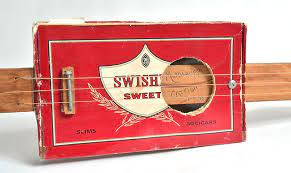
In the world of music, there are certain instruments that transcend their conventional roles, carrying with them the weight of history and the soul of a culture. Among these, the cigar box guitar has emerged as a true icon, steeped in bluesy mystique and a symbol of defiance against the conventional. This unassuming instrument, born from the ingenuity of impoverished musicians captured the essence of a genre so perfectly that it became emblematic of an entire musical movement. The electric guitar is undoubtedly one such instrument, carrying the weight of rock ‘n’ roll on its frets. Yet, nestled in the dusty corners of American musical heritage, there’s another instrument that’s been making a quiet but powerful comeback, breathing life into the roots of blues and folk music: the Cigar Box Guitar. This humble instrument, often crafted from repurposed materials like cigar boxes, reclaimed wood, and improvised hardware, has seen a resurgence in recent years, reviving the spirit of the Delta blues and capturing the imaginations of musicians and artisans alike.

The origins of the Cigar Box Guitar are as humble as the materials used to construct it. It traces its roots back to the mid-1800s when it first emerged in the American South. In those days, slaves and impoverished workers denied access to conventional musical instruments, turned to their resourcefulness. They pieced together these simple, resonant instruments from discarded cigar boxes, broomsticks, and whatever else was readily available. These creations, initially seen as products of necessity, soon became the voice of a generation. The sound of a Cigar Box Guitar wails with the sorrow of the Delta, echoing the hardships and hopes of its creators.

Fast forward to the early 20th century, and the Cigar Box Guitar found its place in the burgeoning blues scene. Musicians like Blind Willie Johnson, Lightnin’ Hopkins, and Hound Dog Taylor adopted these homemade instruments, which were often easier to obtain than store-bought alternatives. The raw, primal sound of the Cigar Box Guitar complemented the emotional intensity of the blues, resulting in a unique and unforgettable sonic experience. These instruments embodied the spirit of the working-class bluesmen, using whatever they had to create music that would resonate through the ages.

However, as the decades rolled on and mass-produced instruments flooded the market, the Cigar Box Guitar faded into obscurity. The folk and blues revival of the 1960s briefly brought it back into the spotlight, but it never regained the prominence it once had. That is, until the 21st century, when a new generation of musicians and artisans rediscovered the magic of these humble instruments, sparking a Cigar Box Guitar renaissance.

The revival of the Cigar Box Guitar can be attributed to a confluence of factors. First and foremost, there was a growing desire among musicians to break away from the homogenized sound of mass-produced instruments and return to a more authentic, raw, and grassroots approach to music-making. In an era dominated by digital technology and auto-tuned perfection, the Cigar Box Guitar stands as a symbol of authenticity, imperfections, and individuality.

Another catalyst for this resurgence was the DIY (do-it-yourself) movements that have periodically swept through the musical world. Musicians and hobbyists began building their own Cigar Box Guitars, drawing inspiration from the past while infusing their creations with modern design sensibilities. The internet played a crucial role in connecting like-minded enthusiasts, enabling them to share knowledge, tutorials, and resources for building and playing these unique instruments. This newfound sense of community further fueled the Cigar Box Guitar revival.

This revival was not limited to just musicians. Artisans and craftsmen embraced the Cigar Box Guitar as a canvas for their creativity. These instruments became works of art, adorned with intricate designs, and crafted with meticulous attention to detail. Luthiers experimented with different materials and techniques, pushing the boundaries of what a Cigar Box Guitar could be. The intersection of craftsmanship and music gave rise to a subculture of Cigar Box Guitar enthusiasts, turning these instruments into coveted collector’s items.

One of the most significant factors contributing to the resurgence of the Cigar Box Guitar was its role in the modern blues and roots music scene. Musicians like Ben Harper, Seasick Steve, Samanta Fish, and Jack White began incorporating Cigar Box Guitars into their performances and recordings, introducing a new generation of listeners to the instrument’s unique and evocative sound. These artists breathed fresh life into the blues tradition, using Cigar Box Guitars to connect with the genre’s deep roots while adding their own contemporary twists.

Moreover, Cigar Box Guitar festivals and gatherings started popping up across the country, providing a platform for enthusiasts to showcase their creations and talents. These events brought together musicians, luthiers, and fans, fostering a sense of camaraderie and celebration of the instrument’s rich history. The Cigar Box Guitar had officially made its comeback and was here to stay.

The resurgence of the Cigar Box Guitar has not only been a revival of a musical instrument but also a revival of a rich cultural and artistic tradition. It’s a testament to the enduring power of music to transcend time and place, to connect people across generations, and to keep the spirit of the blues alive.

Today, Cigar Box Guitars come in various shapes and sizes, from the traditional three-string models to more experimental creations with multiple strings and complex electronics. Some are adorned with intricate artwork, while others retain the rustic charm of their predecessors. What unites them all is the unmistakable sound that harks back to the origins of the blues—a sound that carries the weight of history and the soul of the Delta.

As the Cigar Box Guitar resurgence continues to gain momentum, it serves as a reminder of the enduring appeal of handmade, authentic music. It’s a tribute to the resourcefulness of those who, in times of hardship, crafted beauty from the simplest of materials. It’s a celebration of the blues, a genre born from pain but tempered with resilience and hope.

In an age where the music industry is often dominated by commercialism and conformity, the Cigar Box Guitar resurgence is a rebellious and refreshing movement. It reminds us that music is not just a product to be consumed but a living, breathing art form that can be reinvented, reimagined, and reclaimed by anyone with a passion for its power.

As the Cigar Box Guitar takes center stage once again, it beckons us to rediscover the roots of American music, honor the legacy of those who played it in the past, and to carry forward the torch of creativity and authenticity. In the hands of a new generation of musicians and artisans, the Cigar Box Guitar is not just an instrument; it’s a testament to the enduring spirit of the blues and a symbol of the boundless possibilities that can arise from the simplest of beginnings.

So, as you listen to the hauntingly beautiful strains of a Cigar Box Guitar, remember that it’s more than just an instrument; it’s a living piece of history, a testament to the enduring power of music, and a reminder that sometimes, the most extraordinary things can emerge from the most ordinary of materials. The Cigar Box Guitar resurgence is a testament to the timeless allure of handmade music, and it’s a revival that’s here to stay, carrying the spirit of the blues into a new era.

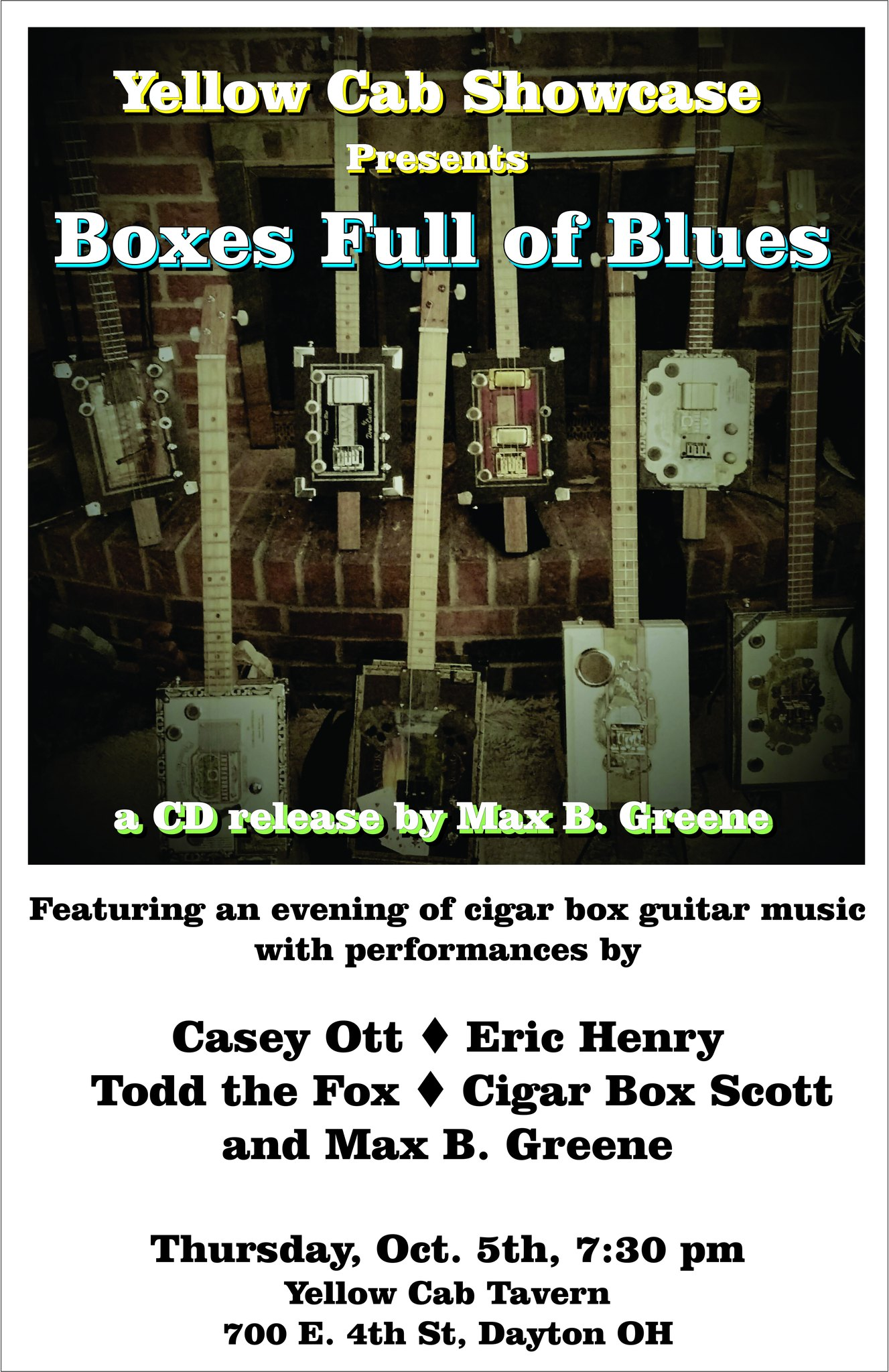
Dayton musician Max B. Greene has a new collection of blues music recorded on 3-string cigar box guitars that he is celebrating on Thursday, October 5th alongside guitarists Casey Ott, Eric Henry, Todd the Fox, and Cigar Box Scott. Max will be bringing in one of his guitars and playing a couple tunes on a cigar box guitar, as well as discussing the cigar box guitar phenomenon sweeping the country.

Grooving to the Beat of ‘Your Tuesday Afternoon Alternative’: The 19-Year Sonic Odyssey of a Radio DJ

Nineteen years feels like a long time to do anything. Why do a radio show when no one may be listening?

Let me tell you, being a radio DJ isn’t just a gig; it’s a cosmic voyage into the heart of musical expression and requires more endurance than you think. Just the other day, someone came up to me with ‘Hey, you’re that weird DJ guy!’ To which I answered, ‘Yup.’ And then they said, “Why do a show when you know no one is listening!” And, I stopped short, wondered about whether they were right, and then came to the conclusion that as long as one person finds comfort, as long as one person finds a song that speaks to them – then it matters. We are a community. We stand strong in the face of a destructive tide of avoidance and ignorance of new music. And that’s why I am who I am, standing behind the microphone every Tuesday afternoon, steering the ship that is ‘Your Tuesday Afternoon Alternative.’

If I were to condense 19 years of my life into a single, rhythmic heartbeat, it would be the pulsating cadence of a radio wave, broadcasting stories, music, and dreams to an invisible audience. My journey through college radio has been a dance with the ether, a passionate affair with sound, and a canvas for my creative expression. I invite you to join me on a nostalgic journey through the tapestry of my radio experience.

The Birth of an Odyssey

As the crackling needle touched vinyl for the first time in 1983, I found myself immersed in a world that was both electrifying and liberating. I began doing radio to work on improving my stutter but I also wanted to know more about music. I wanted to comb through the vinyl collection and find records that I had read about but never had the chance to hear. I was hungry for music old and new. College radio at the University of Minnesota was not just a hobby; it was a calling. Like music journalist David Marsh dissecting the nuances of rock lyrics, I dissected the frequencies and wavelengths that carried the voices of generations before me while anxiously awaiting the new music that was to come.

My first show, Radio Artifacts, was from 1983 to 1984 where I truly learned about indie music, Minnesota-based bands, and in so many ways the future of music through bands like R.E.M., Hüsker Dü, The Smiths, U2, The Replacements, The Cure, The Connells, and The Clash. From 1984 to 1988, a new show focused on alternative and college music and the art of music making, the poorly named ‘Art for Artsake’ that was both a play on my first name and — at least to me — a reflection of the mission of the show. During graduate school from 1988 to 1993, I was involved with Bowling Green State Universities’ WBGU where I had a succession of shows whose names were lost to reflections and glimpses of memory. After grad school, I dabbled in radio at WMUB in Oxford, Ohio from 1995 to 2000. For four years I had an itch I could not scratch.

The love of indie and alternative music was something that stayed with me even without a show. But eventually, that itch became unbearable and I started a show “The School of Rock with Dr. J” in 2004 at The University of Dayton’s WUDR. Modeled in some ways on the Jack Black movie — yeah I know: Cue the eye roll. TSOR was an almost didactic approach, I played music that mattered to me and explored current indie, local, and Dayton music. I explored how current unknown and undiscovered music was connected to the music of the past. Several shows explored how The Byrds – The Flying Burrito Brothers – The Eagles – Jason and the Scorchers – Cowpunk – Uncle Tupelo – Son Volt and Wilco were all connected. The airwaves were my playground from which I discovered the richness of independent, alternative, and college music.

During these various shows, I interviewed indie artists and underground bands. College radio was not just about the music; it was about the stories behind the notes. The vibrant community of DJs, producers, and listeners was a testament to the power of shared passion. Just like Dave Marsh in his work united rock aficionados, we united lovers of alternative sounds, forging connections beyond the frequencies.

Nineteen years is a long time to do anything, and within the span of my radio experiences, I have witnessed the tectonic shifts in the audio and radio landscape. College radio stations evolved from humble FM stations to digital juggernauts streaming across the globe. Writers and journalists have chronicled the evolution of rock music, and I chronicled the evolution of radio itself in the changes in my own practice. The use of digital tools has made so much of the “doing of radio” the clicks of buttons and the dragging of files. Many tasks that once involved carts and tape or vinyl were replaced with CDs which in turn were replaced themselves with digital files. The advent of the internet brought a new dawn, expanding our reach but also challenging our authenticity. Is radio still real in the digital age? In an era of Spotify, does radio still matter when you can listen to what you want, when you want, and do it all in the palm of your hand? Why do a radio show when no one might be listening?

The Sonic Shaman

You see, being a radio DJ is more than just “spinning tracks,” It’s more than just “playing music.” It is far more than just clicking a button and dragging a cursor across the soft glow of a computer screen. It’s about conjuring emotions and weaving stories through sound. When I join with the airwaves and internet signals, I am driven by faith in the power of new music. The beauty and the lifeblood of local music call to me. Maybe all of this is some strange and unchangeable part of being a “music evangelist.” Perhaps one becomes a sonic shaman of sorts, guiding listeners through the labyrinthine tapestry of music. Every tune I play carries a piece of my soul, and when those frequencies hit your ears, they transcend mere notes and rhythms. It’s a trip through time and space seeking the person who feels alone with a simple message that they are not disconnected, they matter and the community is better for their contributions.

The Rebel Cry

Lester Bangs, one of the quintessential American rock critics, taught us that music is the language of rebellion. And that’s precisely what I aim to channel with ‘Your Tuesday Afternoon Alternative.’ It’s a rebellion against the mundane, against the homogenized playlists of corporate radio. in my vision of myself, I am like the underground guerrilla fighter, battling the forces of mediocrity with a vinyl arsenal of sonic revolutionaries. Each song I play is a battle cry, a defiant scream against the mainstream. Or at least, that is probably what I really want to believe because, you know, 19 years is a long time.

The Community Connection

Radio is a lifeline to the community, a bridge between disparate souls. ‘Your Tuesday Afternoon Alternative’ is not just a show; it’s a lifeline for misfits, dreamers, and music lovers who still hang tight to the idea that music matters. I’m not just playing records; I’m forging connections. I’m the curator of a sonic underground, bringing people together through the magic of music. When that listener calls in to request a song, it’s more than a request; it’s a statement that says, “I’m part of this, too.” Those moments of connection are more important now than ever before. We need that musical validation: “Look, we are here and the music that speaks to us matters.”

The Quest for Obscurity

Lester Bangs was all about the obscure, the unknown, the raw. I share that passion. My show isn’t about chart-toppers or Billboard hits; it’s about the hidden gems, the indie bands struggling for recognition, the perfect voice that chills us while holding us close and telling us that everything is going to be alright. YTAA is about the beautiful unknowns, the forgotten tracks that deserve a second chance, and the great new songs that need to be heard. I think of myself as a musical archaeologist, digging through archives, near and far, and unearthing sonic treasures. It’s about unearthing the lost voices and forgotten riffs that deserve a place in the sun.

The Journey Continues

So why am I a radio DJ with ‘Your Tuesday Afternoon Alternative’? Why continue to be a DJ even if no one is listening? Because it’s not just a job; it’s a calling, a mission, a cosmic journey through the soundscape of the human experience. It’s a rebellion, a lifeline, and a quest for the obscure. It’s about community, connection, and the never-ending search for that perfect riff, that perfect groove, that unbelievable hit of the drum, that chilling voice that makes you catch your breath. It’s about the song that you cannot forget, no matter how hard you may try. It’s about the perfect lyric that shows you that you are not alone in feeling the way that you do.

Today, as I look back on 19 years of college/indie/alternative radio with YTAA, I see the echoes of countless voices, the resonance of music that touched souls, and the indelible mark it left on my life. David Marsh once wrote, “Rock and roll is an attitude, it’s not a musical form of a strict sort. It’s a way of doing things, of approaching things.” College radio, in my world, was — and is — that attitude – a way of doing things that transcended the mere act of broadcasting. So, yeah, it’s more than pushing a button and just playing a song. I would like to believe that it matters, and if it has meant something to just one person somewhere, anywhere then it was absolutely worth it for me.

Hopefully, this essay has helped chronicle my lifelong journey with college/indie radio – a journey that echoed the rhythms of my heart, shaped my identity, and allowed me to be a storyteller in a world of sound. Just as the radio DJs, Music writers, and journalists of the past contributed words that continue to resonate with music enthusiasts, the memories and experiences of 19 years on the airwaves/internet will forever resonate within me, a testament to the enduring power of radio and the magic of its transmission through time and space.

In the spirit of Lester Bangs, I’ll keep cranking up the volume, diving deep into the musical abyss, and taking you along for the ride. Because ‘Your Tuesday Afternoon Alternative’ is not just a show; it’s an alternative reality, a refuge for the sonic explorers, and a testament to the power of music to change our lives. So, tune in, turn it up, and let’s keep this cosmic journey rolling for as long as we are able to do so.

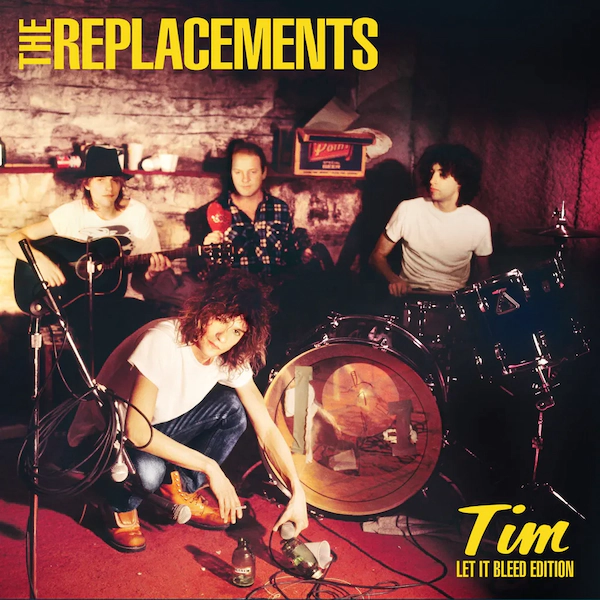
Revisiting Tim: A Personal Journey Through The Replacements’ Iconic Album

As we celebrate the Ed Stasium remix of The Replacements album ‘Tim‘, we thought gathering other music lovers’ thoughts would be a great way to stop and consider the impact of this record. Our first ‘Revisit’ comes from our friend, Jim Doherty known as DJ Calc on WRKC Radio Kings College in Wilkes-Barre, Pennsylvania.

One of the joys of parenting my children as they move through their teen years has been re-engaging with music I have loved and falling in love with records all over again. This has happened a number of times when I manage to convert my kids into being fans of music that matters to me. Sometimes, however, falling in love all over again does not involve my kids. Sometimes it is just me and an album I thought I knew.

One band that I have not converted my kids, or my wife, to is The Replacements. In some ways, I see this as a failure of parenting. In some ways, though, this means that I get to lose myself in Paul Westerberg’s world without sharing that with anyone else in my house. Twice now in the past three years, I have fallen head over heels in love with a Replacements album that has already been part of my life for decades. A couple of years ago it was the Matt Wallace remix of Don’t Tell a Soul. This week, it is the Ed Stasium remix of Tim.

I started working at a record store in my college town in 1984 and one of the slew of miraculous albums that came out then was Let it Be. That album began a lifelong love affair with The Replacements. When Tim, their major label debut, came out in 1985 I was predisposed to love it and love it I have for decades now. But that love was always tempered a bit by the sort of soggy sound of the record. Tommy Stinson and Chris Mars, a dynamite rhythm section that roared on the earlier records by the band seemed neutered on this album. The guitars did not ring with the same power I was used to from the ‘Mats. It was easy to blame this on the record being their major label debut and the finger generally got pointed at the corporate label that wanted to tame the band. As with most stories, this was way too simple a reading of the situation.

Listening to this new remix almost feels like I am listening to some lost chapter of the band. The rhythm section kicks, and there is space for the guitars to ring, especially Bob Stinson who is still somewhat of a ghost on this album. The outro to ‘Little Mascara’ is a revelation. Westerberg’s voice – especially on ‘Little Mascara’ and ‘Here Comes a Regular’ – is just heartbreaking in its emotional depth. For a person whose public character was that of a person who could not be bothered to care (a favorite lyric of his is “One foot in the door, the other foot in the gutter. The sweet smell that you adore, yeah I think I’d rather smother”) it is sure clear in his singing here that he is deeply invested in these songs and in the characters being portrayed.

You can hear Jim’s radio programs on Mixcloud

Video of The Day: Cold Expectations – Trench Coats

Cold Expectations is a dark, jangle-pop band from Boston MA. Formed in 2016, Steve Prygoda (guitar, synth, and vocals) and JoEllen Saunders Yannis (bass, vocals) have shapeshifted the band’s sound over the years, creating 21st-century pop songs that borrow from the post-punk and new wave past. Mike Demers (Winter Project/Krebstar) fills out the band with incredibly poppy driving rhythms.

The song is Cold Expectations’ anthem to the weirdo art punks feeling isolated, misunderstood, and completely alone. Who knew there were so many of us that felt that way growing up? Our armor from the mundane, conformist world was leather jackets, trench coats, army boots, furious hair, and ferocious mixtapes, the weirder the better. 

For the video, the band crept around the recently emptied Sound Museum rehearsal rooms on the move-out day as the venerable rehearsal space was closing, with JoEllen’s teen skateboarding through the hallway sporting a vintage “Sound Museum” tee. The frantic and energized vision for the video was brought to its glorious conclusion by ace videographer Allison Tanenhaus, who also produced the band’s “Two Blueberries” and “In the Padlocked Night” videos.

Matt Moran & The Palominos in Dayton!

This past Tuesday it was a real pleasure to have Matt Moran, Dan Moran, Jonas Walker, and James Gedda in the YTAA studio and then have the opportunity to go to The Hidden Gem Music Club and see them play a fantastic show. The concert was ably opened by James Gedda. His baritone and alt-country swagger reminds a listener of Dave Alvin crossed with Darius Rucker with just a pinch of Sturgill Simpson. Gedda’s humor and authentic sensibility set the perfect mood for the night. Give a listen to his excellent music!

Then Matt Moran & The Palominos kicked the night into the stratosphere! An incredible set of songs that featured tunes from Matt Moran’s excellent Heartache Kid and Heartache Kid Acoustic records. The band was tighter than a fused bolt. Across a sonic theater that included a high-energy cover of ‘Atlantic City,’ the band barrelled like a runaway train going downhill. To say that the band demonstrated the kind of chemistry that a group would sell their soul to possess is an understatement.

The harmonies between Matt and Dan Moran had that blood harmony that is only held by brothers who not only grew up together but know where all the bodies are buried and hold the secrets of one another close to their hearts. Speaking of Dan Moran, his bass runs were impressive and yet never overwhelmed the songs. If bass is the secret weapon in music, then Dan is the guard of the armory.

I would be remiss if I did not mention the incredible work behind the drum kit. Jonas Walker added the right amount of percussion, fills, and sways to every song regardless of the tempo. His enthusiasm was infectious while bobbing his head, smiling, and adding the occasional yelp and scream but only when it added spice to the song.

Matt’s voice is an all too rare gift. Even when he is singing a song written about characters he created from his fertile imagination about a restaurant that he regularly drove by but could not go in because the reality might not match the story written in one’s mind – ‘Break Her Heart‘ – you would swear that he was singing about a heartbreak that he could only have experienced himself to be able to draw upon such emotion.

If you are unfamiliar with Matt Moran & The Palominos, then you have some musical homework. Don’t worry, you are going to love it. Matt is on Twitter, Instagram, Facebook, and Bandcamp. Plus his own site.