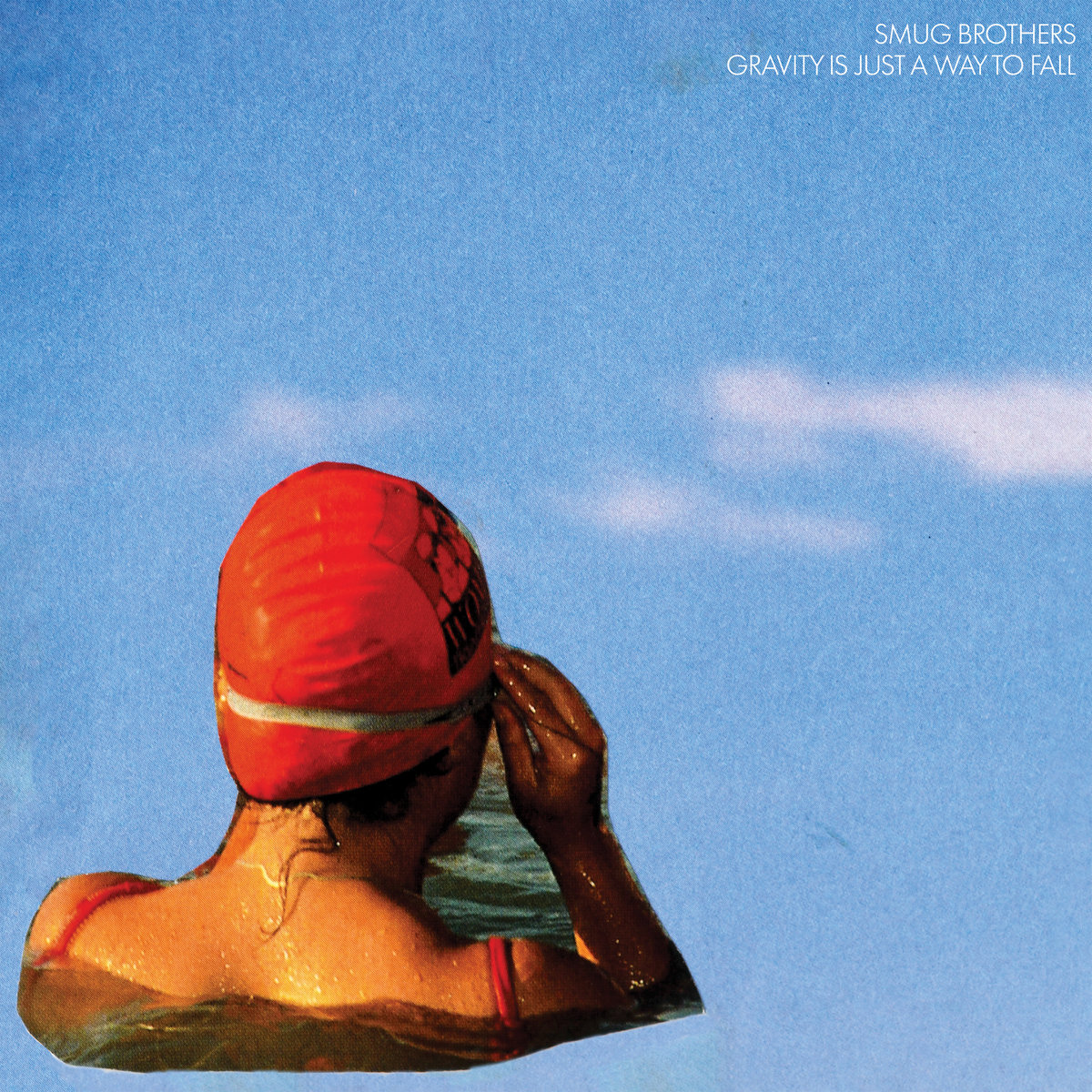
Feedback, Heartbreak, and Other Ohio Miracles: Smug Brothers at 20

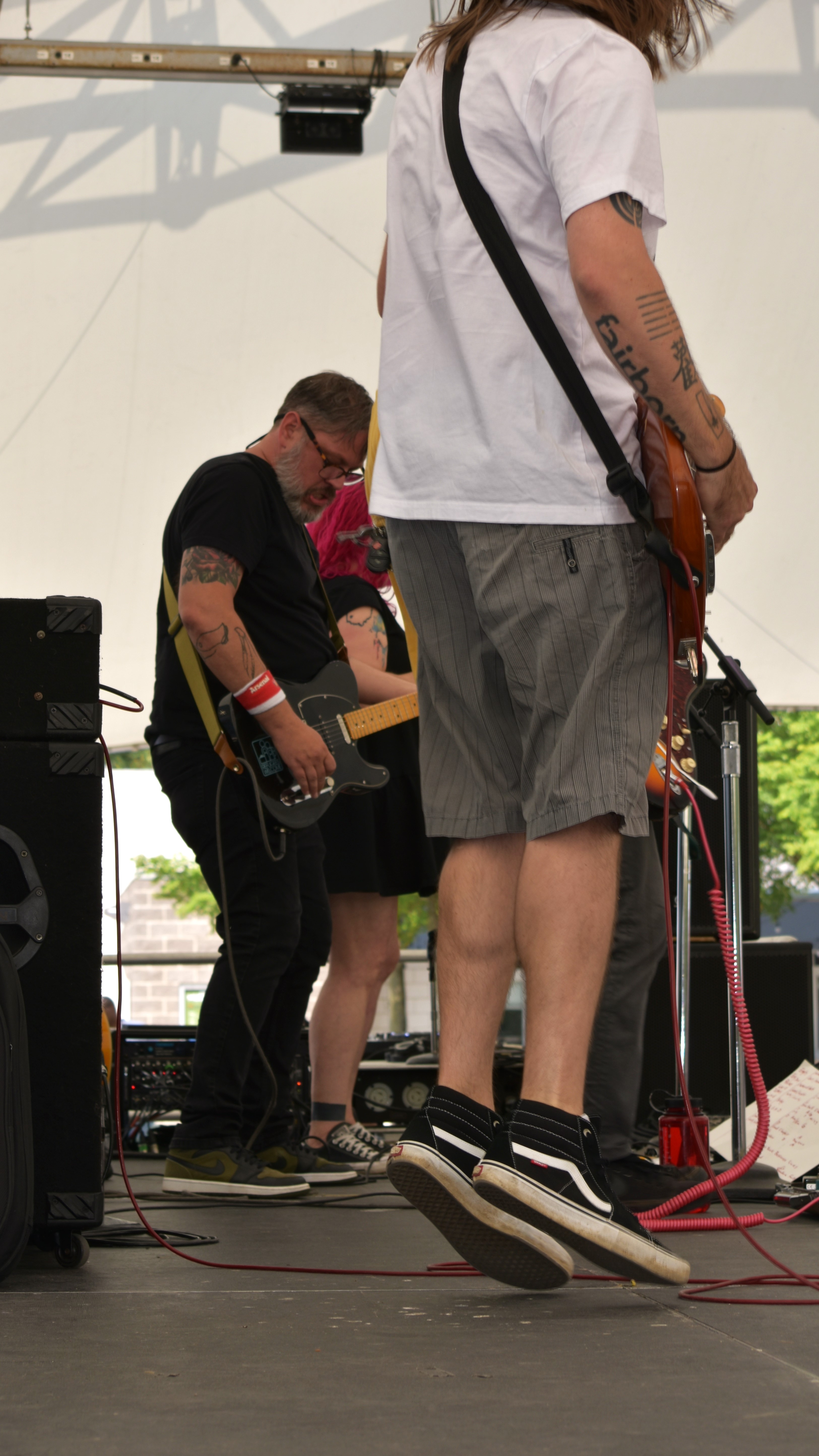
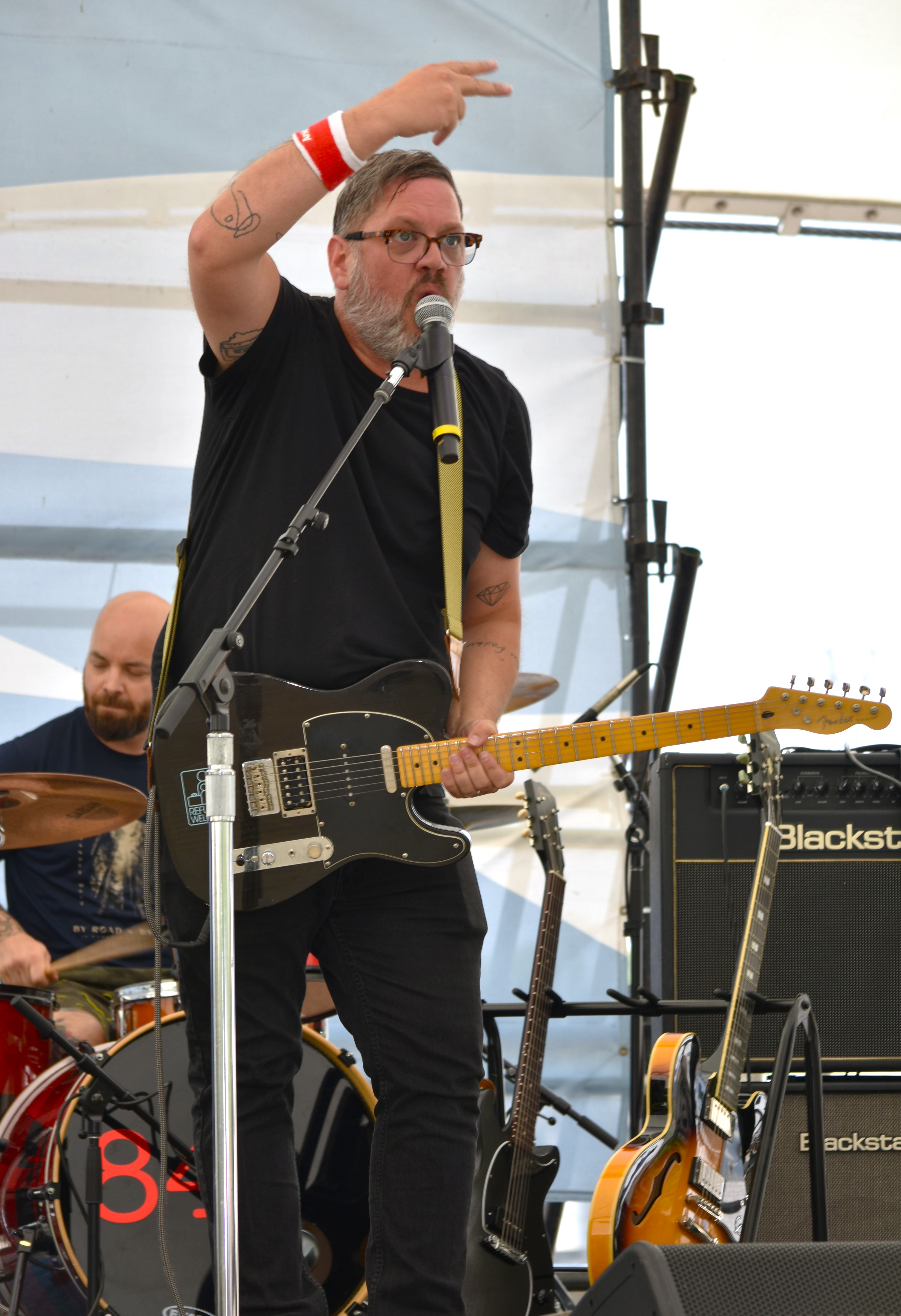
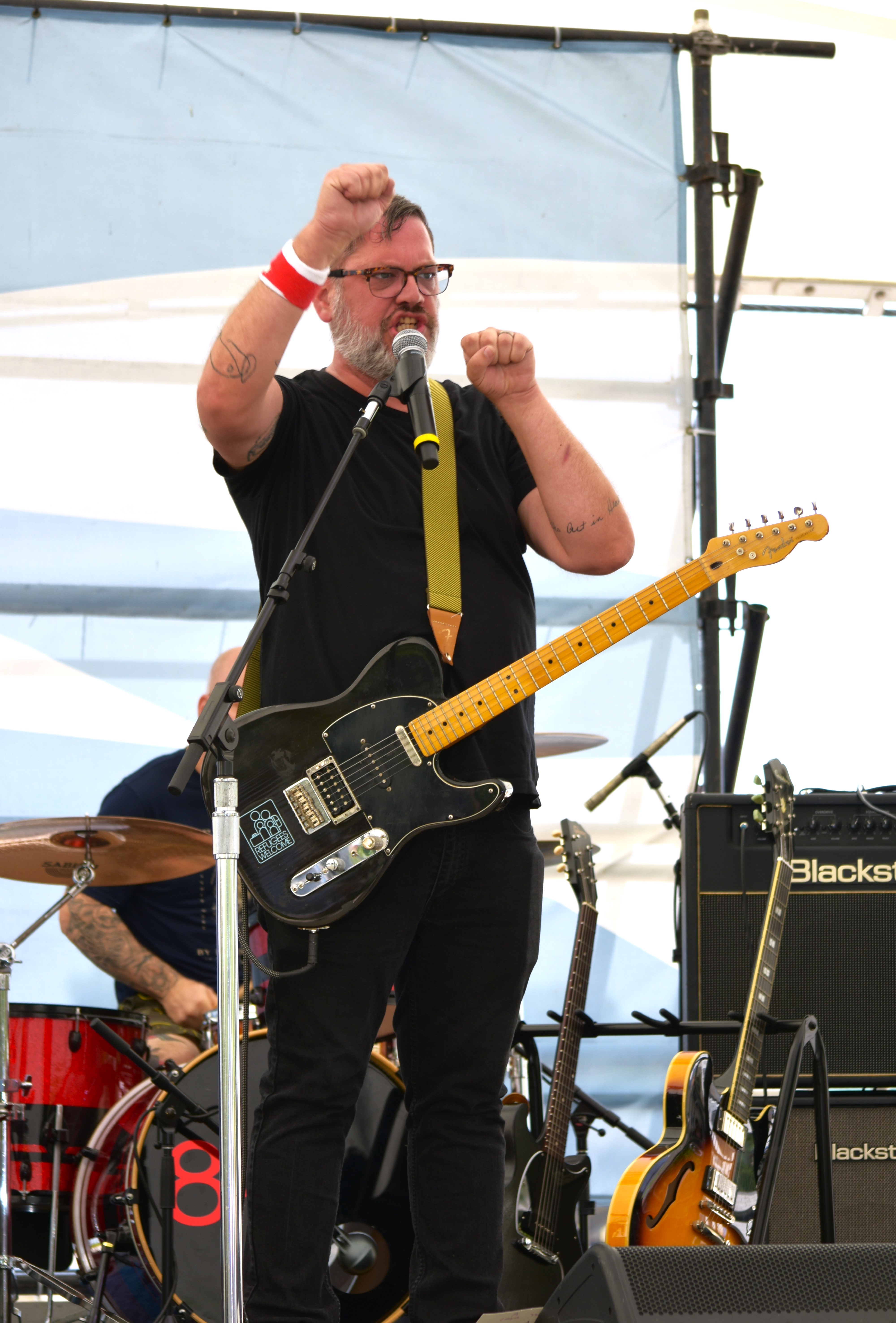
If rock and roll has gravity, it’s the kind that pulls you sideways — toward the basement show, the overdriven amp, the song that sounds like it was recorded in a kitchen but somehow rearranges your emotional furniture. And for twenty years, Dayton/Columbus, Ohio’s Smug Brothers have been quietly defying that gravity by embracing it. Their forthcoming 20-year retrospective, Gravity Is Just A Way To Fall (out May 15, 2026), isn’t a victory lap so much as a beautifully scuffed scrapbook — a reminder that some of the best American guitar music of the last two decades has been hiding in plain sight.

To understand Smug Brothers, you have to start in Dayton and then take a drive to Columbus, Ohio — that stubbornly fertile patch of Midwest soil that has produced more sharp, strange guitar bands than the coasts would like to admit. Think Guided by Voices, think Times New Viking, think Cloud Nothings, think Heartless Bastards. Bands that made imperfection a matter of principle. Beautiful chaos. Bands that treated melody like contraband — something to be smuggled past the gatekeepers of taste.

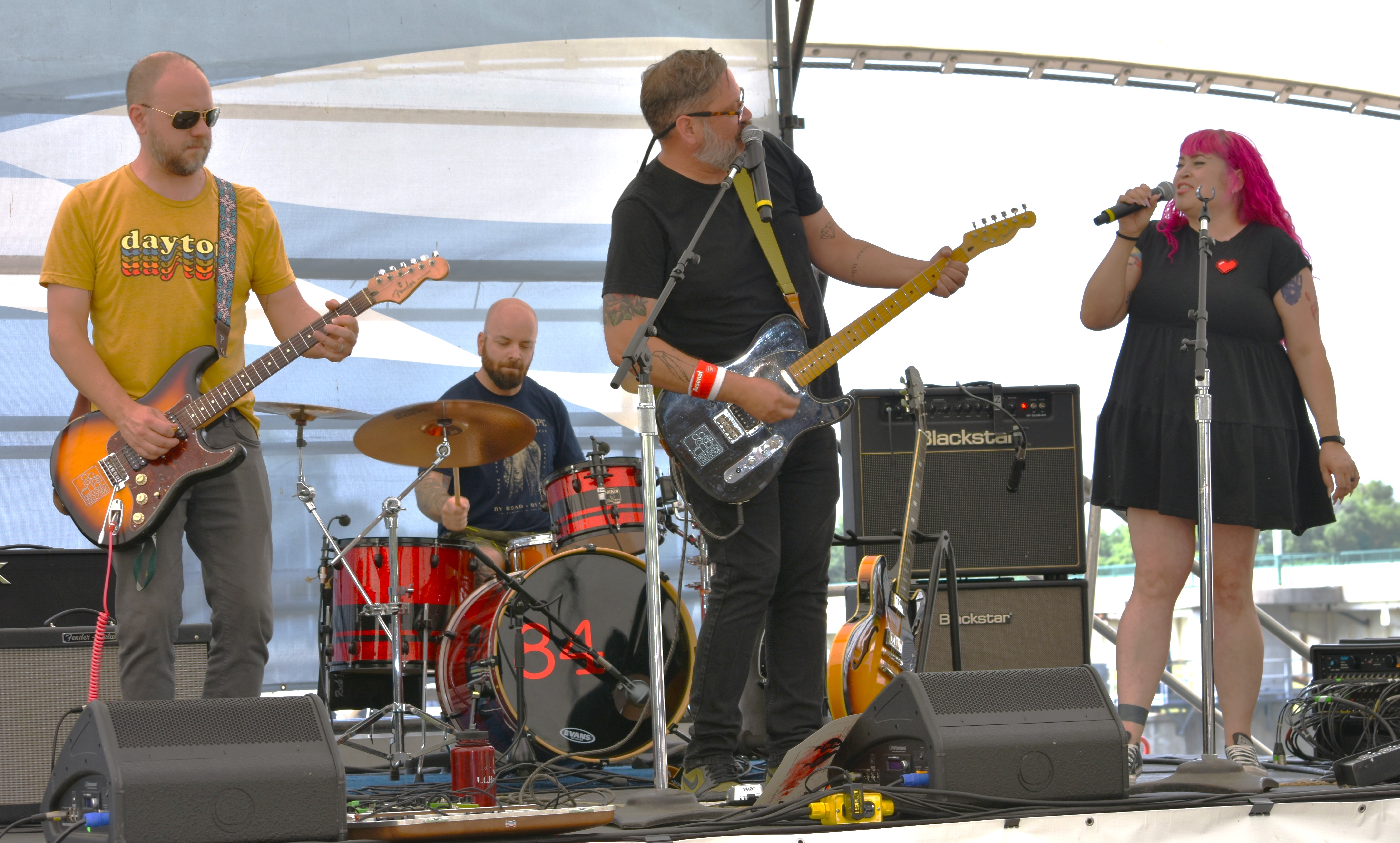
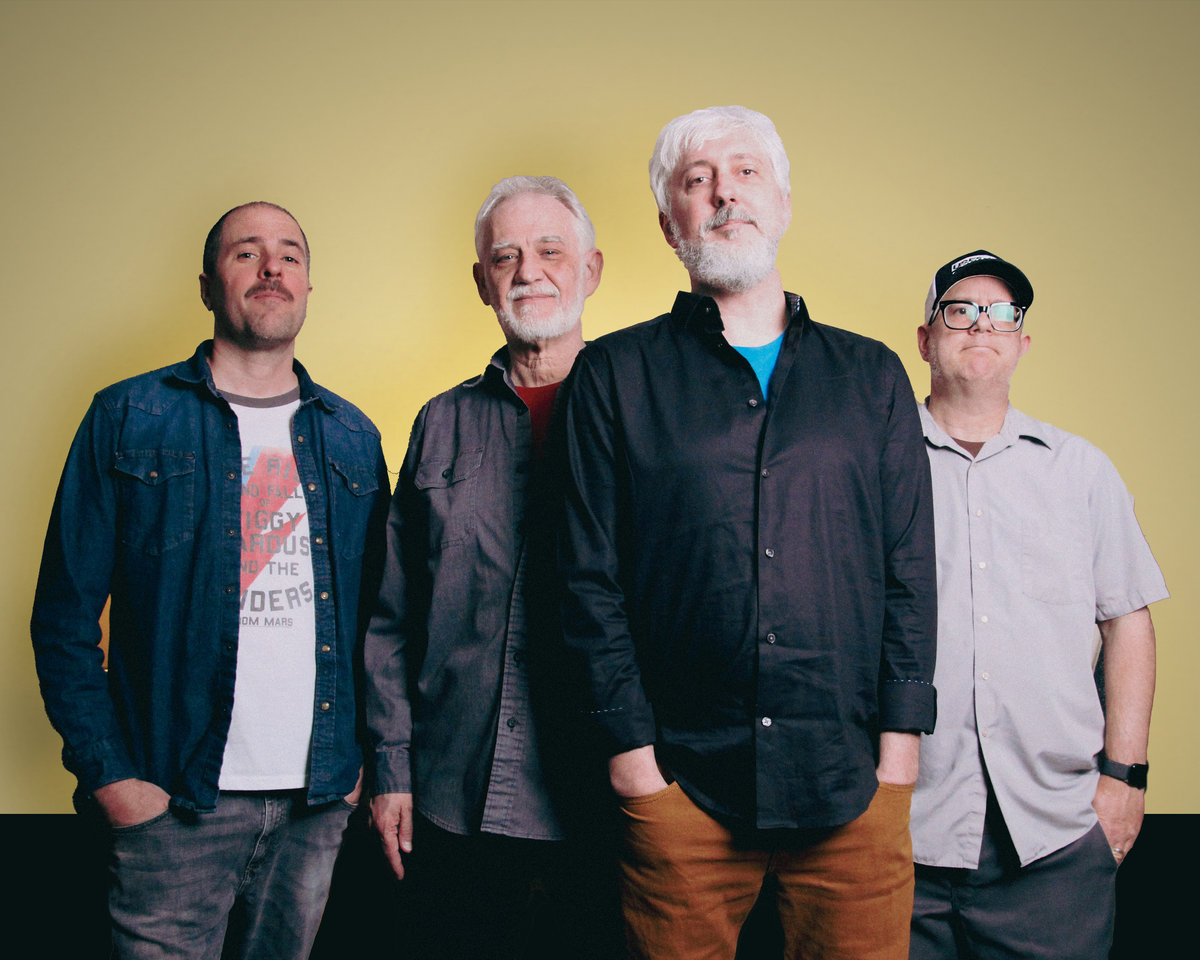
Smug Brothers fit that lineage, but they also complicate it. What began in the mid-2000s as a scrappy recording project between singer/guitarist Kyle Melton and Darryl Robbins (of Motel Beds) hardened into something deeper and more resilient when legendary drummer Don Thrasher — yes, that Don Thrasher from Guided by Voices and Swearing at Motorists — joined the fold. Since 2009, Melton and Thrasher have formed the core of a band that feels less like a stable lineup and more like an ongoing conversation over music. Over the years, that dialogue has included a rotating cast — Marc Betts, Brian Baker, Shaine Sullivan, Larry Evans, Scott Tribble, Kyle Sowash, Ryan Shaffer — all contributing to a catalog that’s as collector-friendly as it is emotionally direct. Each player adding something distinctive to the records they worked on.

But here’s the beautiful irony: you don’t need to track down the cassettes, the limited LPs, or the out-of-print CDs. Gravity Is Just A Way To Fall does the curatorial work for you. Several tracks have been remastered; some have never appeared on vinyl; a few have never existed in any physical format at all. After twenty years, the band decided to “summarize the work up to this point.” That word — summarize — sounds almost academic. What they’ve actually done is distill the fever.

And what a fever it is.

Smug Brothers have always specialized in the kind of riff-driven indie pop that feels both handmade and cosmically aligned. The early lo-fi recordings hinted at greatness — fuzzed-out guitars, melodies that ducked and weaved, drums that sounded like they were daring the tape machine to keep up. But even in those rough cuts, you could hear the bones: a Beatlesque instinct for earworms, an affection for left turns, a refusal to sand down the serrated edges.

Over time, Melton’s recording finesse sharpened. He recorded and mixed much of this retrospective himself, with key collaborations from Darryl Robbins and Micah Carli. Everything was mastered by Carl Saff, whose touch has become something of a seal of quality in indie circles. The result is a set of songs that feel alive rather than embalmed. This isn’t nostalgia; it’s voltage.
What makes Smug Brothers matter — especially now — is their commitment to the album as an artifact and as an attitude that reflects the music within. The front cover, “Solutions Vary With Regions.” The back cover, “The Hungry Rainmaker” (Artwork by PHOTOMACH. Layout by Joe Patterson and PHOTOMACH). These aren’t afterthoughts; they’re part of the argument. In an era where music is often stripped of context and shuffled into algorithmic soup, Smug Brothers insist on the tactile, the visual, the deliberate. Even when the songs are streaming in invisible code, they carry the residue of collage and ink.

And then there are the songs themselves — all written by Kyle Melton. That authorship matters. Across two decades, Melton has built a body of work that feels diaristic without being self-indulgent. The hooks sneak up on you. The choruses don’t explode so much as insist. The guitars jangle, scrape, shimmer. The drums propel rather than pummel. You find yourself humming along before you realize you’ve been converted.

A retrospective like Gravity Is Just A Way To Fall lives or dies by sequencing, and Smug Brothers have always understood that an album isn’t just a container — it’s a mood swing you consent to. These thirteen tracks trace the band’s restless melodic intelligence, moving from punchy immediacy to sly introspection without ever losing that basement-show voltage. It opens with “Let Me Know When It’s Yes,” a title that feels like a thesis statement for the entire catalog — yearning wrapped in defiance. And to be fair, a song that we have often played on YTAA. The guitars chime with that familiar Midwestern shimmer, but there’s an undercurrent of impatience here, a sense that indecision is the real antagonist. It’s a perfect curtain-raiser: concise, hook-forward, emotionally ambivalent in the best way.

“Interior Magnets” (clocking in at an impressively tight 3:01) is classic Smug Brothers compression — all tension and release packed into a pop-song frame. The rhythm section locks in with that loose-tight chemistry Kyle Melton and Don Thrasher have refined over the years, while the melody spirals inward. It’s a song about attraction and repulsion, about the invisible forces that keep people circling each other. One of our favorite Smug Brothers’ songs, “Meet A Changing World,” expands the lens. There’s something almost anthemic about it — not stadium-anthemic, but neighborhood-anthemic. The guitars layer into a bright, bracing wash, as if the band is daring uncertainty to make the first move. In contrast, “It Was Hard To Be A Team Last Night” — a simply brilliant tune — pulls the focus back to the micro-level of human friction. It’s wry, a little bruised, propelled by a riff that sounds like it’s arguing with itself.

“Beethoven Tonight” is pure Smug Brothers mischief — high culture dragged through a fuzz pedal. The song plays with grandeur without surrendering to it, balancing a classical wink with garage-rock muscle. Then comes “Hang Up,” lean and kinetic, built around the kind of chorus that arrives before you’ve fully processed the verse. It’s sharp, unsentimental, and irresistibly replayable. “Javelina Nowhere” may be the record’s most evocative left turn. The title alone suggests a desert hallucination, and the arrangement follows through a slightly off-center, textural, humming with atmosphere. “Take It Out On Me” snaps the focus back into a tight melodic frame, pairing vulnerability with propulsion. It’s accusatory and generous at once, a hallmark of Melton’s songwriting.

“Silent Velvet” glides toward you, in contrast, with a softness in the title, grit in the execution. There’s a dream-pop shimmer brushing against serrated guitar lines. “Seemed Like You To Me” feels like an old photograph discovered in a jacket pocket: reflective, warm, edged with ambiguity. Late-album highlights “Pablo Icarus” and “Every One Is Really Five” showcase the band’s love of conceptual wordplay. The former fuses myth and modernity, soaring melodically before tilting toward the sun. The latter is rhythmically insistent, almost mathy in its phrasing, but anchored by a chorus that keeps it human.

Closing track “How Different We Are” is less a statement of division than an acknowledgment of complexity. The guitars don’t explode; they bloom. The rhythm section doesn’t crash; it carries. As finales go, it’s quietly expansive — a reminder that across twenty years, Smug Brothers have thrived on tension: between polish and rawness, intimacy and noise, gravity and lift.

If last year’s Stuck on Beta (2025) suggested a band still hungry, still refining, still pushing outward, this retrospective confirms the long arc. Smug Brothers didn’t burn out. They didn’t calcify. They kept writing, recording, releasing, playing shows, and deepening their chemistry. Gravity, in their hands, isn’t a force that pins you down; it’s the thing you learn to fall through with style.

There’s something profoundly Midwestern about that ethos. No grand manifestos. No self-mythologizing. Just songs that are stacked one after another, each carrying its own small revelation. In a culture obsessed with the new thing, retrospectives can feel like retirement parties. But Gravity Is Just A Way To Fall plays more like a dispatch from a band still in motion.

Twenty years in, Smug Brothers remind us that indie rock isn’t a genre so much as a practice: keep the overhead low, keep the guitars loud, keep the songs sharp, keep the faith. The noise may be louder than ever, the platforms more crowded, the attention spans shorter. But when a riff locks in, when a chorus lifts, when a drumbeat nudges your pulse into alignment, none of that matters.

Gravity is just a way to fall. And sometimes, falling is how you learn what’s been holding you up all along.

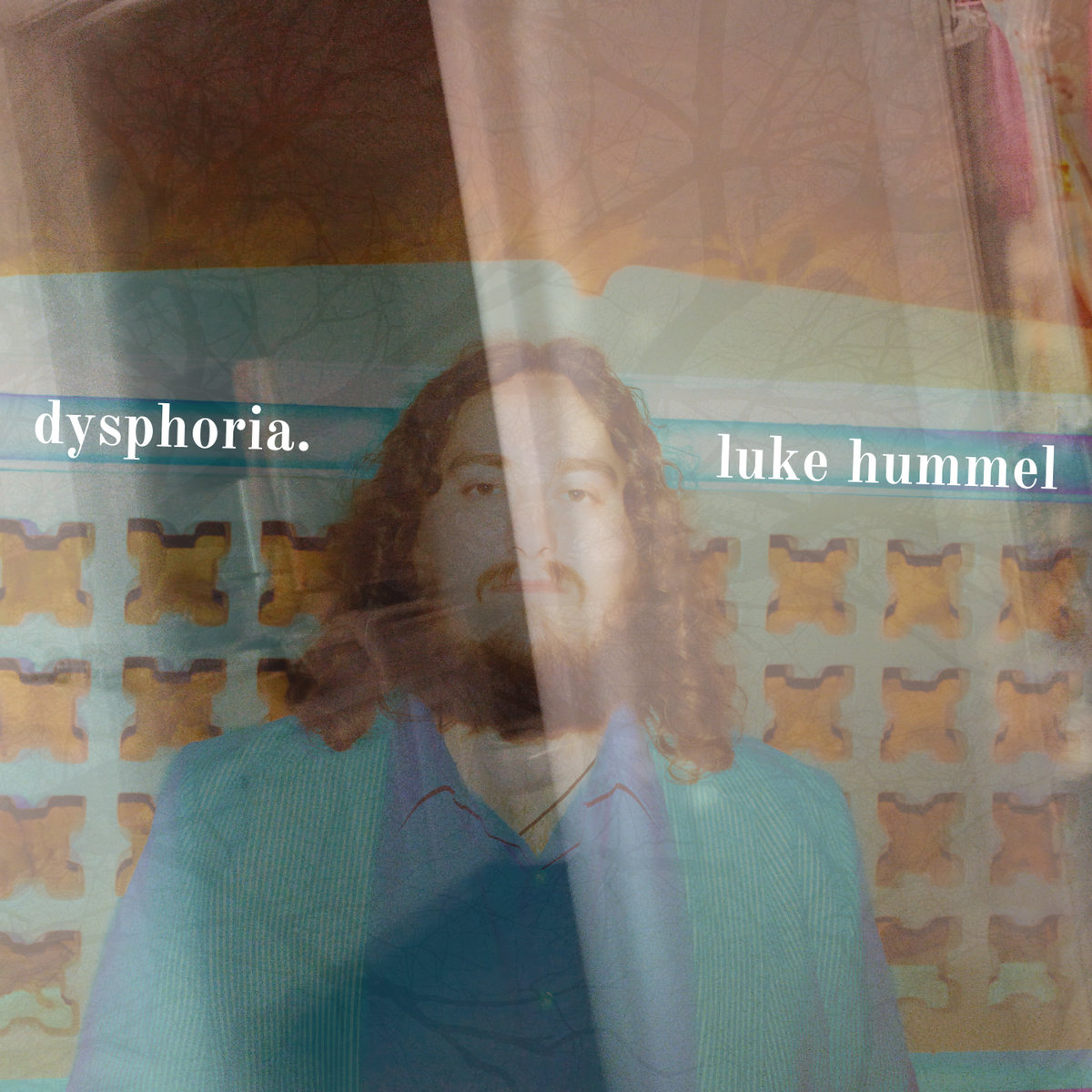
Finding Warmth in the Static: The Lo-Fi World of Dayton’s Luke Hummel

If you spend enough time digging through Bandcamp tags at 2 a.m., you start to recognize the difference between lo-fi as an aesthetic and lo-fi as a way of seeing the world. The first is easy: tape hiss, gently warped guitars, a drum machine that sounds like it was rescued from a yard sale. The second is rarer and more interesting. It’s less about production tricks and more about a temperament—a willingness to let imperfection feel honest.

Dayton musician Luke Hummel, who will be appearing this week on Your Tuesday Afternoon Alternative with Dr. J from 4–5 p.m., belongs firmly in that second category.

Hummel has been drifting around the edges of Ohio’s DIY scene, releasing home-recorded EPs and singles that feel less like products than postcards. His songs arrive quietly, usually with little fanfare, and they tend to stick around longer than you expect. Listening to his catalog is a bit like thumbing through a box of Polaroids from someone else’s life: small moments, slightly faded, unexpectedly moving.

I’m supposed to have a vocabulary ready for this sort of thing. Words like “intimate,” “bedroom pop,” “hazy,” and “nostalgic.” All of them apply, and none of them quite capture what makes Hummel’s music worth paying attention to. The charm isn’t simply that it sounds homemade. It sounds lived in.

Take ‘woman,’ one of the standout tracks from his most recent release, dysphoria. The song barely rises above a murmur: a finger-picked guitar line, a barely-there beat, Hummel’s soft, conversational voice. On paper, it’s almost nothing. In practice, it’s the musical equivalent of a long exhale. You can hear the room around the song—the faint buzz of an amp, the subtle inconsistencies in the performance—and instead of feeling sloppy, those details make the track feel human.

That humanity is the through line of Hummel’s work. He writes about ordinary things: late shifts, half-remembered conversations, drives down Wilmington Pike after dark. But he treats those ordinary things with an uncommon tenderness. In an era when so much indie music strains for irony or grand statements, his songs feel refreshingly modest. They don’t demand your attention; they invite it.

Dayton, of course, has a long and strange musical history. This is the city that gave the world The Ohio Players, Guided by Voices, Brainiac, the Breeders, Hawthorne Heights, The New Old Fashioned, Oh Condor, The Creepy Crawlers—a place where scrappy experimentation has always thrived. Hummel fits comfortably into that lineage, even if his music is quieter than most of his hometown predecessors. Where Dayton rock once announced itself with blown-out guitars and basement-show chaos, Hummel represents the flip side: the reflective musician sitting on the back steps after the show, trying to make sense of everything.

One of the pleasures of lo-fi music is how it collapses the distance between artist and listener. Big studio records can feel like monuments; Hummel’s tracks feel like conversations. When he sings, it doesn’t sound like he’s performing so much as thinking out loud. In much of Luke’s music, it’s as if he is admitting that he’s better off being alone, ideas delivered so plainly thatit barely scans as a thought. Yet the idea lands with surprising weight. You believe him.

There’s also a gentle humor running through his work. Song titles like “fresh face” and “air dry clay” suggest a songwriter who understands his own anxieties well enough to smile at them. That balance—between melancholy and warmth, self-doubt and self-acceptance—is difficult to pull off without tipping into sentimentality. Hummel manages it with a light touch.

Hearing this kind of music on the radio can feel almost subversive. Commercial airwaves are designed for clarity and volume; lo-fi thrives on softness and texture. That’s what makes shows like Your Tuesday Afternoon Alternative with Dr. J so valuable. We carve out space for artists who operate outside the usual promotional machinery, musicians who might never trend on TikTok but who are building small, meaningful audiences one listener at a time.

For Hummel, a live radio appearance is less about plugging a product than about sharing a process. His performances tend to be relaxed and unvarnished, the musical equivalent of inviting strangers into his living room. I suspect that on the show, he’ll talk about quiet guitars, about recording on aging laptops, about the challenge of making art while holding down an ordinary Midwestern life. Those details matter because they’re inseparable from the songs themselves.

Lo-fi music often gets dismissed as minor or provisional—a stepping stone to something bigger and cleaner. Hummel’s work argues the opposite. There’s a quiet confidence in his refusal to polish away the rough edges. The imperfections aren’t problems to be fixed; they’re part of the story he’s telling.

In the end, that may be the best way to understand Luke Hummel: not as a local curiosity or a genre exercise, but as a careful observer translating everyday experiences into gentle, durable songs. His music doesn’t try to change the world. It tries to keep it company.

And on a Tuesday afternoon in Dayton, that feels like more than enough.

Let the Fox In: Todd The Fox, Dayton Grit, and the Living Pulse of Tuesday Afternoon Radio

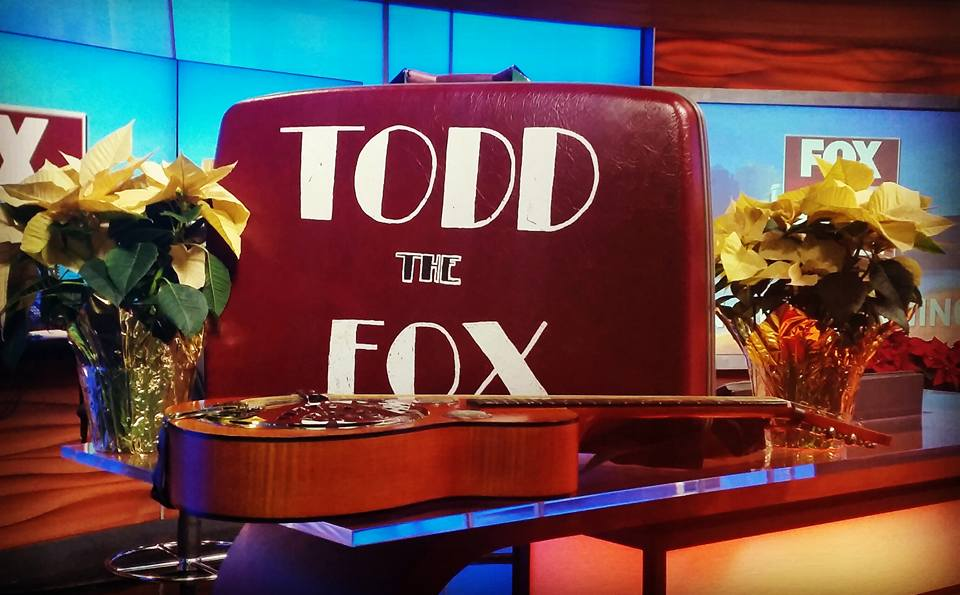
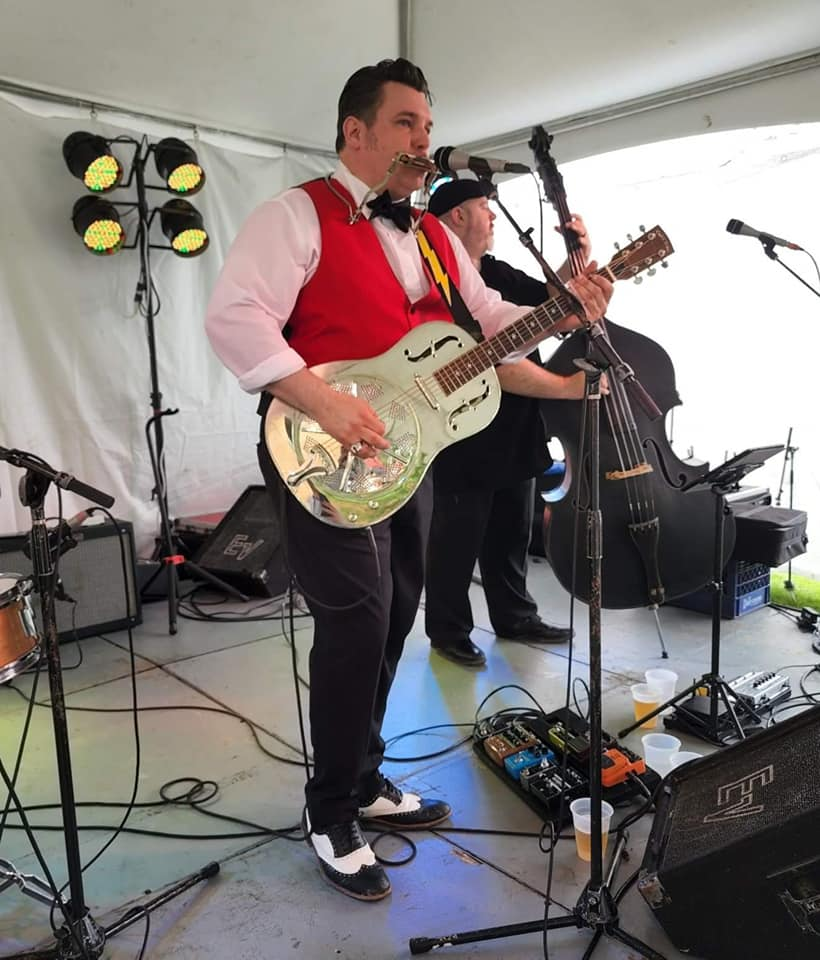
Some cities hum, and some cities grind, and then there’s Dayton, Ohio, which does both at once, like it’s chewing aluminum foil and smiling through the sparks. Out of that glorious Midwestern feedback loop comes Todd The Fox—musician, songwriter, performer, singer—padding into your ears tomorrow on Your Tuesday Afternoon Alternative from 4–5 p.m. Eastern, impeccably dressed as if from a nineteenth-century sepia-toned picture, eyes bright, ready to knock over your preconceptions and maybe a lamp or two. This isn’t a press-release animal. This is the kind of musician who lives in the alley behind the club and somehow knows your name and the story of how you met.

Let’s get something straight before the bio-police arrive with their clipboards: Todd The Fox isn’t a “local act” the way people say “local” when they mean “small.” Dayton has always been a factory for nervous systems—Guided by Voices turning beer-soaked basements into libraries of genius, the Breeders bending melody until it smiles back, far too many funk ghosts rattling the windows to mention them all. Todd The Fox comes from that lineage of people who treat songs like living organisms, not products. The music breathes. It snarls. It slips between rock and roll styles the way a fox slips under a fence: quick, quiet, leaving you wondering how it got there and beautiful.

Listen closely, and you hear a songwriter who understands the dirty miracle of rockabilly, rock ‘n’ roll, juke joint, rock AND roll, pop, and more—how a hook can feel like salvation if you let it—and who also understands how to break the hook on purpose just to see what bleeds out. Todd’s songs don’t ask permission. They don’t knock. They kick the door, apologize sincerely, then steal your favorite record and give it back with new fingerprints. There’s classic melody here, yes, but it’s the kind that’s been roughed up by real nights and real mornings, the kind that knows the difference between romance and survival.

Performance-wise, Todd The Fox doesn’t “take the stage” so much as make it a living room and then light a match. There’s a physical intelligence to it, a sense that the body is another instrument and the crowd is a choir that doesn’t know it’s rehearsing. You don’t watch so much as get pulled into orbit. To call him a showman would truly understate it. That’s the secret sauce: the generosity. Even when the songs bite, they’re offered with an open palm. You’re invited to bleed a little, too. It’s communion with better jokes.

And here’s the thing the algorithms won’t tell you: Todd The Fox understands time. Not in the “retro” sense—this isn’t cosplay—but in the way great rock & roll always has, a kind of temporal vandalism. The performance of the songs feels like they all could’ve been written yesterday or twenty years from now, which is to say they live in the only time that matters: the one where you’re paying attention. There’s craft without fussiness, ambition without the TED Talk, and a willingness to leave the seams showing because that’s where the electricity leaks out.

Tomorrow’s hour on Your Tuesday Afternoon Alternative isn’t a content drop; it’s a rendezvous. Radio still matters when it’s alive, when it’s a room you can step into and feel the air change. From 4–5 p.m. Eastern, Todd The Fox comes by to talk shop, spin yarns, and let the music do what it does best: make a mess and call it truth. Expect stories that zig when you think they’ll zag, expect songs that refuse to sit still, expect the kind of conversation that remembers radio is a human act, not a playlist with a personality disorder.

If you’re tired of music that arrives pre-chewed, if you miss the feeling that something might go wrong in the best possible way, tune in. Todd The Fox is the sound of a city, of a tradition that learned how to survive by inventing its own fun, the sound of a songwriter who trusts the song more than the strategy. There’s wit here, and bite, and that elusive thing critics pretend to quantify: soul. Not the museum kind. The living, twitching kind that looks you in the eye and dares you to stay.

So set the dial. Clear the hour. Let the fox into the henhouse of your afternoon and see what survives. Tomorrow, 4–5 p.m. Eastern. Your Tuesday Afternoon Alternative. This is how radio remembers what it’s for.

Dayton Is a Frequency, Not a Place: A Love Letter with Feedback to a Scene That Won’t Sit Still

If you want to understand American music, you don’t start in the places that market themselves as capitals. You start in places where people have learned how to survive without being watched. Dayton, Ohio, is one of those places. It’s not a brand; it’s a frequency—sometimes distorted, sometimes melodic, often both at once. It’s the sound of basements, nondescript halls, record stores, radio studios on the left side of the dial, and people who keep making music because not making it would be worse.

Dayton has long lived with the mythology of The Ohio Players, Brainiac, The Breeders, and Guided By Voices, and rightly so. Those bands didn’t just “come from” Dayton; they carried its nervous system with them. The Ohio Players reshaped the structure of music. Brainiac turned post-industrial anxiety into neon futurism. The Breeders made abrasion feel intimate. Guided By Voices proved that lo-fi wasn’t an aesthetic so much as a work ethic—songs written because they had to be written, not because the market asked for them. But the mistake outsiders make is assuming the story ended there, like a museum exhibit frozen in amber. Dayton never stopped. It just got better at multiplying.

What makes Dayton’s music community distinct is density. Musicians don’t just play in one band; they circulate. You’ll see David Payne one night in The New Old Fashioned, another night anchoring something else entirely, as if styles were jackets you try on before walking back out into the weather. You’ll hear Rich Reuter bring the same melodic intelligence to Kittinger. You can see Howard Hensley sing the narratives of your life that you keep hidden in a private journal. You’ll catch Kyleen Downes making vulnerability sound like strength, then turn around and hear Chad Wells and Aarika Voegele in Cricketbows and Creepy Crawlers remind you that psychedelia is still a radical act.

There’s a particular Dayton knack for bands that feel communal rather than hierarchical. Shrug operated like a shared engine—power pop with muscle memory, hooks built from collective trust. Smug Brothers do something similar in an indie lo-fi manner, but with a wink, as if to say: yes, we love the song, but we also love the joke inside it. Me Time pares things down until you can hear the room breathe, while Oh Condor leans into texture and atmosphere, stretching Dayton’s sound outward without losing its spine where punk urgency meets craft instead of fighting it.

And then there’s the streak of theatricality that runs through the city—not showbiz gloss, but the drama of people who know that art is a way to survive the week. Moira thrives on that tension between polish and pulse, while Todd The Fox reminds us that music doesn’t have to be ironic to be intelligent. Novena creates music that wraps around you and takes you through the experiences that you need not categorize but live within. Ghost Town Silence and Sadbox explore all of the corners, not as cosplay, but as honest terrain. They understand that Midwestern quiet can be loud if you listen closely enough.

Dayton also knows how to honor the songwriters—the ones who can stop a room with a voice and a guitar. Shannon Clark and The Sugar balance heart and harmony without sentimentality. Nick Kizinis crafts music that feels deeply personal and belonging to all of us at the same time. Mike Bankhead and Heather Redman carry storytelling traditions forward without turning them into nostalgia acts. Charlie Jackson, Sharon Lane, and Colin Richards and Spare Change all work in that space where craft meets community, where the goal isn’t fame but connection.

What’s striking is how the city supports experiments that don’t fit easy categories. The Nautical Theme reminds us that pop intelligence doesn’t have to announce itself with a thesis statement. Motel Faces and Motel Beds (separate names, shared grit) translate restlessness into motion, road songs for people who might not leave but still want to move. John Dubuc’s Guilty Pleasures embraces joy without apology, while Nick Kizirnis’s various projects show how longevity comes from curiosity, not branding.

Dayton’s rap and hip hop scene carries the same DIY backbone as its rock underground, but filtered through sharp lyricism, lived experience, and a deep sense of place. Tino delivers verses with clarity and purpose, balancing organic storytelling with an ear for hooks that stick without softening the message. Illwin brings a cerebral edge, blending introspection and technical skill in ways that reward close listening, while KCarter operates with a commanding presence, turning personal narrative into something anthemic and communal. Around them is a broader network of MCs, producers, DJs, and collaborators who treat hip hop not as a trend but as a language—one spoken fluently across clubs, community spaces, and independent releases. Like every vital Dayton scene, it thrives on collaboration over competition, local pride over imitation, and the belief that telling your own story, in your own voice, is the most radical move there is.

One of Dayton’s greatest strengths, too often undersold, never underpowered, is the depth and range of its women songwriters and musicians, artists who write with clarity, risk, and emotional authority. Amber Heart brings a fearless intimacy to her songs, pairing melodic grace with lyrical honesty that cuts clean through pretense. Samantha King writes with a restless intelligence, her work balancing vulnerability and bite, proof that introspection can still swing. Khrys Blank bends genre until it gives way, crafting songs that feel both deeply personal and quietly defiant, while Sharon Lane carries a lineage of soul, grit, and resilience that anchors the community itself. Add to this constellation the many other women shaping stages, sessions, and scenes across the city—singers, instrumentalists, bandleaders, collaborators—and a clearer picture emerges: Dayton doesn’t just feature women in its music culture; it is being actively defined by them. Their presence isn’t a sidebar or a trend. It’s the spine, the pulse, and the future of the sound.

Poptek Records operates like a pressure valve for Dayton pop intelligence, a label that understands hooks are a form of radical communication. The 1984 Draft brings nervy, literate indie punk rock that sounds like it’s pacing the room while thinking three steps ahead—melody sharpened by urgency, guitars wired straight into the bloodstream. Jill & Micah offer a different kind of voltage: intimate, harmonically rich, emotionally precise songs that trust quiet moments as much as crescendos, proving that restraint can hit just as hard as distortion. XL427 leans into power pop’s finest tradition—tight structures, smart turns, choruses that land without asking permission—while still carrying that unmistakable Dayton DNA of grit and sincerity. Taken together, and alongside the label’s other releases, Poptek’s roster feels less like a genre exercise and more like a shared belief system: songs matter, craft matters, and community matters. It’s pop music that knows where it’s from, isn’t embarrassed by joy, and refuses to confuse ambition with emptiness.

This ecosystem works because Dayton listens to itself. Bands go to each other’s shows. Musicians play on each other’s records. Area radio, house shows, small clubs, and DIY spaces form an infrastructure that doesn’t depend on permission. You can hear that lineage in The New Old Fashioned’s country infused power precision, in Oh Condor’s punk economy, in The Paint Splats’ melodic insistence, in Guided By Voices’s expansive moods still evolving. It’s a scene where influence flows sideways instead of top-down.

If the great rock critic, Lester Bangs (who I have been reading a lot of lately) taught us anything, it’s that scenes matter not because they’re perfect, but because they’re alive. Dayton’s scene is alive in the way a good band rehearsal is alive—messy, loud, generous, occasionally miraculous. It’s alive in the refusal to wait for validation. It’s alive in the way new bands grow up hearing old ones not as legends, but as neighbors.

So yes, celebrate Brainiac, The Breeders, and Guided By Voices. You should. But don’t stop there. Pay attention to Sharon Lane, Shrug, Amber Heart, Smug Brothers, The 1984 Draft, Age Nowhere, Moira, Tino, The Heisy Glass Company, Harold Hensley, Todd The Fox, Ghost Town Silence, Sadbox, Novena, Me Time, Oh Condor, Motel Faces, Motel Beds, Mike Bankhead, Cricketbows and Creepy Crawlers, The Nautical Theme, Illwin, Khrys Blank, Seth Canan, XL427, Samantha King, The Typical Johnsons, KCarter and all the songwriters and collaborators who keep showing up. Dayton isn’t a chapter in a rock history book. It’s an ongoing argument about why music matters—and it keeps winning that argument one show at a time.

Embracing the Harmony: The Irresistible Allure of Dayton’s Local Music Scene

In the heart of Ohio, where the Great Miami River winds its way through the landscape, lies a city pulsating with rhythm and alive with melody – Dayton. Often overshadowed by larger musical hubs, Dayton boasts a local music scene that is as diverse and vibrant as the city itself. From intimate venues to grand concert halls, the Gem City resonates with the beats of talented local musicians who pour their hearts and souls into their craft. I would like to take a few moments to unravel the tapestry of Dayton’s local music scene, weaving a narrative that compels music enthusiasts, young and old, new to the area and stalwarts alike to partake in the experience of the incredible live music performances of the city that is home to YTAA.

Setting the Stage

Dayton, Ohio, is not just a city; it’s a living canvas painted with the hues of musical diversity. The local music scene here is a melting pot of genres, from the barn tours of past country troubadours and musicians who meld country, Americana, rock, bluegrass, and other musical styles from Todd The Fox, Age Nowhere, Amber Hargett, Charlie Jackson, Avalon Park, Neo American Pioneers, Rich Reuter, Ghost Town Silence — the original Rebel Set — Sam King, Achilles Tenderloin, The Nautical Theme, Great Serpent Mound of Ohio, Harold Hensley — THE Golden Voice of Dayton Roots Music, — M. Ross Perkins, Nick Kizirnis and The Repeating Arms (we would be here all day if I listed all of the great bands and musicians). The intimate evocative and powerful music of Paige Beller deserves its own essay alone. Just as the river sways through the city, the music and art swings across genres. Dayton is also home to the soulful strains of jazz and R&B (Heather Redman and the Reputation, Sharon A. Lane immediately comes to mind).

And, of course, Dayton is the capital of a form of funk music that took over the world thanks to The Ohio Players, Zapp, Heatwave, Lakeside, Faze-O, Slave, Dayton, and far more to mention here. The electrifying beats of indie rock of Guided By Voices, Brainiac, The Breeders, The 1984 Draft, XL427, The New Old Fashioned, Oh Condor, The Boxcar Suite, Yuppie, The Paint Splats, Seth Canan & The Carriers, Mike Bankhead, The Typical Johnsons, Cricketbows, John Dubuc’s Guilty Pleasures, Human Cannonball, Me Time (Andy Smith), Smug Brothers, and Shrug (again too many to list) propels the city since the salad days of funk. Dayton pulsates with the rhythm of hip-hop courtesy of Tino, K.Carter, Jeremy Street, Poetic, and Josh Thrasher (yup, far too many musicians to mention). The city’s venues, whether cozy bars or expansive concert spaces provide the perfect backdrop for artists to showcase their talents. Any night of the week there is a music event that can be transformative and wonderful.

The sense of community within Dayton’s music scene is palpable. Local musicians are not just performers; they are storytellers who narrate the collective experiences and emotions of the community. Attending a local music show in Dayton is not merely a night out; it is an immersion into the city’s cultural heartbeat.

Supporting Local Talent

Every city has its unsung heroes, and Dayton’s local musicians are no exception. These artists, often playing in smaller, more intimate venues, are the lifeblood of the music scene. Attending local shows is not just about enjoying music; it’s about supporting the dreams and aspirations of the artists who call Dayton home. The opportunity to connect with musicians who share their souls is an existential chance to become more than we are alone.

Local musicians in Dayton are not in singleminded pursuit of stardom; they are in pursuit of connection. They want their music to resonate with the people who come to understand the pulse of the city, and who can relate to its highs and lows. By attending local music shows, you become an active participant in nurturing the cultural roots that make Dayton truly unique and special.

Intimacy and Authenticity

Large concerts featuring international acts undoubtedly have their allure, but there’s something magical about the intimacy of a local music show. In Dayton’s smaller venues, you’re not just a face in the crowd; you’re an integral part of the performance. The energy exchange between the audience and the artists is palpable, creating an experience that transcends the mere consumption of music. The audience becomes family.

Local musicians often engage with their audience on a personal level, sharing anecdotes, expressing gratitude, and creating an atmosphere of genuine heartfelt connection. It’s in these moments that the boundary between performer and audience blurs, and you find yourself immersed in a shared musical journey. And in those moments we see our common humanity and find within one another something magical.

Affordability and Accessibility

One of the most appealing aspects of attending local music shows in Dayton is the affordability and accessibility. Unlike major concerts that may strain your budget, local shows offer an economic alternative without compromising the quality of the musical experience.

Furthermore, the accessibility of local venues contributes to a more inclusive atmosphere. Whether you’re a seasoned concert-goer or someone attending their first live performance, Dayton’s local music scene welcomes you with open arms. The diverse range of venues (Blind Bob’s, The Trolley Stop, Southpark Tavern, The Brightside, The Yellow Cab Tavern, and more) ensures that there’s something for everyone, from hole-in-the-wall bars in the Oregon district to historic theaters such as Memorial Hall, each offering a unique ambiance that adds to the allure of the experience.

Cultural Catalyst

Music has the power to transcend boundaries, bringing people from different walks of life together. In Dayton, local music acts as a cultural catalyst, fostering a sense of unity and pride among its residents. By attending local shows, you’re not just a spectator; you’re a participant in the cultural evolution of the city.

Dayton’s local music scene reflects the city’s rich tapestry of cultures and backgrounds. Whether you’re into blues, folk, or electronic beats, you’ll find a community that resonates with your musical preferences. These shared experiences contribute to the forging of lasting connections, fostering a sense of belonging that extends beyond the confines of the concert venue. Attending a local show is transformative.

The Ripple Effect

Attending local music shows in Dayton is not a solitary act; it’s a ripple that extends far beyond the immediate moment. By supporting local artists, you contribute to a thriving cultural ecosystem. The success of local musicians often leads to more opportunities for growth within the community, attracting attention to Dayton’s music scene on a broader scale. To say that the music and arts scene in Dayton deserves more attention is equivalent to stating the fact that water is wet.

Moreover, your presence at a local music show sends a powerful message – a testament to the fact that the city’s cultural identity is shaped by the collective enthusiasm of its residents. As Dayton’s local music scene flourishes, it becomes a beacon that draws attention to the city’s artistic spirit, potentially attracting even more talent and recognition. Attending local shows brings more music to everyone.

Just go, already!

In the midst of Dayton’s rivers, rolling hills, and urban landscapes lies a hidden gem – a music scene waiting to be explored and embraced. Attending local music shows in Dayton is not just a leisure activity; it’s a journey into the soul of the city, a celebration of diversity, and a testament to the power of music in fostering community.

The venues may be smaller, but the impact is monumental. In these spaces, local musicians weave stories that reflect the shared experiences, joys, and struggles of the community. By attending these shows, you become an integral part of this narrative, contributing to the cultural vibrancy that defines Dayton.

So, let the beats of Dayton’s local music scene guide you through a sonic adventure. Embrace the intimacy, support the dreams of local artists, and become a catalyst for cultural unity. Attend a local music show in Dayton – where the melodies are rich, the community is vibrant, and the experience is nothing short of magical.

Support Your Local Music Scene!

Heather Redman & The Reputation: A Funky Soulful-Blues Infused Rock Odyssey

In the ever-evolving kaleidoscope of rock and blues, it’s rare to come across a band that can channel the raw essence of classic genres while injecting a fresh and exhilarating spirit into their music. Enter Heather Redman & The Reputation, a group of fantastic Dayton, Ohio musicians whose debut album is nothing short of a revelation in the world of contemporary rock and roll. If you’re craving the kind of music that grabs you by the soul and refuses to let go, then look no further. This is Heather Redman & The Reputation, and their self-titled album is a tour de force of funky soulful blues-infused rock that takes you on a journey through love, pain, longing, and everything in between.

Heather Redman’s husky, soulful voice immediately captivates the listener, drawing them into the world of her lyrics. The Reputation’s instrumentation serves as the perfect backdrop to Redman’s compelling storytelling, creating a synergy that is seldom encountered in modern music. Their self-titled album takes you on a mesmerizing musical journey, exploring a variety of emotional landscapes through a potent blend of soul, blues, rock, and blues influences.

The opening track, “Everybody,” sets the tone for the entire album. Redman’s voice takes center stage, conveying the emotional depth of the lyrics. It’s a heartfelt tour-de-force ode to community where all are welcome, with a bluesy, slow-tempo groove that pulls you in and doesn’t let go for a single second. The vocals are exceptional. Whether she whispers or screams, Redman sings with unrestrained passion that would destroy a lesser singer. I would pay money to hear Heather Redman sing the phonebook. The guitar work courtesy of Matt Webster on this track is exceptional, capturing the essence of classic soulful blues while adding a modern flair. The keyboards feel like they are dancing around the room. The percussion propels the song forward so well that you are a bit surprised when the song ends. It’s a tantalizing preview of what’s to come.

As the album progresses, “Step Back Girl” showcases Heather Redman’s songwriting prowess. The lyrics are poignant and fun, painting a picture of flirtation, fascination, and being a little star-struck. The Reputation’s musicianship is on full display, with a jangly guitar that adds a layer of emotional depth to the song. This track is a testament to the band’s ability to convey complex emotions through their music without talking down to their audience. There is a wink that the object of affection may be important to the narrator of the song as well as the young lady filled with longing watching the desired musician up on stage.

The album takes a turn with “Wait For Me,” a high-energy track that fuses rock with blues in an electrifying way. Redman’s voice soars, showing her versatility as a vocalist. The Reputation’s rhythm section locks into a tight groove, propelling the song forward with an infectious energy. “Wait For Me” is a stand-out track that demonstrates the band’s ability to switch between different moods and styles seamlessly. This song swirls from the start of the organ to the punch of the chorus with a beautiful harmonic blending of voices and emotions. The song captures the pushes and pulls of hope, desire, and the slow realization that we are all waiting.

One of the defining qualities of this album is its lyrical depth and swirling maelstrom of musical inventiveness. “Daydream” is a prime example, a song that seems to delve into themes of reflection and regret. Redman’s lyrical delivery is passionate and introspective at the same time, and the band’s movement is at times restrained and in other moments goes full bore like their lives depend on it. The instrumentation provides the perfect canvas for Heather Redman to paint her emotional narrative. The use of horns in this track is a beautiful touch, adding to the overall quality of the song.
The album reaches its climax with the Salvadore Ross cover of “Broken Bones,” a mesmerizing track that is a testament to the band’s songwriting and musicianship. Heather Redman’s vocals are hauntingly beautiful, and the Reputation’s arrangement is powerful. This song is a perfect encapsulation of the band’s ability to create music that is both emotionally resonant and musically engaging. The guitar solo in “Broken Bones” is a thing of beauty, showcasing the band’s virtuosity.

As the album approaches the end, the choice of the Amber Hargett penned evocative tune “Prove It To Me” provides a poignant and intimate moment. Redman’s voice is soulful and resolute with a dash of defiance conveying a sense of demand while carrying under the surface hints of closure and acceptance. The Reputation’s acoustic instrumentation in this track is a departure from the rest of the album, showcasing their versatility. It’s a bittersweet clarion call to ‘Prove It To Me‘ that leaves a lasting impression. The drums and percussion on this song from veteran drummer Dan Stahl shine on this song.

Every soulful album should have a passionate plea and Tryin‘ — the penultimate song on the record — is a barn burner that just simply leaves everything on the floor. Heather Redman’s lyrics are a testament to her songwriting abilities. Her words cut to the core of human emotions, exploring themes of love, heartbreak, and self-discovery. The lyrics of this song are thought-provoking and relatable, making it easy for listeners to connect with it on a personal level. Across the eight songs on the entire record, Redman’s storytelling is vivid and evocative, creating a strong emotional resonance that lingers long after the music stops. The listener is left wondering, what happens after the music fades.

The closing track, “The Getdown,” is a fitting end to the album. It’s a triumphant and anthemic song that encapsulates the essence of Heather Redman & The Reputation. The band’s chemistry is on full display, with a powerful, driving rhythm section and searing guitar work. Redman’s vocals are filled with determination and resolve, making it clear that this band has arrived and is here to stay.

Throughout the album, Heather Redman & The Reputation effortlessly blend elements of blues and rock, creating a sound that is both timeless and contemporary. The interplay between Redman’s expressive vocals and the band’s impeccable instrumentation is a match made in musical heaven. This album isn’t just a collection of songs; it’s a narrative journey that takes the listener through the highs and lows of life’s experiences.

The Reputation’s musicianship is equally impressive. The band members are not just skilled instrumentalists; they are true artists who understand the nuances of their craft. Their ability to seamlessly switch between different styles and moods is a testament to their versatility and adaptability. The guitar work, in particular, is a highlight, with solos that are both soulful and electrifying. The organ/keyboards pull a sonic sleight of hand in creating a sway to the songs that add to the bounce and joy of each tune.

Heather Redman & The Reputation’s self-titled album is a triumph in modern rock music because it is so rare for a debut album to smoothly transition across styles and there is no awkwardness or jarring shift, the songs flow as if moving downstream. It’s a rare gem that captures the spirit of classic blues and rock while infusing it with fresh and contemporary energy with a healthy helping of soul. The band’s ability to convey complex emotions through their music is nothing short of remarkable, and Heather Redman’s vocals are a force to be reckoned with. You cannot look away when Heather Redman sings, it’s as if her singing possesses an unrelenting gravitational pull.

In a musical landscape that often prioritizes the trendy and the ephemeral, Heather Redman & The Reputation stand as a testament to the enduring power of authentic and emotionally charged music. This album is a must-listen for anyone who craves music that goes beyond the surface and delves deep into the human experience. Heather Redman & The Reputation have not only made a name for themselves; they’ve etched their reputation into the annals of rock and blues music. This is the band you will want to remember.

So, if you’re in the mood for a musical journey that will move your soul, make sure to give “Heather Redman & The Reputation” a spin. This is an album that demands to be heard and it will not take ‘no’ for an answer. This record will leave a lasting impression and firmly establishes Heather Redman & The Reputation as a force to be reckoned with in the musical spheres of funk, soul, rock, and blues. Don’t miss out on the opportunity to witness their sly musical magic.

Video of The Day: Joe Anderl of The 1984 Draft with ‘Last Summer’

One of the new albums we are excited about in the new year comes from Dayton, Ohio’s The 1984 Draft. This is a band that combines the twin guitar attack of Eli Alban and Joe Anderl, with some of the most intense bass runs from Chip Heck and the pounding machine on drums of Justin Satinover. On January 19, 2023, The 1984 Draft is releasing their latest full-length group of songs entitled ‘Best Friends Forever’ on Poptek Records. You can hear the band’s fusion of ’90s rock and punk shaped by the love of Elton John, Smoking Popes, and Bob Mould.

The eleven-track album features collaborations with Susie Ulrey (Pohgoh), Todd Farrell Jr. (Benchmarks, Two Cow Garage), and Sean Gardner (Kopaz, The Reciever, Winter Makes Sailors, Minnows) and the addition of Dayton-based artist Cherry Fullam on vocals. These collaborations help elevate the music of The 1984 Draft to another level.

The 1984 Draft celebrates the release of their new record “Best Friends Forever” with special guests including Paige Beller, Shane Sweeney, Josh Arnold, Josh Goldman, Narrow/Arrow, Abiyah, and very special guest Josh Caterer of the Smoking Popes. Pre-order tickets are available at Poptek Records! The energy, enthusiasm, and emotion of a ‘Draft show is not to be missed. Wear your hearts on your sleeves and believe that rock and roll can change the world because this band certainly embodies this idea.

You can pre-order the record now from Poptek Records, Sell the Heart, and Engineer Records (in the UK).

Some new music from Tino…

New music from Dayton-based rapper and songwriter Tino is out. This is good news for anyone interested in passionate music that speaks to our souls. Tino’s flow and syncopation are otherworldly. He is able to make a song that speaks to the human spirit and uplift the listener.

Do not miss his new music. And if you are in the Dayton area today you can catch his show tonight at Yellow Cab Tavern as he shares his latest music.

Video of The Day: Paul J. Monnin – No One Cares

Our friend Paul Monin of Age Nowhere and Neo American Pioneers has a solo single ‘No One Cares.’ The video is an interesting take on the ideas in the lyrics. It also has a silly appearance from YTAA’s own Dr. J. Paul has written a song that asks the listener to stop and look around themselves and ask what matters and what we are focusing our attention upon. You can get more information from: https://linktr.ee/pauljmonnin.

Nick Kizirnis on YTAA Today

Nick Kizirnis on YTAA!

Hello there Music Friends! It is Spring and what better way to celebrate than with music!

Today we have a brand new Your Tuesday Afternoon Alternative on WUDR Flyer Radio with the incredible Dayton-based musician, guitarist and songwriter and all around great guy Nick Kizirnis!

Nick has been making incredible music for years across genres and styles! Whether you want to hear surf rock, indie, guitar-led orchestra, power pop – Nick is accomplished across several styles of music. His 2020 album ‘The Distance‘ was one of our favorites of the last several years! It is a real pleasure to welcome him to the show today! We are excited to hear him play a few songs live in the studio!

Join us from 3-6pm today! And hey, just so you know… most of the music we are playing today was chosen specifically by Nick!

Nick Kizirnis on YTAA!

Update on Battle of the Bands

Dayton Battle of the Bands Schedule

Update: Due to Covid concerns, the first week of the competition has been rescheduled.

The Dayton Battle of the Bands was an initiative that originally ran from January through February 2020 before the COVID epidemic occurred. It was launched as a collaboration between music promoters at Sound Valley Dayton and Venus Child Productions, and at the time a new downtown Dayton local music venue, The Brightside (located at 905 E 3rd St in downtown Dayton). 

According to the organizers, “[t]he goal of Dayton Battle of the Bands is to shine a light on new and upcoming bands in the community while providing a prize package that helps launch them to their next level. The series runs for 6 weeks on Thursdays 7-10pm, with 4 bands per night, competing to win their week and move onto the Finals on Saturday, Feb 26, 2022.”

While the winners will receive an EP studio session at Dayton Sound Studios (sponsors of the event) and a cash prize, all the finalists win some exciting prizes too: a live music video from Sound Valley and an opening spot on Levitt Dayton’s summer 2022 lineup! Winners of each week are decided by a combination of audience and judges’ votes. Judges are a mix of local music writers, activists and musicians. The final winner is selected by audience votes only this allows music fans to choose the winner of the entire ‘Battle’. All shows are at The Brightside. Check with the venue for show information and COVID precautions.

“In reality, it’s less of a battle and more of an amazing networking opportunity for local bands and musicians,” Carli Dixon, owner of The Brightside, explained. “And this year is extra special because of this collaboration between all of us and Levitt Dayton.” Levitt Dayton, who manage the Levitt Pavilion in downtown Dayton joined the effort this year.

Each round is $10 to attend. Check daytonbattleofthebands.com for participating bands, ticket, and COVID protocols. Remember: ‘Support Your Local Music Scene!’