We Met in Paris‘ “Mont Blanc Massif” is a shock wave that leaves you gasping for breath in the rarified air of musical transcendence. This track is like a rollercoaster ride through the turbulent landscapes of human emotion, an exploration that takes you to the summit of musical ecstasy. It’s a song that grabs you by the ears and doesn’t let go until it’s wrung every drop of emotion from your soul.
From the opening notes, “Mont Blanc Massif” is a relentless force, like a raging river carving its path through the mountains. The driving rhythm section — including driving bass lines — provides the foundation for a cascade of sound that crashes over you like an avalanche, sweeping you up in its turbulent flow. The guitars roar like thunder, and the drums are the thunderclaps that punctuate this musical storm.
And then there’s the voice of Ruth Fawcett, a voice that’s simultaneously haunting and full of longing. It’s a voice that cuts through the noise and reaches into the very core of your being. It’s a voice that tells a story, a story full of depth that does not shirk yearning and despair. It’s a voice that doesn’t just sing the words; it embodies them, living and breathing every syllable.
The lyrics themselves are powerful, a raw and unfiltered outpouring of emotion about the sensation of being surrounded by natural beauty. They paint a picture of action that’s as majestic and treacherous as the Mont Blanc Massif itself. It’s an experience that soars to dizzying heights and plummets to unfathomable depths, a journey that feels fast, beautiful, and possibly destructive.
But it’s not just the individual elements of the song that make it so intense; it’s the way they come together in a perfect storm of sound and emotion. The arrangement is a masterclass in dynamics, building and releasing tension with expert precision. It’s a song that takes you on a rollercoaster of emotion, from the quiet introspection of the verses to the explosive release of the choruses.
“Mont Blanc Massif” is not just a song; it feels full of movement and that is appropriate since it is a song written about being within the Mont Blanc Massif mountain range. The song is a reminder that music has the power to touch us in ways that words alone cannot. It’s a testament to the enduring power of rock and roll that, even in our darkest moments, there is beauty to be found all around us.
In a world filled with disposable music whose only concern is staying with formulaic pursuits in both style and content, We Met in Paris‘ “Mont Blanc Massif” stands as an impressive achievement of the enduring power of rock and roll to move us, challenge us, and remind us of the beauty and complexity of the human experience. It’s a song that demands to be heard, and once you’ve heard it, you’ll never be the same.
Nineteen years feels like a long time to do anything. Why do a radio show when no one may be listening?
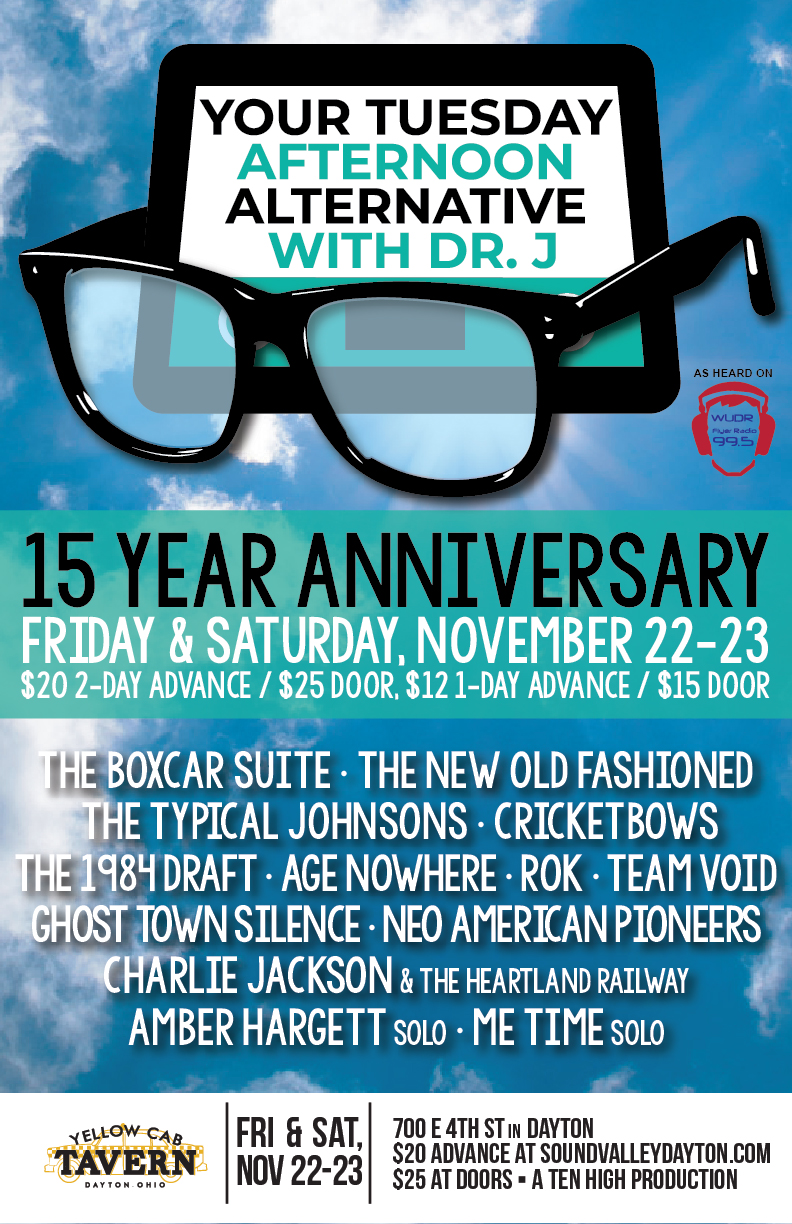
Let me tell you, being a radio DJ isn’t just a gig; it’s a cosmic voyage into the heart of musical expression and requires more endurance than you think. Just the other day, someone came up to me with ‘Hey, you’re that weird DJ guy!’ To which I answered, ‘Yup.’ And then they said, “Why do a show when you know no one is listening!” And, I stopped short, wondered about whether they were right, and then came to the conclusion that as long as one person finds comfort, as long as one person finds a song that speaks to them – then it matters. We are a community. We stand strong in the face of a destructive tide of avoidance and ignorance of new music. And that’s why I am who I am, standing behind the microphone every Tuesday afternoon, steering the ship that is ‘Your Tuesday Afternoon Alternative.’
If I were to condense 19 years of my life into a single, rhythmic heartbeat, it would be the pulsating cadence of a radio wave, broadcasting stories, music, and dreams to an invisible audience. My journey through college radio has been a dance with the ether, a passionate affair with sound, and a canvas for my creative expression. I invite you to join me on a nostalgic journey through the tapestry of my radio experience.
The Birth of an Odyssey
As the crackling needle touched vinyl for the first time in 1983, I found myself immersed in a world that was both electrifying and liberating. I began doing radio to work on improving my stutter but I also wanted to know more about music. I wanted to comb through the vinyl collection and find records that I had read about but never had the chance to hear. I was hungry for music old and new. College radio at the University of Minnesota was not just a hobby; it was a calling. Like music journalist David Marsh dissecting the nuances of rock lyrics, I dissected the frequencies and wavelengths that carried the voices of generations before me while anxiously awaiting the new music that was to come.
My first show, Radio Artifacts, was from 1983 to 1984 where I truly learned about indie music, Minnesota-based bands, and in so many ways the future of music through bands like R.E.M., Hüsker Dü, The Smiths, U2, The Replacements, The Cure, The Connells, and The Clash. From 1984 to 1988, a new show focused on alternative and college music and the art of music making, the poorly named ‘Art for Artsake’ that was both a play on my first name and — at least to me — a reflection of the mission of the show. During graduate school from 1988 to 1993, I was involved with Bowling Green State Universities’ WBGU where I had a succession of shows whose names were lost to reflections and glimpses of memory. After grad school, I dabbled in radio at WMUB in Oxford, Ohio from 1995 to 2000. For four years I had an itch I could not scratch.
The love of indie and alternative music was something that stayed with me even without a show. But eventually, that itch became unbearable and I started a show “The School of Rock with Dr. J” in 2004 at The University of Dayton’s WUDR. Modeled in some ways on the Jack Black movie — yeah I know: Cue the eye roll. TSOR was an almost didactic approach, I played music that mattered to me and explored current indie, local, and Dayton music. I explored how current unknown and undiscovered music was connected to the music of the past. Several shows explored how The Byrds – The Flying Burrito Brothers – The Eagles – Jason and the Scorchers – Cowpunk – Uncle Tupelo – Son Volt and Wilco were all connected. The airwaves were my playground from which I discovered the richness of independent, alternative, and college music.
During these various shows, I interviewed indie artists and underground bands. College radio was not just about the music; it was about the stories behind the notes. The vibrant community of DJs, producers, and listeners was a testament to the power of shared passion. Just like Dave Marsh in his work united rock aficionados, we united lovers of alternative sounds, forging connections beyond the frequencies.
Nineteen years is a long time to do anything, and within the span of my radio experiences, I have witnessed the tectonic shifts in the audio and radio landscape. College radio stations evolved from humble FM stations to digital juggernauts streaming across the globe. Writers and journalists have chronicled the evolution of rock music, and I chronicled the evolution of radio itself in the changes in my own practice. The use of digital tools has made so much of the “doing of radio” the clicks of buttons and the dragging of files. Many tasks that once involved carts and tape or vinyl were replaced with CDs which in turn were replaced themselves with digital files. The advent of the internet brought a new dawn, expanding our reach but also challenging our authenticity. Is radio still real in the digital age? In an era of Spotify, does radio still matter when you can listen to what you want, when you want, and do it all in the palm of your hand? Why do a radio show when no one might be listening?
The Sonic Shaman
You see, being a radio DJ is more than just “spinning tracks,” It’s more than just “playing music.” It is far more than just clicking a button and dragging a cursor across the soft glow of a computer screen. It’s about conjuring emotions and weaving stories through sound. When I join with the airwaves and internet signals, I am driven by faith in the power of new music. The beauty and the lifeblood of local music call to me. Maybe all of this is some strange and unchangeable part of being a “music evangelist.” Perhaps one becomes a sonic shaman of sorts, guiding listeners through the labyrinthine tapestry of music. Every tune I play carries a piece of my soul, and when those frequencies hit your ears, they transcend mere notes and rhythms. It’s a trip through time and space seeking the person who feels alone with a simple message that they are not disconnected, they matter and the community is better for their contributions.
The Rebel Cry
Lester Bangs, one of the quintessential American rock critics, taught us that music is the language of rebellion. And that’s precisely what I aim to channel with ‘Your Tuesday Afternoon Alternative.’ It’s a rebellion against the mundane, against the homogenized playlists of corporate radio. in my vision of myself, I am like the underground guerrilla fighter, battling the forces of mediocrity with a vinyl arsenal of sonic revolutionaries. Each song I play is a battle cry, a defiant scream against the mainstream. Or at least, that is probably what I really want to believe because, you know, 19 years is a long time.
The Community Connection
Radio is a lifeline to the community, a bridge between disparate souls. ‘Your Tuesday Afternoon Alternative’ is not just a show; it’s a lifeline for misfits, dreamers, and music lovers who still hang tight to the idea that music matters. I’m not just playing records; I’m forging connections. I’m the curator of a sonic underground, bringing people together through the magic of music. When that listener calls in to request a song, it’s more than a request; it’s a statement that says, “I’m part of this, too.” Those moments of connection are more important now than ever before. We need that musical validation: “Look, we are here and the music that speaks to us matters.”
The Quest for Obscurity
Lester Bangs was all about the obscure, the unknown, the raw. I share that passion. My show isn’t about chart-toppers or Billboard hits; it’s about the hidden gems, the indie bands struggling for recognition, the perfect voice that chills us while holding us close and telling us that everything is going to be alright. YTAA is about the beautiful unknowns, the forgotten tracks that deserve a second chance, and the great new songs that need to be heard. I think of myself as a musical archaeologist, digging through archives, near and far, and unearthing sonic treasures. It’s about unearthing the lost voices and forgotten riffs that deserve a place in the sun.
The Journey Continues
So why am I a radio DJ with ‘Your Tuesday Afternoon Alternative’? Why continue to be a DJ even if no one is listening? Because it’s not just a job; it’s a calling, a mission, a cosmic journey through the soundscape of the human experience. It’s a rebellion, a lifeline, and a quest for the obscure. It’s about community, connection, and the never-ending search for that perfect riff, that perfect groove, that unbelievable hit of the drum, that chilling voice that makes you catch your breath. It’s about the song that you cannot forget, no matter how hard you may try. It’s about the perfect lyric that shows you that you are not alone in feeling the way that you do.
Today, as I look back on 19 years of college/indie/alternative radio with YTAA, I see the echoes of countless voices, the resonance of music that touched souls, and the indelible mark it left on my life. David Marsh once wrote, “Rock and roll is an attitude, it’s not a musical form of a strict sort. It’s a way of doing things, of approaching things.” College radio, in my world, was — and is — that attitude – a way of doing things that transcended the mere act of broadcasting. So, yeah, it’s more than pushing a button and just playing a song. I would like to believe that it matters, and if it has meant something to just one person somewhere, anywhere then it was absolutely worth it for me.
Hopefully, this essay has helped chronicle my lifelong journey with college/indie radio – a journey that echoed the rhythms of my heart, shaped my identity, and allowed me to be a storyteller in a world of sound. Just as the radio DJs, Music writers, and journalists of the past contributed words that continue to resonate with music enthusiasts, the memories and experiences of 19 years on the airwaves/internet will forever resonate within me, a testament to the enduring power of radio and the magic of its transmission through time and space.
In the spirit of Lester Bangs, I’ll keep cranking up the volume, diving deep into the musical abyss, and taking you along for the ride. Because ‘Your Tuesday Afternoon Alternative’ is not just a show; it’s an alternative reality, a refuge for the sonic explorers, and a testament to the power of music to change our lives. So, tune in, turn it up, and let’s keep this cosmic journey rolling for as long as we are able to do so.
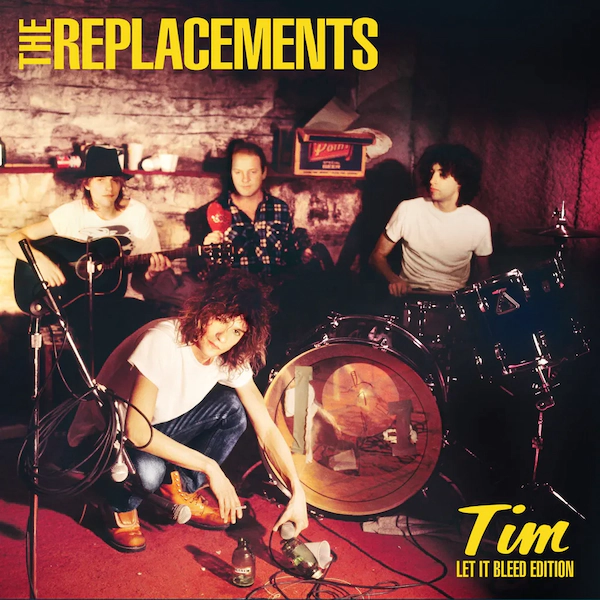
As we celebrate the Ed Stasium remix of The Replacements album ‘Tim‘, we thought gathering other music lovers’ thoughts would be a great way to stop and consider the impact of this record. Our first ‘Revisit’ comes from our friend, Jim Doherty known as DJ Calc on WRKC Radio Kings College in Wilkes-Barre, Pennsylvania.
One of the joys of parenting my children as they move through their teen years has been re-engaging with music I have loved and falling in love with records all over again. This has happened a number of times when I manage to convert my kids into being fans of music that matters to me. Sometimes, however, falling in love all over again does not involve my kids. Sometimes it is just me and an album I thought I knew.
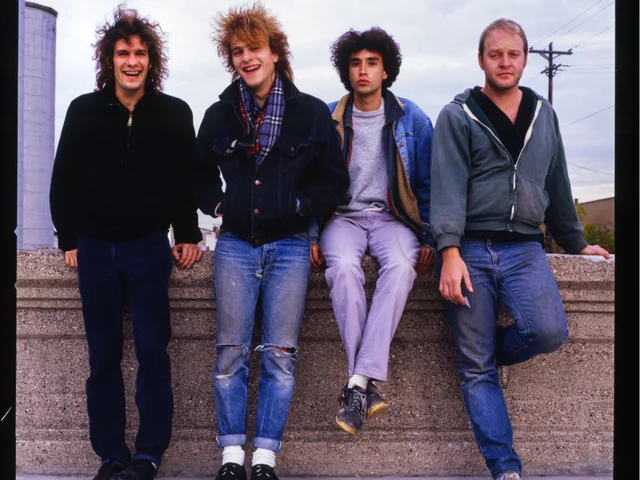
One band that I have not converted my kids, or my wife, to is The Replacements. In some ways, I see this as a failure of parenting. In some ways, though, this means that I get to lose myself in Paul Westerberg’s world without sharing that with anyone else in my house. Twice now in the past three years, I have fallen head over heels in love with a Replacements album that has already been part of my life for decades. A couple of years ago it was the Matt Wallace remix of Don’t Tell a Soul. This week, it is the Ed Stasium remix of Tim.
I started working at a record store in my college town in 1984 and one of the slew of miraculous albums that came out then was Let it Be. That album began a lifelong love affair with The Replacements. When Tim, their major label debut, came out in 1985 I was predisposed to love it and love it I have for decades now. But that love was always tempered a bit by the sort of soggy sound of the record. Tommy Stinson and Chris Mars, a dynamite rhythm section that roared on the earlier records by the band seemed neutered on this album. The guitars did not ring with the same power I was used to from the ‘Mats. It was easy to blame this on the record being their major label debut and the finger generally got pointed at the corporate label that wanted to tame the band. As with most stories, this was way too simple a reading of the situation.
Listening to this new remix almost feels like I am listening to some lost chapter of the band. The rhythm section kicks, and there is space for the guitars to ring, especially Bob Stinson who is still somewhat of a ghost on this album. The outro to ‘Little Mascara’ is a revelation. Westerberg’s voice – especially on ‘Little Mascara’ and ‘Here Comes a Regular’ – is just heartbreaking in its emotional depth. For a person whose public character was that of a person who could not be bothered to care (a favorite lyric of his is “One foot in the door, the other foot in the gutter. The sweet smell that you adore, yeah I think I’d rather smother”) it is sure clear in his singing here that he is deeply invested in these songs and in the characters being portrayed.
The Replacements’ 1985 masterpiece, “Tim,” has long been celebrated as a cornerstone of alternative rock history. With its timeless blend of punk energy and heart-wrenching ballads, the original album left an indelible mark on the music landscape. However, the production of ‘Tim’ has since its release been a subject of debate. While the original mix captured the power of the band, there was simply a lot of detail that was lost in an odd choice of mono-focused production and lo-fi-like aesthetic.
Now, in 2023, we’re treated to “Tim Let it Bleed Edition,” a reissue that not only pays homage to the original but adds a raw, unfiltered layer that deepens the emotional resonance of the record. Although nothing new was added to the remixed tracks by Ed Stasium, what is different is that we all can now clearly hear what the band was doing.
This “Let it Bleed Edition” is more than just a reissue; it’s a journey back in time. The original tracks, from the borderline reckless “Bastards of Young” to the devasting and powerful “Little Mascara” to the poignant “Swingin Party,” are as impactful as ever, maybe even more so because from the vocals to the guitars, bass, and drums listeners can find the detail that was simply buried. Westerberg’s voice is even more fragile and vulnerable yet cheeky and tough in an “I don’t need your validation and approval” way. The Replacements’ signature blend of rebellion and vulnerability shines through, capturing the essence of youthful angst and uncertainty.
Bob Stinson’s guitar parts shine in this remixed record with a power, finesse, and movement that was lost in the mono aesthetic of the original. There are parts and aspects to his playing that were simply lost. The phasing and shifting of Stinson’s movement was far more than assumed whether he was playing a silly rocker (“Lay It Down Clown,” “Dose of Thunder”) or a serious reflection on life’s challenges (“Little Mascara,” “Bastards of Young”). Bob Stinson was a great guitar player who was far more sophisticated and expressive than the original mix concealed.
“Little Mascara” in particular becomes more powerful lyrically and sonically with this remix. The song’s impact becomes inescapable. The sense of anomie, frustration, and entrapment of the narrative escalates to feel almost suffocating. This version is mind-blowing in part because it brims with a collusion between chaos and sentiment. A spectacular song that is fully realized in this new version of the album.
Also long overdue is the reflection and realization of what an incredible bass player, Tommy Stinson was at the tender age of 18 when the album was recorded. Stinson’s bass parts demonstrate a strength, speed, dexterity, and maturity on his instrument that is shocking. To say he is a damn fine bass player feels like an understatement. The Stasium remix reveals some of the finest bass runs and progressions in contemporary rock and roll. These are now clear and convincing in this version of the record.
“Here Comes a Regular” changed greatly in the new mix. That song morphed from a wistful song to a deeply melancholic almost melodramatic tune. The clarity of the vocals now does not allow a listener to hide from the sadness. That heavy emotional pain is far too real now, inescapable. It feels punishing and unbearable in a way that the original mix did not.
What truly sets this edition apart is the inclusion of previously unreleased live recordings and studio outtakes. The live tracks transport you to the sweaty, beer-soaked clubs of the ’80s, where The Replacements were at their most electrifying. Songs like “Hold My Life” and “Kiss Me on the Bus” gain a new vitality when performed in front of an eager crowd.
Drums can make or break the sound of a record. And Chris Mars was done a serious disservice with the original mixing. In the new mix, Mars has a feel, sway, and rhythm that was made mushy and soft but is now revealed to be anything but that. Wow, Mars’ drumming had some swing that was buried in the approach of the first record.
The studio outtakes, on the other hand, reveal the band’s creative process in all its messy glory. The rawness and imperfections in these unreleased gems provide a fascinating insight into The Replacements’ genius. “Waitress in the Sky (Alt Version)” showcases Paul Westerberg’s unmistakable wit, while “Here Comes a Regular (Demo)” strips the song down to its bare emotional bones, offering a more intimate connection with the band’s songwriting process.
‘Tim Let it Bleed Edition’ may not be a radical reinterpretation of the original, but it doesn’t need to be. The uncovering and clarity that is provided on the remix is like receiving the record for the first time. Nothing has been added because it was all already there just waiting to be discovered. Instead of reframing, this remix is a heartfelt tribute to a classic album, a love letter to a band that forever altered the course of alternative rock and indie. This reissue is a must-listen for die-hard fans and a perfect entry point for those who have yet to discover The Replacements’ timeless sound.
One is left to wonder if The Replacements would have achieved far more had Sire Records released this version of the record? While, this author, loves “Let It Be” and I still believe “Pleased to Meet Me” is damn near perfect — this version demonstrates the band was so much more than what was assumed. So much of what they could do was buried, hidden from the listener. Would The Replacements have then met Sire Records’ expectations in terms of sales? Certainly, the band created a powerful impression even with the mono aesthetic of the original production.
In the end, ‘Tim Let it Bleed Edition’ serves as a testament to the enduring power of The Replacements’ music. It’s a reminder that even decades later, their songs still resonate with the same raw energy and emotional honesty that made them legends in the first place. This edition may have “Let it Bleed” in the title, but it’s the heart and soul of The Replacements that truly bleed through every note.
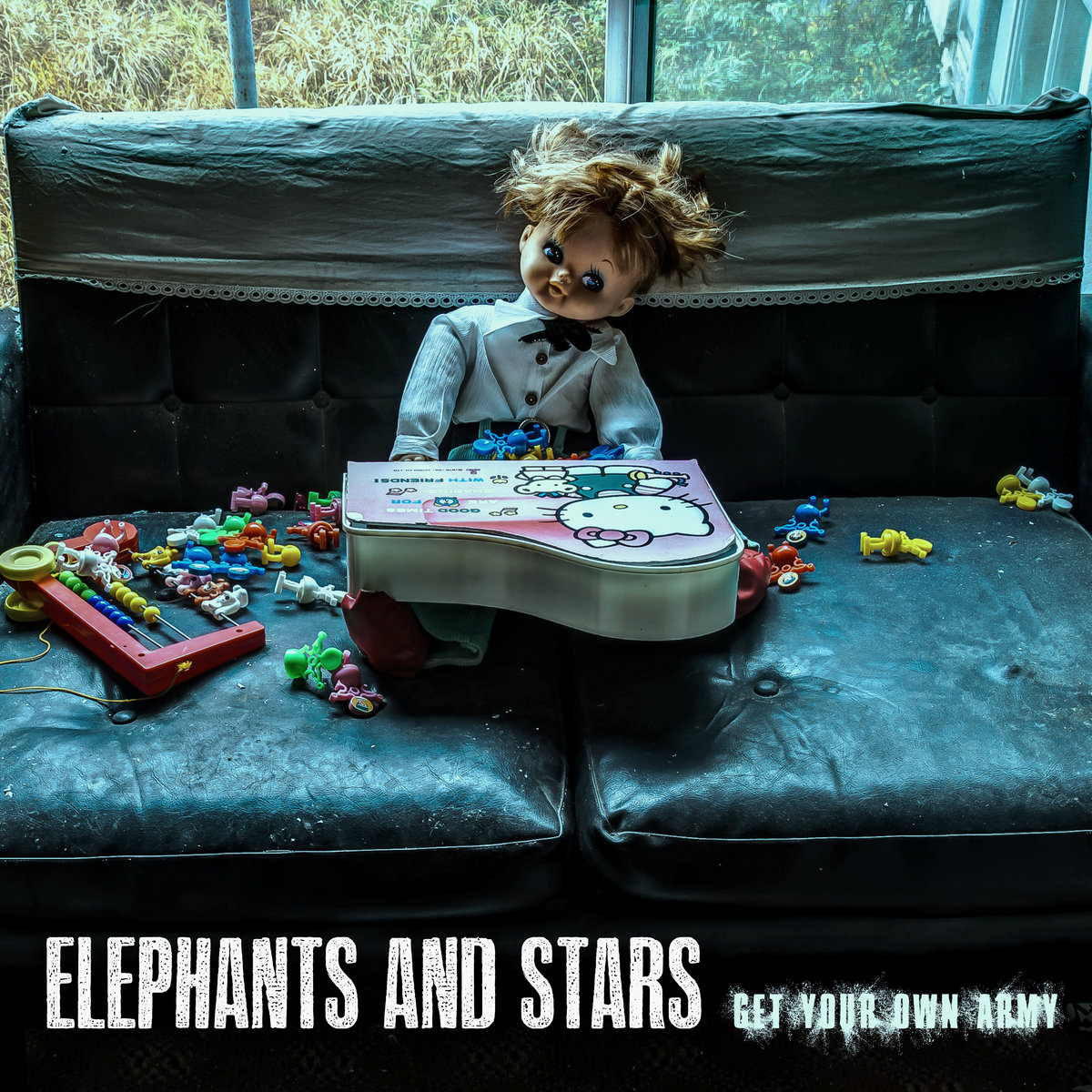
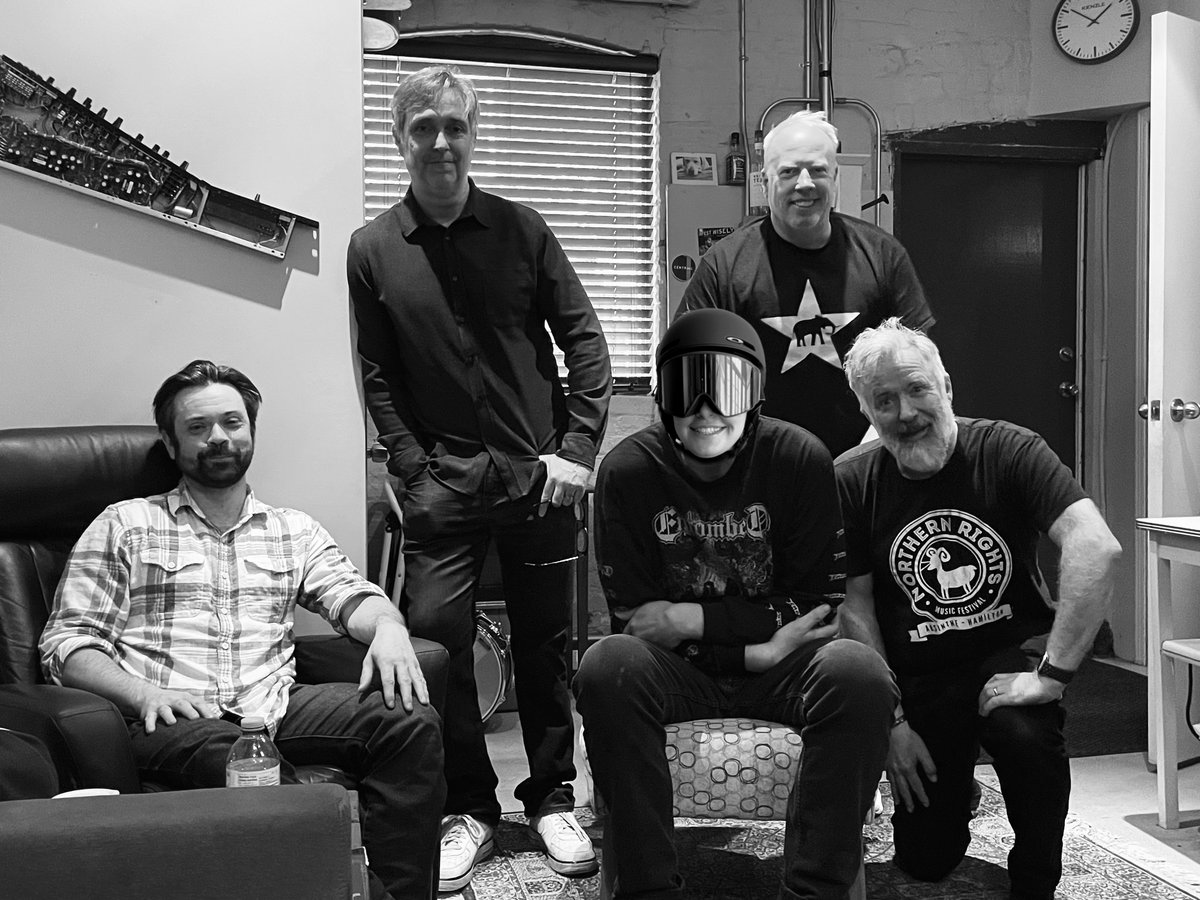
Elephants and Stars have put out an impressive array of albums in a few short years — Recovery (2020), Dreamland (2021), Last Chance Power Drive (2022) and Get Your Own Army (2023) — and have already made a meaningful impact to rock and roll with their incredible body of work. This Toronto-based band is like a supernova in the making, bursting onto the scene with a sound that’s as expansive and enthralling as the night sky. Elephants And Stars is thethird project formed around the long-running creative partnership of Manfred Stittmann and bassist Mike MacMillan, both of whom also formed the core of the late-90s/early-2000s groups Soap Opera and The First Time. The band has consistently delivered well-crafted songs with catchy melodies and thoughtful lyrics.
In the tradition of the great melodic rock and roll and New Wave bands of the ’70s and ’80s, Elephants and Stars takes us on a voyage of emotional release through their latest ‘Get Your Own Army‘. Their sonic palette is a rich tapestry woven with elements of rock, new wave, power pop, psychedelia, and folk, creating a sound that feels both nostalgic and refreshingly contemporary, a task that is hard to do in an authentic way. From the opening chords to the final fade-out, this album is a rollercoaster ride of musical nostalgia and contemporary innovation that illustrates that a music group can be versatile while delving into various musical styles. The band’s name itself suggests a blend of the colossal and the celestial, and their music lives up to this cosmic promise in perfect melodies that sway around deep storytelling and powerful lyrics.
The album kicks off with a thunderous guitar riff that immediately grabs your attention, setting the tone for what’s to come. “Gimme Ketamine,” is a true rock and roll track that grabs the listener and refuses to let go. Lead vocalist Stittman’s voice is a force of nature, akin to the gravitational pull of a black hole, drawing listeners into the band’s orbit. The instrumentation, featuring muscular guitar work, bouncing rhythms, and Cars-like synths, provides the perfect sonic backdrop for the band’s passions.
Throughout the album, the musicianship is outstanding. The guitars shred through parts large and small. The solos are played with precision and passion, while the rhythm section provides a solid foundation that keeps the songs grounded. One of the standout tracks is “Green Lights to Pasadena,” a sprawling epic that stretches the boundaries of the rock road song. It is a reflection on travel, perhaps personal, that takes the listener on a sonic adventure through landscapes of longing for effort and feeling lost: “We try until we don’t / Just die a little more.” The band’s musicianship shines here, with each member contributing to a propulsive and immersive sonic gestalt, everything mixed together with just a pinch of chaos. And you may find yourself swaying despite your resistance.
While Elephants and Stars draws inspiration from the past, they infuse their music with a modern sensibility and directness that keeps it from feeling like a mere nostalgia trip. Tracks like “Bled Out at the Scene” and “How Can It Be?” blend vintage influences with contemporary production techniques, creating a sound that’s both timeless, cutting-edge and so damn catchy. How often do we want to sing along to the slow realization of the death of a relationship?
“Get Your Own Army” is not just an album; it’s a sonic voyage through the heart of relationships viewed through a rock and roll lens. Elephants and Stars have crafted another fantastic record that showcases their immense talent and promises even greater rock and roll adventures in the future even while singing about the end, “On Your Deathbed (I wonder what you’ll think about).” With their captivating sound and down-to-earth vision, this Canadian band is poised to shine brightly in the ever-expanding universe of rock music with the simple realization that rock music lives.
Cold Expectations is a dark, jangle-pop band from Boston MA. Formed in 2016, Steve Prygoda (guitar, synth, and vocals) and JoEllen Saunders Yannis (bass, vocals) have shapeshifted the band’s sound over the years, creating 21st-century pop songs that borrow from the post-punk and new wave past. Mike Demers (Winter Project/Krebstar) fills out the band with incredibly poppy driving rhythms.
The song is Cold Expectations’ anthem to the weirdo art punks feeling isolated, misunderstood, and completely alone. Who knew there were so many of us that felt that way growing up? Our armor from the mundane, conformist world was leather jackets, trench coats, army boots, furious hair, and ferocious mixtapes, the weirder the better.
For the video, the band crept around the recently emptied Sound Museum rehearsal rooms on the move-out day as the venerable rehearsal space was closing, with JoEllen’s teen skateboarding through the hallway sporting a vintage “Sound Museum” tee. The frantic and energized vision for the video was brought to its glorious conclusion by ace videographer Allison Tanenhaus, who also produced the band’s “Two Blueberries” and “In the Padlocked Night” videos.
A very happy birthday — the big 3-0 — to ‘Ring‘ from The Connells! This record was life-changing for me.
After this record and through the music, I met the future Mrs. Dr. J. Immediately after the release of this album, I started a newsletter ‘Boylan Heights’ named after the band’s second full-length record and through that experience made lifelong friends. That was followed by a fan site for those who love the band. I traveled across the country to see so many shows – currently, I have seen the band perform over 100 times. A few years ago, I contributed to social media on behalf of fans and the band on Facebook, Twitter, and Instagram. And in a delightful twist of fate, I even became friends with the band.
If you’re looking for a sonic journey that takes you straight back to the heart of ’90s alternative rock mixed with the jangle of the 1980s, look no further than ‘Ring.’
In a world where the music landscape is constantly evolving, shifting, and moving under our feet, The Connells’ ‘Ring,’ stands as a testament to the enduring power of pure, unadulterated rock ‘n’ roll. This band crafted an album that harkens back to the golden era of jangling guitars and heartfelt lyrics, delivering a sound that’s as fresh as it is nostalgic.
‘Ring’ kicks off with the infectious “Carry My Picture,” a track that immediately transports you to the heyday of college radio, with its catchy hooks, shimmering guitar lines (courtesy of Mike Connell and George Huntley), and blistering drums (from the fantastic drumming of Peele Wimberley). The Connells effortlessly blend elements of jangle pop and alternative rock, creating a sound that’s instantly recognizable yet uniquely their own.
The album is a journey through life’s ups and downs, with songs like “74-75,” “Running Mary,” “Sprial” (sung by Mike Connell), and “New Boy” tugging at your heartstrings with introspective lyrics and undeniable emotional delivery. The Connells’ frontman, Doug MacMillan, pours his soul into each word, making you feel every emotion as if it were your own. In fact, the raw emotional gravity of “74-75” led to that song charting in the UK and several European countries in 1995. The band toured in the UK and throughout Europe on the strength of this song. The piano and keyboards of Steve Potak add the perfect final touches to the song.
One of the standout tracks, “Slackjawed,” is a masterclass in songwriting, with its infectious melody and clever wordplay. The song’s refrain is bound to stick in your head long after the record stops spinning.
While ‘Ring’ is filled with moments of introspection and melancholy, it also boasts its fair share of upbeat and anthemic tracks, such as “Slackjawed,” “Carry My Picture,” “Doin’ You” (written and sung by George Huntley), and “Hey You.” The songs on the album showcase The Connells’ ability to balance introspection with exuberance, making for a captivating listening experience from the moment of the album’s release on September 21, 1993, to today thirty years later. From the songs on this album alone, the band should be huge, selling out every stadium you can care to name.
In true rock music fashion, it’s impossible to discuss ‘Ring’ without mentioning the band’s impeccable musicianship. Mike Connell’s guitar work is a thing of beauty, providing the perfect backdrop for MacMillan’s evocative voice. George Huntley provides guitar lines to weave and sway with just the perfect touch. The rhythm section, anchored by drummer Peele Wimberley and bassist David Connell, keeps the songs moving with an infectious groove that feels effortless and perfect.
‘Ring’ should have led a revolution, this record should be on every music fan’s lips like Nirvana’s ‘Nevermind’ or Bruce Springsteen’s ‘Born in the USA.’ ‘Ring’ is a reminder of the enduring power of great songwriting and the powerful magic of rock ‘n’ roll. The Connells crafted an album thirty years ago that captures the essence of a musical journey that still feels relevant in today’s ever-changing musical landscape. So, put the needle on the record or hit play on the CD player or stream it, and let ‘Ring’ take you on a journey through the timeless world of The Connells’ music. It’s a brilliant record that deserves a spot in your collection.
In an industry often saturated with formulaic hits and fleeting trends, Hello June stands as a refreshing gust of authenticity with their third single — ‘Sometimes’ — from the forthcoming album ‘Artifacts’. This indie-rock quartet hailing from Charleston, West Virginia, continues to carve their niche in the contemporary music scene with a sound that’s both hauntingly introspective and irresistibly groovy.
‘Sometimes’ opens with a mesmerizing guitar riff that immediately draws the listener into its melancholic embrace. The hauntingly beautiful vocals of frontwoman Sarah Rudy take center stage, carrying a raw emotional weight that’s impossible to ignore. Rudy’s voice, reminiscent of rock legends like PJ Harvey and Patti Smith, is both vulnerable and powerful, perfectly encapsulating the lyrical themes of introspection and self-discovery.
Lyrically, the song delves deep into the complexities of human existence and the ever-present battle between light and darkness within us. Lines like “Sometimes you want to cry / Sometimes you just can’t” resonate with universal truths, offering a lyrical depth that transcends the confines of typical rock fare. What we say and how we say it matters.
Musically, Hello June showcases their mastery of dynamics, seamlessly transitioning between hauntingly atmospheric verses and explosive, anthemic choruses. Artifacts, which comes out on October 6th on 31 Tiger Records, was recorded in Nashville at Bell Tone Recording with producer Roger Alan Nichols, featuring Rudy on vocals and guitar, Paul Niehaus on pedal steel (Calexico, Iron & Wine, Justin Townes Earle, Lambchop), Caleb Crosby on drums and percussion (Larkin Poe, Noah Gundersen), and Nichols on guitar (The Veronicas, Tyler Bryant & the Shakedown). The rhythm and swing of the song, anchored by drummer Caleb Crosby provide a solid foundation for the soaring guitar work of Rudy and Nichols punctuated by the dreamy pedal steel of Niehaus, all combining to create a sonic landscape that’s both captivating and emotionally charged.
‘Sometimes’ is a song that grows with each listen, revealing hidden layers and nuances that make it a standout track in Hello June’s body of work. It’s a testament to the band’s evolving artistry and their commitment to creating music that speaks to the human experience without feeling academic or false.
In an era when authenticity and genuine emotion often take a backseat to commercialism, Hello June’s “Sometimes” reminds us that there are still artists out there who are unafraid to bare their souls through their music. With its haunting melodies and introspective lyrics, this track solidifies Hello June as a band to explore and appreciate for anyone who loves a great song.
In “Sometimes,” Hello June has not only delivered a remarkable song but also a profound emotional journey that lingers long after the final notes fade. It’s a testament to the enduring power of rock and the boundless potential of this group. Keep an eye on Hello June; they’re poised to make waves in the music world.
How often has someone asked what are your top ten albums in your record collection? Or how many of us have had one of those bar conversations where we are hypothetically trapped on a desert island with only ten records? A desert island album is meant to be a fun concept often discussed among music fans. It refers to an album that someone would choose to have with them if they were stranded on a desert island, again just hypothetically speaking — because no one is really trapped anywhere. An album in the desert island collection is considered a person’s absolute favorite, one they could listen to repeatedly and never tire of, making their isolation on the desert island more bearable, and more manageable until they are rescued. At least in my positive interpretation, there is a rescue. It’s essentially a way of asking someone to identify their all-time favorite or most cherished album. One of these perfect records, for Dr. J, is R.E.M.’s first full-length album, Murmur.
In the pantheon of groundbreaking albums that have defined the trajectory of rock ‘n’ roll, R.E.M.’s “Murmur” stands as an enigmatic and transcendent work of art that effortlessly marries the esoteric with the accessible. Released in April of 1983, this debut offering from the Athens, Georgia quartet would forever alter the landscape of alternative and college rock, and for me, it remains a timeless, perfect masterpiece that continues to inspire generations of musicians. The jangling guitar sound of The Byrds is given an almost Southern gothic interpretation with this record.
“Murmur” isn’t an album that immediately reveals its treasures. Like hidden treasure waiting to be discovered, it beckons the listener with an unassuming demeanor and cryptic allure which makes the music discovery all the more compelling. The first listen is akin to wandering through a dense forest, each track shrouded in a veil of mystery. Yet, beneath this initial enigma lies an astonishing depth and an artistic vision that is nothing short of revolutionary at the height of over-produced ’80s pop music.
Michael Stipe’s distinctive vocal delivery, at once cryptic and poignant, serves as the perfect vehicle for R.E.M.’s lyrics, which often veer into the surreal and enigmatic. On tracks like “Radio Free Europe” and “Talk About the Passion,” Stipe’s emotive and unintelligible murmurs become an instrument in themselves, adding layers of intrigue to the music. The lyrics are open to interpretation, inviting listeners to find their own meaning in the cryptic verses and enigmatic imagery. Debates among fans over exactly what Stipe was singing prior to the time of Google search and Wikipedia were a source of contention and heated arguments.
R.E.M.’s musical prowess shines through in the jangly, chiming guitar work and arpeggios of Peter Buck, the melodic propulsive bass lines of Mike Mills, and the steady, unrelenting percussion of Bill Berry. The band’s unique brand of folk-rock, post-punk, and jangle pop coalesce into a sound that is distinctly their own. It’s a sound that is both melancholic and uplifting, introspective and anthemic at the same time.
“Murmur” is an album that rewards repeated listens, a requirement of a desert island album. With each spin, new layers are unveiled, and the songs reveal their intricate beauty. Tracks like “Perfect Circle” and “Pilgrimage” showcase the band’s ability to craft songs that are simultaneously ethereal and grounded. The album’s sequencing is masterful, with each song flowing seamlessly into the next, creating a cohesive and immersive listening experience. The entire album carries a consistency that is remarkable. There are no jarring transitions from song to song, the flow across the entire album is seamless. Imagine the movement from “Radio Free Europe” to “Pilgrimage” to “Laughing” and then “Talk About the Passion” which then leads into “Moral Kiosk” and side one finishes with “Perfect Circle.”
One can’t discuss “Murmur” without mentioning the album’s iconic cover art, featuring a blurred image of the band against a backdrop of kudzu vines. This image perfectly encapsulates the album’s mysterious and elusive nature, inviting listeners to delve deeper into its sonic labyrinth.
In retrospect, “Murmur” marked the birth of the alternative rock movement, influencing countless bands that followed in R.E.M.’s wake. Its impact on the music industry cannot be overstated, and its enduring appeal is a testament to its timelessness. This album defies easy categorization, transcending genres and expectations, and it remains an essential piece of rock ‘n’ roll history.
“Murmur” is not just an album; it’s a sonic journey, a poetic exploration of the human condition, and a testament to the power of music to transcend boundaries. It’s an album that deserves a place of honor in every music lover’s collection, and it continues to whisper its secrets to those willing to listen. If you were to find yourself in need of a recommendation for a desert island record, “Murmur” deserves to be considered. In the annals of rock history, “Murmur” will forever be celebrated as a work of art that changed the game, and its brilliance only grows more apparent with the passage of time.
This past Tuesday it was a real pleasure to have Matt Moran, Dan Moran, Jonas Walker, and James Gedda in the YTAA studio and then have the opportunity to go to The Hidden Gem Music Club and see them play a fantastic show. The concert was ably opened by James Gedda. His baritone and alt-country swagger reminds a listener of Dave Alvin crossed with Darius Rucker with just a pinch of Sturgill Simpson. Gedda’s humor and authentic sensibility set the perfect mood for the night. Give a listen to his excellent music!
Then Matt Moran & The Palominos kicked the night into the stratosphere! An incredible set of songs that featured tunes from Matt Moran’s excellent Heartache Kid and Heartache Kid Acoustic records. The band was tighter than a fused bolt. Across a sonic theater that included a high-energy cover of ‘Atlantic City,’ the band barrelled like a runaway train going downhill. To say that the band demonstrated the kind of chemistry that a group would sell their soul to possess is an understatement.
The harmonies between Matt and Dan Moran had that blood harmony that is only held by brothers who not only grew up together but know where all the bodies are buried and hold the secrets of one another close to their hearts. Speaking of Dan Moran, his bass runs were impressive and yet never overwhelmed the songs. If bass is the secret weapon in music, then Dan is the guard of the armory.
I would be remiss if I did not mention the incredible work behind the drum kit. Jonas Walker added the right amount of percussion, fills, and sways to every song regardless of the tempo. His enthusiasm was infectious while bobbing his head, smiling, and adding the occasional yelp and scream but only when it added spice to the song.
Matt’s voice is an all too rare gift. Even when he is singing a song written about characters he created from his fertile imagination about a restaurant that he regularly drove by but could not go in because the reality might not match the story written in one’s mind – ‘Break Her Heart‘ – you would swear that he was singing about a heartbreak that he could only have experienced himself to be able to draw upon such emotion.
If you are unfamiliar with Matt Moran & The Palominos, then you have some musical homework. Don’t worry, you are going to love it. Matt is on Twitter, Instagram, Facebook, and Bandcamp. Plus his own site.
From the new album The Great Escape. Music legend Chris Stamey shows appreciation for the music of the 1960s and 1970s music performance shows such as Upbeat, Shindig, Hullabaloo, and Glenn O’Brien’s TV Party.
‘She Might Look My Way’ is by Alex Chilton and Tommy Hoehn. The Video was shot by Julia Stamey, with lighting by Mark Hanley, at the venerable Cat’s Cradle, Carrboro, NC. You might recognize some music luminaries in the video such as Mitch Easter (the drummer on the recording as well), Matt McMichaels (guitar), and Robert Sledge (bass). Alejandro Escovedo plays the host. Track produced by Terry Manning and Chris Stamey.
From Chris: “She Might Look My Way” “When I was a kid, I fell in love with the sound of records. I was 17 in 1972 when I got a copy of #1 Record by Big Star, and I thought it had about the most magical sound of them all. So I decided one summer afternoon that, hey, I’d just call the studio listed on the back and ask them how they did it! The woman who answered the phone at Ardent in Memphis put me on hold, and I can only imagine now that some laughter ensued all round the office at the audacity and absurdity of my question! But they put engineer/producer Terry Manning on the line, and lo and behold, as my head reeled, he ever so kindly took the time to tell teenage me all about the nitty gritty, the mics and guitars and amps and gizmos.”
“I had no idea then that Terry had worked on Led Zep III, classic Staples Singers tracks, and was soon to helm ZZ Top megahits. I just knew he was one of the Ardent wizards. And I was so grateful to have him pull the curtain back just a little.”
“Decades and many sessions later, meeting at a NYC concert, we picked up the conversation again. Both loving a forgotten song, ‘She Might Look My Way,’ that I’d later played regularly at CBGB with Big Star’s Alex Chilton—and even recorded with him at Todd Rundgren’s studio for Elektra Records, although it was never released by the label. At that point I’d already started a bare-bones studio version of it myself, with Mitch Easter on drums, so I handed the tapes off to Terry. He dialed in his wizardry once again, in the Bahamas, and filled it with that same brand of Memphis magic: harmonies, guitars, Mellotron. It was the very last thing ever mixed at the famous Compass Point Studios, and that, too, seemed kind of magical. I loved it. We even talked about starting a band together then, but geography got in the way.”
“So when I was finishing up my new record, The Great Escape, as a reality check I kept referencing this track, which had also never been released. I finally realized that it belonged in here with the newer tracks, that it was in a way a keystone for the rest. I didn’t write it, Alex did that, with Tommy Hoehn. But I’m so pleased to have it on board.”
There is a real challenge in our community that is all too often ignored. According to recent research, suicide is the second leading cause of death among young people aged 10 to 24. Lesbian, gay, bisexual, transgender, queer, and questioning youth (LGBTQ+) are significantly at increased risk. LGBTQ+ youth are more than four times as likely to attempt suicide than their peers.
The National Conference for Community & Justice of Greater Dayton (NCCJ) is organizing a fantastic event on May 13, 2023, to raise public awareness of these issues and create a welcoming and supportive space for all members of our community. The event is called Pride Rocks! and it will bring people together over food, music, friendship, and more.
This event includes music, community participation and involvement, and healthy ways to educate one another on suicide prevention. In partnership with the Dayton Metro Library, Equitas Health, the Hope Collective Church, Mental Health and Recovery Board of Clark, Champaign, and Green Counties in Ohio, Montgomery County ADAMHS, and Ohio Naturally, the NCCJ is creating a free and open public event to build solidarity and health in the Dayton region.
You can learn more about Pride Rocks! by reaching out to NCCJ Dayton at info@nccjgreaterdayton.org or calling 937-222-6225 to request information
Streaming Forward, Powered By The Past - if you love the 80s music, new music, Eurovision, cheesy pop and awesome playlists then let's get this pop party started!

















 your tuesday afternoon alternative