The Madness of Resurrection: Why Let It Be (2025 Remaster) Feels Like a Miracle

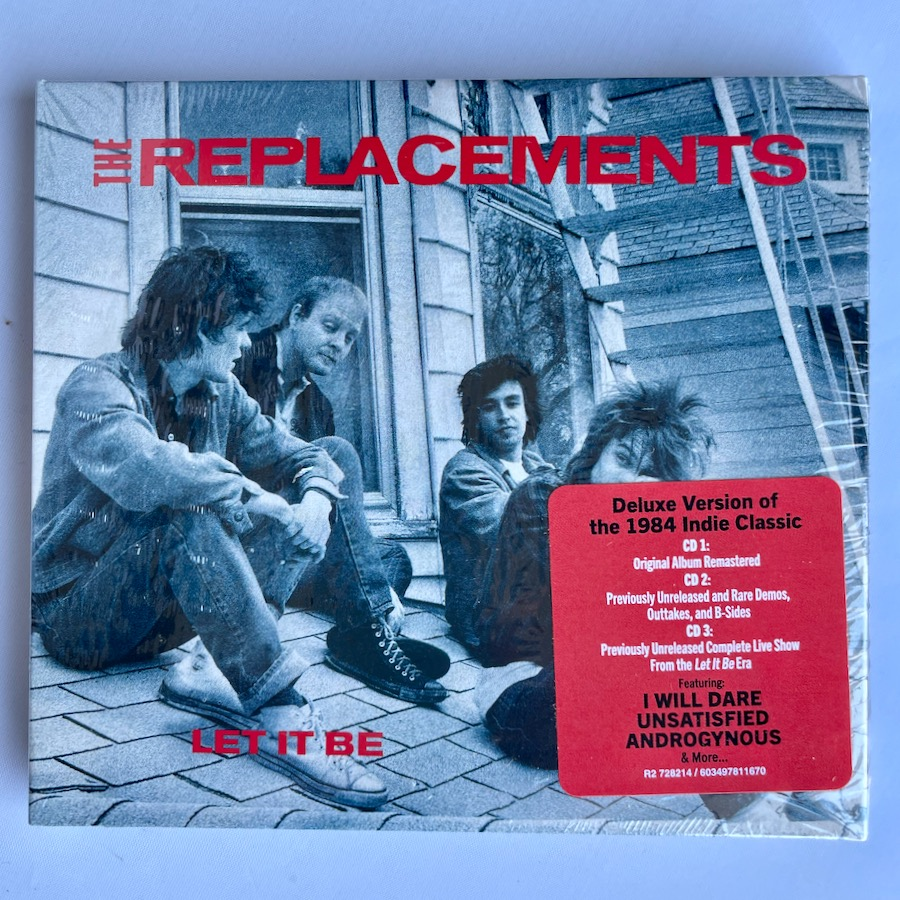
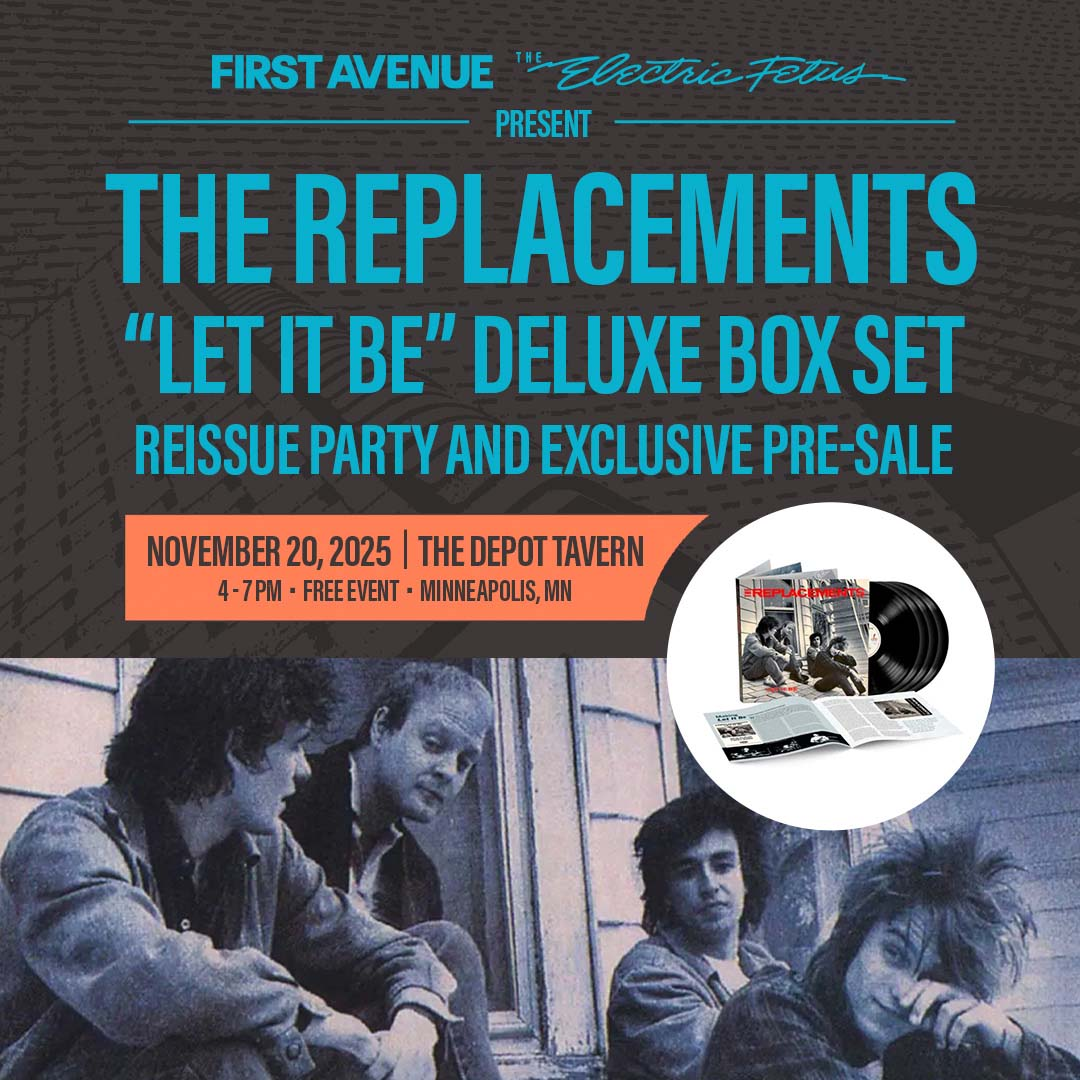
It’s one of those things that should never have happened. A scruffy, half-broken underdog band from Minneapolis — ragged, defiant, often self-sabotaging — getting the deluxe archival treatment usually reserved for polished legends, for “classic rock” cathedrals. Yet here we are: 2025, and Rhino Records (a part of Warner Music Group) has dusted off Let It Be, remixed, remastered, reboxed, expanded — and in doing so given the world a second chance to see the bruised poetry of the original 1984 record in high fidelity.

The fact that The Replacements are getting this kind of attention now — decades after their original flame flickered out — is almost absurd. And yet that absurdity is perfect. Because Let It Be was never meant to be smooth. It was meant to hurt, to stumble, to scream. The Deluxe Edition doesn’t try to smooth those edges — it highlights them, reminding us why this band never fit neatly into the mainstream, and why that’s exactly why they mattered.

The Skeletons & the Heart — An Album Understood

Originally released in 1984 via the indie label Twin/Tone Records, Let It Be was a moment of clarity for The Replacements: a record of transition, of longing, of half-formed innocence battered against a rock & roll dream.

The 2025 Deluxe Edition gives us disc one: the remastered original album — eleven songs that remain as vivid, ragged, and vital as ever. Then comes the rarities — alternate versions, outtakes, home demos — and a full 28-song live set from March 1984 at the Cubby Bear in Chicago.

This isn’t a rehydrated corpse. It’s a beating heart, reconnected. It’s the band as they were — flawed, sprawling, incomplete — presented again not as “heritage,” but as rock & roll living in the cracks between hope and chaos.

Track by Track: The Skin & Bones of Youth

Think about “I Will Dare” — opener of the album and a dare in itself. That fuzz-ed cardinal riff, the off-kilter swagger, Paul Westerberg’s voice like it’s scraping against the point of a razor. The 2025 remaster gives the guitars more room to breathe; you hear the strings buzz, the drum skins snap, and every syllable of “dare” tastes like adrenaline. It lands like a punch in the gut — and that’s exactly the point.

Then there’s “Favorite Thing,” where the punk cheek turns into something almost tender. A strange, shimmering melody over brittle chords, a voice struggling between affection and alienation: “I just don’t know what to do.” On the original vinyl you heard the ghosts of cheap amps and cigarette smoke; on this remaster you hear the humanity underneath.

“We’re Comin’ Out,” “Tommy Gets His Tonsils Out,” “Black Diamond” — all of them jittery, half-formed attempts at grandeur, teenage longing, and adolescent confusion. But the album’s heart lives in songs like “Androgynous” and “Unsatisfied.”

“Androgynous”: one of the few rock songs in history that wears its empathy on its sleeve without collapsing into sanctimony. A melody that aches, lyrics that don’t posture — and in 2025, the alternate version restores a full piano intro, a different vocal take: a softer, more haunted Replacements, vulnerable but unpretentious. 

“Unsatisfied”: bitter, ragged, full of longing. Westerberg’s voice cracks, the rhythm stutters, the world trembles. On this remaster, the grit is there, but so is the clarity — the bass-line you never heard before, the snare drum’s tiny echo, the breath between words. It’s like seeing an old scar under better light — you cringe, but you also understand how it shaped the person.

Songs like “Answering Machine” — small, shy, off-kilter — make you feel the quiet desperation of isolation, of trying to connect and hearing nothing but static. On this remaster, those staticky edges sharpen; the loneliness doesn’t sound like a studio effect anymore, it sounds like the room you’re in after the lights go out.

Listening to Let It Be, side to side, track after track, is like rummaging through someone’s teenage bedroom: posters peeling off drywall, cigarettes half-smoked in an ashtray, dreams scribbled over notebook margins. It doesn’t sound like “great production.” It sounds like truth.

Why Let It Be Was Always Too Big for Its Boots — and Yet Never Big Enough

The Replacements were never built for the spotlight. They were too ragged around the edges, too self-aware, too… real. And by “real” I mean “full of contradictions.” They wanted fame, but they didn’t want the shackles that come with it. They chased rebellion, but they also had voices cracked open by longing. They wrote love songs when they barely knew how to keep their own lives together.

By the time they were capable of being “bigger,” self-destruction and disillusionment had already set in. The guitarist whose shards of noise cut through Let It Be — Bob Stinson — drifted away soon after. Addiction, inner demons, burnout: the usual rock mythology that turns alive bands into ghost stories. 

It’s improbable that a band like The Replacements would ever get a deluxe archival box. It’s even more improbable we’d get one in 2025 — a time when nostalgia usually means safe, stable comfort records. But part of what makes this remaster so thrilling is that it refuses comfort. It resurrects the mess. It preserves the fractures. It honors the band not as legends, but as poets of sloppiness, heartbreak, and restless hope.

That’s why this reissue is more than just for longtime fans. It’s for anyone who ever felt like an outsider, anyone who ever saw beauty in chaos, anyone who ever listened to music and found pieces of themselves in the distortion.

What the 2025 Deluxe Edition Actually Adds — the Blood Under the Skin

Thanks to Rhino’s box, we now have a wealth of previously inaccessible material: alternate takes of “Gary’s Got a Boner,” “Favorite Thing,” a restored alternate of “Androgynous,” unreleased outtakes like “Who’s Gonna Take Us Alive” and “Street Girl,” home demos, and more. 

But perhaps the jewel in the set is the 28-song live set from March 1984 at the Cubby Bear, Chicago. A crowd-sourced tape, long buried in obscurity, now remastered and set free. On this live set you hear the band thrashing through not just Let It Be material, but older punk-raw cuts, covers of The Beach Boys, Bad Company, and the kind of sweaty, ragged, near-chaotic energy that only a band on the edge can deliver.

Rhino.com will also offer an exclusive bonus 10-inch vinyl release, Live at City Garden. Bundled with the vinyl edition and a T-shirt, this six-song soundboard recording was captured at the legendary Trenton, New Jersey, punk club on February 11, 1984. Highlights of the live EP include a rare performance of the ballad “You’re Getting Married,” played at the request of the band’s original manager and Twin/Tone co-founder Peter Jesperson, who also co-produced both the original Let It Be and the new deluxe edition. That track is a small, strange flower growing out of the concrete of punk rock — gentle, awkward, and deeply human.

These extras don’t feel like padding. They feel like excavation. They don’t try to mythologize the band — they just show: this was real. This was messy. This was alive.

For Fans & The Uninitiated — Two Doors to the Same Room

If you’ve loved The Replacements for decades, this Deluxe Edition is catharsis. It’s memory, resurrection, vindication. It’s turning the lights back on in a room you once lived in — seeing every cigarette burn mark on the table, the scratched vinyls leaning against the wall, the ghost of teenage hope in the corner.

If you’re new to The Replacements — maybe you grew up after the vinyl era, maybe your Spotify algorithm just nudged you — Let It Be (2025 Deluxe Edition) is a perfect entry point. The remaster cleans — but doesn’t polish — the sound. It clarifies, but doesn’t sterilize. And the expanded material draws out the band’s contradictions: tender yet abrasive, sloppy yet sincere, desperate yet hopeful.

In a moment where rock & roll sometimes feels like it’s been shoved into a nostalgia museum — safe, curated, predictable — this reissue punches through: real ragged edges, real emotion, real imperfection. It reminds you that rock was once a refuge for freaks, for outsiders, for the restless.

What Could’ve Been — And Why It Still Means Something

It’s almost uncanny: listening to Let It Be now, you can hear the potential of a much bigger future. Songs like “I Will Dare” and “Androgynous” aren’t just artifacts of mid-80s indie; you half expect them to echo off arenas, to lay foundations for generations. The Replacements had the songwriting, the heart, the courage — and at times, it sounds like they had the will for greatness.

But rock & roll doesn’t reward sincerity if the band can’t survive themselves. Bob Stinson’s drift, the instability, the lack of polish — all of that doomed them from riding their own wave. And in retrospect, that’s part of the charm. Let It Be feels like the greatest nearly-album the 1980s never let bloom fully.

The 2025 Deluxe Edition doesn’t rewrite that history. It doesn’t pretend the band got what they deserved. What it does is more courageous: it says, “Here is who they were. Here is what they felt. Here is the wreckage — and the beauty.” For anyone willing to peer into the wreckage, there’s a kind of redemption there.

A Final Salvo: Why Let It Be (2025) Matters

There’s a moment in the history of rock & roll when everything cracked wide open, when the neat boxes called “punk,” “indie,” “pop” blurred into something messy and human. The Replacements were among the first to do it — not by design, but by desperation, by honesty, by the stubborn belief that rock didn’t need to be polished to matter. Let It Be wasn’t just an album: it was a middle finger to complacency, a howl in the concrete night, a slag-heap love letter to the lonely.

In 2025, to give that album a deluxe reissue — remastered, expanded, recontextualized — is to say that those guttural screams, those jangly chords, those messy homespun ballads still matter. It’s a statement: that rock need not be perfect to be perfect. That pain, longing, chaos, longing, and heartbreak deserve clarity, not gloss.

If you’ve never heard The Replacements — or if all you know are legends and hearsay — this version of Let It Be is a gift. Not because it’s pretty, but because it’s honest. Not because it’s comfortable, but because it’s real.

So press play. Let the guitars crack. Let the drums rattle. Let the voices ache. Because the room is dark — and once you open the door, you might never want to leave.

Video of the Day: The Replacements: Let It Be (Deluxe Edition) Unboxing and Interview with Peter Jesperson

Unboxing Let It Be (Deluxe Edition) with Peter Jesperson feels a bit like opening a time capsule with the person who helped seal it shut decades ago. As he lifts the lid, there’s an unmistakable spark of recognition in his voice—each piece of packaging, every photo, every scuffed tape box seems to carry a memory only he can unlock. What might otherwise feel like a standard deluxe reissue suddenly becomes charged with lived history.

Jesperson doesn’t just describe the material; he animates it. He flips through the booklet and, in an offhand comment, drops you right back into the chaos and brilliance of The Replacements in 1984. The band’s humor, volatility, tenderness, and absolute unpredictability all surface as he recalls how certain songs came together or how a particular live moment found its way onto a bonus disc.

Moving through the set with him is like being guided by the band’s archivist-in-chief—someone who doesn’t merely know the story but lived inside it. His excitement is contagious, and as he handles each artifact, the deluxe edition becomes more than a product; it becomes a reunion with the band, filtered through someone who never stopped believing in them. In his hands, the ephemera transforms into something warm and personal, a reminder of how unlikely and extraordinary this music was—and still is.

Screaming in the Dark: How Rock Lyrics Tear Your Soul Open and Leave You Wanting More

Rock and roll has always been a violent, all-consuming beast that claws at your insides and leaves you aching for more. But it’s not just the guitar riffs that keep you coming back; it’s the words. The lyrics, when they hit, can get under your skin, lodge in your brain, and make you feel like you’ve been struck by lightning—or a falling star, depending on how poetic you want to get. The best rock songs are often the ones that tear down the walls between the listener and the songwriter, making you feel as if you’re walking through the fires of their soul, even if they don’t want you there.

This kind of raw vulnerability, this open wound of expression, can’t be faked. And if it is, you know it. But when it’s authentic? When it comes from a place that is somehow both personal and universal? That’s when you hear it: the sound of someone throwing everything they have into their lyrics, turning something that might just be a scribbled note into an anthem for the disillusioned.

And that’s where songs like those from The Connells, The Counting Crows, R.E.M., and The Replacements come in. They’ve got it—whatever it is. And they know how to wield it like a sword, carving out spaces for us all to exist inside their verses. It’s not just about being clever or complex. It’s about being real. It’s about making you feel something.

So what makes these lyrics powerful? Let’s dive in and break it down.

The Connells – The Beauty of the Everyday Struggle

Let’s start with The Connells. They’re like that band you heard on the radio and never quite knew whether you were supposed to cry or just nod along to the rhythm. Their song “74-75” is a classic example of lyrics that don’t just tell a story—they pull you into the middle of it, making you feel like a participant rather than an observer.

The thing about “74-75” isn’t the narrative; it’s the way it captures a feeling, a sense of longing for a time that’s already passed, a time that exists only in memory. The line “I was the one who let you know
I was your “sorry ever after”/’74-’75”
hits with the subtle melancholy of a songwriter who knows that the world they once envisioned didn’t quite turn out as expected. There’s no bitterness, no anger—just a quiet resignation. It’s not the anger of punk or the bombast of glam rock, but something more delicate: a personal and collective sadness.

This sense of fading away, of history marching on regardless of your desire to keep up, is where The Connells find their power. The lyrics don’t scream for attention. They don’t force you to accept them. Instead, they settle in, like the dust in an old attic that you haven’t bothered to clean. In a way, The Connells’ ability to articulate the passing of time, the things that slip away without us even realizing it, taps into a very human vulnerability: we can’t stop the inevitable, but we can remember, and sometimes that’s enough.

Counting Crows – The Beauty of Messy, Imperfect Souls

Counting Crows are often described as the quintessential ‘90s band, and while that might seem like a dismissive label to some, it’s hard to ignore how well they captured the emotional complexity of that era. The lyrics in songs like “Mr. Jones” or “A Long December” are imbued with a kind of longing that speaks to the frustrations of being stuck in your own head, lost in self-reflection, while also looking outward toward the world and wondering why it all feels so… empty.

There’s a rawness in Adam Duritz’s delivery, a sense of vulnerability that comes across as both introspective and confessional. In “A Long December,” Duritz sings, “And it’s been a long December, and there’s reason to believe / Maybe this year will be better than the last.” The power here isn’t just in the lines themselves but in the tone—the weariness in Duritz’s voice, the way it wavers, suggesting that this isn’t just about a bad month or a rough time. It’s about the constant cycle of hope and despair, the cyclical nature of life that repeats even though you don’t want it to. The power of Counting Crows’ lyrics lies in their ability to capture that very human struggle: the push-pull between wanting to believe things can get better and the awareness that life often doesn’t give you any guarantees.

But it’s not just about the sad, reflective moments. Counting Crows are also masters of finding beauty in the messiness of life. In “Mr. Jones,” Duritz sings about longing for fame and success, but in a way that’s almost self-deprecating, revealing the insecurity that so often accompanies dreams of grandeur. There’s something painfully human about the way he expresses these desires, especially when paired with the upbeat, almost celebratory musical backdrop. It’s as if Counting Crows are trying to convince themselves that they can rise above their own doubts, even if they don’t fully believe it. This contradiction—wanting something so badly while knowing it won’t solve your problems—is what makes their lyrics hit so hard.

R.E.M. – The Beauty of Ambiguity and Mystique

Now, R.E.M. is where things get interesting. They’re a band known for their obtuse, enigmatic lyrics—songs that you can never quite figure out, yet they speak to you as if they understand your deepest thoughts. “Losing My Religion” is the prime example of this. Michael Stipe’s lyrics are fragmented, filled with obscure references, and yet they carry an emotional weight that speaks to the very heart of human confusion and self-doubt.

“Losing My Religion,” for instance, is about more than just faith; it’s about the moment when you realize that the rules you’ve followed might not hold true anymore. The phrase “losing my religion” isn’t literal. It’s not about God or theology—it’s about that overwhelming sense of being on the verge of breaking, of seeing everything you thought was true start to unravel. Stipe’s voice doesn’t just sing these words; it resonates with the sorrow of understanding that, sometimes, there is no answer. The ambiguity is powerful because it reflects the messiness of our own lives: we’re all searching for meaning in a world that doesn’t provide any simple answers.

R.E.M.’s strength lies in their ability to articulate universal feelings—loss, confusion, longing—through highly ambiguous lyrics. You might not always know exactly what they’re talking about, but you know what it feels like. And that’s what makes their songs so potent. They create a space where the listener can impose their own experiences, their own meanings, into the lyrics, making each song feel personal.

The Replacements – The Beauty of Chaos and Rebellion

And then there are The Replacements. If R.E.M. is ambiguity, The Replacements are the messy, unpolished, chaotic force that says, “Here I am, take me or leave me. Either way, we don’t care.” There’s an undeniable power in their ability to capture the feeling of disillusionment with the world, but they do it with a defiance that borders on self-destructive. Their lyrics are often frantic, raw, and vulnerable as if the band is afraid that, if they don’t get it all out in one go, they might implode.

Take “Bastards of Young,” for example. It’s a call to arms for the disaffected youth, the ones who are always on the outside, looking in. The repeated refrain “We are the sons of no one / Bastards of young” rings with both anger and an almost celebratory tone—like a badge of honor worn by those who never quite fit into society’s neat little boxes. What’s powerful about this is that it isn’t just about rebellion for the sake of rebellion. It’s about a deep-seated sense of alienation, a recognition that the world may never accept you, and maybe that’s okay.

There’s a sense of desperation in these lyrics, a feeling that maybe the only way to survive is to burn everything down. But there’s also humor, even in the chaos, a reminder that life is messy, imperfect, and sometimes beautiful in its destruction.

The Power of Lyrics in Rock and Roll

The lyrics that make rock and roll so potent aren’t the ones that try to fit neatly into a box or explain everything away. They’re the ones that dive into the mess of human existence and say, “This is who I am, for better or worse.” It’s the raw vulnerability of The Connells’ reflections on time, the longing and self-doubt of Counting Crows, the cryptic mystery of R.E.M.’s disillusionment, and the raw, unvarnished chaos of The Replacements that make rock and roll lyrics so powerful. It’s not simply about the clever wordplay or the polished metaphors—it’s the truth, delivered with all the mess and pain that comes with it.

Rock and roll is about real emotions. And the best songs? They make you feel something, deep down—whether you want to or not. And we are all the better for it.

Echoes of a Quiet Rebel: Remembering Slim Dunlap, The Heartbeat of The Replacements

Slim Dunlap portrait courtesy of Songs for Slim. Tony Nelson | 2013

In alternative rock, few figures have had the understated yet deeply impactful legacy Slim Dunlap left behind. As a guitarist for The Replacements after Bob Stinson, Slim didn’t just play music—he shaped it in a way that resonates to this day, even though he remained a somewhat enigmatic figure throughout his life. On the surface, Slim Dunlap might not have been the flashiest or the most publicly celebrated member of the band, but the impact he had on the Minneapolis scene, indie rock, and countless fans around the world is undeniable.

Born on August 14, 1951, in Plainview, Minnesota, Robert “Slim” Dunlap was far from an obvious choice to become a member of one of the most influential bands in American rock history (Yup, I am prepared to die on that hill). But when he was recruited by The Replacements in 1987 to replace founding guitarist Bob Stinson, the band had already passed through several distinct phases. At that point, the group had moved beyond their punk rock origins, beginning to experiment with more expansive sounds and complex emotional undercurrents. They were on the cusp of achieving something bigger, and Slim Dunlap was a missing piece they needed.

The Replacements and the Arrival of Slim Dunlap

Before Dunlap’s arrival, The Replacements were known for their chaotic, often self-destructive live shows and their raw, raucous recordings. Their earlier albums like Sorry Ma, Forgot to Take Out the Trash (1981) and Hootenanny (1983) captured the brash spirit of the early 80s indie scene—songs that were loud, fast, and fueled by youthful defiance. Yet, as the band matured, their sound began to evolve, influenced by a more nuanced approach to songwriting that incorporated elements of rock, folk, country, and pop.

By the time they were recording Pleased to Meet Me (1987), The Replacements were at a crossroads. Bob Stinson, the band’s original guitarist, had been dismissed due to his erratic behavior and substance abuse issues in a far less kind way than he deserved and the band required a stable, skilled guitarist to match their new, evolving direction. That’s when Slim Dunlap entered the picture.

Slim was a seasoned musician with experience in various bands around Minneapolis, most notably playing with Curtiss A, the Rythmaires, Thumbs Up, and offshoot project called Spooks. Dunlap often played with groups as an uncredited journeyman guitar player. He wasn’t a flashy virtuoso but a guitarist who understood how to serve the song. His style was one that was inherently rock ‘n’ roll but was also imbued with a level of restraint that made him an ideal fit for the band’s new sound.

Dunlap’s arrival marked the beginning of a new era for The Replacements. While Pleased to Meet Me was the only Replacements record recorded as a trio of Paul Westerberg, Tommy Stinson, and Chris Mars. Dunlap joined the band shortly after the recording was completed. Although he did not play on PTMM, on tour Slim’s guitar playing shone through in songs like “Alex Chilton,” a tribute to the legendary Big Star frontman, and “Can’t Hardly Wait,” where his melodic sensibility perfectly complemented Paul Westerberg’s aching, almost fragile vocals. What was remarkable about Dunlap was that he didn’t try to outshine anyone; rather, he played in service of the song, knowing exactly when to add a tasteful lick or when to let the space breathe. In doing so, he became an indispensable part of the band’s musical journey.

While Pleased to Meet Me is often regarded as one of The Replacements’ finest works, it’s worth noting that Slim Dunlap’s role was a defining factor in the public’s response to the album in concert. The songs were more textured, with layers of subtlety and nuance that weren’t as clearly present. There were moments of vulnerability—emotional crescendos that wouldn’t have hit quite the same way without Dunlap’s guitar work, which ranged from jangly and bright to soulful and deeply expressive.

Slim Dunlap’s Sound: A Blend of Simplicity and Complexity

In the world of guitar heroes, Slim Dunlap was no virtuoso in the traditional sense. He wasn’t known for lengthy solos or technical wizardry. Instead, his genius lay in his ability to make every note count, to bring out the emotional heart of the song through a simple but powerful approach. Slim had an uncanny ability to play just enough—and sometimes, not even that much. His understated style was influenced by a variety of sources, including classic rock, blues, and country, yet he had a way of blending them into something uniquely his own. Dunlap could wring more emotion from a sustained note than many guitar players.

One of the key aspects of Slim Dunlap’s playing was his use of space. He never overplayed. Slim did not overstay his welcome, allowing the rhythm section to carry the groove while his guitar lines punctuated the songs with purpose. His tone was often clean, ringing with a sense of clarity that gave his solos and licks a kind of elegance. He could throw in a few tasteful notes that elevated a song, never showing off, but always making a statement.

On Don’t Tell a Soul (1989), Slim’s style continued to shine through, even as the band moved in a more mainstream direction. Tracks like “I’ll Be You” and “They’re Blind” featured his ability to craft memorable, singable guitar lines that stayed with you long after the song ended. While Paul Westerberg’s songwriting was front and center, it was Slim’s guitar that often made these tracks feel fully realized. His contributions, though not as heralded as Westerberg’s vocals, were essential in bridging the gap between raw rock ‘n’ roll and the polished pop moments that The Replacements were embracing.

The Legacy of Slim Dunlap

In the years that followed, The Replacements’ career would continue to fluctuate, and by the early ’90s, they were done as a band. Despite this, Slim Dunlap’s work with them would remain a defining moment in the band’s legacy, especially after their breakup. While Westerberg went on to enjoy a successful solo career, Slim remained a more low-key figure. He spent time playing with other musicians and working on his own projects, but it wasn’t until the release of The Old New Me (1993)—his debut solo album—that we truly saw him step into the spotlight on his own terms.

Sadly, Slim Dunlap’s career was cut short by health problems. In 2012, he suffered a debilitating severe stroke, which left him unable to speak or play guitar. It was a devastating blow to the music community, and to the many fans who had followed his career from his days with The Replacements. However, the outpouring of support from his peers, friends, and fans was a testament to the deep love and respect they held for him. His family, and the wider community, came together to raise funds for his care, and a tribute concert was held to honor his incredible influence.

In the years since his stroke, Slim Dunlap’s memory has lived on not just in the music he made, but in the countless tributes from those who were inspired by his work. Fans of The Replacements, in particular, remember him for the warmth and humanity he brought to the band, as well as his quietly brilliant contributions to some of the greatest records in indie rock history.

Slim Dunlap passed away on December 18, 2024, after years of battling health complications. His death marked the end of an era, but his impact on rock music, and on The Replacements in particular, remains indelible. Dunlap may not have been a household name, but his work lives on, proving that sometimes the most important artists are the ones who choose to remain in the background, letting their music do the talking.

In the words of Paul Westerberg, “Slim was the real deal—he was a good guy, a talented guy, and he was just a rock ‘n’ roll soul.” That’s Slim Dunlap: a humble, brilliant musician whose heart and soul poured through every note he played. His legacy will continue to live on through the music that shaped the sonic landscape. Thanks, Slim.

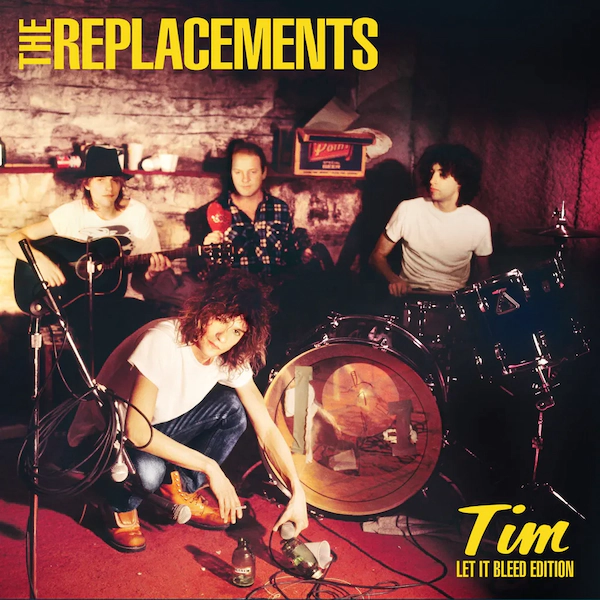
Faves of 2023: The Replacements – Tim Let It Bleed

Since the release of the Ed Stasium mix of Tim, we have been celebrating that record. We have been showcasing several thoughts about this mix.

For us, it is one of the best remixes of a record we have had the pleasure to hear. It demonstrates what an incredible band The Replacements were and the talents and unique contributions of each member in that band. Hearing the Stasium mix is like hearing these songs for the first time. And instead of revealing flaws and limitations, the remix does just the opposite. More than mere flashes of brilliance, the amazing sound is revealed — a band at the height of its ability. Hearing these songs it is like brushing debris and dirt off of stone and finding something even more beautiful than you were expecting. To be entirely forthcoming, this record has long been a favorite. But the muddiness of the original version always left something to be desired. This mix fixes that problem. And for that reason and many more, it is a favorite of 2023.

The brilliance of Ed Stasium’s mix on The Replacements’ “Tim: Let it Bleed Edition” lies in an ability to capture the raw energy and emotional depth of the band while enhancing the overall sonic experience. Stasium, a seasoned producer and engineer with an impressive track record, brought his expertise to the table, elevating the album to new heights.

One of the key elements of Stasium’s brilliance is his understanding of the band’s dynamic and the essence of their sound. The Replacements were known for their unpolished, punk-influenced aesthetic, and Stasium managed to preserve that authenticity while adding a layer of clarity to the mix. He struck a delicate balance between maintaining the band’s signature rough edges and ensuring that every instrument and vocal had its own space in the songs.

The album’s opener, “Hold My Life,” perfectly exemplifies Stasium’s prowess. The guitars roar with a gritty intensity, complemented by Paul Westerberg’s impassioned vocals. Stasium’s mix allows each instrument to shine individually, yet they come together seamlessly to create a powerful and cohesive sonic picture. The punchy drumming of Chris Mars cuts through with precision, anchoring the track’s driving rhythm.

Stasium’s attention to detail is evident throughout the album, especially on tracks like “Bastards of Young” and “Left of the Dial.” The former showcases Stasium’s ability to capture the nuances of Bob Stinson’s guitar work, from the jangly chords to the blistering solos. Meanwhile, “Left of the Dial” benefits from a mix that highlights the emotional resonance of Westerberg’s lyrics, making it a standout moment on the record.

Beyond the individual performances, Stasium also mastered the art of creating a three-dimensional sonic space, something that the previous version of the record significantly lacked. The Replacements’ music thrives on its live and unfiltered feel, and Stasium’s mix amplifies this by immersing the listener in a rich auditory experience. The layers of sound on tracks like “Swingin Party” or “Here Comes a Regular” create a sense of depth, inviting the audience to fully immerse themselves in the music.

In essence, Ed Stasium’s mix on “Tim: Let it Bleed Edition” showcases brilliance in understanding and enhancing the unique qualities of The Replacements. He managed to capture the essence of the band’s raw energy, preserving their authenticity while elevating the overall sonic quality of the album. Stasium’s contribution to this edition of “Tim” solidifies a reputation as a masterful engineer and producer, leaving an indelible mark on one of The Replacements’ most iconic albums by simply allowing the band to be itself.

Favorites of 2023: Just the List

This time of the year every music writer’s fancy turns to the ubiquitous quest for the best of/favorites of the year. We start with a list of albums and singles we played on YTAA at least three or four times. Then we consider what songs and records slipped into our consciousness and we spent more time simply thinking about that song, that album — those words. If there is a pattern to what we loved in 2023, it is a bit hard to pin down. If we take a wild stab at an answer, 2023 was a year of amazing music from powerful, strong, thoughtful women musicians. From the incredible voice of Sarah Rudy in Hello June to the authenticity of Kim Ware and Van Plating across to the irresistible guitar tones and perfect singing of Tamar Berk, Blondshell, Beth Bombara, and Lydia Loveless, so many outstanding records were made outside of the men’s club this past year — and that is a welcome change.

Every writer, just like every music fan, has styles and sounds that they are irresistibly pulled towards. Clearly, Dr. J loves guitar. For some writers the list is likely to be diverse, reflecting a fusion of genres and innovative production techniques. And that is fine. With the continued influence of technology, some writers are drawn to artists who experimented with new sounds and collaborate across musical boundaries, creating a sonic outcome that resonates. For other writers, the search for a pure direct authenticity of instruments lead them to the streets where the music is painted without electronics. Acoustic and stripped down arrangements played on traditional equipment bring gratitude to the heavens for that music from some writers.

When crafting a list of favorites from the year, some writers will consider representation. Genres such as indie pop, electronic, and hip-hop may continue to dominate, with emerging artists bringing fresh perspectives and pushing creative boundaries. Collaborations between mainstream and indie artists could lead to unexpected yet captivating musical experiences. Shoegaze, for example, has made many returns after some commentators spilled tremendous amounts of ink over the idea that shoegaze had come and gone. Music in the year 2023 saw several bands who represented that style.

Lyrically, many of the themes explored in 2023 revolve around social issues, personal growth, feeling whatever the artist needs or desires to feel, perhaps some of the “Best” representations for the year are the songs that grab and do not let go of the human experience. Artists may use their platforms to address pressing matters, providing listeners with thought-provoking content that goes beyond mere entertainment and that might be the magic that some writers are drawn to when considering all the records and songs that came out during one trip around the sun.

There are some ‘off limits,’ ‘don’t walk on the grass’ ideas for us here at Your Tuesday Afternoon Alternative. Sure, the rise of virtual and augmented reality experiences may revolutionize the way music is consumed, offering immersive and interactive performances that redefine the traditional concert experience. But for us, human beings need to be part of the creation and experience of music. Streaming platforms might incorporate cutting-edge technologies to enhance the listener’s engagement with the music and while we can and should debate the lack of compensation, which is only going to get more challenging in 2024, AI generated melodies, tones, and arrangements of notes are not considered for inclusion on our favorites of the past year.

The best albums of 2023 could be those that not only showcase exceptional musical talent but also tell compelling stories or provide a unique perspective on the world. Artists who successfully blend innovation with authenticity may find themselves at the forefront of critical acclaim and commercial success and, to be entirely transparent, will immediate draw our attention for a favorites of the year.

Ultimately, the best music of 2023 will likely be a subjective experience, as individual tastes vary widely. However, it is important to consider this a reflective exercise. Every year is poised to be an exciting time for music enthusiasts, with a plethora of sounds and styles to explore, pushing the boundaries of what we thought possible in the world of music. Every year is full of promise. No annual march of the calendar is without merit and new experiences. So, to create a list of the music that moved you in 2023, is not to close the door to new auditory love but to remember we break our hearts so we can fall in love again with songs and albums we have not even heard yet.

The list below is our start on our favorites from this past year. A longer set of articles will come out exploring what it was that caught our attention in these albums and songs.

Favorite record for us in 2023:

Hello June – Artifacts

You can read our review of this fantastic record!

This music transcends time and place, resonating with listeners in their quest for meaning and understanding. The lyrics serve as a mirror, reflecting the innermost thoughts and emotions that often remain unspoken. Hello June’s “Artifacts” is a sonic masterpiece — and we are prepared to die on that hill to defend that assertion — that deserves a place in the hearts of all music fans. It is a timeless record that captures the essence of the human experience, a treasure chest of emotions waiting to be discovered with each listen. 

In no particular order of importance but records that we believe were mightily impressive:

The 1984 Draft – Best Friends Forever

The Replacements – Tim Let It Bleed Edition (Ed Stasium Mix)

Tamar Berk – Tiny Injuries

Smug Brothers – In The Book of Bad Ideas

Elephants and Stars – Get Your Own Army

The Nautical Theme – Get Somewhere

Palm Ghosts – I Love You, Burn in Hell

Van Plating – Orange Blossom Child

Lydia Loveless – Nothing is Gonna Stand In My Way Again

Kim Ware – Homely

Bottlecap Mountain – O Fantastik Melancholy

Beth Bombara – It All Goes Up

Nicholas Johnson – Shady Pines Vol. 2

The Pretty Flowers – A Company Sleeve

The Connells – Ring (Deluxe Edition)

Black Belt Eagle Scout – The Land, The Water, The Sky

Blondshell – Blondshell

Achilles Tenderloin – Tincture for Trouble

Mike Bankhead – I Am Experienced

Jason Isbell and the 400 Unit – Weathervanes

Some of our Favorites of 2023:

Arthur Alexander – …Steppin’ Out!

Mommy – Be Your Own Pet

Frankie Rose – Love as Projection

Cold Expectations – Static Reactions

Connections – Cool Change

The Connells – Set The Stage

Dolph Chaney – Mug

En Attendant Anna – Principia

Graham Parker & The Golden Tops – Last Chance to Learn the Twist

Guided By Voices – Nowhere to Go But Up/Welshpool Frillies

H.C. McEntire – Every Acre

Jess Williamson – Time Ain’t Accidental

John P. Strohm – Ready for Nothing

Jphono1 – Invisible Futures and Make Believe Pasts

Louise Post – Sleepwalker

Love Rat – Howl at the Moon

Matt Moran – Heartache Kid (Acoustic)

The Radio Field – Don’ts and Do’s

Shannon Clark & The Sugar – This Old World

Special Friend – Selkie

Tino and DJ Marrrtin – La Pie Bavarde

Trapper Schoepp – Siren Songs

Singles

No One Sphere – Fingerz to Lips

Elephants and Stars – Bled Out At The Scene

David Payne – Best Intentions

We Met In Paris – Mont Blanc Massif

The National – Eucalyptus

sparkle_jets uk – He’s Coming Out

The Well Wishers – So Important

Tod Weidner – Raising Pain

Mike Bankhead – Latent

Given Names – Makin’ Eyes

Cowboys in The Campfire – Here We Go Again

Teenage Fanclub – Foreign Land

Hannah Jadagu – Lose

High on Stress – Over-Thru

Jeremy Porter and the Tucos – Five-Foot-Three and Tiger Eyes

Tyler Childers – Rustin’ in the Rain

Kurt Lee Wheeler – We Will Travel

Honorable Mentions

Yo La Tengo – This Stupid World

Amber Hargett – Coal Mine Canary

Brainiac – The Predator Nominate EP

Quiet Signals – Quiet Signals

Revisiting Tim: A Personal Journey Through The Repalcements’ Iconic Album

As we celebrate the Ed Stasium remix of The Replacements album ‘Tim‘, we thought gathering other music lovers’ thoughts would be a great way to stop and consider the impact of this record. The fourth ‘Revisit’ comes from our friend, musician, and music writer, Matt Derda of Matt Derda & The High Watts! Matt is a Chicago area-based musician who has released some incredible music. Thank you, Matt!

Recently, I saw a video where someone had a Fender Telecaster guitar and the paint started to wear off. Underneath the black layer of paint was an incredible paisley design. The guitar was perfect already and it played great, but with this discovery, it’s now an amazingly beautiful guitar. I think you get the metaphor here.

I was a huge fan of the Dead Man’s Pop reissue and it felt like a totally new Replacements’ record. I really didn’t have that much of an issue with the original Don’t Tell A Soul like everyone else did, but it was a welcome update. But I actually couldn’t fathom how they could make Tim better. Bastards of Young is already in my top 5 best songs of all time. However, Tim (Let It Bleed Edition) should probably become an adjective to describe something that is old, but yet new at the same time. I don’t know that there is a better example to ever exist.

Every single track is familiar, yet slightly different. I think what stands out the most is how much you can hear the clarity of all of the guitar parts. If you already thought Bob Stinson was a genius guitar player before, well now he’s a guitar god. And really the whole band just played incredibly well off each other. I prefer to listen to live recordings, either bootlegs or official releases. The Tim (Let It Bleed Edition) sounds like a live recording. It’s as if you’re sitting in the room with The Mats as they play all of these tracks together. 

And everything seems to have a little extra swing to it. I don’t think I realized how danceable this record was before. Kiss Me On The Bus was already pretty peppy, but something about being able to hear Bob’s guitar and Tommy’s bass a little better makes me want to get up and dance. Dose of Thunder sounds a little less KISS and more like the Dead Boys. Waitress in the Sky could easily be a hit on Outlaw Country on SiriusXM radio. Bastards of the Young doesn’t sound all that much different, but it didn’t need to. It’s perfect.

A proud parenting moment for me was when my six-year-old asked me what song I was listening to one night while doing the dishes. It was the new Ed Stasium mix of Waitress in the Sky. She said, “I like this song.” I’ve never been prouder.

The stand-out song for me though is Swingin Party. I never really cared for this song. Of course, the lyrics are masterful, per all Westerberg tunes, but I just thought the song was kind of boring. Everyone always loves that song so I was kind of embarrassed that I didn’t care for it. However, on this reissue, it seems like a totally different song. It went from one of my least favorites to one of my favorites. I think it is because you can clearly hear Tommy’s bass lines. The song actually swings now.

Finally, I have always been a huge fan of the song Nowhere is My Home. It’s probably one of my top 10 favorite Mats songs, and it was originally cut from the album! This edition gives us two…TWO versions of Nowhere is My Home

All in all…10/10. Would recommend.

Video of the Day: Behind the Sound: Replacements’ ‘Tim’ gets remastered

When a classic album from the annals of rock history gets the remix treatment, fans often approach it with a mixture of excitement and trepidation. In the case of The Replacements’ seminal record ‘Tim,’ which recently received a remix that was discussed in a video ‘Behind the Sound: Replacements’ ‘Tim’ gets remastered,’ this cautious optimism was well-founded. The result is a meticulous and loving restoration of an album that not only preserves its raw emotional power but also enhances its sonic experience for a new generation.

Originally released in 1985, ‘Tim’ was an album that catapulted The Replacements into the alternative rock pantheon. Known for their punk-influenced sound, the band’s music always possessed a gritty, midwestern unpolished charm, and ‘Tim’ was no exception. But with this remixed edition, listeners are treated to an experience that remains faithful to the band’s raw essence while elevating it to new heights.

One of the most remarkable aspects of ‘Tim’ has always been its emotional depth. It’s an album that’s often regarded as a cornerstone of American alternative rock, thanks to its introspective and sometimes turbulent lyrics. With the remix, this emotional core is brought into sharper focus. The subtle nuances in Paul Westerberg’s raspy vocals and the poignant lyrical themes are now more pronounced, allowing listeners to delve deeper into the album’s soul.

The instrumental components of ‘Tim’ have been given a thorough makeover as well. The album’s instrumental arrangements, once somewhat obscured by the lo-fi production values of the 1980s, now shine through with greater clarity. Chris Mars’ drumming, Tommy Stinson’s basslines, and Bob Stinson’s searing guitar work are all more defined. Each instrument is allowed to breathe, and their combined efforts are all the more powerful for it.

The soundstage of this remix deserves special praise. The separation of instruments, the placement of Westerberg’s vocals, and the overall balance of the mix are executed with remarkable finesse. In songs like ‘Bastards of Young’ and ‘Swingin Party,’ the emotional punch is delivered with newfound precision. The album’s quieter moments, such as ‘Here Comes a Regular,’ showcase a depth and subtlety that were somewhat muted in the original release.

The remix process, handled by Ed Stasium who clearly understands the album’s significance, respects the integrity of ‘Tim.’ It doesn’t attempt to transform the music into something it’s not. Instead, it removes the layers of sonic muddiness and distortion that had accumulated over the years, allowing the album’s authenticity to shine through. The result is an album that feels fresh and relevant, even decades after its initial release.

Despite the overall sonic improvements, there’s a warmth to the remixed ‘Tim’ that retains the album’s original character. The imperfections and rough edges that make The Replacements so beloved remain intact, a reminder of the band’s DIY ethos and punk roots.

For fans of The Replacements who have cherished ‘Tim’ for years, the Tim: Let It Bleed edition is a gift that allows them to experience the album in a new light. For those who are new to the band, it’s a fantastic entry point that showcases the band’s musical brilliance.

In conclusion, ‘Behind the Sound: Replacements’ ‘Tim’ gets remastered’ is an exceptional example of how a remaster can enhance a classic album without sacrificing its essence. The emotional depth of ‘Tim’ remains untouched, while the sonic quality is remarkably improved. This remix not only does justice to an important album in alternative rock history but also demonstrates the enduring power of The Replacements’ music. Whether you’re a long-time fan or just discovering the band, this remastered ‘Tim’ is a must-listen that captures the essence of an era while sounding fresh and captivating in the present.

Revisiting Tim: A Personal Journey Through The Replacements’ Iconic Album

As we celebrate the Ed Stasium remix of The Replacements album ‘Tim‘, we thought gathering other music lovers’ thoughts would be a great way to stop and consider the impact of this record. The second ‘Revisit’ comes from our friend and music writer, Kevin Alexander. Make sure you subscribe to his Substack!

There used to be a wall in downtown Portland Oregon, where someone had painted “Paul Westerberg is God.” Anytime my friends and I were down there, we’d see it, laugh, and make the sort of inside jokes funny only to us. 

It would be ~25 years between seeing that sign and finally seeing the Replacements. My wife & I drove 75 miles to hear 26 songs, and it was worth every last minute. My ears bled like I thought they might. It was everything we expected. And more.

It would take 38 years for The Replacements’ Tim album to get the remix it deserves. The result is far more than merely “punching up the drums” or tweaking a note here or there. Ed Stasium has overhauled the record, resulting in a much more dynamic, heavier sound.

The original was produced by Tommy Erdelyi (better known as Tommy Ramone) and sounds tinny, nasally even. Despite being packed with songs we hold so close, there is a distance to it. It’s flat, but to my ear, that’s how most ‘Mats records before Don’t Tell A Soul sounded. 

It was all part of the bargain and matched their (then) chaotic style, which never much lent itself to fidelity. The record production on Tim left a lot on the table, but The Replacements was always a band that rolled their eyes at terms like “potential,” so maybe that was part of the bargain too. 

Tim represents an inflection point for the band where Westerberg’s lyrics start pivoting toward a more poignant place. Think less “Gary’s Got A Boner” and more “Little Mascara.“ 

With Stasium’s help, the sound is finally leveled up to match the words. 

The usual box set ingredients (B-sides, live tracks, etc.) are here, but the original album tracks themselves are the real treasure. Listening to a fresh take on something so familiar can be fraught, but Stasium has gone to great lengths to amplify & enhance only the best parts and finally bring the music closer. 

To my ear, the biggest changes are to the rhythm section. Tommy Stinson’s bass had always been relegated to the back, almost an afterthought as Westerberg and  Bob Stinson battled it out on guitar. Here, his playing is much closer to the front, and the lines are much cleaner and clearer. 

Chris Mars also benefits from revisiting the record. With Stasium’s touch, the drumming is revealed as much more intricate. Even listening with less-than-stellar headphones, you hear new fills here or a cymbal crash there. A record like Tim is one you grow to love by heart, down to every last note. Hearing a series of new parts in the equation is unexpected but in the best way. 

Bob Stinson sees some posthumous redemption here, too. At this point in the original recording, he was already headed toward drug-fueled oblivion and had a much-reduced role on the record- almost as a vestigial nod to their louder, more raucous days than anything else. Part of that is down to his wrestling with his demons, but part of that might’ve been down to being on the outside looking in. 

With Westerberg taking an increasing turn toward being a singer-songwriter, where’d he fit in? 

Indeed, one of the two “Bob” tracks is “Dose Of Thunder,” a lovely homage to scoring speed. I used to regard it and “Lay It Down Clown” as two of the weaker tracks on the record. Neither will make any “favorite ‘Mats song of mine” lists, but both are improved significantly here, sounding more electrifying. More importantly, both highlight Stinson’s guitar work as someone who, despite going completely off the rails, could still nail it when the mood struck. 

No track perhaps encapsulates all of this better than the “new” version of “Little Mascara.” Westerberg has a knack for squeezing an entire story into one verse; this is no exception. The original is good, but this is sublime. Parts have been moved around and overhauled. The intro is now the chorus, each verse a step up to the next, and the whole track is now somehow even more anthemic–and that’s before we get to the outro, which is much longer and features a ripping solo by Stinson. 

It just might be my new favorite. 

If you dig far enough on YouTube, there is cellphone footage from the show my wife and I were at. Like the early ‘Mats records, it’s raw and shaky. It’s short on production but long on enthusiasm. 

As Westerberg tears into the opening riff of “Bastards of Young,” someone just out of frame says, “f**k yeah!” it’s more rapturous than anything– as if the person has been waiting their whole life to hear those chords in person. It’s a dream fulfilled. 

In a lot of ways, the newly mixed “Tim” is the same way.

Revisiting Tim: A Personal Journey Through The Replacements’ Iconic Album

As we celebrate the Ed Stasium remix of The Replacements album ‘Tim‘, we thought gathering other music lovers’ thoughts would be a great way to stop and consider the impact of this record. Our first ‘Revisit’ comes from our friend, Jim Doherty known as DJ Calc on WRKC Radio Kings College in Wilkes-Barre, Pennsylvania.

One of the joys of parenting my children as they move through their teen years has been re-engaging with music I have loved and falling in love with records all over again. This has happened a number of times when I manage to convert my kids into being fans of music that matters to me. Sometimes, however, falling in love all over again does not involve my kids. Sometimes it is just me and an album I thought I knew.

One band that I have not converted my kids, or my wife, to is The Replacements. In some ways, I see this as a failure of parenting. In some ways, though, this means that I get to lose myself in Paul Westerberg’s world without sharing that with anyone else in my house. Twice now in the past three years, I have fallen head over heels in love with a Replacements album that has already been part of my life for decades. A couple of years ago it was the Matt Wallace remix of Don’t Tell a Soul. This week, it is the Ed Stasium remix of Tim.

I started working at a record store in my college town in 1984 and one of the slew of miraculous albums that came out then was Let it Be. That album began a lifelong love affair with The Replacements. When Tim, their major label debut, came out in 1985 I was predisposed to love it and love it I have for decades now. But that love was always tempered a bit by the sort of soggy sound of the record. Tommy Stinson and Chris Mars, a dynamite rhythm section that roared on the earlier records by the band seemed neutered on this album. The guitars did not ring with the same power I was used to from the ‘Mats. It was easy to blame this on the record being their major label debut and the finger generally got pointed at the corporate label that wanted to tame the band. As with most stories, this was way too simple a reading of the situation.

Listening to this new remix almost feels like I am listening to some lost chapter of the band. The rhythm section kicks, and there is space for the guitars to ring, especially Bob Stinson who is still somewhat of a ghost on this album. The outro to ‘Little Mascara’ is a revelation. Westerberg’s voice – especially on ‘Little Mascara’ and ‘Here Comes a Regular’ – is just heartbreaking in its emotional depth. For a person whose public character was that of a person who could not be bothered to care (a favorite lyric of his is “One foot in the door, the other foot in the gutter. The sweet smell that you adore, yeah I think I’d rather smother”) it is sure clear in his singing here that he is deeply invested in these songs and in the characters being portrayed.

You can hear Jim’s radio programs on Mixcloud

Joe Anderl’s ‘Short Takes’

Short TakesLet us take a moment and introduce our latest feature, Short Takes. We are asking musicians, artists, DJs, writers, spoken word performers and others involved in music and creative expression to write some short comments about what they are listening to right now. There are no rules regarding genre, style or year of release. What are people listening to now? What does it mean for them in a brief few sentences — hence the idea of a ‘short take.’

20992760_10159165029090537_2527313783301675441_nOur first ‘Short Takes‘ comes courtesy of Joe Anderl of The 1984 Draft. Joe is a kind, warm and thoughtful person who not only loves music, he feels it. His passion for music is inescapable in his current project The 1984 Draft. The ‘Draft are a phenomenal live band who capture the spirit of punk and post-punk melded with the introspection of the best music of the ’90s and beyond. 

The Draft’s last record ‘Makes Good Choices‘ was one of our favorite records of 2018!

The-1984-Draft-band-2018As quarantine and social distancing continue, as the world burns around us, and as I find myself filled with more and more rage over the ignorance and injustice in our county, I have found myself searching deeper in my music catalog for little nuggets of joy. Songs that remind of the past. Songs from simpler times. The thing is, there were never simpler times. Just different times. That being said, there can often be comfort in nostalgia, joy in discovering something new, and a new wave of emotions caused by a song listened to in a different phase of life.

These songs are the little nuggets of joy I have had in my life for the last couple weeks.

First, ‘Slackjawed’ by The Connells – I found myself watching a video on YouTube with the Best of 1993 from 120 Minutes. I particularly wanted to watch it as it included videos of the Afghan Whigs, Paul Westerberg, and Buffalo Tom.

R-2028725-1562522314-3760.jpegAs I watched all the videos and reminisced about wrapping tin foil around my boom box antenna to pick up 97X [modern rock radio station from 1983-2004], a song came on that I had remembered loving hearing every time it came on. That song was ‘Slackjawed’ by The Connells. I wondered to myself why I had never tried to purchase an album by them and why this song never found its way into my collection. That will change very soon as I have probably listened to it 30 times in the last week.

a1046514318_10

Next, ‘Inside of Love‘ by Nada Surf.  I was a late adopter on Nada Surf. I heard ‘Popular‘ in high school and kind of wrote the band off as a one hit wonder. That changed some 20 something years later watching them headline at Midpoint Music Fest [Dr. J was there too! The band gave a great live performance and won over many music fans that day!] There is an absolute softness in the voice of Mathew Caws. His choice of words can often be so simple and telling in same moment.

When I listened to this song a couple weeks ago, I found myself so grateful that I live in a loving marriage, that I am on the inside of love. So much so I just keep listening to this song every time I need to remind myself how lucky I truly am.

Paul-Westerberg-Dyslexic-HeartLast but not least, ‘Dyslexic Heart’ by Paul Westerberg – What GenXer did not relate to singles in some way?

After spending the last few years of my life completely ravaging my Replacements catalog, I decided I needed to dive further into my Westerberg records. I started with something comfortable and easy. This song and ‘Waiting for Somebody‘ [also from the Singles soundtrack] have been every other day listen for me lately just to try and feel a little normal.

Thank you for a terrific ‘Short Takes’ Joe!

your-tuesday-afternoon-alternative-color copy

Tomorrow’s Show

On the show tomorrow – new music from U2, Alvvays Cricketbows, Iron & Wine, Ted Leo and the Pharmacists, Mack McKenzie, The Typical Johnsons, The Afghan Whigs, The War On Drugs, Dan Auerbach and Sick of Sarah! Some classics from The Undertones, The Replacements, and Shrug.

We will play a live track from Counting Crows and one of Dr. J’s favorite Billy Bragg songs! Join us from 3-6pm tomorrow on WUDR.

cropped-cropped-ytaa-monster-cropped.jpg