If you spend enough time digging through Bandcamp tags at 2 a.m., you start to recognize the difference between lo-fi as an aesthetic and lo-fi as a way of seeing the world. The first is easy: tape hiss, gently warped guitars, a drum machine that sounds like it was rescued from a yard sale. The second is rarer and more interesting. It’s less about production tricks and more about a temperament—a willingness to let imperfection feel honest.
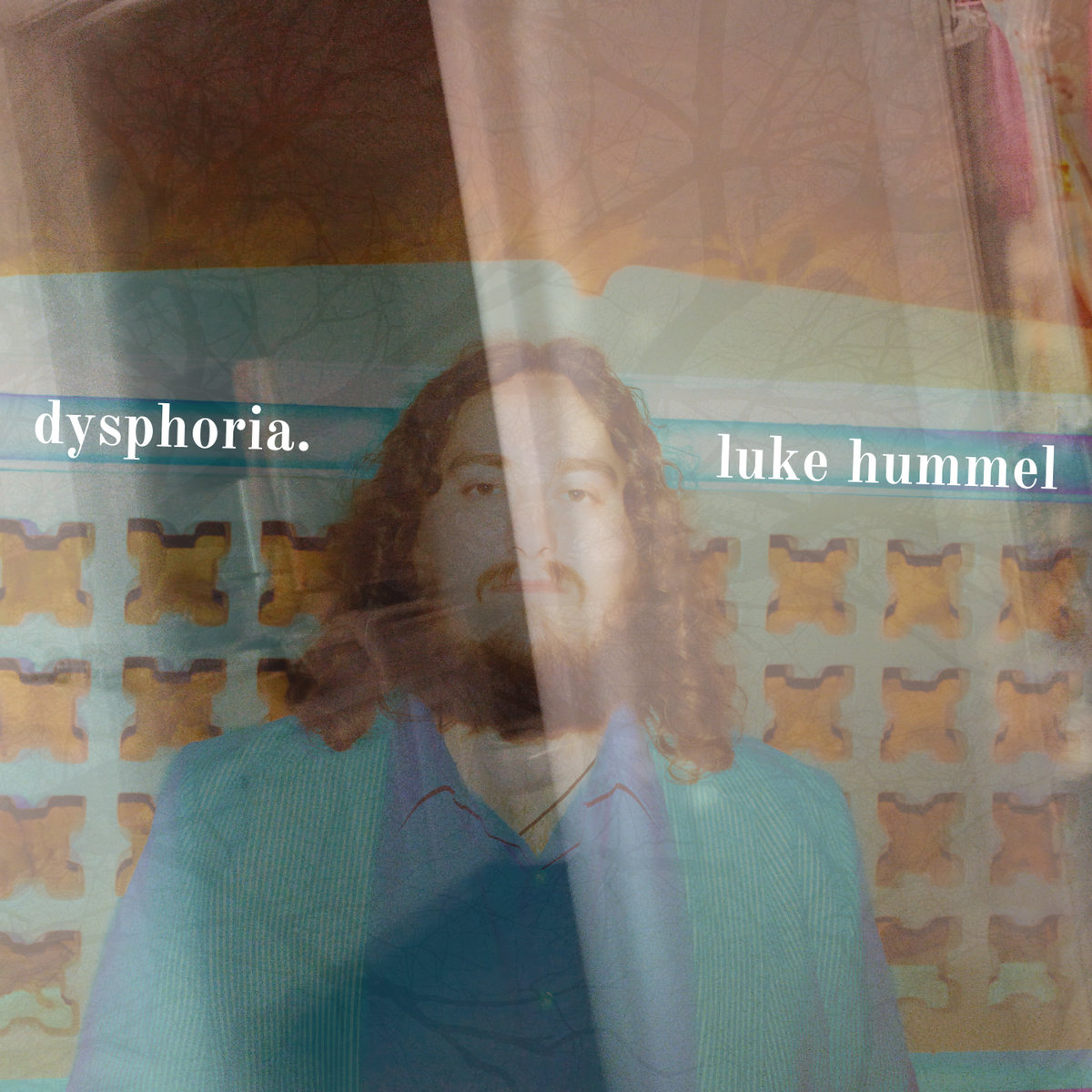
Dayton musician Luke Hummel, who will be appearing this week on Your Tuesday Afternoon Alternative with Dr. J from 4–5 p.m., belongs firmly in that second category.
Hummel has been drifting around the edges of Ohio’s DIY scene, releasing home-recorded EPs and singles that feel less like products than postcards. His songs arrive quietly, usually with little fanfare, and they tend to stick around longer than you expect. Listening to his catalog is a bit like thumbing through a box of Polaroids from someone else’s life: small moments, slightly faded, unexpectedly moving.
I’m supposed to have a vocabulary ready for this sort of thing. Words like “intimate,” “bedroom pop,” “hazy,” and “nostalgic.” All of them apply, and none of them quite capture what makes Hummel’s music worth paying attention to. The charm isn’t simply that it sounds homemade. It sounds lived in.
Take ‘woman,’ one of the standout tracks from his most recent release, dysphoria. The song barely rises above a murmur: a finger-picked guitar line, a barely-there beat, Hummel’s soft, conversational voice. On paper, it’s almost nothing. In practice, it’s the musical equivalent of a long exhale. You can hear the room around the song—the faint buzz of an amp, the subtle inconsistencies in the performance—and instead of feeling sloppy, those details make the track feel human.
That humanity is the through line of Hummel’s work. He writes about ordinary things: late shifts, half-remembered conversations, drives down Wilmington Pike after dark. But he treats those ordinary things with an uncommon tenderness. In an era when so much indie music strains for irony or grand statements, his songs feel refreshingly modest. They don’t demand your attention; they invite it.
Dayton, of course, has a long and strange musical history. This is the city that gave the world The Ohio Players, Guided by Voices, Brainiac, the Breeders, Hawthorne Heights, The New Old Fashioned, Oh Condor, The Creepy Crawlers—a place where scrappy experimentation has always thrived. Hummel fits comfortably into that lineage, even if his music is quieter than most of his hometown predecessors. Where Dayton rock once announced itself with blown-out guitars and basement-show chaos, Hummel represents the flip side: the reflective musician sitting on the back steps after the show, trying to make sense of everything.
One of the pleasures of lo-fi music is how it collapses the distance between artist and listener. Big studio records can feel like monuments; Hummel’s tracks feel like conversations. When he sings, it doesn’t sound like he’s performing so much as thinking out loud. In much of Luke’s music, it’s as if he is admitting that he’s better off being alone, ideas delivered so plainly thatit barely scans as a thought. Yet the idea lands with surprising weight. You believe him.
There’s also a gentle humor running through his work. Song titles like “fresh face” and “air dry clay” suggest a songwriter who understands his own anxieties well enough to smile at them. That balance—between melancholy and warmth, self-doubt and self-acceptance—is difficult to pull off without tipping into sentimentality. Hummel manages it with a light touch.
Hearing this kind of music on the radio can feel almost subversive. Commercial airwaves are designed for clarity and volume; lo-fi thrives on softness and texture. That’s what makes shows like Your Tuesday Afternoon Alternative with Dr. J so valuable. We carve out space for artists who operate outside the usual promotional machinery, musicians who might never trend on TikTok but who are building small, meaningful audiences one listener at a time.
For Hummel, a live radio appearance is less about plugging a product than about sharing a process. His performances tend to be relaxed and unvarnished, the musical equivalent of inviting strangers into his living room. I suspect that on the show, he’ll talk about quiet guitars, about recording on aging laptops, about the challenge of making art while holding down an ordinary Midwestern life. Those details matter because they’re inseparable from the songs themselves.
Lo-fi music often gets dismissed as minor or provisional—a stepping stone to something bigger and cleaner. Hummel’s work argues the opposite. There’s a quiet confidence in his refusal to polish away the rough edges. The imperfections aren’t problems to be fixed; they’re part of the story he’s telling.
In the end, that may be the best way to understand Luke Hummel: not as a local curiosity or a genre exercise, but as a careful observer translating everyday experiences into gentle, durable songs. His music doesn’t try to change the world. It tries to keep it company.
And on a Tuesday afternoon in Dayton, that feels like more than enough.
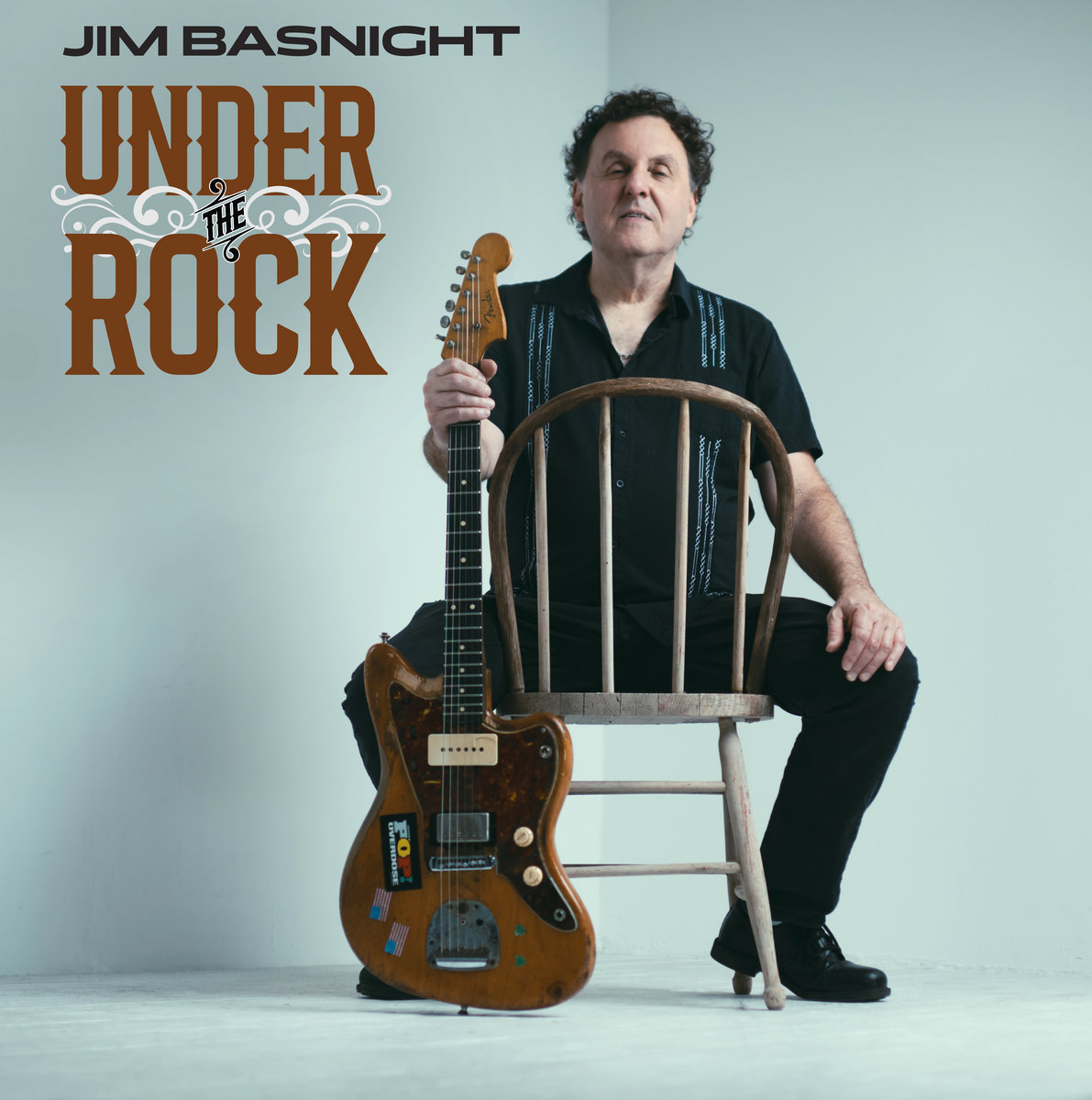
Rock records don’t arrive like messages from the future anymore; they crawl out from under the floorboards, smelling of time, sweat, and unfinished conversations. Under the Rock is one of those stubborn artifacts that refuses to die quietly. Jim Basnight doesn’t sell you revelation; he hands you proof, the sound of a songwriter who outlasted the noise, survived the cycles, and came back swinging not with volume, but with authority.
Jim Basnight has never been interested in novelty, only in arrival. Under the Rock sounds like the moment when a long-argued idea finally stops pacing the room and sits down and stays, perfectly certain it belongs there. This is his first album of all-new originals since 2019’s Not Changing, and it doesn’t sound like a comeback so much as a consolidation—five years of songwriting, touring, and living boiled down to something sturdy, melodic, and quietly defiant in the space of swaggering rock and roll.
Basnight has always written songs that know better than to scream at you. These are songs that wait for you outside in the undeniable groove of guitar and percussion. Under the Rock draws from the strongest material he’s written over the past half-decade, along with a few older pieces that have been dragged through the miles and sharpened by repetition. You can hear the refinement not as polish, but as confidence. The record captures a sound Basnight has been chasing for years. A sound imagined long before it existed, finally realized through patience, trust, and a refusal to rush the good parts.
Much of the album grew out of years on the road with drummer Sean Peabody and vocalist Beth Peabody, and it shows. Touring doesn’t just tighten a band—it creates a shared grammar, a way of knowing when not to play. Sean Peabody’s drumming is about feel rather than flash, locking into grooves that give the songs room to breathe without ever losing momentum. There’s an unspoken understanding at work here: the song always comes first.
Beth Peabody is one of the quiet revelations of Under the Rock. Her vocals don’t compete with Basnight’s; they complete them. Her phrasing is attentive, her pitch dead-on, but more importantly, her vocal personality has grown into something assured and expressive. She brings emotional shading that deepens the arrangements, turning good songs into lived-in ones. This isn’t backup singing—it’s partnership.
When Glenn Hummel steps in on drums for later sessions, he carries forward the rhythmic feel with the ease of someone who has been inside this music before, because he has. A longtime collaborator from the Jim Basnight Band, Hummel doesn’t reinvent the wheel; he keeps it rolling straight and true. The continuity matters. Under the Rock sounds cohesive because it is.
At the center of it all is Garey Shelton—bassist, engineer, mixer, and co-producer—anchoring every track. Thirty years of collaboration buys you something money can’t: trust without explanation. Working largely from his Seattle-area studio, Shelton often guided the project independently, shaping performances and sonics with an ear tuned not to trends but to truth. The bass playing is patient and grounded, the mixes clear without being sterile, warm without being nostalgic. Shelton helps realize the album’s clearest expression by knowing exactly when to intervene—and when to let Basnight be Basnight.
And that’s the thing: Under the Rock isn’t chasing relevance. It assumes it. Basnight writes like someone who understands that pop craft isn’t about youth or volume, but about clarity of intent. These songs carry melody the way some people carry history along with them, without strain, without apology. There’s rock here, yes, but also folk sense, power-pop instincts, and the accumulated wisdom of someone who’s learned that restraint is its own form of rebellion. Sometimes the music cooks best when you don’t throw everything possible in the stew.
The great music writer, reviewer, and critic Lester Bangs used to write about artists who meant it, who didn’t confuse sincerity with spectacle. Under the Rock is one of those records. It doesn’t beg for attention. It doesn’t posture. It just stands there, solid, humming with lived experience, daring you to mistake rock and roll arrangements for weakness.
Jim Basnight didn’t reinvent himself on Under the Rock. He didn’t need to. He just finally caught the sound he’d been hearing all along—and let it speak.
Yesterday, Nick Kizirnis joined Dr. J in the studio to discuss his latest record “Every Moment.” While Nick has been on the show before, it is still an exciting event for him to join us.
Nick Kizirnis, a name not unfamiliar to the echelons of the Dayton community rock and roll enthusiasts, has etched his mark in local music as a Dayton, Ohio-based musician, guitarist, and songwriter. With a career spanning several decades, Kizirnis has seamlessly blended his prowess as a guitarist with his innate talent for crafting compelling compositions, earning him a dedicated following and critical acclaim within the Dayton music community.
Born and raised in the vibrant musical landscape of Dayton, Ohio, Kizirnis was exposed to an array of musical genres from a young age. Inspired by the likes of Guided By Voices, Brainiac, and The Breeders, he embarked on his musical journey, honing his skills on the guitar and immersing himself in the rich tapestry of rock music across its many varied forms and styles.
Kizirnis’ musical odyssey gained momentum in the late 1980s when he co-founded the surf-rock band, The Mulchmen, alongside Greg Spence and Brian Hogarth. The Mulchmen quickly garnered attention for their infectious surf rock melodies, sweeping compositions, and electrifying live performances, establishing Kizirnis as a formidable force in the realm of rock music.
As a guitarist, Kizirnis’ virtuosity knows no bounds. His distinctive playing style, characterized by intricate riffs, blistering solos, and melodic phrasings, captivates audiences and fellow musicians alike, earning him admiration and respect within the music community. Whether unleashing thunderous power chords or delicately weaving nuanced melodies, Kizirnis’ guitar work serves as the sonic backbone of his musical endeavors, infusing each composition with depth, emotion, and vitality.
Beyond his prowess as a guitarist, Kizirnis’ songwriting prowess shines brightly, imbuing his music with poignant lyricism, infectious hooks, and irresistible charm. Drawing inspiration from personal experiences, introspection, and the human condition, his songs resonate on a deeply emotional level, offering listeners a glimpse into his innermost thoughts and feelings. From anthemic rockers to introspective ballads, Kizirnis’ songwriting versatility knows no bounds, showcasing his ability to craft timeless compositions that endure the test of time.
Throughout his illustrious career, Kizirnis has released a plethora of solo albums, each offering a unique sonic tapestry that reflects his artistic evolution and creative vision. From his debut solo effort, “Into the Loud” to atmospheric noir of “The Distance,” to the acoustic guitar and cello album “Quiet Signals” to the most recent release “Every Moment” Kizirnis’ discography serves as a testament to his unwavering commitment to his craft and his relentless pursuit of music that captivates the listener.
In addition to his solo endeavors, Kizirnis has collaborated with a diverse array of artists and musicians, further expanding his musical horizons and pushing the boundaries of his creativity. Whether lending his guitar prowess to recording sessions or sharing the stage with fellow luminaries, Kizirnis’ collaborative spirit and passion for music are evident in every endeavor he undertakes.
Beyond his contributions to the world of music, Kizirnis remains deeply rooted in his hometown of Dayton, Ohio, where he continues to inspire aspiring musicians and foster a vibrant musical community. Through his involvement in local music festivals, events, and educational initiatives, Kizirnis pays homage to his musical roots while paving the way for future generations of artists to thrive.
Nick Kizirnis stands as a testament to the enduring power of music to inspire, uplift, and unite. As a musician, guitarist, songwriter, and singer, he has left an indelible mark on the world of local rock music, captivating audiences with his unparalleled talent, boundless creativity, and unwavering passion. Whether shredding on stage, penning heartfelt lyrics, or mentoring aspiring musicians, Kizirnis’ dedication to his craft and his love for music shines brightly, illuminating the path for generations of musicians and music fans for years to come.
In the tapestry of rootsy Americana music, Trapper Schoepp emerges as a singular and unyielding thread, weaving tales that resonate with a raw cinematic voice of American storytelling. Hailing from the heartland of Wisconsin, Schoepp is not just a musician; he is a troubadour, a poet, and a chronicler of the human experience. In April of this year, Trapper embarked on a journey and invited us to come along. His last album remains a fast drive on a gravel road through lyrical landscapes and melodic realms. Of his album, Siren Songs,’ — perhaps more a collection of stories from the heart and bone of life — we can feel the distance in time, place, and relationships.
Schoepp’s music is an alchemy of tradition and innovation, a fusion of folk, rock, and Americana that defies easy categorization. Schoepp’s work is imbued with a sense of timelessness, a nod to the roots of American music while fearlessly exploring his own territories. His songs are not mere compositions; they are living entities, breathing and evolving with each note, each chord, and each carefully chosen word.
The lyrical prowess of Trapper Schoepp is reminiscent of the great storytellers who have graced the American musical landscape. It is clear that Schoepp is a connoisseur of lyrics that cut to the core of the human experience and find solace in vivid portraits with words. Whether unraveling the complexities of love or navigating the tumultuous waters of contemporary society, Schoepp’s lyrics are a mirror reflecting the question of where we go from here, when we are not even sure what that means.
Yet, Schoepp is not content with resting on the laurels of tradition. Schoepp fearlessly tackles pressing social issues, offering poignant commentary on the state of the world. His music becomes a vessel for introspection and societal critique, echoing the sentiments of an artist committed to using his craft as a force for change.
Trapper Schoepp stands as a beacon. Through his unwavering commitment to authenticity and unrelenting passion for storytelling, Schoepp not only pays homage to the roots of American music but also pushes the boundaries, leaving an indelible mark on the ever-evolving tapestry of sound. Thank you for taking the time to answer our questions, good sir!
Dr. J: What can you share with us about when and how you started writing music?
I herniated a disc in my back when I was fifteen. My mother signed me up for guitar lessons and here I am! Still at it. My dentist at the time also gave me and my brother a box set of early Bob Dylan CDs. I think it was just serendipitous timing that I found music. Also, the stillness of a small town makes any kid start looking for a world outside of the one they see.
Dr. J: What first led to your recording music? How do you approach production?
Songs first! I just did an album at Johnny Cash’s Cabin and I used the same two mics for 14 songs. Granted, very nice mics! But I try not to obsess too much on the technical side of recording. Leave it to the pros! We had two really great producers on my latest album – Patrick Sansone of Wilco and John Jackson of The Jayhawks. Both brought a lot of wisdom and joy to the recording process.
I recorded my first album along Lake Pepin in Wisconsin with a group called Patchouli. I stripped the paint off their house in exchange for recording time. However ya gotta get it done, it gets done. I think a lot of artists feel this need to do it. That’s important.
Dr. J: The cover of Lefty Frizzell’s ‘Long Black Veil’ is your most recent music, what led to the making of that song? What were the main influences on your recording of this song?
Obviously, Johnny Cash! You’ve heard of him?! I think he’s the last thing we Americans all agreed on…It’s a beautiful and haunting tune we’ve been ending our shows with. The story of a love triangle gone wrong with a public hanging in the town square… Classic folk music. Sign me up!
Dr. J: The song ‘Cliffs of Dover’ is the lead track on your last full-length album, Siren Songs seems to capture a remarkable constellation of musical influences. The song seems to have a pop feel. Is that a correct interpretation? If that is correct, did you intend to create a song that connects to that style? If that is not correct, how would you describe the feeling of the song?
I’m obsessed with classic pop music from the 60s and 70s. Stuff like Paul McCartney, Gilbert O’Sullivan, Harry Nillson, Randy Newman…Songwriter’s songwriters. Those singers inspire me a lot but I’m also listening to old-school hip-hop, Brian Eno’s ambient records, and early folk and blues music. I try to be open to any kind of music as long as it moves me.
Dr. J: How did the song ‘Cliffs of Dover’ come together musically for you?
I think I was listening to the song “Ca Plane Pour Moi” by Plastic Bertrand while news of the end of the Afghanistan war was on the TV. I felt so heartbroken for all those lost, as well as those dealing with PTSD. The lyrics describe a veteran struggling and the chorus takes us back to Vera Lynn’s WW2 anthem.
Dr. J: Where do you often derive inspiration to make music?
As a songwriter, I’m always hot on the trail for the next song idea. It could be anything. A TV show, a good meal, an overheard conversation…Anything can inspire a song if you let it.
Dr. J: How would you describe the music that you create? How has that process evolved or changed over time (especially as you think about your journey in the last few years)?
For better or worse, I’m an inspired writer. I’m typically not sitting down, hammer and nail, pounding out songs every day. I try to write and sing what I’m excited about at that moment. There’s no particularly great mystery to it. It can be thought of as a trade as anything else. There is a magic to it, though.
Dr. J: What is next for you musically? How would you describe your thoughts at this point for your next project or release?
I’m interested in the classic country now but we’ll see if I still have my old boots around…
Dr. J: What is your favorite song to perform live? What is your favorite song to perform in general? What makes that song a current favorite in your performances?
Typically whatever is the newest to the set. Going into that great unknown musically can be a thrill. We play a Dylan song “Meet Me In The Morning” after the song I published with Bob Dylan, “On, Wisconsin.”
Dr. J: What is one message you would hope that listeners find in ‘Cliffs of Dover’?
It’s a call to peace in a sense. We’re living through difficult times now and I think music can be good balm. Despite the darkness and war in the world right now, I’m hoping we find some light through art and music.
Dr. J: As a musician, how are you adapting to the challenges of creating music? What are your biggest challenges in creating music?
Finding the time! I think performers of all kinds are pulled in a lot of different directions and it’s good to make that time for yourself to write.
We want to extend our sincere gratitude to Trapper Schoepp for answering our questions and continuing to make some really excellent music! Click on the links throughout the article to visit his social media or to listen to various songs that were discussed! If any musicians or artists would like to participate in future ’11 Questions with…’ columns, please feel free to email us at drjytaa@gmail.com. All photos and images courtesy of Trapper Schoepp.
In the dimly lit corners of Americana, where the roots of rock ‘n’ roll intertwine with the twang of country, emerges The Popravinas—a band that embodies the spirit of a bygone era while injecting it with fresh, irreverent energy. Their latest, “3-Month Situation,” is a rollicking journey through heartache, relationships, and a hell of a good time.
From the first notes, it’s evident that The Popravinas are not here to play it safe. The song kicks off with an infectious jangly guitar that leads to a foot-stomping feel that sets the tone for the wild ride ahead. The gravelly vocals carry the weight of countless complicated romance stories, while the band’s tight instrumentation weaves a sonic tapestry that’s both nostalgic and contemporary. “3-Month Situation” is an unapologetic celebration of the working-class troubadour tradition of honest inspection of relationships. The song pays homage to the trials found in relationships like a mature Springsteen and early Johnny Cash. Appreciation to Eddy Sill for answering our questions!
Dr. J: What can you share with us about when and how you started writing music?
Back around the early 90s, I was part of a rather raucous alternative pop band in Los Angeles called The Mutts. One of the guitar players who was quite a prolific songwriter, heard some raw ideas of mine and encouraged me to start seriously writing songs. Once I started to do so, I saw people responding very positively to those tunes when I sang them onstage. My confidence grew quite quickly, and as time went on, it became a way of life for me.
Dr. J: What first led to your recording music? How do you approach production?
Recording (especially in the past) has always been somewhat of a boring process for me. In recent years, the advancements in digital recording have made it so much more pleasurable, easy, and exciting. I much prefer it as opposed to sitting in a boring studio for hours on end, as we now do much of our recording right in our bedrooms, emailing various takes back and forth to Lead Guitar/Producer John Adair.
Dr. J: ‘3-Month Situation’ is your most recent music, what led to the making of that song? What were the main influences on your recording of this song?
That’s a funny question because it was actually brought on by a woman who is a long-time friend of mine. She fairly recently mentioned that she was in a “three-month situation” with a guy, and it didn’t turn out all that well. I immediately wrote those three words down as a potential song title. The amazing thing is that I was going through some old emails from about seven years ago, and there was an email from her saying that she had just gotten out of a “three-month situation!” When I saw that, I knew I had to run with it, and it’s one of those songs that developed very quickly from that point.
Dr. J: The song ‘3-Month Situation’ captures a remarkable constellation of musical influences. The song seems to have an almost country feel. Is that a correct interpretation? If that is correct, did you intend to create a song that connects to that style? If that is not correct, how would you describe the feeling of the song?
We’ve done a bit of the Alt-Country thing on all four of our past albums, and you will hear that on some of the upcoming tunes (such as 3-Month Situation). Lyrically the song is better served in this style. The original idea was a bit more of a rock-n-roll song, but things can change a bit as different guitar & keyboard parts are created. We have a keyboard player (Bryon Haney) who actually lives in Charleston, SC, and he has added some good textures to the recordings in the past few years. He plays with us when we tour back east, and occasionally he comes out west to join us onstage.
Dr. J: How did the song ‘3-Month Situation’ come together musically for you?
As per our usual workflow, it starts with a very basic, lo-fi recording of whatever lyrics/melodies are drafted and a very basic, maybe one guitar, demo. It’s mainly used to map out the tempo and structure. After we recorded the drum track, we built up the instruments and then recorded the vocals last.
3- Month had a few more layers of instruments but ultimately we stripped some away for some better dynamics and to give it a little more sovereignty from our other tunes.
Dr. J: Where do you often derive inspiration to make music?
It can be literally anywhere. It can be my next-door neighbor or many times it is traveling to faraway places like Europe. Most of it is observations and interpretations of personal and social experiences. Much of the time, humor is essential.
Dr. J: How would you describe the music that you create? How has that process evolved or changed over time (especially as you think about your journey in the last few years)?
It definitely has a combination of “twang and pop.” I used to kind of fight off the California vibe, but as time has gone on, I tend to let that flow if it needs to be in that direction. As a band, we have evolved to be more autonomous in recording our own ideas and instruments which has relieved a lot of the stresses of time and money. The downside is we have less interaction creating all together at once in the same room which can bring some creative advantages.
Dr. J: What is next for you musically? How would you describe your thoughts at this point for your next project or release?
We are looking forward to a new album to be released in the Spring of 2024, possibly sooner. We like to think things through on new material, as opposed to bombarding the market. Each of our albums has its own vibe and sound yet remains in our particular unique style. I believe we offer a truly original sound while sounding extremely familiar to our listeners.
Dr. J: What is your favorite song to perform live? What is your favorite song to perform in general? What makes that song a current favorite in your performances?
That is a tough one. I know our drummer (Steve Markowitz) has a favorite in “Zoom to the Ocean” from our last album, “Goons West.” It has some pretty challenging guitar parts that sound easier than they are to play. People seem to like that one. I really enjoyed playing “3-Month Situation” live for the first time this past weekend… Until I went blank on some of the lyrics… Ha! But sometimes that kind of thing can really get an audience going, as we are the type of band that can have that kind of looseness work for us.
10. What is one message you would hope that listeners find in ‘3-Month Situation’?
Well, I hope that it strikes people musically and they can relate to what it speaks of. I was really impressed when it first came out that you (Art Jipson/Dr. J) tweeted how high the percentage is of people that date, and it all ends within three months. I love that kind of factual feedback!… lol.
Dr. J: As a musician, how are you adapting to the challenges of creating music? What are your biggest challenges in creating music?
Creating music can be easy. Being in a band can take some work. Getting the music heard is almost impossible. There are so many obstacles if you don’t know the right people. We’d like to get some proper management, but until then we will continue on, and conduct our business as usual. Hey! If It was easy, everyone would do it!
We want to extend our sincere gratitude to Eddy and The Popravinas for answering our questions and continuing to make some really excellent music! Click on the links throughout the article to visit their social media or to listen to various songs that were discussed! If any musicians or artists would like to participate in future ’11 Questions with…’ columns, please feel free to email us at drjytaa@gmail.com. All photos and images courtesy of The Popravinas.
Part one of our interview with Charlie & Amanda Jackson about their new record, ‘The King & Queen of Dayton Country,’ recording, songwriting and their approach to music. We can consider this record to be a powerful return to a classic country duet sound that has been missing for quite some time. Check out their Facebook page! You can find their music on bandcamp! They are playing a safe outdoor show at the Yellow Cab Tavern on Saturday! Please check the Yellow Cab Tavern’s page regarding their policies for a social distancing outdoor show!
This interview with songwriter, bass player and keyboard stylist Mike Bankhead is the third installment in our series of ‘11 Questions with…‘. This series is an effort to understand songwriting by exploring in some detail the creative process through a deep examination of the recent craft of a talented musician. We hope that we all learn about area artists and the music that they are making. As well as learning about how they are creating music and doing so especially during these challenging times in which we find ourselves. How artists go about creating music, lyrics, themes, arrangements and more will be explored in this regular column.
A hearty thank you to all of the artists and musicians for taking the time to answer these questions for this column! We appreciate you answering these questions for our readers/listeners on YTAA!
Mike Bankhead is a Dayton, Ohio musician who constructs with deliberate care catchy melodic modern rock music that illustrates his gift for vibrant stories about the emotional impact of the decisions we make on our life journey. Mike clearly spends a great deal of time on his craft as his songs capture the just out of reach catchy melodies, inventive chord progressions and energetic rhythms that are fresh and inventive. Mike’s songwriting includes his insightful lyrics that explore the contested terrain of life, heartbreak, love, loss, location and the awful realization that having and not having are equally enthralling.
Mike Bankhead released his debut album, Echo in the Crevices in 2017. He recorded the album at Reel Love Recording Company with well-known Dayton engineer and producer Patrick Himes. The album featured a literal who’s who of area talent, including Brian Hoeflich (Cherry Lee & the Hot Rod Hounds, Flyaway Minion, John Dubuc’s Guilty Pleasures), Tod Weidner (Shrug , Motel Beds), Kyle Byrum (Salvadore Ross), Tim Pritchard (The Boxcar Suite, Shrug, Flyaway Minion), and three-fourths of The New Old Fashioned. Just last year, Mike released a hook-filled exploration of longing called ‘Little Light‘ and the excellent split Defacing The Moon with Brandon Berry of The Paint Splats. And if that was not enough, he most recently — days ago in fact — released his latest single, ‘Promise.’
Dr. J: What can you share with us about when and how you started writing your latest released songs, Bright Ideas?
Mike Bankhead (MB): Wow, I wrote that long enough ago that I don’t think I remember exactly when. It was sometime after my first album was released back in summer of 2017, but definitely before February 2019 when I went in to Reel Love for a pre-production meeting. These days I usually write on piano, but this one was definitely written on bass as far as the part you hear the rhythm guitar playing is concerned. I did use the piano for the hook you hear in the outro, and to double check all of the notes I was singing during the other parts.
Dr. J: You worked closely with Patrick Himes at Reel Love Recording Company here in Dayton, Ohio – what led to your recording with Patrick?
MB: Patrick did the engineering work on my first album. Aside from that, I’ve probably known him for about 20 years? At least 20 years. He’s so very talented, and after the experience of my first album, I know that I’m comfortable working with him. I didn’t think for a moment about doing this song with anyone else.
Dr. J: ‘Bright Ideas’is a fascinating song for all of us interested in music composition; did you set out to mirror some of your influences when starting to work on that song?
MB: Absolutely. I wanted to write a Bob Pollard song. If you listen to the song again, you’ll notice it has no chorus. Part of that was a mild form of protest against “the music business”… so much of the advice that gets thrown at songwriters takes the form of someone saying “don’t bore us, get to the chorus”… First, if someone is bored because the chorus didn’t happen during the first 20 to 30 seconds of a song, thta’s not a person that I think I want to be listening to my music. Second, how about no chorus at all then? The structure of the song is A A B C. There are plenty of Guided By Voices songs that are quite brief and have no chorus, but they’re catchy anyway. With that in mind, part of this was definitely meant as a form of admiration for Bob and his work, I kind of hope he hears it someday. I like to imagine it as a GBV song, and I can kind of see Bob doing that little hopping dance he does. The outro is heavily influenced by Fountains Of Wayne. That lead riff is played on guitar, but it could just as easily have been played on synth, after all, I wrote it on a piano. You’ll find some synth leads in their catalog. I also wanted a bunch of harmony vocals in there, which you’ll hear all over Fountains Of Wayne songs. All of the above to say that I wanted to take some of the things from these specific influences, but end up with a song that still sounds like ME, and I think we were able to get that done.
Dr. J: ‘Bright Ideas’ seems to address hopefulness – is that a correct interpretation of some of the lyrics and/or feeling in the song? In addition, if that is correct, did you intend to address hopefulness or did the song evolve in that direction over time? If that is not a correct interpretation, is there a theme to the song?
MB: Yeah, I can see why it could be interpreted that way. I’m not entirely sure it started off heading that way. I definitely know that I wanted to write it in a major key, so it’s in E instead of E minor. That itself is a change for me, I don’t usually write in major keys, I find something comforting in the mood that minor keys convey. (As an aside, that’s probably very much a cultural construct based on what we as a whole are accustomed to hearing in Western music, but it’s hard to run from all of that musical history.) Doing this in major lent itself to a, let’s say, BRIGHTER sound, and I think that really supports the title and overall theme of the song. The word “hope” is actually in the B section, so yeah, I’d say you’re on target with the interpretation.
Lyrically and musically, the thing that happened first here was the lyric and melody “tell your teacher I got some bright ideas.” I don’t at all remember when I came up with that, but whenever it was, I liked it enough to sing it into a voice memo. At some point when I was writing the songs that eventually came to the studio with me, I went back and listened to a bunch of my old voice memos, and thought this one had decent potential for a song. I’m glad I picked it, instead of having it still be out there all alone on my phone. The rest of the song grew from that starting point.
Dr. J: How did the song come together musically for you?
MB: Oops, I already kind of answered that in the previous question. To give more detail and leave no room for doubt, working from that voice memo I mentioned, I sat down with the bass and built the skeleton of the song… the rhythmic structure, the chords that the guitarist would end up playing. Next was finishing out the melody, finishing out the lyrics, then double checking with the piano to make sure there were no false steps. This thing doesn’t come naturally to me like it does to so many musicians. I really have to WORK to make music, and the way my mind is, I have to understand how something functions in order to use it properly, so i definitely lean pretty hard on what I have learned about music theory when I’m writing. Specifically when it comes to melody, I find every single note that I plan to sing on the piano, and make sure that it works within the chord structure of the song. If it doesn’t, I either change the chord that is causing the clash, or pick another note to replace the one in the melody that sounds bad. It’s definitely not the most organic way to write, and it’s certainly not the most efficient way to write, but that’s my way. (Insert shrug emoji.)
Dr. J: Where do you often derive inspiration to make music?
MB: “Often” is the difficult word in that question, because it’s not a consistent source of inspiration. There are times when there is something I need to say, and I do that by writing a song. There are times when there are feelings that need to be dealt with, and I do that by messing around on bass or piano… sometimes a song comes out of it, sometimes it doesn’t. (Like David Payne says, it’s ‘Cheaper Than Therapy‘, though I’m not sure if it’s as effective.) There are times when I write because I know that I SHOULD, because if you don’t keep writing, you won’t get better. It’s those times when I try to look at it like a job. I started my own LLC, a small business around music, so it is very much a second job. Sometimes on a job, you have to get work done even if you don’t feel like it, so there are indeed times when i don’t feel like writing, but I force myself to write. I belong to an online songwriting group that has challenges every now and then where you have to write 5 songs in 5 days. During those challenges, I write whether I’m inspired or not, because that’s the point of the challenge. Remember when we used to go to shows? A great show when I’m seeing artists I admire – whether they are from Dayton or a national touring band – a great show has me thinking about writing for the next few days after the show… it’s kind of a like a post-show high for me. Watching a songwriter I respect do their thing is a massive source of inspiration. I try to learn from the shows I see, from the albums I listen to, from useful criticism, and from advice, if the advice comes from a source I trust. One piece of advice that I think about now and then came from one of my favorite songwriters, Dan Wilson [Semisonic, Trip Shakespeare]. He’s a Minneapolis guy, so you’re probably familiar with him [Yup! – Dr. J]. He says “if it’s something that you would tell to a friend, it’s something that you can put into a song”… think about the kind of things we talk about with friends… whether it’s our spouse, or close colleague, or lifetime BFF, or someone who is a dear friend that we don’t see so often due to distance. That’s a lot of material to draw from.
I should also probably add that just because I write a song doesn’t mean anyone else will ever hear it. I don’t throw away as many ideas or completed songs as I used to, but there are still things that I write that aren’t good enough to be heard by anyone else, and that’s OK. At the end of the day, I think a songwriter has to write for them-self first. Write what speaks to you, write what moves you, write something that says what you need to say, write what helps you deal with whatever you need to deal with, be authentic. Maybe that’s something that nobody else should hear, and if that’s the case, it’s OK.
Dr. J: How would you describe the music that you typically create? How has that process evolved or changed over time (especially as you think about your journey from Echo in The Crevices toLittle Light to Bright Ideas)?
MB: This sounds like you’re asking for an updated elevator pitch. If you’re not, that’s how I’m going to approach the answer, because I think we artists should always be ready with an elevator pitch.
I make Midwestern indie rock that sounds like a less jocular version of Fountains Of Wayne trying to cover a Guided By Voices song in the style of Superdrag on one of their angsty days. It usually is guitar-driven, but sometimes features piano.
For how it’s changed since my first album, I’ve been making a conscious effort to write songs that are a bit tighter. This isn’t a reaction to anyone complaining about long songs, it’s just that I haven’t recently found myself to need 6 minutes or 8 minutes to do what I want to do lyrically and musically. On my first album, there are some long songs, but there needed to be. I’ve been feeling less of that need recently. That said, I do kind of want to write a ten minute epic, but I have to find the right music for something like that. I’m also leaning a bit harder on my power pop influences.
Dr. J: What is next for you musically? How would you describe your thoughts at this point for your next project after Bright Ideas?
MB: I spent February 2019 to February 2020 in the studio. I have 21 songs in various states of having been tracked. Five of those songs are already out on the Defacing The Moon split. “Bright Ideas” was also one of those songs. A bunch more of those songs are going on my second full-length album, which is called Anxious Inventions & Fictions. The album is done, and the compact discs should show up before the end of June. For the next few months, I’m going to be doing a PR and marketing campaign for the album. I’d love to hire a company to do that for me, but that’s expensive, so I’ll be going full ‘DIY’. That’s a great deal of work. Sadly, I know that I won’t find much time to write new music or even practice my instruments over the next few months. I’ll try to carve out some practice time here and there. In order to get any writing done, I’ll have to specifically set writing appointments on my calendar and squeeze in time here and there. I also might release a stand-alone single near the end of this year, and maybe another one next spring. These would be songs that are already tracked.
Once the album is out, then I will turn attention to another project I have. I have an outrageously talented co-writer named Ruth who lives in Ipswich, on the East Coast of England. We have a project called ‘We Met In Paris’ (it works because it’s true), and we have around 25 songs now in various states of completion, and the plan is to keep writing. No rush here, but we’re definitely going to make an album. No rush because we want to do it right. If a song isn’t good enough to go on the album, no worries, we keep writing. That project is going to have a different sound than my solo work. It’ll dip maybe a little into indie folk on occasion. I promised Ruth that I will not make another full solo album until we release a ‘We Met In Paris’ album. That doesn’t mean I might not run to the studio for the occasional one-off single if I can pull it off quickly, but for a lengthy project like I just finished, yeah, that won’t happen for at least a couple of years.
I’m enthused about ‘We Met In Paris’. Writing with Ruth feels good. I see so much potential in the work we’re doing. As long as it keeps feeling good, we should keep writing, while at the same time being sure to make sure we’re making quality art.
Dr. J: What is your favorite song to perform? What makes it a current favorite in your performances? Do you enjoy Live Streaming?
MB: My favorite song to perform is ‘Promise‘. Interestingly, that’s the lead single for the next album, and it’ll be out in June. (The single, not the album.) Part of what I like about it is that it still has that new song shine. I guess it’s not super new anymore, but I think it’s one of the best things I’ve ever written, and playing it is kind of positive reinforcement. Surely I’m not the only artist that goes through periods of hating everything I create, right? Well, I haven’t had any of those feelings come up around ‘Promise‘ yet.
I enjoy the Live Streaming very much. This reminds me that I should do it more often. I actually get much less nervous doing streaming than playing live in the same room with people. That said, I miss playing live in the same room as people.
Dr. J: What is one message you would hope that listeners find in the unique nature of your latest music?
MB: Honesty. I think that goes for my older stuff, too. Even when the protagonist of a given song is not necessarily me, and even if the song is not meant to reflect an actual real situation (looking at YOU, “Little Light”), the lyrical content should still be honest. Sure, sometimes as songwriters we write fiction, and that’s OK, as long as it feels true. I’m probably not expressing this in the best way, but it goes back to authenticity. When you listen to ‘Bright Ideas‘, and when you listen to the upcoming Anxious Inventions & Fictions, I hope that you take away a feeling of authenticity. I wish for people to realize that I’m not trying to chase musical trends or write what’s popular, I am trying to write the music that speaks to me first, and then share my art with others. That doesn’t mean I will never experiment with playing around with genre or instrumentation, on writing from other points of view, writing in languages that aren’t English… but I wish for people to realize that I’m not pandering to anyone, and that I’m being honest and authentic.
Dr. J: As a musician, how are you adapting to the challenges of the Coronavirus?
MB: It’s strange, my life is mostly unaffected, specifically because being a musician isn’t my main source of income yet. I very much wish it to be. There is nothing I would love more than to get a regular paycheck in exchange for writing songs, but I’m not there. I still have a corporate job. Since I work that corporate job from home (and I’ve been doing that for a few years), nothing has changed significantly about my work situation yet. I realize that not everyone can say this, and that I should absolutely reflect on this and be grateful for my situation. If I were a full-time musician, things would be difficult right now.
The pandemic hasn’t made its way into my art yet. I’ve noticed that songs about various aspects of the pandemic and its impact have started to be released. That’s cool if that is what moves a songwriter, but it’s not something I personally want to write about. Maybe in the future that will change, who knows?
I miss live shows. I can be in a terrible mood, and go see an acoustic performance at Showcase Thursday over at Yellow Cab, and then be in a better mood. Something about a person and a guitar and a few songs just kind of makes me feel better. I like the quiet shows. I like the loud shows as well.
One benefit of the pandemic is that I’ll have ample time to do my promotion campaign for the upcoming album. I am going to take a week vacation from my corporate job, and of course, I’m not going anywhere. (Yes, I realize Ohio has opened up, but I’ll still stay at home other than heading to the grocery store, thank you.) That gives me plenty of time to put in the work. Not just promotion, but also research and learning more about the business. I’m also working on getting into sync licensing, and I plan to take some time to run down some leads in that area as well.
Thanks again to Mike for answering these questions! If you would like to participate in a future ’11 Questions with…’ column, please feel free to email us at drjytaa@gmail.com. If you have, a particular picture you would like used in the article, please feel free to attach that as well. All pictures and images of Mike Bankhead courtesy of the artist and photographer Patrick O’Reilly.
Streaming Forward, Powered By The Past - if you love the 80s music, new music, Eurovision, cheesy pop and awesome playlists then let's get this pop party started!



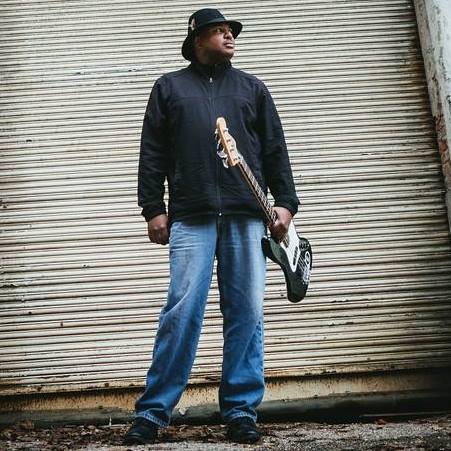
 This interview with songwriter, bass player and keyboard stylist
 MB: Absolutely. I wanted to write a Bob Pollard song. If you listen to the song again, you’ll notice it has no chorus. Part of that was a mild form of protest against “the music business”… so much of the advice that gets thrown at songwriters takes the form of someone saying “don’t bore us, get to the chorus”… First, if someone is bored because the chorus didn’t happen during the first 20 to 30 seconds of a song, thta’s not a person that I think I want to be listening to my music. Second, how about no chorus at all then? The structure of the song is A A B C. There are plenty of Guided By Voices songs that are quite brief and have no chorus, but they’re catchy anyway. With that in mind, part of this was definitely meant as a form of admiration for Bob and his work, I kind of hope he hears it someday. I like to imagine it as a GBV song, and I can kind of see Bob doing that little hopping dance he does. The outro is heavily influenced by Fountains Of Wayne. That lead riff is played on guitar, but it could just as easily have been played on synth, after all, I wrote it on a piano. You’ll find some synth leads in their catalog. I also wanted a bunch of harmony vocals in there, which you’ll hear all over Fountains Of Wayne songs. All of the above to say that I wanted to take some of the things from these specific influences, but end up with a song that still sounds like ME, and I think we were able to get that done.
 Dr. J: How did the song come together musically for you?
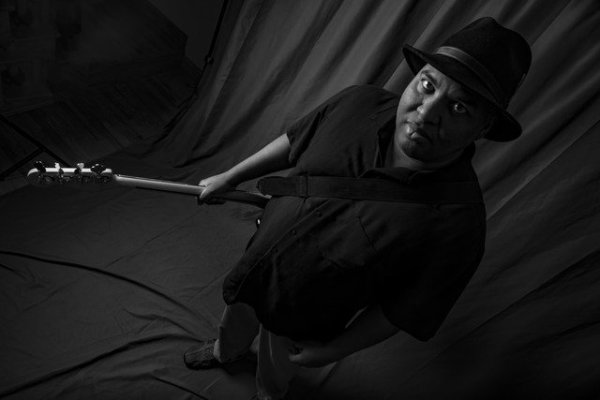 Dr. J: How would you describe the music that you typically create? How has that process evolved or changed over time (especially as you think about your journey from
  Dr. J: What is next for you musically? How would you describe your thoughts at this point for your next project after
  your tuesday afternoon alternative