Someone asked me the other day if we actually write notes for all of the music we play on the show. And I love that question, because it gets at the heart of what this whole strange, beautiful ritual is about.
The short answer? Yes. Absolutely. Maybe not always in the neat, bullet-point, producer-approved sense. But every song has a story attached to it. Every track gets time, attention, a listen with the lights low or the car windows cracked. We don’t just drag and drop files into a playlist and hope for magic. The magic is in the listening.
Sometimes the notes are scribbled in a notebook—half-legible phrases about a guitar tone that sounds like “late summer asphalt” or a chorus that feels like it’s trying to outrun heartbreak. Sometimes they’re typed up neatly: where the band’s from, who produced the record, why this particular track matters right now. And sometimes the notes are just a feeling we carry into the mic—a memory, a connection, a reason this song needs to be heard tonight.
Writing notes is a way of honoring the artists. Someone spent months, maybe years, making that three-minute song. They argued over snare sounds. They rewrote verses. They risked something personal in the lyrics. The least we can do is meet that effort with attention. To listen closely. To ask: what is this song trying to say? Where does it sit in the arc of the record? Why does it belong in this hour, next to these other songs?
It’s also about you—the listener. When we share a few thoughts before or after a track, we’re not trying to lecture. We’re building a bridge. Maybe you’ll hear a lyric differently. Maybe you’ll catch a harmony you might’ve missed. Maybe you’ll go home and play the whole album because something about it stuck.
Radio, at its best, is companionship. It’s someone in the dark saying, “Hey, listen to this.” The notes are part of that companionship. They’re proof that this isn’t background noise. It’s a conversation. A relationship. A shared moment in time.
So yes, we write notes. We think about sequencing. We care about transitions. We argue lovingly over which song should close the set. Because music deserves that care. And honestly? So do you.
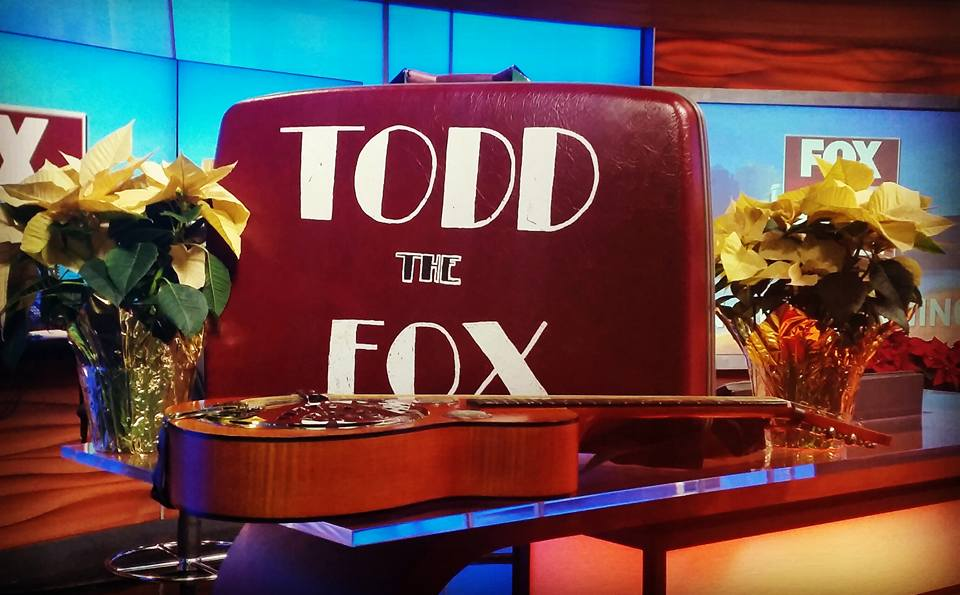
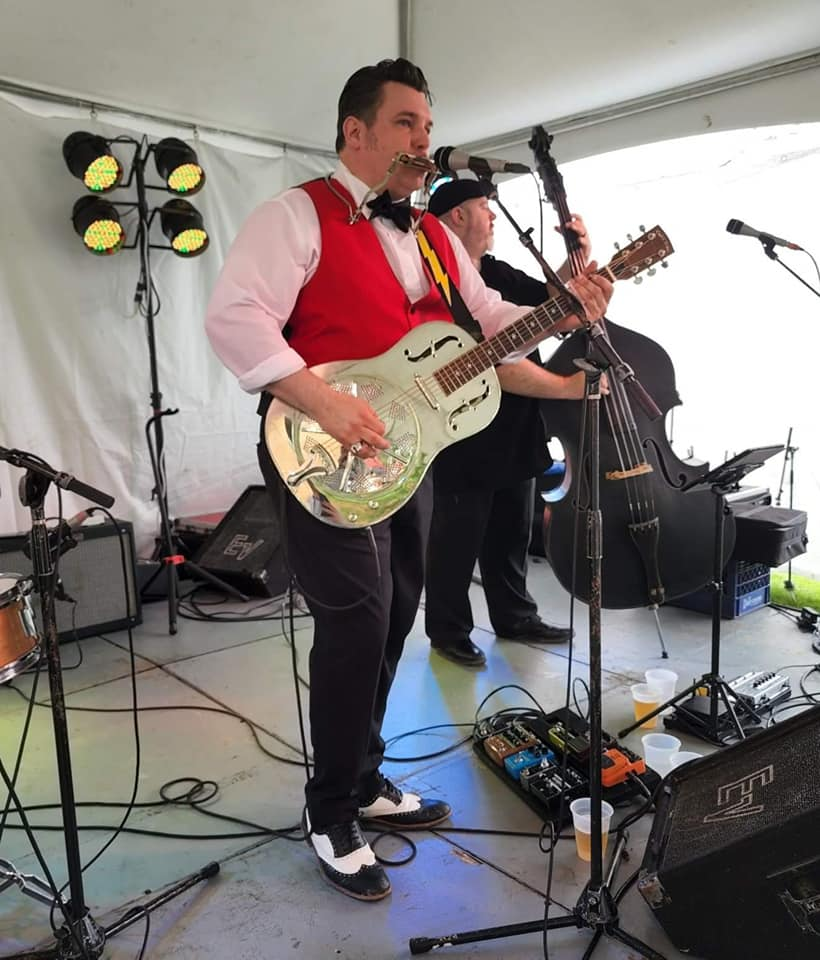
Some cities hum, and some cities grind, and then there’s Dayton, Ohio, which does both at once, like it’s chewing aluminum foil and smiling through the sparks. Out of that glorious Midwestern feedback loop comes Todd The Fox—musician, songwriter, performer, singer—padding into your ears tomorrow on Your Tuesday Afternoon Alternative from 4–5 p.m. Eastern, impeccably dressed as if from a nineteenth-century sepia-toned picture, eyes bright, ready to knock over your preconceptions and maybe a lamp or two. This isn’t a press-release animal. This is the kind of musician who lives in the alley behind the club and somehow knows your name and the story of how you met.
Let’s get something straight before the bio-police arrive with their clipboards: Todd The Fox isn’t a “local act” the way people say “local” when they mean “small.” Dayton has always been a factory for nervous systems—Guided by Voices turning beer-soaked basements into libraries of genius, the Breeders bending melody until it smiles back, far too many funk ghosts rattling the windows to mention them all. Todd The Fox comes from that lineage of people who treat songs like living organisms, not products. The music breathes. It snarls. It slips between rock and roll styles the way a fox slips under a fence: quick, quiet, leaving you wondering how it got there and beautiful.
Listen closely, and you hear a songwriter who understands the dirty miracle of rockabilly, rock ‘n’ roll, juke joint, rock AND roll, pop, and more—how a hook can feel like salvation if you let it—and who also understands how to break the hook on purpose just to see what bleeds out. Todd’s songs don’t ask permission. They don’t knock. They kick the door, apologize sincerely, then steal your favorite record and give it back with new fingerprints. There’s classic melody here, yes, but it’s the kind that’s been roughed up by real nights and real mornings, the kind that knows the difference between romance and survival.
Performance-wise, Todd The Fox doesn’t “take the stage” so much as make it a living room and then light a match. There’s a physical intelligence to it, a sense that the body is another instrument and the crowd is a choir that doesn’t know it’s rehearsing. You don’t watch so much as get pulled into orbit. To call him a showman would truly understate it. That’s the secret sauce: the generosity. Even when the songs bite, they’re offered with an open palm. You’re invited to bleed a little, too. It’s communion with better jokes.
And here’s the thing the algorithms won’t tell you: Todd The Fox understands time. Not in the “retro” sense—this isn’t cosplay—but in the way great rock & roll always has, a kind of temporal vandalism. The performance of the songs feels like they all could’ve been written yesterday or twenty years from now, which is to say they live in the only time that matters: the one where you’re paying attention. There’s craft without fussiness, ambition without the TED Talk, and a willingness to leave the seams showing because that’s where the electricity leaks out.
Tomorrow’s hour on Your Tuesday Afternoon Alternative isn’t a content drop; it’s a rendezvous. Radio still matters when it’s alive, when it’s a room you can step into and feel the air change. From 4–5 p.m. Eastern, Todd The Fox comes by to talk shop, spin yarns, and let the music do what it does best: make a mess and call it truth. Expect stories that zig when you think they’ll zag, expect songs that refuse to sit still, expect the kind of conversation that remembers radio is a human act, not a playlist with a personality disorder.
If you’re tired of music that arrives pre-chewed, if you miss the feeling that something might go wrong in the best possible way, tune in. Todd The Fox is the sound of a city, of a tradition that learned how to survive by inventing its own fun, the sound of a songwriter who trusts the song more than the strategy. There’s wit here, and bite, and that elusive thing critics pretend to quantify: soul. Not the museum kind. The living, twitching kind that looks you in the eye and dares you to stay.
So set the dial. Clear the hour. Let the fox into the henhouse of your afternoon and see what survives. Tomorrow, 4–5 p.m. Eastern. Your Tuesday Afternoon Alternative. This is how radio remembers what it’s for.
It’s been a while since I found the time to upload a full show to Mixcloud! I promise to be better about posting them. The latest episode of YTAA 11-18-2025 is now available on Mixcloud. Please do me a favor and give it a listen when you have a chance.
Finding the time to post full episodes of Your Tuesday Afternoon Alternative on Mixcloud has been more of a challenge than I ever expected. What seems, on the surface, like a simple matter of uploading a show ends up being far more complicated once you stack it next to the responsibilities of everyday life, the planning that goes into each week’s broadcast, and the desire to make sure everything I share is as polished, listenable, and enjoyable as possible. I want to take the time to explain why it has taken me longer than it should to get full shows posted and—more importantly—to apologize for the delay and talk honestly about my commitment to becoming more consistent on Mixcloud.
First, producing Your Tuesday Afternoon Alternative isn’t just a matter of showing up, pressing “record,” and walking away. Even after so many years of doing the show, each episode requires preparation: listening to new music, organizing playlists, writing notes, checking information about artists, aligning segments, and making sure the flow feels right. That’s the part listeners hear directly. What listeners don’t see is everything that comes after the live broadcast—cleaning up the audio file, leveling tracks, trimming silence, removing dead air, tagging the episode, writing show notes, creating artwork, uploading everything, then double-checking it all to make sure it’s correct and accessible. It’s a process I care about, because sharing independent, alternative, and emerging music has always been something that deserves care.
But caring takes time, and time has been harder to come by lately.
Over the last several months (and, if I’m honest, probably longer than that), life has piled on its normal assortment of responsibilities: work, family, health, grading, teaching, commitments that can’t be rescheduled, and the thousand small tasks that accumulate without asking for permission. None of these things are unusual; they’re simply the parts of life that everyone negotiates in their own way. Yet what has happened, unintentionally, is that by the time I sit down to work on getting a full show uploaded, the day has already stretched far beyond the hours I planned on using.
Mixcloud uploads aren’t something I want to do halfway. I don’t want to toss a show online with minimal detail or sloppy audio just to say it’s there. That has never been the spirit of Your Tuesday Afternoon Alternative. The whole point is to introduce people to music worth hearing—bands pouring their hearts into their work, musicians making something genuine, songs with meaning and craft. That deserves a certain level of attention. It deserves to be done right.
And yet, even with the best intentions, the backlog grew.
So I want to be completely direct: I’m sorry. Sorry for taking so long to get episodes uploaded. Sorry for not communicating more clearly when I fell behind. Sorry for making listeners wait when so many of you reached out asking when the next show would be posted. Those messages were kind, encouraging, and patient—and every time I read one, it reminded me how much the show means to people who want to listen on their own schedule.
When people care enough to ask, that means something. And I don’t take that lightly.
The good news is that when you fall behind long enough, eventually you recognize that doing nothing only makes the problem larger. It is time to fix it. It is time to get the shows uploaded more consistently. It is time to make the Mixcloud archive what it should have been all along: a reliable place where listeners can catch up, re-listen, discover new music, or hear an episode they missed live.
I am committing—publicly and sincerely—to posting more consistently. That means setting aside designated time each week to prepare, edit, and upload the shows, even if that means reshuffling other tasks or being more disciplined about how I manage my schedule. It means breaking the work into smaller chunks so that it doesn’t feel overwhelming. It also means giving myself permission not to overthink every detail. The show should sound good, absolutely—but perfectionism can be just as paralyzing as disorganization.
More importantly, posting consistently is a way of honoring the musicians and bands who trust me with their art. It’s also a way of honoring the listeners who tune in every Tuesday afternoon, who send notes and recommendations, who say kind words about the music I share, and who make this show a genuine joy rather than another responsibility. If the live broadcast is about community, energy, and immediacy, then the Mixcloud archive is about access—about giving people the freedom to listen when and how they want, no matter their schedule.
I realize that promises are only as meaningful as the follow-through. Saying I will be more consistent is easy; actually doing it requires effort, planning, and accountability. So here is the practical plan: older shows will be uploaded in batches, and new episodes will go up shortly after each Tuesday broadcast. It may take a little time to clear the backlog, but the process has already begun, and I intend to keep it moving in a steady, realistic rhythm.
If you have been waiting, thank you—for your patience, your encouragement, your interest, and your willingness to stick with the show. If you’re new to the Mixcloud archive, welcome. And if you’re one of the many people who loves discovering under-the-radar music, I promise there is a lot coming your way.
In the end, Your Tuesday Afternoon Alternative has always been about connection: connecting listeners with artists, connecting independent musicians with audiences who want something outside the algorithm, and connecting a community that values creativity, heart, and authenticity in music. Getting the shows onto Mixcloud more reliably is part of strengthening those connections. It is part of respecting your time and honoring the work that musicians put into their craft.
So yes—it took me far too long. And yes—I am genuinely sorry for that.
But I am also incredibly grateful for everyone who continues to listen, share, and support the show. I appreciate you more than you know. And going forward, you can expect more consistent uploads, more reliable access to every episode, and the same commitment to sharing the best independent and alternative music I can find.
Thank you, sincerely—and stay tuned. The next batch of shows is on its way.
Indie music unites us because it thrives on authenticity, creativity, and emotional honesty. Unlike heavily commercialized tracks, it often reflects personal stories, experimentation, and unique perspectives that feel relatable. Fans connect through shared emotions—heartbreak, joy, longing, or defiance—finding meaning in sounds and lyrics that resonate with their own lives. The community around indie music also matters: attending shows, sharing discoveries, and supporting artists fosters a sense of belonging, where people celebrate individuality while feeling part of something bigger.
The Beths’ Best Laid Plans exemplifies the power of rhythm and groove in creating an irresistible musical experience. At its core, the song is anchored by tight, punchy percussion and a driving bassline that create both energy and momentum. This rhythmic foundation gives the track a sense of forward motion, allowing the melody and vocals to shine while the listener is physically engaged—tapping toes, nodding heads, or even dancing along. The combination of percussive precision and melodic bass makes the song feel immediate and alive, illustrating how the “feel” of a song is just as important as its harmonic or lyrical content.
This attention to rhythm and groove is a hallmark of many artists across indie and alternative music. Tamar Berk, for instance, uses nuanced percussion to build layers of tension and release in her music, creating songs that feel both intimate and expansive. Bird Streets similarly blends melodic hooks with a driving rhythm section, demonstrating how bass and drums can define a track’s emotional pulse. Guided By Voices, with their lo-fi yet meticulously arranged recordings, often showcase how a tight rhythm section can make even a chaotic-sounding song feel cohesive and infectious. The Connells and The Cords similarly emphasize song craft, where the music propels the storytelling and emotional impact.
Meanwhile, vocalists like Kim Ware and her effort, The Good Graces, highlight the interplay between rhythm and vocal delivery. In Kim’s songs, the percussive drive and melodic bassline not only support the vocal narrative but enhance the emotional resonance, creating moments of release and catharsis that linger with the listener. Just as The Beths use rhythm to energize Best Laid Plans, these artists leverage bass and percussion to make the music physically and emotionally engaging, proving that the “feel” of a song—its groove, drive, and momentum—is a central component of its power.
Ultimately, what unites these artists is a deep understanding of how guitar, percussion, bass, and overall feel can transform a song from a static composition into a living, breathing experience. From The Beths’ infectious grooves to Bird Streets’ emotive rhythms, from Guided By Voices’ lo-fi magic to Kim Ware’s soulful pulse, these musicians remind us that feel, texture and rhythm are not just accompaniment—it’s a force that connects listeners, moves bodies, and conveys emotions that words alone cannot capture.
In 2025, we’re plugged in, logged on, and supposedly “connected,” but more often than not, we’re trapped in algorithmic echo chambers, scrolling past everything that might actually challenge us or make us feel. Enter indie radio—the last refuge of the real, the unpolished, the alive. Stations that spotlight local bands, spin weird tracks nobody else dares touch, and actually talk to listeners remind us that music isn’t just noise—it’s a social act. Defiance, scored in sound – insurgent spirit.
Shows like ours, Your Tuesday Afternoon Alternative, prove that listening doesn’t have to be lonely. It can be messy, communal, even dangerous in its honesty. Indie radio is where discovery collides with conversation, where culture isn’t handed down in sterile corporate playlists but grown organically, like a basement jam session gone right.
And let’s be blunt: in a media landscape ruled by conglomerates, corporate homogenization, and the soulless chase for clicks, community radio is a lifeline. It champions voices that don’t fit the formula, celebrates the weird, the regional, the overlooked, and keeps local identity breathing while everything else flattens into sameness.
As the noise around us grows louder, the need for authentic closeness grows sharper. Indie radio reminds us that music is a shared experience, conversation is sacred, and community—built on passion, rebellion, and mutual respect—is not optional. It’s essential.
The last YTAA Show of 2024 broadcast on 12-31-2024 is up on the YTAA Mixcloud page! Please give the show a listen and share it with all of your friends. The first time you sit behind the mic and hear that low hum of the studio, you realize it’s a weird kind of experience. You’re not broadcasting a war, no, you’re not even sending out a weather report; you’re sending out your heartbeat. You’re putting yourself on the line, with nothing but an inch-thick foam divider and a sliding board full of dials between you and the abyss of total silence, the void of being utterly ignored. But that’s the thing. Even when you feel apart and separated from others, you’re not really alone.
There’s something visceral about radio. Yeah, even in 2024. It’s a love affair with anonymity after a fashion — you’re sending out these fragments of yourself, these half-thoughts, barely strung together sentences (I try, I actually am trying for something snappy and catchy), hoping someone, anyone, will hear. But even when no one’s listening, it doesn’t matter. You can say the weirdest stuff. You can be as loud as you want, or as quiet as you need to be in that moment. It’s like a secret between you and the speakers on the other side of the room. Who knows if anyone’s tuned in? Does it matter? Perhaps, it doesn’t matter. You’ve got the mic, and in this space, it’s yours even if it is only for three hours. You’re not just DJing songs; you’re performing the act of being. Becoming.
And there’s a rhythm to it, a pulse you can feel in your chest. The songs bleed into each other, and you start talking, almost without thinking, like an out-of-body experience. You riff, you ramble, you may talk about everything and nothing — akin to late-night rants, whispered secrets, some tale of life in the margins. It’s punk, it’s soul, it’s funk, it’s rock ‘n’ roll, and if you’re doing it right, it’s all on the edge of disaster, waiting to fly off the rails at any moment. And that’s the magic. You could screw it up. You probably will. But that’s what makes it real. In an increasingly overproduced, AI-scam-laden world, radio may be messy but that is what creates some of the joy in doing it.
Well, folks, here we are at the end of 2024, and I gotta say—thank you for sticking with me through the weirdness, the noise, and the absolute chaos that is Your Tuesday Afternoon Alternative. You could’ve been anywhere, listening to anything, but you chose to tune in to this mess of records, rants, and ramblings. Maybe you were searching for something new, or maybe you just wanted to escape the grind. Either way, I’m grateful for your ears, your time, and your madness. This isn’t just my show—it’s our show, so keep riding the wave, wherever it takes us in 2025.
Every year, like clockwork, the music world implodes into its annual rite of passage: the “Best of” lists. It doesn’t matter whether we need them or not. We could all be listening to something that absolutely shreds, some obscure record that deserves reverence. Still, here we are, obsessing over arbitrary rankings, as if these lists will unlock some divine, objective truth. It is as if, somehow, this tiny, self-appointed cult of critics, bloggers, and tastemakers can distill the whole sprawling mess of 365 days of music into neat little categories that tell you what was really good.
It’s a bit comical, really. These lists are nothing more than trendy cultural currency, an exercise in opinion policing. As if, come December, we all need some authority to tell us what albums we should have liked. Sure, there are some gems in those Top 10s, some records that hit like a lightning bolt, that maybe wouldn’t have been discovered without the almighty guidance of Pitchfork or Rolling Stone. But let’s not kid ourselves – the list itself is a product, a marketing tool, another algorithm feeding on your desire for validation. The music may be real, but the rankings? Please.
Every December, the ritual plays out like a predictable drama: the same predictable indie hits, the same half-baked arguments, the same flavor-of-the-month that gets hyped until the world collectively shrugs and moves on. It’s all just noise. And yet, we devour it like it’s gospel, eagerly waiting for the validation that maybe, just maybe, our choices are “correct.” But here’s the thing: music is personal. These lists? They’re just noise. It’s time we recognize them for what they are: empty, meaningless packaging for a world that’s forgotten how to just listen.
And with all that said, we do an annual show featuring several hours of bands, musicians, songs and albums that impressed the hell out of us. But not going to make some silly rank order, just a bunch of songs that we thought were incredible. So, yeah if this is a bit speaking from both sides of the mouth, so be it.
Our YTAA Faves of 2024 show includes music from many excellent musicians, such as Tamar Berk, Wussy, Palm Ghosts, Nada Surf, Waxahatchee, MJ Lenderman, JD McPherson, Jeremy Porter, Former Champ, Jason Benefield, J. Robins, Dreamjacket, David Payne, Bad Bad Hats, Bike Routes, Brian Wells, The Campbell Apartment, Amy Rigby, The Armoires, Librarians With Hickeys, Bottlecap Mountain, Liv, The Popravinas, The Nautical Theme, Smug Brothers, The Cure, The Reds, Pinks & Purples, The Umbreallas, Nick Kizirnis, Guided By Voices, and The English Beat and The Tragically Hip re-releases.
So, if this is just another end-of-the-year ritual that nobody needs but everybody wants, then maybe it is worthwhile as a way to share some of the music that deserves to be heard.
Let’s get something straight from the jump: independent radio—college stations, community stations, those hissing, crackling signals of barely legal wattage—are more than relics. They’re lifelines, and in a world drowning in curated blandness, they’re salvation that is desperately needed. Sure, you’ve got your algorithmic playlists and big-budget streaming platforms that can spit out the sonic equivalent of a hamburger combo meal, but let me ask you this: when’s the last time one of those songs on the apps and services truly blew your mind? When’s the last time a Spotify playlist made you feel something raw, something real, something alive?
Enter the humble, often-overlooked world of independent radio. These stations don’t play by the rules and thank God for that. College and community DJs who aren’t bound by focus groups or corporate overlords telling them which ten songs to cycle endlessly. They’re the anarchists of the airwaves, throwing down pop punk at 3 a.m., jazz fusion at noon, and some spoken-word poetry over ambient noise just because they can. They’re the kid in the back of the record store who’ll tell you that the B-side of a 7” pressed in someone’s basement in 1984 will change your life—and they’re right. Forgive me if this sounds trite or self-serving, but we believe in the power of music to change your life.
This is radio as it was meant to be: unpolished, unpredictable, and unafraid to go weird. College radio, especially, is often powered by the most crucial demographic for musical discovery—students who don’t yet know the rules they’re breaking. These DJs are sometimes just learning what it means to piece together a playlist, to tell a story in 20-minute sets, to unearth that obscure track nobody else has heard of. It’s raw, and it’s beautiful because it’s real.
And let’s not forget the community stations—the hyper-local powerhouses keeping neighborhoods and subcultures alive. These aren’t just radio shows; they’re conversations. They’re where you tune in to hear the pulse of your city, the heartbeat of your neighbors. It’s where activists and artists collide, where voices ignored by the mainstream get a microphone. It’s radio as rebellion, as resistance, as a refuge from the overpowering heavy challenges we all face.
Here’s the thing the big media conglomerates and tech giants don’t want you to realize: not everything should be convenient. Finding great music—or a great anything—takes work. It takes passion. That’s what makes it matter. Independent radio doesn’t spoon-feed you the hits; it hands you a map, points vaguely in a direction, and says, “Go get lost.” And in that wandering, you discover magic. You stumble across a DJ spinning a 10-minute opus made by an area band or a live set from some local group that sounds like they’re playing from the edge of the world. And you want to go there so you can be part of it.
In an era where everything feels like it’s been prepackaged, sanitized, and optimized for maximum engagement, independent radio stands as a glorious middle finger to the machine. It’s messy, it’s chaotic, and it’s alive in ways that nothing else in the modern media landscape can touch even thought they try to say that experimentation came from them.
What’s more, independent radio matters because it’s often the training ground for the voices we’ll be listening to in 10, 20, or 30 years. Think about all the media icons who got their start in college radio. Two words: Howard Stern. Ever heard of Rick Rubin? He was just some punk kid spinning records at NYU before founding Def Jam. Or Ira Glass, who honed his storytelling chops on the airwaves before becoming public radio’s golden boy. The indie stations are incubators for talent because they’re places where experimentation isn’t just allowed—it’s expected.
And don’t let anyone tell you radio is dead. Sure, the format’s shifted, and the big commercial stations are shells of their former selves, but indie radio persists because it’s adaptable. College stations now stream online, bringing their wild, untamed ethos to a global audience. Community stations podcast their shows, extending their reach far beyond the low-powered transmitter on the roof.
But more than that, indie radio matters because it’s personal. It’s not just about the music—it’s about the human connection. There’s something deeply comforting about hearing another person on the other end of the signal, someone who isn’t trying to sell you something, someone who’s just as excited about this obscure Brazilian psych-rock track as you are now that you’ve heard it. It’s a reminder that music isn’t just content—it’s communion.
And yeah, maybe it’s a little romantic to wax poetic about this scrappy corner of the media world. Maybe it’s easier to dismiss it as nostalgia for a pre-streaming era. But dismissing indie radio is to dismiss the very soul of music, the thing that makes it matter in the first place. It’s the idea that art doesn’t have to be perfect, that it doesn’t have to be profitable, that it can just be.
So the next time you’re scrolling through an endless stream of playlists that all sound the same, do yourself a favor: tune in to the static. Find the frequency where some over-caffeinated college kid is ranting about a new band you’ve never heard of, or where a local DJ is spinning records in a tiny room plastered with band posters and graffiti. Listen with your whole heart, and remember what it feels like to discover.
Because independent radio isn’t just a medium—it’s a movement. And in a world that desperately wants you to settle for the lowest common denominator, it’s the one place still daring to reach higher.
Let me tell you something about Your Tuesday Afternoon Alternative with Dr. J on WUDR, broadcasting from the unassuming outpost of Dayton, Ohio: it’s not just a radio show; it’s a séance for the musically restless. Dr. J, equal parts professor (sorry), music priest, and punk-rock lifer, orchestrates a sonic sermon that grabs you by the collar and drags you kicking, screaming, and grinning through the unpolished spaces of independent and local music.
This isn’t your prepackaged corporate playlist drivel, churned out by some algorithm. No, this is real-deal, deep-dive, bloodshot-eye curation. We don’t just play songs; we conduct a reckless, unhinged exploration of soundscapes that defy the mainstream’s sterilized borders. One minute you’re grooving to the jangly guitars of a Midwest indie gem; the next, you’re pummeled by fuzz-soaked shoegaze or swept away by a tender acoustic ballad. It’s a rollercoaster for your ears, and you’re strapped in tight for the ride.
The show’s strength lies in its refusal to compromise. We are not here to appease Spotify metrics or chase TikTok trends. We pride ourselves on digging into the marrow of what makes music vital: the stories, the sweat, and the imperfections that turn a song into a revelation. Local bands? We’ve got them. Overlooked gems? You bet. It’s a treasure map to sounds you didn’t know you needed but now can’t imagine living without.
Sure, the production’s raw, the format loose, but that’s part of the charm. A little nerdy? You betcha! It feels like you’re eavesdropping on a record store conversation in town. If music is a lifeline, Your Tuesday Afternoon Alternative is one of the buoys that keeps us from drowning in the sea of mediocrity. Dayton might be criminally overlooked, but we strive to ensure it’s never unheard of.
As we celebrate 20 years of Your Tuesday Afternoon Alternative, we thought we would ruminate for a moment or two on how music is selected for the show. It is never easy. There is always more that we want to play than we have the time to fit onto a show setlist. Curating a compelling playlist for any radio show is an art form that goes beyond just picking popular tracks or personal favorites. For an indie DJ, like myself, especially one focusing on alternative or non-mainstream genres, the process involves a balance of passion, research, intuition, and a non-ending effort to understand an audience. So, many listeners have asked how we choose music for Your Tuesday Afternoon Alternative, I thought I would create a list of key points and explain how we have been picking music over our 20 year history.
So, take a drink, and let’s jump in. Here’s a personal deep dive into the sometimes chaotic journey of how we select music for this radio show.
1. Understanding the Show’s Identity
The starting point for any DJ is a clear vision of the show’s identity. Being an indie DJ means that here at YTAA we strive to avoid the known names and focus on artists who are making incredible music but are overlooked for oh-so-many damn reasons. We typically try to craft a unique niche to stand out amidst the sea of mainstream programming. Whether the focus is alternative, indie-folk, dream pop, lo-fi beats, underground electronic, or indie rock, this identity serves as a guiding principle for music selection. When we say that we play “Music in all Directions!” this is what we mean.
Theme: Does the show explore specific themes, like nostalgia, indie holidays, memorial shows for those artists that we lost in the previous year, or emerging artists? We often decide to spotlight unsigned musicians or dedicate episodes to genres like shoegaze or post-punk revival.
Mood: We often prioritize mood over rigid genre boundaries. Whether the vibe is mellow, energetic, or experimental, the music should align with the emotional tone they aim to create. We might let more than the usual four songs and then radio break pattern because we don’t want to interfere with the groove, flow, or vibe.
2. Know the YTAA Audience
Understanding the audience is pivotal in crafting a playlist that resonates. While we often play music and artists we love, it is not exclusively about us. An indie DJ often caters to listeners who are adventurous, open to discovering new sounds, and appreciative of diversity. This is a critical piece of song selection for us at Your Tuesday Afternoon Alternative.
Demographics: Who is tuning in? College students might appreciate indie pop and fresh remixes, while an older audience might gravitate toward timeless indie rock or alt classics from the 80s and 90s alternative scenes.
Engagement Patterns: Over the years, we have tried to find ways to interact with the audience through social media, email requests, or live call-ins. Feedback from listeners helps shape future playlists, as we gain insights into what resonates and why those sounds or those artists mean something to the listener.
By understanding an audience, hopefully, we strike a balance between challenging listeners with fresh sounds and offering comfort through familiar tracks. Adventure and comfort may sound like contradictions, and perhaps that is not a problem.
3. Endlessly Scouting for New Music
Fear of missing out on an exciting song is something that drives Dr. J. One of the most exciting yet challenging aspects of being an indie DJ is the constant search for new music. Indie/Alternative music thrives on discovery, and looking for hidden gems means we may listen to hundreds of songs in the week before the show airs.
Digital Platforms: Streaming services like Spotify, Bandcamp, and SoundCloud are goldmines for discovering up-and-coming artists, even though those services have serious problems and refuse to compensate artists for the art they create. Playlists curated by other indie enthusiasts, labels, and blogs often serve as inspiration for YTAA.
Music Blogs and Reviews: Sites like Pitchfork, Stereogum, and Consequence of Sound provide reviews and spotlights on emerging indie artists. Niche blogs that focus on specific genres are especially valuable. Writers in local city papers can be worth their weight in gold in helping us find new artists and new music.
Live Performances: Attending local shows, festivals, and open mic nights allows us to experience new music firsthand and connect with artists in the Dayton community. This direct interaction often results in exclusive tracks or insider knowledge that we can share about the artists.
Labels and Press Kits: Indie labels like Rough Trade, Carpark Records, Gas Daddy Go, Sub Pop, 4AD, Sofaburn Records, Poptek Records, and Matador Records regularly send promotional material to DJs. Receiving press kits with unreleased tracks gives DJs access to fresh music before it hits mainstream platforms.
4. Balancing Familiarity with Discovery
One of the hallmarks of a great indie radio show is its ability to introduce listeners to new music while maintaining a sense of familiarity. That balance is always a challenge – we like to think of it as familiar without being too familiar.
Anchor Tracks: These are well-loved songs by established indie artists that help ground the playlist. For example, including tracks from artists like Tame Impala, The National, or Phoebe Bridgers can provide a touchstone for listeners.
Deep Cuts and Rarities: We often dig into back catalogs of popular bands to find lesser-known tracks, giving fans a deeper appreciation of their favorite artists.
Spotlighting the Unknown: The thrill of indie radio lies in the discovery of fresh talent. By including tracks from unsigned bands or debut singles, hopefully, we contribute, in some small way to creating an air of excitement and exclusivity.
Balancing these elements ensures the show is approachable while staying true to the indie ethos of exploration.
5. Crafting an Authentic Narrative or Flow
Great playlists tell a story or create a sonic journey. We carefully consider the sequence of songs to maintain engagement and evoke a range of emotions. Not too many fast songs in a row, not too many slow songs. We think of it as creating a wave and movement — ups and downs, fits and starts — that keeps the audience engaged and interested.
Opening and Closing Tracks: The first song sets the tone, grabbing the listener’s attention immediately. Over 20 years we usually start with a rocking driving tune. The closing track often leaves a lasting impression, so we choose something memorable or reflective, something that feels like it matters. Something that has the effect of a closer.
Transitions: Songs are placed in an order that feels natural, with smooth transitions in tempo, key, or mood. For instance, an upbeat indie-pop track might flow into a mid-tempo electronic piece before tapering into a dreamy ballad.
Themes: Some shows revolve around specific themes, like a “Summer Nostalgia” episode or a “Women in Music” feature. Thematic playlists require careful curation to ensure cohesiveness.
6. Incorporating Listener Input
Interactive elements often play a significant role across many of our radio shows. We incorporate song requests or dedicate segments to listener suggestions.
Requests: Allowing listeners to request songs fosters a sense of community and makes the show more dynamic. This is a sacred duty. It is important for us to do this to ensure these requests fit the show’s overall vibe.
Shoutouts: Listeners often feel a deeper connection to the show when their recommendations or dedications are acknowledged on air and in social media.
7. Staying True to Personal Taste
Any indie DJ’s personal taste is often the driving force behind their show. And we hope that is true for us. Passion for music is infectious, and when we share tracks we genuinely love, hopefully, it resonates with listeners. Our deep respect and love for local music is a critical hallmark to Your Tuesday Afternoon Alternative.
Signature Style: Do we have a style? Hmmm… this is an interesting question. We often try to develop a signature style that makes the YTAA show distinctive. This could be an affinity for quirky lo-fi sounds, obscure indie, or lush dreamscapes. We love it all.
Experimentation: We might take risks by featuring avant-garde or unconventional tracks, and it does not always work. While not every experiment will succeed, these moments often create the most memorable radio experiences.
8. Navigating Practical Constraints
Despite their creative freedom, we operate within certain boundaries that influence our choices. Yeah, left to our own devices, we would probably play songs with the occasional swear but we can’t. Or more correctly, we shouldn’t because there are consequences if we do so. Does anyone have a spare $25,000 to cover us for a song… right? Yeah, let’s not do that.
Time Limits: A radio hour typically includes advertisements, station IDs, and announcements, leaving about 40-50 minutes for music. We must prioritize tracks that fit the allotted time. This is why we rarely play long songs (five minutes or more is our definition here).
Licensing and Permissions: We often face restrictions on what we can play, depending on the station’s licensing agreements. This can limit access to certain tracks, especially from major or regional labels.
Technical Considerations: Some tracks may require editing for length, explicit content, or spoken elements in the beginning or ending of songs. Again, we have to ensure every song fits seamlessly into the show’s format.
9. Highlighting Diversity and Inclusivity
This matters. We often champion diversity by including music from a wide range of backgrounds, genres, and cultures.
Global Sounds: Many indie DJs explore music scenes from around the world, introducing listeners to genres like Afrobeat, K-indie, or Latinx dream pop.
Underrepresented Voices: Highlighting female artists, queer voices, or musicians of color can enrich the playlist and provide representation often missing in mainstream radio.
10. Staying Current While Embracing Timelessness
Balancing the latest trends with timeless classics is a delicate dance. While we pride ourselves on staying ahead of the curve (if we are lucky), we also appreciate the value of songs that transcend time.
New Releases: Every Tuesday afternoon we regularly update the station libraries with the latest tracks, ensuring YTAA shows feel fresh and relevant.
Evergreens: Some indie songs never lose their charm. Revisiting tracks from influential artists like The Replacements, R.E.M., or Uncle Tupelo can add depth to a playlist.
Conclusion: We are doing our best but wish we could play more.
Choosing music for an indie radio show is both an art and a science. It requires personal dedication, creativity, and a deep connection to the music. For us, every playlist is a reflection of our identity, a bridge to an audience, and a celebration of the vibrant, ever-evolving world of indie music. By blending passion with thoughtful curation, we hope to craft shows that are not just entertaining but deeply meaningful experiences for listeners. Thank you for sharing your valuable time with us over these 20 years. It means the world to us here.
Doing local indie radio for 20 years is a labor of love, a commitment to the community, and a constant source of joy. At least, it sure has been for us at YTAA! Indie radio is a unique space where personality and passion shine through, where the constraints of commercial programming give way to creativity, spontaneity, and local voices. For two decades, the joy has been in connecting people through sound, amplifying voices that would otherwise go unheard, and showcasing music, stories, and topics that truly reflect the heart of music in times of darkness and light.
One of the most rewarding aspects of this journey has been building connections with listeners. Over the years, these listeners become more than just people tuning in—they become a family. Calls, emails, tweets, comments, posts, and even the occasional letter remind us that the work is meaningful and that there’s an audience who feels seen, heard, and represented by what’s being aired. In a world where media often feels homogenized and so darn artificial, we would like to believe that indie radio creates an unbreakable bond with its listeners by staying local, rooted, and real.
Another source of joy for us here at YTAA is discovering and promoting new, underrepresented music. The indie scene is full of gems that don’t always make it to mainstream playlists (for shame!), and introducing these sounds to an eager audience is incredibly fulfilling, heck – you might say it is the thing that keeps us coming back for more. The excitement of finding a new track or local artist and knowing that it will resonate with someone out there makes the work feel fresh, even after so many years.
The joy of indie radio also lies in the freedom to take risks, to be unconventional, and to experiment. Unlike larger stations tied to strict playlists or advertising pressures, an indie station, like WUDR, has the freedom to talk about niche issues, dive into deep conversations, and let shows develop organically. After 20 years, it’s clear that indie radio is more than just broadcasting; it’s about fostering a shared experience, celebrating local culture, and continuing a legacy of creativity and authenticity.
“Your Tuesday Afternoon Alternative,” hosted by Dr. J on WUDR Flyer Radio has been around for almost 20 years now! I try to offer an eclectic mix of indie, local, and alternative music that appeals to both dedicated fans and curious newcomers. I try to balance both well-known and emerging artists, providing listeners with a blend of what we hope are fresh discoveries alongside some familiar sounds that keep each episode engaging.
One of our show’s unique aspects is the passion for showcasing local and regional artists, particularly from the Dayton area, giving exposure to the rich musical talent often overlooked by mainstream outlets. Shame on them! I hope that our enthusiasm shines through, as we weave in anecdotes about the bands and tracks we play. This is meant to create a deeper connection to the music. We strive for passion but also for a laid-back, conversational tone that allows listeners to feel as though they’re joining a friend who’s sharing their latest musical finds. Because, in truth, that is what I do every week.
Streaming Forward, Powered By The Past - if you love the 80s music, new music, Eurovision, cheesy pop and awesome playlists then let's get this pop party started!






 your tuesday afternoon alternative