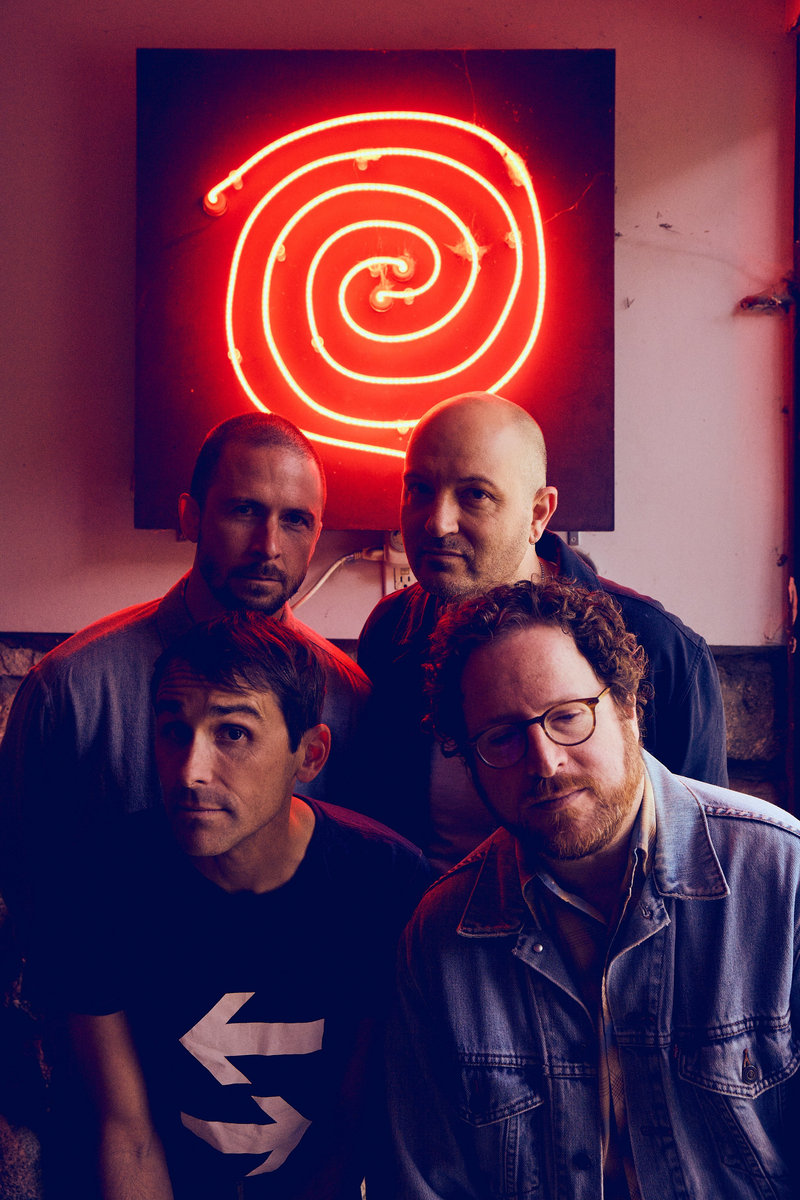
“Mother, Pray for Me” finds The Beths doing what they do best: wrapping emotional unease in bright, tensile power-pop. It’s a song that feels instantly familiar if you know their catalog—those interlocking guitar lines, the melodic immediacy, Liz Stokes’ unmistakable vocal clarity—but it also pushes toward something rawer and more pleading than their usual wry self-interrogations.
From its opening measures, the song pulses with a kind of restless confession. Stokes delivers the title phrase not as a dramatic flourish but as a weary admission, a reaching-out from someone who’s been holding it together for too long. The Beths specialize in songs about the gap between who we want to be and who we are on our worst days; here, that gap takes on a spiritual edge. There’s a sense of hitting bottom—not catastrophically, but in the quieter, more believable ways people actually unravel.
The arrangement mirrors that emotional arc. The guitars shimmer and dart; the rhythm section plays with an almost anxious tightness, as if trying to keep the song from slipping out of its own grip. Harmonies, one of The Beths’ signature strengths, arrive like little reinforcements—friends showing up, steadying a shoulder. When the chorus lands, it’s both a release and a recognition: the pop sheen doesn’t lighten the weight of the plea so much as hold it with tenderness.
Lyrically, the song walks that Beths tightrope between self-reproach and self-awareness. The narrator isn’t blaming the world or asking for absolution; they’re simply acknowledging the moments when coping feels like an act of faith. The invocation of a mother’s prayer is less religious than relational—an admission that sometimes we need someone else’s hope to borrow.
“Mother, Pray for Me” ultimately stands out because it expands the band’s emotional vocabulary without abandoning their sonic DNA. It’s catchy, it’s cutting, and it lingers, an anthem for anyone who’s ever felt a little lost and dared to ask for help, even quietly.
“Damage the Pearl,” the standout title track from Third of Never’s latest record, is one of those songs that feels instantly lived-in—emotionally weathered, musically tight, and lyrically honest in ways that reward repeat listens. What Third of Never does so well across their catalog, melding melodic rock with angular edges, reflective lyricism, and a sense of drama that never tips into excess, comes into sharper focus here. The song is as much about mood as it is about narrative, and it invites the listener into a world where beauty and fracture sit side-by-side.
From the opening seconds, the track establishes a sonic landscape marked by contrast. Guitars shimmer and bite, building a foundation that feels both urgent and dreamlike. That duality mirrors the song’s thematic tension: “damage” and “pearl” aren’t just opposing concepts; they’re the twin poles around which the emotional arc revolves. The metaphor is simple but resonant—the “pearl” as something precious, hard-won, and vulnerable to harm; the “damage” as both external force and self-inflicted consequence.
Doug McMillen’s vocal performance lends the song much of its emotional depth. His delivery is unhurried but charged, as though he’s carefully excavating each phrase. There’s a rasp at the edges that suggests long nights, regrets, and resilience. He doesn’t dramatize the lyrics so much as inhabit them, giving the impression that the story being told has been carried quietly for a long time before finally being voiced.
Musically, the band strikes an impressive balance between tight arrangement and spacious atmosphere. Steve Potak’s keyboard textures ripple through the mix, adding color without overwhelming the guitars. His playing brings a sense of uplift to the darker corners of the track, hinting that even in the midst of damage, there’s clarity or even transcendence to be found. The rhythm section keeps the song grounded, propulsive without being forceful, allowing the emotional tension to breathe.
Lyrically, “Damage the Pearl” explores the fragile points in relationships—the places where trust is tested, where mistakes leave marks, where people confront the limits of what can be repaired. But the song resists cynicism. Instead, it seems to inhabit that complicated emotional terrain where hope and regret coexist. When the chorus opens up, the sense of release is less cathartic triumph and more a weary, honest exhalation. The band understands that complexity is sometimes more powerful than resolution.
The production enhances this emotional palette. Clean, spacious, and unafraid of subtle imperfections, it allows each instrument to carry its own weight. There’s no sense of overpolishing; the track feels human, textured, and lived-in. That sense of authenticity shapes the listening experience: the song sounds like a confession whispered and then amplified into the open air.
“Damage the Pearl” ultimately succeeds because it serves as both a strong standalone track and a thematic touchstone for the album bearing its name. It captures Third of Never’s ability to marry craft and feeling—to write rock music that is polished but soulful, introspective but accessible. It lingers after it ends, like a bruise you only notice when you press on it, and like a pearl that gleams all the more for having survived pressure.
“CHICAGO” OR: HOW TAMAR BERK FOUND A MIRAGE IN THE MIDDLE OF A DYING DREAM
So there I was, chin-deep in a bowl of Frosted Flakes, when “Chicago” dropped through the ceiling like a sigh you forgot you were holding for thirty years. I was reviewing music and videos for YTAA when Tamar Berk, that sparkle-voiced assassin of suburban malaise, spins up something here that’s not quite a love letter, not quite a breakup note, sort of a tear stained note to her hometown. Or perhaps it is something more like a sonic postcard from the corner of hope and loss.
The song opens with this gauzy, aching shimmer—guitars jangling like they’re trying to remember what joy used to feel like. And Berk’s voice—wow, that voice—it floats in like an old Polaroid burned around the edges. It’s part Liz Phair, part Aimee Mann, and all that unnamable ache you get when you realize your childhood bedroom is now a guestroom with beige walls.
“Chicago” is about the place, sure, but also not. It’s about your Chicago—whatever town you left and keep returning to in your heart. Tamar doesn’t sing to the city as much as she sings through it, like she’s tunneling under Wicker Park and digging up old mixtapes and unread diaries. There’s a part where she sings, “It’s not that bad, it’s just sometimes I get so sad,” and if that doesn’t make you want to cry into your last CTA transfer, you’re probably already lost to us.
And the video! God. It’s a melancholic fever dream dipped in filters, grainy and glorious. We see Tamar playing the song, but the video also wanders through neighborhoods, streets, and venues that used to be the places she played in the past. Those places have a hold on us, a feverish dream of what was and isn’t where we are now, but has become inescapably a part of our identity. She doesn’t posture, doesn’t play cute—she just exists, like a memory you can’t delete, even though the file’s corrupted. There’s a stoic poetry to it all, like she’s auditioning for a role in the past and already knows she’s gonna get the part.
What Berk manages to do here—somehow, miraculously—is take nostalgia, which is usually just a cheap phony thought, and make it ache honest. “Chicago” is not some gimmick about going home; it’s a reckoning. It’s the realization that going back doesn’t fix anything, but you keep doing it anyway because sometimes ghosts are better company than strangers.
In the end, this song isn’t about Chicago. It’s about you. Me. All of us who traded in magic for rent payments, who look at our hometown skylines and see a mausoleum instead of a monument. Tamar Berk nailed that feeling to the wall like a love letter returned unopened. And for that, I thank her.
Now, if you’ll excuse me, I’ve got to go cry in a parking lot outside a now-defunct Denny’s.
“The Laughing Chimes” song “High Beams” is a rich, atmospheric piece that blends wistful nostalgia with electrifying, almost cinematic soundscapes. As with much of The Laughing Chimes’ writing, this track has a sense of profound intimacy—a delicate balance between the personal and the universal. “High Beams” is a meditation on the tension between light and shadow, love and loss, the known and the unknown. The song pulses with a kind of nervous energy, like the flicker of headlights on a quiet street, beckoning toward a horizon that feels both alluring and frightening. (WARNING: This video may potentially trigger seizures for people with photosensitive epilepsy. Viewer discretion is advised.)
When talking about The Laughing Chimes you often focus on the emotional undercurrents of a song, examining the way music captures moments of quiet yet potent self-reflection. “High Beams” encapsulates this sensibility in its jangly yet lush, layered production. The track doesn’t rely on grandiose gestures but instead leans into subtle, almost fleeting melodies that stir something deep within the listener. Its lyrics, steeped in metaphor and imagery, invite listeners to interpret the meaning for themselves, to fold themselves into the spaces between the words, much like the way a soft beam of light might slip through the cracks of an old window, revealing glimpses of a life just out of reach.
The song’s lyrical content, rich in symbolism, evokes feelings of longing and unspoken connection, themes that many musicians explore. In “High Beams,” there is an almost cinematic quality to the way the story unfolds, similar to a film where a character is on the cusp of something important but hesitates, unsure whether to step forward or stay in the shadows. The metaphor of high beams is both literal and figurative, suggesting not only a physical presence but also the feeling of being observed, of vulnerability in the midst of something bigger and uncontrollable.
Sonically, “High Beams” leans heavily into a blend of jangly indie rock, synth, and dream-pop, not unlike the work of other artists who explore the liminal space between genres. The track swells with a bouncy reverb and compelling arrangements that create an almost enveloping atmosphere. Yet, there’s a grounding quality in the rhythm section that pulls the song back to earth, like the steady heartbeat that underlies all of our most intense emotional experiences.
In true rock and roll fashion, “High Beams” is both a journey and a destination, a portrait of the tender, precarious act of living fully in the present moment while gazing forward with both hope and trepidation. This is a song that demands repeated listening, each time uncovering a new layer, a new emotional note to be explored.
All too often critics apply a sharp, snarky perspective on music, and approach covers with a detached cold perspective. And sometimes that separation would truly miss the point. The Pinkerton Raid’s cover of Counting Crows’ A Long December needs recognition of both the emotional core and the transformation of the song. A good review would highlight the poignant ways in which the cover reimagines the original, focusing on the evolving resonance of the song in the hands of a different band, and the way the passage of time deepens its meaning.
The original A Long December, with its aching melancholy and sense of yearning for resolution, comes from Counting Crows’ Recovering the Satellites, a record defined by its bittersweet reflection on personal pain and recovery. Adam Duritz’s vocal performance, simultaneously raw and hopeful, narrates a painful yet comforting nostalgia. However, when the Pinkerton Raid takes on this track, they strip it down, peeling back the layers of polished production, leaving space for vulnerability in their own rendition.
A critic would likely notice how the Pinkerton Raid, often associated with a more stripped-down Americana sound, injects new textures into the song. Their version transforms the hopeful melancholy of the original into something a little more haunting, a little more restrained, while the song is given room to breathe the emotional release feels suffocating — it is literally breathtaking. The arrangement, grounded in folk instrumentation, slows the pace, allowing the lyrics to move, perhaps breathe, and resonate in a way that invites even deeper introspection than the original, and that is saying something. The spaciousness of the arrangement highlights the sense of emotional isolation, with each guitar strum and piano/organ note echoing a quiet sense of longing.
How covers interact with their originals is a common discussion among critics. These critics would also note how this version of A Long December recontextualizes the meaning of the song for listeners in the 2020s, giving the track a new sense of grief. In a time when shared emotional experience is often overshadowed by fragmentation, the Pinkerton Raid’s version of A Long December offers a gentle, bittersweet reminder that despite everything, we still carry the weight of our pasts with us. You can pre-save or pre-add the studio version on APPLE, SPOTIFY or DEEZER, download it on BANDCAMP, or order the physical CD or vinyl.
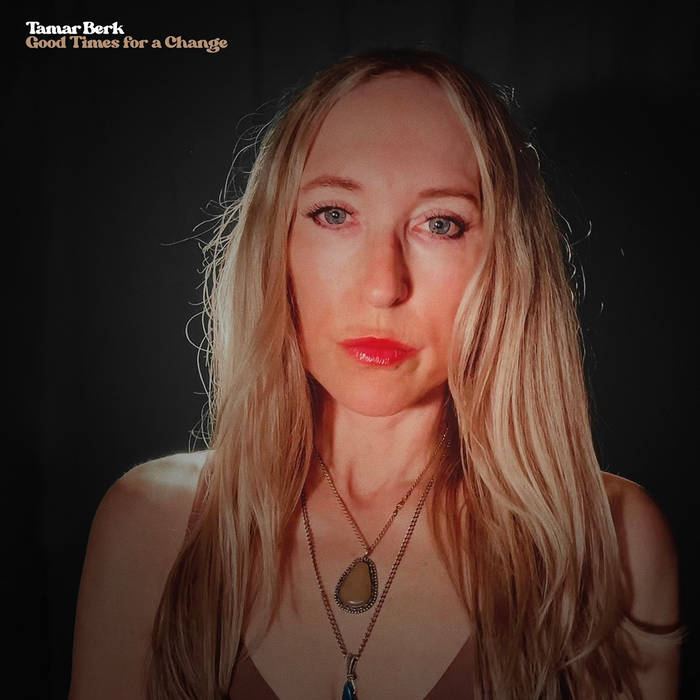
Tamar Berk’s latest song, “That’s Not a Lie,” from her recent excellent album Good Times for a Change, dives deep and explores the critical themes of honesty and vulnerability within relationships (and in an expansive canvas not simply romantic connections) and addresses a central question about how ready are we for the vulnerability that all relationships require. Consider how much are we willing to risk? Are we prepared for rejection? For appearing to be the fool — or foolish — in the face of striving to say what we feel directly and honestly.
The song is front and center on the uncomfortable truths people often face, exploring the complexity of admitting past mistakes and accepting one’s limits and flaws. Because we all have flaws even when we do not want to accept them. They stay with us, with every breath, every moment. Set against a rock and roll dynamic soundscape of driving electric guitar and drums, Berk’s emotive vocals convey and evoke both rawness, presence, and nostalgia, adding to the song’s emotional depth from the first note that she sings. This track carries an introspective tone, as Berk reflects on personal accountability, the challenges of openness, and the power of self-acceptance within partnerships.
The music video complements these themes by adopting a playful retro, almost interrogative visual style that feels present around us. It’s as though Berk is confronting herself, embodying the intense self-reflection that characterizes the song — she is doing the work. In her lyrics, she addresses a tension between the desire for honesty and the fear of vulnerability, a feeling that resonates across the album. Vulnerability is a recurring theme in her work reaching back to Starball, tying into her broader artistic exploration of personal growth and relationships. Berk wants to make music that means something and while this is not an after-school special kind of false sentimentality but a real discussion on the heart and the challenge of being gentle and risky with one’s heart. Precarity is a necessary condition of any connection.
We are fans of Berk’s earlier music and notice her brilliant mix of introspection and compelling indie-rock, dare we say ‘wall of sound.’ The song’s production style easily draws comparisons to ’90s rock influences, with a pitch pure effective blend of rock authenticity and modern polish. Ultimately, “That’s Not a Lie” stands out as a powerful statement within Berk’s ever-expanding and captivating discography, capturing her unique ability to weave personal narratives into relatable and engaging music that matters.
The Nautical Theme is a musical duo based in Dayton, Ohio, consisting of singer-songwriters Matt Shetler and Tesia Mallory. Known for their melodic, harmonious approach to folk and indie rock, the band combines Mallory’s bright, captivating vocals with Shetler’s rich, grounding tone, creating a deeply moving vocal interplay. Formed in 2016 from their previous project – Good Luck Year, The Nautical Theme emerged from Dayton’s vibrant indie scene, bringing their introspective, emotionally resonant music to local stages and steadily expanding their fanbase.
Their sound often features acoustic instrumentation that leans into folk sensibilities, with varying soft and propulsive piano, guitar, and occasionally percussive elements, allowing the raw storytelling and emotional intensity of their lyrics to shine through. They are adept at conveying themes of love, loss, and personal growth, providing listeners with an authentic experience that resonates on a deeply personal level. Their music is described as both soothing and thought-provoking, marked by a sensitivity that reflects the depth of their songwriting.
In 2018, they released their debut album Float an introspective collection of tracks highlighting the duo’s harmonies and storytelling prowess. The album was well-received, gaining attention for its vulnerability and sincerity, showcasing the depth of their collaborative process. Since then, The Nautical Theme has continued to release music that delves into universal human experiences with a nuanced, reflective perspective.
In March of 2020, the duo released Lows and Highs, an album that encapsulates the rollercoaster of emotions encountered during challenging times. This release demonstrated a maturation in their songwriting and production, expanding on their signature sound with more complex arrangements while still preserving the simplicity that makes their music so accessible. Something Old, Something New, Something Borrowed was released in 2021 which like the title suggests shows the dynamic musical duo playing an older song, a new composition, and a cover.
Roughly four years later, the duo released, Do Something which included two impressive EPs, Do Something and Get Somewhere (released in 2023) that showed their musical adventurism. Their most recent single expands on the adventure and the sonic palette that Matt and Tesia usually carry in their music. To say that we are excited by the broadening of the soundscapes that normally are explored by The Nautical Theme is an understatement.
MJ Lenderman’s “She’s Leaving You” is a poignant exploration of heartbreak and longing, delivered with an authenticity that resonates deeply. You feel it in your soul. The track seamlessly blends indie rock with elements of folk, creating a sound that feels both fresh and nostalgic. Lenderman’s voice is raw yet soothing, capturing the emotional weight of the lyrics with a delicate balance of vulnerability and resilience.
Lyrically, the song delves into the complexities of love and loss, painting a vivid picture of a relationship on the brink of collapse or is that in the final stages of failure? Lines filled with longing and regret evoke a sense of bittersweet nostalgia, making it relatable for anyone who has faced similar heartache. The imagery he uses is strikingly accessible almost laconic, allowing listeners to visualize the moments that lead to the inevitable separation. It’s this lyrical depth that sets Lenderman apart, inviting listeners to reflect on their own experiences while immersed in the music.
Musically, “She’s Leaving You” is anchored by a melodic guitar riff that is both catchy and melancholic, driving the emotional narrative forward. The production is polished yet retains a not too perfect intimate quality, as if Lenderman is sharing his story directly with each listener over beers at the bar. The instrumentation builds subtly, allowing the vocals to take center stage, and creating a sense of crescendo that mirrors the emotional climax of the narrative.
Overall, MJ Lenderman’s “She’s Leaving You” is a standout track that showcases his talent as a songwriter and musician. It’s a heartfelt anthem for those grappling with the pain of separation, delivered with a sincerity that lingers long after the song ends. This track cements Lenderman’s place in the indie scene, making listeners eager to see what he’ll create next.
Knotts, a dynamic artistic band hailing from Cincinnati, Ohio, has captivated audiences with their innovative approach to musical art. Comprising vocalist and multi-instrumentalist Adalia Powell-Boehne, Keyboardist Antoine Franklin, guitarist Jordan Wilson and drummer Isaiah Cook, KNOTTS has carved a niche for itself in the contemporary music scene through their catchy collaborative melodic weaving of rock, soul, loops, electronic and boundary-pushing sonic creations. Together, the band creates immersive moving personal musical experiences that challenge conventional notions of identity, connection and perception.
One of Knotts‘ most captivating and haunting songs is “Good Morning,” a large-scale sonic architecture that explores the interconnectedness of humanity, kindness and the irreplaceable act of uniting and building a relationship. Adalia’s powerful, plaintive, and emotional voice feels like the embrace of a long lost friend. The spark, heck the joy in the song springs from her incredible voice. The Song feels as if it comprises thousands of intricately woven musical threads suspended from the heart, forming a dense canopy that envelops listeners as they navigate the powerful act of deciding to spend a life together. Each thread of the song represents a human connection, symbolizing the invisible ties that bind individuals together in a shared experience of living.
As listeners move through the song (and the dare I say happy and vibrant accompanying video), they become acutely aware of their presence within this web of connections, prompting introspection and contemplation of their relationships with others. But this is not a heavy drowning question, it is has color and energy — saying yes to being with someone is supposed to be magical, mysterious and fun. Would you stay with someone while your face — and you — slowly age as demonstrated with the coming of lines on your face? The immersive and joyful bounce in the song allows for a deeply personal engagement with the music , transcending the boundaries of the all too often casual love song. “Good Morning” expresses the contentment and adventure of being with someone when you want to be there.
Knotts‘ work is characterized by a sense of fluidity and transformation, with many of their songs evolving over time in response to the questions of connection, identity, and being entangled within one another. By layering lyrical images and a sweep of keyboards, guitars and drums, they create a composition that challenge listeners to confront the realities of would they make the same decision to stay.
In a world increasingly characterized by division and isolation, Knotts offers a beacon of hope and connectivity through their music. By challenging listeners to reconsider their relationships with themselves and others, they inspire a renewed sense of empathy and understanding in an ever-changing world. As they continue to push the boundaries of artistic expression of love and connection in their music, KNOTTS remains a vital voice in the local music scene, reminding us of the transformative power of creativity and collaboration.
Knotts are playing tonight — Friday, March 1st at 7pm — with the powerhouse Heather Redman & The Reputation at The Oregon Express. Go Go Go!
One of the benefits of doing a radio show is the opportunity to explore music with musicians who make incredible art. To sweeten the pot, the chance to interview musicians who write genuine songs that speak to you as a person is a gift. When Sarah Rudy who records as Hello June, agreed to answer some of our questions, we were overjoyed. Hello June’s ‘Artifacts’ was our top pick for album of the year in 2023 which was a rich year for music. What especially moves us is the authenticity of the music that Hello June creates.
The power of authentic music lies in its ability to transcend barriers, evoke emotions, and create connections that resonate deeply within individuals and communities. Sar Rudy possesses an incredible ability to create music that does exactly that. Authentic music, born from genuine expression and sincerity, possesses a unique capacity to speak to the human experience in profound ways. And this is deeply needed.
One of the most striking aspects of authentic music is its ability to communicate universal emotions without feeling false, fake or unreal. Regardless of language or cultural background, the raw honesty and genuine expression found in authentic music can touch the hearts of listeners wherever they might live. Whether it’s a quiet – yet powerful – ballad like ‘Napkin’ or ‘The Moon’, or a spiritual folk tune ‘Soft Love’, or a passionate rock anthem ‘Faded Blue’, ’23’, or ‘California’, authentic music made by musicians who themselves feel what they are playing has a way of tapping into shared feelings of love, loss, joy, and longing, fostering empathy and understanding among people from diverse walks of life. We all have all felt this way. And the music of Hello June, carries all of those characteristics and even more.
Moreover, Hello June‘s authentic music serves as a powerful tool for cultural preservation and expression. Through reinterpretation of traditional songs ‘Country Roads’, gorgeous guitar tone ‘California’ and ‘No Easy Answer’, and incredible melodies — the whole record! — artists preserve their experience, heritage, pass down personally meaningful stories, and celebrate their unique identities. Authentic music becomes a vessel through which cultural narratives are woven, ensuring that rich histories and traditions that do receive the favored celebrations of an ever decreasing set of themes in the mainstream music industry are not lost to time but instead are celebrated and cherished for generations to come.
In addition to its cultural significance, authentic music has the power to inspire and provoke change. As listeners we are changed when we hear this music. A whisper — ‘Country Roads’, ‘Soft Love,’ ‘The Moon’ — can be as powerful as the loudest cry in the mix of hope and despair — ‘California,’ ‘No Easy Answer’. A protest song does not always require a message to fuel social movements with anthems of resilience and hope in the face of adversity, that can be accomplished within a deeply personal statement as well. Music has historically played a pivotal role in driving social and political change. Through its ability to rally people around common experience and ignite a sense of solidarity from the ebbs and flows of pain, authentic music becomes a catalyst for action at all levels, challenging the status quo and advocating for a better world, even if the focus is in your neighborhood or your home.
Dr. J: What can you share with us about when and how you started writing music?
Sarah Rudy (SR): I started to learn to play guitar in high school, but I wasn’t truly focusing on the act of songwriting yet. It wasn’t until college, where I spent a lot of time exploring with different artistic mediums and experimenting with different forms of creating. This is where I started to really feel an affinity towards writing songs.
Dr. J: What first led to your recording music? How do you approach production?
SR: I started to craft songs on the GarageBand DAW (Digital Audio Workstation) about the same time I started writing. Using a DAW in my workflow made sense, even at that point, because I wanted to work out fairly full arrangements. I wasn’t happy with just writing the bones of the song – I needed to feel the environment that song created. I guess my thought with this has always been that if I can’t get the song to “feel right” in physical space, I wouldn’t want it released. These days, I’ve found that my process is less of a rush to the production phase of things.
For me, the daw has been an integral part of my writing, but when it comes to recording an album, I’ve let others steer the ship. I’ve loved each studio experience I’ve had, but Ive learned so much that I can’t imagine giving up that much creative control on the next one. For the next releases, I plan to record those here in our studio and I plan on pulling in some good musician/engineering friends as needed. With the next releases, I want the recordings to be as vulnerable and closeup as they can be and I feel like it’s my job to figure out how to get there.
Dr. J: The song ‘California’ captures a remarkable constellation of musical influences. The song seems to have an almost 1980s feel. Is that a correct interpretation? If that is correct, did you intend to create a song that connects to that time period? If that is not correct, how would you describe the feeling of the song?
SR: I wanted the song to have a “nostalgic” feel – that was my main goal, tone-wise. I wanted California to capture the feeling of charged love – the kind that feels exciting and scary. In order to write the song, I really needed to take myself back to the “me” that existed in my 20s. I wanted the song to capture a certain hue/tone/light – I love that it takes you back to a particular place.
Dr. J: Where do you often derive inspiration to make music?
SR: I like to be completely focused, immersed, and filled up by the things I’m working on. If there is a thought, a line, a feeling, anything that sparks something in me that makes me tilt my head or feel a bit of magic, I usually feel inclined to chase it. I have found though, that the hardest thing is pulling inspiration from an anxious or avoidant mind, so in order to allow myself the freedom to create, I try to practice self awareness and allow myself the grace to come back to an idea if my mind/body isn’t in a favorable state to produce something meaningful. In terms of what I’m writing about lately – this week I’ve written a song that nods back to a time in my childhood and another one about feeling sort of feeling like an outsider. I guess I’m always just trying to process the thoughts that go through my mind.
Dr. J: How would you describe the music that you create? How has that process evolved or changed over time (especially as you think about your journey in the last few years)?
SR: Hmmm – great question. I usually tell people that we are an “indie rock band” that has been accepted in the Americana crowds. Live, we like to get down really soft and vulnerable and we like to bring the volume up just as heavy in those big parts. I love to marinate in the details of ambient sound, so that aspect usually isn’t too far away. I try to write songs that heal my head because i do feel like we’re all sharing around ideas and latching onto the ones that resonate with us. I guess I just hope that I get a chance to resonate with the right people.
Dr. J: What is next for you musically? How would you describe your thoughts at this point for your next project or release?
SR: I feel like I am just now really starting to understand who I am as a musician, as a singer, and as someone who is committed to living a creative life. I just had a few really exhaustingly rough months – this industry is tough. I do, now though, feel like I can clearly see my path forward, and I haven’t felt that, until now. I feel strong, autonomous, and I’m moving with purpose and allowing myself to nurture my creative spirit in ways that I haven’t felt able until now.
We will be launching a Patreon here in a month or two and I couldn’t be more excited about all that comes with it. We’ve labored so much over these thoughts. My next moves, including the Patreon, are a shift away from asking the industry to see me. The industry isn’t healthy enough for anyone to lean on, so leaning seems like a bad idea, right? To me it does, and I’m unwilling to spin my wheels anymore, I guess. I want a conversation directly with my fans. I want a way to build a community up in the way that I want to – not what someone else thinks I should be doing. It’s maybe an unglamorous and practical way to see it, but I hope to be a voice in this realm and I believe we need more alternatives thrown around. My hope is that my fans (and others) begin to see that the industry only serves the very top artists – the rest are hoping, floundering, and making bad decisions that they feel like they have to make, just to be seen. As an artist, you’re told many things you “need to do” and a lot of these things are distractions from what we should be spending time on. I’ve built a strategy that is not reliant on any industry because I refuse to be dragged around, and that’s where I felt I was.
That all being said, I am working on my first solo record. I am separately working with a small group of people on a brand new Hello June record. What’s more exciting to me than that is how much I’ll be incorporating Patreon into these releases. For instance, one perk of the Patreon that I’m super excited about is letting our fans in on our process. By that, I mean, incorporating them into the process – they will get access to bits and pieces (say, a verse and a chorus in length) and they’ll be able to choose which songs we move forward with as a band. We’ll then get to work and have “fly on the wall” sessions where they are invited to watch the next steps of the process. We’ll come back around to everyone with full songs, and some those full songs will eventually be released. I’m hoping to bring my fans closer to the project, be creating more than I am “content posting” and really grow and learn as musicians and artists in the meantime.
Dr. J: What is your favorite song to perform live? What is your favorite song to perform in general? What makes that song a current favorite in your performances?
SR: I think I’ll always be fond of playing “Handshakes” live – the flow of that one live is just really really fun. When people lock in with me, it’s as if we’re actively having a conversation and they get me. They hear me. The same goes for Interstate. That song has bridged gaps and has healed my heart in ways that only sharing that song with fans would have allowed. I love looking out to audience and knowing that our experience is shared. I’ve had many beautiful experiences with this song.
We also have a currently unreleased song called “Another Life.” We decided not to put it on Artifacts, but it’s been a fan-favorite since we’ve played it live. It stems from the same story-line as “California,” so I’d say you can expect a similar air to it. Our Patreon folks will get that one early for sure.
We want to extend our sincere gratitude to Sar Rudy for answering our questions and continuing to make truly authentic excellent music! Click on the links below the article to visit Hello June’s social media or to listen to the songs that we discussed! If any musicians or artists would like to participate in future ’Questions with…’ columns, please feel free to email us at drjytaa@gmail.com. All photos and images courtesy of Hello June.
Dayton, Ohio’s magnificent duo, The Nautical Theme have released the first single from their up-coming record “Do Something.” The song and the video are perfect compliments to the allure of the lyrics, bewitching sway of the vocals and the music that lays a solid terra firma around the composition.
Any long time listener to Your Tuesday Afternoon Alternative knows that we are fans of this band. And the magnetic pull of The Nautical Theme is tied to the essential quality of there music. In songs like “I’m Not Ready” there exists a magical phenomenon that transcends the boundaries of sound and captures the essence of human emotion—the beauty of two voices perfectly intertwined in a song. This captivating synergy elevates the musical experience, creating a harmonious blend that resonates with the listener’s soul. The combination of the two distinct voices of Matt Shelter and Tesia Mallory weaving together in a delicate dance brings forth an enchanting tapestry of sound that is both powerful and profoundly moving.
At its core, the beauty of these two voices entwined in song lies in the alchemy of harmony. When two voices merge seamlessly, a unique and transcendent sound is born. The interplay between melodies, harmonies, and tones creates a dynamic sonic landscape that draws the listener into a mesmerizing space. It is a delicate balance, a musical dance where each voice complements the other, enhancing the emotional impact of the song. Real emotion is found in those moments.
The human voice possesses a remarkable ability to convey a wide range of emotions, and when two voices come together in perfect harmony, they amplify the emotional and social depth of the music. Whether expressing love, heartbreak, joy, or sorrow, the dual voices intertwine to tell a compelling story, leaving an indelible mark on the listener’s heart and mind. And honestly, I am not entirely sure which emotion was the songwriter’s goal but all of them can be felt by the listener of this song.
One of the most enchanting aspects of two voices entwined in song is the power of contrast. Each voice brings its own unique timbre, color, and character to the composition. The contrast between high and low tones, soft and powerful dynamics, and different vocal qualities creates a rich and diverse auditory experience. In a well-executed merging like “I’m Not Ready,” the voices complement and contrast with each other, adding layers of complexity to the musical arrangement. The interplay between a soprano and a tenor, in this case, creates a captivating juxtaposition that elevates the overall impact of the song. This interweaving of diverse vocal elements captures the listener’s attention, inviting them to explore the nuances within the music.
The emotional resonance of melding voices is unparalleled in “I’m Not Ready,” as the combined voices create a sense of intimacy and connection. The shared experience of singing together fosters a profound sense of unity, both for the performers and the audience. The act of simply singing together is heightened when the voices convey a shared narrative or a dialogue between the singers. The listener becomes a participant in the journey, connecting with the lyrics on a personal level. The intertwining voices act as vessels, carrying the weight of the song and delivering it directly to the hearts of those who are fortunate enough to experience it.
Two voices entwined in song not only convey emotional depth but also showcase the technical prowess of the performers. The seamless coordination of vocal dynamics, pitch, and timing requires a high level of skill and precision. The beauty of a song like “I’m Not Ready” lies not only in the emotional resonance but also in the technical mastery displayed by the singers. The interplay of harmonies, counterpoint, and synchronized phrasing requires a deep understanding of musical theory and an acute sense of timing. When executed flawlessly, as is the case with “I’m Not Ready” the result is a breathtaking display of vocal artistry that leaves a lasting impression. The technical complexity adds another layer of appreciation for the beauty that emerges when two voices come together in perfect unison.
The beauty of two voices entwined in song remains a timeless and enchanting phenomenon for any music fan. The alchemy of harmony, the power of contrast, emotional resonance, and technical mastery combine to create a musical experience that transcends the ordinary. As listeners, we are fortunate to witness the magic that unfolds when two voices come together in perfect unison, creating a symphony of emotions that lingers in our hearts long after the final note has faded away. The beauty of two voices entwined in song is a proof of the enduring power of music to touch our souls and connect us on a meaningful and universal level.
Musician Tamar Berk is a gifted, meaningful songwriter who has a rare talent to craft songs that hit with an undeniable power. She is able to weave deeply personal narratives that remain honest statements of life, loss, grief, joy and everything across that continuum. Evocative songs, such as ‘Permanent Vacation’ possess a unique ability to stir deep emotions and create a lasting impact on listeners. Sonic compositions like ‘Permanent Vacation’ often go beyond the surface, tapping into the realms of nostalgia, love, melancholy, or even inspiration. They have the power to transport individuals to specific moments in their lives or trigger a range of emotions that resonate on a personal level. And while writing about deep subjects with an unflinching approach, the music swings and swirls. Tamar Berk’s music is catchy, driving and undeniably captivating. This is one of the reasons that Berk’s 2023 album ‘Tiny Injuries’ was one of our favorite records of last year.
One defining characteristic of evocative songs is their ability to convey a narrative or a mood through a combination of powerful lyrics and emotive melodies. The lyrics may tell a compelling story, exploring themes of love, heartbreak, resilience, or social issues. Simultaneously, the music complements these themes, enhancing the emotional experience and leaving a lasting impression on the listener. Tamar Berk excels at shining a light on these experiences.
These songs often become timeless classics, transcending cultural and generational boundaries. Tamar Berk is an artist who excels in creating evocative songs are adept at capturing the essence of the human experience, translating complex emotions into a musical language that resonates universally. Whether it’s the haunting vocals or the dynamic arrangement, ‘Permanent Vacation’ is a song that possess an undeniable allure that goes beyond mere entertainment. However, the video for ‘Permanent Vacation’ possesses a sense of fun that highlights the friction between powerful statement and the need to move beyond the weights we carry and the burdens that hold us down.
Listeners often connect with evocative songs on a personal level, finding solace, inspiration, or understanding in the music. The power of these songs lies in their ability to mirror the diverse facets of the human condition, offering a sense of companionship and shared experience. They remind us that we are not alone. How we feel matters. What we feel matters.
‘Permanent Vacation’ is an example of an evocative and damn catchy song that shares the common thread of leaving a profound impact while creating a lasting emotional resonance that extends far beyond the duration of the song itself. It is alright to need a break.
Streaming Forward, Powered By The Past - if you love the 80s music, new music, Eurovision, cheesy pop and awesome playlists then let's get this pop party started!