The New DIY Pipeline: How Indie Artists Are Building Audiences Without Labels or Algorithms

It’s 2026, and if someone tells you that the gatekeepers have vanished, they’re half right — because the old ones never really left, and the new ones are algorithms you can’t talk to over a beer. But out here in the dust-soaked landscape where indie music still breathes, artists are inventing their own economies, building their own tribes, and sustaining entire careers without waving to Spotify’s backstage bouncer. This is the story of the new DIY pipeline — where radical drive, community, and patronage outshine cold, digital playlists.

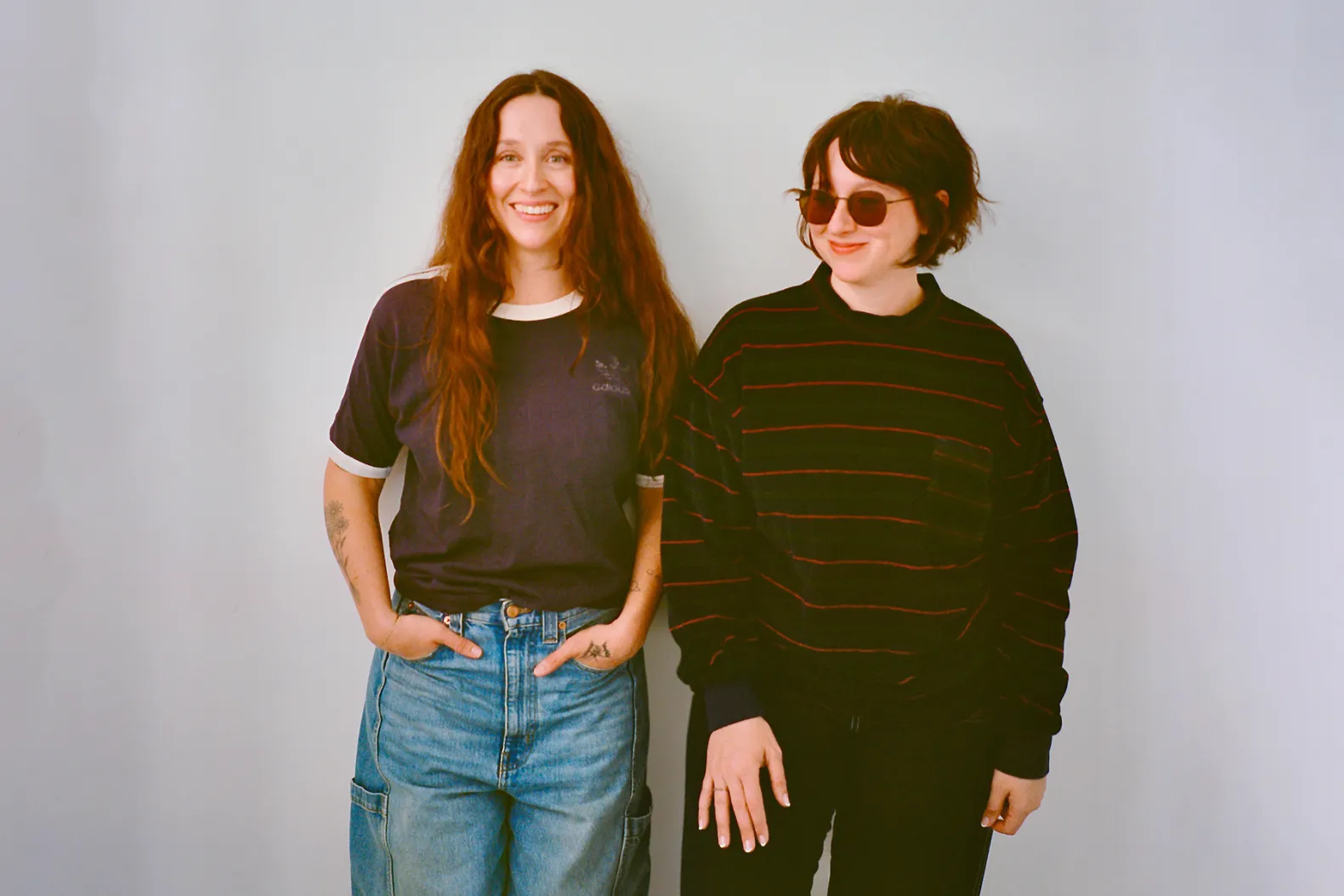
Let’s start with a truth that should be shouted from every rooftop: you don’t need a major label to be heard anymore — you just need someone who’ll listen. That’s both terrifying and beautiful, especially when artists like Hello June come along and remind you why indie music is still worth the trouble. You might know Hello June as the West Virginia-rooted outfit whose reverb-soaked guitars and poetic introspection make a perfect late-night soundtrack to driving somewhere you shouldn’t be. Their songs, like “Mars” and “Honey I Promise,” shimmer with emotional clarity — the kind of music that makes you feel seen in the dark. Critics from Paste to NPR Music cited them early on, and they’ve carved a lane in the hearts of listeners without a “Major” label deal ever steering their ship.

Meanwhile, from the Midwest — not far from our own Dayton scene — artists like Beth Bombara have spent years building careers outside the corporate churn. Bombara, originally from Grand Rapids, relocated to St. Louis, Missouri, in 2007, where she became a prominent figure in the city’s Americana and roots music scene, blending folk and indie rock with a strong work ethic and a distinctive sound. She funded her first full-length in 2010 with Kickstarter and has since navigated life as a working artist armed with nothing more than her incredible voice, her evocative guitar, and her fans’ belief.

These are not anomalies — they’re the new normal.

The digital era promised democratization, but what we actually got was decentralization: power pulled out of a few hands and spread across millions of screens. No longer is the major label the only entity that can bankroll an album, book tours, or create community. Instead, bands, solo musicians, and writers are turning to platforms that were once footnotes in industry thinkpieces — places like Patreon, Bandcamp, Discord, and direct mailing lists, among other creative tools of communication.

So what’s the deal with Patreon? First co-invented by musician Jack Conte as a direct lifeline between artist and audience, Patreon operates on a simple but subversive idea: fans will pay if what you make matters to them — not just as background noise, but as something alive in their lives.

At its core, Patreon is a membership platform where a listener can become a patron — literally a supporter — of an artist they believe in. This isn’t an iTunes download or a Spotify stream; it’s ongoing support. The model flips the script: instead of chasing playlist placements and algorithm boosts, musicians offer exclusive content, early access to songs, behind-the-scenes videos, and even livestreams of rehearsals or songwriting sessions. It’s the 21st-century version of knocking on your favorite artist’s green room door after a show, but without the awkwardness and with a monthly subscription.

Let’s take Amanda Palmer as an example — not because she’s the only one doing it, but because she made it look possible for everyone. Palmer is a prominent example of an artist bypassing traditional music industry structures, having pioneered a sustainable career through direct-to-fan crowdfunding and patronage. Her success with Patreon, which at times saw her supported by over 11,000 patrons for her content, highlights a shift toward, and the viability of, an independent, community-funded model. With thousands of patrons, she has funded entire projects, released music on her own terms, and keeps her creative life spinning outside the corporate wheelhouse. Palmer’s success proves that authentic connection beats algorithmic luck every time.

Amanda Palmer isn’t alone — she’s just the loudest proof of concept. Once the door cracked open, a lot of artists realized they didn’t need permission anymore.

Take Pomplamoose, for instance. Jack Conte and Nataly Dawn didn’t just use Patreon — Conte co-built it after realizing that viral success on YouTube didn’t equal financial stability. Pomplamoose flipped the script by inviting fans into the process: behind-the-scenes videos, early releases, and transparent explanations of how music actually gets made and paid for. Their Patreon isn’t about mystique; it’s about trust. Fans know where their money goes, and in return, the band keeps control of its sound, schedule, and sanity.

Then there’s Jonathan Coulton, a cult hero long before “crowdfunding” became a buzzword. Coulton built his career through mailing lists, web releases, and fan support years before Patreon existed. When he later embraced patronage platforms, it felt less like a pivot and more like a natural extension of a relationship he’d already cultivated. His success reminds us that this model isn’t about tech — it’s about consistency and connection.

Erin McKeown offers another blueprint. A fiercely independent songwriter with a restless creative streak, McKeown has used Patreon to support not just albums but experimentation itself — new sounds, collaborations, and political engagement. Patrons aren’t just buying songs; they’re underwriting artistic freedom. That’s the real revolution here: the ability to fail, explore, and grow without a label hovering over your shoulder asking about “marketability.”

In the indie-folk and Americana world, artists like Dessa have also leaned into direct support. Through Patreon and direct fan engagement, Dessa has funded releases, tours, and multimedia projects while maintaining ownership of her work and her narrative. What stands out is how these artists talk to their supporters — not as consumers, but as collaborators in a shared cultural project.

Even younger, genre-blurring artists have taken notice. Jacob Collier turned his Patreon into a living room — a place for listening parties, deep musical nerdery, and real-time feedback from fans who care about chord changes and time signatures. It’s not mass culture; it’s micro-culture. And that’s exactly the point. Collier reimagined his Patreon into a hub for superfans: album recommendations, Zoom “hangs,” and listening parties — experiences you can’t get anywhere else.

What ties all of these artists together isn’t genre, fame level, or even platform — it’s a shared refusal to treat listeners like anonymous clicks. In each case, Patreon becomes less of a paywall and more of a campfire: a place where artists explain what they’re doing, why it matters, and how supporters are part of it.

This model scales down beautifully, too. The same logic that sustains Amanda Palmer or Pomplamoose works for regional and DIY artists — including those orbiting scenes like Dayton’s. An artist doesn’t need 11,000 patrons; sometimes 100 deeply invested listeners are enough to fund a record, press vinyl, or take a tour without going broke. That’s the quiet power of the system.

What all of this proves — over and over — is that authentic connection beats algorithmic luck every time. Algorithms reward sameness and volume. Communities reward honesty, risk, and presence. Patreon didn’t invent that truth — it just gave it a payment button. And once artists realized they could build sustainable lives by talking with their audiences instead of shouting at them, there was no going back.

Now take a beat and imagine that same mentality applied locally: imagine Dayton-area artists building scenes not by random algorithmic chance, but by actual conversation. Bands like The Nautical Theme, whose work has caught attention around the region and beyond — a duo with rich lyricism and intimate sound — are the perfect candidates for this kind of direct support model.

Instead of waiting for a mysterious playlist curator to decide whether they “fit,” these artists can launch a Patreon and say:
“Here’s our new track before anyone else hears it.”
“Here’s a video of us working through this melody.”
“Here’s a Q&A or a private live chat.”

And the fans — the listeners who feel like family — respond.

This approach is not without its skeptics. Some fans grumble that putting music behind a paywall feels transactional, a betrayal of the free-streaming age. Others worry that Patreon can become a grind: you owe monthly content, you owe engagement, you owe something beyond the music itself. That criticism isn’t wrong — but it’s missing the bigger picture: Patreon isn’t about hiding your art, it’s about valuing your art.
Because here’s a fact nobody will whisper: streaming services pay ‘peanuts.’ Artists make fractions of pennies, and touring income can evaporate overnight (as COVID taught us). Patreon isn’t a silver bullet, but it gives back the dignity of direct support — something that crowdfunding pioneers like Bombara were already practicing a decade ago with Kickstarter.

And so we come full circle. This new DIY pipeline isn’t about rejection of platforms like Spotify or Apple Music — they still matter — it’s about not depending on them exclusively. It’s about deepening the relationship between artist and audience, and about building sustainable careers outside traditional structures.

You can see this new ecosystem everywhere you look:

  • Exclusive releases on Bandcamp that let fans pay more than the minimum — paying what they want to support the artist directly;
  • Patreon communities that reward superfans with behind-the-scenes access;
  • Local scenes where bands exchange audiences and cross-promote shows;
  • And yes, tiny micro-labels started by fans that release cassette tapes because who says they can’t?

It resembles the old punk DIY ethos as much as it does the post-internet world: make your art, find your people, and don’t wait for permission. Leave the algorithms to sort cookies — the real thing happens where hearts beat, and feet stomp at house shows, where fans feel like participants instead of data points.

Maybe there’s something inherently human about all this — after all, music has always been about connection. Whether it was someone handing you a mixtape in the ‘90s, a friend whispering about a local band at a bar, or a Patreon post that makes you feel like you’re part of the creative process — that’s what sustains music. Not corporate endorsements. Not algorithmic pushes. People who feel something choose to support something real.

And in 2026, that might just be the most radical thing of all.

Please, Please, Please Let Me See the Show (This Time)

Morrissey has always been a weather system, not a touring artist. You don’t buy a ticket to see him so much as you gamble—you place a small, hopeful wager against history, logistics, exhaustion, grievance, the universe, and Morrissey himself. And in the last several years, the house has been winning.

Let’s talk numbers, because numbers have a way of cutting through myth. Since roughly 2019, Morrissey has canceled a staggering share of his scheduled concerts. Tracking sites that obsess over these things, think of them as the baseball-card collectors of broken promises, suggest that in the most recent stretch alone, he’s canceled nearly half of what he’s booked. In 2024, nine out of twenty-three shows vanished. In 2025, thirty-two out of sixty-three evaporated. Early 2026? Two more were gone before the coffee finished brewing on the new year. Forty-three cancellations in about two years. Forty-nine of his last hundred shows, period. Flip a coin. Heads, you get “There Is a Light That Never Goes Out.” Tails, you get an apologetic Instagram post.

Last Night I Dreamt That Somebody Played the Show

Now, before the comment section of this blog lights up like a bonfire of sanctimony, let’s be clear: this isn’t a hit job. Morrissey doesn’t need one. He’s been doing his own PR demolition derby for decades. This is about what it means when an artist who once articulated romantic alienation for an entire generation now can’t reliably show up in the flesh to sing about it.

Because live music, real, sweaty, inconvenient, human live music, is a contract. It’s not just a transaction, not a barcode scan, and a T-shirt upsell. It’s a promise: I will be there if you are. And when that promise breaks often enough, it stops feeling tragic and starts feeling structural.

Here’s where we can kick open the door and start yelling: rock and roll is not supposed to be a reliable thing, but it is supposed to be an act of presence. You can be sloppy, you can be late, you can be drunk, you can be transcendent or terrible, but you have to exist on the stage. Cancellation is the anti-performance. It’s a ghost story told by a promoter.

This Charming Man Will Not Appear Tonight

Morrissey’s defenders will point to his health, exhaustion, the cruelty of touring in one’s sixties, and the meatless catering demands of a man who has turned vegetarianism into performance art. All fair points! Touring is brutal. Capitalism eats its elders. The road is a grinder, but it has better lighting. But here’s the problem: Morrissey’s cancellation habit isn’t a sudden decline—it’s a pattern. A long, well-documented, almost conceptual-art-level commitment to not showing up.

And patterns change how we listen.

Once upon a time, Morrissey’s flakiness felt romantic. The same way The Smiths felt impossibly fragile, like they might dissolve if you looked at them too hard. You forgave the missed shows because the songs felt like secrets whispered directly into your ear. You forgave him because you believed—wrongly, beautifully—that sensitivity was incompatible with reliability.

But fast-forward to now, where entire tour legs disappear like a Vegas magician’s assistant, and the romance curdles into consumer fatigue. Fans book flights. Fans take time off work. Fans arrange childcare. Fans in Latin America, Europe, the Midwest—people for whom a Morrissey show is not a casual Tuesday night but a once-in-a-decade pilgrimage—get left holding the emotional bag.

Schrödinger’s Morrissey: The Show Both Exists and Doesn’t

At some point, the question stops being “Why does Morrissey cancel?” and becomes “Why do we keep pretending this is surprising?”

This is where Morrissey becomes less a singer and more a metaphor for late-stage rock stardom. He is the walking embodiment of the contradiction: an artist whose work once validated vulnerability now presiding over a system that treats audience trust as optional. He’s not alone in this, but he’s the most extreme case study because his cancellation rate is so high it borders on performance itself. It’s almost as if the absence is the point.

And maybe that’s the cruel irony. Morrissey, the great bard of loneliness, has perfected a way to make tens of thousands of people feel collectively stood up.

The tragedy isn’t that he cancels. The tragedy is that the cancellations have become part of the brand. They are baked into the expectation. “Did the show happen?” becomes the first question, not “Was it good?” That’s a catastrophic downgrade in cultural terms. Rock and roll isn’t supposed to be a Schrödinger’s cat.

Meanwhile, somewhere down the street, a local band is loading their own gear into a van that smells like old coffee and regret. They will play whether ten people show up or two hundred. They will play sick. They will play tired. They will play because showing up is the whole damn point. They don’t get to cancel half their dates and still be mythologized. They get one no-show before the scene quietly moves on without them.

That’s the contrast that hurts. Morrissey can cancel forty-nine out of a hundred shows and still sell tickets to the next one because nostalgia is the most powerful drug in the world. It keeps whispering, Maybe this time. It keeps telling us that the version of him we loved in 1986 is still hiding somewhere behind the scrim of lawsuits, grievances, and canceled soundchecks.

And look—I get it. I’d probably still roll the dice myself. To be perfectly honest, I have taken the chance, and I was fortunate in seeing a Morrissey show. That’s the sickness and the beauty of loving music that mattered to you when you were young. You keep hoping for communion even when history tells you to expect a refund.

How Soon Is Now? Very Possibly Never

But let’s stop pretending this is just bad luck. Over the last six years, the data tells a story as clear as any lyric Morrissey ever wrote: absence has become as defining as presence. Cancellation is no longer an exception; it’s a feature.

This isn’t a moral failing so much as a cosmic joke. The man who taught us how to feel has turned unreliability into an art form. The fans keep showing up to an empty stage, humming along to songs about disappointment, living inside the metaphor, whether they like it or not.

And maybe that’s the final, bitter punchline: Morrissey still understands his audience perfectly. He just doesn’t have to be there to prove it.

Favorites of 2025: Elephants and Stars – Under The Earth and Above Heaven

Indie rock has always thrived on the fringes: small venues, tiny labels, and the slow-building careers that reward patience more than hype. Few contemporary bands embody this spirit better than Elephants and Stars, the Canadian band whose latest album, Under the Earth and Above Heaven, feels like the result of years dedicated to refining melody, guitar as truth, rock and roll meaning, and a hard-won optimism tempered with a slight sarcasm that comes from not taking oneself too seriously. A real understanding that life has ups and downs.

The album’s title suggests a band thinking about place, about being suspended between hardship and hope, about grounding themselves even as they reach. And in many ways, this duality captures the spirit of Elephants and Stars themselves: musicians who write like they’ve lived a little, but still believe that a good chorus can solve something in the soul. A great song can change the world.

Under the Earth and Above Heaven is, simply put, their most confident and emotionally resonant work to date. But the record is also a reminder of why rock, guitars, harmonies, and honest storytelling still matter.

The band behind the sound
To understand the record, it helps to understand the people who made it. Elephants and Stars operate in a tradition familiar to fans of early 2000s alternative rock: tight rhythm sections, guitars that shimmer and crunch, and lyrics that manage sincerity without slipping into sentimentality.

The lineup, anchored by frontman Manfred Sittmann, whose signature vocals blend warmth with a slight rasp, has solidified into a group whose interplay feels lived-in. Sittmann writes and sings with the clarity of someone who knows the exact weight of each line, but the band behind him keeps things agile rather than precious. Sittmann’s melodic instincts shape much of the band’s identity. He’s joined by Adam Seed, whose lead guitar work brings a sharp, expressive edge to their sound, and longtime collaborator Michael MacMillan, whose bass lines provide both structure, rhythm, and warmth. The rhythm section finds its heartbeat in drummer Stewart McKinney, while Simon Head expands the band’s sonic palette with textured, atmospheric keyboard layers. Together, they create a modern rock sound grounded in pop-punk roots. Music that’s unmistakably hook-driven yet designed with a clear mission: to help bring rock back to the forefront.

The band’s story stretches back years, especially for Sittmann and MacMillan, who previously played together in the excellent group Soap Opera. Their long creative history gives the songs on their latest release a natural chemistry and ease, the feeling of musicians who know exactly how to respond to one another. That chemistry reaches a new peak on Under the Earth and Above Heaven, released in February of this year and produced by Ian Blurton, a collaboration that sharpens their sound while preserving the emotional immediacy that defines their work.

The guitars, often handled in layered pairs, move between bright open-chord passages and more aggressive leads. The bass lines are melodic without overpowering the mix, and the drumming is purposeful and punchy where it should be, restrained where the lyrics need breathing room. The result is a sound built on chemistry rather than simply studio polish.

The band feels like a cohort of people who know how to play to each other’s strengths. This matters because Under the Earth and Above Heaven is an album that depends on emotional pacing: crescendos that feel earned, shifts in tone that feel organic, and choruses that arrive with the momentum of a live show.

A sound defined by uplift without naïveté
From the opening track, Elephants and Stars make it clear that they are uninterested in the cynicism that often dominates modern rock. Their guitars ring with a kind of unguarded cascade of sonic joy, even when the lyrics are wrestling with frustration or loss. One of the most striking qualities of this album is how hope and melancholy coexist—not in competition, but in conversation.

The production leans into this duality. Vocals sit slightly forward in the mix, giving Sittmann’s storytelling a sense of directness and intimacy. The guitars, meanwhile, expand outward: wide, textured, layered. It’s the kind of sound associated with late-afternoon festival sets—sunlight still visible, the air cooling, the crowd settling into a collective feeling. And the sound? Loud, propulsive, aggressive, like a sonic caress.

What keeps the record from drifting into nostalgia is the band’s sense of precision. Each song feels built, not merely written. The hooks land with purpose. The bridges feel like necessary expansions, not detours. And the choruses—Elephants and Stars’ greatest strength—arrive like emotional confirmations.
This is a band that believes in melody the way some bands believe in distortion pedals: as the emotional engine of the music.

The lyrical world of the album
If the sound carries the emotional lift, the lyrics provide the grounding. Under the Earth and Above Heaven reads like a record about transition—moving from one stage of life to another, reconciling who you were with who you’re trying to become. The “earth” and “heaven” of the title function less as metaphysical spaces and more as metaphors for the pressures we carry and the aspirations we hold. Across the record, recurring themes emerge.

Across Under the Earth and Above Heaven, Elephants and Stars weave a thematic through-line that feels both deeply personal and universally readable. The record begins by making peace with the past, returning again and again to the bittersweet truth that old mistakes never quite vanish. Yet the band refuses to sink into regret. Instead, they treat memory like an old photograph—something to regard with a mix of tenderness and hard-earned gratitude for having made it through. That reflective stance sets the stage for one of the album’s central concerns: the search for steadiness in a world that rarely offers it. Life, as their lyrics suggest, often feels precarious, a suspended moment in which you’re “almost there” but never fully settled. But rather than express anxiety, the band leans toward determination, riding out the instability with resolve.

That determination is buoyed by another recurring insight: the importance of connection. Throughout the album, relationships of all kinds—romantic partners, close friends, the communities we build around ourselves—appear as the forces that keep us grounded. These songs push against the temptation to withdraw, insisting instead that meaning comes from being in the world with others. And within that engagement, the band finds flashes of transcendence in the most ordinary places: singing in the car, watching the sunrise after a sleepless night, catching the sound of someone’s laughter at just the right moment. These quiet, luminous details echo the “above heaven” imagery of the album’s title, suggesting that the extraordinary often reveals itself in the spaces where we least expect it.

The record carries an autobiographical weight without tipping into confession. Rather than offering a straightforward personal narrative, it gestures toward shared emotional terrain—less “here is my story” and more “here is a feeling you have probably known.” And while a full song-by-song analysis would exceed the scope of this discussion, several tracks stand out for the way they shape the album’s emotional arc, guiding listeners through reflection, uncertainty, connection, and ultimately the little but meaningful possibilities of joy.

The opener: urgency with clarity
The opening track, The Ceiling, wastes no time establishing the album’s stakes. A driving beat, guitars that arrive fully formed, and lyrics that describe the moment when indecision becomes action. It feels like a thesis statement: the band is not here to wallow; they are here to move. A bit more than midway through the record comes a standout track that shifts the tempo and deepens the tone, ‘Unlucky.’ This is where the band’s lyrical strengths shine: reflections on resilience, the cost of growth, and the quiet strength found in simply continuing. The arrangement builds around a groove—guitar, sway in the keyboards, more subtle percussion, then a full electric swell—mirroring the emotional climb.

The late-album surge: an anthem of uplift
As the album nears its conclusion, the band leans into one of their most triumphant choruses to date on ‘Paint Me Alive’. It’s the kind of moment designed to be shouted back at the stage, hands in the air, the kind of collective catharsis that only rock music can produce. The lyrics, which center on choosing light even when darkness is familiar, feel earned precisely because the album has carried listeners through doubt and tension.

The final track, The Ghosts, does something rare: it provides closure without collapsing into tidy resolution. It acknowledges the uncertainties that remain but offers a melodic reassurance that moving forward—however imperfectly—is worth celebrating.

Three elements make Under the Earth and Above Heaven one of Elephants and Stars’ most compelling releases: 1) Musical consistency without monotony. 2) The band has refined their sound without becoming predictable. And 3) Each song feels connected to the whole, but no two entries collapse into each other.

Emotional honesty that creates community
In an era where irony often dominates indie music discourse, Elephants and Stars commit wholeheartedly to sincerity. Their stories are earnest but never naive. The band creates A sense of community embedded in the music. Listening to the album feels like being welcomed into a shared emotional space. It’s personal, but it’s not private.

Elephants and Stars occupy an interesting place in today’s musical world. They are neither trend-chasers nor purists. Instead, they carry forward the tradition of emotionally articulate guitar rock: bands like The Weakerthans, early Jimmy Eat World, or mid-period The Hold Steady—artists who treat songwriting as craft rather than marketing. Their music reminds listeners that rock still has a role to play in articulating everyday emotional life. Not the grand dramas, but the subtle struggles: trying to be better, trying to stay hopeful, trying to find footing. In a digital era marked by fragmentation and fatigue, Under the Earth and Above Heaven feels refreshingly grounded.

Perhaps the greatest achievement of the album is its replayability. The first listen offers immediacy—hooks that land, choruses that stick. But subsequent listens reveal the details: the way a harmony hangs in the background, the way a guitar line subtly echoes a lyrical theme, the way the rhythm section builds tension without overstating it. This is music built not just to impress, but to accompany. It is the kind of record listeners grow with and discover far more over repeated listens.

An album for the moment we’re in
Under the Earth and Above Heaven succeeds because it feels like an album made by people committed to the power of song—not spectacle, not persona, but the craft of building moments of connection. In a fractured cultural moment, that feels almost radical.

Elephants and Stars may never be the kind of band that dominates streaming algorithms or headlines massive festivals. But this record demonstrates why they matter: they make music that sees listeners clearly. They make music that names the feelings many of us carry. They make music that reaches upward, outward, toward one another.

And sometimes, that’s exactly what good rock music is supposed to do.

Video of The Day: The Beths – Mother, Pray For Me

“Mother, Pray for Me” finds The Beths doing what they do best: wrapping emotional unease in bright, tensile power-pop. It’s a song that feels instantly familiar if you know their catalog—those interlocking guitar lines, the melodic immediacy, Liz Stokes’ unmistakable vocal clarity—but it also pushes toward something rawer and more pleading than their usual wry self-interrogations.

From its opening measures, the song pulses with a kind of restless confession. Stokes delivers the title phrase not as a dramatic flourish but as a weary admission, a reaching-out from someone who’s been holding it together for too long. The Beths specialize in songs about the gap between who we want to be and who we are on our worst days; here, that gap takes on a spiritual edge. There’s a sense of hitting bottom—not catastrophically, but in the quieter, more believable ways people actually unravel.

The arrangement mirrors that emotional arc. The guitars shimmer and dart; the rhythm section plays with an almost anxious tightness, as if trying to keep the song from slipping out of its own grip. Harmonies, one of The Beths’ signature strengths, arrive like little reinforcements—friends showing up, steadying a shoulder. When the chorus lands, it’s both a release and a recognition: the pop sheen doesn’t lighten the weight of the plea so much as hold it with tenderness.

Lyrically, the song walks that Beths tightrope between self-reproach and self-awareness. The narrator isn’t blaming the world or asking for absolution; they’re simply acknowledging the moments when coping feels like an act of faith. The invocation of a mother’s prayer is less religious than relational—an admission that sometimes we need someone else’s hope to borrow.

“Mother, Pray for Me” ultimately stands out because it expands the band’s emotional vocabulary without abandoning their sonic DNA. It’s catchy, it’s cutting, and it lingers, an anthem for anyone who’s ever felt a little lost and dared to ask for help, even quietly.

Favorites of 2025: Sadbox – Everything’s A Shame

Sadbox and Everything’s A Shame

In a musical landscape flooded with glossy production and instant-stream forgettability, Everything’s A Shame stands out — not because it tries to conform, but because it embraces messy humanity: raw ideas, family schedules, basement rehearsals, and songs born from everyday chaos. The EP from Dayton-based rock band Sadbox (released October 3, 2025) feels intimately local while resonating with universal truths.

For a band balancing real-life demands — kids, careers, responsibilities — Sadbox delivers a sound that is energetic, quirky, honest, and sometimes unsettling. The result is a three-song burst of “technical weirdo rock,” as some have called it — music that doesn’t aim for radio-friendly formulas or uniform polish but seeks genuine expression, emotional depth, and a touch of controlled chaos.

In what follows, I examine who these musicians are, how the EP was created, what their sound and lyrics reveal, and why Everything’s A Shame feels like a small but significant critique of the sanitized norms of mainstream rock.

Who’s making the noise — the people behind Sadbox

Sadbox isn’t a typical rock band that churns out songs just for fame. It’s a group of musicians grounded in everyday life, each with responsibilities beyond music. Sadbox is led by guitarist and lead singer Paul Levy, whose dual role as a surgeon brings a unique mix of precision and spontaneity to the band’s sound. He’s joined by Eli Alban on guitar, who also plays in The 1984 Draft and adds extra tonal nuance and energy to the group. Ryan Goudy provides the band’s steady, melodic bass foundation, while Ray Owens propels the songs with his dynamic, intuitive drumming. Completing the lineup for this release is Rachele Alban, whose vocals and keyboard work expand Sadbox’s sonic palette and deepen the emotional texture of the record.

The record — recorded, mixed, and mastered by local engineer/producer Fred Vahldiek known as Fredzo at Fredzoz Studio (one of our favorite records from The 1984 Draft, Best Friends Forever was recorded there) — is simple, direct, and straightforward. As drummer Ray Owens mentioned in an interview, balancing family life (with a collective total of 13 kids in the band) means music sometimes has to be as spontaneous and immediate as a family dinner: “the practice forum is similar to a live show.” That constraint — rather than hurting the music — seems to sharpen it, giving the band’s sound a rough clarity and urgency that polished over-production often hides.

Sound and style: “technical weirdo rock” with heart and edge

Sadbox’s music has been described as “alternapop / college-rock-style,” but Everything’s A Shame doesn’t fit neatly into any single category. Instead, it combines elements of grunge, rock, and weird-pop, with occasional narrative or character-driven lyrics that evoke theatrical rock or even prog-lite experiments.

The opening track — “Dust” — leans into ’90s grunge style. Over-amped vocals, gritty guitar sounds, and a tight rhythm section evoke the emotional chaos and existential worry of that time. The feeling of movement — a car speeding down a lonely road, a restless mind at midnight — stands out. That tension fits especially well with the lead singer’s dual identity: the precision of his professional life contrasted with the rough edges of his artistic side.

The second track, “All Rhymes for Scoop,” initially seems like a playful word game, but that expectation is overturned. Instead of listing rhymes for “scoop,” the song acts as a critique — perhaps — of shallow social media echo chambers. Lyrics and rhythms clash unpredictably, reflecting discomfort, discontent, and disillusionment. The syncopated beat combined with semi-nonsensical lyrical stutters mirrors the noise and overload of the digital age. The song reminds us of a previous outting, Mish Mash, from their 2021 record Future Copy.

The final song, “New Low,” slows things down. Clean arpeggiated guitar, minimal percussion, and dual vocals (Paul and Rachele) frame a sad, spare story: one of abandonment, loss, and longing. The song — reportedly inspired by the band finding a stray cat after a tenant move-out — becomes a narrative of innocence left behind, waiting in vain. Its emotional weight comes not from grand gestures but from quiet detail: the missing water dish, the empty stoop, the echo of loss.

Taken together, the three songs create a mini-arc: from restless escape, to social critique, to quiet grief and regret. The textures shift, the pacing varies, but the emotional flow — vulnerability, discomfort, longing — stays consistent.

Lyrics and themes: shame, impermanence, and the small cruelties of modern life

The title Everything’s A Shame seems both faintly sarcastic and deeply earnest. The songs reflect that duality — loss feels tragic, but also mundane; social collapse feels absurd, but also real; emotional weight is often disguised under everyday details.

As Paul Levy put it in an interview: “I am the consequence of the road I travel.” That line — repeated in “Dust” — connects personal history, existential weight, and the unpredictability of life. It frames identity not as a fixed point, but as something shaped by context, time, memory, and chance.

In “All Rhymes for Scoop,” the band critiques the vacuity of online life — the “argument platform,” the endless scroll, the performance of discourse without depth. Using lyrical non sequiturs and abrupt rhythmic shifts, Sadbox turns the song into a kind of musical protest against emptiness disguised as connection.

Then “New Low” returns to personal — and small — narratives: the lonely cat, the abandoned stoop, the emptiness left behind. It’s a portrait not of a sweeping life crisis, but of countless smaller traumas: displacement, abandonment, neglect. The catastrophic becomes quiet, ordinary, and all the more haunting for that.

These are not songs about grand despair or romantic heartbreak. They’re about surviving — surviving social collapse, familial pressure, shifting identity, emotional stasis. There’s shame in defeat, longing in loss, but also a stubborn, human need to speak, to express, to hold on.

The making of the EP: collaboration, constraints, and creative honesty

Given their busy lives — kids, jobs, daily responsibilities — the fact that Sadbox managed to write, rehearse, record, and release Everything’s A Shame is a testament to their dedication. In a  radio interview, drummer Ray Owens explained how the band’s workflow had evolved: what used to be chaotic, slow jams now flow with precision; what once needed prompts and cues now occurs with a glance or shared rhythm. That improved chemistry is evident on the record.

Recording, mixing, and mastering were done by Fredzo at Fredzoz Studio — and the production shows an honesty-over-polish vibe. The guitars bite, the vocals crack, and the drums thud. Space is intentional: silence between notes, breaths between lyrics. Nothing feels overdone; everything feels essential.

That rawness—balanced with musical discipline—gives the EP its power. It’s not perfect, but it doesn’t need to be. It’s lived-in, human, sometimes ragged, and in its raggedness lies its truth.

What Everything’s A Shame achieves — and what it leaves unresolved

One of the EP’s main strengths is its coherence. Despite the sonic and lyrical variety (grunge-inspired rock, indie quirks, quiet ballads), the three tracks feel connected — through mood, theme, and emotional honesty. That sense of unity makes the EP seem like more than a random collection: it feels like a snapshot, a statement, a short film in three acts.

It also demonstrates what a band rooted in real life can achieve when they are committed: even with family obligations and limited time, Sadbox shows that artistic ambition and emotional honesty don’t require big budgets or months in the studio. Sometimes all it takes is clarity, teamwork, and the desire to record what you feel.

However, the EP also leaves space for growth. With just three tracks, listeners might want more — more depth, more storytelling, more time to pause. The ideas hinted at in “Dust,” “All Rhymes for Scoop,” and “New Low” seem like the start of something bigger. There’s a feeling of beginning, not ending.

Furthermore, the looseness that gives Sadbox its charm can also come across as unpolished, even rough around the edges. Listeners expecting tight arrangements or radio-ready vocals might find some of the vocal delivery off-kilter, the rhythms unsettled, and the mood dark. However, for others—those looking for realism, emotional depth, and spontaneous honesty—that roughness is part of the album’s appeal.

Why this EP matters — for the band, for Dayton, for listeners who crave honesty

For Sadbox, Everything’s A Shame reaffirms their commitment: they are serious about music despite life’s demands. Their willingness to embrace their circumstances — family, time constraints, the need for immediacy — doesn’t weaken their art; it enhances it. Their music is more about authenticity than perfection.

For their hometown of Dayton and the broader Ohio music scene, the EP is a tribute to the energy of independent music: small bands, DIY studios, local stages, real lives. It’s a reminder that creativity doesn’t wait for perfect conditions — sometimes it comes from necessity, urgency, and the quiet desperation of juggling everything we care about.

For listeners outside that scene, Everything’s A Shame offers a rare kind of intimacy. It doesn’t pretend to solve problems. It doesn’t promise catharsis or closure. It offers fragments: a line about regret, a wobbly chord, a story about a lost cat, a sigh in the vocal mic. And sometimes fragments are enough — enough to make you pause, reflect, and feel a little less alone.

Everything’s A Shame — a small record with big heart

In 2025, when music often feels disposable — a background for playlists, streams, and fleeting attention — Sadbox’s Everything’s A Shame acts as a quiet form of resistance: a plea to listen, to feel, to inhabit sound rather than glide past it. It’s unpolished. It doesn’t seek easy consumption. It requests patience, presence, and empathy.

Paul Levy, Eli Alban, Ryan Goudy, Ray Owens, Rachele Alban — they’re not rock stars living for tours or hits. They’re humans with lives, demands, imperfections. And yet they created something lovingly imperfect, collaborative, and genuine. That spirit — of DIY honesty, embracing constraints, and channeling everyday life into art — is as rare as it is essential.

Everything’s A Shame might be small — only three songs. But within those songs lie questions, longing, critique, grief, and hope. It doesn’t aim to cover the entire world. It seeks to share a piece of it. And sometimes, a piece is all we need.

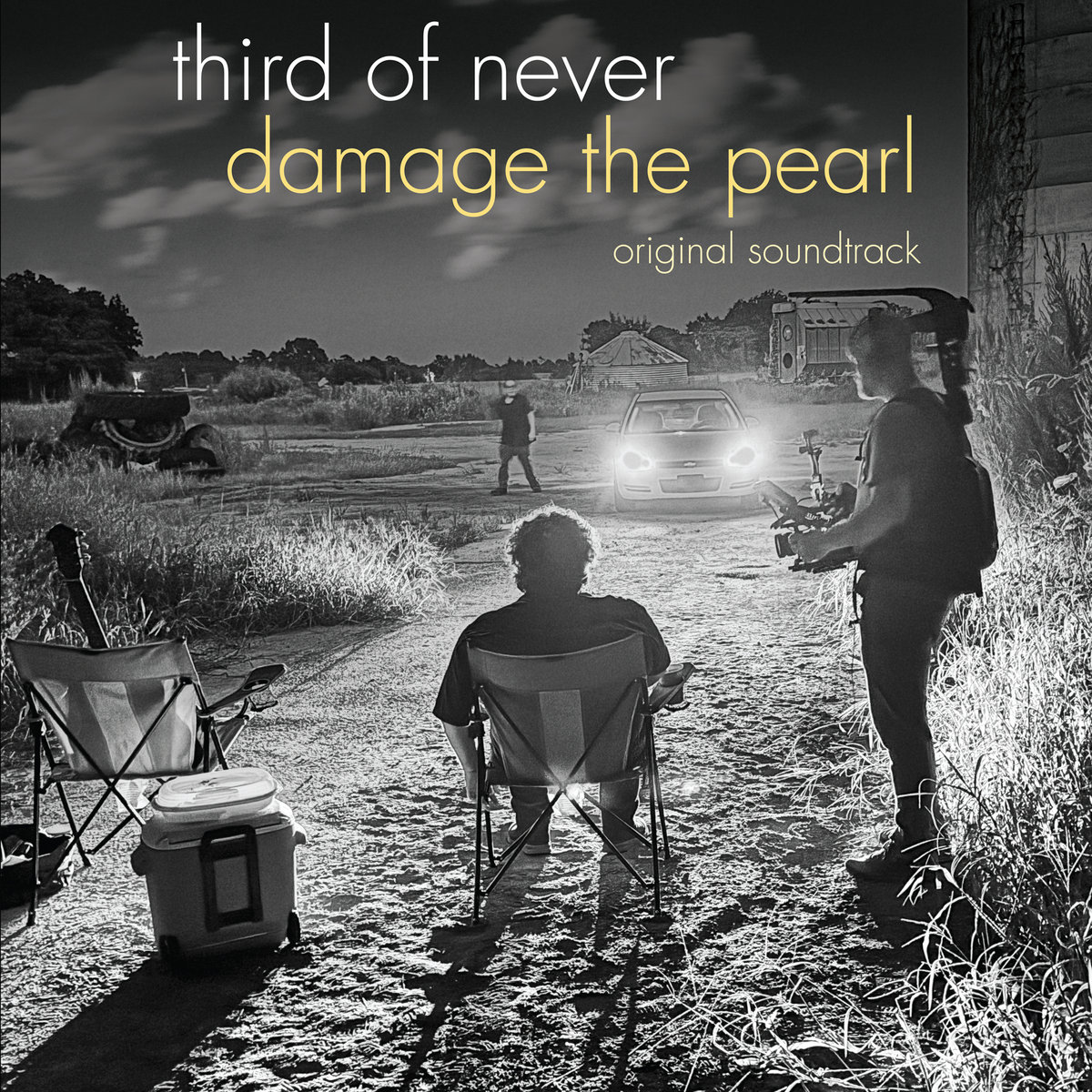
Favorites of 2025: Third of Never – Damage The Pearl

Third of Never and Damage the Pearl matters

In a year filled with shiny indie-rock releases, Damage the Pearl — the latest from Third of Never — stands out not just as a strong album but as a daring creative leap. It presents itself as an “Original Soundtrack,” blending rock, psychedelia, cinematic touches, and lyrical reflection into a unified whole. Instead of chasing hits, Third of Never offers a record that feels like a story, a mood, and an emotional piece all in one.

What follows in this favorite of 2025 consideration is an exploration of the key musicians behind the record, their roles, contributions, and chemistry, followed by a detailed analysis of the album’s sound, themes, and emotional impact. I argue that Damage the Pearl is not only one of the most compelling independent albums of 2025 but also a statement about what rock music can still be: inventive, collaborative, and emotionally powerful.

The musicians behind the music

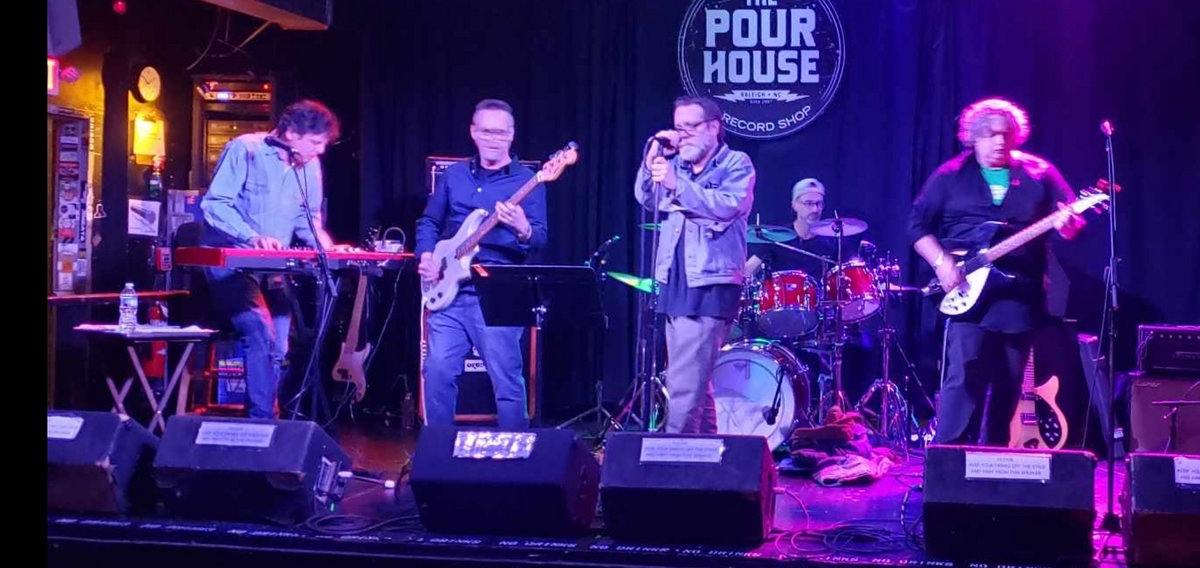
At the heart of Third of Never is founder and guitarist/songwriter Jon Dawson, but Damage the Pearl also benefits from contributions by longtime collaborators and special guests.

Doug MacMillan — best known for his work with The Connells — handles lead vocals on the album. His voice offers a familiar yet fresh focus: a tone that blends vulnerability, grit, and a touch of wistful depth, perfect for the record’s haunting atmosphere. Jode Haskins plays bass (credited as “lead bass” on tracks like “Grab the Ground”), anchoring the record with a strong low-end that supports both the rockier and more psychedelic passages. Charles Cleaver contributes keyboard and possibly synth textures, giving some songs a layered, atmospheric dimension that broadens the sonic palette beyond straightforward rock. Brandon Ruth — on drums — drives the record’s rhythmic backbone, moving skillfully between finesse and force as the song’s mood calls for.

Beyond the core lineup, Damage the Pearl benefits from notable guest contributions: legendary keyboardist John “Rabbit” Bundrick (of The Who fame) and Steve Kilbey (of The Church), among others. Their input adds depth, history, and sonic color — reminding listeners that this is not a lo-fi one-man bedroom project but a fully realized band effort.

Together, they craft something alive — a vibrant collaboration of musicians, textures, and sensibilities.

A cinematic, psychedelic journey

Listening to Damage the Pearl feels less like playing an album and more like exploring a film’s soundtrack you haven’t seen yet. From the first moments, you’re pulled into a world of shifting moods: garage sparks, dreamy psychedelia, cinematic sweeps, and rock-driven hooks.

The lead single and our favorite track, “Grab the Ground,” sets the tone. Its shimmering guitars and steady groove evoke movement—literally and metaphorically—like a car speeding down a deserted highway under neon lights. This sense of motion aligns with the album’s larger goal: it is both a static work and a journey.

Other tracks lean toward subtle psychedelia or atmospheric rock: through keyboards, ambient touches, echoed vocals — layering mood over melody, feeling over immediacy. The guest contributions from Bundrick and Kilbey are especially effective here, broadening the band’s sonic identity beyond traditional rock tropes.

Even when the songs are more conventional rock-based (“groove + guitar + bass + drums + vocals”), the production gives them weight and space. The album rarely feels over-produced; Instead, it balances rawness and polish — capturing a tension between vulnerability and strength. As one review puts it: it “adds the right level of balance between instrumentation and vocals, so the full emotional effect of each song hits.”

What emerges is an album that’s both immediate and expansive — perfect for late-night introspection or full-volume road-trip listening.

Vulnerability and Resilience: Lyrics and emotional weight

One of the most powerful and compelling aspects of Damage the Pearl is how its lyrical themes, often focused on vulnerability, survival, identity, and inner conflict, intersect with the music’s cinematic and psychedelic character. The title track, Damage the Pearl, provides a sort of thematic statement for the record: the repeated line “What strikes the oyster doesn’t damage the pearl” suggests a reflection on resilience—inner fragility protected by layers of shell, with inner worth enduring outside shocks.

Lyrics like “remain cheerful despite your painful brain” suggest mental struggles, emotional effort, and the difficulty of staying light amid weight.

But there’s more here than just grief or melancholy. There is defiance, survival, and even hope. In relation to the sound—shifting from gritty to dreamy, rock to ambient—the album feels like an honest struggle with inner turmoil and external pressures. It doesn’t offer easy answers or neat closure. Instead, it welcomes listeners into a space of acknowledgment: “Yes, I feel what you feel,” it seems to say.

In interviews, the band confirms that Damage the Pearl was designed not just as an album but as a soundtrack to a film — a visual story that enhances its thematic goals. According to founder Jon Dawson, the cinematic concepts emerged late in the recording process, after the lines and moods had come together into something narratively suggestive.

This framing as “Original Soundtrack” shifts how you listen — every song becomes a scene, each mood a frame, and every lyric a line of dialogue in a larger story. And that story? It feels less like a tidy arc and more like a winding road trip through memory, loss, hope, and survival.

What Damage the Pearl does well, and where it leaves space

One of the album’s biggest strengths is its cohesion. Despite featuring multiple collaborators and a variety of sonic textures — from rock to psychedelia to ambient keys — the record feels unified. This is partly thanks to careful production and mixing, where every instrument, including vocals, occupies its own space, but also due to a consistent emotional and narrative tone. The listener isn’t jarred by sudden tonal shifts; instead, there’s a smooth flow and a clear internal logic — like a movie soundtrack that understands its scenes.

Moreover, the choice to present the album as a soundtrack is more than just stylistic; it enhances the listening experience. It sparks the imagination. It requires attention. It allows the listener to feel, reflect, and maybe even project their own stories onto the music.

At the same time, Damage the Pearl isn’t perfect — and that’s part of its honesty. It doesn’t always resolve its tensions. Some songs end softly, others fade into ambiguity. The “story” the album suggests is fragmented, impressionistic; you might find yourself with more questions than answers by the end. But maybe that’s the point. Maybe some emotional truths resist tidy closure.

There are moments when the cinematic ambition borders on grandiosity, where the mood threatens to overpower the song’s structure. But often, the balance — of texture, mood, simplicity, and complexity — pulls things back just in time.

Why Damage the Pearl matters — for Third of Never, for independent music, for listeners

For Third of Never, this album feels like a redefinition. No longer just a rock band producing standard records — they’ve expanded into a multimedia vision: soundtrack + album + film + narrative. It’s risky, ambitious, and yet grounded. It shows that the band is not moving backward into nostalgia or convention, but pushing forward into new possibilities.

For independent music in 2025 — when much of it feels packaged, algorithm-driven, and commercially safe — Damage the Pearl serves as a reminder that records can still be daring, mysterious, and emotionally intense. It demands something from the listener: patience, openness, and imagination. In return, it offers a lot: suspense, beauty, catharsis, resonance.

For listeners—especially those drawn to emotional honesty, moody textures, and music that feels alive rather than polished—this album is a gift. It doesn’t flinch from pain or uncertainty. It doesn’t offer easy answers. It provides space for reflection, for memory, for human complexity.

A soundtrack for the unsettled, a refuge for the introspective

In a musical landscape filled with albums that often feel like products — short, polished, predictable — Damage the Pearl feels like true art. It is chaotic, cinematic, full of emotion, and deeply human. It demonstrates what can happen when a band refuses to stick to a formula, when musicians collaborate across generations and genres (rock, psychedelia, cinematic ambition), and when they allow vulnerability and imagination to lead the work.

Third of Never and their individual collaborators — Jon Dawson, Doug MacMillan, Jode Haskins, Charles Cleaver, Brandon Ruth, John “Rabbit” Bundrick, Steve Kilbey — have created something that feels timeless, genre-blending, and fiercely genuine. This is not background music. It demands attention. It rewards patience.

If you haven’t heard Damage the Pearl yet — or if you’ve only listened once on shuffle, consider this a gentle nudge: put on headphones, turn down the lights, maybe grab a drink or nothing at all, and let the record wash over you. Maybe you’ll discover something in it you didn’t know you needed: a soundtrack for uncertainty, a companion for sleepless nights, or a mirror for unspoken feelings.

In a noisy world, Damage the Pearl is a subtle rebellion — an invitation to feel. And it’s one of the most worthwhile albums of 2025 so far.

Favorites of 2025: Snocaps – Snocaps

In 2025, twin sisters Katie and Allison Crutchfield re-emerged in a manner few anticipated: not as members of a reformed punk band, but as collaborators on a new project called Snocaps. That reunion — their first musical partnership since their former band P.S. Eliot broke up in 2011 — signifies more than just nostalgia. It feels like a reconciliation of two distinct yet complementary musical sensibilities: Katie’s reflective Americana-influenced songwriting (familiar from Waxahatchee) and Allison’s sharper, hook-filled indie-rock instincts (from Swearin’). The result — the self-titled debut album Snocaps — is timely, heartfelt, and full of promise.

What makes this record especially compelling is that it doesn’t just rehash old chemistry. Instead, it showcases seasoned musicians playing with honesty, restraint, and an unexpected sense of freedom: the freedom to create music on their own terms, unburdened by expectations or commercial pressures. This essay examines the unique strengths of Katie and Allison — both individually and together — the role of their collaborators (notably MJ Lenderman and Brad Cook), and how Snocaps stands as a testament to their growth, creative synergy, and lasting relevance.

Katie Crutchfield: Americana roots, emotional clarity, evolving maturity

Katie Crutchfield has spent the past decade establishing herself as a compelling voice in indie rock, especially through Waxahatchee. Her songwriting typically centers on emotional honesty, rooted in real-life experiences, memory, love, regret, and self-discovery. On Snocaps, those qualities are very much present — but there’s also a heightened sense of reflection and acceptance, as if she’s writing not just from memory but from hindsight.

Tracks like “Wasteland” and “Doom” showcase this evolution. On “Wasteland,” Katie delivers alt-country grit and a sparse sense of solitude: the song explores themes of self-awareness, guilt, and longing. Meanwhile, “Doom” becomes a slow-burning reflection on fractured relationships and emotional burden — a gothic, folk-influenced breakup song where her voice conveys both resignation and defiance.

What’s remarkable is how she uses simplicity to maximize impact. Rather than relying on overly ornate arrangements, Katie often leaves space — a sparse guitar, a steady rhythm, a quiet harmonic — so her lyrics and voice can hold the listener’s attention. That restraint makes the emotional beats hit harder; you hear every inflection, hesitation, and sigh of regret or longing.

On Snocaps, there’s also a sense of emotional clarity and self-acceptance. These songs don’t fix everything — but they acknowledge pain, longing, and change without flinching. In that sense, Katie’s contribution feels mature, grounded, and painfully human.

Allison Crutchfield: hooks, energy, and a return with sharpened instincts

Allison Crutchfield has long been celebrated for her talent for catchy, guitar-driven hooks, a sharp indie-rock sensibility, and straightforward lyrics. With Swearin’, she built a reputation for raw, energetic songs. On Snocaps, she comes back with some of her most powerful and urgent material yet.

Her tracks on Snocaps — including “Heathcliff,” “Over Our Heads,” “You In Rehab,” and “Avalanche” — showcase her talent for melody and momentum. The album sometimes gains speed, urgency, and even a hint of recklessness: a fresh contrast to Katie’s more reflective moments. As one review mentions, songs like “Over Our Heads” move quickly, blending sharply crafted hooks with a laid-back, slacker-rock feel that keeps the music both well-structured and effortlessly loose.

Take “Heathcliff”: jangly guitars, picked bass, and a hook that seems to grow stronger with every listen — it evokes echoes of earlier indie-rock favorites while carving out new territory. And “You In Rehab,” alternately gritty and tender, carries a raw emotional weight: lyrics about recovery, regret, and ambiguous hope, delivered with heartfelt sincerity.

What’s impressive is how strong Allison sounds here: not as a nostalgia act returning to her former glories, but as an artist who has evolved, refined, and matured. Her vocals cut through clearly, the guitar hooks feel immediate, and the arrangements—whether fast or slow—all seem purposeful. Snocaps proves she’s lost none of her edge—and perhaps has gained a bit more clarity in her aim.

Together: complementary strengths, revived sister synergy, and a joint vision

If Katie brings introspection and emotional weight, and Allison brings energy and melodic drive — together, they create a balance that feels surprisingly natural, even after 14 years apart. As some critics note, the record feels like “a throwback and a vision of two brilliant songwriters in the here and now.”

Their vocal interplay — along with alternating songwriting credits — adds diversity and emotional depth to the album. Katie’s softer, more atmospheric songs sit beside Allison’s edgier rockers; together, they weave a tapestry of moods: from regret, longing, and reflection to restlessness, defiance, and passion. This variety keeps the album lively: it features no single tone or message but a chorus of lived experiences, emotions, and memories.

The fact that Snocaps was recorded in a burst — the sessions reportedly completed in a matter of days — adds to its rawness and honesty. The sisters described the project as a way to reconnect with the earliest, purest versions of their music-making selves — and you can hear that in the looseness, spontaneity, and emotional immediacy of many songs.

In some ways, the album operates like a conversation between two people with shared history but divergent paths — two versions of self, reunited. The result is both familiar and new: siblings making music again, but with years of growth, distance, and experience behind them.

The role of collaborators: building texture, grounding raw ideas, enriching musical depth

While Katie and Allison are the heart of Snocaps, the contributions of their collaborators — particularly MJ Lenderman and Brad Cook — are essential to what makes the record work so well.

The project features veteran musician-producer Brad Cook, who produced and engineered the record and also played instruments. His involvement ensures the album stays cohesive despite the varied voices and styles; he helps craft a sound that feels unified, intentional, and warm rather than scattered or inconsistent.

Then there’s MJ Lenderman: a multi-instrumentalist, guitarist, and drummer who plays on many tracks. His guitar work—electric, 12-string, atmospheric or gritty—adds depth, texture, and sometimes a rough edge that balances the emotional weight of the Crutchfields’ voices. In songs known for their melancholic or intense emotional content, his instrumentation often frames the song to amplify its impact rather than overshadow it.

This minimal guitar-bass-drums setup gives Snocaps a raw, intimate feel. There’s no unnecessary decoration; everything — from instrumentation to vocal delivery to production — feels intentional, genuine, and rooted. The result resembles a living room recording transformed through careful yet subtle craftsmanship: authentic, imperfect, and deeply personal.

In a musical moment often driven by maximal production and glossy polish, that restraint feels refreshing. It’s a reminder that sometimes the most resonant art comes from simplicity, collaboration, and genuine connection.

Lyrical themes and emotional resonance: nostalgia, growth, regret, resilience

One of the most compelling aspects of Snocaps lies in its lyrical honesty. The album treads familiar emotional territory — relationships, regret, addiction or recovery, longing, identity, roots — but does so with nuance and maturity. The years between P.S. Eliot and now show: these are not songs written in youth’s raw vulnerability, but with the awareness and reflection age brings.

For example:

  • On “You In Rehab,” Allison confronts the messiness of recovery and personal breakdown: regret, gratitude, and cautious hope co-exist in the lyrics.
  • In “Over Our Heads,” there is a sense of displacement and longing — a reflection on leaving hometowns or previous selves behind: “no hometown, no home state anymore.” That ache feels real, lived, universal.
  • Katie’s “Doom” brings out themes of disillusionment and heartbreak, exploring the weight of memory and the difficulty of moving forward without erasing the past.
  • In lighter moments — albeit tinged with bittersweetness — the songs deal with nostalgia, dreams, and the tension between youthful ambition and adult reality. The tracklist’s sequencing balances heavier songs with ones that have a glimmer of hope or wistful acceptance.

Throughout it all, the lyrical voice is understated but very emotional, exploring longing, regret, desire, and a stubborn kind of resilience. The recurring image of movement — roads, cars, leaving, returning — acts as a metaphor for inner journeys: navigating memory, home, identity, and growth.

In that sense, Snocaps doesn’t offer closure or easy answers. Instead, it offers accompaniment: a companion through uncertainty, regret, and hope. It’s less about fixing things than acknowledging them — and surviving.

Why Snocaps matters — for fans, for the sisters, for indie rock

Snocaps arrives at a moment when much music can feel calculated: long lead-ups, social-media-heavy rollouts, marketing, and image crafting. The fact that this album was released as a surprise — with no big campaign and no elaborate preamble — feels like a statement in itself. It’s an album made out of love, for sisterhood, for music.

For longtime fans of Katie and Allison — and their early band P.S. Eliot — this reunion is a welcome sight. But beyond nostalgia, Snocaps shows growth. It’s a reminder that time changes artists but doesn’t necessarily dull their voices. In fact, it can make them sharper.

For the broader indie-rock scene, Snocaps stands out as a subtle yet powerful example of what happens when experienced artists collaborate without pressure, allowing music to flow naturally, embracing imperfection, and prioritizing emotion over production polish. The album combines indie-rock hooks, Americana introspection, and raw honesty in a way that feels meaningful to listeners seeking authenticity and emotional depth.

Finally — for Katie and Allison themselves — Snocaps might be a one-off, but it feels like a reopening of a conversation: with each other, with their past, with their musical selves. It’s a moment of reckoning, reconciliation, and renewal — and it’s done with grace, restraint, and love.

Conclusion: The Crutchfields, reunited — and the power of making music on your own terms

In the whirlwind of 2025’s music scene — with flashy releases, social media buzz, and polished production — Snocaps arrives quiet, unassuming, and yet quietly insistence: this is music made for feeling, not for trending. It’s a record that trusts listener patience, emotional depth, and the power of simple instrumentals to carry weight. It’s flawed, honest, alive.

Katie Crutchfield brings her soul — subtle, wounded, hopeful. Allison Crutchfield brings her edge — sharp hooks, restless energy, unfiltered emotion. Together, their voices, histories, and instincts blend into something that feels both like a reunion and a reinvention. Adding collaborators like MJ Lenderman and Brad Cook — who contribute with taste, restraint, and shared history — results in an album that seems born out of necessity: a need to reconnect, to create, to speak.

Snocaps is more than just a project or a band. It’s a moment: a brief window into what happens when two talented siblings reclaim their story, their music, and their shared past — and turn it into something new. If you listen with your heart, you’ll hear history, honesty, and hope woven into jangly guitars, melancholic melodies, and voices that understand loss, healing, and resilience.

So if you’ve been waiting for something real, something personal, something without pretense? Snocaps is more than worth your time.