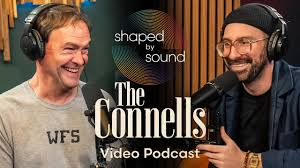
There’s something quietly radical about the endurance of The Connells. In an industry that chews up regional bands and spits them out as trivia questions, they have persisted—less as nostalgia act, more as a living argument for melody, craft and community. Their appearance on Shaped by Sound, the PBS North Carolina series devoted to the state’s rich musical ecosystem, feels less like a retrospective than a homecoming.
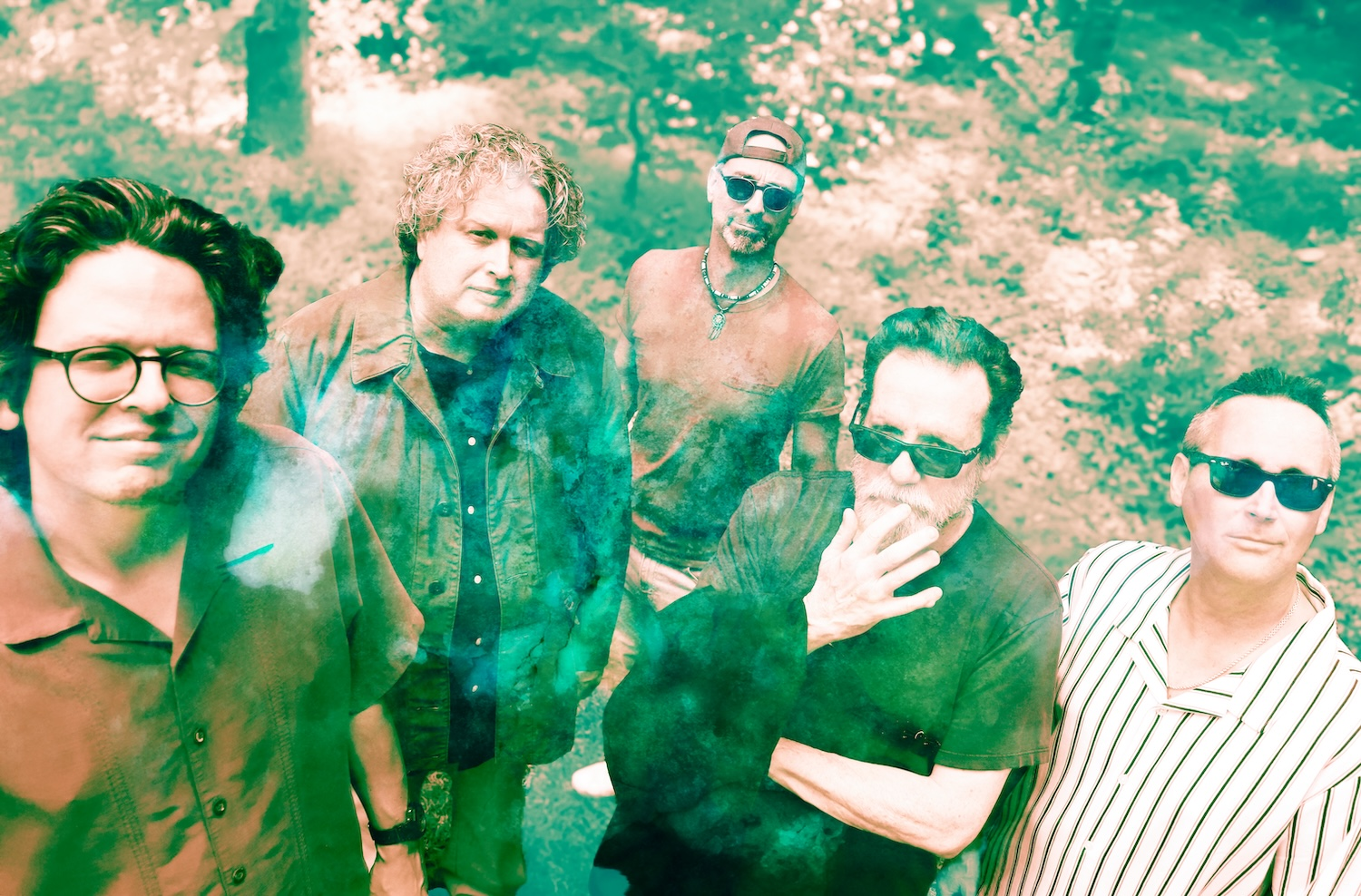
The show’s format—interweaving live studio performances with intimate conversation—suits them. From the opening notes of “Scotty’s Lament” (00:33), you’re reminded that the Connells’ power has never been about bombast. It’s about architecture. Two brothers—guitarist and songwriter Mike Connell and bassist David Connell—alongside a tight circle of friends from Raleigh, built one of North Carolina’s most enduring bands not on spectacle but on structure: chiming guitars, melodic bass lines, and choruses that feel both inevitable and earned.
PBS NC wisely lets the songs breathe. “Carry My Picture” (05:37) shimmers in the studio lights, its emotional directness framed by Doug MacMillan’s unmistakable voice—clear, yearning, unforced. Keyboardist Steve Potak adds texture and lift, while guitarist Mike Ayers and drummer Chris Stephenson lock into a groove that’s crisp but never clinical. Trumpeter Mike Mole, a later addition to the lineup, colors the arrangements with subtle brass flourishes, a reminder that this band has always been willing to expand its palette without abandoning its core.
That core, as the full conversation reveals, was forged in Raleigh in the early 1980s. A group of friends playing local gigs, hauling gear into clubs, refining songs night after night. They were part of a regional circuit that rewarded perseverance more than hype. The Connells didn’t arrive fully formed; they were shaped by the rooms they played, the audiences who showed up, and the belief that songcraft mattered.
Then comes the moment casual viewers may be waiting for: “’74–’75” (11:22). The band’s surprise overseas hit—particularly in Europe—remains one of the great stories of American alternative rock’s second tier. Released in the mid-1990s, it didn’t explode immediately at home. But abroad, the song connected, its nostalgic meditation on lost youth and passing time resonating across language barriers. On Shaped by Sound, the performance feels less like a victory lap and more like a reckoning. The arrangement is lean; the melody carries the emotional weight. When MacMillan sings about photographs and the quiet ache of growing older, the years between then and now collapse.
What’s striking in the interview segments is the absence of cynicism. There’s no bitterness about near-misses or industry vagaries. Instead, the Connells speak about the slow accumulation of work—about studio memories, about learning how to layer guitars without cluttering a mix, about the discipline of editing a song until only what matters remains. They talk about how “Seven” (17:28) and “Over There” (22:40) fit into their evolving catalogue, each song a chapter in a longer narrative rather than a bid for reinvention.
This is where Shaped by Sound’s broader mission comes into focus. The series—produced by PBS North Carolina in partnership with the Department of Natural and Cultural Resources and presented by Come Hear North Carolina—spotlights artists across indie rock, hip-hop, R&B, alt-country, jazz, bluegrass, and folk. We highly recommend the episodes on Wednesday and Superchunk. By placing the Connells within this living, breathing statewide scene, the show resists the myth that meaningful music only comes from coastal capitals. North Carolina is not just a backdrop; it’s an incubator.
For the Connells, community is not branding. It’s origin story. Two brothers, a handful of friends, and a city that allowed them to grow at their own pace. That ethos still animates the band. You can hear it in the way the guitars interlock without competing, in the steady pulse of the rhythm section, in the democratic space each member occupies. No one is posturing. Everyone is serving the song.
In an era of algorithmic playlists and disposable singles, The Connells’ appearance on Shaped by Sound is a reminder that durability is its own form of rebellion. Songs built carefully, performed faithfully, and shared within a community can travel far—sometimes all the way across the Atlantic—and still return home intact.
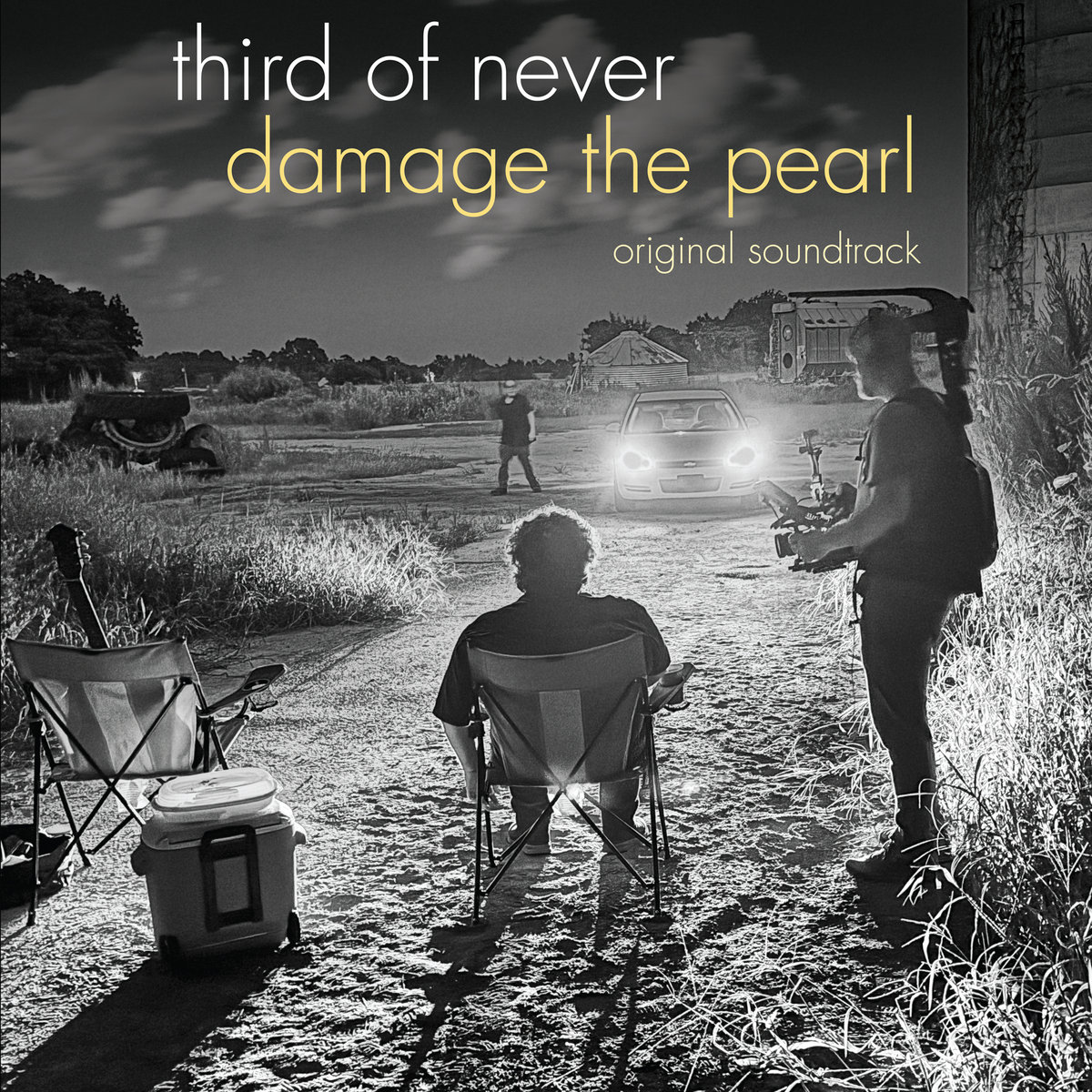
In a year filled with shiny indie-rock releases, Damage the Pearl — the latest from Third of Never — stands out not just as a strong album but as a daring creative leap. It presents itself as an “Original Soundtrack,” blending rock, psychedelia, cinematic touches, and lyrical reflection into a unified whole. Instead of chasing hits, Third of Never offers a record that feels like a story, a mood, and an emotional piece all in one.
What follows in this favorite of 2025 consideration is an exploration of the key musicians behind the record, their roles, contributions, and chemistry, followed by a detailed analysis of the album’s sound, themes, and emotional impact. I argue that Damage the Pearl is not only one of the most compelling independent albums of 2025 but also a statement about what rock music can still be: inventive, collaborative, and emotionally powerful.
The musicians behind the music
At the heart of Third of Never is founder and guitarist/songwriter Jon Dawson, but Damage the Pearl also benefits from contributions by longtime collaborators and special guests.
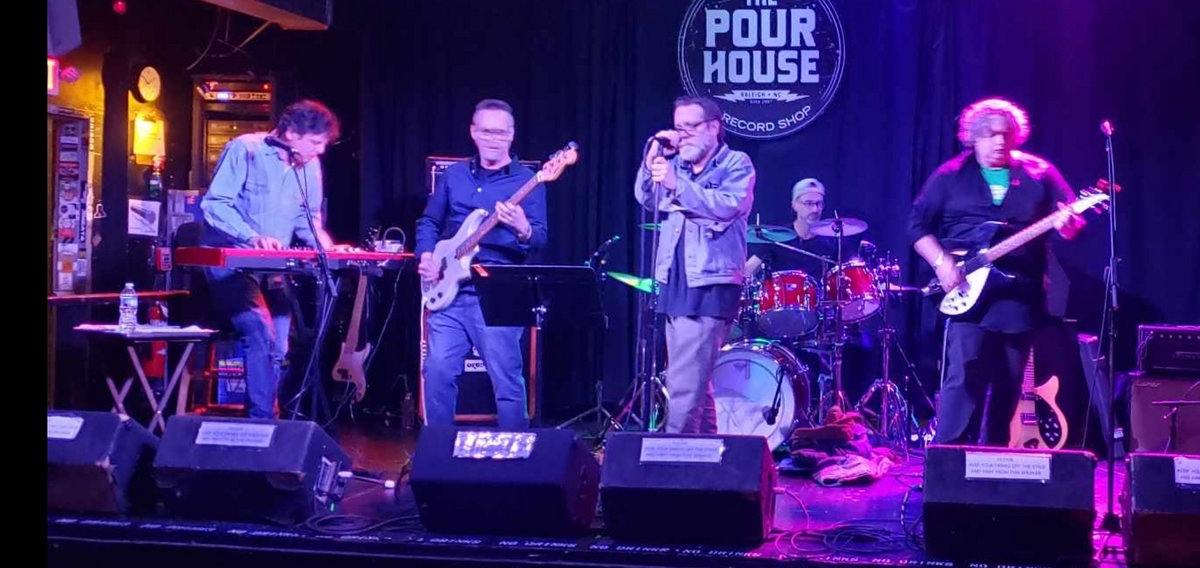
Doug MacMillan — best known for his work with The Connells — handles lead vocals on the album. His voice offers a familiar yet fresh focus: a tone that blends vulnerability, grit, and a touch of wistful depth, perfect for the record’s haunting atmosphere. Jode Haskins plays bass (credited as “lead bass” on tracks like “Grab the Ground”), anchoring the record with a strong low-end that supports both the rockier and more psychedelic passages. Charles Cleaver contributes keyboard and possibly synth textures, giving some songs a layered, atmospheric dimension that broadens the sonic palette beyond straightforward rock. Brandon Ruth — on drums — drives the record’s rhythmic backbone, moving skillfully between finesse and force as the song’s mood calls for.
Beyond the core lineup, Damage the Pearl benefits from notable guest contributions: legendary keyboardist John “Rabbit” Bundrick (of The Who fame) and Steve Kilbey (of The Church), among others. Their input adds depth, history, and sonic color — reminding listeners that this is not a lo-fi one-man bedroom project but a fully realized band effort.
Together, they craft something alive — a vibrant collaboration of musicians, textures, and sensibilities.
A cinematic, psychedelic journey
Listening to Damage the Pearl feels less like playing an album and more like exploring a film’s soundtrack you haven’t seen yet. From the first moments, you’re pulled into a world of shifting moods: garage sparks, dreamy psychedelia, cinematic sweeps, and rock-driven hooks.
The lead single and our favorite track, “Grab the Ground,” sets the tone. Its shimmering guitars and steady groove evoke movement—literally and metaphorically—like a car speeding down a deserted highway under neon lights. This sense of motion aligns with the album’s larger goal: it is both a static work and a journey.
Other tracks lean toward subtle psychedelia or atmospheric rock: through keyboards, ambient touches, echoed vocals — layering mood over melody, feeling over immediacy. The guest contributions from Bundrick and Kilbey are especially effective here, broadening the band’s sonic identity beyond traditional rock tropes.
Even when the songs are more conventional rock-based (“groove + guitar + bass + drums + vocals”), the production gives them weight and space. The album rarely feels over-produced; Instead, it balances rawness and polish — capturing a tension between vulnerability and strength. As one review puts it: it “adds the right level of balance between instrumentation and vocals, so the full emotional effect of each song hits.”
What emerges is an album that’s both immediate and expansive — perfect for late-night introspection or full-volume road-trip listening.
Vulnerability and Resilience: Lyrics and emotional weight
One of the most powerful and compelling aspects of Damage the Pearl is how its lyrical themes, often focused on vulnerability, survival, identity, and inner conflict, intersect with the music’s cinematic and psychedelic character. The title track, Damage the Pearl, provides a sort of thematic statement for the record: the repeated line “What strikes the oyster doesn’t damage the pearl” suggests a reflection on resilience—inner fragility protected by layers of shell, with inner worth enduring outside shocks.
Lyrics like “remain cheerful despite your painful brain” suggest mental struggles, emotional effort, and the difficulty of staying light amid weight.
But there’s more here than just grief or melancholy. There is defiance, survival, and even hope. In relation to the sound—shifting from gritty to dreamy, rock to ambient—the album feels like an honest struggle with inner turmoil and external pressures. It doesn’t offer easy answers or neat closure. Instead, it welcomes listeners into a space of acknowledgment: “Yes, I feel what you feel,” it seems to say.
In interviews, the band confirms that Damage the Pearl was designed not just as an album but as a soundtrack to a film — a visual story that enhances its thematic goals. According to founder Jon Dawson, the cinematic concepts emerged late in the recording process, after the lines and moods had come together into something narratively suggestive.
This framing as “Original Soundtrack” shifts how you listen — every song becomes a scene, each mood a frame, and every lyric a line of dialogue in a larger story. And that story? It feels less like a tidy arc and more like a winding road trip through memory, loss, hope, and survival.
What Damage the Pearl does well, and where it leaves space
One of the album’s biggest strengths is its cohesion. Despite featuring multiple collaborators and a variety of sonic textures — from rock to psychedelia to ambient keys — the record feels unified. This is partly thanks to careful production and mixing, where every instrument, including vocals, occupies its own space, but also due to a consistent emotional and narrative tone. The listener isn’t jarred by sudden tonal shifts; instead, there’s a smooth flow and a clear internal logic — like a movie soundtrack that understands its scenes.
Moreover, the choice to present the album as a soundtrack is more than just stylistic; it enhances the listening experience. It sparks the imagination. It requires attention. It allows the listener to feel, reflect, and maybe even project their own stories onto the music.
At the same time, Damage the Pearl isn’t perfect — and that’s part of its honesty. It doesn’t always resolve its tensions. Some songs end softly, others fade into ambiguity. The “story” the album suggests is fragmented, impressionistic; you might find yourself with more questions than answers by the end. But maybe that’s the point. Maybe some emotional truths resist tidy closure.
There are moments when the cinematic ambition borders on grandiosity, where the mood threatens to overpower the song’s structure. But often, the balance — of texture, mood, simplicity, and complexity — pulls things back just in time.
Why Damage the Pearl matters — for Third of Never, for independent music, for listeners
For Third of Never, this album feels like a redefinition. No longer just a rock band producing standard records — they’ve expanded into a multimedia vision: soundtrack + album + film + narrative. It’s risky, ambitious, and yet grounded. It shows that the band is not moving backward into nostalgia or convention, but pushing forward into new possibilities.
For independent music in 2025 — when much of it feels packaged, algorithm-driven, and commercially safe — Damage the Pearl serves as a reminder that records can still be daring, mysterious, and emotionally intense. It demands something from the listener: patience, openness, and imagination. In return, it offers a lot: suspense, beauty, catharsis, resonance.
For listeners—especially those drawn to emotional honesty, moody textures, and music that feels alive rather than polished—this album is a gift. It doesn’t flinch from pain or uncertainty. It doesn’t offer easy answers. It provides space for reflection, for memory, for human complexity.
A soundtrack for the unsettled, a refuge for the introspective
In a musical landscape filled with albums that often feel like products — short, polished, predictable — Damage the Pearl feels like true art. It is chaotic, cinematic, full of emotion, and deeply human. It demonstrates what can happen when a band refuses to stick to a formula, when musicians collaborate across generations and genres (rock, psychedelia, cinematic ambition), and when they allow vulnerability and imagination to lead the work.
Third of Never and their individual collaborators — Jon Dawson, Doug MacMillan, Jode Haskins, Charles Cleaver, Brandon Ruth, John “Rabbit” Bundrick, Steve Kilbey — have created something that feels timeless, genre-blending, and fiercely genuine. This is not background music. It demands attention. It rewards patience.
If you haven’t heard Damage the Pearl yet — or if you’ve only listened once on shuffle, consider this a gentle nudge: put on headphones, turn down the lights, maybe grab a drink or nothing at all, and let the record wash over you. Maybe you’ll discover something in it you didn’t know you needed: a soundtrack for uncertainty, a companion for sleepless nights, or a mirror for unspoken feelings.
In a noisy world, Damage the Pearl is a subtle rebellion — an invitation to feel. And it’s one of the most worthwhile albums of 2025 so far.
A very happy birthday — the big 3-0 — to ‘Ring‘ from The Connells! This record was life-changing for me.
After this record and through the music, I met the future Mrs. Dr. J. Immediately after the release of this album, I started a newsletter ‘Boylan Heights’ named after the band’s second full-length record and through that experience made lifelong friends. That was followed by a fan site for those who love the band. I traveled across the country to see so many shows – currently, I have seen the band perform over 100 times. A few years ago, I contributed to social media on behalf of fans and the band on Facebook, Twitter, and Instagram. And in a delightful twist of fate, I even became friends with the band.
If you’re looking for a sonic journey that takes you straight back to the heart of ’90s alternative rock mixed with the jangle of the 1980s, look no further than ‘Ring.’
In a world where the music landscape is constantly evolving, shifting, and moving under our feet, The Connells’ ‘Ring,’ stands as a testament to the enduring power of pure, unadulterated rock ‘n’ roll. This band crafted an album that harkens back to the golden era of jangling guitars and heartfelt lyrics, delivering a sound that’s as fresh as it is nostalgic.
‘Ring’ kicks off with the infectious “Carry My Picture,” a track that immediately transports you to the heyday of college radio, with its catchy hooks, shimmering guitar lines (courtesy of Mike Connell and George Huntley), and blistering drums (from the fantastic drumming of Peele Wimberley). The Connells effortlessly blend elements of jangle pop and alternative rock, creating a sound that’s instantly recognizable yet uniquely their own.
The album is a journey through life’s ups and downs, with songs like “74-75,” “Running Mary,” “Sprial” (sung by Mike Connell), and “New Boy” tugging at your heartstrings with introspective lyrics and undeniable emotional delivery. The Connells’ frontman, Doug MacMillan, pours his soul into each word, making you feel every emotion as if it were your own. In fact, the raw emotional gravity of “74-75” led to that song charting in the UK and several European countries in 1995. The band toured in the UK and throughout Europe on the strength of this song. The piano and keyboards of Steve Potak add the perfect final touches to the song.
One of the standout tracks, “Slackjawed,” is a masterclass in songwriting, with its infectious melody and clever wordplay. The song’s refrain is bound to stick in your head long after the record stops spinning.
While ‘Ring’ is filled with moments of introspection and melancholy, it also boasts its fair share of upbeat and anthemic tracks, such as “Slackjawed,” “Carry My Picture,” “Doin’ You” (written and sung by George Huntley), and “Hey You.” The songs on the album showcase The Connells’ ability to balance introspection with exuberance, making for a captivating listening experience from the moment of the album’s release on September 21, 1993, to today thirty years later. From the songs on this album alone, the band should be huge, selling out every stadium you can care to name.
In true rock music fashion, it’s impossible to discuss ‘Ring’ without mentioning the band’s impeccable musicianship. Mike Connell’s guitar work is a thing of beauty, providing the perfect backdrop for MacMillan’s evocative voice. George Huntley provides guitar lines to weave and sway with just the perfect touch. The rhythm section, anchored by drummer Peele Wimberley and bassist David Connell, keeps the songs moving with an infectious groove that feels effortless and perfect.
‘Ring’ should have led a revolution, this record should be on every music fan’s lips like Nirvana’s ‘Nevermind’ or Bruce Springsteen’s ‘Born in the USA.’ ‘Ring’ is a reminder of the enduring power of great songwriting and the powerful magic of rock ‘n’ roll. The Connells crafted an album thirty years ago that captures the essence of a musical journey that still feels relevant in today’s ever-changing musical landscape. So, put the needle on the record or hit play on the CD player or stream it, and let ‘Ring’ take you on a journey through the timeless world of The Connells’ music. It’s a brilliant record that deserves a spot in your collection.
Mrs. Dr. J and Dr. J have some great new music to share with you! We have some great music for all ages this week with music from Mommie, Doug MacMillan of The Connells, Dan Baird, and much more.
Expect music from The Motel Beds, Zach Bellas, Adelaine, Shannon and the Clams, The Purrs, GoldFord, Julian Lennon, The Last Royals, Luke Frazier, Vanity Theft, The Lost Patrol, Sick of Sarah, Sam at Eleven, and much more!
Some classic indie from Tommy Keene and Superchunk will be played. Honest!
We will be ‘priming the pump’ for the book discussion for next week! Remember you should be reading Michael Azerrad’s Our Band Could be Your life! Ok, here is the cliff notes (or rather wikipedia version) for those of you on tight schedules –http://en.wikipedia.org/wiki/Our_Band_Could_Be_Your_Life
Join us Tuesday from 3-6pm on WUDR or if you happen to be in the Dayton, Ohio area listen in at 99.5 and 98.1fm.
A great version of ’74-75′ with Mike Connell, Doug MacMillan, George Huntley, Peele Wimberley, Steve Potak in studio! This is a rare video with Tim Harper playing bass with the band. Tim normally runs the sound board and produces the band. This version has a remarkable live performance!
Streaming Forward, Powered By The Past - if you love the 80s music, new music, Eurovision, cheesy pop and awesome playlists then let's get this pop party started!




 your tuesday afternoon alternative