Favorites of 2025: Sadbox – Everything’s A Shame

Sadbox and Everything’s A Shame

In a musical landscape flooded with glossy production and instant-stream forgettability, Everything’s A Shame stands out — not because it tries to conform, but because it embraces messy humanity: raw ideas, family schedules, basement rehearsals, and songs born from everyday chaos. The EP from Dayton-based rock band Sadbox (released October 3, 2025) feels intimately local while resonating with universal truths.

For a band balancing real-life demands — kids, careers, responsibilities — Sadbox delivers a sound that is energetic, quirky, honest, and sometimes unsettling. The result is a three-song burst of “technical weirdo rock,” as some have called it — music that doesn’t aim for radio-friendly formulas or uniform polish but seeks genuine expression, emotional depth, and a touch of controlled chaos.

In what follows, I examine who these musicians are, how the EP was created, what their sound and lyrics reveal, and why Everything’s A Shame feels like a small but significant critique of the sanitized norms of mainstream rock.

Who’s making the noise — the people behind Sadbox

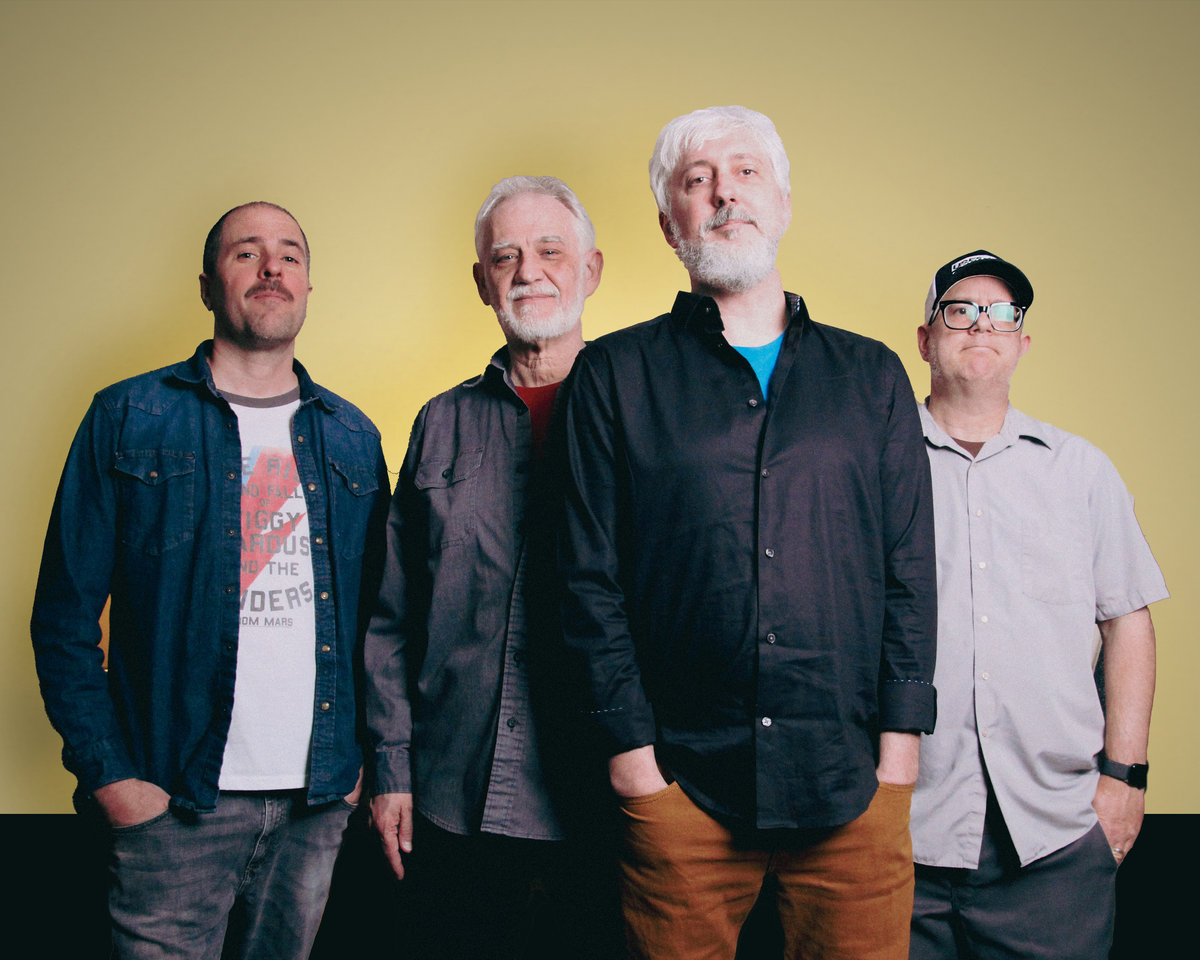
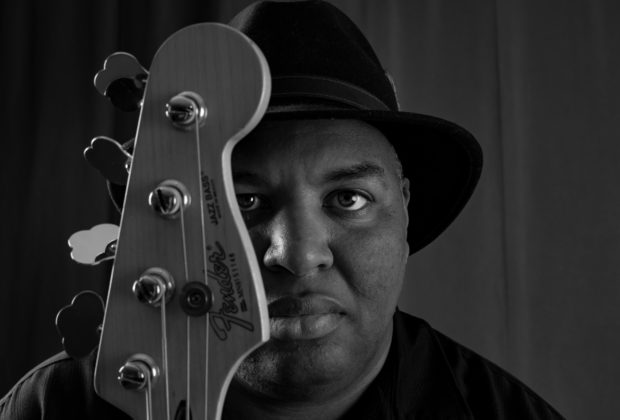
Sadbox isn’t a typical rock band that churns out songs just for fame. It’s a group of musicians grounded in everyday life, each with responsibilities beyond music. Sadbox is led by guitarist and lead singer Paul Levy, whose dual role as a surgeon brings a unique mix of precision and spontaneity to the band’s sound. He’s joined by Eli Alban on guitar, who also plays in The 1984 Draft and adds extra tonal nuance and energy to the group. Ryan Goudy provides the band’s steady, melodic bass foundation, while Ray Owens propels the songs with his dynamic, intuitive drumming. Completing the lineup for this release is Rachele Alban, whose vocals and keyboard work expand Sadbox’s sonic palette and deepen the emotional texture of the record.

The record — recorded, mixed, and mastered by local engineer/producer Fred Vahldiek known as Fredzo at Fredzoz Studio (one of our favorite records from The 1984 Draft, Best Friends Forever was recorded there) — is simple, direct, and straightforward. As drummer Ray Owens mentioned in an interview, balancing family life (with a collective total of 13 kids in the band) means music sometimes has to be as spontaneous and immediate as a family dinner: “the practice forum is similar to a live show.” That constraint — rather than hurting the music — seems to sharpen it, giving the band’s sound a rough clarity and urgency that polished over-production often hides.

Sound and style: “technical weirdo rock” with heart and edge

Sadbox’s music has been described as “alternapop / college-rock-style,” but Everything’s A Shame doesn’t fit neatly into any single category. Instead, it combines elements of grunge, rock, and weird-pop, with occasional narrative or character-driven lyrics that evoke theatrical rock or even prog-lite experiments.

The opening track — “Dust” — leans into ’90s grunge style. Over-amped vocals, gritty guitar sounds, and a tight rhythm section evoke the emotional chaos and existential worry of that time. The feeling of movement — a car speeding down a lonely road, a restless mind at midnight — stands out. That tension fits especially well with the lead singer’s dual identity: the precision of his professional life contrasted with the rough edges of his artistic side.

The second track, “All Rhymes for Scoop,” initially seems like a playful word game, but that expectation is overturned. Instead of listing rhymes for “scoop,” the song acts as a critique — perhaps — of shallow social media echo chambers. Lyrics and rhythms clash unpredictably, reflecting discomfort, discontent, and disillusionment. The syncopated beat combined with semi-nonsensical lyrical stutters mirrors the noise and overload of the digital age. The song reminds us of a previous outting, Mish Mash, from their 2021 record Future Copy.

The final song, “New Low,” slows things down. Clean arpeggiated guitar, minimal percussion, and dual vocals (Paul and Rachele) frame a sad, spare story: one of abandonment, loss, and longing. The song — reportedly inspired by the band finding a stray cat after a tenant move-out — becomes a narrative of innocence left behind, waiting in vain. Its emotional weight comes not from grand gestures but from quiet detail: the missing water dish, the empty stoop, the echo of loss.

Taken together, the three songs create a mini-arc: from restless escape, to social critique, to quiet grief and regret. The textures shift, the pacing varies, but the emotional flow — vulnerability, discomfort, longing — stays consistent.

Lyrics and themes: shame, impermanence, and the small cruelties of modern life

The title Everything’s A Shame seems both faintly sarcastic and deeply earnest. The songs reflect that duality — loss feels tragic, but also mundane; social collapse feels absurd, but also real; emotional weight is often disguised under everyday details.

As Paul Levy put it in an interview: “I am the consequence of the road I travel.” That line — repeated in “Dust” — connects personal history, existential weight, and the unpredictability of life. It frames identity not as a fixed point, but as something shaped by context, time, memory, and chance.

In “All Rhymes for Scoop,” the band critiques the vacuity of online life — the “argument platform,” the endless scroll, the performance of discourse without depth. Using lyrical non sequiturs and abrupt rhythmic shifts, Sadbox turns the song into a kind of musical protest against emptiness disguised as connection.

Then “New Low” returns to personal — and small — narratives: the lonely cat, the abandoned stoop, the emptiness left behind. It’s a portrait not of a sweeping life crisis, but of countless smaller traumas: displacement, abandonment, neglect. The catastrophic becomes quiet, ordinary, and all the more haunting for that.

These are not songs about grand despair or romantic heartbreak. They’re about surviving — surviving social collapse, familial pressure, shifting identity, emotional stasis. There’s shame in defeat, longing in loss, but also a stubborn, human need to speak, to express, to hold on.

The making of the EP: collaboration, constraints, and creative honesty

Given their busy lives — kids, jobs, daily responsibilities — the fact that Sadbox managed to write, rehearse, record, and release Everything’s A Shame is a testament to their dedication. In a  radio interview, drummer Ray Owens explained how the band’s workflow had evolved: what used to be chaotic, slow jams now flow with precision; what once needed prompts and cues now occurs with a glance or shared rhythm. That improved chemistry is evident on the record.

Recording, mixing, and mastering were done by Fredzo at Fredzoz Studio — and the production shows an honesty-over-polish vibe. The guitars bite, the vocals crack, and the drums thud. Space is intentional: silence between notes, breaths between lyrics. Nothing feels overdone; everything feels essential.

That rawness—balanced with musical discipline—gives the EP its power. It’s not perfect, but it doesn’t need to be. It’s lived-in, human, sometimes ragged, and in its raggedness lies its truth.

What Everything’s A Shame achieves — and what it leaves unresolved

One of the EP’s main strengths is its coherence. Despite the sonic and lyrical variety (grunge-inspired rock, indie quirks, quiet ballads), the three tracks feel connected — through mood, theme, and emotional honesty. That sense of unity makes the EP seem like more than a random collection: it feels like a snapshot, a statement, a short film in three acts.

It also demonstrates what a band rooted in real life can achieve when they are committed: even with family obligations and limited time, Sadbox shows that artistic ambition and emotional honesty don’t require big budgets or months in the studio. Sometimes all it takes is clarity, teamwork, and the desire to record what you feel.

However, the EP also leaves space for growth. With just three tracks, listeners might want more — more depth, more storytelling, more time to pause. The ideas hinted at in “Dust,” “All Rhymes for Scoop,” and “New Low” seem like the start of something bigger. There’s a feeling of beginning, not ending.

Furthermore, the looseness that gives Sadbox its charm can also come across as unpolished, even rough around the edges. Listeners expecting tight arrangements or radio-ready vocals might find some of the vocal delivery off-kilter, the rhythms unsettled, and the mood dark. However, for others—those looking for realism, emotional depth, and spontaneous honesty—that roughness is part of the album’s appeal.

Why this EP matters — for the band, for Dayton, for listeners who crave honesty

For Sadbox, Everything’s A Shame reaffirms their commitment: they are serious about music despite life’s demands. Their willingness to embrace their circumstances — family, time constraints, the need for immediacy — doesn’t weaken their art; it enhances it. Their music is more about authenticity than perfection.

For their hometown of Dayton and the broader Ohio music scene, the EP is a tribute to the energy of independent music: small bands, DIY studios, local stages, real lives. It’s a reminder that creativity doesn’t wait for perfect conditions — sometimes it comes from necessity, urgency, and the quiet desperation of juggling everything we care about.

For listeners outside that scene, Everything’s A Shame offers a rare kind of intimacy. It doesn’t pretend to solve problems. It doesn’t promise catharsis or closure. It offers fragments: a line about regret, a wobbly chord, a story about a lost cat, a sigh in the vocal mic. And sometimes fragments are enough — enough to make you pause, reflect, and feel a little less alone.

Everything’s A Shame — a small record with big heart

In 2025, when music often feels disposable — a background for playlists, streams, and fleeting attention — Sadbox’s Everything’s A Shame acts as a quiet form of resistance: a plea to listen, to feel, to inhabit sound rather than glide past it. It’s unpolished. It doesn’t seek easy consumption. It requests patience, presence, and empathy.

Paul Levy, Eli Alban, Ryan Goudy, Ray Owens, Rachele Alban — they’re not rock stars living for tours or hits. They’re humans with lives, demands, imperfections. And yet they created something lovingly imperfect, collaborative, and genuine. That spirit — of DIY honesty, embracing constraints, and channeling everyday life into art — is as rare as it is essential.

Everything’s A Shame might be small — only three songs. But within those songs lie questions, longing, critique, grief, and hope. It doesn’t aim to cover the entire world. It seeks to share a piece of it. And sometimes, a piece is all we need.

Last Show of 2024

The last YTAA Show of 2024 broadcast on 12-31-2024 is up on the YTAA Mixcloud page! Please give the show a listen and share it with all of your friends. The first time you sit behind the mic and hear that low hum of the studio, you realize it’s a weird kind of experience. You’re not broadcasting a war, no, you’re not even sending out a weather report; you’re sending out your heartbeat. You’re putting yourself on the line, with nothing but an inch-thick foam divider and a sliding board full of dials between you and the abyss of total silence, the void of being utterly ignored. But that’s the thing. Even when you feel apart and separated from others, you’re not really alone.

There’s something visceral about radio. Yeah, even in 2024. It’s a love affair with anonymity after a fashion — you’re sending out these fragments of yourself, these half-thoughts, barely strung together sentences (I try, I actually am trying for something snappy and catchy), hoping someone, anyone, will hear. But even when no one’s listening, it doesn’t matter. You can say the weirdest stuff. You can be as loud as you want, or as quiet as you need to be in that moment. It’s like a secret between you and the speakers on the other side of the room. Who knows if anyone’s tuned in? Does it matter? Perhaps, it doesn’t matter. You’ve got the mic, and in this space, it’s yours even if it is only for three hours. You’re not just DJing songs; you’re performing the act of being. Becoming.

And there’s a rhythm to it, a pulse you can feel in your chest. The songs bleed into each other, and you start talking, almost without thinking, like an out-of-body experience. You riff, you ramble, you may talk about everything and nothing — akin to late-night rants, whispered secrets, some tale of life in the margins. It’s punk, it’s soul, it’s funk, it’s rock ‘n’ roll, and if you’re doing it right, it’s all on the edge of disaster, waiting to fly off the rails at any moment. And that’s the magic. You could screw it up. You probably will. But that’s what makes it real. In an increasingly overproduced, AI-scam-laden world, radio may be messy but that is what creates some of the joy in doing it.

Well, folks, here we are at the end of 2024, and I gotta say—thank you for sticking with me through the weirdness, the noise, and the absolute chaos that is Your Tuesday Afternoon Alternative. You could’ve been anywhere, listening to anything, but you chose to tune in to this mess of records, rants, and ramblings. Maybe you were searching for something new, or maybe you just wanted to escape the grind. Either way, I’m grateful for your ears, your time, and your madness. This isn’t just my show—it’s our show, so keep riding the wave, wherever it takes us in 2025.

See ya next Tuesday!

Static Dreams: Why College and Community Independent Radio Still Matters

Let’s get something straight from the jump: independent radio—college stations, community stations, those hissing, crackling signals of barely legal wattage—are more than relics. They’re lifelines, and in a world drowning in curated blandness, they’re salvation that is desperately needed. Sure, you’ve got your algorithmic playlists and big-budget streaming platforms that can spit out the sonic equivalent of a hamburger combo meal, but let me ask you this: when’s the last time one of those songs on the apps and services truly blew your mind? When’s the last time a Spotify playlist made you feel something raw, something real, something alive?

Enter the humble, often-overlooked world of independent radio. These stations don’t play by the rules and thank God for that. College and community DJs who aren’t bound by focus groups or corporate overlords telling them which ten songs to cycle endlessly. They’re the anarchists of the airwaves, throwing down pop punk at 3 a.m., jazz fusion at noon, and some spoken-word poetry over ambient noise just because they can. They’re the kid in the back of the record store who’ll tell you that the B-side of a 7” pressed in someone’s basement in 1984 will change your life—and they’re right. Forgive me if this sounds trite or self-serving, but we believe in the power of music to change your life.

This is radio as it was meant to be: unpolished, unpredictable, and unafraid to go weird. College radio, especially, is often powered by the most crucial demographic for musical discovery—students who don’t yet know the rules they’re breaking. These DJs are sometimes just learning what it means to piece together a playlist, to tell a story in 20-minute sets, to unearth that obscure track nobody else has heard of. It’s raw, and it’s beautiful because it’s real.

And let’s not forget the community stations—the hyper-local powerhouses keeping neighborhoods and subcultures alive. These aren’t just radio shows; they’re conversations. They’re where you tune in to hear the pulse of your city, the heartbeat of your neighbors. It’s where activists and artists collide, where voices ignored by the mainstream get a microphone. It’s radio as rebellion, as resistance, as a refuge from the overpowering heavy challenges we all face.

Here’s the thing the big media conglomerates and tech giants don’t want you to realize: not everything should be convenient. Finding great music—or a great anything—takes work. It takes passion. That’s what makes it matter. Independent radio doesn’t spoon-feed you the hits; it hands you a map, points vaguely in a direction, and says, “Go get lost.” And in that wandering, you discover magic. You stumble across a DJ spinning a 10-minute opus made by an area band or a live set from some local group that sounds like they’re playing from the edge of the world. And you want to go there so you can be part of it.

In an era where everything feels like it’s been prepackaged, sanitized, and optimized for maximum engagement, independent radio stands as a glorious middle finger to the machine. It’s messy, it’s chaotic, and it’s alive in ways that nothing else in the modern media landscape can touch even thought they try to say that experimentation came from them.

What’s more, independent radio matters because it’s often the training ground for the voices we’ll be listening to in 10, 20, or 30 years. Think about all the media icons who got their start in college radio. Two words: Howard Stern. Ever heard of Rick Rubin? He was just some punk kid spinning records at NYU before founding Def Jam. Or Ira Glass, who honed his storytelling chops on the airwaves before becoming public radio’s golden boy. The indie stations are incubators for talent because they’re places where experimentation isn’t just allowed—it’s expected.

And don’t let anyone tell you radio is dead. Sure, the format’s shifted, and the big commercial stations are shells of their former selves, but indie radio persists because it’s adaptable. College stations now stream online, bringing their wild, untamed ethos to a global audience. Community stations podcast their shows, extending their reach far beyond the low-powered transmitter on the roof.

But more than that, indie radio matters because it’s personal. It’s not just about the music—it’s about the human connection. There’s something deeply comforting about hearing another person on the other end of the signal, someone who isn’t trying to sell you something, someone who’s just as excited about this obscure Brazilian psych-rock track as you are now that you’ve heard it. It’s a reminder that music isn’t just content—it’s communion.

And yeah, maybe it’s a little romantic to wax poetic about this scrappy corner of the media world. Maybe it’s easier to dismiss it as nostalgia for a pre-streaming era. But dismissing indie radio is to dismiss the very soul of music, the thing that makes it matter in the first place. It’s the idea that art doesn’t have to be perfect, that it doesn’t have to be profitable, that it can just be.

So the next time you’re scrolling through an endless stream of playlists that all sound the same, do yourself a favor: tune in to the static. Find the frequency where some over-caffeinated college kid is ranting about a new band you’ve never heard of, or where a local DJ is spinning records in a tiny room plastered with band posters and graffiti. Listen with your whole heart, and remember what it feels like to discover.

Because independent radio isn’t just a medium—it’s a movement. And in a world that desperately wants you to settle for the lowest common denominator, it’s the one place still daring to reach higher.

Full Show from 11-26-2024 up on Mixcloud

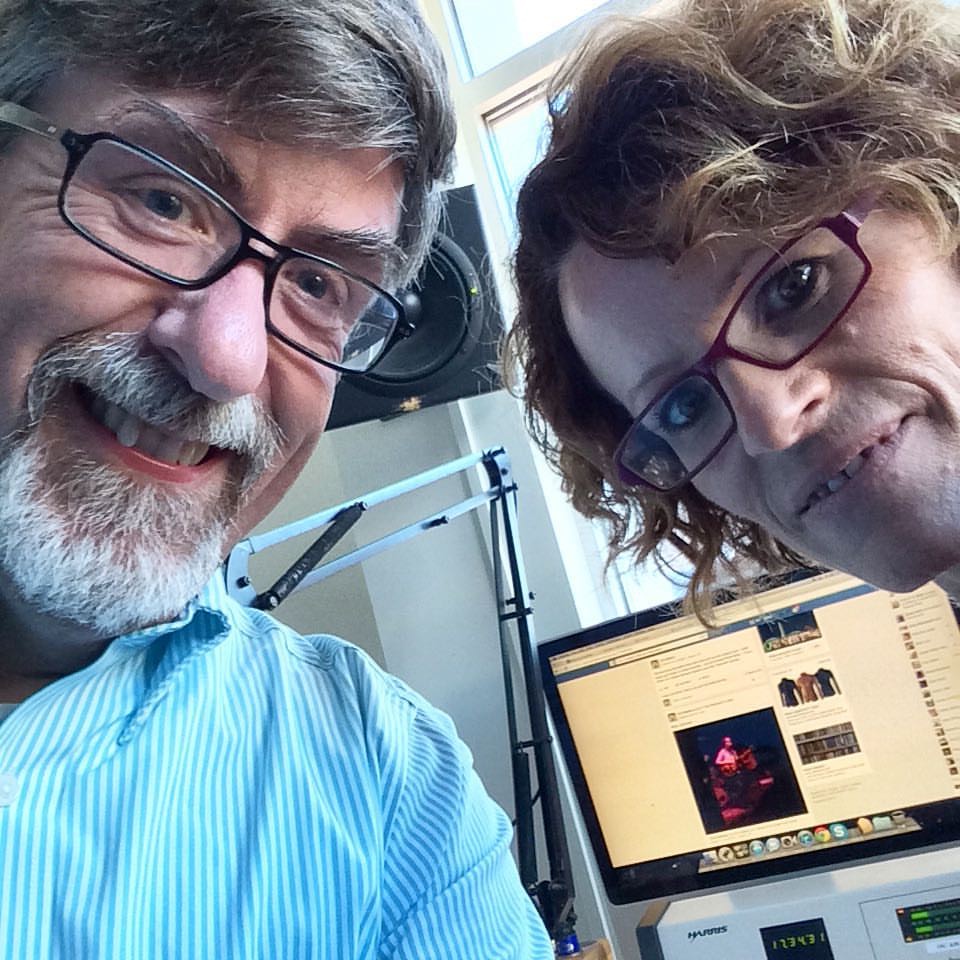
Let me tell you something about Your Tuesday Afternoon Alternative with Dr. J on WUDR, broadcasting from the unassuming outpost of Dayton, Ohio: it’s not just a radio show; it’s a séance for the musically restless. Dr. J, equal parts professor (sorry), music priest, and punk-rock lifer, orchestrates a sonic sermon that grabs you by the collar and drags you kicking, screaming, and grinning through the unpolished spaces of independent and local music.

This isn’t your prepackaged corporate playlist drivel, churned out by some algorithm. No, this is real-deal, deep-dive, bloodshot-eye curation. We don’t just play songs; we conduct a reckless, unhinged exploration of soundscapes that defy the mainstream’s sterilized borders. One minute you’re grooving to the jangly guitars of a Midwest indie gem; the next, you’re pummeled by fuzz-soaked shoegaze or swept away by a tender acoustic ballad. It’s a rollercoaster for your ears, and you’re strapped in tight for the ride.

The show’s strength lies in its refusal to compromise. We are not here to appease Spotify metrics or chase TikTok trends. We pride ourselves on digging into the marrow of what makes music vital: the stories, the sweat, and the imperfections that turn a song into a revelation. Local bands? We’ve got them. Overlooked gems? You bet. It’s a treasure map to sounds you didn’t know you needed but now can’t imagine living without.

Sure, the production’s raw, the format loose, but that’s part of the charm. A little nerdy? You betcha! It feels like you’re eavesdropping on a record store conversation in town. If music is a lifeline, Your Tuesday Afternoon Alternative is one of the buoys that keeps us from drowning in the sea of mediocrity. Dayton might be criminally overlooked, but we strive to ensure it’s never unheard of.

How We Choose Music for YTAA

As we celebrate 20 years of Your Tuesday Afternoon Alternative, we thought we would ruminate for a moment or two on how music is selected for the show. It is never easy. There is always more that we want to play than we have the time to fit onto a show setlist. Curating a compelling playlist for any radio show is an art form that goes beyond just picking popular tracks or personal favorites. For an indie DJ, like myself, especially one focusing on alternative or non-mainstream genres, the process involves a balance of passion, research, intuition, and a non-ending effort to understand an audience. So, many listeners have asked how we choose music for Your Tuesday Afternoon Alternative, I thought I would create a list of key points and explain how we have been picking music over our 20 year history.

So, take a drink, and let’s jump in. Here’s a personal deep dive into the sometimes chaotic journey of how we select music for this radio show.

1. Understanding the Show’s Identity

The starting point for any DJ is a clear vision of the show’s identity. Being an indie DJ means that here at YTAA we strive to avoid the known names and focus on artists who are making incredible music but are overlooked for oh-so-many damn reasons. We typically try to craft a unique niche to stand out amidst the sea of mainstream programming. Whether the focus is alternative, indie-folk, dream pop, lo-fi beats, underground electronic, or indie rock, this identity serves as a guiding principle for music selection. When we say that we play “Music in all Directions!” this is what we mean.

  • Theme: Does the show explore specific themes, like nostalgia, indie holidays, memorial shows for those artists that we lost in the previous year, or emerging artists? We often decide to spotlight unsigned musicians or dedicate episodes to genres like shoegaze or post-punk revival.
  • Mood: We often prioritize mood over rigid genre boundaries. Whether the vibe is mellow, energetic, or experimental, the music should align with the emotional tone they aim to create. We might let more than the usual four songs and then radio break pattern because we don’t want to interfere with the groove, flow, or vibe.

2. Know the YTAA Audience

Understanding the audience is pivotal in crafting a playlist that resonates. While we often play music and artists we love, it is not exclusively about us. An indie DJ often caters to listeners who are adventurous, open to discovering new sounds, and appreciative of diversity. This is a critical piece of song selection for us at Your Tuesday Afternoon Alternative.

  • Demographics: Who is tuning in? College students might appreciate indie pop and fresh remixes, while an older audience might gravitate toward timeless indie rock or alt classics from the 80s and 90s alternative scenes.
  • Engagement Patterns: Over the years, we have tried to find ways to interact with the audience through social media, email requests, or live call-ins. Feedback from listeners helps shape future playlists, as we gain insights into what resonates and why those sounds or those artists mean something to the listener.

By understanding an audience, hopefully, we strike a balance between challenging listeners with fresh sounds and offering comfort through familiar tracks. Adventure and comfort may sound like contradictions, and perhaps that is not a problem.

3. Endlessly Scouting for New Music

Fear of missing out on an exciting song is something that drives Dr. J. One of the most exciting yet challenging aspects of being an indie DJ is the constant search for new music. Indie/Alternative music thrives on discovery, and looking for hidden gems means we may listen to hundreds of songs in the week before the show airs.

  • Digital Platforms: Streaming services like Spotify, Bandcamp, and SoundCloud are goldmines for discovering up-and-coming artists, even though those services have serious problems and refuse to compensate artists for the art they create. Playlists curated by other indie enthusiasts, labels, and blogs often serve as inspiration for YTAA.
  • Music Blogs and Reviews: Sites like Pitchfork, Stereogum, and Consequence of Sound provide reviews and spotlights on emerging indie artists. Niche blogs that focus on specific genres are especially valuable. Writers in local city papers can be worth their weight in gold in helping us find new artists and new music.
  • Live Performances: Attending local shows, festivals, and open mic nights allows us to experience new music firsthand and connect with artists in the Dayton community. This direct interaction often results in exclusive tracks or insider knowledge that we can share about the artists.
  • Labels and Press Kits: Indie labels like Rough Trade, Carpark Records, Gas Daddy Go, Sub Pop, 4AD, Sofaburn Records, Poptek Records, and Matador Records regularly send promotional material to DJs. Receiving press kits with unreleased tracks gives DJs access to fresh music before it hits mainstream platforms.

4. Balancing Familiarity with Discovery

One of the hallmarks of a great indie radio show is its ability to introduce listeners to new music while maintaining a sense of familiarity. That balance is always a challenge – we like to think of it as familiar without being too familiar.

  • Anchor Tracks: These are well-loved songs by established indie artists that help ground the playlist. For example, including tracks from artists like Tame Impala, The National, or Phoebe Bridgers can provide a touchstone for listeners.
  • Deep Cuts and Rarities: We often dig into back catalogs of popular bands to find lesser-known tracks, giving fans a deeper appreciation of their favorite artists.
  • Spotlighting the Unknown: The thrill of indie radio lies in the discovery of fresh talent. By including tracks from unsigned bands or debut singles, hopefully, we contribute, in some small way to creating an air of excitement and exclusivity.

Balancing these elements ensures the show is approachable while staying true to the indie ethos of exploration.

5. Crafting an Authentic Narrative or Flow

Great playlists tell a story or create a sonic journey. We carefully consider the sequence of songs to maintain engagement and evoke a range of emotions. Not too many fast songs in a row, not too many slow songs. We think of it as creating a wave and movement — ups and downs, fits and starts — that keeps the audience engaged and interested.

  • Opening and Closing Tracks: The first song sets the tone, grabbing the listener’s attention immediately. Over 20 years we usually start with a rocking driving tune. The closing track often leaves a lasting impression, so we choose something memorable or reflective, something that feels like it matters. Something that has the effect of a closer.
  • Transitions: Songs are placed in an order that feels natural, with smooth transitions in tempo, key, or mood. For instance, an upbeat indie-pop track might flow into a mid-tempo electronic piece before tapering into a dreamy ballad.
  • Themes: Some shows revolve around specific themes, like a “Summer Nostalgia” episode or a “Women in Music” feature. Thematic playlists require careful curation to ensure cohesiveness.

6. Incorporating Listener Input

Interactive elements often play a significant role across many of our radio shows. We incorporate song requests or dedicate segments to listener suggestions.

  • Requests: Allowing listeners to request songs fosters a sense of community and makes the show more dynamic. This is a sacred duty. It is important for us to do this to ensure these requests fit the show’s overall vibe.
  • Shoutouts: Listeners often feel a deeper connection to the show when their recommendations or dedications are acknowledged on air and in social media.

7. Staying True to Personal Taste

Any indie DJ’s personal taste is often the driving force behind their show. And we hope that is true for us. Passion for music is infectious, and when we share tracks we genuinely love, hopefully, it resonates with listeners. Our deep respect and love for local music is a critical hallmark to Your Tuesday Afternoon Alternative.

  • Signature Style: Do we have a style? Hmmm… this is an interesting question. We often try to develop a signature style that makes the YTAA show distinctive. This could be an affinity for quirky lo-fi sounds, obscure indie, or lush dreamscapes. We love it all.
  • Experimentation: We might take risks by featuring avant-garde or unconventional tracks, and it does not always work. While not every experiment will succeed, these moments often create the most memorable radio experiences.

8. Navigating Practical Constraints

Despite their creative freedom, we operate within certain boundaries that influence our choices. Yeah, left to our own devices, we would probably play songs with the occasional swear but we can’t. Or more correctly, we shouldn’t because there are consequences if we do so. Does anyone have a spare $25,000 to cover us for a song… right? Yeah, let’s not do that.

  • Time Limits: A radio hour typically includes advertisements, station IDs, and announcements, leaving about 40-50 minutes for music. We must prioritize tracks that fit the allotted time. This is why we rarely play long songs (five minutes or more is our definition here).
  • Licensing and Permissions: We often face restrictions on what we can play, depending on the station’s licensing agreements. This can limit access to certain tracks, especially from major or regional labels.
  • Technical Considerations: Some tracks may require editing for length, explicit content, or spoken elements in the beginning or ending of songs. Again, we have to ensure every song fits seamlessly into the show’s format.

9. Highlighting Diversity and Inclusivity

This matters. We often champion diversity by including music from a wide range of backgrounds, genres, and cultures.

  • Global Sounds: Many indie DJs explore music scenes from around the world, introducing listeners to genres like Afrobeat, K-indie, or Latinx dream pop.
  • Underrepresented Voices: Highlighting female artists, queer voices, or musicians of color can enrich the playlist and provide representation often missing in mainstream radio.

10. Staying Current While Embracing Timelessness

Balancing the latest trends with timeless classics is a delicate dance. While we pride ourselves on staying ahead of the curve (if we are lucky), we also appreciate the value of songs that transcend time.

  • New Releases: Every Tuesday afternoon we regularly update the station libraries with the latest tracks, ensuring YTAA shows feel fresh and relevant.
  • Evergreens: Some indie songs never lose their charm. Revisiting tracks from influential artists like The Replacements, R.E.M., or Uncle Tupelo can add depth to a playlist.

Conclusion: We are doing our best but wish we could play more.

Choosing music for an indie radio show is both an art and a science. It requires personal dedication, creativity, and a deep connection to the music. For us, every playlist is a reflection of our identity, a bridge to an audience, and a celebration of the vibrant, ever-evolving world of indie music. By blending passion with thoughtful curation, we hope to craft shows that are not just entertaining but deeply meaningful experiences for listeners. Thank you for sharing your valuable time with us over these 20 years. It means the world to us here.

Listen to YTAA on Mixcloud

Today’s program featured music from Wussy, The Tragically Hip, Fancy Gap, Latvian Radio, Shai Fox, Rockaway, The English Beat, The Talking Heads, The Boxcar Suite, Smug Brothers, Friedberg, Brian Lisik, and much more. We also heard two songs recorded by and two live songs performed by our guests, Kyleen Downes and Sisco Red of Freya’s Felines.

Freya’s Felines is an engaging band from Dayton, Ohio, blending a unique mix of indie rock and folk influences with a touch of ethereal storytelling. The group’s name, inspired by Freya, the Norse goddess associated with love, beauty, and cats, reflects their whimsical yet deeply introspective artistic vision. Their music resonates with themes of nature, mysticism, and human connection, offering a fresh sound that has captivated local audiences.

The band, which began as a trio, is now composed of four members: guitarists and vocalists Kyleen Downes and Sisco Red form an unshakeable foundation. Their voices blend in waves of evocative yet accessible timbre, pitch, and flow. Abigail Moone’s hauntingly soulful voice serves as a key part of their sound. The most recent member Gabriella Erbacher is a bassist who brings a rhythmic pulse to their tracks with an almost soulful groove. Moone also contributes drumming whose subtle yet powerful beats add depth to their arrangements. Together, these musicians weave a sonic atmosphere that feels both intimate and expansive, drawing listeners into their world.

YTAA Full Show is up!

Doing local indie radio for 20 years is a labor of love, a commitment to the community, and a constant source of joy. At least, it sure has been for us at YTAA! Indie radio is a unique space where personality and passion shine through, where the constraints of commercial programming give way to creativity, spontaneity, and local voices. For two decades, the joy has been in connecting people through sound, amplifying voices that would otherwise go unheard, and showcasing music, stories, and topics that truly reflect the heart of music in times of darkness and light.

One of the most rewarding aspects of this journey has been building connections with listeners. Over the years, these listeners become more than just people tuning in—they become a family. Calls, emails, tweets, comments, posts, and even the occasional letter remind us that the work is meaningful and that there’s an audience who feels seen, heard, and represented by what’s being aired. In a world where media often feels homogenized and so darn artificial, we would like to believe that indie radio creates an unbreakable bond with its listeners by staying local, rooted, and real.

Another source of joy for us here at YTAA is discovering and promoting new, underrepresented music. The indie scene is full of gems that don’t always make it to mainstream playlists (for shame!), and introducing these sounds to an eager audience is incredibly fulfilling, heck – you might say it is the thing that keeps us coming back for more. The excitement of finding a new track or local artist and knowing that it will resonate with someone out there makes the work feel fresh, even after so many years.

The joy of indie radio also lies in the freedom to take risks, to be unconventional, and to experiment. Unlike larger stations tied to strict playlists or advertising pressures, an indie station, like WUDR, has the freedom to talk about niche issues, dive into deep conversations, and let shows develop organically. After 20 years, it’s clear that indie radio is more than just broadcasting; it’s about fostering a shared experience, celebrating local culture, and continuing a legacy of creativity and authenticity.

Video of The Day – The Nautical Theme – Different Lines

The Nautical Theme is a musical duo based in Dayton, Ohio, consisting of singer-songwriters Matt Shetler and Tesia Mallory. Known for their melodic, harmonious approach to folk and indie rock, the band combines Mallory’s bright, captivating vocals with Shetler’s rich, grounding tone, creating a deeply moving vocal interplay. Formed in 2016 from their previous project – Good Luck Year, The Nautical Theme emerged from Dayton’s vibrant indie scene, bringing their introspective, emotionally resonant music to local stages and steadily expanding their fanbase.

Their sound often features acoustic instrumentation that leans into folk sensibilities, with varying soft and propulsive piano, guitar, and occasionally percussive elements, allowing the raw storytelling and emotional intensity of their lyrics to shine through. They are adept at conveying themes of love, loss, and personal growth, providing listeners with an authentic experience that resonates on a deeply personal level. Their music is described as both soothing and thought-provoking, marked by a sensitivity that reflects the depth of their songwriting.

In 2018, they released their debut album Float an introspective collection of tracks highlighting the duo’s harmonies and storytelling prowess. The album was well-received, gaining attention for its vulnerability and sincerity, showcasing the depth of their collaborative process. Since then, The Nautical Theme has continued to release music that delves into universal human experiences with a nuanced, reflective perspective.

In March of 2020, the duo released Lows and Highs, an album that encapsulates the rollercoaster of emotions encountered during challenging times. This release demonstrated a maturation in their songwriting and production, expanding on their signature sound with more complex arrangements while still preserving the simplicity that makes their music so accessible. Something Old, Something New, Something Borrowed was released in 2021 which like the title suggests shows the dynamic musical duo playing an older song, a new composition, and a cover.

Roughly four years later, the duo released, Do Something which included two impressive EPs, Do Something and Get Somewhere (released in 2023) that showed their musical adventurism. Their most recent single expands on the adventure and the sonic palette that Matt and Tesia usually carry in their music. To say that we are excited by the broadening of the soundscapes that normally are explored by The Nautical Theme is an understatement.

Transmissions Never Stopped

In music certain bands emerge as pioneers, shapers of sound, catalyzing a moment in time that resonates beside them and long after. Influential bands become vanguards of a movement, keepers of a feeling that is always felt, something captivating and special. Brainiac, hailing from Dayton, Ohio, is one such band. Despite their brief existence in the 1990s, their sonic experimentation, genre-blurring compositions, and electrifying live performances continue to reverberate through the sweep of the music industry. Their music and their story equal parts exciting and tragic, leaving an indelible mark on subsequent generations of artists, fans, and music writers. In celebration of Justin Vellucci’s new book about the band and before posting a conversation we had about the book and the band, I wanted to take some time and consider the continuing relevance of Brainiac. It is worth exploring their innovative approach to music, their impact on subsequent genres, connection to the hometown that we share, and their enduring influence on contemporary music culture.

Brainiac’s journey began in the fertile underground music scene of Dayton, Ohio, in the late 1980s. Formed in 1992 by vocalist, guitarist, and keyboardist Tim Taylor, guitarist Michelle Bodine, bassist Juan Monasterio, and drummer Tyler Trent, Brainiac quickly gained attention for their unconventional blend of punk, new wave, rock, funk and electronic elements. Drawing inspiration from diverse influences such as Devo, Kraftwerk, Pere Ubu, The Breeders, Dayton’s Funk music legends, and Sonic Youth, Brainiac forged a distinctive sonic identity characterized by angular riffs, frenetic rhythms, and Taylor’s enigmatic vocals. Although Bodine left the band and was replaced by guitarist John Schmersal in 1993, her adventurous guitar style contributed significantly to the band’s early development.

Part of what makes Brainiac so unique is a fearless sonic deconstruction and reassembly. The courage to take songs apart and rebuild them in unexpected ways is a characteristic of everything the band ever created. At the heart of Brainiac’s music lies a spirit of willful experimentation and yearning for innovation. Their albums, including “Smack Bunny Baby” (1993), “Bonsai Superstar” (1994), “Hissing Prigs in Static Couture” (1996), showcase a complete and remarkable fearless willingness to push the boundaries of conventional rock music. Tracks like “Vincent Come On Down” and “Hot Seat Can’t Sit Down” bristle with manic energy, driven by Trent’s propulsive drumming and Monasterio’s solid bass, and across all of it is the sound of zigzagging jagged guitar lines. Keyboards and synth puncturing the rhythm taking the music in different directions. Meanwhile, Taylor’s lyrics, often oblique and surreal, add an additional layer of intrigue to Brainiac’s sonic tapestry. Sometimes bands write lyrics as if they are members of a secret club full of clues apropos of nothing and everything.

“Hissing Prigs in Static Couture,” the seminal album by Brainiac, stands as a testament to the band’s unparalleled creativity and sonic innovation. Released in 1996, it represents the apex of Brainiac’s artistic vision, encapsulating their unique blend of punk, new wave, and electronic influences. From the frenetic opener to the haunting closer “I am a Cracked Machine,” the album takes listeners on a wild, electrifying journey through a sonic landscape unlike any other.

At the heart of “Hissing Prigs in Static Couture” lies Brainiac’s fearless experimentation. Tracks like “Pussyfootin'” and “Strung” showcase the band’s ability to seamlessly meld abrasive guitars, pulsating synths, and infectious hooks, creating a sound that is simultaneously chaotic, melodic, and hypnotic. Meanwhile, Tim Taylor’s enigmatic vocals, veering from manic yelps to eerie whispers, add an extra layer of intrigue to the proceedings.

Decades after its release, “Hissing Prigs in Static Couture” remains a touchstone for fans of alternative and experimental music. Its influence can be heard in the work of countless artists, attesting to Brainiac’s enduring legacy as sonic pioneers. With its boundary-pushing compositions and electrifying energy, this album cements Brainiac’s status as one of the most innovative bands of the 1990s. Brainiac’s sonic adventurousness and take no prisoners approach laid the groundwork for numerous subsequent genres and musical movements. Their incorporation of electronic elements foreshadowed the rise of electronic rock and indie electronic music in the late 1990s and early 2000s. Bands like The Faint and LCD Soundsystem cite Brainiac as a formative influence, recognizing their pioneering role in bridging the gap between rock and electronic music.

Despite their tragically short-lived career—cut short by Taylor’s untimely death in 1997—Brainiac’s legacy endures. Their influence can be heard in the work of contemporary artists across a range of genres, from experimental rock to synth-pop. Moreover, Brainiac’s DIY ethos and fierce independence continue to inspire aspiring musicians and bands, serving as a reminder of the transformative power of artistic vision and uncompromising creativity. DIY is more than a slogan in the hands of bands making music that invades the consciousness and the musical bloodstream of fans.

Brainiac remains a singular force in the history of alternative and indie music, their legacy burnished by their fearless experimentation, genre-defying compositions, and electrifying live performances. More than two decades after their dissolution, their music continues to captivate and inspire, reminding us of the enduring power of sonic innovation and artistic vision. The recent reunion shows demonstrate the continuing hunger of music fans for this music and artistic vision. As long as there are musicians willing to push the boundaries of creativity and challenge the seemingly impenetrable music status quo, Brainiac’s influence will endure, ensuring their place in the pantheon of musical revolutionaries for generations to come.

Pride Rocks! 2024: The Vital Role of Pride Events in Fostering a Healthy and Inclusive Community

The National Conference for Community and Justice of Greater Dayton (NCCJ) sponsors an important event every year: Pride Rocks!

In recent decades, Pride events have emerged as powerful symbols of LGBTQ+ visibility, acceptance, and celebration. These gatherings go far beyond mere festivals; they serve as crucial catalysts for building healthy and inclusive communities. Pride events offer platforms for advocacy, education, and solidarity, fostering environments where all individuals can thrive authentically. Through embracing diversity and promoting equality, Pride events play an indispensable role in shaping communities that prioritize acceptance and understanding.

One of the paramount reasons for the significance of Pride events lies in their ability to provide a safe space for LGBTQ+ individuals and allies. In many parts of the world, both near and far, discrimination, prejudice, and violence against LGBTQ+ individuals persist. Pride events offer a refuge where people can express themselves without fear of judgment or persecution. This sense of safety and belonging is essential for the mental and emotional well-being of LGBTQ+ individuals, affirming their identities and validating their experiences.

Moreover, Pride events serve as powerful platforms for advocacy and awareness-raising. While progress has been made in LGBTQ+ rights, significant challenges remain, including legal discrimination, social stigma, and healthcare disparities. Pride events amplify the voices of marginalized communities, spotlighting issues such as equal rights, anti-discrimination laws, and access to healthcare. By raising awareness and mobilizing support, Pride events drive societal change and advance the effort for LGBTQ+ equality.

Education is another cornerstone of Pride events’ importance in creating inclusive communities. Many people lack understanding of LGBTQ+ identities and experiences, perpetuating harmful stereotypes and biases. Pride events offer opportunities for education and dialogue, allowing individuals to learn about diverse gender identities, sexual orientations, and lived experiences. Through various activities, music events, workshops, panels, and discussions, Pride events promote empathy, compassion, and cultural competence, fostering environments where differences are celebrated rather than feared.

Pride events play a vital role in building solidarity and allyship across communities. Inclusive communities are built on a foundation of mutual respect and support, transcending differences in gender, sexuality, race, and ethnicity. Pride events bring together people from all walks of life, forging connections and alliances that transcend individual identities. By standing together in solidarity, communities become stronger and more resilient, united in their commitment to equality and social justice.

Importantly, Pride events contribute to the visibility and representation of LGBTQ+ individuals in society. Visibility is crucial for combatting stereotypes and challenging misconceptions about LGBTQ+ identities. By showcasing the diversity and vibrancy of LGBTQ+ communities, Pride events challenge heteronormative narratives and expand societal perceptions of gender and sexuality. Moreover, representation in public spaces fosters a sense of belonging and acceptance, affirming the existence and validity of LGBTQ+ identities.

Pride events are indispensable for creating healthy and inclusive communities. By providing safe spaces, advocating for equality, promoting education, fostering solidarity, and increasing visibility, Pride events contribute to the well-being and empowerment of LGBTQ+ individuals and allies. These gatherings are not only celebrations of identity, music and love but also catalysts for social change and progress. As we continue to strive for a world where all individuals are accepted and celebrated for who they are, Pride events will remain beacons of hope and resilience in the journey towards equality and inclusion. So, join with your fellow community members on May 18th at The Levitt Pavilion from 11:00am to 3:00pm for Pride Rocks! and help build a culture of solidarity and community where all are welcome.