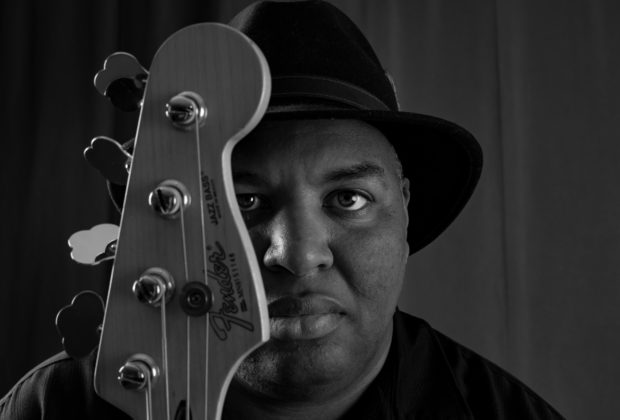
“Mother, Pray for Me” finds The Beths doing what they do best: wrapping emotional unease in bright, tensile power-pop. It’s a song that feels instantly familiar if you know their catalog—those interlocking guitar lines, the melodic immediacy, Liz Stokes’ unmistakable vocal clarity—but it also pushes toward something rawer and more pleading than their usual wry self-interrogations.
From its opening measures, the song pulses with a kind of restless confession. Stokes delivers the title phrase not as a dramatic flourish but as a weary admission, a reaching-out from someone who’s been holding it together for too long. The Beths specialize in songs about the gap between who we want to be and who we are on our worst days; here, that gap takes on a spiritual edge. There’s a sense of hitting bottom—not catastrophically, but in the quieter, more believable ways people actually unravel.
The arrangement mirrors that emotional arc. The guitars shimmer and dart; the rhythm section plays with an almost anxious tightness, as if trying to keep the song from slipping out of its own grip. Harmonies, one of The Beths’ signature strengths, arrive like little reinforcements—friends showing up, steadying a shoulder. When the chorus lands, it’s both a release and a recognition: the pop sheen doesn’t lighten the weight of the plea so much as hold it with tenderness.
Lyrically, the song walks that Beths tightrope between self-reproach and self-awareness. The narrator isn’t blaming the world or asking for absolution; they’re simply acknowledging the moments when coping feels like an act of faith. The invocation of a mother’s prayer is less religious than relational—an admission that sometimes we need someone else’s hope to borrow.
“Mother, Pray for Me” ultimately stands out because it expands the band’s emotional vocabulary without abandoning their sonic DNA. It’s catchy, it’s cutting, and it lingers, an anthem for anyone who’s ever felt a little lost and dared to ask for help, even quietly.
“Damage the Pearl,” the standout title track from Third of Never’s latest record, is one of those songs that feels instantly lived-in—emotionally weathered, musically tight, and lyrically honest in ways that reward repeat listens. What Third of Never does so well across their catalog, melding melodic rock with angular edges, reflective lyricism, and a sense of drama that never tips into excess, comes into sharper focus here. The song is as much about mood as it is about narrative, and it invites the listener into a world where beauty and fracture sit side-by-side.
From the opening seconds, the track establishes a sonic landscape marked by contrast. Guitars shimmer and bite, building a foundation that feels both urgent and dreamlike. That duality mirrors the song’s thematic tension: “damage” and “pearl” aren’t just opposing concepts; they’re the twin poles around which the emotional arc revolves. The metaphor is simple but resonant—the “pearl” as something precious, hard-won, and vulnerable to harm; the “damage” as both external force and self-inflicted consequence.
Doug McMillen’s vocal performance lends the song much of its emotional depth. His delivery is unhurried but charged, as though he’s carefully excavating each phrase. There’s a rasp at the edges that suggests long nights, regrets, and resilience. He doesn’t dramatize the lyrics so much as inhabit them, giving the impression that the story being told has been carried quietly for a long time before finally being voiced.
Musically, the band strikes an impressive balance between tight arrangement and spacious atmosphere. Steve Potak’s keyboard textures ripple through the mix, adding color without overwhelming the guitars. His playing brings a sense of uplift to the darker corners of the track, hinting that even in the midst of damage, there’s clarity or even transcendence to be found. The rhythm section keeps the song grounded, propulsive without being forceful, allowing the emotional tension to breathe.
Lyrically, “Damage the Pearl” explores the fragile points in relationships—the places where trust is tested, where mistakes leave marks, where people confront the limits of what can be repaired. But the song resists cynicism. Instead, it seems to inhabit that complicated emotional terrain where hope and regret coexist. When the chorus opens up, the sense of release is less cathartic triumph and more a weary, honest exhalation. The band understands that complexity is sometimes more powerful than resolution.
The production enhances this emotional palette. Clean, spacious, and unafraid of subtle imperfections, it allows each instrument to carry its own weight. There’s no sense of overpolishing; the track feels human, textured, and lived-in. That sense of authenticity shapes the listening experience: the song sounds like a confession whispered and then amplified into the open air.
“Damage the Pearl” ultimately succeeds because it serves as both a strong standalone track and a thematic touchstone for the album bearing its name. It captures Third of Never’s ability to marry craft and feeling—to write rock music that is polished but soulful, introspective but accessible. It lingers after it ends, like a bruise you only notice when you press on it, and like a pearl that gleams all the more for having survived pressure.
“CHICAGO” OR: HOW TAMAR BERK FOUND A MIRAGE IN THE MIDDLE OF A DYING DREAM
So there I was, chin-deep in a bowl of Frosted Flakes, when “Chicago” dropped through the ceiling like a sigh you forgot you were holding for thirty years. I was reviewing music and videos for YTAA when Tamar Berk, that sparkle-voiced assassin of suburban malaise, spins up something here that’s not quite a love letter, not quite a breakup note, sort of a tear stained note to her hometown. Or perhaps it is something more like a sonic postcard from the corner of hope and loss.
The song opens with this gauzy, aching shimmer—guitars jangling like they’re trying to remember what joy used to feel like. And Berk’s voice—wow, that voice—it floats in like an old Polaroid burned around the edges. It’s part Liz Phair, part Aimee Mann, and all that unnamable ache you get when you realize your childhood bedroom is now a guestroom with beige walls.
“Chicago” is about the place, sure, but also not. It’s about your Chicago—whatever town you left and keep returning to in your heart. Tamar doesn’t sing to the city as much as she sings through it, like she’s tunneling under Wicker Park and digging up old mixtapes and unread diaries. There’s a part where she sings, “It’s not that bad, it’s just sometimes I get so sad,” and if that doesn’t make you want to cry into your last CTA transfer, you’re probably already lost to us.
And the video! God. It’s a melancholic fever dream dipped in filters, grainy and glorious. We see Tamar playing the song, but the video also wanders through neighborhoods, streets, and venues that used to be the places she played in the past. Those places have a hold on us, a feverish dream of what was and isn’t where we are now, but has become inescapably a part of our identity. She doesn’t posture, doesn’t play cute—she just exists, like a memory you can’t delete, even though the file’s corrupted. There’s a stoic poetry to it all, like she’s auditioning for a role in the past and already knows she’s gonna get the part.
What Berk manages to do here—somehow, miraculously—is take nostalgia, which is usually just a cheap phony thought, and make it ache honest. “Chicago” is not some gimmick about going home; it’s a reckoning. It’s the realization that going back doesn’t fix anything, but you keep doing it anyway because sometimes ghosts are better company than strangers.
In the end, this song isn’t about Chicago. It’s about you. Me. All of us who traded in magic for rent payments, who look at our hometown skylines and see a mausoleum instead of a monument. Tamar Berk nailed that feeling to the wall like a love letter returned unopened. And for that, I thank her.
Now, if you’ll excuse me, I’ve got to go cry in a parking lot outside a now-defunct Denny’s.
Oh, my God, The Mayflies USA have just unleashed the kind of song that makes you wonder if the world is still spinning in the right direction or if it’s just about to fly off its axis in a blaze of glorious emotion. “Calling All the Bad Ones Home” isn’t just a song, it’s a revelation. It rips through you like a storm, charging through every lyric, every chord, like a pent-up burst of energy and chaos.
Right from the first strum, you feel the pulse of a band finally arriving at the perfect intersection of rock’n’roll and unrepentant heartache. It’s jangly, it’s rebellious, it doesn’t ask for permission, and it’s absolutely alive. The guitars are so sharp they could cut through steel, and when the drums kick in, it’s like they’re the rhythm of life, the very foundation of reality into something new and thrilling. You shimmy and shake from the start. The vocals are perfect, a cathartic yet accessible call that makes you want to sing along, even if you don’t know the words. And handclaps… come on, we need more claps in songs.
This isn’t a song. It’s a lifeline for the outcasts, the dreamers, the ones who’ve been lost in the noise and are just now realizing they belong somewhere. It’s a melody of redemption wrapped in one glorious, impossibly perfect track. The Mayflies USA are here, and you’re not gonna forget them.
“The Laughing Chimes” song “High Beams” is a rich, atmospheric piece that blends wistful nostalgia with electrifying, almost cinematic soundscapes. As with much of The Laughing Chimes’ writing, this track has a sense of profound intimacy—a delicate balance between the personal and the universal. “High Beams” is a meditation on the tension between light and shadow, love and loss, the known and the unknown. The song pulses with a kind of nervous energy, like the flicker of headlights on a quiet street, beckoning toward a horizon that feels both alluring and frightening. (WARNING: This video may potentially trigger seizures for people with photosensitive epilepsy. Viewer discretion is advised.)
When talking about The Laughing Chimes you often focus on the emotional undercurrents of a song, examining the way music captures moments of quiet yet potent self-reflection. “High Beams” encapsulates this sensibility in its jangly yet lush, layered production. The track doesn’t rely on grandiose gestures but instead leans into subtle, almost fleeting melodies that stir something deep within the listener. Its lyrics, steeped in metaphor and imagery, invite listeners to interpret the meaning for themselves, to fold themselves into the spaces between the words, much like the way a soft beam of light might slip through the cracks of an old window, revealing glimpses of a life just out of reach.
The song’s lyrical content, rich in symbolism, evokes feelings of longing and unspoken connection, themes that many musicians explore. In “High Beams,” there is an almost cinematic quality to the way the story unfolds, similar to a film where a character is on the cusp of something important but hesitates, unsure whether to step forward or stay in the shadows. The metaphor of high beams is both literal and figurative, suggesting not only a physical presence but also the feeling of being observed, of vulnerability in the midst of something bigger and uncontrollable.
Sonically, “High Beams” leans heavily into a blend of jangly indie rock, synth, and dream-pop, not unlike the work of other artists who explore the liminal space between genres. The track swells with a bouncy reverb and compelling arrangements that create an almost enveloping atmosphere. Yet, there’s a grounding quality in the rhythm section that pulls the song back to earth, like the steady heartbeat that underlies all of our most intense emotional experiences.
In true rock and roll fashion, “High Beams” is both a journey and a destination, a portrait of the tender, precarious act of living fully in the present moment while gazing forward with both hope and trepidation. This is a song that demands repeated listening, each time uncovering a new layer, a new emotional note to be explored.
All too often critics apply a sharp, snarky perspective on music, and approach covers with a detached cold perspective. And sometimes that separation would truly miss the point. The Pinkerton Raid’s cover of Counting Crows’ A Long December needs recognition of both the emotional core and the transformation of the song. A good review would highlight the poignant ways in which the cover reimagines the original, focusing on the evolving resonance of the song in the hands of a different band, and the way the passage of time deepens its meaning.
The original A Long December, with its aching melancholy and sense of yearning for resolution, comes from Counting Crows’ Recovering the Satellites, a record defined by its bittersweet reflection on personal pain and recovery. Adam Duritz’s vocal performance, simultaneously raw and hopeful, narrates a painful yet comforting nostalgia. However, when the Pinkerton Raid takes on this track, they strip it down, peeling back the layers of polished production, leaving space for vulnerability in their own rendition.
A critic would likely notice how the Pinkerton Raid, often associated with a more stripped-down Americana sound, injects new textures into the song. Their version transforms the hopeful melancholy of the original into something a little more haunting, a little more restrained, while the song is given room to breathe the emotional release feels suffocating — it is literally breathtaking. The arrangement, grounded in folk instrumentation, slows the pace, allowing the lyrics to move, perhaps breathe, and resonate in a way that invites even deeper introspection than the original, and that is saying something. The spaciousness of the arrangement highlights the sense of emotional isolation, with each guitar strum and piano/organ note echoing a quiet sense of longing.
How covers interact with their originals is a common discussion among critics. These critics would also note how this version of A Long December recontextualizes the meaning of the song for listeners in the 2020s, giving the track a new sense of grief. In a time when shared emotional experience is often overshadowed by fragmentation, the Pinkerton Raid’s version of A Long December offers a gentle, bittersweet reminder that despite everything, we still carry the weight of our pasts with us. You can pre-save or pre-add the studio version on APPLE, SPOTIFY or DEEZER, download it on BANDCAMP, or order the physical CD or vinyl.
Librarians with Hickeys — what a name. You hear it and you immediately start constructing the image in your head: a tangle of smudged glasses, bookish rebellion, a zine-spun ethos slashing through the overcast skies of suburban ennui. Their track “Hello Operator” is nothing short of a jangle pop-fueled call to arms for the underachiever, the bored teenager, the disillusioned adult trapped in a system that runs on decibels of monotonous corporate soul-sucking. But instead of screaming bloody murder or railing against the system, they just slap it in the face with a smirk and soaring ringing guitars. The song is the lead track from their excellent — and one of our favorites of 2024 — record, How To Make Friends By Telephone (out on Big Stir Records).
The song’s pulse is a sweet relentless stomp, feeling like the clock ticking down to something important, but what? Who knows. There’s this sense of the need for connection and the futility of that need, an operator on the other side who may or may not be listening, a technological abyss where human connections dissolve into nothing. The song sweeps forward, like an old jukebox with a bad needle sharing thoughts and desires from one jump thought to the next. And isn’t that just the way? We’re all dialing up, trying to make a connection with something—another person, a higher power, ourselves—and getting lost in the static.
The lyrics, always a strength of this band, are power-pop blissful clarity in the deeply felt reaching out: “Hello operator, can you tell me one more time, what do people say when they talk to you? Hello operator, I really hope you don’t mind. I would like to talk to you. Yes, I would like to talk to you. I think I would like to talk to you.” It’s not just a plea for communication, but a brutal statement about how we’re all caged in by our own methods of connection. Forget the pleasant humdrum of politeness versus the insanity of the world around us, this is the telephone line, frayed and half-spliced, where any answer you get is an accident.
The kicker is the sound. At times driving power-pop cascading, ringing, jangling, like a late-night jam session fueled by too many cans of cheap beer and a pile of too many bad ideas that we took to heart instead of ignoring them. Yet somehow, in this pop gem chaos, there’s a profound sense of liberation. The cry of “hello” is the message.
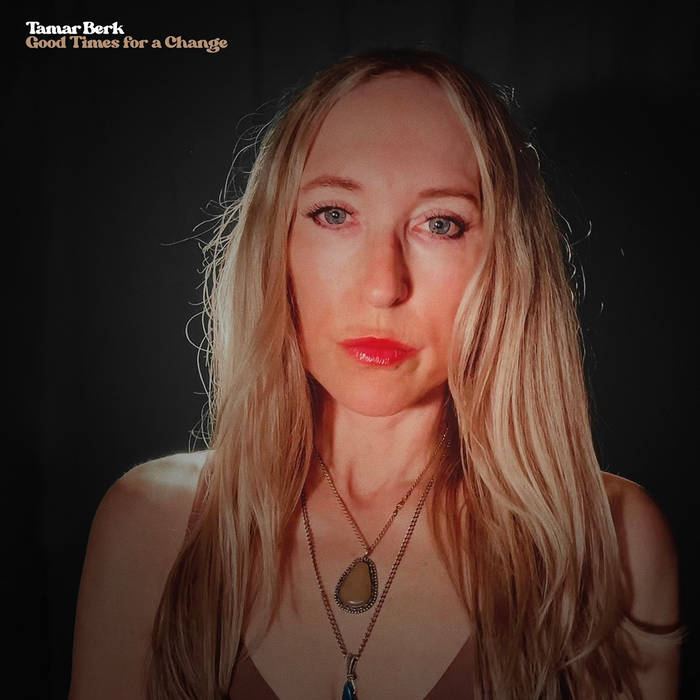
Tamar Berk’s latest song, “That’s Not a Lie,” from her recent excellent album Good Times for a Change, dives deep and explores the critical themes of honesty and vulnerability within relationships (and in an expansive canvas not simply romantic connections) and addresses a central question about how ready are we for the vulnerability that all relationships require. Consider how much are we willing to risk? Are we prepared for rejection? For appearing to be the fool — or foolish — in the face of striving to say what we feel directly and honestly.
The song is front and center on the uncomfortable truths people often face, exploring the complexity of admitting past mistakes and accepting one’s limits and flaws. Because we all have flaws even when we do not want to accept them. They stay with us, with every breath, every moment. Set against a rock and roll dynamic soundscape of driving electric guitar and drums, Berk’s emotive vocals convey and evoke both rawness, presence, and nostalgia, adding to the song’s emotional depth from the first note that she sings. This track carries an introspective tone, as Berk reflects on personal accountability, the challenges of openness, and the power of self-acceptance within partnerships.
The music video complements these themes by adopting a playful retro, almost interrogative visual style that feels present around us. It’s as though Berk is confronting herself, embodying the intense self-reflection that characterizes the song — she is doing the work. In her lyrics, she addresses a tension between the desire for honesty and the fear of vulnerability, a feeling that resonates across the album. Vulnerability is a recurring theme in her work reaching back to Starball, tying into her broader artistic exploration of personal growth and relationships. Berk wants to make music that means something and while this is not an after-school special kind of false sentimentality but a real discussion on the heart and the challenge of being gentle and risky with one’s heart. Precarity is a necessary condition of any connection.
We are fans of Berk’s earlier music and notice her brilliant mix of introspection and compelling indie-rock, dare we say ‘wall of sound.’ The song’s production style easily draws comparisons to ’90s rock influences, with a pitch pure effective blend of rock authenticity and modern polish. Ultimately, “That’s Not a Lie” stands out as a powerful statement within Berk’s ever-expanding and captivating discography, capturing her unique ability to weave personal narratives into relatable and engaging music that matters.
The Nautical Theme is a musical duo based in Dayton, Ohio, consisting of singer-songwriters Matt Shetler and Tesia Mallory. Known for their melodic, harmonious approach to folk and indie rock, the band combines Mallory’s bright, captivating vocals with Shetler’s rich, grounding tone, creating a deeply moving vocal interplay. Formed in 2016 from their previous project – Good Luck Year, The Nautical Theme emerged from Dayton’s vibrant indie scene, bringing their introspective, emotionally resonant music to local stages and steadily expanding their fanbase.
Their sound often features acoustic instrumentation that leans into folk sensibilities, with varying soft and propulsive piano, guitar, and occasionally percussive elements, allowing the raw storytelling and emotional intensity of their lyrics to shine through. They are adept at conveying themes of love, loss, and personal growth, providing listeners with an authentic experience that resonates on a deeply personal level. Their music is described as both soothing and thought-provoking, marked by a sensitivity that reflects the depth of their songwriting.
In 2018, they released their debut album Float an introspective collection of tracks highlighting the duo’s harmonies and storytelling prowess. The album was well-received, gaining attention for its vulnerability and sincerity, showcasing the depth of their collaborative process. Since then, The Nautical Theme has continued to release music that delves into universal human experiences with a nuanced, reflective perspective.
In March of 2020, the duo released Lows and Highs, an album that encapsulates the rollercoaster of emotions encountered during challenging times. This release demonstrated a maturation in their songwriting and production, expanding on their signature sound with more complex arrangements while still preserving the simplicity that makes their music so accessible. Something Old, Something New, Something Borrowed was released in 2021 which like the title suggests shows the dynamic musical duo playing an older song, a new composition, and a cover.
Roughly four years later, the duo released, Do Something which included two impressive EPs, Do Something and Get Somewhere (released in 2023) that showed their musical adventurism. Their most recent single expands on the adventure and the sonic palette that Matt and Tesia usually carry in their music. To say that we are excited by the broadening of the soundscapes that normally are explored by The Nautical Theme is an understatement.
MJ Lenderman’s “She’s Leaving You” is a poignant exploration of heartbreak and longing, delivered with an authenticity that resonates deeply. You feel it in your soul. The track seamlessly blends indie rock with elements of folk, creating a sound that feels both fresh and nostalgic. Lenderman’s voice is raw yet soothing, capturing the emotional weight of the lyrics with a delicate balance of vulnerability and resilience.
Lyrically, the song delves into the complexities of love and loss, painting a vivid picture of a relationship on the brink of collapse or is that in the final stages of failure? Lines filled with longing and regret evoke a sense of bittersweet nostalgia, making it relatable for anyone who has faced similar heartache. The imagery he uses is strikingly accessible almost laconic, allowing listeners to visualize the moments that lead to the inevitable separation. It’s this lyrical depth that sets Lenderman apart, inviting listeners to reflect on their own experiences while immersed in the music.
Musically, “She’s Leaving You” is anchored by a melodic guitar riff that is both catchy and melancholic, driving the emotional narrative forward. The production is polished yet retains a not too perfect intimate quality, as if Lenderman is sharing his story directly with each listener over beers at the bar. The instrumentation builds subtly, allowing the vocals to take center stage, and creating a sense of crescendo that mirrors the emotional climax of the narrative.
Overall, MJ Lenderman’s “She’s Leaving You” is a standout track that showcases his talent as a songwriter and musician. It’s a heartfelt anthem for those grappling with the pain of separation, delivered with a sincerity that lingers long after the song ends. This track cements Lenderman’s place in the indie scene, making listeners eager to see what he’ll create next.
Nestled in the vibrant musical space of Asheville, North Carolina, Wagging emerges as a breath of fresh air, combining elements of country, folk, rock, and indie to create a sound that’s uniquely their own. With their captivating melodies, heartfelt lyrics, and at equal times dynamic and whispered performances, Wagging has swiftly become a cornerstone of Asheville’s excellent music scene.
At the heart of Wagging’s appeal lies their commitment to authenticity — any long time listener to our show will know how deeply that matters to us at Your Tuesday Afternoon Alternative. From the raw emotion in their lyrics to the organic instrumentation that permeates their sound, every aspect of their music feels genuine and unfiltered. This authenticity is evident from the moment you press play on one of their tracks, transporting listeners to a world where vulnerability is celebrated, perhaps even nurtured and all the while honesty is paramount.
One of the band’s most striking attributes is their ability to craft poignant narratives that resonate with audiences on a deeply personal level. Whether they’re exploring themes of love, loss, or the human condition, Wagging approaches each subject with a sincerity that is both refreshing and relatable. Songs like “Alien” and “Bent” showcase their talent for storytelling, painting vivid portraits of life’s triumphs and tribulations with poetic finesse.
But Wagging’s appeal extends far beyond their lyrical prowess. Musically, the band is a tour de force, effortlessly blending elements of alt country, folk, rock, and indie to create a sound that is at once timeless and contemporary. From the twang of the jangly guitar to the wail of a bouncy bass, every instrument in Wagging’s arsenal serves a purpose, adding depth and texture to their songs.
Central to Wagging’s sound is their dynamic instrumentation and tight-knit harmonies. Lead singer Alison’s haunting vocals soar above the lush backdrop of acoustic guitars and pulsating rhythms, creating a sense of intimacy and urgency that is impossible to ignore. Meanwhile, the rest of the band provide the perfect complement to Alison’s vocals, weaving intricate melodies and driving rhythms that keep listeners captivated from start to finish.
But perhaps what sets Wagging apart from their peers is their updated College Rock swagger. In live performance, the band proves that a trio continue to create an impenetrable harmonic wall of sound. Wagging’s live shows are not to be missed. Whether they’re playing to a sold-out crowd at a local venue or busking on the streets of downtown Asheville, the band approaches each show with an infectious energy and enthusiasm that is impossible to resist. From the moment they take the stage, it’s clear that Wagging is more than just a band—they’re a collective force of nature, hell-bent on spreading their message of love and solidarity to anyone willing to listen.
Wagging is a band on the rise, poised to make a significant impact on the musical landscape of Asheville and beyond. With their authentic sound, heartfelt lyrics, and electrifying live performances, they have carved out a space for themselves in the crowded world of indie folk rock, and it’s only a matter of time before the rest of the world takes notice. So do yourself a favor and check out Wagging—you’ll be glad you did.
Dayton, Ohio’s magnificent duo, The Nautical Theme have released the first single from their up-coming record “Do Something.” The song and the video are perfect compliments to the allure of the lyrics, bewitching sway of the vocals and the music that lays a solid terra firma around the composition.
Any long time listener to Your Tuesday Afternoon Alternative knows that we are fans of this band. And the magnetic pull of The Nautical Theme is tied to the essential quality of there music. In songs like “I’m Not Ready” there exists a magical phenomenon that transcends the boundaries of sound and captures the essence of human emotion—the beauty of two voices perfectly intertwined in a song. This captivating synergy elevates the musical experience, creating a harmonious blend that resonates with the listener’s soul. The combination of the two distinct voices of Matt Shelter and Tesia Mallory weaving together in a delicate dance brings forth an enchanting tapestry of sound that is both powerful and profoundly moving.
At its core, the beauty of these two voices entwined in song lies in the alchemy of harmony. When two voices merge seamlessly, a unique and transcendent sound is born. The interplay between melodies, harmonies, and tones creates a dynamic sonic landscape that draws the listener into a mesmerizing space. It is a delicate balance, a musical dance where each voice complements the other, enhancing the emotional impact of the song. Real emotion is found in those moments.
The human voice possesses a remarkable ability to convey a wide range of emotions, and when two voices come together in perfect harmony, they amplify the emotional and social depth of the music. Whether expressing love, heartbreak, joy, or sorrow, the dual voices intertwine to tell a compelling story, leaving an indelible mark on the listener’s heart and mind. And honestly, I am not entirely sure which emotion was the songwriter’s goal but all of them can be felt by the listener of this song.
One of the most enchanting aspects of two voices entwined in song is the power of contrast. Each voice brings its own unique timbre, color, and character to the composition. The contrast between high and low tones, soft and powerful dynamics, and different vocal qualities creates a rich and diverse auditory experience. In a well-executed merging like “I’m Not Ready,” the voices complement and contrast with each other, adding layers of complexity to the musical arrangement. The interplay between a soprano and a tenor, in this case, creates a captivating juxtaposition that elevates the overall impact of the song. This interweaving of diverse vocal elements captures the listener’s attention, inviting them to explore the nuances within the music.
The emotional resonance of melding voices is unparalleled in “I’m Not Ready,” as the combined voices create a sense of intimacy and connection. The shared experience of singing together fosters a profound sense of unity, both for the performers and the audience. The act of simply singing together is heightened when the voices convey a shared narrative or a dialogue between the singers. The listener becomes a participant in the journey, connecting with the lyrics on a personal level. The intertwining voices act as vessels, carrying the weight of the song and delivering it directly to the hearts of those who are fortunate enough to experience it.
Two voices entwined in song not only convey emotional depth but also showcase the technical prowess of the performers. The seamless coordination of vocal dynamics, pitch, and timing requires a high level of skill and precision. The beauty of a song like “I’m Not Ready” lies not only in the emotional resonance but also in the technical mastery displayed by the singers. The interplay of harmonies, counterpoint, and synchronized phrasing requires a deep understanding of musical theory and an acute sense of timing. When executed flawlessly, as is the case with “I’m Not Ready” the result is a breathtaking display of vocal artistry that leaves a lasting impression. The technical complexity adds another layer of appreciation for the beauty that emerges when two voices come together in perfect unison.
The beauty of two voices entwined in song remains a timeless and enchanting phenomenon for any music fan. The alchemy of harmony, the power of contrast, emotional resonance, and technical mastery combine to create a musical experience that transcends the ordinary. As listeners, we are fortunate to witness the magic that unfolds when two voices come together in perfect unison, creating a symphony of emotions that lingers in our hearts long after the final note has faded away. The beauty of two voices entwined in song is a proof of the enduring power of music to touch our souls and connect us on a meaningful and universal level.
Streaming Forward, Powered By The Past - if you love the 80s music, new music, Eurovision, cheesy pop and awesome playlists then let's get this pop party started!