Favorites of 2025: Snocaps – Snocaps

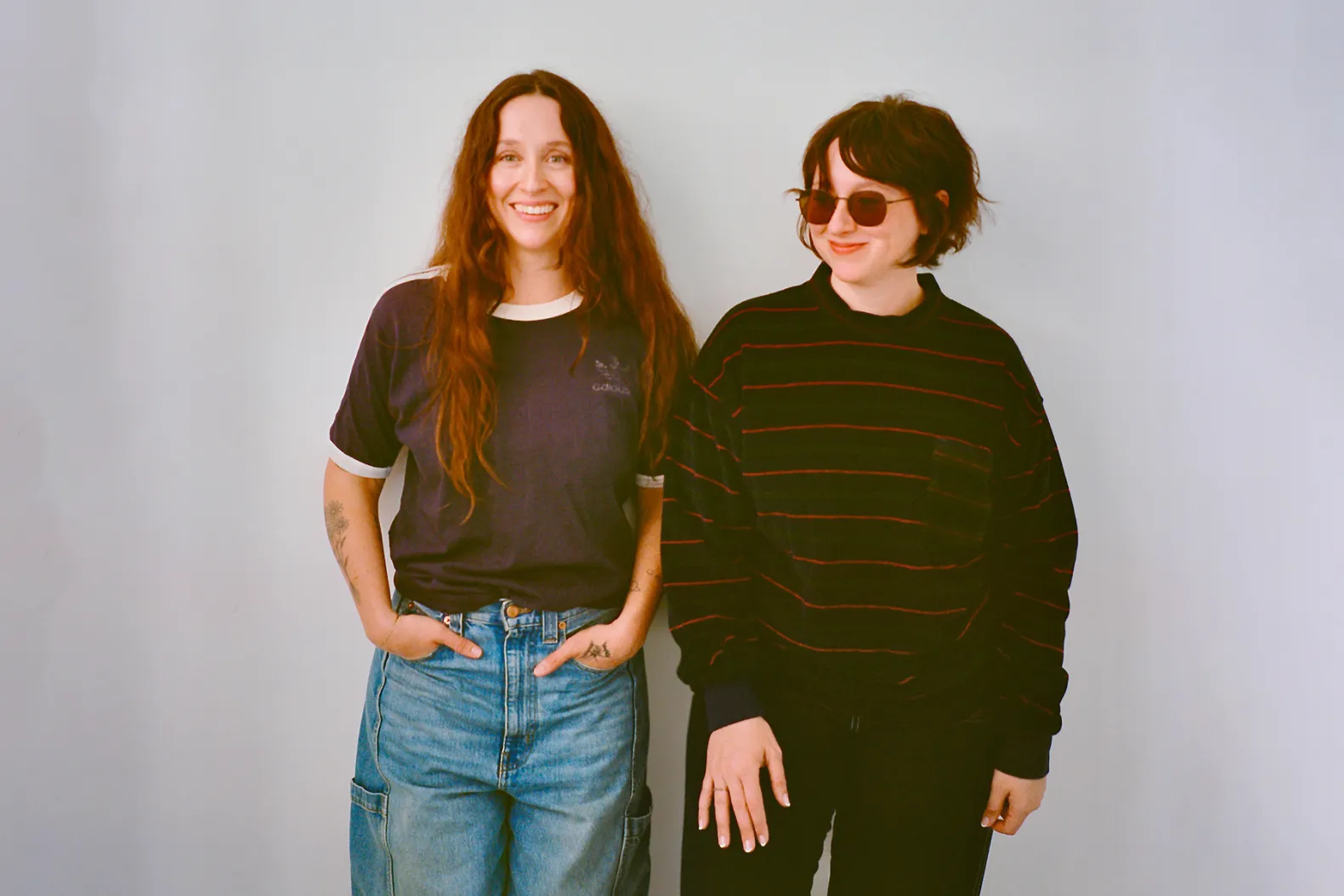
In 2025, twin sisters Katie and Allison Crutchfield re-emerged in a manner few anticipated: not as members of a reformed punk band, but as collaborators on a new project called Snocaps. That reunion — their first musical partnership since their former band P.S. Eliot broke up in 2011 — signifies more than just nostalgia. It feels like a reconciliation of two distinct yet complementary musical sensibilities: Katie’s reflective Americana-influenced songwriting (familiar from Waxahatchee) and Allison’s sharper, hook-filled indie-rock instincts (from Swearin’). The result — the self-titled debut album Snocaps — is timely, heartfelt, and full of promise.

What makes this record especially compelling is that it doesn’t just rehash old chemistry. Instead, it showcases seasoned musicians playing with honesty, restraint, and an unexpected sense of freedom: the freedom to create music on their own terms, unburdened by expectations or commercial pressures. This essay examines the unique strengths of Katie and Allison — both individually and together — the role of their collaborators (notably MJ Lenderman and Brad Cook), and how Snocaps stands as a testament to their growth, creative synergy, and lasting relevance.

Katie Crutchfield: Americana roots, emotional clarity, evolving maturity

Katie Crutchfield has spent the past decade establishing herself as a compelling voice in indie rock, especially through Waxahatchee. Her songwriting typically centers on emotional honesty, rooted in real-life experiences, memory, love, regret, and self-discovery. On Snocaps, those qualities are very much present — but there’s also a heightened sense of reflection and acceptance, as if she’s writing not just from memory but from hindsight.

Tracks like “Wasteland” and “Doom” showcase this evolution. On “Wasteland,” Katie delivers alt-country grit and a sparse sense of solitude: the song explores themes of self-awareness, guilt, and longing. Meanwhile, “Doom” becomes a slow-burning reflection on fractured relationships and emotional burden — a gothic, folk-influenced breakup song where her voice conveys both resignation and defiance.

What’s remarkable is how she uses simplicity to maximize impact. Rather than relying on overly ornate arrangements, Katie often leaves space — a sparse guitar, a steady rhythm, a quiet harmonic — so her lyrics and voice can hold the listener’s attention. That restraint makes the emotional beats hit harder; you hear every inflection, hesitation, and sigh of regret or longing.

On Snocaps, there’s also a sense of emotional clarity and self-acceptance. These songs don’t fix everything — but they acknowledge pain, longing, and change without flinching. In that sense, Katie’s contribution feels mature, grounded, and painfully human.

Allison Crutchfield: hooks, energy, and a return with sharpened instincts

Allison Crutchfield has long been celebrated for her talent for catchy, guitar-driven hooks, a sharp indie-rock sensibility, and straightforward lyrics. With Swearin’, she built a reputation for raw, energetic songs. On Snocaps, she comes back with some of her most powerful and urgent material yet.

Her tracks on Snocaps — including “Heathcliff,” “Over Our Heads,” “You In Rehab,” and “Avalanche” — showcase her talent for melody and momentum. The album sometimes gains speed, urgency, and even a hint of recklessness: a fresh contrast to Katie’s more reflective moments. As one review mentions, songs like “Over Our Heads” move quickly, blending sharply crafted hooks with a laid-back, slacker-rock feel that keeps the music both well-structured and effortlessly loose.

Take “Heathcliff”: jangly guitars, picked bass, and a hook that seems to grow stronger with every listen — it evokes echoes of earlier indie-rock favorites while carving out new territory. And “You In Rehab,” alternately gritty and tender, carries a raw emotional weight: lyrics about recovery, regret, and ambiguous hope, delivered with heartfelt sincerity.

What’s impressive is how strong Allison sounds here: not as a nostalgia act returning to her former glories, but as an artist who has evolved, refined, and matured. Her vocals cut through clearly, the guitar hooks feel immediate, and the arrangements—whether fast or slow—all seem purposeful. Snocaps proves she’s lost none of her edge—and perhaps has gained a bit more clarity in her aim.

Together: complementary strengths, revived sister synergy, and a joint vision

If Katie brings introspection and emotional weight, and Allison brings energy and melodic drive — together, they create a balance that feels surprisingly natural, even after 14 years apart. As some critics note, the record feels like “a throwback and a vision of two brilliant songwriters in the here and now.”

Their vocal interplay — along with alternating songwriting credits — adds diversity and emotional depth to the album. Katie’s softer, more atmospheric songs sit beside Allison’s edgier rockers; together, they weave a tapestry of moods: from regret, longing, and reflection to restlessness, defiance, and passion. This variety keeps the album lively: it features no single tone or message but a chorus of lived experiences, emotions, and memories.

The fact that Snocaps was recorded in a burst — the sessions reportedly completed in a matter of days — adds to its rawness and honesty. The sisters described the project as a way to reconnect with the earliest, purest versions of their music-making selves — and you can hear that in the looseness, spontaneity, and emotional immediacy of many songs.

In some ways, the album operates like a conversation between two people with shared history but divergent paths — two versions of self, reunited. The result is both familiar and new: siblings making music again, but with years of growth, distance, and experience behind them.

The role of collaborators: building texture, grounding raw ideas, enriching musical depth

While Katie and Allison are the heart of Snocaps, the contributions of their collaborators — particularly MJ Lenderman and Brad Cook — are essential to what makes the record work so well.

The project features veteran musician-producer Brad Cook, who produced and engineered the record and also played instruments. His involvement ensures the album stays cohesive despite the varied voices and styles; he helps craft a sound that feels unified, intentional, and warm rather than scattered or inconsistent.

Then there’s MJ Lenderman: a multi-instrumentalist, guitarist, and drummer who plays on many tracks. His guitar work—electric, 12-string, atmospheric or gritty—adds depth, texture, and sometimes a rough edge that balances the emotional weight of the Crutchfields’ voices. In songs known for their melancholic or intense emotional content, his instrumentation often frames the song to amplify its impact rather than overshadow it.

This minimal guitar-bass-drums setup gives Snocaps a raw, intimate feel. There’s no unnecessary decoration; everything — from instrumentation to vocal delivery to production — feels intentional, genuine, and rooted. The result resembles a living room recording transformed through careful yet subtle craftsmanship: authentic, imperfect, and deeply personal.

In a musical moment often driven by maximal production and glossy polish, that restraint feels refreshing. It’s a reminder that sometimes the most resonant art comes from simplicity, collaboration, and genuine connection.

Lyrical themes and emotional resonance: nostalgia, growth, regret, resilience

One of the most compelling aspects of Snocaps lies in its lyrical honesty. The album treads familiar emotional territory — relationships, regret, addiction or recovery, longing, identity, roots — but does so with nuance and maturity. The years between P.S. Eliot and now show: these are not songs written in youth’s raw vulnerability, but with the awareness and reflection age brings.

For example:

  • On “You In Rehab,” Allison confronts the messiness of recovery and personal breakdown: regret, gratitude, and cautious hope co-exist in the lyrics.
  • In “Over Our Heads,” there is a sense of displacement and longing — a reflection on leaving hometowns or previous selves behind: “no hometown, no home state anymore.” That ache feels real, lived, universal.
  • Katie’s “Doom” brings out themes of disillusionment and heartbreak, exploring the weight of memory and the difficulty of moving forward without erasing the past.
  • In lighter moments — albeit tinged with bittersweetness — the songs deal with nostalgia, dreams, and the tension between youthful ambition and adult reality. The tracklist’s sequencing balances heavier songs with ones that have a glimmer of hope or wistful acceptance.

Throughout it all, the lyrical voice is understated but very emotional, exploring longing, regret, desire, and a stubborn kind of resilience. The recurring image of movement — roads, cars, leaving, returning — acts as a metaphor for inner journeys: navigating memory, home, identity, and growth.

In that sense, Snocaps doesn’t offer closure or easy answers. Instead, it offers accompaniment: a companion through uncertainty, regret, and hope. It’s less about fixing things than acknowledging them — and surviving.

Why Snocaps matters — for fans, for the sisters, for indie rock

Snocaps arrives at a moment when much music can feel calculated: long lead-ups, social-media-heavy rollouts, marketing, and image crafting. The fact that this album was released as a surprise — with no big campaign and no elaborate preamble — feels like a statement in itself. It’s an album made out of love, for sisterhood, for music.

For longtime fans of Katie and Allison — and their early band P.S. Eliot — this reunion is a welcome sight. But beyond nostalgia, Snocaps shows growth. It’s a reminder that time changes artists but doesn’t necessarily dull their voices. In fact, it can make them sharper.

For the broader indie-rock scene, Snocaps stands out as a subtle yet powerful example of what happens when experienced artists collaborate without pressure, allowing music to flow naturally, embracing imperfection, and prioritizing emotion over production polish. The album combines indie-rock hooks, Americana introspection, and raw honesty in a way that feels meaningful to listeners seeking authenticity and emotional depth.

Finally — for Katie and Allison themselves — Snocaps might be a one-off, but it feels like a reopening of a conversation: with each other, with their past, with their musical selves. It’s a moment of reckoning, reconciliation, and renewal — and it’s done with grace, restraint, and love.

Conclusion: The Crutchfields, reunited — and the power of making music on your own terms

In the whirlwind of 2025’s music scene — with flashy releases, social media buzz, and polished production — Snocaps arrives quiet, unassuming, and yet quietly insistence: this is music made for feeling, not for trending. It’s a record that trusts listener patience, emotional depth, and the power of simple instrumentals to carry weight. It’s flawed, honest, alive.

Katie Crutchfield brings her soul — subtle, wounded, hopeful. Allison Crutchfield brings her edge — sharp hooks, restless energy, unfiltered emotion. Together, their voices, histories, and instincts blend into something that feels both like a reunion and a reinvention. Adding collaborators like MJ Lenderman and Brad Cook — who contribute with taste, restraint, and shared history — results in an album that seems born out of necessity: a need to reconnect, to create, to speak.

Snocaps is more than just a project or a band. It’s a moment: a brief window into what happens when two talented siblings reclaim their story, their music, and their shared past — and turn it into something new. If you listen with your heart, you’ll hear history, honesty, and hope woven into jangly guitars, melancholic melodies, and voices that understand loss, healing, and resilience.

So if you’ve been waiting for something real, something personal, something without pretense? Snocaps is more than worth your time.

Favorites of 2025: Tamar Berk – ‘ocd’

Why Tamar Berk deserves your attention

Tamar Berk is one of those rare musical talents who not only pour raw emotion into her songs but also writes, records, and produces them herself — forging a sound world that’s intensely personal, lo-fi‑grounded, and vivid. On her new 2025 album ocd, she delivers what many consider her most ambitious and emotionally immersive work yet: a reverb-soaked journey into looping thoughts, obsessions, and the restless inner life.

Raised on classical piano and early Disney soundtracks, Berk eventually gravitated toward influences like The Beatles, David Bowie, Liz Phair, and Elliott Smith — a mix that shaped her instinct for melody, emotional catharsis, and lyrical truth. What she makes now, though, is something singular: indie rock and dream‑pop fused with DIY grit, emotional honesty, and the courage to bare her inner world.

In what follows, I want to explore Tamar Berk’s strengths as a musician — her multi-instrumentalism, her knack for mood and texture — and how on ocd she channels overthinking, vulnerability, and occasional panic into songs that feel like listening to someone thinking aloud.

Multi‑layered musician: instruments, production & power of solo control

One of the most striking aspects of Tamar Berk’s work is how much of it she controls herself. On ocd, she handles not only vocals and songwriting but also guitars, piano, synths, Wurlitzer, organ, bass, strings, programming, percussion — often layering sounds to produce something both intimate and richly textured.

That DIY ethos gives her music a special honesty. Because she’s involved in nearly every aspect, nothing feels over-polished or disingenuous — the distortions, reverb, and ambient murkiness all serve the truth of her emotional landscape. The result: a sound that lingers, unsettles, and stays with you.

In musical terms, that means ocd isn’t strictly an indie‑pop or alt‑rock album. It’s more like a fever dream — alternately noisy and delicate, sometimes urgent, sometimes hazy. The instrumentation shifts fluidly: thick, fuzzy guitars and sparse, somber piano; ghostly synths and grounded bass; literal sonic loops echoing the mental loops the lyrics describe.

At times, Berk leans into distortion and echo to evoke disorientation; at others, she strips things down to nothing but light keys, soft vocals, and a sense of fragile introspection. That dynamic — the back‑and‑forth between chaos and calm — is exactly what gives ocd its power.

Lyrical honesty: overthinking, mental spirals, and the beauty inside the mess

If the music gives you the frame, the lyrics are the beating heart of ocd. This is an album that wears its anxieties on its sleeve — about obsession, memory, identity, self-doubt, longing, and the loops of anxiety and overthinking. As Berk puts it, she called the album ocd because she “lives in loops. I overthink everything. But this record helped me make a little bit of beautiful sense out of that.”

The lead single ‘Stay Close By’ sets the tone for the album: dreamy guitars and soft vocals weave around lyrics of indecision, longing, and inertia — “I don’t know why I can’t reply on time, or can’t make up my mind,” she sings. The result feels like a confession whispered in a quiet room: vulnerable, real, and ache-filled.

But not all of ocd wallows plaintively. The title track ocd itself confronts mental spirals head‑on, repeating lines like “I got OCD … over and over and over,” rendering the relentlessness of intrusive thoughts in musical form: looping, dizzying, claustrophobic.

Elsewhere, Berk’s songwriting explores memory, regret, longing, and desire for escape — or at least some kind of emotional catharsis. The songs move between bleak introspection and moments of fragile hope, capturing that tension many of us live with: the part that fears and ruminates, and the part that still wants connection, meaning, or release. As one summary puts it, ocd “invites listeners into her inner thoughts” — messy, complicated, yet somehow familiar and human.

A sonic and emotional arc: ocd as a map of inner turbulence

What makes ocd compelling — and perhaps unique in the indie scene this year — is how well its musical and lyrical elements align to create an overall arc: it feels less like a collection of songs and more like a single, immersive experience. Berk seems to want to draw listeners into her mind, step by step, track by track.

The album shifts between dream‑pop haze and rock‑tinged fervor, between introspective hush and emotional outburst. That dynamic — of contrast and layering — mirrors the experience of anxiety, overthinking, and identity searching. On one track you might be floating in soft guitars and wistful melodies; on the next you’re confronting distortion, repetition, and confessional urgency.

That tonal range reflects the alternation many of us know well: memory and regret, hope and despair, the attempt to control thoughts and the surrender when it becomes too much. In that sense, ocd isn’t just music — it’s a kind of emotional landscape, felt in sound as much as in words.

Importantly, Berk doesn’t pretend to provide tidy resolutions. Her voice doesn’t promise that overthinking will end, or that clarity will come. Instead, she offers catharsis, empathy, and solidarity — a map for all the tangled thoughts, the dark nights, the loops. It’s messy. It’s real. But it’s shared.

Why ocd matters as growth

For longtime followers of Tamar Berk, ocd may feel familiar in some ways: there are still fuzzy guitars, melodic hooks, and a DIY spirit. But this album marks a new level of ambition and vulnerability. As one review noted, this is her “most personal and intense work yet.”

Her growth is obvious — not just as a songwriter, but as a producer and composer. The fact that she plays multiple instruments, layers them herself, and co-produces the record gives ocd a cohesiveness and authenticity that few albums achieve. The emotional weight doesn’t come across as polished or packaged — it feels lived, raw, and human.

Moreover, at a time when mental health, overthinking, and the pressures of modern life feel increasingly pervasive, ocd offers something rare: a mirror that’s honest but compassionate. It doesn’t romanticize anxiety; it doesn’t idealize healing. It simply says: this is what it feels like. And maybe that’s enough — maybe that kind of honesty is exactly what art should do.

In that sense, Tamar Berk isn’t just writing songs — she’s doing what few musicians do: giving voice to inner chaos, shaping it into melody and texture, and inviting you to sit with it all. ocd isn’t easy listening. It’s hard, sometimes disquieting. But it’s real. And in its messy honesty lies its power.

Final thoughts: Tamar Berk as a voice for the over‑thinkers, the dreamers, the stranded

There’s a long tradition in music of turning pain into beauty, chaos into catharsis — but few artists do it with as much rawness, intimacy, and creative control as Tamar Berk. On ocd, she doesn’t just invite you in: she opens the door, hands you something fragile, and says, “this is what it feels like.”

That willingness to expose uncertainty, loops of thought, doubt — is an act of bravery. And as a listener, you’re not just a spectator: you become a companion in the spirals. Maybe you don’t walk out with answers. But you walk out with somewhere to begin.

If you’ve ever felt your thoughts spin too fast, if you’ve ever felt stuck in loops of regret or longing — ocd is for you. And even if you haven’t, this record might just show you what you never knew you could feel so deeply: the strange beauty of overthinking — and the power of turning it into art.

Give it a listen. Turn the lights down. And let Tamar Berk lead you through the loops.

Favorite of 2025: The Beths – Straight Line Was A Lie

Introduction: Why The Beths Matter

The New Zealand indie‑pop quartet The Beths have long stood out for their sharp songwriting, earworm melodies, and the emotional honesty that pulses through their lyrics. With their 2025 album Straight Line Was a Lie, they arrive at a new peak — refined in sound yet deeply raw in sentiment. It’s a record that doesn’t just reaffirm what makes them special; it feels like a rebirth: more considered, more textured, and more vulnerable than ever. As the band enters this next chapter, it’s become increasingly clear that The Beths aren’t just good at what they do — they’re extraordinary.

I want to take a moment and explore how each member’s musical contributions blend to form the band’s signature sound, and how the lyrics on Straight Line Was a Lie carve out an intimate, unsettling, yet hopeful portrait of life, growth, and mental health.

First, a quick refresher on the lineup. The Beths consist of:

  • Elizabeth Stokes – lead vocals, rhythm guitar, main songwriter
  • Jonathan Pearce – lead guitar, backing vocals, producer/engineer (on this record)
  • Benjamin Sinclair – bass guitar, backing vocals
  • Tristan Deck – drums, cymbals and percussion, backing vocals

In past releases, The Beths were already celebrated for their “jangly” guitar pop, shimmering harmonies, and driving rhythm section.  On Straight Line Was a Lie, each member seems to lean more deeply into their strengths, and — crucially — into experimentation.

Elizabeth Stokes remains the heart of the band. Her voice — often conversational, sometimes aching — carries the emotional weight; her lyrical voice is sharper, more introspective, grappling frankly with themes of mental health, existential anxiety, familial ties, self-doubt, and the paradoxes of healing. The songs come from a place of personal upheaval, shaped by her experiences with health struggles, medication, and self‑reflection.

Jonathan Pearce wears dual hats on this record: lead guitarist and producer / engineer / mixer (on most tracks). That shift seems to have given the album a more cohesive, textured sonic palette: guitars (both his lead and Stokes’s rhythm) shimmer, sizzle, crash — sometimes jangly, sometimes atmospheric, sometimes dissonant. On songs like “Take,” the guitar solos ring with a fresh urgency; on “Ark of the Covenant,” guitar lines meld with subtle ambient touches to build something cinematic and haunting.

Benjamin Sinclair’s bass underpins the album with steady, often driving low‑end that grounds even the most introspective or experimental moments. While bass can be underappreciated in guitar‑heavy pop, here it anchors songs like “Take” with a muscular backbone that gives weight to the emotional landscape, and in upbeat numbers it drives the momentum forward, pushing choruses into sing‑along territory. The result is a rhythm section that feels both steady and alive.

Tristan Deck’s drumming and percussion complete the engine. On Straight Line Was a Lie, the drums don’t just keep time — they accentuate mood, shake loose tension, and steer transitions between jubilation and melancholy. Whether it’s propulsive beats on faster tracks or minimal, contemplative rhythms on the quieter ones, Deck’s playing adapts to the emotional terrain without overshadowing it. Backing vocals from Deck and Sinclair add subtle harmonic depth, reinforcing what has always been The Beths’ hallmark: layered vocal harmonies that linger.

Together, these four don’t just play instruments — they channel mood, memory, and meaning. On this record, the result feels less like a “band playing songs” and more like four people collaboratively mapping emotional terrain.

The sound of Straight Line Was a Lie: More than “jangly” pop

One of the defining qualities of The Beths’ earlier albums was that “jangly guitar + power‑pop hooks + emotional honesty” formula — and it worked beautifully. On Straight Line Was a Lie, they keep the hooks, but deepen the textures. The production (led by Pearce) emphasizes space, layering, contrast; songs can shift from bright, chiming pop to darker, atmospheric, even gritty territory. Critics note this album as “bigger, better and more complicated than they’ve ever been.”

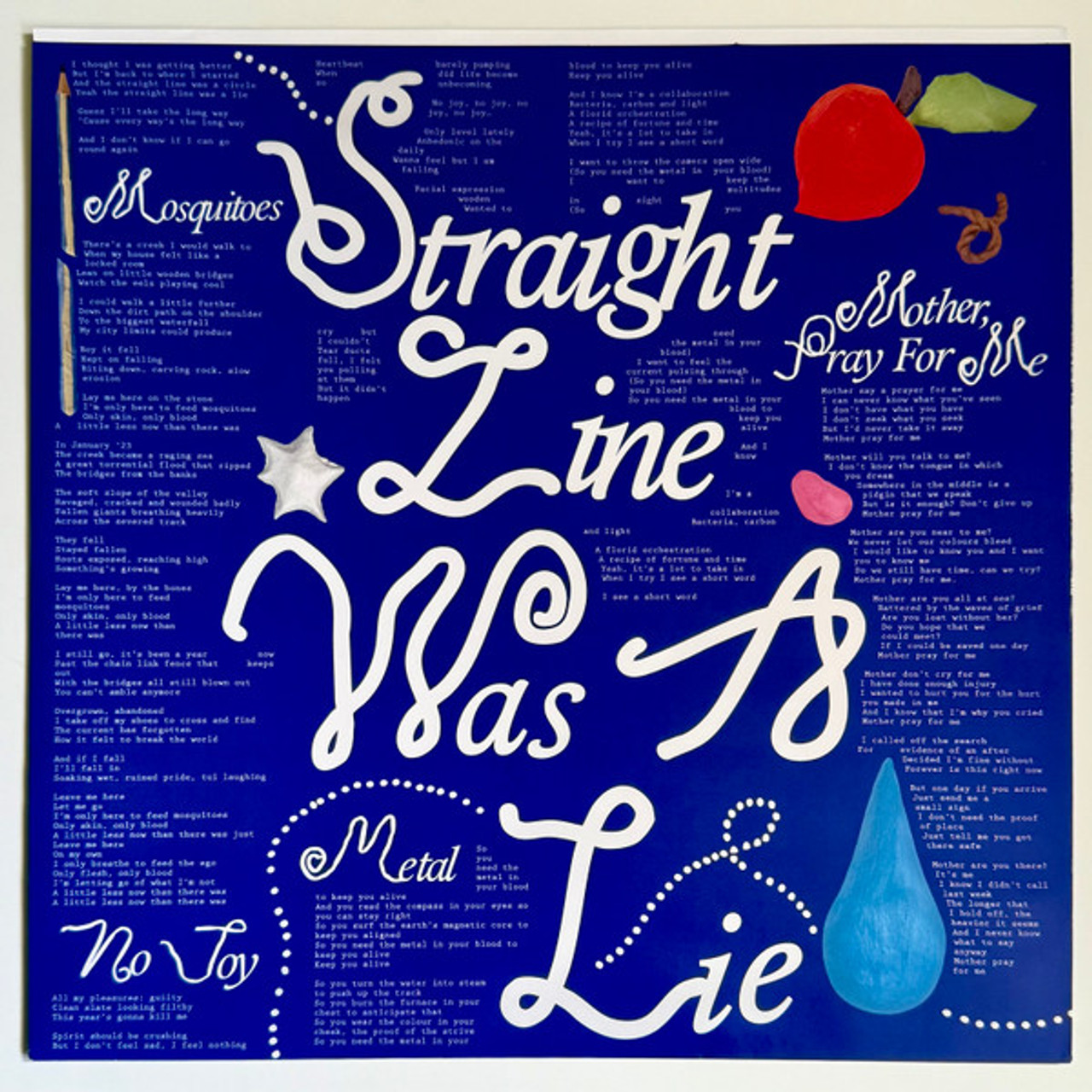
The opening track and title song begins with a false start — a spoken “sorry I was thinking about something else” — a move that feels deliberate: it sets the tone for an album preoccupied with interruption, derailment, and return. The lyric “I thought I was getting better / But I’m back to where I started / And the straight line was a circle / Yeah the straight line was a lie” resounds as a central thesis. Life, the record suggests, is not a linear progression but a messy, looping, often contradictory journey.

Meanwhile, tracks like “No Joy” jolt with nervy urgency — the upbeat melody and driving beat bely lyrics that speak to anhedonia and existential stasis: “All my pleasures, guilty / Clean slate looking filthy / This year’s gonna kill me … Spirit should be crushing / But I don’t feel sad, I feel nothing.”

On “Metal,” they give form to something beautiful and strange: a metaphor about being alive as a “collaboration of bacteria, carbon and light,” needing “the metal in your blood to keep you alive.” It’s biological, cosmic, grounded, and dreamlike all at once — marrying emotion, science, and wonder in a simple but powerful package.

There’s also room for quiet minimalism. “Mother, Pray for Me” strips things back: gentle picking, soft vocals, aching longing. It’s a song about complicated family, grief, and generational wounds — and it lands not through bombast but through tender reserve.

Even the album’s final moments — on “Best Laid Plans” — feel bittersweet: jangly guitars and a buoyant rhythm, but implicit in the instrumentation and tone is a sense of unresolved longing, of “unfinished business.” It’s the sound of hope, but also of memory’s weight.

In sum: Straight Line Was a Lie isn’t simply “jangly indie pop with hooks” — it’s more ambitious: emotionally deeper, texturally richer, and willing to lean into shadows as much as light.

Lyrical worlds: Mental health, Memory, and the Myth of Progress

If the musical side is about textures, the lyrical work is about truth. On this record, The Beths — primarily through Stokes’s pen — interrogate themes of mental health, healing, identity, memory, and the uneasy breaks in between. The album’s title succinctly captures its philosophical impulse: that “linear progression is an illusion.” Life doesn’t follow a neat arc; healing does not happen on a straight line.

Much of that perspective comes from Stokes’s own life. In recent years she’s navigated serious health challenges (including a diagnosis with Graves’ disease), anxiety, and the disorienting effects of starting antidepressants for the first time. That upheaval forced a radical shift in how she writes: among other changes, she turned to stream‑of‑consciousness writing on a typewriter, exploring memories and feelings she’d avoided, and forcing herself to reckon with difficult emotions.

That kind of emotional honesty shows up throughout. On “Mosquitoes,” she wanders a creek near her home — a haven when “my house felt like a locked room” — only to find devastation: the same creek turned into a “raging sea” after floods. The song becomes quietly terrifying: an elegy to disappearance, impermanence, and the fragility of refuge.

In “Til My Heart Stops,” there’s a longing for simple embodied pleasures — riding a bike in the rain, flying a kite, dancing — even as the world feels heavy and weightless at once. According to one review, the song, with its unsettling distortion and ghostly atmosphere, “charts the fragility of life itself,” its abrupt ending like a heart’s final beat.

Elsewhere, “Ark of the Covenant” and “Best Laid Plans” explore inner excavation: digging through memory, confronting “fossilised nightmares,” searching for meaning — or closure — in the negative space of the self.

But it’s not purely despair or existential weight. There’s still wry humour, sharp imagery, and defiant tenderness. The need for “metal in your blood” in “Metal” — a call for grounding, resilience, a kind of elemental insistence on life — turns the personal and biological into something poetic and universal.

Taken together, the lyrics on Straight Line Was a Lie don’t just reflect mental health struggles or personal trauma — they interrogate the myth of constant improvement. They suggest healing is messy; growth is circular; humanity is fragile, often contradictory — but still worthy of wonder.

What this album means: Growth, Maturation, and a New Chapter for The Beths

For longtime fans, Straight Line Was a Lie may at first sound familiar: The Beths still write songs that stick in your brain. But this time, there’s a sense of expansion, of maturity, of ambition being reframed with nuance. Production is richer, the emotional stakes higher, and nothing feels simply disposable or background music. This is an album that rewards — demands — close listening.

Critically, the record has been widely praised. On aggregators it earns a strong Metascore, reflecting generally favorable to enthusiastic reviews. Reviewers note the band is “bigger, better and more complicated than they’ve ever been.” Others call it perhaps their “most incisive” album yet, one where existential anxieties and lyrical ambition meet pop hooks and evocative soundscapes.

Moreover, Straight Line Was a Lie feels like a milestone — not just in their discography, but in their artistic evolution. The move to have guitarist Jonathan Pearce handle production and engineering gives the album a more unified sonic identity. The decision by Stokes to overhaul her songwriting method — to face trauma, memory, and illness head‑on — brings a weight and vulnerability previously only hinted at. The whole band seems aligned: playing not just with precision and popcraft, but with emotional honesty.

For listeners, this album offers more than catchy choruses: it offers fellowship. It whispers that you are not alone if you’ve felt lost, stuck, or numb. It suggests that healing is not always about triumphs or tallies of progress, but about maintenance — about showing up, living, feeling, enduring. And it does all that while giving you songs you can dance to, or cry to, or sing loud at a concert.

Conclusion: The Beths as Emotional Architects

In a world that often feels driven by optimization, forward momentum, and constant productivity, Straight Line Was a Lie comes as a quiet, necessary reckoning. It refuses the idea that healing, growth, or life itself must follow a neat, linear trajectory. Instead, The Beths propose a different metaphor: life as cyclical, messy, and ongoing — something to be maintained, revisited, reflected upon, not “completed.”

As a band, The Beths have always been more than the sum of their catchy hooks or jangly guitars. On this album, they feel less like a pop act and more like emotional architects — sculptors of feeling, memory, and existential wonder. Each band member’s contribution is essential — from Stokes’s wrenching lyrics to Pearce’s layered production, from Sinclair’s grounding bass to Deck’s subtle but powerful rhythms.

Straight Line Was a Lie may end up being a soundtrack for an era — an album for when the world feels too fast, too forward, too relentlessly optimistic. It offers instead a different rhythm: patience, honesty, acceptance, and defiance.

If you haven’t listened to it yet — or haven’t listened closely — this is the moment: sit back, headphones on, and let The Beths guide you down the crooked, beautiful trail.

A YTAA Partial List of Album Favorites of 2024

In 2024, the whole idea of picking a “favorite” album has become a weird, near-impossible task. The rise of streaming and electronic releases means thousands of songs and records are loaded onto streaming services. While the music industry continues a myopic focus on a handful of pre-selected artists, even if one is focused on a particular genre, thousands of records are still released annually. So, consider this essay part 1 of a process.

You can’t even hear every album released in a year, let alone listen to it enough to form an attachment. We’re swimming in so many options, flooded with algorithms, data-driven playlists, and music on demand, it’s like trying to spot a needle in a haystack of needles. Is it even possible to have a favorite anymore, or has music become like fast food – consumed and forgotten as quickly as you can hit “skip”?

The sheer volume of albums released across every genre is staggering. Every week feels like a new universe of sound waiting to be explored, each project just another entry in an endless scroll. And even if you could sit down and spend the time with each record, there’s no guarantee it would even stick—music’s lifespan has shrunk. It’s not about being obsessed with one album anymore; it’s about how quickly you can absorb the next wave of songs that everyone is talking about.

Then there’s the issue of context. How do you even judge music anymore when the experience is so fragmented? You might be listening on headphones while juggling a dozen other things, or streaming on a platform that throws random playlists at you every day. Did you even listen to that album, or did it just buzz in the background while you were doomscrolling on Twitter? The very act of consuming music has become disjointed, superficial, almost disposable. And that’s not even to mention how every album is now fighting for attention in a hyper-competitive marketplace, where an artist’s moment of cultural relevance can be over before the album’s out of the top 50.

So yeah, picking a favorite in 2024? It’s almost like picking your favorite slice of sand. In a world where every track is a click away, music’s becoming more about the journey than the destination. It’s not about finding one album that speaks to you; it’s about surviving the endless flood of everything else.

And with that major caveat and due diligence, I still want to share some albums that did resonate with me. Sharing a list of your favorite albums from the year is a declaration of your personal battle with the noise, a way of saying, “This is what mattered to me in this overwhelming, chaotic universe of music.” It’s not about being a gatekeeper or playing curator; it’s about creating a map of your own emotional and sonic landscape. In a world where we’re buried under an avalanche of new releases, these lists are worthy lifelines. They cut through the static and say, “Here, this is what survived, what made the trip worth it.” Because music, like life, needs to be seen and shared. Sure, it’s idiosyncratic and deeply personal, but it is not worthless. It is like one side of an argument, this may mean something to some others who agree but it is still one perspective to be considered. Not truth. Make a case and perhaps other music listeners agree with you and some do not. This is why we prefer the term ‘favorites’ and not ‘Best of.’

So, here we go in no particular order:

Waxahatchee – Tigers Blood

Waxahatchee’s Tigers Blood is at the top of my favorites for the year. A record that feels like a masterclass in songwriting, crafting lyrics, and confessional yet accessible songs. Tigers Blood is an emotionally fierce, raw, and unapologetically beautiful record that feels like the sound of someone finding their own fire again, rising out of the ashes, and realizing they’ve got the guts to burn everything down in the process. Yet maybe what is needed is awareness not anger. From the moment the opening track hits, you know this isn’t some soft, introspective folk record—it’s an album of reckoning, self-discovery, and picking apart the ugly truths you’ve been avoiding from yourself. Katie Crutchfield doesn’t just sing on Tigers Blood—she exhales her soul into every line, every chord, every heartbreaking note that shines with authenticity as powerful as the slide of her compelling and unapologetic accent.

The album pulses with an energy that is somehow both tender and vicious, each track pulling you deeper into her world. Crutchfield’s voice is sharp (when she wants it to be) but vulnerable, cutting through the thick haze of instruments, notably acoustic and electric guitars, piano, and steady drums with a rawness that feels earned, not forced. There’s this magnificent tension between the fragility of the lyrics and the power in the music itself—a constant push-pull between moments of delicate reflection and damn catchy hook-laden catharsis. It’s the sound of someone who has been through the fire and come out the other side not unscathed, but stronger and more alive.

Songs like “3 Sisters”, “Crowbar”, “Bored” and “Right Back to It” (featuring MJ Lenderman) carry this weight of yearning and anger, but with such a beautiful clarity that you can’t help but feel every emotion bubbling up and spilling over. There’s no hiding behind metaphors here—Crutchfield is direct, honest, and relentless. She sings about heartbreak, self-doubt, and the aftermath of it all, but somehow there’s a catharsis in it all, a feeling of release.

Tiger’s Blood is an album of quiet explosions—each song a declaration, a confession, and a battle all rolled into one. The build is worthwhile, the entire time. It’s one of those records that grabs you by the throat, makes you confront your own demons, and leaves you standing on the other side, a little bruised but more whole for it.

Nada Surf – Moon Mirror

Nada Surf’s Moon Mirror is the kind of record that saunters up to you and says ‘Hi There!’ It is an album that wraps itself around your heart before you even know what hit you. It’s a masterclass in rock and roll architecture, sophisticated wordplay, and emotional subtlety, the kind of album that doesn’t need to shout to get your attention, but instead pulls you in with its perfect rock and roll musicianship and depth. This is a band that has spent decades honing their craft, and on Moon Mirror, they capture that perfect balance between indie rock, melancholic pop, and the kind of songwriting that feels true, like it’s been tested by time, pain, and triumph.

From the opening track, it’s clear that Nada Surf isn’t interested in playing the same game everyone else is. There’s a maturity to these songs, a knowing, a sense that they’ve weathered the storm and are now walking through the wreckage with open eyes. The guitars shimmer with an effortless grace, and the drums pulse with a steady, comforting rhythm, like the beat of your own heart when you’ve found peace after the chaos. But it’s Matthew Caws’ voice that really carries the weight here—his delivery is just so damn soothing, yet tinged with enough ache to make you feel every word.

Moon Mirror is full of songs that feel like they’ve been plucked from some kind of twilight zone, the space between dreams and waking. Tracks like “Second Skin”, “In Front of Me Now” and “Losing” are perfect examples of Nada Surf’s ability to create this expansive, emotional atmosphere. It’s not just about big hooks or electrifying guitar solos; it’s about crafting a moment that resonates, a feeling that sticks with you. These are songs that speak to the quiet, fleeting moments of life—the ones that linger in your memory long after they’ve passed — ensconced in the shimmer of power pop.

This isn’t just an album; it’s a world unto itself, and if you let it, Moon Mirror will pull you in and never let go. In an era of disposable music, this is a record that demands your full attention, and damn if it doesn’t make every second of it feel worth it.

The Umbrellas – Fairweather Friend

The Umbrellas’ Fairweather Friend is the sound of youth burned into a perfect snapshot—like the morning sun casting long shadows over an endless summer, yet tinged with the inevitable nostalgia that follows every great moment. There’s an aching sweetness to this album, a bittersweetness that’s as infectious as it is melancholic. The guitars jangle like they’ve been plucked from an old indie rock treasure chest, the kind of sound that drips with influences but never feels like a rip-off. They know their history, but they’re not here to mimic it—they’re here to breathe new life into it, to put their own mark on a genre that’s so often stuck in its own past.

From the first song, you know you’re in for something special. The Umbrellas take the jangly guitar pop we all know and love and mix it with a sense of unpretentious joy. There’s an immediacy in the way the songs unfold, a rush of energy that carries through every riff and melody. But beneath the surface is something deeper—a sense of longing, of impermanence, of trying to make sense of fleeting moments that always seem to slip away just as you’re getting a grip on them.

The band isn’t trying to reinvent the wheel, but they do something far more valuable: they remind you of the feeling that first made you fall in love with music in the first place. Songs like “Three Cheers!”, “Games” and “Goodbye” are drenched in that pure pop perfection, mixing upbeat tempos with lyrics that reflect the uncertainty of relationships, youth, and the fragility of it all. The energy is unmistakable, but it’s also undercut with that quiet sense of resignation that makes Fairweather Friend hit all the harder. The Umbrellas don’t need to be loud, they just need to be honest, and in doing so, they’ve crafted one of the year’s most memorable records.

Jr. Juggernaut – Another Big Explosion

Jr. Juggernault’s Another Big Explosion is the kind of record that punches you in the gut and makes you grateful for the bruises. It’s raw, ferocious, and doesn’t give a damn about rules or your delicate sensibilities. This isn’t about slick production or polished hooks—it’s about chaos, energy, and soul-scorching urgency. The guitars are jagged, the drums are a goddamn wrecking ball, and Juggernault’s vocals howl like a man/men possessed. The is a great guitar record. And we sure could use more of those. Every track feels like it’s on the verge of completely falling apart, but that’s the magic. This is music that doesn’t ask for your attention; it demands it. And you give it.

Palm Ghosts – Facades

Palm Ghosts’ Facades is a glorious, hypnotic propulsive attack of an album that makes you feel both like you’re drifting through a dream and stumbling through the wreckage of something you can’t quite recall. This album, a combination of EPs is a declaration. It’s like the band took everything that was ever great about post-punk, new wave, and shoegaze and smashed it all together, yet somehow came out sounding fresh, urgent, and dangerously alive. The shimmering guitars and languid basslines swirl in and out, creating this thick, intoxicating atmosphere that makes you want to dive deeper into the murk but also leaves you gasping for air.

The vocals are equal parts ethereal and gritty—softly crooning, yet laden with desperation. They balance somewhere between hope and despair, almost like the singer is talking you down from the edge of a nervous breakdown. And just when you think you’ve pinned the band down, Facades hits you with a groove that’s suddenly danceable, only to drag you back into darker waters. It’s a record that doesn’t do anything easy, and that’s what makes it remarkable. Palm Ghosts know their sound isn’t for everyone (even thought it really should be), but damn if they don’t craft an atmosphere so immersive you feel it in your bones. This isn’t just music—it’s an experience.

The Cure – Songs of A Lost World

Some returns are so welcome, and so anticipated that you cannot possibly measure up to the hype. And then there are those come-back records that remind you why you fell in love with the band in the first place. The Cure’s Songs of a Lost World is a revelation—a reminder that even in a world of endless streaming playlists, some bands can still shake you to your core with the kind of haunting melancholy that only they can conjure. It’s not just another nostalgia trip for the goth kids of the ‘80s; it’s something deeper, darker, and far more timeless. This record pulses with a yearning that hits like a gut punch. It’s a meditation on loss, on the passage of time, on the things that slip through your fingers and vanish into the ether.

Robert Smith’s voice is still as fragile and aching as ever, but now there’s a weariness, a quiet resignation that adds layers to every lyric. The guitars shimmer and wail in that unmistakable Cure way, but there’s an undercurrent of menace here—songs that start as sweet, glistening reflections of sorrow but unravel into something far more unsettling. The rhythms lurch and sway, dragging you through every emotional twist and turn. What makes Songs of a Lost World so vital is its refusal to rest on past laurels. It’s a record that doesn’t scream for attention but instead invites you in, all while leaving you with that delicious, bittersweet ache. It’s the Cure at their finest, and it’s still damn intoxicating.

Wussy – Cincinnati, Ohio

Wussy’s Cincinnati, Ohio is the kind of record you want to keep in your back pocket, the one you pull out at 2 a.m. when the world’s spinning just a little too fast and you need something to ground you. The album is rough around the edges, but that’s what makes it so damn beautiful. It’s that perfect mix of grit and heartache that’s become the secret weapon in the indie rock arsenal, and Wussy have honed it into something that sounds like both an escape and a homecoming.

From the opening track, you’re hit with a sound that’s immediately familiar and completely original. There’s a certain timelessness to it, a blend of alt-country, grunge, and that unmistakable Midwestern soul. It’s the sound of a band who’s spent years working through their demons and now, finally, have the scars to show for it.

The songwriting is what elevates Cincinnati, Ohio from good to great. Each track feels like it’s been lived in, like the band has been inside these stories, these struggles, for years. Whether it’s the punchy guitars or the way the vocals intertwine—especially the male-female harmonies—it all just clicks into place. Wussy doesn’t rely on bombast or big hooks; they know that sometimes, the most powerful moments come in the quiet, in the spaces between the noise.

This isn’t a record you just listen to; it’s a record you feel. It’s the sound of a band that’s found its voice and isn’t afraid to let it crack, shout, or whisper its way through every song. Wussy’s Cincinnati, Ohio is an honest, unpretentious masterpiece, and in 2024, that’s worth celebrating.

Tamar Berk – Good Times for a Change

Tamar Berk’s Good Times for a Change is one of those albums that hits in just the right way. Berk has released some of the finest indie rock records of the past few years. If there was any justice in the musical world, her talent would be recognized and celebrated by all. Yeah, that might read like hyperbole but go listen to Berk’s last few records and you will know it to be true. Good Times for a Change is indie rock at its finest—meaningful, emotionally vulnerable, and raw, yet unflinchingly melodic. Berk’s latest record is simply overflowing the brim with a kind of honesty that feels like a breath of fresh air in a world of hollow, algorithmic pop. From the opening chords, Berk grabs you and doesn’t let go. The guitars vibrate with just the right amount of fuzz, the drums crash with a sense of urgency, and Berk’s voice—oh, that voice—sounds like she’s been singing for years in dim-lit rooms full of cigarette smoke and spilled beer. It’s full of heartache, but there’s a joy in it, too, like finding solace in a song after the world’s been unkind.

The album’s title is perfect because this is an album about change—change in yourself, in the world, in relationships—and it hits that balance of hopefulness and disillusionment that so many fail at. Tracks like “Good Impression” and “Artful Dodger” are power pop rock confessionals, but they’re not angry—they’re just real. Berk doesn’t pretend to have all the answers, but she knows exactly how to channel confusion, frustration, and moments of fleeting joy into something visceral and unforgettable. There’s no grandiose pretension here, just songs that feel like they matter.

What’s so remarkable about Good Times for a Change is how effortlessly it sneaks under your skin. It’s the kind of record that becomes your companion through sleepless nights, the soundtrack to your own quiet rebellion. Tamar Berk doesn’t need to shout to make a statement—she’s already made it with every note. This is an album that sticks the landing.

American Werewolf Academy – Beyond Lost Days

American Werewolf Academy’s Beyond Lost Days is a record that howls at the moon and drags you right along with it. It’s messy, it’s urgent, it’s every bit the cathartic ride you didn’t know you needed. From the first crashing chords, you know this isn’t going to be some polished indie affair—it’s the raw energy of a band that’s living in the music, not just playing it. The guitars rip with an intensity that borders on unhinged, yet every track carries this feeling of control—like they’ve found a way to channel their chaos into something purposefully beautiful.

The vocals are an attack, somewhere between a howl of frustration and a cry for freedom. There’s a defiance in every word, and you can’t help but get swept up in it. The rhythm section pounds away, relentless, like it’s pushing against something bigger, something unknowable. And the lyrics? Well, they don’t come easy, but they’re worth deciphering. Beyond Lost Days is a record about searching, about finding meaning in a world that seems to run on autopilot.

What makes this album so gripping is its honesty. It’s not afraid to be ugly, but somehow, that’s where its beauty lies. American Werewolf Academy doesn’t just play rock music—they live it, and they make you feel every second. This is a record that demands attention, and damn if it doesn’t deserve it.

Jeremy Porter – Dynamite Alley

Jeremy Porter’s Dynamite Alley is the kind of album that grabs you by the collar and says, “Wake up!” It’s a swaggering, heart-on-sleeve dose of Americana-infused rock ‘n’ roll that doesn’t pretend to be anything it’s not—there’s no smoke and mirrors here, just straight-ahead songs about life, love, and the endless grind. It’s gritty, it’s raw, and it’s as real as the grease under your fingernails after a long day of work. Porter isn’t out to impress you with fancy tricks or studio wizardry. No, he’s here to kick your ass with songs that feel like they’ve been lived in, songs that make you remember what it’s like to feel alive.

The album opens with a bang, a combination of dirty guitar riffs and that unmistakable punk-meets-Americana energy. Porter’s voice—rough around the edges but smooth enough to catch your ear—sells every word with a sense of urgency. Tracks like “Big Spender” and “I Don’t Want to Break Your Heart” burst with an energy that’s impossible to ignore. It’s the kind of music you want to hear blaring from the jukebox in a smoky dive bar, the kind that makes you want to crack open a beer and sing along.

But don’t mistake this for self-indulgent country or down-on-your-luck rock and roll. There’s depth here. Dynamite Alley is about reckoning with your mistakes, growing up, and facing down the tough times. It’s not just a collection of songs—it’s an experience, one that you don’t just listen to, you live it. Jeremy Porter proves here that sometimes the simplest rock ‘n’ roll is the most enduring. This album is a hell of a ride.

Assistant – Certain Memories

Assistant’s Certain Memories is the kind of album that feels like a revelation, not because it’s flashy or groundbreaking, but because it’s honest in a way that most bands can’t even imagine. This is a record that grabs you by the heart and gives it a good shake. From the first track, you’re thrown into a landscape of wistful reflection and emotional complexity. The guitars shimmer like fading stars, the drums pulse like a heartbeat, and the vocals—oh man, the vocals—are a raw, aching reminder that music is about feeling, not just technique.

There’s a subtle tension in these songs, like the whole album is held together by the thin thread of memory. Assistant doesn’t need to throw a bunch of noise at you to make you feel something. Instead, they build these slow-burning, intricate soundscapes that stick with you long after the last note fades. Tracks like “My Phone Began to Ring” and “Overwhelming” reveal a band not interested in grand gestures, but in those quiet, fleeting moments that make up a life. This isn’t an album for the casual listener—this is the kind of record that demands your full attention, the kind you put on when you need to work through something when you need to connect with your own memories.

What makes Certain Memories so powerful is its emotional restraint. It’s a meditation on loss, time, and those little moments you can never quite forget. It’s the sound of a band that isn’t trying to impress you—they’re just trying to make you feel the pain and the hurt that we surround ourselves with and try not to drown in it. And in that, Assistant has succeeded in a way most albums can’t touch.

mxmtoon – Liminal Space

mxmtoon’s Liminal Space is a haunting record, the kind of album that creeps up on you with its delicate, almost fragile beauty, yet has a resonance that lingers long after the final track fades. The thing about this album is that it doesn’t scream for attention—it whispers and invites you into its world. You can almost hear the vulnerability in every note, the raw honesty in every lyric, as if mxmtoon is letting you peek behind the curtain of her mind, one soft melody at a time. It’s both an exploration of the self and an attempt to make sense of the chaos surrounding us.

There’s a certain melancholy that pervades Liminal Space, but it’s not the kind that crushes you. Instead, it’s the kind of melancholy that comforts you, that makes you feel like you’re not alone in your own internal mess. The production is minimal but powerful—simple arrangements that leave plenty of space for her voice to shine through. mxmtoon doesn’t need to rely on fancy effects or flashy instrumentation; her voice is a raw, unfiltered force that captures every bit of the longing, the doubt, and the quiet hope that infuses these songs with a whisper.

Tracks like “dramatic escape” and “passenger side” feel like whispered confessions, full of wonder and insecurity, like she’s trying to make sense of this strange, liminal phase she’s in. The whole album is a journey through a transitional space, where you’re not quite sure who you are or where you’re going, but you know that, somehow, the act of going through it matters.

Liminal Space isn’t just an album; it’s an invitation to sit with your feelings, to lean into the uncertainty. And in a world that moves too fast, that’s something we could all use more of.

Some favorite re-releases

Re-releases—yeah, they’re a cash grab for labels, but every so often, one comes along that makes you realize why we ever needed the song file, the vinyl, cassettes, or CDs in the first place. These aren’t just remasters; they’re time capsules that blast you into the past, forcing you to reckon with that pure, unfiltered emotional chaos you felt the first time you heard a record that changed your life. Take a great album, throw in unreleased tracks, remixes, liner notes, and a couple of live performances, and you’re not just hearing it again—you’re hearing more of it, from angles you never thought about before.

Think about it: Exile on Main St. with its dusty bonus cuts, or an album like Electric Ladyland, which becomes a new experience every time you dive into the bonus material. Those “special editions” that seem like a cash grab end up being roadmaps to understanding an album’s true genius. They’re not just nostalgia—they’re revelations, shedding light on the songs you thought you knew and making you hear them in a way that makes them feel like they never left.

Yeah, re-releases can be a racket. But when they’re done right, they turn a record you’ve played a thousand times into something new, something worth loving all over again. And sometimes, that’s exactly what you need. For me, there were a few very special re-releases in 2024 that I want to talk about.

The English Beat – Special Beat Service

The re-release of Special Beat Service is one of those glorious moments where nostalgia and revelation collide. The English Beat’s 1982 album has always been an overlooked gem in the ska-pop universe, and this expanded edition digs deep into the soul of a record that deserved more attention back then—and deserves even more now. Sure, it’s easy to dismiss them as part of the second wave of ska, lumping them in with the whole “Two-Tone” movement, but Special Beat Service is far more than just catchy hooks and horn sections. It’s a perfect snapshot of a band that could juggle upbeat, infectious rhythms with political edge and heartfelt sincerity, all without ever sounding too serious or smug.

The bonus tracks here are the real treat: unreleased demos, live cuts, and extended mixes that shed light on the studio experimentation that went into making this album tick. You hear the rawness, the groove, the soul in these outtakes, and you realize how much was left on the cutting room floor. But even the main tracks still feel fresh, urgent, and timeless. The mix of ska, punk, and new wave is an infectious cocktail of joy, and this re-release proves that the English Beat wasn’t just another band—they were a moment and that deserves to be remembered.

The Tragically Hip – Up To Here

The Tragically Hip’s Up To Here re-release is a full celebration of the raw, unfiltered power this band unleashed on an unsuspecting world in 1989. Let’s not kid ourselves—Up To Here isn’t just a debut album; it’s a statement. It’s one of those records that captures the spirit of a time and place but also transcends it with something deeply, hauntingly human. The Hip were never just another alt-rock band—they were Canada’s answer to what it means to feel rock ‘n’ roll in your bones.

The re-release pulls you back into the band’s early magic, with live tracks, demos, and studio outtakes that show how raw the whole thing really was. Sure, the band eventually became Canada’s band, but here, on Up To Here, you can hear them just on the cusp, still hungry, still working out who they were. Gord Downie’s voice is pure fire—gritty, passionate, and more alive than a lot of the bands that were hyped up in the same era. The way he intertwines cryptic storytelling with rock swagger is unmatched.

What makes this re-release so glorious is how it reminds you that Up To Here isn’t just nostalgia; it’s essential. The Hip’s spirit is still alive, and this record proves they were always ahead of the curve.

Thanks for reading!

Alright, if you’ve stuck with me this long, I owe you a drink—or at least a fist bump. I know I’ve thrown a lot of words your way, maybe too many, but that’s the thing with music: it demands the kind of attention that doesn’t always come easy. So, if you’ve waded through all this, through the ranting and the raving, through the digressions and the moments of pure, unbridled nonsense, I salute you. We’re all just trying to make sense of the chaos, and hell, sometimes it takes a little longer to get there. Thanks for hanging in. More thoughts on favorite albums and songs from this year are coming your way soon.