Dr. J’s Desert Island Albums: The Living Rock and Roll Circus with Kiss

The concept of desert island records and songs has become a fascinating cultural phenomenon, reflecting the profound impact that music can have on our lives. The idea stems from the hypothetical scenario of being stranded on a deserted island with only a limited selection of albums or songs. In this isolated setting, individuals are forced to choose a handful of musical companions that would accompany them through the challenges of solitude. An album in the desert island collection is considered a person’s absolute favorite, one they could listen to repeatedly and never tire of, making their social and physical isolation on an imagined desert island more bearable and more survivable.- Playing these songs and records transports the listener somewhere else, somewhere comfortable and meaningful.

These selections often transcend mere musical preferences, representing a deeply personal and emotional connection to specific tracks or albums. Desert island records are not just about the tunes themselves; they encapsulate memories, emotions, and moments in time. The chosen music becomes a source of solace, inspiration, and a reminder of the outside world.

People’s desert island picks vary widely, showcasing the diversity of musical tastes and the unique ways in which individuals relate to different genres and artists. Whether it’s the soothing melodies of a favorite album or the empowering lyrics of a cherished song, the desert island concept underscores the transformative power of music in shaping our identities and sustaining our spirits, even in the most isolated circumstances. As a cultural phenomenon, it highlights the enduring significance of music as a universal language that transcends boundaries and connects us to our deepest selves.

“Kiss Alive,” released on September 10, 1975, stands as a landmark album in the history of rock music, particularly in the realm of live recordings. This double-disc compilation not only captured the raw energy and charisma of Kiss’s live performances but also catapulted the band to new heights of success. This album — the band’s fourth — is a desert island record for us here at Your Tuesday Afternoon Alternative. In explaining why this record is among the all time favorites of Dr. J, we explore the significance of “Kiss Alive,” delving into its impact on the band’s career, the live album genre, and its enduring influence on subsequent generations of musicians and fans. I received a copy of the album a few years after its release and devoured the record. I grew up in a small Minnesotan farming community, population 550 (seriously!) and the thought of attending an iconic rock and roll concert was a dream that would not come true for a few years for me. However, with “Kiss Alive” I felt as if I were attending a dynamic rock and roll concert. It seemed like I was there in the audience. And that sense of being at a show was a significant characteristic of this record. No other record in my collection has had such a powerful influence on me when I put it on the record player.

“Kiss Alive” emerged during a crucial juncture in Kiss’s career. By 1975, the band had released three studio albums — “Kiss” (1973), “Hotter Than Hell” (1974), and “Dressed to Kill” (1975) — that garnered a dedicated fan base but hadn’t achieved mainstream success. The decision to release a live album was a strategic move, intended to capture the essence of their explosive live shows and convey the power of their stage presence to a wider audience. The album was compiled from recordings of concerts in Detroit, Cleveland, Wildwood, and Davenport during the band’s “Dressed to Kill” tour. The choice of a live album was not only a response to the lukewarm commercial reception of their studio albums but also a testament to Kiss’s belief in the authenticity and intensity of their live performances.

“Kiss Alive” turned out to be a game-changer for the band. The album peaked at No. 9 on the Billboard 200 chart and marked Kiss’s first top-ten album. Its success was instrumental in propelling the band into the mainstream, introducing them to a broader audience. The raw, unbridled energy captured on the album resonated with fans, and “Kiss Alive” quickly became a commercial juggernaut. This success continues today as 97% of Google users like the album.

The album breathed new life into songs that had previously gone unnoticed. Tracks like “Deuce,” “Strutter,” and “Black Diamond” took on a new dimension in the live setting, solidifying their place in the Kiss repertoire. The live versions became definitive renditions, and in some cases, they even surpassed the studio recordings in popularity.

“Kiss Alive” didn’t just elevate the status of the band; it also played a pivotal role in redefining the live album genre. Prior to its release, live albums were often considered secondary to studio recordings, serving as a means for artists to fulfill contractual obligations rather than a medium for artistic expression. “Kiss Alive” challenged this perception by demonstrating that a live album could capture the spirit and dynamism of a live performance, providing listeners with an immersive experience that transcended the studio environment. The success of “Kiss Alive” opened the floodgates for other bands to explore the live album format as a legitimate and powerful artistic statement.

One of the distinguishing features of “Kiss Alive” is its cinematic quality. The album wasn’t just an audio experience; it was a sonic journey that transported listeners into the heart of a Kiss concert. The sequencing of tracks, the interplay between band members and the audience, and the seamless transitions between songs created a narrative arc that mirrored the ebb and flow of a live performance.

The album opens with the iconic sound of a roaring crowd, setting the stage for the sonic assault that follows. Each song is like a chapter in the Kiss saga, with Paul Stanley, Gene Simmons, Ace Frehley, and Peter Criss each contributing their unique elements to the musical narrative. The album’s pacing and structure were carefully crafted to maintain the momentum and excitement of a live show, making it a cohesive and immersive experience for the listener.

Beyond its impact on the music industry, “Kiss Alive” became a cultural phenomenon. The album cover, featuring the iconic image of the band against a stark black background, captured the mystique and theatricality that defined Kiss’s image. The visual impact of the cover art complemented the sonic intensity of the music, creating a cohesive and memorable package.

Kiss’s stage presence and elaborate costumes, coupled with their signature face paint, became synonymous with the band’s identity. This visual spectacle, combined with the energy of their live performances as showcased on Kiss Alive, contributed to the band’s larger-than-life persona. Kiss wasn’t just a musical act; they were a multimedia experience, and “Kiss Alive” served as a gateway for fans to immerse themselves in the sonic world of Kiss.

“Kiss Alive’s” influence extends far beyond its initial release. The album laid the groundwork for the subsequent success of Kiss and paved the way for other artists to explore the potential of live recordings. It remains one of the best-selling live albums of all time and has been certified multi-platinum, a testament to its enduring popularity.

Moreover, “Kiss Alive” continues to inspire generations of musicians. The unbridled energy, the connection with the audience, and the sense of spectacle have become touchstones for artists seeking to create memorable live experiences. The album’s impact on the development of the hard rock and heavy metal genres is undeniable, with countless bands citing Kiss as a major influence.

Kiss Alive stands as a pinnacle in the history of live albums, showcasing the transformative power of a well-executed live recording. Its impact on Kiss’s career, the live album genre, and popular culture as a whole cannot be overstated. Kiss Alive is not merely a document of a band’s live performances; it is a sonic and visual journey that captures the essence of a musical revolution.

As Kiss celebrates its legacy after their final live concert, “Kiss Alive” remains a timeless testament to the band’s ability to connect with audiences and leave an indelible mark on the world of rock music. It is a sonic time capsule that transports listeners back to the mid-1970s, allowing them to experience the magic of a Kiss concert whenever the needle drops on those iconic vinyl grooves.

Desert Island Album: A Gritty and Poignant Journey Through the Heartland with Uncle Tupelo

How often has someone asked what are your top ten albums in your record collection? Or how many of us have had one of those bar conversations where we are hypothetically trapped on a desert island with only ten records? A desert island album is meant to be a fun concept often discussed among music fans. It refers to an album that someone would choose to have with them if they were stranded on a desert island, again just hypothetically speaking — because no one is really trapped anywhere. An album in the desert island collection is considered a person’s absolute favorite, one they could listen to repeatedly and never tire of, making their isolation on the desert island more bearable, and more manageable until they are rescued. At least in my positive interpretation, there is a rescue. It’s essentially a way of asking someone to identify their all-time favorite or most cherished album. One of these perfect records, for Dr. J, is Uncle Tupelo’s sophomore effort, “Still Feel Gone.”

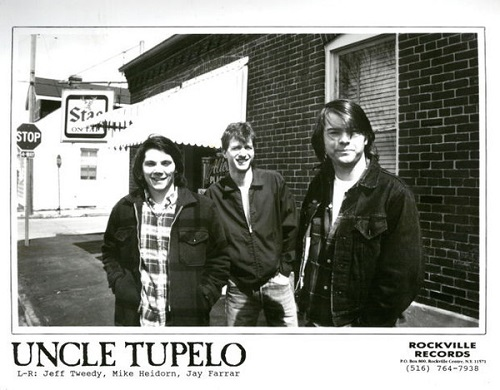
“Still Feel Gone,” is a raw and unapologetic exploration of the American heartland, capturing the essence of rural life with a blend of punk energy and alt-country sensibilities. Released in 1991, this album solidifies Uncle Tupelo’s place as pioneers of the burgeoning alternative country movement, paving the way for bands like Drive By Truckers, Calexico, Giant Sand, Whiskeytown, Lucero, Magnolia Electric Co., Kathleen Edwards, and far too many to mention, to follow. And, of course, the bands created in the wake of Jay Farrar and Jeff Tweedy’s breaking up of Uncle Tupelo, Wilco and Son Volt continue to mine the alt-country aesthetic in adventurous ways.

Uncle Tupelo were not the only alt-country band of that time, certainly The Old 97s, Lucinda Williams, Steve Earle, The Jayhawks, Cowboy Junkies, and Richard Buckner quickly come to mind, however the fusing of punk, folk, traditional music and country in authentic and personal lyrics within a melding of sonic forms that stayed true to a rock and roll aesthetic was unique.

The opening track, “Gun,” sets the tone for the entire album with its blistering guitars and rebellious lyrics. Jay Farrar and Jeff Tweedy’s distinctive voices, each with its own unique timbre, intertwine seamlessly throughout the record, creating a compelling dynamic. It’s a testament to their songwriting prowess that they can effortlessly switch from the hard-edged, punk-influenced sound of “Gun” to the melancholic and introspective “Looking for a Way Out.”

“Still Feel Gone” explores themes of isolation, longing, and disillusionment, often delivered through vivid storytelling drawn from relatable personal experiences. Songs like “True To Life”, “Discarded” “If That’s Alright” and “Fall Down Easy” paint pictures of a world where dreams have been deferred, and the protagonists are left grappling with the consequences of their choices. There is a profound difference in stopping yourself and being unable to grasp what has been denied you all the while knowing that you are missing something. The lyrics are poignant, introspective and poetic, reflecting the struggles of ordinary people trying to find their place in a changing world that does not look at all like what was promised.

The album’s musical diversity is one of its strengths. “Still Be Around” showcases the band’s ability to craft a memorable, melodic tune, while “D. Boon” pays tribute to the late, great guitarist from The Minutemen, a band that clearly influenced Uncle Tupelo’s punk leanings. Several songs broaden Uncle Tupelo’s palette incorporating more instrumentation than you find on a punk record.

Consistently the songs on “Still Feel Gone” carry a burden of working class life. And this accessibility to everyday experience without seeing it as precious but rather the hard fought requirements of making a living, however you can do that, is one of the many strengths of this record. This authentic lyrical approach cements a characteristic that comes to define the alt-country musical movement: testament to the incredible past music that continues to guide our steps as we think about why we are in the state of life we find ourselves and reinventing music to express the frustration, and occasional anger that brings, while staying true to emotions of the heart. Consistently the songs on ‘Still Feel Gone” have lyrics that feel like the band was writing about you or someone close to you that you wish you could help but nothing you try to do ever goes right.

One of the standout tracks on the album (and to be honest this is a record of ‘all killer, no filler’), for me, is “Watch Me Fall.” It’s a haunting and yet strangely bouncing tune that captures the essence of loneliness and despair with a clash of what feels like a counter-programming of melodic guitars, bouncy bass and damn near peppy percussion. Farrar and Tweedy’s vocals harmonize beautifully, creating a haunting and unforgettable listening experience that still puts a pep in your step. The song is not some simple “sad sack” depressive episode, it is the realization that maybe, just maybe you are going to fail because the house always wins:

Some folks find
that their role in life
is to fail
at everything they try

while other folks see
but not like me
There’s one thing
that they’re damn good at

Gather around you all
Come around and see
Those who stand tall
Why don’t you please, watch me fall

This mix of lyrics reflecting the economic challenges of life with music that feels like it is taking you in a completely different direction reaches a highpoint with “Punch Drunk.” The song’s lyrics explore the existential challenge of hard work and hard living while the driving rock and roll that instead of reaching a screeching guitars crescendo, fades out. The music reflecting the subject matter perfectly. But perhaps the best line on the album — among so many powerful lyrics — is when Jay Farrar sings:

“Tried to stay, tried to run
There’s never been enough reason
To believe in anyone
This trickle-down theory has left all these… pockets empty
and the bar clock says three A.M.
Fallout shelter sign above the door
In other words, don’t come here anymore

The production on “Still Feel Gone” is intentionally unpolished, giving the album an authentic, DIY feel that complements the raw emotions conveyed in the songs. Producer Sean Slade’s decision to capture the band’s live energy pays off, allowing Uncle Tupelo’s passion and intensity to shine through whether the song holds a punkish pacing and energy or a languid, slow movement.

While “Still Feel Gone” may not have achieved the same commercial success as some of their contemporaries, it remains a timeless and influential record in the alt-country genre. Uncle Tupelo’s ability to blend punk and country elements with introspective lyrics makes this album a compelling and enduring work of art that captures real truth without ever feeling forced or a songwriter’s exercise. Jay and Jeff sing about the working class not as an academic survey but because of their life history. “Still Feel Gone” is a testament to the band’s vision and talent that their music still resonates with listeners, inviting them to explore the heartland’s complexities through their distinctive sonic frame.

And for all of these reasons and perhaps more, it is one of Dr. J’s Desert Island records.

Dr. J’s Desert Island Albums: Murmur

How often has someone asked what are your top ten albums in your record collection? Or how many of us have had one of those bar conversations where we are hypothetically trapped on a desert island with only ten records? A desert island album is meant to be a fun concept often discussed among music fans. It refers to an album that someone would choose to have with them if they were stranded on a desert island, again just hypothetically speaking — because no one is really trapped anywhere. An album in the desert island collection is considered a person’s absolute favorite, one they could listen to repeatedly and never tire of, making their isolation on the desert island more bearable, and more manageable until they are rescued. At least in my positive interpretation, there is a rescue. It’s essentially a way of asking someone to identify their all-time favorite or most cherished album. One of these perfect records, for Dr. J, is R.E.M.’s first full-length album, Murmur.

In the pantheon of groundbreaking albums that have defined the trajectory of rock ‘n’ roll, R.E.M.’s “Murmur” stands as an enigmatic and transcendent work of art that effortlessly marries the esoteric with the accessible. Released in April of 1983, this debut offering from the Athens, Georgia quartet would forever alter the landscape of alternative and college rock, and for me, it remains a timeless, perfect masterpiece that continues to inspire generations of musicians. The jangling guitar sound of The Byrds is given an almost Southern gothic interpretation with this record.

“Murmur” isn’t an album that immediately reveals its treasures. Like hidden treasure waiting to be discovered, it beckons the listener with an unassuming demeanor and cryptic allure which makes the music discovery all the more compelling. The first listen is akin to wandering through a dense forest, each track shrouded in a veil of mystery. Yet, beneath this initial enigma lies an astonishing depth and an artistic vision that is nothing short of revolutionary at the height of over-produced ’80s pop music.

Michael Stipe’s distinctive vocal delivery, at once cryptic and poignant, serves as the perfect vehicle for R.E.M.’s lyrics, which often veer into the surreal and enigmatic. On tracks like “Radio Free Europe” and “Talk About the Passion,” Stipe’s emotive and unintelligible murmurs become an instrument in themselves, adding layers of intrigue to the music. The lyrics are open to interpretation, inviting listeners to find their own meaning in the cryptic verses and enigmatic imagery. Debates among fans over exactly what Stipe was singing prior to the time of Google search and Wikipedia were a source of contention and heated arguments.

R.E.M.’s musical prowess shines through in the jangly, chiming guitar work and arpeggios of Peter Buck, the melodic propulsive bass lines of Mike Mills, and the steady, unrelenting percussion of Bill Berry. The band’s unique brand of folk-rock, post-punk, and jangle pop coalesce into a sound that is distinctly their own. It’s a sound that is both melancholic and uplifting, introspective and anthemic at the same time.

“Murmur” is an album that rewards repeated listens, a requirement of a desert island album. With each spin, new layers are unveiled, and the songs reveal their intricate beauty. Tracks like “Perfect Circle” and “Pilgrimage” showcase the band’s ability to craft songs that are simultaneously ethereal and grounded. The album’s sequencing is masterful, with each song flowing seamlessly into the next, creating a cohesive and immersive listening experience. The entire album carries a consistency that is remarkable. There are no jarring transitions from song to song, the flow across the entire album is seamless. Imagine the movement from “Radio Free Europe” to “Pilgrimage” to “Laughing” and then “Talk About the Passion” which then leads into “Moral Kiosk” and side one finishes with “Perfect Circle.”

One can’t discuss “Murmur” without mentioning the album’s iconic cover art, featuring a blurred image of the band against a backdrop of kudzu vines. This image perfectly encapsulates the album’s mysterious and elusive nature, inviting listeners to delve deeper into its sonic labyrinth.

In retrospect, “Murmur” marked the birth of the alternative rock movement, influencing countless bands that followed in R.E.M.’s wake. Its impact on the music industry cannot be overstated, and its enduring appeal is a testament to its timelessness. This album defies easy categorization, transcending genres and expectations, and it remains an essential piece of rock ‘n’ roll history.

“Murmur” is not just an album; it’s a sonic journey, a poetic exploration of the human condition, and a testament to the power of music to transcend boundaries. It’s an album that deserves a place of honor in every music lover’s collection, and it continues to whisper its secrets to those willing to listen. If you were to find yourself in need of a recommendation for a desert island record, “Murmur” deserves to be considered. In the annals of rock history, “Murmur” will forever be celebrated as a work of art that changed the game, and its brilliance only grows more apparent with the passage of time.