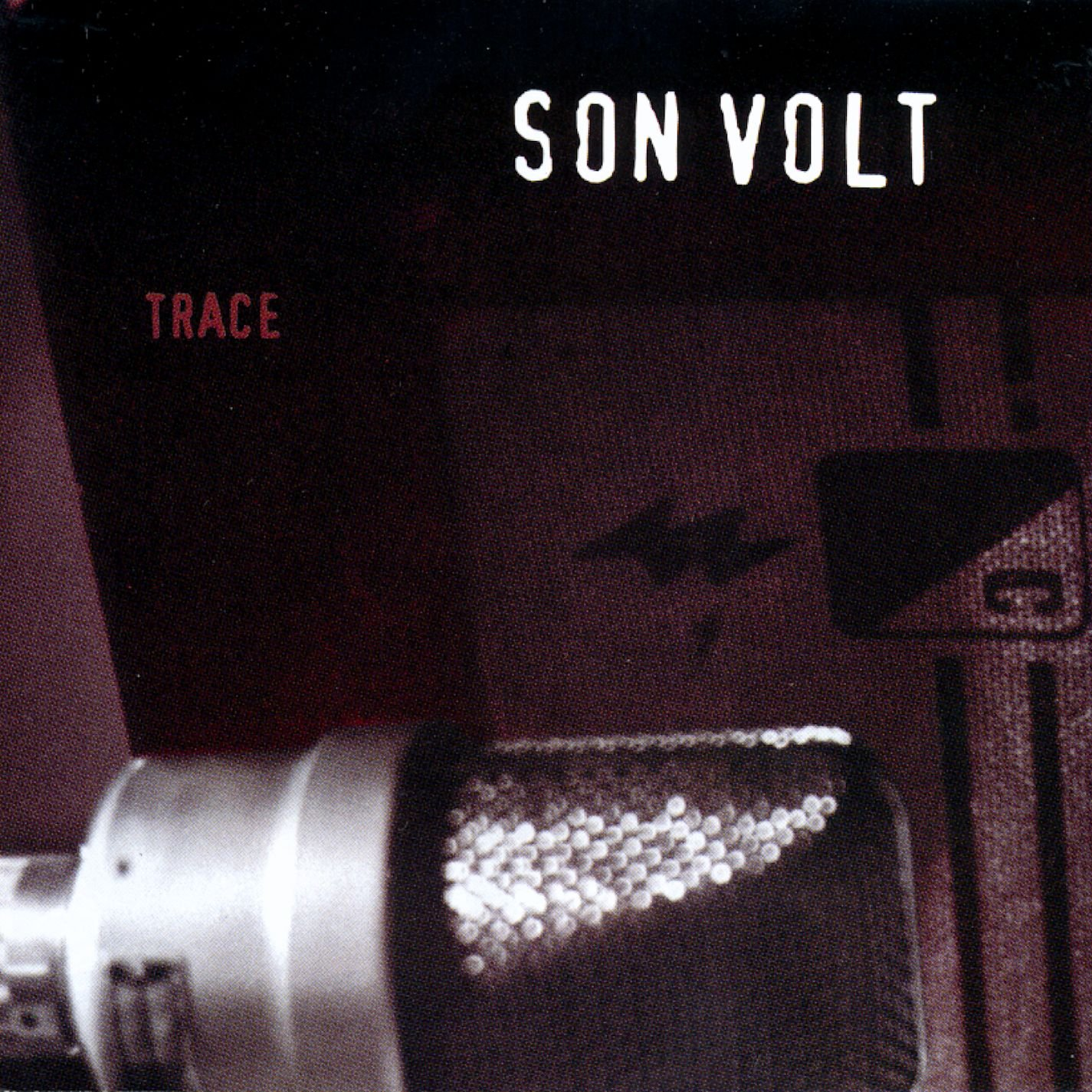
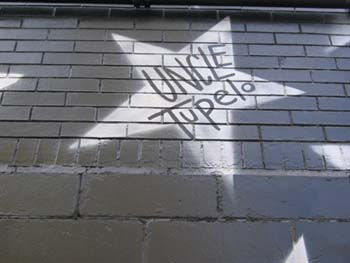
Dr. J’s take… The Brilliance of Trace—Son Volt’s Rusted Hymn to the Wreckage

The first time I heard Son Volt’s Trace, I thought, “Ah hell, here it is: Uncle Tupelo’s divorce decree, notarized on reel-to-reel, filed away in some Missouri courthouse basement where the plaster peels and the janitor drinks Falstaff or Bud Light out of a Styrofoam cup.” Jay Farrar stomps out of the wreckage, lugging his guitar like a busted-down jalopy radiator, and instead of screaming, he sighs, drawls, lets the words leak out slow like oil seeping into gravel. This isn’t rock and roll as firecracker catharsis; it’s rust-belt requiem. It’s the sound of gas stations going dark one by one on Route 66 and every half-drunk loner still praying the neon sign will flicker back to life.

See, Farrar isn’t interested in saving your soul or even giving you a hook to hum while you brush your teeth. He’s interested in reminding you that America has grit and grime, and the old idols, they are rotting.

Listen to “Windfall.” That harmonica doesn’t soar; it wheezes like your uncle’s lungs after three decades underground in coal mines. Yet it lifts you anyway, like catching a breeze on a road you know dead-ends in thirty miles. Farrar’s voice is carved from stone, immovable, half-asleep but never indifferent. He sings like he’s standing in the ruins of the sixties, looking around and muttering, “Guess this is what we’ve got left.” And dammit, what we’ve got left sounds gorgeous.

Trace isn’t alt-country. Alt-country is a marketing gimmick, an excuse for journalists to pretend they’ve discovered a new continent when really they’ve just found the same sad barstools Willie and Merle already angry because they don’t recognize the place. Trace is country with its skin peeled off, electrified and nailed to a telegraph pole. It’s Neil Young after the hangover, it’s Gram Parsons without the messiah complex. It’s the hum of America when the AM station fades out and all you’ve got is static—and suddenly the static is more moving than the song that was playing ever was.

Take “Drown.” Farrar growls it like a prophecy for people already underwater. The guitars crash like waves on cheap levees, the kind that always break. It’s furious and exhausted at the same time, the way you get when you’ve fought too long and realized the fight was fixed from the start. Then there’s “Tear Stained Eye,” where he asks if seeing a river run dry will make you start crying. Spoiler: it won’t. You’ll just stare and keep driving, and that numbness is exactly what Farrar’s documenting—he’s the archivist of our collective shrug.

But here’s the trick, the brilliance: instead of despair, Trace gives you dignity. The dignity of standing in a field that used to be a town, looking at the weeds grow through concrete and saying, “Okay, maybe this is freedom.” Farrar doesn’t want your hope. He wants your honesty. The honesty that says America’s dreams are boarded-up diners and broken jukeboxes, but inside those ruins, a few songs still rattle around like sacred relics.

And maybe that’s why Trace still matters. Because it’s not trying to sell you redemption. It’s not asking you to believe in the comeback of some mythic heartland. It’s just holding up the Polaroid of what’s gone and saying, “Here, take a look. Doesn’t it hurt beautifully?”

In the end, Trace is a ghost road record. It takes you down highways that don’t exist anymore, past radio towers that no longer transmit, through towns that can’t even hold onto their own zip codes. But by the time you get to the last track, you don’t feel lost. You feel found—because someone finally put into music that vague ache you’ve been hauling around, the one you thought was just your private sorrow. Turns out it’s everybody’s sorrow. And Jay Farrar, God bless his gravelly heart, sang it so we could all drive through it together.

Unveiling the Artistry of the Cover: A Deep Dive into the Enduring Allure of Cover Songs

In music, few phenomena encapsulate the intersection of homage, innovation, and reinterpretation as effectively as cover songs. These musical tributes, where an artist reinvents and reinterprets an existing piece of work, have been an integral part of the musical landscape for decades. Right now I am embarking on a journey through the annals of cover songs reading Ray Padgett’s “Cover Me: The Stories Behind The Greatest Cover Songs of All Time,” it becomes evident that these renditions are not mere replicas but windows into the soul of the artist, revealing layers of influence, creativity, and the timeless allure of the songs that resonate across generations. Sure, not every cover song works but when they do, its magic.

The roots of cover songs are deeply entwined with the evolution of popular music. In the early days of the industry, covers were often straightforward reproductions of popular tunes, serving as a means for artists to capitalize on the success of others. Pat Boone’s early career demonstrates this most clearly. However, as music evolved, so did the approach to cover songs. We have championed the idea that a cover song, when approached with artistic intent, has the potential to transcend its origins and become a unique piece of art in its own right; and to that end, we regularly share songs on Your Tuesday Afternoon Alternative with the tongue-in-cheek label #YourCovered.

One of the defining characteristics of a memorable cover is the ability of the artist to infuse the song with their own distinct style and personality. This is where the magic of reinterpretation comes into play. Trouser Press, with its keen eye for artistic innovation, has always celebrated cover songs that go beyond mere imitation, offering a fresh perspective that breathes new life into familiar melodies.

Consider Johnny Cash’s iconic cover of Nine Inch Nails’ “Hurt.” Don’t we all appreciate the pure and devastating raw emotion and vulnerability that Cash injected into the song, transforming it into a haunting meditation on his own mortality near the end of his days. The juxtaposition of Cash’s weathered voice against the industrial soundscape of the original creates a poignant contrast, turning the cover into a soul-stirring reflection on the passage of time and the weight of a life well-lived while still yearning to accomplish more before you leave. Most recently, Hello June’s cover of “Take Me Home Country Roads” — like Cash with “Hurt,” strip the song to its essence so that we can pause, if only for a few moments, and drink in the unadulterated emotion of the song.

We at YTAA commend artists who take bold creative risks with cover songs, pushing the boundaries of genre and style. Take, for instance, Jeff Buckley’s ethereal rendition of Leonard Cohen’s “Hallelujah.” We should laud Buckley’s decision to strip down the song to its honest bare essentials, allowing his haunting vocals and sparse instrumentation to convey a sense of intimacy and vulnerability. In this case, the cover transcends the original, becoming an iconic piece that stands as a testament to Buckley’s artistic prowess.

We also recognize the power of cover songs as a means of introducing audiences to different genres and eras of music. When a contemporary artist takes on a classic from a bygone era, it serves as a bridge between generations, fostering a deeper appreciation for the rich tapestry of musical history. Celebrated artists can pay homage to their influences while introducing these timeless tunes to new audiences. I immediately think of Uncle Tupelo’s version of “Sin City.”

Uncle Tupelo’s cover of “Sin City” by The Flying Burrito Brothers is a testament to the band’s ability to bridge the gap between generations and genres, infusing a classic country-rock tune with their distinct alt-country sensibilities. Released as part of the “I Got Drunk” single released in 1990, Uncle Tupelo’s interpretation of “Sin City” pays homage to the roots of country music while adding a layer of grit and authenticity that defines their unique sound.

At the core of Uncle Tupelo’s cover is an evident reverence for The Flying Burrito Brothers’ original version. “Sin City” was a defining track on The Flying Burrito Brothers’ seminal 1969 album “The Gilded Palace of Sin,” co-written by Gram Parsons and Chris Hillman. The song, with its poignant lyrics and twangy guitar riffs, became an emblematic piece of the country-rock movement of the late ’60s and early ’70s.

Uncle Tupelo, known for their role in shaping the alternative country (alt-country) genre, took on the challenge of reinterpreting this classic with a keen understanding of its historical significance. The result is a cover that pays homage to the roots of country music while injecting it with the raw energy and authenticity that characterized Uncle Tupelo’s approach to their craft.

The cover opens with a stripped-down arrangement, featuring acoustic guitars that echo the simplicity of the original. However, Uncle Tupelo adds their own signature touch by incorporating a raw, unpolished quality to the recording. The vocals, delivered with a sense of earnestness by Jay Farrar and Jeff Tweedy, convey a genuine connection to the song’s themes of disillusionment and the pitfalls of city life.

What distinguishes Uncle Tupelo’s version is the infusion of alt-country elements, seamlessly blending the traditional with the contemporary. The band’s choice to incorporate elements of rock, punk, and folk into the cover reflects their commitment to pushing the boundaries of the country genre. The twangy guitars are accompanied by a slightly distorted edge, providing a sonic element that captures the spirit of both eras—the original release and Uncle Tupelo’s early ’90s alternative country movement.

In true Uncle Tupelo fashion, the cover of “Sin City” is not merely a replication but an evolution. The band’s interpretation of the lyrics, sung with a sense of urgency, brings a renewed relevance to the timeless themes of the song. Uncle Tupelo’s cover serves as a bridge between the past and the present, showcasing the enduring power of well-crafted songs to resonate across generations. Uncle Tupelo’s cover of “Sin City” is a masterful tribute that highlights their ability to honor musical heritage while imprinting it with their own unique sonic identity. By infusing a classic Flying Burrito Brothers track with the raw energy and authenticity of alt-country, Uncle Tupelo pays homage to the roots of country music while paving the way for the evolution of the genre.

Another exemplary case is Amy Winehouse’s rendition of the jazz standard “Valerie,” originally by The Zutons (from their excellent 2006 album Tired of Hanging Around). I would commend Winehouse for infusing the song with her signature blend of soul and jazz, breathing new life into a classic and introducing it to a generation unfamiliar with its origins. In this way, cover songs become a form of musical education, connecting the dots between the past and the present.

Music critics would be quick to point out that not all cover songs are created equal. The success of a cover lies not only in the artist’s ability to reinterpret the material but also in their sincerity and authenticity. While YTAA champions artists who approach cover songs with genuine respect for the source material, eschewing mere mimicry in favor of a creative dialogue with the original work.

For instance, when The White Stripes tackled Dolly Parton’s “Jolene,” Jack White’s decision to bring a raw, bluesy edge to the classic country tune has been questioned by some. Is that sincerity in White’s delivery or simply his delivering the song in an almost sarcastic frame. We need to recognize that the most intriguing cover is not an attempt to overshadow the original but rather create a heartfelt homage that pays tribute to the timeless appeal of Parton’s songwriting.

In exploring the world of cover songs, the instances where artists use covers as a canvas for their own experimentation and subversion can be thrilling. Artists who challenge conventions and push the boundaries of genre, and cover songs offer a unique platform for such creative exploration. Consider Devo’s deconstruction of The Rolling Stones’ “Satisfaction.” We should revel in the avant-garde approach that Devo took, turning the iconic rock anthem into a quirky, electronic experiment. This kind of cover embodies the ethos of celebrating artists who fearlessly venture into uncharted territory, reshaping familiar tunes into something entirely unexpected in a way that is real from the perspective of the artist.

Cover songs can also carry socio-political significance. In times of social change, artists often turn to covers as a means of expressing solidarity, protest, or reflection. Cover songs that serve as a commentary on the zeitgeist, amplifying the voices of those who seek to inspire change through music can also be a powerful approach.

An exemplary case is Tracy Chapman’s rendition of Ben E. King’s “Stand By Me” during the “Freedom Now” concert in 1988. I want to highlight the powerful symbolism in Chapman’s choice of cover, turning a classic love song into a poignant anthem for justice and equality. In this instance, the cover becomes a vehicle for social commentary, aligning with a tradition of celebrating artists who use their platform to address pressing issues.

As we delve into the expansive realm of cover songs, it becomes evident that a commitment to artistic integrity and innovation would recognize the myriad ways in which artists breathe new life into existing material. From soul-stirring reinterpretations that tug at the heartstrings to avant-garde experiments that defy genre conventions, cover songs offer a canvas for artistic expression that resonates with Trouser Press’s dedication to celebrating the ever-evolving landscape of music.

Perhaps the allure of cover songs lies in their ability to transcend the boundaries of time, genre, and generation. Whether it’s a contemporary artist paying homage to their musical roots or a groundbreaking reimagining that challenges preconceived notions, cover songs continue to captivate audiences and serve as a testament to the enduring power of musical reinterpretation. We need to turn a discerning eye toward the nuances of artistic expression and recognize cover songs as a dynamic and integral part of the ever-evolving narrative of popular music.

Desert Island Album: A Gritty and Poignant Journey Through the Heartland with Uncle Tupelo

How often has someone asked what are your top ten albums in your record collection? Or how many of us have had one of those bar conversations where we are hypothetically trapped on a desert island with only ten records? A desert island album is meant to be a fun concept often discussed among music fans. It refers to an album that someone would choose to have with them if they were stranded on a desert island, again just hypothetically speaking — because no one is really trapped anywhere. An album in the desert island collection is considered a person’s absolute favorite, one they could listen to repeatedly and never tire of, making their isolation on the desert island more bearable, and more manageable until they are rescued. At least in my positive interpretation, there is a rescue. It’s essentially a way of asking someone to identify their all-time favorite or most cherished album. One of these perfect records, for Dr. J, is Uncle Tupelo’s sophomore effort, “Still Feel Gone.”

“Still Feel Gone,” is a raw and unapologetic exploration of the American heartland, capturing the essence of rural life with a blend of punk energy and alt-country sensibilities. Released in 1991, this album solidifies Uncle Tupelo’s place as pioneers of the burgeoning alternative country movement, paving the way for bands like Drive By Truckers, Calexico, Giant Sand, Whiskeytown, Lucero, Magnolia Electric Co., Kathleen Edwards, and far too many to mention, to follow. And, of course, the bands created in the wake of Jay Farrar and Jeff Tweedy’s breaking up of Uncle Tupelo, Wilco and Son Volt continue to mine the alt-country aesthetic in adventurous ways.

Uncle Tupelo were not the only alt-country band of that time, certainly The Old 97s, Lucinda Williams, Steve Earle, The Jayhawks, Cowboy Junkies, and Richard Buckner quickly come to mind, however the fusing of punk, folk, traditional music and country in authentic and personal lyrics within a melding of sonic forms that stayed true to a rock and roll aesthetic was unique.

The opening track, “Gun,” sets the tone for the entire album with its blistering guitars and rebellious lyrics. Jay Farrar and Jeff Tweedy’s distinctive voices, each with its own unique timbre, intertwine seamlessly throughout the record, creating a compelling dynamic. It’s a testament to their songwriting prowess that they can effortlessly switch from the hard-edged, punk-influenced sound of “Gun” to the melancholic and introspective “Looking for a Way Out.”

“Still Feel Gone” explores themes of isolation, longing, and disillusionment, often delivered through vivid storytelling drawn from relatable personal experiences. Songs like “True To Life”, “Discarded” “If That’s Alright” and “Fall Down Easy” paint pictures of a world where dreams have been deferred, and the protagonists are left grappling with the consequences of their choices. There is a profound difference in stopping yourself and being unable to grasp what has been denied you all the while knowing that you are missing something. The lyrics are poignant, introspective and poetic, reflecting the struggles of ordinary people trying to find their place in a changing world that does not look at all like what was promised.

The album’s musical diversity is one of its strengths. “Still Be Around” showcases the band’s ability to craft a memorable, melodic tune, while “D. Boon” pays tribute to the late, great guitarist from The Minutemen, a band that clearly influenced Uncle Tupelo’s punk leanings. Several songs broaden Uncle Tupelo’s palette incorporating more instrumentation than you find on a punk record.

Consistently the songs on “Still Feel Gone” carry a burden of working class life. And this accessibility to everyday experience without seeing it as precious but rather the hard fought requirements of making a living, however you can do that, is one of the many strengths of this record. This authentic lyrical approach cements a characteristic that comes to define the alt-country musical movement: testament to the incredible past music that continues to guide our steps as we think about why we are in the state of life we find ourselves and reinventing music to express the frustration, and occasional anger that brings, while staying true to emotions of the heart. Consistently the songs on ‘Still Feel Gone” have lyrics that feel like the band was writing about you or someone close to you that you wish you could help but nothing you try to do ever goes right.

One of the standout tracks on the album (and to be honest this is a record of ‘all killer, no filler’), for me, is “Watch Me Fall.” It’s a haunting and yet strangely bouncing tune that captures the essence of loneliness and despair with a clash of what feels like a counter-programming of melodic guitars, bouncy bass and damn near peppy percussion. Farrar and Tweedy’s vocals harmonize beautifully, creating a haunting and unforgettable listening experience that still puts a pep in your step. The song is not some simple “sad sack” depressive episode, it is the realization that maybe, just maybe you are going to fail because the house always wins:

Some folks find
that their role in life
is to fail
at everything they try

while other folks see
but not like me
There’s one thing
that they’re damn good at

Gather around you all
Come around and see
Those who stand tall
Why don’t you please, watch me fall

This mix of lyrics reflecting the economic challenges of life with music that feels like it is taking you in a completely different direction reaches a highpoint with “Punch Drunk.” The song’s lyrics explore the existential challenge of hard work and hard living while the driving rock and roll that instead of reaching a screeching guitars crescendo, fades out. The music reflecting the subject matter perfectly. But perhaps the best line on the album — among so many powerful lyrics — is when Jay Farrar sings:

“Tried to stay, tried to run
There’s never been enough reason
To believe in anyone
This trickle-down theory has left all these… pockets empty
and the bar clock says three A.M.
Fallout shelter sign above the door
In other words, don’t come here anymore

The production on “Still Feel Gone” is intentionally unpolished, giving the album an authentic, DIY feel that complements the raw emotions conveyed in the songs. Producer Sean Slade’s decision to capture the band’s live energy pays off, allowing Uncle Tupelo’s passion and intensity to shine through whether the song holds a punkish pacing and energy or a languid, slow movement.

While “Still Feel Gone” may not have achieved the same commercial success as some of their contemporaries, it remains a timeless and influential record in the alt-country genre. Uncle Tupelo’s ability to blend punk and country elements with introspective lyrics makes this album a compelling and enduring work of art that captures real truth without ever feeling forced or a songwriter’s exercise. Jay and Jeff sing about the working class not as an academic survey but because of their life history. “Still Feel Gone” is a testament to the band’s vision and talent that their music still resonates with listeners, inviting them to explore the heartland’s complexities through their distinctive sonic frame.

And for all of these reasons and perhaps more, it is one of Dr. J’s Desert Island records.

Age Nowhere with a Great Cover Song!

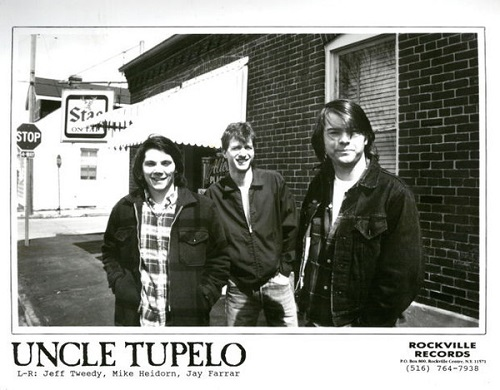
Age Nowhere surprised Dr. J with a cover of ‘New Madrid’ from Uncle Tupelo’s last record Anodyne when they visited on March 19th of this year. The Jeff Tweedy penned song references the New Madrid fault which is south of St. Louis where Uncle Tupelo members Jeff Tweedy, Jay Farrar and Mike Heidorn grew up. The band hailed from Belleville Illinois which is across the river from St. Louis. The New Madrid fault is the location of one of the most powerful earthquakes in the United States. The line about rivers running backwards is taken from a result of the massive earthquake in 1812. Another line in the song was based on a prediction made by Browning that predicted a massive earthquake would strike the fault and surrounding area in 1990.

Allow us to set a scene. Imagine stepping in for a drink at a bar where Sticky Fingers era Keith Richards is hanging out with his Nudie Cohen Suit wearing pal Graham Parsons and a world weary Chris Robinson of the Black Crowes. They are all sitting in a booth commenting on the passing musical fancies of the day. That is the experience of Age Nowhere! Imagine a true double guitar attack from Identical-twin brothers Matt and Dan Spaugy paired with smoky evocative lyrics sung by Paul Monin propelled by driving drums from Seth Gilliam and pounding bass of Matt Terry. That is the experience of Age Nowhere.The band takes it’s nom de plume from one of the standout tracks on Dayton’s own Shrug‘s 2005 record ‘Whole Hog For The Macho Jesus.’

your-tuesday-afternoon-alternative-color copy

Age Nowhere with a Special Uncle Tupelo Cover!

Age Nowhere surprised Dr. J with a cover of ‘New Madrid’ from Uncle Tupelo’s last record Anodyne. The Jeff Tweedy penned song references The New Madrid fault which is south of St. Louis where Uncle Tupelo members Jeff Tweedy, Jay Farrar and Mike Heidorn grew up. The band hailed from Belleville Illinois which is across the river from St. Louis. The New Madrid fault is the location of one of the most powerful earthquakes in the United States. The line about rivers running backwards is taken from a result of the massive earthquake in 1812. Another line in the song was based on a prediction made by Browning that predicted a massive earthquake would strike the fault and surrounding area in 1990.

Allow us to set a scene. Imagine stepping in for a drink at a bar where Sticky Fingers era Keith Richards is hanging out with his Nudie Cohen Suit wearing pal Graham Parsons and a world weary Chris Robinson of the Black Crowes. They are all sitting in a booth commenting on the passing musical fancies of the day. That is the experience of Age Nowhere! Imagine a true double guitar attack from Identical-twin brothers Matt and Dan Spaugy paired with smoky evocative lyrics sung by Paul Monin propelled by driving drums from Seth Gilliam and pounding bass of Matt Terry. That is the experience of Age Nowhere.The band takes it’s nom de plume from one of the standout tracks on Dayton’s own Shrug‘s 2005 record ‘Whole Hog For The Macho Jesus.’

your-tuesday-afternoon-alternative-color copy

YTAA Book Discussion This Week: Jeff Tweedy’s ‘Let’s Go (So we can get back)

Jeff Tweedy Book

Our last on-air book discussion of 2018 focuses on Let’s Go (So We Can Get Back) by Wilco frontman and Uncle Tupelo co-founder Jeff Tweedy. Guests in the studio include Jeremy Siegrist of The Typical Johnsons and musician and supermusicfan Mandy Jewell who will share their ideas about the book. This interesting book covers Tweedy’s life experiences, personal biography and his work in Uncle Tupelo and Wilco.

If you have comments and thoughts about the book, feel free to share those with us in the discussion section of the event page or email us at drjytaa@gmail.com. We will also open the phone line during the show so that those listening can join in on the conversation as well.

As always you can listen along online at WUDR.udayton.edu OR 99.5 & 98.1fm in Dayton, Ohio from 3-6pm Tuesday, December 18th!

your-tuesday-afternoon-color copy

8 Years of Your Tuesday Afternoon Turning Alternative

YTAA Radio Image
Join us at wudr.udayton.edu

Your Tuesday Afternoon Alternative is celebrating our last show of our birthday month! Join us Tuesday 3-6pm on wudr.udayton.edu as we debut new music from Okay Lindon, Holopaw, Guided by Voices, Neal Young and Crazy Horse, RobtheBank, Swear and Shake, Dear Fawn, Human Cannonball, The Motel Beds, Glen Campbell, and so much more alternative, indie, and great local music. Expect some very rare music from The Connells, Mike Ness of Social Distortion, and a few other surprises. 

Dueling covers this week will be between Uncle Tupelo and The Punch Brothers doing the classic, Moonshiner. We will be playing some local R&B and Rap with Dayton’s own Mission Man. His new album M, is out now! 

Join Dr. J and Mrs. Dr. J as we celebrate our last show celebrating 8 years of playing some of the best independent and Dayton music on wudr. Check out the YTAA Facebook page!