On January 31st, Dr. J interviewed Irish musician, singer, and songwriter David Howley is appearing at the Sears Recital Hall at the University of Dayton on March 13, 2025. David will be joined by special guests Kiana June Weber and Caitlin Leahy.
David Howley is an award-winning folk artist from Ireland, blending traditional Irish music with modern folk. Founder of Billboard World #1 band We Banjo 3, Known for his soulful vocals and evocative storytelling, David’s solo work continues to captivate audiences with a rich, emotionally resonant sound. Kiana June Weber fuses classical chops with American and Irish folk music, she has played massive stages worldwide, recorded four Billboard #1 albums with Gaelic Storm, and brought the fiddle to Come From Away. Caitlin Leahy is a lifetime member of Milwaukee’s “Leahy Luck” and Bodhran player extraordinaire.
In American music, there are artists whose regional roots run deep, intertwining with the cultural fabric of their home state. Greg Humphreys, the charismatic frontman of Dillon Fence, has spent decades carving out a musical niche that echoes the soulful resonance of North Carolina. His solo endeavors, marked by a fusion of rock, blues, jazz, and Americana, showcase a maturity that comes from a life dedicated to the pursuit of authentic sound.
Humphreys’ musical journey began in the late ’80s with the formation of Dillon Fence, a Chapel Hill-based alternative rock band that became synonymous with the burgeoning music scene in North Carolina. The band’s sound, characterized by jangly guitars, introspective lyrics, and Humphreys’ powerful, soulful emotive vocals, contributed to the distinctive Southern sound emerging from that fertile music community that also gave rise to The Connells, The Veldt, Fetchin’ Bones, Superchunk, Let’s Active and The dBs.
Fast forward to the present, and Humphreys has embarked on a solo career that demonstrates both evolution and continuity. His 2021 release, “Spanish Steps,” stands as a testament to his ability to navigate diverse musical waters while maintaining a distinct Southern sensibility. His most recent single, “Take a Trip (Catch a Plane)” crosses soul, ’70s pop, jazz, and smooth strands of rock and roll. Humphreys’ voice, weathered by years of musical exploration but never beaten down, lends a richness that serves as the perfect vehicle for the emotional weight carried by his lyrics. The song weaves a narrative that touches on love, loss, and the inexorable pull of life’s forces, creating a compelling experience.
Humphreys skillfully blends genres, drawing from the deep well of American musical traditions. He is equally comfortable channeling a rootsy, folk vibe with acoustic guitars or when creating a sonic laid-back atmosphere. He is also just as skillful when letting everything hang out in a full-blown rock song. Humphreys’ ability to seamlessly integrate elements of the South’s musical heritage into a contemporary framework is one reason out of the many characteristics of his songs that make them feel like lifelong friends.
Whether one is listening to Greg’s solo work or his efforts in Dillon Fence and Hobex, the songs he makes allow him to flex his songwriting muscles, delivering introspective lyrics with a raw vulnerability that resonates with listeners. “Take a Trip (Catch a Plane)” stands out as a poignant exploration of the complexities of life and the enduring power of hope, driven by Humphreys’ soulful crooning and the subtle, never forced, instrumentation that accompanies it. Humphreys’ guitar work, a hallmark of his style, shines throughout the tune, demonstrating both technical proficiency and an intuitive understanding of the emotional nuances embedded in his compositions.
In a musical landscape often dominated by trends, the passing ‘sound of the moment’, and fleeting fads, Greg Humphreys stands as a beacon of authenticity, his music is tangibly real… it resonates. Greg’s music not only pays tribute to the distinctive musical heritage of North Carolina but also adds another chapter to Humphreys’ ongoing exploration of sound and emotion. His most recent music invites listeners to journey through the landscapes of the South, guided by a seasoned troubadour whose passion for music burns as passionately and brightly as ever.
Dr. J: What can you share with us about when and how you started writing music?
I started writing songs in high school. My high school garage band “The Trash” decided to start playing our original music… our members would bring songs in to try. My early songs make me wince a bit, but you have to start somewhere. Dillon Fence bass player (and fellow The Trash member) Chris Goode and I will often sing a line or two from these old songs for a few chuckles.
I have to say, my basic appreciation and understanding of songcraft came from my dad. He was always listening to his favorite songs learning them and playing them on his guitar in his spare time.
I also think that my strong desire/need to create, expressed through art and music, comes from my mom. She’s been a visual artist for as long as I can remember and has had some different, interesting periods to her artistic expression.
Dr. J: What first led to your recording music? How do you approach production?
I started recording on a boombox, then a couple of boomboxes. I remember re-creating the harmony solos on Boston’s “Peace of Mind” with two boom boxes in High School.
After a couple years of this, my parents helped me get a Fostex 4 track recorder, which was my constant companion until I started learning ProTools / DAW recording in the late 90s. I have boxes and boxes of songs and music ideas I recorded in the 90s on that 4 track.
Of course, I learned a lot from the professional engineers and producers I worked with early on when making records with Dillon Fence and Hobex: Steve Gronback, John Plymale, Lou Giordano, Ron St. Germain, Mark Williams, David Leonard. I’ve also been lucky to sit in/take part in sessions with pros like John Wood, Joe Boyd, Al Kooper, Bill Symczyk, Chris Stamey, Mitch Easter, Don Dixon, and Jim Dickinson.
As far as my production approach, I think my main attitude is, that there’s no “correct” way to do things. All that really matters is do you have an end result that is compelling and/or worthy of listening to over and over. If budget was no issue, I’d probably do a more collaborative recording with other musicians/engineers/studios, but I do enjoy making records on my own.
I try to keep in mind that some of my favorite records were made with some of the most basic recording technology. I believe that what is going on in front of the mic is usually the most important factor in recording most musicians or singers.
Dr. J: ‘Take a Trip (Catch a Plane)’ is your most recent music, what led to the making of that song? What were the main influences on your recording of this song?
I talked about it at length in my bio over greghumphreys.net if you’d like to pull from that/peruse that. but essentially it’s a song I wrote for my wife kind of trying to express one of those feelings that’s personal yet universal. Hopefully, the song has the same quality.
Dr. J: The song ‘Take a Trip (Catch a Plane)’seems to capture a remarkable constellation of musical influences.The songseems to have a 1970s soul feel. Is that a correct interpretation? If that is correct, did you intend to create a song that connects to that style? If that is not correct, how would you describe the feeling of the song?
The rhythm section definitely has a ’70s soul vibe – Marvin Gaye records are always a North Star for me. I played bass guitar on this track, which is also a lot of fun and something I haven’t been doing on my trio records. This track is basically a taste of an approach I’ve been taking. Using drum machine sounds to create grooves. Building songs around a melody, groove, or musical idea using a looper. Then, building the arrangement over time either in live performance or in the studio.
It’s not really that different from a songwriting approach I’ve used for bands I’ve fronted over the years. It’s just that I am able to create more of a “keeper” version on my own these days.
The song really started from being inspired by a moment in a George Shearing “Lullaby of Birdland” recording where the musicians play the melody (Jazz terminology would be “the head”) together. I wanted to use that vibraphone sound, and I wrote a melody that is vaguely reminiscent of the Shearing tune – not as harmonically sophisticated, but still good. After that, I just followed my instincts to complete the song.
Dr. J: Where do you often derive inspiration to make music?
Looking back on my songwriting path, I’d say my main wellspring of music-making has been expressing myself – getting out all those feelings I have difficulty manifesting any other way. The confessional songwriting thing has definitely been a big part of who I am as a writer. That being said, I like switching it up and trying different approaches, and that shows up in my songs as well.
Dr. J: How would you describe the music that you create? How has that process evolved or changed over time (especially as you think about your journey in the last few years)?
I feel like in the back of my mind I’m always trying to create something that is timeless and universal. The quality that a great piece of music or song has – if you take it out of its cultural context, does it still resonate? I think that’s why I enjoy going down the wormhole with music from different eras or time periods and finding songs that grab me.
Dr. J: What is next for you musically? How would you describe your thoughts at this point for your next project or release?
I am close to the finish line on a couple of recording projects. One is a Dillon Fence live album that we recorded in April 2023. I think it captures the energy of the band in a good way and I’m looking forward to sharing it with our fans. I am proud of that catalog of music.
The second is another solo album in the same fashion as my 2021 album “Spanish Steps,” using a lot of the approaches and techniques I mentioned earlier. “Take a Trip (Catch a Plane)” will be included on this album, as well as some other songs I’ve been writing over the last 3-4 years. I find that these days with my family life taking precedence I’m not nearly as prolific as I used to be. The songs that I do complete tend to be real “keepers” – songs that I keep coming back to over time.
Dr. J: What is your favorite song to perform live? What is your favorite song to perform in general? What makes that song a current favorite in your performances?
I think the song that I usually enjoy performing live most is usually my most recent song that I really believe in – the song that fits that category lately is called “Fall into the Sea.” That being said, I’ve gotta give props to a song I co-wrote with my old friend Jim Smith, “Windows,” which was originally on the Hobex LP “Back in the 90s.” I still play that song in almost every show. It just works, it connects, it makes people happy, and that makes me happy.
Hopefully, they’ll find inspiration to renew their love for their significant other. That’s what it’s really about. The ‘Take a trip’ part is just an impetus to do that.
Dr. J: As a musician, how are you adapting to the challenges of creating music? What are your biggest challenges in creating music?
That’s a big question. Honestly, I don’t really know which way to go. The sheer volume of music produced these days and the torrential nature of media consumption are obviously on my mind, as far as what is ahead. I consider myself lucky I have an (admittedly boutique) audience that still comes to see me play and listen to my music online, but obviously, the Internet disruption is real and it has affected my life. It has always been a rollercoaster ride and a struggle to pursue a creative life, though.
I think my biggest challenge is managing the balance between my family life and my desire to pursue my art and music. There’s just not enough time in the day to do what I’d like to do. Once I have the time, I’m often too tired to do it!
We want to extend our sincere gratitude to Greg Humphreys for answering our questions and continuing to make some really excellent music! Click on the links throughout the article to visit his social media or to listen to various songs that were discussed! If any musicians or artists would like to participate in future ’11 Questions with…’ columns, please feel free to email us at drjytaa@gmail.com. All photos and images courtesy of Greg Humphreys.
In the dimly lit corners of Americana, where the roots of rock ‘n’ roll intertwine with the twang of country, emerges The Popravinas—a band that embodies the spirit of a bygone era while injecting it with fresh, irreverent energy. Their latest, “3-Month Situation,” is a rollicking journey through heartache, relationships, and a hell of a good time.
From the first notes, it’s evident that The Popravinas are not here to play it safe. The song kicks off with an infectious jangly guitar that leads to a foot-stomping feel that sets the tone for the wild ride ahead. The gravelly vocals carry the weight of countless complicated romance stories, while the band’s tight instrumentation weaves a sonic tapestry that’s both nostalgic and contemporary. “3-Month Situation” is an unapologetic celebration of the working-class troubadour tradition of honest inspection of relationships. The song pays homage to the trials found in relationships like a mature Springsteen and early Johnny Cash. Appreciation to Eddy Sill for answering our questions!
Dr. J: What can you share with us about when and how you started writing music?
Back around the early 90s, I was part of a rather raucous alternative pop band in Los Angeles called The Mutts. One of the guitar players who was quite a prolific songwriter, heard some raw ideas of mine and encouraged me to start seriously writing songs. Once I started to do so, I saw people responding very positively to those tunes when I sang them onstage. My confidence grew quite quickly, and as time went on, it became a way of life for me.
Dr. J: What first led to your recording music? How do you approach production?
Recording (especially in the past) has always been somewhat of a boring process for me. In recent years, the advancements in digital recording have made it so much more pleasurable, easy, and exciting. I much prefer it as opposed to sitting in a boring studio for hours on end, as we now do much of our recording right in our bedrooms, emailing various takes back and forth to Lead Guitar/Producer John Adair.
Dr. J: ‘3-Month Situation’ is your most recent music, what led to the making of that song? What were the main influences on your recording of this song?
That’s a funny question because it was actually brought on by a woman who is a long-time friend of mine. She fairly recently mentioned that she was in a “three-month situation” with a guy, and it didn’t turn out all that well. I immediately wrote those three words down as a potential song title. The amazing thing is that I was going through some old emails from about seven years ago, and there was an email from her saying that she had just gotten out of a “three-month situation!” When I saw that, I knew I had to run with it, and it’s one of those songs that developed very quickly from that point.
Dr. J: The song ‘3-Month Situation’ captures a remarkable constellation of musical influences. The song seems to have an almost country feel. Is that a correct interpretation? If that is correct, did you intend to create a song that connects to that style? If that is not correct, how would you describe the feeling of the song?
We’ve done a bit of the Alt-Country thing on all four of our past albums, and you will hear that on some of the upcoming tunes (such as 3-Month Situation). Lyrically the song is better served in this style. The original idea was a bit more of a rock-n-roll song, but things can change a bit as different guitar & keyboard parts are created. We have a keyboard player (Bryon Haney) who actually lives in Charleston, SC, and he has added some good textures to the recordings in the past few years. He plays with us when we tour back east, and occasionally he comes out west to join us onstage.
Dr. J: How did the song ‘3-Month Situation’ come together musically for you?
As per our usual workflow, it starts with a very basic, lo-fi recording of whatever lyrics/melodies are drafted and a very basic, maybe one guitar, demo. It’s mainly used to map out the tempo and structure. After we recorded the drum track, we built up the instruments and then recorded the vocals last.
3- Month had a few more layers of instruments but ultimately we stripped some away for some better dynamics and to give it a little more sovereignty from our other tunes.
Dr. J: Where do you often derive inspiration to make music?
It can be literally anywhere. It can be my next-door neighbor or many times it is traveling to faraway places like Europe. Most of it is observations and interpretations of personal and social experiences. Much of the time, humor is essential.
Dr. J: How would you describe the music that you create? How has that process evolved or changed over time (especially as you think about your journey in the last few years)?
It definitely has a combination of “twang and pop.” I used to kind of fight off the California vibe, but as time has gone on, I tend to let that flow if it needs to be in that direction. As a band, we have evolved to be more autonomous in recording our own ideas and instruments which has relieved a lot of the stresses of time and money. The downside is we have less interaction creating all together at once in the same room which can bring some creative advantages.
Dr. J: What is next for you musically? How would you describe your thoughts at this point for your next project or release?
We are looking forward to a new album to be released in the Spring of 2024, possibly sooner. We like to think things through on new material, as opposed to bombarding the market. Each of our albums has its own vibe and sound yet remains in our particular unique style. I believe we offer a truly original sound while sounding extremely familiar to our listeners.
Dr. J: What is your favorite song to perform live? What is your favorite song to perform in general? What makes that song a current favorite in your performances?
That is a tough one. I know our drummer (Steve Markowitz) has a favorite in “Zoom to the Ocean” from our last album, “Goons West.” It has some pretty challenging guitar parts that sound easier than they are to play. People seem to like that one. I really enjoyed playing “3-Month Situation” live for the first time this past weekend… Until I went blank on some of the lyrics… Ha! But sometimes that kind of thing can really get an audience going, as we are the type of band that can have that kind of looseness work for us.
10. What is one message you would hope that listeners find in ‘3-Month Situation’?
Well, I hope that it strikes people musically and they can relate to what it speaks of. I was really impressed when it first came out that you (Art Jipson/Dr. J) tweeted how high the percentage is of people that date, and it all ends within three months. I love that kind of factual feedback!… lol.
Dr. J: As a musician, how are you adapting to the challenges of creating music? What are your biggest challenges in creating music?
Creating music can be easy. Being in a band can take some work. Getting the music heard is almost impossible. There are so many obstacles if you don’t know the right people. We’d like to get some proper management, but until then we will continue on, and conduct our business as usual. Hey! If It was easy, everyone would do it!
We want to extend our sincere gratitude to Eddy and The Popravinas for answering our questions and continuing to make some really excellent music! Click on the links throughout the article to visit their social media or to listen to various songs that were discussed! If any musicians or artists would like to participate in future ’11 Questions with…’ columns, please feel free to email us at drjytaa@gmail.com. All photos and images courtesy of The Popravinas.
Creating heartfelt melodies that probe deep subjects with a touch of vulnerability and a reminder of the promise of positivity is a tonic in these challenging times. 7000Apart – Jon Kresin and Amelie Eiding – is a band with a love story right out of a movie! In 2012, Amelie journeyed from Stockholm, Sweeden to attend high school in Green Bay, Wisconsin. And in music theory class, they met, became friends and overtime that friendship grew into a love that transcended the 7,000 kilometer distance when Amelie returned home.
After three years of managing a long distance relationship, Jon and Amelie married in Sweden and then returned to the United States. In 2019, they released their first record We Are More. Work on their second album, Feel Your Feelings, is already underway with Nashville-based songwriter and producer FEMKE.
Dr. J caught up with the band while they are on tour via zoom.
7000Apart are coming to Dayton on May 15, 2022 to play Blind Bob’s with Mike Bankhead and K.Carter! Dr. J interviewed the band over Zoom while they are on their May Tour! We spoke about how they got started, how they approach writing and making music and their plans for their next record. Learn more about them on their social media: twitterspotifyinstagramfacebook and for a full list of their media and music check out their linktree.
Drummer turned guitarist Kim Ware has been making emotionally powerful indie folk rock since 2009’s Bring on the Tambourines! Her last full length, 2019’s Prose and Consciousness merged her sense of melody with layered songwriting that pulled the listener into a rich world of Southern culture, meditations on life and efforts to improve ourselves. Kim’s music often raises questions about how we make real lasting relations in our communities. Stand out tracks like ‘Three’, ‘His Name was the Color that I Loved’ and ‘Wants + Needs’ brought Ware’s mature songwriting together with music that allows listeners to feel the experience even if it is for all too brief a moment. Kim has continued to release new music such as 2021’s ‘capital R (single)‘ and 2020’s powerful ‘Stopped Making Plans‘ and ‘Things Will Be Better in the Morning.’ These songs demonstrate her commitment to intelligent musical discourse. It was a real pleasure to correspond with Kim about her music.
1. What can you share with us about when and how you started writing your latest song, ‘Stopped Making Plans’?
This song had some pretty weird origins that were both very intentional but also very accidental at the same time! I say that because it came to be thanks to an assignment for a songwriting group I’m part of.
We meet on Mondays; it was a Sunday afternoon and I thought, “I don’t have a new song to share tomorrow.” The prompt was “foreign languages” so I simply started by thinking about countries I’d like to visit. My mind went to Germany first; my husband is from there but I’ve never visited. I was thinking about how my friend Andy had also booked a trip to Italy in late 2019 but of course it didn’t happen.
Anyway, I sort of organized those thoughts to be more about plans falling through, and missing loved ones. In the case of the Italy mention, rather than focusing on Andy’s trip I very intentionally thought about Michele Gazich. He plays violin for Mary Gauthier, and though I don’t know him well I’ve met him at Song School in Colorado, and we’re friends on Facebook. Back around last February / March, before Covid had severely impacted the US but was taking its toll on Italy, where he lives, he was posting about what was going on. It was so frightening. That, plus my working for a major digital publisher at the time (which happens to be health-focused), led me to take all this pretty seriously from the very beginning.
It’s been such a mental and emotional drain. I kept thinking it might be something I’d write about but it all just seemed too big. Suddenly, approaching it this way (very indirectly at first) just worked. Once I realized what I wanted the song to capture (the trials of last year, with a focus on plans being cancelled), it came together pretty quickly.
I also feel the need to say before writing it I had just finished reading Viktor Frankl’s “Man’s Search for Meaning” for graduate school. In it, he focuses a good bit on hope, and imagining a future, and how important it is to our existence. That seemed to be top of mind – that the roughest part of all this, for me (a natural planner) was adapting to not making plans.
2. In the past you have had strong collaborations, did the coronavirus/Covid-19 situation change how you wrote and worked on the song?
Very much. In November 2019, the Good Graces played our release show for “Prose and Consciousness.” That was such a wonderful experience, like everything just came together for that show. Little did we know we’d only be able to play a couple more together. I would have loved to have included the folks who played that show with me on this song, but logistically that’s a lot harder to coordinate now. I also moved last summer, from Atlanta (where they are all based) to North Carolina, to be closer to elderly family members. The combination of Covid plus just being in a place where I don’t know as many musicians meant I felt very, very isolated. That’s definitely changed how I work on music now. I wrote the song alone, and then recorded my guitar and vocal tracks at home. I sent those to engineer/producer Jerry Kee, and he added everything else. We’re working on a full album this way. Though it’s not what I would have imagined had you asked me last year how I’d make my next album, it’s working really well.
3. ‘Stopped Making Plans’ is a song that explores the impact of the pandemic, police violence and other social issues, did you set out to address these particular ideas when starting to work on that song?
Not at all! As I mentioned up top, it didn’t start out being about that at all. But, it quickly turned into that. I just wanted to be very honest. Those are the things that took so much of my mental energy and empathy last year. So once I started going there, I couldn’t really avoid them.
4. Many of your songs have addressed the strength or weakness of social bonds – is that a correct interpretation of some of the lyrics and the feel of your music? If that is correct, do you intend to write about social bonds and connections or did the song evolve in that direction over time?
That’s so interesting, and really insightful. I put a lot of thought into relationships, I suppose. And not just a-b relationships, but like my place, my role in a given community. How we all “relate”. And connections – that’s definitely something I’ve been very focused on exploring, for years now. All that said though, I don’t think I ever intentionally write about them. I’m very much an in-the-moment songwriter. Something comes to me, and I try to follow it. Sometimes I can shape it into something that makes some sense, but as often it falls by the wayside, I guess to make room for something else. I’m studying to get my master’s in counseling, and social bonds and connections is a big focus there. So I imagine that will continue to come up, either directly or indirectly, in my music.
5. How did ‘Stopped Making Plans’ come together musically for you?
Once I figured out the direction and general melody, the vocal part came together quickly. That tends to be what happens for most of my songs. The guitar part was the challenge. I’d say my finger-picking skills are pretty novice. But I really pushed myself to give this particular guitar part a real “part,” a real presence in the song. Really I thought the recorded version would stay pretty minimal. So I worked really hard to figure out that guitar melody and actually be able to execute it. The bridge was particularly tricky! But finally I got it; it’s a lot different from my playing on most all my other songs which is typically either very strummy and rhythmic, or very very simple, repetitive picking. Anyway, as I mentioned above, once I sent it to Jerry he had a very different vision for it! At first I wasn’t sure about it, but by the end I really loved everything he brought to it (and I still have my original demo with just me – that’s posted on my Bandcamp, too – If I ever really feel like hearing or sharing that more minimal version).
6. Where do you often derive inspiration to make music?
I think of songwriting a lot like dreams. I’ve always thought dreams just “mean” whatever you decide they mean, and if you asked someone else, they might have a very different interpretation. To me, dreams seem to mostly just be a way of processing whatever has happened that day. Songs are very much the same. I process through them. I’m not sure I “figure stuff out,” but – when I get it right – I manage to put something pretty complex and challenging for me to even talk about into a 3-or-4-minute piece of art. That is just the coolest thing to me! It’s the single thing I love most about songwriting.
So I guess I’m saying I get inspiration from challenges – but it’s almost never intentional. My mind just always wants to solve problems, I think. Or at least take a complex problem and break it down into something simpler, more manageable. I think it’s my need to do that that inspires me to write songs. It’s my means of processing.
7. How would you describe the music that you typically create? How has that process evolved or changed over time (especially as you think about your journey from Set Your Sights (in 2017) to Prose and Consciousness (2019) to your recent music)?
I think it’s always been really personal and honest. That’s sort of the metric for me; sometimes I write for “side projects” and one of the things that makes it a Good Graces song vs. a song for one of those other projects is if it’s so honest that I’d probably be uncomfortable talking about it.
I think that’s been consistent, from my very first song back in ’07 or so. It’s evolved a lot; I guess it’s gotten a little more polished? And I’ve had a lot of different folks contribute to it over the years. They’ve all inspired and had an influence on me, the songwriting, and the final product in one way or another. I do think now I’m starting to veer just slightly from Americana and folk and maybe more towards indie and bedroom pop (which is a place I’m also pretty familiar with, I think my 2014 album “Close to the Sun” was more that sort of style). The southern influence isn’t going anywhere though, I think that’s unavoidable due to my vocals. But working with Jerry here recently, and him adding things like drum machine and keys, has made me realize a sort of different way to present the songs.
8. What is next for you musically? How would you describe your thoughts at this point for your next project after Stop Making Plans?
Jerry and I have about 16 or 17 songs we’re trying to get through this year. I think we’ve finished up 5 so far. I’d like to release a few more singles and then maybe around the fall or so start pulling everything together for an album. But that said, last year taught me to just sort of be more in the moment and not get too married to any one idea or method when it comes to releasing music. I recently launched a Patreon which I’m really enjoying – my focused is shifting just a little from “the next album” to “what am I making this week?” I will always love making albums though, and the format, it’s just that right now it feels like there’s got to be something more, or different from that, you know? One thing I’ve noticed is that I’m pretty burnt out on the traditional way of making and promoting music. It was getting so focused on likes, pageviews, followers, etc. That’s why I like doing things like Patreon. Sure, it’s great if the numbers go up. But for me what’s far more important is the connection I’m making through songs. If I’m even lucky enough to make one. That’s the greatest thing. I’m trying to focus more on little things that remind me of that connection.
Oh! I also recently launched a podcast that sort of talks about these things so I may as well plug that here! It’s called Quarantined With the Good Graces and you can find it on most all the podcast platforms. It’s an interview podcast and I’m releasing a new episode each Tuesday. At the moment, I’m focusing as much on that as I am my songs, and it feels really right to me.
9. What is your favorite song to perform? What makes it a current favorite in your performances?
It’s almost always “7-Year Sentence (Going to Hell)”. Back in Atlanta, I’d usually have a group of friends come sing the end choruses with me. It was a highlight of our shows, and really cathartic. I tend to sing that song louder and more emotionally than a lot of my other songs, and it always feels really good.
10. What is one message you would hope that listeners find in the unique nature of your latest music?
That we’re all struggling through this in our own way. If nothing else connects us, I think that does.
11. As a musician, how are you adapting to the challenges of the Coronavirus?
I’ve really been trying to immerse myself in my new life – my husband and I moved into my aunt’s old farmhouse at the beginning of this year. It’s right beside my dad’s peach orchard. He passed away a couple of summers ago, but being here, right beside everything that was so much a part of him, I feel really close to him. The other day I walked around the perimeter of the orchard; it was soooo cold! But during that time, I thought, this is exactly where I’m supposed to be, and exactly what I’m supposed to be doing in this moment. I guess that’s how I’m trying to adapt. By being present and focused on thethings that are important.
I left my day job at the beginning of the year (2021), so I could focus more on school and all this life stuff with the house and my family. So, I’m still sort of trying to figure out what my new life even is. But I’m also doing some things that I wanted to do but never had time to. I took an online improv class through Second City and I absolutely loved it. And I’m currently taking a songwriting class. That’s a little more like “work” for me, which is interesting. But I’m grateful to have a little more time to spend on that now. I’m viewing this time as a transition for me; I don’t feel particularly settled yet, but I feel like that’s starting to come more into view.
We want to extend our sincere gratitude to Kim Ware for answering our questions and continuing to make some really excellent music! Click on the links throughout the article to visit Kim’s social media or to listen to various songs that were discussed! If any musicians or artists would like to participate in future ’11 Questions’ columns, please feel free to email us at drjytaa@gmail.com. All photos and images courtesy of Kim Ware/The Good Graces.
The 11 Questions with… column returns with guitarist, songwriter Nick Kizrinis! He graciously answered these questions about his latest music projects. We want to publicly thank him for taking the time to answer these questions!
Nick has been involved in numerous music projects. He first picked up a guitar at the age of 12 and one could say that he never really put it down. Some of his earliest music followed the creative playfulness of the surf rock guitar sound. The overlooked band The Mulchmen played an updated surf rock that captured the energy of that style while simultaneously exploring new musical terrain.
Nick has released some tremendous solo work including the incredible ‘Into the Loud’ that expanded on the guitar driven rock genre with a touch of pastiche and a heart full of passion. More recently, Nick has explored the textures of guitar driven melody with elements of jazz and swing in The Nicky Kay Orchestra. Work with several notable Dayton musicians like Paige Beller led Nick to an enthusiasm for adventurous lyrical expression. This led to the expansive latest record, The Distance. A musical work that stretches across rock, folk, Americana, jazz and more. That record includes the contributions of veteran songwriters and performers Kate Wakefield (Lung), Mark Patterson (Son Volt), Tod Weidner (Shrug), “Crazy” Joe Tritschler and Patrick Himes (Bribing Senators, Black Jacket Symphony, Reel Love Recording).
The Distance demonstrates Kizirnis’ remarkable skill as a guitarist and a songwriter. Bridging musical spaces that make for an emotional listening experience, the record reveals lessons to be learned about the affairs of the heart. The collaborative process that Nick undertook allowed him to move past any limitations of his own perspective and voice and give flight to songs that drew stories about life, love, loss and the discontinuity of connection that is universal to all of us.
The album begins with the emotional devastation of ‘The Beginning’ in which Wakefield sings powerfully about loss with lilt that has the impact of a million sledge hammers, especially when she sings ‘used to hold me as I slept at night, now I sleep alone’. ‘Way To Me’ counters with an almost hopeful quality that the path back to one another may be difficult and treacherous but is not and should not be impossible. And then ‘The Distance’ patiently takes the listener into the social dislocation of impending separation where the music and the lyrics wrap and twist around one another implying and delivering that sense of falling apart. And that is only the first three songs on this record! Listening deeply to ‘The Distance’ and not experiencing an emotion is simply not possible. The inclusion of a few covers on this collection of songs only adds depth to the ideas explored.
Built by many gifted players over several years, Kizirnis has created an album that bridges different tones, textures and colors that explore the dilemma of love, concern and connection without unnecessary drama.
Dr. J: What can you share with us about when and how you started writing your latest album The Distance?
Nick Kizirnis (NK): I started writing the songs for the album back in 2016 as a challenge to myself to see if I actually could do it. I’d written a lot of songs before, but most of them were actually instrumentals.
I started waking up at 5am every day to write, which turns out to work well for me (I still do it today). Once I had a good routine (coffee, write, more coffee) I found that the work of writing became easier, and then I found other times that I could take advantage of because I was ready. And it became really enjoyable.
At some point I realized that writing for my own singing voice was really limiting what I thought I could do with these new songs. I decided that my songs could be in anybody’s voice, it didn’t have to be mine. Suddenly that limitation disappeared, and everything started coming together.
Around the same time my friend Mark Patterson was in town and we decided to give the songs a try between his tours with Son Volt. Patrick Himes challenged me to just come in and record a song. At that point everything started to move forward very naturally.
Dr. J: You worked closely with several local musicians, especially Kate Wakefield, what led to your collaborations? Can you discuss your partnership with Kate?
NK: After deciding that I didn’t have to sing the songs, I started thinking about where else I could take the idea of removing limits I usually put on myself (that is do it mostly myself). I started asking other friends to come in and play guitars and other parts that I would usually do. I invited Patrick, Tod Weidner, Kate Wakefield and Joe Tritschler see what would happen when they interpreted the songs. While I was still playing a lot on the record, I intentionally took my hands of the steering wheel and listened to what everyone else came up with and let that guide the recording process.
I would work out the arrangements with Mark, then we would record demos of each song, get everything mapped out, and send them to everyone so that they would know what we were going for. And then everyone would come into the studio and recorded what they felt the song should be. It was a great experience to watch these songs evolve as we all worked together.
The band (or part of the band) would record a few songs, scheduled around Mark’s tours with Son Volt. Kate was also on tour with Lung during this time so she would record vocals and cellos separately. Between Lung and Son Volt, Mark and Kate have never met. Kate worked off my demos or the band’s rough tracks, using them as a reference to build out the melodies and harmonies. Regarding the cello, those parts were always thought of as mood/texture – same as the keyboards Patrick would play later. We ended up with a couple of songs, especially “The Distance,” where the cello and keys created a very heavy mood, which I loved – and which I had never planned for on the original demos. That was one of the many great things about the process. We would build these songs up and then opportunities would present themselves.
I want to mention here how amazing and generous everyone was, and how grateful I am for the help and support and their friendship. Patrick is an amazing multi-instrumentalist and studio magician and really know how to work with me through the process of making album. Mark taught me all about touring and running a band when I was a teenager, and through his years in Austin is this brilliant “song-writers drummer” … he helped coach me through the song arrangements and that alone was an amazing experience. Tod has been a friend and I’ve long admired his singing, playing and writing. Kate is my favorite singer in the world, and I think she’s an amazing cellist with a really unique voice and also a great songwriter. Then of course there is Joe who has been my friend and musical partner for years. Joe. The brilliance and “effortlessness” in his playing is so inspiring, and I feel very lucky to have played, recorded and travelled with him over the years.
And while I’m at it, I really appreciate Rachel Botting’s beautiful album artwork, Sean Haney’s precise mastering, and Scott Kinnison at ATOM Records who has been releasing my albums since 2000. To have that kind of support is truly amazing and I am very grateful.
Dr. J: ‘Tell Me Tomorrow‘ is a personal favorite, so I am curious about it. The song is catchy and very different than some of your previous music. What were you trying to capture with that song?
NK: Thank you! That song is different, maybe even from the rest of the album. I’m really happy with it. By the time I started that song I was knee-deep into songs about heartaches and heartbreaks, and of course this one was going to the same, but it’s actually about trying to on after a relationship falls apart. So it’s bit stronger – it rocks a bit harder (for me), and as you said, and for some reason it’s catchier. All of the other songs have people who are caught or left behind in their relationships, but this is the first one who is actually breaking free (actually it’s the second, I’ll let you guess who was the first). It was always intended to be the last song on the album, and it actually is IF you think of the last three as more of a coda to the album (which I do).
I did not know that Kate would add a mini-choir to the end of the song. That’s one of my favorite moments of the album, I love the way it works with Tod’s guitar solo. There are a few moments like that on the album where vocals, cellos, keys, and guitars work together and add textures that I’ve always wanted to hear (but didn’t know it).
Dr. J: ‘The Distance‘ also seems to addresses not simply physical separation but social distance. If that is correct, did you intend to address that theme? Is there a theme to the songs on the record as a whole?
NK: ‘The Distance‘ is a collection of songs about the loss of love, separation and emotional distance … but I never thought of the album as having a theme or concept. In my mind I was thinking about how albums by Roy Orbison, Gram Parsons, George Jones and similar artists collected these sad love songs and stories and presented them not as a theme but maybe as a soundtrack for the sad and lonely, maybe as they drive around late at night all alone. I’ve had people tell me as much, which feels nice – oh, not nice, I guess but validating.
Social distance is an interesting observation … all the songs on ‘The Distance‘ deal with relationships ending and people leaving, but also the emotional and social separation of partners and their interactions as they go through these ordeals. Not sure if that’s what you are getting at it, but it seems like everyone on the album goes through it in quite a bit of detail.
Dr. J: How did The Distance come together musically for you? What was it like to collaborate on a video for the song?
NK: I was looking for the chance to collaborate on a music video during the pandemic – obviously all plans were halted, we were all trying to figure out what to do. (Artist/Animator) Katie Marks reached out to me with a treatment for “The Distance” and I loved it. Katie went all out, creating 2,000 images, elaborate puppets and backgrounds, and an amazing storyline that really communicated the song in a new way. It was such a great experience for me and I hope folks will check out the video and Katie’s other work (www.katieannmarks.com) … and hopefully it’s a good example of what can happen when two people get together and trust in each other to make something really exciting.
Dr. J: Where do you often derive inspiration to make music?
NK: I’ve been listening to music since I was kid – at first it was Elvis, Johnny Cash, Duane Eddy, and then a crash course in jazz, blues and classic rock before I discovered punk. By then I started playing guitar, I was in a band, and I wanted to write my own songs based on all this music that inspired me.
At first it was the sounds that artists made – with their instruments, but later in the recording process. To this day it’s a huge influence. But as time passed, the stories that artist told and how they told them (through lyrics, voice, instruments, recordings, arrangements) really motivated me. I’ve always wanted to figure out “how did they do that,” and that’s led me to listen to many styles of music to better understand and to take away as inspiration.
Sometimes that can result in a very weird mix of inputs – imagine a mix tape with GBV’s “My Son Cool” and the first Trio Bulgarka album and Sleepwalk (Danny Gatton’s version). But I love it all. I love discovering new music and realizing that there’s so much I have yet to hear (and so much amazing music still to be made).
Dr. J: How would you describe the music that you typically create? How has that process evolved or changed over time (especially as you think about your journey across your various projects such as your earlier music – I am a big fan of ‘Into the Loud’, the Nicky Kay Orchestra, The Distance)?
NK: I have always been interested in playing different styles and exploring different sounds, and so I’ve never stayed in one place too long – I started in Ramones/Replacements punk rock, then Devo/CVB/Robyn Hitchcock/XTC – influenced indie/alternative, and it just kept changing from there, including alot surf instrumental, some rockabilly, and finally what I think I do now, which in my mind is a combination of all these things – but not directly.
I used to write with a band, within a style of a band. Now my main focus is on writing songs that I could perform on my own but could also play in record in other styles with different sounds. It’s a great feeling to not worry if a song doesn’t fit a style or genre for a specific band. I love having a band, I love having friends to work with, but for whatever reason when I get outside of a given group I am more creative and productive. Maybe that will change as I learn to be a better songwriter, which would be fine with me! I’m enjoying the journey, it makes me feel happy.
Dr. J: What is next for you musically? How would you describe your thoughts at this point for your next project after ‘The Distance’?
NK: I am very happy with how ‘The Distance’ turned out and how it was received, so now I am also asking myself “what’s next”? I thought I would just keep writing, maybe in the same style, and then the pandemic put an end to any expectations. I didn’t write for a few months, and when I did the songs were very different. That’s fine of course, who knows what songs will become, but it did make me start to wonder where I would go from here. Now I have enough songs to start work on another album, and while I don’t feel it will sound like The Distance, I do think there are sounds and ideas that will be a continuation, or a next step.
I’m challenging myself again – how can I continue to improve? What do I need to learn? Who could I work with to help me progress? It’s all really interesting to me, just to find out what I can explore as a songwriter. Last time I worked alone, then brought in a friend to help with arrangements, and then had more friends really take over the recording, although I was still there to direct. Where could I go from there? What else can I do to experiment?
Dr. J: What is your favorite song to perform? What makes it a current favorite in your performances?
NK: “Cone Back to Me” from The Distance is definitely my favorite. I’ve played it with the band, as well as solo (for the NPR Tiny Desk Contest, as well as live), and we are working on a video for it. It was the second song we recorded together (the first was “The Beginning”) and it turned out so well that I was really encouraged to continue working on the album. I’m very happy with how the song turned out, but really the experience of recording it was a great one. “Slipping Away” is another one, because I get a lot of positive feedback about it (always nice!), I made a fun video for it with Sam Manavis, Mark and I had a great time arranging it, and it just turned out right (I think).
Dr. J: What is one message you would hope that listeners find in the unique nature of your latest music?
NK: Well, this may sound strange considering most of the songs on the album are about the loss of love and the failure of relationships, but through the songs and the way we recorded them I hope the listener will hear that love and every happiness that brings is possible – even when we have some seemingly bad experiences and/or learn some hard lessons. Maybe some of these songs remind people of their own experiences and help them see that here they are, they’ve been able to learn and move on.
(I actually wish those experiences on no one ever, but hopefully whatever people do go through will help them get to a better place in their lives).
Dr. J: As a musician, how did you adapt to the challenges of the Coronavirus? Is that changing for your now as music events are opening up again?
NK: The big thing for me was recording at home and collaborating with other friends and musicians virtually. I had recorded songs but never anything I would think about releasing. I had the opportunity to record music for an animated short titled “Darryl” produced by Lydia Kladtis at the University of Dayton. I recorded guitars and sent the tracks to Kate Wakefield who added cello and vocals. We produced three short songs for the film.
That motivated me to record an (unreleased as of yet) acoustic instrumental EP following the same process. Once the record is finished we are going to create a second version with a friend that will be a percussion-based, completely remixed treatment of the same songs. All remote.
That went so well that I started reaching out to other musicians to contribute tracks to some new songs I have been writing. Soon we’ll take my tracks and theirs to the studio and merge them with new in-studio tracks.
I also recorded a song for The Breeders where we were in their home studio, but everything was being edited and mixed at another studio in New Orleans at the same time. It was a really fun experience.
So, I guess being quarantined led me to an opportunity that was always there but I never took advantage of. I’m excited about what else I may be able to do once I’m better at recording and collaborating with other people.
You can follow Nick Kizirnis on various social media including:
We want to extend our sincere gratitude to Nick Kizirnis for answering our questions and continuing to make some really excellent music! Click on the links throughout the article to visit Nick’s social media or to listen to various songs that were discussed! If any musicians or artists would like to participate in future ’11 Questions’ columns, please feel free to email us at drjytaa@gmail.com. All photos and images courtesy of Nick Kizirnis, Andy Valeri, Chris Cosenza and Jennifer Taylor Photography.
We could not be more excited about an ’11 Questions with…’ column, then we are to have songwriter, guitarist, singer, visual artist, philosopher, tattoo artist/business owner and Revered — Chad Wells! He graciously answered these questions a few months ago. To call Chad a renaissance man is to understate all of his gifts. As with all of the musicians who are so kind to participate in this effort, we want to publicly thank him for taking the time out of his busy schedule to answer these questions!
Chad has a lengthy music resume. His time in COH, The Jackalopes, Cricketbows, Wells & Watson and more has given him the opportunity to make some of the most creative atmospheric psychedelic punk rock this side of… well, to be honest these projects are incredibly unique and comparisons just end up showing that the writer’s reach exceeds their grasp.
We have been fans of Cricketbows since their fantastic album, ‘Diamonds‘. That record careens across classic rock to country to an excellent Monkees cover (Porpoise Song) to straight-forward rock and roll (All the Way Down and Kiss Alive) to psychedelic rock (Little Tiny Houses and Landing on The Moon) and tremendous emotional territory in-between all of those genres. Chad’s music has evolved over time from in your face, direct punk made with an eye toward embracing the emotions you are feeling to reflective psychedelia and folk rock in the Wells & Watson duo. And unlike this writer, Revered Wells’ reach is easily within his orbit.
If you do not know the music of Cricketbows then I am excited for you! There is significant music discovery in your future. What started as a solo project transformed over several records into a full band. In fact, the excellent ‘Diamonds‘ which was recorded in 2014 with Grammy winning Producer Brian Olive (Soledad Brothers, The Greenhornes) was the first full length record as a complete group released in 2015. The following EP ‘Communion‘ incorporated pop music intro the band’s repertoire in songs like ‘Beat of My Heart‘. During the challenging year of the pandemic, Chad was even able to create a set of dystopian electronic singles under the moniker New Way Vendetta. Check out the 80’s homage in ‘Light as a Feather.’
The latest Cricketbows album ‘Raised on Rock and Roll‘ raises the stakes higher. While maintaining the sonic elements of their previous recordings, ‘Raised‘ questions the nature of connections that we all too often take for granted. What is it to speak like ‘Electric Guitars’ as Chad sings in the title track? What does it mean to pretend that you care for others when you really do not (‘Saccharine Sweet‘). Remember when you would listen to music when you were supposed to go to sleep but the thrill of discovery kept you awake? The song ‘Raised on Rock and Roll‘ explores the consciousness shaping experience of hearing music that is part of your identity for the first time. Not putting on the cast off identity of your parents and family, but a sense of who you are in music that is not reducible to what others around you are doing. This is so powerful for those of us who had to work to discover music in the pre-Internet era. Even if that experience occurred under the covers when you were supposed to be sleeping. And now when we can hear almost anything at any time in any place, finding music you can call your own is just as life affirming.
Shaped not only by the pandemic but the search for the most captivating melody while still holding the idea of experimentation in their hearts, Cricketbows capture the challenges of identity, social bonds, the faces we show to others and the faces that make us who we truly are as people, as citizens, as family.
Dr. J: What can you share with us about when and how you started writing your latest Cricketbows record?
Chad Wells (CW): We started writing the songs that would become the new Cricketbows record around the same time that our ‘Communion‘ EP came out (Fall 2017). I’m kind of always writing and to collect my ideas, I use everything from quick iPhone video and audio recordings, to scraps of paper and napkins. Generally, these ideas make their way to the band slowly – a song at a time – and we work them up in rehearsal, play them live for a while and eventually we feel like we have enough material to record an album and we go do that. In this case, Zachary Gabbard of The Buffalo Killers had Produced our EP ‘Communion‘ and almost as soon as that collection was released, he called us back to the studio to start working on the next release before we had even had time to start really working on any new material. So, the songs for “Raised On Rock And Roll” were culled from existing demos I had laying around in various states of non-completion and we also chose a couple songs that we had been playing live for some time that I had released as Cricketbows before the band really existed. We went into the studio at Howler Hills (Gabbard’s studio) but the sessions didn’t end up on the final album because the songs just didn’t feel like they were fully together yet. So we took the songs on the road, playing as many shows as we could and we continued reworking the demos in our rehearsal space and we hammered them into shape. Once we finally had a tight set of songs together, we went into the Candyland Recording Studio in Dayton, Kentucky and laid down the tracks that would become the album.
Dr. J: In the past you worked closely with your bandmates in Cricketbows, did the coronavirus/Covid-19 situation change how you wrote and worked on the record?
CW: The record was fully written and recorded prior to the Pandemic so it didn’t really affect the writing or production of the album. It did monumentally delay the release of the album and the mixing process had to be done remotely. Whereas in the past we would sit in on mixing sessions with an engineer and sort of have our hands on the board and our suggestions acted upon in real time, in this case we would get mixes from Mike Montgomery via email, listen and send him back notes about what to turn up, what to turn down, what to EQ differently and things like that.
Dr. J: ‘Raised on Rock and Roll‘ is a song that lists several artists, albums and lyrical imagery from several classic rock and roll songs, did you set out to address these particular artists/musicians/creatives when starting to work on that song?
CW: I definitely didn’t start with a list or motive to include all of those specific artists, songs or albums. I had the first line “I speak electric guitar, in fire orange and bright blue” which was a nod to the fact that Aarika and I both suffer from or are gifted with a bit of Synesthesia – a condition where sounds may be experienced in the brain as a color or shape or taste instead of just as sound. From there, I wanted to expand on that line in a direction that talked about how my mind works the way it does because I was raised in a world where Rock And Roll music was not just a backdrop to life, but was an important element of life. We weren’t religious really and we weren’t sports or military people. Everything that a so-called “normal” person might get from those family traditions and lifestyles, I got from Rock And Roll – so I tried to touch on some of the cornerstones and recurring images and symbols of that part of my upbringing. So I reference the “lightning” of “Elvis and Bowie and Frehley” as well as referring to The Beatles as the “Saints” I say prayers to along with nods to everything from Fats Domino to Pink Floyd.
Dr. J: ‘Kentucky Mountain Lady‘ also addresses love and personal connection – is that a correct interpretation of some of the lyrics and the feel of the song? In addition, if that is correct, did you intend to address love or did the song evolve in that direction over time?
CW: I wrote that song after a road trip down to Menifee County, Kentucky with my wife and my Father to visit the final resting place of my Grandfather, Bethard Wells. While we were there, we drove around the area where my paternal Grandparents grew up. The smells of those woods and the beautiful fog filled hollows between the hills and mountains was extremely inspiring to me and left me with a yearning to get back there. I imagined a world where my wife and I could live and love and survive on the fruits of what that land provides. I tried to paint a pretty straightforward picture of that magical area and how the environment itself could be a sort of rural utopia perfectly suited to living a life with someone you love outside the rat race of the city.
CW: I tend to play with a few alternate tunings and one of my favorites is called “open G”. When a player that’s used to playing in standard tunings, sets their instrument up in an alternate tuning, they tend to find and unlock creative ideas that they wouldn’t necessarily stumble upon in the standard tuning. Chord shapes are different and note relationships between the strings are different. So I had stumbled across these very jazzy, warm chords that ended up being the verse chords of the song. Open G lends itself to a very country, bluesy, rural folk sound so the sound of the tuning and playing around with different droning patterns with moving melodic patterns was the perfect bed for the song. In hindsight I hear a lot of Joni Mitchell influence in the song and music and it also feels very similar to “Echoes” by Pink Floyd – as does our song “Raggedy Hillside” which is also in Open G. I think that the experiments with Americana style music by Led Zeppelin, The Rolling Stones, Crosby, Stills And Nash and groups like that have always been some of my favorite music but I rarely wrote anything in that style until Cricketbows came together and we just sort of drifted into that kind of sound together as a band when we started using less distortion and effects and started playing a lot more acoustic music and using very clean sounds.
Dr. J: Where do you often derive inspiration to make music?
CW: My inspiration to create is compulsive. I communicate better with lyrics and sound than I do just trying to talk. I listen to a ton of music and when I hear something that gives me an emotional response, I am often inspired to try to recreate that response myself with my own music. I’m not talented enough as a player to just learn someone else’s song and get the emotional response that way, so I experiment and fiddle about until I find things that speak to me. Also, playing with the players in Cricketbows is so inspirational. I can play two notes and everyone will join in and play along and expand a song into new territories through improvisation that is really amazing. The average listener, just happening upon one of our jam sessions would believe that we had written and rehearsed something a million times because it’s so cohesively fluid – but in reality we are probably playing the thing for the first time.
Dr. J: How would you describe the music that you typically create? How has that process evolved or changed over time (especially as you think about your journey from ‘Diamonds’ to the ‘Communion’ EP to the most recent album)?
CW: Cricketbows has always been about being honest. My previous bands were always sort of me playing a character or a role that is about the theme of the band. In Cricketbows I found a place where I could write from my heart and soul and not worry about what the audience might think. As we’ve progressed as a group, I think that we’re developing a sound that is pretty hard to pin down but it’s also extremely recognizable in some way. Our disparate influences come together to form something that’s all at once new and exciting but is also steeped in the traditions of what I can only call “Classic Rock”. Cricketbows is psychedelic but we tend to stray away from the trappings of typical psychedelia. We’re not using silly voices and effects that sound like we’re other-dimensional ghosts. We’re not using a bunch of effects that make the guitars go “WAHWAHWAHWAHWAH”. We’re using ultra clean signals and real voices with minimal effects. It is far more relative to early Elton John, Blind Faith, Eric Clapton and Fleetwood Mac than it is to MGMT. or King Gizzard or whatever modern psych is. I guess in the simplest terms, we’re more like “The White Album” than we are like “Sgt. Peppers”.
Dr. J: What is next for you musically? How would you describe your thoughts at this point for your next project after ‘Raised on Rock and Roll‘?
CW: I have no idea how we’re going to move forward with a new record in the current state of the world. I hope that vaccines work and that we’re eventually able to be in a room together again. If not, it’s going to be some interesting home recording stuff. We have been playing around with some cover songs recorded remotely. We released a Black Crowes (“Good Friday”) cover back around the beginning of the Pandemic and lockdowns and it was pretty fun and interesting. We have a couple others in the can that we may or may not release. One is a cover of “I Think We’re Alone Now” that is pretty fun. Side projects are also a thing. Aarika and I do a couple different projects together that work well as far as remote recording and things like that – New Way Vendetta, a new-wave influenced electro-punk band and Wells & Watson – a darker Americana themed acoustic project. We have plans to release a bunch of stuff under a bunch of different names in the near future. As for Cricketbows, we’ll just be patient and see where it all goes.
Dr. J: What is your favorite song to perform? What makes it a current favorite in your performances?
CW: “Ride Or Die” from the new album is my favorite to perform as it has a country-gospel intro with lots of harmony and prettiness and then kicks into a beefed up glam punk song that is a really strong, tight rock song.
Dr. J: What is one message you would hope that listeners find in the unique nature of your latest music?
CW: I think this new music is about honesty and love. Be true and do love stuff!
Dr. J: As a musician, how are you adapting to the challenges of the Coronavirus?
CW: It’s very hard. It’s hard to watch the people who are out trying to play shows and do stuff as if Coronavirus is not happening – or as if it’s worth the risk. We haven’t been in a room together as a band during this whole thing. We haven’t played a note in the same room together as a band in over a year now but I sit at home and watch all kinds of people who are still cramming into studios and onto stages together. I know how little these players get paid to perform. I know how few people are coming out to see them play. Music is my life to the degree that I’ve risked everything to do it. Gone broke trying to do it. Passed on jobs and money and all kinds of opportunities to do other things because the music was more important than anything else. But I’ve seen what the virus has done to friends and members of my family who got it – and if my music was responsible for one single Coronavirus case it would absolutely destroy me. People who are playing shows will say that they’re being careful, but what about the people who might come to your show that aren’t being careful?
So here we sit, not playing any album release shows. Not booking anything for the future and hoping that it’ll all go away. In the meantime, I’m trying to use the time constructively. I’ve learned new recording programs, I’ve learned to do animation that we use in our videos and I’ve focused on a lot of the behind the scenes, nuts and bolts parts of our online presence and band management stuff that usually gets overlooked.
You can follow Chad Wells and Cricketbows on various social media including:
We want to extend our sincere gratitude to Revered Wells for answering our questions and continuing to make some really excellent music! Click on the links throughout the article to visit Cricketbows’ Bandcamp page! If any musicians or artists would like to participate in future ’11 Questions’ columns, please feel free to email us at drjytaa@gmail.com. All photos and images courtesy of Chad Wells and Gabrielle Elizabeth Studios photography.
In our latest installment of ’11 Questions with…’ column, we are excited to feature Jeffrey Dean Foster. We reached out to him a few months ago with 11 questions for this column. He is a gifted songwriter, singer, guitarist and more. We want to publicly thank him for taking the time out of his schedule to answer these questions for us here at YTAA!
Jeffrey has been making some of the most thoughtful and energetic music being made anywhere over four decades. His music encompasses a compassion that is direct and reflective. Jeffrey is able to create rock, folk, alt-country among other genres that feels inviting and invigorating. His touch with a lyric demonstrates both his fresh insight and a call for recognizing the connection and community that we all have a place we can call home together. Add the swirl of electric guitars, bass, drums and keyboards to the mix and then the music feels like an invocation!
Jeffrey Dean Foster has been making music in a prestigious list of bands for quite some time: The Right Profile, The Carneys and The Pinetops are on his resume! He has had an active solo career as well. The Right Profile was sought after and signed by Clive Davis for Arista Records. In these groups and in his solo work, he has created music that tells stories about the social bonds that hold us together even when we do not feel that comfort. His latest record, ‘I’m Starting to Bleed’ is being released on vinyl this weekend for Record Store Day (on Saturday, June 12 this year). All proceeds from vinyl sales will go to support The Shalom Project based in Winston-Salem, North Carolina – an organization that supports families in need. Chris Stamey, The Veldt and The Backsliders are all releasing EPs for The Shalom Project as well. On July 30th ‘I’m Starting To Bleed’ will be made available on CD and on all streaming platforms.
‘I’m Starting To Bleed’ channels an inner dialogue over how to combat cruelty and a loss of compassion. Like so many of us, Jeffrey Dean Foster watched the social protests following George Floyd’s murder and he felt the need to respond to the inhumanity and hostility of that senseless death. ‘I’m Starting To Bleed’ is a musical response to that loss. While wide-eyed and recognizing the challenge in creating change and reimagining healthy communities, the songs on this record move between an almost pastoral, agrarian feel to passionate Big Star and Kinks influenced rock and roll. Several of the songs, while hopeful, carry the weight of the difficult worlds we find ourselves challenged to change and remake.
Dr. J: What can you share with us about when and how you started writing your latest music?
Jeffrey Dean Foster (JDF): I never really stopped writing but this past pandemic year did give me some impetus to focus a few things. Having the world kind of stop and be still had it’s good points.
Dr. J: You worked closely with Don Dixon and Mitch Easter, what led to your recording with them?
JFD: I’ve known them for 35 years. Dixon was one of the first “rock stars” that would talk to me when I’d go see his totally rocking band Arrogance. They had really great songs AND they were gloriously loud in the clubs. Mitch produced the very first record that I ever made around 1982. Since then Mitch and Don have been involved in almost every record I’ve ever made in one form or another. Dixon produced a tape that ultimately got my first band [The Right Profile] signed to Arista Records. Mitch has mixed my last two albums (‘Million Star Hotel’ and ‘The Arrow’) They are just trusted friends that I can call on for musical or life advice.
Dr. J: Tell Somebody is a personal favorite, so I am naturally curious about it. The song is compelling and driving musically. The lyrics seem very optimistic. Did you set out to write a song about human connection when starting to work on that song?
JDF: I think I was alone at home one night and some fave musician had just died. That of course is going to keep happening with more and more frequency as time marches on. My last album The Arrow seemed to have a lot to do with mortality and we lost a lot of friends in the years leading up to it. Most of Tell Somebody came really quickly as just a wake up call to reach out to your pals and loved ones before you can’t.
Dr. J: Headin’ Home also addresses other connection and the comfort of home – is that a correct interpretation of some of the lyrics and feel of the song? In addition, if that is correct, did you intend to address connection, love, and community or did the song evolve in that direction over time?
JFD: Headin’ Home was definitely a product of the pandemic lock down way of life. I just started playing and singing about homebound snapshots. It’s a bit of a laugh. I recorded it all real quick and then made an entire video on my iPhone in several hours. It was pretty tossed off but it kind of inspired me to see that I could do that, record something at home that folks might wanna hear.
Dr. J: How did the ‘I’m Starting To Bleed’ record come together musically for you?
JDF: After week after week of police brutality last spring and summer I wanted to get something out of me. I didn’t know if anyone would ever hear it or even if they should hear what a white singer songwriter had to say about any part of the black experience. I thought a lot about that and almost thought that it shouldn’t see the light of day. After talking to some friends I came to terms with it. Michael Kurtz from Record Store Day heard the song and came back with the idea of putting it out as a vinyl EP for Record Store Day. We decided that it would be a benefit for The Shalom Project where I work. I help run a free medical clinic, food pantry and clothing closet there. We even talked some of my other NC friends into contributing an EP for the cause. My old friend Tabitha Soren of MTV News fame had the perfect photo for the album cover too.
Dr. J: Where do you often derive inspiration to make music?
JDF: I live out in the woods on a lake and every window I look out shows me some kind of nature and wildlife. I don’t end up writing songs about that wildlife but I think it makes me feel part of something larger than me. A lot of my songs can be pretty internal and puzzling and I like that. The songs that are making up the ‘I’m Starting to Bleed’ record are probably the most straightforward and external that I’ve written. More outward looking than inward.
Dr. J: How would you describe the music that you typically create? How has that process evolved or changed over time (especially as you think about your journey from ‘I’m Starting To Bleed’)?
JDF: I’m not the one to tell you much about the songs that I come up with. I’ve think people that I like write songs because they can’t talk about the ideas or emotions in them. I’m totally fine with art not spelling things out for me, whether it’s Bob Dylan or David Lynch. I’ll tell you one bit of trivia though. When I was writing and recording I’m Starting to Bleed I wanted something almost like a Smokey Robinson song but with a healthy shadow of dread. Of course, I can’t come anywhere close to Smokey but that was something to shoot for.
Dr. J: What is next for you musically? How would you describe your thoughts at this point for your next project after I’m Starting To Bleed? You can read an early review from The Big Takeover.
JDF: I have some other tracks already mixed and I’d like to finish a few more and make a new full length JDF album. ‘I’m Starting to Bleed’ feels like a kind of special record. Everything about it could have only happened in this weird time of 2020/2021.
Dr. J: What is your favorite song to perform? What makes it a current favorite in your performances?
JDF: Well nobody is performing much these days. I have a song called ‘So Lonesome I Could Fly’ that I’ve probably played more than any other. It’s had a full life, from being covered by Marti Jones to being included in the soundtrack to the Ang Lee film ‘Billy Lynn’s Long Halftime Walk’ I still don’t get tired of playing it.
Dr. J: What is one message you would hope that listeners find in the unique nature of your latest music?
JDF: Any message that listeners can tune into is fine with me. If they feel anything, you’ve succeeded in some way. I just know that music that affected me during my life just got under my skin and now is just part of me. I mean ‘Waterloo Sunset’ by The Kinks might as well be tattooed on me. It’s that much a part of me.
Dr. J: As a musician, how are you adapting to the challenges of the Coronavirus?
JDF: I’ve done some streaming shows that some very professional and careful people having arranged. Playing on good looking stages and filming and recording the happening and then beaming it out to the internet. I have no desire to try and take some dumb shortcut and try and get folks packed into a club scene. I’m comfortable out here in the woods too!
You can follow Jeffery Dean Foster on various social media including:
We want to extend our sincere gratitude to Jeffrey for answering our questions and continuing to make some really excellent music! Click on the links throughout the article to visit Jeffrey’s Bandcamp page! If any musicians or artists would like to participate in future ’11 Questions’ columns, please feel free to email us at drjytaa@gmail.com. All photos and images courtesy of Jeffrey Dean Foster.
In our tenth installment of ’11 Questions with…’ column, we are excited to feature Kyleen Downes. She is a gifted songwriter, singer, guitarist, pianist and ukulele player. We want to publicly thank Kyleen for taking the time out of her schedule to answer these questions for us here at YTAA!
Kyleen have been making some of the most open and energetic yet introspective music in the Dayton Music Scene. She has a clever way with words that inspires listeners while not feeling calculated to produce a particular feeling. Kyleen is able to turn a phrase in a way that is direct and welcoming. Her insightfulness allows a listener to see themselves and their experiences cast with an unfailing honest optimism and generosity of spirit that opens the heart.
Kyleen has been making music since 2009 when she took inspiration from the social bond of those involved in the Dayton music community. This sense of attachment and commitment led to 2016’s ‘Maybe Sometimes.’ This first collection of songs from Kyleen demonstrate her range as both a vocalist and multi-instrumentalist. The seven songs on this album stretch across a continuum of personal reflection (‘Things Change‘) to the accessible optimism of finding those splendid moments with those you care about (‘Perfect Ending‘) and the percussive staccato of ‘Talk Like You Don’t Know‘.
Kyleen’s next record in 2018 was the enthusiastic ‘Friends‘ EP. Kicking off with the driving ‘Exhale‘ and then flowing into the rocker ‘And So It Goes.’ An excellent One-Two punch. The upbeat attitude on ‘Goes‘ pulls one into a happy space. The next two songs, the confessional ‘Six Years‘ and imaginative ‘In Dreams‘, showcase creative guitar work and inventive lyrics. The album demonstrates her humor and continuing evolution as a songwriter. ‘Friends‘ marks Kyleen’s collaboration with producer extraordinaire Patrick Himes. Himes’ analog approach to recording allows the songwriting to stand on its own in a way that digital recording all too often interferes with. Instead of approaching recording the music in an overly serious manner or in a heavy handed way, Downes and Himes establish an accessible palette that still explores deep and real emotion. The delightfulness of the album is a strength. The partnership with Himes will lead her to the most recent album ‘Come On Sit Down.’
Come On Sit Down opens with the community jam ‘Give Up The Ghost.’ The handclaps and percussion drive this sing along! The next song, the single, ‘Last Drop‘ demonstrates the strength of Kyleen and her band. They can move across genres, styles and arrangements surprisingly easily without feeling contrived. Authenticity is a rare pleasure in popular music. Kyleen’s background in music and as a guitar teacher/instructor are consistently illustrated on this record. The background vocals from a Dayton Power trio of vocalists — Khrys Blank, Amber Hargett and Heather Redman elevate ‘Last Drop‘ into a remarkably evocative ending. ‘All My Life‘ leads the record into personal reflection which is then followed by the poppy ‘Keep Your Ways.’ ‘Tiny Little Table‘ courses with an electricity and humor that are distinctive to Kyleen Downes. The album closes with the meditation on thankfulness of ‘In The Dark.’ Consistently, Kyleen’s lyrics are descriptive, accessible and deeply affecting. If you have had the opportunity to see her perform, you know that Kyleen’s stage presence is charismatic.
Dr. J: What can you share with us about when and how you started writing your latest album Come On Sit Down?
Kyleen Downes (KD): I had written a few new songs in 2018 and started working on them with the band. I booked some studio time in November of 2018 and unfortunately, the band hadn’t had enough rehearsal prior to going into the studio.
I went to the studio solo and brought in two low-key songs, In the Dark and All My Life. I had initially thought of releasing a few singles but once the band started recording in 2019, the song list began to grow. So I figured I’d hold out and do a big sha-bang of a full length LP to be released on vinyl (a first for me!) I really liked the idea of combining songs I worked on with the band, with the songs that I fleshed out in the studio with just myself and my producer Patrick Himes.
Dr. J: You worked closely with Patrick Himes at Reel Love Recording Company here in Dayton, Ohio, what led to your recording with Patrick?
KD: Patrick reached out to me several years ago, just to say hi and introduce himself. Which is a great example of just how cool Dayton musicians are! I knew of his work through Paige Beller when he worked on her live album, Live and a Person. After seeing her show and hearing that recording, I knew once I had material to record I wanted to work with him. It’s an added bonus that he records analog, or to tape, because that was a new experience I wanted to try!
Dr. J: ‘Myself’ is a personal favorite, so I am curious about it. The song is compelling and driving musically. Yet the lyrics seem to address loneliness. Did you set out to address the concerns and challenges of human connection when starting to work on that song?
KD: I really appreciate the thoughtfulness of this question, it’s almost like you knew my state of mind when I wrote it! I was spending a lot of time by myself and with my thoughts. Even after spending time with others I was coming home to just me. I had recently gone through a very challenging separation after a long relationship. I was desperately trying to find security within myself, because I was realizing how it can be unhealthy to have it only come from someone else.
Dr. J: All My Lifealso addresses other connection – is that a correct interpretation of some of the lyrics and feel of the song? In addition, if that is correct, did you intend to address connection, love, and relationships or did the song evolve in that direction over time?
KD: That song came out of strumming chords in waltz time, which I wonder if that made me feel a certain sweetness about it when the lyrics started to flow. It’s definitely rooted in the sense of connection you feel when you realize you’ve longed for a certain feeling all your life and now that you have it, you must not take it for granted.
Dr. J: How did Myself come together musically for you?
KD: Funny enough, it came to life after opening my front door and hearing a melodic squeak from the hinge. I hummed it and went down to my basement to harmonize it on the guitar. Then I let the lyrics flow. I was so caught up in this song, I wrote some of it while sitting in my personal finance class, haha! The song was originally an acoustic song, but when I was prepping to take it into the studio, I really wanted to play around with amping it up. I started by playing it on the electric guitar and then adding some guitar parts. I heard a song on the radio one day and used that for my drum inspiration. I’ll be honest, it still feels like a puzzle to me, so I’m really happy to hear it resonates with you!
Dr. J: Where do you often derive inspiration to make music?
KD: Through listening to music. As a kid, I loved singing a catchy song or letting music transport my daydreams. Then once I started playing guitar, the sound of it inspired me to create different musical ideas. So often, I will come up with an idea after or while listening to music. If I connect with the vibe, I like to channel my own version of it. And undoubtedly if there is a guitar in my hands, I end up playing something that catches my ear and I want to start fleshing it out (which can sometimes lead to late bedtimes, ha ha!)
Dr. J: How would you describe the music that you typically create? How has that process evolved or changed over time (especially as you think about your journey from Friends to Come On Sit Down)?
KD: I describe my music as sonically approachable. As I’ve progressed, I’m getting more comfortable with taking risks and I feel/hope my music has become a little more candid since the beginning of my journey.
Dr. J: What is next for you musically? How would you describe your thoughts at this point for your next project after Come On Sit Down?
KD: I have several thoughts on future projects BUT I know I need to focus on the material first. There are several songs I am excited to finish. I think once the music comes to life, the projects will reveal themselves more clearly. I’ve also lost a few songs along the way because they get pushed aside once a project starts. I plan on finding them though! (They may have fallen under my couch, who knows!?)
Dr. J: What is your favorite song to perform? What makes it a current favorite in your
performances?
KD: I LOVE performing Tiny Little Table, it has SO much fun guitar stuff. I have a looper pedal which allows me to layer different guitar riffs and solo. I use my looper to harmonize vocals as well, which is a new skill for me. When I am playing with my band, Six Years will forever energize and empower me!
Dr. J: What is one message you would hope that listeners find in the unique nature of your latest music?
KD: We are all human and we are only human.
Dr. J: As a musician, how are you adapting to the challenges of the Coronavirus?
KD: I’ve taken this forced downtime to put effort into my website, creating a virtual store, and performing some livestream shows. I’ve learned a lot about the different technology available that can help me be more creative and produce new content. I’ve also been maintaining a consistent newsletter. I used to get so overwhelmed about writing a newsletter, but now I’m so happy about being able to engage with people, it’s become a fun part of my month!
You can follow Kyleen Downes on various social media including:
We want to extend our sincere gratitude to Kyleen for answering our questions and continuing to make some really excellent music! Click on the links throughout the article to visit Kyleen’s Bandcamp page! If any musicians or artists would like to participate in future ’11 Questions’ columns, please feel free to email us at drjytaa@gmail.com. All photos and images courtesy of Kyleen Downes and Gary Mitchell.
In our ninth installment of ’11 Questions with…’ column, we are excited to feature Todd Farrell Jr of Benchmarks. Todd is the main songwriter, guitarist and vocalist for the Nashville based band. We want to publicly thank Todd for taking the time out of his busy day to answer these questions for us here at YTAA!
Benchmarks have been making some of the most thoughtful and passionate rock and roll of the past several years. Lyrics that elevate the listener to personal introspection rather than confound. Todd’s lyrics about the past, community, connection and challenges of everyday life reached an incredible level with the band’s album Our Undivided Attention in 2017. The band returned in August 2020 with the exceptional Summer Slowly.
Benchmark’s first album in 2015, American Nights, set the field for their energetic and reflective songs. The album included compelling narratives that were both relatable and organic. The record featured ‘Roman Candles,‘ ‘April Fire’, ‘American Nights’ and ‘Paper Napkins.’ The last song being revisited in 2017 on Our Undivided Attention. As Todd sings on ‘American Nights’ “It was a middle Tennessee Summer, It was 102 degrees, we had everywhere to go and nowhere to be, there’s a million ways for people, to get to where they go, some prefer a ladder, we prefer the road, let’s get out of here while we still can, lets get out of here while we are still alive.” Much like songwriters who capture the experience of being both free and stuck in place at the same time, Benchmarks have a way with feelings of alienation and connection. Their music recognizes that the bond we have between us is fragile and constricting at the same time. The songs on Benchmarks records realize the simultaneous dream and nightmare that comes from carrying along with us where we think we belong.
The band followed American Nights with the stellar Our Undivided Attention. The album opens with the evocative ‘This Year’ and launches into the poppy ‘Frames’ and then the other eight songs explores the emotional terrain of life, challenges of making and touring music and revisiting the ups and down of childhood and friendships. The album closes with the optimistic and impactful ‘Next Year’ with the chorus we need to hear: ‘I know next year, things will be better.” The lyrics are extraordinarily descriptive, clever and absorbing. Recognizing that we are our own worst enemies and coming to terms with that in a way that is not dismissive remains the lyrical superpower of this band. 2018 led to a split release with Bud Bronson and The Good Timers that included ‘The Good Fight.’ Almost two years later, Benchmarks released their latest record, Summer Slowly.
With Summer Slowly, the band explore nostalgia, regret and memory using elements of punk and rock and roll to convey introspection and reflection without compromise. The swirl of the guitars, the passionate drumming, and innovative bass lines come together to musically support the themes and narratives that are the heart of the lyrics. The songs are not about stories, they are about feeling and understanding our experiences. A welcome indie rock sensibility emanates from this record.
Dr. J: What can you share with us about when and how you started writing your latest album Summer Slowly?
Todd Farrell (TF): I started writing this record before the last one (Our Undivided Attention) even came out. I was on the road with Two Cow Garage a lot, and kind of unsatisfied with much I was doing musically. I wasn’t very satisfied with the last Benchmarks record, and I felt like I was limited in what I could do with Two Cow. After walking away from that band, I took a guitar gig on a tour with my friend Sammy Kay supporting the Creepshow for 6 weeks in the US and Canada in the Fall of 2017. On about day 4 of this tour, my wife and I found out we were pregnant with our first child, which made an already long tour even longer. I did a lot of thinking and soul searching on that tour, trying to figure out what makes me happy, and what wanted to do, and what kind of father I wanted to be for my kid. Simultaneously, watching the continent change from Summer to Fall from a van window influenced a lot of the imagery and shaped the overall theme. I was also listening to a lot of music that may be outside the normal realm of what people probably associate with this band… lots of black metal, synthwave, dark pop, etc. I loved the textures and melodrama to it, and wanted to apply those moods and sounds to what Benchmarks does. I also wanted to embrace playing big dramatic guitar solos again. All of this sort of came together at the same time, and when I got home from that tour, I had a good outline of what I wanted to do with this record.
Dr. J: What is your approach like in the studio? What are your biggest challenges when creating new music? What is the biggest reward for you when making new music?
TF: Because we record ourselves in a very limited environment, the studio process can take… some time. We recorded the drums in a cabin west of Nashville, and the rest of it in Jack’s (drums, co-producer) bedroom. I know a lot of people joke about the DIY thing, but we literally built an amp box out of plywood and foam, and a vocal booth out of PVC pipe and moving blankets. Part of the studio approach was literally “making” a studio with power tools in my garage.
Because of this, our biggest challenge is probably knowing when to stop. Because everything other than the drums was an overdub, it meant we could add a thousand guitars to a part if we wanted to. We set some rules early on though… no more than 3 guitar tracks at once, unless it’s a guitar solo. The other challenge is just time. During the time we made this album, band members got married, had kids, worked their jobs, moved, changed jobs, not to mention going on tour and playing shows and dealing with other band and life related issues. Trying to be a good partner, parent, and friend while trying to handle making a record is incredibly challenging.
However difficult, finally getting this one out has been incredibly rewarding. There’s, of course, all the superficial stuff like blogs putting us in their “Top 10 of 2020” etc, and I would be lying if I said we didn’t read that stuff. We do, and it’s really amazing that people responded to the record in a way that influenced them to set it in such high esteem. More importantly, I’m very proud of this record because it very clearly captured a moment in time for me. This is something I will be able to show my children, if I never make any music ever again, and say “this is what your dad’s art sounded like”. I think I finally said (both lyrically and musically) what I wanted to say in a full record. The timing of its release was also interesting. The messages in the songs (very much about change) came at a time in this country where we’re dealing with the pandemic, experiencing a new surge in the fight for racial justice, and all the other socio-political issues happening all at once. People were able to relate and find comfort in the songs while dealing with a very real and at times terrifying reality, and I’m very proud and happy that people were able to feel some sort of sanctuary in it.
Dr. J: Technicolor is a powerful song for those who seek human connection away from the technology that we use every day; did you set out to address the concerns and challenges of social connection outside of screens when starting to work on that song?
TF: “Technicolor” is one of my favorite songs on the record for many reasons. Of course, the technology aspect is there. I was (and am still) having a love/hate relationship with social media and my phone. If I had the guts, I’d switch to a Nokia brick and go about my day, but I realize I have other needs and uses for a smartphone and all the things that come with it. I still don’t really have an answer, other than deciding that my happiness is not determined by how many Spotify plays my band gets, or how many likes a post gets, or even how many tour dates I’m able to post about. If I had a manager, they would hate to hear this, but I’m happy to just be able to make music and not feel the need to push it into people’s faces. If people like it, they like it. I’m not here to force my friends to consume my art just because they’re on the same digital platform that I am. I just want to make cool shit, put it out there, and hopefully it makes someone out there feel good.
Dr. J: Summer Slowlyseems to address themes related to isolation and the vulnerability of community – whether self-imposed or a result of social lives that we do not stop and think about. I am thinking songs like The Good Fight, Technicolor, Our Finest Hour, Holding on to Summer, The Price of Postcards all raise questions about connection and community, would you say that a fair interpretation? In addition, if that is correct, did you intend to address how we are connected to one another or did the songs evolve from other concerns?
TF: Absolutely. I think we take for connections and relationships for granted in effort to achieve some sort of social status. I think we’re pretty conscious of it too, but we don’t really care because we’re all starved of true companionship and interaction, so we need the endorphin rush of the “like” button. As I said previously, I am certainly guilty of this too.
Dr. J: How did Our Finest Hour come together musically for you?
TF: “Our Finest Hour” started as an effort to write a Japandroids type song. I wanted something with a quick drum beat and a very anthemic chorus about good vs evil, etc. The key change guitar solo is one of my favorite moments on the album. I was playing it in my living room on an acoustic guitar shortly after the 2016 election, and the women’s marches and the immigrant marches were starting, and the lyrics sort of came from my thought process on what I want to say that might help the cause, and what I want to say that might actually hurt the cause because of who I am. I wanted to make very clear that as a straight, white, male person who wants to be considered an “ally”, I did not want my words to take the place of those who are less privileged than I am. I just want to try my best to fight, but be conscious of those I’m fighting for, and have conversations with them before I just open my mouth. It was difficult to construct the words to properly convey what I was trying to say, but I think I at least got close.
Dr. J: Where do you often derive inspiration to make music?
It’s a cliché answer, but life and the human experience. I think the most interesting stories aren’t necessarily about these big and bold characters or events that everyone has heard about, but everyday thoughts and emotions. Lyrics usually stem from a conversation, or a phrase of some kind that I overheard and made me think about what it means. The music comes from an emotion or feeling, and wanting to fully unpack it into riffs and melodies.
Dr. J: How would you describe the music that you typically create? How has that process evolved or changed over time (especially as you think about your journey from Our Undivided Attention to Summer Slowly)?
TF: The band has a lot of inside jokes as to what kind of music we make, like “arena emo” or “blackened pop punk” or “post orgcore” etc. I think Our Undivided Attention is an interesting experiment in us trying to figure it out. I think half of that album fits nicely with what we do now, and half of it sort of missed the mark for what we were trying to do. At current, we’re a rock band because we play distorted guitars and bass and drums. There are pop elements, there are punk elements, there are Iron Maiden guitar solos and Taylor Swift hooks (I mean, we wish). With this album, we tried to sort of throw the parameters out the window and just make cool music.
Dr. J: What is next for you musically? How would you describe your thoughts at this point for your next project after Summer Slowly?
TF: At current, I think I’m going to take a break from Benchmarks. With the pandemic still in full force, there are no tours or shows to happen anytime soon, so I’m going to take the opportunity to focus on some different projects. I’ve sort of unintentionally started an internet melodic black/death metal band, so I’ve been demoing that. I have a lot of songs that don’t necessarily fit into the Benchmarks format, so I may try and put them together and release some solo material. After it took so long to construct this album, I want to try and do something completely different and just put out as much music as I can, as it comes up, regardless of how it fits together genre-wise. If I write a metal song, I’m going to record it and put it out there. If I write a folk song, I’m going to record it and put it out there. No sense of waiting anymore. Hopefully we all survive the next year or so, and maybe I’ll be ready to put together another full-length Benchmarks record.
Dr. J: What is your favorite song to perform? What makes it a current favorite in your
performances?
TF: This is a hard one, because Summer, Slowly contains so many of my favorite songs, but almost none of them have been performed live, and certainly not since the album has been out. On the Our Undivided Attention tour cycle, we often closed with “Next Year”, and it was really fun to have the anticipation build to the crescendo of that song. It’s a fitting parting song, and usually some of the other bands and members of the crowd would jump on stage with us and sing the lyric “I know next year things will be better”. It sort of captures the intention of that song. We’re here, and things are loud and noisy and messed up, but we’re all together.
Dr. J: What is one message you would hope that listeners find in the unique nature of your latest music?
TF: What I hope we capture in our music is a sense of belonging and companionship. We’re not the best band out there, but we’re not in it to be the best. Whether it’s aggressive or contemplative, we just want to make music that makes us feel good, and hopefully makes the listener feel good too.
Dr. J: As a musician, how are you adapting to the challenges of the Coronavirus?
TF: What I hope we capture in our music is a sense of belonging and companionship. We’re not the best band out there, but we’re not in it to be the best. Whether it’s aggressive or contemplative, we just want to make music that makes us feel good, and hopefully makes the listener feel good too.
You can follow Todd Farrell and Benchmarks on various social media including:
We want to extend our sincere gratitude to Todd for answering our questions and continuing to make some really excellent music! Click on the links throughout the article to visit Benchmarks’s Bandcamp page! If any musicians or artists would like to participate in future ’11 Questions’ columns, please feel free to email us at drjytaa@gmail.com. All photos and images courtesy of Todd Farrell/Benchmarks.
After a hiatus of a few months, we return with our eighth installment of ’11 Questions with…’ column. We resume these articles with an interview featuring Smug Brothers‘ songwriter, guitarist and singer Kyle Melton. We want to publicly thank Kyle for taking the time to answer these questions!
Smug Brothers have been a prolific and active band without sacrificing quality. The vision for Smug Brothers is reflected in the interests, lyrics and approach that Kyle Melton has crafted for the group. The development of this band parallels the songwriting focus.
Smug Brothers begin in 2005 with the exciting debut record, Buzzmounter. This record featured the driving Valentine Chapel. In the beginning the band’s music was written by Darryl Robbins [The Motel Beds, Overthought Musik‘s numerous side projects] and the vocals and lyrics were created by Kyle Melton. Over time, Smug Brothers transformed into a cohesive band adding several musicians and artists into its indie rock sensibility. The eventual addition of Ex-Guided By Voices and Swearing at Motorists drummer Don Thrasher on drums and percussion and the departure of Darryl Robbins transformed the band. The addition of guitarist Brian Baker [Brat Curse] and then Scott Tribble added sonic texture to the group’s sound. Several talented bass players have participated in this project over the years including Marc Betts, Lurchbox’s Larry Evans and the current bass playing of multi-instrumentalist Kyle Sowash [The Kyle Sowashes]. While additional lineup changes have influenced the sound over the years, the vision for the project has stayed true to an imaginative concept for the most impactful and concise indie pop sound.
The band has been incredibly active from 2005 – 2019, releasing several excellent Midwestern indie rock album including the fantastic On The Way to the Punchline, the powerfully inventive Woodpecker Paradise and the amazingly accessible and catchy, Disco Maroon. In a just musical world (do not hold your breath waiting!), Disco Maroon would have produced top 40 singles with ‘Hang Up’ and ‘My Little Crowd Pleaser.’
In 2019, with the record Attic Harvest the band released its first record on vinyl — which is an important achievement. The group also released Serve A Thirsty Moon in that same year which speaks to their productivity! And to add more fuel to the idea of productivity — in the past challenging year because of the pandemic — the band was still able to release two terrific EPs, Room Of The Year and Every Surface Under Heaven and the single ‘Flame Verbatim.’
Originally formed in Dayton, Ohio and then Smug Brothers HQ relocated to Columbus, Ohio, Smug Brothers have released some of the most catchy, interesting and melodic Midwestern indie rock and roll in… well, the Midwest and beyond.
Dr. J: What can you share with us about when and how you started writing the latest album Room Of The Year?
Kyle Melton (KM): Much of Room of the Year, as well as ‘Flame Verbatim’ and Every Surface Under Heaven, was written between fall 2018 and fall 2019. I was working from home during that year and had a guitar handy a lot of the time. We whittled down a batch of about 100 songs to 30 or so that we liked best, then set to work recording in December 2019 and got the 12 songs that appear on these three EPs before COVID-19 hit and we couldn’t get together to work on any more.
Dr. J: What is your approach in recording? What are your biggest challenges when creating new music? What is the biggest reward for you when making new music
KM: For these three most recent single EPs, we stuck with our tried-and-true method of Don [Thasher] and I getting in a room together and hashing out a rhythm track to build off. With the COVID-19 situation this year, we had to figure out how to get [Kyle] Sowash to record his bass parts from where he is. Scott had done a lot of work from his place and sent it over with Serve A Thirsty Moon, so we had that dialed in. For us, the biggest challenge is making time to get things done. As you get older, there are a lot more obstacles to getting music done than when you’re 25. I think there are levels of rewards: when you know you have a good basic track with a good energy you can build up, when everyone’s parts get added and the picture becomes more complete, when you add the extra touches to flesh it out, when you have a final mix/master that is what is going out. The whole process is still just such a buzz, really.
Dr. J: Freshman Zephyr is a fascinating song. There are some of the classic elements of the band and some exciting experimentation. In particular, for me, the use of electronics/keyboards adds an unexpected dimension to the song. When I expect a guitar part to come into the mix, a keyboard/electronic part does instead. Did you set out to explore a more expansive sonic feel when starting to work on that song?
KM: We’re always trying to figure out how to expand what it is we sound like, so I think Freshman Zephyr is in that lineage a bit. Scott really turned us more toward adding keyboards in a way we didn’t previously, so that’s largely his contribution. We rarely set out to do anything more than whatever the song asks us to do, really. It’s usually pretty obvious if something is going to work for a song or if we need to push out past ourselves to figure out what the song needs. And we typically know when we’ve found something we all like.
Dr. J: Room of The Year seems to address themes of existence apart from the technology that we have become so comfortable using without asking what it means to be so dependent. I am thinking Radiator One, Good To Know Your Axis and Freshman Zephyr lyrically raise questions about technology. Would you say that is accurate? What themes were you addressing?
KM: Sure, there are flashes of coming to terms with technology in a lot of what I write. I think it’s just so prevalent in our current lives, that kind of thinking is going to be part of what I’m talking about. I have a very love/hate relationship with technology, as I’m sure a lot of us do. But I think we’re all working to find where we strike a balance between the benefits and whatever our humanity is. Where is your axis, you know?
Dr. J: How did Freshman Zephyr come together musically for you? How does that compare with Good To Know Your Axis?
KM: I think those songs have very different base identities: Freshman Zephyr is more in the pop house and Good to Know Your Axis is more in the postpunk range. So, from that standpoint, we would work on them with very different ideas in mind; you can’t really do the same kinds of things with both of these songs. We built them up in a similar way, but the four of us have developed a good unspoken language of what different types of songs would ask you to do.
Dr. J: Where do you often derive inspiration to make music?
KM: I always have the itch to make music. The struggle is getting it down on the phone or on tape in a timely fashion. The inspiration is everywhere, really. Listening to what other people are putting out is always inspiring. Going back and digging on things I’ve heard countless times but finding one new nuance, that sets off an idea. Things people say on TV or the Internet or in a text message. All of it has potential to trigger me to get to work.
Dr. J: How would you describe the music that you typically create? How has that process evolved or changed over time (especially as you think about your journey from Attic Harvest to Serve A Thirsty Moon to Flame Verbatim and Room of the Year)?
KM: I have to feel some kind of energy from the connection between the words and music to get things going. I tend to write words and music separately, so when I try and put them together, I’m hoping there is a cool thing that happens. And there’s a big range, so that’s helpful. The biggest thing for how I work and how we’re able to function as group from Attic Harvest up through these new EPs is sharing demos in advance with the group that gives us a better idea of what we can work on and a sketch of an idea. When Don and I started playing together back in 2008, I would just throw a song at him totally cold and we’d come up with something. He has a little more advance idea now, which he says he likes a lot more. I think a lot of how I put songs together is fundamentally the same as I’ve done for a long time: pick up a guitar, throw some words out, and see what comes together. I raise the sails and hope for a strong wind to get us somewhere new and interesting.
Dr. J: What is next for you musically? How would you describe your thoughts at this point for your next project after Room of the Year?
KM: It’s hard to predict what we’ll be able to do in the next year, as COVID-19 doesn’t seem to be going anywhere anytime soon. We have some things we’ve already started working on, so we’ll have to see what we come up with next. I think we’re all game to approach things a little differently, since we’re just not really able to do things the way we normally would.
Dr. J: What is your favorite song to perform? What makes it a current favorite in your
performances?
KM: Well, we didn’t get to do any shows this year, so this isn’t really a current view, but Investigative Years [from On The Way To The Punchline], Reminding Penumbra [from Attic Harvest], and Hang Up [from Disco Maroon] have always been very enjoyable for me. They all have different things going on, but they’re fun to sing and the band typically gets a good headwind going behind each of them.
Dr. J: What is one message you would hope that listeners find in the unique nature of your latest music?
KM: I think there’s a hopefulness in this most recent batch of songs. Always keep looking for new ways to engage yourself and the world. Remain open to possibilities. The world is a lot more than most of us realize. Enjoy the ride, you know?
Dr. J: As a musician, how are you adapting to the challenges of the Coronavirus?
KM: Not playing shows has been a real bummer this year. First year since I started playing in bands in 1992 that I won’t do a single gig. But there’s always time to work on music and I’m grateful the four of us figured out how to work remotely to keep the ball moving. I miss “the Brothers,” but we did a Zoom call recently just to have a hang. That’s what band practice is like in 2020.
You can follow Kyle Melton and Smug Brothers on various social media including:
We want to extend our sincere gratitude to Kyle for answering our questions and continuing to make some really excellent music! Click on the links throughout the article to visit Smug Brothers’s Bandcamp page! If any musicians or artists would like to participate in future ’11 Questions’ columns, please feel free to email us at drjytaa@gmail.com. All photos care of Kyle Melton.
The seventh installment of 11 Questions… comes courtesy of Kailynn West of Tiny Stills. It is difficult to separate Tiny Stills from her vision!
In 2015, after an unexpected situation left an opening on a national tour with Anthony Raneri and John-Allison Weiss, guitarist, songwriter and vocalist Kailynn West stepped in at the literal last minute to finish the tour with her power-pop project Tiny Stills.
LA-based Tiny Stills have released some of the most engaging and catchy emotional indie power pop beginning with a series of terrific songs and albums including the excellent “Falling is like Flying” from 2014 and the independently released “Laughing Into the Void” in 2018! Recently, the band has released a series of compelling and catchy singles!
Tiny Stills arose from intense personal experience as a direct response to West’s experience being held up at gunpoint in 2011 and as a way to work through the inevitable social fallout that occurs so often after traumatic experiences. Tiny Stills craft honest and intense songs with powerful guitars and inescapable melodies that pay homage to early ’90s and 2000s indie and pop-punk. At the end of the day, Tiny Stills and the music they make is an effort to remind you that even the worst days have a silver lining, that at the very least you are not alone in an overwhelming world.
Dr. J: What can you share with us about when and how you started writing your latest released song, “Craigslist Bed“?
Kailynn West (KN): It started as inspiration after a most recent breakup. I had to move out of my apartment and start over. Specifically – I didn’t have a bed. The apartment I now live in (a garage, with a bathroom, literally.) came with a bed that the previous tenant left. I was otherwise going to look at craigslist beds because I didn’t have one at the time, but I ended up just keeping this one. It all worked out! But it was definitely the inspiration behind the song.
Dr. J: Tiny Stills evolved out of a personal experience for you, can you describe that experience and how it shaped the formation of the band?
KW: I was held up at gunpoint in about 8 years ago in Los Angeles. After that, I had a hard time relating to people and connecting. People couldn’t understand what I was going through, rightfully so, and I was dealing with coping with trauma and PTSD. I lost a lot of friends and my social circle during that time, and so I started writing music to try to work through some of the pain I was feeling trying to function. Tiny Stills was originally a solo project, that has morphed into a band. I’ve found that sharing
my story helps me connect with people, so I try to write honest songs.
Dr. J: “Craigslist Bed” is a meaningful song for all of us who deal with challenging relationship and the breakup of relationships; did you set out to address those concerns and challenges of when starting to work on that song?
KW: 100 percent yes. Particularly the bed, and do have a key ring with a million keys on it and I don’t really know which ones I need to keep at any given time.
Dr. J: A previous song “Everything is Going Great” is a powerful song for the current moment we all find ourselves in today. Do you think that is a correct interpretation of some of the lyrics? Can they apply to the world today? Or would you say the focus should be more internal to the individual?
KW: I think songs are meant to be interpreted however feels best for the listener. For me, this song was about an internal battle of trying to pretend everything was OK, but I do think that’s a very universal experience, and definitely applies to today- mostly because the title of the song is sarcastic!
KW: It came together pretty fast. I actually do a “song origin” on my patreon where I break down the different levels of demos- from the very first voice memo, with different lyrics and melody, to the demo we took into the studio, to the final version. It evolved pretty naturally, but it did start in a different place than where it ended up.
Dr. J: Where do you often derive inspiration to make music?
KW: I have something I need to get off my chest.
Dr. J: How would you describe the music that you typically create? How has that process evolved or changed over time (especially as you think about your journey from the album “Laughing Into the Void” to the current single “Craigslist Bed“?
KW: I’ve gotten better at self editing. With “Laughing Into the Void” I wrote a song and it was done. Now I go back and I’ll rework the chorus multiple times until it says exactly what I want it to say, or until I can’t get it out of my head. “Craigslist Bed” originally had a completely different Chorus! I do a “song origin” breakdown of that one on Patreon too. I’ve just gotten more critical of my writing and where I want the song to land.
Dr. J: What is next for you musically? How would you describe your thoughts at this point for your next project after “Craigslist Bed“?
KW: We have new music coming out basically every month. Our next two singles are coming out August 7 and September 25th. They are two songs that were meant to be on the EP we were originally planning on releasing on our EP in April 2020! The second single is called “Resting in Pieces” and the third single doesn’t have a title yet!
Dr. J: What is your favorite song to perform? What makes it a current favorite in your
performances?
KW: My favorite song to perform right now is “Small Talk” because it’s a straightforward fun pop/rock song and when the band comes in live, we feel huge.
Dr. J: What is one message you would hope that listeners find in the unique nature of your latest music?
KW: That just because you’ve failed at something, it doesn’t make you a failure.
Dr. J: As a musician, how are you adapting to the challenges of the Coronavirus?
KW: I’m spending time working on myself. It’s leveled the playing field – No one can tour. We only have our songs now. I’m honing my craft and trying to elevate my work so it’s more than just noise. I think you have to practice being honest with yourself, and this is one of those difficult times when no one can really ‘look away’ we can only look at the problems we’ve created for ourselves as a society. I don’t like saying that we’re going to ‘get a lot of good art out of this (quarantine/the COVID crisis)’ because artists are under the same kind of pressure everyone else is, and our industry was collapsing years before COVID. Touring was one of the last ways musicians could make money. Artists can’t survive on streaming royalties- please directly support the artists that you like if you want them to continue making music. Between the death of album sales and now touring, we sure could use a break. I just want to survive this in more ways than one.
You can follow Kailynn West and Tiny Stills on various social media including:
We want to extend our sincere gratitude to Kailynn for answering our questions and continuing to make some really excellent music! Click on the links throughout the article to visit Tiny Still’s Bandcamp page! Thanks again! If any musicians or artists would like to participate in future ’11 Questions’ columns, please feel free to email us at drjytaa@gmail.com. All photos care of Kailynn West.
Streaming Forward, Powered By The Past - if you love the 80s music, new music, Eurovision, cheesy pop and awesome playlists then let's get this pop party started!


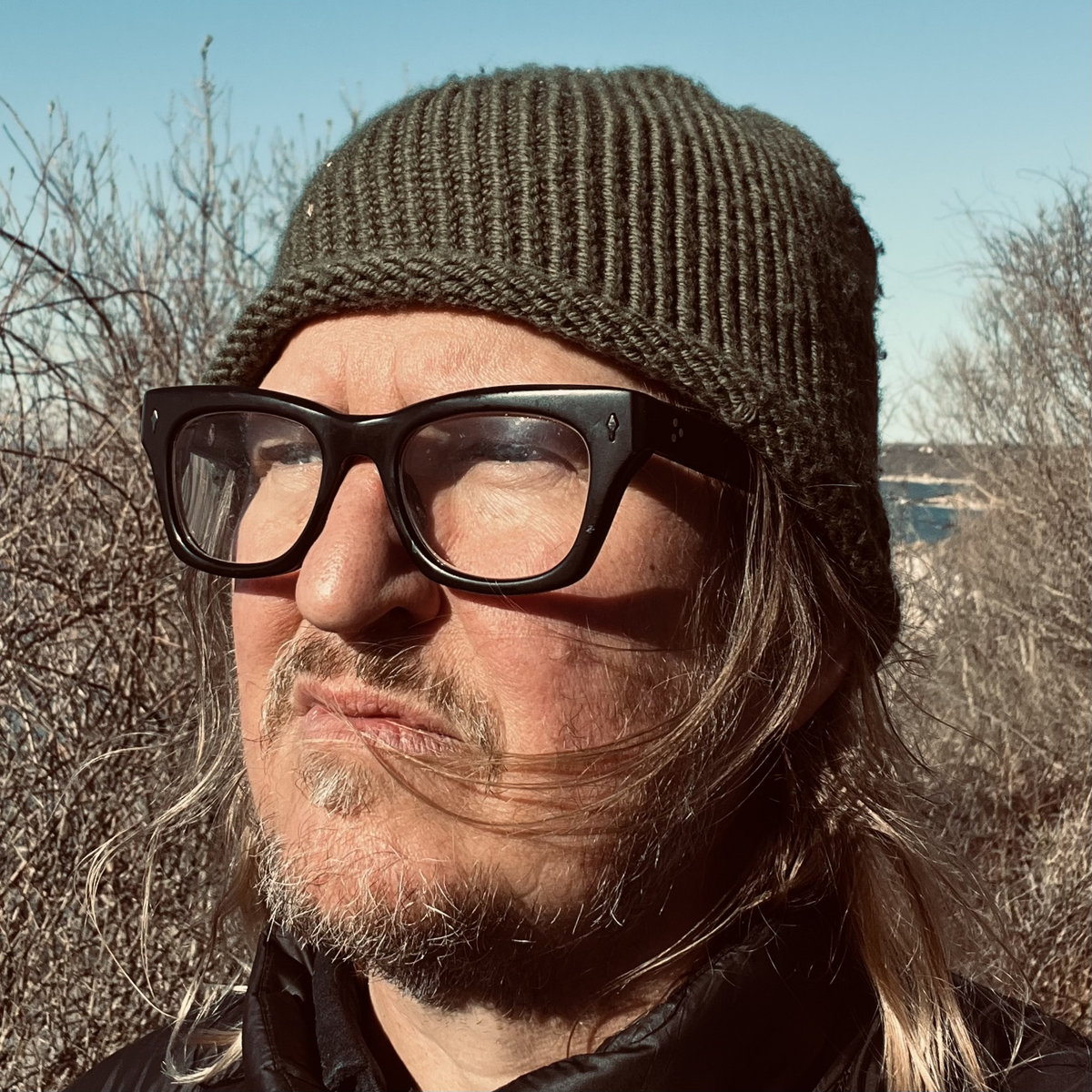

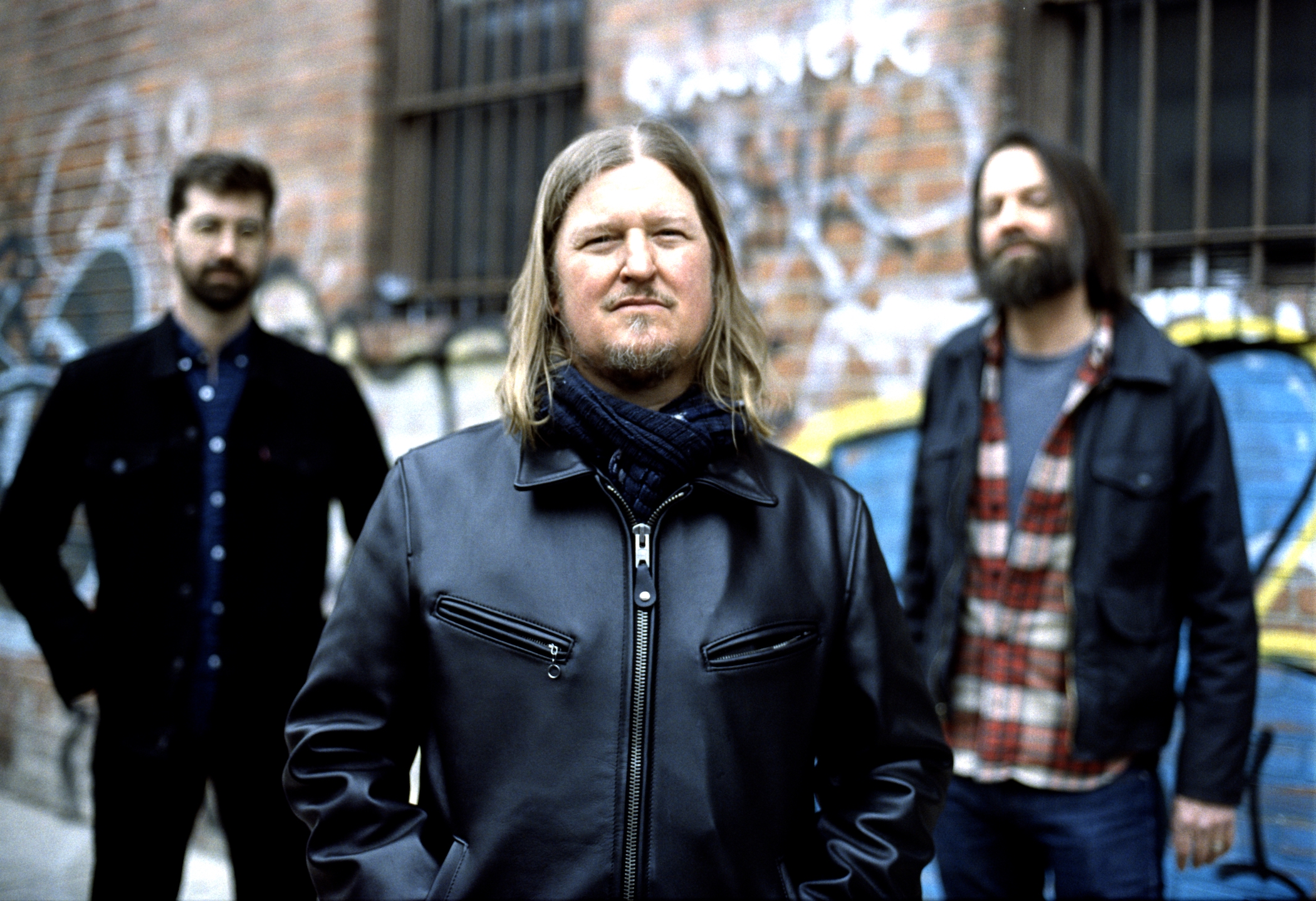


 The 11 Questions with… column returns with guitarist, songwriter Nick Kizrinis! He graciously answered these questions about his latest music projects. We want to publicly thank him for taking the time to answer these questions!
 The Distance demonstrates Kizirnis’ remarkable skill as a guitarist and a songwriter. Bridging musical spaces that make for an emotional listening experience, the record reveals lessons to be learned about the affairs of the heart. The collaborative process that Nick undertook allowed him to move past any limitations of his own perspective and voice and give flight to songs that drew stories about life, love, loss and the discontinuity of connection that is universal to all of us.
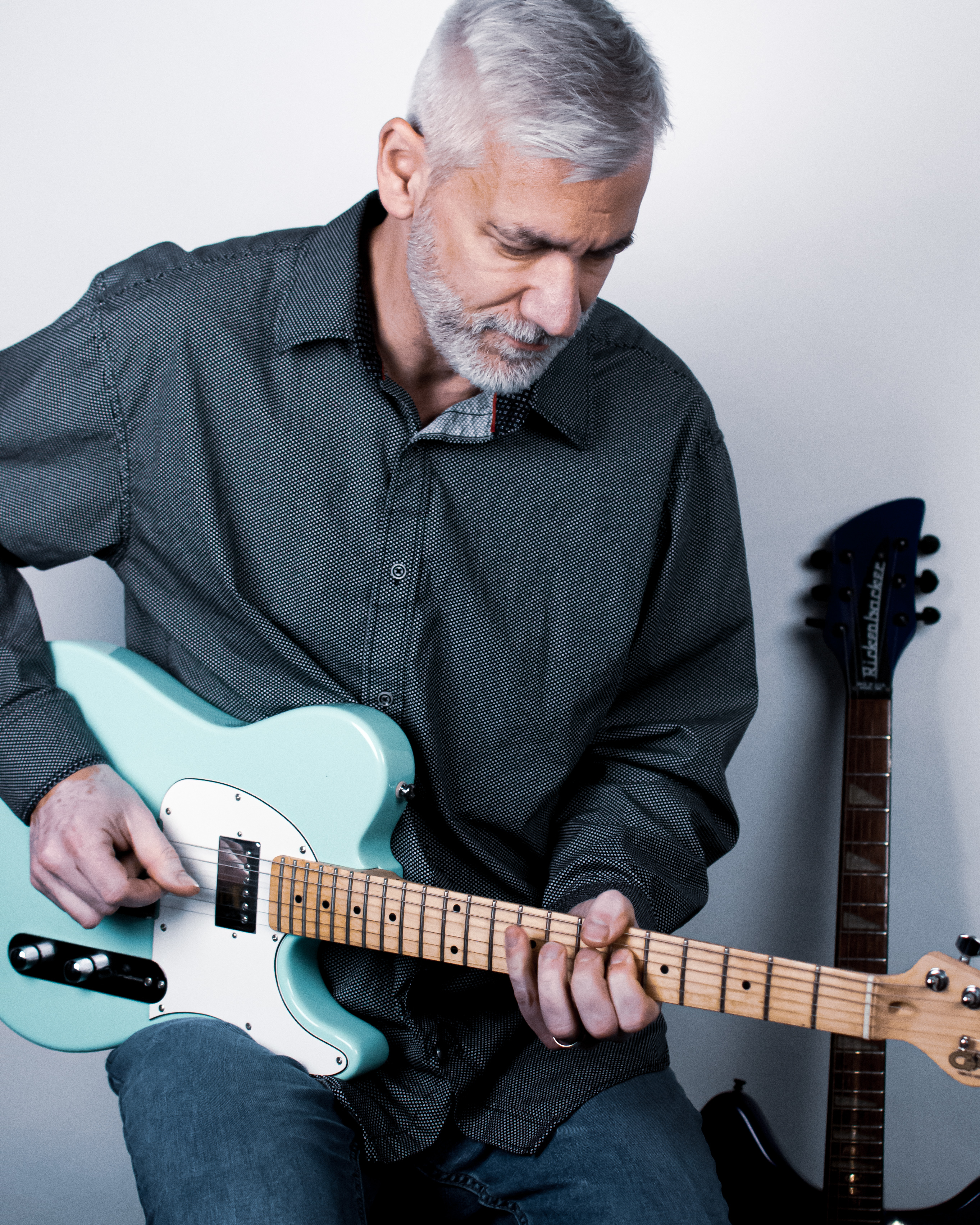 Nick Kizirnis (NK): I started writing the songs for the album back in 2016 as a challenge to myself to see if I actually could do it. I’d written a lot of songs before, but most of them were actually instrumentals.
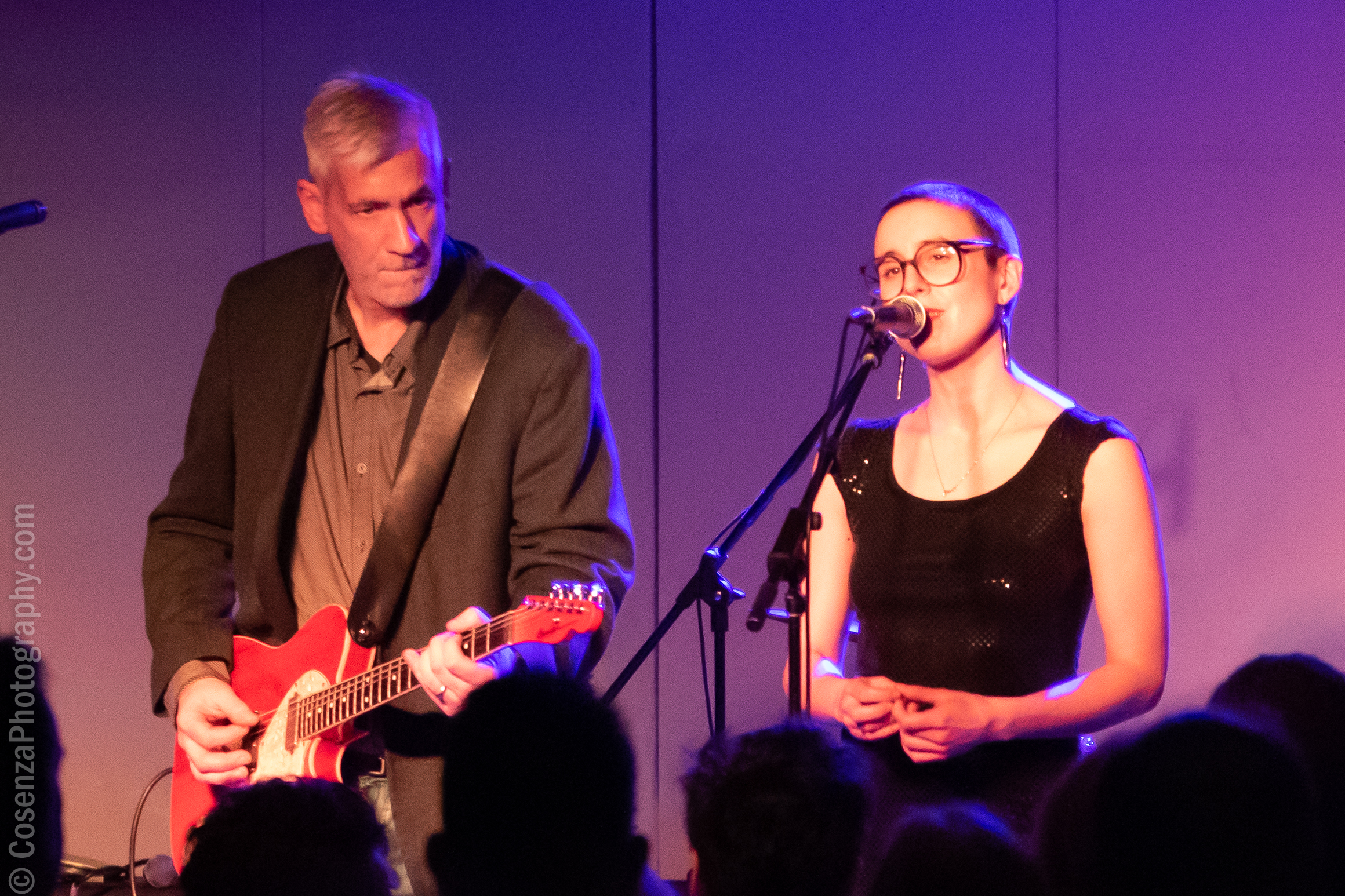 Dr. J: You worked closely with several local musicians, especially Kate Wakefield, what led to your collaborations? Can you discuss your partnership with Kate?
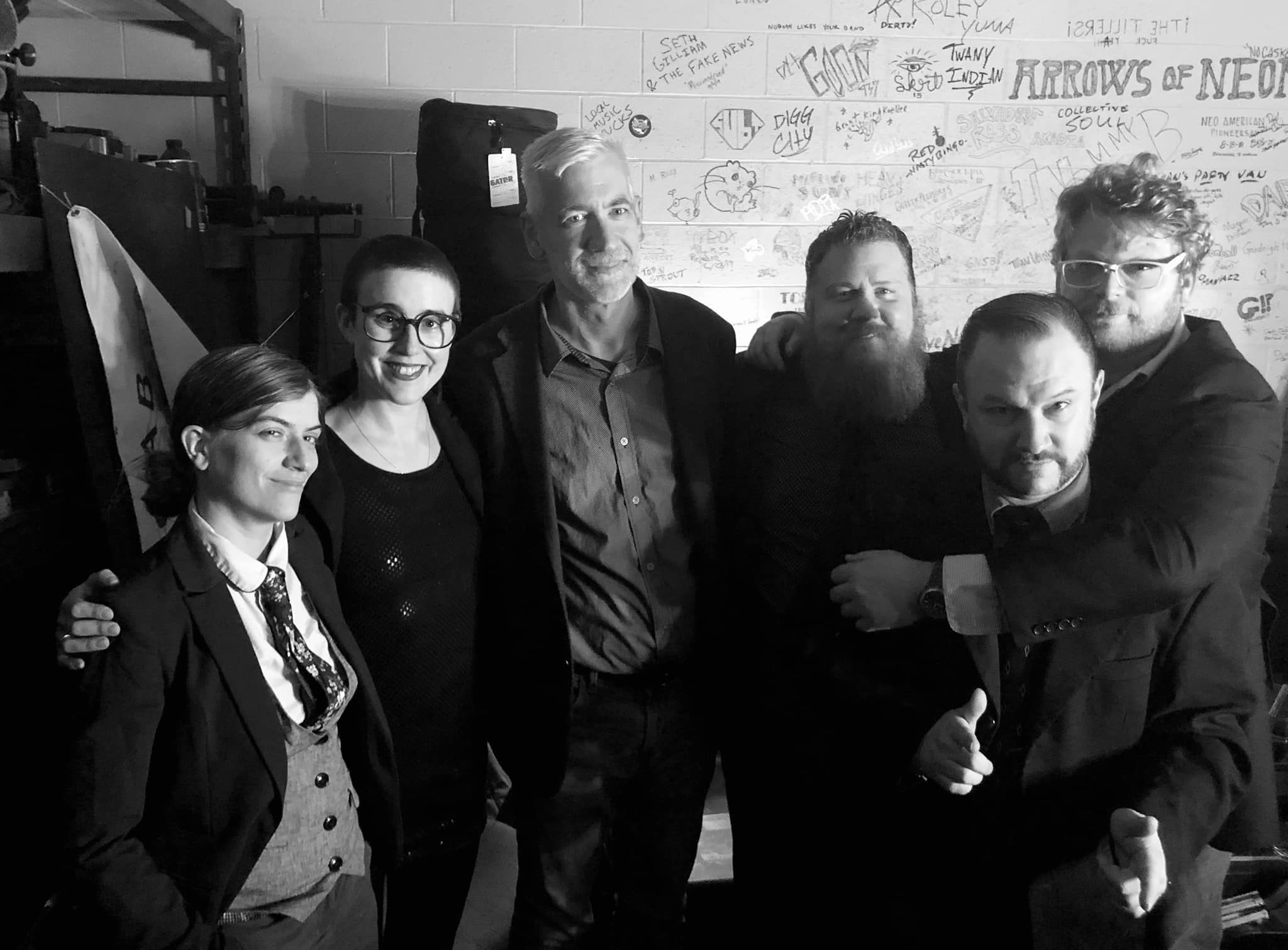 The band (or part of the band) would record a few songs, scheduled around Mark’s tours with Son Volt. Kate was also on tour with Lung during this time so she would record vocals and cellos separately. Between
 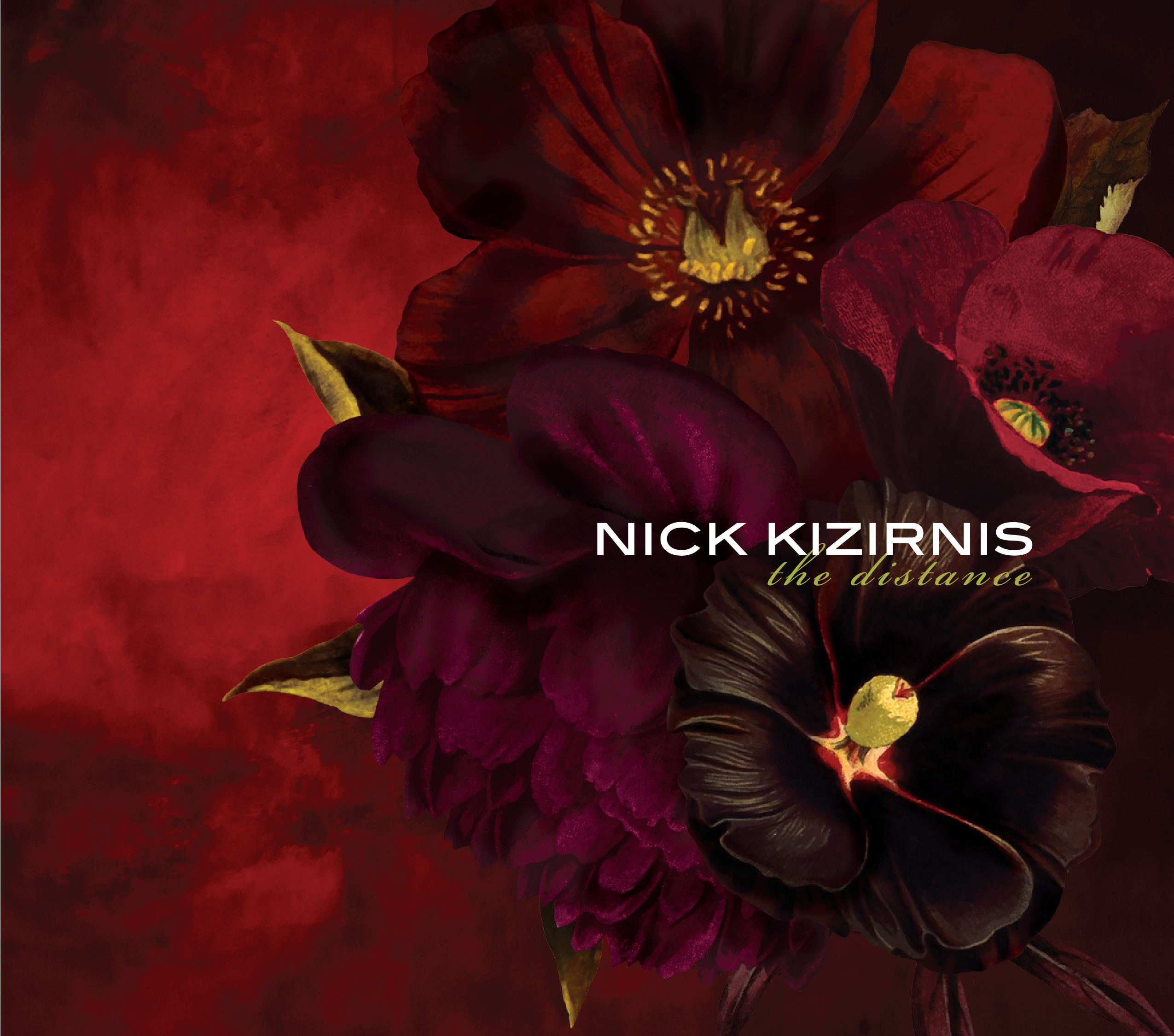 I want to mention here how amazing and generous everyone was, and how grateful I am for the help and support and their friendship. Patrick is an amazing multi-instrumentalist and studio magician and really know how to work with me through the process of making album. Mark taught me all about touring and running a band when I was a teenager, and through his years in Austin is this brilliant “song-writers drummer” … he helped coach me through the song arrangements and that alone was an amazing experience. Tod has been a friend and I’ve long admired his singing, playing and writing. Kate is my favorite singer in the world, and I think she’s an amazing cellist with a really unique voice and also a great songwriter. Then of course there is Joe who has been my friend and musical partner for years. Joe. The brilliance and “effortlessness” in his playing is so inspiring, and I feel very lucky to have played, recorded and travelled with him over the years.
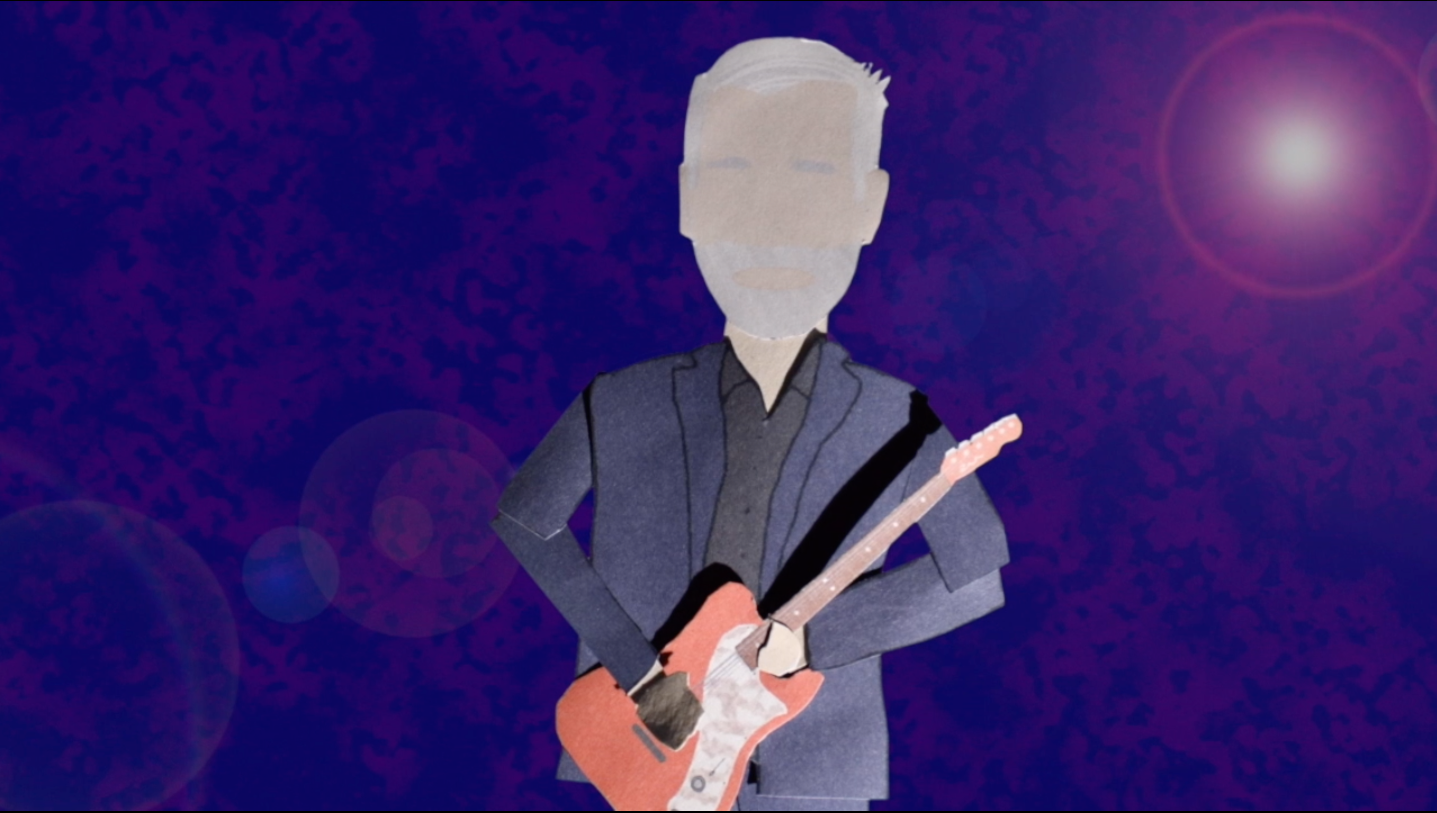 Dr. J:
 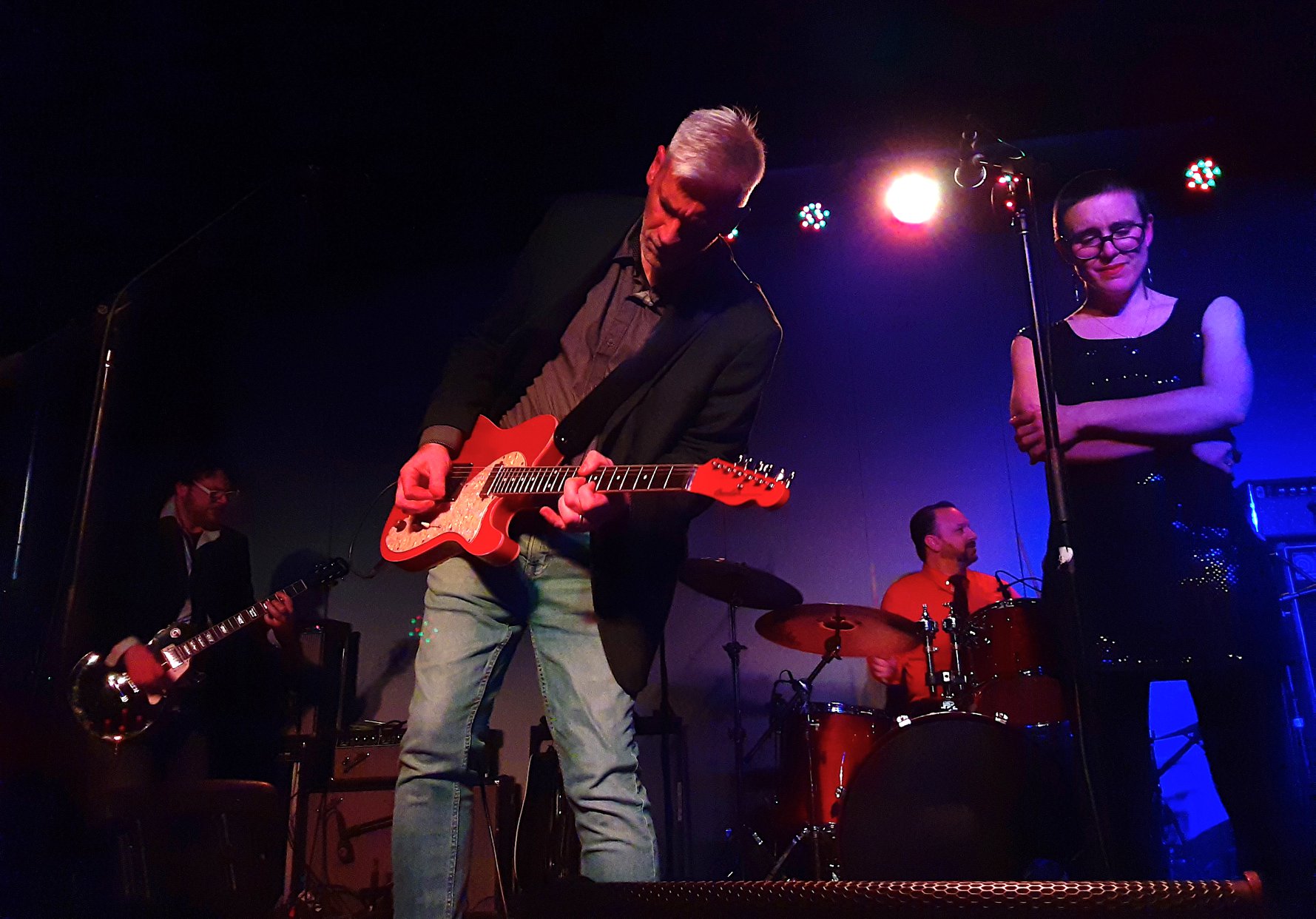 Dr. J: As a musician, how did you adapt to the challenges of the Coronavirus? Is that changing for your now as music events are opening up again?
 We want to extend our sincere gratitude to Nick Kizirnis for answering our questions and continuing to make some really excellent music! Click on the links throughout the article to visit Nick’s social media or to listen to various songs that were discussed! If any musicians or artists would like to participate in future ’11 Questions’ columns, please feel free to email us at drjytaa@gmail.com. All photos and images courtesy of Nick Kizirnis, Andy Valeri, Chris Cosenza and
  If you do not know the music of
 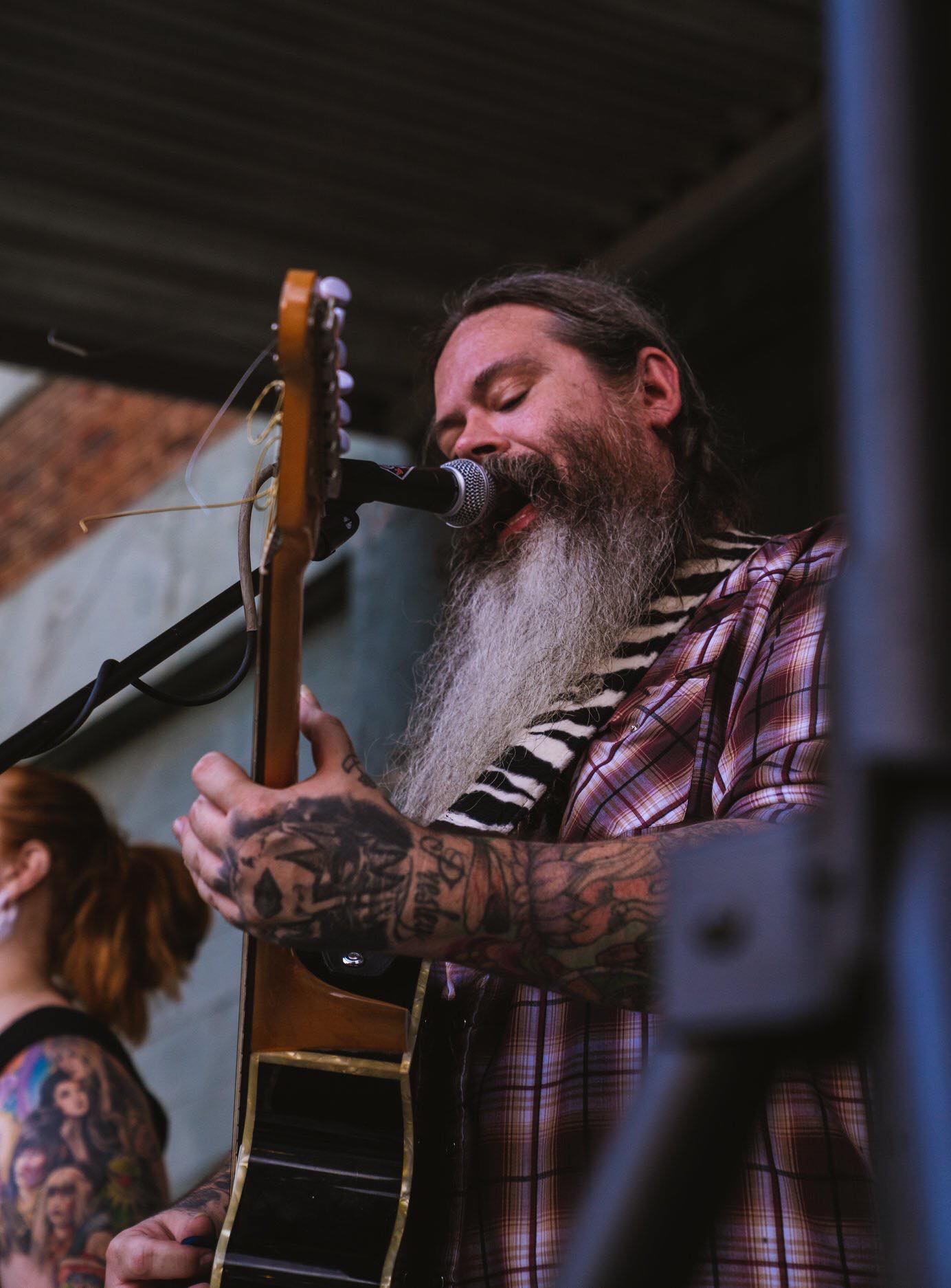 The latest Cricketbows album ‘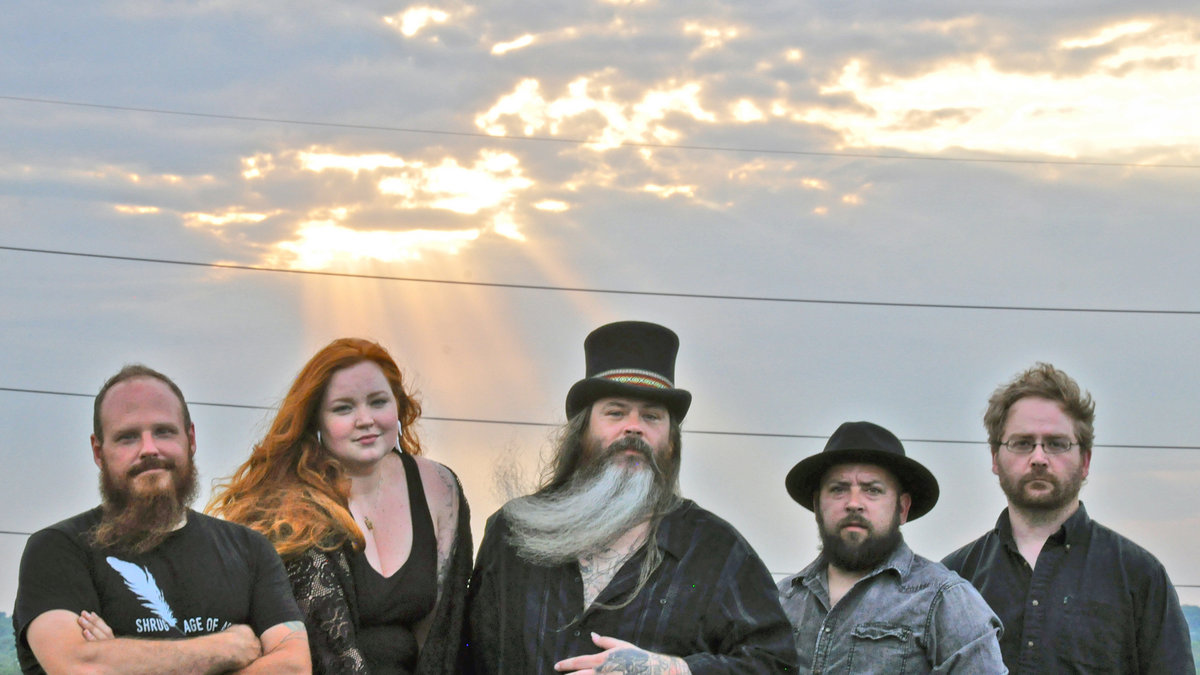
 CW: I definitely didn’t start with a list or motive to include all of those specific artists, songs or albums. I had the first line “I speak electric guitar, in fire orange and bright blue” which was a nod to the fact that Aarika and I both suffer from or are gifted with a bit of Synesthesia – a condition where sounds may be experienced in the brain as a color or shape or taste instead of just as sound. From there, I wanted to expand on that line in a direction that talked about how my mind works the way it does because I was raised in a world where Rock And Roll music was not just a backdrop to life, but was an important element of life. We weren’t religious really and we weren’t sports or military people. Everything that a so-called “normal” person might get from those family traditions and lifestyles, I got from Rock And Roll – so I tried to touch on some of the cornerstones and recurring images and symbols of that part of my upbringing. So I reference the “lightning” of “Elvis and Bowie and Frehley” as well as referring to The Beatles as the “Saints” I say prayers to along with nods to everything from Fats Domino to Pink Floyd.
 Dr. J: Where do you often derive inspiration to make music?
 CW: I have no idea how we’re going to move forward with a new record in the current state of the world. I hope that vaccines work and that we’re eventually able to be in a room together again. If not, it’s going to be some interesting home recording stuff. We have been playing around with some cover songs recorded remotely. We released a Black Crowes (“Good Friday”) cover back around the beginning of the Pandemic and lockdowns and it was pretty fun and interesting. We have a couple others in the can that we may or may not release. One is a cover of “I Think We’re Alone Now” that is pretty fun. Side projects are also a thing. Aarika and I do a couple different projects together that work well as far as remote recording and things like that – New Way Vendetta, a new-wave influenced electro-punk band and Wells & Watson – a darker Americana themed acoustic project. We have plans to release a bunch of stuff under a bunch of different names in the near future. As for Cricketbows, we’ll just be patient and see where it all goes.
 Jeffrey Dean Foster has been making music in a prestigious list of bands for quite some time: The Right Profile, The Carneys and
  ‘I’m Starting To Bleed’ channels an inner dialogue over how to combat cruelty and a loss of compassion. Like so many of us, Jeffrey Dean Foster watched the social protests following George Floyd’s murder and he felt the need to respond to the inhumanity and hostility of that senseless death. ‘I’m Starting To Bleed’ is a musical response to that loss. While wide-eyed and recognizing the challenge in creating change and reimagining healthy communities, the songs on this record move between an almost pastoral, agrarian feel to passionate Big Star and Kinks influenced rock and roll. Several of the songs, while hopeful, carry the weight of the difficult worlds we find ourselves challenged to change and remake.
 Dr. J: Where do you often derive inspiration to make music?
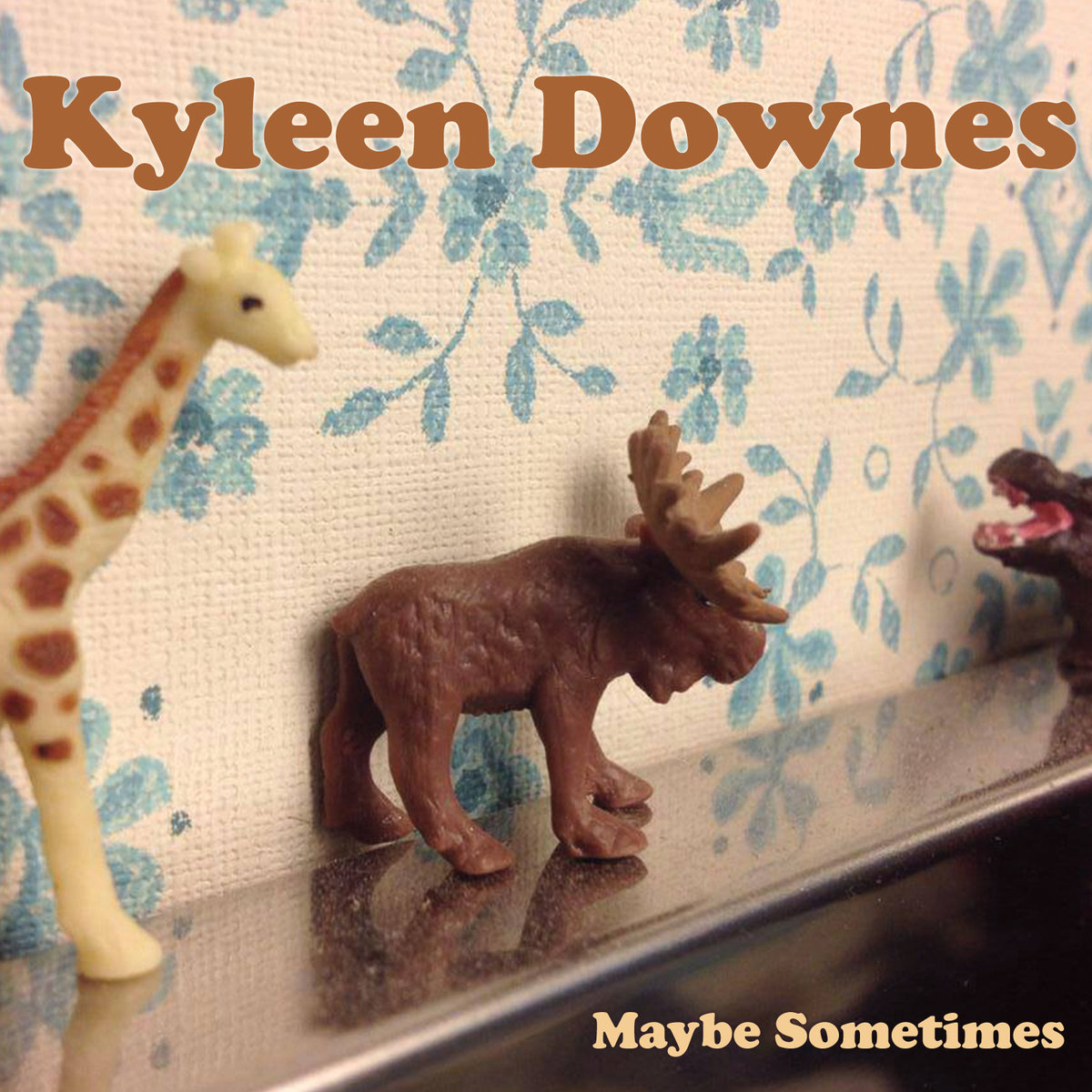 Kyleen has been making music since 2009 when she took inspiration from the social bond of those involved in the Dayton music community. This sense of attachment and commitment led to 2016’s ‘
 Kyleen’s next record in 2018 was the enthusiastic ‘
 Dr. J: What can you share with us about when and how you started writing your latest album
  Dr. J: Where do you often derive inspiration to make music?


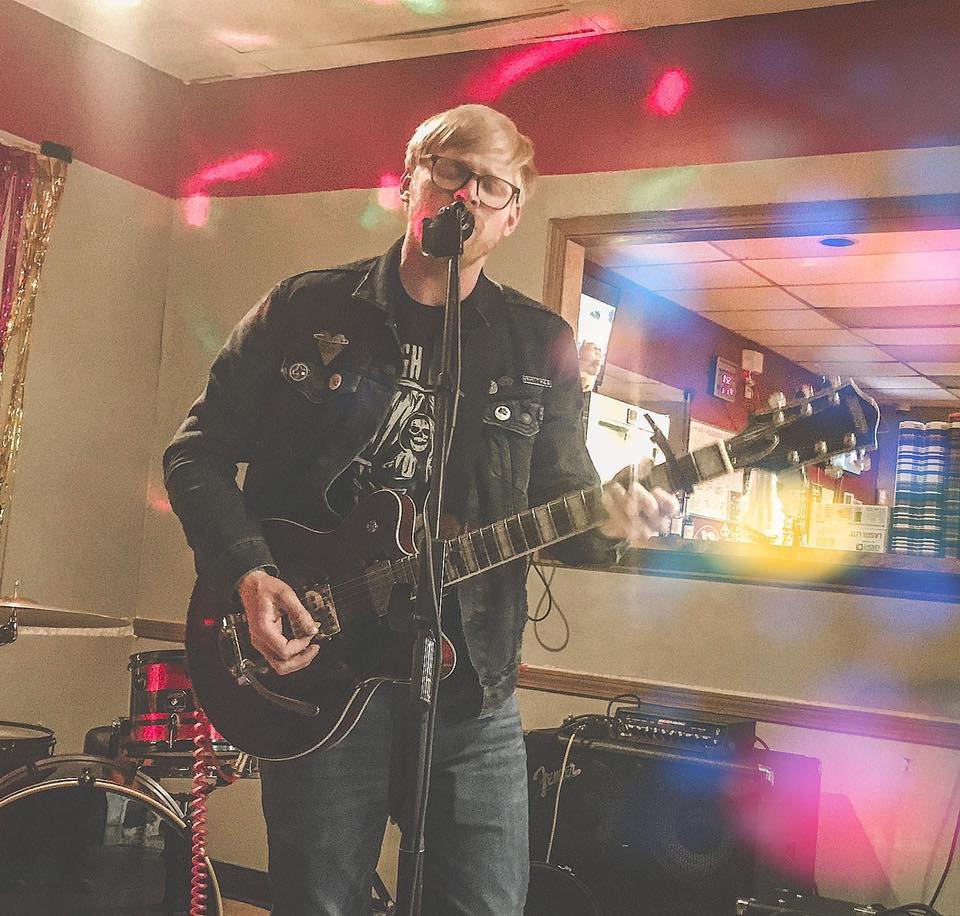


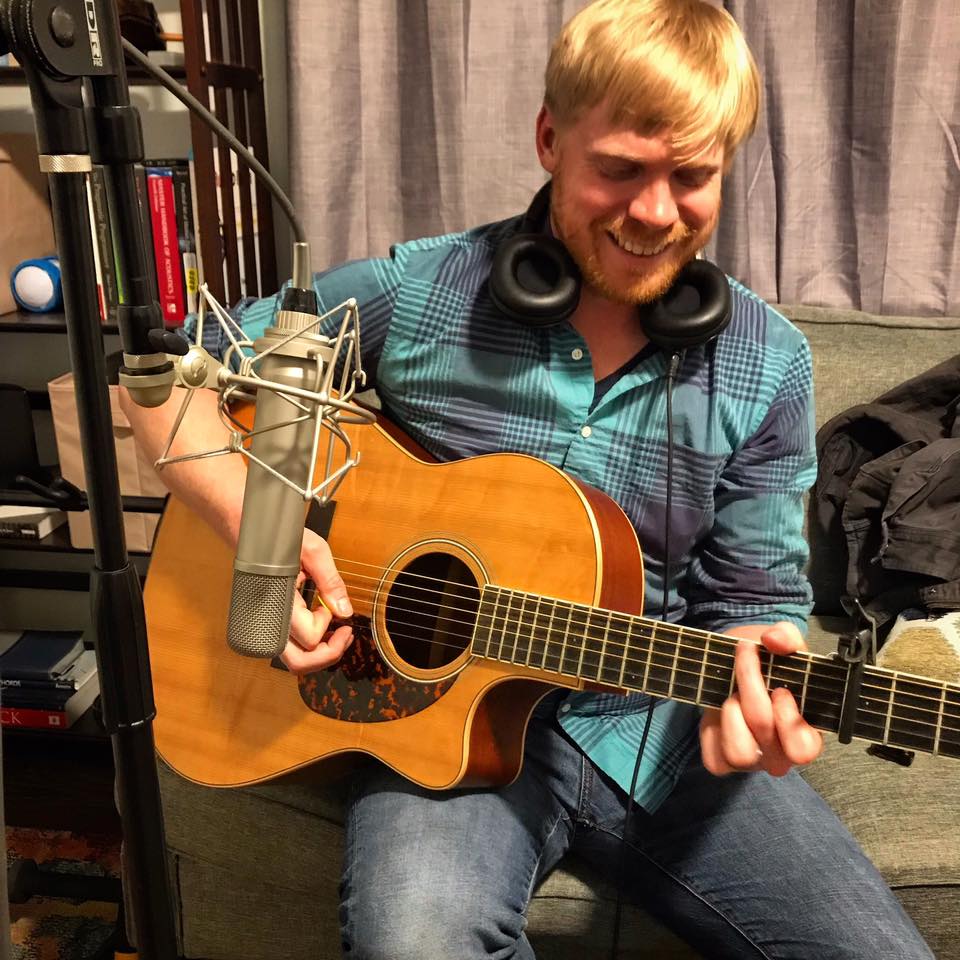

 The band has been incredibly active from 2005 – 2019, releasing several excellent Midwestern indie rock album including the fantastic On The Way to the Punchline, the powerfully inventive Woodpecker Paradise and the amazingly accessible and catchy, Disco Maroon. In a just musical world (do not hold your breath waiting!), Disco Maroon would have produced top 40 singles with ‘Hang Up’ and ‘My Little Crowd Pleaser.’
 Dr. J: What can you share with us about when and how you started writing the latest album Room Of The Year?
 so comfortable using without asking what it means to be so dependent. I am thinking Radiator One, Good To Know Your Axis and Freshman Zephyr lyrically raise questions about technology. Would you say that is accurate? What themes were you addressing?
 Dr. J: How would you describe the music that you typically create? How has that process evolved or changed over time (especially as you think about your journey from Attic Harvest to Serve A Thirsty Moon to Flame Verbatim and Room of the Year)?
 KM: Not playing shows has been a real bummer this year. First year since I started playing in bands in 1992 that I won’t do a single gig. But there’s always time to work on music and I’m grateful the four of us figured out how to work remotely to keep the ball moving. I miss “the Brothers,” but we did a Zoom call recently just to have a hang. That’s what band practice is like in 2020.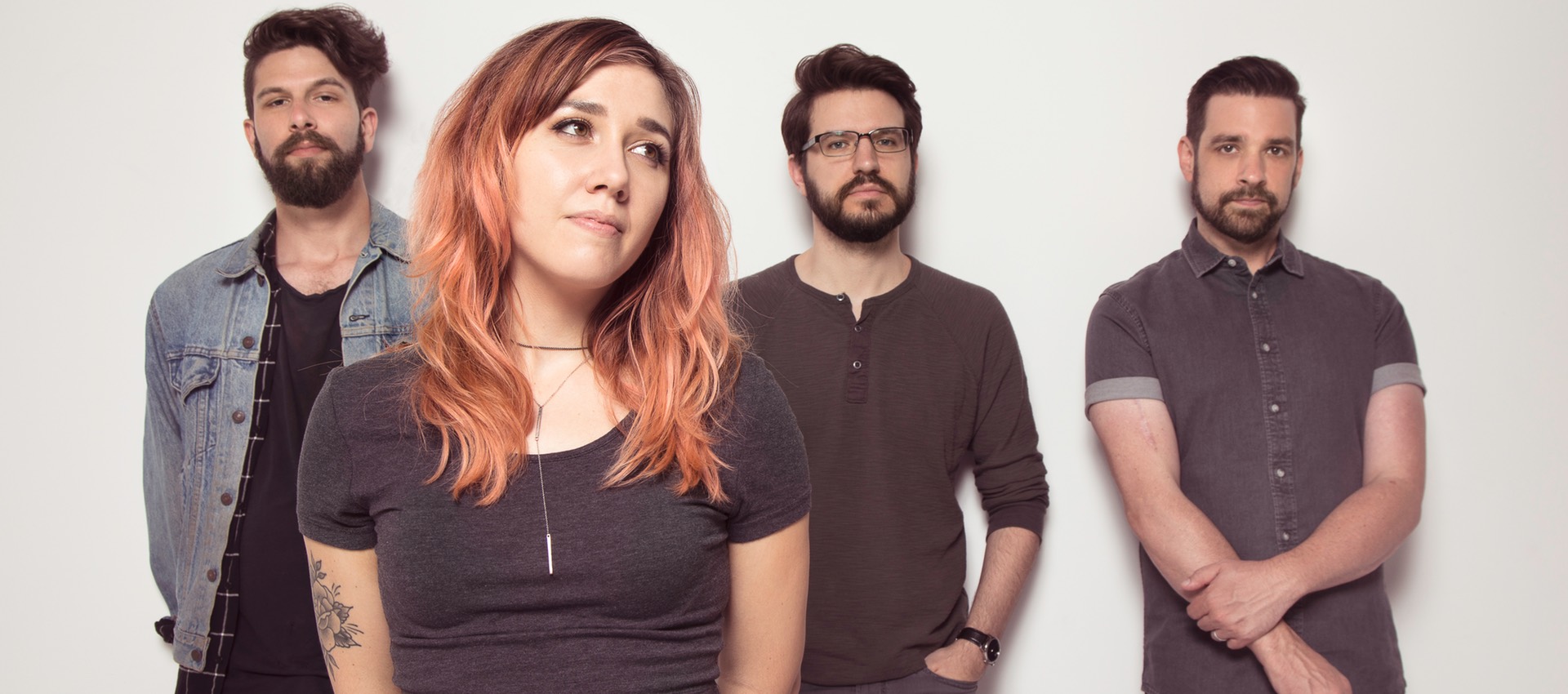

 Dr. J: What can you share with us about when and how you started writing your latest released song, “
 Dr. J: A previous song “
 Dr. J: How would you describe the music that you typically create? How has that process evolved or changed over time (especially as you think about your journey from the album “
 KW: I’m spending time working on myself. It’s leveled the playing field – No one can tour. We only have our songs now. I’m honing my craft and trying to elevate my work so it’s more than just noise. I think you have to practice being honest with yourself, and this is one of those difficult times when no one can really ‘look away’ we can only look at the problems we’ve created for ourselves as a society. I don’t like saying that we’re going to ‘get a lot of good art out of this (quarantine/the COVID crisis)’ because artists are under the same kind of pressure everyone else is, and our industry was collapsing years before COVID. Touring was one of the last ways musicians could make money. Artists can’t survive on streaming royalties- please directly support the artists that you like if you want them to continue making music. Between the death of album sales and now touring, we sure could use a break. I just want to survive this in more ways than one.
 your tuesday afternoon alternative